
Contents:

Want to work remotely? ➞ Master IT, design, or marketing. Join Telegram and take 5 online courses to get started in top digital professions.
Learn moreThis article will introduce you to the key aspects of the topic. We'll cover important points and provide useful information to help you better understand the subject. Learn more about the important details and get practical tips that will be useful in your work. Read on to stay up-to-date with valuable tips and insights.
- What kind of vegetable is broccoli?
- What are the benefits of broccoli?
- Can it be harmful?
- How to cook broccoli.
We've launched the "How Are You?" Telegram channel, where we discuss self-development, psychology, effective learning, and career building at any age in a convenient format. Join us to receive helpful tips and information that will help you grow and develop. Subscribe to our channel and stay up-to-date with current topics!
What kind of vegetable is broccoli?
Broccoli is a cruciferous vegetable that belongs to the cabbage family and is a close relative of kale, cauliflower, and Brussels sprouts. Broccoli cultivation dates back to ancient Rome, where it was given its Latin name, meaning "branch" or "arm." Broccoli is prized for its nutritional value and rich composition, including vitamins, minerals, and antioxidants. This vegetable is widely used in cooking and dietary nutrition due to its beneficial qualities and low calorie content. Proper cultivation and care of broccoli contribute to the production of a high-quality product that is popular with consumers.
The US Department of Agriculture conducted a study evaluating the nutritional value of broccoli. This vegetable is rich in vitamins, minerals, and antioxidants, making it an important part of a healthy diet. Broccoli contains high amounts of vitamin C, vitamin K, and folate, as well as fiber, which promotes digestive health. Regular consumption of broccoli can help strengthen the immune system and reduce the risk of chronic diseases. Due to its beneficial properties, broccoli is recommended to be included in the menu as often as possible to maximize its health benefits.
Emily Ho, chair emeritus and director of the Linus Pauling Institute at Oregon State University, described broccoli as a "multifunctional vegetable" in an interview with The New York Times. She noted that broccoli contains many beneficial substances that promote health. Broccoli's high rating is due to its rich composition, including vitamins, minerals, and antioxidants. These components can support the immune system, improve heart function, and help prevent chronic diseases. Broccoli is also known for its anti-inflammatory properties, which makes it an important element of a balanced diet.
What is the health benefit of broccoli?
Broccoli has many beneficial properties that make it an important element of the diet. This vegetable is rich in vitamins and minerals, such as vitamin C, vitamin K, folate, and potassium. Broccoli also contains antioxidants, which help protect cells from damage and reduce the risk of chronic disease.
Regular consumption of broccoli can support heart health, improve digestion, and strengthen the immune system. Thanks to its high fiber content, broccoli helps normalize blood sugar levels and helps manage weight.
Furthermore, broccoli has anti-inflammatory properties and may reduce the risk of cancer. Adding this vegetable to your daily diet is a great way to improve your overall health and increase energy levels.
Given all these benefits, broccoli is definitely worth including in your diet for maximum health benefits.
- Maintains gastrointestinal health. The fiber contained in broccoli helps beneficial bacteria maintain a dominant position, which affects the well-being of the “host” and bowel regularity [6].
- Normalizes sugar and cholesterol levels. Also thanks to fiber. It can slow down the absorption of nutrients. As a result, blood sugar and cholesterol levels rise gradually after a meal [6].
- Slows down cellular aging. Broccoli contains several antioxidants, including vitamins C and E, beta-carotene, and various flavonoids. Antioxidants help protect cells from damage caused by harmful free radicals and reduce the risk of chronic diseases. Sulforaphane in broccoli activates genes responsible for the production of its own antioxidants [6], [7], [8].
- Helps with weight management. Some of the fiber in broccoli is soluble. It can swell in the stomach, turn into a gel, and slow down gastric emptying. Therefore, if you eat broccoli as a side dish, the feeling of fullness lasts longer [9].
- Supports the immune system. Half a cup of cooked broccoli provides 84% of the daily requirement for vitamin C, a key nutrient for immune function [10]. In addition, compounds such as indole-3-carbinol and diindolylmethane, contained in broccoli, affect the immune system. They help regulate the immune response and reduce inflammation [6].
- Reduces the risk of dementia. Daily consumption of dark green vegetables, including broccoli, helps maintain memory and mental performance in the elderly. Kaempferol and sulforaphane, found in broccoli, protect nerve cells from damage and accelerate the restoration of brain tissue [11], [12], [13].
- Improves skin condition. Broccoli can enhance collagen production—more precisely, this is what vitamin C in the vegetable does. Collagen makes the skin youthful, elastic, and radiant. Broccoli's antioxidants also increase skin's resistance to UV damage [14], [15].
- Boosts bone health. Broccoli is rich in calcium, which is essential for strong bones. It also contains vitamin K, which helps bones absorb and use calcium. A diet rich in calcium and vitamin K has been shown to reduce the risk of osteoporosis [6], [16].
- Supports the heart. Due to its anti-inflammatory properties, broccoli may improve heart health. Research suggests that the fiber and potassium found in broccoli may reduce the risk of cardiovascular disease by lowering cholesterol levels and improving cardiovascular function [6], [17].
- Helps prevent cancer. Broccoli glucosinolates may be associated with a reduced risk of prostate, breast, lung, and colon cancer. These compounds have the potential to enhance the body's detoxification of carcinogens—substances that accelerate cell degeneration [5], [18].
- Removes harmful chemicals. Johns Hopkins University researchers, working with Chinese scientists, discovered that broccoli stimulates the body's elimination of certain air pollutants—airborne pollutants. A study involving nearly 300 Chinese adults showed that daily consumption of a broccoli sprout drink for three months helped increase the urinary excretion of two harmful chemicals—benzene and acrolein. They are also found in tobacco smoke and are considered potential carcinogens, that is, substances that increase the risk of cancer [19], [20].
Can broccoli be harmful?
Broccoli can contribute to increased gas and bloating, especially in people prone to flatulence or suffering from irritable bowel syndrome. This plant contains certain fibers and sugars that can cause intestinal discomfort. If you notice that eating broccoli causes discomfort, you should pay attention to your diet and perhaps limit your consumption of this vegetable.
Broccoli is one of the vegetables that contribute to gas formation, which is due to the content of raffinose. Raffinose is a carbohydrate consisting of three simple sugars: galactose, glucose, and fructose. This component is not digested in the small intestine and reaches the large intestine, where bacteria ferment it, releasing methane. It's also worth noting that broccoli is rich in sulfur-containing glucosinolates. When broken down in the intestine, these substances can form hydrogen sulfide, which causes a characteristic unpleasant odor. Given these characteristics, it's important to be aware of the potential discomfort when consuming broccoli, especially in large quantities.
Broccoli may be unsafe for people taking anticoagulant medications, as this vegetable contains high levels of vitamin K. Vitamin K plays an important role in blood clotting and can reduce the effectiveness of such medications, causing the opposite effect. Therefore, it is recommended to exercise caution and consult a doctor before including broccoli in your diet if you are on anticoagulant therapy.
People with thyroid conditions may want to limit their broccoli consumption because this cruciferous vegetable contains goitrogens. These substances contain a compound known as goitrin, which can interfere with the synthesis of thyroid hormones when there is a lack of iodine. Nutritionist Molly Hembree notes that cooking broccoli can reduce goitrogens and make the vegetable safe to eat. It is important to consider your individual health needs and consult with a doctor or nutritionist before changing your diet.
How to Cook Broccoli
Choose fresh broccoli with bright green florets that are tightly packed together. Pay attention to the smell: it should be pleasant but not too strong. This ensures the vegetable is fresh and of high quality. Choosing the right broccoli will not only ensure great taste but also maximum health benefits.
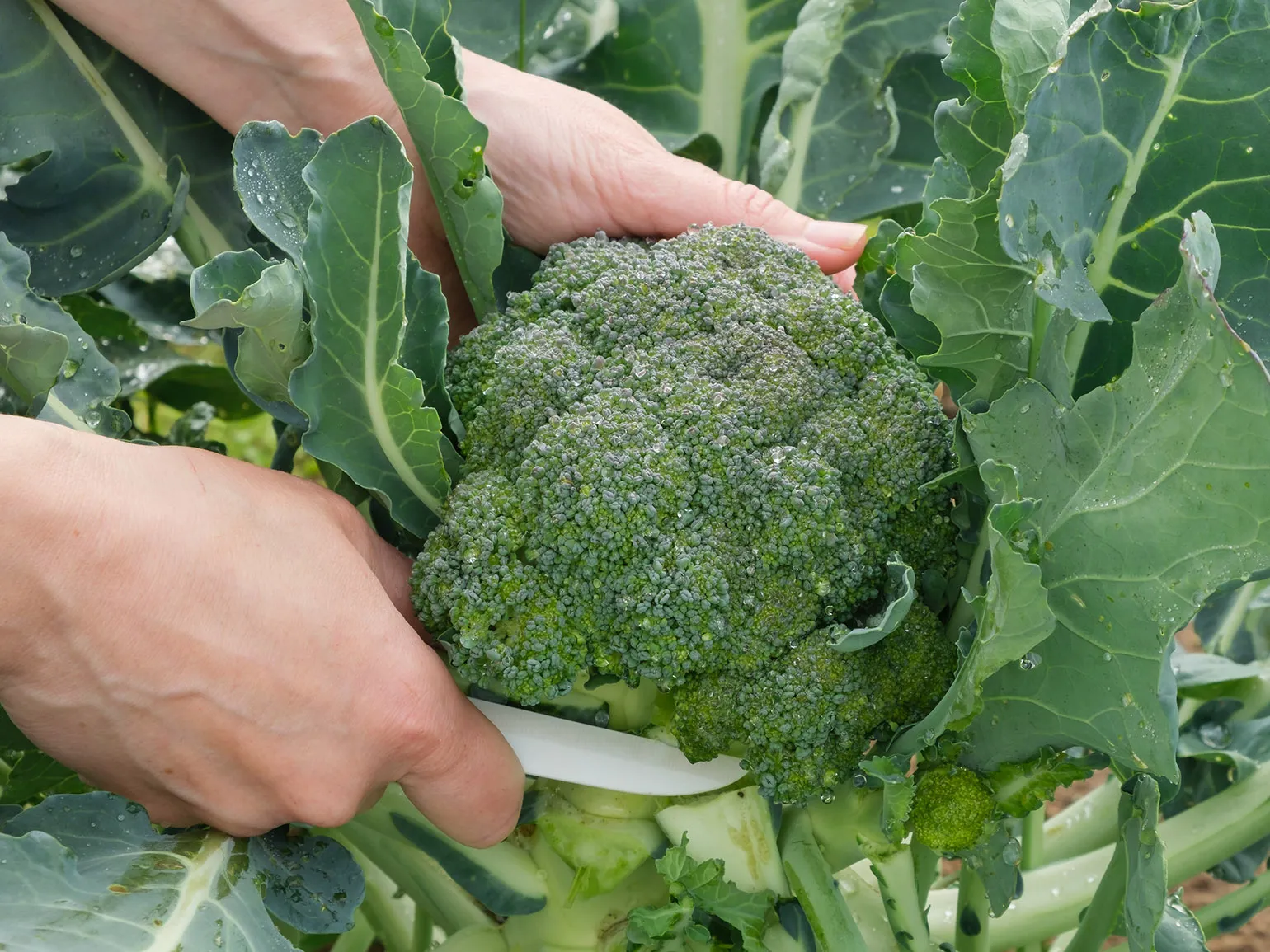
Don't wash fresh broccoli unless you plan to use it immediately. Place it in a loosely sealed plastic bag and refrigerate. Fresh broccoli is recommended to be consumed within 3-5 days. To preserve its nutritional value longer, store it deep in the refrigerator, away from fruits and vegetables that produce ethylene, such as apples and bananas. Ethylene accelerates the ripening of foods and can negatively impact the freshness of broccoli. Proper storage will preserve its nutrients and flavor for longer.
Stalled broccoli exhibits a number of characteristic signs. First, there's color change. Fresh broccoli is bright green, while stale broccoli may develop yellow or brown spots. Second, texture plays an important role: fresh broccoli is crisp and firm, while stale broccoli may be soft and wilted. It's also worth paying attention to the smell: fresh broccoli has a slight vegetable aroma, while stale broccoli may have an unpleasant or rotten smell. Finally, if broccoli develops black spots or slime, this also indicates that it is not fresh. Choosing fresh broccoli will ensure not only the best taste, but also the maximum nutritional value.
- rotten odor;
- yellowing florets;
- yellowed or brown spots on the top;
- wilted and yellowed stem;
- florets that bend or separate easily;
- curved stem, which may also have cracks;
- mold - fuzzy white or black spots [25].
For maximum sulforaphane intake, broccoli is recommended to be eaten raw. Heat treatment partially inactivates myrosinase, the enzyme necessary for the conversion of glucoraphanin to active sulforaphane. However, even cooked broccoli can still provide our body with sulforaphane, as a small amount of myrosinase remains in the small intestine. Eating broccoli raw can significantly increase levels of this beneficial compound, making it a valuable food for maintaining health.
Broccoli can be prepared in a variety of ways, preserving its beneficial properties and rich flavor. One of the most popular methods is boiling. To do this, cut the broccoli into florets, drop them into boiling salted water, and cook for about 3-5 minutes until tender.
Another option is baking. Preheat the oven to 200 degrees Celsius, chop the broccoli, toss with olive oil, salt, and pepper, and then roast for 15-20 minutes until golden brown.
Broccoli can also be steamed, which helps preserve the maximum amount of vitamins. To do this, use a steamer or a pan with a rack and cook for about 5-7 minutes.
Another popular method is frying. Heat a frying pan with a little oil, add the broccoli florets, and fry over medium heat for 5-10 minutes, stirring occasionally. This will give the vegetable an appetizing texture and vibrant flavor.
Broccoli goes well with various sauces, such as soy, garlic, or lemon, and can also be added to salads, soups, and casseroles. Try different recipes to find the perfect way to cook broccoli that suits you.
- In the air fryer - it will turn out crispy.
- With hummus - seasoned with tahini or guacamole.
- With meat - adding to roasts, soups, stews.
- In a blender - mixing raw or frozen broccoli with smoothies.
- In salads and sauces - as an "invisible" ingredient, finely chopped or pureed [30].
In conclusion, we present an interesting solution from Australia for those who are not a fan of broccoli, but strive to maintain a healthy lifestyle. The country's national science agency has developed a unique broccoli powder. A skilled barista attracted the attention of internet users by adding this powder to a latte and creating a new drink called "Broccolatte". Broccoli coffee has quickly gained popularity among Australians. By adding just two tablespoons of broccoli powder to your latte, you essentially get one full serving of this healthy vegetable. Thus, a "broccolatte" becomes a great way to enrich your diet with nutrients without giving up your favorite beverages.
Information sources play a key role in building knowledge and understanding of various topics. They can be either primary or secondary, depending on how close they are to the source material. Primary sources include original research, interviews, statistical data, and archival documents. Secondary sources, such as research articles, books, and analytical reviews, are based on the interpretation of primary materials.
When using sources, it is important to consider their credibility and currency. Reliable information sources contribute to the creation of quality content and provide readers with accurate data. In the digital age, access to information has become easier, but the risk of encountering unreliable data has also increased. Therefore, critical analysis of sources becomes an essential skill for creating quality content.
Following these principles will not only improve the quality of your content but also increase its visibility in search engines, which is an important aspect of SEO.
Broccoli: Health Benefits and Effects
Broccoli is not only a popular vegetable but also a real health boon. This green superfood is rich in vitamins, minerals, and antioxidants. It is an excellent source of vitamin C, vitamin K, and folate, making it an important part of a balanced diet.
Regular consumption of broccoli has been associated with many potential health benefits. Research suggests that broccoli may help reduce the risk of chronic diseases, such as cardiovascular disease and certain types of cancer. Thanks to its anti-inflammatory properties, this vegetable helps strengthen the immune system and improve overall well-being.
Broccoli is also low in calories, making it ideal for those watching their weight. It can be used in a variety of recipes, from salads to casseroles, making it easy to integrate into your daily diet.
Therefore, broccoli is not only a delicious vegetable but also an incredibly healthy one, worth regularly including in your menu to maintain health and prevent disease.
Wu X., Zhao Y., Haytowitz D. B., Chen P., and Pehrsson P. R. investigate the effect of home cooking on the flavonoid content of broccoli and calculate retention coefficients. A 2019 article published in the journal Heliyon examines changes in flavonoid composition with different cooking methods for broccoli. The study highlights the importance of cooking methods in preserving the beneficial properties of vegetables. DOI: 10.1016/j.heliyon.2019.e01310.
Broccoli, or broccoli cabbage, is a cruciferous vegetable. This green vegetable is known for its nutritional properties and numerous health benefits. Broccoli is rich in vitamins, minerals, and antioxidants, making it a valuable component of a healthy diet. Eating broccoli may help improve the immune system, lower cholesterol, and support heart health. Additionally, broccoli contains fiber, which is beneficial for digestion. Including broccoli in your daily diet may help prevent various diseases, including certain types of cancer. To maximize the benefits of broccoli, steam it or eat it raw. This vegetable makes a wonderful addition to salads, side dishes, and main courses.
Raw Broccoli: Information from the USDA. Broccoli is a nutritious vegetable rich in vitamins and minerals. This product is often used in dietary meals due to its low calorie content and high fiber content. Raw broccoli retains all its beneficial properties, including antioxidants, which help strengthen the immune system and prevent chronic diseases. The USDA broccoli information is a reliable source of nutritional information and composition of this healthy vegetable.
Broccoli has many beneficial properties that can only be obtained from the product itself, not from dietary supplements. Research shows that regular consumption of broccoli promotes better health due to its high content of vitamins, minerals, and antioxidants. This vegetable helps strengthen the immune system, supports heart health, and reduces the risk of chronic diseases. To maximize the benefits of broccoli, it is recommended to include it in your diet fresh, cooked, or baked. Broccoli food is not only healthy but also delicious, making it an excellent choice for maintaining health.
Broccoli: A Multifunctional Vegetable for Health. This review discusses its nutritional properties, antimicrobial abilities and anti-inflammatory characteristics. The study by Syed R. U., Moni S. S. and other authors was published in the journal Antibiotics in 2023 (Volume 12, Issue 7, Article 1157). DOI: 10.3390/antibiotics12071157. Broccoli is a valuable source of vitamins and minerals, and also has unique properties that help strengthen the immune system and fight inflammation. This vegetable is recommended to be included in the diet to maintain health and prevent various diseases.
Daniel M. and Tollefsbol T. O. in their article "Epigenetic Links between Aging, Cancer and Nutrition", published in the Journal of Experimental Biology in 2015, examine the influence of epigenetic factors on the processes of aging and cancer development. This article highlights the importance of diet as a key element in driving changes in epigenetic mechanisms, which in turn may impact health and longevity. The study focuses on how epigenetic changes may be linked to tumor formation and aging, making it relevant for studying the relationship between diet and disease development. DOI: 10.1242/jeb.107110.
Expanding a list is a feature that allows the user to see all the items in a list, which are usually initially hidden. This feature significantly simplifies the perception of information, as it allows one to focus on the relevant data. Expanding a list can be useful in various contexts, such as web design, user interfaces, and information presentations. Proper implementation of this feature improves the user experience, allowing them to easily navigate the content and find the information they need. Using well-structured lists makes content more accessible and easier to read, which in turn has a positive impact on SEO optimization.
Kong Y., Trabucco S. E., and Zhang H. in their work "Oxidative Stress, Mitochondrial Dysfunction, and the Mitochondrial Theory of Aging" examine important aspects of aging related to oxidative stress and mitochondrial function. The study, published in the collection "Interdisciplinary Topics in Gerontology and Geriatrics" in 2014, analyzes the role of mitochondria in the aging process and their impact on human health. The authors emphasize that mitochondrial dysfunction can lead to oxidative stress, which, in turn, aggravates the aging process and develops various age-related diseases. This work represents an important contribution to our understanding of the mechanisms of aging and may be useful for researchers in the fields of gerontology and geriatrics. DOI: 10.1159/000358901.
Barber T. M., Kabisch S., Pfeiffer A. F. H., and Weickert M. O. discussed the important health benefits of dietary fiber in their study. In an article published in the journal Nutrients in 2020, the authors highlight how fiber consumption can positively impact human health. Dietary fiber is associated with improved digestion, lower cholesterol levels, and healthy weight maintenance. Importantly, increasing fiber intake can prevent numerous diseases, including diabetes and cardiovascular disease. Thus, the study highlights the need to include adequate dietary fiber in the diet to maintain overall health and well-being. Link to the article: DOI: 10.3390/nu12103209.
Carr A. and Maggini S. explore the effects of vitamin C on immune function in their article published in the journal Nutrients in 2017. The work, numbered 9(11), presents 1211 pages with unique data on the role of vitamin C in maintaining a healthy immune system. DOI: 10.3390/nu9111211. Vitamin C is known for its antioxidant properties and its importance in the formation of immune cells. This article provides valuable information for nutrition and medical professionals by highlighting the importance of vitamin C for optimal immune system function.
Morris M. C., Wang Y., Barnes L. L., Bennett D. A., Dawson-Hughes B., and Booth S. L. conducted a study examining the association between nutrients and bioactive components in green leafy vegetables and cognitive decline. The study was published in Neurology in 2017 (Volume 90, Issue 3). DOI: 10.1212/wnl.0000000000004815. This study highlights the importance of including green leafy vegetables in the diet to support cognitive health and prevent age-related mental decline. Yu, L., Chen, C., Wang, L., Kuang, X., Liu, K., Zhang, H., and Du, J., investigate the neuroprotective effect of quercetin glycosides on brain injury and neuroinflammation, showing that they suppress NF-κB and STAT3 activation in transient focal stroke. This work was published in PLoS ONE in 2013, Volume 8, Issue 2, article e55839. DOI: 10.1371/journal.pone.0055839. The study highlights the importance of quercetin as a potential therapeutic agent for protecting neural tissue and reducing brain inflammation, which may have significant implications for the treatment of stroke and other neurological diseases. Sun B., Zhang X., Yin Y., Sun H., Ge H., and Li W. investigated the effects of sulforaphane and vitamin E on cognitive impairment and oxidative stress in the hippocampus of mice exposed to lead during lactation. The results were published in the Journal of Trace Elements in Medicine and Biology in 2017, volume 44, pages 88–92. DOI: 10.1016/j.jtemb.2017.06.004. This study highlights the importance of antioxidants in protecting neurons from toxic-induced damage, which may have significant implications for understanding the mechanisms of cognitive impairment in highly polluted environments.
Wang K., Jiang H., Li W., Qiang M., Dong T., and Li H. investigate the role of vitamin C in the treatment of skin diseases. In a 2018 article published in Frontiers in Physiology, the authors highlight the importance of vitamin C for skin health. Vitamin C has antioxidant properties, promotes wound healing, and improves overall skin health, making it a key element in the treatment of various dermatological conditions. DOI: 10.3389/fphys.2018.00819.
Dinkova-Kostova, A. T., Jenkins, S. N., Fahey, J. W., Ye, L., Wehage, S. L., Liby, K. T., Stephenson, K. K., Wade, K. L., and Talalay, P. conducted a study demonstrating the protective properties of sulforaphane-containing broccoli extracts against UV-induced skin carcinogenesis in high-risk SKH-1 mice. The results of the study were published in Cancer Letters in 2005, including volume 240, issue 2, pages 243–252. DOI: 10.1016/j.canlet.2005.09.012. The study highlights the importance of sulforaphane as a potential skin protector against the harmful effects of ultraviolet rays, making it relevant for the prevention of skin cancer.
Martiniakova M., Babikova M., Mondockova V., Blahova J., Kovacova V., and Omelka R. investigate the role of macro- and micronutrients, as well as flavonoid polyphenols, in the prevention and treatment of osteoporosis. In a paper published in Nutrients in 2022, issue 14, article 523, the authors emphasize the importance of a balanced diet for maintaining bone health. DOI: 10.3390/nu14030523.
Blekkenhorst L. C., Bondonno C. P., Lewis J. R., Woodman R. J., Devine A., Bondonno N. P., Lim W. H., Zhu K., Beilin L. J., Thompson P. L., Prince R. L., and Hodgson J. M. conducted a study that showed that consumption of cruciferous and other vegetables is associated with a decrease in the level of subclinical atherosclerosis in older women. This work was published in the Journal of the American Heart Association in 2018 (Volume 7, Number 8). DOI: 10.1161/jaha.117.008391. The study highlights the importance of vegetables in the diet, especially for older adults, and their potential impact on cardiovascular health. Clarke J. D., Hsu A., Riedl K., Bella D., Schwartz S. J., Stevens J. F., and Ho E. conducted a study examining the bioavailability and interconversion of sulforaphane and erucin in people consuming broccoli and broccoli-based supplements. The study was conducted in a crossover design and published in the journal Pharmacological Research in 2011. The article examines the effects of these compounds, their absorption, and their impact on health. DOI: 10.1016/j.phrs.2011.07.005.
Egner P. A., Chen J., Zarth A. T., Ng D. K., Wang J., Kensler K. H., Jacobson L. P., Muñoz A., Johnson J. L., Groopman J. D., Fahey J. W., Talalay P., Zhu J., Chen T., Qian G., Carmella S. G., Hecht S. S., and Kensler T. W. conducted a study on the rapid and sustained detoxification of air pollutants using a broccoli drink. The results of a randomized clinical trial in China were published in the journal Cancer Prevention Research in 2014. The article (Volume 7, Issue 8, Pages 813–823) discusses the benefits of drinking broccoli drink for cancer prevention and health improvement, highlighting the importance of plant-based foods in the diet. DOI: 10.1158/1940-6207.capr-14-0103.
Cozma-Petruţ A., Loghin F., Miere D., and Dumitraşcu D. L. in the article “Diet in Irritable Bowel Syndrome: What to Recommend, Not What to Forbid, for Patients!” examine the importance of proper nutrition for people with this syndrome. The publication, presented in the World Journal of Gastroenterology in 2017, highlights the need for dietary recommendations that can improve patients’ quality of life, rather than focusing on restrictions. The study focuses on how certain foods can help alleviate symptoms, making it useful for gastroenterology and dietetics professionals. DOI: 10.3748/wjg.v23.i21.3771.Topchiy T. B., Ardatskaya M. D., and Ardatskaya L. I. present a manual for physicians, "Abdominal Bloating in Clinical Practice," published in Moscow in 2021. This 44-page publication offers up-to-date information on the diagnosis and treatment of this condition, making it a useful resource for medical professionals. Understanding the causes and mechanisms of bloating is essential for effective patient care, which is especially relevant in today's healthcare environment. The manual examines clinical cases and methods that allow physicians to quickly and accurately identify possible causes of this symptom.
Violi F., Lip G. Y., Pignatelli P., and Pastori D. investigated the interaction between dietary vitamin K intake and the anticoagulant effect of vitamin K antagonist anticoagulants. Their work, published in the journal Medicine in 2016, highlights the importance of understanding the influence of diet on the effectiveness of anticoagulant therapy. The study (DOI: 10.1097/md.00000000000002895) provides valuable data for healthcare professionals treating patients receiving anticoagulants and emphasizes the need to monitor dietary vitamin K intake to optimize therapeutic outcomes.
Bajaj J.K., Salwan P., Salwan S. in their article "Various possible toxicants involved in thyroid dysfunction: a review" examine various toxicants that can cause thyroid dysfunction. The publication, published in the Journal of Clinical and Diagnostic Research in 2016, provides an extensive review of possible chemicals that affect thyroid health. The article highlights the importance of studying toxic substances and their effects on the endocrine system, which can have serious consequences for human health. DOI: 10.7860/JCDR/2016/15195.7092.
Eating broccoli can have not only positive but also some unexpected side effects that are worth knowing. Research shows that broccoli, while a rich source of vitamins and minerals, can also cause certain reactions in some people. For example, excess broccoli consumption can lead to gas and abdominal discomfort due to its high fiber content. Furthermore, people with certain thyroid conditions may be at risk of thyroid dysfunction.
However, this does not negate the beneficial properties of broccoli, such as antioxidant properties and immune system support. To minimize potential negative effects, moderate broccoli consumption and a varied diet are recommended. It is also important to consider individual characteristics and consult a doctor if any adverse reactions occur. Broccoli remains a valuable health food if eaten wisely.
To determine if broccoli has gone bad, pay attention to its color and texture. Fresh broccoli has bright green florets and crisp, crisp florets. If you notice yellow or brown spots, this may indicate that the vegetable is starting to spoil. It's also worth paying attention to the smell: fresh broccoli has a light, pleasant aroma, while spoiled broccoli may have an unpleasant odor.
To keep broccoli fresh longer, it's important to store it properly. It's best to refrigerate it, wrapped in a plastic bag or in a ventilated container. This will help retain moisture and prevent it from drying out. Washing broccoli before storing is not recommended, as this can accelerate spoilage. If you want to preserve broccoli for a long time, consider freezing. Before freezing, it should be boiled for a few minutes, then quickly cooled and placed in a freezer bag. This way, you can enjoy fresh broccoli even in the depths of winter. Tipu, M. M. H., and Sherif, S. M., in their article "Ethylene and its Interactions with Hormonal Pathways in Fruit Ripening: Mechanisms, Modification, and Commercial Uses," discuss the key role of ethylene in the fruit ripening process. The study, published in Frontiers in Plant Science in 2024, highlights the mechanisms of ethylene action and its interactions with other hormones, as well as the potential for applying this knowledge to commercial agriculture. Understanding these processes can significantly improve fruit ripening and quality management practices, which is important for agronomists and producers. DOI: 10.3389/fpls.2024.1475496.
Broccoli is a fresh vegetable that belongs to the food group recommended in the MyPlate nutrition system. This nutritious product is an excellent source of vitamins and minerals, such as vitamin C, vitamin K and fiber. Including broccoli in the diet helps improve overall health, strengthen the immune system and maintain normal cholesterol levels. It is recommended to eat broccoli both raw and cooked, which makes it a versatile ingredient for a variety of dishes.
Vermeulen M., Klöpping-Ketelaars I. W. a. A., Van Den Berg R. and Vaes W. H. J. in a study published in the Journal of Agricultural and Food Chemistry in 2008, studied the bioavailability and kinetics of sulforaphane in humans after consuming cooked and raw broccoli. In a paper published in volume 56, pages 10505–10509, the authors present data on how cooking affects levels of sulforaphane, a substance known for its antioxidant properties and potential health benefits. DOI: 10.1021/jf801989e.
Yuan G., Sun B., Yuan J., and Wang Q. studied the effects of different cooking methods on the beneficial compounds in broccoli. Their findings were published in the Journal of Zhejiang University SCIENCE B in 2009. In the paper, which spans volume 10, issue 8, pages 580–588, the authors noted that cooking methods can significantly alter the bioactive compound content of broccoli. These findings highlight the importance of choosing the right cooking method to maximize the beneficial properties of the vegetable. DOI: 10.1631/jzus.b0920051.
Broccoli is a nutritious and versatile vegetable that can be prepared in a variety of ways. Here are five popular cooking methods for broccoli that will help you preserve its flavor and nutritional properties.
The first method is boiling. To do this, place the broccoli in boiling salted water for 3-5 minutes, until it turns bright green and is tender, but still crisp. This method is ideal for adding broccoli to salads or side dishes.
The second method is steaming. Steaming broccoli preserves more vitamins and minerals. Simply place the florets in a steamer and cook for about 5-7 minutes, until they are tender.
The third method is roasting. Roast the broccoli with olive oil, salt, and pepper in an oven preheated to 200 degrees Celsius (400 degrees Fahrenheit) for 20-25 minutes. This will give the vegetable a delicious crust and intense flavor.
The fourth method is roasting. Roast the broccoli in a frying pan with a little oil, adding garlic and spices to taste. This will make broccoli a flavorful and rich side dish.
The fifth method is grilling. Grilling gives broccoli a unique flavor and texture. Simply place the florets on a preheated grill for 5-7 minutes, turning until they develop characteristic stripes.
These five ways to cook broccoli will help you diversify your menu and make it healthier. Experiment with different methods to find the one that works best for you.
Broccoli coffee is an unusual and healthy drink that combines the beneficial properties of broccoli with the aroma of coffee. This drink is a great alternative to traditional coffee, especially for those looking for ways to improve their health and diversify their diet.
Making broccoli coffee at home does not require any special skills. First, you will need fresh broccoli, which should be thoroughly washed and chopped into small pieces. Then, boil the broccoli in boiling water for 5-7 minutes until soft. After this, puree the boiled broccoli in a blender until smooth.
To create a coffee-like drink, you can add some roasted coffee beans, pre-ground in a coffee grinder, to the broccoli puree. It is important to use high-quality beans to achieve a rich flavor. After blending the broccoli and coffee, you can add hot water or plant-based milk to the drink to achieve your desired consistency.
Broccoli coffee is not only delicious, but also rich in vitamins and minerals such as vitamin C, vitamin K, and folate. This drink will help support the immune system, improve digestion and increase energy levels.
Try making broccoli coffee at home to enjoy its unique taste and beneficial properties.
How to make money in IT
Take a simple test to understand which direction in IT suits you best. Master Python and Java, mobile and web development, data analysis, neural networks, testing, and cybersecurity. Write your first programs and create a personal career plan to start in IT.
Learn more