
Contents:

Free test: which digital profession is right for you? Find out the answer in 15 minutes and try your hand at a new specialties.
Learn moreWhat is CPTSD?
CTSD, or complex post-traumatic stress disorder, is a mental illness that results from prolonged or repeated interpersonal trauma. Such trauma is often accompanied by a feeling of hopelessness, when a person has no way to escape the role of a victim. This disorder can manifest itself in a variety of symptoms, including anxiety, depression, sleep disturbances, and difficulties in interpersonal relationships. CPTSD requires a careful approach to diagnosis and treatment, as its effects can significantly impair a person's quality of life. It is important to seek help from qualified professionals to receive the necessary support and therapy.
CTSD, or complex post-traumatic stress disorder, is a relatively new diagnosis. The International Classification of Diseases, 10th Revision (ICD-10), published by the World Health Organization in 1990, did not include this term. It was first proposed by psychiatrist Judith Herman in 1992 in her book "Trauma and Healing: The Consequences of Violence from Abuse to Political Terror." Since then, other specialists have begun to actively use this term when working with patients who have experienced psychologically traumatic situations over a long period of time. CPTSD encompasses complex emotional reactions to prolonged exposure to traumatic events and requires a careful approach to treatment and support for patients.
The working group developing the 11th revision of the International Classification of Diseases (ICD-10) decided to separate complex post-traumatic stress disorder (PTSD) into a separate category. This decision allows for the creation of clearer guidelines for the diagnosis and treatment of this disorder. The development of guidelines for managing complex PTSD aims to improve understanding and support for people suffering from this condition. CPTSD, or complex post-traumatic stress disorder, typically arises from interpersonal trauma experienced in childhood, as well as in response to emotional abuse. These traumas can significantly impact a person's mental health, leading to long-term consequences. Understanding the causes and mechanisms of CPTSD is important for its diagnosis and treatment. Emotional abuse has a devastating impact on a child's brain development, which can lead to serious pathological consequences. In particular, it can slow physical and speech development, as well as lead to sleep disturbances, depression, and other mental health issues. These negative consequences highlight the importance of creating a safe and supportive environment for children, where they can develop harmoniously and without stress.

Research shows that emotional abuse can lead to long-term consequences that are often more significant Compared to other forms of violence, these effects may not manifest immediately but over time, affecting the mental and emotional state of victims. It is important to understand that emotional abuse, although less noticeable than physical abuse, can have serious and devastating effects on a person's life.
What is the difference between traumatization in CTSSD and PTSD?
To understand the differences between situational and prolonged trauma, it is necessary to clearly define these concepts. Situational trauma occurs as a result of a specific, often sudden event that causes stress and negative emotions. This could be an accident, a natural disaster, or any other incident that results in psychological or physical trauma. In contrast, prolonged trauma develops over a long period of time and is often associated with chronic stress, for example, in conditions of violence, abuse, or long-term depression. Understanding these differences is important for proper diagnosis and treatment selection, as well as for providing the necessary psychological support to victims.
Situational trauma is the negative psychological consequences resulting from a short-term, isolated event that threatened a person's life or health. Such trauma can manifest as severe stress, anxiety, or other psychoemotional disorders. Understanding situational trauma is important for developing effective methods of psychological assistance and support for victims. Proper diagnosis and timely intervention can significantly alleviate a person's condition and help them recover from the stress they have experienced.
Sexualized violence, man-made and natural disasters, road accidents, hostage-taking, and robbery—all these phenomena pose serious threats to public safety. Each of these factors can have a devastating impact on individuals' lives and social structures. It is important to recognize the scale of these problems and take measures to prevent them. Effective strategies and support programs can help combat these negative phenomena, as well as promote recovery and improve the quality of life of those affected. Understanding the causes and consequences of events such as sexualized violence and man-made disasters allows for the development of more effective solutions and increased safety in communities.
Traumatic situations have a significant impact on a person's life, causing recurring dreams in which they relive the event over and over again. These dreams are characterized by vividness, intensity, and a high level of detail. Post-traumatic stress disorder (PTSD) can develop as a result of such experiences. PTSD requires attention and understanding, as it affects a person's emotional state and quality of life.
Prolonged trauma, also known as complex trauma, is the negative psychological effects that arise from repeated traumatic events. These events can lead to serious mental health problems, including post-traumatic stress disorder (PTSD), depression, and anxiety disorders. It is important to understand that prolonged trauma can affect not only the person who experienced the trauma but also their loved ones, causing a chain reaction of negative emotions and conditions. Effective therapies and supports can help treat the effects of complex trauma, emphasizing the importance of early intervention and professional help.
Examples of prolonged participation in military conflicts, repeated exposure to physical and sexual violence, as well as prolonged emotional abuse, including rejection, bullying, threats, insults, and humiliation, can lead to the development of complex post-traumatic stress disorder (CTSD). These experiences create profound psycho-emotional trauma, having a significant impact on mental health. CPTSD requires a careful approach to treatment and recovery to help people cope with the consequences and regain their quality of life.
Symptoms of CPTSD
Symptoms of complex post-traumatic stress disorder (CTSD) can be divided into two main groups. The first group includes three key symptoms of post-traumatic stress disorder (PTSD). These symptoms include re-experiencing the traumatic event, avoiding situations associated with the trauma, and increased arousal, which significantly impacts a person's quality of life. Each of these manifestations requires careful attention and can significantly complicate the recovery process.
- Intrusive and vivid memories of the traumatic event. The person suffers from flashbacks that provoke a false sense of experiencing the traumatic event in the present time.
- Avoidance of anything that might provoke an association with the traumatic event. The person may avoid any situations, events, places, and thoughts that in any way remind them of the traumatic event. They may even move to another city in an effort to avoid any associations.
- Development of increased alertness and vigilance. The person becomes excessively cautious in everyday life and lives in constant anticipation of some kind of danger.
The second group of symptoms manifests itself in the form of disturbances in the self-concept. These changes can affect the perception of oneself, one's abilities, and social role. People experiencing such disorders often face problems with self-identity and low self-esteem. This can lead to feelings of anxiety, depression, and social isolation. Understanding and working with these symptoms is important for restoring inner harmony and improving the quality of life. Correcting the self-concept requires a comprehensive approach, including psychotherapy and support from loved ones.
- Impaired emotional regulation. A person may become overly emotional, or, conversely, experience emotional blunting—they stop expressing emotions, especially those associated with enjoyment of life and something positive. A person also often suffers from outbursts of anger or dissociation, during which they perceive events happening to them as if they were happening to someone else.
- Impaired self-perception. A person may experience chronic feelings of shame and guilt, have a negative attitude toward themselves, and feel worthless.
- Persistent disruptions in relationships. Lack of trust in people, difficulties in establishing and maintaining close relationships. On the one hand, a person may feel social isolation and suffer from it, but on the other hand, avoid close contact with people.
How is CPTSD diagnosed?
A diagnosis of complex post-traumatic stress disorder (CTSD) can be made at any age. This occurs after a person has experienced prolonged trauma and experienced related symptoms for several weeks. CPTSD requires a careful approach to diagnosis and treatment, as the effects of trauma can significantly affect quality of life. It is important to seek help from specialists in a timely manner to receive the necessary support and begin the recovery process.
In children, the disorder can manifest itself as behavioral regression, when they begin to act as if they are younger than their age. For example, a child who is already quite old may stop dressing themselves and constantly ask for help with this. Additionally, they may have difficulty paying attention, planning, and organizing their activities. These signs may indicate the need to seek professional assistance for an assessment and appropriate support. The International Trauma Questionnaire (ITQ) is used for self-diagnosis of complex post-traumatic stress disorder (CTSD). If you have taken the test or have reviewed the symptoms and suspect CPTSD, it is important to consult a mental health professional. Only a mental health professional can provide an accurate diagnosis and offer appropriate treatment. You should not postpone a visit to the doctor, as timely diagnosis and treatment can significantly improve the quality of life.

Read also:
Here you will find useful materials and articles that will help you better understand the topic under consideration. We have collected information based on current data and research to provide you with quality content. Dive deeper and find answers to your questions by using our resource as a resource. Don't miss the opportunity to expand your horizons and enrich your knowledge.
Post-traumatic stress disorder (PTSD) is a mental health condition that can develop after experiencing traumatic events. Signs of PTSD include flashbacks of the trauma, nightmares, avoidance of situations related to the event, increased anxiety, and emotional dissociation. These symptoms can significantly impact daily life and overall health.
To combat PTSD, it is important to seek professional help. Effective treatments include psychotherapy, medication, and support from loved ones. Psychotherapy, in particular, can help a person process traumatic experiences and develop coping strategies.
It is important to remember that PTSD is a treatable condition. With timely help, you can significantly improve your quality of life and regain control of your emotions. If you or someone you know is experiencing symptoms of PTSD, it is recommended to consult a specialist.
Treatment and psychotherapy for CPTSD
Scientists say that there are currently no evidence-based drug treatments for complex post-traumatic stress disorder (CTSD). They recommend psychotherapy as the primary approach to treatment. However, at the initial stage of psychotherapeutic care, patients may require the use of medications to stabilize their condition. This highlights the importance of a comprehensive approach to treating CPTSD, where psychotherapy plays a central role and medications can be used as an adjunct to achieve more lasting results.
To effectively work with people who have experienced complex post-traumatic stress disorder (CTSD), a combination of methods and techniques from various psychotherapeutic approaches is used. This approach allows for the individual characteristics of each patient to be taken into account and increases the likelihood of successful recovery. Using a variety of therapeutic approaches promotes a deeper understanding of clients' experiences and helps them cope with the effects of trauma.
Cognitive behavioral therapy (CBT) focuses on correcting negative thoughts and beliefs that interfere with a fulfilling life. When working with CBT, psychologists use two main methods: exposure therapy and cognitive processing therapy. Exposure therapy helps clients face their fears in a safe environment, which helps reduce anxiety. Cognitive processing therapy focuses on changing and reworking distorted thinking patterns. These effective techniques help people better cope with internal conflicts and improve their quality of life.
In a safe psychotherapeutic environment, clients have the opportunity to replay memories and repeatedly discuss traumatic events that continue to trigger fear and anxiety. This process promotes a gradual desensitization to such experiences, allowing the person to stop perceiving them as a threat. Psychotherapy helps transform negative experiences, which in turn promotes emotional healing and improves quality of life.
Desensitization is possible through relaxation techniques and breathing exercises. With regular practice, the brain gradually loses the association between memories and fear, which helps reduce anxiety and improve overall emotional well-being. Such methods can be useful for improving the psycho-emotional state and stress management.

To improve the SEO of the text, it is necessary to use keywords and phrases that are relevant to the topic. Here is the revised text:
Read also:
Pay attention to additional resources that may be useful for a deeper understanding of the topic. They contain up-to-date information and tips that will help you expand your knowledge and skills. Don't miss the opportunity to familiarize yourself with materials that may be important for your development.
Breathing Exercises: How to Perform and Their Benefits
Breathing exercises are an effective way to improve your psycho-emotional state and physical health. They help reduce stress, increase lung capacity, and improve blood circulation. Properly performed breathing techniques promote relaxation and improve concentration.
To begin, choose a comfortable place where you will not be disturbed. Sit or lie down in a comfortable position. Begin by inhaling deeply through your nose, filling your lungs with air, then exhale slowly through your mouth. Repeat this exercise for several minutes, focusing on your breathing.
There are many types of breathing exercises, such as diaphragmatic breathing, nostril breathing, and the 4-7-8 method, each with its own benefits. Regular practice will help you experience significant improvements in your health and overall well-being.
Breathing exercises don't require any special skills and can be performed anywhere. Incorporating them into your daily practice will help you achieve harmony and improve your quality of life.
This type of therapy focuses on working with negative beliefs, helping people rethink their attitudes toward them. During therapy, clients develop awareness of their thoughts and emotions, which helps them develop positive beliefs about themselves and their lives. This not only improves their internal state but also enhances their overall quality of life. Therapy helps eliminate limiting thoughts and opens up new perspectives for personal growth and self-development.
The text helps improve a person's ability to manage their emotions, which leads to positive changes in self-perception. This, in turn, promotes a more optimistic outlook. Developing emotional intelligence plays a key role in improving the quality of life and interpersonal relationships.

Please note the following materials:
Desensitization: application of the method in psychology
Desensitization is a psychological method aimed at reducing sensitivity to stressful situations or traumatic stimuli. This approach is often used in therapy to treat phobias, anxiety disorders, and post-traumatic stress disorder. The desensitization process involves gradually and controlled exposure of the patient to feared or distressing situations.
The method is actively used in cognitive behavioral therapy, where therapists help clients recognize and overcome their fears. Desensitization can be performed both in real life and in virtual environments, allowing patients to safely interact with the objects of their fear.
It is important to note that the success of desensitization largely depends on the individual approach and the patient's willingness to work on their problems. This method not only reduces anxiety but also improves overall psychoemotional well-being.
Thus, desensitization is an effective tool in the psychologist's arsenal, allowing them to cope with various mental disorders and improve the quality of life of patients.
Sensorimotor therapy promotes a deep understanding of the signals the body sends. For example, when a trigger occurs, a person may feel physical pain. Sensorimotor therapy helps to identify this relationship, allowing the patient to recognize how emotional states affect physical well-being. This understanding promotes more effective management of feelings and reactions, and also improves overall quality of life.
Experts from the International Society for Posttraumatic Stress Studies have developed guidelines for the psychotherapy of complex posttraumatic stress disorder (CTSD). In this guide, they recommend that professionals structure their work as follows:
- Phase 1. Stabilization and skill development. Developing a sense of safety in the person suffering from CPTSD.
- Phase 2. Review and reappraisal of traumatic memories. Working with traumatic memories by experiencing them in the safe environment of a therapeutic relationship.
- Phase 3. Consolidation of achievements. Developing and improving social skills and improving emotional regulation. Here, the person begins to apply the knowledge gained during psychotherapy. The result is discussed with a psychologist. Thus, the achieved effect is consolidated outside the psychologist's office, in real life.
When choosing a psychotherapy format, be it individual or group, many specialists recommend starting with individual therapy. This is explained by the fact that each person suffering from complex post-traumatic stress disorder (CPTSD) has their own unique history of traumatization and individual personality characteristics. Individual therapy allows for a deeper exploration of personal experiences and emotions. After further self-improvement, you may want to consider group therapy, which helps develop social skills and overcome feelings of social isolation.
How to Support Someone with CPTSD
The development of severe disorders typically occurs as a result of childhood trauma, especially those experienced in a family setting.
If your friends or acquaintances share unpleasant childhood memories and express dissatisfaction with strict or abusive treatment by relatives, avoid phrases like, "They're your family, they wanted the best for you, and they love you." Such comments can be perceived as toxic positivity, invalidate the other person's emotions, and cause further pain. It's important to be understanding and supportive, while taking others' feelings into account.
Why this is unacceptable:
- Your interlocutor knows better what they've been through and understands their own feelings better.
- They may be holding something back because they find it difficult or embarrassing to talk about it.
- If you know your interlocutor's relatives and don't think they're as cruel as they claim, remember that impressions can be deceiving. It often happens that a grandmother who is nice to strangers is a real tyrant with her grandchildren. Relationships can also improve over the years: for example, when a child matures, separates, and is no longer dependent on their parents, but this doesn't change what they experienced as a child.
- If you have excellent relationships with your relatives, you may simply find it difficult to believe that people can treat their children toxically.
The other person may start talking about their childhood, which often stems from the desire of traumatized people to be heard and understood. They seek attention, sharing ever more details of their lives, hoping for support and understanding. This can be an important aspect of communication, as such stories help to establish a connection and deepen mutual understanding.
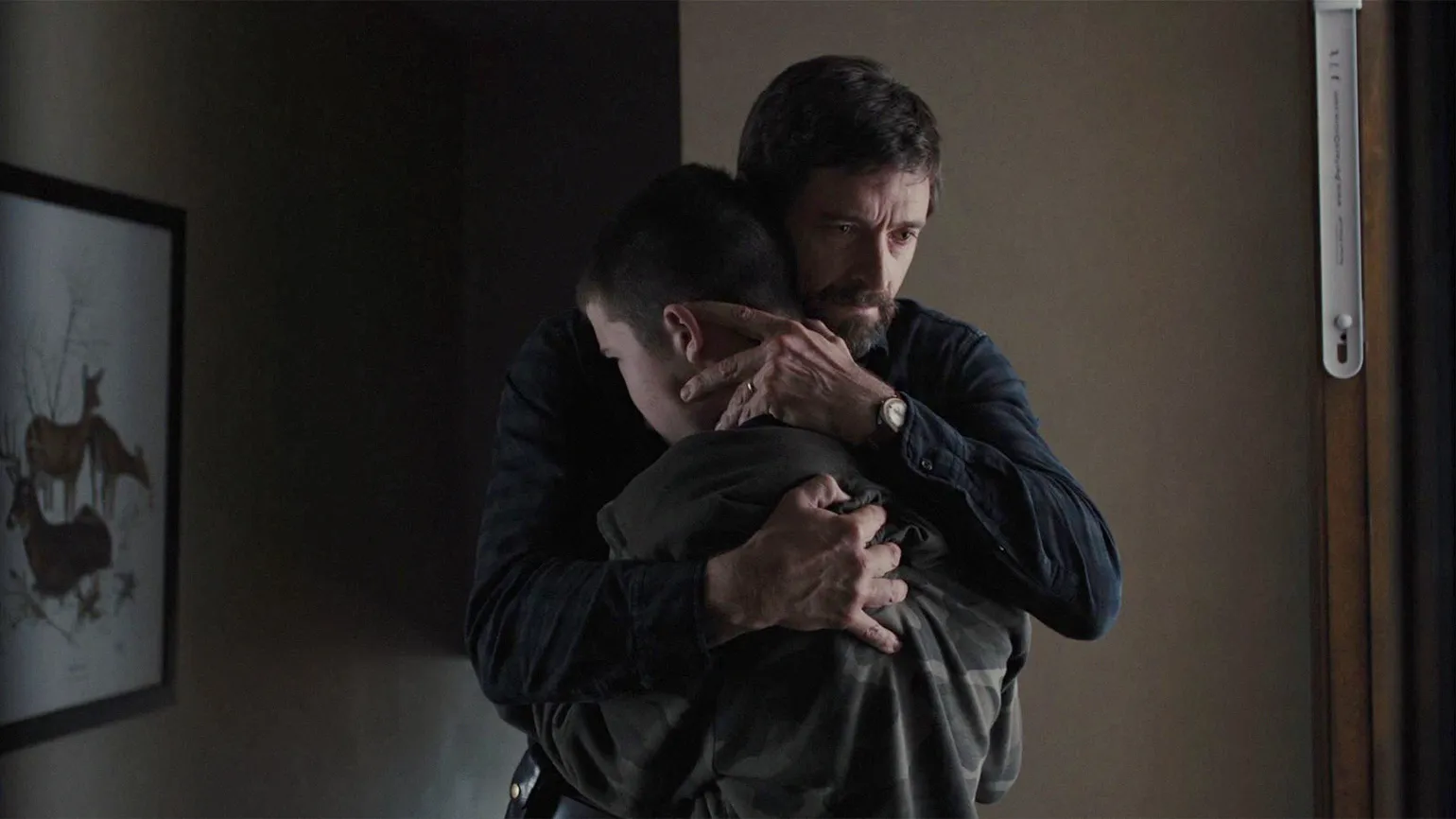
Express your understanding and support with words when the interlocutor shares their experiences about a difficult childhood. This simple action can have a significant impact, allowing the other person to feel heard and understood. It's important to create an atmosphere of trust so that the other person not only shares their experiences but can also find a way to alleviate their emotions. Words of support can be the first step toward emotional healing and improved communication.
If you feel the conversation is becoming too difficult, it's important to express your feelings. Say, "I support you and understand, but can we discuss something else?" Be patient, as it may take time for the other person to understand your request and change the subject. Politely and calmly reiterate your position if the conversation continues to veer into areas you don't want to discuss.
If the situation hasn't improved and the person continues to express dissatisfaction, you can reduce your communication with them. However, it's important not to ignore them or simply add them to a blacklist. It is better to explain your decision directly to avoid misunderstandings and maintain a minimum level of communication.
Free test: which digital profession is right for you?
IT, design, marketing or management? Find out the answer in 15 minutes. And then try your hand at a new specialty for free.
Find out more