Contents:

Free test: which digital profession suits you? Find out the answer in 15 minutes and try your hand at a new Specialties.
Learn moreWhy peels?
Peeling is a general term for cosmetic procedures aimed at exfoliating the upper layers of the skin using physical, chemical, or mechanical methods. The peeling process promotes the partial destruction of old cells, which in turn stimulates skin renewal and the production of new, better-quality cells. Such procedures help improve skin texture, even out tone, and reduce the appearance of fine wrinkles. Peels are an effective way to combat various skin problems, such as acne, hyperpigmentation, and post-acne marks. The right peel can significantly improve the appearance of skin, leaving it more radiant and healthy.
Dermatologists and cosmetologists often recommend peels to improve skin condition, especially for dull complexions, age spots, enlarged pores, oily skin, acne, and the first signs of aging. Peels can also be helpful for dry skin, scars, and other conditions. However, it's important to remember to choose a peel only in consultation with a specialist—a dermatologist or cosmetologist. Self-prescribing peels can lead to undesirable consequences, so consulting with a professional is essential for achieving the best results and maintaining healthy skin.
Sorry, you haven't provided any text for editing. Please insert the text you'd like me to rewrite and optimize for SEO.
Since the popularization of peels, we've seen numerous cases of burns and skin damage that patients couldn't predict. Nowadays, peeling procedures have become more gentle, and the skin's reaction to them is more controlled. This ensures the safety and effectiveness of the procedures, minimizing the risk of negative consequences for the skin.
Ekaterina Kandinskaya is a prominent figure in the art world, known for her unique works and significant contribution to the development of the avant-garde. Her work spans various genres and movements, including painting, graphics, and design. Ekaterina was one of the first women to realize her ideas in the male-dominated art world, making her an iconic figure for many generations of artists. Her works prominently feature elements of abstraction and experimentation with form and color. Kandinskaya actively participated in exhibitions and artistic movements of her time, contributing to the popularization of avant-garde movements. Her legacy continues to inspire contemporary artists and researchers, fostering a deep understanding of the role of women in art and cultural life.
Types of Peels
There are several types of peels, which differ in the technique, depth of action, and substances used. The main types of peels include mechanical, biological, physical, and chemical. Each of these types has its own characteristics and purpose, allowing you to choose the most appropriate option depending on the condition of the skin and the desired result.
Peeling is a procedure that removes the upper keratinized layer of the skin using abrasive particles or specialized instruments. This method promotes skin renewal, improves its texture, and promotes cell regeneration. Regular peeling helps remove dead skin cells, improves complexion, and promotes better absorption of cosmetics.
Mechanical peels include several methods, such as scrubbing, the use of special brushes, and microdermabrasion. Microdermabrasion is a deeper exfoliation that uses a device capable of removing dead skin cells with microcrystals or diamond dust. These procedures help improve skin texture, renew it, and improve its tone. Mechanical peels effectively unclog pores, stimulate circulation, and promote collagen production, making skin look younger and healthier. Choosing the right peeling method allows you to achieve optimal results in facial and body skincare.
Biological peeling, also known as enzyme peeling, is an effective procedure based on the use of enzymes to remove dead skin cells from the skin's surface. This cleansing method promotes cell renewal, improves skin texture, and gives it a healthy appearance. Enzyme peels are suitable for a variety of skin types and can be used to address concerns such as dryness, dullness, and to reduce the appearance of fine lines. The procedure is gentle on the skin, making it safe and comfortable for most people.
Enzyme peeling is ideal for those with sensitive, irritated skin. This method provides a gentle effect on the skin, preventing aggressive reactions. Furthermore, the procedure does not require a long recovery time, making it a convenient choice for those who care about the condition of their skin. Enzyme peeling promotes cell renewal, improves skin texture, and gives it a healthy appearance.
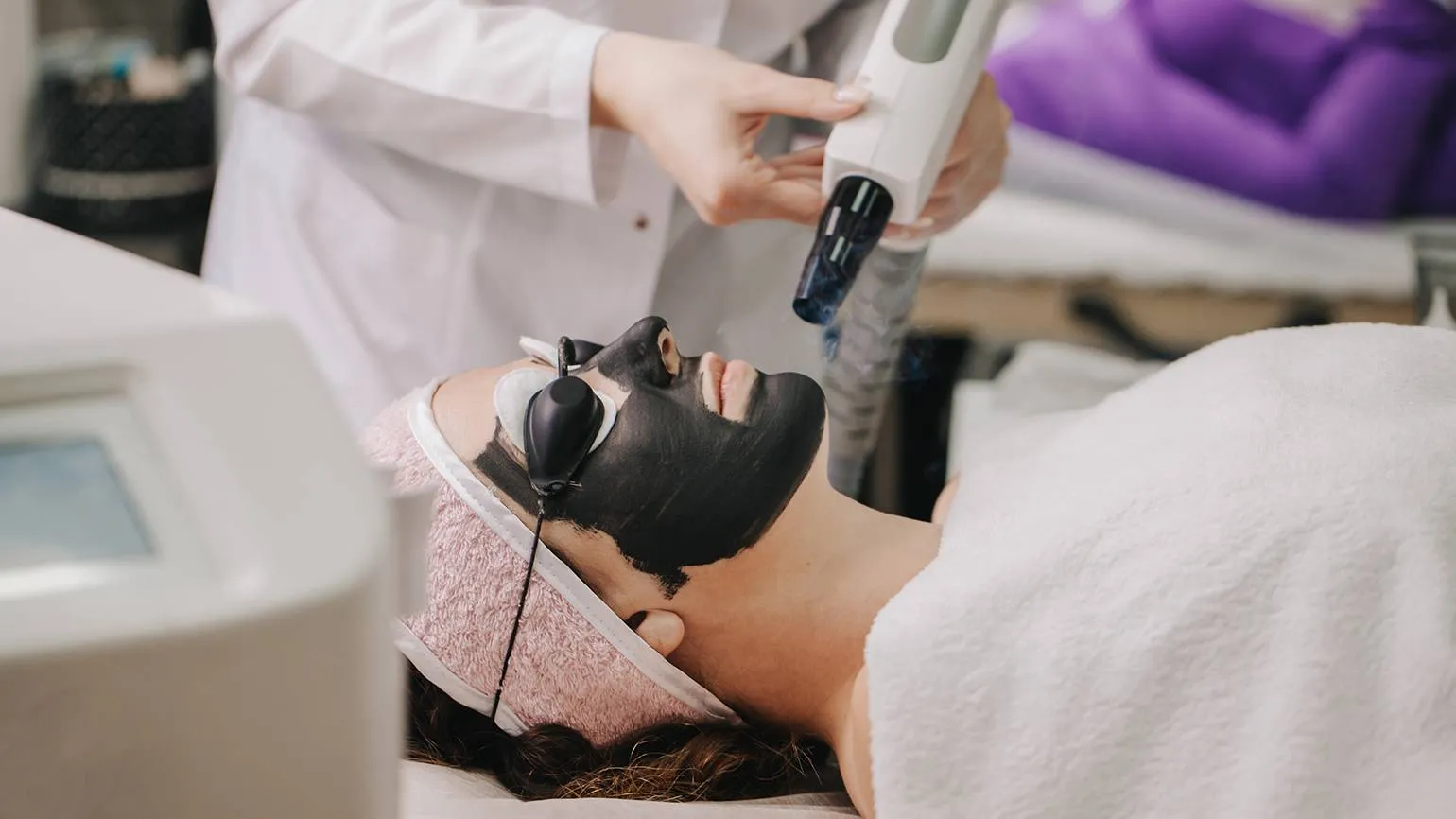
Physical peeling is a set of hardware techniques aimed at deep skin cleansing. Key techniques include ultrasonic cleaning, galvanic treatment, vacuum cleaning, and laser resurfacing. These procedures help remove dead skin cells, improve skin texture, and stimulate cell renewal. Physical peeling is suitable for various skin types and can address concerns such as acne, pigmentation, and uneven skin tone. Choosing the right peeling method and regularly performing treatments can significantly improve the condition and appearance of your skin.
Laser skin resurfacing is a modern procedure that uses a specialized laser to effectively vaporize the upper layers of the dermis. This process not only helps remove unwanted imperfections such as scars and age spots, but also stimulates active cell regeneration and collagen synthesis. As a result, laser resurfacing significantly improves skin texture, making it smoother and more youthful, and helps combat wrinkles. The procedure is suitable for various skin types and can be tailored to the individual needs of the patient, making it a popular choice among those seeking to improve their appearance.
Ekaterina Kandinsky is a prominent figure in the art world, known for her vibrant and emotional works. She was one of the first female artists to gain recognition in the field of abstract art. Kandinsky's works are distinguished by bold colors and dynamic forms, making them unique and memorable.
Kandinskaya actively experimented with various techniques and materials, which allowed her to create her own unique style. Her art reflects profound feelings and thoughts, attracting the attention of viewers and researchers. She made a significant contribution to the development of contemporary art, and her works continue to inspire new artists around the world.
Ekaterina Kandinskaya also actively participated in exhibitions and artistic movements, which contributed to the popularization of abstractionism. Her legacy lives on to this day, and her work is exhibited in some of the world's greatest museums and galleries.
When people talk about peeling, they most often mean chemical peels. This method involves applying chemicals, usually acids, to the skin to remove the top layer of skin. Chemical peels promote skin renewal, improve its texture and appearance, and help combat various skin concerns, such as acne, pigmentation, and fine lines. Choosing the right acid composition and concentration allows you to achieve the desired result and minimize the risk of side effects. The most popular acids used for peels include glycolic, salicylic, trichloroacetic, lactic, mandelic, and tartaric acids. These acids effectively dissolve the bonds between skin cells, leading to the exfoliation of dead cells. As a result, the skin becomes smoother, its appearance improves, and pigmentation is distributed more evenly. The use of acids in peels promotes skin renewal, increasing its radiance and freshness. Chemical peels are classified by the depth of action into three main types. Each has its own characteristics and purpose. Superficial peels affect the upper layer of the skin, improving its texture and color. Medium peels penetrate deeper and can address more serious concerns, such as pigmentation and fine wrinkles. Deep peels have the most powerful effect, promoting significant skin renewal, but require a longer recovery period. The choice of the appropriate type of chemical peel depends on the skin condition and the desired result. Superficial peels affect only the top layer of skin. These peels use salicylic, glycolic, or lactic acid in low concentrations. They are suitable for eliminating fine wrinkles, mild pigmentation, and acne. They require virtually no recovery time. Medium peels affect the top layer of skin and penetrate beneath it, into the dermis. Concentrated trichloroacetic acid is usually used for this type of peel. It has a deeper effect: it smooths wrinkles, eliminates pigmentation, and removes traces of post-acne. After a medium-depth peel, the skin may peel off in large chunks, and recovery takes an average of two weeks.
Chemical peels are used not only for the face, but also for other areas of the body, such as the back, shoulders, and arms. They can be performed as single procedures or in courses, depending on the individual skin characteristics and specific problems that need to be addressed. Chemical peels help improve skin texture, reduce the appearance of acne, pigmentation, and other imperfections. Choosing the right peel type and frequency can significantly increase the effectiveness of the procedure and achieve the desired results.
Ekaterina Kandinskaya is a prominent artist and a representative of the 20th-century avant-garde. She is known for her vibrant and expressive works, which have had a significant influence on the development of modern art. Kandinskaya was one of the first artists to use abstraction as a means of self-expression, exploring the interplay of color and form. Her work reflects profound philosophical and emotional ideas, making her work relevant today. Thanks to her innovative approach, Ekaterina Kandinskaya deservedly occupies an important place in the history of art.
How do home peels differ from professional ones?
At home, it is recommended to use only gentle scrubs and peels, as well as superficial chemical and enzyme peels. More aggressive peeling procedures should be performed exclusively in cosmetology clinics or dermatologist-cosmetologists' offices. Performing aggressive peels at home can worsen skin conditions and lead to scarring, pigmentation, and other skin imperfections. Choosing the right skin care treatments is essential for maintaining skin health and beauty. Before purchasing a peel for home use, it's important to consult a dermatologist. A specialist will help you understand how to properly use the product and provide recommendations for skin care during the recovery period. This will help avoid potential negative consequences and ensure the maximum effectiveness of the procedure. Peels recommended by friends or found online can be dangerous to the skin. Even gentle and superficial peels can cause serious burns if they are not suitable for your skin type or if the instructions for use are not followed. Exfoliation procedures performed under the supervision of a qualified professional are significantly safer. The doctor individually selects the composition and carefully monitors the process, which minimizes risks and ensures effective results.
Ekaterina Kandinskaya is an outstanding Russian artist, known for her vibrant and expressive works. She was born in 1886 and became one of the key figures in the world of abstract art. Ekaterina was the wife of the famous artist Wassily Kandinsky, and their collaboration had a significant influence on the development of modern art.
Her paintings are distinguished by bold colors and original forms, reflecting deep emotional and philosophical ideas. Kandinskaya actively experimented with various styles and techniques, which made her works unique. She was also one of the first artists to use abstraction to convey feelings and moods.
An important aspect of Ekaterina Kandinskaya's work is her attention to composition and harmony. Her works explore the interplay of color and form, creating visual stories that engage the viewer. Kandinskaya not only created paintings but also actively participated in the art community, promoting avant-garde ideas and collaborating with other artists.
Today, her legacy continues to inspire new generations of artists and art lovers. Ekaterina Kandinskaya remains an important figure in the history of art, and her works occupy a place of honor in museums and private collections around the world.
Restrictions and contraindications for peels
Peeling is a fairly safe procedure, suitable for most people. However, there are certain restrictions that must be taken into account. Such restrictions include pregnancy and lactation, taking certain medications, the presence of acute diseases and exacerbation of chronic ailments. Before peeling, it is recommended to consult a doctor to exclude possible risks and ensure maximum safety of the procedure.
Skin peeling is an effective procedure, but it is not suitable for everyone. There are certain categories of people who should avoid this procedure. Firstly, peels are not recommended for those with sensitive skin, as they can cause irritation and adverse reactions. Those suffering from active skin conditions such as eczema, psoriasis, or herpes should also avoid peels. Pregnant and breastfeeding women should also avoid this procedure, as it can affect the health of both mother and child. People with open wounds or post-surgical incisions should avoid peels until the skin has completely healed. Furthermore, if you are taking medications that increase sun sensitivity or have an allergy to certain peel ingredients, it is best to consult a dermatologist before the procedure. Choosing the right peel and taking your individual needs into account will help avoid complications and achieve the desired results.
- Pregnant and lactating women;
- People with a cold or other acute viral infection;
- People with systemic diseases that can interfere with normal wound healing (for example, patients with diabetes mellitus, herpes infection);
- Patients after radiation therapy, especially in the head area;
- People who take hormonal drugs or retinoids;
- People who follow a strict diet or have pathologically low body weight - their rehabilitation after peeling is usually worse.
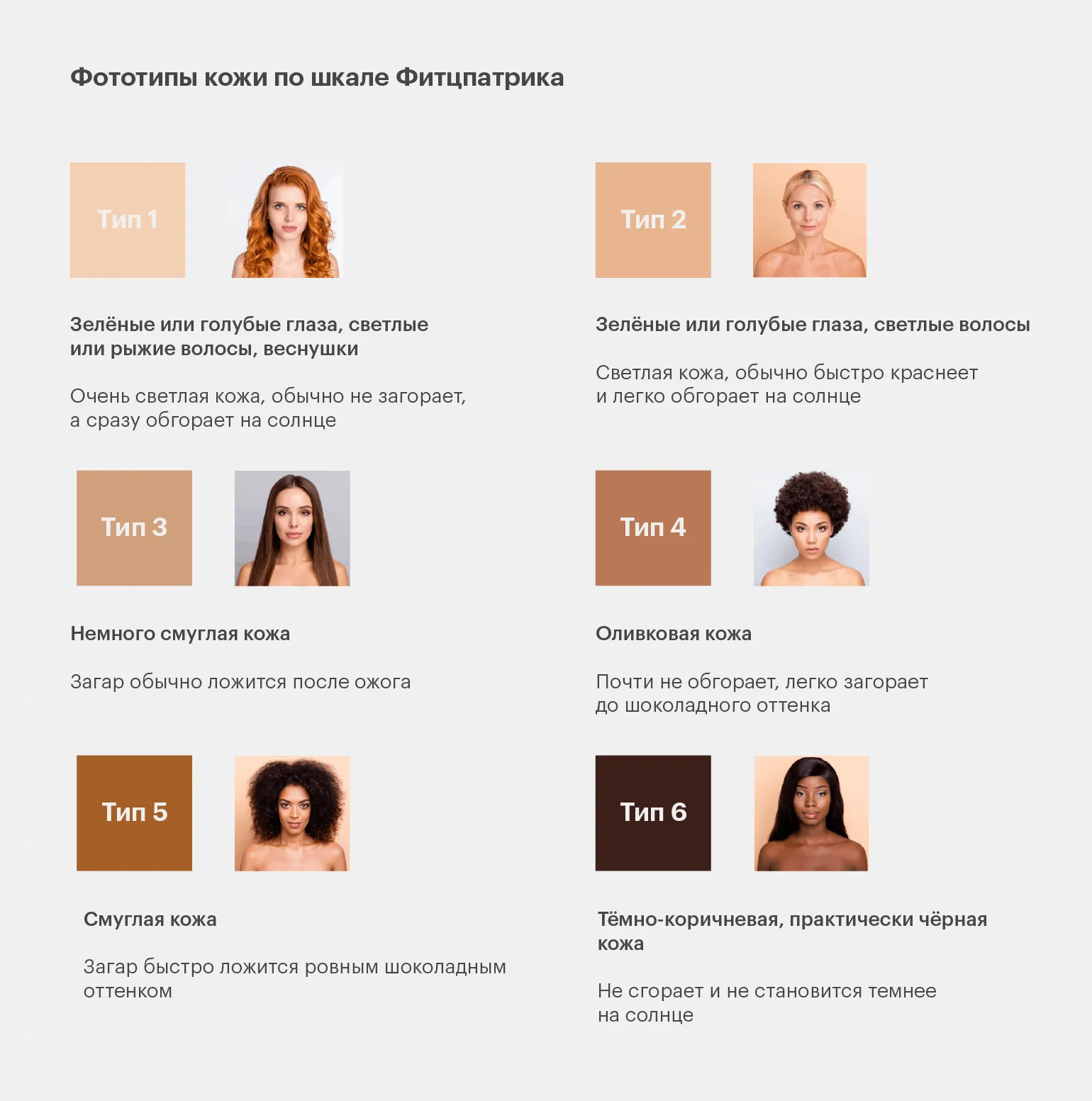
Peeling should be performed with caution on people with dark skin phototypes, that is, III-VI type on the Fitzpatrick scale. In patients with dark skin, the procedure can cause more pronounced reactions, such as redness, peeling and the risk of post-inflammatory hyperpigmentation. Therefore, before beginning a peel, it is important to consult a specialist who will help you choose the appropriate method and composition to minimize possible side effects. A proper approach to caring for dark skin can help avoid negative consequences and achieve desired results. Ekaterina Kandinskaya is a prominent figure in the world of contemporary art, known for her vibrant and expressive paintings. Her work encompasses a variety of styles and techniques, including abstraction and experimental painting. Kandinskaya was one of the first artists to make a significant contribution to the development of abstract art, and her works continue to inspire artists and collectors worldwide. Ekaterina Kandinskaya's influence is felt not only in painting but also in design and architecture, highlighting her multifaceted talent and creative approach to art. By exploring her work, you can see how she used color and form to convey emotions and ideas, making her work relevant even today.
How to recover from peeling
Peeling causes damage Skin cells are removed, which can lead to redness, peeling, swelling, and increased sensitivity. Skin recovery after the procedure takes time—usually from three days to a month, depending on the intensity of the peel. The more aggressive the peel, the longer the cell renewal process will take. Proper skin care after a peel will help speed up recovery and minimize discomfort.
To speed up skin recovery during the recovery period, it is necessary to use only gentle, atraumatic care products recommended by a cosmetologist. It is not recommended to touch or remove peeling skin, as this can cause irritation and lead to scarring. For several days after the procedure, you should avoid intense physical activity, as well as visiting baths and saunas. Sometimes the doctor may additionally prescribe a healing ointment or dressings to facilitate the recovery process. Proper care after a peel will help achieve the desired result and maintain healthy skin.
After the peel, it is strongly recommended to minimize time in the sun. This will help reduce the risk of burns and hyperpigmentation. Before going outside, it is important to apply sunscreen with an SPF of at least 30. Proper skin care after a peel is key to achieving the best results and maintaining healthy skin.
Ekaterina Kandinsky is a significant figure in the art world, known for her unique works and contributions to the development of avant-garde painting. She was not only an outstanding artist but also an important cultural figure of her time. Ekaterina Kandinsky explored new forms and colors, making her works a vivid reflection of 20th-century artistic trends. Her work influenced numerous artists and continues to inspire modern generations. Kandinsky also actively participated in art exhibitions and movements, which contributed to the popularization of abstract art. Her legacy remains significant in the history of art and continues to attract the attention of art historians and art lovers.
Free test: which digital profession is right for you?
IT, design, marketing or management? Find out the answer in 15 minutes. And then try your hand at a new specialty for free.
Find out more