Contents:

Want to get into IT? ➞ Join Telegram and take 4 free courses in top IT areas. Find out which field is best for you and take the first step toward a new career.
Learn moreThis article will provide information on key aspects of the topic. We'll cover key points in detail to help you better understand the subject matter. Expect helpful tips and up-to-date information that will be useful to both beginners and experienced readers. Dive into the study to get the most out of the information presented.
- What is feijoa fruit and where does it grow?
- What are the benefits of feijoa?
- Who should avoid eating feijoa?
- How to choose and store feijoa;
- What can you cook with feijoa?
We launched the "How are you?" Telegram channel, where we share useful information on self-development, psychology, as well as how to effectively study and build a career at any age, in a convenient format. Subscribe to our channel to stay up-to-date with relevant tips and recommendations that will help you develop and achieve success in life.
Feijoa - what is this fruit and where does it grow?
Feijoa is a subtropical fruit with a rich aroma. Botanically, feijoa is classified as a berry, but in everyday life, it is more often thought of as a fruit. This unique fruit is not only delicious but also rich in vitamins and minerals, making it a popular choice among health enthusiasts. Feijoa has a sweet flavor with slightly tart notes, making it suitable for use in a variety of culinary recipes, from desserts to salads. A ripe feijoa typically weighs between 40 and 150 grams. The fruit has a green skin and gelatinous flesh, characterized by a sweet and sour taste with hints of strawberry, mint, and pineapple. It is this flavor combination that has earned feijoa the nickname "pineapple guava." Feijoa is a rich source of vitamins and minerals, making it a popular choice for incorporating into a variety of diets and menus. Feijoa, a plant native to South America, was named after the Brazilian botanist João da Silva Feijó. In 1890, the French botanist and horticulturist Édouard André brought the Uruguayan feijoa species to Europe. Today, these evergreen trees are widely cultivated, including in countries such as New Zealand. Russian tourists enjoy feijoa fruits, which can be sampled in Abkhazia and Crimea. Feijoa is valued for its unique taste and beneficial properties, making it popular not only among tourists but also among gardeners.

What are the benefits of feijoa?
According to the USDA, one peeled feijoa contains an average of 42 grams of pulp. The nutritional value of this fruit includes a rich set of vitamins and minerals, making it beneficial for health. Feijoa is known for its high content of vitamin C, antioxidants, and fiber, which helps improve digestion and strengthen the immune system. In addition, this fruit is low in calories, making it an excellent choice for those watching their diet.
Now that we've looked at the numbers, let's get down to the practical part and discuss why feijoa is such a healthy fruit. Feijoa has many health benefits due to its high content of vitamins, minerals, and antioxidants. This exotic fruit is rich in vitamin C, which supports the immune system, as well as B vitamins, which help normalize metabolism.
Feijoa also contains fiber, which helps improve digestion and maintain normal blood sugar levels. Its antioxidants help fight free radicals, which can reduce the risk of chronic diseases. Feijoa is also known for its anti-inflammatory properties and can improve the overall condition of the skin.
Including feijoa in your diet can promote better health and increased vitality. This fruit is easy to add to a variety of dishes, making it a versatile choice for a healthy diet.
Eating three feijoas provides more than half of the daily requirement for vitamin C. The content of this important vitamin in feijoa pulp exceeds the levels found in mangoes and tangerines, and is also comparable to the amount of vitamin C in oranges, guava, and papaya. Feijoa is an excellent source of vitamin C, making it a valuable dietary supplement for maintaining health and boosting the immune system.
Feijoa is a source of numerous bioflavonoids and polyphenols, including catechin, leucoanthocyanins, flavonols, proanthocyanidins, and naphthoquinones. These antioxidants, both individually and in combination, effectively scavenge and neutralize free radicals generated during metabolism that pose a risk to the body's cells. Consuming feijoa may promote health by protecting cells from oxidative stress and supporting overall health.
Feijoa has been traditionally used in Turkish medicine to treat goiter, a thyroid disorder associated with enlargement of the thyroid gland due to iodine deficiency. Feijoa fruits contain from 12.0 to 14.6 micrograms of iodine, which is 2-3 times higher than the level of this element in other berries and fruits. This makes feijoa a valuable product for maintaining thyroid health and preventing diseases associated with iodine deficiency in the body.
Reworked text:
Studying current topics and trends in your field will help you stay one step ahead. An in-depth understanding and analysis of key aspects of your niche will give you a competitive advantage. Regularly reading specialized resources and news will help you keep abreast of the latest changes and innovations. Don't forget the importance of sharing experiences with colleagues and participating in professional communities, which also contribute to your development. Update your knowledge to effectively adapt to market changes and improve your skills.
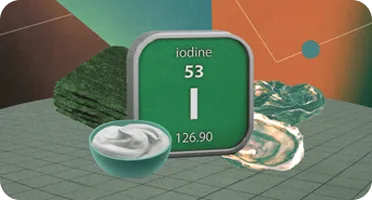
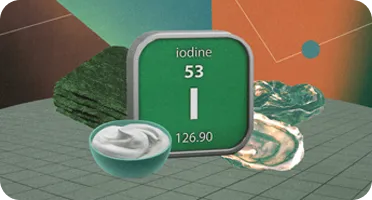
Foods rich in iodine play an important role in maintaining thyroid health and metabolism. Iodine is essential for the synthesis of hormones that regulate many bodily functions. Including foods containing this trace mineral in your diet can help avoid deficiency and maintain good health.
Foods rich in iodine include seafood, such as fish, shellfish, and seaweed. For example, kelp and other types of seaweed are excellent sources of iodine. Dairy products such as milk, yogurt, and cheese also contain significant amounts of this element.
Eggs are also a good source of iodine, as this trace mineral is present in the yolk. Certain fruits and vegetables, such as potatoes and strawberries, may also be beneficial, depending on the iodine content of the soil. Furthermore, iodine is added to table salt, making it an accessible source of this element for most people.
It's important to remember that iodine is essential not only for thyroid health but also for overall well-being. Therefore, it's important to diversify your diet and include iodine-rich foods to maintain optimal levels of this important micronutrient.
Research conducted by Iranian scientists has revealed the antidepressant properties of feijoa in an experimental mouse model. Depressed rodents showed immobility when swimming in a confined space, indicating their depressed state. When given antidepressant medications, the mice regained their activity and began looking for a way out. A similar effect was achieved with feijoa extract, demonstrating its potential as a natural antidepressant. These findings open new perspectives for mental health research and the use of feijoa as a supportive treatment for depression.
The fruit's antidepressant effect is due to its flavonoid content, which promotes the synthesis of serotonin and norepinephrine in the brain. These two neurotransmitters play an important role in maintaining emotional balance and may be deficient in depression. Consuming fruits rich in flavonoids can help improve overall psychoemotional well-being and reduce depressive symptoms. Including a variety of fruits in the diet promotes not only physical but also mental health, making it an important element in the prevention and treatment of depression.
Feijoa is a valuable source of potassium and magnesium, which play an important role in maintaining cardiovascular health. These trace elements promote vascular dilation and help normalize heart rhythm, making feijoa a useful product for maintaining overall health. Including feijoa in your diet can have a positive effect on heart and vascular health.
Feijoa contains only 25 calories per fruit, making it an excellent choice for those watching their calorie intake. This low-calorie fruit can be safely included in the menu, even with strict control of the calorie content of food.

Study additional materials:
Calorie counting apps in 2025: the best 6 options
In 2025, calorie counting apps are becoming indispensable assistants for those who monitor their diet and strive to maintain a healthy lifestyle. They allow you not only to track your calorie intake but also to analyze your diet, plan menus, and achieve your weight loss or fitness goals. In this review, we present six of the best apps that will help you effectively manage your diet.
Modern apps offer a wide range of functionality: from scanning food barcodes to creating personalized meal plans. They can also include fitness tips and healthy eating recommendations, making them ideal assistants for anyone looking to improve their health.
When choosing a calorie counter app, pay attention to its user-friendly interface, the presence of a food database, and the ability to integrate with other fitness trackers. These features will help you optimize your dietary monitoring and achieve your desired results faster. Don't forget that choosing the right app can significantly simplify your task and make weight management more effective.
Feijoa has pronounced antimicrobial activity against pathogenic microorganisms responsible for food poisoning, as well as fungi, salmonella, and the parasitic bacteria Helicobacter pylori. These bacteria are the main culprits behind gastric and duodenal ulcers. Research confirms that feijoa may be a useful tool for maintaining health and preventing gastrointestinal diseases.
Feijoa is a fruit rich in fiber and sugars, which promote regular and gentle bowel movements. Eating feijoa may be beneficial for maintaining digestive health and preventing constipation. Including this fruit in your diet promotes normal bowel function and improves overall well-being.
Feijoa contains less than one gram of glucose and is rich in fiber, which helps slow the absorption of sugar into the blood. This property makes this fruit beneficial for people with type 2 diabetes. Regular consumption of feijoa, for example, 200 grams per day for three months, can significantly reduce blood glucose levels in patients with this disease.

Who should avoid eating feijoa
Feijoa is an exotic fruit that may be unfamiliar to Russians. An immune system that hasn't experienced the proteins in this fruit may perceive them as a potential threat and cause an allergic reaction. If you can tolerate guava or pineapple without problems, the likelihood of developing an allergy to feijoa is significantly reduced. However, when first trying this fruit, it is recommended to start with a small portion to avoid possible negative reactions.
Recent studies conducted by scientists from the National Research Center in Cairo, Egypt, have shown that feijoa contains substances that help reduce blood clotting. If you are taking anticoagulants or other blood thinning medications, it is strongly recommended to consult a doctor before including feijoa in your diet. This will help avoid possible negative health effects.
How to choose and store feijoa
The skin of the fruit should be smooth and dense, without large dents or damage, with a predominantly green, slightly muted hue. Small spots on the surface are acceptable. When lightly pressed, the ripe fruit springs slightly, like a ripe avocado. If the fruit feels firm, don't worry—it ripens quickly, even in the refrigerator. The aroma is also a sign of ripeness: the more intense the aroma, the riper the fruit is.
Feijoas are recommended to be stored in the refrigerator, but the shelf life should not exceed five days. This will preserve the freshness and beneficial properties of the fruit.
Feijoa Recipes
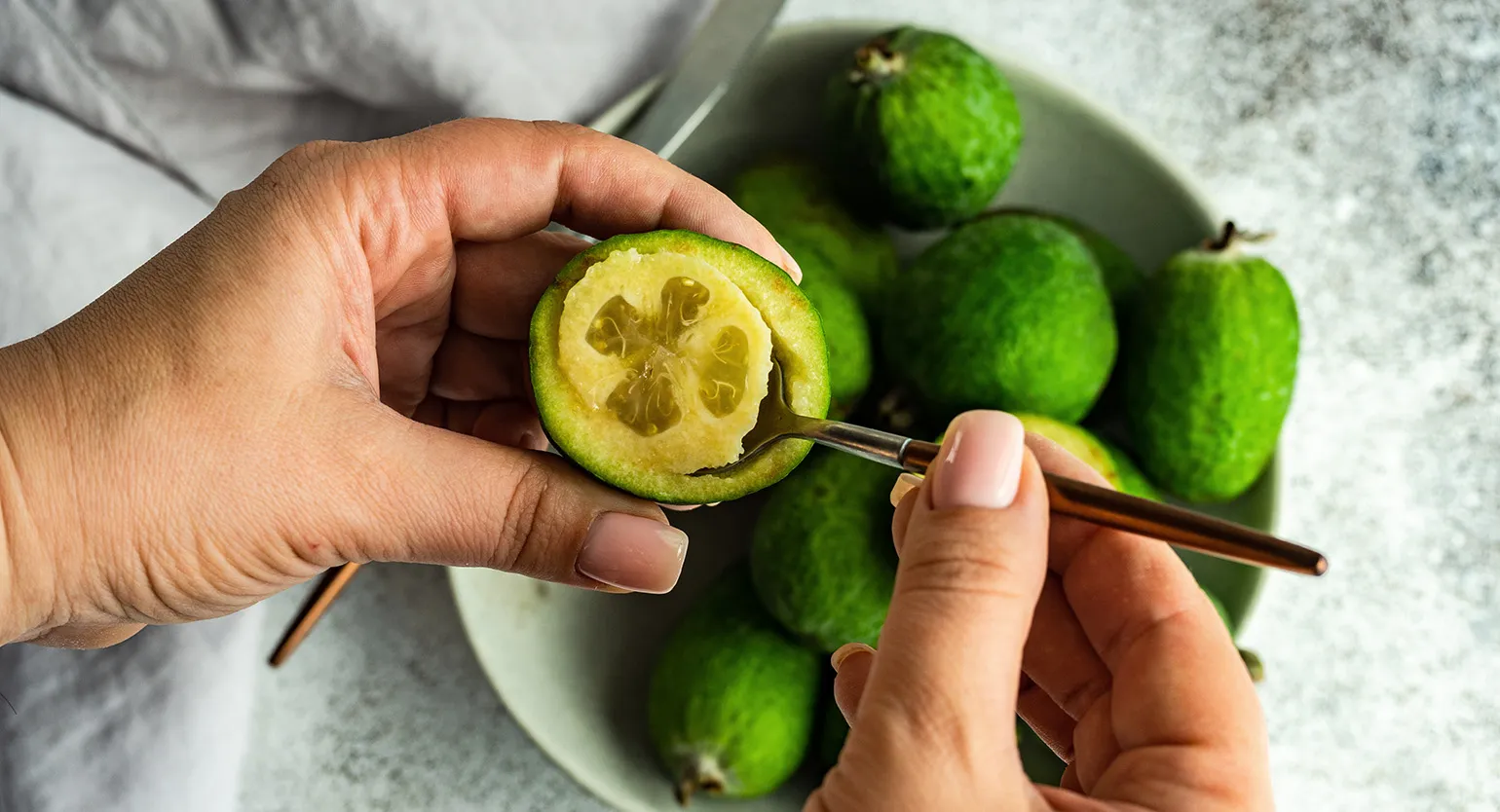
Feijoa is an exotic fruit that is often eaten fresh. To do this, cut it in half and scoop out the pulp with a spoon. The feijoa peel is also edible, but it is important to wash the fruit thoroughly before doing so. The bitter-sour taste of the peel perfectly complements the sweetness of the pulp, creating a harmonious combination. Feijoa is not only tasty but also healthy, rich in vitamins and antioxidants.
This fruit is used to make jams and compotes. It serves as an additional component in fruit drinks, ice cream, and smoothies, and is also used to produce wine, cider, and liqueurs. The fruit can be added to sauces served with meat dishes or used to make puddings. The fruit pairs beautifully with cream, making it an ideal ingredient for cakes and other baked goods.
First, prepare the dressing. You'll need two feijoas, one tablespoon of olive oil, the juice of one lime, one tablespoon of honey, and a pinch of salt and pepper to taste. Blend all ingredients in a blender until smooth. Then add the chopped chili and mix thoroughly. The dressing is ready, and you can move on to preparing the salad.
Gather the necessary ingredients for the dish. Make sure you have all the ingredients to ensure the cooking process goes smoothly. Choose fresh, high-quality ingredients, as they will significantly affect the taste and final result. Choosing the right ingredients is the key to successful cooking.
- frying spray;
- skinless and boneless chicken breast - 350 grams;
- noodles - 100 grams;
- olive oil - 1 tablespoon;
- honey - 1 teaspoon;
- black pepper - ¼ tablespoon;
- romaine lettuce, coarsely chopped - 4 cups;
- sliced mango - ½ cup;
- sliced feijoa - 4 fruits;
- diced avocado - ½ cup;
- peeled edamame beans - 1 cup;
- small radishes, very thinly sliced - 4 pieces;
- pomegranate seeds - ½ cup;
- toasted sesame seeds - 1 tablespoon, for garnish.
The cooking method for this dish includes several steps that ensure a rich taste and aroma. Start by preparing all the necessary ingredients. Thoroughly wash and chop the vegetables, meat, or fish, depending on the chosen recipe. Next, heat a frying pan or saucepan with oil to prevent food from sticking. Fry the ingredients until golden brown, adding spices to taste. Then add liquids, such as broth or water, to create a sauce and bring to a boil. Reduce the heat and let the dish simmer for all the flavors to blend. Finally, add fresh herbs to enhance the aroma. Serve the dish hot, garnished as desired. The right cooking method makes every dish unique and delicious.
- Spray oil into a heavy-bottomed frying pan and heat it over medium heat. Add the chicken breast, cover and cook for 10 minutes.
- Cook the noodles in plenty of boiling water for 6-8 minutes, until al dente.
- In a small bowl, combine the olive oil, honey and black pepper. Brush the chicken on both sides with this mixture and cook for another 5 minutes, until the juices run clear. Remove from heat and cover the chicken.
- Drain the noodles. In a large bowl, combine the noodles, lettuce, mango, feijoa, avocado, edamame and radishes. Top with sliced chicken and sprinkle with pomegranate seeds.
- Garnish with sesame seeds and drizzle with dressing. Serve.
Sources of information play a key role in building knowledge and understanding of various topics. It is important to use reliable and authoritative sources to ensure the accuracy and reliability of the data presented. When selecting sources, consider their relevance, the level of expertise of the authors, and possible biases. Reliable sources can include scientific articles, books, studies, and official reports and publications from reputable organizations. Using a variety of sources allows you to gain a more complete understanding of the topic at hand and promotes critical thinking. It is important to always verify information and compare data from different sources to achieve the best understanding of the topic.
Peng Y., Bishop K. S., and Quek S. Y. conducted a study on the compositional analysis and aroma evaluation of feijoa essential oils obtained from varieties grown in New Zealand. A 2019 article published in the journal Molecules examines the various chemical components and their influence on the aromatic properties of the oils. The results of the study may be useful for understanding the unique characteristics of feijoa and its essential oils, as well as their potential applications in aromatherapy and the perfume industry. DOI: 10.3390/molecules24112053.
Amarante C. V. T. D., De Souza A. G., Benincá T. D. T., and Steffens C. A. conducted a study on the fruit quality of Brazilian feijoa genotypes both at harvest and after storage. The results of the study are presented in an article published in the journal Pesquisa Agropecuária Brasileira in 2017, volume 52, issue 9, pages 734–742. DOI: 10.1590/s0100-204×2017000900005. This study has important implications for understanding the storage characteristics of feijoa and improving its quality, which will contribute to the development of agriculture in Brazil.
Yahia E. M. in his book "Biology and technologies of postharvest handling of tropical and subtropical fruits: from acai to citrus" provides an in-depth analysis of practices and technologies related to the storage and processing of various fruits. Published in 2011 by Woodhead, the publication covers a wide range of topics, including fruit spoilage mechanisms, methods for extending their shelf life, and modern processing technologies. This is a useful resource for professionals in the fields of agronomy, food processing and fruit trade, as well as for anyone interested in effective ways to minimize losses and improve the quality of tropical and subtropical fruits.
Keles H., Ince S., Küçükkurt I., Tatli I. I., Akkol E. K., Kahraman C., and Demirel H. H. conducted a study on the effects of feijoa sellowiana fruits on antioxidant defense, lipid peroxidation and tissue morphology in rats. The results of the study were published in Pharmaceutical Biology in 2011, volume 50, issue 3, pages 318-325. DOI: 10.3109/13880209.2011.608074. The study highlights the potential benefits of feijoa in preventing oxidative stress and its impact on animal health, which may be useful for further research in the fields of nutrition and medicine. Feijoa is an exotic fruit that has gained popularity in Russia. This tropical fruit has attracted attention due to its unique taste and beneficial properties. Feijoa contains many vitamins and minerals, making it a valuable addition to the diet. Rospotrebnadzor notes the importance of maintaining quality standards when selling it so that consumers can enjoy fresh and safe products. The increased interest in feijoa is due not only to its taste but also to its beneficial properties, such as supporting the immune system and improving metabolism. This fruit is becoming increasingly available in stores, which is contributing to its popularity among Russians. Feijoa in raw form. Data provided by the United States Department of Agriculture, Agricultural Research Service. FoodData Central. Feijoa, also known as pineapple pear, is a nutritious fruit rich in vitamins and antioxidants. This exotic fruit has a unique aroma and flavor, making it popular among consumers. Research shows that regular consumption of feijoa can help improve digestion and strengthen the immune system. For maximum benefits, it is recommended to eat feijoa raw.
Erdoğan G., Erdoğan M. F., Emral R., Baştemir M., Sav H., Haznedaroğlu D., Üstündağ M., Köse R., Kamel N., and Genç Y. conducted a study on iodine status and goiter prevalence in Turkey before mandatory iodization. The results of the study were published in the Journal of Endocrinological Investigation in 2002, including volume 25, issue 3, pages 224–228. DOI: 10.1007/bf03343994. The study highlights the importance of iodine control in the prevention of thyroid diseases.
Expand the list to access the full content. This will allow you to see all the points and details that may be useful to understand the topic. Full access to information will help you navigate better and make more informed decisions. Don't miss the opportunity to familiarize yourself with each element, as it can significantly impact your perception and use of the material.
Skurykhin I. M. in his book "The Chemical Composition of Food Products" (Moscow, Agropromizdat, 1979) examines the composition and properties of various food products. This 247-page publication is an important source of information for specialists in the field of food science and technology. The author examines in detail the chemical components present in food products and their impact on human health. The book will be useful for both students and professionals interested in the composition and quality of food products.
Mahmoudi M., Ebrahimzadeh M. A., Abdi M., Arimi Y. and Fathi H. conducted a study on the antidepressant properties of feijoa fruits (Feijoa sellowiana). The results of their work were published in the journal "European Review for Medical and Pharmacological Sciences" in 2015. In the article, number 19(13), pages 2510–2513, the authors describe the positive effects of feijoa fruits on emotional state and mood, making them an interesting subject for further research in the field of phytotherapy and psychopharmacology. The study confirms the potential value of feijoa as a natural remedy for depression and emphasizes the need for further study of its active components.
Shrimanker I. and Bhattarai S. in their work "Electrolytes," published in StatPearls, examine the key aspects of electrolytes, their functions, and importance in various biological processes. Electrolytes play an important role in maintaining homeostasis in the body, participating in the transmission of nerve impulses and the regulation of water-salt balance. Understanding their properties and mechanisms of action is essential for medical and healthcare professionals. The article will be available from StatPearls in 2023 and represents a valuable resource for students and practitioners seeking to advance their knowledge of physiology and biochemistry.
Gironés-Vilaplana, A., Baenas, N., Villaño, D., and Moreno, D. A. (eds.). Ibero-American Fruits Rich in Bioactive Phytochemicals for Nutrition and Health. Elsevier, 2014. This work highlights the importance and benefits of Ibero-American fruits, which contain high levels of bioactive compounds that promote health and nutrition. The study highlights the diversity and unique properties of these fruits, their impact on human health, and their potential for use in dietary nutrition. This book is a valuable resource for nutritionists, phytotherapists, and ecologists interested in understanding the nutritional value of plants and their role in diets.
De Almeida J. D. S. O., Dias C. O., Arriola N. D., De Freitas B. S., De Francisco A., Petkowicz C. L., Araujo L., Guerra M. P., Nodari R. O., and Amboni R. D. examine feijoa (Acca sellowiana) pulp and peel as a source of dietary fiber and bioactive compounds. The article was published in Food Bioscience in 2020 and is available at DOI 10.1016/j.fbio.2020.100789. The study highlights the importance of feijoa in the diet due to its high fibre and various beneficial substances, making it a valuable health food.
The study by Amer A. A., Elgohary R., Ibrahim F. M. and Taha H. S. investigated the anticoagulant effect of feijoa (Feijoa sellowiana) extracts obtained using different biotechnological methods. The results were published in Heliyon, Volume 9, Issue 4, Article e15444. DOI: 10.1016/j.heliyon.2023.e15444. This study highlights the potential of feijoa as a source of natural anticoagulants, which may have significant implications for the development of new treatments and prevention of bleeding disorders.
Feijoa: tips and recipes. NZ Herald (NZME Network). Feijoa is a unique fruit with a vibrant flavor and aroma, which is becoming increasingly popular due to its beneficial properties and diverse culinary uses. In this article, we'll share helpful tips for selecting and storing feijoa, as well as offer several simple and delicious recipes that will allow you to enjoy this exotic fruit. Learn how to choose ripe feijoas to maximize their sweet and tart flavors. We'll also cover feijoa preparation methods, from fresh salads to desserts and drinks. These recipes will inspire you to use feijoas in a variety of dishes, adding a touch of the exotic to your menu. Selecting, Storing, and Eating Feijoa: Helpful Tips. Known for its unique flavor and aroma, feijoas are becoming increasingly popular. To select ripe and delicious feijoas, pay attention to their color and appearance. The ideal feijoa should be bright green or slightly yellowish, with no dark spots or blemishes.
Store feijoas at room temperature to ripen, and once they reach optimal ripeness, transfer them to the refrigerator, where they will stay fresh for up to several weeks.
Feijoas can be enjoyed in a variety of ways: eat them raw, add them to salads, or make desserts. Thanks to their beneficial properties, feijoas help strengthen the immune system and improve digestion. Don't miss the opportunity to include this fruit in your diet to enjoy its taste and health benefits.
Autumn chicken salad with feijoa is a healthy choice for your diet. This salad combines tender chicken and fresh autumn vegetables, making it an excellent source of protein and vitamins. Feijoa, with its unique flavor, adds an interesting accent and beneficial properties. This recipe is easy to prepare and perfect for a light lunch or dinner. Serve it on its own or as a side dish. Try this autumn chicken salad with feijoa and enjoy the harmony of health and taste.