
Table of Contents:

Free test: which digital profession is right for you? Find out the answer in 15 minutes and try your hand at a new specialty.
Find out moreWhat is a food diary?A food diary is a self-reporting tool that allows you to track what, how, and when you eat. This method not only helps you monitor your diet but also identifies eating habits that can affect your health and overall well-being. Keeping a food diary promotes a more conscious approach to food choices and can be a useful step toward improving your diet and maintaining a healthy lifestyle.
Eating problems such as overeating, chip and coffee addiction, and protein deficiency negatively impact your health and well-being. The quality of your diet has a direct impact on your overall health, including physical and mental performance. Poor eating habits can lead to various illnesses, impaired metabolism, and an increased risk of chronic diseases. Maintaining a balanced diet that includes all essential macro- and micronutrients promotes health and improves quality of life.
- The hematopoietic system;
- The cardiovascular system;
- The stomach, intestines, pancreas, and liver;
- The muscular frame;
- The central nervous system.
If you are striving to normalize your diet, keeping a food diary will be one of the most effective and convenient tools. By recording your meals, you will be able to better control your diet, track calorie content and food composition, and identify habits that may be preventing you from achieving your goals. Regularly keeping a food diary will help you understand exactly what you eat and bring clarity to your food preferences. This will allow you to make more informed decisions and improve the quality of your nutrition.

Read also:
Proper nutrition is the foundation of a healthy lifestyle and an important factor in maintaining optimal weight and overall well-being. The main principles of proper nutrition include dietary variety, a balance between proteins, fats and carbohydrates, as well as consuming sufficient amounts of vitamins and minerals. It's important to choose natural foods and avoid processed and high-calorie foods. Eating regularly helps normalize metabolism and prevent overeating. Drinking enough water is also key to proper nutrition, keeping the body hydrated. Following these principles can not only improve your health but also increase your energy and vitality. Why Keep a Food Diary? We often fail to objectively evaluate our diet. For example, Ivan eats three times a day, consumes plenty of vegetables, avoids sugar in his tea, and avoids fried and fatty foods. At first glance, his menu seems like a model of healthy eating. However, Ivan doesn't notice that his diet may not be varied enough, which can lead to a lack of important nutrients. He may also be unaware of portion sizes and the total number of calories he consumes. It's important to remember that even healthy food, if too much of it or not varied enough, can have a negative impact on health. It's important to monitor not only the quality of food, but also its quantity and the balance of your diet. Proper nutrition requires a careful approach and regular analysis of your menu.
- doesn't take into account their habit of snacking on the run;
- doesn't admit to themselves that they sometimes eat not because they're hungry, but because they're sad;
- drinks little water, but constantly buys juices, and sometimes even energy drinks;
- periodically visit fast food restaurants.
As a result, the number of concessions we make to ourselves increases, and adherence to the "standard diet" occurs no more than three times a week. This leads to a discrepancy between our intentions and actual habits, which negatively affects our health and overall well-being. To achieve your desired nutritional results, it's important not only to establish strict rules but also to learn to adhere to them consistently. Regularly maintaining a balanced diet will help improve physical fitness and boost energy levels. Many of us don't realize how much and what we eat. Daily life is so busy that eating habits become a secondary priority and become automatic. As a result, people often feel tired, accustomed to lack of sleep, and a constant rumbling stomach, attributing it to stress. However, the cause may not be psychological, but a lack of vitamins and nutrients necessary for the body to function properly. To improve well-being and increase energy levels, it's important to pay attention to the composition of your diet and meet your body's needs for essential micronutrients.

Rework the text to meet SEO requirements while maintaining the main topic. Make sure the content remains relevant and informative, without adding unnecessary elements, emojis, or symbols. Avoid structuring the text as lists to maintain its integrity and readability.
Read also:
Eating habits are stable patterns of eating that are influenced by various factors, including culture, environment, and personal preferences. These habits determine what, when, and how we eat, and also affect our health and overall well-being. Understanding your eating habits can help you develop a healthier diet and improve your quality of life. Improving your eating habits can include aspects such as increasing your consumption of fruits and vegetables, reducing processed foods, and maintaining a consistent diet. A mindful approach to eating promotes not only physical but also psychological well-being.
Good nutrition depends on the composition of foods, their proportions, and the variety on your plate. Keeping a food diary allows you to clearly assess what foods are included in your diet and how your usual eating habits contribute to your health. This will help you identify deficiencies and improve the quality of your diet, which will positively impact your overall well-being.
A food diary promotes a mindful approach to diet. It helps you analyze your food consumption, identify habits and preferences, and track your calorie and nutrient intake. This method not only helps you manage your weight but also improve your overall health. Keeping a food diary helps you develop healthier habits and become more aware of the impact food has on your body. This is an important tool for those who strive for a balanced diet and want to achieve their health and fitness goals.
- track the composition of the daily menu;
- regulate portion sizes;
- notice and analyze your eating habits and behavior;
- identify circumstances that prevent you from achieving a goal (for example, the goal of losing weight or gaining muscle mass);
- plan and adjust your diet.
These skills help:
- lose or gain the desired weight [5];
- support the immune system and facilitate the treatment of certain diseases (for example, rheumatism and asthma) [6], [1];
- prevent the development of caries [7];
- start controlling an eating disorder [8];
- improve thinking abilities [9].
Nutrition has a significant impact on our mood, level irritability and sleep quality. Deficiencies in key nutrients such as protein, B vitamins, vitamin D, magnesium, zinc, selenium, iron, calcium, and omega-3 fatty acids can significantly increase the risk of depression. Providing the body with the necessary elements helps improve psycho-emotional health and overall well-being. Proper nutrition plays a significant role in preventing depression and maintaining mental balance.
It is important to understand that proper information management and structuring are key aspects of successful SEO. Every element of the text should be optimized for search engines to increase website visibility. It is essential to use relevant keywords that match the topic, and ensure a logical and consistent content structure. This not only improves reader comprehension but also contributes to search engine rankings. Remember that the uniqueness and quality of the text play a crucial role in attracting and retaining audience interest.
Before discussing nutrition issues, it is recommended to consult a physician or nutritionist. In some cases, it may also be worth consulting a psychotherapist, as eating disorders may be related to psychological discomfort, stress, or internal conflicts. You may also need individualized criteria for analyzing your diet. With the help of a specialist, you can quickly determine what is important to record in your food diary and what needs special attention.
How to Keep a Food Diary
There is no universal set of rules for keeping a food diary. You can record everything that is important to you, including recommendations received from your doctor. For example, record your feelings, symptoms, changes in your health, and advice from your specialist. This will help you better understand how you are feeling and track the progress of your treatment. Keeping a food diary can be a valuable tool for improving your health and communicating with healthcare providers.
- a list of foods purchased at the store;
- calorie content and portion sizes;
- food preparation methods;
- amount of water drunk per day;
- your mood before and after meals;
- notes of feelings of hunger and fullness throughout the day;
- time and circumstances of meals;
- level of physical activity per day.
To make it easier to keep records, create a special table. This will help organize the information and also make it easier to access the data you need. Using a table will help you structure your notes, which will improve your work efficiency and make it easier to find information in the future.
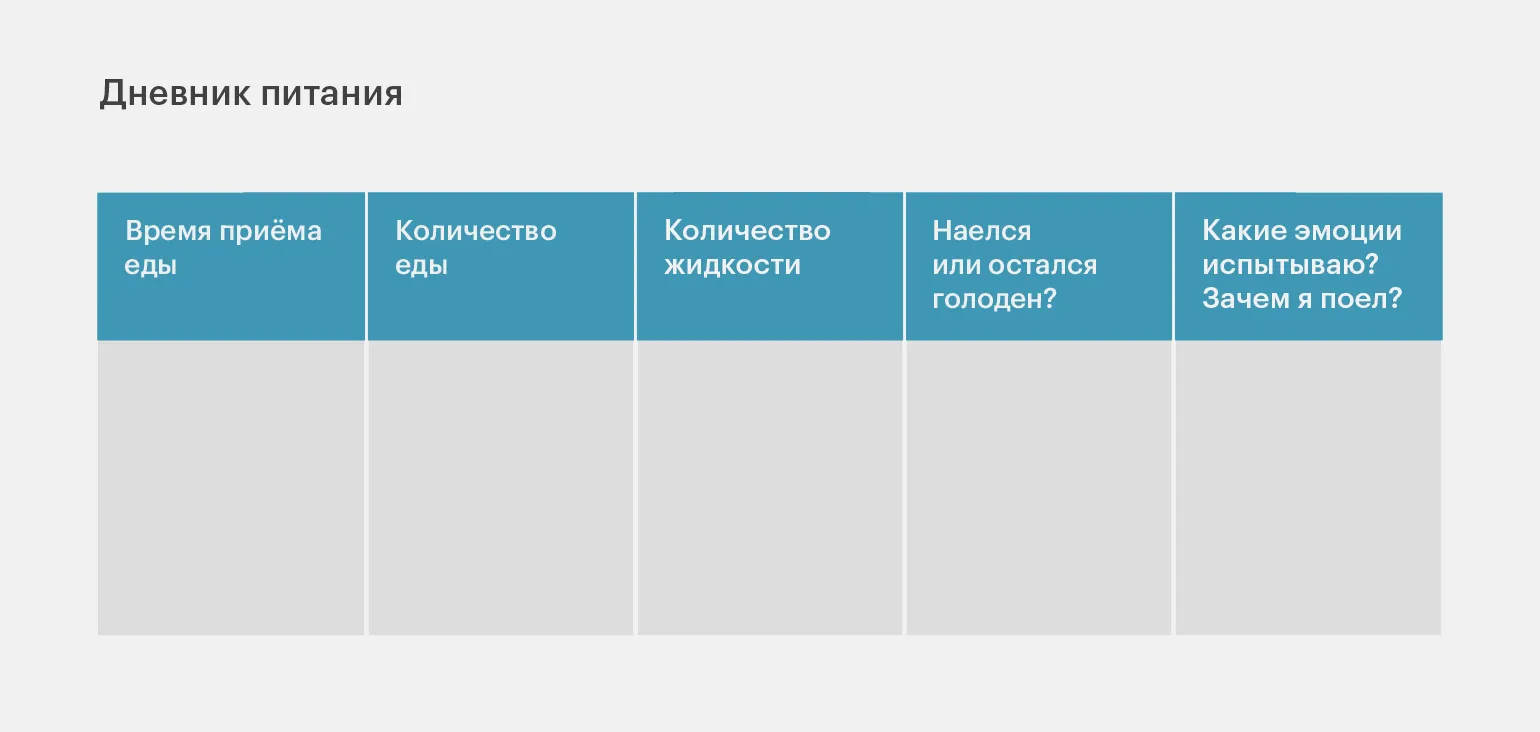
Top 5 tips for keeping a food diary
Experts offer a number of Useful tips and recommendations. These life hacks will help you optimize your work processes and increase productivity. Applying these recommendations can significantly simplify various tasks and improve your results.
A tip for optimizing your content is to create unique and informative texts that align with your target audience's interests. Use keywords related to your topic to improve search engine visibility. Be sure to structure your text so it's easy to read and logically organized. Including internal and external links will help increase your resource's authority and attract more visitors. Update your content regularly to keep it relevant and interesting to users. Don't forget about meta tags and descriptions, which also play an important role in SEO.
Write down everything you eat and drink, including even small snacks like coffee and cookies. It's important to pay attention to detail when describing your dishes. If you had fish for dinner, specify the type and method of preparation. Don't put off writing: record the information immediately after you've prepared dinner or eaten something unexpected, like a piece of cheese. This approach will help you better control your diet and track your eating habits.
The phrase "I'll add it a little later" often implies that it won't be done at all.
Tip number two is to focus on content quality. Publish only unique and useful materials that resonate with your target audience. Update information regularly to stay relevant. Use keywords and phrases that users frequently search for, but do so in a natural way so the text doesn't lose its readability. Don't forget to structure your text: use subheadings, lists, and paragraphs to improve the information's comprehension. High-quality content not only attracts visitors but also helps improve search engine rankings.
If you've managed to reduce snacking and recognize sweet cravings early, celebrate this success and thank yourself. Keeping a food diary isn't a burdensome task, but rather an engaging game where each completed level strengthens your body and spirit. Create a reward for yourself in advance for carefully completing your report throughout the week, and remind yourself often of the main prize—a healthy body, a feeling of lightness, vitality, and energy. This approach will not only help you monitor your diet but also make the process more enjoyable and effective.
Introducing yourself to healthy eating can be a fun culinary experiment. We recommend purchasing a planner with sections for journaling and healthy recipes. This will not only help you track your progress but also help you diversify your diet. You can also organize a challenge with friends, which will add an element of competition and motivation to a healthy lifestyle. This approach will not only improve your culinary skills but also make eating more mindful and interesting.
Create a group chat to share photos of your breakfasts, lunches, and dinners. Share helpful articles on healthy eating, recommend places to find healthy treats, and support each other during difficult times when you're tempted to break your routine. This community will help reinforce healthy habits and make the process of following the rules more fun and less monotonous.

Reworked text:
Explore also:
In today's world, technology plays an important role in maintaining health and well-being. There are many apps that can help you monitor your condition and improve your quality of life. Here are seven popular apps that will help you manage your health, track physical activity, nutrition, and stress levels. These tools offer unique features like food diaries, sleep monitoring, and workout planning, making them indispensable for those striving for a healthy lifestyle. Using these apps, you can more effectively manage your health, achieve your goals, and maintain a high level of physical activity.
Tip number three is to focus on content quality. Create unique and useful materials that answer your audience's questions. Use keywords, but don't overdo it, so the text remains natural and readable. Regularly updating information will help maintain interest in your site and improve its search engine rankings. Remember that high-quality content increases the time users spend on the page and reduces bounce rates. This, in turn, positively impacts your website's SEO.
Determining food portions is an important aspect of nutrition monitoring. For this, you can use measuring cups, spoons, and scales, and record the number of units consumed, for example, "two slices of cheese." If you realize you'll be full with three spoonfuls of buckwheat, try not to overdo it. This will help you better manage your diet and avoid overeating. Proper portion control promotes a more mindful attitude toward food and a healthy lifestyle.
Tip number four is to focus on content quality. It's important not only to create unique and informative texts but also to optimize them for search engines. Focus on using keywords that match your business and the interests of your target audience. This will help improve your site's visibility in search engines and attract more visitors. It's also important to pay attention to the structure of your text: use headings, subheadings, and lists to make the material more readable and digestible. Publish regularly updated content to maintain user interest and improve your site's ranking. Don't forget about an internal and external linking strategy, which also helps improve SEO.
Food labels list nutritional and supplement content. Knowing exactly what your body gets from strawberry yogurt or chips makes it easier to control your calorie intake and resist the temptation to indulge in yet another sweet treat. Reading nutrition labels correctly can help you make informed choices and maintain a healthy lifestyle.
A study conducted by researchers at the University of Texas School of Public Health found that carefully reading food labels influences people's eating behavior, making them healthier. Teenagers who didn't pay attention to labels were more likely to choose drinks high in sugar. Meanwhile, those who read the information on the packaging were more likely to choose fruits and vegetables. These results highlight the importance of making mindful food choices to develop healthy habits.
Tip #5
To maximize the impact of your efforts, it's important to focus on content quality. Ensure your text is informative, unique, and relevant to your target audience. Use keywords to improve your content's visibility in search engines. Maintain a structured text that's easy to read, and don't forget the importance of attention-grabbing headlines that capture the essence of the content. Regularly updating information also helps maintain relevance and builds trust with readers. Ultimately, high-quality content improves search engine rankings and increases audience engagement.
A mindful approach to nutrition and successful dietary adjustments directly depend on honesty in keeping a food diary. Taking care of your health isn't a competition with a jury, so don't embellish the facts. Honestly filling out your food diary columns will help you better understand your habits, identify problem areas, and make the necessary changes to achieve your goals.
When you realize that one candy after dinner gradually turns into a package eaten every week, the desire to finish a meal with something sweet may disappear. By visualizing your snacks and small treats with words or photos, you give them greater meaning and awareness. This helps you approach your diet mindfully, removing excess calories or adding necessary elements for a balanced diet.
What the science says about food diaries
Keeping a food diary is an effective method for maintaining a healthy lifestyle and is used in the treatment of various illnesses, such as eating disorders. This tool allows you not only to track your habits and emotions but also to identify triggers that contribute to the development of negative states. Regularly recording thoughts and experiences helps improve self-awareness and facilitates the search for solutions to overcome difficulties. Thus, a diary becomes an important element in the process of self-development and maintaining mental health.

Read also:
EDs, or eating disorders, are serious disorders associated with an incorrect perception of food and the body. These disorders can manifest in a variety of forms, including anorexia, bulimia, and binge eating disorder. Treating eating disorders requires a comprehensive approach that includes psychotherapy, medical support, and nutritional counseling.
It's important to understand that an eating disorder is not simply a dietary choice or a temporary habit. It is a mental health condition that can lead to serious physical and emotional consequences. Effective treatment for eating disorders begins with recognizing the problem and seeking help from professionals who can offer individualized treatment methods.
Psychotherapy, such as cognitive behavioral therapy, is often used to change negative thought patterns and behaviors related to food and body image. Medical support may include monitoring the patient's physical condition and prescribing necessary medications. Nutritionists play an important role in restoring healthy eating habits and developing a positive relationship with food.
Overcoming an eating disorder is a long-term process that requires support from loved ones and professionals. The sooner treatment begins, the better the chances of successful recovery and a return to normal life. If you or someone you love is experiencing symptoms of an eating disorder, it's important not to delay seeking help. Keeping a food diary can be challenging, requiring time and effort. At family gatherings, corporate events, and other celebrations, it's often hard to remember how many canapés you've consumed between dancing, toasts, and competitions. In everyday life, it's also common to forget to keep a food diary. However, systematically tracking your diet can significantly help you achieve your weight management and health goals. Some researchers question the effectiveness of food diaries as a tool for analyzing eating behavior due to the many potential perks and their subjective nature. Food diaries in dedicated apps are less controversial. Users can record what they eat throughout the day and add photos of their lunches and dinners. This visual presentation encourages more active reflection on their diet. In one study, 15 out of 17 participants took at least one photo of their food throughout the day, highlighting people's interest in tracking their eating habits. Keeping a food diary can be a useful tool for monitoring your diet and improving your eating habits.
Free test: which digital profession is right for you?
IT, design, marketing or management? Find out the answer in 15 minutes. And then try your hand at a new specialty for free.
Find out more