
Contents:
- What is a gluten-free diet
- Who needs a gluten-free diet
- Which foods contain gluten
- Is it true that beer contains gluten
- What can you eat on a gluten-free diet: foods and dishes
- 6 gluten-free cereals
- Sample menu on a gluten-free diet
- The harm of a gluten-free diet
- Which product can you find without Gluten
- Checklist for starting a gluten-free diet

Would you like to work remotely? ➞ Master IT, design, or marketing. Go to Telegram and take 5 online courses to start working in top digital professions.
Learn moreIn this article, you will get acquainted with the main aspects of the topic and receive useful information that will help you better understand the subject of discussion. We'll explore key points relevant to this topic and share recommendations that may be useful in your practice. Your interest in this topic will allow you to expand your knowledge and skills. Read on to delve deeper and gain valuable insights.
- What is a gluten-free diet?
- Who needs such a diet?
- What foods contain gluten?
- Is it true that even beer contains it?
- What can you eat on a gluten-free diet (foods, dishes);
- Which grains are gluten-free;
- What a sample menu on a gluten-free diet looks like;
- What are the harms of a gluten-free diet?
- How to find a gluten-free product;
- What do beginners on a gluten-free diet need to know (checklist).
We launched the "How are you?" Telegram channel, where we share useful information about self-development, psychology, as well as methods of effective learning and career building at any age in a convenient format. Subscribe to our channel to stay up-to-date with valuable tips and advice that will help you achieve success in your personal and professional life.
What is a gluten-free diet?
A gluten-free diet aims to completely eliminate gluten, a protein found in foods made from wheat, rye, barley, and their hybrids. This diet is especially important for people with celiac disease and gluten intolerance, as consuming these foods can cause serious health problems. The main sources of gluten are bread, pasta, baked goods, and many grains. It is important to remember that a gluten-free diet requires careful planning to avoid deficiencies in essential nutrients. Choosing alternative foods, such as rice, corn, and buckwheat, allows you to create a varied and balanced menu.
Gluten makes up 80% of the protein found in the seeds of various cereals. Each of these grains contains unique protein compounds within the gluten fraction. These differences in gluten composition can affect its properties and digestibility, which is important to consider when choosing foods. The diversity of proteins in gluten and their interaction with other food components make it a significant element in cooking and the food industry.
- in wheat - gliadins;
- in rye - secalins;
- in barley - hordenines [2].
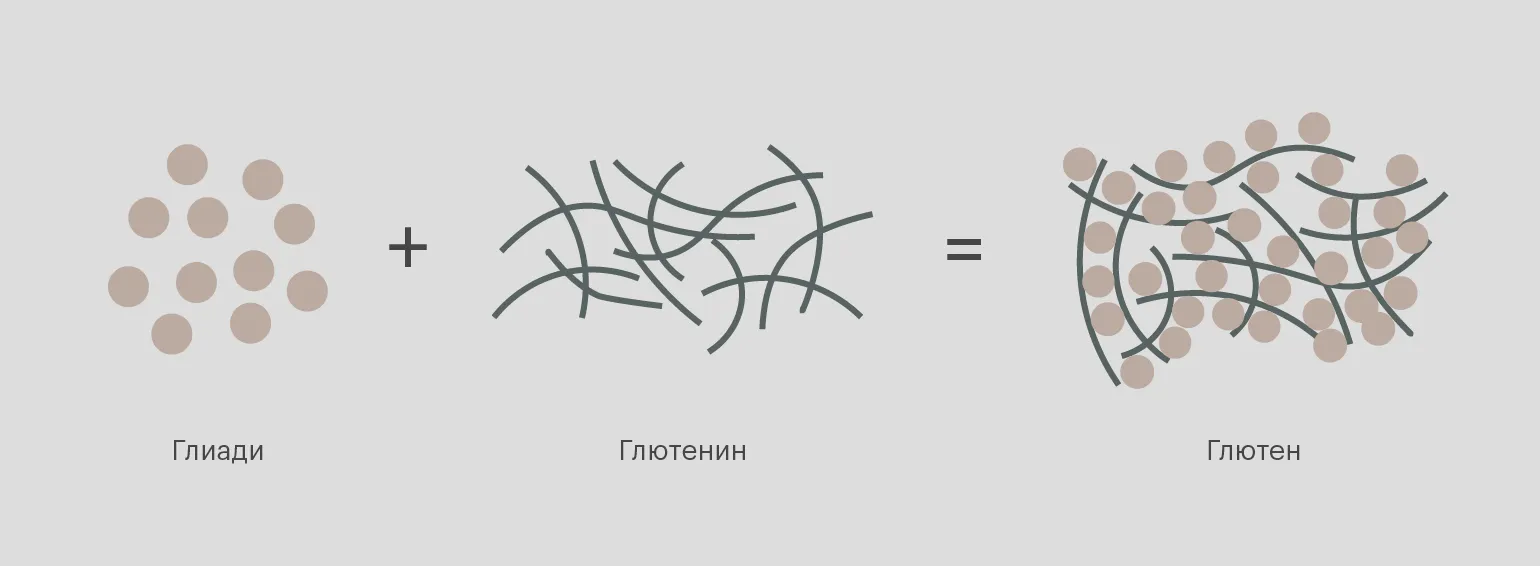
Wheat gluten is a combination of two main groups of proteins: gliadin and glutenin. These proteins play a key role in forming the structure of dough, providing its elasticity and texture. Gliadin is responsible for viscosity and extensibility, while glutenin gives the dough strength and resilience. Due to its unique properties, wheat gluten is an important component in the production of baked goods and other flour-based products. Understanding the composition and functions of wheat gluten helps to better appreciate its importance in cooking and the food industry.
In Russian, gluten, or klyukovina, is a protein compound found in cereals. The term «gluten» Gluten comes from the Latin word meaning "glue," reflecting its properties. Gluten gives wheat products, such as bread and pasta, their characteristic chewy and elastic texture. This property makes gluten an important component in baking and the production of other flour products, providing their structure and flavor.
Who Needs a Gluten-Free Diet
Many people go gluten-free because of persistent digestive problems such as diarrhea, flatulence, and abdominal discomfort. Eliminating gluten from the diet can significantly relieve symptoms and, in some cases, eliminate them completely, especially if the disorders are caused by gluten intolerance or celiac disease. A proper gluten-free diet can improve overall health and enhance quality of life.
- Wheat Allergy. This is an immunological reaction to wheat proteins, especially common among children [2], [4].
- Celiac disease. It occurs due to the presence of antibodies to gliadin proteins in the intestine. Due to the autoimmune reaction, the wall of the small intestine is destroyed, and in severe cases, celiac disease can lead to blood diseases and osteoporosis [4].
- Hypersensitivity to gluten. It causes symptoms typical of an allergy or celiac disease, but examination does not reveal any immune or autoimmune disorders in the person. Hypersensitivity to gluten is much more common than celiac disease [5], [6].
Celiac disease differs from other disorders in that it involves changes in the villi of the small intestine. In celiac disease, the villi become thinner and lose their functional properties. In contrast, with other reactions to gluten, the villi remain intact. This key distinction distinguishes celiac disease as a unique condition requiring a distinct approach to diagnosis and treatment. Understanding these characteristics is important for effective disease management and the prevention of complications.
In recent years, interest in a gluten-free diet in the context of autism spectrum disorder has increased. Many parents report that their children become more sociable and calm when eliminating gluten from their diet. However, scientific research has not yet confirmed the effectiveness of such a diet for children with autism spectrum disorder. It is important to approach nutrition with caution and rely on scientific evidence.
Which foods contain gluten?
>To create a balanced diet, it is important to consider all sources of gluten, both obvious and hidden. Gluten is found not only in traditional grains such as wheat, rye, and barley, but also in products where it may be added as a thickener or stabilizer. These can include sauces, pastries, some types of sausages, and even prepared meals. Therefore, it is important to carefully read labels and be aware of products containing gluten to avoid unwanted health consequences. Knowing all sources of gluten will help you create a safe and balanced diet.
Gluten is present in many well-known foods, including bread, baked goods, and pasta. Other major sources of gluten include cereals such as wheat, semolina, barley, pearl barley, bulgur, and couscous. However, this list is far from exhaustive, and many other foods may contain gluten. Therefore, it's important to carefully read labels and be aware of food ingredients, especially for those with gluten intolerance or celiac disease. A gluten-free diet won't be effective if sources of hidden gluten remain in your diet. Many foods that appear gluten-free may contain it as additives or during processing. To achieve the desired results, it's important to carefully monitor food ingredients and avoid even the slightest trace of gluten. This is especially true for those with gluten intolerance or celiac disease. Pay attention to the labeling and choose certified gluten-free products to eliminate the risk of accidental gluten consumption.
- processed foods - cooked sausages, hot dogs, semi-finished products from minced meat and fish, potato and corn chips;
- canned goods - most meat, fish, vegetable and fruit preserves;
- sauces - mayonnaise, ketchup, mustard;
- seasonings - multi-component dry seasonings and spices, concentrated dry soups, bouillon cubes;
- semi-finished products - instant soups and mashed potatoes, dumplings, vareniki, breaded meat, fish and vegetable products;
- ready-to-eat breakfasts - corn flakes with the addition of barley malt;
- imitation seafood - "crab "sticks", "crab meat";
- sweets - caramel, soy and chocolate candies with filling, oriental sweets, industrially produced jam.
Gluten can be found in various food additives, such as preservatives and stabilizers. Pay attention to E-codes in the range E1400-E1451, which represent starches, as well as E150. Check the source of these additives, as they can be derived from wheat, barley, or rye. In addition, gluten can be found in some types of instant coffee, including espresso capsules. When choosing products, it is important to carefully study the composition to avoid unwanted reactions to gluten.

Be sure to check out our other materials:
Food additives E are substances that are added to foods to improve their quality, preserve freshness, enhance color or taste, and extend shelf life. These additives are assigned a number with the letter "E", indicating their approval for use in the European Union. Food additives can be of both natural and synthetic origin.
There are many types of additives, including preservatives, colorings, flavorings, stabilizers, and emulsifiers. Each of these additives performs a unique function. For example, preservatives help prevent food spoilage, while colorings add an attractive appearance.
It is important to note that all food additives (E) undergo rigorous safety testing and inspection before being approved for use. However, consumers should be careful and aware of the ingredients in the products they consume to avoid possible allergies or intolerances to certain additives.
Thus, food additives E play an important role in modern food production, ensuring their safety and quality.
Is it true that beer contains gluten?
Most beers are made from malt, which is sprouted and dried grain. Malt is mainly made from cereals containing gluten, most often barley. Studies conducted in Australia have shown that the gluten content in barley beer can range from 19 to 45 parts per million (ppm). In beer made from wheat, the gluten level is significantly higher - on average 40,800 ppm. This makes wheat beer less suitable for people with gluten intolerance.
What You Can Eat on a Gluten-Free Diet: Foods and Dishes
The list of permitted foods contains many delicious and healthy options. Both animal and plant sources are represented, ensuring variety and balance in the diet.
On a gluten-free diet, you can eat foods that do not contain gluten. These foods include fresh fruits and vegetables, meat, fish, eggs, dairy products, nuts, seeds, and legumes. You can also include gluten-free grains such as rice, corn, buckwheat, and quinoa in the diet. It is important to carefully read the ingredients of foods and avoid those that may contain hidden sources of gluten, such as sauces, baked goods, and processed foods. Making the right food choices will help you maintain health and add variety to your diet on a gluten-free diet.
- fruits and vegetables;
- beans and legumes;
- meat;
- vegetable oils;
- eggs;
- milk;
- fish;
- nuts;
- gluten-free grains [12].
6 Gluten-Free Grains
Grains allowed on a gluten-free diet are often referred to as "minor" or "minor" grains. In this context, it is important to consider the main types of such grains. These products are an excellent alternative to traditional grains containing gluten and can be successfully included in the diet of people with gluten intolerance or celiac disease. Common gluten-free grains include quinoa, buckwheat, amaranth, and millet. Not only are they safe to eat, but they're also rich in nutrients, vitamins, and minerals. Including these grains in your daily diet promotes dietary variety and improves overall health. There are over 40,000 varieties of rice, all of which are gluten-free. These include white, brown, red, black, and wild rice. White rice is made by milling and polishing whole grains, which results in the loss of some nutrients. In contrast, brown rice retains its outer shell, which is rich in fiber and important micronutrients. Since many people follow a gluten-free diet and watch their blood sugar levels, brown rice is a preferred option due to its low glycemic index. This makes it an excellent choice for those looking to maintain stable blood sugar levels and maximize nutritional benefits.
Learn also:
Low glycemic index foods are an important part of a balanced diet. They help maintain stable blood sugar levels, which is especially beneficial for people with diabetes and those trying to control their weight. Such foods include whole grains, legumes, vegetables, and some fruits.
Whole grains, such as oats and quinoa, have a low glycemic index and provide a long-lasting feeling of fullness. Legumes, such as lentils and beans, also promote slower carbohydrate absorption and help avoid sharp spikes in blood sugar levels. Vegetables, especially non-starchy ones like broccoli and spinach, are ideal for maintaining health and weight management.
Some fruits, such as apples, pears, and berries, also have a low glycemic index and can be a great choice for snacking. Including these foods in your daily diet helps improve metabolism and overall health.
Therefore, eating foods with a low glycemic index not only helps with blood sugar control but also supports overall health, promotes weight loss, and improves digestion.
For many years, oats were considered a no-no for people with celiac disease. Although pure oats are gluten-free, they are often contaminated with gluten-containing grains. This cross-contamination can occur during harvesting, transportation, storage, or processing of grains. Manufacturers are currently actively developing technologies to prevent accidental gluten contamination of oats, making them safe for consumption by people with celiac disease.
Groats are a valuable source of nutrients that people on a gluten-free diet often lack, especially B vitamins. Buckwheat flour can serve as an excellent alternative to wheat flour for thickening sauces, soups, and casseroles, adding variety and improving nutritional value. Using buckwheat flour in cooking not only enriches dishes with nutrients but also helps people with gluten intolerance enjoy delicious and healthy food. Teff is a grass native to Ethiopia, known for its unique seeds, which are the smallest of any grain in the world. For comparison, 100-150 teff seeds are equivalent in size to a single grain of wheat. Teff has a distinctive, mild, nutty flavor, reminiscent of molasses, making it an excellent baking ingredient. Thanks to its nutritional properties and unique taste, teff is becoming increasingly popular in cooking and dietary nutrition.
On a gluten-free diet, the use of corn tortillas and popcorn is allowed. However, it is necessary to remember that corn is a high-calorie product. With this in mind, it's important to control portions and combine corn products with other low-calorie foods to balance your diet. Proper use of corn in your diet will help you achieve your desired results and maintain your health. Quinoa, known as the "golden grain of the Incas," has been an important food in South America for thousands of years. It's a superfood packed with beneficial nutrients. Soaking or rinsing quinoa before cooking is recommended to remove saponins, which can give it a bitter taste. However, recent research by Chinese scientists has shown that quinoa's unique flavor is due to the presence of polyphenols, which have numerous health benefits. Quinoa is rich in protein, fiber, and minerals, making it an excellent choice for those seeking a healthy diet. A half-cup serving of amaranth is a valuable source of magnesium, vitamin B6, and selenium. In addition, amaranth is rich in lysine, an amino acid that is lacking in many other grains. Including amaranth in your diet can improve your overall health and support your metabolism thanks to its high nutrient content.
Sample menu on a gluten-free diet
1,478 calories, 87 grams of protein, and 39 grams of fiber were consumed per day. These metrics are important for maintaining a healthy diet and optimal energy levels. Protein plays a key role in muscle growth and repair, while fiber promotes digestion and metabolism. Maintaining a balanced diet that includes calories and macronutrients will help you achieve your health and fitness goals.
The Dangers of a Gluten-Free Diet
Doctors and nutritionists strongly advise against following a gluten-free diet unless medically necessary. Gluten-free foods can have negative health effects for several reasons. First, such diets are often low in essential nutrients, which can lead to vitamin and mineral deficiencies. Second, gluten-free products often contain more sugar and fat to enhance palatability, which can contribute to weight gain. Furthermore, going gluten-free can lead to social and cultural restrictions that make it difficult to maintain a balanced diet. Therefore, it is important to consult with a doctor or a qualified dietitian before starting a gluten-free diet.
- It is low in fiber. A healthy person should consume 25 to 38 grams of fiber per day, but most people do not even get that amount [20]. A gluten-free diet makes it more difficult to get the right amount of fiber, since most of it comes from whole grain breads, which contain gluten [21], [22].
- And even fewer nutrients. People on a gluten-free diet often do not get enough B vitamins, such as thiamin, riboflavin, niacin, and folate [22].
- It is not heart friendly. People without celiac disease who have avoided gluten have a higher risk of cardiovascular disease. Experts believe that this is due to the rejection of whole grain products, that is, fiber [23].
Text reworked for SEO:
Read also:
12 Foods for a Healthy Heart and Blood Vessels
A healthy heart and strong blood vessels play a key role in maintaining overall health. Proper nutrition can significantly reduce the risk of cardiovascular disease. Let's look at 12 foods that help improve the health of the heart and blood vessels.
Vegetables and fruits rich in antioxidants help lower cholesterol and improve circulation. Berries, such as blueberries and strawberries, contain anthocyanins, which protect the cardiovascular system. Salmon and other fatty fish, rich in omega-3 fatty acids, reduce inflammation and support heart health.
Nuts and seeds, such as walnuts and flaxseeds, contain healthy fats and fiber, which help control cholesterol levels. Olive oil, rich in monounsaturated fats, also helps improve vascular health. Legumes, such as beans and lentils, are an excellent source of protein and fiber, which helps support heart health. Whole grains, such as oatmeal and quinoa, help normalize blood sugar levels and reduce the risk of cardiovascular disease. Dark chocolate, with a high cocoa content, has antioxidant properties and can improve circulation. Garlic, known for its beneficial properties, helps lower blood pressure and cholesterol levels. Including these foods in your diet helps strengthen the cardiovascular system and improve overall health. A healthy diet, along with physical activity, is an important part of preventing cardiovascular disease. A gluten-free diet does not promote weight loss. In fact, many gluten-free products contain more carbohydrates than their gluten-containing counterparts. Scientific research does not confirm that following a gluten-free diet leads to weight loss. This opinion is supported by Dr. Alessio Fasano, Director of the Center for Celiac Disease Research and Chief of the Division of Pediatric Gastroenterology and Nutrition. For effective weight management, it is more important to pay attention to overall calorie balance and diet quality, and not just the presence or absence of gluten in foods.
Fasano emphasizes that weight loss in people following a gluten-free diet is most likely due to an improvement in their overall diet, and not solely to eliminating gluten from their menu. This suggests that a more conscious approach to food choices can help achieve the desired results in the fight against excess weight.
How to find a gluten-free product
The US Food and Drug Administration indicates that the "gluten-free" label must appear on products that meet strict standards and contain less than 20 parts per million of gluten. This ensures safety for people with celiac disease and gluten intolerance. When choosing products with this label, consumers can be confident in their quality and safety.
- originally gluten-free;
- gluten-free during processing;
- certified and tested for gluten cross-contamination;
- may contain less than 20 ppm gluten.
Gluten-free products are designated by a special symbol - a crossed-out ear of corn. The packaging may also contain the words "gluten free", which confirms the absence of gluten in the composition. Choosing these foods is important for people with gluten intolerance or celiac disease, so always check the packaging for these symbols.
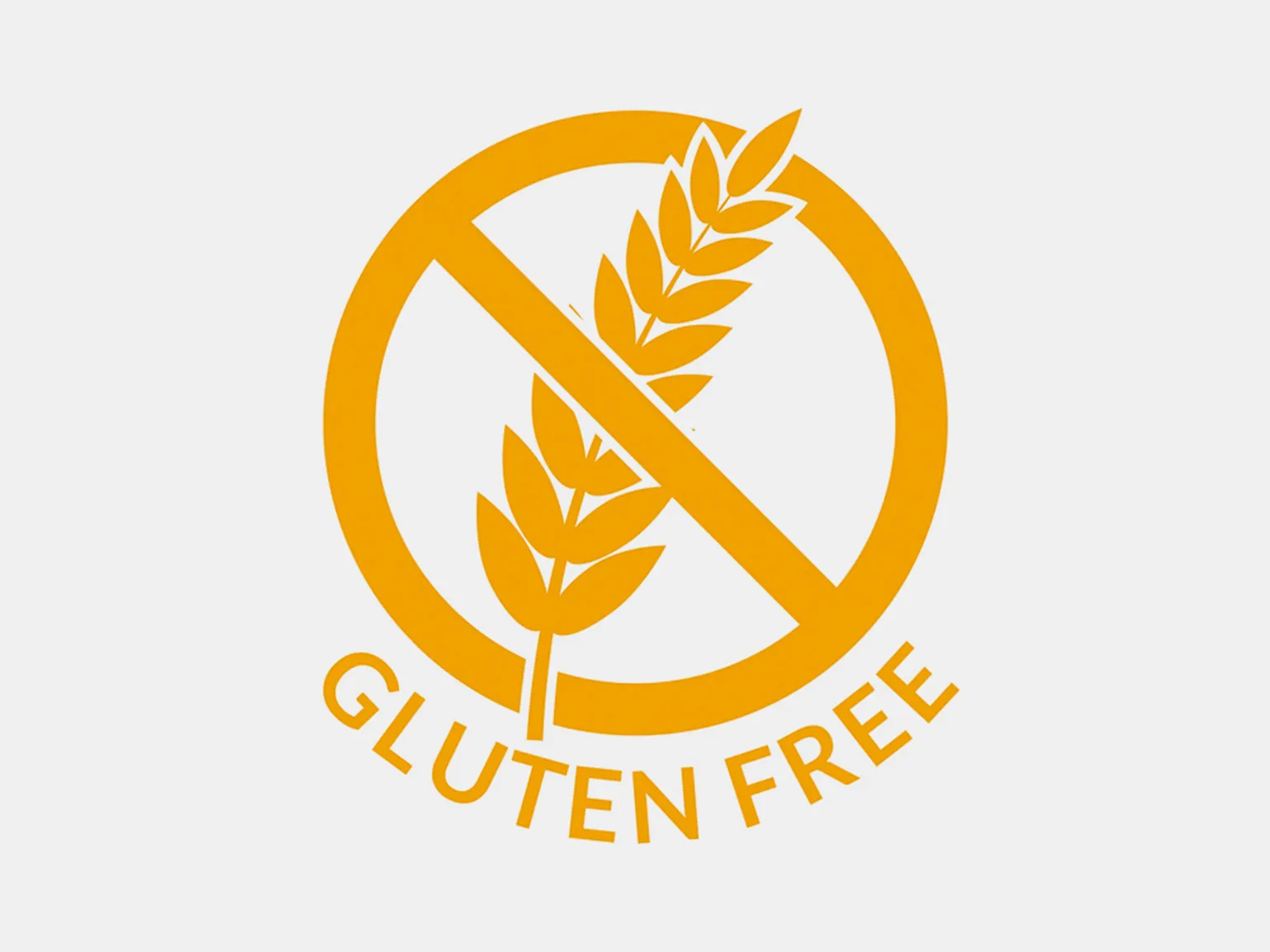
20 ppm is the minimum level that can be detected in foods using reliable scientific analytical methods. This amount is considered safe for most people with celiac disease, making it the standard in countries such as the United States, the European Union, Russia, and China.
Checklist for starting a gluten-free diet
- Read food labels—many contain hidden gluten [26].
- Store gluten-containing foods separately from gluten-free foods—using separate kitchen equipment and utensils is best, as this reduces the risk of cross-contamination [26].
- Be especially careful in restaurants. Your food may not be gluten-free, but it may have been cut on a board or fried together with foods containing gluten. Be sure to tell your server if you have celiac disease or a gluten sensitivity [26].
- Choose baking flour labeled "gluten-free": Many breads, waffle and muffin mixes, pizza crusts, and other products are gluten-free [28].
- Beware of non-food sources of gluten. Gluten is found in more than just foods. Because of its "sticky" properties, gluten is used as an additive in processed foods, medications, cosmetics, and vitamins [11], [26].
First and foremost, it is important to make sure that a gluten-free diet is truly recommended for you, and laboratory testing can help with this. If you tolerate gluten well, there is no need to eliminate it from your diet. Scientific research does not support the idea that a gluten-free diet is beneficial for healthy people. The approach to nutrition should be individualized, and it is important to base your decisions on evidence-based health data.