Contents:
- Diet and nutrition - what is it?
- What are carbohydrates and why are they blamed for all the troubles?
- Stereotypes about food and eating behavior
- How to change stereotypical behavior
- Myths about nutrition
- You can't eat after 6:00 PM
- You need to count proteins, fats and carbohydrates
- Snacks are harmful
- You need to drink Freshly squeezed juices
- Intermittent fasting is good

Thinking about a new profession, but don't know where to start? Find out what's right for you: IT, design, game development, management, or marketing. Take a free career guidance course.
Learn moreHealthy eating is often associated with foods like smoothies and oatmeal, as well as counting calories and giving up chocolate and chips. The word "healthy" is misleading, leading us to categorize foods as healthy or unhealthy, and to restrict our diets. However, healthy eating isn't about strict restrictions; it's about developing a healthy relationship with food. It's important to understand that a balanced diet includes a variety of foods to meet the body's nutrient needs. Mindful food choices and food combinations contribute not only to physical but also emotional well-being.
In this article, you'll gain useful information on how to effectively use SEO to improve your content's visibility in search engines. We'll cover key aspects of text optimization, including keyword selection, article structure, and the importance of internal and external links. You'll learn how to create high-quality content that will not only attract users but also meet search engine requirements. Optimized text will help you increase organic traffic and improve your site's position in search results.
- What is the difference between a diet and a ration;
- Why does everyone blame carbohydrates;
- How to abandon myths and stereotypes about nutrition and start eating right.

A general practitioner and nutritionist, a specialist in the field of health management, is a speaker "How to Manage Your Health" course. This course provides valuable knowledge and practical recommendations for maintaining optimal health through proper nutrition and lifestyle. The skills acquired in this course will help you effectively manage your health and achieve your goals.
Food is the body's primary source of energy. Although its primary function is to provide satiety, in real life, it serves many social purposes. People can eat in various emotional states: from boredom and sadness to anxiety and joy. There is also the practice of sharing food, when we eat in company, which adds a social aspect to the eating process. Understanding these aspects of food helps you make mindful food choices and develop healthy habits.
If a person regularly eats emotionally or does so uncontrollably, it is important to consult a doctor for evaluation for an eating disorder. Eating disorders can negatively impact physical and mental health. Early diagnosis and professional help can help avoid serious consequences and restore healthy eating habits.
Diet and Nutrition - What Are They?
Implementing healthy eating habits becomes easier when the primary goal is self-care, not control or restriction. It's important to clearly distinguish between two terms: diet and nutrition. Diet is often associated with time restrictions and strict rules, while nutrition implies a broader approach to nutrition, incorporating food variety and a balance between healthy and tasty dishes. Understanding these concepts will help you create sustainable habits that promote better health and well-being.
A diet is a temporary dietary restriction that is often associated with specific conditions. For example, it may be necessary due to medical conditions that require the exclusion of certain foods from the diet, or when reducing calorie intake while fighting excess weight. Proper adherence to a diet can contribute to improved health and the achievement of desired weight management results.
A diet cannot be long-term, as it is psychologically difficult to constantly restrict yourself and avoid your favorite foods that are not harmful to health. Diets are used when it is necessary to lose excess weight or improve overall health. It is important to find a balance between proper nutrition and satisfying your gastronomic desires to avoid stress and maintain motivation on the path to your goals.
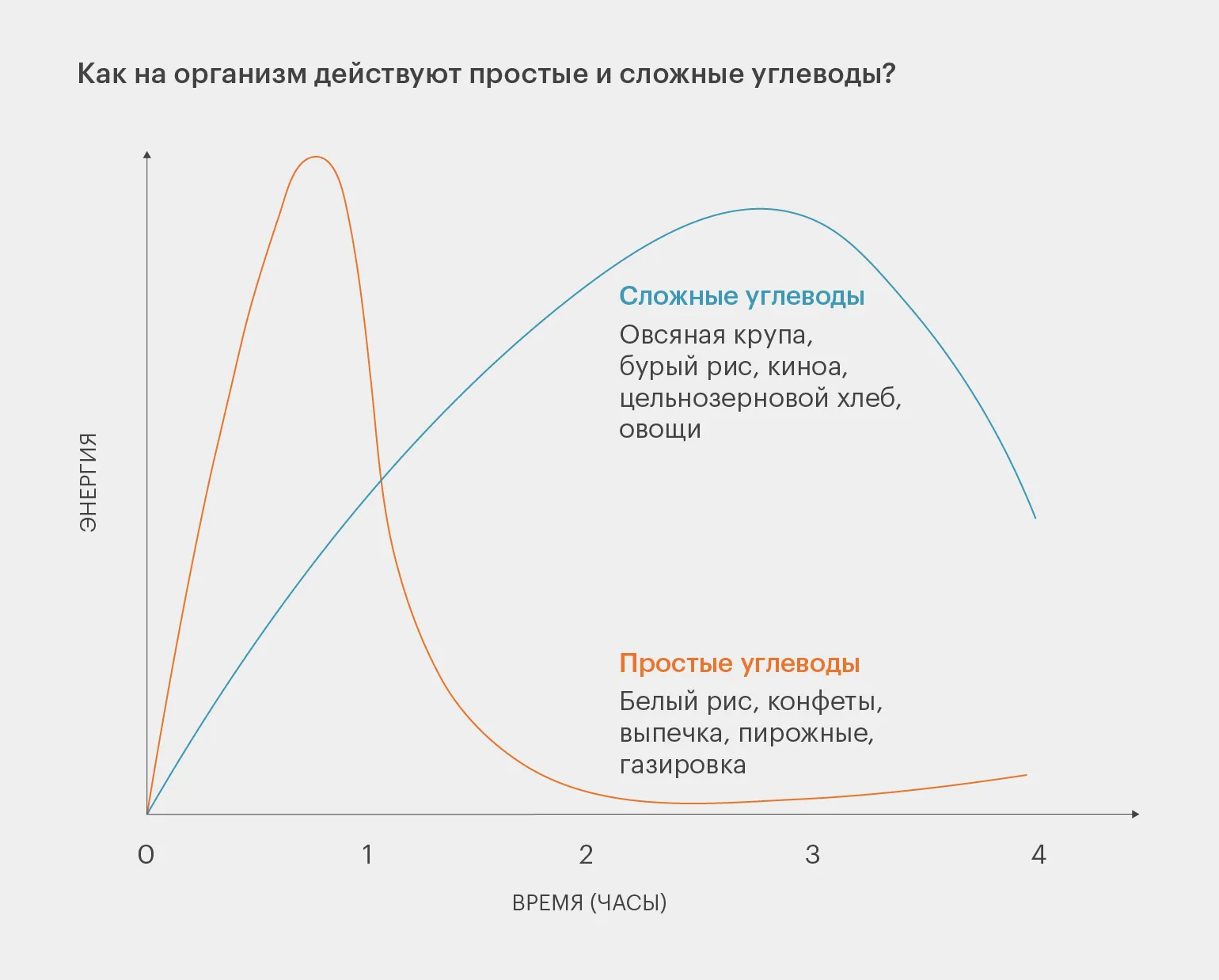
Diets should be prescribed and developed only by a doctor, based on the individual needs of the patient. A proper approach to dietary planning ensures the effectiveness of treatment and the maintenance of health. It is important to consider the individual characteristics of the body, the presence of medical conditions, and the goals to be achieved through dietary nutrition. A specialist consultation can help you avoid mistakes and achieve optimal results in weight management and overall well-being. Diet plays a key role in maintaining a comfortable lifestyle. Healthy eating habits contribute to a person feeling happy and energetic for a long time. Proper nutrition not only improves physical condition but also has a positive effect on psycho-emotional health, allowing you to achieve harmony and well-being. It is important to pay attention to the quality and variety of the foods we consume to maintain high levels of health and activity. What are carbohydrates and why are they blamed for all the troubles? Carbohydrates are often perceived as the enemy, and there are diets that completely eliminate them from the diet. However, completely eliminating carbohydrates can pose health risks. Therefore, it is important to understand the different types of carbohydrates and how much is safe to consume. The right approach to carbohydrates can not only help maintain health but also contribute to improved fitness and energy levels. By understanding the types of carbohydrates and their role in the body, you can create a balanced diet that will promote long-term well-being. Simple carbohydrates are small molecules. They quickly raise blood glucose levels, causing us to immediately feel full and have a surge of energy. However, after a relatively short time, glucose levels drop, and the body again requires nourishment. Simple carbohydrates are found in large quantities in foods such as chocolate, cookies, and pastries. It is indeed better to limit the consumption of such foods. Complex carbohydrates are substances consisting of several simple carbohydrate molecules, the breakdown of which the body will expend energy. When complex carbohydrates are consumed, additional biochemical processes occur, and glucose enters the blood and brain slowly. Therefore, a feeling of satiety is maintained for a long time. A lack of complex carbohydrates in the diet partially explains the craving for sweets. Complex carbohydrates should make up a quarter of a person's daily diet. These carbohydrates provide stable energy levels, promote metabolism, and support health. Including complex carbohydrates in your diet helps prevent sharp spikes in blood sugar, which is important for overall well-being. These foods include whole grains, legumes, vegetables, and fruits. They not only satiate the body but also provide essential vitamins and minerals. Proper distribution of carbohydrates in the diet helps maintain performance and improve the quality of life.
Stereotypes about food and eating behavior
Nutrition issues are often based on established stereotypes that Passed down from generation to generation, many of us, without even realizing it, continue to follow beliefs we learned as children. These stereotypes can include outdated ideas about which foods are healthy and which are unhealthy. For example, common myths that certain foods cause weight gain or that certain diets are the only correct approach to healthy eating can be misleading. A mindful approach to nutrition requires analysis and critical thinking, not blind adherence to tradition. It's important to develop the ability to distinguish fact from myth to create a balanced and healthy diet that suits individual needs and lifestyle.
- "You can't leave the table until you finish everything."
- "After eating, you should reward yourself with candy."
- "You need to finish everything in the refrigerator so it doesn't go to waste."
- "You need to finish your child's food so you don't throw it away."
- "A man's belly is a status symbol."
- "A good man should be plentiful."
The attitudes that helped our ancestors survive in ancient times require revision today. In the 21st century, when food resources are available in abundance, our beliefs and behavior must adapt. By rethinking old habits, we can create a healthier relationship with food and improve our quality of life.
How to Change Stereotypes
To effectively manage your thoughts, it's important to monitor their occurrence and context. When you recognize a particular thought, you can replace it with a more constructive one or provide a counterargument. For example, if you have a thought about finishing everything on your plate, you can remind yourself: "This is what our mothers and grandmothers used to think, but in today's world, there's no need to finish everything, since food is much easier to access."
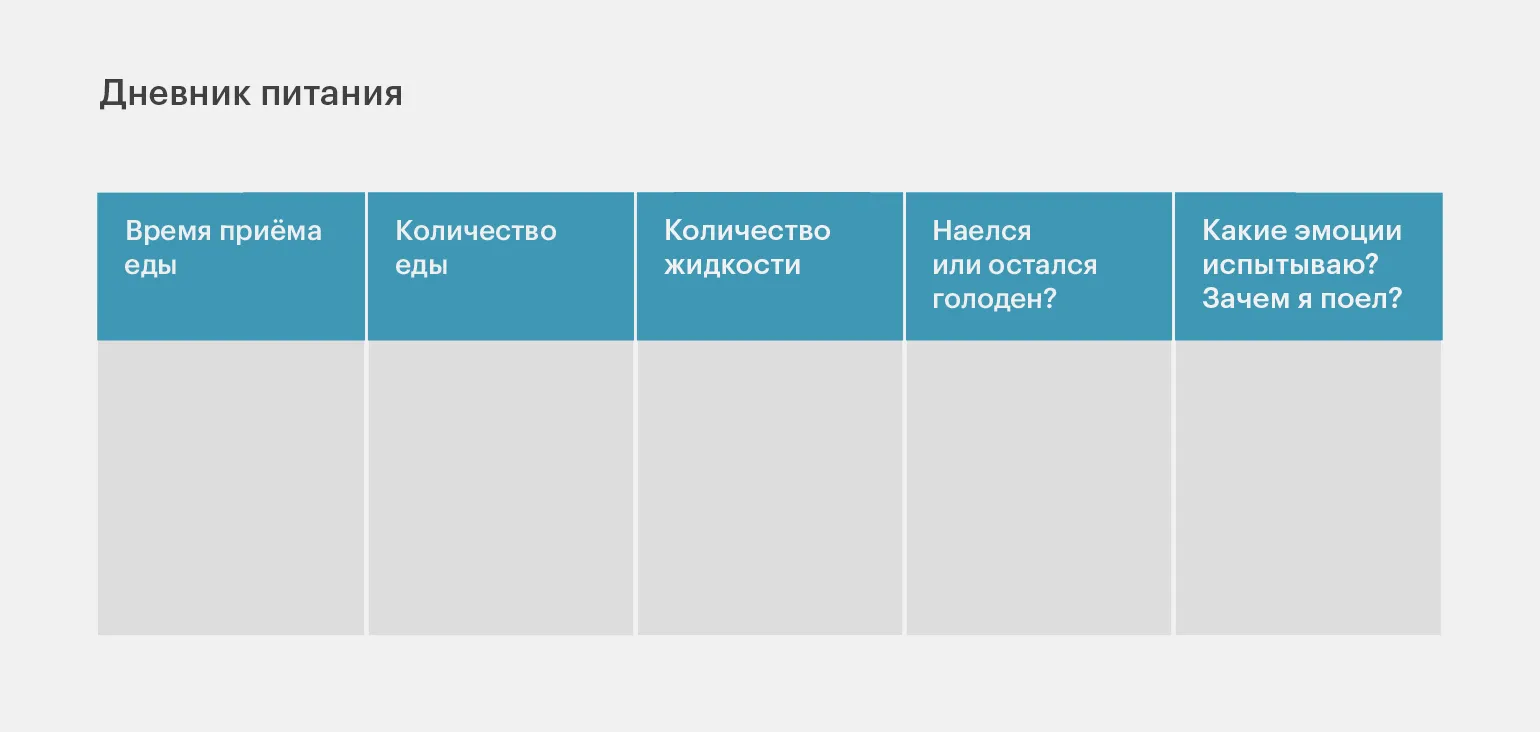
Creating new neural connections helps you break out of outdated patterns and habits. Journaling can be especially helpful in this process. Regularly recording your thoughts and feelings helps you become aware of your behavior patterns and offers an opportunity for self-reflection. This, in turn, promotes personal growth and changes in how you perceive the world. Keeping a journal not only helps you structure your thoughts but also develops new approaches to problem-solving, which significantly increases your chances of successfully overcoming old habits. Keep a food diary. Honestly record what and when you eat. Then, analyze the diary yourself or with a specialist to identify deviations or irregularities in the timing, volume, and quality of food. Keep an emotion diary. Record the emotions and feelings you experience while eating. For example, you might have eaten quite a lot at night and now feel irritated or guilty. Think about why this happened and where these thoughts come from.
If you experience many negative thoughts about food, it is recommended to consult a psychologist. This condition may indicate an eating disorder, which requires professional intervention. A psychologist can help you understand internal conflicts and develop a healthy relationship with food. Don't ignore your feelings and take care of your mental health to improve your quality of life and eating habits.
Nutrition Myths
Myths and stereotypes have a significant impact on our eating habits. Society actively supports various myths that can force us to change our lifestyle and feel guilty about natural eating behavior. Although experts and doctors constantly debunk these myths, many people continue to believe them. Let's look at the most common ones.
You shouldn't eat after 6:00 PM
When eating in the evening, you should consider not only the time, but also your activity level during the day, as well as your bedtime. If you're actively working or exercising at 8:00 PM, a light snack afterward would be appropriate. It's important to remember that your last meal should be three hours before bedtime to avoid sleep disruption and improve the quality of your rest. Optimizing your evening diet will help maintain energy balance and promote healthy sleep.
It's essential to count proteins, fats, and carbohydrates
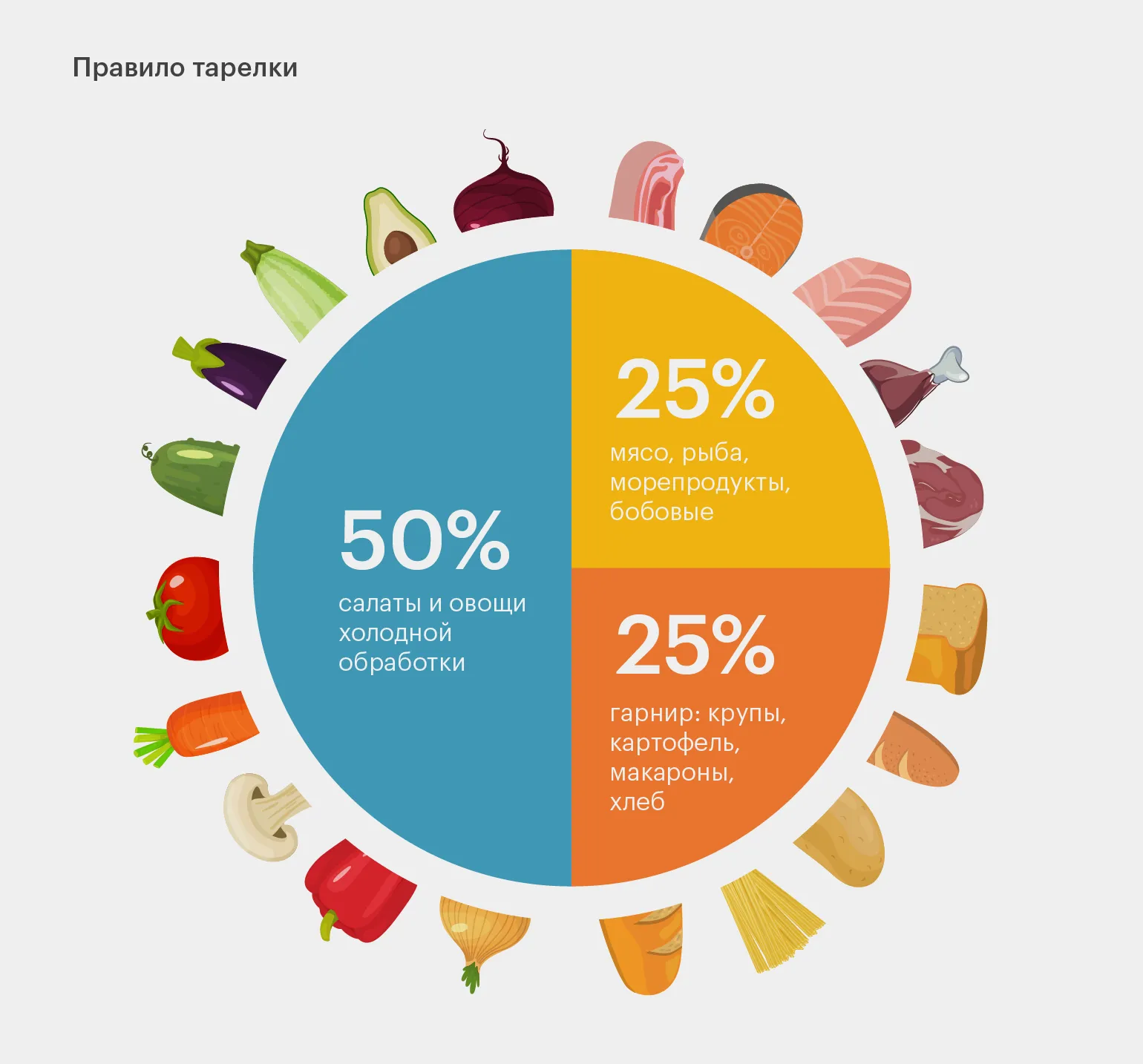
There's a common myth about the need to strictly account for the amount of proteins, fats, and carbohydrates in your diet, especially among those trying to lose weight or exercising. In fact, counting macronutrients isn't necessary in everyday life. It's important to focus on the quality of the food you consume. Following the "plate" principle can help you easily provide your body with the necessary nutrients without unnecessary complications. Making the right food choices and eating a balanced diet will help you achieve your desired weight management and health goals.
Snacking is harmful
The myth about snacking often becomes an obstacle for those who want to lose weight. In fact, snacking can be useful if organized correctly. It's important to avoid snacking on the go and eating junk food, as this can lead to weight gain. Eating healthy snacks will help maintain energy levels and prevent overeating during meals. Choose healthy snacks, such as fruit, nuts, or yogurt, to maintain balance and promote effective weight loss. Maintaining 2.5-3 hours between meals means snacks shouldn't be as large as a full meal. The optimal snack size is 100-150 grams. This approach helps maintain energy levels and control appetite without overloading the body. Choosing the right snacks will help maintain a balanced diet and improve overall well-being.

Read also:
There are many apps that help users monitor their health. These tools can be useful for monitoring physical activity, tracking nutrition, and managing stress. In this article, we'll look at seven popular apps that will help you stay fit and take care of your health.
Activity tracking apps allow you to track steps taken, calories burned, and other physical activity metrics. Many offer personalized workout plans and tips for improving your results.
Diet tracking apps help you keep a food diary, track your calorie intake, and receive recommendations for a balanced diet. These apps can be especially useful for those trying to lose weight or improve their overall health.
Meditation and stress management apps are also worth mentioning. They offer various relaxation and mindfulness techniques, which can help improve your mental and emotional well-being.
It's important to choose an app that fits your personal goals and lifestyle. With technology, you can more effectively manage your health and achieve your goals.
Drink freshly squeezed juices
When using a juicer, many of the beneficial substances contained in the fiber of fruits and vegetables are wasted. To maximize the extraction of all the nutrients, it is recommended to eat fruits and vegetables whole. This not only preserves vitamins and minerals, but also improves digestion thanks to fiber. Eat fresh foods to get the maximum health benefits.
Intermittent fasting is good
Intermittent fasting can be considered as a method of dietary control for people who do not have health problems or eating disorders. However, scientific research does not support its significant health benefits. Before starting intermittent fasting, it is recommended to consult a doctor or nutritionist to assess possible risks and receive recommendations tailored to your individual needs.
Read also:
- Decoding tests: clinical and biochemical analysis, hormonal studies
- Physical activity - what types are there and what are the benefits
- What is psychosomatics - explained in simple terms
Free Career Guidance
Take a short test and find out which profession is right for you, and then try your hand at your chosen specialty. At the end of the course, you will have a session with a career guidance specialist. It will help you decide on your career path.
Find out more