
Contents:

Thinking about a new profession, but don't know where to start? Find out what suits you: IT, design, game development, management or marketing. Take a free career guidance course.
Learn moreRegularly eating out often leads to increased calorie consumption. When traveling, people tend to choose unhealthy snacks or fast food at gas stations. In addition, cafes and restaurants offer large portions of food, often consisting of unhealthy ingredients. This can negatively impact health and lead to excess weight. To avoid this, it is important to make conscious food choices and try to choose more balanced options, even when food is prepared to go.
Excess weight can become a serious health threat, developing into obesity, which has now reached epidemic proportions. Excess weight is a leading cause of death in Europe. They contribute to the development of diseases such as diabetes, chronic respiratory and cardiovascular diseases, and can cause at least 13 types of cancer. Maintaining a healthy weight is crucial for preventing these serious conditions and improving overall health.
In this article, we will examine key aspects of this topic in detail, focusing on important details and practical recommendations. We will analyze the key elements that will help you gain a deeper understanding of the topic and offer helpful tips for practical application. Stay tuned to get a full understanding of the topic of discussion and take advantage of our recommendations.
- What are the basic principles of healthy eating out;
- What and how to order in a cafe;
- What to do if you are always on the go: options for healthy snacks;
- How to monitor the consumption of the right amount of water.

I am a first-category gastroenterologist, nutritionist, and hepatologist with extensive experience. I am the executive director of the ANO Scientific Center for Healthy Nutrition, and I also have skills in culinary arts and the psychology of eating behavior. I founded the healthy sweets and snacks brand NuriFood, which offers healthy alternatives for those who care about their diet. I am also the mother of two daughters, which inspires me to create high-quality and healthy products for the whole family.
We have launched the "How Are You?" Telegram channel, where we will share useful information on self-development, psychology, effective learning methods, and career building at any age. Subscribe to our channel to receive relevant tips and recommendations to help you achieve success in your personal and professional life.
I am a first-category gastroenterologist, nutritionist, and hepatologist with extensive experience in health and nutrition. I am the executive director of the ANO Scientific Research Center "Healthy Nutrition," as well as a professional chef and eating behavior psychologist. I founded the NuriFood brand of healthy sweets and snacks, which offers healthy alternatives for those with a sweet tooth. I am also the proud mother of two daughters, which gives me additional motivation to create healthy and balanced meals for the whole family.
3 Basic Principles of Healthy Eating Outside the Home
The rules for healthy eating outside the home are practically no different from those that apply at home. The key aspects remain maintaining a balance of nutrients, a conscious approach to food selection, and meal planning. Let's consider how to implement these principles if your lifestyle requires constant activity.
It is important to plan your menu in advance and choose healthy snacks that are easy to take with you. Pay attention to foods rich in protein, fiber, and healthy fats. This will help you maintain your energy levels throughout the day and avoid the temptation to snack on unhealthy foods. It's also a good idea to choose cafes and restaurants that offer a variety of balanced meals to help you make healthy choices even when time is limited.
Use portion control and avoid overeating. Healthy eating out is possible with careful selection and preparation.
Try mastering the basic plate rule to help you plan your main meals properly. This rule means that your plate should contain a variety of foods balanced in macronutrients. Divide your plate into three parts: half should consist of vegetables and fruits, one quarter should consist of protein foods such as meat, fish, or legumes, and the remaining quarter should consist of complex carbohydrates, such as whole grains or potatoes. This will help you ensure your body is getting all the necessary nutrients and maintain a healthy lifestyle. The plate rule is a simple and effective strategy for portion control and improving the quality of your nutrition.
- Half the plate is fiber—fruits and vegetables;
- A quarter of the plate is healthy proteins: meat, fish, legumes;
- Another quarter is complex carbohydrates: cereals, whole-grain bread, pasta, potatoes.
The optimal portion size is 300 grams for women and 400 grams for men. For convenience, you can use a shallow plate with a diameter of 20–22 cm, filling it with food to the brim, but without creating a mound. This approach helps control portion sizes and promotes healthy eating.
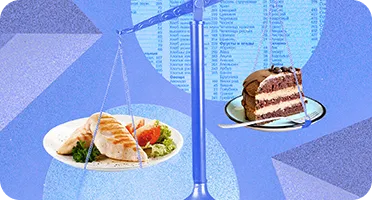
When ordering food, it is better to give preference to a tomato and cucumber salad dressed with vegetable oil, and a steak. This is a healthier choice compared to a fatty cutlet with mashed potatoes and a mayonnaise-based salad. This diet is not only healthier, but also helps maintain good physical fitness and overall well-being. By choosing light and fresh dishes, you take care of your health and energy for the whole day.
Read also:
The Plate Rule: What It Is and How It Works
The Plate Rule is a simple and effective approach to portion control and maintaining a healthy diet. This method helps you visualize the balance between the different food groups on your plate, ensuring you're getting the right amount of nutrients. The basic idea is to divide your plate into several sections, each containing specific types of food.
To achieve optimal balance, it is recommended to fill half your plate with vegetables and fruits, which provide the body with vitamins, minerals, and fiber. About a quarter of the plate should be allocated to complex carbohydrates, such as whole grains, which provide long-term energy. The remaining quarter should be filled with protein sources such as fish, poultry, legumes, or dairy products.
Using the Plate Rule not only simplifies the meal planning process but also helps reduce the risk of developing chronic diseases. This method is suitable for people of all ages and can be adapted to individual preferences and needs. By implementing the Plate Rule into your daily practice, you can achieve a more balanced diet and improve your overall health.
Mindful eating means eating only when you feel truly hungry and in the amount sufficient to satisfy it. This approach helps prevent overeating and develops a healthy relationship with food. By practicing mindful eating, you will be able to better understand your needs and preferences, which will positively impact your physical and emotional well-being. Mindful eating helps improve eating habits and helps control weight, making it an important aspect of a healthy lifestyle.
Ask yourself:
- Do you really want to try several dishes from the menu at once? This desire arises when a person is hungry, so it is worth ordering one thing first.
- Do you really want a cake after lunch?
- Are you really hungry or did you just come to the cafe with a colleague? If the latter, is it really worth ordering something?
When mindfulness becomes a habit, managing your diet will no longer be a difficult task. A mindful approach to food allows you to better understand your true needs and preferences, which makes it easier to choose healthy foods. By developing mindfulness about what we eat, we can avoid unnecessary snacking and emotional eating. Thus, mindfulness helps us develop a harmonious relationship with food and maintain optimal health. Mindful eating doesn't exclude fast food. It emphasizes listening to your body. If you order a burger and feel full after the first half, don't force yourself to finish it. Instead, start with a vegetable salad and remove the top bun from the burger. This way, you'll satisfy your fast food cravings and avoid overeating. A mindful approach to eating helps develop healthy habits and control the amount of food consumed. Sweets also require a mindful approach. Cakes and desserts are acceptable, but in moderation. It's important not to replace a main meal with sweets: eat a full lunch first, saving dessert for when you still have cravings and room in your stomach. It's best to choose smaller portions and opt for natural ingredients. If you feel full, it's best to avoid finishing sweets.
As for bread, it can also be part of mindful eating. Bread is a food containing complex carbohydrates and B vitamins, which are essential for maintaining psycho-emotional health and preventing eating disorders. However, avoid soft, fresh croissants made from white flour and opt for whole-grain, unleavened bread. This will allow you to get the necessary nutrients without excess, maintaining a balanced diet.
If you want to enjoy a croissant rather than plain rye bread, indulge yourself. Choose a small croissant with a tender piece of salmon and a fresh green salad. This option will not only be delicious but also a more balanced snack.
A difficult but important principle of healthy eating outside the home is properly scheduling meal breaks. Without this, it's difficult to maintain a healthy lifestyle. Be sure to factor meal times into your schedule and learn to choose healthy snacks. We'll cover these later. Don't forget to pack healthy food with you, especially on busy days. This will help avoid the temptation of unhealthy snacks and maintain energy levels throughout the day.
Before heading out for lunch, it's recommended to check out the menus at cafes in the area where you plan to spend your lunch break. This will help you choose a place that offers balanced and healthy options. This way, you can make an informed choice and enjoy a delicious meal that suits your preferences and needs.
Find out more:
Healthy eating: concept and ways of organizing it
Healthy eating is a balanced diet that helps maintain health and prevent disease. The foundation of a healthy diet is a variety of foods, including fruits, vegetables, whole grains, proteins, and healthy fats. To establish a healthy diet, there are several key aspects to consider.
First, it's important to create a balanced menu that includes all the necessary macro- and micronutrients. Eating enough fruits and vegetables will help provide the body with vitamins and minerals. Second, it's important to control portion sizes and meal frequency to avoid overeating.
It's also important to limit your intake of processed foods, sugar, and salt. This will help reduce the risk of developing chronic diseases such as diabetes and cardiovascular disease. Drinking enough water is also important: adequate water helps maintain metabolism and overall health.
Finally, it's helpful to develop a mindful attitude toward eating, paying attention to the quality of foods and their origin. Eating right isn't just a way to stay healthy, it's also an important lifestyle choice that can significantly improve your quality of life.
What and how to order in a cafe
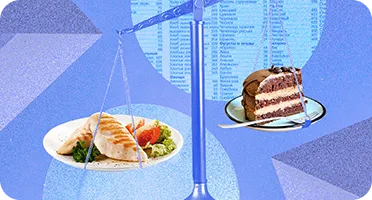
There are several simple rules that will help prevent overeating and maintain a balance in your choice of dishes during lunch and dinner at a restaurant. First, you should familiarize yourself with the menu in advance and choose dishes that suit your preferences and needs. Secondly, it's recommended to control portion sizes to avoid overeating. It's also helpful to pay attention to food combinations, choosing dishes with different textures and flavors. Remember the importance of eating slowly to better understand your feelings of fullness. Following these rules will help you enjoy your meals and stay healthy when dining out. Don't order more than two dishes. Soup is 250-400 grams of liquid with vegetables and a small amount of meat. And according to the plate rule, if you have soup for lunch, you can add a small piece of bread and that's it. Even tea, compote, or vegetable salad would be unnecessary: ordering anything after soup risks overeating and stretching your stomach. A cheese plate is not suitable as an appetizer—it's more of a main course. Moreover, you can eat no more than 30–50 grams of hard cheese at a time, depending on your gender and build.
If you are always on the go: healthy snack options
The first rule for those who travel frequently is to have food with you. If possible, buy a car refrigerator and plan your meals for the day in advance. This approach will not only save money but also ensure healthy nutrition on the road. Prepare a variety of meals that are easy to transport and store to avoid unwanted snacks and maintain energy throughout the trip.
Plan snacks in advance. The right snack as part of a healthy diet should be balanced and include protein, healthy fats, and fiber. Excellent options are nuts, baked fruit with honey, and vegetables with hummus. This approach to snacking provides long-lasting satiety and energy thanks to the fat content.
Moderate salt consumption is essential for maintaining health, especially for people with kidney disease and high blood pressure. The recommended daily intake of salt for adults is less than one teaspoon, but the average consumer often exceeds this limit by more than double. For example, one package of potato chips contains about 1.5 grams of salt, significantly exceeding the recommended daily intake. Products such as chips, processed meats (hot dogs, sausages, and the like), and fast food are classified as low-quality foods, containing large amounts of trans fats and salt. By reducing your consumption of these foods, you can significantly improve your health and reduce your risk of disease.
There are plenty of healthy snack options that are easy to take on the go. They will not only help satisfy your hunger but also provide your body with essential nutrients. Let's look at a few popular options.
Fruit is a great snack choice. Apples, bananas, and pears are easy to transport and require no preparation. Vegetable sticks, such as carrots or cucumbers, also make a healthy and crunchy snack, especially when paired with hummus.
Nuts and seeds are sources of healthy fats and protein. A serving of almonds or walnuts will not only fill you up but also give you energy for the day. Homemade energy bars made with oatmeal, honey, and dried fruit are also a great option for an on-the-go snack.
Yogurts without added sugar or cottage cheese with berries are suitable for those who prefer dairy products. These options are easy to carry and will help maintain energy levels.
This way, healthy snacks like fruits, vegetables, nuts, and dairy products are easy to take with you and will provide you with the necessary nutrients throughout the day.
- Natural pastila (25 grams per serving), preferably with nuts (an adult can have 2-3 whole walnuts).
- Bananas with urbech paste. Bananas are high in calories, but according to gastroenterologists, this is the best option for a snack or addition to a main meal. It is rich in vitamins and minerals, is easily digestible, unlike apples, does not cause bloating, and is extremely rarely allergenic.
- Sliced vegetables with tomato or sour cream sauce.
- Any fruit with a handful of nuts.
- Dried fruits and dried vegetables. Pay close attention to the ingredients and processing; it's best to find trusted suppliers.
- Hummus, but not with breadcrumbs, but with vegetables. It's a protein-fat-carbohydrate product. It's healthier when combined with vegetables. Remember that hummus is a perishable product and should be refrigerated.
- Chia-based desserts: healthy seeds contain protein and fat. You can soak chia in plant-based milk. Once they've plumped up, top them with fruit puree or add bananas, kiwi, or apples.
- Vegetable and fruit smoothies and cottage cheese. Despite their apparent health benefits, smoothies alone won't fill you up due to their unbalanced composition. They need to be supplemented with fats, proteins, and carbohydrates. Smoothies can be added to oatmeal with milk and nuts or eaten with natural granola.
What about water?
The recommendation to drink two liters of fluid per day continues to generate debate and controversy. It's important to clarify that this standard includes not only pure water but also all drinks and foods with a high water content. However, for people working in high temperatures or physically active, two liters may not be enough. In such cases, it's necessary to consider the individual needs of the body and the rate of fluid loss. Proper hydration plays a key role in maintaining health and overall well-being, so it is important to monitor your fluid intake throughout the day.
Gastroenterologists' recommendations concern the daily fluid intake rate, which varies depending on individual needs and human body type. This norm includes not only water, but also such liquids as soups, juices, teas and coffee. Correct adherence to these norms helps to maintain health and normal functioning of the body.
- The minimum norm is 30 ml per day per 1 kg of weight.
- The average, optimal one is 35 ml.
- The maximum is 40 ml per 1 kg.
Gastroenterologists recommend limiting fluid intake during meals to no more than 200 ml. This applies to both coffee and tea. After eating, it is recommended to refrain from drinking beverages for two hours. After this break and until the next meal, you can drink as much as you want. Following these recommendations can promote better digestion and absorption of nutrients.
One of the most common mistakes is drinking a large volume of liquid at once. It is recommended to drink water in small portions, but more often. It's important to always carry a bottle of clean water, especially when traveling, and sip regularly throughout the day. Remember to follow your doctor's recommendations, especially if you have kidney or heart problems or other health conditions. Maintaining a proper drinking regime will help maintain optimal hydration levels and overall health.
Free career guidance
Take a short test and find out which profession is right for you, and then try your hand at your chosen specialty. At the end of the course, you will have a session with a career guidance specialist. It will help you decide on your career path.
Find out more