
Contents:

Were thinking about a new profession, But don't know where to start? Find out what's right for you: IT, design, game development, management, or marketing. Take a free career guidance course.
Learn moreThis article will provide information on key aspects of the topic. We'll cover the main points and provide helpful recommendations. Pay attention to important details that will help you better understand the issue. Read on to deepen your knowledge and find answers to your questions.
- What is a protein diet and how is it beneficial?
- Who is it suitable for?
- How does a protein diet promote healthy aging?
- Are there any health risks to a protein diet?
- What foods can you eat on a protein diet?
- What might a weekly protein diet menu look like?
- Can excess protein harm your bones?
We have created the "How Are You?" Telegram channel, where we share useful information about self-development, psychology, effective learning, and career building at any age in a convenient format. Join us to receive relevant tips and recommendations that will help you achieve success and improve your quality of life. Subscribe to our channel!
What is a protein diet and what are its benefits?
A protein diet is a diet that emphasizes increasing protein intake by reducing carbohydrates and fats in the diet. This diet helps maintain muscle mass, promotes weight loss, and improves metabolism. Proteins play an important role in the body, providing essential amino acids for tissue repair and health maintenance. A protein diet can be an effective strategy for those seeking weight loss or improving fitness, while it is important to balance the diet with sufficient vitamins and minerals.
Protein is a key macronutrient necessary for maintaining health and normal body function. It plays an important role in the construction and repair of tissues, and is also involved in the synthesis of enzymes and hormones. Protein helps strengthen the immune system, regulates metabolism, and helps maintain a feeling of satiety, making it an indispensable element in the diet. Adequate protein intake is important for overall well-being and healthy body function. Clinical studies confirm that a high-protein diet promotes improved health and healthy weight maintenance. Protein plays a key role in weight loss, as it boosts metabolism, helps control appetite, and improves body composition. Including adequate protein in your diet can help build muscle and reduce body fat. In addition, a protein diet can positively impact blood sugar levels and overall well-being, making it an effective tool for maintaining health and losing weight.
- reduce body weight while preserving muscle tissue;
- improve metabolic parameters - glucose and lipid levels;
- slow down age-related muscle loss - sarcopenia;
- increase strength and endurance during training;
- stabilize weight after weight loss.
Who is a protein diet suitable for?
This type of diet is suitable for people with various health conditions, physical activity levels and age.
- With overweight and metabolic syndrome. In studies, people with metabolic syndrome who followed a high-protein diet for six months lost weight and reduced waist circumference than those who reduced carbohydrate intake and total calorie intake.
- With type 2 diabetes. A high-protein diet reduces fasting glucose, insulin, and HbA1c levels. A person on a diet with ~1.3–1.4 g of protein per kilogram of body weight can lose weight and improve blood sugar control.
- Over 65 years. Protein is necessary to slow down age-related muscle loss. A diet with 1.2–1.6 g of protein per kilogram of body weight per day helps maintain muscle mass and strength.
- With a desire to maintain weight after weight loss. Eating 48 g of protein per day after weight loss will help prevent weight gain. In the study, participants gained half as much weight as the control group.
- Athletes and active people. Consuming 20–30 g of protein after training, and ~1.6 g/kg per day, helps build muscle mass, increase strength, and recover faster.
How a protein diet helps healthy aging
As we age, the body loses muscle mass, a process called sarcopenia. This process leads to decreased strength and endurance, increases the risk of falls, slows metabolism, and impairs overall quality of life. One effective way to slow the loss of muscle mass with age is adequate protein intake. Protein plays a key role in maintaining muscle mass and improving the body's functional capacity. Regularly including protein-rich foods in your diet can significantly impact the maintenance of muscle strength and health in old age.
Research confirms that for people over 65, consuming more than 0.8 grams of protein per kilogram of body weight helps maintain and even increase muscle mass, especially with regular physical activity. For example, consuming 1.2 to 1.6 grams of protein per kilogram of body weight daily helps slow muscle loss, increase strength, and reduce symptoms of frailty. Proper nutrition and physical activity play a key role in maintaining the health and vitality of older adults.

A high-protein diet can also reduce the risk of osteoporosis. Protein promotes the production of insulin-like growth factor, which plays a key role in maintaining bone density. A meta-analysis of data showed that people with the highest protein intake had a 16% lower risk of hip fracture compared to those with the lowest protein intake. Thus, increasing dietary protein can have a positive impact on bone health and reduce the likelihood of serious injuries. Proper protein intake strengthens the immune system, accelerates wound healing, and supports the synthesis of hormones and enzymes, which are key to the health of older adults. Protein plays a vital role in maintaining overall health and preventing age-related diseases by providing essential building blocks for cells and tissues. Increasing protein intake can significantly improve quality of life and support activity in older age.
Are There Health Risks to a High-Protein Diet?
A high-protein diet, despite its popularity and relative safety for most healthy people, may pose certain risks if followed long-term and irrationally. It is important to consider that excess protein can lead to negative health consequences, such as kidney dysfunction and deficiencies in other essential nutrients. Therefore, before starting a protein diet, it is recommended to consult a doctor or nutritionist to ensure a balanced diet and minimize potential risks.
People choosing a high-protein diet often limit their intake of vegetables, fruits, and whole grains, which are major sources of dietary fiber, B vitamins, magnesium, and other important micronutrients. A deficiency in these components can cause a number of negative health consequences. For example, a lack of fiber can lead to digestive issues such as constipation. Furthermore, a lack of vitamins and minerals can weaken the immune system, increase the risk of chronic diseases, and worsen overall health. It is important to balance your diet, including a variety of foods, to avoid these problems and maintain good health.
- constipation;
- headaches;
- bad breath.

Revised text:
Also study additional materials:
Magnesium is an important mineral necessary for maintaining health and normal functioning of the body. It is involved in over 300 biochemical processes, including protein synthesis, regulation of muscle and nerve function, and maintaining blood sugar levels. Including magnesium-rich foods in your diet will help improve overall health and prevent deficiency. Let's look at 15 foods that are excellent sources of magnesium.
Spinach is a green leafy vegetable that contains a high concentration of magnesium. Pumpkin seeds are also a rich source of this mineral and can be easily added to salads or snacks. Dark chocolate, especially with a high cocoa content, is not only delicious but also beneficial due to its magnesium content. Legumes, such as beans and lentils, provide not only magnesium but also plant-based protein. Walnuts and almonds are excellent snacks that will help increase magnesium levels in the body.
Avocado is a healthy fruit that contains many nutrients, including magnesium. Oatmeal, a popular breakfast food, is also a good source of this mineral. Fish, especially salmon and mackerel, are not only delicious but also rich in magnesium. Bananas, known for their high potassium content, also contain significant amounts of magnesium. Quinoa, a protein-rich grain, is a great addition to any meal and a source of magnesium. Chia seeds, which can be added to smoothies or yogurt, are high in magnesium. Potatoes, especially with the skin, also contain magnesium. Finally, dairy products such as yogurt and cheese are good sources of magnesium and other nutrients. Including these foods in your diet can help maintain optimal magnesium levels and improve overall health. Eating protein promotes increased production of nitrogenous waste products, which can lead to increased stress on the kidneys. In people with chronic diseases, excess protein can worsen the condition. Furthermore, a high-protein diet may increase the risk of kidney stones. However, for healthy individuals, a protein intake of up to 2 grams per kilogram of body weight per day is considered safe without adversely affecting kidney function. It is important to consider your individual needs and consult a doctor before making any dietary changes. Processed meats, including sausages and bacon, have been linked to an increased risk of cardiovascular disease. However, proteins from fish, dairy, and plant sources may help reduce this risk. Optimizing your diet with an emphasis on healthy protein sources can significantly impact cardiovascular health and overall well-being. A high-protein diet is an effective and scientifically proven method for improving body composition, losing weight, and maintaining health. It is recommended for the following: Losing excess weight, reducing body fat percentage, maintaining muscle mass during weight loss, and improving overall well-being and energy levels.
The protein diet focuses on protein-rich foods such as meat, fish, eggs, legumes, and dairy products. These components help increase feelings of satiety, which contributes to calorie reduction and appetite control.
In addition, protein plays a key role in the recovery and growth of muscle tissue, which is especially important for people who are physically active.
Therefore, a protein diet can be an effective tool for achieving your health and fitness goals.
- it is individually tailored;
- based on high-quality protein sources;
- balanced in fats and carbohydrates;
- observed under the supervision of a doctor in the presence of chronic diseases.
What foods can you eat on a protein diet
It is recommended to use fish, poultry, beans, and nuts as the main sources of protein. You should limit the consumption of red meat and cheese, and avoid bacon, cold cuts, and other types of processed meat. This will help maintain health and reduce the risk of various diseases. Choosing the right protein sources can improve overall health and boost energy levels. Protein is found in a wide variety of foods. It is an essential macronutrient required for tissue growth and repair and plays a key role in immune system function. Common protein sources include meat, fish, dairy, eggs, legumes, nuts, and seeds. Vegetarians and vegans can get protein from plant-based sources such as soy, lentils, and quinoa. Adequate protein intake is important for maintaining health, especially for active individuals and athletes, as it promotes muscle growth and recovery after exercise. It is important to choose high-quality protein sources to meet the body's needs.
- Lean meat: chicken breast, turkey, beef.
- Fish and seafood: tuna, halibut, coho salmon, pollock.
- Eggs.
- Dairy products: cottage cheese, yogurt, cheese.
- Legumes: lentils, chickpeas, beans, peas.
- Nuts and seeds: almonds, cashews, walnuts, hazelnuts, pumpkin seeds, sunflower seeds, flax, sesame seeds, chia.
- Soy products: tofu, tempeh.
- Vegetables: corn, broccoli, asparagus, Brussels sprouts.
Optimally combine plant and animal protein sources in the diet. This will allow you to get all the necessary amino acids and maximum health benefits. Protein plays a key role in maintaining vital body functions, so a variety of sources helps ensure a balanced diet and promotes better physical performance.
Whey protein powders can be used to increase your protein intake. They are ideal for making shakes with water or milk. Protein can also be added to various dishes, such as oatmeal, to increase the nutritional value of breakfast. If your goal is weight loss, you should avoid protein bars and cookies, as these products often contain saturated fat, which can hinder your desired results.
Sample Weekly Protein Diet Menu
Here is a sample weekly diet in which 30% of calories come from protein, 35% from fat, and 35% from carbohydrates. This balanced approach to nutrition helps provide the body with the necessary macronutrients to maintain health and energy. Properly distributing calories across sources helps improve metabolism and contribute to achieving health and fitness goals. This meal plan can be tailored to individual needs and preferences, taking into account physical activity and goals such as weight loss or muscle gain. Calorie intake varies depending on the choice of foods, such as cheese, meat, poultry, and fish. Different varieties of these ingredients have different nutritional values and can significantly impact the overall calorie intake. When substituting foods, it is important to consider their calorie content and composition to achieve desired nutritional results. Breakfast is an important meal that helps fuel the body for the day. Eating a healthy breakfast improves concentration, increases productivity, and maintains good health. Including healthy foods such as oatmeal, eggs, fruit, and yogurt in your diet helps provide the body with essential vitamins and minerals. Breakfast not only improves physical performance but also has a positive impact on mental health. Research shows that people who eat breakfast are more likely to achieve their weight loss and healthy lifestyle goals. To make breakfast as healthy as possible, try to avoid high-calorie and sugary foods. Starting your day right is the key to a successful and productive day.
- Three scrambled eggs or three boiled eggs.
- Two slices of wheat toast.
- Half a grapefruit.
Snacks are a quick and convenient way to satisfy hunger between meals. Choosing the right snacks can not only maintain energy levels throughout the day but also contribute to overall health.
It is important to choose healthy and nutritious snacks. Fruits, vegetables, nuts, or yogurt are great options. These snacks contain essential vitamins and minerals and also help control appetite.
Avoid sugary and fatty snacks, as they can lead to a sharp rise in blood sugar levels and a subsequent loss of energy. Instead, choose snacks rich in protein and fiber, which provide a long-lasting feeling of fullness and stable energy levels. The right snack can not only satisfy hunger but also improve concentration and performance. Therefore, pay attention to the choice of snacks to maintain high health and productivity.
- 160 g 2% cottage cheese.
- 30 g chopped walnuts.
- 50 g blueberries.
Lunch is an important meal that helps replenish energy and improve concentration. During lunch, the body receives the necessary nutrients, which contributes to increased performance. Properly selected meals can help maintain health and well-being. Lunch can be varied, including vegetables, proteins, and carbohydrates, which will make it more balanced. It is important to pay attention to the timing and quality of lunch to avoid overeating and improve digestion. A healthy lunch not only benefits your physical but also your emotional well-being, helping you set yourself up for a productive afternoon.
- Two slices of wheat bread.
- 110 g of stewed turkey.
- One slice of cheese.
- 50 g of spinach.
- Two slices of tomato.
Snacks are an important nutritional element that helps maintain energy levels and focus throughout the day. Eating the right snack can help you avoid overeating at your main meal and helps improve your metabolism. It's important to choose healthy snacks, such as fruits, nuts, yogurt, or vegetables. These foods provide essential vitamins and minerals and help control your appetite. When planning snacks, try to avoid high-calorie and processed foods, as they can have negative health effects. Pay attention to portion sizes and try to vary your diet so that snacks are not only healthy but also delicious. Smoothie: one scoop of whey protein, one glass of skim milk, one cup of frozen mixed berries, one frozen banana, one tablespoon of flaxseed, ice - optional; blend until smooth. Dinner is an important part of the evening diet, allowing you not only to feel full but also to relax after a hard day. Choosing the right dishes for dinner can significantly impact your well-being and health. It is recommended to include a variety of protein sources, vegetables, and complex carbohydrates in the menu. This will help maintain energy levels and provide the body with essential nutrients. You can make dinner not only tasty but also healthy by adding seasonal foods that are rich in vitamins. It is also worth considering the time of day to avoid overloading your stomach before bed. Original dinner recipes can be a great way to diversify your menu and delight your loved ones.
- 160 g baked cod or other white fish.
- One small baked potato.
- One cup steamed mixed vegetables.
1866 calories were consumed per day, of which 163 grams are protein, 186 grams are carbohydrates, and 57 grams are fat. Counting calories and macronutrients helps you monitor your diet and achieve your nutritional goals. Proper distribution of proteins, carbohydrates, and fats promotes efficient metabolism and maintains health.
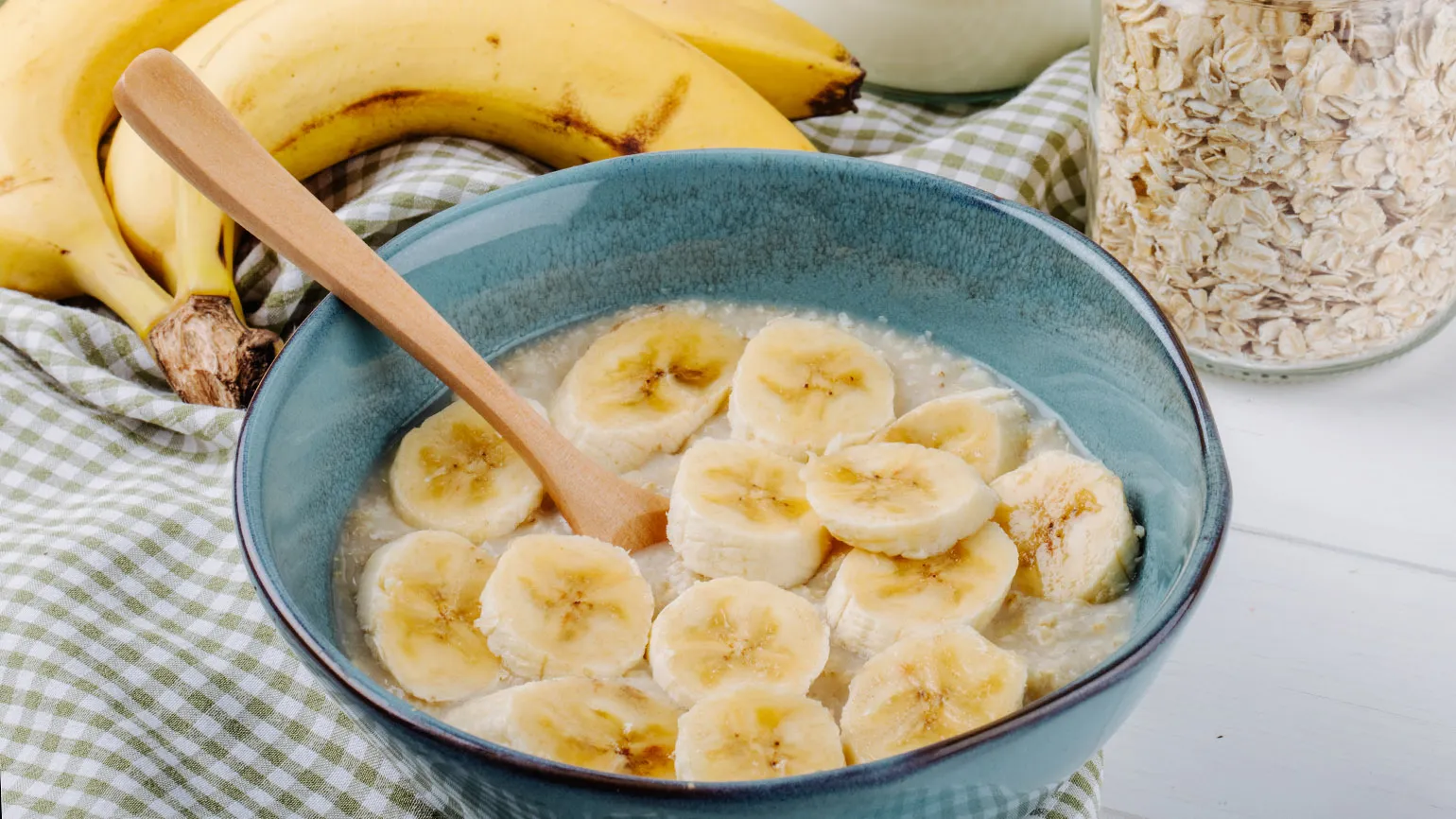
Breakfast is an important first meal that sets the tone for the entire day. It provides the body with the necessary energy and nutrients. A proper breakfast helps maintain concentration and performance, and promotes a better metabolism. Include protein, carbohydrates, and healthy fats in your breakfast for a balanced diet. Make oatmeal with fruit, scrambled eggs with vegetables, or a smoothie with greens and berries. Remember that breakfast should not only be healthy but also delicious to set you up for the whole day.
- Two large hard-boiled eggs
- Half a cup of dry oatmeal cooked in half a cup of skim milk
- 30 g of chopped walnuts
- Half a small banana
Snacks are an important part of the diet that help maintain energy levels and improve concentration throughout the day. Choosing the right snack can help improve metabolism and maintain a healthy weight. Optimal snack options include fruits, nuts, yogurt, and vegetable sticks. They provide the body with essential nutrients and help avoid overeating at the main meal. It's important to monitor portion sizes and choose healthy foods to avoid snacking on excess calories. The right snack can not only satisfy hunger but also improve your overall well-being and mood.
- 150 g Greek yogurt.
- 50 g blueberries.
Lunch is an important meal that plays a key role in our health and well-being. It helps replenish energy after the morning routine, provides the body with essential nutrients, and improves concentration. Lunch can consist of a variety of dishes, including meat, vegetable, and vegetarian options. Properly chosen foods not only maintain vitality but also help improve mood. Lunch is also a time to enjoy socializing with colleagues or family, which also has a positive effect on your psycho-emotional state. It's important to pay attention to the quality and quantity of food at lunch to maintain health and productivity throughout the day.
- 110 g canned tuna in its own juice.
- One tablespoon of mayonnaise with olive oil.
- 16 thin wheat crackers.
- One cup of chopped carrots and celery.
Snacks are an important element of nutrition that helps maintain energy levels throughout the day. Choosing the right snacks helps improve concentration and increase productivity. It is important to choose healthy and nutritious foods such as fruits, nuts, yogurt, or vegetables. They not only satisfy hunger but also saturate the body with vitamins and minerals. Try to avoid sweets and fast food, which can lead to a sharp rise in blood sugar and a loss of energy. A sensible approach to snacking helps maintain optimal health and well-being.
- One small apple.
- Two tablespoons of almond or olive oil.
Dinner is an important meal that concludes the day and provides an opportunity to gather with family or friends. This meal not only fills you up but also creates an atmosphere of comfort and connection. Dinner can include a variety of dishes, from light salads to hearty hot dishes. When planning dinner, it's important to consider the preferences of all guests and select ingredients that complement each other harmoniously. Dinner can be casual or festive, depending on the occasion. Proper table setting and beverage selection also play a significant role in creating a pleasant atmosphere. It's important to remember that dinner isn't just about eating; it's also a time to connect and strengthen relationships with loved ones.
- 160g grilled chicken breast.
- 200g cooked brown rice.
- One tablespoon vegetable oil.
- 100g steamed broccoli.
During the day, 2041 calories were consumed, of which 152 grams were protein, 178 grams were carbohydrates, and 85 grams were fat. Proper macronutrient distribution is key to maintaining health and fitness. Controlling calories and the ratio of proteins, fats, and carbohydrates helps you achieve your nutrition goals and improve overall well-being.
Breakfast is an important meal that sets the tone for the entire day. It provides the body with the necessary energy and nutrients after a night's rest. A proper breakfast improves concentration, increases productivity, and maintains metabolism. Including a variety of foods, such as grains, fruits, dairy products, and protein sources, helps create a balanced menu. Remember, breakfast can be both delicious and healthy. When planning your morning meal, focus on the quality of ingredients and variety to lay the foundation for healthy eating throughout the day.
- Omelet: three egg whites, one large egg, two tablespoons of chopped tomatoes, one tablespoon of chopped onion; fry in one portion of the oil from a spray bottle until cooked through. Sprinkle 50g of grated cheese on top.
- One slice of wheat toast.
- Half a grapefruit.
Snacks are a quick and convenient way to satisfy hunger between meals. Choosing the right snack can have a positive impact on your energy levels and overall well-being. It is important that the snack is not only tasty but also nutritious.
Optimal snack options include fruits, nuts, yogurts, and whole grains. They not only fill you up but also provide the body with essential vitamins and minerals. Avoid sweet and fatty snacks, which can lead to sharp spikes in blood sugar levels and a loss of energy.
A balanced snack can contain protein, carbohydrates, and healthy fats, which helps maintain stable energy levels throughout the day. For example, combining nuts with fruit or yogurt with berries can be a great snack option.
Remember the importance of portions. Snacks should be small so as not to overload the stomach and not make it difficult to digest food during the main meal. The right approach to snacking will help you maintain optimal energy levels and a good mood throughout the day.
- 160 g of 2% cottage cheese.
- One medium peach.
Lunch is an important part of the daily diet, providing the body with the necessary nutrients and energy for productive work. A proper lunch can improve concentration and increase productivity. It is recommended to include a variety of foods at lunch, such as proteins, carbohydrates, vegetables, and healthy fats. This will help maintain balance and a feeling of fullness throughout the day. Don't forget to hydrate: water also plays an important role in the digestion process and overall health. Proper lunch planning not only improves physical fitness but also emotional well-being.
- 110 g grilled chicken breast.
- 100 g cooked brown rice.
- 50 g black beans.
- One cup of shredded lettuce.
- Two tablespoons diced tomatoes.
- Two tablespoons salsa or soy sauce.
- 50 g grated cheese.
Snacks are an important part of our diet, which helps maintain energy levels and improve concentration throughout the day. Choosing the right snacks can help improve metabolism and maintain health. It is recommended to choose healthy foods such as fruits, nuts, yogurts, and whole grain snacks. They not only satiate but also provide the body with essential vitamins and minerals. Avoid sweet and fatty snacks, as they can cause a sharp rise in blood sugar and subsequent loss of energy. The right snack can increase productivity and improve overall well-being.
- 100 g hummus.
- One cup of sliced carrots.
Dinner is an important meal, often the highlight of the day. It provides an opportunity not only to fill up but also to spend time with family or friends. Choosing the right ingredients and recipes for dinner can significantly impact your well-being and mood. Dinner can consist of a variety of dishes: from light salads to hearty meat or fish dishes. To maintain health, it is recommended to include vegetables, grains, and protein in dinner. It is also important to consider preparation time and the availability of ingredients. Creating a varied and balanced dinner not only improves the quality of nutrition but also makes the evening more enjoyable and cozy. Well-chosen recipes will help you diversify your menu and satisfy the taste preferences of all family members.
- 110 g of lean grilled beef.
- Wheat hamburger bun.
- One slice of cheese.
- Two tablespoons of ketchup.
- One boiled ear of corn.
1852 calories were consumed per day, of which 158 grams are protein, 178 grams are carbohydrates, and 63 grams are fat. This balanced ratio of macronutrients helps maintain optimal energy levels and promotes proper metabolism. Proper distribution of calories and macronutrients plays a key role in achieving weight loss or maintaining physical fitness goals.
Breakfast is an important meal that provides the body with energy for the whole day. A properly composed breakfast helps improve concentration and increase productivity. Including a variety of foods in your diet, such as grains, fruits, eggs, and dairy products, helps meet your body's needs for vitamins and minerals. A breakfast rich in protein and fiber promotes a long-lasting feeling of fullness and helps with weight management. Don't forget the importance of breakfast as the foundation for a healthy diet and an active lifestyle. Start your day with a healthy and balanced breakfast to feel energetic and ready for new achievements.
- Lazy oatmeal: 35 g dry oats, one scoop of whey protein, 60 g low-fat Greek yogurt, half a cup of low-fat milk, a pinch of salt, and a pinch of cinnamon; stir, cover, and refrigerate overnight. Before eating, add 30 g walnuts or almonds and 50 g blueberries.
Snacks are an important part of the diet, as they help maintain energy levels throughout the day and prevent overeating at the main meal. Choosing the right healthy snacks can significantly improve your well-being and increase your productivity. Popular snack options include fresh fruit, nuts, yogurt, and vegetables with hummus. It is important to choose snacks rich in protein, fiber, and healthy fats to provide your body with the necessary nutrients. By paying attention to the quality and quantity of snacks, you can achieve an optimal nutritional balance and maintain health throughout the day.
- Two large hard-boiled eggs.
- 30 g of mozzarella cheese.
- One cup of grapes.
Lunch is an important meal that plays a key role in our daily diet. It is usually eaten in the middle of the day and provides the body with the necessary energy to continue active activities. Lunch can consist of a variety of dishes, including soups, salads, meat and vegetable side dishes, and desserts. A well-composed lunch not only fills you up but also helps maintain health and well-being. It's important to pay attention to the quality of the ingredients used to prepare your meals and try to include a variety of food groups at lunch to ensure you're getting all the nutrients you need. Regular lunches help maintain energy and focus throughout the day, so it's worth paying attention to this meal.
- Chicken Caesar Roll: One tortilla, 100g of braised, sliced chicken breast, one cup of shredded romaine lettuce, one tablespoon of Caesar dressing, two slices of tomato.
Snacks are an important part of your diet, helping you maintain energy levels throughout the day. Choosing the right snacks can significantly impact your overall well-being and productivity. Healthy snacks like fruit, nuts, or yogurt can help prevent overeating at meals. There are many light snack options that not only satisfy hunger but also provide essential vitamins and minerals. It's important to focus on balancing snacks so they contain protein, carbohydrates, and healthy fats. Eating the right snacks can be a great alternative to high-calorie foods and help maintain a healthy lifestyle.
- One cup of cooked edamame beans in the pod.
- One cup of sliced carrots.
Dinner isn't just a meal; it's an important part of your evening routine that allows you to relax and recharge after a busy day. Proper dinner planning can improve your well-being and overall health. It's important to choose balanced meals that contain essential macro- and micronutrients.
When planning a dinner menu, consider the preferences of all family members, as well as any dietary restrictions. Use fresh, seasonal ingredients to ensure your meals are not only tasty but also healthy. Variety in your diet helps you get all the vitamins and minerals you need and also promotes better digestion.
Don't forget the importance of the atmosphere during dinner. Create a cozy atmosphere: dim the lights, remove unnecessary distractions, so you can focus on communication and enjoying the food. Dinner can be a wonderful opportunity to connect with loved ones, discuss the past day or plans for the future.
So, dinner is not only a time for eating, but also an opportunity to strengthen family bonds and maintain health. By planning the menu and creating the atmosphere, you give yourself and your loved ones important moments that will be remembered.
- 110 g cooked beef tenderloin steak.
- One medium baked sweet potato.
- One tablespoon vegetable oil.
- One cup steamed broccoli.
The total number of calories consumed for the day was 1886. Of this, 144 grams of protein, 147 grams of carbohydrates, and 86 grams of fat were received. A balanced diet that includes these macronutrients helps maintain energy and health. Proper distribution of calories, protein, fat, and carbohydrates is essential for achieving fitness goals and maintaining overall well-being. Breakfast is an important meal, helping you start your day with energy and vitality. A proper breakfast helps improve concentration, maintains blood sugar levels, and boosts metabolism. It should be balanced and include protein, carbohydrates, and healthy fats. Healthy breakfast options include oatmeal with fruit, eggs with vegetables, or yogurt with nuts. Don't forget about the importance of hydration—a glass of water or green tea will also be beneficial. A breakfast prepared with love and thoughtfulness will not only improve your well-being but also set a positive tone for the entire day.
- One serving of oatmeal waffles with cottage cheese, drizzled with one tablespoon of maple syrup.
Snacks are an important part of the diet, helping to maintain energy and focus throughout the day. Choosing the right snacks can help you avoid overeating during meals and improve your overall well-being. Healthy snacks such as fruit, nuts, yogurt, or vegetables provide essential vitamins and minerals. They can also be an excellent source of protein and fiber, which helps you feel fuller for longer. Choose healthy snack options to maintain energy levels and improve brain function throughout the workday.
- 150 g of low-fat Greek yogurt.
- Three tablespoons of hemp or chia seeds.
- Two tablespoons of chocolate chips.
- 100 g of sliced strawberries.
Lunch is an important meal that provides the body with essential nutrients and energy for the second half of the day. A healthy lunch improves concentration, increases productivity, and helps maintain health. It is important to include a variety of foods in your lunch: proteins, carbohydrates, and vitamins. This can include meat, fish, vegetables, cereals, or legumes. Choosing healthy ingredients will not only fill you up but also benefit your body. Lunch should be planned in advance to avoid quick snacks like fast food and ensure a balanced diet. The optimal time for lunch is between 12 and 14:00, as this is when the body needs to be nourished.
- Two slices of wheat bread.
- 110 g of sliced stewed meat.
- One slice of cheese.
- One small apple.
- Snack
- One medium banana.
- Two tablespoons of sugar-free peanut butter.
Dinner is an important meal that often serves as the final chord of the day. It provides an opportunity not only to fill up, but also to spend time with loved ones, discuss the past day, or simply relax after work. Dinner can be varied: from light salads to hearty meat dishes. The right choice of dishes for dinner can positively affect your well-being and mood. It is important to consider not only taste preferences, but also the beneficial properties of the foods. Dinner can be not only delicious but also healthy if you include fresh vegetables, grains, and lean proteins. It's also worth paying attention to the timing of dinner: it's optimal to eat 2-3 hours before bedtime to avoid stomach heaviness and improve the quality of sleep. A healthy dinner is the key to not only physical but also emotional well-being.
- 160 g of large steamed shrimp.
- 200 g of cooked quinoa.
- One tablespoon of vegetable oil.
- One cup of steamed vegetable mixture.
2007 calories were consumed per day, of which 141 grams are protein, 192 grams are carbohydrates, and 82 grams are fat. This balance of macronutrients is important for maintaining optimal energy levels and health. Proteins promote muscle recovery and growth, carbohydrates provide the body with energy, and fats are necessary for normal cell function and vitamin absorption. Proper distribution of calories and macronutrients helps you achieve your nutritional goals and maintain a healthy lifestyle.
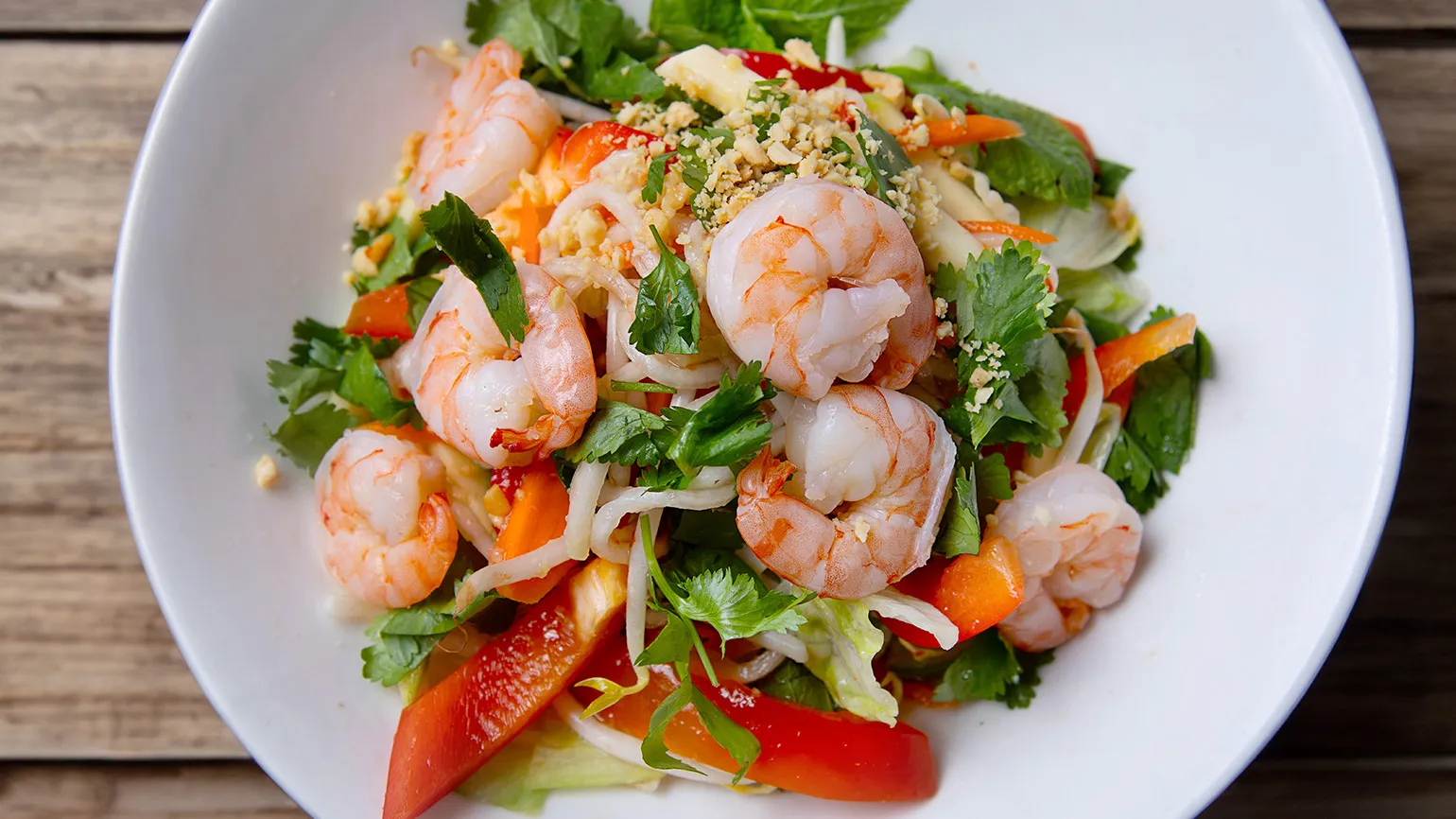
Breakfast is an important meal that provides the body with energy to start the day. A proper breakfast helps improve concentration, improve mood, and maintain a high level of productivity throughout the morning hours. Including healthy ingredients like whole grains, fruits, nuts, and protein sources in your diet can help improve your metabolism and maintain good health. Research shows that eating a nutritious breakfast can help manage weight and reduce the risk of chronic diseases. Therefore, it is recommended to pay attention to your breakfast choices to make it not only tasty but also healthy.
- Half a lightly toasted bagel.
- Two tablespoons of cream cheese.
- 100 g of smoked salmon.
- One clementine.
Snacks are an important part of the diet, helping to maintain energy and focus throughout the day. Choosing the right snacks helps avoid overeating and promotes a healthy metabolism. Optimal snack options include fruits, nuts, yogurts, and whole grains. They provide the body with essential vitamins, minerals, and fiber. Moderate portions of healthy snacks can improve your mood and increase productivity. It's important to remember to balance your diet and choose healthy alternatives to maintain optimal health and fitness.
- Smoothie: One scoop of whey protein, one glass of skim milk, two tablespoons of peanut butter, one medium frozen banana, three tablespoons of hemp seeds, ice if desired; blend until smooth.
Lunch is an important part of the day, providing the necessary energy and nutrients to maintain performance. A proper lunch helps improve concentration and productivity. It is important to choose balanced meals containing proteins, carbohydrates, and vitamins. It is recommended to include a variety of foods in your lunch, such as meat, fish, vegetables, and grains. This will not only fill you up but also provide your body with all the necessary elements. Variety in your diet promotes better absorption of nutrients and maintains health. Lunch can be prepared either at home or ordered in a cafe, but it is important to pay attention to the quality and composition of the dishes. Choosing the right lunch can improve your overall well-being and increase your energy levels.
- 110 g grilled chicken breast.
- Two cups romaine lettuce.
- Four cherry tomatoes.
- One cup sliced cucumber.
- One tablespoon olive oil.
- One tablespoon lemon juice.
- 50 g chickpeas.
Snacks are an important part of the diet, providing the body with essential nutrients between meals. Choosing the right snack can help maintain energy levels and improve concentration throughout the day.
There are many healthy snack options, such as fruits, nuts, yogurts, or vegetables with hummus. These foods are not only delicious but also healthy, as they contain vitamins, minerals, and fiber. Try to avoid high-calorie and processed snacks, which can negatively impact your health and lead to weight gain. Eating snacks throughout the day will help control hunger and prevent overeating at meals. The best times to snack are between breakfast and lunch, and between lunch and dinner. Eating the right snacks can be key to feeling good and being productive, so pay special attention to this aspect of your diet. One medium apple. Dinner is an important meal that closes out the day. It provides an opportunity to relax and enjoy a delicious meal with family or friends. A healthy dinner can include a variety of dishes, such as meat and vegetable side dishes, salads, and desserts. Dinner can also be a great opportunity to experiment in the kitchen, allowing you to combine different ingredients and create new recipes. Dinner also plays a significant role in maintaining health. A balanced diet that includes essential macro- and micronutrients helps improve well-being and increase energy levels. It is important to pay attention to both the quality of the ingredients and the way they are prepared. Baked, boiled, or stewed dishes are usually healthier than fried ones.
Don't forget the importance of atmosphere during dinner. A cozy atmosphere, the right lighting, and pleasant music can make your evening unforgettable. Dinner is more than just a meal; it is a time to socialize and strengthen bonds with loved ones.
- 110 g baked or grilled salmon.
- 200 g cooked quinoa.
- Six large spears of steamed asparagus.
For one day, 1991 calories were consumed, which includes 145 grams of protein, 181 grams of carbohydrates, and 84 grams of fat. This balance of macronutrients is important for maintaining health and achieving nutritional goals. Proper distribution of calories and macronutrients promotes optimal metabolism, maintains energy levels, and aids in post-workout recovery. A balanced diet is essential for an active lifestyle and achieving desired results in sports and everyday activities. Breakfast is an important part of the day, influencing our overall well-being and energy levels. A proper breakfast helps kick-start your metabolism, improves concentration, and sets you up for a productive day. For a complete breakfast, choose foods rich in protein, fiber, and healthy fats. These include eggs, yogurt, oatmeal, fruit, and nuts. A healthy breakfast not only fills you up but also helps you avoid overeating later in the day. Eating right in the morning can improve your mood and performance. Make breakfast an integral part of your routine and choose healthy and delicious ingredients.
- An omelet made with five large egg whites.
- Two slices of toasted wheat bread.
- A quarter of an avocado.
A snack is a light meal typically eaten between meals. Choosing the right snack can significantly impact your energy levels and overall well-being. Choosing healthy and nutritious foods is important for maintaining good health. Ideal snack options include fruits, nuts, yogurt, and vegetables. These foods not only fill you up but also provide essential vitamins and minerals. Consider your preferences and needs when choosing a snack to maintain balance and health throughout the day. Eating the right snacks will help you avoid overeating and maintain stable blood sugar levels.
- 160 g 2% cottage cheese.
- 50 g pineapple chunks.
- 30 g cashews.
Lunch is an important part of the daily diet. It's not only a time to rest but also an opportunity to provide the body with essential nutrients. A healthy lunch can boost productivity and improve your mood. It's important to choose balanced meals that include protein, carbohydrates, and healthy fats. Variety in the menu will help avoid monotony and ensure you get all the necessary vitamins and minerals. It's also important to remember that lunch should be nutritious to maintain energy levels throughout the day. Planning your lunch in advance will help make it not only tasty but also healthy.
- 110 g grilled fillet steak.
- 200 g cooked white rice.
- 50 g black beans.
- Two tablespoons salsa.
- Two tablespoons sour cream.
- One cup of shredded salad.
Snacks are an important part of our diet. They help maintain energy levels throughout the day and prevent overeating during main meals. The right snack can contain protein, carbohydrates, and healthy fats, which helps improve metabolism and maintain health. Choosing healthy snacks, such as fruit, nuts, or yogurt, can significantly impact your well-being and productivity. Pay attention to portion sizes and try to avoid foods high in sugar and unhealthy fats. Snacking effectively is key to maintaining a healthy lifestyle and achieving your nutrition goals. Smoothie: One scoop of whey protein, one glass of skim milk, 200g of frozen strawberries, half a frozen banana, ice (optional); blend until smooth. Dinner is an important meal, often the highlight of the day. It provides an opportunity not only to fill up but also to spend time with family or friends. A variety of dinner dishes allows you to experiment with recipes and ingredients. Dinner can include light appetizers, full-fledged hot dishes, and desserts. It's important to balance nutrition and flavor to make dinner not only enjoyable but also healthy. When planning dinner, consider seasonal produce and local markets to not only maintain health but also add variety to your diet. Proper table setting and atmosphere also play a significant role in creating a memorable dinner. Dinner can be both casual and festive, depending on the situation and mood. Don't forget the importance of spending time together over dinner - it strengthens relationships and creates pleasant memories.
- 110 g grilled chicken breast.
- One small baked potato.
- One tablespoon of oil.
- 100 g steamed broccoli.
Total values for the day are: 2024 calories, 160 grams of protein, 204 grams of carbohydrates, and 68 grams of fat. These data are important for monitoring nutrition and achieving sports goals. Protein plays a key role in muscle recovery, carbohydrates provide energy, and fats are necessary for the normal functioning of the body. Maintaining a balanced diet with these macronutrients will help you achieve your training results and improve your overall well-being.
Can Excess Protein Harm Your Bones?
There is a belief that high protein intake can increase the body's acid load and promote calcium leaching from bones. However, a meta-analysis based on 74 randomized controlled trials shows that people with high protein intakes, representing 16–45% of total daily energy intake, do not experience a decrease in bone density. Furthermore, protein may have a protective effect against osteoporosis in older adults. This highlights the importance of dietary protein for maintaining healthy bones throughout life.
Free career guidance
Take a short test and find out which profession is right for you, and then try your hand at your chosen specialty. At the end of the course, you will have a session with a career guidance specialist. It will help you decide on your career path.
Find out more