Contents:

Thinking about a new profession, but don't know where to start? Find out what suits you: IT, design, game development, management or marketing. Take a free career guidance course.
Learn moreThis article will introduce you to the main aspects of the topic. We will cover key points and provide useful information for a better understanding. You will be able to deepen your knowledge and receive practical advice for practical application. Stay tuned to learn more about this issue and its significance.
- What is energy and why is it needed?
- How to understand how much energy the body needs;
- How energy is spent - a simple example;
- What are fast and slow carbohydrates and why are they needed?
- What could be the reasons for a constant lack of energy.

A nutritionist with a PhD in medicine. She specializes in developing individualized nutrition programs and providing healthy lifestyle counseling. Her deep knowledge of dietetics and nutrition allows her to effectively help patients achieve their weight management and overall health goals.
We've created a Telegram channel, "How Are You?", where we'll share useful information on self-improvement, psychology, effective learning, and career building at any age. Join us to receive relevant tips and recommendations to help you grow personally and professionally. Subscribe and grow with us!
This article is based on the intensive webinar, "Nutrition for Beginners." The full recording of the webinar can be found at the provided link.
What is energy and why does the body need it?
When we talk about a lack of energy, we usually mean a lack of strength to perform everyday tasks, such as work or exercise. However, if we were to ask the body what energy is, it would explain that it is a resource that allows it to extract and effectively use substances from food necessary for life. Understanding this process helps better understand the importance of nutrition and lifestyle in maintaining energy levels. Proper nutrition, regular exercise, and adequate rest play a key role in providing the body with the necessary resources for an active life.
Imagine your grandmother made you mashed potatoes - at first glance, it is a simple dish. However, in order to convert them into a source of energy, your body will need to work and expend a certain amount of energy. Complex molecules found in milk and potatoes require breakdown into simpler components. Only then can the body effectively use them for energy. Hidden processes occur within the body, occurring in all organs, including the kidneys, liver, brain, and bone tissue. Every part of the body requires energy for function and cellular repair. Energy processes are necessary for maintaining the health and optimal functioning of organs, ensuring their ability to cope with stress and recover from damage.

Reworked text for SEO:
Read also:
Proper nutrition is a balanced approach to nutrition that provides the body with all the necessary nutrients. The main principles of proper nutrition include a variety of foods, a balance between macro- and micronutrients, and adherence to a meal schedule. It is important to eat enough vegetables and fruits, choose whole grains, avoid excess sugar and salt, and control portion sizes.
Proper nutrition promotes health, improves metabolism, and helps prevent various diseases. To achieve the best results, it is necessary to take into account the individual needs of the body, the level of physical activity, and specific goals, such as maintaining or losing weight. Following these principles will not only improve overall health but also enhance the quality of life.
How to understand how much energy the body needs
Physiological energy requirements depend on factors such as gender, age, height, and body weight. The energy value of food is measured in calories, and its consumption varies depending on the age group. For example, older people require fewer calories compared to children and adolescents. This is due to the fact that the bodies of children and adolescents are actively developing, requiring a significant amount of energy for growth and intense physical activity. Understanding these aspects allows you to properly formulate a diet, taking into account the individual needs of each person.
Basal metabolism is the minimum amount of energy required to maintain the body's vital functions under standard conditions. This state is achieved in a supine position, on an empty stomach, in a calm environment and at a temperature of 18-20 degrees Celsius. Basal metabolic energy is used to perform basic physiological processes, such as breathing, cardiac activity, maintaining skeletal muscle tone, and bowel and bladder function. However, the human body is not limited to simply maintaining its functions. The actual energy requirement is determined as the product of the basal metabolism and the physical activity coefficient (PAC). This allows you to more accurately assess how much energy is required to perform various physical activities and maintain an active lifestyle.
Nina Nikolaeva is a professional in her field, possessing significant experience and knowledge. She is actively involved in her work, demonstrating high standards of quality and responsibility. Nina constantly improves her skills, staying abreast of the latest trends and new approaches in her field. This allows her to offer clients effective solutions and achieve their goals. Nina Nikolaeva is a reliable specialist you can trust. Rospotrebnadzor provides four key indicators that play a significant role in assessing the state of public health and the sanitary and epidemiological situation. These indicators help formulate disease prevention strategies and manage infection-related risks. Correct understanding and application of these coefficients contribute to improving the quality of life of the population and increasing the efficiency of healthcare.
- CFA = 1.4 — for people engaged in mental work: civil servants, scientists, teachers, programmers, designers, librarians, etc.;
- CFA = 1.6 — for people engaged in light physical labor: drivers, doctors, housing and communal services and light industry workers, guides, photographers, etc.;
- CFA = 1.9 — workers in medium-heavy labor: mechanics, drillers, crop growers, machine operators, etc.;
- CFA = 2.2 — workers in heavy physical labor: builders, loaders, metallurgists, woodworkers, etc.
You can use online calculators to calculate your approximate daily energy expenditure. If the body consumes more calories than it expends, weight gain occurs. Otherwise, with a calorie deficit, weight loss is observed. Proper energy balance calculation will help you effectively manage your weight and achieve your health and fitness goals.
How the body uses energy
Let's consider a typical day in the life of Plyushkin, a middle-aged man. He wakes early in the morning when the sun's rays penetrate through the curtains, filling the room with light. For him, breakfast is not just a meal, but a ritual that helps him get in the mood for the day ahead. He prefers a cup of strong coffee and toast with jam, which awakens his taste buds and prompts thoughts about his plans for the day.
After breakfast, Plyushkin goes to work. He toils in the office, where he meets with colleagues and discusses current projects. During the day, he tries to be productive, but sometimes gets distracted by conversations about life and hobbies. This helps him maintain good relationships with his team.
In the evening, Plyushkin returns home, where a cozy atmosphere awaits him. He enjoys spending time reading books or watching movies. Time alone allows him to relax and recharge after a busy day. Before bed, he devotes time to his hobbies, whether working on a personal project or playing sports. This helps him stay in shape and find a balance between work and personal life. This is how a day in the life of Plyushkin, who, like many others, strives for harmony and satisfaction in everyday life, unfolds.Our character, Plyushkin, wakes up and begins getting ready for work. Realizing he's running late, he decides to skip breakfast. However, to wake up, get ready, and get to the office, Plyushkin needs energy. He usually gets this from his morning porridge, but since he missed breakfast, his body will have to compensate for the lack of energy by consuming glucose in his blood. This can lead to a decrease in performance and concentration, which will negatively impact his productivity throughout the day. Therefore, it is important not to forget about a full breakfast to maintain energy levels and improve overall health.

Our blood resembles a modest wallet filled with small coins. She doesn't have enough energy for great accomplishments, but it's enough to support Plyushkin on his commute.
Blood glucose levels falling below 3.3 millimoles per liter can cause a number of unpleasant symptoms. These include dizziness, general weakness, cold sweat, and in some cases, even loss of consciousness. It's important to monitor glucose levels, as a sudden drop can negatively impact health and requires immediate intervention.
Nina Nikolaeva is an experienced specialist in her field, possessing deep knowledge and skills. Her professionalism and dedication make Nina a sought-after expert. She actively participates in various projects, sharing her experience and knowledge with colleagues. Nina strives for continuous development and improvement, which allows her to remain at the forefront of her profession. Thanks to her approach and attention to detail, she successfully solves problems of any complexity and helps others achieve high results.
Plyushkin came to his office and felt hungry, however, having looked at the prices in the cafeteria, he decided to postpone lunch until a more suitable time. Despite this, while working with papers and other people's bills, he still needs energy. In the absence of food, the body begins to use up glycogen reserves, which is a compound formed from glucose and stored in the liver and muscles. Glycogen serves as an important source of energy for maintaining activity, especially under conditions of mental and physical stress. Therefore, proper and timely nutrition is critical for productive work.
Glycogen provides energy for 20-30 minutes of intense physical activity. At rest, without food, glycogen reserves can last about 10 hours. Glycogen can be thought of as an envelope in which small bills are stored, available for use at the right time.
Nina Nikolaeva - A professional in her field, with extensive experience and deep knowledge. Her work is distinguished by high quality and attention to detail. Nina actively develops her skills and stays abreast of new trends, which allows her to remain competitive. She values professional development and always strives for excellence in her work. Nina Nikolaeva is a reliable partner, ready to offer effective solutions and deliver results. Plyushkin barely made it to lunch, but he didn't have time to eat—his boss had assigned him an urgent task. Hunger, like a brutal lever, made him feel uncomfortable, but he remembered his plans to leave the office early. "I can have dinner at home," he muses. Nevertheless, the body needs to replenish energy, so it again has to draw on its own reserves. In this case, fats, also known as lipids, come to the rescue. Fats play an important role in providing the body with energy, and they become Plyushkin's main source of fuel throughout the workday. Proper nutrition and a balance of macronutrients will help avoid fatigue and increase productivity.
Lipids are not only a source of energy but also important biomolecules that play a key role in the body. These unique compounds ensure the flexibility of cell membranes, maintain the integrity of nerve fibers, and facilitate the conduction of nerve impulses. Lipids help form connections between neurons in the brain, which is critical for the normal functioning of the nervous system and the transmission of information in the body. Thus, lipids are essential for maintaining the health and vitality of cells.
Nina Nikolaeva is a name associated with professionalism and a high level of competence in her field. Nina has significant experience and knowledge, which allows her to effectively cope with various tasks. She is known for her ability to find optimal solutions and achieve her goals. In her work, Nina strives for continuous development and improvement, which makes her a valuable specialist. It is also worth noting her ability to work in a team and find common ground with colleagues, which contributes to a positive atmosphere and increased productivity. Nina Nikolaeva is a professional you can rely on.
Plyushkin returned home and drank some tap water, which temporarily satisfied his hunger. After checking the refrigerator, he decided his appetite wasn't so strong and settled down to watch a TV series instead. As a result, he fell asleep within an hour or two. The next morning, he's late for work again and, rushing to the subway, grabs a chocolate bar. If you constantly ignore proper nutrition, your body will have to use its own proteins as building blocks. This can negatively impact your health, as a lack of essential nutrients will lead to decreased muscle mass and a decline in overall tone. Therefore, it's important to focus on a balanced diet and remember to eat regularly.
Muscle proteins play a vital role in the body. Their breakdown can be compared to a bank deposit, which should only be used in emergency situations. When proteins break down in muscles, amino acids are released, which enter the bloodstream and then the liver. In the liver, amino acids can be converted into glucose, providing the body with essential energy. This process is an important mechanism that maintains energy levels in the body, especially when carbohydrates are in short supply. Nina Nikolaeva is an experienced specialist in her field. She possesses deep knowledge and skills that allow her to effectively solve problems and achieve goals. Nina is actively involved in professional communities, sharing her experience and knowledge, which makes her a valuable resource for colleagues and clients. Her approach to work is based on high quality standards and a commitment to continuous development. Nina Nikolaeva is a familiar name to many in her field, and her achievements speak for themselves. Lack of muscle mass leads to a deterioration in quality of life and increases the likelihood of various diseases. Therefore, it is important to maintain sufficient protein levels in the body and regularly replenish them through a balanced diet. This not only improves health but also increases physical activity, which in turn has a positive effect on overall well-being.

Reworked text:
Be sure to read the additional information:
Healthy eating is a fundamentally important aspect of maintaining good health and well-being. It involves consuming a variety of foods rich in vitamins, minerals and other beneficial substances. To establish a healthy diet, you should focus on choosing fresh vegetables and fruits, whole grains, lean proteins, and healthy fats.
It's important not only to choose the right foods, but also to monitor your diet. Regular meals and a balance between calories and physical activity help improve metabolism and overall energy levels. Excessive consumption of sugar, salt, and processed foods should be avoided, as they can negatively impact health.
Your individual needs, including your age, activity level, and the presence of chronic diseases, should also be considered. Consulting with a doctor or nutritionist can help develop an optimal meal plan that meets your goals and health status. Thus, healthy eating is not only about choosing foods, but also about a conscious approach to your lifestyle.
How to choose the right foods for your diet
Your diet should be tailored to your individual needs, taking into account your age, profession, and level of physical activity. It's also important to consider your specific needs. Complex carbohydrates and healthy fats form the foundation of any healthy diet, providing essential energy and promoting overall health. Choosing the right foods can help improve your well-being and performance. Simple carbohydrates, also known as fast carbohydrates, are carbohydrates with short chains of molecules. Due to their structure, they are quickly broken down in the body, causing a sharp rise in blood glucose levels. However, this effect is short-lived, and the energy they provide quickly depletes. Therefore, relying solely on simple carbohydrates when planning your diet is inadvisable. Eating too many of these carbohydrates can contribute to weight gain, although some research suggests that carbohydrate quality may not have a significant impact on weight gain and obesity risk. To maintain health and optimal weight, it's best to focus on complex carbohydrates, which provide a long-lasting feeling of fullness and stable energy levels.
Carbohydrates, honey, sugar, rice, watermelon, and baked goods made from white flour are sources of fast-digesting carbohydrates. These foods have a high glycemic index (GI), which causes a rapid rise in blood sugar. Excessive consumption of high-GI foods can increase the risk of developing type II diabetes and cardiovascular disease. However, completely eliminating fast-digesting carbohydrates from the diet is not always justified. It is important to understand that rapidly digestible carbohydrates can be beneficial in certain situations, such as after intense physical activity, when the body requires rapid energy recovery. A healthy approach to nutrition includes a balance between fast-digesting and slow-digesting carbohydrates, which promotes health and well-being.
Simple carbohydrates should not be completely excluded from the diets of young people and children, especially those who lead an active lifestyle. They provide a readily available source of energy that can be beneficial when consumed in moderation. Consuming simple carbohydrates in moderation helps maintain energy and improve physical performance, which is especially important for a growing body.
Nina Nikolaeva is a name associated with professionalism and creativity. She has established herself in her field through her high level of competence and deep knowledge. Nina is actively developing her skills and constantly seeks new opportunities for self-improvement. Her work is distinguished by attention to detail and a commitment to quality, which allows her to achieve impressive results. Nina Nikolaeva inspires others by her example and is a role model in her professional environment.
Complex carbohydrates are long chains of molecules that require time for the body to break down. This process takes longer, resulting in a slow release of glucose into the blood. As a result, blood sugar levels rise gradually and are maintained at a stable level. Therefore, complex carbohydrates should be included in the diet first, as they provide a longer and more sustained release of energy. Here are some examples of foods rich in slow carbohydrates:
- apples and berries;
- dried apricots;
- lentils, beans, chickpeas and other legumes;
- grapefruit;
- cucumbers, radishes and tomatoes;
- potatoes;
- oatmeal;
- whole grain products (such as pasta or bread).

Check out additional materials:
Decoding tests such as a complete blood count, a biochemical blood test, and hormonal studies play an important role in diagnosing and monitoring health. A complete blood count allows you to assess the patient's overall health and identify possible infections, anemia, and other diseases. A biochemical analysis provides information about the functioning of internal organs, including the liver, kidneys, and pancreas, as well as blood sugar and cholesterol levels. Hormonal studies help determine the balance of hormones in the body, which can be critical for diagnosing endocrine diseases and assessing reproductive health. Correct interpretation of these test results allows doctors to prescribe appropriate treatment and monitor its effectiveness.
Constructing a balanced diet requires attention to all the important elements necessary for the normal functioning of the body. This includes proteins, fats, fiber, vitamins, organic acids, and minerals, both micro and macronutrients. Key minerals are calcium, magnesium, and iron, which play a vital role in maintaining health. The proper combination of these substances in daily nutrition helps strengthen the immune system, improve metabolism, and maintain energy throughout the day.
Developing a diet for a 65-year-old woman requires a careful approach. Our heroine lives alone and previously worked as a teacher, but has been retired for the past two years. She takes medication to control her blood pressure and recently had two teeth removed. When asked about her health, she often reports a lack of energy, moves slowly, and has difficulty going to the store.
It is important to create a balanced diet that provides the necessary energy and nutrients. Given her age and health, the diet should include foods rich in vitamins and minerals, as well as easy to digest. An emphasis on fresh vegetables, fruits, lean proteins, and whole grains is recommended. It is also important to consider drinking enough fluids to avoid dehydration.
It is important to consult with a doctor or nutritionist to take into account all medical conditions and individual characteristics. Proper nutrition will not only help maintain health, but also improve overall well-being by increasing energy levels.
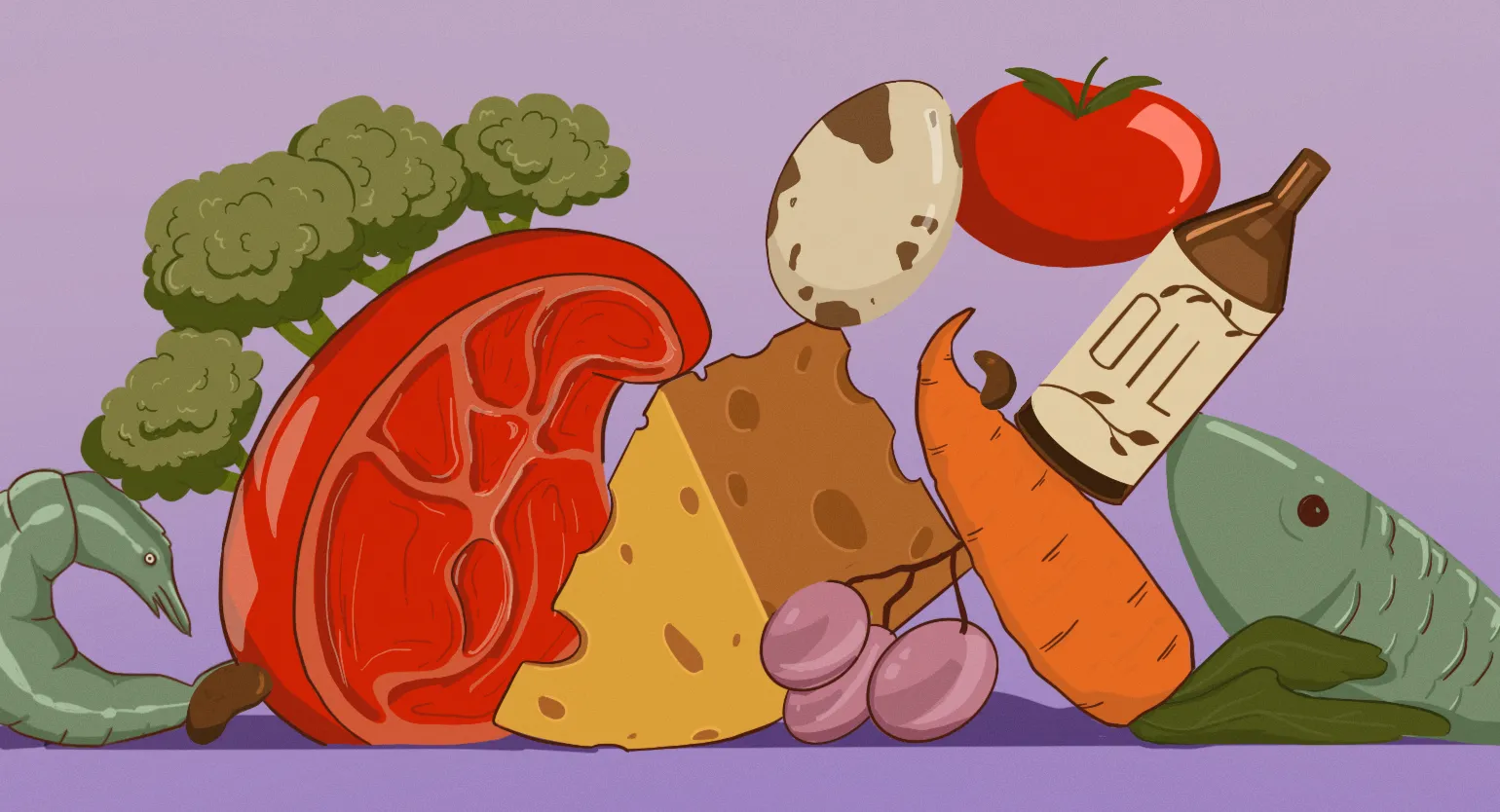
Here is my list of seven key food categories for women:
- vegetables (cauliflower or broccoli);
- whole grains (buckwheat);
- eggs;
- meat (lean beef);
- fish (mackerel);
- legumes (lentils);
- oil (extra virgin olive oil).
Sarcopenia, which is a deficiency of muscle mass, is common in older people. Protein, found in fish, meat, and eggs, is essential for maintaining and restoring muscle tissue. Muscle mass peaks between the ages of 25 and 30, after which a gradual loss of muscle mass begins—0.5 to 1% per year. Older adults with a sedentary lifestyle experience particularly rapid muscle loss. It's important to monitor your diet and include sufficient protein to slow sarcopenia and maintain physical activity. Butter is an important source of fats, which provide the body with energy. Vegetables contain slow-digesting carbohydrates and fiber, essential for maintaining a healthy microbiome—the community of microorganisms that inhabit our bodies. Fiber is essential for nourishing this microbiome and maintaining its functionality. Whole grains are also a source of slow-digesting carbohydrates. Women experiencing muscle weakness and low energy should consider these foods as primary sources of energy and nutrients. Proper nutrition, including fats, carbohydrates, and fiber, plays a key role in maintaining health and physical activity. Nina Nikolaeva is a name associated with professionalism and experience. She has established herself as an expert in her field, providing high-quality services and solutions. Nina actively develops her skills and stays abreast of the latest trends in her professional field. Her approach to work is based on attention to detail and high quality standards. Nina Nikolaeva believes that success is achieved through continuous learning and adaptation to changing conditions. Her clients always receive a personalized approach and reliable support, making collaboration with her as effective as possible. There are two more important food groups: fruits and dairy products. Fruits are a rich source of antioxidants, micro- and macronutrients that promote health. However, with age, tolerance to dairy products, especially milk, can decrease. At the same time, fermented milk products and dairy products, such as cottage cheese, cheese, and natural yogurts, can be included in the diet as an additional source of protein, providing the body with essential nutrients.
This case illustrates protein-energy malnutrition, which leads to a feeling of fatigue and loss of strength in a woman. Let's consider the possible causes of this condition.
Why the body lacks energy
An imbalance between food intake and the body's needs can occur for several reasons. First, poor nutrition. Consuming insufficient nutrients or excess calories can lead to metabolic disorders. Second, stress and emotional state. Psychological factors can affect appetite and food choices, which contributes to the imbalance. Third, physical activity. Low physical activity can reduce the body's calorie needs, while overeating leads to excess weight gain. Fourth, metabolic disorders. Genetic factors or diseases can affect how the body absorbs and utilizes calories, which can also lead to nutritional imbalances. Understanding these causes will help you better manage your diet and maintain your health.
Reason One
When following low-calorie or restrictive diets, such as vegan or vegetarian diets, there is a risk of protein deficiency. This is especially true for people who don't monitor their diet and don't ensure they get enough protein. A deficiency in this important macronutrient can negatively impact health and overall well-being. Therefore, it is important to carefully plan your meals to ensure a balance of all the necessary nutrients.

Lack of energy can be caused by a deficiency of both macro- and micronutrients. One of the most common deficiencies is iron deficiency, which can negatively affect energy levels and overall well-being. Providing your body with the necessary nutrients plays a key role in maintaining energy balance and preventing fatigue.
Reason number two is that many users don't realize the importance of optimizing their content for search engines. Incorrect keyword use and missing meta tags can significantly reduce a site's visibility in search results. This can lead to decreased traffic and, consequently, lower conversions. It's important to remember that high-quality content that matches your target audience's needs and is optimized for SEO can attract more visitors and improve search engine rankings. Investing time and effort in proper content optimization is the key to successful website promotion.
In some cases, the body receives sufficient nutrients, but their absorption is ineffective. This may be due to various gastrointestinal disorders. For example, a lack of hydrochloric acid negatively affects protein absorption, since its synthesis is necessary for the formation of the enzyme pepsin, which is responsible for protein breakdown. Proper gastrointestinal function plays a key role in the effective absorption of nutrients, and any disruptions can lead to deficiencies of essential health components.
Nutrients, or nutrients, can be poorly absorbed by the body due to a lack of enzymes produced by the liver, gallbladder, pancreas, and duodenum. These enzymes play a key role in the digestion of proteins, carbohydrates, and fats. A deficiency of these essential substances can lead to metabolic disorders and a decline in overall health. To optimize nutrient absorption, it is important to maintain the health of the organs responsible for enzyme production and to maintain a balanced diet that provides the body with the necessary substances.
Malabsorption can occur in various inflammatory diseases, as well as in small intestinal bacterial overgrowth syndrome. These conditions affect the body's ability to absorb nutrients, which can lead to various health problems. It is important to promptly diagnose and treat these conditions to restore normal absorption and prevent possible complications.
Bonus: recommendations for maintaining gallbladder health. The first rule is to maintain proper hydration. Water plays an important role in nutrition and should include regular drinking water, still mineral water, and herbal and green teas. It is recommended to drink 30 milliliters of fluid per kilogram of body weight daily. This will help maintain optimal gallbladder function and promote its health.
The second rule is to have your main meal in a calm environment and last at least 30 minutes. It is important not to rush, chew food thoroughly, and enjoy your meal. You can chat with a colleague on pleasant topics, avoiding conversations about work, or simply sit in silence, focusing on the process. You can use your phone for viewing information, but not for messaging. Emotions such as anger and rage negatively impact health because they activate the sympathetic nervous system. For optimal gastrointestinal function, the parasympathetic system must be in control, promoting relaxation and better digestion.
To maintain normal bile production, it is important to include certain foods in your diet. Affordable and healthy options include cucumbers, carrots, radishes, beets, celery, sauerkraut, cilantro, and citrus fruits. These foods are rich in vitamins and minerals that promote gallbladder health and normalize digestive processes. Regular consumption of these vegetables and fruits will help improve liver function and enhance metabolism.
Nina Nikolaeva is a name associated with a high level of professionalism and significant achievements. She displays exceptional skill and dedication in her work, making her a prominent figure in her field. Nina actively works on projects that foster development and innovation, which positively impacts her reputation. Her experience and knowledge allow her to inspire others and bring new ideas to the team. Nina Nikolaeva deserves attention as an expert who can share valuable insights and recommendations.

Buying cucumbers and tomatoes instead of chips, choosing a walk instead of visiting a bar, and putting away your phone in favor of an early bedtime are all choices in favor of a healthy lifestyle. Everyone should understand their motivations, and only sincere answers to these questions will help make a healthy lifestyle a natural part of their daily routine. Healthy eating, outdoor activity, and adequate rest contribute not only to physical but also emotional well-being. By reflecting on your habits, you can better understand what is truly important to you and create the conditions for a healthier and happier existence.
Reason number three is that many people do not realize the importance of regularly updating their knowledge and skills. Constant learning and development are becoming essential for a successful career and personal growth. In a rapidly changing world of technology and information, ignoring learning can lead to outdated knowledge and a decrease in competitiveness in the job market. Therefore, investing time in learning new skills and obtaining up-to-date information is key to success.
Sometimes the body requires more nutrients than we provide it, and recognizing this is not always easy. There are several reasons that can cause increased appetite and accelerated metabolism. These include physical activity, stress, hormonal changes, and lack of sleep. It is important to pay attention to your body's signals and provide it with the necessary vitamins and minerals to maintain health and normal functioning. Proper nutrition and a balanced diet play a key role in meeting the body's needs.
- Endocrine system disorders (in particular, increased release of adrenaline and cortisol during acute stress);
- Increased load on the liver and kidneys (for example, due to excess protein in the diet);
- Undesirable effects on the body (alcohol consumption, toxic substances in the environment, smoking).
Reason number four is that many users do not realize the importance of optimizing content for search engines. Proper SEO optimization of text helps improve the visibility of a site in search results. This includes the use of keywords that match the queries of the target audience, as well as proper formatting of content to improve readability. Ignoring these aspects can lead to low traffic and a lack of user engagement. Optimizing your text not only attracts more visitors but also promotes retention, which is an important factor for successful website promotion.
Chewing problems are common among the elderly, as well as those suffering from dental disease and missing teeth. This disorder is also observed in children who eat primarily liquid and semi-liquid foods. Incorrect chewing habits can lead to serious consequences, such as digestive disorders and inadequate nutrient absorption. It is important to focus on developing chewing skills from an early age and ensure a balanced diet to avoid these problems in the future.
Liquid diets, also known as juice cleanses, have recently become increasingly popular. However, such diets have their drawbacks. By removing the pulp and fiber from fruits and vegetables, we not only fail to use the chewing muscles but also lose a significant portion of the beneficial plant fiber. These fibers play an important role in lowering "bad" cholesterol levels in the blood and maintaining digestive health. Therefore, it's important to consider that completely eliminating pulp from your diet can negatively impact your overall health. Long-term calorie-restricted diets can contribute to excess consumption of the sugar found in fruits. This can negatively impact the body, leading to muscle loss due to a lack of essential protein. A balanced diet, including adequate protein, is key to maintaining muscle mass and overall health.
Free career guidance
Take a short test and find out which profession is right for you, and then try your hand at your chosen specialty. At the end of the course, you will have a session with a career guidance specialist. It will help you decide on your career path.
Find out more