Contents:
Free test: which digital profession suits you? Find out the answer in 15 minutes and try your hand at a new Specialties.
Learn moreHow do facial masks work and what problems can they help with?
Facial skin care masks are cosmetic products created for deep restoration, nourishment, and hydration of the skin. Unlike creams and toners, masks contain a higher concentration of active ingredients, which allows them to provide a quick and noticeable effect. However, the result of using masks is usually short-lived. They are ideal for intensive care, especially during periods when the skin requires extra care and attention. Choosing the right mask depending on your skin type and its needs will help maintain the health and attractiveness of your face.
Cosmetic masks should be used 1-2 times a week for maximum effect. They help immediately improve the condition of the skin, making it more hydrated, toned, and radiant. That's why masks are often used in the morning or before important events, when you want your skin to look fresh and well-groomed. However, many prefer to apply masks in the evening to relax and give their skin extra care before bed. Regular use of cosmetic masks helps maintain the health and beauty of your skin by providing it with essential nutrients and hydration. A facial mask can have a significant impact on your skin's condition. It helps moisturize, nourish, and refresh your skin, improving its texture and appearance. Masks often contain active ingredients that combat various problems, such as acne, dryness, irritation, and premature aging. Regular use of masks improves blood circulation, which in turn helps restore your skin's natural radiance. Additionally, cosmetic masks can help tighten pores, even out skin tone, and provide protection from harmful external factors. The choice of mask depends on your skin type and specific needs, so it's important to choose the product that's best for you. Cleansing Clay masks help deeply cleanse the skin and reduce its oiliness.

To improve your text for SEO, it is important to use keywords and phrases that can attract the attention of search engines and users. Here is the revised text:
Also read articles and materials that will help you deepen your knowledge and broaden your horizons. We offer a variety of resources on current topics that interest our audience. Our content is regularly updated to provide you with the most current and useful information. Don't miss out on interesting research, practical tips, and analysis to help you stay informed and better understand your chosen field.
Skin cleansing is an essential step in skin care that helps maintain health and beauty. Proper cleansing removes impurities, excess oil, and makeup, preventing acne and other problems. To effectively cleanse your skin, it's important to choose products that are suitable for your skin type.
Start by choosing a cleanser: gel, foam, or milk. Oily skin is best served with gels, which help control sebum secretion, while dry skin should use milks or creams that don't overdry the epidermis. Don't forget the importance of using warm water, which helps open pores and improve the effectiveness of cleansing.
Cleanse your skin twice a day: morning and evening. Morning cleansing removes residue from overnight skincare and prepares the skin for makeup application, while evening cleansing helps remove impurities accumulated during the day. Use gentle movements to avoid irritating the skin. After cleansing, it is recommended to use a toner, which will balance the pH level and prepare the skin for further care.
Regular cleansing helps prevent clogged pores and keeps your skin fresh and healthy. Don't skip this important step to achieve your desired skincare results.
Main Types of Masks
Facial masks are classified by shape, composition, and mechanism of action on the skin. The most popular types of masks include:
- Sheet masks. Disposable cloth masks soaked in active ingredients. They fit tightly to the face, allowing the ingredients to penetrate deeper into the skin. Typically used for moisturizing and nourishing.
- Gel masks. Their gel base is quickly absorbed, allowing the active ingredients to better penetrate the skin.
- Cream masks. These masks typically intensively nourish and moisturize the skin. There are two types: those that need to be washed off, and leave-on masks, which can be left on, for example, overnight.
- Film masks. These usually have a gel texture. The gel dries quickly and forms a thin film on the skin, which can be easily removed after 15-20 minutes. These masks help to shrink and cleanse pores, but may be too aggressive for dry and sensitive skin.
- Alginate masks. These masks require preparation: seaweed polysaccharide powder (alginate) must be diluted with water to form a viscous gel. These masks are applied in a thick layer. After 15-20 minutes, the mixture hardens and is easily removed. They typically smooth and intensely nourish the skin. Clay masks. These masks are based on kaolin and bentonite; their main function is to cleanse the skin and reduce inflammation. They draw impurities from pores and mattify the skin. They are suitable for oily and combination skin prone to acne. Bubble masks. When applied to the skin and exposed to oxygen, they begin to actively bubble. According to the manufacturers, the bubbles cleanse pores and exfoliate the skin. The mask works as long as the bubbles are forming.

Read also:
Moisturizing your facial skin is a key aspect of skin care that helps maintain its health and youth. Choosing the right moisturizer and maintaining a moisturizing regimen can significantly improve the appearance of your skin.
The first step to effective moisturizing is cleansing. Use gentle cleansers that respect the skin's natural balance. After cleansing, apply a toner to restore moisture levels and prepare the skin for moisturizer.
When choosing a moisturizer, pay attention to the ingredients. Ideal moisturizing ingredients include hyaluronic acid, glycerin, and natural oils. These ingredients help retain moisture in the skin and protect it from moisture loss.
Apply moisturizer twice a day – morning and evening. A morning routine can include a light cream or gel that absorbs quickly, while an evening routine can include richer textures for deep hydration.
Don't forget about the importance of drinking water. Drinking enough water helps improve the condition of your skin from the inside out. It is also helpful to use hydrating masks several times a week for extra care.
Regular moisturizing will not only give your skin a healthy appearance but also help prevent premature aging. By following these simple guidelines, you can achieve radiant and well-groomed skin.
Each category of cosmetics is designed to address specific needs and should be selected based on your skin type and needs. A preliminary consultation with a cosmetologist or dermatologist is ideal, as this will allow you to choose the most effective skin care products.
How effective are homemade masks?
Homemade masks often have a lower concentration of active ingredients and do not provide the same profound effect as professional cosmetics. The use of natural ingredients can cause serious allergic reactions, and the presence of microbial pathogens in products can lead to infection of minor skin lesions. Therefore, it is wiser to avoid using cucumbers and eggs as masks and rely on cosmetics developed by specialists and technologists. Choosing professional cosmetics guarantees the safety and effectiveness of your skincare. Masks made from ingredients like cucumbers or potatoes often fall short. Natural ingredients are unable to penetrate deeply into the skin due to their large molecules. In contrast, modern cosmetics use purified and specially processed ingredients, which provide a more effective effect on the skin. To achieve visible results, consider professional formulas that deeply moisturize and nourish the skin, leaving it looking healthy and well-groomed. Alexandra Syomova is a name that has become a hallmark of quality and professionalism in her field. She has established herself as an experienced specialist with deep knowledge and skills. Alexandra actively develops her competencies and always strives for self-improvement. Her work is distinguished by a high level of responsibility and attention to detail, which allows her to achieve significant results. Alexandra Syomova is a role model for many, inspiring them to reach new heights in their professional activities.

Reading is an important part of our daily experience. It enriches knowledge, develops imagination, and helps us better understand the world around us. It's important to devote time to reading both fiction and nonfiction to broaden your horizons and deepen your knowledge in various fields.
Despite the rapid advancement of technology and the availability of information online, traditional books remain an indispensable source of knowledge and enjoyment. Reading promotes critical thinking and analytical skills, which is especially important in today's world, where information is becoming increasingly diverse and complex.
To get the most out of your reading, choose literature that matches your interests and goals. This can range from fiction to specialized publications in your professional field. A variety of genres and topics will allow you not only to enjoy the reading process but also to continually develop as a person.
Don't forget to share your impressions of the books you read with others. This creates an opportunity for discussion and exchange of opinions, which only enriches your experience. Reading is not only a personal activity but also a way to connect with others by discussing what you've read and sharing recommendations.
A cosmetologist-esthetician is a specialist who specializes in skin care and improving appearance. Their expertise includes diagnosing skin conditions, as well as selecting and applying various procedures and cosmetic products to achieve aesthetic goals. A cosmetologist-esthetician treats skin concerns such as acne, age-related changes, hyperpigmentation, and other imperfections.
The primary responsibilities of a cosmetologist-esthetician include performing procedures to cleanse, moisturize, and nourish the skin, as well as using professional products to improve its condition. The specialist can also provide recommendations for home care and assist in choosing cosmetics suitable for a specific skin type.
A cosmetologist-esthetician must have a thorough knowledge of the skin's structure, its functions, and the possibilities of cosmetic procedures. They must also continually improve their skills, keeping abreast of current trends in aesthetic medicine and cosmetology.
Consulting a cosmetologist-esthetician not only helps improve your appearance but also boosts your self-confidence, which makes this profession especially important in today's society.
How do mass-market cosmetic masks differ from luxury masks and professional cosmeceuticals?
Skin care products, including cosmetic masks, are divided into several categories. Let's consider them in order of increasing cost.
Mass-market cosmetic products are usually made from affordable ingredients that meet the skin's basic needs, such as hydration, cleansing, and nutrition. These products often include glycerin, hyaluronic acid, plant extracts (e.g., aloe, cucumber, green tea), vitamins E and C, and inexpensive oils such as mineral and sunflower. In addition, fragrances, dyes, and emulsifiers are often used. The main disadvantage of masks in this segment is the low concentration of active substances and the presence of potentially allergenic components. To achieve the best results, it is important to carefully study the composition and choose products with effective ingredients.

Read also:
Slowing down skin aging is an important task for many people who want to keep their face fresh and youthful. There are several effective methods that can help improve the condition of your skin and slow the aging process. First, pay attention to proper skin care. Regular cleansing, toning, and moisturizing will help maintain healthy skin. Using sunscreen will prevent the harmful effects of UV rays, which contribute to premature aging. Second, proper nutrition plays a key role in maintaining youthful skin. Including foods rich in antioxidants, vitamins, and minerals in your diet will help improve its overall condition. Vegetables, fruits, nuts, and fish help hydrate and restore the skin from the inside. It's also important to maintain a good sleep schedule and avoid stress, as it negatively impacts skin health. Regular exercise will improve circulation and promote the elimination of toxins, which will positively impact your appearance.
Finally, using anti-aging cosmetics with active ingredients such as retinol, hyaluronic acid, and peptides will help improve skin texture and minimize the visible signs of aging. By addressing all of these aspects holistically, you can significantly slow down the skin's aging process and maintain its youthful appearance for years to come.
Organic cosmetic masks are made from natural ingredients of plant or animal origin, grown without the use of synthetic fertilizers, pesticides, and hormones. These masks are free of artificial colors, fragrances, parabens, silicones, and mineral oils, which prevents pore clogging and reduces the risk of allergic reactions. This makes organic masks a safer choice for skin care. Using these masks helps maintain healthy skin, improves its appearance, and promotes the restoration of its natural balance.
To confirm organic status, cosmetics are usually certified by independent organizations such as ECOCERT or USDA Organic. These organizations monitor the compliance of ingredients and production processes with environmental standards. One of the challenges of organic masks is the low concentration of active ingredients, which is difficult to preserve for long periods without the use of stabilizers. It should also be noted that natural ingredients can cause allergic reactions. Using organic cosmetics requires care, especially for people with sensitive skin.
This category of skincare products, developed by dermatologists, is designed for comprehensive skin care tailored to the unique needs and concerns of the skin. Products in this line are sold primarily in pharmacies, as they contain highly concentrated active ingredients. All products undergo clinical trials, which guarantees their safety and effectiveness. Pharmacy cosmetics usually have a hypoallergenic formula and do not contain harsh fragrances and dyes, making them ideal for daily use and as a supplement to the treatment of dermatological conditions. Such products are often prescribed by doctors and cosmetologists, which underscores their professional approach and scientific validity.
Luxury cosmetic masks often contain expensive ingredients, such as rare extracts, highly effective peptides, and stabilized antioxidants. They may also feature strong fragrances, a pleasant texture, and attractive packaging designs. However, the effectiveness of these products is often no better than their more affordable counterparts. The main difference between luxury masks is their high price, which is due not only to the ingredients but also to the costs of packaging, marketing, and advertising. When choosing a mask, it's worth paying attention not only to the brand but also to the ingredients to find the most effective product for your needs.
Cosmetics, which straddle the line between cosmetics and pharmaceuticals, contain highly concentrated active ingredients. These components can significantly influence biological processes in the skin, providing a profound effect on its condition and health. Such products are suitable for solving various dermatological problems and can significantly improve the appearance of the skin.
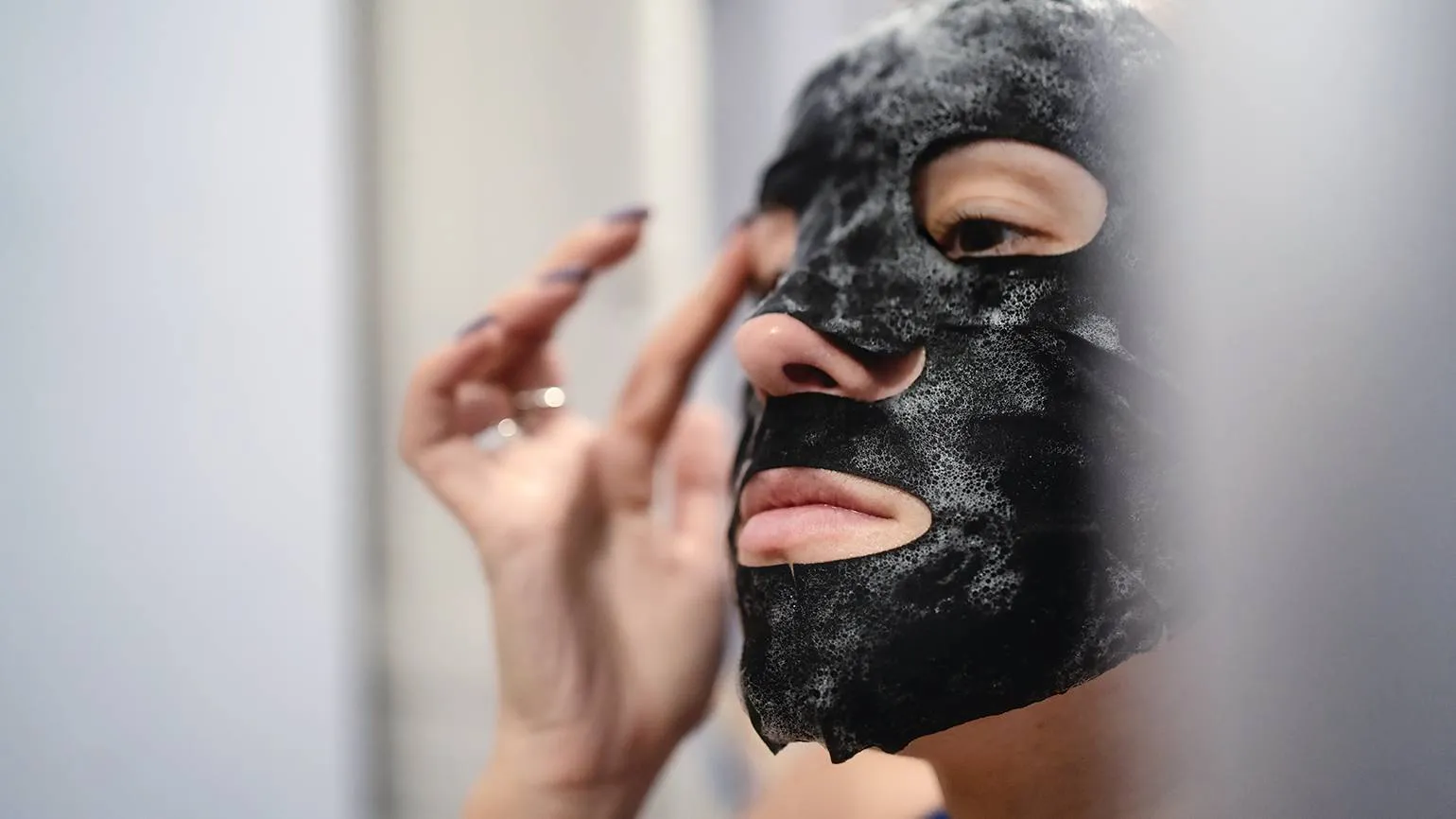
Cosmeceuticals is an innovative approach to skin care based on modern scientific research. They target specific concerns such as pigmentation, wrinkles, acne, and loss of skin elasticity. Cosmeceuticals are typically used in professional cosmetic procedures under the supervision of dermatologists, as their use requires careful selection and skilled application. Thanks to their active ingredients and targeted action, cosmeceuticals deliver noticeable results and allow for effective skin care.
How to Choose a Face Mask
To choose the right mask, you need to consider your skin type and its current condition. For example, oily skin can suffer from dehydration, which is often mistaken for dryness. It is recommended to consult a cosmetologist at least once, who can help determine which masks and skincare products are most suitable for at-home use. The right approach to skin care will improve its condition and achieve the desired results.
- Dry skin will benefit from moisturizing and nourishing masks with hyaluronic acid, oils, and vitamin E.
- For oily skin, it is better to choose cleansing masks with clay or salicylic acid, which tighten pores and control sebum production.
- Combination skin will benefit from multifunctional masks that moisturize without overloading the skin, or you can use masks for different areas of the face (for example, a cleansing mask for the T-zone and a moisturizing mask for the neck).
- For sensitive skin, you should choose soothing masks with aloe, chamomile extract, and without aggressive fragrances to avoid irritation.
- Masks with hyaluronic acid, glycerin, aloe, and plant extracts are suitable for moisturizing.
- For cleansing, you can use clay, Mud and film masks to remove impurities and cleanse pores.
- For brightening, masks with vitamin C, niacinamide, and green tea extract are suitable.
- For rejuvenation, masks with retinol, peptides, and antioxidants will help smooth out visible wrinkles and improve skin elasticity.
When choosing face masks, avoid products containing harsh preservatives, artificial fragrances, and colors. Pay attention to ingredients such as parabens, formaldehyde and its derivatives, phenoxyethanol, methylisothiazolinone, methylchloroisothiazolinone, benzyl alcohol, linalool, limonene, citral, and oxybenzone. These components can negatively affect the skin and cause allergic reactions. Choose masks with natural and safe ingredients for the health of your skin.
Hazardous ingredients in cosmetics are checked on the websites of professional organizations that provide information on the safety of cosmetic ingredients. These resources help users understand which ingredients can be potentially harmful and which are safe to use. Referring to such sources allows you to make informed decisions when choosing cosmetic products and take care of the health of your skin.
- EWG (Environmental Working Group) - Skin Deep. EWG is one of the largest and most authoritative organizations in the field of product safety. In the Skin Deep section, you can find information on the safety of cosmetic ingredients and products, as well as an assessment of their potential health risks.
- Cosmetic Ingredient Review (CIR). CIR is an independent organization that conducts scientific evaluations of cosmetic ingredients based on existing research and provides detailed reports on their safety.
- INCI Decoder. Helps decipher the composition of cosmetics, provides detailed information on each ingredient, including its properties, possible risks, and safety recommendations.
- Skin Safe is a platform that provides information on cosmetics and skin care products, including their composition, safety assessment, and how suitable the product is for people with sensitive skin and allergies.
How to use cosmetic masks
Face masks are an important element of skin care, promoting its health and attractiveness. To achieve the maximum effect from using masks, it is necessary to follow the recommendations for their use. Choosing the right mask depending on your skin type and its condition, as well as following the application instructions, will help improve the result and give the skin freshness and radiance.
- Before applying the mask, you need to prepare the skin: thoroughly cleanse your face with a gentle cleanser suitable for your skin type and, if necessary, lightly exfoliate to remove impurities and dead skin cells. This will help the active ingredients of the mask to be better absorbed.
- Moisturize or, conversely, wipe the skin dry - depending on the type of mask. Clay masks work better on dry skin, as they absorb excess oil. Moisturizing and sheet masks are recommended to be applied to slightly damp skin for better absorption of the active ingredients.
- Pay attention to the manufacturer's recommendations. Typically, masks are kept on the skin for 10 to 20 minutes, but some can be left longer, for example, overnight. Information about this is usually indicated on the packaging or in the instructions.
- When applying the mask, avoid the eye area. The skin around the eyes is more sensitive, so most face masks are not suitable for this area. For the area around the eyes, it is better to use special patches or masks for delicate care.
- Rinse off the mask with warm water using gentle circular motions. If the mask is clay or mud, you can use a soft sponge or cloth. Sheet and gel masks usually don't require thorough rinsing; simply massage the remaining product into the skin.
- Complete your routine with appropriate cosmetic products. After the mask, it's important to apply a serum and moisturizer to seal in the results and enhance the effect.
- Do not overuse. Moisturizing and soothing masks can be used 2-3 times a week, and cleansing ones (for example, clay or mud) - no more than once, so as not to dry out the skin.
Free test: which digital profession is right for you?
IT, design, marketing or management? Find out the answer in 15 minutes. And then try your hand at a new specialty for free.
Find out more