
Contents:

Free test: which digital profession is right for you? Find out the answer in 15 minutes and try your hand at a new specialty.
Find out moreWhy hangover symptoms occur
A hangover is a complex of unpleasant mental and physical symptoms that occur after drinking alcohol. This definition was proposed by the Alcohol Hangover Research Group (AHRG). Experts note that a hangover begins when the ethanol (alcohol) level in the blood drops to zero. Hangover symptoms can include headache, nausea, fatigue, and irritability, significantly impacting overall well-being. Understanding the mechanisms of hangovers and their causes can help develop effective ways to prevent and alleviate the condition.
Some people experience mild hangover symptoms, while others may temporarily lose their ability to function due to intense headaches and digestive problems. These symptoms are explained by the body's post-intoxication state, that is, it is recovering from acute alcohol poisoning. During this period, it actively eliminates the byproducts of alcohol breakdown, which leads to unpleasant sensations. Understanding the mechanism of a hangover can help prevent it and alleviate symptoms.
7 Myths and Facts About Hangovers and Alcohol
Ethanol, or alcohol, is the main substance that causes intoxication. It stimulates the release of happiness and pleasure hormones in the brain, such as dopamine, endorphin, and serotonin. At the same time, ethanol disrupts the normal functioning of various processes in the body, temporarily altering the function of internal organs. Therefore, when treating a hangover, it is important not to aggravate these changes. In this article, we will consider which methods of fighting a hangover are really effective, and which are myths.

Read also:
Endorphins: what they are and how to get them
Endorphins are natural chemicals produced by the body that help reduce stress and pain, improving overall well-being. These neurotransmitters act as natural painkillers and can boost your mood, creating feelings of happiness and satisfaction. Understanding what endorphins are and how to increase them in the body is essential for maintaining mental and physical health.
There are several effective ways to increase endorphin levels. Physical activity is one of the simplest and most accessible methods. Regular exercise, such as running, swimming, or working out, promotes the production of endorphins and improves overall well-being. It's also worth considering dancing and other forms of active recreation, which not only increase endorphin levels but also bring joy.
In addition to physical activity, positive emotions and laughter also stimulate the production of endorphins. It's important to surround yourself with positive people, watch comedies, and do things you enjoy. Furthermore, meditation and mindfulness practices can help reduce stress and increase the amount of endorphins in the body.
Proper nutrition also plays an important role in the production of endorphins. Carbohydrate-rich foods, such as dark chocolate or bananas, can help increase levels of these hormones. Including nuts, seeds, and hot spices in your diet can also help stimulate endorphins. Endorphins are therefore important neurotransmitters that help improve mood and physical well-being. Exercising, laughing, meditating, and eating a healthy diet can significantly increase the level of these hormones in the body, thereby improving the quality of life. A myth is an established belief or misconception that does not correspond to reality. In cultural and social life, myths often serve as explanations for various phenomena, passed down from generation to generation. They can be formed on the basis of ancient traditions, religious beliefs, or even modern stereotypes. For example, myths about the origins of the world, about gods, or about heroes often reflect the values and worldview of a society. Debunking myths is important, as it promotes a deeper understanding of reality and helps get rid of misconceptions that can hinder development. Studying myths also allows us to better understand the culture and psychology of a people, as they often reflect their fears, dreams, and aspirations.
A hangover occurs due to a lack of a psychoactive substance that previously brought pleasure to the brain. Hangover symptoms, manifested as mental and physical discomfort, serve as a signal to the nervous system, which requires a second intake of alcohol. This condition resembles alcohol withdrawal syndrome, observed in people with chronic alcohol consumption. Understanding the mechanisms of a hangover can help develop effective methods for its prevention and treatment.
A hangover can be considered a mild form of withdrawal. Drinking more alcohol may temporarily alleviate symptoms, but this only delays the true solution to the problem, increasing the burden on the liver and prolonging the hangover. In such a situation, it's best to turn to effective recovery methods that will help the body cope with the effects of alcohol poisoning without putting additional strain on it.
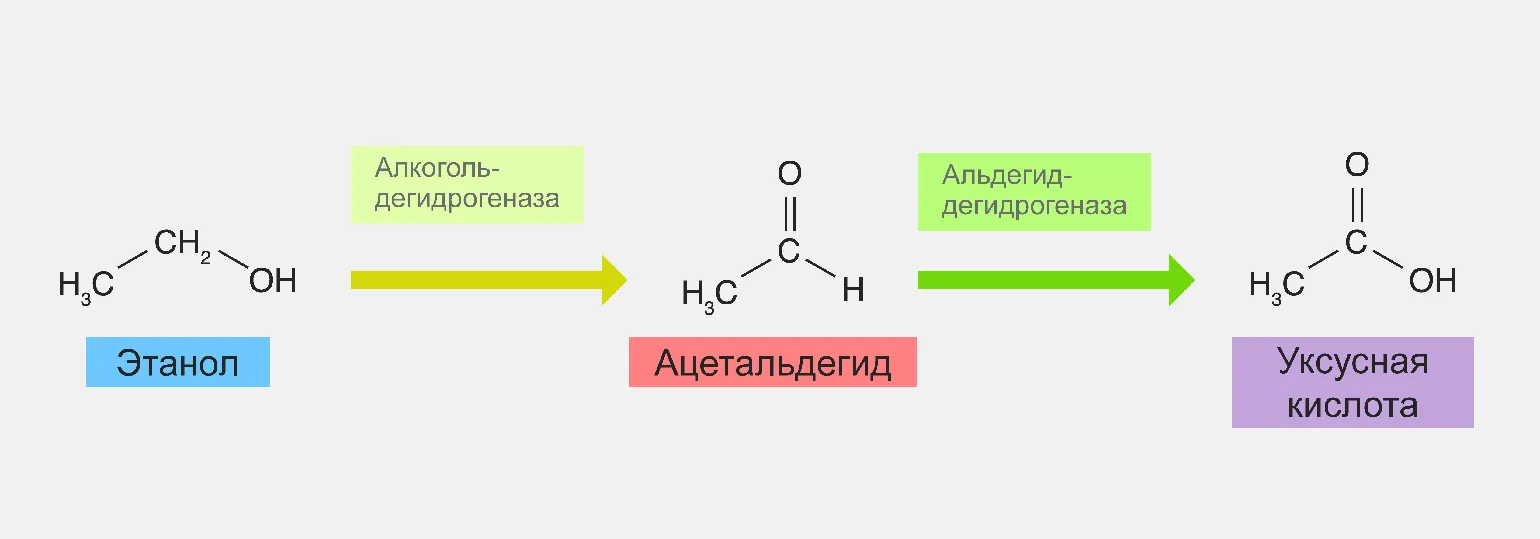
The liver's resources are limited: this organ contains a certain number of enzymes that break down ethanol into acetic acid. Slowing down this process can lead to the accumulation of ethanol's byproduct, acetaldehyde, which causes hangover symptoms. Acetaldehyde negatively affects mitochondria—the intracellular structures responsible for energy production. When exposed to acetaldehyde, mitochondrial function is impaired, leading to feelings of weakness and fatigue. Understanding this process can help develop effective methods for combating hangovers and improving well-being after drinking alcohol.
A myth is a common misconception or false idea that is often based on a lack of information, traditional beliefs, or distorted facts. Myths can arise in various areas of life, including science, culture, history, and even everyday human interactions. They can have a significant impact on public opinion and the formation of worldviews. Debunking myths and working to debunk them are essential for improving education and critical thinking in society. Understanding the nature of myths helps people better navigate the flood of information and make more informed decisions. After a wild party, you return home and realize that tomorrow won't be as exciting. As a result, you decide to take a painkiller. You'll likely choose over-the-counter nonsteroidal anti-inflammatory drugs (NSAIDs). These medications can indeed help relieve headaches and muscle aches. However, it's important to remember that combining painkillers with alcohol can have a negative impact on your health. Both painkillers and alcohol can contribute to damage to the stomach lining and increase the burden on the liver. Therefore, before taking a painkiller after a night out, it's worth carefully considering the potential consequences.
A myth is a traditional story or legend that explains natural phenomena, the origins of the world, or cultural aspects of a society. Often associated with gods, heroes, and supernatural events, myths play an important role in shaping a culture's worldview and values. They serve not only as entertainment but also as an educational tool, passing on knowledge and moral lessons from generation to generation. Studying myths helps us understand cultural roots and historical contexts, and reveals universal themes and images common to different peoples. Myths continue to influence art, literature, and modern society, highlighting their significance in the human experience.
Caffeine can boost energy levels, but it does not eliminate dizziness, confusion, and other symptoms of a hangover. Research shows that drinking coffee or caffeinated beverages does not help treat these symptoms, but only temporarily masks them. Therefore, other methods, such as hydration and rest, are best suited for effective recovery from alcohol consumption.
A myth is a persistent and often implausible idea or belief that is passed down from generation to generation. Myths can take a variety of forms and touch on various aspects of life, including culture, religion, and science. They serve to explain puzzling phenomena, shape traditions, and reinforce social identity.
In the modern world, many myths persist and even intensify despite advances in science and technology. This is because myths often reflect deep-seated human fears, hopes, and desires. Understanding myths helps people understand their roots and the context in which they live.
The study of myths can also be useful for analyzing cultural and social processes, as they often reveal how a society perceives itself and the world around it. Thus, myths remain an important element of human culture and cognition.
A cold shower can effectively energize the body after drinking alcohol, helping to invigorate the nervous system and speed up the process of sobriety. However, it is worth noting that cold showers do not have a significant effect on hangover symptoms.
Truth is a concept that encompasses many aspects, including philosophical, moral, and social. In philosophy, truth is viewed as the correspondence between a statement and reality. In a moral context, truth is often associated with honesty and sincerity. Socially, truth plays a significant role in forming relationships and trust between people. It is important to distinguish between objective truth, based on facts, and subjective truth, which can vary depending on personal perception and experience. In today's information environment, understanding truth is especially relevant, as the spread of misinformation and fake news calls into question the reliability of information. Purity and transparency of information sources are key factors in seeking the truth.
Most alcoholic beverages contain congeners—chemicals that affect their taste, aroma, and appearance. These compounds can worsen hangover symptoms. Congeners include fusel oils and tannins. Clear spirits, such as gin and vodka, typically don't cause severe hangovers because they contain minimal amounts of congeners. In contrast, whiskey, brandy, and red wine contain high levels of these substances, which can lead to more pronounced effects after consumption.
Myths are fictional stories passed down from generation to generation. They often contain elements of fantasy and explain natural phenomena, the origins of the world, or cultural traditions. Mythology plays an important role in shaping society's beliefs and values and helps people understand and interpret reality. Myths may vary across cultures, but many touch on universal themes such as life, death, love, and the struggle between good and evil. Studying myths provides a deeper understanding of culture and human psychology, as well as their search for meaning in life.
Alcohol may temporarily calm the nervous system and promote sleep, but its consumption leads to poor sleep quality. Sleep becomes fitful and short, deprived of the REM phase, which is necessary for brain recovery. As a result, the day after drinking alcohol, people often experience drowsiness and increased fatigue, which is associated with insufficient nighttime rest.
The US Sleep Foundation provides the following data: low alcohol consumption is associated with a 9.3% decrease in sleep quality. Moderate alcohol consumption leads to a 24% decrease in sleep quality, and high alcohol consumption negatively affects sleep, reducing its quality by 39.2%. These statistics highlight the importance of monitoring alcohol consumption to maintain healthy sleep.
Truth is an objective reality that reflects reality. Understanding truth depends on the perception and interpretation of information. In philosophy and ethics, truth is often considered the basis for decision-making, forming beliefs, and building trusting relationships. Distinguishing between truth and falsehood is important, as it influences our behavior and interactions with the world around us. In modern society, where information is available in vast quantities, the ability to evaluate truth becomes especially important for developing critical thinking and making informed decisions.
Ethanol inhibits the production of vasopressin, also known as antidiuretic hormone. This hormone plays a vital role in regulating the body's water balance. Without enough vasopressin, the kidneys begin to excrete excess fluid, leading to the loss of important electrolytes such as potassium, magnesium, and sodium. This condition can cause dehydration, as well as symptoms such as thirst, fatigue, and headache. Increasing fluid intake helps restore fluid balance, which allows the kidneys to more actively eliminate ethanol byproducts from the body. Maintaining adequate hydration is key to maintaining health and preventing the negative effects associated with alcohol consumption.
A myth is a concept or idea based on traditions and beliefs that may not correspond to reality. Myths are often passed down from generation to generation, forming cultural and historical narratives. They can explain natural phenomena, the origins of people, or the moral norms of a society. It is important to understand that myths are not always fictional stories but can contain profound truths and lessons that are still relevant in the modern world. Exploring myths helps us understand the values and beliefs of different cultures and their impact on modern society.
There is a common belief that drinking a glass of milk or a fatty meal before drinking alcohol can reduce its effects by "coating" the stomach. In some Mediterranean countries, a spoonful of olive oil is used for this purpose. However, from a biological perspective, the concept of "stomach coating" is unfounded. If any effect is observed, it is merely a slowing of gastric emptying and alcohol absorption, but has no impact on the severity of a hangover the next day. Understanding these processes can help in a more conscious approach to alcohol consumption and reduce the negative consequences for the body.
What to eat and drink for a hangover
There is no universal remedy, drink, or medicine that can instantly relieve a hangover. A quick recovery from this condition is not always possible. However, by carefully choosing a "hangover menu," you can significantly improve your well-being. The right foods and drinks will help the body recover faster and minimize discomfort.
Bananas are a valuable source of potassium, containing about 9% of the daily value of this important mineral in one medium fruit. Potassium plays a key role in maintaining normal cardiovascular and nervous system function. Bananas can also help alleviate the symptoms of diarrhea that often occurs after drinking alcohol. Their soft texture and high nutrient content make them an excellent choice for post-alcoholic recovery. Watermelon is an excellent source of moisture and contains L-citrulline. During a hangover, the fluid in watermelon helps restore lost fluid volume, while L-citrulline improves mitochondrial function and promotes vasodilation. This, in turn, helps normalize circulation and improve overall well-being. Watermelon not only quenches thirst but also supports the body during the recovery period. To effectively neutralize ethanol and its byproducts, the liver activates a powerful inflammatory response. In some cases, this process can get out of control, leading to liver cell damage and discomfort. Blueberries, thanks to their high anthocyanin content, can reduce inflammation in the body. Including blueberries in your diet can be a useful strategy for supporting liver health and reducing inflammatory reactions. Oranges are an excellent source of vitamin C, which plays a key role in maintaining liver health. This vitamin not only plays a role in the liver's antioxidant system but also protects liver cells from damage. Vitamin C also helps restore glutathione, a powerful antioxidant that helps neutralize harmful byproducts of ethanol. Regular consumption of oranges can significantly improve the overall health of the body due to their rich content of vitamin C and other beneficial substances.

Text reworked for SEO:
We recommend that you read additional materials.
22 Foods Containing Vitamin C
Vitamin C is an important element for maintaining health. It helps strengthen the immune system, improves skin condition and aids in the healing process. Including foods rich in vitamin C in your diet can significantly boost your body's levels of this vitamin. Here is a list of 22 foods that are particularly rich in vitamin C. Citrus fruits such as oranges, lemons, and grapefruit are known for their high vitamin C content. Kiwi is also an excellent source of this important vitamin. Berries, including strawberries, raspberries, and blueberries, contain significant amounts of vitamin C. Papaya and pineapple are not only delicious but also beneficial for maintaining vitamin C levels. Peppers, especially red and yellow ones, are among the richest sources of vitamin C among vegetables. Broccoli, Brussels sprouts, and cauliflower also contain this vitamin. Spinach and other leafy green vegetables, such as kale and lettuce, make great additions to your diet.
Additionally, fruits such as mango and cantaloupe, as well as tomatoes, can help provide essential vitamin C. Some herbs, such as parsley and dill, also contain vitamin C and can be added to dishes to boost their nutritional value.
Including these 22 foods in your daily diet will help you maintain optimal vitamin C levels, which in turn will positively impact your overall health.
Pickles are an excellent source of sodium, which is essential for maintaining electrolyte balance in the body. One pickle can contain up to 12% of the recommended daily intake of sodium, and adding a quarter cup of brine increases this amount to 16%. Please note that these values are approximate, as the sodium content may vary depending on the amount of salt used by the manufacturer. Eating these foods may be helpful in restoring sodium levels, especially after physical activity or when fluid loss is increased.
One cup (200 grams) of sweet potato provides 13% of the daily value of magnesium and 20% of the daily value of potassium. This nutritious vegetable can be used in a variety of culinary recipes: boiled, baked, mashed, or fried. Sweet potatoes are not only delicious but also healthy, thanks to their high content of vitamins and minerals. Including sweet potatoes in your diet helps maintain normal energy levels and improves cardiovascular health.
Spinach is an effective remedy for hangover symptoms due to its high content of vitamin B9, known as folate. With regular alcohol consumption, levels of this vitamin in the body can decrease, leading to deficiency. 180 grams of spinach contains up to 66% of the daily value of folate, making it a valuable food for recovery after alcohol consumption. To preserve maximum nutrients, it is recommended to steam spinach for 1-2 minutes.

Studies confirm that alcohol negatively affects the absorption of a number of amino acids. Regular consumption of alcoholic beverages can cause their deficiency in the body. During a hangover, it's recommended to eat protein-rich foods, but it's best to choose lean meats to avoid overloading the digestive system. Beef and chicken breast are excellent options. Chicken broth is a popular cold remedy, but its beneficial properties can also help ease hangover symptoms. It's rich in protein and contains a significant amount of sodium, which promotes the body's recovery from alcohol poisoning. The high liquid content of broth helps hydrate the body, and the warm broth can ease discomfort associated with headaches and nausea. Thus, chicken broth not only quenches thirst but also supports recovery from alcohol consumption. For effective hangover recovery, it's recommended to eat fish, especially fatty fish found in northern seas, such as mackerel, herring, and salmon. These types of fish contain high amounts of omega-3 fatty acids, which help protect liver cells and help the body more quickly cope with the effects of alcohol. Including these fish in your diet can significantly improve your overall health and speed up your recovery.

Read also:
Fish is an important element of a healthy diet due to its high content of protein, vitamins, and minerals. It is rich in omega-3 fatty acids, which help improve the cardiovascular system, support brain health, and can reduce the risk of various diseases. Additionally, fish contains important micronutrients such as iodine, selenium, and vitamin D, which play a key role in maintaining overall health.
However, not everyone can eat fish. People with certain allergies, medical conditions, or metabolic disorders should exercise caution. For example, pregnant women and young children should avoid fish high in mercury, such as swordfish and shark. It is also important to consider the quality and origin of the fish to minimize the risk of ingesting harmful substances.
Thus, fish can be a healthy and nutritious food, but it is important to consider your individual health characteristics and choose safe options before eating it.
A 2016 survey of Britons found that 21% of respondents eat eggs to combat a hangover. Research confirms that this is the right approach, as eggs contain the amino acid cysteine. Animal experiments have shown that rats given lethal doses of acetaldehyde along with cysteine survived significantly longer than those not given this amino acid. Thus, eggs may be a useful food for the body's recovery after alcohol consumption.
Scientists from Nigeria conducted a study among 50 students aged 15 to 30 who consumed less than 30 grams of ethanol per day. The subjects were asked to drink only alcohol for a week, as well as honey along with their alcoholic beverage. The results of the experiment showed that honey helps speed up the elimination of alcohol from the body. The researchers suggest that this effect is due to the high fructose content in honey. Depending on the variety, the fructose content in honey can vary from 21% to 43%. This discovery highlights the potential benefits of honey in reducing the negative effects of alcohol on the body.
Those who are overweight are advised to limit their honey consumption, as fructose can promote fat deposition and accumulate in the liver. This is important to consider to avoid negative health consequences and maintain an optimal balance in the diet.
Finally, it should be noted that there is no safe dose of alcohol, and it is impossible to guarantee the absence of a hangover after drinking it. The only way to completely avoid a hangover is to abstain from alcohol.
Free test: which digital profession is right for you?
IT, design, marketing or management? Find out the answer in 15 minutes. And then try your hand at a new specialty for free.
Find out more