
Contents:

Would you like to work remotely? ➞ Master IT, design, or marketing. Go to Telegram and take 5 online courses to start working in top digital professions.
Learn moreIn this article, you will get acquainted with the key aspects of the topic. We will cover the main points that will help you gain a deeper understanding of the subject of discussion. Find out what factors influence the result and how to optimize your actions for maximum effect. Read on to get valuable recommendations and practical advice that will be useful in your activities.
- why can't you fall asleep quickly;
- how long does it normally take to fall asleep;
- what music helps you fall asleep;
- what happens if you listen to binaural beats;
- how is pink noise useful for sleep;
- how to practice progressive muscle relaxation;
- what to think about to fall asleep faster;
- what meditation speeds up falling asleep;
- how to breathe to fall asleep faster;
- how a weighted blanket can help;
- what snack speeds up falling asleep;
- what to do if nothing helps.
We have created a Telegram channel "How are you?", where we will share useful information about self-development, Psychology, effective learning, and career development at any age. Join us to receive relevant tips and advice that will help you in your personal and professional growth. Subscribe to our channel and start your path to success!
Why can't I fall asleep quickly
Sleep problems and difficulty falling asleep can be caused by a variety of behavioral and biological factors. Dr. David Plant, psychiatrist and medical director of the Wisconsin Institute for Sleep and Consciousness at the University of Wisconsin - Madison, emphasizes the importance of understanding these factors. There are many aspects that influence sleep quality, and they can be characterized using the "3Ps" model. This helps to better understand the causes of insomnia and find effective ways to address it.
Each "P" represents a separate category of factors. These factors can influence different aspects, and their analysis allows for a deeper understanding of the subject of study. Identifying each group helps organize the information and better organize the data for further study.
- Predisposing factors. For some, insomnia is a hereditary problem or the result of a specific brain function. But unless there are triggering factors, predisposing factors do not cause significant sleep problems.
- Provocative factors. A stressful event, such as the night before an exam, anticipation of a date, or deadlines—any condition that maintains high levels of alertness hormones in the brain.
- Maintaining factors. Acute stress passes, but anxiety can linger and become a background condition. You may worry that insomnia will recur, and this fear will prevent you from going to bed on time.
How Long Does It Take to Fall Asleep
In somnology, the science of sleep, there is a term "sleep latency," which refers to the time it takes to fall asleep. A healthy person typically requires no more than 20 minutes from the moment their head hits the pillow. Falling asleep too quickly, within 5-10 minutes, may indicate sleep deprivation. Conversely, taking a long time to fall asleep is one of the symptoms of insomnia. It is important to consider sleep latency when assessing the quality of your night's rest and your overall health. Optimizing your sleep routine and creating a comfortable environment can help improve sleep latency and promote deeper rest.

Read also:
Insomnia: A Danger to Health and Life
Insomnia, or sleep disorder, is a common problem that can significantly affect physical and mental health. Chronic insomnia can lead to a variety of health problems, including cardiovascular and metabolic disorders. Lack of sleep also weakens the immune system, making the body more vulnerable to infections.
Sleep plays a vital role in the body's recovery, so a lack of it can cause problems with concentration, memory, and emotional well-being. Long-term consequences of insomnia can include depression, anxiety, and even the risk of developing serious conditions such as diabetes and hypertension.
It's important to understand that insomnia is not just a temporary inconvenience, but a serious condition that requires attention. If you are experiencing sleep problems, it is recommended to consult a doctor to determine the cause and find effective treatments. Taking care of your sleep quality means taking care of your health and life.
We have launched the "How Are You?" Telegram channel, where we share knowledge about self-development, psychology, effective learning, and career building at any age in a convenient format. Subscribe to receive helpful tips and relevant content to help you achieve success in your personal and professional life.
10 Scientifically Proven Ways to Fall Asleep Fast
Sleep is an important process that affects our overall well-being and health. Sometimes we can fall asleep even in the noisiest environments, such as a neighbor using a tool or loud conversations. However, there are situations when falling asleep becomes extremely difficult. In this article, we will share ways to help you establish sound and healthy sleep. Learn how to create a comfortable environment, what habits can promote better sleep, and what relaxation techniques can help you fall asleep faster. The right approach to sleep management will help you find the rest you need even in the most challenging circumstances.
When you have difficulty falling asleep, memories of events that happened ten years ago may pop into your head, or you may suddenly become interested in the origins of the continent Africa. Scientific research confirms that music improves sleep quality by helping block out both external noise and internal thoughts. This makes music an effective tool for relaxation and preparing the body for a good night's rest. Using music tracks with calming melodies can significantly improve the process of falling asleep and overall well-being.

Binaural beats are an auditory illusion that occurs when sounds are sent to the left and right ears. Two different sounds with slightly different frequencies. The brain processes these sound signals and perceives them as a single whole. Binaural beats are used to create various effects, such as improved concentration, relaxation, and even meditation. These sounds can contribute to an altered state of consciousness and an improved psycho-emotional state. Binaural beats are actively used in music, therapy, and meditation, making them popular among people seeking to improve their quality of life and increase productivity. When a 300 Hz sound is heard in the left ear and a 305 Hz sound in the right, the difference in frequencies may be imperceptible to the ear. However, this combination of sounds causes a beating effect, which can lower the brainwave frequency to a state of relaxation. This phenomenon can be used to achieve a deep state of meditation and improve overall well-being. Research shows that using sound waves with slight differences in frequency can have a positive impact on mental health and help relieve stress.
Pink noise is a sound wave in which the high-frequency sounds are reduced and the low-frequency sounds are increased. This type of noise is often associated with natural sounds such as wind, light rain, a babbling brook, or the sound of waves. Pink noise is used in various fields, including sound recording, meditation, and even in therapy to improve sleep. Its calming effect helps create a cozy atmosphere and promotes concentration.
Chinese scientists conducted a study that found that natural sounds related to pink noise can reduce brainwave activity during sleep. This leads to an increase in the duration of deep sleep, as well as a decrease in sleep fragmentation and the number of nighttime awakenings. Pink noise, thanks to its properties, helps improve the quality of sleep, making it a useful tool for people who have difficulty falling asleep or frequently awaken.
American physician and founder of progressive muscle relaxation, Edmund Jacobson, argued that to achieve deep relaxation, one must first tense the muscles well. He proposed a method involving alternately and intensely tensing different muscle groups, followed by complete relaxation. This approach not only helps relieve muscle tension but also improves overall well-being, promoting stress reduction and increased concentration. The practice of progressive muscle relaxation has become popular due to its effectiveness and simplicity, allowing people to easily integrate it into their daily lives.
Progressive muscle relaxation (PMR) is an effective method recommended by the World Health Organization for combating stress. This approach helps reduce muscle tension and promotes overall relaxation, which in turn contributes to improved psycho-emotional well-being. The use of PMR can lead to a decrease in anxiety and improved sleep quality, making it a valuable tool for maintaining psychological health in the modern world.
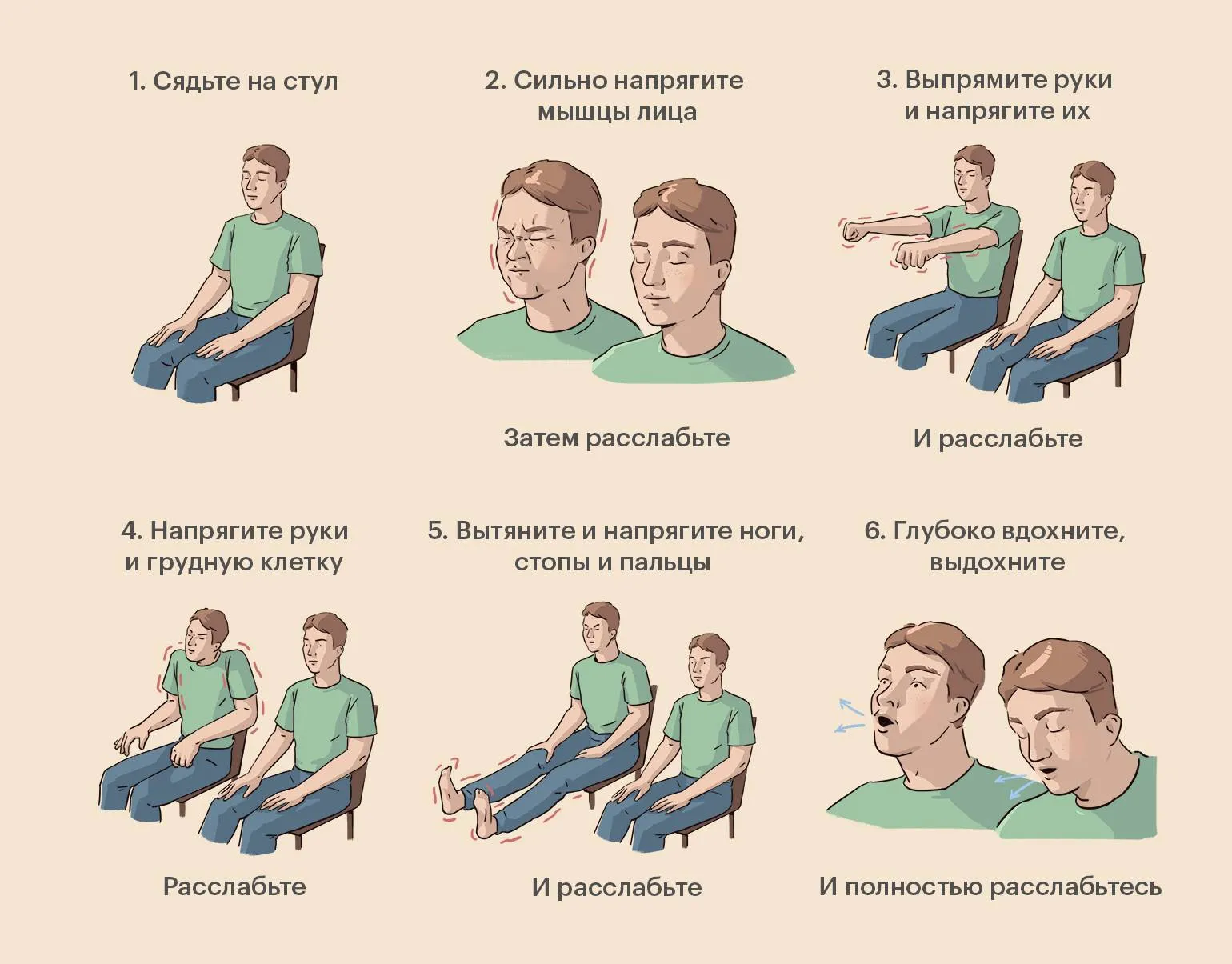
Research by specialists Research from Oxford University suggests that visualization can be used to improve sleep quality. Instead of counting sheep, try imagining a tranquil setting and sensing its atmosphere. For example, visualize a waterfall, hear the sounds of trickling water, and smell the scent of fresh, damp moss. Focus on the details to fully immerse yourself in the tranquil environment. Imagine stress leaving your body, allowing this image to fill your thoughts. This approach can help you relax and improve sleep quality, promoting restoration and harmony. Mindfulness meditation has demonstrated positive results for those seeking effective methods for falling asleep quickly. Through mindfulness meditation, you learn to observe your thoughts rather than control them. Thoughts come and go, which helps reduce stress and promotes easier sleep. This approach allows you to relax your mind and body, making your evening routine more calm and peaceful. Practicing mindfulness meditation can be a valuable tool for improving the quality of sleep and overall well-being.

Check out more:
How to Meditate Properly: 7 Techniques for Beginners and Experienced Practitioners
Meditation is a powerful tool for improving your mental and emotional well-being. Proper meditation helps reduce stress, increase concentration, and develop inner peace. In this article, we'll look at seven effective meditation techniques suitable for both beginners and experienced practitioners.
The first technique is mindful breathing. Focus on your breathing, observing each inhalation and exhalation. This will help calm the mind and deepen the state of meditation.
The second technique is visualization. Imagine a calm place that brings you joy and peace. This could be a beach, a forest, or any other space that is close to you.
The third technique is a mantra. Repeating a mantra allows you to deepen your concentration and distract yourself from extraneous thoughts. Choose a word or phrase that is meaningful to you.
The fourth technique is sound meditation. Listen to the sounds around you and focus on them. This could be music, the sounds of nature, or even silence.
The fifth technique is movement. Practices such as yoga or tai chi combine meditation with physical activity, helping to develop mindfulness through movement.
The sixth technique is meditation on feelings. Allow yourself to feel and accept your emotions without trying to change them. This will help deepen self-knowledge and develop emotional resilience.
The seventh technique is the practice of gratitude. Throughout meditation, focus on what you are grateful for in your life. This will help increase levels of happiness and satisfaction.
These meditation techniques can be adapted to your individual needs and preferences. Regular meditation practice not only improves overall health but also promotes the development of inner peace. Start small and gradually deepen your practice, discovering new horizons of self-knowledge and harmony.
Breathing control and relaxation are important aspects for reducing stress levels and improving the quality of sleep. One effective method is the "4-7-8" exercise, created by American physician Andrew Weil. This breathing exercise helps reduce anxiety and promote sleep, which positively impacts overall well-being. Regular use of this technique can significantly improve your breathing and promote deep relaxation. The "4-7-8" breathing technique is an effective method for relaxation and stress management. This simple breathing process involves four steps: inhale for a count of four, hold your breath for seven seconds, and exhale for a count of eight. This technique helps reduce anxiety, improve sleep quality, and promote overall well-being. Regular use of breathing exercises can not only help combat stress but also increase concentration and energy levels. For best results, it is recommended to practice this technique several times a day, especially before bed. Using the 4-7-8 technique can become an important part of your daily mental and physical health regimen.
- Whistle out through your mouth.
- Close your mouth and inhale quietly through your nose for a count of four.
- Hold your breath for a count of seven.
- On one exhale, make a whistling sound and release all the air through your mouth for a count of eight.
- Repeat the above cycle three more times.
The 4-7-8 breathing technique activates the parasympathetic nervous system, which helps counteract the effects of adrenaline and cortisol. Used during relaxation and sleep, this technique helps reduce stress levels and improve overall well-being. Proper breathing using this technique can significantly improve the quality of sleep and help combat anxiety.
Putting away electronics before bed can be challenging. Sleep problems are often linked to spending time in front of smartphones or computers. The main culprit is the blue light emitted by these devices. This light disrupts the production of melatonin, a hormone responsible for regulating sleep. To improve the quality of your night's rest, it is recommended to limit your use of electronics an hour or two before bed. This will help reduce your exposure to blue light and prepare your body for rest.
Blue light is a component of the visible spectrum and negatively impacts the production of melatonin, a hormone responsible for regulating sleep. For this reason, many experts recommend limiting the use of devices that emit blue light at least an hour before bed. This will help improve the quality of your night's rest and reduce the risk of sleep disturbances.
A weighted blanket should weigh approximately 10% of your body weight to be effective in providing a calming effect. It creates a deep pressure effect, which helps activate the parasympathetic nervous system, switching the body from a state of stress to a rest and recovery mode. This helps improve sleep quality, reduce anxiety, and promote overall relaxation. Weighted blankets are becoming increasingly popular among people suffering from insomnia and other sleep disorders due to their ability to create a feeling of security and comfort.

Read also:
Weighted blanket: advantages and disadvantages
Weighted blankets are becoming increasingly popular due to their potential health and comfort benefits. They can help reduce anxiety and improve sleep quality by creating a feeling of deep tactile stimulation. This is achieved by evenly distributing the weight throughout the body, which promotes relaxation and reduces stress.
However, despite these positive aspects, weighted blankets can have some drawbacks. For example, they may be too heavy for people with certain medical conditions, such as breathing problems or cardiovascular disease. It's also worth considering that choosing the wrong weight blanket can cause discomfort and reduce sleep quality.
It's important to choose the right weighted blanket based on your preferences and physical condition. It's recommended to choose a blanket that weighs approximately 10% of your body weight. This will ensure optimal benefits without any negative consequences. It's worth consulting a doctor before purchasing, especially if you have chronic medical conditions.
Ultimately, weighted blankets can be a useful tool for improving sleep and reducing anxiety, but their use requires careful consideration and consideration of individual health characteristics.
In 2023, Korean researchers conducted an experiment on the effect of protein foods on the sleep quality of nurses. Participants who completed a 24-hour shift had accelerometers attached to their wrists to monitor sleep. Before bed, the nurses received snack recommendations. The results showed that those who chose protein foods such as meat, fish, and eggs fell asleep faster and had better sleep quality compared to those who preferred sweets and foods rich in fast carbohydrates. These findings highlight the importance of making healthy dietary choices to improve sleep quality, especially in high-stress settings such as those seen in healthcare professionals.
In 1978, psychologists Michael Asher and Jay Efran introduced an innovative approach to treating insomnia called paradoxical intention. This method involves deliberately trying to stay awake as long as possible if you're having trouble falling asleep. This approach helps reduce anxiety associated with falling asleep and promotes better sleep quality. Paradoxical intention has become an important tool in therapeutic practice and continues to be used to treat insomnia.
Sleep is a natural process that occurs without our intervention. When we try to control it, it can have negative consequences. The desire to sleep often leads to stress, anxiety, and agitation, which in turn can cause insomnia. Paradoxical intention helps break this vicious cycle, allowing both the body and mind to relax and naturally fall asleep.
Finally, it should be emphasized that insomnia can occur for a variety of reasons. If you do not see improvement, it is highly recommended to consult a doctor to determine and address the underlying cause of the problem.


Information sources play a key role in the process of gaining knowledge. They can be varied: books, articles, research, and online resources. Quality sources ensure that the information is reliable and up-to-date. When using sources, it is important to consider their authority, relevance, and accuracy. Well-chosen sources contribute to a deeper understanding of the topic and help form informed conclusions. For effective study, it is important to use a variety of sources to gain a multifaceted understanding of the subject. Proper citation and attribution not only enhances the credibility of your content but also improves its SEO, improving its visibility in search engines.
To fall asleep quickly, it's important to follow a few proven tips. First, create a comfortable sleep environment: make sure the room is dark, quiet, and cool. Second, establish a sleep routine, going to bed and waking up at the same time every day, even on weekends. This will help your body adjust its biorhythms.
It's also a good idea to limit caffeine and nicotine intake, especially in the afternoon, as these substances can disrupt sleep. Consider introducing evening rituals, such as reading a book or meditating, to relax before bed. Physical activity during the day can also improve sleep quality, but avoid intense exercise immediately before bed.
It's also important to manage your screen time. The blue light emitted by phones and computers can make it difficult to fall asleep. Try turning off electronic devices an hour before bed to prepare your body for rest. By following these recommendations, you can significantly speed up the process of falling asleep and improve the quality of your night's rest.
The insomnia model, described in Chapter 78 of the book "Principles and Practice of Sleep Medicine," edited by Krieger, Roth, and Dement, represents an important aspect of the study of sleep disorders. In this chapter, Perlis, Shaw, Kano, and Espy review various approaches to modeling insomnia, analyzing the causes and mechanisms that contribute to this condition. They emphasize the importance of a comprehensive approach to the diagnosis and treatment of insomnia, as well as the need for individualized strategies for each patient. This work is a valuable resource for specialists in the fields of sleep medicine and psychology, offering a thorough understanding of the mechanisms of insomnia and methods for overcoming it.
Shrivastava D., Jung S., Saadat M., Sirohi R., and Crewson K. provide guidance on interpreting sleep study results in an article published in the Journal of Community Hospital Internal Medicine Perspectives in 2014. In this issue, number 4(5), article number 24983 examines key aspects of sleep data analysis. The authors emphasize the importance of proper interpretation of results for the diagnosis and treatment of sleep disorders, which is essential for improving patients' quality of life. DOI: 10.3402/jchimp.v4.24983.
Jung D. W., Hwang S. H., Chung G. S., Lee Y., Jeong D., and Park K. S. conducted a study on estimating sleep onset time based on the blood pressure regulation mechanism. The results of the study were published in the IEEE Journal of Biomedical and Health Informatics in 2013, volume 17, issue 3, pages 539–544. DOI: 10.1109/jbhi.2013.2257816. The study highlights the importance of understanding the physiological processes that influence sleep quality and can serve as a basis for further research in the fields of sleep medicine and biomedical informatics.
Feng F., Zhang Y., Hou J., Cai J., Jiang Q., Li X., Zhao Q., and Li B. conducted a study on the effects of music on sleep quality in adults with primary insomnia. In this systematic review and network meta-analysis, published in the International Journal of Nursing Research in 2017, the researchers concluded that music can positively impact sleep quality. The study covers important aspects of using music as a potential therapy to improve sleep in people suffering from insomnia, highlighting the importance of further research in this area. DOI: 10.1016/j.ijnurstu.2017.10.011.
In his book "Natural Genesis", published by Cosimo, Inc. in 2007, Massey G. examines the origins of nature and its interaction with humanity. The author analyzes natural processes and their influence on the development of civilization, and also explores the cultural and philosophical aspects related to the understanding of nature. The book offers an in-depth look at the genesis of natural phenomena and their connection with human experience, making it an essential source for anyone interested in ecology, philosophy, and history.
Hestermann E., Schreve K., and Vandenheever D. conducted a study on improving deep sleep induction using a wireless in-ear EEG device that transmits binaural beats and ASMR. This study, published in the journal Sensors in 2024, represents a proof-of-concept study of the effectiveness of this approach. The device is aimed at optimizing quality sleep using modern technologies and methods that can help people who have difficulty falling asleep. DOI: 10.3390/s24237471.
Expand a list is a feature that allows users to see more information hidden behind a title or summary. This feature is often used on websites to simplify navigation and improve the user experience. Expanding a list helps organize content, making it more structured and accessible.
To effectively use the list expansion feature, it is important to consider that it not only improves the visual perception of pages but also contributes to SEO optimization. Search engines prefer structured content, which can positively impact website ranking. Proper use of list expansion can lead to an increase in the time users spend on the page, as well as an increase in the level of interaction with the content.
Including interactive elements, such as expandable lists, makes information more accessible and easier to find the desired data. This is especially important for sites with a large amount of information, where users can quickly become tired of lengthy searching. A user-friendly interface and structured content are the key to successful user interaction and increased user satisfaction.
Shumov D. E., Sveshnikov D. S., Bakaeva Z. V., and Dorokhov V. B. conducted a study on the effect of monotonous sound stimuli with binaural and monastic rhythms on the time to fall asleep. The study involved a large number of subjects, which allows for more reliable conclusions. The results showed that both types of stimuli had a similar effect on sleep latency. The article was published in the journal "S.S. Korsakov" on Neurology and Psychiatry in 2023, volume 123, issue 4, page 109. DOI: 10.17116/jnevro2023123041109. Forget white noise. Pink noise is preferable for sleep. Research shows that pink noise, unlike white noise, creates a softer and more harmonious sound environment, which helps improve the quality of sleep. It helps mask harsh sounds and creates a feeling of comfort, making it an ideal choice for people suffering from insomnia or sleep disorders. If you want to improve your rest, try using pink noise instead of white noise. This can significantly improve your level of comfort and relaxation during sleep.
Zhou J., Liu D., Li X., Ma J., Zhang J., and Fang J. investigated the effects of pink noise on brain synchronization and sleep consolidation. Their findings were published in the Journal of Theoretical Biology in 2012. In article number 306, pages 68-72, the authors detail how pink noise can influence the complexity of brain synchronization and improve sleep quality. DOI: 10.1016/j.jtbi.2012.04.006.
Coping with stress: An illustrated guide. World Health Organization. 2020. This guide offers effective strategies for managing stress and maintaining mental health during difficult times. It provides practical tips and illustrations to help people cope with emotional difficulties. After reading this material, readers will be better able to cope with stress and take care of their mental well-being, which is especially important in today's challenging times.
Harvey A. G. and Payne S. studied the management of unwanted thoughts before bedtime in insomnia, comparing the effectiveness of visualization-based distraction with general distraction. Their work, published in the journal Behavior Research and Therapy in 2002, provides important insights into ways to combat insomnia. The article, published in Volume 40, Issue 3, pages 267–277, can serve as a useful guide for those suffering from sleep disorders. DOI: 10.1016/s0005-7967(01)00012-2.
Rusch H. L., Rosario M., Levison L. M., Olivera A., Livingston W. S., Wu T., and Gill J. M. conducted a systematic review and meta-analysis of randomized controlled trials on the effects of mindfulness meditation on sleep quality. The study results were published in the journal Annals of the New York Academy of Sciences in 2018. In the article, published in volume 1445, pages 5–16, the authors discuss how mindfulness meditation practices can positively impact sleep quality. This review highlights the importance of using meditation as an effective tool for improving sleep and overall health. DOI: 10.1111/nyas.13996.
Vierra J., Boonla O., and Prasertsri P. investigated the effects of sleep deprivation and the 4-7-8 breathing technique on heart rate variability, blood pressure, blood glucose, and endothelial function in healthy young adults. The results of their work are published in the journal Physiological Reports in 2022, Volume 10, Issue 13. DOI: 10.14814/phy2.15389. This study highlights the importance of quality sleep and breathing practices for maintaining cardiovascular health and overall well-being.
Lockley S. W., Brainard G. C., and Czeisler C. A. in their article "High sensitivity of the human melatonin circadian rhythm to resetting by short-wavelength light." discuss the effects of short-wavelength light on melatonin rhythms. Published in The Journal of Clinical Endocrinology & Metabolism in 2003, the work demonstrates how light of a specific wavelength can significantly alter circadian rhythms in humans. This information is important for understanding the effects of lighting on health and human biorhythms. DOI: 10.1210/jc.2003-030570.
Healthy sleep starts before you even get into bed. According to the National Sleep Foundation, it is important to create an optimal environment for rest. Prepare your bedroom: ensure it is dark, quiet, and at a comfortable temperature. Avoid caffeine and heavy meals a few hours before bed. Establish a regular bedtime and wake-up schedule to organize your biorhythm. Put away electronic devices two hours before bed to reduce blue light levels and prepare your body for rest. These simple steps will help you improve the quality of your sleep and maintain your health.
Danoff-Burg S., Rus H. M., Martir L. C., and Raymann R. J. in their article "Is it worth the weight: A weighted blanket improves sleep and increases relaxation" examine the effects of weighted blankets on sleep quality and relaxation levels. The results, published in the journal Sleep in 2020, show that the use of weighted blankets can significantly improve the quality of nighttime rest and help reduce stress. This work highlights the importance of choosing the right sleep products and their impact on overall health. DOI: 10.1093/sleep/zsaa056.1197.
Park J. H., Park H., Bae S., and Kang J. investigated the relationship between the timing and nutritional characteristics of bedtime meals and sleep quality in nurses after a shift on night rotation work. The results were published in the International Journal of Environmental Research and Public Health in 2023. The article, numbered 20(2), contains 1489 pages and is available at DOI: 10.3390/ijerph20021489. The study focuses on the importance of proper nutrition and its impact on the health and well-being of nurses, which is especially relevant in shift work environments.
Zhang W., Wang G., and Fuxe K. present a review of classical and modern meridian research, emphasizing the low hydraulic resistance of channels along the meridians and their significance for therapeutic effects in traditional Chinese medicine. The study was published in the journal Evidence-based Complementary and Alternative Medicine in 2015 and covers pages 1–14. DOI: 10.1155/2015/410979. This review highlights the importance of understanding the physiological mechanisms associated with the meridians and their potential in alternative medicine, which may impact treatment methods and patient care. Yeung W. F., Yu B. Y., Chung K., Zhang Z., Lao L., Ho F. Y., Suen L. K., and Ho L. conducted a randomized controlled trial of self-administered acupressure for the treatment of insomnia. The results of the study were published in the journal Phytomedicine in 2022. Article number 99, accession code 153993, is available at DOI: 10.1016/j.phymed.2022.153993. This study highlights the potential of acupressure as an effective treatment for insomnia, which may be useful for medical and alternative medicine practitioners.
M. Jansson-Fröjmark, S. Alfonsson, B. Bohman, A. Rozental, and A. Norell-Clarke conducted a systematic review and meta-analysis of paradoxical intention in insomnia. The results of the study were published in the Journal of Sleep Research in 2021. The article examines the effectiveness and application of paradoxical intention as a treatment for insomnia. The authors analyze existing evidence and offer recommendations for clinical practice, which may be useful for both sleep specialists and patients suffering from insomnia. Article DOI: 10.1111/jsr.13464.