Contents:

Thinking about a new profession, but don't know where to start? Find out what suits you: IT, design, game development, management or marketing. Take a free career counseling course.
Learn moreWomen often believe that Kegel exercises, which involve contracting and relaxing the pelvic floor muscles, can solve a variety of problems. These issues can include urinary incontinence, bowel problems, dryness during intercourse, and decreased libido. However, is this technique truly so versatile, and can it be used for prevention?
In this article, we will examine key aspects of this topic in detail. We will analyze important points, provide useful information, and offer recommendations to help you better understand the issue. Read on to get a full understanding and helpful tips.
- What are Kegel exercises?
- Are they really effective?
- How to prepare for them?
- How to know if you're doing it right and whether you need to use exercise equipment?
- What are the contraindications?

An obstetrician-gynecologist, PhD, urologist, and president of the Association of Urogynecologists (AUG), he has extensive experience in women's health. He is also a psychologist and the founder of the de Novo School of Aesthetic Urogynecology for Doctors. His work includes creating an online school for patients dedicated to pelvic floor rehabilitation, as well as a closed women's club, "Azbuka Zdorovya." These initiatives are aimed at improving the knowledge and qualifications of both specialists and patients in the field of urogynecology and women's health.
We have launched the "How Are You?" Telegram channel, where we share useful information on self-development, psychology, and effective methods of learning and career building at any age in a convenient format. Join us and receive relevant advice and practical recommendations for personal growth and professional development. Subscribe to our channel!
What are Kegel exercises?
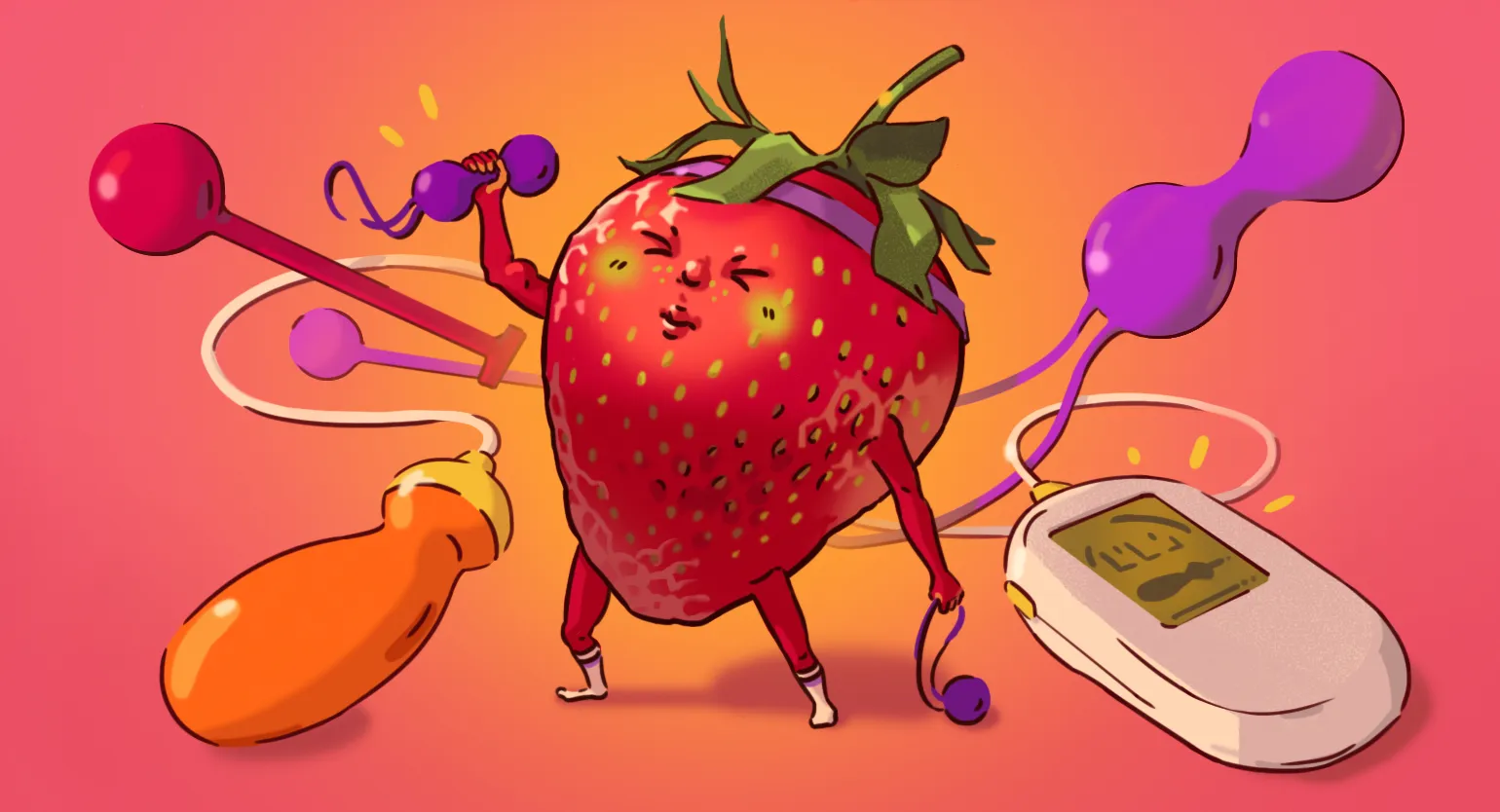
Kegel exercises are often misunderstood as simply contracting and relaxing the pelvic floor muscles. In fact, they are a set of exercises using a special device called a perineometer. This vaginal sensor with an air pump is inserted and activated by muscle effort. In the next section, we will take a closer look at the various devices that help effectively train the pelvic floor muscles.
Doctors recommend these exercises as a supplement to courses of electrical and magnetic stimulation for the effective treatment of urinary incontinence, as well as problems associated with genital gaping after childbirth, dryness during intercourse, prolapse of the vaginal and uterine walls, and hemorrhoids. These exercises help strengthen the pelvic floor muscles, improving the overall health and quality of life of patients.

Postpartum Depression: Causes, Symptoms, and Treatment
Postpartum depression is a serious mental condition that can occur in women after childbirth. It affects the emotional state and overall well-being, making it difficult to adapt to the new role of mother. The causes of postpartum depression are varied and may include hormonal changes, stress, lack of support, and preexisting mental health conditions.
Symptoms of postpartum depression can range from mild to severe. Women may experience persistent anxiety, sadness, fatigue, as well as changes in appetite and sleep. Difficulty bonding with the newborn may also occur. It is important to recognize these symptoms early and seek help.
Treatment for postpartum depression may include psychotherapy, medication, and support from loved ones. Psychotherapy helps a woman understand and cope with her feelings, and medication may be prescribed to stabilize her emotional state. Support from family and friends also plays a key role in the recovery process.
Early identification and adequate treatment of postpartum depression can significantly improve a woman's quality of life and her ability to care for her child. If you or someone you love is experiencing these symptoms, it's important to seek professional help.
Is exercise really effective?
If muscle weakness is the only cause and there are no other factors, then yes, it is quite possible. Muscle weakness can be a result of insufficient physical activity, poor diet, or lack of regular exercise. Improving muscle tone and strength can be achieved with appropriate exercise and lifestyle adjustments. It's also important to keep in mind that it may take time and consistency in exercise to achieve noticeable results.
Many women engage in exercise without first consulting a doctor, believing that physical exercise can solve problems such as urinary incontinence. However, urinary incontinence may not only be caused by weak pelvic floor muscles. It is important to understand that there are many factors that can influence this condition. The right approach to exercise and taking into account the recommendations of a specialist will help prevent the situation from worsening and achieve the desired results. Before starting any exercise, it is worth consulting a doctor to determine the causes of incontinence and choose the most effective treatment methods.
Let's consider several additional causes of this problem.
Vaginal tension can occur for various reasons. One of the main ones is the presence of scars that can form after surgical dissection of the perineum during childbirth. Tension can also be a consequence of unsuccessful plastic surgery, especially with significant physical exertion. It is important to consider that such conditions can negatively affect quality of life and require the attention of specialists for correction and recovery.
Psychosomatic conditions play a key role in a woman's life, especially after childbirth. Women often experience mental stress or maintain muscle tension due to complexes that arise during the postpartum period. This can occur even in the absence of regular medical checkups. It is important to understand that such conditions can have a significant impact on physical and emotional health, so it is important to pay attention to not only the physical but also the psychological aspects of postpartum recovery.
- Back muscle strain or diastasis recti. This increases intra-abdominal pressure, which in turn strains the bladder. Additional stress (sneezing, laughing, physical activity) further increases this pressure.
- A scar left after a cesarean section or any other surgery in the lower abdomen can lead to bladder strain.
- Excessively pumped abs, which strain the abdominal diaphragm. Professional athletes are frequent patients of urologists. Fanatical gym-goers can also be added to this list.
When the lower back is overloaded, women experience weakened abdominal muscles. Hyperlordosis, characterized by excessive arching in the lumbar region, as well as incorrect pelvic position and gait, can lead to strain in the lumbar region. This, in turn, weakens the anterior vaginal wall and can provoke urinary incontinence. It is important to consider these factors to maintain health and prevent potential problems related to the musculoskeletal system and intimate area. Regular exercise and correct posture will help improve the condition of the lower back and strengthen the abdominal muscles, which will significantly reduce the risk of urinary incontinence.
The septum separating the thoracic and abdominal cavities plays a key role in the functioning of the body. Strain in this area can lead to increased pressure on the pelvic diaphragm, which in turn affects the condition of the bladder. It is important to monitor the condition of this area to avoid discomfort and maintain the health of the urinary system. Proper breathing techniques and exercise can help relieve tension and improve overall well-being. Problems can arise for various reasons. The main contributing factors are lack of information, misunderstanding of the situation, lack of necessary resources, and insufficient communication between participants in the process. Furthermore, external circumstances, such as changes in legislation or the economic situation, can also negatively affect the development of events. It is important to carefully analyze each of the causes in order to effectively eliminate them and prevent recurrence of problems in the future. A systematic approach to solving problems will minimize risks and improve work results. Psychosomatics. For example, stress or fears can cause "tightness" in the chest. Incorrect breathing technique. For example, shallow breathing in the upper chest, the collarbone area with raised shoulders, or, conversely, the lower abdomen. In all these cases, the barrier does not work.

Read also:
Psychosomatic diseases are conditions in which emotional and psychological factors have a significant impact on physical health. These illnesses often arise from stress, anxiety, and emotional disorders. It is important to understand that psychosomatics is not just a fiction, but a real connection between the mind and body, which requires a comprehensive approach to treatment.
Among the most common psychosomatic illnesses are asthma, hypertension, stomach ulcers, chronic headaches, irritable bowel syndrome, eczema, and depression. Each of these illnesses illustrates how psychological problems can manifest themselves in physical symptoms.
Treatment of psychosomatic illnesses usually includes both medical therapy and psychotherapeutic methods. Working with a psychologist or psychotherapist can help identify the root causes behind physical symptoms and teach the patient how to cope with stress and emotions.
It is important to pay attention to your psychoemotional state and, if necessary, seek help from specialists. This will not only improve your overall health but also enhance your quality of life.
An improperly organized workspace, including an inappropriate desk, monitor, and chair height, can negatively impact your health. Reading while lying down with your chin tucked into your chest also strains your neck muscles and puts pressure on your diaphragm. It's important to properly configure your workspace and choose comfortable reading positions to avoid discomfort and improve your overall well-being. Proper workplace ergonomics can help reduce strain on your neck and back and improve productivity.
When the gluteal muscles are not active while walking, tension in the lumbar region occurs. This phenomenon can also be a result of improperly performed sports exercises, as well as constantly wearing high-heeled shoes and tight clothing, such as skirts. Proper activation of the gluteal muscles not only helps improve posture but also reduces the risk of lower back injuries. To avoid spinal problems, it is important to focus on strengthening the gluteal muscles and choosing the right shoes and clothing.
With prolonged walking with improper technique, the buttocks can become pear-shaped and sag. This can also lead to the formation of dimples in the hip area. As a result, sagging of the posterior vaginal wall may occur, which, in turn, contributes to the development or aggravation of hemorrhoids. Correct gait and regular exercise will help prevent these problems and maintain health.
Strength training alone cannot eliminate this problem. The key is to develop control over your gait. Proper awareness and correction of movements will help significantly improve the condition and prevent further complications.
Reading is an important aspect of our lives, which helps not only to develop thinking, but also to gain new knowledge. Regular reading of books, articles and other materials helps to improve vocabulary, expand horizons and increase intellectual level. Books offer a unique opportunity to immerse yourself in new worlds, discover different cultures, and experience different perspectives.
Reading also plays a key role in personal development. It helps develop critical thinking and analytical skills, which is especially important in today's society, where information is available in vast quantities. The engaging stories and helpful tips found in books can inspire new ideas and solutions.
Don't forget that reading isn't limited to fiction. Research articles, blogs, and specialized materials can also be very useful for professional growth and personal development. Constantly updating your knowledge and skills through reading will help you stay competitive in a rapidly changing world.
Therefore, reading is not just a hobby, but an essential element of life success. Invest time in books and articles, and you will notice positive changes in your thinking and perception of the world around you.
Breathing Exercises: How to Perform and Their Benefits
Breathing exercises play an important role in maintaining physical and mental health. They help improve oxygen supply to the body, promote relaxation, and reduce stress. Properly performed breathing techniques can significantly increase overall productivity and improve the quality of life.
To perform breathing exercises correctly, it is important to focus on the technique and rhythm of breathing. Start by choosing a comfortable place and posture. Try to relax your body and clear your mind of unnecessary thoughts. Inhale slowly through your nose, allowing your belly to rise, then exhale through your mouth, completely emptying your lungs of air. Repeat this exercise for several minutes, gradually increasing the time of practice.
The benefits of breathing exercises include not only improving your physical condition but also strengthening your psycho-emotional state. They help reduce anxiety, improve concentration, and promote better sleep. Regularly practicing breathing techniques can also boost immunity and improve overall well-being.
Incorporating breathing exercises into your daily practice can be a simple and effective way to improve your health and quality of life. Remember to take the time to practice these important practices to reap their full benefits.

How to Prepare for the Exercises
If your doctor has determined that Kegel exercises can address your health problem, it is important to learn the proper technique and prepare for the exercises. Kegel exercises are designed to strengthen the pelvic floor muscles, which can positively impact your health and quality of life. Performing these exercises correctly requires attention and regularity, so start by learning the basic principles and recommendations.
- As with any physical activity, these exercises should not be done after a heavy meal - wait at least an hour and a half after eating, or if you had a light breakfast, you can begin exercising after 40-60 minutes.
- It is better not to do the exercises with a full bladder. If you feel the urge to urinate during the exercise, stop and go to the toilet.
- The exercises can be done during menstruation, if it does not cause discomfort. You should avoid inverted positions and exercises that increase pressure in the pelvic area.
How to do the exercises correctly?
Performing the exercises incorrectly can lead to a deterioration in health. To achieve maximum effectiveness and minimize risks, it is important to follow the established recommendations and techniques. Proper exercise technique not only improves physical fitness but also protects against injury. Adherence to training guidelines is key to maintaining health and achieving desired results.
Fundamental mistakes often made in various fields can significantly impact the final result. Inadequate planning and a lack of a clear strategy lead to inefficient use of resources. Failure to adapt to market changes and ignoring customer feedback can lead to a loss of competitiveness. A lack of attention to detail is also common, which ultimately negatively impacts the quality of a product or service. Neglecting these aspects can significantly reduce your chances of success. To avoid these mistakes, it is essential to regularly analyze your actions and adjust your approaches based on the data obtained. This will not only improve the quality of your work but also strengthen your market position.
- pushing the muscles out (as if squeezing them out), rather than drawing them in;
- pulling the muscles in while inhaling. Some Kundalini Yoga exercises involve drawing the vaginal muscles in while inhaling, but this is a different exercise and serves different purposes.
Checking whether the exercises are performed correctly can be done in various ways. One effective method is to use a mirror, which allows you to monitor your technique. It is also helpful to record your workouts on video, which allows you to analyze your form and correct any mistakes. Additionally, you can consult with trainers or professional athletes for feedback and recommendations. It is important to remember that regular self-examination and analysis of your results will help improve your technique and achieve your training goals.
- It is essential to draw in your pelvic floor muscles while exhaling. You should feel a "sucking" sensation when performing the exercises. You can imagine that the vagina is connected to the chest area by a thread, and that this thread is pulled upward as it comes out.
- If you feel free to do this, you can insert two fingers into the vagina and try to contract the muscles of the vagina and buttocks as you exhale, so that you feel as if your fingers are being sucked in.
- Place your hand under the perineum, and if during the exercise you feel the pressure on your palm become stronger, you are doing it incorrectly.
If you are worried about making a mistake, focus on training the buttocks - this technique is easier to perform. Sitting or lying down, place your hands under your buttocks and squeeze them as you exhale, then relax them on the next exhalation. Squeezing your buttocks activates all the muscles of the core, abdomen, and back, as well as indirectly the vaginal muscles. This exercise not only strengthens the gluteal muscles, but also helps improve overall fitness and maintain posture. Regular exercise will help you achieve your desired results and increase your self-confidence.
This exercise is considered safe and effective in the absence of hypertonicity. It is recommended to perform it for 1-3 months, twice a day, doing 20 contractions. After the problem disappears, you can switch to maintenance training 3-4 times a week for prevention. Regularly performing this exercise will help maintain muscle health and improve overall health.
Should you use exercise equipment?
Arnold Kegel, an American gynecologist of the 20th century, became famous for developing the perineometer - a device for assessing the function of the vaginal muscles. Although he did not create exercises for training intimate muscles, his contributions to the study of women's health and the functionality of the perineum had a significant impact on modern gynecology. The technique named after him is widely used today to strengthen the pelvic floor muscles and improve women's quality of life.
Intimate muscle trainers appeared later, and today their range is impressive. Various devices are available on the market, ranging from pneumatic trainers to vaginal balls. Modern technology allows for the use of apps that help conveniently track exercise performance and progress. This makes training more effective and accessible to users.
In fact, you don't need special gadgets to achieve results. The main thing is to master the correct methods and techniques. The effectiveness of training and exercise depends on the right approach, skills, and discipline. The ability to organize the process and follow a set program will allow you to achieve the desired results without the need for expensive devices.
Contraindications and possible harm from Kegel exercises
Exercises during pregnancy and after childbirth: provided that the pregnancy is proceeding normally, physical exercise is not dangerous. However, pregnant women are strictly contraindicated from using exercise machines with electrical stimulation. In case of hypertonicity of the uterus, performing exercises can aggravate the condition. It is recommended to start returning to exercise a few months after childbirth, and only on the recommendation of a doctor. This will ensure safety for both mother and child, and will also help restore physical fitness.
Before starting exercise, it is important to consult a doctor. Many women begin to exercise in an effort to improve the appearance of their genitals or solve problems with sexual health. However, it's important to remember that excessive strain can lead to muscle hypertonicity. This condition can cause pain, aggravate cystitis, candidiasis, inflammation, and even disrupt the menstrual cycle. Therefore, it is important to approach training consciously and carefully to avoid negative health consequences.
Free career guidance
Take a short test and find out which profession is right for you, and then try your hand at your chosen specialty. At the end of the course, you will have a session with a career guidance specialist. It will help you decide on your career path.
Find out more