
Contents:

Free test: Which digital profession is right for you? Find out the answer in 15 minutes and try your hand at a new specialty.
Learn moreKombucha - what is it?
Kombucha, also known as kombucha, is a unique symbiotic culture consisting of bacteria and yeast. Unlike many microorganisms that can compete with each other, the components of kombucha exist in a harmonious union, which is the basis for its name SCOBY (symbiotic culture of bacteria and yeast). This symbiotic culture forms a dense film that builds up gradually, layer by layer. Kombucha not only has an interesting structure, but also valuable properties that attract the attention of both researchers and consumers. Kombucha contains probiotics, vitamins, and organic acids that have a positive effect on human health.
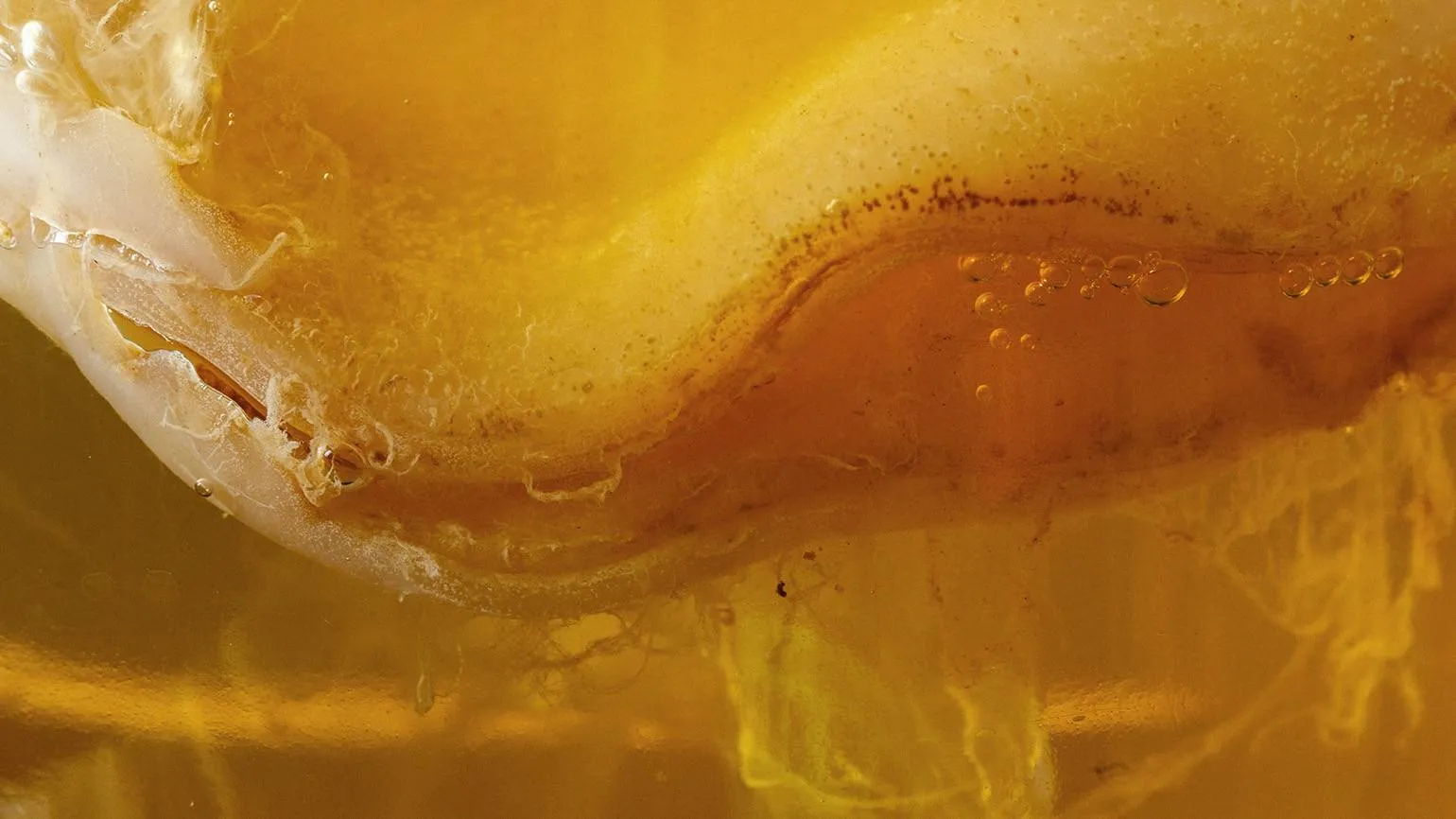
Kombucha microorganisms have a high propensity to consume sugar. By placing them in a jar of sweet tea, we can get a delicious and healthy drink in just 7-15 days. These microorganisms actively ferment sugar, turning it into a unique, refreshing drink known as kombucha. This process not only gives the drink a pleasant taste but also enriches it with beneficial substances, making kombucha popular among health enthusiasts.
The microorganisms' enzymes initiate the fermentation process, which turns ordinary tea into a unique drink. Yeast contained in the mushrooms begins processing sugar, converting it into ethyl alcohol and carbon dioxide. Then, acetic acid bacteria oxidize the resulting alcohol, converting it into acetic acid. When the concentration of acetic acid reaches a certain level, it inhibits the growth of yeast, completing the fermentation process. This method of transforming tea gives the drink a special flavor and aroma, which makes it popular among connoisseurs of fermented foods.
By the time of drinking, the sweet tea will become a delicious drink full of many useful substances.
Where did Kombucha come to us?
Kombucha, also known as Kombucha, has a history that goes back centuries. It was first prepared in China in 220 BC, during the Qin Dynasty, under the name "Divine Che". This drink was prized for its cleansing and tonic properties. In 414, Dr. Kombucha brought Kombucha to Japan to treat the emperor for digestive problems. The drink arrived in Russia in the early 20th century, during the Russo-Japanese War, and then, during World War II, it spread throughout Europe. There, it was mistakenly called kombucha, confused with another Japanese drink. Kombucha continues to be popular for its health benefits, such as supporting digestion, boosting the immune system, and promoting overall wellness.

Kombucha has gained widespread popularity in In the post-war years, people sought affordable and natural methods to maintain their health. This unique drink became a symbol of a healthy lifestyle, offering numerous beneficial properties and vitamins. In a time of resource scarcity and a desire to improve well-being, kombucha became an ideal solution for many, strengthening the immune system and improving overall health. Are all the miraculous properties of kombucha truly true? We conducted a thorough investigation and uncovered the truth about the benefits and effects of this popular drink. Kombucha, also known as kombucha, has attracted attention for its purported healing properties. However, it's important to understand which of these properties are scientifically based and which are just myths. Our goal is to provide you with complete and reliable information about kombucha so you can make an informed choice about its consumption.
Kombucha Composition
The USDA FoodData Central website provides information on the composition of kombucha. This unique product, known for its probiotic properties, contains a variety of vitamins, minerals, and organic acids that help improve digestion and overall health. Kombucha, obtained by fermenting sweet tea, includes components such as gluconic acid, acetic acid, and B vitamins. Research shows that regular consumption of kombucha can help maintain a healthy balance of intestinal microflora and strengthen the immune system. For more detailed information on the composition and health benefits of kombucha, we recommend that you check out the data on the USDA FoodData Central website.
- Calories: 40.
- Carbohydrates: 10 g.
- Dietary Fiber: 0.
- Total Sugars: 10 g.
- Protein: 0.
- Total Fat: 0.
- Saturated Fat: 0.
- Cholesterol: 0.
- Sodium: 5 mg.

The alcohol content in standard kombucha usually does not exceed 0.5%. This allows it to be classified as a non-alcoholic drink. However, in older and more acidic infusions, especially if it was prepared with excess sugar and yeast, the alcohol level can increase to 1.0–1.5%. This makes such drinks potentially alcoholic, which should be taken into account when consuming them.
As a result of fermentation, kombucha forms a final product rich in vitamins and nutrients. It contains vitamin C, as well as vitamins B6 and B12, thiamine, acetic and lactic acids. In addition, it contains small amounts of sugar and ethanol. These components make kombucha a valuable addition to the diet for maintaining health and strengthening the immune system.
Why is kombucha beneficial?
Let's consider the key factors that can influence the situation.
At the beginning of the 21st century, with the discovery of probiotics in kombucha, this drink took its place among other popular fermented products, such as kefir and yogurt. Probiotics are live microorganisms that help increase the number of beneficial bacteria in the intestinal flora. Well-known probiotics include lactic acid bacteria of the genus Lactobacillus, which are also present in kombucha. Therefore, regular consumption of kombucha tea can significantly contribute to maintaining gut health. Kombucha not only enriches the diet with probiotics, but also helps improve digestion and strengthen the immune system, making it a valuable addition to a healthy diet.

Read also:
Here you will find useful information and tips on a variety of topics. We offer relevant articles and resources to help you understand the issues of interest and deepen your knowledge. Our content is constantly updated to provide you with the most current and useful materials. Don't miss out on our recommendations and articles that will help you in your daily life and professional work.
Probiotics are live microorganisms that, when consumed in adequate amounts, have beneficial effects on human health. They help maintain a balance of microflora in the gut, improving digestion and strengthening the immune system. Probiotics may help treat a variety of conditions, including diarrhea, irritable bowel syndrome, and inflammatory bowel disease.
Research suggests that probiotics may also have a positive effect on mental health by reducing stress and anxiety. They are found in foods such as yogurt, kefir, sauerkraut, and other fermented foods. It is important to choose high-quality sources of probiotics, as not all foods contain sufficient amounts of active microorganisms.
Including probiotics in your diet can be an effective strategy for improving overall health and preventing various diseases. However, it is recommended to consult a doctor before taking probiotic supplements, especially if you have chronic medical conditions.
Kombucha, also known as kombucha, has strong antioxidant properties, which allows it to protect liver cells from damage. Studies have shown that regular consumption of kombucha helps reduce the toxicity of substances such as paracetamol and carbon tetrachloride. Although human studies are limited, the findings open new perspectives in the treatment of liver diseases and highlight the potential of kombucha as a natural remedy for liver health.
Kombucha, made with green tea, has unique properties due to the absorption of beneficial components of this tea, including polyphenols, which are known as powerful antioxidants. Green tea helps improve metabolism and reduce fat around the waist. Research conducted in Brazil showed that kombucha may promote weight loss, based on an analysis of 15 different studies. This effect has been linked to improved liver function and microbiota composition, making green tea kombucha a beneficial product for those seeking weight management and overall health.

Study additional materials:
Antioxidants: what they are, their role in the body and sources of their production
Antioxidants are substances that protect the body's cells from damage, Caused by free radicals. Free radicals are formed as a result of oxidative stress and can lead to various diseases, including cancer and cardiovascular disease. Antioxidants neutralize these harmful molecules, helping to maintain health and longevity.
The body obtains antioxidants from food, so it is important to include foods rich in them in the diet. Key sources of antioxidants include fruits and vegetables, such as berries, citrus fruits, spinach, broccoli, and carrots. Nuts, seeds, and whole grains also contain significant amounts of antioxidants. In addition, certain spices, such as turmeric and cinnamon, also have antioxidant properties.
For optimal health, it is recommended to vary your diet by including a variety of antioxidant sources. This will not only help protect cells from oxidative stress but also improve the overall health of the body.
Research conducted by scientists from Georgetown University Medical Center and the University of Nebraska demonstrated the positive effect of kombucha on blood sugar levels in people with type 2 diabetes. The experiment involved 12 volunteers aged 40 to 71 with high blood sugar levels. The participants were divided into two groups: one group consumed one glass (240 ml) of kombucha daily for four weeks, while the other group received a drink similar in flavor but without kombucha. The results showed that regular kombucha consumption contributed to a significant reduction in blood sugar levels. The reduction in sugar levels in the kombucha group was twice as pronounced as in the control group. These findings highlight the potential benefits of kombucha for those with type 2 diabetes and support the idea of including this beverage in the diet to improve blood sugar control.
Kombucha's Unproven Effects
Kombucha became popular in the United States during the HIV/AIDS epidemic of the late 1980s and early 1990s. It was believed that the drink could increase T-cell levels and support a weakened immune system. However, scientific studies have not confirmed this effect. Kombucha continues to attract attention for its potential properties, so it is important to approach its consumption with caution and rely on scientific research.
Currently, there is no scientific evidence to support the ability of kombucha to fight cancer. The anti-cancer effect is expected to be due to the polyphenols found in kombucha, which have antioxidant properties and may suppress the growth of cancer cells. Laboratory studies on cell cultures indicate the possibility of such an effect. However, how these processes occur in the human body has not yet been established.
How to brew kombucha at home
Tea is an ideal medium for the reproduction of SCOBY microorganisms, which explains its name - kombucha. To ensure optimal growth and development of this culture, it is necessary to brew the tea solution correctly. Proper preparation of the infusion not only promotes the healthy development of SCOBY, but also prevents its death. Pay attention to the quality of the tea and water, as well as maintaining the temperature regime, which is a key factor for a successful fermentation process.
Kombucha, also known as kombucha, is traditionally made from green tea, oolong tea, but black tea is most often used. Preparation of kombucha begins with the creation of a tea infusion. To do this, add 5 grams (1 teaspoon) of tea leaves to 1 liter of boiling water and steep at a temperature of 70 to 95°C. After steeping, strain the solution through a sieve to remove tea leaves, and add 50-150 grams of sugar. The infusion should then be cooled to room temperature, after which the kombucha is added. This process produces a healthy and tasty drink rich in probiotics and vitamins.
To accelerate the growth of kombucha, you can use an alternative method. Prepare a clay pot and pour 3 liters of warm tea into it. Add 100 grams of sugar per liter of liquid and stir thoroughly until completely dissolved. Pour a cup of the prepared kombucha infusion into the infusion as a starter, then carefully place the kombucha on the surface of the solution. This approach will help create optimal conditions for the development of kombucha and increase its activity.

Kombucha is a living organism that requires proper care and an understanding of the peculiarities of its cultivation. To successfully develop this useful product, it is important to consider certain aspects. Kombucha, also known as kombucha, requires a suitable environment, including optimal temperature, sugar levels, and tea quality. Caring for the fungus involves regular feeding and monitoring the culture to ensure a delicious and healthy brew. Understanding these nuances will help you enjoy all the benefits of kombucha and ensure its health and vigor.
- Use glassware. Kombucha is best stored in a two- or three-liter jar with a wide mouth. It is advisable to use two jars: one for the fungus and one for the finished infusion. Metal or plastic containers are not suitable.
- Choose clean tea. For proper care of kombucha, use only freshly brewed, cooled tea without additives that has not been tried by anyone else.
- Do not make the tea too strong. This can slow the growth of the fungus. There should be no tea leaves left in the solution.
- Dissolve the sugar completely. Before adding to the jar, make sure the sugar is completely dissolved.
- Do not use sugar substitutes. The mushroom cannot feed on stevia or other sweeteners, even if they taste sweet.
- Avoid honey. Despite advice from the internet, honey can harm the mushroom.
- Cool the tea to room temperature. Hot tea can burn the mushroom, leaving brown spots and weakening it. Let the tea cool before steeping the starter.
- Add only boiled water. Tap water may contain salts and impurities that will make the infusion cloudy. Therefore, the water you add to the jar must first be brought to a boil and then cooled.
It is recommended to drain the infusion every 2-3 days in the summer and every 5-6 days in the winter. The finished drink can be stored for a long time in the refrigerator or cellar, which helps preserve its freshness and beneficial properties.
How to drink kombucha
The drink can be drunk neat or combined with fruits and fruit juices, fermenting it for several more days to achieve additional effervescence. Various spices and herbs can also be added to enhance the taste. Many manufacturers add sugar and flavorings to kombucha juice. Due to the carbonation and sweet taste, this kombucha product is sometimes called lemonade, although in nature it is closely related to yogurt.
How to Choose Kombucha
You can buy kombucha at the store or get a piece from a friend. Mushrooms grown at home over several years often have a richer and deeper flavor. However, it's important to keep in mind that the composition of a perennial mushroom may be questionable. It's important to find out what kind of tea it was fed with. It's not recommended to buy kombucha from people who use leftover tea, as this can lead to the development of harmful microorganisms. For safe consumption, it is better to choose fresh or well-dried kombucha to avoid negative health effects.

When choosing a mushroom from a private seller, it is important to carefully evaluate its appearance. Mushrooms with an excessively dark color may indicate ripeness and potential staleness. You should also pay attention to the presence of mold or an unpleasant odor, as this may indicate spoilage. To select high-quality mushrooms, choose only fresh, whole specimens without visible damage.
If kombucha is covered in mold, it will be impossible to restore it. Mold is a sign that the mushroom is dead, and consuming such a product can be hazardous to health. To prevent mold, proper storage and care of kombucha are essential. Regularly checking the condition of the mushroom will help avoid unwanted consequences and maintain its health.
Are there any side effects of kombucha?
The safety of kombucha is questionable, as it contains live, active bacterial cultures known as probiotics. Various side effects have been reported as a result of its consumption. Some of these include gastrointestinal discomfort, allergic reactions, and the possibility of interactions with medications. It is important to remember that kombucha may not be suitable for everyone, especially those with weakened immune systems or chronic medical conditions. It is recommended to consult a doctor before introducing kombucha into your diet to avoid negative health effects.
- dizziness;
- headache;
- allergies;
- nausea and vomiting;
- upset stomach.
Kombucha can cause side effects if prepared or consumed improperly, especially in people with weakened immune systems. It is important to follow the preparation instructions and pay attention to individual reactions. Proper use of kombucha can improve health, but caution should be exercised and consult a healthcare professional if in doubt.
Serious side effects from consuming kombucha are extremely rare and typically only occur with excessive consumption over two weeks or more. It is important to monitor the amount consumed to avoid potential adverse reactions. Kombucha may have health benefits, but moderation is key to avoiding unwanted effects.

Large-scale studies and reviews of kombucha's safety have not been conducted, but isolated cases of side effects are known. For example, a woman who consumed nearly 1 liter of kombucha per day, which is eight times the recommended dose, developed liver necrosis. In 1995, specialists from the US Centers for Disease Control and Prevention (CDC) published a report mentioning two cases of severe metabolic acidosis associated with kombucha consumption, one of which was fatal. These data emphasize the importance of moderation in consuming this drink and draw attention to the possible risks associated with its excessive consumption.
Specialists from the US Centers for Disease Control and Prevention (CDC) recommend a safe daily intake of kombucha, which is about 113 ml, which is equivalent to half a glass.
How to care for kombucha
Caring for kombucha and its propagation do not require significant effort. However, to ensure the mushroom develops healthily and comfortably, it is important to follow a few key recommendations. Proper care includes providing optimal growth conditions, such as temperature, lighting, and humidity, as well as regularly refreshing the nutrient medium. You should also monitor the mushroom's condition to promptly identify and prevent potential problems. Regularly propagating the kombucha will also help maintain its health and vigor. Following these simple rules will allow you to enjoy the benefits of kombucha for a long time.
- Oxygen is essential. Kombucha requires access to oxygen to thrive, so do not cover the container with a lid. Instead, use cheesecloth folded in several layers to ensure ventilation.
- A cozy place. Avoid direct sunlight on the jar - it is harmful. Ideally, kombucha is stored in a bright but shaded place.
- Optimal temperature. The water temperature should be around +25°C. If it drops below 17–18°C, the fungus's activity decreases and blue-green algae may appear, which gradually suppress the fungus.
- Regular cleaning. Kombucha loves cleanliness, so it should be rinsed with cool water every 1–2 weeks. In winter, this procedure can be performed less frequently.
Do not leave the fungus in the solution for a long time. The appearance of brown spots on its surface is a sign that the fungus is starting to die. To prevent such situations, it is important to monitor the timing of solution changes and maintain optimal storage conditions for the fungus.
After a complete liquid change, the fungus may sink to the bottom, and this is completely normal. Within a few days, it will float again, and after about two weeks, it will begin to actively grow, filling all available space. This process is due to the fungus adapting to the new nutrient solution, which indicates its health and viability. Regular fluid renewal promotes optimal fungal growth and improves their condition.
Alieva E. V., Boltacheva K. M., Timchenko L. D., Bondareva N. I., and Dobrynya Yu. M. examined the antibacterial potential and applications of kombucha in their article published in the Ulyanovsk Journal of Medical and Biological Sciences in 2018. In the paper, the authors present results confirming the effectiveness of kombucha in the fight against various pathogens. The study highlights the importance of this product for human health and its prospects in the field of medicine and disease prevention.
Selvaraj S and Gurumurthy K presented a review of the beneficial properties of the probiotic drink kombucha tea. The article, published in the journal China Herb Medicine in 2022, examines key aspects of this drink, including its composition, beneficial microorganisms, and potential health benefits. Kombucha tea may help improve digestion, support the immune system, and detoxify the body. DOI: 10.1016/j.chmed.2022.06.010.
In their article "Kombucha", I. N. Adiatullina and L. V. Volkova explore important aspects of this natural product. The article was published in the Bulletin of Perm National Research Polytechnic University, in the section on chemical technology and biotechnology, in 2023, issue 2, pages 5-17. The article discusses the properties and beneficial qualities of kombucha, its impact on human health and its application in various fields. Preparation and storage methods are also discussed, making this material useful for anyone interested in health and natural nutrition.
The Encyclopedia Britannica offers detailed information about tea, its history, production, and varieties. Tea is one of the most popular drinks in the world, with a rich history dating back to ancient China. It is produced from the leaves of the Camellia sinensis plant and comes in a variety of varieties, including black, green, and oolong. Each type of tea has unique flavors and aromas, making it appealing to different cultures. Tea is also known for its beneficial properties, such as antioxidant effects and health benefits. Explore this encyclopedic tea guide to deepen your knowledge of its importance and diversity. Elena Flyurik and Olga Ermakova explore Medusomyces gisevii, its cultivation, composition, and uses in a 2022 article published in the journal Foods and Raw Materials. The paper examines cultivation methods for this fungus, its nutritional properties, and potential uses in the food industry. The study highlights the importance of Medusomyces gisevii as a source of beneficial substances and its role in healthy eating. The article is available at: 10.21603/2308-4057-2023-1-563.
Dufresne C., Farnworth E. R. conducted a review on tea, kombucha and their impact on health. The article, published in the journal Food Research International in 2000, volume 33, pages 409-421, examines various aspects of the beneficial properties of these drinks. The review focuses on the potential health benefits associated with the consumption of tea and kombucha, as well as their role in disease prevention. The study emphasizes the importance of these drinks in the diet and their possible impact on overall well-being.
USDA FoodData Central offers extensive nutritional information on a variety of foods, including tea and kombucha. Tea, known for its healing properties, contains antioxidants and may promote better health. Kombucha, a fermented tea-based drink, is also gaining attention for its probiotic properties, which may support gut health. Using data from USDA FoodData Central allows consumers to better understand the composition of these beverages and their effects on the body.
List expansion is a process that allows users to access additional information or elements hidden behind the initial presentation. This can be useful in various contexts, such as web design, app interfaces, or even text documents. List expansion improves the user experience by focusing on the most important elements and also provides the ability to easily access additional data as needed. Proper implementation of this feature can improve navigation ease and make information more structured and accessible. It is important to consider that the list layout should be intuitive for users, which will improve the overall effectiveness of interaction with the content.
Abaci N., Senol Deniz F. S., and Orhan I. E. conducted a study on kombucha, an ancient fermented beverage with beneficial bioactive properties. In their article, published in the journal Food Chemistry X in April 2022, the authors present a concise review of the scientific data on kombucha, including its composition, fermentation process, and potential health benefits. The work highlights the importance of this beverage in traditional and modern dietetics, as well as its significance as a target for further research in the field of functional foods. DOI: 10.1016/j.fochx.2022.100302.
Yang J., Lagishetty V., Kurnia P., Henning S. M., Ahdoot A. I., and Jacobs J. P. conducted a study on the microbial and chemical profiles of commercial kombucha products. In a paper published in the journal Nutrients in 2022, issue 14, article 670, the authors analyze the composition and beneficial properties of different types of kombucha, highlighting their potential health benefits. The study includes a detailed assessment of the microbial community and chemicals present in these products, which may be useful for both consumers and producers. DOI: https://doi.org/10.3390/nu14030670.
Bhattacharya S., Gachhui R., Sil P. C. investigate the hepatoprotective properties of kombucha tea, demonstrating its effectiveness in protecting the liver from TBHP-induced oxidative stress. The article, published in the journal Pathophysiology in 2011, describes the mechanisms of suppression of mitochondria-dependent apoptosis. The results of the study highlight the potential of kombucha tea as a liver protector and its possible application in clinical practice. DOI: 10.1016/j.pathophys.2011.02.001.
Nagao T., Hase T., and Tokimitsu I. conducted a study in which they showed that green tea extract with a high content of catechins helps to reduce fat mass and reduce cardiovascular risks in humans. The study results were published in the journal Obesity in 2007. These findings support the health and weight management benefits of green tea, making it a popular choice among people looking to improve their well-being and reduce their risk of cardiovascular disease. DOI: 10.1038/oby.2007.176.
Costa M. A. de C., Vilela D. L. de S., Fraiz G. M., Lopes I. L., Coelho A. I. M., Castro L. S. V., and Martin J. G. P. conducted a systematic review examining the effects of kombucha consumption on gut microbiota and obesity-related diseases. The study was published in Critical Reviews in Food Science and Nutrition in 2021, Volume 63, Issue 19, Pages 3851–3866. DOI: https://doi.org/10.1080/10408398.2021.1995321. The results of the study highlight the importance of kombucha as a potential means of improving the state of the microbiota and reducing the risks associated with obesity.
Mendelson C., Sparkes S., Merenstein D. J., Christensen C., Sharma V., Desale S., Auchtung J. M., Kok C. R., Hallen-Adams H. E., and Hutkins R. conducted a study on the effect of kombucha tea as an antihyperglycemic agent in people with diabetes. This randomized controlled pilot study, published in Frontiers in Nutrition in 2023, demonstrates the potential benefits of kombucha consumption for blood sugar control. The article has DOI: 10.3389/fnut.2023.1190248.
Jayabalan R., Marimuthu S. and Swaminathan K. investigated the changes in the organic acid and polyphenol content of tea during kombucha fermentation. The results of their work were published in the journal Food Chemistry in 2007, in an article on pages 392-398. The study highlights the importance of fermentation in the formation of beneficial components in kombucha, making it a valuable health product.
A study conducted by Srihari T., Arunkumar R., Arunakaran J. and Satyanarayana U. in 2013 focused on the downregulation of signaling molecules associated with angiogenesis in a prostate cancer cell line (PC-3) under the influence of freeze-dried kombucha. The study highlights the potential of kombucha to slow the progression of prostate cancer by targeting key molecules involved in the formation of new blood vessels. These findings may open new avenues for the development of therapies aimed at treating prostate cancer using natural ingredients.
Antolak H., Piechota D., and Kucharska A. in their article "Kombucha Tea — A Double Power of Bioactive Compounds from Tea and Symbiotic Culture of Bacteria and Yeasts (SCOBY)" discuss the unique properties of kombucha, highlighting its richness in bioactive compounds from both tea and the symbiotic culture of bacteria and yeast. In a study published in the journal Antioxidants in 2021, the authors analyze the potential antioxidant properties of kombucha and their impact on health. The article highlights the importance of kombucha as a source of beneficial nutrients and its popularity in healthy eating. DOI: https://doi.org/10.3390/antiox10101541.
Batista P., Penas M. R., Pintado M., and Oliveira-Silva P. conducted a study on kombucha in the article "Kombucha: Perceptions and Future Prospects", published in the journal Foods in 2022. The paper discusses the perceptions and future prospects of kombucha, highlighting its popularity as a probiotic drink. The study covers both traditional kombucha production methods and current trends related to its consumption and potential health benefits. The article also considers possible directions for future research in the field of kombucha, making it an important resource for scientists and producers. DOI: https://doi.org/10.3390/foods11131977.
In their article "Kombucha: Technology, Microbiology, Production, Composition, and Therapeutic Value," V. Kumar and V. Joshi examine key aspects of kombucha, including production technologies, microbiological processes, composition, and therapeutic value. The publication, which appeared in the International Journal of Food and Fermentation Technology in 2016, covers important topics such as fermentation, the beneficial properties of the drink, and its impact on health. The study provides valuable information for food technologists and microbiologists, as well as consumers interested in the health benefits of kombucha.
Sannapaneni Shilpa, Philip Sarah, Desai Amit, Mitchell Ames, and Feldman Mark present a case of kombucha-induced massive liver necrosis in their article, "Kombucha-Induced Massive Hepatic Necrosis: A Case Report and a Review of Literature," published in the journal Gastro Hep Advances in 2022. In this paper, the authors thoroughly analyze the clinical case and summarize the existing literature on the topic, highlighting the potential risks associated with kombucha consumption. The article provides important information for the medical community, emphasizing the need for caution when consuming this popular beverage, especially for people with a predisposition to liver disease. DOI: 10.1016/j.gastha.2022.09.014.
Selvaraj S. and Gurumurthy K. provide an overview of the health benefits of the probiotic drink kombucha tea in their study published in the journal Chinese Herbal Medicines in 2022. The article examines the main health benefits of kombucha, including its effects on digestion, the immune system, and overall well-being. Kombucha tea, fermented using certain types of bacteria and yeast, is becoming increasingly popular as a natural health supplement. DOI: https://doi.org/10.1016/j.chmed.2022.06.010
Free test: which digital profession is right for you?
IT, design, marketing or management? Find out the answer in 15 minutes. And then try your hand at a new specialty for free.
Find out more