Contents:
- How did the practice of standing on nails appear?
- Types of Sadhu boards
- Is the Sadhu board analogous to the Kuznetsov applicator?
- How did Eastern practices come to Russian clinics?
- Why do thorns help with some types of pain?
- And how can one explain the feeling of euphoria after standing on nails?
- Contraindications for standing on nails and other "prickly" procedures
- Why is this not panacea

Thinking about a new profession but don't know where to start? Find out what's right for you: IT, design, game development, management, or marketing. Take a free career guidance course.
Learn moreThe health practice of standing on nails came to Russia from the East via Europe, taking its place among other practices such as yoga and meditation. In 2018, Muscovite Georgy Gorgiladze set a world record by standing on a bed of nails for 12 hours and 8 minutes, earning him a place in the Guinness Book of Records. In 2020, in St. Petersburg, 151 people simultaneously took part in a mass standing on nails, thereby setting a new world record. This practice not only improves physical health but also promotes willpower and mental resilience. Standing on nails is becoming increasingly popular among people seeking harmony between body and spirit.
In this article, we analyze key aspects of the topic to provide you with a comprehensive understanding. We will discuss the main points related to the topic and provide useful information for a better understanding. Our goal is to help you understand any questions you may have. Stay tuned to learn more about this topic and its meaning.
- How did the practice of standing on nails come about?
- Do Sadhu boards have anything in common with the Kuznetsov applicator?
- How did Eastern practices come to Russian clinics?
- Why can thorns relieve some types of pain?
- How is the feeling of euphoria after a session of standing on nails explained?
- What are the contraindications for "prickly" procedures?
- Why standing on nails is not a panacea.
Neurologist, manual therapist and reflexologist with the highest category. Professional practice began in 2005. Specializes in the diagnosis and treatment of diseases of the nervous system, the use of manual techniques and reflexology to improve the health of patients. Provides a personalized approach to each client, based on years of experience and modern treatment methods.
We have created the "How Are You?" Telegram channel, where we will share useful information on self-development, psychology, and effective approaches to learning and career building at any age. Subscribe to receive relevant tips and recommendations that will help you develop and reach new heights in your personal and professional life.
Disclaimer: This article is for informational purposes only and describes methods whose effectiveness has not been scientifically proven. If you are experiencing health problems, we strongly recommend that you consult a doctor for qualified medical care. Do not self-medicate.
How the practice of standing on nails came about
A board with nails pointing upward, known as a Sadhu board, is a unique tool for the practice of meditation and physical training. The term "sadhu" translates from Sanskrit as "virtuous person" and comes from the root "sadh," meaning "to achieve a goal." In India, sadhus are ascetics who renounce material pleasures in search of the divine. The practice, which includes meditation, standing, or sleeping on nails, allows sadhus to overcome physical pain and purify the mind, achieving inner peace and harmony. The use of the Sadhu Board is becoming increasingly popular not only among spiritual seekers but also among people seeking to improve their physical well-being and develop resilience. This practice can be beneficial for achieving mental balance and enhancing concentration.
Nail-standing, an ancient practice of Indian culture, has gained popularity in Russia. This technique involves standing on metal pins protruding from a wooden platform, with or without support. Some practitioners are able to remain on the pins for only a few seconds, while others can hold on for significantly longer. Nail-standing not only develops physical endurance but also helps strengthen one's resilience. This practice attracts people seeking self-development and finding new ways to overcome their limitations.
Yoga classes typically begin with group lessons in a studio or with individual sessions with a teacher. In Moscow, the cost of one hour of a group lesson for five to eight people starts at two thousand rubles. Studios offer a variety of yoga courses aimed at transforming the body and achieving spiritual harmony, as well as sessions using singing bowls or Taoist whisks.
According to numerous reviews, many prefer to practice in groups when first facing new challenges. The support of a group helps overcome internal barriers and begin classes with confidence. Participants note unique sensations, a surge of energy, an improved emotional state, and even the opportunity to work through psychological blocks and tension. This makes group classes especially attractive for those seeking development and growth in a comfortable atmosphere.
Types of Sadhu Boards
Modern boards vary in size, materials, and the distance between nails. There are many options, and this diversity often serves more marketing purposes than the actual needs of buyers. When choosing boards, it is important to consider not only their characteristics but also their purpose. The right choice of board can significantly affect the quality and durability of the final product.
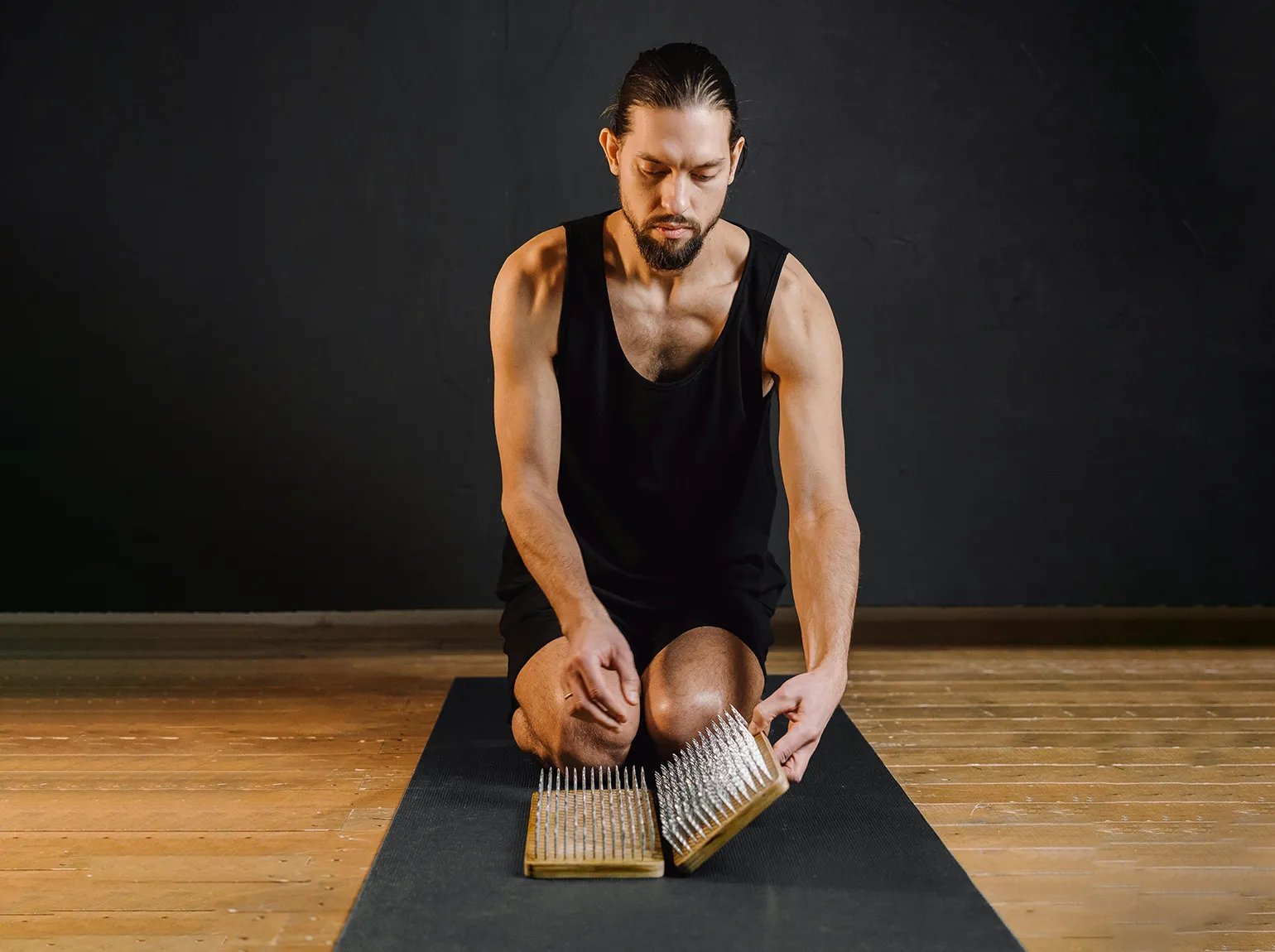
- The distance between nails is from 8 millimeters for beginners to 2.5 centimeters for gurus or dynamic (with different steps).
- The length of the nails is from 1 to 6 centimeters.
- The average nail diameter is 2.4 millimeters.
- Nail materials range from bamboo to silver, often metal alloys.
- Standard nail arrangement is a diamond, square, or "flower of life".
- Board material is plastic, rubber, valuable wood species, veneers, or plywood.
- Board sizes are based on foot size (a standard footboard fits up to size 45).
- Boards can be static or dynamic.
- Folding (for ease of carrying) or solid.
Board prices range from 500 to 44,000 rubles. More expensive models are made of valuable rosewood and decorated with hand carving. These exclusive pieces are shipped from Bali, adding to their value and appeal to collectors and connoisseurs of unique design.
Is the Kuznetsov Applicator an analogue of the Sadhu Board?
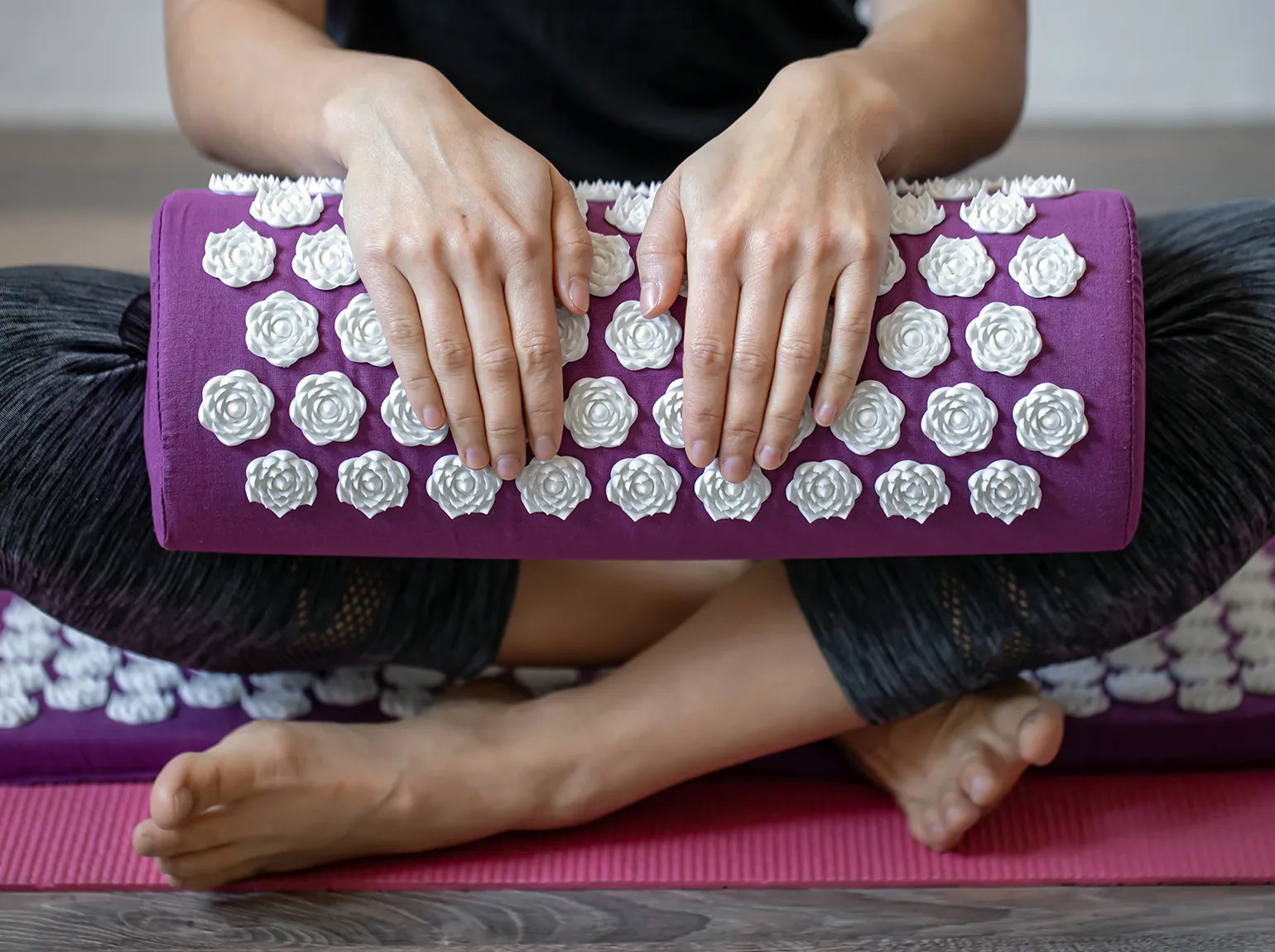
If you remove the exotic flavor, enlightened mentors, and group of like-minded individuals, all that remains is a design reminiscent of classic applicators (applicators). These are mats made of dense fabric with plastic washers with sharp spikes sewn onto them. Such applicators can be effective in physiotherapy and rehabilitation, helping to improve blood circulation and relieve muscle tension. The use of applicators has become popular due to their simplicity and accessibility, as well as positive user reviews of the results.
The first applicator was developed by music teacher Ivan Kuznetsov, who studied acupuncture, an aspect of traditional Chinese medicine. This technique, considered alternative, is based on applying pressure to specific points on the body using special needles to treat various ailments. The applicator has become a popular tool for improving health and relieving pain, allowing many people to use acupuncture principles at home. Kuznetsov patented his inventions several times, including in 1994 and 1999. One patent description states that the device is intended for rehabilitation, enhancing performance, and improving immune function. Kuznetsov's followers have used his invention to treat a variety of ailments, ranging from back pain to speech impediments in children. Currently, there are numerous applicators on the market that, like Sadhu boards, are classified as alternative medicine. However, their effectiveness lacks sufficient scientific evidence. Despite this, many users report positive effects of these devices on health and overall well-being. Applicators can be used to relieve muscle tension, improve circulation, and reduce stress, making them popular among alternative health practitioners. However, it's important to use them with caution and consult a doctor before using them.
How Eastern Practices Came to Russian Clinics
Nailing and the use of applicators are alternative healing methods based on the concept of meridians in the body. Ancient Chinese medicine believes that there are areas in the human body through which vital energy circulates, and it is onto these areas that all organs are projected. These practices are aimed at restoring energy balance and improving overall health. The use of applicators can help relieve tension, improve circulation, and strengthen the immune system, making them relevant in the modern approach to health.
In Russia, reflexology, including acupuncture, auriculotherapy, and su-jok therapy, is widely used to treat neurological and orthopedic diseases. Specialists in this field use mechanical effects on the body as an additional method of therapy. Most often, people turn to reflexologists for treatment of muscle-tonic syndrome, which is characterized by prolonged muscle spasms in the head, neck, back, and chest. This approach helps relieve pain, improve circulation, and restore muscle function, making reflexology an effective tool in the comprehensive treatment of various diseases.
Physiotherapy procedures are prescribed in clinics, where you can also see maps of reflexogenic zones that decorate doctors' offices. These maps serve as an important tool for professionals, enabling them to effectively treat and improve patient health. Physiotherapy involves a variety of body manipulation techniques that promote recovery and overall well-being.
Why thorns help with certain types of pain
Muscle tension and relaxation is a complex and energy-consuming process. When muscles receive sufficient blood supply, they retain their flexibility. However, regular movement is necessary to maintain muscle tone and health. Activity not only improves blood circulation but also strengthens muscle structure, which in turn helps prevent muscle spasms and promotes overall well-being.
A sedentary lifestyle and lack of physical activity can cause the deep and superficial muscles of the thoracic, lumbar, cervical, and scapular regions to switch to energy conservation mode. As a result, the body reduces blood circulation in these areas, which can cause spasms. When using an applicator or nails, a person initially feels pain and a burning sensation from multiple point pressures. However, over time, the body warms up, the capillaries dilate, and thanks to improved blood flow, the muscles receive more oxygen and glucose. This helps improve overall health, relieve muscle tension, and restore the functionality of the musculoskeletal system. Regular use of such methods can significantly improve the quality of life and improve well-being.
Sadhu boards and applicators are effective means of improving blood circulation. They help relieve pain in the back, neck, and legs, promote relaxation, and distraction from discomfort in the body. These tools can be useful for people suffering from chronic pain, as well as for those looking for ways to improve overall well-being and enhance their quality of life. Using Sadhu boards and applicators helps not only physically but also emotionally, creating a feeling of comfort and harmony.
Vasily Volkov - This is a name familiar to many. He is a significant figure in his field, possessing extensive knowledge and experience. His work and research have been recognized by both colleagues and professional circles. An important aspect of Vasily Volkov's work is his commitment to continuous development and learning, which allows him to remain at the forefront of modern trends and technologies. His contribution to the industry is difficult to overestimate, and he continues to inspire many to new achievements and discoveries.
And how to explain the feeling of euphoria after standing on nails?
When a person is faced with danger or stress, the sympathetic nervous system, which is responsible for the body's adaptation to stress, is activated. This leads to various physiological changes. As a result, the heart rate increases, blood pressure rises, and the body begins to secrete adrenaline. These reactions help prepare the body for a quick response to a threat, improving physical endurance and attention. Thus, the sympathetic nervous system plays a key role in human survival and adaptation in difficult situations.
- blood vessels dilate;
- adrenaline and cortisol enter the bloodstream;
- endorphins are produced.
This cocktail helps cope with intense pain, allowing a person to perceive it as something less significant. The body begins to produce stimulating substances even after the irritation disappears. When the pain subsides, we experience a feeling of happiness, relief, and relaxation—it is this state of liberation, or release, that is often mentioned by practitioners in yoga studios.
After experiencing intense sensations, a person often experiences relaxation. Many users fall into a deep sleep on applicator mats, highlighting their ability to promote deep relaxation and restoration.
Contraindications for nailing and other "prickly" procedures
You can injure yourself on the board if at least one nail is longer than the others. The risk of injury increases with careless movement in the horizontal plane or while on the board while intoxicated. Nails, like needles or thorns, will not damage the skin if your body weight is evenly distributed. This emphasizes the importance of caution and a conscious approach to movement in dangerous areas. Compliance with safety rules will help avoid injury and maintain health.
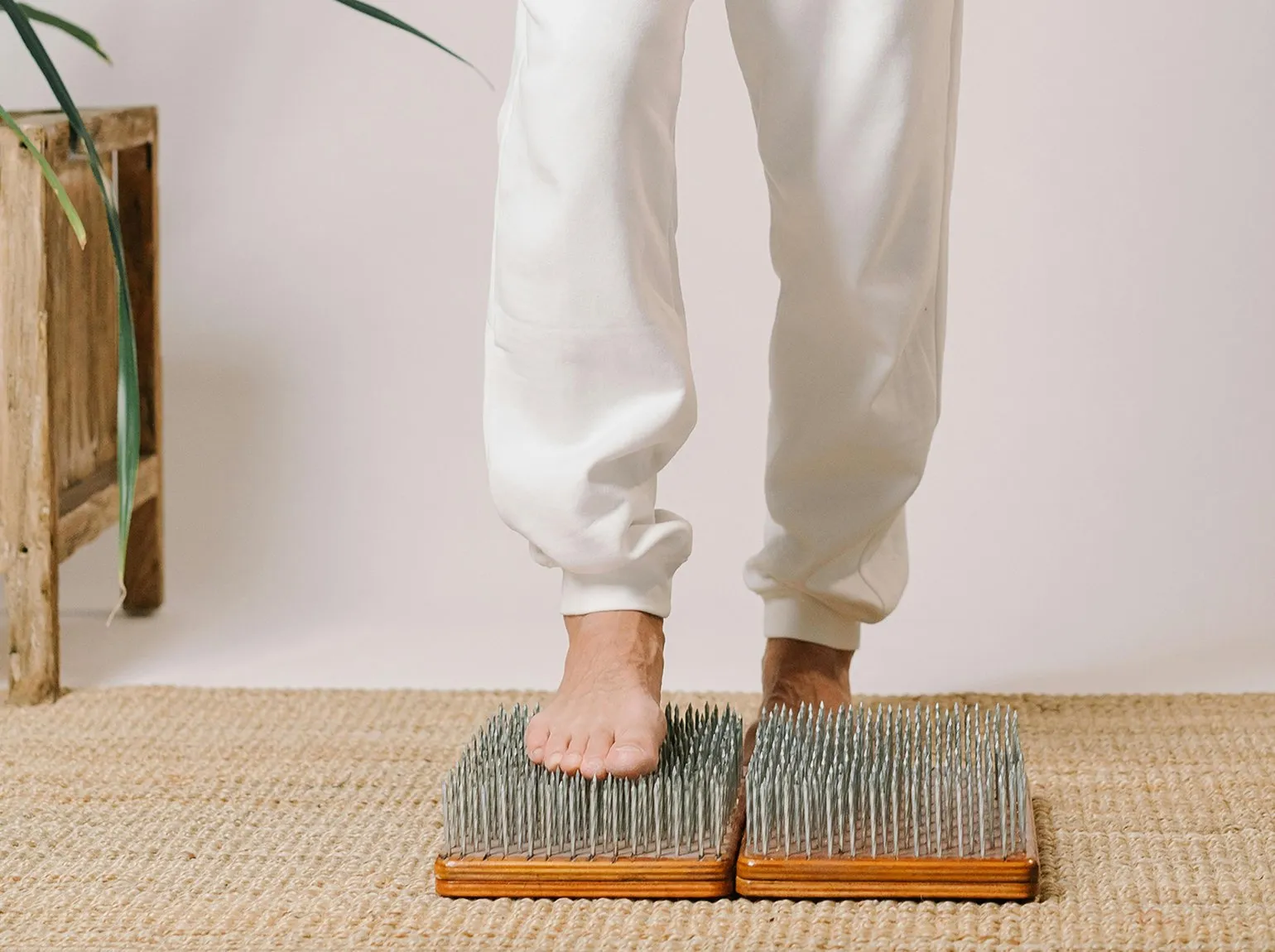
The instructions for using the boards indicate that the main contraindication is damaged skin on the feet or in the areas of impact. If such damage is present, it is recommended to refrain from using the boards to avoid worsening the skin condition and causing additional problems. It is important to monitor the condition of the skin and seek medical attention when necessary.
- moles-nevi;
- papillomas;
- warts;
- dermatitis;
- skin injuries;
- cancerous growths.
There are also contraindications associated with certain diseases and health conditions. It is important to take into account the individual characteristics of the body when choosing treatment or prevention methods. Before starting any course of therapy, it is recommended to consult a doctor to exclude possible health risks.
- Hypertension. Stimulating blood flow may worsen the condition.
- Pregnancy or breastfeeding. If the body is not prepared, stress from pain can cause unpleasant consequences.
- Menstruation. Discharge may become more abundant.
- Elevated body temperature. The inflammatory process already puts a lot of stress on the body.
- Psychological and neurological disorders. Risk of unpredictable reactions and even epileptic seizures.
With any physical activity, it is important to weigh the risks and benefits. During training, you must carefully monitor your well-being.
Why this is not a panacea
Applicators and nails can temporarily relieve muscle pain, but their effect is short-lived. To achieve lasting results, it is necessary to combine their use with regular physical activity. The right exercises will help strengthen muscles and improve the overall condition of the body, which in turn will reduce the likelihood of pain. Regular physical activity is key to long-term relief and prevention of muscle pain.
- Mostly, the muscles are located deeper than the area where nails or applicators are applied.
- Warming up the sore spots does not replace the need for physical activity and stretching.
- Applicators and nails are not a substitute for a healthy lifestyle.
It is important to emphasize that alternative treatments should not be considered a primary means of combating illness. If health problems arise, you should first consult a qualified physician. Only a specialist can correctly diagnose the disease and prescribe effective treatment. Patient safety and health must come first, and relying on alternative practices is not recommended.
How to make money in IT
Take a simple test to understand which area of IT suits you best. Master Python and Java, mobile and web development, data analysis, neural networks, testing, and cybersecurity. Write your first programs and create a personal career plan to start in IT.
Learn more