Contents:

Free test: Which digital profession is right for you? Find out the answer in 15 minutes and try your hand at a new specialty.
Learn moreWhat is Nordic walking
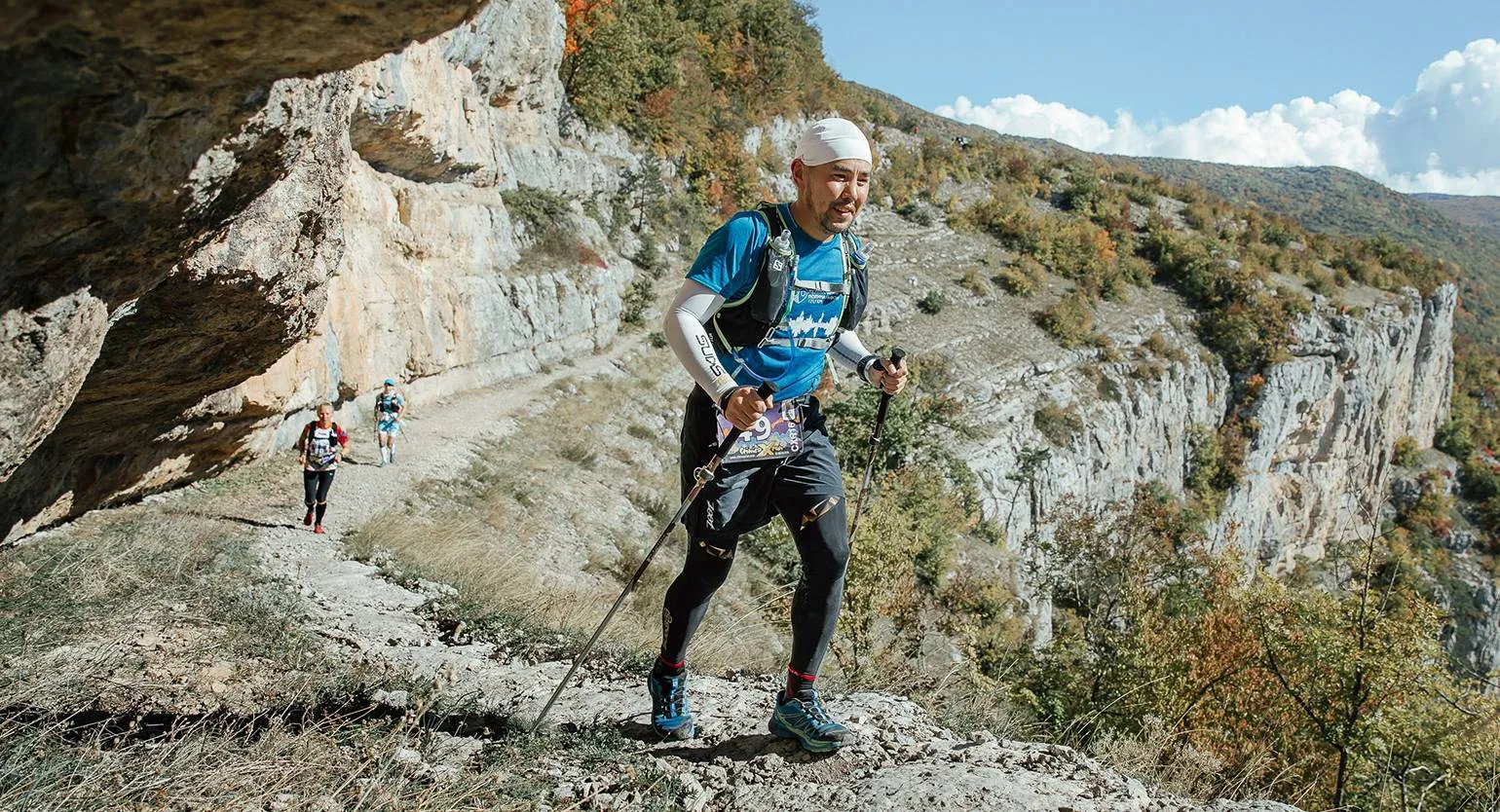
Nordic walking is an active and effective form of physical activity that uses special poles similar to ski poles. This sport allows you to significantly increase the load on all muscle groups, which helps improve physical fitness and overall health. Nordic walking is suitable for people of any age and fitness level, providing the opportunity to exercise outdoors and enjoy outdoor activities. Regular exercise helps strengthen the cardiovascular system, improve endurance, and boost energy levels. Nordic walking is widely used in the rehabilitation of patients with musculoskeletal disorders, as well as for the treatment and prevention of obesity and cardiovascular diseases. This exercise is also effective in combating depression. Unlike regular walking, Nordic walking requires greater intensity, as all limbs and virtually all muscle groups are actively involved during the session. This makes it an excellent option for comprehensive strengthening of the body and improving overall well-being. Nordic walking originated in Finland in the 1930s. Initially, it served as a training method for skiers who wanted to maintain physical fitness during the off-season. At the time, there were no special poles for Nordic walking, so athletes used ordinary ski poles. This form of training allowed them to engage the muscle groups activated by skiing, making it more effective than running or cycling, which were previously available. Nordic walking became not only a way to maintain physical activity but also a popular form of fitness for people of all ages, helping to improve cardiovascular fitness and overall endurance.
Lina Jäskeläinen, a physical education teacher from Helsinki, was one of the first to popularize Nordic walking. She introduced this activity into school classes and recognized its significant potential. Nordic walking began to gain popularity, but it was not until the second half of the 1980s that it gained widespread recognition outside of Finland. Interestingly, before this time, ordinary ski poles were used for walking. Specialized equipment for Nordic walking didn't appear until 1988 in the United States. The first poles were heavier than modern ones and resembled trekking gear. In 1997, the Finnish company Exel Oyj released the poles we know today and coined the term "Nordic Walking." Thanks to the efforts of Finnish marketers, the term, and with it the activity itself, became known worldwide. Nordic walking continues to gain attention due to its health benefits and accessibility, making it a popular choice among people of all ages.

Optimize your content for search engines and improve its visibility. It is important to use keywords that are relevant to the topic to attract the target audience. Make sure the text is informative and answers relevant user questions. It's also worth paying attention to the structure of the text to ensure it is readable and logical. Including internal links to other pages of your site will help improve SEO and increase the time visitors spend on the site. Focus on the quality of the content to keep users coming back for more. This approach will ensure your site has better rankings in search engines.
The Wim Hof Method: Mechanisms of Action and Research Results
The Wim Hof Method, also known as the "Iceman Method," combines breathing techniques, cold therapy, and meditation. This approach is aimed at improving a person's physical and mental well-being. Research shows that regular practice of the method can help increase energy levels, strengthen the immune system, and improve mood.
The breathing exercises included in the method help improve oxygen saturation of the body, which in turn can increase endurance and reduce stress levels. Cold therapy, including cold water dousing and ice baths, improves blood circulation and increases resilience to stress.
Scientific research confirms the effectiveness of the Wim Hof Method. In particular, experiments show that practitioners can control certain physiological processes, such as inflammation levels and the stress response. This opens new horizons for exploring the capabilities of the human body and its adaptation to extreme conditions.
The Wim Hof Method is becoming increasingly popular among people seeking to improve their health and quality of life. However, before beginning the practice, it is recommended to consult a doctor, especially if you have chronic diseases or other medical contraindications.
Who is Nordic Walking Suitable for?
Nordic walking is suitable for people of all ages and fitness levels, from children to the elderly. This activity is ideal for those looking to improve their endurance and fitness while minimizing stress on their joints. Nordic walking is effective in preventing cardiovascular disease, making it an excellent choice for overweight people who find running or intense strength training difficult. In addition, Nordic walking is actively used in the rehabilitation of patients after injuries and surgeries on the musculoskeletal system, which helps restore physical activity and improve quality of life.
Health Benefits
Nordic walking has a significant impact on human health, and research on this topic has been conducted since the late 20th century. The scientific literature contains numerous studies and reviews confirming the positive effects of this physical activity. Among the main benefits of Nordic walking are improved cardiovascular health, increased endurance, strengthened muscles and joints, and a positive impact on psycho-emotional state. Regular Nordic walking helps reduce stress levels and improve sleep quality. It is an affordable and effective means of maintaining physical fitness and overall well-being.
Nordic walking is an effective way to prevent cardiovascular disease, especially for the elderly. This form of aerobic exercise promotes the production of nitric oxide in blood vessels, which leads to smooth muscle relaxation and improved elasticity of the vascular walls. Regular Nordic walking increases blood flow, making blood vessels more sensitive to changes in blood pressure. Thus, Nordic walking not only strengthens the cardiovascular system but also promotes overall health. Even people with diagnosed cardiovascular conditions can participate in Nordic walking, provided they consult with their doctor first. Nordic walking, as a form of moderate exercise, helps strengthen the heart muscle, improve circulation, and normalize blood pressure. This is especially important for people with hypertension, as regular exercise helps maintain cardiovascular health.
A study published in the Canadian Journal of Cardiology highlights the positive effects of Nordic walking on patients with coronary artery disease. Over the course of a 12-week training program, participants were able to increase their functional capacity by 19%. This result was better than the group engaged in high-intensity interval training, where the increase was 13%, as well as those who practiced continuous moderate- and high-intensity training, with an increase of 12%. These data suggest that Nordic walking can be an effective and safe way to improve physical fitness in people with cardiovascular disease.
Nordic walking is an excellent physical activity option for people suffering from musculoskeletal conditions such as arthritis, osteochondrosis, and spinal deformities. This type of walking helps stimulate the production of synovial fluid, which is found in the joint cavity. Synovial fluid plays an important role—it acts as a lubricant, ensuring joint mobility and improving their nutrition. Regular Nordic walking not only strengthens muscles and ligaments, but also improves overall physical fitness, making this activity useful for people with musculoskeletal problems.
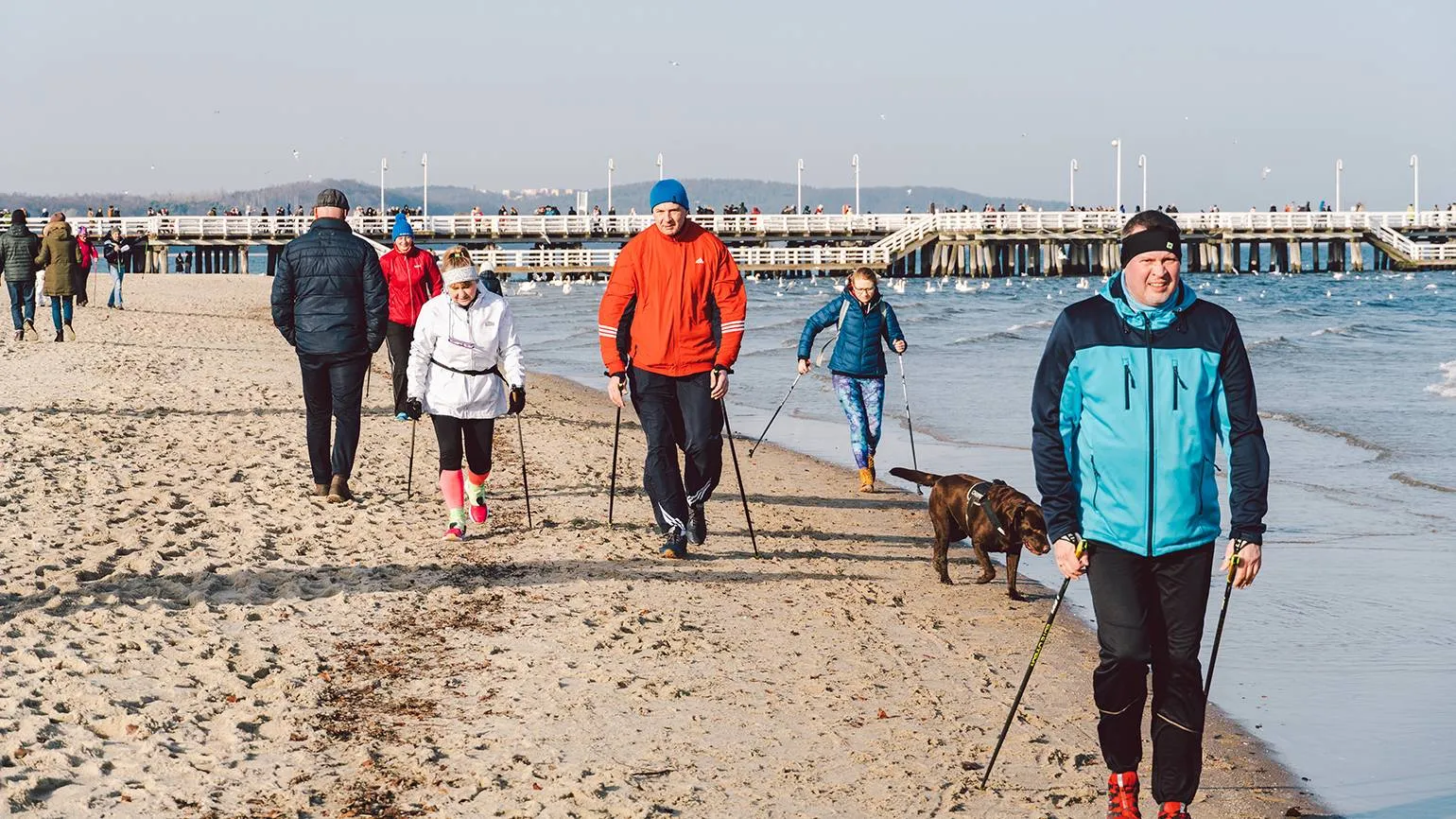
Nordic walking offers many benefits due to its even distribution Workouts for all muscle groups. This significantly reduces pressure on the joints of the lower extremities, which is especially important for people with musculoskeletal problems. Research shows that Nordic walking reduces the load on the knees by 26% compared to regular walking. This type of physical activity is ideal for strengthening the muscles of the legs, core, and shoulder girdle. During the workout, up to 90% of the muscles are involved, while running activates only about 50%. Nordic walking is an excellent option for maintaining physical fitness and improving overall health. Nordic walking is an effective way for office workers to maintain physical activity. It not only helps combat physical inactivity but also helps relieve stress on the cervical spine. Research conducted by Norwegian scientists has shown that regular exercise in the form of two half-hour sessions per week can significantly reduce pain in the neck and shoulders. Incorporating Nordic walking into your daily routine can improve overall well-being and enhance performance, which is especially important for people with a sedentary lifestyle. Nordic walking is one of the most effective physical activities for overweight and obese people. Involving the upper body in walking increases calorie expenditure by 40–50% compared to regular walking. The effectiveness of Nordic walking depends on the pace, duration of the workout, and the participant's weight. On average, at moderate intensity, Nordic walking burns 400 to 450 kilocalories per hour. For overweight people, this figure can reach 500–600 kilocalories per hour. Regular exercise helps improve physical fitness, increase endurance, and strengthen the cardiovascular system. Nordic walking is suitable for people of all ages and fitness levels, making it an accessible and effective way to manage weight and maintain health.
A recent study conducted by scientists from Finland, Sweden, and the United States attracted attention due to the participation of 144 obese men. Participants were divided into two groups: one group engaged in Nordic walking, and the other in strength training at the gym. Both groups trained three times a week for one hour for three months, ensuring the same intensity and regularity of physical activity. Such studies highlight the importance of choosing the appropriate type of physical activity for overweight people and can serve as the basis for further recommendations for improving health and weight loss.
As a result of the experiment, participants in the first group showed a significant decrease in cholesterol and blood glucose levels, as well as a noticeable increase in irisin levels. This protein, present in skeletal muscle, plays a key role in the conversion of white adipose tissue to brown adipose tissue, which helps maintain body heat by burning calories. Participants who engaged in Nordic walking demonstrated a 20% increase in physical endurance. In comparison, training in a gym provided only a 5% increase in fitness. These results highlight the effectiveness of Nordic walking as a way to improve health and fitness.

Please note the additional materials:
Metabolism is a set of chemical processes that occur in the body and ensure the conversion of food into energy. It plays a key role in maintaining the vital function of cells and organs. Boosting your metabolism can help you burn calories more efficiently and improve your metabolism.
There are several ways to boost your metabolism. Physical activity, especially strength training and high-intensity interval training, helps build muscle mass, which in turn increases your metabolic rate. It's also important to consider the impact of nutrition: eating protein, spicy foods, and drinking enough water can boost your metabolism.
Along with physical activity and proper nutrition, sleep quality and stress levels also have a significant impact on metabolism. Chronic stress can slow down your metabolism, while getting enough sleep helps normalize it.
When studying metabolism, it's important to remember that individual characteristics also play a role. Genetics, age, and gender can all influence metabolic rate, so the approach to boosting it should be comprehensive and take into account personal characteristics.
Nordic walking and moderate exercise outdoors have a beneficial effect on mental health. Research confirms that such activities help reduce levels of cortisol, the stress hormone, and increase the production of endorphins. This, in turn, helps cope with anxiety and improves overall psycho-emotional well-being. Regular outdoor exercise not only strengthens physical fitness but also helps improve mood and enhance quality of life.
How to Do Nordic Walking Correctly
Nordic walking is an accessible and effective form of physical activity that provides numerous health benefits. To get the most out of your workout, you need to follow a few key rules. First, it's important to choose the right equipment, including special poles that will help you maintain proper technique. Second, pay attention to your posture and rhythm of movement to avoid injury and overexertion. It's also important to begin your workout with a warm-up and end it with a cool-down to prepare your body for the stress and recover afterward. Regular Nordic walking improves cardiovascular fitness, increases endurance, and strengthens muscles. By following these guidelines, you can enjoy the process and achieve your fitness goals.
- Step sequence: first, the heel is placed on the ground, then the foot smoothly rolls onto the toe. This ensures an even distribution of the load and promotes natural movement.
- The movements of the arms and legs are mirrored - according to the "self-propelled" principle. The right hand acts synchronously with the left leg: they simultaneously move forward and simultaneously move back.
- The arms move relaxedly - like a pendulum, and the movements originate from the shoulder joint.
- The poles are placed at the level of the heel of the front foot. When moving back, the palm opens, and the arm straightens, forming a single line with the pole. When moving forward, the arm bends at an angle of 45 degrees. There is no need to grip the handles with force: the poles should hang freely on the straps.
- While walking, the body leans slightly forward, but without leaning on the poles, so as not to overload the spine. The back is straight, and the head is slightly raised.
- The movements should be smooth - without sudden jerks, but more intense than during normal walking. The arm span should also be made wider, and the stride length is determined by the range of motion of the arms. Here, everything depends on the tempo: the wider the stride and arm movements, the greater the load on the body.
- Breathe rhythmically: inhale through the nose for every two steps, exhale deeply through the mouth - for four to five steps.
Common mistakes when performing the exercise can significantly affect the effectiveness of the workout and lead to injury. One of the main mistakes is incorrect technique. This can include incorrect body position, insufficient range of motion, or improper distribution of the load. Another common mistake is not warming up properly before training, which increases the risk of injury. It's also important to ignore your body's signals—if you feel discomfort or pain, stop immediately and analyze your actions. Incorrectly choosing the right weight can lead to an ineffective workout and overtraining. To avoid these mistakes, it's important to focus on proper technique, regularly consult with a trainer, and listen to your body during exercise. Correct exercise execution will not only improve your training results but also ensure safety.
- "Leaning" on the poles and a hunched back increases the strain on the neck, shoulders, and back.
- Excessive bending of the elbows does not allow the shoulder and back muscles to work. The movements should come from the shoulder.
- Lack of a warm-up before training.
Walking poles: how to choose?
The effectiveness of training largely depends on the correct choice of Nordic walking poles. The optimal pole length can be determined using the formula: a person's height multiplied by a factor of 0.68. The result should be rounded to the nearest multiple of five. For example, for a person 170 centimeters tall, the pole length will be 115 centimeters. Choosing the correct pole length helps improve walking technique, increase the effectiveness of training, and reduce the risk of injury. Using poles of the wrong length can negatively impact your posture and overall performance. Therefore, it is important to consider your individual parameters and recommendations when choosing poles for Nordic walking.
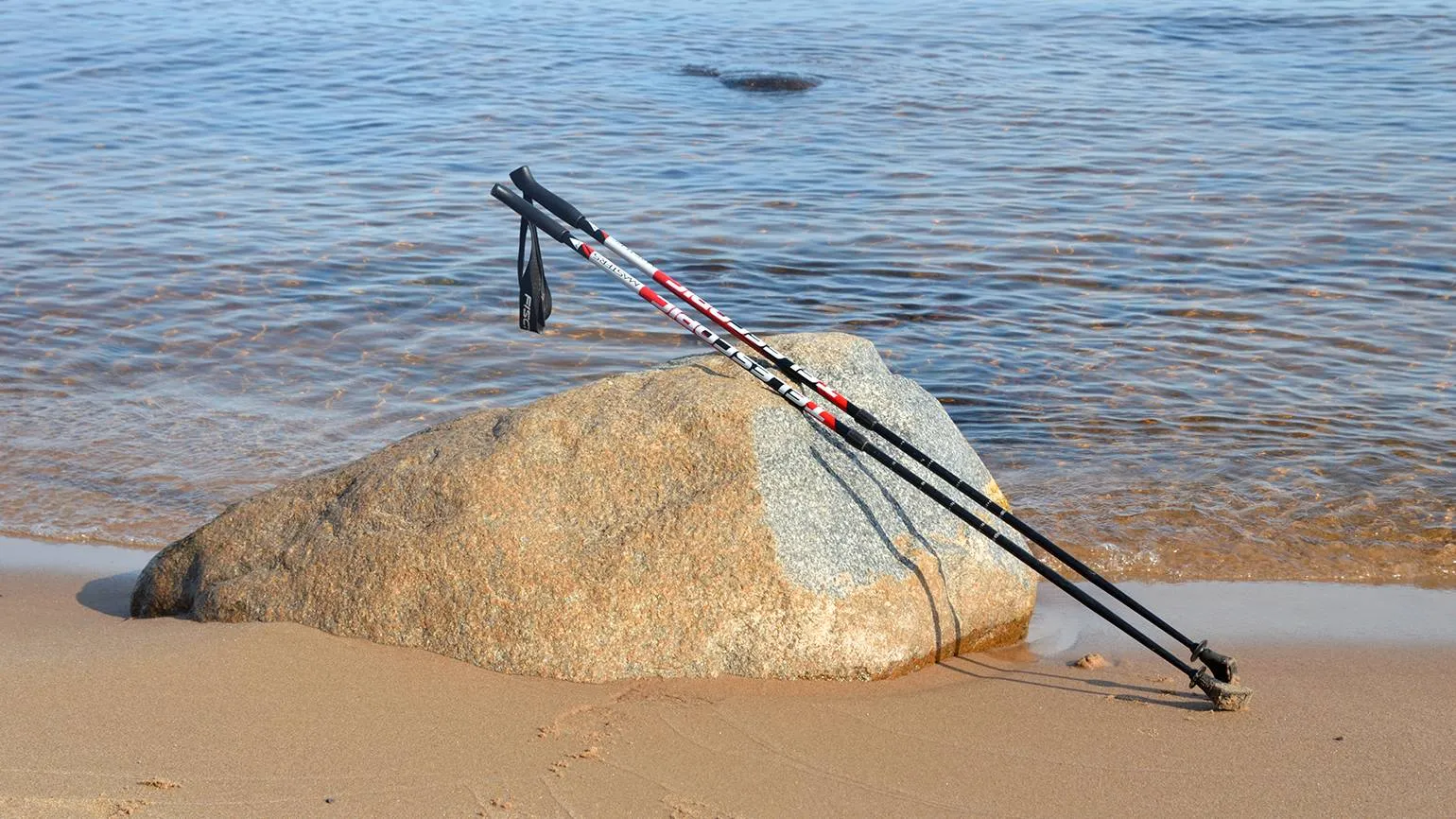
Aluminum, carbon, and fiberglass are currently used in the production of walking poles. Aluminum models are ideal for beginners, as they are lightweight and affordable. However, they can become deformed with intensive use. Carbon poles, on the other hand, are the optimal choice for those who value quality and comfort. Despite their higher cost, carbon poles are lightweight, highly durable, and effectively dampen vibrations that occur upon contact with the ground. This is especially important for protecting joints during active walking. When choosing poles, it's important to consider these characteristics to ensure maximum comfort and safety during your workout. When choosing Nordic walking poles, it's important not only to consider the material but also the correct length. For most people, especially beginners, the optimal pole length significantly impacts comfort and effectiveness. Poles that are too short or too long can negatively impact stride length, which in turn disrupts the body's natural posture. This can lead to joint strain and discomfort. Therefore, before purchasing walking poles, we recommend carefully studying the size charts and, if possible, testing different options to choose the most suitable for your height and walking style.
Training Recommendations
For people who are overweight or have musculoskeletal conditions, 15-minute walks 2-3 times a week are suitable. The same schedule is suitable for beginners. It is recommended to gradually increase the duration of workouts to 30-60 minutes. The optimal number of workouts to achieve visible results is at least three times a week. Regular physical activity will help improve overall health and increase your level of physical activity.
Before training, it is important to warm up to activate major muscle groups. It is recommended to include dynamic exercises such as arm swings, circular movements of the shoulders, pelvis, and legs, as well as torso bends from side to side and light squats. Your warm-up should conclude with stretching your back, hips, shoulders, and arms. This will help prepare your body for physical activity, reduce the risk of injury, and improve overall performance during your workout.
A few more key points:
- Take your time—it's better to focus on technique rather than trying to run long distances.
- Stay consistent in your workouts. Three to four half-hour sessions a week will produce better results than a three-hour weekend marathon.
Contraindications to Nordic Walking
Nordic walking is a universal physical activity suitable for a wide range of people. However, there are certain restrictions for those suffering from severe chronic diseases in the acute stage. It is recommended to postpone training in the presence of infectious diseases, exacerbation of arthrosis, intervertebral hernias, as well as in cases of severe uncontrolled hypertension. It is also worth refraining from training during the recovery period after a myocardial infarction. Despite this, Nordic walking is an effective way to maintain physical activity and improve overall health.
Should you try Nordic walking?
Nordic walking is an effective and safe method for improving physical health and emotional well-being. This type of activity is suitable for people of all ages and fitness levels. Nordic walking is recommended for those seeking to improve their health by minimizing the strain on their joints and heart. It also helps normalize the psycho-emotional state and introduce more movement into everyday life. You can start Nordic walking at any age, and it will be a great step towards a more active and healthy lifestyle.
Free test: which digital profession is right for you?
IT, design, marketing or management? Find out the answer in 15 minutes. And then try your hand at a new specialty for free.
Find out more