
Contents:

Free test: which digital profession is right for you? Find out the answer in 15 minutes and try your hand at a new specialties.
Learn moreWhat is peanut butter
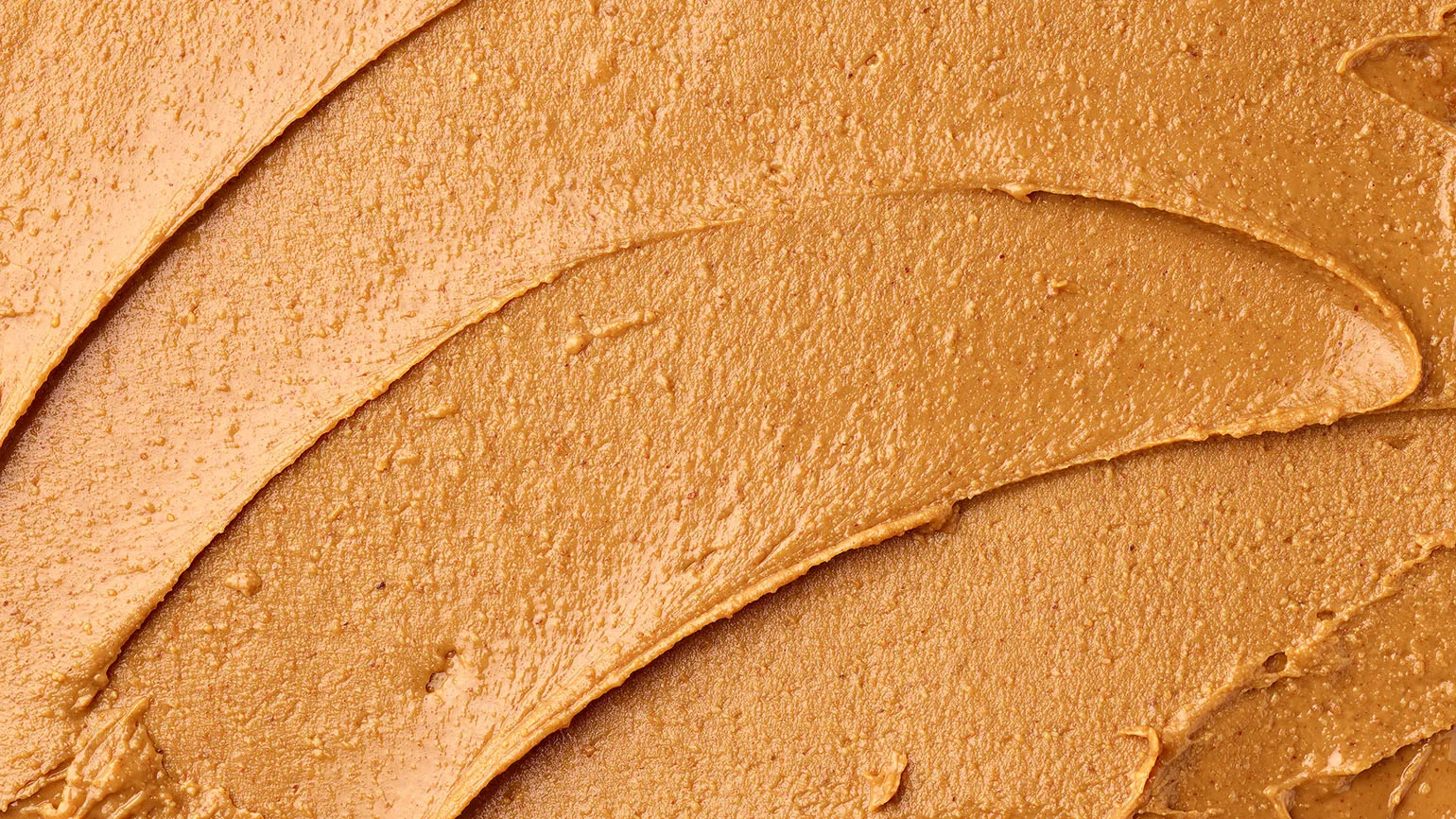
Peanut butter is a thick, creamy product made from ground peanuts. About 540 nuts are needed to produce 350 ml of peanut butter. It is worth noting that calling peanuts a nut is not entirely correct. Botanically, peanuts are classified as legumes, but in cooking, they are often perceived as a nut due to their characteristic taste. Peanut butter is not only delicious, but also has many beneficial properties, which makes it a popular ingredient in various recipes and diets.
The original origin of peanut butter remains unclear. Historian Eleanor Rosenkranz argues that Americans may have borrowed the recipe from Cuba, where women traditionally ground peanuts and used them as a spread on bread. On the other hand, there is an opinion that peanut butter was developed by doctors at a New York hospital, who used it to solve digestive problems in patients. Thus, peanut butter has an interesting and multifaceted history associated with cultural and medical aspects.
The creator of Kellogg's cereal, Dr. John Harvey Kellogg, patented a method for producing peanut butter in 1895. He presented the product as a nutritious protein substitute for people who had difficulty chewing solid foods. Peanut butter soon gained popularity among Americans, especially vegetarians, due to its nutritional properties and versatility.
Are peanut butter and butter the same thing?
In English, the product is called peanut butter, which translates as "peanut butter". However, in Russia, the term "butter" is more often associated with products of a liquid consistency. Therefore, peanut butter is called "paste" in the Russian market. In this article, we will use both terms interchangeably for ease of understanding.

Reworked text:
Study additional materials:
Palm oil: benefits and harms
Palm oil is a vegetable oil obtained from the fruits of the oil palm tree. It is widely used in the food industry, cosmetics and biodiesel production. Palm oil has both beneficial properties and potential health risks.
Among the benefits of palm oil are its high stability when heated and its long shelf life. It contains vitamins such as A and E, as well as antioxidants, which can support healthy skin and the immune system. Furthermore, palm oil is a source of healthy fats necessary for the normal functioning of the body.
However, despite these positive aspects, palm oil also has a number of disadvantages. It contains saturated fats, which can raise blood cholesterol levels and increase the risk of cardiovascular disease. Furthermore, the mass production of palm oil is associated with serious environmental problems, such as deforestation of tropical forests and the destruction of natural animal habitats.
When choosing products with palm oil, it is important to consider its origin and production method. Sustainable palm oil, certified by international organizations, can minimize the negative impact on the environment and human health.
In conclusion, palm oil is a product with a complex reputation. It can be both beneficial and harmful, depending on its amount in the diet and the conditions of production. Understanding these aspects will help you make more informed decisions about its use.
6 Reasons to Eat Peanut Butter Every Day
The demand for peanut butter continues to grow. Even the National Aeronautics and Space Administration (NASA) adds it to the standard rations for astronauts. Peanut butter is not only delicious but also nutritious, making it an ideal product for a variety of diets. It is rich in proteins, healthy fats, and vitamins, which helps maintain energy and health. Thanks to its beneficial properties and versatility, peanut butter finds use not only in space but also in the everyday diet of people around the world.
Peanut butter is not only a delicious but also a nutritious product that can be a great addition to your diet. Two tablespoons (32 grams) of peanut butter contain a variety of beneficial nutrients, including protein, vitamins, and minerals. This product is rich in monounsaturated fats, which help support cardiovascular health. Peanut butter is also a good source of fiber, which promotes digestive health. Including peanut butter in your diet can help control blood sugar levels and provide a longer-lasting feeling of fullness.
Peanut butter is a nutritious food that offers numerous benefits when consumed daily. It's rich in unsaturated fats, protein, vitamins, and minerals, making it an excellent choice for maintaining health. Regular consumption of peanut butter may help lower cholesterol, improve cardiovascular health, and boost immune function.
Furthermore, peanut butter contains antioxidants, which help fight inflammation and protect cells from damage. It may also be beneficial for weight management, as its high protein and fat content promotes a feeling of fullness. Including peanut butter in your diet can boost energy levels and improve overall well-being.
Thus, daily consumption of peanut butter is not only a tasty but also a healthy choice that can significantly enrich your diet.
Mayra Bes-Rastrollo, Professor of Preventive Medicine and Public Health at the University of Navarra, and her colleagues from the Harvard T.H. Chan School of Public Health conducted a study that followed more than 50,000 women for 8 years. The results showed that including peanuts in the diet does not lead to weight gain, but, on the contrary, can contribute to weight control. This discovery underscores the importance of proper nutrition and dietary variety for maintaining health and weight management. Peanuts, containing healthy fats and proteins, can be an effective tool in the fight against excess weight.
Peanut butter contains healthy fats and proteins, which promote a long-lasting feeling of fullness. This means that a breakfast sandwich with peanut butter can help reduce the risk of overeating and reduce the desire to snack on something sweet between meals. Including peanut butter in your diet can be helpful in controlling your appetite and maintaining a healthy diet.

Reading is an important aspect of life. It not only develops thinking and broadens horizons, but also brings pleasure. Through reading, we can immerse ourselves in new worlds, learn about the lives of other people, and gain new knowledge. Books and articles allow us to look at things from a different angle and better understand the world around us. Regular reading improves concentration and memory and promotes critical thinking. Reading also helps reduce stress and improve overall well-being. Don't miss the opportunity to discover interesting works and useful resources. Read and develop with us. High-fat foods play an important role in our diet. Fats are the main source of energy and are necessary for the normal functioning of the body. It is important to distinguish between good and bad fats. Good fats, such as omega-3 and omega-6, can be found in fish, nuts, and vegetable oils. These fats support heart health, improve metabolism, and facilitate the absorption of vitamins. At the same time, saturated and trans fats found in fast food, confectionery, and processed meats can negatively impact health, increasing the risk of cardiovascular disease. To maintain optimal fat levels in your diet, include avocados, olive oil, seeds, and nuts in your menu.
A proper balance of fats is important for maintaining health, so consciously choosing foods high in healthy fats can improve overall well-being and quality of life.
Foods with a low glycemic index (GI) help raise blood glucose levels slowly, preventing sharp spikes in sugar. Peanut butter has a glycemic index of only 14, making it an excellent choice for those watching their blood sugar. Choosing low GI foods, such as peanut butter, can help with weight control and maintain stable energy levels.
A study conducted by American scientists involving 16 adults demonstrates the importance of choosing foods for breakfast. On the first day, the participants consumed two slices of white bread and a glass of apple juice. On the second day, some of them were asked to eat an additional two tablespoons of peanut butter. Blood glucose levels were measured before and after breakfast. The results showed that after eating white bread, blood glucose levels increased significantly. However, adding peanut butter to breakfast prevents sharp spikes in blood sugar. This study highlights the importance of choosing the right foods to maintain stable glucose levels and overall health.
Peanut butter is a source of tryptophan, an amino acid necessary for the synthesis of melatonin. This hormone plays a key role in regulating the sleep-wake cycle, helping to improve sleep quality. Including peanut butter in your diet can help normalize sleep and support overall well-being.
Regular consumption of peanuts and peanut butter helps reduce anxiety and increase stress resilience, according to research by Spanish researchers. Scientists have found that peanut butter stimulates gut bacteria to produce beneficial short-chain fatty acids. These compounds have a positive effect on mood, improve memory, and increase energy levels. Including peanuts and peanut butter in your diet can be an effective way to maintain psycho-emotional health and overall well-being.

Read also:
Stress: its signs, symptoms, causes and methods of getting rid of it
Stress is a natural reaction of the body to various external and internal factors. It can manifest itself in different forms and have a variety of symptoms. Common signs of stress include increased anxiety, irritability, fatigue, sleep problems, and physical ailments such as headaches and muscle tension.
Stress can be caused by both external and internal factors. External factors include workload, financial difficulties, family conflicts, and social changes. Internal causes are often related to personal attitudes, expectations, and perfectionism.
To effectively manage stress, it is important to use a variety of methods and techniques. One of the most popular methods is regular physical activity, which promotes the production of endorphins and improves mood. Relaxation practices such as meditation and yoga are also helpful.
In addition, it is important to maintain a healthy lifestyle, including a balanced diet and sufficient sleep. Communication with loved ones and professional support can significantly help in overcoming stressful situations.
Therefore, understanding the signs, symptoms, and causes of stress, as well as using effective methods to reduce it, will help improve the quality of life and emotional well-being.
Protein is necessary for effective muscle growth. Peanut butter contains 35% protein, which includes nearly all essential amino acids. It also contains magnesium, which plays a vital role in muscle contraction and relaxation. Magnesium also reduces muscle cell oxygen demand and promotes protein synthesis. Thus, peanut butter is a valuable product for those seeking to increase muscle mass and maintain muscular health. Peanut butter is a source of both soluble and insoluble fiber. Soluble fiber helps lower blood glucose and cholesterol levels, which has a positive effect on cardiovascular health. Insoluble fiber, combined with magnesium, supports normal digestive function, promotes regular bowel movements, and prevents constipation. Including peanut butter in your diet can be a beneficial step in improving your overall health.

Rework the text, preserving its essence, while optimizing it for search engines. Make sure the content remains relevant and informative, without adding unnecessary information. Avoid using emojis and unnecessary symbols. Do not use divisions into points or lists, just provide the text in its pure form.
Read also:
Fiber is an important component of the diet, promoting proper digestion and maintaining overall health. Including fiber-rich foods in your menu helps improve metabolism and reduce the risk of chronic diseases. Below are 52 foods that are excellent sources of fiber. These include legumes, whole grains, fruits, vegetables, and nuts. Legumes, such as lentils and beans, contain high amounts of soluble fiber, which helps lower cholesterol. Whole grains, such as oatmeal and brown rice, are a good source of both soluble and insoluble fiber. Including fresh vegetables, such as broccoli, carrots, and spinach, as well as fruits, such as apples, pears, and berries, in your diet also helps increase fiber intake. Nuts and seeds, such as almonds and chia, are not only rich in fiber but also provide the body with healthy fats and protein. Eating a variety of fiber-rich foods can improve your health and provide your body with all the elements it needs to thrive.
The Dangers of Peanut Butter
Peanuts are among the eight most highly allergenic foods, and their allergenic properties do not disappear when roasted; on the contrary, they can be enhanced. People with a hypersensitivity to peanut proteins should be especially careful, as consuming peanut butter can cause allergic reactions, including serious ones. Correct information about the risks associated with peanut consumption is important for health, especially for those prone to allergies.
If a child does not have an allergy, peanuts should not be eliminated. The American Academy of Allergy, Asthma, and Immunology (AAAAI) recommends introducing peanuts and other potential allergens into a child's diet between four and six months of age. This can help reduce the risk of developing allergies in the future. Introducing peanuts early helps build tolerance and supports healthy immune system development. People with high blood sugar and cholesterol levels should be especially careful when choosing pasta. Some manufacturers add ingredients to their products that can alter their nutritional value. This can affect sugar and cholesterol levels, so it's important to read labels carefully and choose pastas that are low in sugar and fat. Understanding food ingredients can help maintain health and avoid unwanted consequences. Harmful ingredients include various substances that can negatively impact human health and the environment. These include heavy metals, pesticides, chemical compounds, and combustion products. These substances can cause serious illnesses, including cancer and respiratory diseases. Understanding the dangers associated with these ingredients is an important step toward improving quality of life and maintaining health. Reducing their concentration in the environment and food products will help minimize risks to health and well-being.
- Sugar - if there is a lot of it, the glycemic index of the paste increases. Real peanut butter tastes little different from regular peanuts. Yes, it will not be sweet.
- Trans fats - are needed to stabilize the product so that the butter remains homogeneous. Manufacturers are required to warn about the presence of trans fat, but they hide this component under the name "hydrogenated fats". They are harmful to the body because they increase the level of "bad" and decrease the level of "good" cholesterol [19].
Is natural peanut butter better than processed?
Yes, this product does not contain harmful additives such as trans fats and sugar, which makes it a healthier choice for consumers.
Natural peanut butter is a product that must meet certain quality standards. According to the U.S. Food and Drug Administration (FDA), natural peanut butter must contain at least 90% peanuts. This makes it a healthier choice compared to processed alternatives, which may contain added sugars, oils, and preservatives. By choosing natural peanut butter, you get a product rich in protein, fiber, and healthy fats, making it a great addition to your diet.
Natural peanut butter does not contain stabilizers, so the oil may separate from the solids. Stir the paste thoroughly before use. To maintain freshness and prevent spoilage, it is recommended to store natural peanut butter in the refrigerator. At room temperature, the product is susceptible to oxidation and may go rancid. Proper storage will preserve all the beneficial properties of the butter and its rich flavor.
Real peanut butter is made from finely ground peanuts, giving it its characteristic crunchy texture. This makes it unique compared to peanut butter-based spreads, which often contain additives and artificial ingredients. By choosing natural peanut butter, you get a product without preservatives and sugar, which provides not only a rich taste but also high nutritional value.
The main problem with natural peanut butter is the possible presence of salmonella and aflatoxins. These hazardous substances are produced by molds of the genus Aspergillus. Aflatoxins can be released into peanuts during their growth in soil, and ingesting them can cause liver damage and, in children, stunted growth. However, processed peanut butters undergo a refined process, significantly reducing aflatoxin levels. This makes them safer to consume. When choosing peanut butter, it's important to pay attention to the degree of processing and quality. If you notice a change in the color, taste, or consistency of peanut butter, it's recommended to discard the product immediately, even if its expiration date hasn't passed. These changes may indicate spoilage or loss of quality, which can negatively impact your health. Pay attention to the appearance and smell of peanut butter to avoid potential problems. Handling your food with care will help keep it fresh and safe.
Can you eat peanut butter every day?
If you don't have a peanut allergy, you can safely include peanut butter in your diet, provided you choose a high-quality product without trans fats and added sugar. When choosing peanut butter, it's important to carefully read the ingredients. The best option is a product containing at least 90% natural peanuts and a minimal amount of salt. This approach will allow you to enjoy the taste of peanut butter while preserving its beneficial properties.
Moderation in consuming peanut butter is extremely important. The recommendation to limit yourself to two tablespoons a day is justified. Peanut butter is a high-calorie food, and eating it as a snack rather than as part of a meal can lead to unwanted weight gain. Here are some tips to help you stick to your recommended dietary allowance. First and foremost, be mindful of portion sizes. Use smaller plates and cups to visually increase the amount of food you're eating, which will help you avoid overeating. Second, plan your meals in advance. This will help you control your calorie intake and maintain a balanced diet. Don't forget about the importance of staying hydrated; thirst can often be mistaken for hunger. Also, try not to get distracted while eating: focusing on the process of eating helps you better recognize when you're full. Include more fruits and vegetables, which are low in calories and high in fiber, in your diet. These simple steps will help you easily stick to your allowance and maintain your health. Breakfast. Spread peanut butter on whole-grain toast or add a small amount to oatmeal, yogurt, or smoothies.
Free test: which digital profession is right for you?
IT, design, marketing, or management? Find out the answer in 15 minutes. And then try your hand at a new specialty for free.
Find out more