Contents:

Would you like to work remotely? ➞ Master IT, design, or marketing. Join Telegram and take 5 online courses to get started in top digital professions.
Learn moreIn this article, you will get information about…
- what kind of fruit is persimmon;
- what is its nutritional value;
- what are the benefits of persimmon;
- what happens if you eat too much persimmon;
- who shouldn't eat persimmon;
- how to choose a persimmon that doesn't pucker.
We launched the "How Are You?" Telegram channel, where we share useful information about self-development, psychology, as well as how to effectively study and build a career at any age, in a convenient format. Join us for tips and inspiration for your personal and professional growth. Subscribe to our channel!
Persimmon: What is this Fruit?
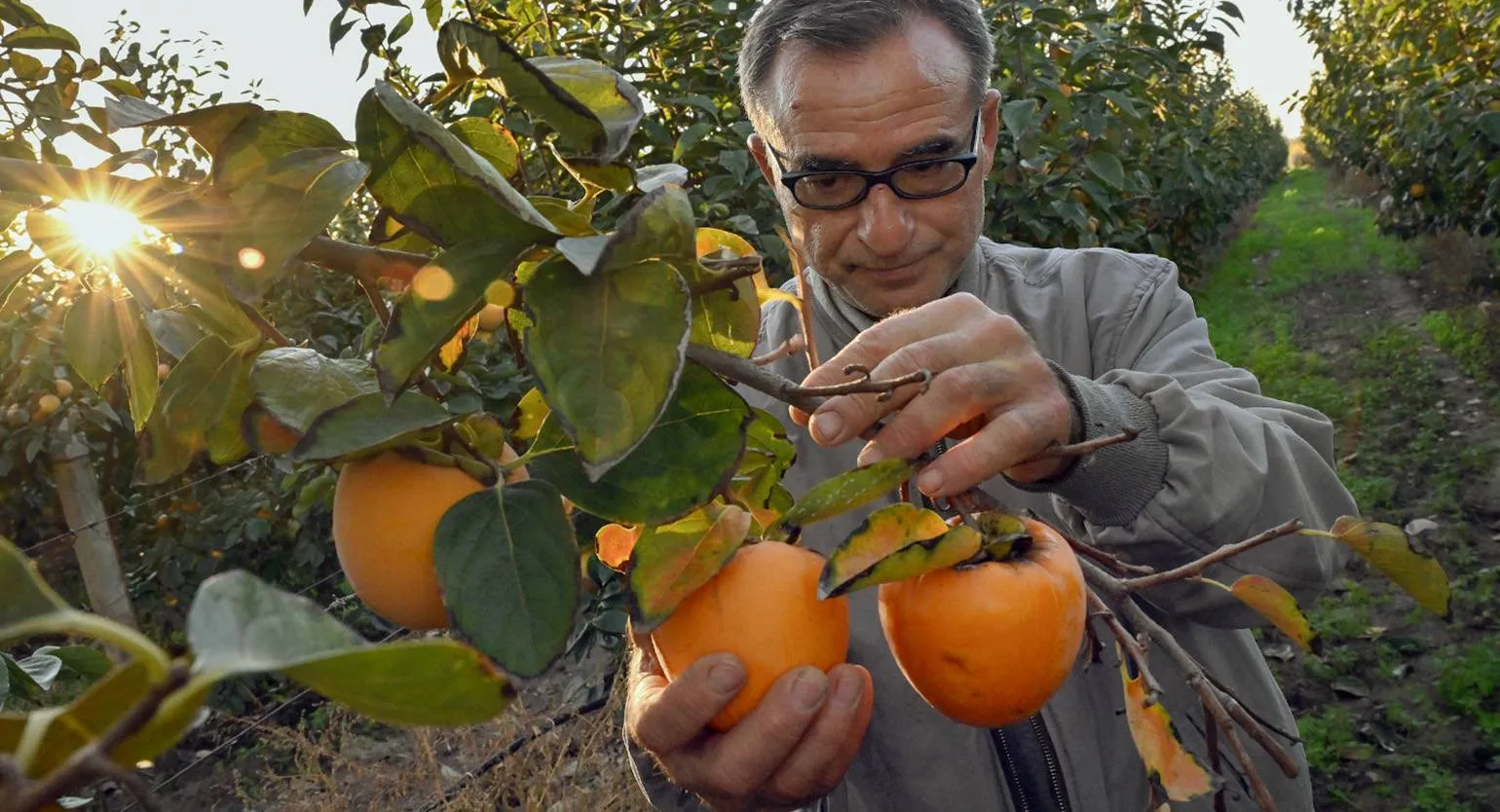
Persimmon is a spherical fruit, ranging in color from red to yellow. Its flesh has a viscous texture and an orange-red color, with a slight roughness caused by the presence of tannins—tannins that impart a characteristic astringent sensation in the mouth. Persimmon is not only delicious but also rich in nutrients, making it a popular choice among health enthusiasts. This fruit is often used in cooking to make desserts, salads, and even drinks.
Persimmon, which has more than 400 species, was originally popular only in the East. Over two thousand years ago, ancient Chinese healers used this fruit to treat various ailments, including high blood pressure, stomach pain, and even depression. Today, persimmons have become renowned worldwide for their nutritional and medicinal properties, as well as their diverse flavor profile. This fruit is not only delicious but also healthy, making it a valuable addition to the diet.

Persimmon is widely cultivated in Japan today, where it has acquired the status of a symbol of victory. According to legend, samurai used dried persimmons on their campaigns, considering them a reliable source of energy and protection from disease. Persimmon is not only nutritious but also has many beneficial properties, making it popular among both locals and tourists.
Persimmon holds a special place in Japanese poetry, as evidenced by the mention of this fruit in the haiku of the famous poet Matsuo Basho. This fruit symbolizes not only the autumn season but also deep human feelings and experiences. In Basho's haiku, persimmon becomes a metaphor conveying the beauty and transience of life. The mention of persimmon in literature emphasizes its significance in culture and art, as well as its connection with nature and time. As an object of inspiration, the persimmon continues to attract the attention of poets and artists, demonstrating its long-standing value in global culture.
The old village is famous for its persimmon trees, which adorn every home. These trees are a symbol not only of nature but also of the region's cultural heritage. Persimmons grow here in abundance, creating a unique atmosphere and attracting the attention of residents and tourists alike. Strolling through the streets of the old village, you can admire these magnificent trees, which have become a true calling card of the area. The persimmons growing in this village are not only pleasing to the eye but also bear delicious fruit, sought after by both locals and visitors.
We have created the "How Are You?" Telegram channel, where we share knowledge about self-development, psychology, effective learning, and career advancement at any age in a convenient format. Join us to receive useful tips and tools for personal and professional growth. Subscribe and grow with us!
Persimmon Nutrition Facts
The scientific name for persimmon is Diospyros kaki, which means "food of the gods." Given the rich nutritional content of this fruit, this name doesn't seem like an exaggeration. Persimmon contains many vitamins, minerals, and antioxidants that help boost the immune system and support overall health. This sweet and juicy fruit is not only delicious but also healthy, making it a popular healthy choice.
The United States Department of Agriculture has determined the nutritional value of a 168-gram serving of persimmon. Persimmon is a rich source of vitamins and minerals and is low in calories. This fruit contains important antioxidants, such as carotenoids and polyphenols, which help strengthen the immune system and improve heart health. Persimmon is also rich in fiber, which helps maintain a healthy digestive system. Including persimmon in your diet can have a positive effect on your overall health and improve your nutritional status.
Benefits of Persimmon
Persimmon has many beneficial properties that make it a valuable addition to your diet. This fruit is rich in vitamins such as A, C, and E, as well as minerals including potassium and magnesium. Persimmon helps strengthen the immune system, improves skin condition, and supports eye health. Thanks to its high fiber content, it aids in digestion and helps normalize blood sugar levels. The antioxidants contained in persimmon protect the body's cells from free radicals, thereby reducing the risk of chronic diseases. Regular consumption of persimmon can help improve cardiovascular health and strengthen bones. This fruit is not only delicious but also beneficial for maintaining overall health. Including persimmon in your daily diet will help diversify your diet and enrich it with nutrients.
- Strengthens the immune system. Persimmon season, which begins in late autumn and lasts throughout December, coincides with cold season. Persimmon provides the immune system with 15 to 33% of the daily requirement for vitamin C. Moreover, the vitamin C content in non-astringent varieties is 10 times higher than in astringent ones [1]. Therefore, do not neglect this fruit when it appears on the shelves.
- Improves vision. Beta-carotene (a precursor of vitamin A) protects the eyes from age-related changes and maintains healthy skin and mucous membranes. 100 grams of persimmon contain 2 milligrams of carotenoids, which corresponds to 22% of the daily requirement for vitamin A [1].
- Normalizes blood pressure. Tannins, which are responsible for that dry, astringent feeling in the mouth, lower blood pressure [5].
- Lowers cholesterol. Persimmon fruits increase the excretion of bile acids in the feces, which reduces the concentration of lipids, including cholesterol, in the liver and blood [2].
- Preserves memory. Persimmon contains a natural compound called fisetin, an antioxidant that controls oxidative processes in the nervous system. Fisetin can improve long-term memory and protect it from age-related deterioration [6]
- May reduce the risk of cancer. Orange and yellow fruits, including persimmon, are potential protectors against malignant neoplasms [7]. The orange color of the fruit is associated with the presence of carotenoids, one of the most powerful of which is beta-cryptoxanthin, which helps control the growth and spread of cancer cells [8].
- Aids digestion. Persimmon, like any fruit, can be a favorite source of fiber. Fiber is essential for good digestion and regular bowel movements [9].
- Preserves youth. Persimmons contain a variety of antioxidants. Proanthocyanidins, tannins, catechin, carotenoids, sinapine, leucoanthocyanidin, catechin, kaempferol, and quercetin all neutralize free radicals, which accelerate cell damage. Some antioxidants also bind heavy metals that enter the body with food [2].

Read also:
Types of skin aging: the main types and their features
Skin aging is a natural process that can manifest itself in different ways. There are several types of skin aging, each of which has its own characteristic signs and causes.
The first type is chronoaging, caused by age. Over time, the skin loses firmness and elasticity, wrinkles appear, and moisture levels decrease. This process is associated with a decrease in the production of collagen and elastin.
The second type is photoaging, caused by exposure to ultraviolet rays. Prolonged exposure to the sun leads to the appearance of age spots, premature wrinkles, and loss of tone. Photoaging can also be aggravated by a lack of sun protection.
The third type is stress aging, which is associated with exposure to negative environmental factors, such as air pollution and stress. This can manifest as dull skin tone, puffiness, and the appearance of fine wrinkles.
The fourth type is hormonal aging, which is associated with changes in hormonal levels, especially in women during menopause. This can lead to decreased skin elasticity and moisture loss.
Understanding the different types of skin aging helps in choosing the right care and preventative measures. Using moisturizers, sunscreens, and anti-aging cosmetics can slow down the aging process and improve the condition of the skin.
What happens if you eat too much persimmon
When first eating persimmon, it is important to remember that excessive amounts of this fruit can lead to the formation of bezoars - dense masses of fibers that occur when tannins interact with gastric juice. Bezoars can vary in size, and some can cause intestinal obstruction. However, it is worth noting that cases of bezoars from persimmon are extremely rare, with less than 90 such incidents reported worldwide. Therefore, with moderate consumption of persimmon, you can enjoy its taste and beneficial properties without fear of serious consequences.
Who should not eat persimmon
Persimmon is a tasty and healthy fruit that is suitable for most people and does not cause negative consequences. However, some individuals may have an allergic reaction to persimmon, although such cases are rare. Most often, persimmon allergies are observed in those who have already had allergic reactions to citrus fruits, birch, or latex. Therefore, if you belong to a risk group, you should be careful when eating persimmon.
Diabetics should be careful with persimmon. Although the glycemic index of this fruit is considered low and varies from 50 to 60 depending on the variety and degree of ripeness, it is important to consider the individual characteristics of the body. Glucose from persimmons is absorbed more slowly due to the tannins and fiber in the peel, which can be beneficial for blood sugar control. Doctors advise limiting persimmon consumption and opting for fresh fruit, as the fresher the fruit, the lower its glycemic index. Choosing the right persimmon and eating it in moderation can help diabetics avoid sudden blood sugar spikes and maintain health. Including persimmons in the diet is an effective way to prevent diabetes. Research conducted by a group of Dutch scientists involved over 37,000 people and focused on the effect of carotenoid-rich foods on the risk of diabetes. Over a period of approximately ten years, beta-carotene, found in persimmons, significantly reduced the risk of developing diabetes in both men and women. Eating persimmon can be an important part of a healthy diet and diabetes prevention, thanks to its rich content of nutrients.
How to eat persimmon
Before eating, rinse the fruit thoroughly under cold running water. Then remove the leaves and stem, as well as the core. Cut the fruit into cubes or slices, depending on your preference.
It is recommended to eat persimmon with the peel, as it contains more nutrients and functional components than the pulp. Persimmon peel is rich in antioxidants, vitamins, and fiber, making it a valuable element of the diet. Including persimmon with the peel in your daily menu can help improve digestion and strengthen the immune system.
Persimmon goes well with a variety of products, which allows you to diversify delicious dishes. It can be added to salads, combined with greens, nuts and cheese. Persimmon also goes well with yogurt, cottage cheese and oatmeal, creating a healthy and nutritious breakfast. In desserts, persimmon will be appropriate in combination with chocolate, honey or fruits such as apples and pears. In addition, persimmon can be used in the preparation of compotes and smoothies, giving the drinks a natural sweetness and bright aroma.
- in fruit salad;
- yogurt;
- oatmeal;
- baking dough;
- a side dish for chicken or meat;
- smoothies [17].
Slicing persimmon and drying them in the oven is a great way to make natural fruit chips. This simple method allows you to preserve all the beneficial properties of persimmon and enjoy its sweet taste in a crispy form. These chips can be a great snack or addition to various dishes. Use this recipe to diversify your diet with healthy and tasty treats.
How to properly store persimmons
Ripe persimmons are recommended to be stored in the refrigerator for no more than three days. Unripe persimmons should be left at room temperature in a paper bag to ripen. Frozen persimmons, whole or sliced, can be stored for up to six months. Once thawed, the persimmon flesh is ideal for smoothies or sauces. For long-term storage, choose firm, firm fruits to help preserve their freshness and nutritional value.
Placing persimmons and bananas in the refrigerator is important. If you buy unripe persimmons, place them near bananas. The ethylene gas released by bananas will speed up the ripening process. However, if the persimmons are already sliced, it's best to store them away from bananas. Otherwise, they may absorb the banana flavor. This is due to a compound called isoamyl acetate, which imparts banana notes to anything in close proximity to the fruit. By following these simple guidelines, you can enjoy persimmons at their best.
How to Choose a Persimmon That's Not Astringent
The tart and astringent taste of wine is caused by tannins. These compounds interact with proteins in saliva, resulting in a feeling of dryness and tightness in the mouth. As the fruit ripens, some tannins are broken down, which can soften the flavor. Furthermore, there are grape varieties that are naturally low in tannins. This diversity allows for the creation of wines with a variety of flavor profiles, making them interesting to taste.
Choosing a sweet and non-astringent persimmon can be challenging, given the variety of varieties available on the market. To choose the perfect fruit, pay attention to a few key factors. First, choose persimmons with a bright, rich color, which indicates ripeness. Second, check the texture: the fruit should be soft but not overripe. It's also important to pay attention to the shape of the fruit: round persimmons are usually sweeter and less astringent than flat ones. If you're looking for sweetness, choose varieties such as Sharon or Fuji, which are known for their excellent flavor. Choosing the right persimmon will ensure you enjoy its sweetness without an unpleasant astringent aftertaste.
The chocolate persimmon "Korolek" is one of the most popular persimmon varieties in the CIS, especially in Uzbekistan. This variety is distinguished by its sweetness and lack of astringency. "Korolek" has a dense, creamy flesh, making it attractive to fruit lovers. Its unique flavor and texture make it ideal for eating fresh, as well as for use in a variety of culinary delights.
We recommend considering the following characteristics of the fruit:
- Color - the darker the color, the higher the chance of getting the best fruits.
- Skin - a healthy fruit has a shiny, smooth skin without cracks. A matte surface may indicate chemical treatment.
- Stalk - should be dry and dark. A green stem is a sign that the fruit was picked too early.
- Flesh - a ripe persimmon is soft, almost jelly-like.
- Shape - will tell you how astringent the persimmon is. Sweet, fleshy, non-astringent persimmon varieties resemble miniature pumpkins with smooth skin. They have a lighter shade and a very flat bottom. Reddish-orange and oblong persimmons, on the contrary, are astringent. This persimmon is edible only when overripe, when the flesh becomes tender and melts in the mouth [18].
To get rid of the astringent taste of persimmon, use a simple life hack: freeze the fruit overnight. After defrosting, the tannins responsible for the astringent taste are destroyed, and the flesh becomes sweet and pleasant. This method will allow you to enjoy a softer and more delicious fruit.
Sources of information play an important role in the process of gaining knowledge and forming opinions. They can range from books and scientific articles to online resources and interviews with experts. Quality sources ensure the reliability and validity of the data presented. When choosing sources, it is necessary to pay attention to their authority, relevance, and objectivity. Using a variety of sources helps to create a more complete understanding of the topic and avoid bias. Proper citation and attribution also help build trust in your content and improve its visibility in search engines.
Direito R., Rocha J., Sepodes B., and Eduardo-Figueira M. examine the phytochemical profile and health impact of persimmon (Diospyros kaki L.) fruits in the article "From Diospyros kaki L. (Persimmon) Phytochemical Profile and Health Impact to New Product Perspectives and Waste Valorization", published in the journal Nutrients in 2021. DOI: 10.3390/nu13093283. This study examines the potential health benefits of persimmon, as well as the possibilities for recycling waste and developing new products based on this fruit. Persimmon, with its rich composition of bioactive compounds, may be an important dietary element that promotes health. Butt M. S., Sultan M. T., Aziz M., Naz A., Ahmed W., Kumar N., and Imran M. conducted a study on persimmon fruit (Diospyros kaki) that reveals the hidden phytochemical components and their potential health benefits. The study was published on the PubMed platform in 2015 and is available at DOI: 10.17179/excli2015-159. In-depth analysis revealed that persimmon contains a number of bioactive compounds that may have positive effects on human health. These phytochemicals help improve metabolism, strengthen the immune system, and have antioxidant properties. Persimmons can be a valuable addition to the diet due to their unique nutritional properties and potential medicinal effects.
Diospyros is a genus of trees and shrubs belonging to the ebony family. This genus includes more than 500 species distributed worldwide, especially in tropical and subtropical regions. Diospyros members are known for their valuable wood, especially ebony, which is prized for its density and dark color. Additionally, some Diospyros species produce edible fruits, such as persimmons, which are highly nutritious. Due to their versatility and importance in ecosystems, Diospyros continues to attract the attention of researchers and horticulturists interested in sustainable agricultural practices and biodiversity conservation.
Japanese persimmons, raw. United States Department of Agriculture, Agricultural Research Service. FoodData Central.
Coşan D. T., Saydam F., Özbayer C., Doğaner F., Soyocak A., Güneş H. V., Değirmenci İ., Kurt H., Üstüner M. C., and Bal C. investigated the effects of tannic acid on blood pressure, oxidative stress, and urinary parameters in L-NNA-induced hypertensive rats. Their findings were published in Cytotechnology in 2013, volume 67, issue 1, pages 97–105. DOI: 10.1007/s10616-013-9661-4. This study highlights the importance of tannic acid in the context of hypertension management and its potential impact on health.
Khan N., Syed D. N., Ahmad N., and Mukhtar H. investigate fistin as a dietary antioxidant that promotes health improvement. In an article published in the journal Antioxidants and Redox Signaling in 2012, the authors examine the beneficial properties of fistin and its role in the prevention of various diseases. Fistin, found in certain plant foods, has potent antioxidant properties, making it an important component for maintaining overall health. The study highlights the importance of fistin as a potential tool for improving health and preventing diseases associated with oxidative stress. DOI: 10.1089/ars.2012.4901.
Lee J., Shin A., Oh J. H., and Kim J. conducted a study on the association between the colors of vegetables and fruits and the risks of developing colorectal cancer. The results of their work were published in the World Journal of Gastroenterology in 2017. The article examines the impact of different colors of plant foods on health, in particular, on the likelihood of colon cancer. Scientists emphasize that a varied diet, including vegetables and fruits of different colors, can help reduce the risk of developing this disease. DOI: 10.3748/wjg.v23.i14.2527.
You can expand a list in several ways, depending on the context and platform you are working on. If you are using a web page, you can use JavaScript or CSS to expand the list. For example, with JavaScript, you can create a function that will change the style of an element, making it visible or hidden. CSS also provides options for creating responsive lists, for example, using the display property.
If you are working with text documents or presentations, you can expand the list simply by selecting it and using the appropriate command in the menu. This makes the information more accessible and easier to perceive.
List expansion helps organize content, making it more structured and understandable for readers. This is especially relevant for longer texts, where it's important to highlight key points and make navigation easier.
Therefore, list expansion is an important tool for improving user experience and enhancing information comprehension.
Choudhary R., Singh A., Upadhyay A., Singh R., Thangalakshmi S., Dar A. H., Bajpai V. K., and Shukla S. examine the exotic fruit – persimmon (Diospyros kaki) – in the context of its pharmacological properties and impact on human health. The article, published in the journal eFood in 2022, examines the beneficial properties of persimmon, its medicinal uses, and impact on overall health. DOI: 10.1002/efd2.52.
Bellini M., Tonarelli S., Barracca F., Rettura F., Pancetti A., Ceccarelli L., Ricchiuti A., Costa F., De Bortoli N., Marchi S., and Rossi A. examine the problem of chronic constipation and consider the rationale for using a nutritional approach to solve it. In an article published in the journal Nutrients in 2021, the authors emphasize the importance of nutrition in the prevention and treatment of this condition. The study emphasizes the need for an individualized approach to dietary choice and the importance of certain foods that help improve digestion. Nutritional strategies may become key in the comprehensive treatment of chronic constipation, making this topic relevant for further research and practical application in gastroenterology. DOI: 10.3390/nu13103386.
De Toledo A. P., Rodrigues F. H., Rodrigues M. R., Sato D. T., Nonose R., Nascimento E. F., and Martinez C. a. R. described a case of diospyrobeosarcoma causing small bowel obstruction. This work was published in the journal «Case Reports in Gastroenterology» in 2012, Volume 6, Issue 3, Pages 596–603. DOI: 10.1159/000343161. The study highlights the importance of diagnosis and treatment of bezoar-related diseases and their impact on patients' health.
Kim J., Kim S., Park H., Cho S., and Chang Y. investigated oral allergy syndrome in patients with birch pollen sensitization at a university in South Korea. Their work was published in the Journal of Korean Medical Science in 2018. The article is number 33, page e218. DOI: 10.3346/jkms.2018.33.e218. This study highlights the importance of diagnosis and treatment of oral allergy syndrome, especially among patients sensitive to birch pollen.
Pradubpongsa P. and Kanechorn-Na-Ayuthaya P. described a case of persimmon-induced latex anaphylaxis in a study. This work was published in the journal Clinical & Experimental Dermatology Research in 2016, Volume 7, Issue 2. The article is available at DOI: 10.4172/2155-9554.1000340. This case highlights the importance of awareness of potential allergic reactions to fruits such as persimmon, especially for individuals with known sensitivity to latex. The study may be useful for dermatologists and allergists involved in the diagnosis and treatment of allergies.
Gulko S. V., Babadzhanova G. Yu. in the article "Allergy to Latex", published in the journal "Medicine of Extreme Situations" in 2023, consider the current problems associated with allergic reactions to latex. The article presents various aspects of this allergy, including its symptoms, mechanisms of development and diagnostic methods. The authors emphasize the importance of educating healthcare professionals and patients about latex allergy, as well as the need to use alternative materials in clinical practice to prevent allergic reactions. This study is an important contribution to the field of medicine and can serve as a basis for further research. DOI: 10.47183/mes.2021.064.
The peach, also known as the oriental peach, is a popular fruit with a low glycemic index. This fruit is not only delicious but also beneficial for health. Unlike many other sweet fruits, the peach has a moderate sugar content, making it an excellent choice for those monitoring their blood glucose levels. Peaches are rich in vitamins, minerals, and antioxidants, which help strengthen the immune system and improve overall health. Including fresh peaches in the diet can help maintain stable blood sugar levels, making them an ideal food for diabetics and anyone who cares about their health.
Li K., Yao F., Du J., Deng X., and Li C. conducted a study in which they showed that persimmon tannin reduces the glycemic response. This is achieved by reducing starch digestibility and inhibiting the activity of α-amylase, α-glucosidase, and intestinal glucose absorption. The results of the study were published in the Journal of Agricultural and Food Chemistry in 2018, volume 66, issue 7, pages 1629–1637. DOI: 10.1021/acs.jafc.7b05833. This finding highlights the potential benefits of persimmon tannins for blood sugar control, which may be relevant for people with diabetes and those looking to maintain healthy glucose levels.
Sluijs I., Cadier E., Beulens J. W. J., Van Der A. D. L., Spijkerman A. M. W., and Van Der Schouw Y. T. examined the association between carotenoid intake and the risk of developing type 2 diabetes. Their study, published in the journal Nutrition Metabolism and Cardiovascular Diseases in 2014, reviews the evidence on dietary intake of carotenoids and their effects on metabolism. The results of the study suggest that adequate carotenoid intake may reduce the risk of type 2 diabetes. DOI: 10.1016/j.numecd.2014.12.008.
Persimmon Benefits: Eating Tips and Recommendations. AOL Lifestyle. Persimmon is a delicious and healthy fruit that's easy to incorporate into your diet. It's rich in vitamins, minerals, and antioxidants, making it an excellent choice for maintaining good health. Eating persimmons can improve digestion, boost the immune system, and help maintain healthy blood sugar levels. To fully enjoy persimmons, choose ripe fruits with vibrant color and a soft texture. Persimmons can be eaten raw, added to salads, desserts, or even used in cooking. Use persimmons as a healthy snack or dessert to boost your vitamin and nutritional intake. Persimmon 101: From crunchy to soft, the best ways to enjoy this underrated fruit. Despite their popularity, persimmons remain little-known to many. Their varied textures and flavors make them a versatile fruit that can be used in a variety of dishes. It's important to know how to properly select and prepare persimmons to bring out their full flavor. From simply eating raw to adding to salads, desserts, and even sauces, persimmons offer a variety of culinary possibilities. Learn more about how to enjoy this unique fruit and incorporate it into your diet.
A study by P. R. Das and Eun J. investigates the removal of astringent flavor from persimmons (Diospyros kaki) using different freezing temperatures. The article, published in the Journal of Food Science and Technology in 2020, examines persimmon processing methods that can improve their flavor. The authors analyze the effects of different freezing temperatures on the fruit's texture and flavor, which is important for their future use in the food industry. The results of the study may be useful for both producers and consumers seeking to improve the organoleptic characteristics of persimmons. DOI: 10.1007/s13197-020-04818-3.