
Contents:

Want to get into IT? ➞ Join Telegram and take 4 free courses in top IT areas. Find out which field is best for you and take the first step toward a new profession.
Learn moreThis article will introduce you to the key aspects of the topic. We'll cover the key facts that will help you gain a deeper understanding of the subject matter. The knowledge gained will be useful for further study and practical application. After reading this material, you will be able to better understand the issue under discussion and make more informed decisions.
- What's inside a pomegranate?
- What is the nutritional value of a pomegranate?
- What are the benefits of a pomegranate?
- Can a pomegranate be harmful?
- What are three signs to use to choose the healthiest pomegranate?
- How is a pomegranate used in cooking and how to collect the seeds without dirtying everything around it.
We have created the "How Are You?" Telegram channel, where we discuss self-development, psychology, effective learning, and career advancement at any age in an accessible format. Join us to receive helpful tips and inspiration for personal and professional growth. Subscribe to our channel and stay up to date with current topics!
What's Inside a Pomegranate
Many fruits came to us from the New World, migrating from west to east. In contrast, the pomegranate moved in the opposite direction. It spread from the Middle East to the Mediterranean, then was brought to China, India, Mexico, California, and the southwestern United States. This unique fruit, known for its brightly colored seeds and beneficial properties, has become an integral part of the cultures of many countries. Pomegranates are valued not only for their flavor but also for their richness in vitamins and antioxidants, making them popular among healthy eaters.
Pomegranates are easily identified by their bright red flowers and large, juicy fruits. The dense skin, called the pericarp, conceals the complex internal structure. When cutting a pomegranate, you'll see translucent seeds known as arils, which act as grains. Each aril is surrounded by sweet juice and housed in a separate "cell." Thin, light-colored membranes extending from the fruit's walls create a kind of lattice, supporting each seed capsule. Pomegranates are not only attractive in appearance but also possess numerous beneficial properties, including high antioxidant and vitamin content, making them a valuable health food. The pericarp of the fruit accounts for nearly 50% of its fresh weight, while the seeds account for about 10%, and the membranes for about 40%. Therefore, the edible portion of the fruit represents only a small fraction of the total fruit volume. This information emphasizes the importance of understanding the structure of the fruit and its composition for proper selection and consumption.
Nutritional value of pomegranate
The US Department of Agriculture has calculated that a certain amount of nutrients and beneficial components can be extracted from 87 grams of pomegranate juice pulp. Pomegranate is a rich source of vitamins, minerals, and antioxidants, making it an important element of a healthy diet. Eating pomegranate can help improve health, support the immune system, and reduce the risk of various diseases. Research shows that regular consumption of pomegranate can positively affect the cardiovascular system and overall health.
Benefits of pomegranate
Pomegranate, in addition to its rich vitamin and mineral composition, is famous for its high content of biologically active compounds that have many beneficial properties and can contribute to the treatment of various diseases. In traditional Middle Eastern and Indian medicine, the pomegranate was used for medicinal purposes, using its leaves, peel, and bark. It was believed that pomegranate could help with a variety of ailments, from conjunctivitis and sore throats to baldness and hemorrhoids. Research confirms that regular pomegranate consumption can improve overall health and support the immune system. Modern evidence-based medicine recognizes the pomegranate as a beneficial fruit. Its properties deserve a more detailed examination. Pomegranate is rich in antioxidants, vitamins, and minerals, which help strengthen the immune system and improve overall health. Research shows that regular pomegranate consumption can reduce the risk of cardiovascular disease, improve skin health, and even have a positive effect on cholesterol levels. Furthermore, pomegranate has anti-inflammatory properties and may help combat chronic diseases. Considering all these aspects, pomegranate can be safely included in the diet to maintain health and prevent various diseases.
In 1999, Israeli studies on cold-pressed pomegranate juice and seed oil were the first to demonstrate the high antioxidant activity of these products. It was comparable to that of green tea and significantly exceeded that of red wine. The main antioxidants contained in pomegranate are known as punicalagins. These substances play an important role in limiting oxidative processes, protecting cells from potential damage. Pomegranate juice and seed oil are valuable sources of antioxidants, making them useful for maintaining health and preventing various diseases.
The red color of pomegranates is due to the presence of plant pigments known as polyphenols. These compounds play an important role in maintaining cardiovascular health, as they help retain nitric oxide in arterial walls, which is a key factor in vasodilation. Research conducted by specialists at the Isfahan Cardiovascular Research Center in Iran has demonstrated that drinking 150 ml of pomegranate juice daily for two weeks can reduce systolic blood pressure by 5–7 mmHg. This highlights the beneficial properties of pomegranate juice for people suffering from hypertension and its potential as a natural remedy for maintaining normal blood pressure levels.
Pomegranate punicalagins effectively prevent the oxidation of low-density lipoproteins, known as "bad cholesterol." The oxidation of these lipoproteins contributes to the formation of atherosclerotic plaques in the arteries, leading to their narrowing and increasing the risk of various diseases, including myocardial infarction. Research shows that regular pomegranate consumption can have a positive effect on cardiovascular health, reducing the likelihood of complications.
During physical activity, the muscles' need for oxygen and energy increases. To ensure adequate blood supply to muscles, increased blood flow is necessary during exercise. Drinking pomegranate juice 30 minutes before exercise can improve muscle performance and decrease the time until fatigue sets in. The antioxidants in pomegranate have a vasodilatory effect, which improves circulation and increases blood flow to muscles. This makes pomegranate juice a useful addition to the diet of athletes seeking to improve their physical fitness and endurance. While the antioxidants in pomegranate do not contribute to improved memory, they can slow age-related changes in cognitive function. Research shows that regular consumption of pomegranate can help maintain mental capacity throughout life, thanks to its rich antioxidant content, which protects brain cells from oxidative stress. This makes pomegranate a useful dietary component for maintaining brain health and slowing the aging process. Research conducted by scientists from the University of California has demonstrated the positive effects of pomegranate juice on the health of older adults. In a study, 28 participants who consumed 230 milliliters of pomegranate juice daily showed significant improvements in visual and verbal memory. These results highlight the potential of pomegranate juice as a natural supplement for supporting cognitive function in old age. Recent studies have shown that pomegranate has a positive effect on brain function through the gut. Scientists have established a two-way connection between the gut and the brain, with the colon microbiota, composed of various bacteria, playing a key role. Pomegranate helps improve the composition of this microbiota, leading to increased production of gamma-aminobutyric acid (GABA) and short-chain fatty acids. These compounds help improve long-term memory, highlighting the importance of nutrition for cognitive health.

Reading is an important aspect of our lives, contributing to the development of thinking and broadening our horizons. This activity not only helps us acquire new knowledge but also improves analytical and critical thinking skills. In today's information-saturated world, the ability to quickly perceive and analyze texts is becoming especially relevant. Regularly reading books, articles, and other materials deepens your understanding of the world around you and promotes personal growth. Therefore, it's important to make time for reading, choosing a variety of genres and topics to make the process more engaging and rewarding. The MIND Diet: Foods for Better Brain Health The MIND diet, a combination of the Mediterranean and DASH diets, is designed to support brain health and reduce the risk of neurodegenerative diseases like Alzheimer's. The main principles of this diet include eating certain foods that help improve brain function. Key components of the MIND diet include green leafy vegetables, such as spinach and kale, and berries, which contain antioxidants and beneficial vitamins. Nuts, especially walnuts, are rich in omega-3 fatty acids and help improve cognitive function. Whole grains, such as oatmeal and brown rice, are also recommended, as they help maintain blood sugar levels. Frequent consumption of fish, especially fatty fish like salmon and tuna, provides the body with essential fatty acids. Olive oil, used as the primary fat, is an excellent source of healthy monounsaturated fats and antioxidants. It is also important to limit consumption of red meat, sweets, and fast food, as these can negatively impact brain health.
Following the MIND diet can not only improve overall health but also significantly enhance cognitive function and slow age-related brain decline. A healthy diet based on the principles of this diet promotes long-term mental clarity and a better quality of life.
Pomegranate juice can increase skin's resistance to ultraviolet radiation. Professor of Clinical Nutrition Zhaoping Li claims that pomegranate juice functions as an "internal" sunscreen, protecting the skin from within. This idea is supported by a study in which participants were asked to consume pomegranate juice daily. The study found that the skin of women who consumed pomegranate juice was less prone to redness and inflammation caused by exposure to ultraviolet radiation. Including pomegranate juice in your diet can be an effective strategy for improving skin health and protecting it from the damaging effects of sun damage.
Pomegranate has another important benefit: it helps reduce the appearance of wrinkles. Punicic acid, found in pomegranate seeds, effectively inhibits glycation. This process leads to the binding of sugars to skin proteins, including collagen. As a result, levels of "sugared" collagen decrease, making skin look younger and more elastic.
Collagen is present not only in the skin but also in joints, playing a key role in the formation of cartilage, which acts as a shock absorber during joint movement. Cartilage is subject to constant breakdown and regeneration. However, when the body increases the levels of destructive enzymes known as metalloproteinases, the joint becomes chronically inflamed. Pomegranate is effective in inhibiting the activity of matrix metalloproteinases, which provides an anti-inflammatory effect and helps maintain the integrity of cartilage tissue. Consuming pomegranate can be an important element in maintaining joint health and preventing degenerative changes. Pomegranate extract may help prevent kidney stones. The active components of pomegranate help remove calcium oxalate crystals, which are the main components of kidney stones. Regular consumption of pomegranate extract can reduce the risk of these formations due to its ability to improve metabolism and maintain urinary tract health. Pomegranate is a useful remedy for both constipation and diarrhea, especially in cases of irritable bowel syndrome. This condition is often accompanied by an imbalance in the intestinal microbiota and the accumulation of free radicals in the intestinal walls, which leads to increased sensitivity of nerve endings. These factors negatively affect bowel regularity, resulting in diarrhea more often and constipation less often. Including pomegranate in your diet can help normalize digestion and improve intestinal health. Pomegranate antioxidants have the ability to reduce intestinal inflammation and reduce excessive contractions, which helps relieve diarrhea. Furthermore, pomegranate effectively combats constipation thanks to its fiber content, which is essential for normal bowel function. Fiber mechanically stimulates peristalsis and serves as a breeding ground for beneficial bacteria responsible for maintaining bowel regularity. Eating pomegranate may be a helpful strategy for improving gut health and promoting digestive health.

Learn more:
15+ Foods That Are Good for Gut Health
Gut health plays a key role in overall well-being. Eating right can significantly improve digestive health and promote normal bowel function. In this article, we'll look at over 15 foods that can help support gut health.
Vegetables like broccoli, carrots, and spinach are high in fiber, which helps improve digestion. Fruits, including apples, pears, and bananas, are also excellent sources of fiber and nutrients. Fermented milk products like yogurt and kefir are rich in probiotics, which help maintain a balanced microflora in the gut.
Whole grains, such as oatmeal and quinoa, help improve gut health thanks to their high fiber content. Nuts and seeds, such as almonds and chia seeds, are sources of healthy fats and fiber, which also have a beneficial effect on digestion.
Legumes, including lentils and beans, are high in fiber and protein, making them an excellent choice for gut health. Fish, especially fatty fish like salmon, contain omega-3 fatty acids, which help reduce inflammation in the body. Green tea and ginger also have a positive effect on gut health, possessing anti-inflammatory properties and promoting better digestion. Spices like turmeric can help reduce inflammation and support normal gut function. Including these foods in your diet can significantly improve gut health and overall well-being. Focus on variety and try to include as many healthy ingredients as possible in your menu for best results. Can pomegranate be harmful? Pomegranate is a safe product to consume unless you have an allergy. However, you should exercise caution if you are taking medications. The polyphenols found in pomegranate have powerful properties and can interact with certain medications, which can lead to an increase or decrease in their effect. Therefore, before introducing pomegranate into your diet, especially if you have chronic conditions or are taking medications, it is recommended to consult a doctor.
The American Heart Association emphasizes that pomegranates offer a number of cardiovascular health benefits. These fruits are rich in antioxidants, which help reduce inflammation and protect cells from damage. Research shows that regular consumption of pomegranates can help improve circulation and lower cholesterol. Furthermore, pomegranates may have a positive effect on blood pressure, making them a valuable addition to a heart-healthy diet. Including pomegranates in your daily diet can be a simple and effective way to take care of your cardiovascular system.
- slow down the rate at which the liver processes certain medications, including cholesterol-lowering statins;
- interact with blood thinners, increasing the risk of blood clots;
- enhance the effect of medications that normalize blood pressure.
The acids contained in pomegranate juice can stain tooth enamel and increase its sensitivity. To minimize the risk of negative effects on teeth, it is recommended to drink pomegranate juice through a straw. This will help protect enamel and maintain dental health.
How much pomegranate can you eat without harm?
There are no official strict standards for the consumption of vegetables and fruits, but you can rely on the recommendations of nutritionists. The World Health Organization recommends consuming at least 400 grams of fruits and vegetables daily, while American nutritionists recommend including at least two servings of fruit per day. A serving of pomegranate is half a glass of juice or half a glass of seeds. Increasing your consumption of fruits and vegetables can help improve overall health and prevent various diseases.
Three Signs of a Healthy and Delicious Pomegranate
There are many varieties of pomegranates, each with a different taste: some are sour, while others are sweeter. It is not always possible to determine the taste of the fruit by visual inspection. However, you can turn to the opinions of those who have already tried different varieties and shared their experiences. This will help you make a more informed choice and enjoy a pomegranate that suits your preferences.
Matija Babić, a Croatian journalist and entrepreneur, launched the online guide TasteAtlas, dedicated to food and travel. This website features an interactive map of world cuisine, as well as ratings of various dishes and a variety of fruits and vegetables, both exotic and familiar. All ratings are based on user ratings and editorial decisions, which gives them a certain subjectivity. Here is a rating of pomegranates, which was compiled based on these criteria.
- Armenian. Grows throughout the Armenian Highlands. It is distinguished by a tart and slightly sweet taste, dark-red grains. Rating: 4.4 out of 5.
- Mollar de Elche. Originally from Valencia (Spain). Pleases with a rich sweet taste, and it also has a soft stone, which makes this pomegranate a pleasure to eat. Rating: 4.2 out of 5.
- Kandahar. Exported from Afghanistan. Famous for its juiciness, ruby-red grains and impressive size. Rating: 3.7 out of 5.
The site presents Tunisian and Saudi varieties, which, despite the lack of ratings, have significant beneficial properties.
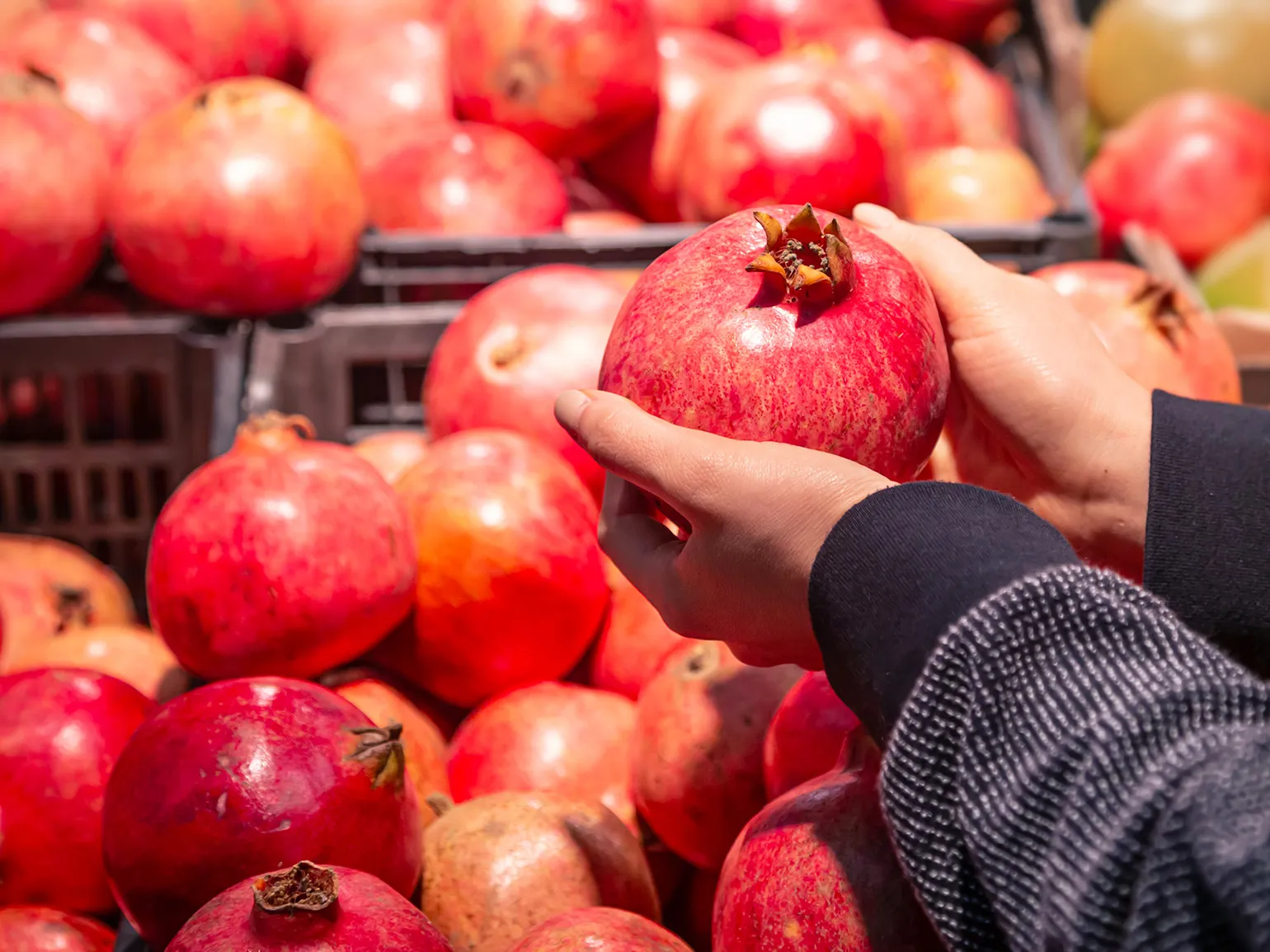
To determine the most beneficial pomegranate, pay attention to several key features. First, choose fruits with a bright, rich color, as this indicates a high antioxidant content. Second, pay attention to the texture of the skin: a good pomegranate should be smooth and firm, without bruises or blemishes. The weight of the fruit is also an important criterion: the heavier the pomegranate, the more juice and nutrients it contains. Finally, the pomegranate stem should be dry and brown, indicating its ripeness. By taking these signs into account, you can choose a high-quality and healthy pomegranate.
- It has a rich color. As it ripens, the skin changes from green to red. This means that the fruit has accumulated a lot of anthocyanins.
- The fruit is medium-firm. A fruit that is too soft, with dull skin and brown spots, is overripe.
- There are no visible damages on the skin. If you notice that the peel is not intact, it is possible that the fruit inside has already rotted.
A whole pomegranate stays fresh and maintains its quality for 2-5 days when stored in the pantry, up to three months in the refrigerator, and up to 10-12 months in the freezer. Proper storage of pomegranate allows you to maximize its shelf life and preserve its nutrients.
Pomegranate in cooking
Pomegranate seeds and pomegranate juice are versatile ingredients that can improve the taste and nutritional value of both sweet and savory dishes. Let's consider several effective ways to add pomegranate to your diet.
Firstly, pomegranate seeds are an excellent addition to salads. Their bright color and sweet and sour taste add freshness and originality to vegetable and fruit compositions. Secondly, pomegranate juice can be used as a salad dressing, giving them a rich flavor.
Pomegranate also pairs perfectly with meat dishes. Adding pomegranate seeds to marinades for chicken or pork not only enriches the flavor but also makes the dish healthier thanks to the antioxidants found in pomegranate.
Don't forget about desserts. Pomegranate seeds can be used to decorate cakes, pastries, and yogurts, adding not only aesthetic appeal but also nutritional benefits.
Thus, pomegranate is a versatile ingredient that can significantly diversify your diet and increase its nutritional value.
- For breakfast: add pomegranate seeds to salads and cereal dishes, such as oatmeal.
- For dessert: the seeds will add a special flavor to pudding, smoothies, and yogurt.
- In side dishes and snacks: use pomegranate as a topping for baked vegetables or sweet potatoes.
- In drinks and sauces: include it in a cocktail or fruit drink.
The piquant and sour taste of pomegranate pairs harmoniously with various types of meat and cheese, making it an ideal addition to a variety of dishes. Pomegranate adds a unique accent, highlighting the flavor of the main ingredients and enriching culinary compositions.
How to Peel a Pomegranate
To avoid spilling juice while peeling a pomegranate, it is important to have skills and adhere to a certain technique. The correct approach to peeling will help avoid unpleasant stains and simplify the process.
- Using a sharp knife, remove the top part with the stem. The white partitions will be visible underneath.
- Cut the peel along the partition lines.
- Break into slices. Carefully tear the fruit apart along the cuts, leaving the seeds inside.
- Mash the slices over a large bowl, removing the seeds with your fingers.
If white pulp gets into the bowl, cover it with water. The seeds will settle to the bottom, and the membranes will rise to the surface, allowing you to easily remove them by simply draining the water. This method will help you effectively clean the seeds, ensuring a better result for use.
There is an effective way to peel a pomegranate. Cut the fruit in half and gently tap the peel with a spoon – the seeds will fall out into the bowl. Be aware that this may cause some splashing.
Sources of information play a key role in the research and analysis process. They help ensure the reliability and relevance of the data we rely on. There are many types of sources, including books, articles, scientific publications, online resources, and interviews with experts. Properly selecting and using sources allows you to deepen your understanding of a topic and create high-quality content. It is also important to be able to critically evaluate information to eliminate inaccurate or outdated data. The use of a variety of sources enriches the material and makes it more attractive to the reader.
Cordiano R., Gammeri L., Di Salvo E., Gangemi S. and Minciullo P. investigate the effect of pomegranate (Punica granatum L.) extract on the inflammatory aging process known as invagination. In an article published in the journal Molecules in 2024, issue 29, article 4174, the authors present the results of their research, which indicate the potential benefit of pomegranate extract in reducing inflammation associated with aging. DOI: 10.3390/molecules29174174. The study highlights the importance of pomegranate extract as a possible agent in the fight against chronic inflammatory diseases, which may contribute to improved quality of life and slow down the aging process.
Raw pomegranate. United States Department of Agriculture, Agricultural Research Service. Pomegranate is a valuable source of nutrients and antioxidants. Its consumption helps strengthen the immune system and improve cardiovascular health. Research shows that pomegranate can lower cholesterol and blood pressure. This fruit is also rich in vitamins and minerals, making it an important element of a healthy diet. Marrone G., Basilicata M., Di Lauro M., Vita C., Masci C., Klinger F. G., Cornali K., Maddaloni G., Bollero P., De Lorenzo A., and Noce A. investigate the beneficial effects of pomegranate (Punica granatum L.) in the fields of internal medicine and dentistry. An article published in the journal Applied Sciences in 2024 examines various aspects of the pomegranate's effect on health. The authors emphasize that pomegranate consumption can have positive effects on the body, including improved cardiovascular function and antioxidant properties, which is important in both medicine and dentistry. DOI: 10.3390/app14041570.
Ge S., Duo L., Wang J., GegenZhula N., Yang J., Li Z., and Tu Y. in their work "Unique Insights into Traditional Medicine of Pomegranate, Punica granatum L., and Current Research Status" examine the importance of pomegranate as an object of traditional medicine. The article, published in the Journal of Ethnopharmacology in 2021, highlights the current research related to its medicinal properties and application in modern medical practices. DOI: 10.1016/j.jep.2021.113877.
The study by Kote S., Kote S., and Nagesh L. focuses on the effect of pomegranate juice on dental plaque microflora, in particular, on streptococci and lactobacilli. A 2011 article published in the journal Ancient Science of Life examines the antimicrobial properties of pomegranate juice and its potential applications in dentistry. The study highlights the importance of natural products in the fight against plaque and their impact on oral health. The findings may have implications for future research in dental disease prevention and improved hygiene practices. Adams, L. S., Seeram, N. P., Aggarwal, B. B., Takada, Y., Sand, D., and Heber, D. conducted a study that found that pomegranate juice, total pomegranate ellagitannins, and punicalagin suppressed inflammatory signals in colorectal cancer cells. The results of the study were published in the Journal of Agricultural and Food Chemistry, 2006, volume 54, issue 3, pages 980-985. DOI: 10.1021/jf052005r. This study highlights the potential anti-inflammatory properties of pomegranate and its components, which may be of significant importance in the prevention and treatment of colorectal cancer.
Colombo E., Sangiovanni E., and Dell’Agli M. reviewed the effectiveness of pomegranate as an anti-inflammatory agent in the gastrointestinal tract. The study, published in the journal Evidence-based Complementary and Alternative Medicine in 2013, covers the main mechanisms of action and potential benefits of pomegranate for improving gastrointestinal health. The article highlights the importance of pomegranate as a natural remedy for combating inflammatory processes, which may be useful for patients with various diseases. DOI: 10.1155/2013/247145.
You can expand the list with simple actions. To do this, you need to click on the corresponding button or link, which is responsible for expanding the list items. This functionality is often used on web pages to make the information more structured and easier to perceive. By expanding a list, the user gains access to additional data or subcategories, allowing for a deeper understanding of the topic. This approach improves the user experience and facilitates better content comprehension. Expanding lists also has a positive impact on SEO, as it allows search engines to better index pages and increases their visibility in search results. Pomegranates: How Healthy Are They? This is according to the American Heart Association. Pomegranates are a source of numerous beneficial substances and antioxidants that may support cardiovascular health. Research shows that regular consumption of pomegranates can help lower bad cholesterol, improve circulation, and lower blood pressure. Thanks to their anti-inflammatory properties, pomegranates may also help prevent various diseases. Including pomegranates in your diet can be an important step toward improving your overall health and well-being.
Ignarro L. J., Byrns R. E., Sumi D., De Nigris F., and Napoli C. conducted a study that found that pomegranate juice protects nitric oxide from oxidative damage and enhances its biological effects. The results of the study were published in the journal Nitric Oxide in 2006, including issue 15, number 2, on pages 93-102. DOI: 10.1016/j.niox.2006.03.001. This finding highlights the importance of pomegranate juice in maintaining nitric oxide levels, which may have positive effects on cardiovascular health and overall health.
Asgary S., Sahebkar A., Afshani M. R., Keshvari M., Haghjooyjavanmard S., and Rafieian-Kopaei M. conducted a clinical study on the health effects of pomegranate juice. The study examined its properties in lowering blood pressure, improving endothelial function, hypolipidemic and anti-inflammatory effects in hypertensive patients. The results of the study were published in the journal Phytotherapy Research in 2013 (volume 28, issue 2, pages 193–199). DOI: 10.1002/ptr.4977. Pomegranate juice may be a natural remedy for controlling blood pressure and other cardiometabolic parameters, making it an important target for further research in the field of herbal medicine.
Esmaillzadeh A., Tahbaz F., Gaieni I., Alavi-Majd H., and Azadbakht L. conducted a study that examined the effect of pomegranate juice concentrate consumption on cholesterol levels in patients with type II diabetes and hyperlipidemia. The results of the study were published in the International Journal for Vitamin and Nutrition Research in 2006, including volume 76, issue 3, pages 147-151. DOI: 10.1024/0300-9831.76.3.147. This study highlights the potential benefits of pomegranate juice in cholesterol control, which may be beneficial for people with diabetes and lipid metabolism disorders.
Aviram M. and Rosenblat M. in their article "Pomegranate for Cardiovascular Health" examine the effects of pomegranate on the cardiovascular system. The publication was published in Rambam Maimonides Medical Journal in 2013, Volume 4, Issue 2, Article e0013. DOI: 10.5041/rmmj.10113. The study demonstrates how antioxidants found in pomegranate may help improve heart health and reduce the risk of cardiovascular disease. Pomegranate is a valuable source of polyphenols, which have a positive effect on blood vessels and overall cardiovascular health.
Trexler E. T., Smith-Ryan A. E., Melvin M. N., Roelofs E. J., and Wingfield H. L. conducted a study on the effects of pomegranate extract on blood flow and the time to fatigue during running. The results were published in the journal Applied Physiology Nutrition and Metabolism in 2014. In the article (39(9), 1038–1042), the authors note that pomegranate extract may have a positive effect on physical endurance and improve blood flow during exercise. DOI: 10.1139/apnm-2014-0137.
Bookheimer S. Y., Renner B. A., Ekstrom A., Li Z., Henning S. M., Brown J. A., Jones M., Moody T., and Small G. W. conducted a study examining the effects of pomegranate juice on memory and brain activity in middle-aged and older adults with mild memory problems. Their findings, published in the journal Evidence-based Complementary and Alternative Medicine in 2013, show that pomegranate juice may improve cognitive function and brain activity, which is especially important for older adults. The study supports the potential benefits of pomegranate juice as a means of supporting memory and cognitive health. DOI: 10.1155/2013/946298.
Henning S. M., Yang J., Lee R., Huang J., Hsu M., Thames G., Gilbuena I., Long J., Xu Y., Park E. H., Tseng C., Kim J., Heber D., and Li Z. conducted a study that showed that consumption of pomegranate juice and extract improves skin resistance to UVB-induced erythema and alters the skin microbiome in healthy women. This study was conducted in a randomized controlled trial format and published in Scientific Reports in 2019 (Volume 9, Number 1). DOI: 10.1038/s41598-019-50926-2. The results of this study highlight the potential benefits of pomegranate juice for skin health and its role in protecting against solar radiation.
Amri Z., Amor I. B., Zarrouk A., Chaaba R., Gargouri J., Hammami M., and Hammami S. investigated the antiglycation, antiplatelet, and antioxidant properties of different parts of the pomegranate. The results of their work are published in the journal BMC Complementary Medicine and Therapies in 2022, Volume 22, Issue 1, Article 339. DOI: 10.1186/s12906-022-03824-6. The study highlights the potential of pomegranate as a source of natural compounds that can improve health and prevent various diseases.
The study by Assaf and Kelly, titled "Nutritional Dermatology: Optimizing Dietary Choices for Skin Health," published in the journal Nutrients in 2024, examines the impact of nutrition on skin condition. The authors emphasize the importance of a balanced diet, which can help improve skin health and prevent various dermatological problems. The article provides recommendations for choosing foods rich in essential vitamins and minerals, which can improve the appearance and condition of the skin. DOI: 10.3390/nu17010060.
Rasheed Z., Akhtar N., and Haqqi T. M. investigated the effect of pomegranate extract on interleukin-1β-induced activation of MKK-3, p38α-MAPK, and the transcription factor RUNX-2 in osteoarthritis chondrocytes. The results of their study were published in Arthritis Research & Therapy in 2010 (Volume 12, Issue 5). DOI: 10.1186/ar3166. The study highlights the potential of pomegranate extract as a therapeutic agent for the treatment of osteoarthritis, making it an important avenue for further clinical research.
Tracy C. R., Henning J. R., Newton M. R., Aviram M., and Zimmerman M. B. conducted a comparative pilot study on oxidative stress and nephrolithiasis. The study assessed the effect of pomegranate extract on stone formation risk factors and oxidative stress levels in patients with recurrent stone formation and in a control group. The results of the study were published in the journal Urolithiasis in 2014. DOI: 10.1007/s00240-014-0686-8. The study highlights the importance of pomegranate extract as a potential treatment for reducing the risk of kidney stones and oxidative stress.
Zhang Y., Huang S., Zhang S., Hao Z., and Shen J. investigated the effects of pomegranate peel extract on diarrhea-predominant irritable bowel syndrome in rats. The results, published in Nutrients in 2024, showed that the extract helped alleviate symptoms through modulation of the MAPK and NF-κB pathways. This finding highlights the potential of plant extracts in the treatment of functional bowel disorders. DOI: 10.3390/nu16223854.
Chong P. P., Chin V. K., Looi C. Y., Wong W. F., Madhavan P., and Yong V. C. conducted a review focusing on the microbiome and irritable bowel syndrome. The article discusses the pathophysiology of the disease, the current state of research, and prospects for future therapy. The study was published in Frontiers in Microbiology in 2019. DOI: 10.3389/fmicb.2019.01136. This review highlights the importance of the microbiome in the context of irritable bowel syndrome and opens new horizons for the development of effective treatments.
Li Z., Summanen P. H., Komoriya T., Henning S. M., Lee R., Carlson E., Heber D., and Finegold S. M. conducted a study in which they examined the effect of pomegranate ellagitannins on the growth of intestinal bacteria in vitro. The results, published in the journal Anaerobe in 2015, indicate that these compounds may have prebiotic effects and promote metabolic effects. DOI: 10.1016/j.anaerobe.2015.05.012. The study highlights the importance of pomegranate as a source of nutrients for maintaining gut health and a balanced microflora.
Dixit S., Goyal S., Singh A., Dhingra A., Grover S., and Gupta P. conducted a study to evaluate the effect of different beverages on tooth surface morphology using scanning electron microscopy. The results of the study were published in the Journal of Conservative Dentistry and Endodontics in 2024, including Volume 27, Issue 8, pages 811–816. DOI: 10.4103/jcde.jcde_265_24. This study has important implications for understanding the impact of beverages on dental health and may be useful for dentists and conservative dentists.
Recommendations for carbohydrate intake for adults and children were developed by the World Health Organization (WHO) in 2023. These guidelines emphasize the importance of carbohydrates in the diet and their role in maintaining health and preventing various diseases. WHO emphasizes that carbohydrates should make up a significant part of the daily diet, providing the body with the energy it needs.
The organization recommends choosing carbohydrates from whole grains, fruits, and vegetables, as they contain essential vitamins, minerals, and fiber. Added sugars and refined carbohydrates, which can contribute to obesity and other chronic diseases, should be limited.
It is especially important for children to eat a balanced diet that includes a variety of carbohydrate sources to support their growth and development. Adults and children need to monitor the quality of carbohydrates to ensure health and improve overall well-being.
Following WHO recommendations will help you develop healthy eating habits and maintain optimal health throughout life.
Recommended servings from each food group from the American Heart Association. Proper nutrition plays a key role in maintaining heart health and overall well-being. The American Heart Association provides guidelines for the number of servings you should include daily from different food groups. These recommendations help ensure you get the nutrients you need, promote weight management, and reduce your risk of cardiovascular disease. It's important to eat a variety of foods, including fruits, vegetables, whole grains, low-fat dairy, and protein foods like fish, poultry, and legumes. Following these guidelines can not only improve your heart health but also enhance your overall quality of life.
26. The Four Best Pomegranates in the World. TasteAtlas.
The pomegranate is not only a delicious fruit, but also a symbol of health and longevity. In this article, we'll look at four of the best pomegranate varieties worth considering. Each has unique flavor characteristics and beneficial properties.
The first variety is the "Wonderful" pomegranate, native to California. It is known for its sweet flavor and juicy flesh, as well as its high antioxidant content. This variety is ideal for fresh consumption and for juicing.
The second variety is the "Angel Red", which is also grown in the United States. It is distinguished by its beautiful red color and sweet and sour taste. "Angel Red" is rich in vitamins and minerals, making it an excellent choice for a healthy diet.
The third variety is the "Mollar de Elche" from Spain. This pomegranate is famous for its rich flavor and large grains. It is often used in cooking and for preparing various dishes due to its unique aroma.
The fourth variety is the "Dente de Cavalo" from Portugal. This pomegranate is characterized by sweetness and low acidity, making it ideal for desserts and salads.
Each of these pomegranates is not only delicious, but also provides health benefits. They can be a great addition to your diet, enriching it with vitamins and minerals.
Joshi M., Schmilovitch Z., and Ginzberg I. conducted a study of pomegranate fruit growth and skin characteristics in hot and dry climates. The results of the study were published in the journal Frontiers in Plant Science in 2021. DOI: 10.3389/fpls.2021.725479. The study identifies key aspects influencing pomegranate development, which may be useful for agronomists and horticulturalists in extreme temperature conditions.
Shopping at the Farmers Market with Food Safety in Mind. United States Department of Agriculture, Food Safety and Inspection Service. When visiting the farmers market, it is important to pay attention to food safety. Choose fresh, high-quality produce, inspecting its appearance and packaging. Be sure to check with sellers about storage and transportation conditions. Following simple rules will help avoid foodborne illnesses and maintain good health. Farmers' markets offer a variety of locally grown produce, making them a great place to buy fresh vegetables, fruits, and other foods. Make sure you make informed choices and support local producers.
The FoodKeeper App is an app developed by the U.S. Department of Health and Human Services. It is designed to help users properly store food and determine its expiration dates. The app provides information on how long various foods can be kept in the refrigerator, freezer, and at room temperature. Using the FoodKeeper App helps minimize food loss and ensure food safety, which is especially important for maintaining health. The information provided in the app is based on scientific research, making it a reliable tool for every household.
Opening a pomegranate can be a challenging task, especially if you want to avoid a mess in the kitchen. In this article, we'll share a few simple and effective methods to help you extract pomegranate seeds without the hassle.
The first method is using water. Fill a large bowl with water and cut the pomegranate in half underwater. This will allow the seeds to sink to the bottom, while the skin and membrane float to the surface. Then, simply scoop out the seeds.
Another method is using a spoon. Cut the pomegranate in half and, holding it over a bowl, hit the back of each half with a spoon. The seeds will pop out easily.
By choosing one of these methods, you can enjoy the juicy flavor of the pomegranate without leaving a mess. These tips will help you not only keep your kitchen clean, but also extract pomegranate seeds as efficiently as possible.