Contents:
- What is postpartum depression?
- What happens to a woman's psyche after childbirth?
- Why does PPD develop?
- How do I know if I have postpartum depression?
- What is the danger of postpartum depression?
- How long does postpartum depression last?
- How to treat postpartum depression?
- How to help those who are faced with postpartum depression?

Thinking about a new career but don't know where to start? Find out what's right for you: IT, design, game development, management, or marketing. Take a free career guidance course.
Learn moreIn this article, you'll learn how to effectively use SEO to improve your content's visibility in search engines. We'll discuss key aspects such as choosing the right keywords, creating high-quality content, using meta tags, and optimizing images. Understanding these principles will help you increase website traffic and attract your target audience. You'll learn how to properly structure text and use internal and external links to increase your resource's authority. By following these recommendations, you can significantly improve your website's ranking in search engines and achieve your goals.
- What is postpartum depression and how common is it?
- How is postpartum depression different from the baby blues?
- How long does postpartum depression last and how can it be identified?
- How is postpartum depression treated and why is it dangerous?

A psychiatrist and psychotherapist who runs the Telegram channel "GusnaLame" provides professional mental health services. Specializing in psychotherapy and psychiatry, he shares valuable knowledge and practical recommendations for improving psycho-emotional well-being. The channel "GusnaLame" becomes a platform for discussing current topics related to mental health and helps people cope with various psychological difficulties.
We created the Telegram channel "How Are You?", dedicated to self-development, psychology, and effective learning. Here you will find useful career advice at any age. Subscribe to our channel to stay up-to-date on current topics and receive practical recommendations for personal growth.
What is postnatal depression?
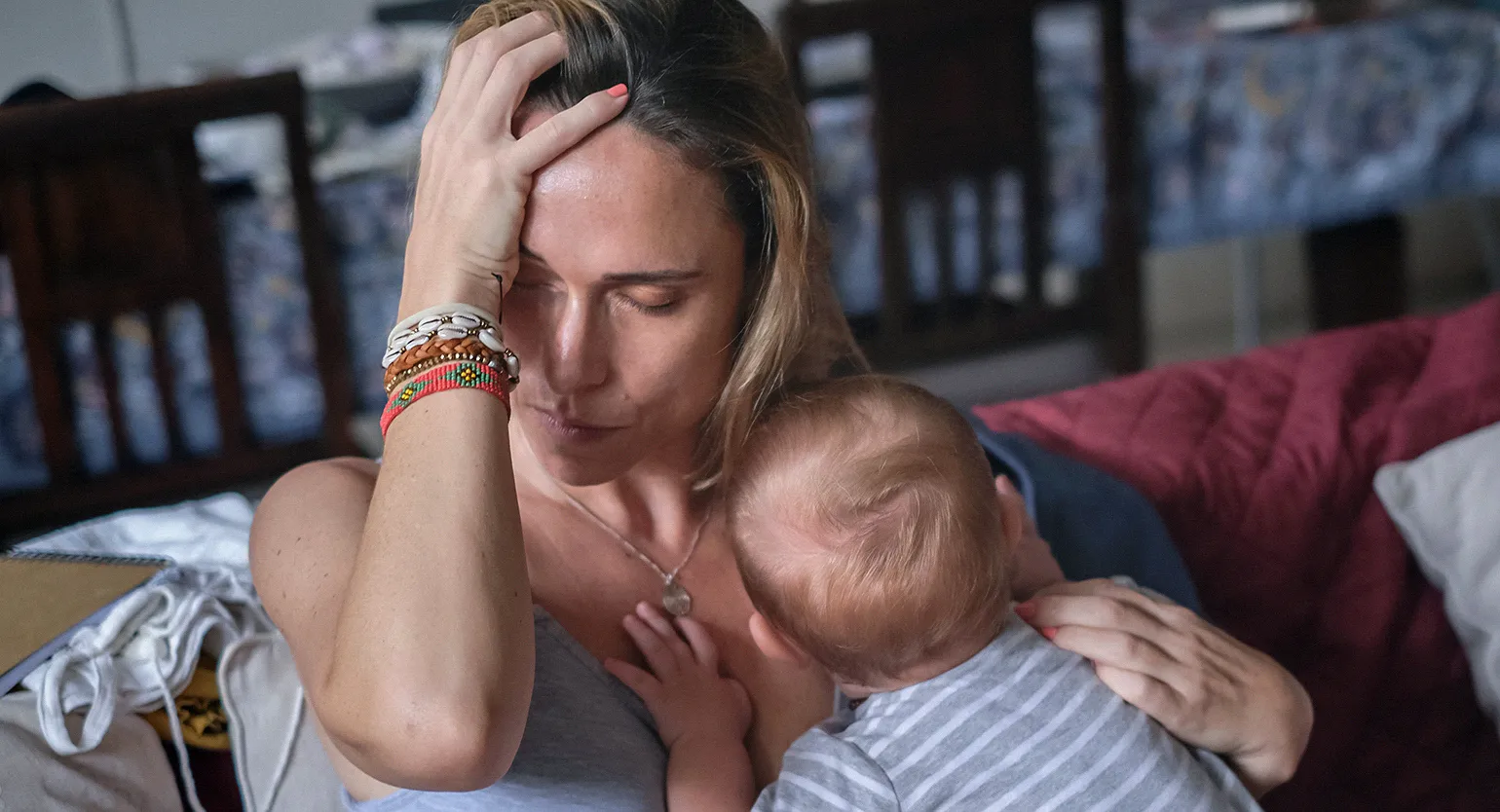
Postnatal depression (PND) is a common condition that affects women during pregnancy and after childbirth. According to the UK National Health Service, one in ten women experiences PND within a year of giving birth. American studies show even higher rates, indicating that between 13 and 19% of women experience symptoms of postnatal depression. This condition can significantly impact a mother's emotional and physical well-being, as well as her interactions with her newborn. It is important to raise awareness of PPD and seek help promptly to ensure support and recovery for women facing this problem.
Postpartum depression often affects not only mothers, but also new fathers or partners of women who have just become mothers. This condition can manifest as feelings of anxiety, depression, and fatigue, which negatively impacts the emotional state of the family. It is important to understand that postpartum depression is not only a women's issue; men also need support and attention during this period. Understanding and discussing this topic can help create a healthy emotional atmosphere in the family.
Paternal postpartum depression can also affect men, although significantly less is known about it than maternal depression. Research suggests that paternal depression occurs in approximately 3% of men, but this figure may be underestimated. The actual figures may be as high as 8-13%. It's important to raise awareness of this issue so that men can receive the necessary support and assistance during the postpartum period.
Kirill Kozyrev is a professional in his field, possessing significant experience and knowledge. He actively develops projects and implements innovative solutions. His approach to work is distinguished by attention to detail and a commitment to achieving the best possible results. Thanks to his high standards and professionalism, Kirill Kozyrev has established himself as a reliable specialist capable of handling any challenge. His contribution to projects often becomes a decisive factor for their success.

Study additional materials:
Free psychological help in Russia: 18 organizations
There are many organizations in Russia that provide free psychological help. These institutions offer support to people experiencing emotional difficulties, mental disorders, or stressful situations. Contacting professional psychologists can significantly improve your quality of life and help you cope with problems.
Among the organizations offering free services, there are public and private centers, as well as charitable foundations. Each of these structures has its own characteristics and areas of work, which allows you to find the right help depending on your specific situation.
It is important to remember that access to free psychological help may vary depending on the region. Therefore, it is worth researching information about available resources in your city or region in advance. Don't put off solving your problems - seeking help can be the first step to restoring your psycho-emotional well-being.
Michael O'Hara and Jennifer McCabe, researchers from the University of Iowa, claim that the highest risk of postpartum depression is observed during the first six months after the birth of a child. In particular, in the first month after childbirth, the rate of postpartum depression in women can reach 14%. This emphasizes the importance of carefully monitoring the psycho-emotional state of women during this critical period. Understanding risk factors and timely intervention can help improve the mental health of new mothers. The ICD-11 does not have a specific diagnosis of "postnatal depression," but it does have a section on "Mental and behavioral disorders associated with pregnancy, childbirth, or the puerperium." This section emphasizes that depressive symptoms are quite common during these periods. This underscores the importance of diagnosing and supporting women experiencing emotional difficulties after childbirth. Proper understanding and identification of such conditions can lead to more effective treatment and improve the quality of life of new mothers. There is still no medical consensus regarding the exact time frame for postpartum depression. However, researchers note that symptoms can manifest both during pregnancy and during the first year after childbirth. During this period, changes in a woman's mood may be noticeable, but recognizing them as signs of depression can be difficult. It is important to pay attention to your mental health after childbirth in order to receive the necessary help and support in a timely manner.
Kirill Kozyrev is a name that has become famous in certain circles. His achievements and contributions in his chosen field are of interest to many. Kirill has proven himself to be a professional with deep knowledge and experience. He is actively involved in various projects, sharing his experience and helping others develop. It is important to note his desire for improvement and continuous learning, which makes him a significant figure in modern society. Kirill Kozyrev is an example of how determination and professionalism can lead to success.
What happens to a woman's psyche after childbirth?
Italian medical researchers emphasize that the postpartum period is a time of particular vulnerability for a woman. During this period, it is important to pay attention to the physical and emotional state of the new mother, as changes occurring in the body can have a significant impact on her health. Support from medical professionals and loved ones during this time plays a key role in the woman's recovery and adaptation to her new role. By taking care of her own well-being, the mother not only improves her own condition but also creates a strong foundation for the health and development of the child.
After childbirth, a woman's body undergoes significant changes, and in a matter of minutes, she must master new functions. The forced transition from pregnancy to breastfeeding and caring for a newborn becomes a difficult task. The hormonal system begins to change, which places additional stress on the mother's psycho-emotional state. This period requires special attention to yourself and your child, as well as an understanding of the important aspects of breastfeeding and caring for the baby. The right information and support during this time can significantly facilitate adaptation to a new role.
Childbirth can be a serious psychophysiological trauma for a woman. In some cases, this experience is so difficult that mothers return from the hospital with post-traumatic stress disorder. Accepting such a painful experience can be difficult, especially when there is no physical strength or time to recover. Many women are unable to consult a psychologist and analyze their experiences during childbirth while holding their newborn. This emphasizes the importance of support and understanding from loved ones, as well as the need to create conditions for emotional recovery after childbirth. The title of mother is often accompanied by feelings of guilt, shame, anxiety, and fear. Women who believe they can easily cope with the role of mother, following instructions from books and latching their newborn to the breast without difficulty may face disappointment and not feel warmth and love for their child in the first moments after birth. This situation can be a source of stress and negative emotions, which is completely normal. It is important to understand that every motherhood is unique, and women should allow themselves to experience a variety of feelings during this period. Psychologists say that experiencing mixed feelings after childbirth is normal. However, stereotypes and movie images perpetuate the idea that if you don't feel unconditional love for your child and don't experience happiness immediately after birth, you have problems. These social expectations create additional stress and mental strain, which can negatively impact the emotional well-being of a new mother. It's important to understand that every woman is unique, and the process of adapting to a new role can vary. Accepting your feelings and seeking support are key to maintaining mental health during this difficult period.

Study additional materials:
Social motherhood: the concept and its disadvantages
Social motherhood is a concept that covers situations when women take on the role of mother without having biological children. This practice often arises in the context of guardianship, adoption, or temporary care. While social motherhood may seem like a noble and attractive choice, it is important to recognize its potential negative consequences.
First, it is worth considering the emotional burden that social mothers face. Taking on responsibility for someone else's child can cause stress and burnout. Furthermore, such women may face social judgment and misunderstanding from others, which exacerbates their emotional state.
Second, social motherhood can distract from personal goals and ambitions. Women who take on this role often sacrifice their time and resources, which can lead to dissatisfaction in life and career. It is important to remember that self-care and self-interest are also important.
Finally, it's important to consider that social motherhood doesn't always lead to positive outcomes for children. Children raised in such settings may struggle to form attachments and trust, which can negatively impact their future.
Therefore, while social motherhood may seem like an attractive choice, it's important to carefully consider all aspects of the role and weigh the pros and cons before making a decision.
Motherhood is a joyful, yet sometimes challenging, stage in a woman's life. About 39% of women experience baby blues, or postpartum depression, a temporary condition characterized by sadness and nostalgia for their former free life. It's not a medical condition, but it can cause depressive thoughts, sudden mood swings, spontaneous tears, as well as fatigue and irritability. Not only mothers but also fathers can experience similar feelings, so it is important to understand that these emotions are a normal reaction to life changes, and they can and should be managed.
Postpartum blues is a condition that affects a significant number of women, up to 76% in some countries. The good news is that this condition most often passes within two weeks. To successfully overcome the blues, it is enough to pay attention to basic self-care and get support from loved ones. However, there is an alarming trend: in some women, postpartum blues can develop into depression, which requires more serious intervention and help. It is important to be attentive to your feelings and not hesitate to seek support if the condition does not improve.
Why does PND develop?
Kirill Kozyrev emphasizes that depression is formed as a result of the interaction of various factors: psychological, biological, and social. Genetic predisposition, such as having a family history of depression, can increase the risk of developing it in women by up to 50%. This underscores the importance of considering heredity when assessing mental health and developing effective methods for preventing and treating depression. Non-biological factors that influence mental health include various environmental influences that can occur in both childhood and adulthood. These include physical and psychological abuse, financial difficulties, lack of support from friends and family, serious illnesses of loved ones, as well as global crises such as pandemics, wars, and natural disasters. Forced relocation and emigration also play a significant role in shaping a person's emotional state. These factors create conditions favorable for the development of depression, including postpartum depression. Understanding the impact of these factors on mental health is an important step toward the prevention and treatment of depression. The brain of people suffering from depression functions differently, and this leads to disruption of the connections between its various regions. During depressive episodes, the system responsible for the autonomic, behavioral, and endocrine responses to stress malfunctions. Levels of cortisol, the stress hormone, increase and remain elevated for a long time. In response to stress, the body can even undergo changes at the chromosomal level. Generally, depression occurs in individuals predisposed to this condition as a reaction to challenging life circumstances. Understanding these processes is important for developing effective treatments and supporting people with depression. Kirill Kozyrev is a renowned figure in his field, possessing significant experience and knowledge. His professional work encompasses a wide range of aspects, making him an expert in his field. Working on various projects, he demonstrates a high level of creativity and responsibility. Thanks to a deep understanding of the market and current trends, Kirill successfully implements ideas that help achieve goals. His approach to work is based on thorough analysis and strategic planning, which ensures effective results. It is important to note that Kirill Kozyrev actively shares his knowledge, which contributes to the development of the professional community.

Explore other materials on our website.
Existential analysis: what it is and how it helps in the fight against depression
Existential analysis is an approach to psychotherapy that focuses on understanding a person's existence, their inner world, and the meaning of life. This method is based on the philosophical principles of existentialism and aims to explore aspects such as freedom, responsibility, meaning in life, and individuality. Existential analysis helps people gain a deeper understanding of their experiences, fears, and internal conflicts. In the context of depression, this approach can be particularly useful, as it allows for exploring the root causes of negative emotions and helping patients find personal meaning that can restore interest in life. During existential analysis, the therapist works with the client to identify and understand their unique experiences, which contributes to improved self-esteem and strengthens internal resilience. This can help not only overcome depression but also develop a deeper understanding of oneself and one's desires.
Thus, existential analysis offers effective tools for combating depression, enabling people to find meaning and value in their lives, as well as develop personal growth and emotional well-being.
How do I know if I have postpartum depression?
First, it is recommended to take a specialized test. If the test results are questionable, Kirill Kozyrev recommends paying attention to a number of symptoms.
- Excessive anxiety about the baby's health - for example, with frequent unscheduled visits to the obstetrician or pediatrician, doctors may point out increased anxiety in the mother.
- Regular negative emotions and assessments of the child's behavior and "character" - "My son is completely uncontrollable, something is wrong with him!", "The neighbor's daughter sleeps at night, but mine is definitely unbalanced."
- Frequent doubts about one's ability to take care of the baby.
- Constant (more than two weeks) despondency and low mood. If the mood improves occasionally, but then quickly returns to a consistently low state, this is also an alarming sign.
- Ignoring basic recommendations for postpartum care for yourself and your baby.
If the mother shows no interest in her baby and ignores support from others, this is a serious reason to contact a specialist. Alcohol or substance abuse can also be a warning sign. It is important to identify such problems promptly to provide the necessary support to both mother and baby.
The initial symptoms of postpartum depression often manifest as anxiety and fatigue. Failure to pay due attention to the emotional state of the mother or father can lead to the development of more serious symptoms. It is important to recognize the signs and seek support promptly to avoid worsening the condition and ensure a healthy atmosphere for the whole family.
Anhedonia is a condition characterized by a loss of interest and pleasure in activities that previously brought joy. This phenomenon can manifest itself in both everyday life and professional activities, significantly reducing quality of life and overall emotional well-being. Anhedonia is often associated with depression and other mental disorders, making it an important topic for discussion and research. Understanding this condition and its causes can help develop effective treatments and support for people suffering from anhedonia. A person begins to avoid previously enjoyable activities, loses interest in communicating with loved ones and their child, and shows indifference to favorite foods, TV shows, and hobbies. At the same time, parents may experience guilt about their condition, consider themselves "inadequate," and reproach themselves for failing to fulfill the role of "happy parent." This condition can be a sign of emotional burnout or depression, and it is important to pay attention to your feelings and needs. Support from loved ones and professionals can help restore interest in life and restore harmony in the family.

Read also:
Apathy is a state of emotional indifference, characterized by a lack of interest in life and decreased motivation. Unlike depression, apathy is not always accompanied by pronounced symptoms of sadness or despondency. People experiencing apathy may simply feel no desire to engage in routine activities, interact with others, or strive for goals.
Depression, on the other hand, is a more serious mental disorder that can include not only apathy but also a prolonged feeling of hopelessness, low self-esteem, and problems with sleep and appetite. It's important to understand that apathy can be a symptom of depression, but it's not always a diagnosis in its own right.
Understanding the differences between apathy and depression can help with timely diagnosis and the selection of an effective treatment approach. If you or a loved one are experiencing symptoms associated with apathy or depression, it's recommended to seek professional help.
Kirill Kozyrev identified several symptoms of PDD that are worth considering. These symptoms can vary, but recognizing them is important for understanding and diagnosing this disorder. Pay attention to manifestations such as changes in emotional state, difficulties in communication, and problems with concentration and memory. These signs can significantly affect the quality of life and require careful attention. Understanding the symptoms of PPD will help you seek help in a timely manner and improve your condition.
- loss of appetite or, conversely, the urge to eat when stressed;
- excessive, uncontrollable drowsiness or insomnia;
- constant fatigue, lack of energy, a feeling of heaviness in the limbs;
- difficulty concentrating and working memory (a person has difficulty making decisions that were previously easy, problems with planning and decreased social intelligence).
Of course, I am ready to help with editing the text. Please provide the original text you want to change.
Postpartum depression (PPD) is often accompanied by severe dysphoria, manifested as sadness, anxiety and emotional emptiness. These conditions can be combined with aggressive feelings and, in some cases, lead to panic attacks. Women experiencing postpartum depression may experience obsessive thoughts of harming themselves or their child. These thoughts are often fearful and perceived as foreign, as mothers do not wish to harm their children. Because of this, many women hide their experiences, and such thoughts only become apparent through direct and open communication. It is important to understand that postpartum depression is a serious condition that requires attention and support, as well as professional help. Kirill Kozyrev is a professional in his field, possessing significant experience and knowledge. His work spans various aspects, including the development and implementation of innovative solutions. Kirill is actively involved in improving process efficiency, which enables him to achieve significant results. His approach to work is based on a deep understanding of client needs and a commitment to quality. Thanks to this, he has established himself as a reliable specialist who is turned to for expert advice and assistance in project implementation.

Today, many people are looking for information on how to improve their skills and improve their qualifications. It is important to remember that continuous learning and development are the key to success in any field. Use available resources: online courses, webinars, and specialized articles. These tools will help you stay up to date with the latest trends and technologies. Don't forget about practice—it's an important part of learning. Regularly apply what you've learned to reinforce it and make it part of your professional life. Keep up with new trends and adapt your skills to meet market demands.
Read also:
Obsessive thoughts are recurring and uncontrollable ideas that can cause worry and anxiety. They often interfere with focusing on everyday activities and can be a source of stress. The causes of obsessive thoughts can range from psychological factors to external stressors.
To get rid of obsessive thoughts, it's important to understand their nature. One effective method is mindfulness, which helps you focus on the present moment and reduce anxiety. It's also helpful to keep a journal to help you process your thoughts and reduce their impact. Psychotherapy, especially cognitive behavioral therapy, can offer strategies for managing and minimizing obsessive thoughts.
Physical activity and sports contribute to the improvement of psycho-emotional state and help distract from negative thoughts. It is also worth paying attention to sleep and nutrition, since a healthy lifestyle has a positive effect on the psyche. In some cases, if obsessive thoughts become unbearable, it is worth contacting a specialist for professional help.
It is important to remember that obsessive thoughts are not a sign of weakness, but a common problem faced by many people. By using various techniques and seeking support, you can learn to manage these thoughts and improve the quality of your life.
What is the danger of postpartum depression?
Marian Earls, a member of the Committee on Psychosocial Aspects of Child and Family Health of the American Academy of Pediatrics, says that postpartum depression can have serious consequences. It can negatively impact both the mother and her baby, leading to difficulties in establishing an emotional bond, deterioration in overall health, and a reduced quality of life. It is important to recognize that postpartum depression requires attention and support, and timely intervention can significantly improve the situation. Caring for the mental health of mothers directly affects the well-being of the entire family.
- to child abuse,
- cessation of breastfeeding,
- conflicts and unhealthy relationships in the family.
Maternal depression has a negative impact on the early development of the child's brain. Children whose mothers suffer from depression may have delays in speech development, as well as difficulties regulating their emotions and behavior. This underscores the importance of supporting the mental health of mothers to ensure the favorable development of children.
Tiffany Field from the Research Institute of the School of Medicine of Miami emphasizes that postpartum depression significantly complicates the care of a newborn. In particular, this negatively impacts sleep patterns, vaccinations, and child safety measures. Parents suffering from depression often ignore important safety aspects, such as the use of car seats and the installation of protective barriers on electrical outlets, which can pose a health risk to their child. Support and timely assistance to parents facing postpartum depression can significantly improve the situation and ensure proper care for children.

To successfully promote your content in search engines, it is important to pay attention to SEO optimization. Effective methods include the use of keywords, optimization of titles and meta descriptions, and the creation of high-quality backlinks. Additionally, regularly updating information and improving the user experience on your website also contribute to its visibility in search engines. Follow these recommendations to improve your website's ranking and attract more target audience.
Psychological Help: How to Support a Loved One Suffering from Depression
When your loved one is facing depression and does not want to share their experiences with others, it can cause feelings of helplessness and anxiety. It is important to understand that support in such a situation is of great importance. You can provide them with the help they need by creating a safe space for open communication.
Listen to them attentively, showing empathy and understanding. Avoid judgmental judgments and let them know that you are there. Sometimes simply being present and willing to listen can be the first step to improving their condition.
Encourage them to seek professional help. A psychologist or psychotherapist can offer effective treatment and support methods. Remind them that treatment for depression is a normal and important process.
Don't forget to take care of yourself. Supporting a loved one during difficult times can be emotionally draining, so it's important to take time to recharge and recharge.
Remember that you are not alone in this situation, and many people face similar challenges. Your support can play a key role in the recovery process.
Postpartum depression significantly impacts leisure time for both children and parents. One aspect of this impact is the limitation of important shared activities such as reading. Refusing to read books with a child can have negative consequences, including the insufficient development of their vocabulary. Reading not only helps expand vocabulary but also strengthens the emotional bond between parents and children. Understanding the importance of shared reading can help overcome the effects of postpartum depression and improve the overall development of the child.
The danger of postpartum depression (PPD) is a real and tangible problem that affects many families. It is important to understand that parents are not responsible for the development of this depression. PPD is a medical condition that requires professional treatment and a sensitive approach. This is not the result of a particular person's choice or weakness, but a serious problem that requires the support and understanding of loved ones. Experiencing postpartum depression (PPD) does not mean you cannot cope with your role as a mother or father. It is important not to aggravate your condition or blame yourself or your loved ones for not paying enough attention to your child. The best solution in this situation is to promptly seek professional help from a specialist who can provide the necessary support and assistance. Taking care of your own mental health is essential for fully fulfilling your parenting responsibilities and creating a positive environment for your child. Ignoring the symptoms of depression often leads to a worsening of the condition. Although in rare cases, depression can resolve on its own, this is the exception. More often than not, simply waiting out the alarming symptoms worsens the quality of life for both mother and child. It's important to pay attention to your feelings and not ignore anxiety, as early intervention can significantly improve the situation and help restore harmony in your life. Kirill Kozyrev is a name associated with professional activity in various fields. He has proven himself to be a talented specialist capable of achieving high results. Kirill actively works on projects related to his area of expertise, making him a prominent figure in this field. His experience and skills allow him to effectively solve problems and achieve his goals. Kirill's participation in various events and projects demonstrates his commitment to continuous development and improvement of his professional skills. The expert emphasizes that premenstrual dysphoric disorder (PMD) can progress to severe depression. In this case, a woman risks facing serious long-term consequences, including an increased risk of cardiovascular disease, diabetes, Parkinson's disease, stroke, as well as the threat of suicide and dementia. It is important to be aware of the impact of PND on mental and physical health in order to receive the necessary help in time and prevent the development of more serious conditions.
How long does postnatal depression last?
The exact time frame for treating postnatal depression (PPD) can vary. In some cases, a woman manages to cope with this condition in a few months, while in other situations, recovery can take years. British researchers noted that in many women, postnatal depression can become chronic. This emphasizes the importance of prompt diagnosis and treatment of PND to prevent long-term suffering and improve quality of life.
Episodes of postnatal depression, like with regular depression, can last at least a year in 30-50% of women. The duration of these episodes depends on the severity of depression, the level of anxiety and the presence of various mental disorders that may have occurred before or simultaneously with depression. Furthermore, after recovery from postpartum depression, there is a significant risk of relapse, which occurs in approximately 40-50% of cases. Untreated depression can last for decades, negatively impacting a woman's life and her family relationships. It is important to seek help promptly and receive the necessary support to overcome this condition.
Kirill Kozyrev is an expert in his field, possessing significant experience and knowledge. His professional achievements and skills make him a valuable specialist. He is actively involved in various projects and strives for continuous development. Kirill Kozyrev also shares his knowledge with colleagues and young professionals, which contributes to raising the overall level of competence in the field. His work has received positive reviews, which confirms his high professionalism and dedication.
How to treat postpartum depression?
Depression after childbirth is often perceived as a common condition that all young mothers face. Many people believe that fatigue and the need for rest are the only causes of this condition, and that everything will soon improve. However, this belief can be dangerous. It's important to understand that postpartum depression is a serious psychological condition that requires attention and support. Consulting a psychiatrist is not recommended. Proper diagnosis and support can significantly improve the quality of life for both the mother and her baby. Postpartum depression requires treatment similar to other types of depressive disorders. Effective treatments include psychotherapy and antidepressants prescribed by a qualified psychiatrist. It's important to seek help at the first sign of it to ensure a rapid recovery and improved quality of life. Professional support and the right approach to treatment will help overcome this condition and return to normal life.

Be sure to read additional materials:
Depression is surrounded by many stereotypes that can distort the understanding of the disease. It is important to understand what is true and what is myth. Many people believe that depression is simply a bad mood, but it is a serious mental disorder that requires attention and treatment. Others believe that depression only affects weak individuals, but this is a misconception, as the illness can affect anyone, regardless of personality or life circumstances. Another belief is that depression resolves on its own, but without appropriate help, symptoms can worsen. Many people think that depression is simply an emotional issue, but in fact, it can manifest itself with physical symptoms, such as fatigue and pain. Some believe that therapy alone can help, but a combined approach, including medication and psychotherapy, is often more effective. Finally, there is a belief that depression doesn't affect children and adolescents, which is absolutely untrue – this illness can occur at any age. It's important to dispel myths about depression and raise awareness of its real manifestations and consequences.
Teri Perlstein, a specialist in psychiatry and human behavior at the Warren Alpert Medical School and the Hospital for Women & Infants in Providence, notes that many women are afraid of doctor visits due to concerns about losing the ability to breastfeed when prescribed antidepressants. However, it's important to note that medications are not always necessary. It's important to understand that maternal mental health is essential for the well-being of both the woman and her baby. Consulting with a doctor can help find optimal solutions that won't interfere with breastfeeding and provide the necessary support during the postpartum adjustment period.
Kirill Kozyrev emphasizes that the choice of treatment for depression depends on the severity of the patient's condition. For mild to moderate depression, it is advisable to begin with psychotherapy, which is especially relevant for breastfeeding mothers seeking to avoid the impact of antidepressants on their children. Among the most effective psychotherapeutic approaches is cognitive behavioral therapy (CBT), which can be supplemented with mindfulness practices or acceptance and commitment therapy (ACT). It is also worth noting that interpersonal therapy demonstrates good results in the treatment of depression. Thus, the choice of psychotherapeutic method can significantly alleviate patients' condition and promote their recovery.
Of course, I am ready to help with text editing. Please provide the original text you wish to revise.
If psychotherapy is not available, new medications belonging to the class of neuroactive steroids can be considered. These drugs do not carry the risks inherent in antidepressants. It is important to remember that these medications can also have side effects, such as nausea or drowsiness. Before starting their use, it is recommended to consult a doctor to assess the possible risks and benefits.
Kirill Kozyrev is a name associated with professionalism and a high level of competence in his field. He has established himself as an expert with deep knowledge and experience. Kirill Kozyrev is actively involved in various projects and initiatives, making him a prominent figure in his field. His approach to work is based on thorough analysis and strategic thinking, which allows him to achieve impressive results. Thanks to his experience and skills, Kirill Kozyrev is a valuable resource and a reliable partner for many organizations and individuals.
How to help those facing postpartum depression?
There is no universal guide to overcoming postpartum depression, as every child, family, and story is unique. However, if alarming symptoms appear in new parents, it is important to take action. Kirill Kozyrev emphasizes that it's better to take action than to remain inactive. Recognizing the problem and seeking help promptly can significantly improve the parents' well-being and contribute to the harmonious development of the child. We share several key recommendations from our expert for those seeking to support a loved one with a mental disorder. It's important to be understanding and patient, as people with PND may experience difficulties communicating and adapting to the world around them. Notice positive changes in their behavior to support their motivation. Listen attentively and openly, providing an opportunity to share their feelings and experiences. Try to create a safe and comfortable space for communication where your loved one can open up. It's also important to take care of your own emotional state so you can offer the necessary support. Understanding and a willingness to help can significantly improve the quality of life for someone with a mental disorder. If you notice symptoms of postpartum depression in your partner or have been diagnosed with it, it's important to explore this topic in more detail. Focus on reliable sources of information: choose websites, books, and materials based on scientific research and evidence-based medicine. It's important to remember that relying on folk remedies and rumors can worsen the condition and hinder the recovery process. Care for your partner, support them, and don't hesitate to seek professional help. Knowledge about the disease and understanding its mechanisms helps you develop deeper empathy for those going through difficult experiences. Acceptance, support, and compassion are important aspects that loved ones can provide to someone with a mental disorder. The more information you have about the disease, the better you can understand the experiences of your partner, friend, or relative, which helps create an emotional connection and improve their well-being.

Revised text:
Reading is an important aspect of our communication and gaining knowledge. It not only develops thinking but also helps to expand our horizons. Regularly reading books, articles, and other materials helps improve vocabulary and writing skills. Reading also promotes relaxation and stress reduction, making it beneficial for mental health. To maximize the benefits of reading, it's important to choose a variety of genres and topics to deepen your understanding and broaden your horizons. Don't forget about modern digital resources, which offer access to a wealth of information in a convenient format. It's important to set aside time for reading every day to make it an integral part of your life.
Read also:
Empathy is the ability to understand and share the feelings of others. It plays a vital role in interpersonal relationships, helping to establish rapport and improve communication. Developing empathy allows you to become more aware of the emotions of others and respond to them with understanding.
There are several ways to develop empathy. First, it's important to actively listen to the other person, showing interest in their experiences. Second, try to put yourself in the other person's shoes, analyzing their feelings and thoughts in a specific situation. Reading fiction and watching movies can also help develop empathy, as they allow you to see the world through the eyes of other characters.
It is also helpful to practice non-verbal communication skills, such as eye contact and open posture, which help create a trusting atmosphere. Regularly interacting with people from different cultures and social backgrounds broadens your horizons and deepens your understanding of the diversity of human feelings and experiences.
By developing empathy, you not only improve your social skills but also contribute to a more harmonious and supportive environment around you.
Supporting your partner during difficult times is not easy, but it is extremely important. Try to listen to their feelings without judgment. Let them know that they are not alone in their struggle. Depression is a common illness, and there are effective treatments. Avoid dismissing their experiences and phrases like, “Just don’t be depressed” or “I’ve been depressed too, and I got over it.” Instead, it's important to create a trusting environment so your partner can openly share their experiences. Show that you're there for them and ready to support them through this challenging journey. Postpartum depression often goes unnoticed because its symptoms can be similar to the common difficulties women face in the postpartum period. Constant fatigue, sleep problems, decreased libido, and loss of appetite can be signs of this serious condition. Without careful questioning, a woman may be reluctant to share her experiences due to fear of stigma, high expectations, or a lack of information about postpartum depression. She may fear that by admitting her feelings, she will lose the ability to care for her child. Negative comments, such as, "What depression? You're just lazy," only worsen her condition and prevent her from getting the help she needs. It is important to create a safe space for discussing these feelings so that women can speak openly about their experiences and receive support.
Kirill Kozyrev is an expert in his field, possessing significant experience and knowledge. His professional activities cover various aspects related to innovation and modern technologies. Kirill is actively involved in projects aimed at developing and optimizing business processes.
Using his skills, he strives to improve the efficiency of teams and implement new ideas that contribute to the growth and development of organizations. His approach to problem solving is based on in-depth analysis and the application of modern methods.
Kirill Kozyrev also shares his experience through publications and participation in conferences, which allows him to stay abreast of the latest trends and share knowledge with colleagues. His professional reputation and achievements make him a valuable resource for any team.
Always strive for consistency and reliability in your life. This quality allows you to build strong relationships, achieve goals, and maintain a high level of trust. Consistency helps form habits that lead to success. Regardless of the circumstances, it's important to remain true to your principles and values. This creates a foundation for stability and confidence in the future. Always remember that your behavior and attitude shape your environment and influence those around you.
If you want to help your partner cope with depression, it's important to visit doctors together and undergo the necessary diagnostic tests. Obtain prescribed medications and support all treatment steps. Without professional supervision, overcoming depression can be extremely difficult and unlikely. Your participation and support can play a key role in the recovery process.
Cleaning, grocery shopping, and childcare can be a source of significant stress. Even without depression, household chores can be exhausting, especially for those just beginning to master parenting. A short break from caring for a child, the opportunity to enjoy some peace and quiet, and some time for yourself can significantly alleviate emotional distress during this difficult period. It's important to take time to recharge so you can cope with everyday tasks and be more attentive to your child's needs.
It's important to provide support sincerely and without "calculating." People who are depressed often feel guilty about their inability to cope with everyday tasks. Support in such situations is crucial and sometimes vital, but it shouldn't be accompanied by manipulative statements such as, "I didn't go on a date for you" or "What would you do without me?" Care and support should be selfless and sincere to help the person overcome difficulties and regain self-confidence.
For someone suffering from depression, simple actions such as taking a shower, washing their hair, or doing exercises can be a real challenge. It's important to acknowledge and celebrate these efforts, as this helps build motivation to continue to maintain the necessary rituals. Self-care together can also have a positive impact: invite your loved one with depression on walks or plan a healthy menu for the day together. This not only strengthens bonds but also creates a supportive environment conducive to recovery. Proper nutrition, quality sleep, and regular exercise are effective methods for preventing depression. Relaxation practices, meditation, and yoga are also helpful in reducing postpartum stress. It's also important to devote time to hobbies or other engaging activities that bring joy and satisfaction. These approaches contribute to improved psycho-emotional well-being and overall well-being. To avoid losing yourself in motherhood or fatherhood, it's important to remember that it's okay to accept help. Enlist your partner, parents, friends, or nannies when you need support. Don't hesitate to accept their offers, such as taking a walk with your baby so you can relax or take time for yourself. This will not only improve your well-being but also create a healthy atmosphere for the whole family. Self-care is an important step toward harmonious parenting. Express your feelings and share your experiences. This will help you avoid inner emptiness and maintain your strength. Open communication makes it easier to cope with difficulties and protects you from the negative influence of others.
Communicating openly with loved ones about your experiences is essential for emotional well-being. If you don't have such support among your family, consider joining communities for young mothers where you can share experiences and receive support from other women. It's also important to stay in touch with your trusted gynecologists, obstetricians, and pediatricians. These specialists can assess your condition and refer you for help at the right time, providing the necessary support throughout motherhood.
Kirill Kozyrev is a professional in his field with significant experience and knowledge. He specializes in project development, business process optimization, and the implementation of innovative solutions. With his strategic approach and analytical skills, Kirill helps companies achieve their goals and improve their competitiveness. His expertise spans various areas, including project management, marketing, and technological innovation. His focus on results and efficiency makes him a valuable partner for businesses. Many parents mistakenly believe that the arrival of a baby means they must give up their hobbies and lifestyle to focus entirely on childcare. However, this is not true. You have every right to miss your old life, feel a sense of loss of an important part of your identity, and find joy outside of your child. Parents remain people, not just support systems for their child. Like anyone else, parents sometimes need the help and advice of a specialist. Don't be shy about asking for support, as self-care is an equally important part of the parenting experience.
Free career guidance
Take a short test and find out which profession is right for you, and then try your hand at your chosen specialty. At the end of the course, you will have a session with a career guidance specialist. It will help you decide on your career path.
Find out more