Contents:

Free test: which digital profession is right for you? Find out the answer in 15 minutes and try your hand at a new Specialties.
Learn MoreWhat is Strength Training
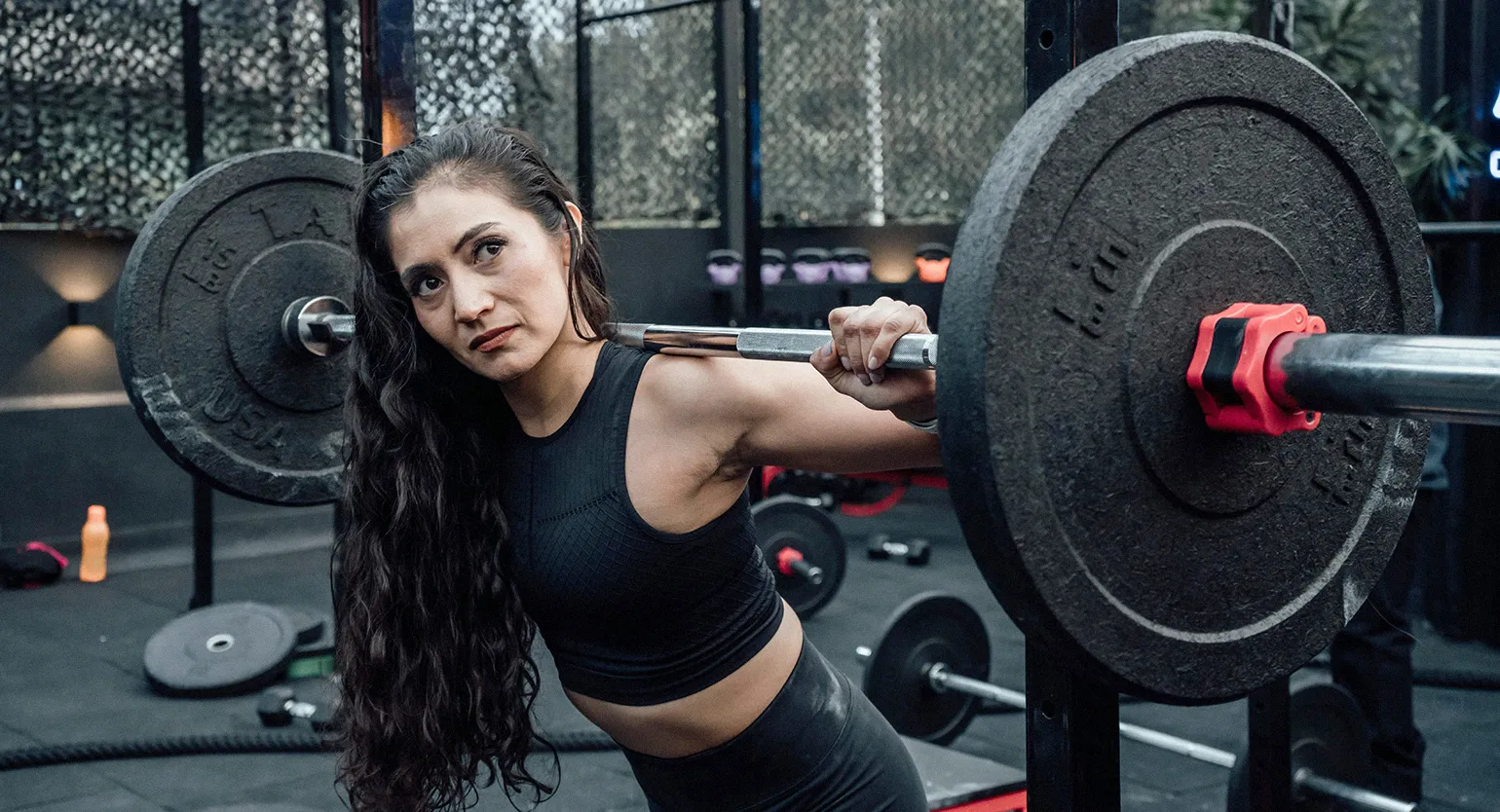
Strength training is an effective method of physical activity aimed at strengthening muscles and bones, as well as developing strength and endurance. These exercises not only contribute to improving physical fitness but also support cardiovascular health. Regular strength training helps increase overall energy levels, improve metabolism, and strengthen the immune system, making it an important part of an active lifestyle.
Strength training is based on the principle of progressive overload, in which muscles are subjected to stress beyond their normal loads. In response, they increase in volume, adapting to the increased demands. Tension is created through the use of your own body weight, dumbbells, barbells, machines, and other types of sports equipment, such as resistance bands. This approach allows you to effectively develop strength and endurance, improving overall fitness and health. Regular strength training not only helps increase muscle mass but also improves metabolism, which can aid in weight control and increased energy levels.

Read also:
Cardio training is physical exercise that is aimed at improving the functioning of the cardiovascular system. These workouts include a variety of activities, such as running, swimming, cycling, aerobics, and many others. The main goal of cardio is to increase endurance, burn calories, and improve overall health.
The benefits of cardio are obvious: they strengthen the heart, improve circulation, and reduce stress. Regular exercise helps control weight, increase energy levels, and improve sleep quality. In addition, cardio promotes the production of endorphins, which has a positive effect on psycho-emotional well-being.
However, one should not forget about the potential harm of cardio training if approached incorrectly. Excessive loads can lead to injury, fatigue, and burnout. It is important to consider the individual characteristics of the body and gradually increase the intensity of training. Finding the optimal regimen and types of cardio will help avoid negative consequences and maximize their health benefits.
There is a belief that strength training is intended exclusively for gaining muscle mass, but this is far from the truth. Properly selected strength training exercises promote weight loss, strengthen the muscular corset that protects the spine, slow down age-related changes in muscles and bone tissue, accelerate recovery from injuries, and maintain overall physical fitness. In addition, strength training significantly improves metabolism and helps prevent depression. Thus, strength training is an important element of a healthy lifestyle.
Types of Strength Training
Strength training can vary depending on a person's goals and the methods used. It includes both bodyweight exercises and the use of resistance, such as free weights. Strength training helps develop muscle mass, increase strength, and improve overall physical fitness. The choice of training method depends on individual preferences and goals, whether building muscle mass, increasing endurance, or improving athletic performance. Proper load distribution and exercise sequence play a key role in achieving desired results.
- Strength training with free weights. In such training, barbells, dumbbells, kettlebells, and bands are used as loads. Exercises can be performed both in the gym and at home. They are suitable for working all muscle groups: from the legs and back to the arms and chest.
- Strength training with bodyweight. Here, your own body weight is used as load, rather than sports equipment. These workouts are based on push-ups, pull-ups, planks, squats, and lunges, which develop strength, endurance, and coordination. The advantage of bodyweight training is its versatility and safety, since the load naturally adapts to a person's abilities.
There are high-intensity programs that effectively combine cardio and strength training. These programs are aimed at simultaneously strengthening muscles and developing endurance. Strength training can be classified as personal, independent, and group, allowing everyone to choose the most appropriate format to achieve their fitness goals.
- Independent strength training. This is training without a trainer. The person chooses the exercises, creates the program, and monitors their technique. Independent training is suitable for those who are confident in their knowledge and have experience training with a trainer. However, it is important to understand the risks: improper technique and excessive training can lead to injury.
- Personal strength training. This is training with a trainer who selects a training program based on the chosen goal, monitors technique, and adjusts the load. This format helps to achieve results fairly quickly and avoid mistakes when performing exercises. This is especially important for beginners and those who want to work on specific muscle groups.
- Group strength training. Classes in small groups under the guidance of a trainer. Participants perform the same program, but take into account their abilities. This format is suitable for those seeking motivation and enjoy working in a team. An added bonus is that group training is usually less expensive than individual lessons with a trainer.

Reading is an important aspect of our lives. It not only develops thinking, but also enriches the inner world. In the process of reading, we gain new knowledge, expand our horizons and learn to analyze information. Immersing yourself in books helps improve vocabulary and writing skills.
The variety of genres and styles ensures there's something for everyone. Reading fiction develops imagination and empathy, while scientific articles and publications help deepen understanding of various topics. Regular reading helps improve concentration and memory.
Don't forget that reading can be part of your daily routine. Set aside time for reading throughout the day to reap the maximum benefits. Ultimately, reading not only enriches our knowledge but also makes our lives more fulfilling and interesting.
A fitness trainer is a specialist who helps people achieve their health and physical activity goals. They develop individualized training programs based on the client's fitness level, physical capabilities, and goals. Fitness trainers are trained in various training methods, nutrition, and motivation, allowing them to effectively support clients on their journey to improved fitness and overall well-being.
A fitness trainer's job includes not only teaching classes but also monitoring progress, providing nutrition and lifestyle advice, and creating a positive training environment. It's important to note that fitness trainers can specialize in various areas, such as strength training, cardio, yoga, or rehabilitation, allowing them to tailor their methods to the needs of different clients.
In today's reality, fitness trainers can also offer online classes, making their services accessible to a wider audience. Collaborating with a qualified fitness trainer can significantly accelerate the process of achieving results and increase motivation for regular training.
Why Strength Training
Strength training is not only a way to create an attractive physique, but also an important element of overall health. Research shows that regular resistance training promotes weight loss, increases endurance, and strengthens the muscular corset. In addition, strength training reduces the risk of developing cardiovascular disease, osteoporosis, and type 2 diabetes. Integrating strength exercises into your training program can significantly improve overall health and quality of life.
Strength training helps maintain the body in excellent physical shape. Although a person has a fairly strong skeleton and bone tissue, a muscular system is essential for their support. This "muscle shell" is formed, in part, through regular strength training. Such exercises result in improved posture and a reduction in the frequency of headaches. Strength training not only strengthens muscles but also has a positive effect on overall health. Alla Makoeva is a name that has become a symbol of creativity and inspiration. She is known for her unique approaches to various artistic fields, including painting, literature, and music. Alla Makoeva's works are distinguished by their depth of thought and emotional richness. Each of her projects embodies a unique philosophy, challenging viewers and listeners to reflect on life and its meaning. Alla is actively involved in cultural life, hosting exhibitions and master classes, where she shares her experience and knowledge. Her contribution to the development of contemporary art cannot be overstated, and her work continues to inspire a new generation of artists and creative individuals.
Regular exercise is key to maintaining muscle mass in adults. Research shows that without regular exercise, people lose 3 to 8% of their muscle mass over ten years. Strength training two to three times a week can slow this muscle aging process and even promote muscle growth. Regular exercise can result in an increase of over 1 kg of muscle mass over 2 to 3 months. This underscores the importance of physical activity for maintaining health and fitness at all stages of life.
Regular exercise helps reduce visceral fat—fat deposits that accumulate in the abdominal cavity and surround the internal organs. Visceral fat is a serious problem, as its excess can lead to obesity, cardiovascular disease, and other serious diseases. Maintaining physical activity plays a key role in weight management and improving overall health, reducing the risk of chronic diseases. Incorporating a variety of exercises into your daily routine will help effectively combat visceral fat and improve your quality of life.
During strenuous exercise, muscles actively use glucose as their primary energy source. This leads to normalized blood glucose levels, which contributes to improved metabolism and overall fitness. Regular exercise helps maintain optimal blood sugar levels, which is especially important for preventing diabetes and other diseases. Maintaining glucose balance in the body also helps increase endurance and improve athletic performance.
Regular exercise helps increase cellular sensitivity to insulin. This allows the body to use insulin more effectively to control blood glucose levels. Improving insulin sensitivity plays a key role in maintaining normal metabolism and preventing diseases associated with carbohydrate metabolism disorders.
With age, bone density decreases, leading to bone fragility and an increased risk of fractures, even with minor injuries. This condition is especially relevant for women during menopause, when hormonal changes contribute to deterioration of bone tissue. To maintain bone health, it is important to focus on preventative measures.
Studies show that six months of regular strength training can increase bone density by more than 2% in men and by 1.5% in women. This physical activity activates osteoblasts, the cells responsible for producing new structural elements of bone tissue. As a result, bones become denser and stronger, which is especially important for the prevention of osteoporosis. Osteoporosis leads to bone loss and an increased risk of fractures, so regular strength training plays a key role in maintaining bone health and the skeletal system as a whole.
Strength training helps improve balance and coordination and reduces the risk of falls, which can lead to injury. Regular strength training strengthens muscles, increases body stability, and improves overall fitness. This is especially important for older adults, as strengthening muscles and improving coordination can help prevent accidents and maintain independence in everyday life.
Who Shouldn't Do Strength Training
Strength training is safe for most people, but in certain cases, you may need to choose alternative forms of physical activity. If you have medical contraindications or injuries, it is recommended to consult a specialist to determine the most appropriate training regimen. Alternative forms of physical activity, such as aerobics, yoga, or swimming, can be safer and more effective for maintaining health and fitness.
Of course, I am ready to help with text editing. Please provide the original text that you want me to revise.
Training with heavy weights is not recommended for people suffering from intervertebral herniated discs and protrusions, since high loads can worsen the health condition. Strength training should also be avoided if you have arthritis, arthrosis, or coxarthrosis, as it places significant stress on your joints. In such cases, it's preferable to do Pilates, stretching, or exercises with light dumbbells (1-2 kg), but avoid jumping. Choosing the right physical activity will help maintain your health and prevent exacerbation of chronic conditions.Alla Makoeva is a talented specialist in her field, possessing extensive experience and knowledge. She is known for her projects, which attract attention and inspire many. Working on various initiatives, Alla demonstrates a high level of professionalism and creativity. Her approach is always individualized, allowing her to achieve excellent results and meet her clients' needs. Alla actively shares her experience and knowledge, which makes her a valuable expert in the industry.

Read also:
Pilates is a system of physical exercises designed to strengthen muscles, improve flexibility, and enhance overall fitness. This method is suitable for both beginners and more experienced athletes. Pilates emphasizes proper breathing, body alignment, and movement control, which promotes not only physical but also mental well-being.
The benefits of Pilates lie in its ability to strengthen the core muscles, which improves posture and reduces the risk of injury. Regular Pilates practice helps develop flexibility, increase strength, and improve balance. Furthermore, Pilates helps reduce stress and improve concentration.
Beginners are recommended to begin with basic exercises such as Leg Raises, Cats, and Chair Twists. These exercises will help you master the basic principles of Pilates and strengthen your muscles without overexerting yourself. You can gradually add more complex elements, adapting the workouts to your needs and fitness level.
Pilates not only improves your physical fitness but also supports your mental and emotional well-being, making it an ideal choice for maintaining health and vitality.
Strength training may not be recommended in some cases. Contraindications to such activities may include serious cardiovascular conditions, such as hypertension and coronary artery disease, which require special attention. Also, consider the presence of joint and bone conditions, such as arthritis or osteoporosis, which can be aggravated by strength training.
People with chronic lung diseases, such as asthma or COPD, should also exercise caution. Contraindications may also apply to mental disorders, such as severe depression or anxiety disorders, in which physical activity can have a negative impact on overall well-being.
If you have other medical conditions, such as diabetes or metabolic issues, it's important to consult a doctor before beginning strength training. It's also important to remember that pregnant women and people recovering from surgery should approach strength training with particular caution. It is always recommended to undergo a preliminary examination and receive individual recommendations from a qualified specialist.
- cardiovascular diseases (hypertension, arrhythmia, or a recent heart attack);
- joint diseases (arthritis, arthrosis, coxarthrosis);
- advanced osteoporosis;
- hernias and protrusions of the spine;
- infections and inflammations in the acute stage;
- some chronic diseases (bronchial asthma, renal failure);
- pregnancy.
5 simple strength exercises that you can do at home
Unprepared people, starting training with heavy weights, risk injury. To avoid this, it is recommended to start with exercises with your own weight or light dumbbells weighing 2-5 kg. Regular training 2-3 times a week will help strengthen your muscles and prepare your body for more challenging workouts. A proper approach to training will reduce the risk of injury and increase the effectiveness of your workouts. For beginners, it is recommended to perform three sets of ten repetitions of each exercise. Over time, you can increase the number of sets for greater results. Properly organized training promotes effective development of strength and endurance. Regularity and a gradual increase in load will help you achieve your fitness goals.

Read also:
In 2024, home workouts are becoming increasingly popular, and choosing the right apps plays a key role in achieving your fitness goals. This article presents the five best home workout apps that will help you maintain your fitness and improve your results.
The first app offers a variety of workouts tailored to your fitness level. It includes video tutorials to help you master proper exercise technique. The second app focuses on creating a personalized workout plan that adapts to your preferences and goals. The third app has an intuitive interface and provides access to a large number of trainers, allowing you to choose classes that are right for you.
The fourth app focuses on functional training and includes elements of yoga and stretching, which helps improve flexibility and overall fitness. The fifth app offers the unique opportunity to train in real time with friends or a trainer, making your workouts more fun and motivating.
These apps will help you organize your home workouts, regardless of your fitness level. Choosing the right app will significantly increase the effectiveness of your workouts and achieve your desired results.
To perform crunches, you need to lie on your back on a flat surface. Bend your knees, placing your feet shoulder-width apart on the floor. Your hands can be placed behind your head or crossed over your chest. Performing crunches correctly not only strengthens your abdominal muscles but also improves your overall fitness.
When performing abdominal exercises, it's important to engage your muscles correctly. Lift your upper body toward your knees, keeping your lower back pressed firmly into the floor. Move smoothly and in a controlled manner, avoiding any sudden movements. Exhale as you lift, and inhale as you return to the starting position. This approach will ensure maximum training effectiveness and minimize the risk of injury.
Squats are one of the basic exercises that help strengthen the muscles of the legs, buttocks, and core. To perform squats correctly, it is important to take the correct starting position: stand straight with your feet shoulder-width apart or slightly wider, with your toes slightly turned out. Your arms can be extended forward, placed on your hips, or crossed over your chest for better balance. Regular training using this exercise not only promotes muscle development but also improves overall fitness and endurance. Squats also help develop flexibility and coordination of movements, making them an important part of any fitness program.
To perform the exercise correctly, slowly bend your knees, pushing your pelvis back, as if you were about to sit on a chair or sofa. It is important to maintain a straight back and not round your lower back to avoid injury and maximize the effectiveness of the exercise.
Squats should be performed smoothly, without sudden movements, with an emphasis on maintaining balance and proper breathing. Inhale as you lower into the squat and exhale as you rise. This approach not only improves your technique but also helps increase its effectiveness. Proper breathing and movement control will help minimize the risk of injury and ensure maximum benefit to the leg and gluteal muscles.
Lunges are one of the most effective exercises for developing and strengthening the leg and gluteal muscles. They actively engage the quadriceps, hamstrings, and gluteal muscles, promoting their tone and increasing strength. Regularly performing lunges helps improve overall fitness, balance, and coordination. This exercise can be modified by adding weights or changing the angle, making it suitable for both beginners and experienced athletes. Lunges also help improve flexibility and can help prevent injuries. Include them in your training program for maximum results.
To perform lunges, you need to take a starting position: stand up straight, feet shoulder-width apart, hands on your hips or along your body. Then take a wide step forward with one leg, while keeping your torso upright. Lunges are an effective exercise for training the leg and gluteal muscles, improving their strength and endurance. Proper lunge technique helps prevent injury and ensures maximum workout effectiveness.
Bend your knees so that your front thigh is parallel to the floor and your back knee is close to the floor without touching it. Hold this position for a few seconds.
To rise, push off with the heel of your front foot, then return to the starting position. Then repeat the same movement with the other leg. This process helps develop strength and coordination, which is important for effective exercise performance. Regular training with an emphasis on proper technique will help improve your results and prevent injury.
The plank is a static exercise that effectively strengthens the muscles of the core, back, shoulders, and legs. This exercise helps develop strength and endurance, improves posture, and promotes spinal stabilization. Regularly performing the plank helps to improve overall muscle tone and improve physical fitness. Incorporating the plank into a training program can significantly improve results in other exercises and sports.
To perform the plank, you need to take a push-up position, resting on your palms or forearms. It is important that your elbows are directly under your shoulders and your hands are pointing forward. Correct plank technique helps strengthen the core muscles, improves posture, and increases overall physical fitness.
To perform the exercise, you need to straighten your body in one line, avoiding arching in the lower back and lifting the pelvis. Hold this position for 30 to 60 seconds, tensing your abdominal, gluteal, and leg muscles. Keeping your gaze downward is key, as this will help prevent neck strain and ensure proper posture. Regular practice of this exercise will help strengthen your core muscles and improve your posture.
Lying leg raises are an effective exercise for strengthening the abdominal muscles, with a particular emphasis on the lower part. This movement helps develop strength and endurance of the abdominal muscles, which contributes to improving overall physical fitness and maintaining correct posture. Regularly performing leg raises not only contributes to the aesthetic appearance of the abdominal area but also improves the functionality of the core, which can positively affect results in other sports activities.
To perform the exercise correctly, you need to lie on your back on a flat surface. Place your arms along your body, palms down. For increased comfort and additional support, you can place your hands under your buttocks. This will help provide stability and reduce stress on the lower back during the exercise.
After this, straighten your legs, bring them together, and raise them to an angle of approximately 45 degrees relative to the body. Keep your back pressed firmly into the floor to maximize the exercise's effectiveness and prevent injury.
To effectively engage your abdominal muscles, lower your legs slowly, without allowing them to fully touch the floor. This will help maintain tension in the muscles. Repeat the exercise several times. Exhale as you raise your legs and inhale as you lower them. This approach helps improve breathing control and increase the load on the abdominal muscles.
Free test: which digital profession is right for you?
IT, design, marketing or management? Find out the answer in 15 minutes. And then try your hand at a new specialty for free.
Find out more