Contents:

Thinking about a new profession, but don't know where to start? Find out what suits you: IT, design, game development, management or marketing. Take a free career guidance course.
Learn moreYou will learn how to effectively optimize your content for search engines. We will discuss key aspects of SEO, including choosing the right keywords, creating high-quality content, and optimizing meta tags. You will receive practical recommendations for improving your website's visibility in search engines, which will help attract a larger target audience and increase conversions. We will also cover the importance of internal and external link structure, as well as competitor analysis techniques for achieving better results.
- What is aging and how does it affect the skin;
- What influences skin aging and when does it begin;
- What types of skin aging are there and how to delay this process.
We launched the "How Are You?" Telegram channel, where we share knowledge about self-development, psychology, as well as effective methods of learning and building a career at any age in a convenient format. Subscribe to stay up-to-date with helpful tips and relevant content.
What is Aging?
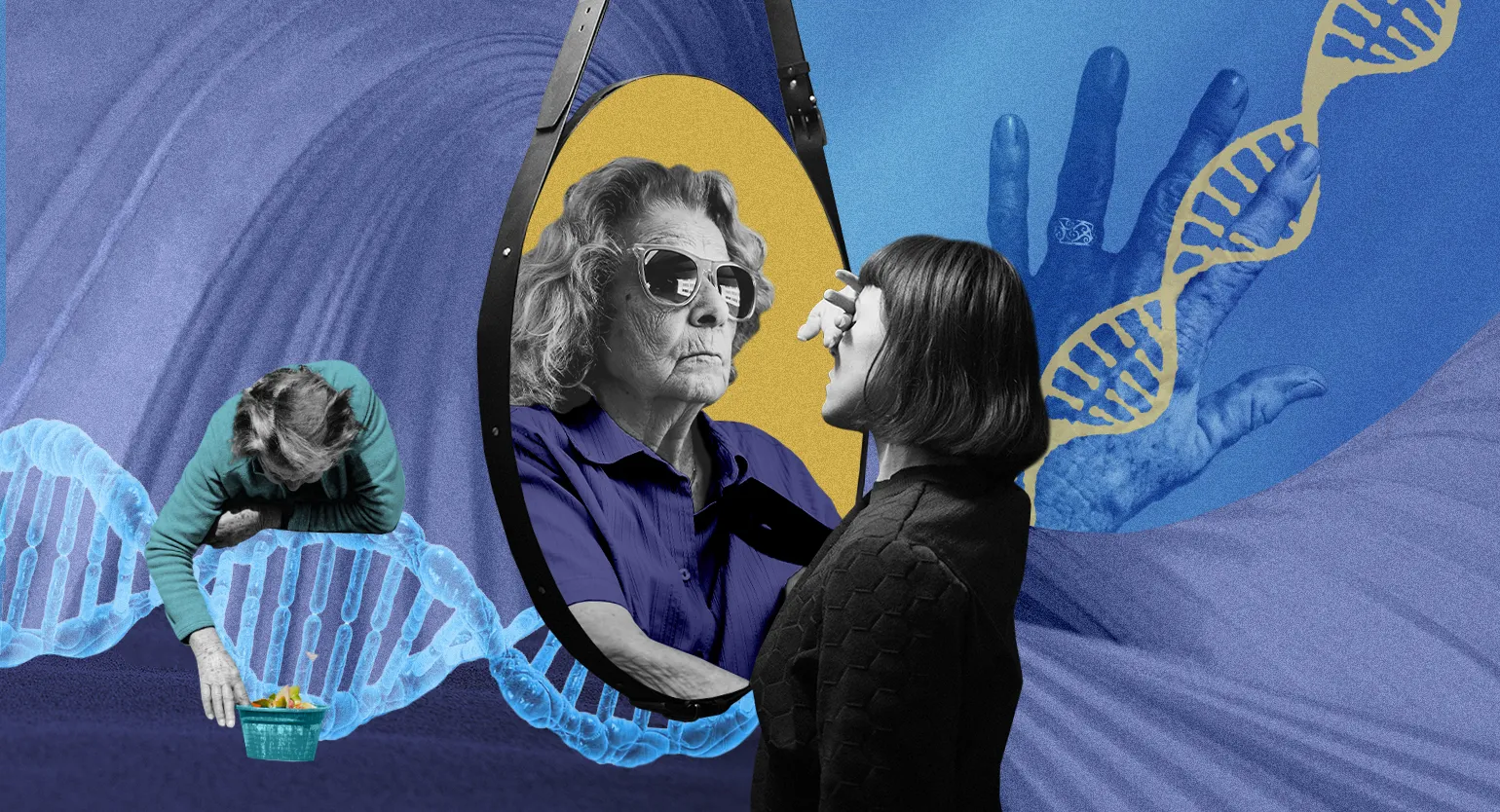
Aging is a natural process characterized by a decline in body function due to molecular and cellular damage. The scientific community has not reached a consensus on the causes of aging, but one of the most common theories is that DNA (deoxyribonucleic acid) damage is the primary factor. This damage accumulates with age, leading to changes in cells and tissues that impact overall health and longevity. Understanding the mechanism of aging and the factors that contribute to this process is essential for developing methods to slow down aging and improve quality of life in old age.
Every DNA molecule in the human body undergoes changes throughout life, leading to its gradual destruction. This process triggers a unique response in the body—grief—resulting in the production of proinflammatory proteins. These proteins activate chronic systemic inflammation, which contributes to the development of age-related diseases and accelerates the aging process. Understanding this relationship between DNA changes and aging may help develop methods for preventing and treating age-related diseases.
Read also:
Aging is a complex biological process that is characterized by a gradual deterioration of the body's functions over time. Scientifically, aging is associated with the accumulation of cellular damage caused by various factors, including oxidative stress, genetic changes, and environmental influences. DNA molecules, proteins, and lipids undergo changes, leading to a decrease in cellular activity and the ability to self-repair.
An important aspect of aging is its genetic predisposition, as well as the influence of external factors, such as lifestyle and nutrition. Scientific research shows that active physical activity, proper nutrition, and avoiding unhealthy habits can slow the aging process and improve quality of life in old age.
Aging is also associated with changes in hormonal levels, which can affect metabolism, the immune system, and overall health. Studying the mechanisms of aging opens new horizons for the development of methods to slow this process and increase lifespan. Thus, aging is not simply a biological process but also an area of active scientific research aimed at improving the understanding and management of aging. Aging is a complex and systemic process that affects cognitive functions such as memory, as well as overall health and appearance. One of the most noticeable aspects of aging is changes in skin condition. With age, skin loses elasticity and hydration and can manifest as wrinkles, pigmentation, and other signs of aging. These changes are associated with both internal factors, such as genetics and hormonal changes, and external influences, including sun exposure, pollution, and improper skincare. Understanding the aging process can help develop effective skin care strategies and maintain healthy skin throughout life.
How Skin Aging Manifests
Key signs of skin aging include:
Decreased firmness and elasticity, leading to wrinkles and sagging. Decreased skin moisture levels, making the skin appear drier and duller. The appearance of age spots caused by sun exposure and age-related changes. Slower cell regeneration, which slows the healing and renewal process. Changes in texture, which can manifest as roughness and unevenness.
These factors indicate aging skin and require proper care and attention. The right choice of cosmetics, regular moisturizing and protection from sun radiation will help slow down these processes and maintain healthy skin.
- loss of elasticity and firmness;
- formation of age spots;
- thinning of the skin;
- sagging and wrinkles;
- appearance of roughness and general dryness;
- changes in complexion, dullness.
Minor and possible signs of aging of the skin of the face and neck include swelling, porosity of the skin, telangiectasia (the appearance of spider veins), rosacea, stellate angiomas (benign vascular neoplasms), hyperpigmentation and papillomas. These changes may indicate decreased elasticity of the skin, deterioration of its texture and general condition. Skin care, proper skincare, and preventative measures can help slow the aging process and maintain healthy skin for a long time. Signs of aging and their severity can vary significantly depending on ethnicity. These differences are due to both genetic factors and cultural aspects of skincare. For example, people of different ethnic groups may have different skin types, which influence the aging process. It's also important to consider that lifestyle, climate, and personal care habits can significantly impact the appearance and health of skin as we age. Understanding these nuances will help in developing individual skin care strategies and slowing down the aging process.
Evgenia Makrantonaki, a physician from the Departments of Dermatology, Allergology, Venereology and Immunology at the Dessau Medical Center in Germany, presented some interesting statistics.
- Wrinkles, flaking, and sagging appear earlier in Caucasians than in people with other skin types.
- Problems with pigmentation are more common in people of the Negroid race.
- Dry skin often increases with age in African-American and Caucasian women.
When looking at reels with young Korean and Chinese women demonstrating their skin care products, one should not be surprised or envious. Indeed, the process of wrinkle formation in Chinese women slows down by about ten years compared to French women. However, Chinese women also have their own problems: they have more pronounced wrinkles around the eyes than Japanese women. Furthermore, they are more likely to develop age spots after age 40 than European women, such as French women. Thus, despite their impressive appearance, skin care remains a pressing issue for women everywhere.

Explore additional materials:
There are two types of envy: black and white. Black envy manifests itself in negative feelings and intentions, when a person wishes harm to others and rejoices in their failures. White envy, on the contrary, has a positive direction - it can serve as a source of motivation, encouraging a person to strive for the better. Distinguishing between these two types of envy is important for understanding your emotions and behavior.
Combating black envy is essential, as it can destroy relationships and negatively impact your mental state. It is important to recognize your feelings and look for ways to transform them into something constructive. White envy, although considered less dangerous, can also lead to negative consequences if your ambitions are not controlled.
Understanding these differences will help you not only cope with your own feelings but also build more harmonious relationships with others. By developing mindfulness and a positive attitude towards the success of others, you can turn envy into a source of inspiration rather than destruction.
What Causes Skin Aging
Internal and external factors have a significant impact on various processes and results. Internal factors include: Internal factors include organizational structures, corporate culture, employee resources and competencies, as well as internal processes and technologies. These aspects determine a company's performance and its ability to adapt to environmental changes. It is important to recognize that internal factors can both contribute to success and create obstacles to development. External factors include the economic situation, legislation, the competitive environment, social trends, and technological change. These aspects shape the conditions in which an organization operates and require flexibility and a willingness to change.
Understanding the internal and external environment allows companies to develop strategies aimed at optimizing resources and increasing competitiveness.
- skin type;
- genetics;
- cellular metabolism;
- hormonal processes.
External factors that contribute to the deterioration of skin condition include: exposure to ultraviolet rays, environmental pollution, poor diet, stress, lack of moisture, and the use of low-quality cosmetics. These factors can cause various problems, such as dryness, inflammation, acne, and premature aging of the skin. Caring for your skin requires a comprehensive approach, including protecting it from harmful influences and maintaining a healthy lifestyle.
- exposure to sunlight, ultraviolet radiation;
- environmental pollution (urban dust, car smog);
- ionizing radiation (you can be exposed to it when working with radioactive materials);
- chemicals (for example, paraffin in cosmetics);
- toxins (in particular, those contained in alcohol and fast food).
Scientists have identified several individual factors that influence skin aging. These factors can have a significant impact on the appearance and health of the skin. Age is one of the main factors, but genetic predisposition, hormone levels, lifestyle, and environment also play a significant role. For example, exposure to sun radiation, smoking, and poor diet can accelerate the aging process. In addition, stress and lack of sleep also negatively affect the condition of the skin. Understanding these factors allows us to develop effective strategies for skin care and slowing down its aging, which is especially important for maintaining youth and attractiveness.
- lack of physical activity;
- bad habits;
- poor or poor nutrition;
- poor sleep;
- chronic stress.

Read also:
Stress is the body's natural response to various life challenges and pressures. It can manifest itself both physically and emotionally, and its impact on health can be significant. Chronic stress can lead to various health conditions, including cardiovascular disease, digestive disorders, immune system problems, and mental disorders.
It's important to understand that stress can be both positive and negative. Positive stress, known as eustress, can motivate and promote growth, while negative stress, or distress, can cause anxiety and negatively impact overall health. To minimize the negative impact of stress, it's helpful to use stress management techniques such as meditation, physical activity, and proper nutrition.
Preventing stress and its consequences includes regular exercise, getting enough sleep, and building social connections. Learning to manage stress and seeking professional help in a timely manner can significantly improve your quality of life and overall health.
When Skin Starts to Aging
Doctor of Medical Sciences Inna Kolgunenko identified two main types of signs of skin aging: signs of premature aging and natural aging. Premature aging can be caused by external factors such as solar radiation, pollution, and improper skin care. In contrast, natural aging is the result of biological processes that occur in the body with age. Understanding these categories allows you to more effectively approach skin care issues and choose methods to combat age-related changes.
Premature skin aging can appear as early as 50 years. Scientists distinguish several age categories susceptible to this process: from 21 to 30 years, from 31 to 40 years, and from 41 to 50 years. Each of these groups experiences different signs of aging, such as loss of firmness, wrinkles, and changes in skin texture. It's important to understand that factors contributing to premature aging can include not only age but also lifestyle, diet, stress levels, and environmental exposures. Taking care of your skin early in life can significantly slow this process. People with early aging look four years older than their biological age and notice changes associated with the aging process early on. These changes can manifest as wrinkles, loss of firmness, and changes in skin color and texture. Early aging can be caused by a variety of factors, including genetic predisposition, sun exposure, poor diet, and stress. It is important to pay attention to skin care and maintain a healthy lifestyle to slow down the aging process and maintain youth as long as possible.
- impaired skin tone and elasticity;
- deepening of wrinkles and folds;
- excess skin on the upper eyelid (this is called a "drooping upper eyelid");
- thinning of the epidermal skin.
Natural aging is a process that occurs gradually and imperceptibly, starting from the age of 51. This process is divided into several stages, each of which is characterized by certain changes in the body. With age, metabolism slows down, hormone levels decrease, and the condition of the skin changes. It is important to understand that aging is a natural process, and its manifestations may vary from person to person. Taking care of your health, proper nutrition, and an active lifestyle can significantly slow down aging and improve your quality of life.
- From 51 to 60 years old.
- From 61 to 75 years old.
- From 76 years and older.
Skin aging is an individual process that does not follow a universal schedule. This process occurs differently for each person. Some begin to notice signs of pigmentation as early as age 30, while others may not encounter this problem throughout their lives. Understanding the factors that influence skin aging will help you develop effective strategies for caring for it and preventing unwanted changes.

Reworked text:
Check out our recommendations and helpful articles. Here you will find up-to-date information on various topics that will help you expand your knowledge and improve your skills. We regularly update our content to provide you with the freshest and most valuable materials. Don't miss the opportunity to learn more and grow with us.
Brain Training in Older Age: 5 Effective Methods
Maintaining mental activity in old age plays a key role in preserving cognitive function. With age, the brain's ability to adapt and learn may decline, but regular exercise can help slow this process. Let's look at five effective ways to improve brain function.
Reading books is one of the best ways to keep your mind sharp. Immersing yourself in literature develops your imagination, improves your vocabulary, and promotes a better understanding of the world around you. Reading a variety of genres helps activate different areas of the brain.
Learning a new language also helps develop cognitive skills. This process requires concentration, memory, and analytical ability. By learning a foreign language, older adults not only learn new words and grammar rules but also improve their communication skills.
Solving puzzles, crosswords, and Sudoku actively trains the brain and improves memory. These activities help maintain mental activity, develop logical thinking, and problem-solving skills. Regular brain training through entertainment can be not only beneficial but also engaging.
Physical activity is also crucial for brain health. Moderate exercise improves blood circulation and oxygen supply to the brain. Walking in the fresh air, practicing yoga, or swimming not only helps maintain physical fitness but also improves mood and overall health.
Social interactions, such as talking with friends and participating in group activities, contribute to improved cognitive function. Communication helps develop emotional intelligence, strengthens memory, and reduces the risk of depression.
By following these five brain training methods, older adults can significantly improve their cognitive function and quality of life. Regular efforts to maintain mental activity can lead to long-term positive changes in health.
What are the different types of skin aging?
Aging can be classified into two main types: physiological and pathological. Physiological aging is a natural process that occurs in every person and is characterized by age-related changes in the body. Pathological aging, in turn, is associated with various diseases and disorders that can accelerate the aging process and negatively impact health. Understanding these two types of aging helps develop strategies to slow the aging process and improve the quality of life of older adults.
- Intrinsic (chronological) aging occurs gradually throughout life, damages tissues throughout the body, and is responsible for thinning and dry skin, fine wrinkles, and sagging.
- Extrinsic (photoaging) aging is caused by external and social factors, accelerates the aging process overall, and leads to more visible signs of aging on the skin (coarse wrinkles, severe loss of elasticity, and uneven skin tone).
Scientists introduce the term "aging morphotype," which covers a range of skin condition indicators and determines how appearance will change with age. According to Inna Kolgunenko's classification, there are four main morphotypes of facial and neck skin. These morphotypes help understand individual aging characteristics and develop appropriate skin care methods to maintain youthful and healthy skin for years to come.
The main characteristic of this type is a change in the shape of the face and neck.
With age, the skin loses elasticity, leading to sagging cheeks and bags under the eyes. Hyperpigmentation and folds in the neck may also occur. Drooping eyelids give the face a tired appearance, and the facial contours become less defined. Nasolabial folds become more noticeable, and the skin texture may become dense and shiny. This aging process is often referred to as deformation-edematous. This phenomenon requires attention and can be corrected with the help of various cosmetic procedures and proper skin care.
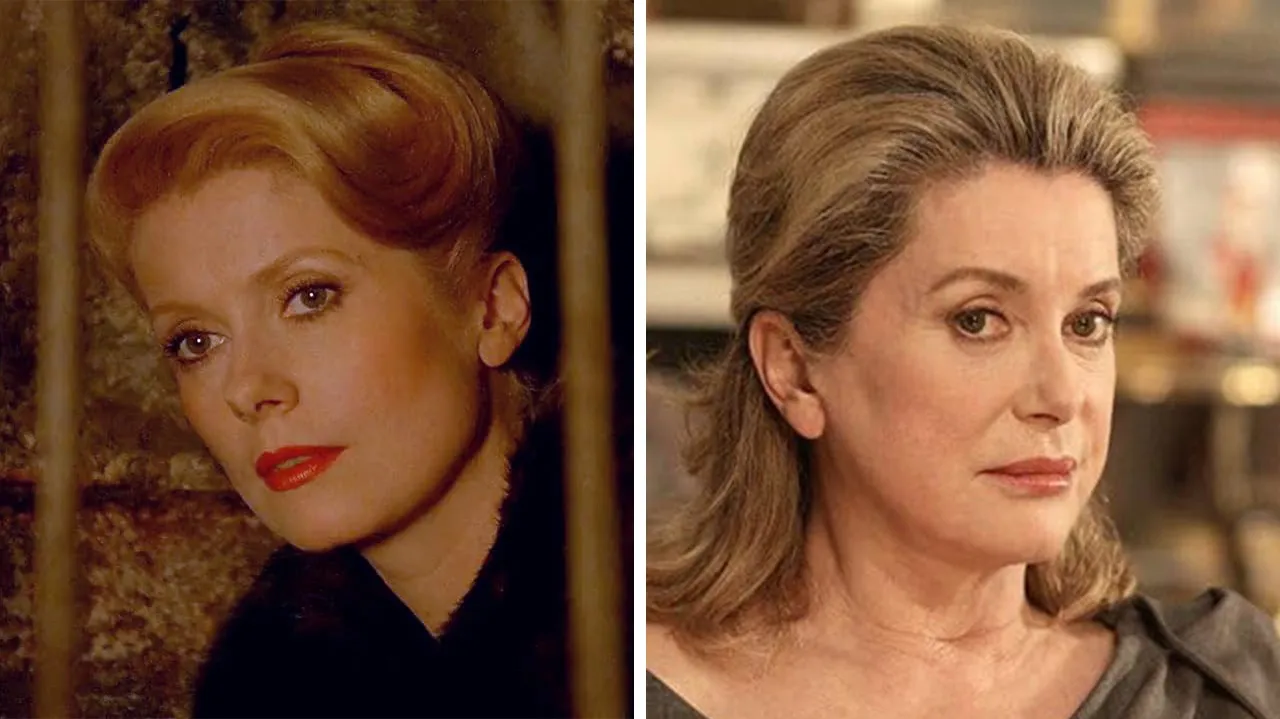

Skin aging manifests itself Reduced elasticity and dehydration lead to changes in the epidermis and dermis. Expression wrinkles are particularly noticeable, often forming on the neck and around the upper and lower lips. These changes indicate the need for skin care to slow the aging process and maintain its health and appearance. The right choice of cosmetics and regular procedures can significantly improve the condition of the skin and minimize the signs of aging.
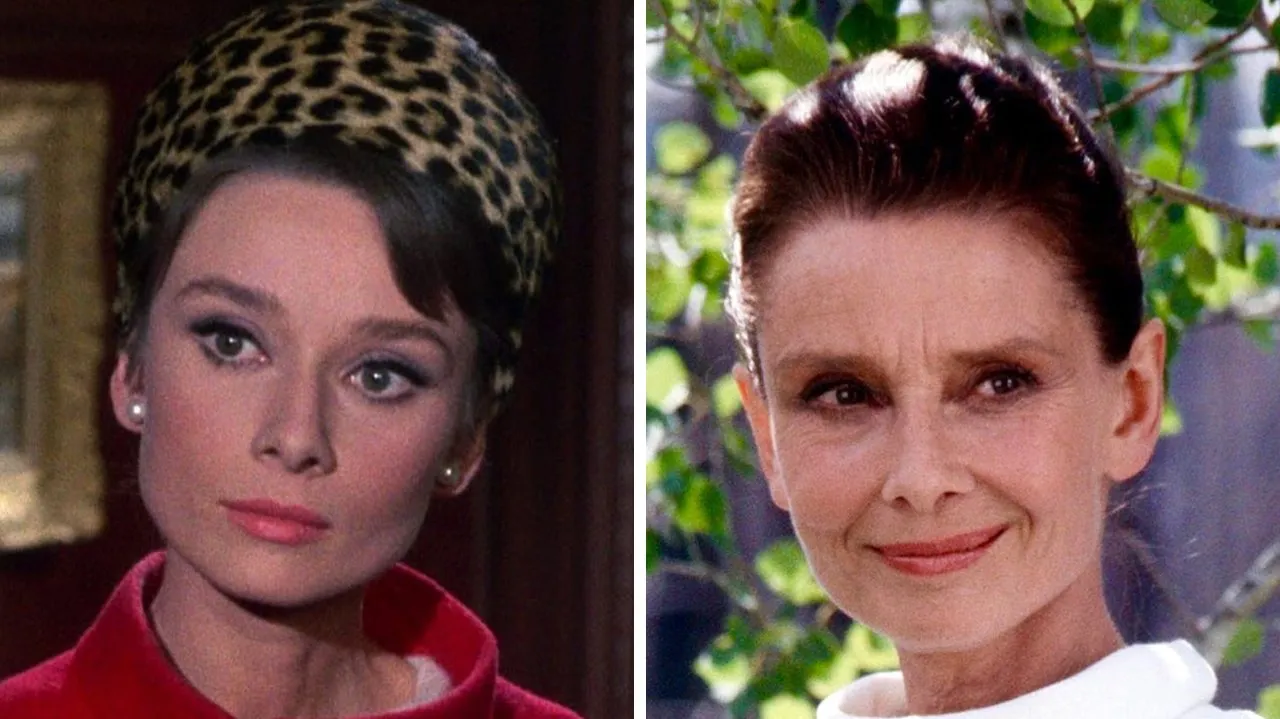
This condition is most commonly observed in residents of Central Asia and the Far East. It manifests as pigmentation changes, drooping corners of the lips, the formation of folds on the upper and lower eyelids, and pronounced nasolabial folds. These changes may indicate various age-related or environmental factors affecting the skin's condition. Correction of such manifestations may require a comprehensive approach, including cosmetic procedures and skin care.
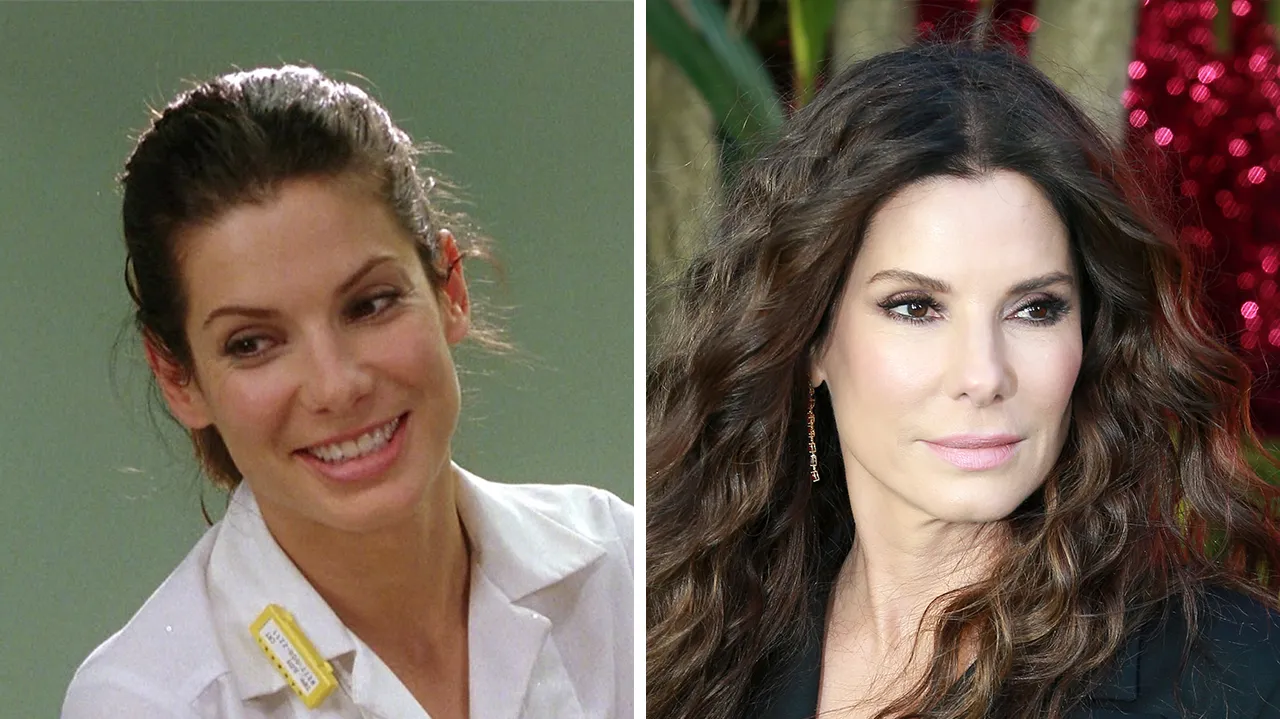
Scientists distinguish mixed (or combined) aging morphotype, which combines features of fine-wrinkle and deformation types. After 75 years, a combined type of late aging of the face and neck may appear, sometimes called "senile-weary face." This type of aging is characterized by both wrinkles and changes in the facial contour, which requires special attention in skin care. Understanding these morphotypes helps develop effective strategies for slowing the aging process and maintaining youthful skin.
How to Delay Skin Aging
The sun is one of the skin's main enemies. Ignoring SPF products and prolonged exposure to the sun can negatively affect skin health. Using sunscreen will help prevent premature aging, sunburn, and other skin damage associated with ultraviolet radiation. Take care of your skin by using SPF even on cloudy days to keep it looking young and healthy.

Read also:
Vitamin D: Norms and Deficiency
Vitamin D plays a key role in maintaining health and normal functioning of the body. It is responsible for the absorption of calcium and phosphorus, which helps strengthen bones and teeth. Vitamin D norms vary depending on age, gender, and living conditions. For children and adolescents, the recommended vitamin D level is 400 to 800 IU per day, while adults need 600 to 800 IU, and older adults need up to 1,000 IU.
Vitamin D deficiency can lead to various health problems, including osteoporosis, rickets in children, and a weakened immune system. Symptoms of deficiency can include fatigue, muscle weakness, and an increased susceptibility to infections.
To avoid deficiency, it is important to get enough vitamin D through sunlight and foods such as fatty fish, eggs, and dairy products. In some cases, vitamin D supplements may be necessary, especially during the winter months or for people with limited access to sunlight. Regular medical checkups will help monitor your vitamin D levels and prevent deficiency. Good health rests on three key pillars: adequate sleep, regular physical activity, and a varied diet. Adequate sleep promotes recovery, while regular physical activity strengthens muscles and improves overall well-being. A varied diet provides the body with all the necessary nutrients. By paying attention to these aspects, you can significantly improve your quality of life and maintain good health. To slow down the skin aging process, scientists recommend several important measures. First, regularly moisturize your skin using creams and gels containing hyaluronic acid and other nourishing ingredients. Second, it is essential to protect your skin from the sun's rays with sunscreen, as UV rays contribute to premature aging. It is also important to monitor your diet: a diet rich in vitamins, antioxidants, and omega-3 fatty acids will help maintain skin firmness and elasticity. It is necessary to avoid bad habits such as smoking and excessive alcohol consumption, as they negatively affect the condition of the skin. Regular exercise improves blood circulation and promotes cell renewal. Finally, it is worth paying attention to quality sleep, as it is at night that skin restoration and regeneration occurs. Following these recommendations can significantly improve the condition of the skin and slow down the aging process.
- eat a balanced diet, consuming proteins, fats, carbohydrates;
- limit the calorie content of the diet (the total calorie content of food is calculated based on the energy needs of the body depending on age, gender, activity level);
- minimize or exclude processed foods (e.g. canned goods and convenience foods);
- eat more plant-based foods, especially mangoes, almonds, and avocados (they contain vitamins, minerals, antioxidants, and healthy fats that improve the condition of the skin).
The body needs not only internal support, but also external care. It's important to pay attention to your skin type and regularly use moisturizers. Proper skin care will help maintain healthy and beautiful skin, which is essential for overall well-being. Remember that regular skin care routines improve skin condition and boost self-confidence. To maintain healthy skin as you age, it's recommended to use cosmetics containing natural bioactive ingredients, such as cactus extracts. These products strengthen the skin's barrier function, providing protection from external factors, including microbes. They have antioxidant properties, promote rejuvenation, and help combat age spots. Choosing natural cosmetics with active ingredients not only improves the appearance of the skin, but also promotes its long-term health.

Read also:
The importance of competent content on the web cannot be overestimated. High-quality text not only attracts the attention of users, but also improves the site's ranking in search engines. Optimized content with keywords helps improve the visibility of your resource, which leads to increased traffic and, consequently, higher conversions. To achieve maximum results, it's essential to create unique and informative articles that align with the interests of your target audience. Don't forget about proper text structure, which helps readers easily digest the information. Regularly updating your content also plays a key role in maintaining relevance and user engagement.
Loving and accepting your body is an important step toward inner peace and harmony. Accepting your body helps improve self-esteem and overall well-being. To begin this process, you need to recognize that every body is unique and has its own characteristics.
Comparing yourself to others can lead to negative thoughts and feelings of dissatisfaction. Instead, focus on your strengths and achievements. Regular exercise and taking care of your health also contribute to a positive attitude toward your body.
Practicing gratitude for your body is another effective way. Take time every day to notice what works well in your body. This could be healthy skin, strong hair, or simply the ability to move.
Don't forget the importance of a positive environment. Being around people who support you and accept you for who you are will help build your confidence and self-esteem.
Also, pay attention to how you talk about yourself. Replacing negative statements with positive ones can significantly impact how you perceive your body.
By loving your body, you can not only improve the quality of your life but also set a role model for others, inspiring them to embrace self-acceptance.
Science is constantly evolving and actively researching the aging process. There are various methods for preserving youth, among which medicine and cosmetology occupy an important place. However, to effectively choose treatment methods and maintain beauty, it is necessary to consult a qualified specialist. Only a doctor can take into account individual characteristics, such as skin type and the presence of chronic diseases, and develop a personalized rejuvenation strategy.
Aging is a natural process that cannot be avoided. The desire to maintain youth and attractiveness is completely normal: everyone has the right to look the way they want. Although genetic factors remain beyond our control, we can minimize the impact of external factors on aging and provide the body with the necessary support throughout life. Proper skin care, a balanced diet, and an active lifestyle can significantly slow down the aging process and improve overall health.
Free career guidance
Take a short test and find out which profession is right for you, and then try your hand at your chosen specialty. At the end of the course, you will have a session with a career guidance specialist. It will help you decide on your career path.
Find out more