Contents:

Free test: which digital profession is right for you? Find out the answer in 15 minutes and try your hand at a new specialty.
Find out moreWhat are complex carbohydrates
Complex carbohydrates, also known as slow carbohydrates, are organic compounds consisting of carbon, hydrogen, and oxygen. These substances form long chains, which allows them to be slowly absorbed by the body. Complex carbohydrates are an important part of a balanced diet, providing stable energy levels and supporting health. They are found in foods such as whole grains, legumes, vegetables, and fruits, making them essential for a complete diet. Eating complex carbohydrates helps avoid sharp spikes in blood sugar, which contributes to better well-being and maintaining an optimal weight.
The main function of complex carbohydrates is to provide the body with glucose, which is a key source of energy for cells. Complex carbohydrates include starch, fiber, and glycogen. These nutrients can be found in a variety of foods, such as grains, whole grains, and legumes. Including complex carbohydrates in your diet helps maintain stable blood sugar levels and provides long-lasting energy, making them an important component of a healthy diet.

Also read relevant materials that will help you better understand the topic. We offer you useful articles and recommendations that will expand your knowledge and improve your skills in this area. Don't miss out on valuable resources and recommendations that can form the foundation for your continued learning and development.
A list of 22 carbohydrate-rich foods is an important aspect of a healthy diet. Carbohydrates play a key role in providing the body with energy and maintaining the proper functioning of all systems. Including carbohydrate-containing foods in your diet can help improve physical activity and maintain optimal blood sugar levels.
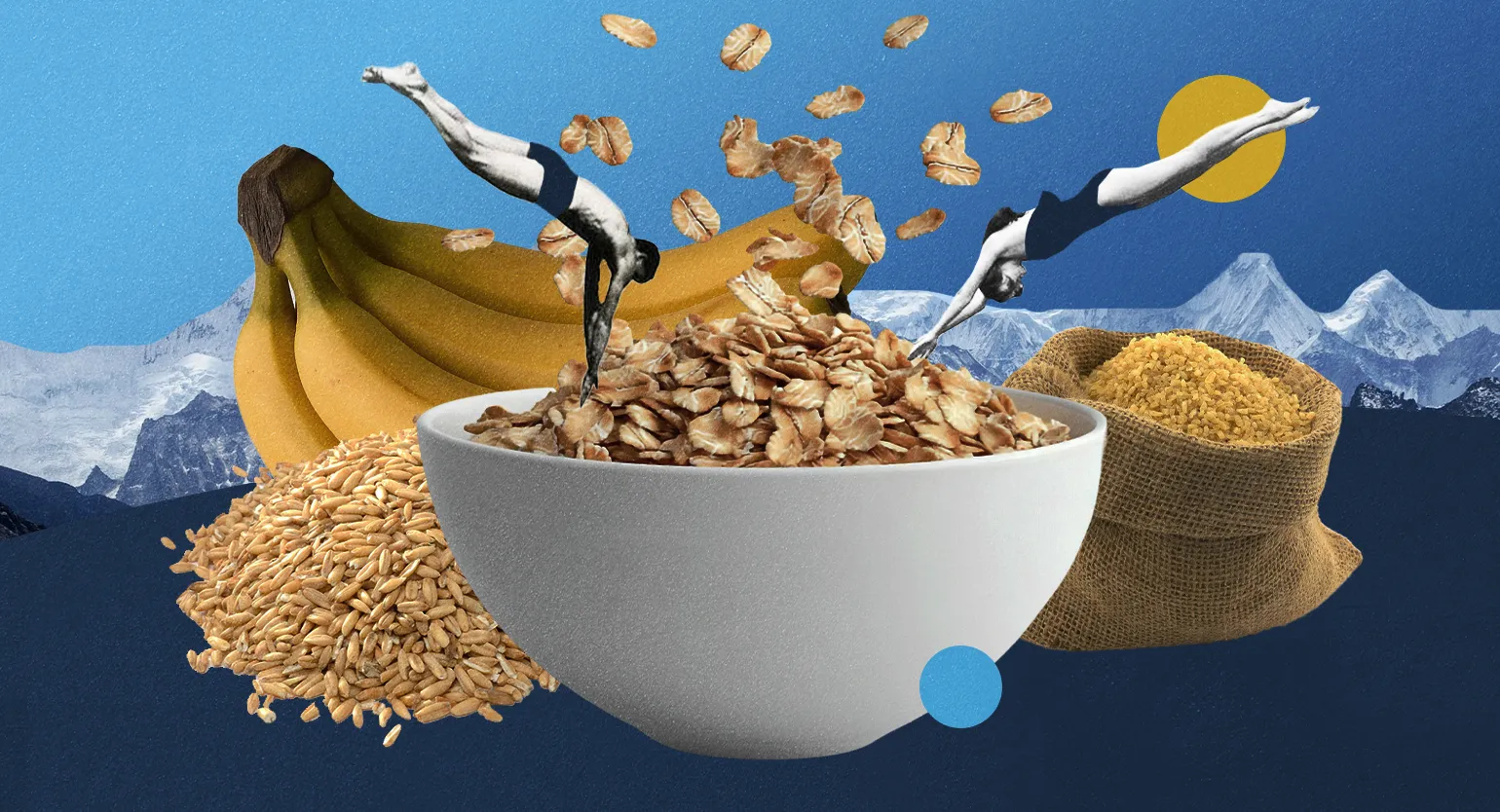
These foods include whole grains, fruits, vegetables, legumes, and nuts. Whole-grain bread, oatmeal, and brown rice are excellent sources of complex carbohydrates, which are digested slowly, providing a long-lasting feeling of fullness. Fruits such as bananas, apples, and berries are not only rich in carbohydrates but also contain vitamins and minerals essential for health.
Vegetables, especially root vegetables such as potatoes and carrots, are also good sources of carbohydrates. Legumes, including beans and lentils, not only provide carbohydrates but are also an excellent source of protein. Nuts and seeds, although higher in fat, also provide carbohydrates and fiber.
It's important to remember that choosing carbohydrates should be based on their quality. Natural, unprocessed foods should be preferred to maximize health benefits. Properly combining carbohydrates with other macronutrients, such as protein and fat, will help achieve optimal balance in your diet and maintain energy levels throughout the day.
Complex carbohydrates are long-chain molecules that are broken down slowly and take a long time to digest. After consuming foods containing complex carbohydrates, blood sugar (glucose) levels rise gradually, which promotes a prolonged feeling of fullness. This, in turn, helps maintain stable energy levels throughout the day and prevents overeating. Eating complex carbohydrates can be beneficial for maintaining a healthy lifestyle and weight management.
Foods rich in complex carbohydrates have a low glycemic index, meaning they have a less significant impact on blood glucose levels. Complex carbohydrates contain fiber, which helps slow the digestion of food and the absorption of nutrients in the gastrointestinal tract. This makes them useful for maintaining stable blood sugar levels and improving digestion. Including such foods in your diet can promote a long-lasting feeling of fullness and sustained energy throughout the day.
Maria Gerasimova is a name that evokes interest and respect. Her achievements and professional journey are inspiring to many. She is actively involved in her work, demonstrating a high level of skill and dedication. Maria is known for her publications and projects that reflect her deep knowledge and experience. Her contribution to the development of the industry is invaluable, and she continues to influence others by sharing her experience and knowledge. If you search for information about Maria Gerasimova, you will find numerous materials that highlight her importance and achievements in her field.
What is the difference between simple and complex carbohydrates?
Simple carbohydrates, also known as fast carbohydrates, are made up of one or two simple sugar molecules and are characterized by a high digestibility rate. They are found in foods such as sweets, fruits, sodas, and dairy products. Eating simple carbohydrates can quickly raise blood sugar levels, making them a source of instant energy. However, it is important to remember to eat a balanced diet, as excess consumption of simple carbohydrates can lead to negative health consequences.
Eating foods containing simple carbohydrates causes a sharp spike in blood sugar levels. This state is often perceived as a surge of energy. However, this effect is short-lived, usually lasting only 30-60 minutes. After this, fatigue and hunger set in, which may lead to the need to eat again. To maintain stable energy levels and prevent sharp fluctuations in blood sugar, it is recommended to choose foods with a low glycemic index, which provide longer-lasting satiety and a stable energy level.
Complex carbohydrates are long chains of simple sugar molecules, the number of which can reach several thousand. During digestion, these bonds are broken down slowly, which contributes to stable blood sugar levels and provides a long-term supply of energy. Due to their properties, complex carbohydrates are an important part of the diet; they help maintain high energy levels throughout the day and prevent sharp spikes in blood sugar. Including complex carbohydrates in your diet can help improve overall health and maintain an optimal weight.
Benefits of complex carbohydrates
Carbohydrates are an essential component of the diet, along with proteins and fats. They play a key role in providing the body with the energy needed to perform physical and mental tasks. Carbohydrates also promote healthy digestion and maintain blood sugar levels. Choosing the right carbohydrate sources, such as whole grains, vegetables, and fruits, can have a positive impact on your health and overall well-being. It's important to understand that carbohydrates come in both simple and complex varieties, and the balance between them in your diet impacts your nutrition and energy levels throughout the day. Complex carbohydrates are a key source of sustained energy for the body. They provide cells with essential nutrients, allowing them to function efficiently. Without sufficient complex carbohydrates, energy levels decline, leading to rapid fatigue, poor concentration, and mood swings. Including complex carbohydrates in your diet improves overall well-being and maintains stable energy levels throughout the day. Foods containing complex carbohydrates provide a long-lasting feeling of fullness. Because they are digested slowly, hunger doesn't set in as quickly, reducing the risk of overeating and unwanted snacking. Choosing these foods in your diet can help control your appetite and maintain a healthy weight. High-fiber foods, such as whole grains, cereals, and legumes, require more chewing. Chewing signals satiety to the brain, which can reduce the risk of overeating. Eating these foods can help control appetite and improve digestion, making them an important part of a healthy diet. Fiber also helps maintain normal blood sugar levels and improves overall health. Including high-fiber foods in your diet is an effective step toward maintaining health and losing weight.
Complex carbohydrates, especially those high in fiber, play a significant role in lowering "bad" cholesterol (LDL) levels in the blood. Consuming these carbohydrates can help reduce the risk of atherosclerotic plaque formation and lower the risk of cardiovascular disease. Including fiber-rich foods in your diet can help maintain cardiovascular health and improve overall well-being.
Complex carbohydrates help move food through the intestines more quickly, which helps prevent constipation and effectively eliminate waste products. These carbohydrates play an important role in maintaining a healthy digestive system, ensuring optimal bowel function and promoting regular bowel movements. Including complex carbohydrates in your diet, such as whole grains, legumes, and vegetables, can significantly improve overall health and increase energy levels.
Fiber and starch are slowly digested, which puts less strain on the pancreas. Fiber also plays an important role in maintaining healthy gut flora by feeding beneficial bacteria. These bacteria, in turn, have a positive effect on the immune system and overall health. Eating foods rich in fiber and starch helps improve digestion and strengthen the body.

Rework the text, keeping the main topic, and optimize it for SEO. Avoid adding redundant information. Don't use emojis or unnecessary symbols. Don't include structured sections like numbers or bulleted lists. Simply provide plain text.
Read also:
Probiotics are live microorganisms that have a positive effect on human health. They help maintain a balance of microflora in the intestines, promoting improved digestion and a stronger immune system. Probiotics can be found in a variety of foods, such as yogurt, kefir, fermented vegetables, and special supplements.
Research shows that regular consumption of probiotics can help combat various gastrointestinal disorders, such as diarrhea, irritable bowel syndrome, and constipation. Furthermore, probiotics can reduce the risk of infections and even have a positive effect on mental health.
It is important to note that the effectiveness of probiotics can vary depending on the specific strain of microorganisms. Therefore, to achieve maximum benefit, you should choose probiotics with proven clinical effectiveness. Including probiotics in your diet can be an important step toward improving your overall health and preventing a number of diseases.
Foods High in Complex Carbohydrates
To increase your intake of complex carbohydrates in your diet, it is recommended to replace regular foods with whole grain equivalents. For example, choose whole grain pasta instead of traditional ones, and opt for whole grain bread fortified with nuts and seeds. This not only improves digestion but also helps maintain energy levels throughout the day. Whole grains are rich in fiber, vitamins, and minerals, making them an important part of a balanced diet.
Some vegetables contain starch, which is a complex carbohydrate that provides a prolonged feeling of satiety. Such vegetables include potatoes, corn, peas, and sweet potatoes. These foods not only fill you up but also benefit the body thanks to their vitamins and minerals. Including starchy vegetables in your diet can help maintain energy levels and improve digestion.
Fiber is an important compound that helps improve digestion. It is found in a variety of vegetables and fruits, but the highest amounts can be found in the following foods:
Legumes are a rich source of complex carbohydrates, plant protein, and fiber. These nutrients help improve digestion, maintain energy levels, and help manage weight. Legumes, such as beans, lentils, and peas, not only provide the body with essential vitamins and minerals, but also help reduce the risk of heart disease. Including legumes in your diet can significantly improve overall health and increase energy levels.
How Many Complex Carbs Should You Eat Per Day?
Complex carbohydrates should make up 45-65% of your total daily calorie intake. They play a key role in providing the body with energy and maintaining stable blood sugar levels. Including foods rich in complex carbohydrates in your diet helps improve digestion and maintain normal brain function. These foods include whole grains, legumes, vegetables, and fruits. Eating the right balance of complex carbohydrates not only helps maintain health but also helps manage weight.
Restricting carbohydrate intake is unnecessary, as long-term low-carb diets are often ineffective due to their low satiation. This can lead to breakdowns and overeating. Instead of strictly restricting carbohydrates, it's worth focusing on a balanced diet that includes healthy carbohydrates that provide energy and promote healthy weight maintenance. Choosing the right carbohydrates, such as whole grains, fruits, and vegetables, will help prevent overeating and meet the body's nutrient needs.
Maria Gerasimova is a talented specialist with extensive knowledge and experience in her field. She demonstrates a high degree of professionalism and commitment, which allows her to successfully achieve her goals. Maria is actively involved in various projects and initiatives, always striving for self-improvement and development. Her skills and abilities allow her to effectively solve problems using innovative approaches and methods. Maria is results-oriented in her work, making her a valuable member of any team.
The recommended carbohydrate intake for an adult is 200 to 300 grams per day. Most of these carbohydrates should be complex carbohydrates. Complex carbohydrates provide stable energy levels, promoting well-being and maintaining health.
Those looking to lose weight can reduce their carbohydrate intake to 100–150 grams per day, but eliminating them completely is not recommended. Carbohydrates play an important role in the body, providing essential energy and promoting normal brain function. A balanced diet with carbohydrate control will help you achieve sustainable weight loss results and maintain your health.

Read also:
The Plate Rule: What It Is and How It Works
The Plate Rule is a simple and effective portion control method when planning your diet. The basic idea of this rule is to divide your plate into four parts, which helps balance your intake of different food groups.
When using the Plate Rule, half of your plate should be filled with vegetables and fruits, which helps increase your fiber and vitamin intake. A quarter of your plate should be dedicated to protein sources such as meat, fish, or legumes. The remaining quarter should contain grains, preferably whole grains, which provide the body with energy and important nutrients.
This rule not only helps you control your calorie intake but also promotes variety in your diet, which is important for maintaining health. By following the Plate Rule, you can easily adapt it to your personal preferences and needs, making it a universal tool for anyone striving for healthy eating.
For those who prefer simplicity in their eating, there is the Plate Rule. It suggests that half of your plate should be filled with vegetables, a quarter with protein foods such as meat, fish, or legumes, and the remaining quarter with complex carbohydrates, which include cereals, potatoes, and whole-grain bread. This method makes it easy to maintain nutrient balance and ensure your body gets enough carbohydrates without the need for complicated calculations and kitchen scales. The Plate Rule is a convenient tool for creating a healthy diet and monitoring the nutritional value of food.
Free test: which digital profession is right for you?
IT, design, marketing or management? Find out the answer in 15 minutes. And then try your hand at a new specialty for free.
Find out more