
Contents:

Learn: How to start a business: from idea to implementation
Find out moreThe continuing education market is seeing a rapid growth in entrepreneurship courses, but such programs are still quite rare at the university and school level. Among these, the Ministry of Education and Science's "Startup as a Diploma" project stands out, as does the Moscow-based "Entrepreneurial Class" project. Regional initiatives, such as the "School Entrepreneurship League" in the Ulyanovsk Region and "It's Business, Kids" in the Tyumen Region, also promote the development of entrepreneurial skills among young people. These educational programs help develop entrepreneurial thinking and the skills necessary for the successful implementation of business ideas in students and schoolchildren.
Unified standards for entrepreneurship education have not yet been established. This applies to both the federal "Startup as a Diploma" project, which expanded to 25 additional regions in 2021, and the MBA programs that emerged in Russia over 20 years ago. The lack of standardization impacts the quality of education and the training of entrepreneurs, creating additional challenges for startups and new businesses. Establishing clear criteria and standards could contribute to more effective training, enhancing the preparedness of future entrepreneurs and improving their chances of success in a competitive environment.
The question of the need for a unified competency standard for entrepreneurs remains open. Is it possible to establish clear requirements for the skills necessary for successful entrepreneurship? Why aren't entrepreneurial skills taught en masse to schoolchildren and students in our country? These and other relevant topics were discussed by experts at the Moscow International Education Fair (MIEF). We invite you to familiarize yourself with the speakers' key findings. Full recordings of the discussions are available on YouTube.
- session "Entrepreneurship Education Standard: From Idea to Unicorn";
- session "What is hindering the dissemination of entrepreneurship education?"
What Should Future Entrepreneurs Be Taught?
There are many opinions regarding the need for a unified entrepreneurship education standard. Elena Bondarenko, General Producer of Educational Programs for Entrepreneurs at the Skolkovo Moscow School of Management, argues that developing such a standard is impractical. She emphasizes that the field of entrepreneurship is changing rapidly, especially in the context of rapid technological progress, which makes a standard easily outdated almost immediately after its publication. Thus, the flexibility and adaptability of educational programs are becoming key factors for the successful training of entrepreneurs in the modern world. Elena recommends focusing on what exactly an entrepreneur does and the context in which they operate. The expert suggests considering entrepreneurial skill through three key aspects. Incubation, that is, the ability to launch your own business; Acceleration - the ability to develop and scale a business; Transformation - the ability to change business models. Elena emphasizes the importance of creative thinking in finding successful business ideas. She believes that knowledge of the history of entrepreneurship can be very useful. In this regard, the Skolkovo Moscow School of Management, in collaboration with Arzamas, launched a lecture course, "Business People of the 19th Century," which offers an engaging perspective on business development. However, Elena places primary emphasis on practical experience, believing it to be the key to entrepreneurial success. An entrepreneur's core competencies are developed exclusively through practical experience. Therefore, entrepreneurial education should be based on the principles of active participation and practical experience. This implies that training should be focused on real-world tasks and projects, which allows developing the necessary skills and deepening understanding of the entrepreneurial environment.

Reading is an important aspect of our lives, contributing to the development of skills, broadening horizons and acquiring new knowledge. Regularly reading books, articles, and other materials helps improve concentration, enriches vocabulary, and develops critical thinking. In today's world, access to information has become easier, and everyone can find resources on topics that interest them. Reading also promotes a better understanding of the world around us and helps us form our own opinions. Maintain a reading habit to stay up-to-date with current events and develop as a person. Learning through practice is truly considered more effective than theoretical study. Practical experience allows you to consolidate acquired knowledge, develop necessary skills, and better assimilate the material. Theory can provide a basic understanding, but it is practice that helps you see how knowledge is applied in real-world situations. This is especially true in fields such as medicine, engineering, and the arts, where skill and experience play a key role in success. Thus, the combination of theory and practice provides a deeper and more comprehensive learning experience.
Andrey Andrusov, Investment Director of the SOL Center for Promoting Innovation in Society, a project-based teacher at Klass-Center, and author of the book for schoolchildren, "Your First Business," emphasizes the importance of basing entrepreneurial education standards on quantitative indicators. He emphasizes that the key criterion for assessing the effectiveness of courses and programs should be the number of graduates who actually launch their own businesses and begin making a profit. This approach allows for an objective assessment of the quality of educational initiatives in entrepreneurship and contributes to the development of more effective training programs that will help future entrepreneurs successfully implement their ideas.
The expert fully supports Elena Bondarenko's opinion that practical experience is a key aspect of training future entrepreneurs. He strongly encourages his students to begin implementing their own business projects as early as possible. This approach not only promotes the development of entrepreneurial skills but also significantly motivates students to learn new things. While working on projects, they often encounter questions such as "How do I set a price for a product?" or "Which promotion channels should I choose?" that often extend beyond the curriculum. This encourages students to independently seek answers and delve deeper into the fundamentals of entrepreneurship. Thus, active business practice becomes an important tool for developing competent and proactive entrepreneurs.
Of course, write the text you want me to edit.
This textbook is truly unique. My students start reading it in September, and many of them finish it right away. Have you ever met students who read a history textbook, for example, in its entirety in advance, just in case? They do this because they need the material for specific practical activities. I believe that immersing students in real life and providing support when they encounter difficulties is the most effective way of learning.
Andrey Shcherbenok, director and founder of the School of Advanced Studies (SAS) at Tyumen State University, expressed an alternative point of view. He believes that there are no barriers to developing a competency-based entrepreneurship education standard. As an example, he cites the Federal State Educational Standards of Higher Education (FSES VO) level 3++, which emphasize the development of both universal and professional competencies. Shcherbenok notes that these standards do not specify specific subjects to be studied, such as history, but rather emphasize the development of historical thinking. This position raises an important question about what the standard of entrepreneurship education should be in the modern conditions.
Read our other materials:
21st Century Skills: Mentioned in the Federal State Educational Standard, but Are They Really Taught?
21st Century skills are becoming increasingly important in the modern educational process. Federal State Educational Standards (FSES) emphasize the need to develop key competencies in students to successfully adapt to a rapidly changing world. However, the question arises: are educational institutions truly implementing these skills in their practices?
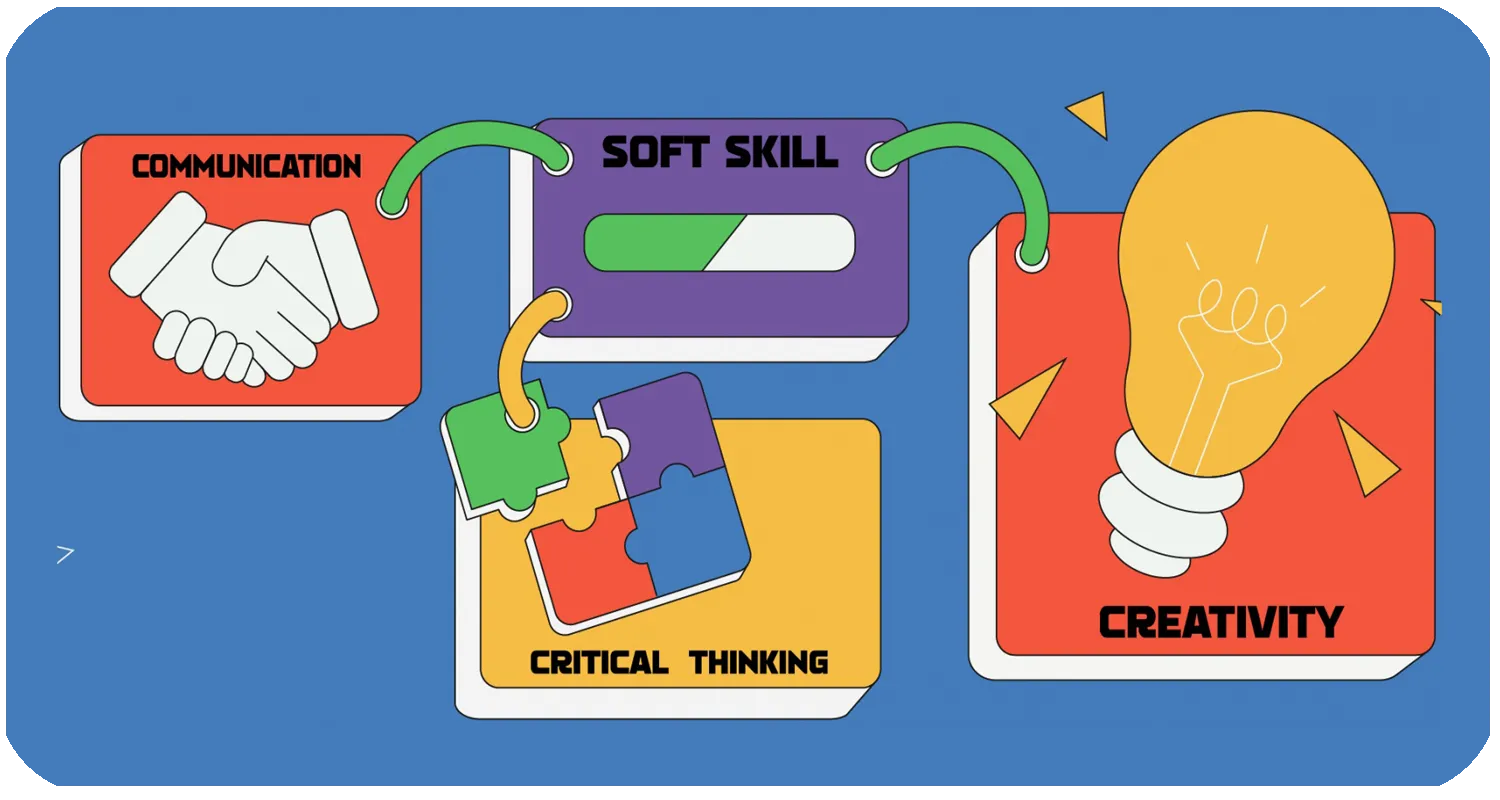
Today, key 21st-century skills include critical thinking, creativity, communication, and collaboration. These competencies are essential for effective teamwork, problem solving, and adapting to new conditions. However, despite their importance, many schools and universities face difficulties integrating them into the educational process.
Teaching 21st-century skills requires a changed approach to learning, emphasizing project-based activities, interdisciplinarity, and the use of modern technology. It is important not only to mention these skills in the curriculum but also to actively develop them through practical classes and interactions between students.
Thus, the question of how to effectively teach 21st-century skills remains open. Efforts are needed on the part of educational institutions, educators, and the government to ensure high-quality education that meets the demands of the modern world. Entrepreneurship manifests itself in many forms, from opening a small cafe to the successes of individuals like Elon Musk. Andrey Shcherbenok emphasizes that education for future entrepreneurs must be interdisciplinary. This is necessary so that students can connect different fields of knowledge and apply them in practice. The traditional approach, in which disciplines are studied in isolation, does not meet modern business requirements and does not develop critical thinking. Interdisciplinary education will help develop the skills necessary for the successful implementation of business ideas in a complex and dynamic environment. Entrepreneurship requires a comprehensive approach and interdisciplinary thinking. It is impossible to limit yourself to one field, be it economics, technology, or sociology. When implementing any idea, an entrepreneur faces the need to think as an economist, financier, psychologist, and technologist. It is important to understand the many aspects that must be integrated into a single system. Thus, interdisciplinarity should become the foundation of entrepreneurship education standards. This will enable future entrepreneurs to develop a holistic understanding of business and effectively address emerging challenges. Andrey Shcherbenok disagrees with experts who argue that the best approach to teaching entrepreneurship is to immediately immerse students in practical activities. He believes that if a person begins working on a technology project without prior knowledge, they only absorb the bare minimum information necessary to solve current problems. This leads to a superficial understanding of the topic and reduces the quality of education. In this context, an important dilemma arises: how to ensure a balance between practical experience and theoretical training for a deeper understanding of entrepreneurship? On the one hand, it is necessary to immediately engage people in practical activities; however, in this case, we risk having participants who engage in frivolous activities. On the other hand, there are academics who immerse themselves deeply in theory but never apply their knowledge in practice. Effective entrepreneurship education must strike a balance between practice and theory. The question is how to achieve this balance.

Read also:
Why is the sea dirty? Phenomenon-based learning as a way to solve real-world problems
The problem of pollution of seas and oceans is becoming increasingly relevant. People often ask the question: "Why is the sea dirty?" Answering this question requires a deep analysis and understanding of the various factors affecting the health of water bodies. Phenomenon-based learning offers a unique approach to addressing this problem, enabling students not only to understand the causes of pollution but also to develop effective strategies for its prevention.
Throughout their learning, students explore real-world examples of marine pollution, examining the impact of human activities such as industry, agriculture, and tourism. This approach helps develop students' critical thinking and problem-solving skills, which are essential for developing environmentally friendly technologies and practices.
Thus, phenomenon-based learning not only deepens understanding of the problem of marine pollution but also inspires the next generation to take action to address it. Students become not just observers but active participants in the process, contributing to the protection of water resources and the preservation of ecosystems.
What hinders the development of entrepreneurship education in Russia
A study by the Global Entrepreneurship Monitor found that Russia lags behind global standards in a number of indicators related to the entrepreneurial environment. In particular, this concerns government support, the availability of infrastructure, the quality of entrepreneurship education, and the presence of growing markets. These findings were presented by Alexey Komarov, Academic Director of the LIVE Game Technology Workshop program and Director of the Skolkovo Workshop Headquarters project. Among 45 countries, Russia ranks 25th in entrepreneurship education in schools and 36th in business programs outside of school education, including higher and continuing education. These data highlight the need to improve the conditions for entrepreneurship development in the country.
The speaker emphasizes the need for cooperation between public and private educational institutions in the field of entrepreneurship education. This combined effort will increase the number of entrepreneurs in society and enhance their contribution to the economy. Teaching effective and competent business management will be an important step toward creating a sustainable entrepreneurial environment.
Alla Argunova, founder and director of the private school "Path to Success," where business education is integrated into the core curriculum, notes that there are no significant difficulties in theoretical training, developing hard and soft skills, or project work. Problems arise at the stage of implementing a business project, when young entrepreneurs face practical challenges. It is important to provide support and mentorship to help them overcome these obstacles and successfully bring their ideas to life.
After completing project management, it is crucial to move on to individual steps. A key aspect is the presence of a mentor network. Currently, we lack an ecosystem that facilitates this process. If a child aspires to produce and create, they need a technological foundation to realize their ideas and products. Creating such an environment will help develop skills and support young people's creative aspirations, which is an important step toward successfully realizing their potential. Maxim Natapov, founder of ONE! International School, believes that not every children's business project should be brought to fruition. He is convinced that not all schoolchildren are destined to become entrepreneurs, but it is important for each of them to develop a business mindset and self-confidence. Familiarity with entrepreneurial culture helps foster the understanding that mistakes are a natural part of the journey, and that even after setbacks, one can continue to move forward. This understanding contributes to the development of the skills necessary for a successful life and career in the future.

Reworked text:
Also explore other materials on this topic.
Studying business in school: how an entrepreneur involves children in the corporate world
An entrepreneur actively involved in education, She integrates business studies into the school curriculum with the goal of changing young people's attitudes toward entrepreneurship. She believes that early exposure to the fundamentals of business and corporate culture will help children develop important skills and prepare them for their future professional lives.
As part of her initiative, she organizes schoolchildren's excursions to large companies, where they can see how businesses operate from the inside. This gives them the opportunity not only to learn about professions but also to be inspired by success stories. The entrepreneur is confident that this practice helps develop entrepreneurial thinking, creativity, and self-confidence in children.
Her program also includes master classes on business fundamentals, where students learn to develop ideas and implement them in practice. This allows them not only to gain theoretical knowledge but also to apply it in real-world situations, which is an important aspect of modern education.
Thus, studying business in school not only contributes to children's personal development but also creates a new generation of entrepreneurs prepared for the challenges of the modern market.
Knarik Arabyan, co-founder of the KinderMBA children's business school, also expressed a similar opinion. She divides business education into two categories: developing an entrepreneurial mindset in schoolchildren and preparing future entrepreneurs. The second path, which leads to starting one's own business, is not suitable for everyone, while the first option is beneficial for every child. Developing an entrepreneurial mindset helps children develop critical thinking skills, creativity, and self-confidence, which are important for their future, regardless of their chosen profession.
Entrepreneurship involves a combination of skills, knowledge, and teamwork, integrating all of these elements into a single process. It requires a person to master both soft skills and specialized knowledge in a specific field. Product creation is the central element of entrepreneurial activity, and this product always relates to a specific subject area in which expertise is required. This could be biology, physics, chemistry, or other fields, ensuring the practical application of acquired knowledge. This approach significantly increases motivation for learning, as entrepreneurship is directly related to real-world tasks and challenges, requiring a deep understanding of the subject.
The speaker shared her experience of facing difficulties in introducing project-based and entrepreneurial programs in schools. According to Knarik, government support is essential for the successful implementation of such initiatives. Schools and parents are showing interest in such projects, but their implementation often faces economic barriers.
What can help improve the situation with business education?
In discussing ways to popularize entrepreneurship education and make it more accessible, the speakers reached a unanimous opinion.
Andrey Shcherbenok emphasizes that entrepreneurial activity is intrinsically irrational, as it is associated with high risks and significant expenditure of personal resources. According to the expert, it would be wiser to choose the profession of a qualified engineer, which provides a stable income and a minimal level of stress. However, to become a successful entrepreneur, a person must be committed to change in a specific area and confident in their abilities. An important aspect on this path is interaction with people who are passionate about their work – mentors and like-minded people. Shcherbenok believes that without an active community where experience and knowledge are shared, it is impossible to fully develop an entrepreneurial culture and achieve success in business.
Alexey Komarov emphasized the importance of building a community and establishing communication between various educational institutions. He emphasized the high level of development of educational technologies in Russia, which creates the foundation for increasing the competitiveness of our business education in the international arena. Effective interaction between educational organizations can be key to the successful integration of domestic programs into the global educational environment.
Experts unanimously agree that developing an entrepreneurial mindset and the necessary competencies should begin in school. They identified several key aspects that facilitate this process. It is important to develop critical thinking, creativity, and teamwork skills, which will allow students to better adapt to the rapidly changing business environment. Financial literacy and decision-making skills are also emphasized, as they form the basis for future entrepreneurial success. The support of teachers and parents plays a significant role in this process, creating conditions for children to develop self-confidence and a desire for self-fulfillment.
Alla Argunova emphasizes the importance of creating an incubator fund that will provide investors and business angels with the opportunity to finance promising projects of young entrepreneurs. Such a fund will become an effective platform for supporting innovative ideas and startups, promoting the development of youth entrepreneurship and stimulating economic growth. Investments in young talent will help them realize their ambitions and bring new products and services to market.
The speaker emphasized the importance of engaging adult expert mentors who can guide schoolchildren and help them implement their ideas. As an example, she cited a case in which a first-grader developed a design for a kinesthetic tablet for the visually impaired, which later became the basis for a family business. Parents can act as such mentors, supporting their children's creative initiatives and facilitating their development.
Experts note that there is a significant shortage of entrepreneurial communities willing to provide their production resources to implement children's ideas. For example, a student entrepreneur seeking to publish their own book may face difficulties finding a publishing house willing to support this process. The creation of such communities would facilitate the development of young talents and facilitate the implementation of their creative projects.
The problem of training teachers to teach entrepreneurship classes remains pressing. Knarik Arabyan emphasizes that the successful implementation of such programs in school education requires more teachers with the relevant competencies. Andrei Andrusov believes that a qualified teacher can effectively teach business subjects even without personal business experience. However, the question arises of how and where to train teachers to teach these subjects. Educational institutions should consider developing professional development programs for teachers to ensure high-quality training for future entrepreneurs. Rework the text, maintaining the core theme and avoiding unnecessary details. Optimize it for SEO, but consider expanding the content slightly. Avoid using emojis and unnecessary symbols, and don't include sections such as 1. 2. 3. or *. Simply provide plain text.
We also recommend that you familiarize yourself with other materials.
- How education can change cities and boost the economy
- What will cooperation between public and private education lead to?
- What should a school be like in the digital age?
How to start a business: from idea to implementation
You'll learn how to run a business in Russia in 2024. Learn how to choose in-demand niches, create a financial model, and forecast risks. Launch a business and start making money during your training.
Find out more