Contents:

Free test: which digital profession is right for you? Find out the answer in 15 minutes and try your hand at a new Specialties.
Learn moreWhat is winter swimming?
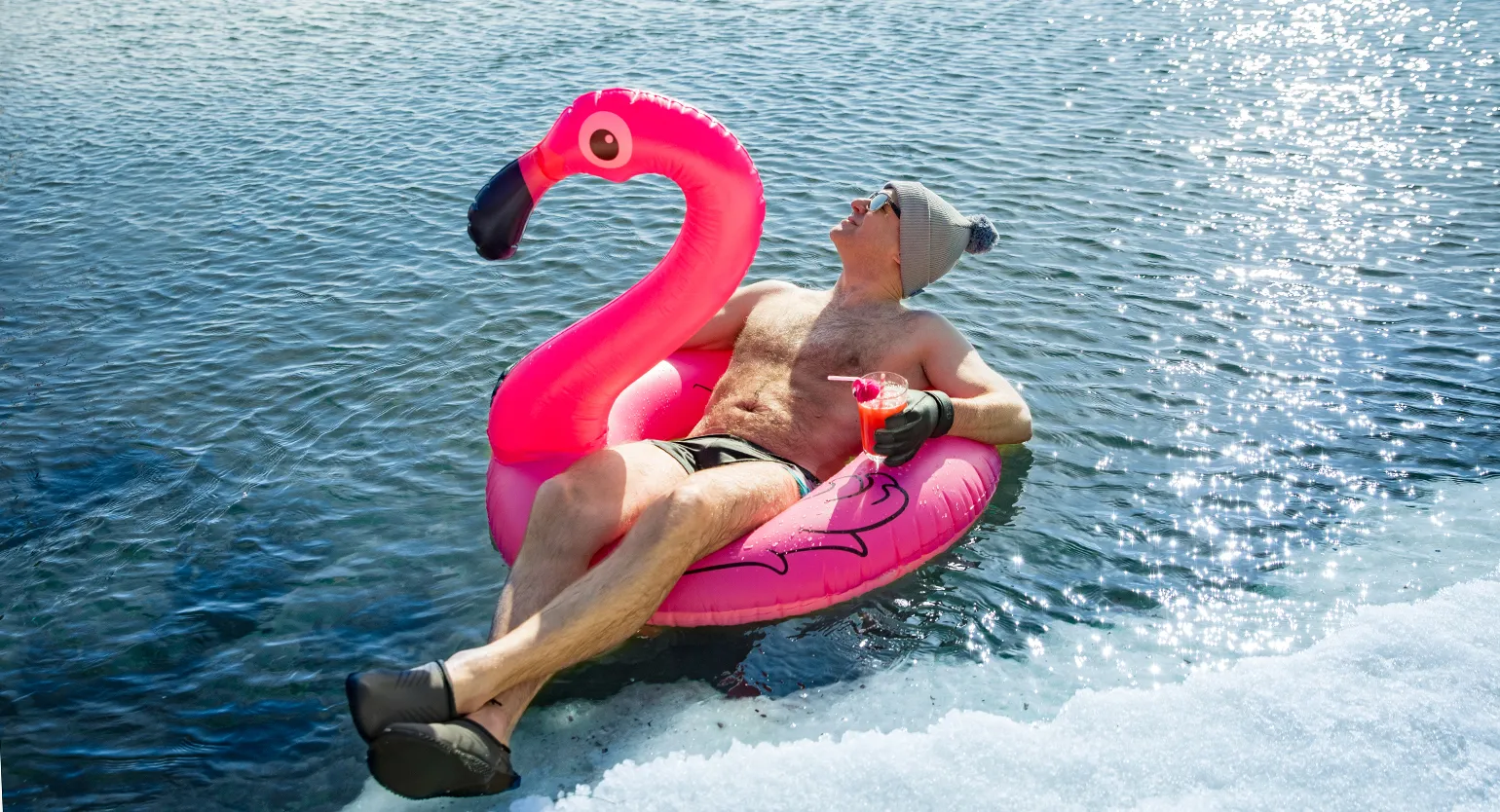
Winter swimming is the practice of bathing in cold or icy water, which is becoming increasingly popular among people seeking to improve their health and increase energy levels. The first mentions of the benefits of cold water procedures date back to 400 BC. The great physician Hippocrates claimed that such water procedures help relieve fatigue and strengthen the body. Research by modern scientists confirms that winter swimming can improve blood circulation, boost immunity, and reduce stress levels. Regular winter swimming contributes not only to improved physical fitness but also to psycho-emotional health, which makes this practice especially valuable in the context of the modern lifestyle.
Cold water swimming is a tradition that has been rooted in northern countries for centuries. Since the early 1800s, this practice has gained popularity not only as a way to toughen up but also as a competitive sport. Polar diving and ice-cold swimming attract many enthusiasts, who prefer to undertake these activities without wetsuits. Cold water has a positive effect on health, improving blood circulation and strengthening the immune system, making this practice increasingly relevant in the modern world. In northern countries, people who engage in ice swimming are called by various terms. These names may vary depending on the region and culture, but generally reflect the unique practice and lifestyle associated with cold climates. Ice swimming has become not only a tradition but also a way to toughen up, strengthen the immune system, and maintain physical activity. People who practice this activity note its positive impact on health and overall well-being.
- in Finland — otters, seals, and harbour seals;
- in North America — polar bears;
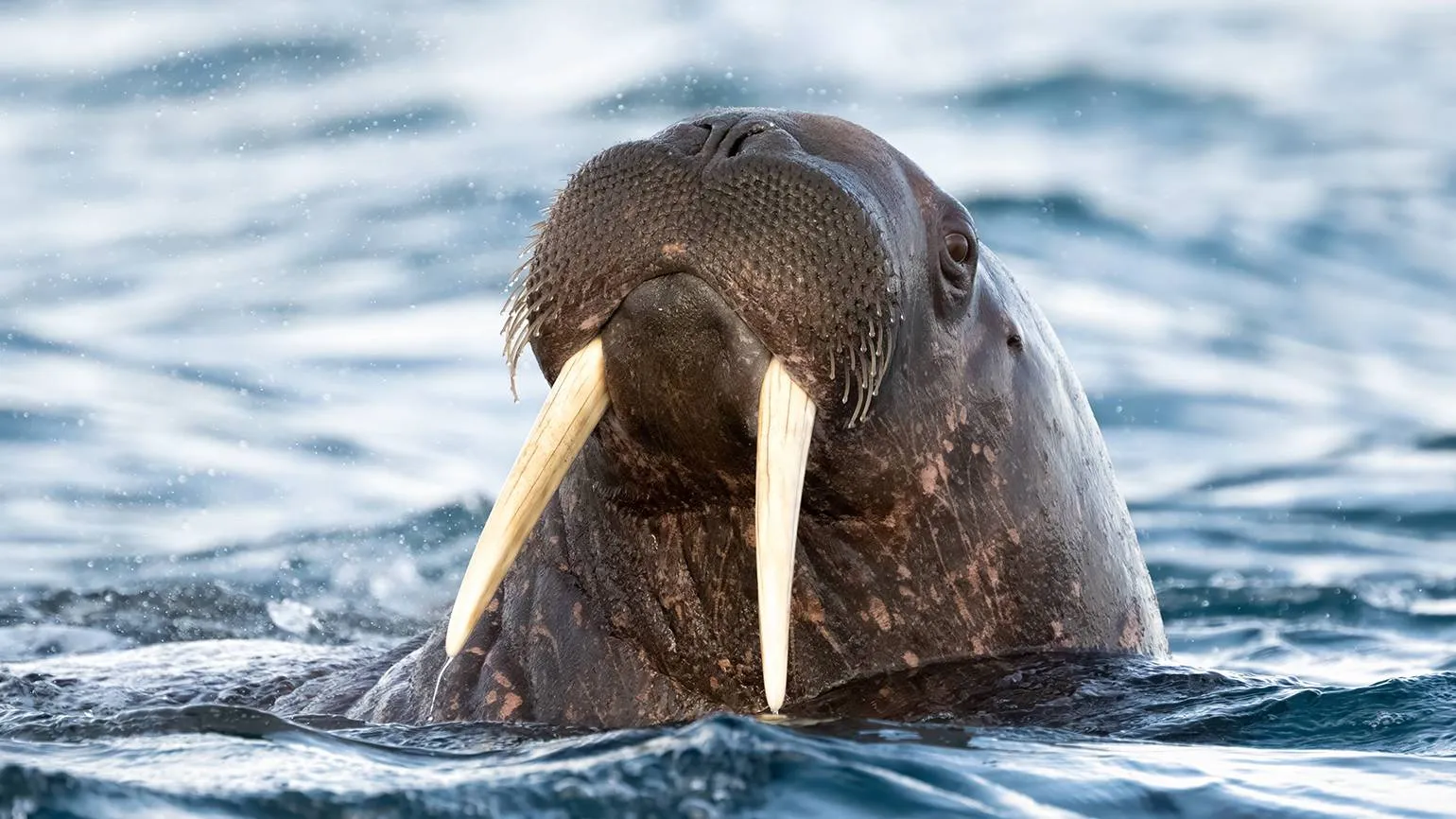
- in Russia — walruses.

Reading is an important part of our daily experience and plays a significant role in expanding our horizons. It helps develop thinking, enriches vocabulary, and contributes to improving communication skills. In today's world, where information is available in huge amounts, it is important to choose quality sources and devote time to reading books, articles, and research. Immersing yourself in literature is not only entertaining but also educational, allowing you to better understand the world around you and its trends. Maintain a reading habit, and you will notice how it positively impacts your personal and professional development.
Hardening: Advantages and Disadvantages
Hardening is a process aimed at increasing the body's resistance to adverse environmental influences, such as cold, heat, and wind. The main hardening methods include cold water dousing, contrast showers, walks in the fresh air, and sports.
The benefits of hardening include strengthening the immune system, improving blood circulation, and increasing overall endurance. Regular hardening procedures help increase energy potential, improve mood, and even enhance performance. In addition, hardening helps adapt to sudden temperature changes, which is especially important in the context of climate change.
However, hardening also has its drawbacks. Incorrect or excessively intense procedures can lead to hypothermia, colds, and other illnesses. It is important to remember that hardening is not a one-size-fits-all solution: people with certain medical conditions or weakened immune systems should consult a doctor before beginning hardening procedures.
In conclusion, hardening can provide significant health benefits, but it is important to approach this process wisely and take into account the individual characteristics of the body.
What happens when you swim in ice water
Professor Mike Tipton, an expert in environmental physiology from the University of Portsmouth, conducts weekly experiments with volunteers. As part of the research, he places participants on a hanging chair and lowers them into an ice hole with water at a temperature of 12 °C for five minutes. This allows him to assess how the body adapts to cold conditions. Professor Tipton's research helps us better understand thermoregulation mechanisms and the effects of low temperatures on the human body.
In an interview with BBC Science Focus, Tipton explains that the initial response to immersion in icy water is "cold shock." Adrenaline production causes the heart rate and breathing to increase, blood pressure to rise, and a feeling of fear may arise. This body's response, known as "fight or flight," is a natural defense mechanism against a potential threat.
Tipton emphasizes that just six cold water immersions can reduce the body's response to shock by half. This discovery may be important for athletes and people involved in active sports, as it helps them better adapt to stressful conditions and improves overall physical fitness. Using cold water in training is becoming increasingly popular, and research confirms its effectiveness in increasing endurance and improving recovery after exercise.
The Benefits of Winter Swimming
Winter swimming, in addition to helping you adapt to low temperatures, has numerous health benefits. This practice strengthens the immune system, improves blood circulation, and increases energy levels. Regular winter swimming helps improve skin condition, reduces stress, and enhances overall well-being. Furthermore, winter swimming can increase resistance to disease and improve metabolism. This practice also helps develop willpower and strengthen the spirit. Incorporating winter swimming into your daily routine can be an important step toward improving your health and quality of life.
A hardened person is better able to cope with sudden temperature changes, vagaries of the weather, and difficult life circumstances. For example, if they find themselves lost in the woods or facing emotional stress, they will find it easier to remain calm and composed. This phenomenon is explained by the term "cross-adaptation," which states that adapting to one stressor improves resilience to others. Strengthening the body and mind plays an important role in improving overall health and resilience, making a person more prepared for life's challenges.
Learning to tolerate cold weather helps the body develop the ability to quickly adapt to various stressful situations. This improves overall health and increases resilience to adverse conditions. Cold adaptation activates defense mechanisms, making it easier to cope with stress and improving physical endurance.
Learning to drive can be compared to learning to ride a motorcycle. Once a person has mastered riding a motorcycle, it will be much easier for them to learn to drive a car. This experience allows them to more quickly adapt to various road conditions and better understand the principles of vehicle control. It is important to note that having basic driving skills significantly reduces the time needed for training and increases the driver's confidence in their abilities.

To effectively promote your website, it is important to pay attention to the quality of the content. Creating unique texts that match the interests of your audience will improve your position in search engines. Optimizing the text for keywords, using meta tags and the correct heading structure will significantly affect the visibility of your website. Don't forget about the importance of internal and external linking, which will help increase the authority of your resource. Regularly updating content also helps improve SEO and retain user interest. Pay attention to creating compelling titles that will attract attention and encourage reading. It is important to remember that high-quality content is the foundation of successful online promotion.
Stress: Signs, Symptoms, Causes, and Methods of Coping
Stress is the body's natural response to physical or emotional stress. Signs of stress can manifest both physically and psychologically. Physical symptoms include headaches, fatigue, sleep disturbances, and digestive problems. Psychological manifestations of stress include anxiety, irritability, depression, and difficulty concentrating.
The causes of stress can range from professional and family problems to financial difficulties and life changes. It's important to be able to identify the sources of stress in order to manage it effectively.
There are many ways to combat stress. Effective methods include regular exercise, meditation, yoga, proper nutrition, and getting enough sleep. Making time for hobbies and spending time with loved ones can also help reduce stress.
Stress management is an important aspect of maintaining mental and physical health. Regularly practicing relaxation and mindfulness techniques can significantly improve quality of life and help you cope with difficulties.
The practice of winter swimming, or cold water bathing, is becoming increasingly popular due to its positive effects on mental well-being. Many report that after such treatments, worries and fears disappear, tension is relieved, and instead, energy and joy appear. Scientific studies conducted on a limited sample confirm that regular cold water dousing can effectively reduce symptoms of depression. This practice not only strengthens the immune system but also promotes mood improvement, making it a popular method for combating psychological disorders.
Science describes the phenomenon of winter swimming as "healthy stress" that promotes an antidepressant effect. To understand its mechanisms, it is important to note that the main cause of depression is low levels of mood-regulating substances. People suffering from depressive disorders often have a deficiency of norepinephrine, adrenaline, and beta-endorphins, known as "happiness hormones." This leads to a depressed state and an inability to experience joy. Winter swimming can be an effective way to increase levels of these chemicals, which contributes to improved emotional well-being and overall mental health.
Immersion in ice-cold water activates an intense flow of signals from the skin's cold receptors to the brain. This process promotes the release of adrenaline and norepinephrine, and stimulates the production of endorphins and dopamine. As a result, a person receives a unique "cocktail" of neurotransmitters that not only improves mood, but also evokes a feeling of satisfaction and increases motivation. Regular immersion in cold water can be an effective way to improve your psycho-emotional state and increase your overall vitality.
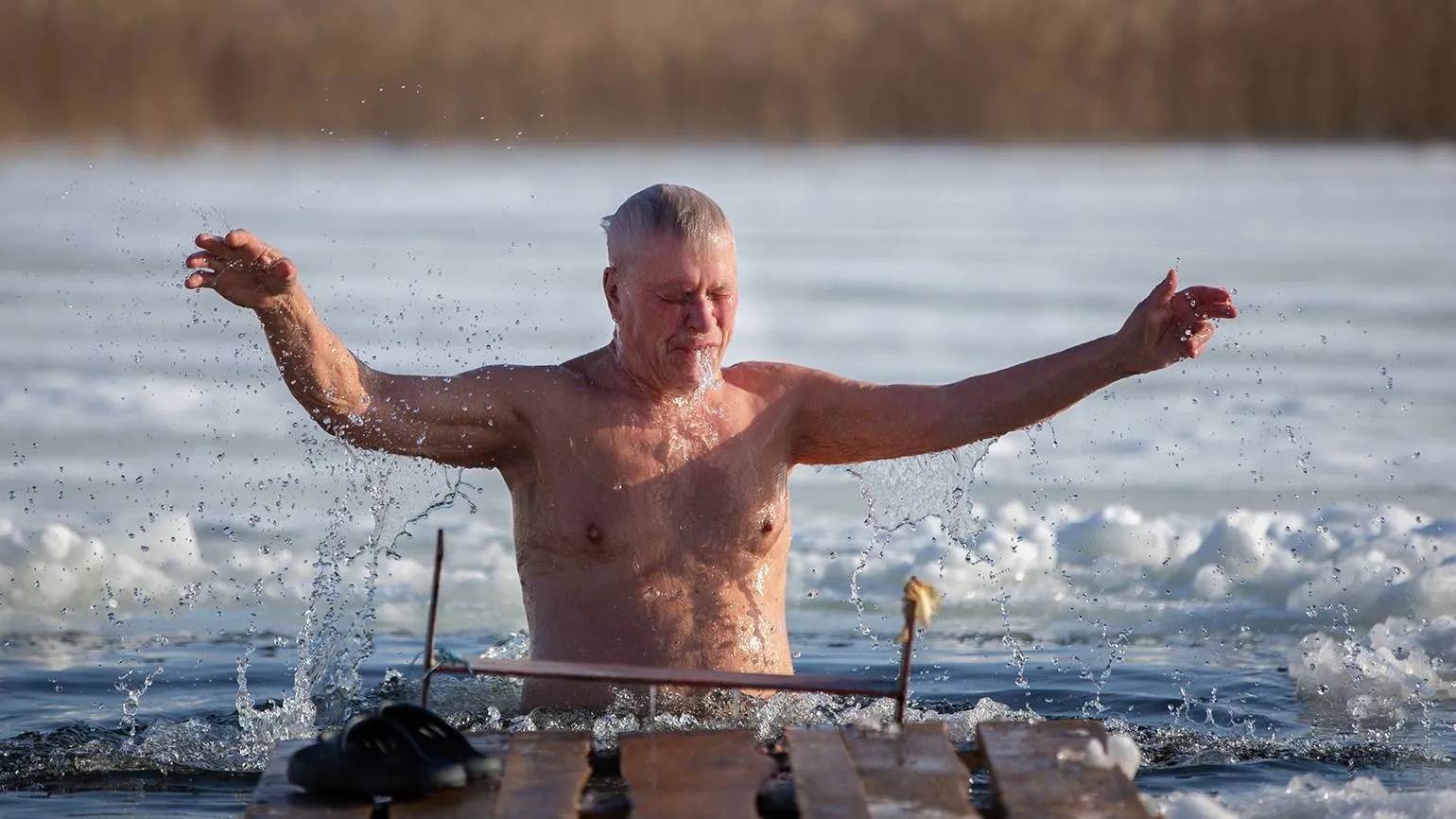
Winter swimming does not eliminate the root cause of depression, but only helps cope with its symptoms. The physical discomfort a person experiences distracts them from fears and impulsive behavior. However, this does not address the underlying problem. To fully address depression, professional help and a comprehensive approach to therapy are necessary.
The secret to effective fat loss through winter swimming lies in adiponectin. This hormone-like protein is released in response to cold, promoting the burning of fat reserves and improving glucose absorption. Surprisingly, high adiponectin levels are observed not only in centenarians but also in their descendants. This suggests that adiponectin may play a significant role in increasing lifespan. Thus, winter swimming not only helps with excess weight but may also have a positive impact on health and longevity.
When in cold water, the number of leukocytes—white blood cells that play a key role in the immune system—increases. This is one of the factors that contributes to increased resistance to infections. Cold water hardening helps activate immune responses, making the body more resistant to various diseases.
You don't need to plunge into icy water in winter to boost your immune system. Research conducted by specialists at the Academic Medical Center Amsterdam shows that even contrast showers can have a positive impact on health. In the experiment, which involved more than 3,000 people aged 18 to 65, participants were randomly divided into four groups. Three groups took contrast showers daily for 30, 60, or 90 seconds for a month, while the fourth group remained a control group. The results showed that the first three groups reduced the number of days spent sick by 29%. This study highlights the importance of simple and accessible methods of strengthening the immune system, such as contrast showers.

Read also:
Immunity: principles of operation and ways to improve it
Immunity is a complex system of protection of the body from infections and diseases. It includes various mechanisms that help recognize and neutralize harmful microorganisms, such as viruses and bacteria. The main components of the immune system are cells, antibodies, and lymphatic organs, which interact with each other to provide effective protection. The immune system's function begins with the recognition of pathogens. When harmful microorganisms enter the body, immune cells identify them and activate defense mechanisms. In response to the threat, antibodies are produced, which help destroy or neutralize the infection. Boosting immunity is a pressing issue, especially in the fall and winter, when the risk of disease increases. There are several ways to strengthen the immune system. A proper diet rich in vitamins and minerals, regular exercise, adequate sleep, and stress management contribute to overall health. It is also important to maintain hydration and avoid unhealthy habits such as smoking and alcohol abuse.
Immunostimulants, such as some herbal remedies, may be helpful, but it is recommended to consult a doctor before using them. Vaccinations are also an important aspect of strengthening the immune system, as they help prevent many infectious diseases.
In conclusion, immunity is an important defense mechanism of the body, and maintaining it requires a comprehensive approach, including a healthy lifestyle and preventive measures.
Czech scientists conducted a study in which they found that "walruses" showed an improvement in the blood lipid profile, as well as the activation of enzymes that protect cells from damage. These changes contribute to a reduced risk of cardiovascular disease in the future. The study results emphasize the importance of monitoring lipid and enzyme status to maintain cardiovascular health.
Who is contraindicated for winter swimming and why?
Before starting winter swimming, it is important to carefully assess the possible risks. Swimming in ice water is contraindicated in the presence of certain medical conditions. These include cardiovascular disease, chronic respiratory diseases, and pathologies associated with impaired thermoregulation. People with allergies to cold should also avoid immersion in cold water. Health should come first, so before winter swimming, it is recommended to consult a doctor and undergo a medical examination. This will help avoid negative consequences and ensure a safe winter swimming experience.
- Cardiovascular disease. The Association of Chartered Physiotherapists for Cardiac Rehabilitation guidelines note that water temperatures in the range of 26–33°C are safe for most people with heart disease. However, winter swimming is contraindicated for them, as the cold can cause severe spasm of the arteries that feed the heart muscle [9].
- Arterial disease. In people with Raynaud's disease or arterial disease, less blood flows to the tissues of the arms and legs even at normal ambient temperatures. When immersed in cold water, blood flow can decrease to a critical level [10].
- Arrhythmias. At low temperatures, the pulse usually slows because the sinus node, which determines the heart rate, loses control over the heart's conduction system. In people with sinus node weakness, other nodes can dictate their own rhythm, and this causes arrhythmia - an excessive acceleration or deceleration of the heart rate, sometimes even cardiac arrest. Not everyone is aware of their tendency to arrhythmia, so before diving into cold water, you should be examined by a cardiologist [11].
- Autoimmune hemolytic anemia. It is also called cold anemia. In people with this rare disease, cold causes antibodies to attack erythrocytes - red blood cells. An autoimmune reaction is triggered at temperatures below 10 °C — red blood cells are destroyed. With their rapid and massive destruction, chills, fever, chest pain, shortness of breath are felt, and shock may be observed [12].

Read also:
The normal pulse rate in men and women is an important indicator of health and the general condition of the body. In adults, the normal resting heart rate ranges from 60 to 100 beats per minute. However, it is worth noting that there may be some differences between men and women. Typically, women tend to have a slightly faster heart rate than men.
Factors that affect heart rate include age, physical activity level, emotional state, and overall health. It is important to monitor your heart rate regularly, as abnormalities may indicate various illnesses or stressful conditions.
To maintain health and normalize your heart rate, it is recommended to lead an active lifestyle, eat a healthy diet, and avoid stress. By paying attention to your heart rate, you can better manage your health and seek medical attention if necessary.
It is important to realize that even one deep breath of water can lead to drowning. In cold water, breathing becomes rapid and deep, even in experienced swimmers. It is also necessary to consider the risk of hypothermia, which can occur after just 30 minutes in icy water. People with low body fat are at higher risk. Research shows that each millimeter of subcutaneous fat makes water feel 1.5 degrees warmer. Therefore, knowing these factors can help prevent accidents and ensure safety in the water.
Winter Swimming for Beginners: How to Do It Right?
Before starting winter swimming, it is important to consult a doctor, who should not prohibit this practice. Even then, it is worth gradually acclimating yourself to cold water. You should start with small steps, increasing the time and intensity of contact with cold water. This will help avoid stress on the body and improve adaptation to low temperatures. Gradual immersion in cold water helps strengthen the immune system, increase endurance, and improve overall well-being.
Rubbing with cold water is an effective hardening method that helps strengthen the immune system and improve the overall health of the body. Cold foot baths help stimulate circulation and relieve fatigue. Douches and contrast showers stimulate metabolism and improve muscle tone. Cold water immersion promotes physical fitness and improves mood, while ice swimming, or bathing in icy water, is becoming an increasingly popular way to strengthen health and increase endurance. Regular use of these methods not only strengthens the body but also improves overall well-being. A cold shower is the ideal start for those wanting to try ice swimming. You don't have to dive straight into icy water. Start with warm water (around 30 degrees Celsius) and gradually reduce the temperature. Alternatively, you can finish the shower with a cold stream, staying under it for 30 seconds to 1.5 minutes. Even a short exposure to cold water can significantly improve your mood and energy levels. Incorporating cold water into your daily routine can be the first step toward strengthening your immune system and improving your overall health.

If you've never tried a contrast shower, start with simpler conditioning procedures. Cold water rubdowns or foot baths are a great place to start. Once you get used to these methods, you can move on to the practice of cold showers. A contrast shower will help strengthen the immune system, improve blood circulation, and enhance overall well-being.
This method is a more complex technique that involves completely or partially immersing the body, including the torso and limbs, in cold water. For example, this could be an ice bath. Cold exposure to the body improves blood circulation, strengthens the immune system and promotes recovery after physical exertion.
- The optimal water temperature is 10–15 °C.
- The immersion time is 10–15 minutes.

It is important to remember that the water temperature should not be too low, as this can pose a health risk. Prolonged exposure to cold water can also lead to hypothermia. For safe swimming, it is recommended to control the time and temperature to avoid negative effects on the body.
Winter swimming is one of the most effective and challenging methods of hardening the body. This sport involves swimming in natural bodies of water in winter, often in ice-covered conditions. Winter swimming helps strengthen the immune system, improve blood circulation, and increase overall body tone. This type of hardening requires preliminary preparation and caution, but with the right approach it can become a beneficial and enjoyable health habit.
Winter swimming helps the body effectively use hidden energy reserves and develops the ability to warm itself, even when swimming in icy water. This activity not only strengthens the immune system but also increases endurance, making it beneficial for overall health. Winter swimming helps adapt to cold temperatures, improves circulation, and increases overall tone. Exercising in icy water builds resilience to stress and allows you to better cope with low temperatures, which is especially important in winter.
To ensure winter swimming is effective and brings maximum benefit, you should adhere to a few simple rules, which can be referred to as the "Rule of Three 'P's'." These rules will help you properly organize the hardening process and improve your overall health. By following them, you will be able to experience all the benefits of winter swimming, such as a strengthened immune system, increased energy levels, and an improved mood. Remember, it's important to consult a doctor before beginning winter swimming, especially if you have any chronic medical conditions. Properly understanding and applying the "Three P's Rule" will make your winter swimming experience not only safe but also as effective as possible.
Gradualism is a process that involves slow but steady change or development. This approach allows for sustainable results while minimizing stress and risks. Gradual changes, whether in your personal life, career, or education, facilitate better absorption of information and skills. The key to successful progress is to take your time and carefully monitor each stage. This allows you to adapt to new conditions and overcome any challenges that arise. Gradual development helps build a solid foundation for future achievements.
Begin by gradually acclimating your body to cold water. During your first four dives, dive 2-3 times to chin level, then immediately exit the water and warm up. The main goal of the first sessions is to overcome your fear of icy water and develop self-confidence. This will allow you to comfortably and safely adapt to cold conditions, which is an important step in hardening practice.
Gradually increase the time you stay in the water: start with 20-40 seconds, then increase to 40-60 seconds. This will allow your body to adapt and significantly improve results.
It is important to remember that following rules and recommendations plays a key role in achieving success. If you want to get the most out of your actions, you must carefully study and follow established standards. This applies to both professional activities and personal initiatives. Understanding the significance of each step in the process will help you avoid mistakes and increase productivity. Pay attention to detail and plan your actions carefully. Your success depends on a conscious approach and adherence to important principles.
Water temperature directly affects the time it is safe to swim. In winter, when the water is cold, it is recommended to limit your time in the water to 1-3 minutes to prevent the risk of hypothermia. This is especially important for maintaining health and well-being in cold temperatures. Safe swimming in cold water requires a careful approach and the necessary precautions.
A constant desire to develop and improve is a key aspect of a successful life. This applies to both personal and professional spheres. Consistency allows us to achieve goals, overcome difficulties, and adapt to change. By mastering new skills and knowledge, we strengthen our competitiveness and open up new opportunities. Continuous self-education and self-improvement become the foundation for achieving high results and self-confidence. It is important to remember that consistency in actions and thoughts forms successful habits that lead to desired changes.
Many people are mistaken in believing that hardening, once achieved, is permanent. In fact, regular practice is necessary to maintain hardening. Long pauses in hardening can lead to a decrease in the body's resistance to cold water and temperature changes. Therefore, it's important not only to begin hardening yourself but also to continue this practice on a regular basis to strengthen your immune system and improve your overall resilience. Regular hardening procedures will help you maintain your progress and avoid the negative effects of a temporary break in training.
After two weeks without winter swimming, the body's adaptive abilities begin to decline. To restore these abilities, you will need to start the entire process over again. Regular hardening exercises are important for maintaining and strengthening the immune system, as well as increasing overall resilience.
Correct use of language and grammar is an important aspect of communication. It not only promotes better understanding but also creates a positive impression of the speaker or writer. Correct expressions and text structure make information more accessible and easier to understand. It is important to pay attention to detail to avoid misunderstandings and make your message as clear as possible. In addition, correct text formatting helps improve its visibility in search engines, which helps attract more readers.
- Start hardening in the summer to have time to adapt to the winter swimming season.
- Dive only when you feel well.
- Wait at least an hour after lunch before performing any hardening procedures.
- Warm up your muscles before diving. Swimming in an ice hole begins with a short warm-up, which includes gymnastic exercises and light jogging.
- Enter and exit the water carefully, preferably in shallow water, to gradually get used to the change in temperature and depth.
- After leaving the water, rub your body with vigorous movements to increase blood flow.
- Drink something warming (but not alcohol!). Be sure to bring plenty of warm clothing to dress immediately after swimming.
- Try not to swim alone; go with a friend or join a winter swimming club [3], [14].
Finally, it's worth noting that science continues to gather evidence on the benefits of winter swimming. Because the number of people involved in winter swimming is relatively small, large clinical studies in this area have not yet been conducted. Nevertheless, the available data allow us to conclude that winter swimming can be beneficial when approached sensibly. It is important to remember to exercise caution, start with light exertion, and listen carefully to your body. Regular winter swimming can improve overall health, strengthen the immune system, and increase endurance.
Free test: which digital profession is right for you?
IT, design, marketing or management? Find out the answer in 15 minutes. And then try your hand at a new specialty for free.
Find out more