Contents:
Soft Skills for Difficult Times: 7 Key Skills
Find out moreRevising the Concept of Working Time: Redefining Productivity
In today's business, many companies continue to use the traditional performance evaluation model based on the number of hours spent in Office. For a long time, sitting at a desk for eight hours or being present on a production line was considered a sign of full employment. However, this practice does not always reflect the true productivity of employees. Work performance should be assessed not only by the time spent at the workplace, but also by the results achieved. Transitioning to more modern assessment methods, such as productivity, quality of work, and goal achievement, can significantly improve overall business performance and create a more comfortable working atmosphere for employees. Many organizations continue to use quantitative metrics inherited from the industrial era to evaluate their performance. Evaluation by the volume of tasks completed or the number of clients served per day does not take into account the unique characteristics and abilities of employees. This approach can lead to underestimation of work quality and decreased staff motivation. Instead, it is worth considering more modern assessment methods that take into account individual achievements and the contribution of each employee to the overall result. This will create a more productive and inspiring work environment, contributing to the growth of both employees and the company as a whole. How to organize the workflow for employees whose productivity increases at night? How should we account for office workers who complete tasks twice as fast as their colleagues? It's also important to consider employees who need to devote time to family, such as picking up children from school or caring for elderly parents. Effective time management and flexible work schedules can significantly improve overall team productivity and employee satisfaction. Implementing such approaches will help create a balanced work environment where everyone can showcase their strengths and complete tasks at their own pace, ultimately leading to improved company results. The question of whether to evaluate employees based on the number of hours worked or focus on their actual productivity remains relevant. How can this productivity be measured? Key criteria may include the quality of work performed, the number of tasks completed, and more abstract parameters such as creativity and innovation. Currently, there is no single answer to this question, and its solution remains uncertain in the near future. Effective employee evaluation requires a comprehensive approach that considers both quantitative and qualitative performance indicators.
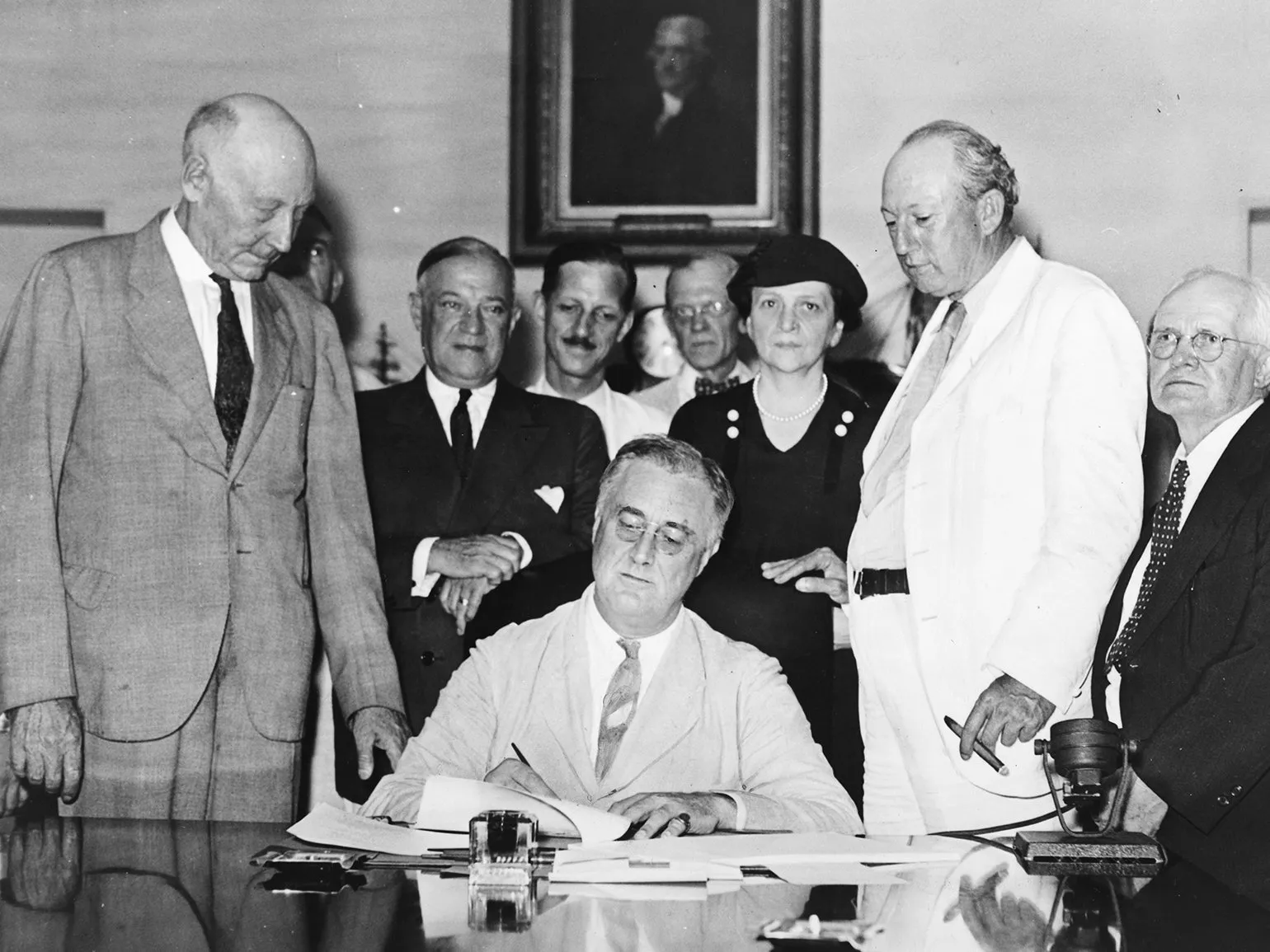
The introduction of the five-day workweek in the United States brought significant changes to work practices and retirement ages. The Social Security Act, signed by Franklin Roosevelt in 1935, set the retirement age at 65. The average American began working at age 18, meaning they had to work approximately 12,200 eight-hour days to reach retirement age. However, in practice, this was difficult to achieve: the average life expectancy for men born in 1930 was only 58 years, and for women, 62 years. These factors called into question the reality of retirement for many workers, highlighting the need to rethink the pension system and working conditions.
Despite changes in society, technology, and the economy, the concept of an eight-hour workday remains relevant. However, the coronavirus pandemic has significantly altered the way work is organized, forcing millions of employees to switch to remote work. This shift has opened up new opportunities for flexible schedules and worktime optimization. Many companies have begun to rethink their workforce management models, implementing more adaptive work arrangements to boost productivity and improve work-life balance. The workday in the post-pandemic world is undergoing significant changes. While a precise understanding of these changes will take time, several clear trends are already emerging, as well as those that remain to be explored. Remote work, flexible schedules, and the increasing importance of digital tools are becoming the norm. Employers and employees are adapting to these new conditions, which in turn is shaping new approaches to work organization and team collaboration. These changes can impact employee productivity and satisfaction, as well as the overall corporate culture.
The Challenges of Digital Freedom: How Technology Impacts Work-Life Balance
With the advancement of modern technology and before the COVID-19 pandemic, office workers gained the ability to complete their tasks from anywhere in the world. However, this progress came with certain consequences. Many employees, especially those in white-collar professions, began to lose proper rest. The desire to keep up with colleagues forced them to continue working everywhere: at home, on public transportation, on vacation, or even at night. This negatively impacted their health and productivity, highlighting the importance of maintaining a work-life balance.
With the increase in workload, many companies began to reduce their headcount. This led to longer working hours and a blurring of the boundaries between personal life and work, creating an atmosphere of constant stress and anxiety. With the onset of the COVID-19 pandemic, which forced millions of workers to work remotely, this issue has become especially pressing. Working from home, employees have found it difficult to separate work time from personal responsibilities, which has exacerbated stress and negatively impacted their psycho-emotional well-being. Workflow Transformation: Zoomification Workflow has undergone significant changes in recent years. Video calls, once reserved for exceptional situations, have now become commonplace, replacing traditional phone calls. This transformation has not only changed the way we communicate but has also profoundly impacted our perception of the workplace, making it more flexible and accessible. Modern technology allows us to interact with colleagues and clients from anywhere, which contributes to increased productivity and efficiency. As a result, video calls have become an essential business tool, enabling more personal and meaningful connections between participants.
With the shift to remote work, the boundaries between personal and professional lives have become blurred. Personal moments, such as a dog's bark or children's tantrums, now merge with the workflow, broadcast in real time to colleagues' screens. Platforms like Zoom, Microsoft Teams, and Webex have made our lives resemble reality TV, where everyone can peek into each other's homes. This new format of communication requires us to find a balance between work and life and adapt to the changed conditions of interaction.
The visual accessibility of personal spaces has led to changes in traditional design norms. Home office interiors have often been transformed on screen, and decorative elements like green screens have been used to disguise clutter, replacing it with more appealing visuals. This phenomenon has become the new norm for many workers seeking to create a comfortable and aesthetically pleasing environment for remote work. As a result, home office decor has become not only a matter of functionality but also an important aspect of personal image.
Changes have also affected dress codes. Business attire has gradually given way to more comfortable clothing. First, we abandoned ties and jackets, and then moved on to T-shirts and sportswear. This process has become a symbol of the vulnerability of employees, who are now forced to open up to colleagues. New dress standards reflect changing values in the workplace, where comfort and personal freedom are becoming a priority.
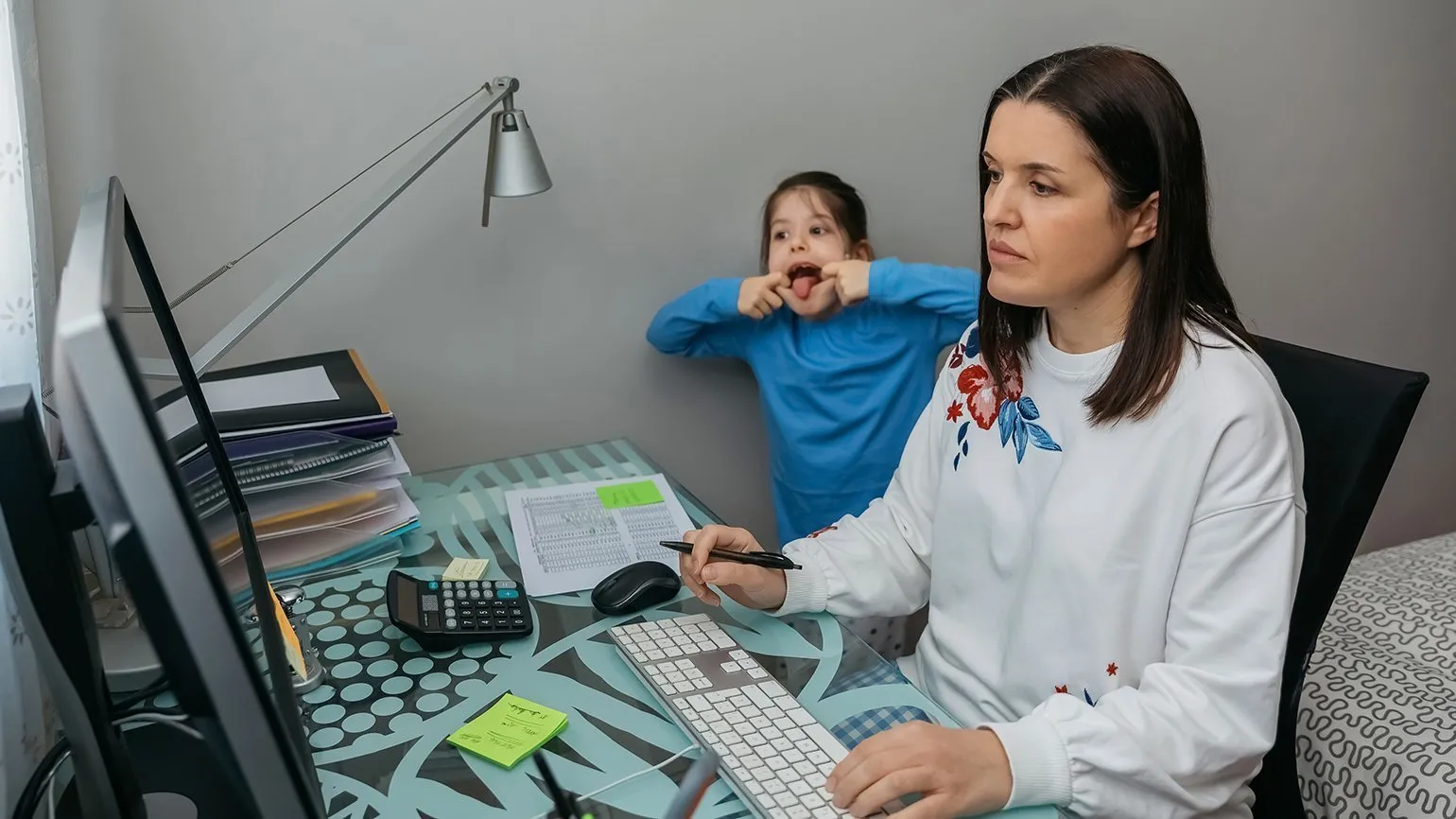
The transformation, despite its difficulties, led to positive changes in the work environment. Employees began to openly share their experiences and problems, which drew the attention of employers to the importance of mental health. This approach has become the foundation for a more supportive and comfortable workplace environment, contributing to improved morale and increased productivity.
Flexible work schedules have become a vital benefit for modern companies. They allow organizations to attract talent from anywhere in the world, significantly expanding their potential. This has become especially relevant during the global pandemic, when traditional working methods have proven ineffective. A flexible approach to labor relations not only increases employee satisfaction but also contributes to increased productivity and innovation in business.
Many homes have found themselves unprepared for the new working conditions associated with remote work. Adapting to this format required compromises, raising questions about the long-term sustainability of this model. The need to create comfortable conditions for working from home is becoming increasingly urgent, and this poses many challenges that require attention and solutions.
Given all the changes that have occurred in recent years, it is important to consider the future of the workplace. What will the new format of work look like and what key principles will define it? We are on the threshold of a new era in the world of work, and only time will tell how we will adapt to these challenges. Current trends such as remote work, flexible schedules, and the digitalization of processes are already changing traditional approaches. It is important to remember that successful adaptation to new conditions requires employees and employers to be prepared for change and actively embrace new technologies and methods.
Transformation of Work: A Look into the Future
Modern trends in business management require an update to traditional approaches. Outdated management ideas about rigid hierarchies are becoming a serious barrier to innovation. Unlike in the past, when employees feared senior management, today we are seeing a shift toward more flexible management methods. This facilitates the democratization of processes and the distribution of responsibility, which undermines traditional corporate structures. Businesses that adapt to these changes become more competitive and able to respond more quickly to market challenges.
Modern realities require managers to master relevant tools for inspiring and motivating teams. Employee performance today is determined not by the number of hours spent in the office, but by actual results. This creates a dichotomy: some employees successfully adapt to autonomous work, while others struggle without constant supervision, especially those who struggle with prioritization. It is important to provide support and resources to all team members to facilitate their development and increase productivity in the new work environment.
In the past, a clear hierarchy helped employees track their career paths and receive feedback on their achievements. In today's work environment, where clear guidelines disappear, employees may have difficulty understanding their direction. This can lead to a lack of confidence in their actions and a feeling of being left behind in their professional development. It's important to create new support mechanisms that help employees understand their goals and provide regular feedback that fosters development and success. The benefits of the new work model become clear to people with self-management skills. They can work during their most productive hours, which reduces the number of ineffective meetings that often degenerate into mere formalities. This model also helps reduce stress associated with the fear of missing out (FOMO), allowing employees to focus on relevant tasks and increasing overall work efficiency. Adapting to a flexible schedule helps employees better manage their time and resources, which positively impacts their productivity and job satisfaction. The elimination of rigid time frames has exposed shortcomings in both the corporate structure and the personal qualities of employees. In a modern world where success is measured by results, the approach to reward systems is also changing. Traditional bonuses and status are losing their significance, giving way to personal freedom and time. Rewards are now based not on length of service, but on the ability to find creative and prompt solutions. This transformation highlights the importance of flexibility and innovative thinking in modern business.

New Horizons After the Pandemic: Business Opportunities
The business world is gradually recovering from the global pandemic, and this time offers unique opportunities for companies to reconsider their approaches to organizing Work. Previously, the focus was on when and where work was performed, while the quality and significance of the tasks performed often remained secondary. It is time to create a new model that takes into account key aspects such as employee satisfaction, task meaning, and performance. This will not only increase employee motivation and engagement but also achieve better business results. The application of innovative management methods and technologies in the work process will be an important step towards the sustainable development of companies in a post-pandemic world.
While it is impossible to predict the future, every organization can take specific steps to successfully adapt to changing conditions. It is important to analyze current trends and implement innovative approaches to remain competitive. Organizations must be prepared for change by developing the flexibility of their processes and improving customer interactions. Successful adaptation requires strategic planning and continuous learning, which will allow you to effectively respond to the challenges of the time.
Focus on specific tasks and expected results for both the company and each employee, rather than focusing on the work itself. Eliminate obsolete tasks and outsource those that can be completed more quickly and efficiently. If tasks are aligned with the skills and experience of your employees and are simple and understandable, this increases the chances of your business's success. A Marie Kondo-like approach encourages the streamlining of not only physical objects but also workflows, which in turn leads to increased productivity and team effectiveness.
After reducing the volume of tasks, it is important to rethink the role of each employee on the team. Our goal is not to reduce headcount for cost savings, but to most effectively utilize employees' talents and experience on projects that contribute to the company's development. This will not only increase productivity but also create a more motivated work environment where everyone can contribute to the overall success.
Changes in your company will not lead to the desired results if management is not based on objective criteria. It's important to determine whether your managers are true leaders or simply senior employees whose primary role is to lead meetings and delegate instructions. Effective leadership requires active participation, the ability to motivate a team, and make informed decisions, which in turn impacts the success of the entire business.
Tomorrow's business leaders will be significantly different from today's. Without new leaders and innovative approaches, many companies risk not surviving in a rapidly changing market. The success of organizations will depend on the ability to adapt to new challenges and implement modern management strategies.
Team Management: 5 Key Soft Skills in a Crisis
Want to become a leader in difficult times? Learn 5 Soft Skills to Manage Teams and Boost Confidence!
Learn More