
Contents:

Management and Marketing in Sports: 7 Key Skills
Find out moreHow to Become a Successful Football Coach: Secrets and Strategies
How to Get Kids Interested in Football? There are many methods that coaches call "hooks." To successfully engage young players, it is important to pay attention to four key aspects. First, create an engaging training atmosphere using game elements and competition. Second, set positive examples and inspire children to succeed. Third, consider each child's individual interests and skill level, adapting training to their needs. Finally, actively involve parents in the process by organizing joint activities and maintaining communication. These approaches will not only help interest children in football but also maintain their interest over the long term.
The coach's personality is a key aspect in the education and development of children in sports. A charismatic coach with good communication skills can spark children's interest in the game, which promotes their motivation and engagement. Effective interaction between the coach and young athletes helps create a comfortable atmosphere in which children can develop their skills and self-confidence. Therefore, choosing a coach with a strong personality and the ability to find common ground with children is crucial for successful learning and the development of a positive attitude towards sports.
A coach should become a reliable friend for young athletes. It's important to be able to discuss a variety of topics with them, play games, and, of course, gain useful knowledge. It's essential to show a genuine interest in their lives, communicate in a language they understand, and be able to maintain a conversation about everyday matters. This approach fosters trusting relationships and creates a comfortable atmosphere for learning and growth. A coach who knows how to listen and understand their players helps them not only in sports, but also in their personal lives.
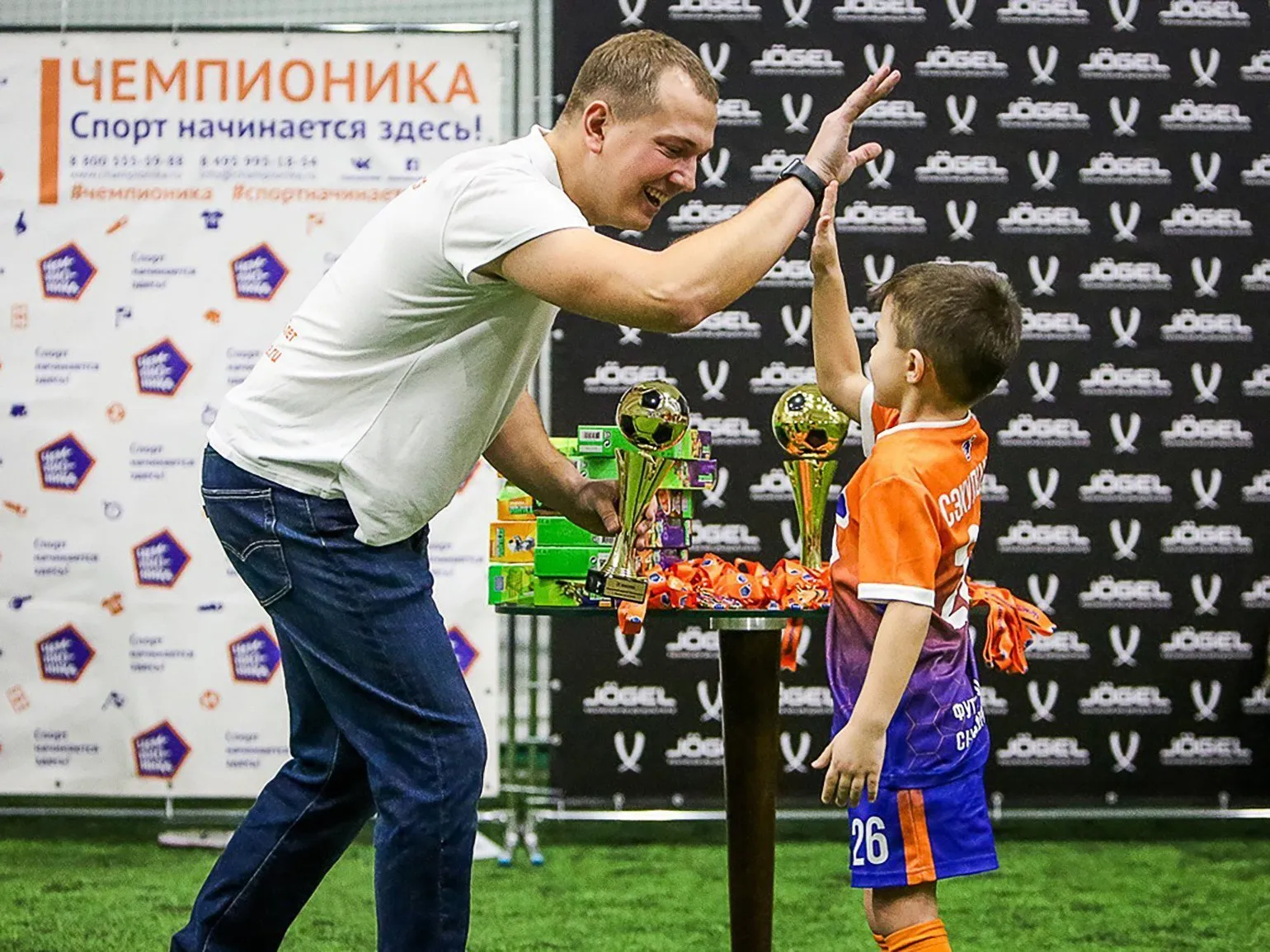
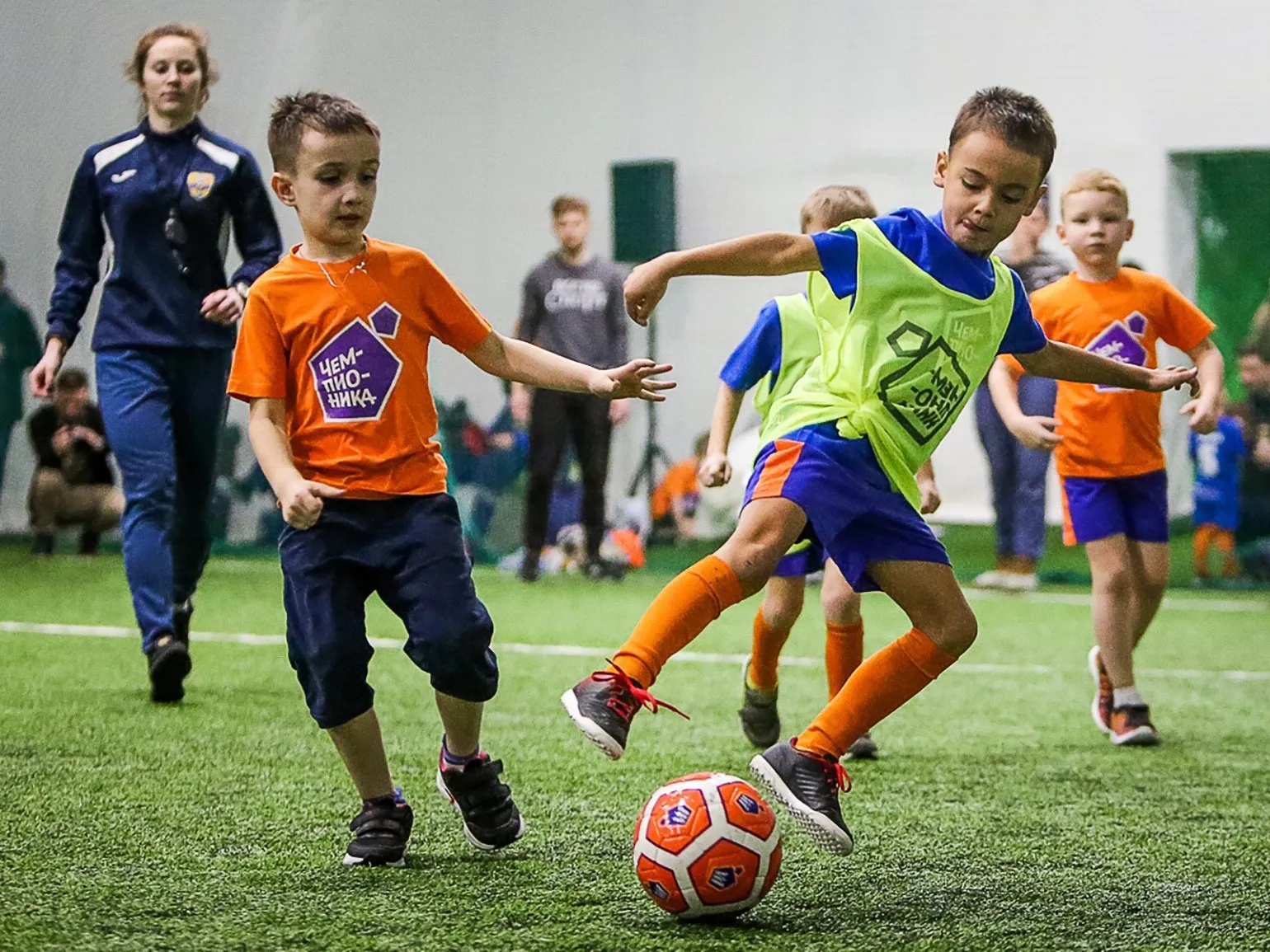
Many people wonder whether it is possible to become a successful coach in adult football without experience working with children. The answer to this question is unambiguous: it is unlikely. The foundations that coaches receive in youth football play a key role in subsequent work with adult teams. Experience working with children allows coaches to develop important skills such as communication, patience, and the ability to adapt training to different skill levels. These elements become the foundation for successfully managing adult players. Therefore, if you aspire to become a coach in adult football, it is worth starting with youth coaching to lay a solid foundation for your career.
The training approach varies significantly depending on age. For children aged three to four, the main focus is on a play-based learning model. At this age, lessons are conducted in the form of games, which allows children to acquire new knowledge and skills while having fun. Play-based learning promotes the development of creative thinking, social activity, and emotional intelligence. As children mature, the training approach becomes more structured and focused on mastering the educational material, but it is important to maintain elements of interactivity and engagement to maintain interest and motivation for learning.
As children age, starting from the age of five, training becomes more specialized and focused. During this period, the emphasis shifts to mastering technical skills such as dribbling and passing, as well as developing the individual qualities of players. Encouraging young footballers to be selfish in their play is an important aspect of their growth and development, as it fosters confidence and decision-making on the field. A proper approach to training will help young athletes achieve high results in football.
Over time, priorities in children's training and development change. By the age of ten to twelve, the emphasis shifts to teamwork and tactical preparation. At this age, it is important to develop skills such as collaboration, strategic thinking, and the ability to work in a group, which contribute to the development of leadership qualities and self-confidence. These skills are not only essential for successful participation in sports teams but also for future professional life.
The training process has many nuances. Coaches must remember the key principle: first, the foundation is laid, then the walls are built, and only then the roof is installed. Maintaining this sequence and thoroughness in training are crucial to ensuring that children can perceive information at a level they can understand. This will ensure sustainable growth and development, as well as increase the effectiveness of training. A well-structured training program promotes better absorption of material and the development of essential skills.
How to Become a Children's Coach: Education, Licenses, and Practical Experience
A successful career as a children's coach requires a combination of professional skills and personal qualities. First and foremost, a coach must have knowledge of pedagogy and psychology, understanding the developmental characteristics of children and their needs. It is also important to have experience in the sports field in order to effectively teach children and share your knowledge with them.
Communication skills play a key role. A coach must be able to find a common language not only with children, but also with their parents, creating an atmosphere of trust. The ability to motivate and inspire young athletes is another important aspect of successful coaching.
In addition, a coach must constantly develop, take advanced training courses, and keep up with new training methods. This will allow them to remain competitive in the services market and ensure high-quality training.
It's also important to prioritize children's physical fitness and health, creating a safe and comfortable training environment. A commitment to developing each child's individual skills will help them achieve better results and foster a positive attitude toward sport. By adhering to these principles, a coach can build a successful career and make a significant contribution to the development of young athletes.
The formula for success lies in hard work, continuous learning, and careful analysis of the experience of professionals. In recent years, the Champions Academy has trained over a thousand coaches, among whom those who truly strive for success stand out. They are distinguished by their determination, perseverance, and desire to constantly improve. These qualities help them not only achieve high results but also inspire others to succeed. It is important to understand that success is not only a result, but also a process based on constant self-improvement and the willingness to learn from the best.
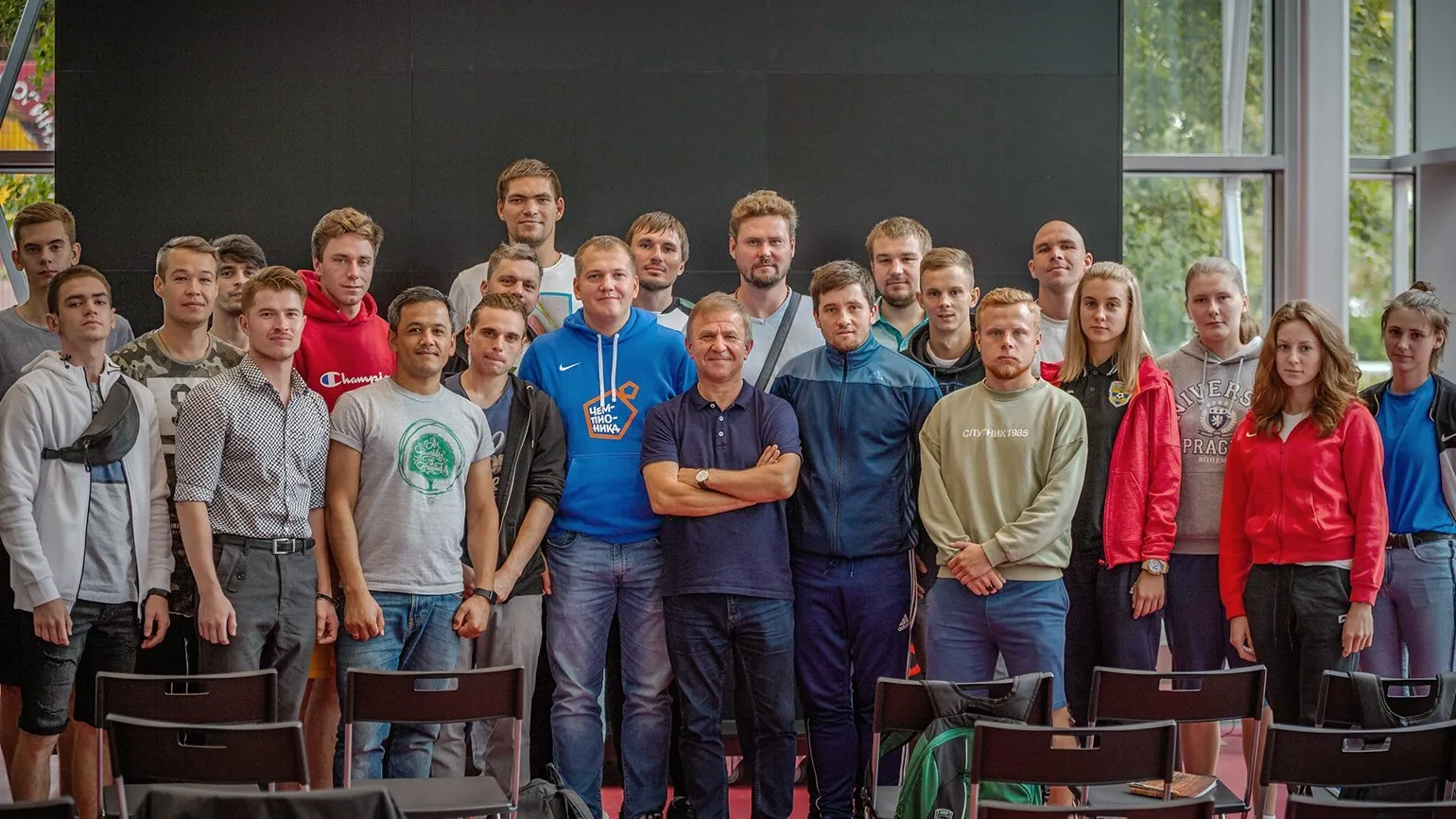
It is possible to become a children's coach without a higher education, but having a diploma can increase your chances of success in this field. Working with children requires not only knowledge but also communication skills and an understanding of child psychology. Many coaches begin their careers by participating in courses and trainings that help develop the necessary competencies. Practical experience, a love of sport, and the ability to connect with children are also important factors. Therefore, even without a higher education, you can become a successful children's coach if you actively develop in this field. Choosing a career in physical education and health depends on your goals. Many private schools offer opportunities in this field without requiring a higher education. This aspect is less significant in foreign countries, where there is also a demand for qualified specialists. Therefore, if you plan to develop in the field of physical education and health, it is important to consider your personal goals and employer requirements. Obtaining a higher education is an important career step. It does not necessarily have to hinder your professional growth. Combining work and study is possible and can even be beneficial. For example, I started coaching when I was in my third year of study. Higher education opens new opportunities and helps develop the necessary skills for a successful career.
Desire is a key factor in achieving success. There are numerous examples of people in adulthood who have radically changed their lives and become successful coaches. These stories are inspiring and show that it's never too late to follow your dreams and reach new career heights. It's important to understand that life change begins with an inner drive and a willingness to embrace new challenges. Success is within the reach of anyone who is not afraid to take action and constantly develop.
There are many successful coaches who started their careers from scratch and achieved significant heights. One such example is Joanna Lumley, who, despite lacking experience, was able to build a successful career in coaching using her unique methods and approaches. Also worth mentioning is Tom More, who began with small groups and gradually developed his practice, attracting clients thanks to his professionalism and personal approach. These examples demonstrate that even without initial resources and experience, it is possible to succeed in the coaching field. It is important to have a desire to learn and develop your skills, as well as be open to new opportunities.
Maurizio Sarri is an example of how an unusual path can lead to success in sport. Until the age of 33, he worked as a banker, but then decided to change his life and become a coach. Since then, his name has become famous on the international stage. Sarri has achieved significant success working with clubs such as Chelsea and Juventus, where he demonstrated his skills and tactical genius. His story is an inspiration to many, showing that pursuing a dream can lead to outstanding results.
Jose Mourinho is an outstanding football coach who began his career as a translator. He became known for his successful work with clubs such as Chelsea, Real Madrid, and Manchester United. Mourinho is renowned for his unique style of play and tactical developments, which made him one of the most respected coaches in the world of football. His achievements as a coach left a significant mark on the history of these teams and the entire football world.
It is important to note that individuals with criminal records, mental disorders, or drug addictions are not allowed to work as coaches. This rule is in place to ensure the safety and effective training of clients. Coaches must demonstrate not only physical fitness but also psychological stability to create a trusting atmosphere and facilitate the achievement of goals.
A coaching license may be more significant than a university degree, depending on the context. A license confirms the specialized knowledge and skills necessary for professional coaching. It also confirms that the coach has completed the appropriate training and meets established standards. While a university degree provides theoretical knowledge and general training, a license emphasizes the practical aspects of the work and the competencies necessary to effectively perform coaching duties. Therefore, for clients and employers, licensing may be a more important criterion when selecting a specialist.
Education serves as the foundation for professional growth, while a license confirms your qualifications and practical experience in the chosen field.
In Russia, obtaining a license requires a higher education, while for Category D, a secondary vocational education is sufficient. At the same time, in Europe and America, educational requirements are significantly less stringent. This difference in approaches to licensing may be due to different standards of professional training and regulation in different countries.
Category D is intended for working with youth teams. This certificate is valid for five years, allowing coaches and specialists to effectively develop and train young athletes.
Category C is intended for coaches working with juniors, first and second division teams, as well as in amateur clubs. This license is valid for three years.
Category B allows coaches to train athletes in the Russian Football Premier League and other professional teams. This category is valid for three years, allowing coaches to develop and improve their skills and ensure a high level of player training.
Category A allows coaches to work in countries participating in the UEFA Coaching Convention at levels B or A. It also allows them to find employment with football clubs in the Russian Football Premier League. Obtaining a Category A license opens the door to high-level coaching and promotes a career in professional football.
A PRO license provides the opportunity to become a head coach in countries that have signed the relevant convention. The license is valid for three years. This license is an important step for coaches seeking professional development and working on the international stage. PRO license holders can look forward to advanced training and new career prospects in the world of football coaching.
Football academy licenses provide the opportunity to teach at football schools and serve as confirmation of the successful completion of a specialized educational program. These licenses play a key role in ensuring the quality of the training process and the professional development of coaches. Obtaining a license demonstrates a high level of competence and knowledge necessary for the development of young athletes.
Two years ago, I received my Category A license. This event is very important to me. The license allows me to practice professionally in the field that interests me and opens up new opportunities for career advancement. It confirms my skills and knowledge, which is important not only for me but also for my clients. Obtaining a license was an important step toward achieving my professional goals and improving the quality of my services. Consistent development is key for me. After completing Category B, I enrolled in the RFU Academy to gain new knowledge and skills. The license confirms my qualifications and professional status in the field of coaching. At the age of 28, I became one of the youngest coaches to receive the UEFA A category, which testifies to my desire for improvement and high professional standards.
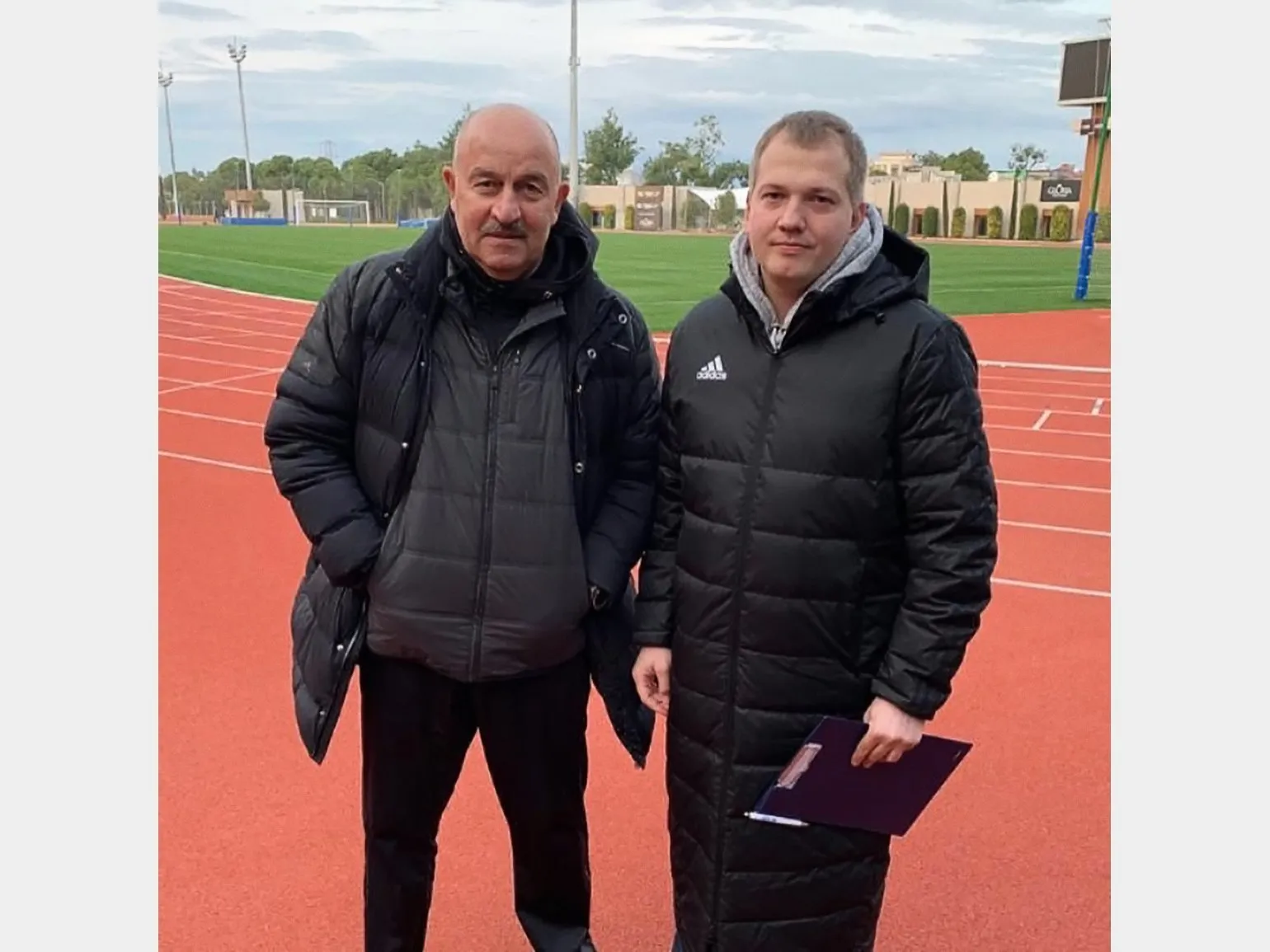
Training for Category A took one year. Of the group that began the course, approximately one third failed the final exam. This emphasizes the importance of thorough preparation and mastering the material during the training process.
Finding a job for a beginner trainer without a license and experience can be difficult, but it is possible. It is important to start by creating a high-quality resume that highlights your skills, achievements, and desire to grow in this field. You should also consider volunteering or internships at fitness clubs to gain practical experience and make useful contacts.
Participating in specialized events, such as seminars and trainings, will help expand your horizons and establish contacts. You can actively use social media to promote your services, share your knowledge, and find potential clients. In addition, it is worth considering online platforms for trainers that can help you find your first clients and provide services.
Finally, it's important to continually learn and develop, gaining the necessary knowledge and skills that will help you find employment and improve your qualifications.
Start a career as a football assistant—this profession is always in demand. As an assistant, you'll have a unique opportunity to gain a deeper understanding of the specifics of a coach's work and master the necessary skills to obtain a coaching license. You'll also have the opportunity to establish important contacts with employers, which can contribute to career advancement after obtaining a license.
My first coaching experience came at a time when I was actively involved in sports and striving to develop my skills. I began working with beginners, conducting training sessions for children and teenagers. This allowed me not only to pass on my knowledge but also to better understand how to adapt teaching methods to different age groups and skill levels. Gradually, I expanded my horizons by participating in seminars and training sessions, which helped me deepen my coaching knowledge and improve my qualifications. This experience became the foundation for further professional growth and development in the field of coaching.
I was lucky, because together with my father, we opened the women's football department at the Strogino club. My work began in my third year, and I continue to develop in this area.
A Coaching Approach to Women's Football: Emotional Literacy and Tactics
In the modern world, women's sports, including football, are attracting increasing attention, which requires coaches to take an adapted approach. According to experts, at the Strogino club, which trains the women's team, the differences in working methods with girls and boys are mainly related to the emotional component. Coaches must take into account the peculiarities of women's psychology in order to create a comfortable and supportive atmosphere. This allows not only to develop athletic skills but also to strengthen team spirit. Thus, the right approach to training in women's football contributes not only to improved performance but also to the overall development of female athletes.
Girls perform similar physical exercises to boys, but the emotional approach to their training requires greater caution. Coaches must carefully choose their words and promises, as girls are more sensitive to conflict. Unlike boys, who quickly recover from unpleasant situations, girls require a more sensitive approach to maintain a trusting relationship with their coach. Proper support and attention to girls' emotional state contribute not only to successful training but also to the formation of a strong bond between coach and athlete.
A coach's tact plays a key role in achieving team results. Experts note that when athletes see a coach who consistently follows through on their promises and accepts responsibility for their actions, this significantly increases their motivation. Girls begin to strive for maximum results in training, wanting not only to improve their skills but also to not disappoint their coach. This creates an atmosphere of trust and support, which ultimately contributes to achieving high results in competitions.
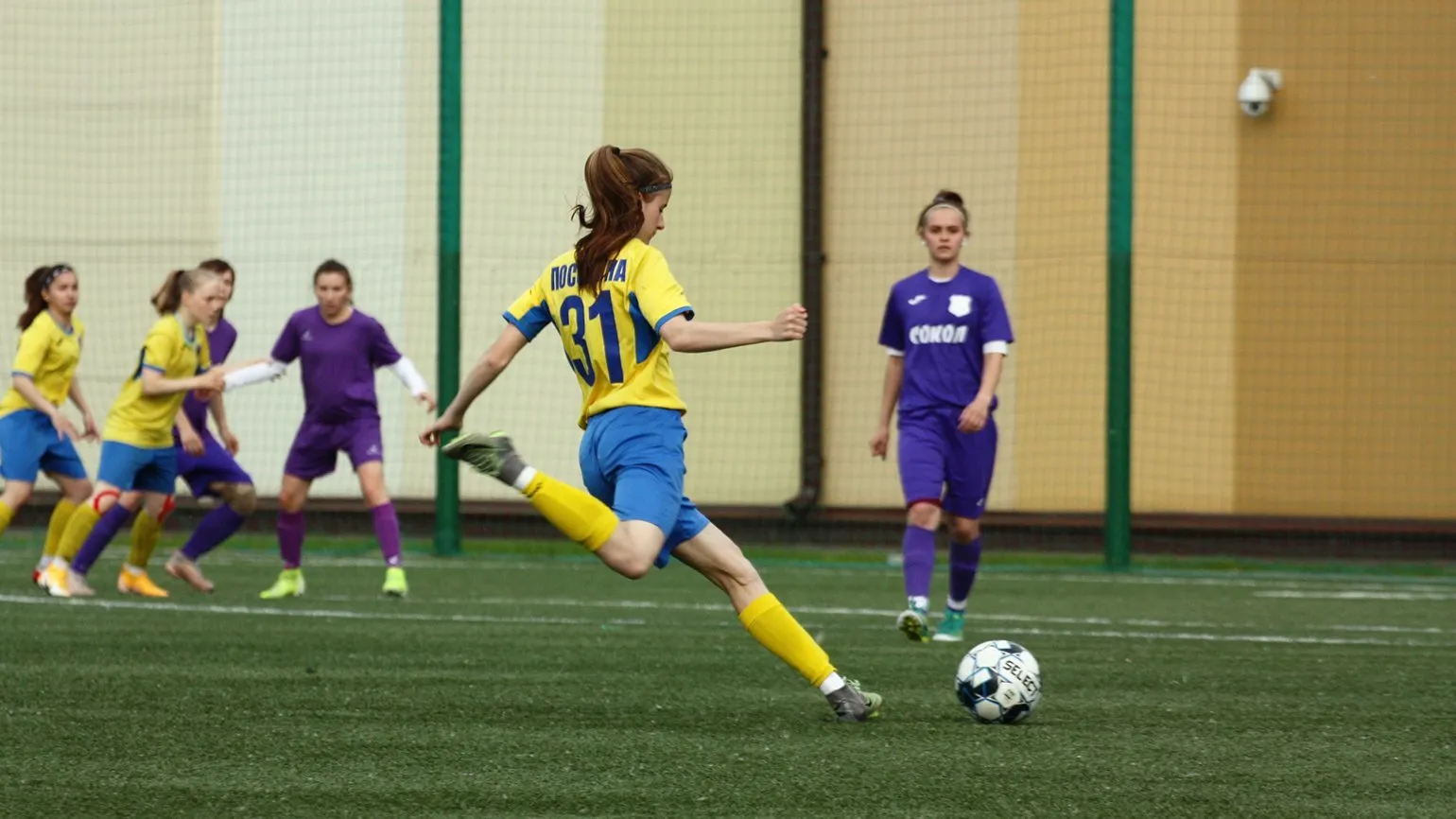
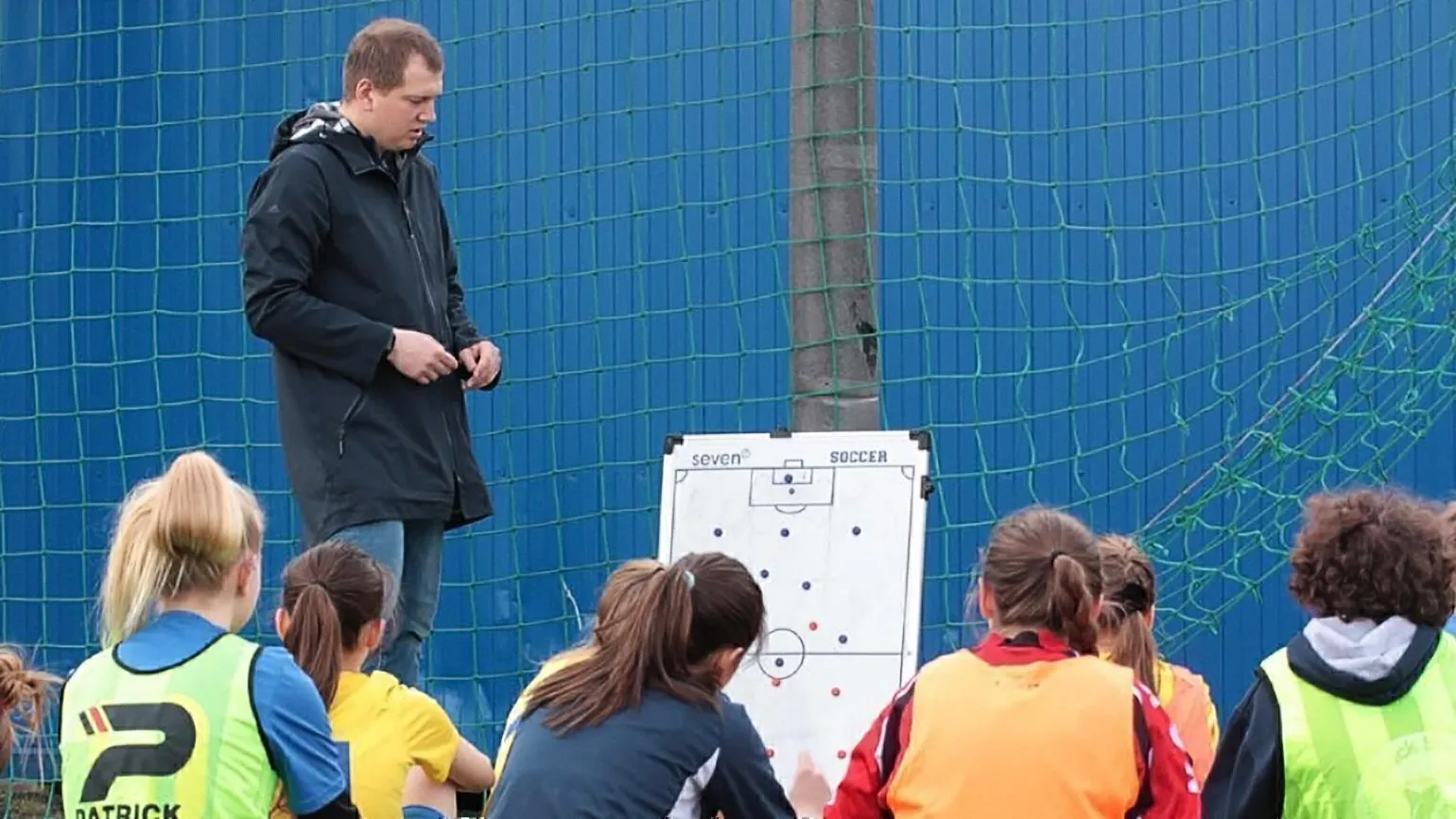
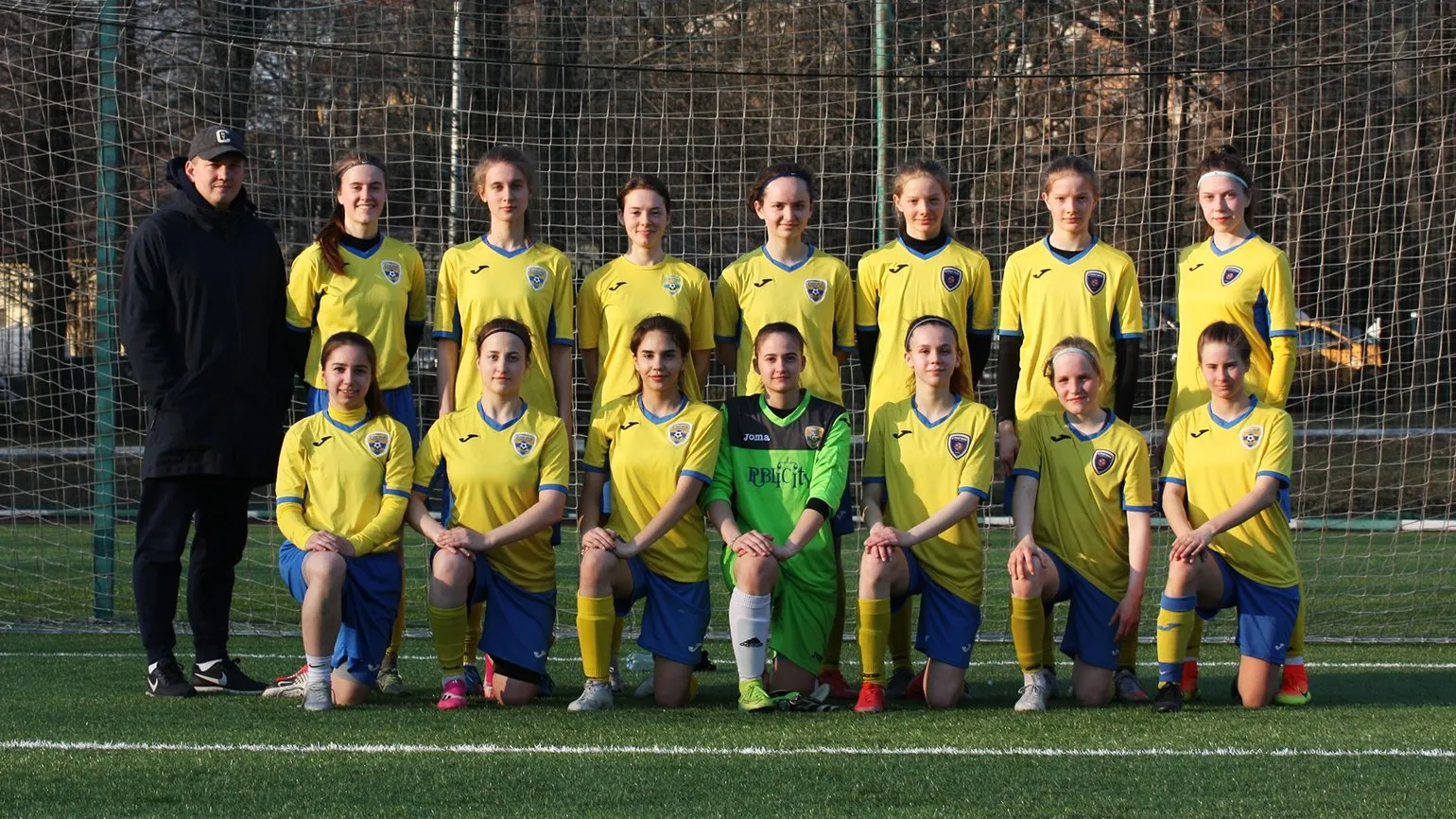
Criticism in sports is a natural part of the improvement process. It is important to focus on the actions, not the personality of the athlete. This method helps maintain positive relationships within the team and respect the dignity of each player. Correct constructive criticism contributes to the development of skills and improves the overall effectiveness of sports activities. It is important to remember that a constructive approach to criticism helps create an atmosphere of trust and cooperation among participants, which in turn has a positive impact on team results.
It's important to remember the importance of praise: praise your employees or team members publicly, and criticize them privately. This approach fosters a positive team atmosphere and helps each member develop. Public praise builds confidence, increases motivation, and promotes better teamwork. At the same time, constructive criticism, expressed privately, avoids confrontation and creates conditions for personal growth. Apply this principle in your practice to achieve optimal results in teamwork.
Some athletes find motivation in criticism. Comments and constructive feedback can activate their internal resources and contribute to high results. Criticism, perceived as a stimulus, helps them overcome difficulties and reach new heights in sports.
To identify key players on the team, it is important to actively communicate with each member of the team and, possibly, involve a sports psychologist. Every athlete has unique characteristics: some need support and motivation, others require clear instructions and discipline, and still others prefer minimal intervention. The right approach to each player will help optimize team efforts and improve overall performance. Opinions vary on the coach's display of emotion. For example, I believe in staying calm and observing the game from the bench. At the youth level, it's important to allow children to act independently without directly interfering. This helps develop their confidence and decision-making on the field. This approach allows children to learn from their mistakes and gain valuable experience that will help them in the future. A shouting coach is often ineffective in communicating information to the players. In most cases, only a small portion of their words are understood by the team, which negatively impacts the training session's results. Effective communication and a calm approach to training promote better absorption of material and improve the overall level of teamwork.
Expert Advice: How to Become a Successful Trainer
My ambitions and goals for the near future are focused on professional development and reaching new heights in my chosen field. I strive to master new skills and improve my qualifications to be more competitive in the labor market. It is also important to establish effective work processes and strengthen team relationships, which will allow me to achieve my goals faster and more efficiently. I plan to actively participate in training programs and seminars to stay abreast of the latest trends and innovations in my field. My goals include not only personal development but also making a significant contribution to the success of the team and the company as a whole.
I continue to deepen my knowledge and skills as a trainer, planning to enroll in the PRO license program, which represents the highest qualification in this field. My main goal is to help as many of my players from the Strogino Women's Football Club as possible achieve success and advance to the Women's Super League, the most prestigious level of football competition in Russia.
As the sporting director of Championika, I am focused on actively developing the network of football schools and improving the qualifications of coaches. My main goal is to create optimal conditions for children's education and development in football. Positive feedback from parents about the work of our coaches and the joy their children experience during training are my highest reward. I am confident that high-quality education and a professional approach to the training process will help us develop successful and confident football players.

It is important for novice coaches who work with children to remember several key aspects. First, create a friendly and supportive atmosphere during training sessions. This will help children feel comfortable and confident. Second, incorporate game elements into training to make sessions interesting and engaging. This promotes better skill acquisition and physical activity development. It's also important to pay attention to each child's individual needs, adapting the training approach based on their skill level and interests. Finally, don't forget the importance of feedback: praise children for their achievements and maintain their motivation. This approach will help coaches build trusting relationships with children and create a successful sports environment.
A coach's work isn't just about an hour and a half spent during training. It's a complex process that begins long before the session and continues after it concludes. Achieving significant results requires ongoing training and hard work. A coach must not only conduct training sessions but also develop individual plans, analyze clients' progress, and ensure their motivation. This approach will help you achieve your goals and improve your physical fitness.
Vadim Kozlov recommends checking out the literary and methodological materials of Boris Grigorievich Chirva, Doctor of Pedagogical Sciences and a respected expert in football education in Russia. His books are valuable and relevant sources of information for coaches seeking professional growth and development in football coaching. Chirva shares practical recommendations and innovative approaches, which makes his work indispensable for anyone looking to improve their skills and performance in football.
Sports Management: 5 Key Strategies for Success
Want to become an expert in sports management? Find out how to organize successful events and attract sponsors!
Find out more