
Contents:
- Decomposition: what is it and how is it used in different areas
- Why decomposition is needed in project management
- Decomposition objects: what can be broken down into stages
- Basic principles of task decomposition
- An example of decomposition in website development
- Additional materials
- Efficient methods of task decomposition
- Efficient decomposition and project evaluation: a practical guide
- Deepening knowledge about project management

Project Manager Course: Your First Project in 30 Days
Learn MoreDecomposition: What It Is and How It's Used in Different Areas
Decomposition is a method that involves dividing a complex problem into simpler, more manageable elements. This technique significantly simplifies the perception of large-scale projects and facilitates their implementation. In programming, where the development process can include many stages, decomposition allows you to divide the code into modules. This approach makes testing and debugging more efficient, and also promotes a better understanding of the structure and logic of the software. Using decomposition in various areas, such as project management or solving complex problems, can increase productivity and reduce the stress associated with large projects.
Let's consider a practical example based on building a house. This is a complex project that can be divided into several key stages: pouring the foundation, erecting walls, installing the roof, laying utilities, and installing windows and doors. Each of these tasks requires significant time and resources. By dividing the project into stages, we can better understand the entire process and manage it effectively. This approach minimizes risks and optimizes resource use, ultimately leading to the successful completion of construction.
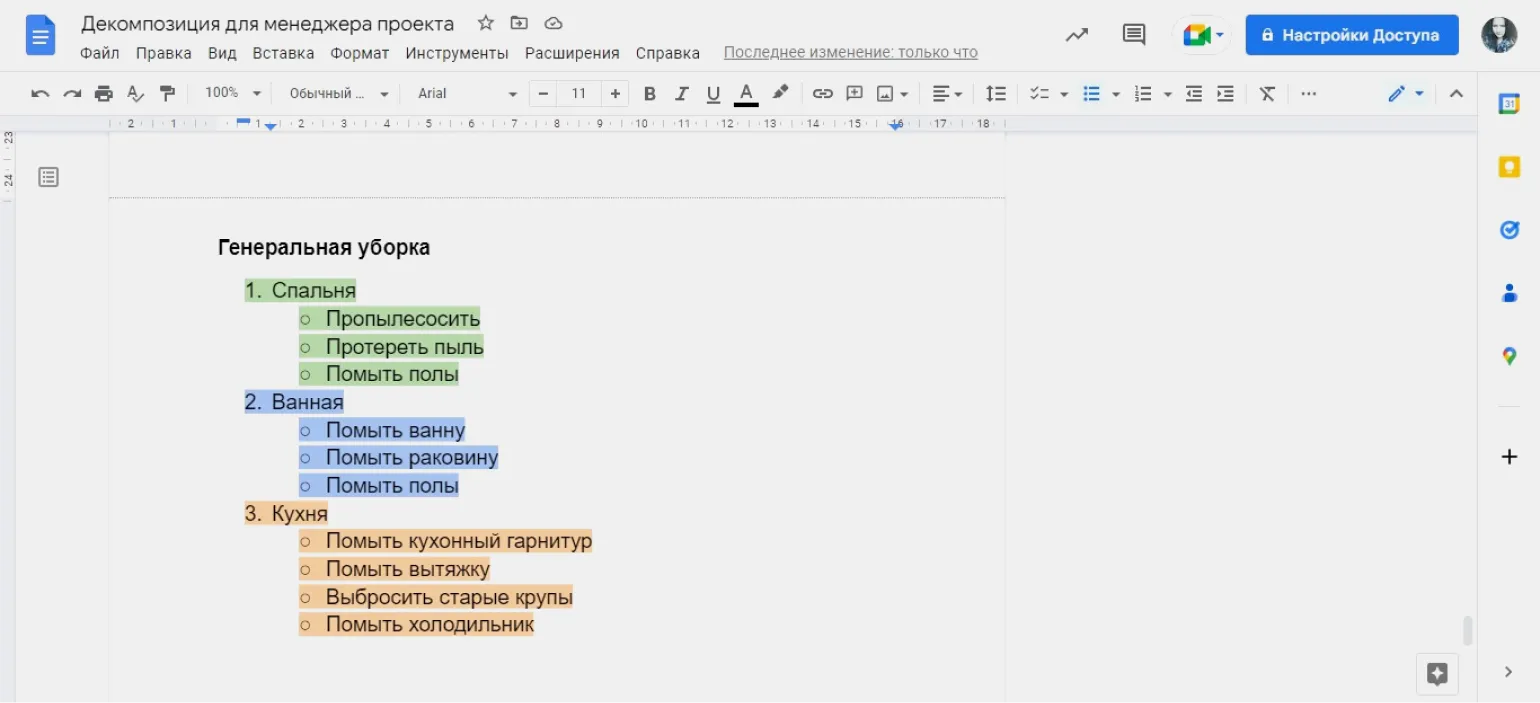
Decomposition is used in various fields, including business, project management, personal life, and time management. This methodology plays an important role in solving large-scale problems. For example, when performing a general cleaning of an apartment, decomposition helps break the task down into smaller steps, such as cleaning the kitchen, bathroom, and other rooms, significantly simplifying the process and making it more manageable. Effective use of decomposition not only helps organize work but also increases productivity by minimizing stress and simplifying complex tasks.
Decomposition is not only a method but also a way of thinking. In everyday life, when planning a weekend, we often automatically break down a task into steps: choosing a cafe, inviting friends, and reserving a table. This process illustrates how we intuitively apply the principles of task decomposition in our behavior. Understanding the importance of task decomposition can significantly improve our organization and efficiency in various areas of life.
Project managers highly value the skill of task decomposition, as it is an essential tool in the planning and management process. Effective task decomposition helps optimize resource allocation and time expenditures, which, in turn, contributes to the successful completion of projects. The ability to break down complex tasks into simpler, more manageable parts allows teams to more accurately estimate deadlines and distribute responsibilities, which significantly increases the chances of achieving goals.
Why Decomposition is Important in Project Management
Decomposition is an important tool for project managers, enabling accurate estimates and planning before work begins. This is especially relevant for the IT industry, where accurate task timelines play a crucial role in the successful completion of a project. Realistic effort estimates contribute not only to effective timeline planning but also to budgeting, which ultimately impacts project profitability. Using decomposition allows you to break complex tasks into smaller, more manageable elements, simplifying the project management process and increasing the likelihood of achieving goals.
Project decomposition offers a number of significant advantages. It allows you to break large tasks into smaller, more manageable components, simplifying planning and implementation. This approach promotes a more efficient allocation of resources and time, which in turn increases the overall productivity of the team. Decomposition also makes it easier to identify problems early on, allowing for prompt changes and risk mitigation. Furthermore, each component can be tested and evaluated separately, improving the quality of the final product. As a result, project decomposition facilitates a more transparent and structured development process, leading to increased customer satisfaction and overall project success.
- Assessing Capabilities. Managers can determine in advance whether a project's goal is achievable, avoiding unnecessary resource expenditure.
- Task Prioritization. Establishing a task order helps focus on the most important aspects of the project.
- Optimizing Resource Allocation. By dividing large tasks into smaller ones, you can better understand who will complete them and what resources will be required.
If you're looking to expand your project management knowledge, consider courses from Skillbox. These training programs will provide you with the opportunity to master modern methodologies and develop effective project management skills across various industries. The educational process includes relevant practical assignments, which will allow you to apply the acquired knowledge in practice.
- The "Project Manager Profession" course - study agile management methodologies and learn how to effectively manage deadlines, budgets, and teams.
- The "Project Management" course - gain skills in launching projects in various industries, from IT to retail.
- The "Product Manager Profession" course - understand the intricacies of product management, from mobile applications to automobiles.
Decomposition Objects: What Can Be Broken Down into Stages
Decomposition is an effective method for dividing complex processes into more digestible components. Any project, task, or goal can be structured in a way that significantly facilitates their implementation and analysis. In this article, we will analyze the most common objects subject to decomposition, as well as the benefits of this approach for improving work efficiency and achieving desired results.
Process decomposition is an important tool for optimizing business activities. Processes consist of sequences of actions that can be repeated to achieve specific goals. The decomposition method allows not only to structure processes but also to conduct an in-depth analysis to identify bottlenecks and improve efficiency. In the context of modern business requirements, process optimization is especially relevant, as it contributes to improved productivity and cost reduction. The use of decomposition helps companies adapt to change and achieve sustainable results.
Project decomposition is a key tool in project management, allowing large-scale projects to be broken down into smaller, manageable tasks. In large initiatives, the number of tasks can range from hundreds to thousands, necessitating the creation of a clear structure for coordinating the work of various teams. This method promotes improved process control and improved task execution quality. Effective decomposition helps optimize resource allocation, minimize risks, and improve deadlines, ultimately leading to successful project implementation. Goal decomposition is a key tool that helps both individuals and companies effectively achieve their goals. When a business leader sets an ambitious goal, such as capturing 20% of the market in a specific region, they can break it down into smaller, more specific tasks, distributing them among different departments, such as marketing, sales, and production. This approach provides clarity, structure, and focus to the team's efforts, significantly increasing the chances of success. Goal decomposition promotes a better understanding of tasks, increases employee motivation, and allows for tracking progress at each stage of strategy implementation. Task decomposition is an effective method that allows you to break down large ideas into specific actions. This approach is often used in large-scale projects such as website development or loyalty program launches. However, decomposition is also useful for simpler tasks, such as writing an article. Breaking a task down into its component parts promotes better organization and increases productivity by allowing you to focus on completing each individual element. By using decomposition, you can manage time and resources more effectively, which ultimately leads to the successful completion of the project.
Work breakdown structure is the process of creating a hierarchy of tasks that enables effective project management. This approach involves dividing large tasks into smaller ones, which facilitates a detailed analysis of each stage of the work. A hierarchical task structure helps better organize the project, allocate resources, and monitor performance at each level. This method not only simplifies the management process but also improves the quality of the final result, ensuring a higher level of task completion.
Basic Principles of Task Decomposition
Decomposition is an effective method that allows you to divide complex projects into more manageable components. Although there are no hard and fast rules for this process, there are a number of basic principles that, if followed, can significantly improve work efficiency. Proper decomposition helps to better organize tasks, facilitates planning, and improves project control. Using this approach helps reduce stress and increase team productivity, as each part becomes more understandable and achievable.
- Logical isolation: each task should be clearly defined and not overlap with others.
- Hierarchical structure: tasks should be organized by levels, where each lower-level task is subordinate to a higher-level task.
- The sum of tasks is equal to the whole: the final result of the project should be 100%, which implies that the completion of all tasks will lead to the completion of the project.
There are two principles that, despite their apparent contradiction, are key to determining the levels of decomposition. These principles help structure information and simplify the process of analyzing complex systems, allowing for a better understanding of their components and interrelationships. Correct application of these principles contributes to more efficient problem solving and process optimization.
The first principle is that tasks should be simplified as much as possible. Ideally, a project should be divided into components that cannot be further subdivided. The second principle emphasizes that a large number of small tasks complicates management and control, which can lead to confusion and decreased efficiency. Simplifying tasks and optimizing their structure allow you to more effectively achieve project goals and minimize risks.
The task decomposition structure should be adapted to the specific goals of the project. The key is to find the optimal balance to avoid an overloaded task list. Each team member should clearly understand their responsibilities and roles, which contributes to the effective implementation of the project and increases productivity. Proper task decomposition improves communication within the team and ensures more focused work.
An example of decomposition in website development
Let's consider how you can structure a website development project by dividing it into three levels. At the first level, we focus on the concept and planning, including defining the goals, target audience, and functionality of the site. The second level covers design and user interface, where visual elements, responsiveness, and ease of navigation are important. The third level includes technical implementation, where code, databases, and server infrastructure are developed. This decomposition helps effectively manage the project, improves communication within the team, and increases the quality of the final product.
- Dividing the project into large blocks: for example, "Products," "Service Information," "Blog."
- Detailing the blocks into pages: for a block with service information, these could be "Delivery," "Payment," "Returns," "About the Company," "Contacts."
- Breaking pages into elements: for product pages, these could be visual content, specifications, reviews, and pop-ups.
This approach takes into account that the complexity of development is determined by the number and complexity of pages and blocks. In complex projects that involve multiple integrations, an alternative decomposition method may be required. This will allow you to more effectively manage the project and optimize the development process, taking into account all the features and requirements.

Additional
We recommend studying the material entitled: "I Was Already Laid Off in 2014. I Immediately Realized Where This Was Leading": The Story of Transformation from Engineer to Project Manager. This text will be useful for those interested in career growth and changes in professional life.
Effective Task Decomposition Methods
Task decomposition is an important process that involves dividing complex tasks into simpler, more manageable elements. There are two main approaches to decomposition: dividing into stages and creating a dependency tree. These methods allow you to effectively structure workflows and significantly increase project productivity. Proper decomposition promotes a better understanding of tasks, simplifies planning and time management, and minimizes the risks associated with complex projects. Using these approaches provides a clearer understanding of the required resources and time, which ultimately leads to the successful implementation of projects.
The phased approach is an effective way to organize tasks by creating a sequential list of actions. It is a step-by-step algorithm, where each new task begins only after the previous one is completed. This approach is especially useful for breaking down processes, completing work, and achieving specific goals. Using this method helps increase productivity and improve control over task execution, which ultimately leads to more successful achievement of the set results.
The second method worth considering is the dependency tree. This hierarchical structure effectively helps identify multiple tasks that can be performed in parallel and do not always have interdependencies. The dependency tree is most often used in large projects and complex tasks, allowing for process optimization and increasing overall team productivity. It helps manage projects more easily, minimizing risks and ensuring timely completion of tasks.
Creating a dependency tree requires significant effort and a careful approach, especially compared to phased approach. To simplify the decomposition process, it is recommended to use visualization. Standard planners are suitable for personal use, while for professional tasks, it is better to use specialized tools that provide deeper analysis and project management. The right choice of tools can optimize the process and increase work efficiency. In the field of information technology, two main tools are actively used for decomposition visualization. These tools effectively represent complex systems and processes, facilitating analysis and understanding of data structure. They play a key role in the development and optimization of software solutions, providing a clear representation of relationships and components. The choice of the appropriate tool depends on the specific tasks and requirements of the project, which allows for maximum efficiency in working with data.
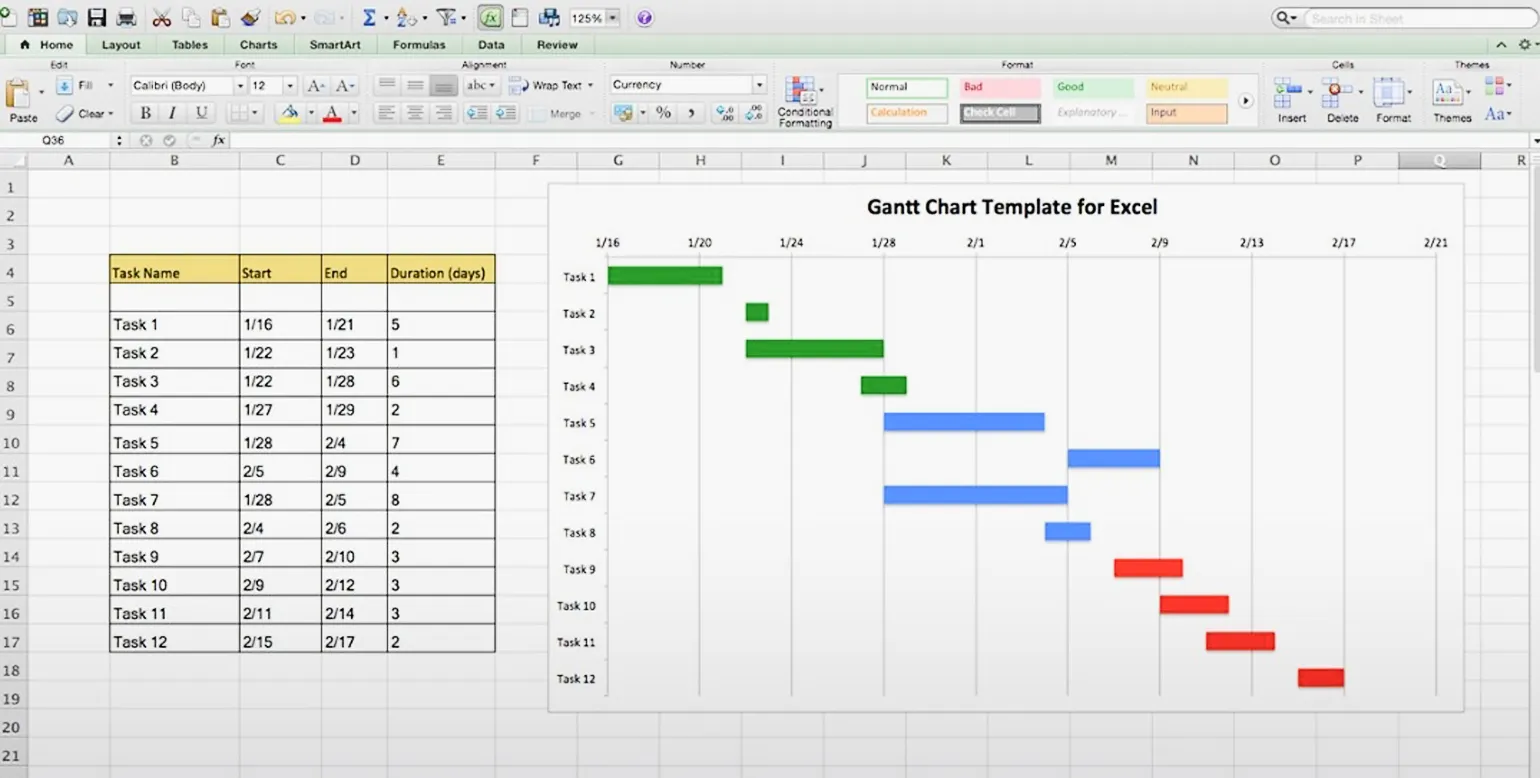
- Gantt chart. This is a graphical representation of a work schedule based on a project plan. It consists of horizontal bars, where the length of the bar indicates the task duration. Tasks are arranged in order of priority or logical execution.
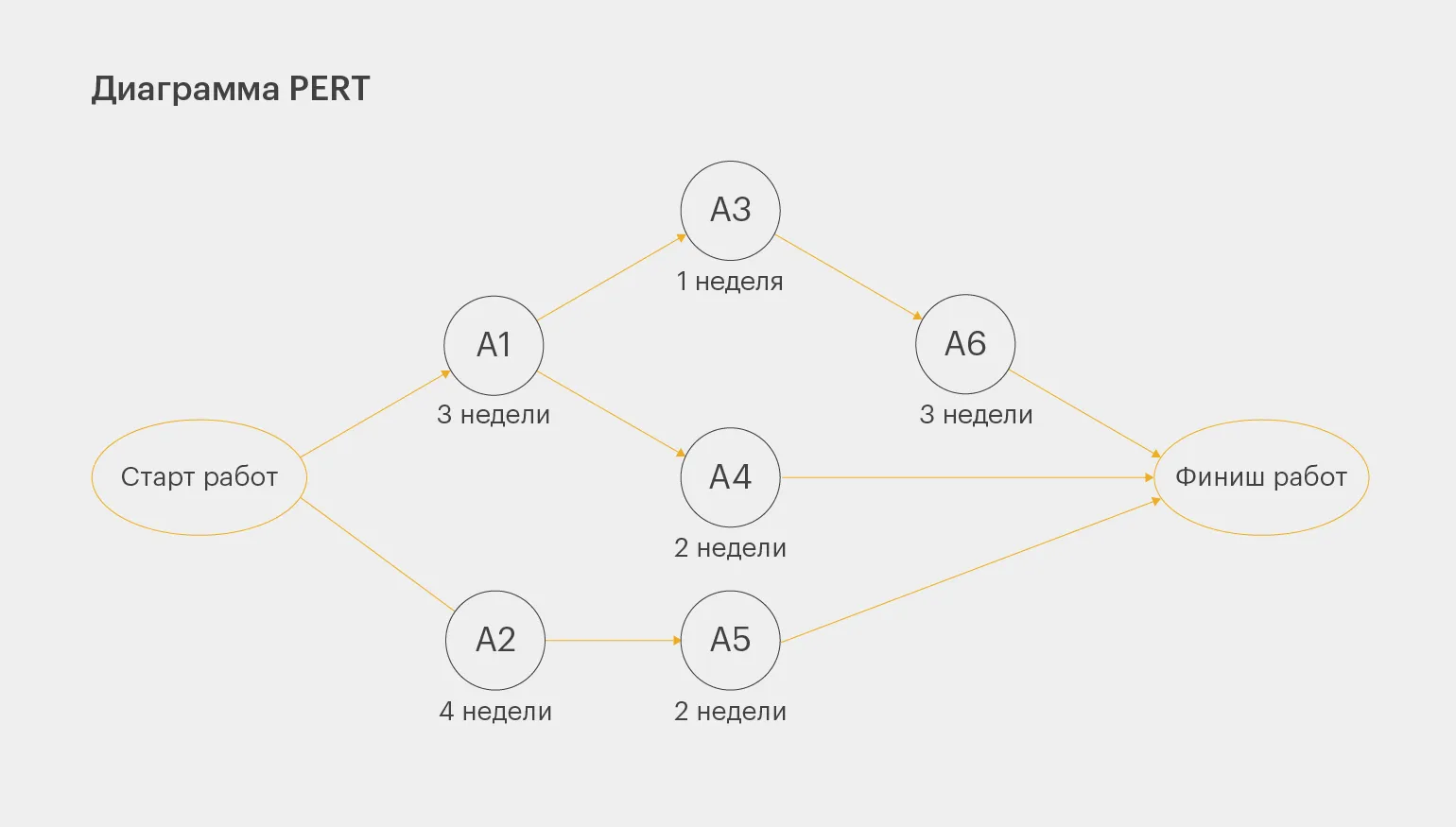
- PERT chart. This tool also visualizes tasks, but emphasizes the relationships between stages. Key project milestones are indicated by circles or rectangles, and dependencies between tasks are shown by arrows connecting these milestones.
Effective Project Decomposition and Estimation: A Practical Guide
To master the decomposition method, you need to actively apply it in practice. Break down large and abstract problems into smaller, more manageable elements. The more often you use this approach, the faster you will master it and be able to apply it more effectively. This method not only improves your productivity but also helps you better understand complex problems, which ultimately leads to successful problem solving. Regular use of decomposition promotes the development of analytical thinking and improves the quality of work.
You should start learning information technology with simple examples. This approach will help you better understand the basic concepts and principles. For example, you can start by learning the basics of programming by mastering languages such as Python or JavaScript. These languages offer a variety of learning resources, which facilitates the learning process.
Then it's worth moving on to more complex tasks, such as creating simple applications or websites. This will help consolidate the knowledge gained and develop skills in solving practical problems. Pay attention also to the basics of working with databases and network technologies, as they play a key role in the IT field.
This step-by-step approach to learning information technology will provide a solid foundation for further in-depth study and professional growth.
- Study an already completed project that was successfully decomposed. Pay attention to the methodology by which the tasks were identified and estimated.
- Try to break down a regular project into tasks yourself, estimating the necessary time and resource costs.
- Proceed to more complex projects. These can be projects with minimal initial data, such as only prototypes, standard technical specifications, or unclear and complex technical specifications.
Mastering the decomposition of a technical specification or project into its component parts allows you to more accurately estimate each task. This leads to a more objective assessment of the entire project as a whole, which contributes to the creation of realistic forecasts for time and required resources. Correct decomposition helps to identify key stages and dependencies, which significantly improves project management and increases the likelihood of its successful implementation.
Deepening our knowledge of project management
- A project is a temporary undertaking, the purpose of which is to achieve a unique result, be it the creation of a new product or the development of a website. Project management covers a wide range of tools, methodologies, and systems, which can be studied in more detail in this article.
- One of the key tools in a project manager's arsenal is decomposition. In his work "The Project Manager's Handbook," Vladimir Zavertailov shares knowledge about other important tools and features of project management in the Russian context.
- The Gantt chart is a powerful visualization tool that facilitates the process of project decomposition. In our article, we've covered in detail how to properly construct a diagram, what aspects to pay attention to, and what services can help.
- Effective management of deadlines, budgets, and teams are skills that every project manager needs. You can gain this knowledge in the Skillbox course "Profession Project Manager", which covers key aspects of project management and provides universal skills.
Useful resources from Skillbox Media to expand and deepen your knowledge.
- What is a project: differences from processes and defining goals
- How to create a project structure in seven steps: a practical guide
- Project risk management: identification, assessment, and protection
- Project budget: a step-by-step guide to its management
- Project communications guide: how to ensure success and avoid failures
Project Manager: 5 Steps to Career Success
Do you want to become a sought-after specialist? Find out how to become a project manager and start earning in just six months!
Find out more