
Contents:

Free Excel and Google Sheets CourseLearn the basic features of spreadsheets to work faster and make fewer mistakes. Practice your skills with 4 practical tasks.
Learn MoreWhat is Public Speaking and Can It Be Mastered?
Public speaking is a broad field of knowledge related to the science of rhetoric. It encompasses a complete system of knowledge, traditions, and theories related to public speaking. Public speaking explores various aspects, including the use of gestures, facial expressions, and the structure and composition of speech. Effective public speaking allows you not only to convey information to an audience but also to create an emotional connection with them, a key element of successful public speaking. Oratory has been studied since ancient Roman thinkers such as Cicero and Quintilian, as well as other political figures and philosophers. In the modern world, public speaking continues to be studied in higher education institutions, especially in philological and related faculties. This skill remains important in both academia and professional life because it allows one to effectively convey one's thoughts and beliefs to an audience.

Public speaking is a set of skills necessary for effective public communication. It is the practical side of the art of public speaking. Public speaking is also called public speaking skill, which emphasizes its importance in various areas of life. The ability to speak in front of an audience and convey your thoughts to listeners is a key aspect of successful communication. When a person speaks confidently and competently, they are said to have well-developed public speaking skills, which opens up many opportunities in their career and personal life. Developing public speaking skills not only improves self-expression but also increases self-confidence.
A good speaker is not just a person with a rich vocabulary. They are someone who knows how to not only speak, but also listen, breathe, and look in a way that inspires confidence. During communication, they maintain even breathing, speak clearly and calmly, demonstrate clear diction, and display empathy, allowing them to effectively convey their thoughts. It is important to note that a true public speaker is able to manage their nerves, which makes their presentation more confident and persuasive. The ability to interact with the audience and be attentive to their reactions are key aspects of public speaking skill. Public speaking is an important leadership tool, allowing you to effectively influence and manage people. With developed public speaking skills, you can convey your ideas and convince others of your point of view. These skills are in demand not only in professional activities but also in various aspects of everyday life. The ability to speak persuasively and charismatically opens up new opportunities for personal and career growth, promotes relationships, and facilitates successful interactions with others. By developing public speaking skills, you become more confident and capable of effective communication.
Public speaking is a skill that can be learned. Some characteristics, such as voice timbre, temperament, and openness, may be innate. However, many skills, including speech rhythm, expressiveness, precision, flow, and the ability to influence an audience, are acquired. All of these qualities, even those that are innate, can be developed and improved. Perseverance and practice will help anyone become a more expressive and confident speaker.
Who Needs Public Speaking, and Who Learns It On Their Own
The art of public speaking is a key skill in many professions. Politicians, TV presenters, teachers, coaches, lawyers, and bloggers constantly interact with audiences. For them, it is crucial not only to be heard but also to be able to perceive feedback. Mastering the art of speech helps them effectively convey their ideas, establish trusting relationships, and influence the opinions of others. This skill is the basis of successful communication in the modern world.
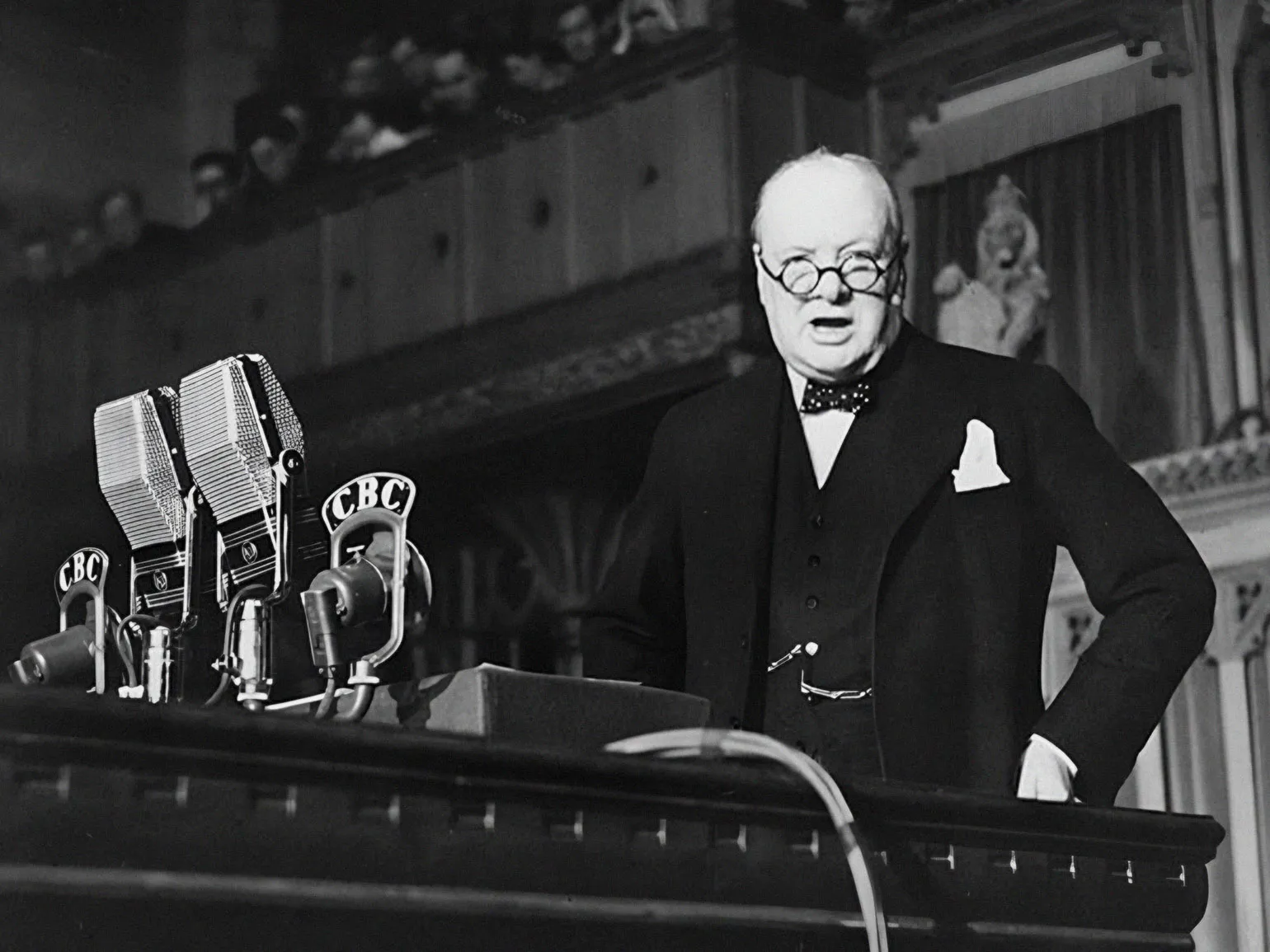
Public speaking is an essential skill for those who strive to convey their ideas and influence others. This skill is in demand among executives, entrepreneurs, doctors, and HR managers. Teenagers and their parents also show interest in public speaking, highlighting its relevance in modern society. The ability to communicate effectively and persuade are key qualities that help achieve success in various areas of life. Therefore, studying public speaking is becoming an important part of personal growth and professional development.
The profile of the average Reforma Lab student looks like this: They are a person striving for knowledge and development in the field of modern technology. Students show an active interest in innovation, striving to apply their acquired skills in practice. They are highly motivated and eager to learn, which allows them to successfully complete the curriculum. The average Reforma Lab student is open to new ideas and a willingness to work in a team, which contributes to the creation of a dynamic educational environment. These qualities help them not only in their studies, but also in their future career, ensuring competitiveness in the labor market.
- he (she) feels that he (she) does not speak the way he (she) thinks;
- he (she) needs to convince, inspire, speak;
- he (she) wants to maintain a confident voice and body position in moments of strong excitement.
Working with excitement, voice and breathing, as well as developing the structure of speech and establishing contact with the audience are important for everyone. These skills are necessary for a variety of purposes, whether it is conducting parent-teacher meetings, business meetings or speaking at international conferences. Improving these aspects of communication contributes to increased confidence and effectiveness in communication, which makes you a more persuasive and professional speaker.
What are the principles of oratory?
The principles of oratory are studied by many researchers. The main ones focus on the characteristics of speech. It should be clear, logical, persuasive, and emotionally charged. Clarity ensures audience understanding, logic helps organize thoughts, and persuasiveness contributes to impact. The emotional component makes a presentation memorable and creates a connection with the audience. Body language, intonation, and tempo are also important considerations, as they play a significant role in how the message is perceived. A good speaker knows how to adapt their style to the needs of the audience, which makes their presentation more effective. Mastering these principles is the key to successful oratory.
- clear, without "water";
- lively, without bureaucratic jargon;
- "contact" - aimed at the audience;
- expressive, with pauses and intonation accents;
- influencing the audience and having a clear purpose.
The philosophers Socrates and Lysias added elements of irony to this list, but with a good-natured touch. They were of the opinion that humor and an optimistic approach to the situation can attract the attention of the audience no less effectively than expressiveness and brevity of statements. The famous writer and speechwriter of five American presidents, James Humes emphasized the importance of the first phrase, considering it key to successful communication.
Application of the above principles, such as avoiding redundancy, avoiding bureaucratic jargon, paying attention to your audience, using pauses and emphasis, and understanding the purpose of your speech, can significantly improve the quality of your speech. However, this is not enough to fully develop your public speaking skills. You also need to practice regularly, analyze your speeches, take into account audience feedback, and study the techniques of successful speakers. This will not only help you improve your public speaking skills but also increase your self-confidence, which is a key aspect of successful communication.
How to Develop Public Speaking
To achieve success in public speaking, it is important to approach training holistically, considering all its aspects. Focusing on just one element, such as diction, will not lead to the desired results. This is comparable to extracting a bad tooth while ignoring other problems identified by the dentist. Fully developing public speaking skills requires attention to various elements, including intonation, body language, speech structure, and audience interaction. This holistic approach will help you become a more confident and effective speaker.
There is no one-size-fits-all approach to learning public speaking, as it all depends on individual characteristics. I have developed an algorithm that can serve as a guide in this process.
- Step one: acknowledge your fears and, instead of fighting them, learn from them.
- Step two: engage in thinking, body, and voice, working on breathing, diction, gestures, and posture.
- Step three: learn to structure your thoughts from introduction to conclusion.
- Step four: move on to practice in front of a mirror or with friends.
- Step five: start listening to yourself and those who inspire you.
This formula is not universal, so it should be adapted to individual needs and initial data. The most effective way to adapt is to work with a professional in the field of public speaking. Such a specialist will be able to highlight key aspects that should be paid attention to first, providing a deeper understanding and development of public speaking skills.
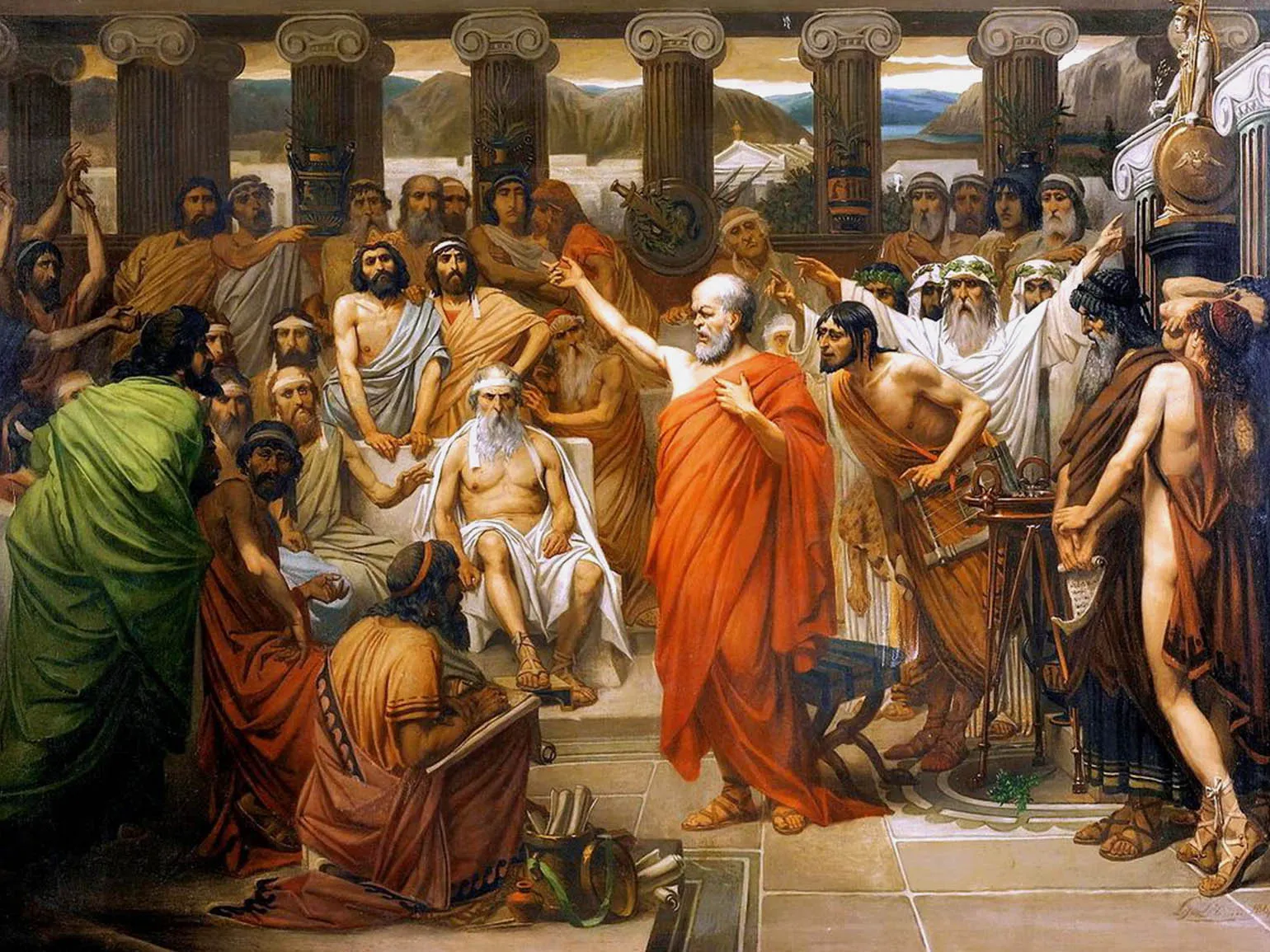
Working with fears, thinking, voice, posture, speech logic, and other aspects of public speaking can be done independently. For this, it is useful to read articles and watch webinars to deepen your knowledge of theory. By analyzing the speeches of politicians, entrepreneurs, and bloggers, you can see how they apply various methods in practice. However, practice remains the key to success. Mistakes made in the process become important lessons that contribute to the development of skills. Regular practice will help you become a more confident speaker and effectively convey your ideas to the audience.
Public speaking skills can be developed both at universities and in specialized courses. It is important that the training program covers all the key aspects of public speaking, including practical classes. It is necessary not only to study theory but also to learn to cope with anxiety, improve your speech, voice, and breathing. It is useful to include debate and improvisation training in your training, which promotes confidence and skill in public speaking.
Becoming an effective speaker overnight is impossible. It requires significant effort, just like studying complex sciences such as physics or chemistry. Many people work on themselves for years on the path to mastering public speaking. However, the first positive results can be noticed after just a few practical sessions, for example, in improving articulation. Regular practice and targeted training will help you develop public speaking skills and confidently communicate with an audience.
What exercises are there for speech development?
Speech is a key tool for a speaker. To develop it, it is useful to practice regularly. I have prepared three simple exercises that can be done at any time: during a lunch break, before bed, or immediately before a speech. These exercises will help you improve your diction, intonation, and self-confidence, which in turn will improve the quality of your presentations and speeches.
Breathing exercises using the sounds "sss" or "sh-sh-sh" help to relax and improve concentration. To perform this exercise, take a deep breath in through your nose, then slowly exhale, making the sound "sss" or "sh-sh-sh" until you run out of air. Make sure the sound is even and continuous, without abrupt interruptions. It is recommended to repeat this exercise 5 to 10 times for maximum effect. Such breathing practices can significantly improve your overall well-being and promote deeper relaxation.
This exercise helps develop breath control, improves vocal support, and helps reduce anxiety. Regular practice allows you to achieve greater self-confidence and improve the quality of your voice, which is especially useful for public speaking and communication.
Articulatory warm-ups are an effective way to prepare the vocal apparatus for speech. One of the simplest warm-up methods is reciting tongue twisters. However, it's important to focus not on speed, as was often done in school, but on the clarity of pronunciation. Imagine yourself practicing each word, pronouncing it with maximum clarity and articulation. This will help improve your diction and increase confidence in your own voice. Regular articulation training not only helps improve speech but also develops communication skills.
- "Four little turtles have four baby turtles, and each baby turtle has four more baby turtles." This tongue twister develops rhythm, clarity, and breath control.
- "Where there's a garden bed, there's a nest, where there's a nest, there's a speck, where there's a speck, there's a mole, and where the mole has a cat in a nest." Similar sounds train the precision of consonant pronunciation.
- "The clarinetist played the clarinet with the clarinet, and the double bass player played the double bass with the double bass, and every clarinetist wanted to be a double bass player, and every double bass player wanted to be a clarinetist." This combination develops articulatory freedom and vocal expressiveness.
Working with pauses and intonation plays a key role in public speaking. Choose a passage of text, be it a dialogue, a monologue, or a poem. Read it, varying the tempo, pausing, and changing the intonation. This will help avoid monotony and teach you to emphasize important ideas, as well as to properly distribute your breathing at the right moments. Effective voice work not only attracts the attention of the audience, but also makes your speech more expressive and memorable.
The Main Thing About Public Speaking in 3 Points
- Public speaking is a broad field of knowledge. Public speaking is the skill of applying this knowledge. It can be developed.
- Public speaking is necessary for everyone who communicates with people. It is very important, for example, for politicians, bloggers, teachers and coaches. It is also studied by those who want to speak confidently and must give a lot of speeches.
- Public speaking skills need to be developed comprehensively. You can start by working through your fears and way of thinking; learn to control your body and voice, and structure your thoughts. The main thing is to practice and be prepared for the fact that mastering the art of public speaking will take a lot of time.
Do you want to master the art of effective speaking and overcome fear of an audience? We have prepared valuable articles for you from Skillbox Media that will help you develop public speaking skills and confidence on stage.
- How to Prepare for a Public Speaking
- Ethos, Pathos, and Logos: How to Apply Techniques from Ancient Greece in Public Speaking
- A Big Guide to Creating Presentations: How to Create a Persuasive Text, Design, and Structure
- Fear of Public Speaking: How to Overcome It and How It Differs from Social Anxiety
- How to Psychologically Prepare for an Important Event
Project Manager Profession
You will become an indispensable specialist for any business. Learn how to help companies in times of crisis, increase revenue, and save them from bankruptcy. Build a portfolio and start earning money within six months of starting the course.
Find out more