Contents:
Learn: Product Manager Profession
Learn more
Co-founder and head of the interactive studio XR-Pro, which specializes in the implementation of augmented and virtual reality technologies in the B2B sector. Our studio develops innovative solutions that help businesses optimize processes and improve customer interactions. We strive to integrate advanced technologies across various industries, allowing our clients to achieve new levels of efficiency and competitiveness.
Links are an important element in web content, as they help users navigate the site and find the information they need. Internal links connect different pages of a website, improving navigation and helping to increase visitor dwell time. External links pointing to other resources add value to content, increasing its authority and trust with search engines. Link optimization involves using the right anchor text and creating a structure that supports SEO. Proper use of links not only improves a website's visibility in search engines but also contributes to a better user experience. Success stories are inspiring, but they are often insufficient to fully understand the path to achieving goals. Much more valuable is information about mistakes and failures—what not to do. This approach allows you to avoid common pitfalls and learn from others' experiences. As the saying goes, "Smart people learn from the mistakes of others, and fools learn from their own." Studying negative experiences helps you form a clearer understanding of potential challenges and develop strategies to overcome them.
We've been working in virtual and augmented reality for several years. Although this field seems promising and innovative, not all of our developments have found their audience.
Oculus founder Palmer Luckey revolutionized the world of virtual reality by introducing affordable, high-quality VR headsets. This event sparked widespread interest in virtual reality, leading to a rapid growth in the number of companies and entrepreneurs developing new equipment and content. As a result, virtual reality has become not only a technological trend but also an important part of the entertainment industry, opening new horizons for gaming, education, and business.
Many expected the virtual reality market to grow rapidly, leading to the development of new devices and the launch of entire social networks dedicated to VR. However, the reality turned out to be less optimistic: the excitement of users who immersed themselves in virtual worlds for the first time was not followed by significant demand. Market growth dynamics turned out to be far from the forecasts of analysts in 2015. In fact, the virtual reality market has grown more slowly than expected, and consumer interest has not been as strong as expected.
- Virtual Reality Market Analysis.
- The AR/VR Headset Market is Growing Again.
- The VR/AR Market Will Grow. Who's in the Game?
Many companies that started in 2012 have already ceased to exist or changed their focus. One colleague from India shared information that out of ten companies in his city that were initially involved in XR content development, he is currently the only one left. This experience highlights the highly competitive and dynamic nature of the XR technology market, where only those who can adapt to changing conditions and customer needs survive.
Conclusion: While technology may be impressive, it is not enough to successfully make money. It's important to identify a real consumer need and offer a solution they're willing to pay for.
We've learned from experience that developing products without first analyzing customer needs can lead to zero sales. We've created several products that didn't sell at all. This underscores the importance of researching the market and target audience before launching a product.
Five years ago, we developed an interactive residential complex viewer that allows users to conveniently and effectively explore available housing options. This tool significantly simplifies the selection process by offering detailed information about each residential complex, including apartment plans, photos, and specifications. Our interactive approach allows users to more accurately evaluate various aspects of residential complexes, helping them make informed decisions when buying or renting a property.
Developers traditionally use vibrant renders on their websites. While high-quality images are important, adding interactive elements significantly enhances their impact. This creates an effective tool for marketers and advertisers, allowing them to attract the attention of potential buyers. We came to this conclusion, and this idea formed the basis of our approach.
We conducted a survey among developers and their clients, who showed clear interest in the proposal. We enthusiastically began developing the project, taking into account their expectations and needs.
The technical task was to develop an interactive module on the Unity platform that could be integrated with clients' landing pages. This module would function through a web browser and create the effect of animated graphics on website pages, attracting user attention and improving interaction with the content.
We abandoned the idea of streaming interactive content from a remote server and opted for a more compact browser application. This solution required significant optimization of the quality of models and a reduction in visual effects. We focused on reducing loading times and reducing the load on the video card. As a result, the download time was reduced to 15 seconds, which made it possible to run our interactive content even on budget computers.
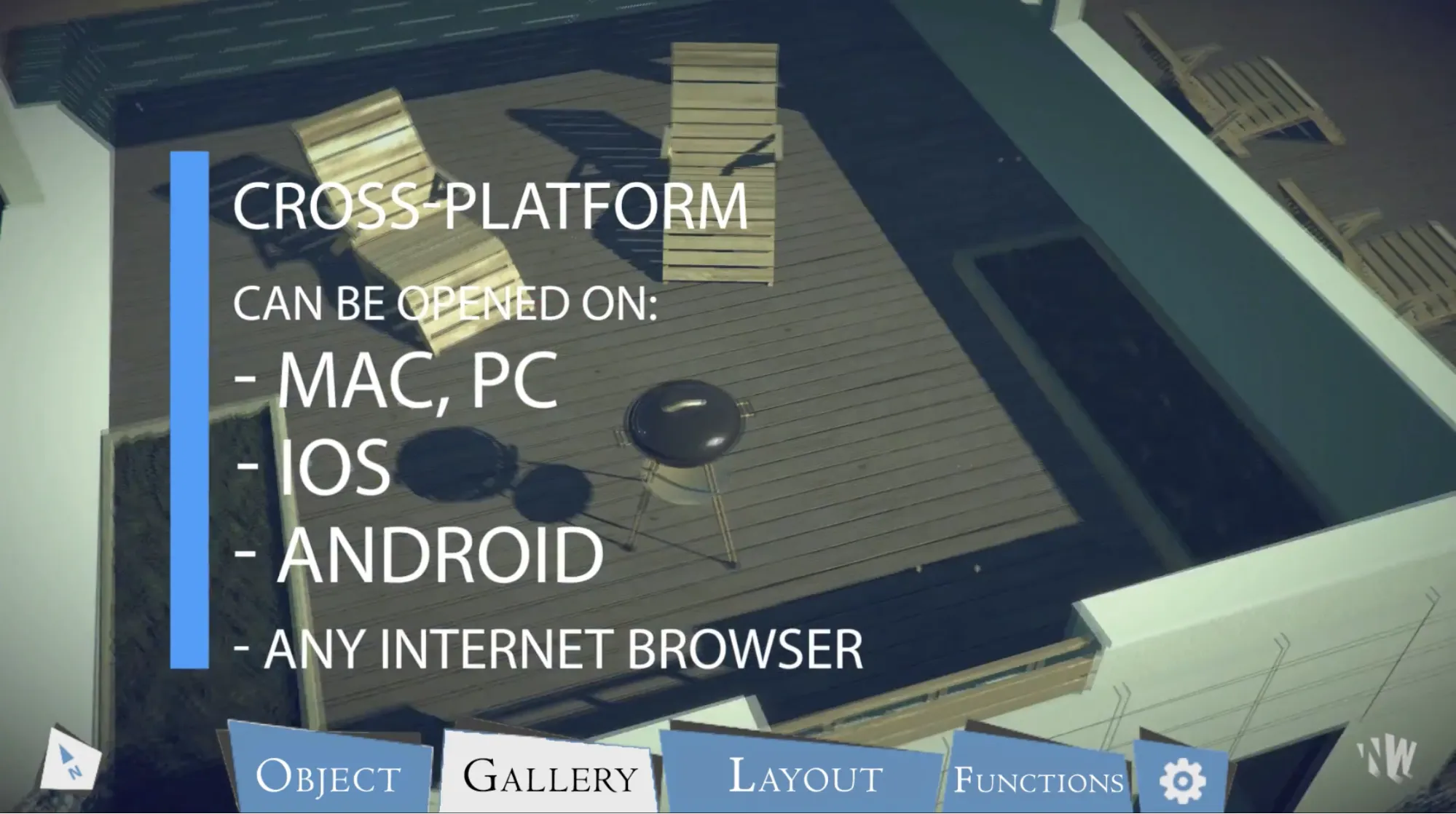
Having prepared the pitch, we went to the customers hoping for a positive response. However, the result of the meeting was unexpected for us. Clients didn't appreciate our efforts, with the main criticism being the poor quality of the graphics. For advertisers, presentation at the level of 3D renderings proved critical, highlighting the need for a more professional approach to visualization. We realized that to successfully engage with clients, we needed to improve the quality of our graphics and adapt to modern visual content standards.
We decided to abandon interactive browser-based solutions and focused on creating engaging offline presentations of residential complexes for PCs. However, demand for such products proved insufficient: we completed a few projects, after which our activity ceased. Furthermore, this solution wasn't optimized for use on smartphones, limiting its availability and popularity among users.
We decided to return to browser-based rendering using WebGL technologies. This resulted in significantly improved results. Now everything worked correctly on mobile devices, the loading time did not exceed 10 seconds, and the graphics quality had significantly improved.
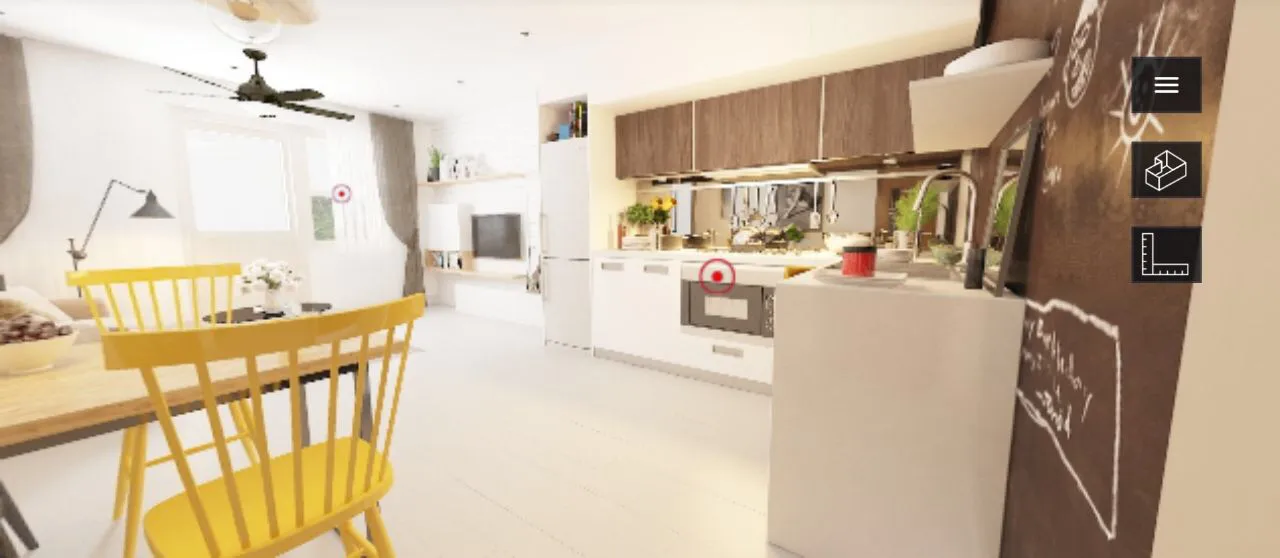
We successfully resolved customer complaints about the schedule and adapted the system for mobile devices. Our team was hoping for a rapid increase in orders and a bright future. However, despite all our efforts, the new product has yet to generate interest from customers.
Factors that led to our failure:
- Our customers didn't really see a problem our product solved. They didn't have one. Architectural visualization, which we have been engaged in and continue to be engaged in, remains the primary tool for presenting residential complexes under construction.
- The cost of development (creating and optimizing models for WebGL) turned out to be significantly higher than the client's expectations, and we were unable to reduce it.
All the work and effort was spent on developing a product that found no demand among users.
Product Manager Profession
You'll learn to create, promote, and develop profitable products that audiences truly need. You'll be able to build strategies, calculate budgets, and manage a team. You'll build a strong portfolio to launch your career.
Find out more