Table of Contents:
- How to Choose the Perfect Photographer for Your Project?
- How to Choose the Perfect Photographer for Your Project?
- How to Choose a Photographer with a Style That Suits You?
- How to Choose a Photographer if You're Not Satisfied with Their Style?
- How Much Does a Professional Photographer Cost?
- How Much Does a Professional Photographer Cost?
- What Affects Photography Pricing?
- Frequently Asked Questions
- How to Manage Deadlines photo sessions?
- How to set deadlines?
- How to write technical specifications for a photo session?
- How to write technical specifications for a photo session?
- How and when to pay for a photo session?
- How to properly organize payment for a photo session?
- How to receive photos from a professional photographer?
- How to receive finished photos: formats and delivery conditions
- What to do if you are not satisfied with the result of the photo session?
- What to do if you are not satisfied with the result of the photo shoot?
- How to effectively make edits on retouching?
- How to make retouching edits correctly?
- An example of a successful photographer in the furniture industry

Top 4 Design Professions: Improve Your Skills in 5 Days!
Learn MoreHow to Choose the Perfect Photographer for Your Project?
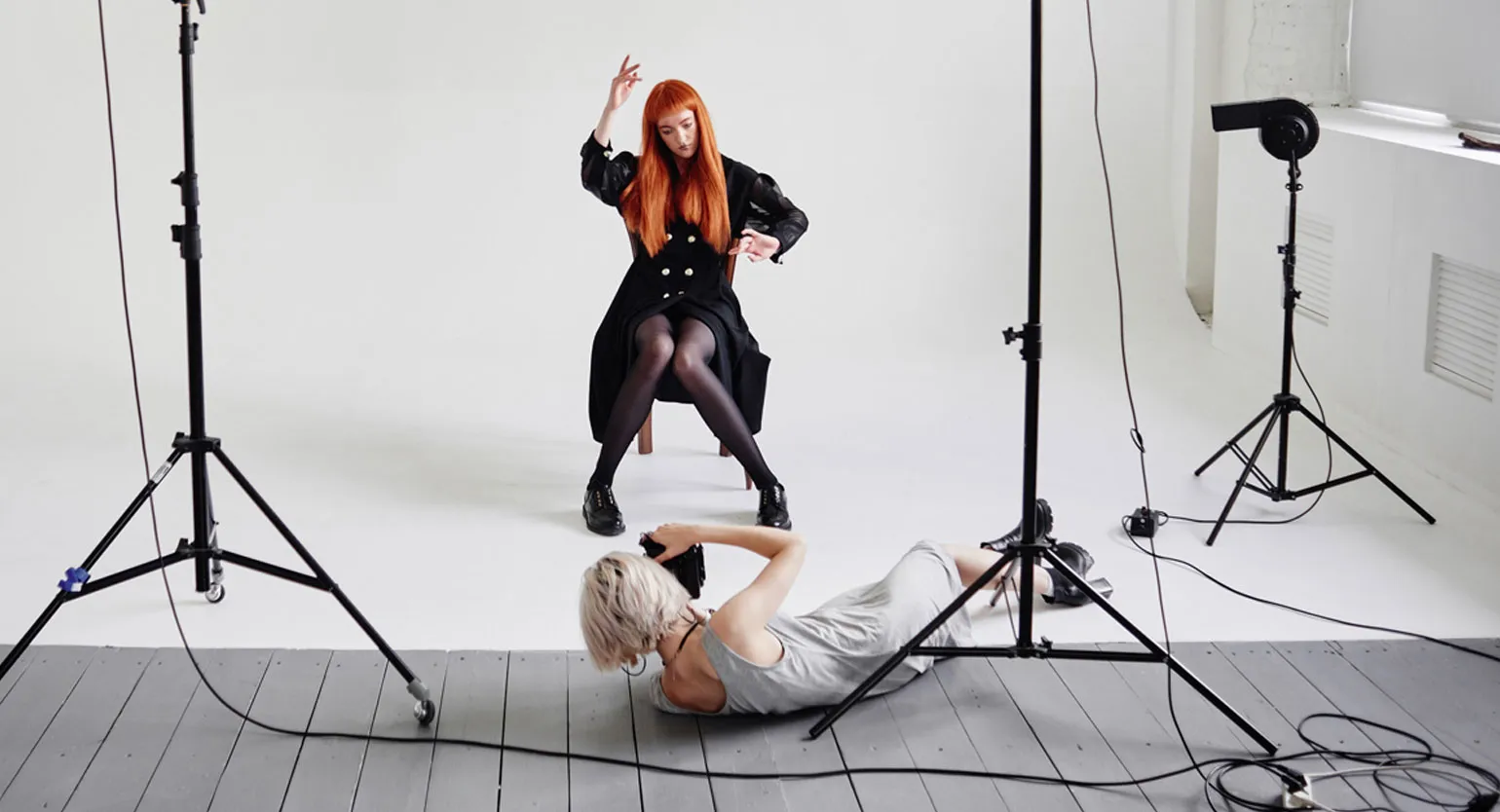
When choosing a photographer, it's crucial to look at their portfolio to ensure it meets your needs. If you need portraits and the photographer's portfolio predominantly features pets, you may want to consider looking elsewhere. Ensure that the photographer's style and quality of work meet your expectations to achieve the desired result. Don't forget to also consider client reviews to make an informed choice.
Choosing a photographer with experience in a specific field is key to achieving high-quality images, whether you're shooting interiors, food, or reportage projects. A professional photographer familiar with the specifics of your subject will be able to convey the atmosphere and details that will make the final images more expressive and attractive. Therefore, it is important to pay attention not only to the portfolio, but also to the photographer's specialization to ensure the best result in each project.
How to Choose the Perfect Photographer for Your Project?
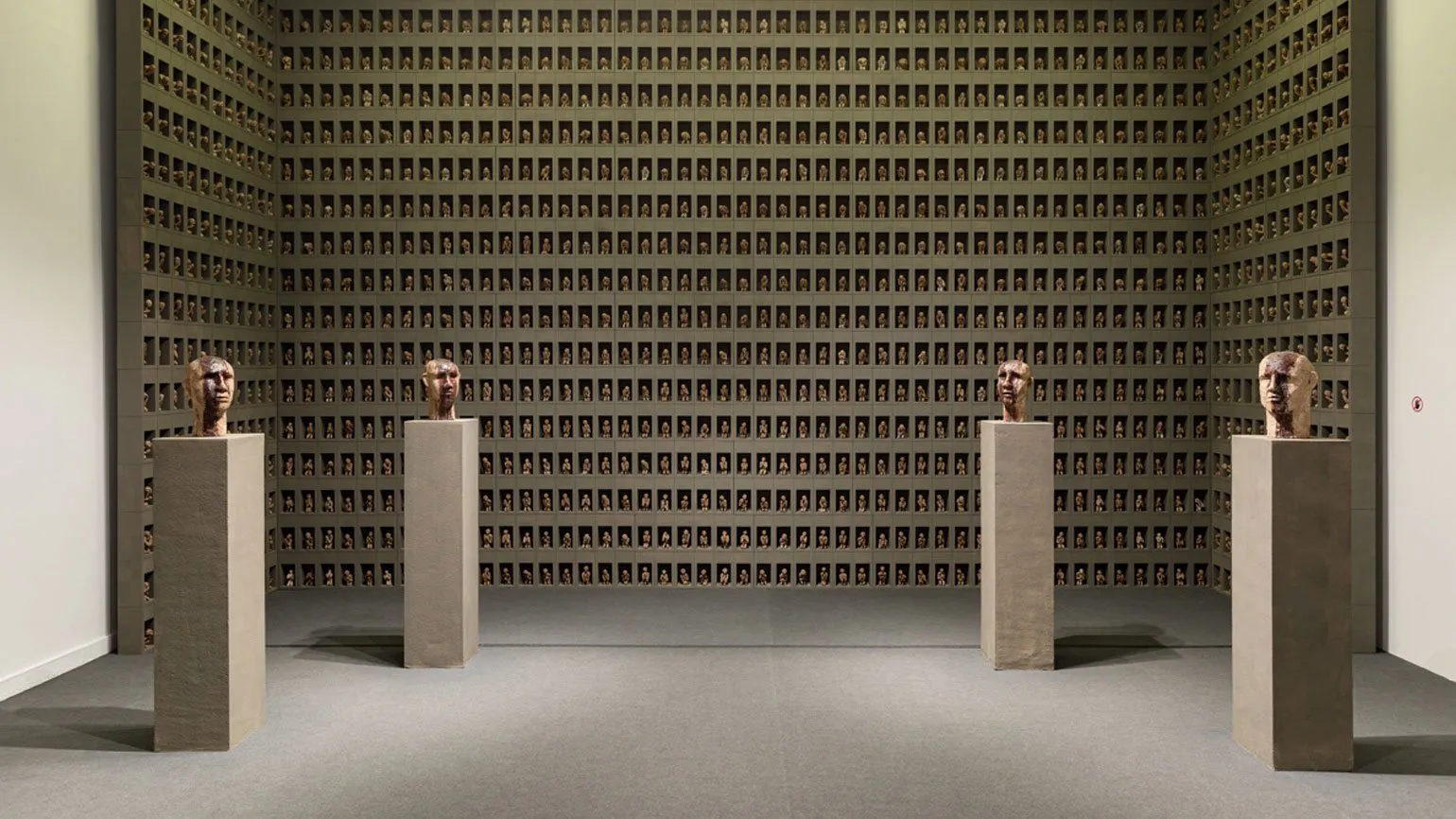
When choosing a photographer, it's important to clearly define your style and goals. Pay attention to the specialist's portfolio. If you are planning a portrait shoot, and the portfolio predominantly contains only photos of animals, this may indicate that you should consider other candidates. The same goes for interior photography: make sure the photographer has experience in this field and examples of relevant work. Choosing the right photographer who meets your requirements will help you achieve the desired result and create high-quality images.
When choosing a photographer, pay attention to their specialization. If you are involved in the design of public spaces, choose a professional with experience in this field. This will significantly increase the likelihood of obtaining high-quality and relevant photographs that will effectively convey your design ideas and concepts. Choosing the right photographer will help you create a portfolio that will attract clients and highlight the uniqueness of your approach to design.
When choosing the perfect photographer for your project, you need to consider not only whether their portfolio matches your expectations, but also their style of work, which should align with your vision. Communication between you and the photographer is key to creating a high-quality result. Make sure their approach to shooting and editing photos meets your requirements to achieve the best result for your project.
How to choose a photographer with a suitable style?
Many people believe that a photographer can easily change their style to suit your wishes. However, this is not always feasible. Therefore, when choosing a photographer, it is worth paying attention to someone whose work you truly admire and who is able to capture your concept. Choosing the right professional will ensure a harmonious blend of your ideas and their artistic vision.
Continue your search for a professional whose visual style aligns with your project. Effective communication and mutual understanding are key to achieving a successful outcome. Make sure the professional you choose can take your ideas and requirements into account to create a design that meets your vision and goals.
How to choose a photographer if you are not satisfied with their style?
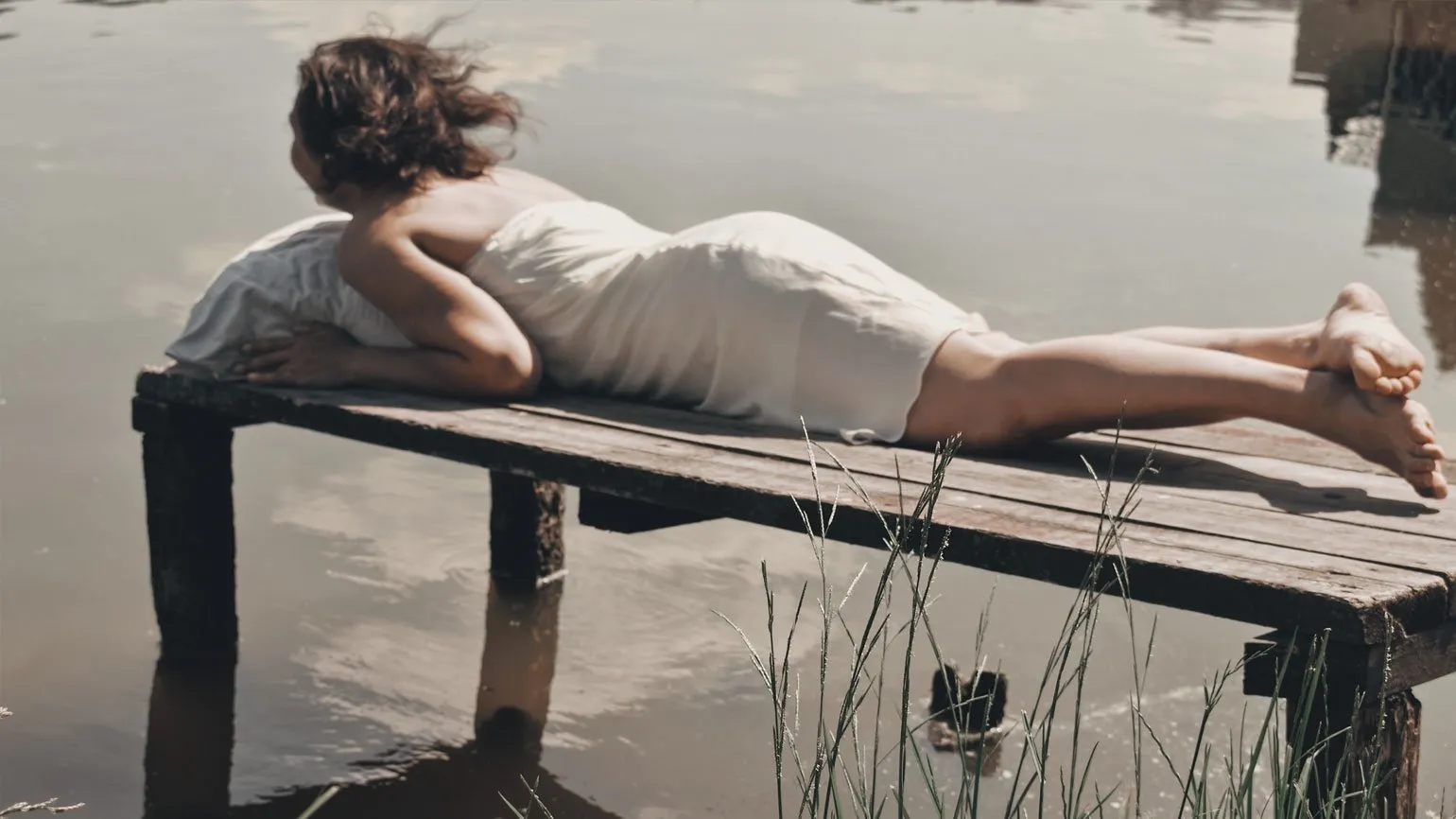
Choosing a photographer is not only a question of their experience, but also of their visual style matching your brand. Aesthetic harmony between your vision and the photographer's portfolio is crucial to achieving the desired results. If the photographer's style does not resonate with your expectations, this can negatively impact the final photographs. Therefore, it is important to carefully analyze the work of professionals and choose one whose artistic solutions best align with your brand and its image.
Continue to search for a professional photographer whose work aligns with your expectations and your brand values. The ideal photographer is a professional with whom you can establish a productive dialogue and who can accurately convey your idea through their images. Pay attention to their portfolio, working style, and client reviews to ensure that they can realize your creative ideas and support your brand image.
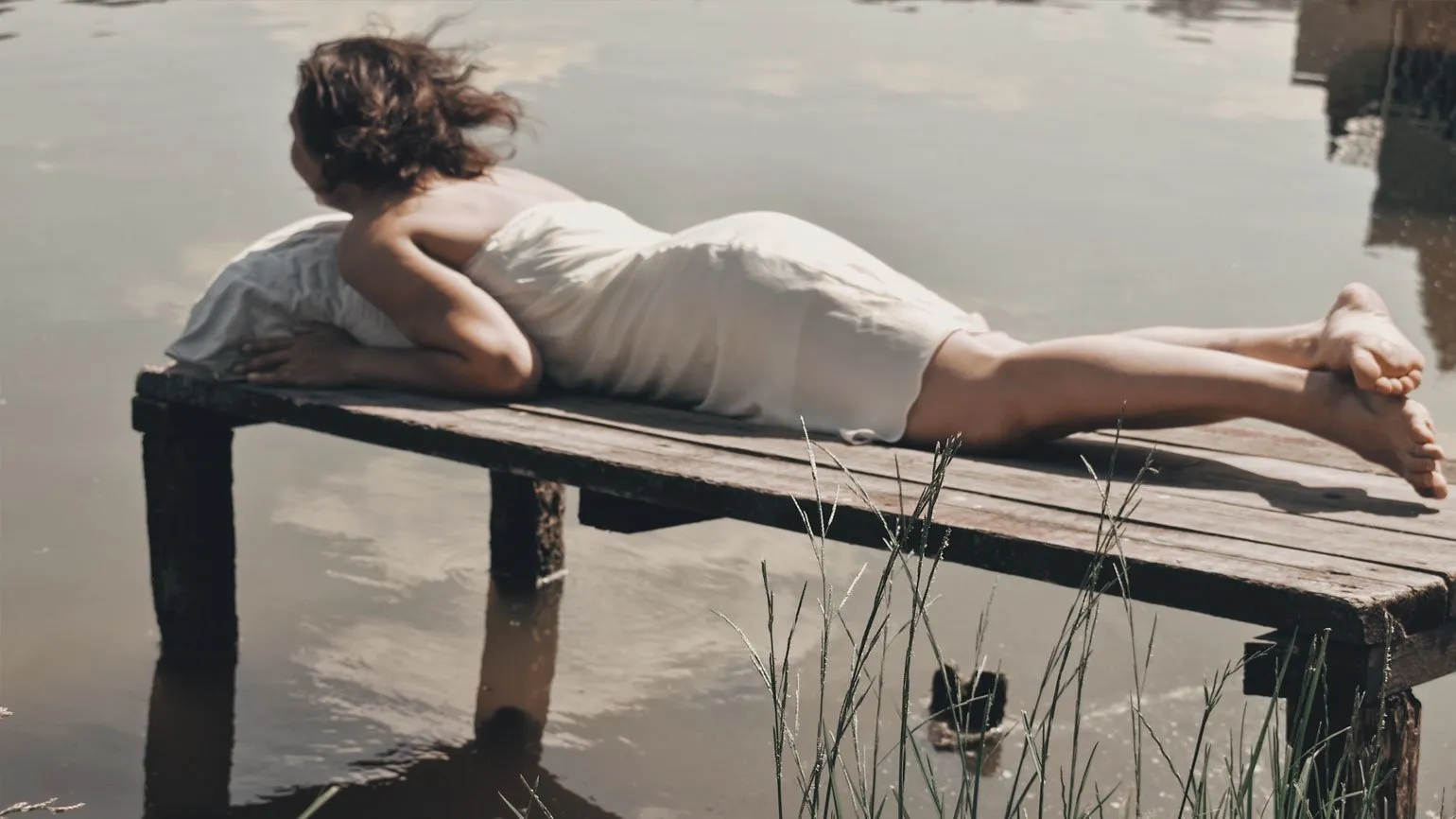
How much does a professional photographer cost?
The cost of a photographer's services depends on various factors. On average, prices start at 5,000 rubles per hour, while a full shoot or project can cost from 25,000 rubles. These rates may vary depending on the photographer's experience and reputation, as well as the complexity of the project and the client's requirements. Choosing a highly qualified professional can ensure the best quality work and unique results.
The price of a photo shoot depends on several key factors. These include significant costs for materials, the cost of engaging stylists, and the urgency of the order. If a photographer is unable to showcase their work in a portfolio, this can lead to higher prices for their services. It's important to consider these aspects when choosing a photographer, as they directly impact the final price and quality of services provided.
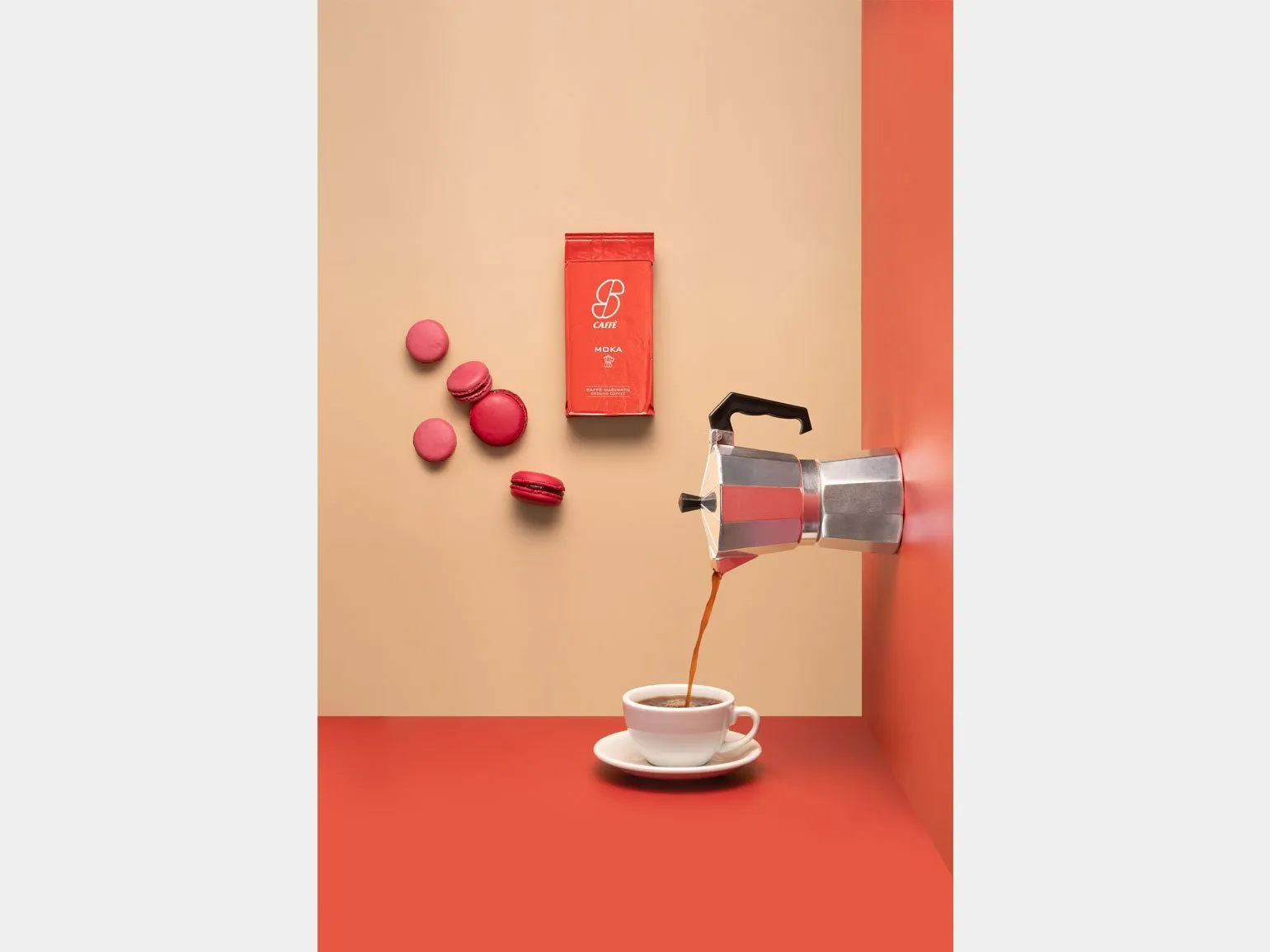
How much does a professional photographer cost?
The cost of a photographer's services depends on a number of factors, including the specialist's experience, the complexity of the shoot, and the location of the event. On average, a professional photographer's hourly rate starts at 5,000 rubles, while the price for a day of work starts at 25,000 rubles. These figures are only general guidelines, and the actual cost may vary depending on the specifics of the order and additional services, such as photo processing or album creation.
The final cost of a photographer's services is influenced by various factors. These include the cost of consumables, the need to involve additional specialists, such as stylists, and the degree of urgency and complexity of the project itself. In addition, if the photographer is limited in his ability to publish his work in open sources, this may lead to an increase in his fee. These aspects are key when planning a budget for a photo shoot and should be taken into account when discussing the terms of cooperation.
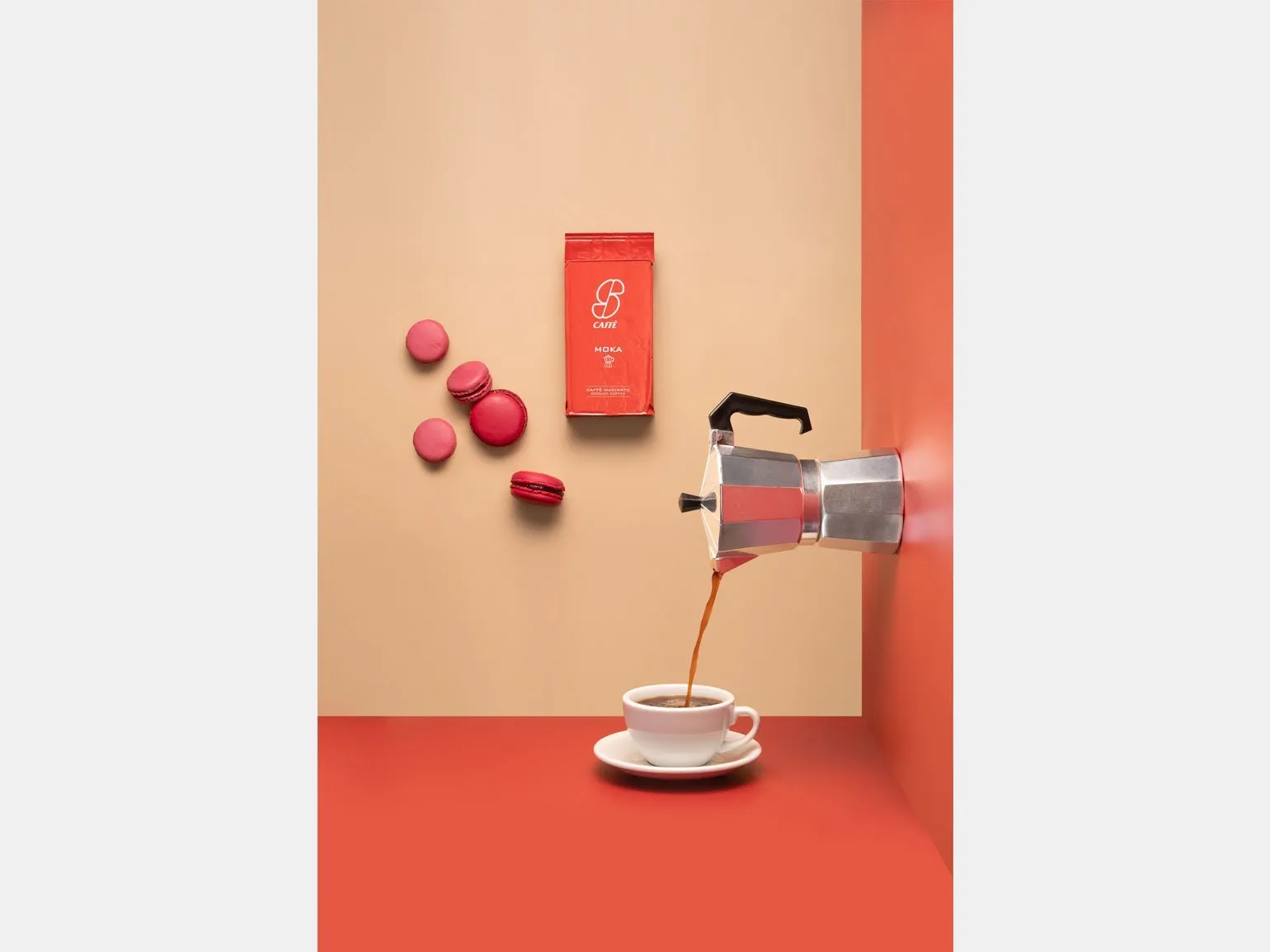
What influences the pricing of photography services?
The cost of a photographer's services depends on various factors that can significantly affect the final price. Key aspects include the experience and qualifications of the photographer, their reputation in the market, and the specifics of the project. The cost of equipment and software used in the shooting and photo editing process also plays an important role.
The location of the shoot can affect the price, especially if travel to remote or exotic locations is required. The time frame for completing the order, as well as the complexity of the requested services, such as event photo sessions, portrait sessions, or commercial photography, also matter.
Don't forget about additional expenses such as studio rental, transportation costs, and other logistical issues. All of these factors combine to determine the cost of a photographer's services and can vary depending on the client's individual requirements.
When choosing a photographer, it's important to consider several key factors. First, pay attention to the complexity and duration of the shoot, as this directly impacts the cost of the service and the final result. It's also worth considering the availability of additional services, such as styling or post-processing, which can significantly improve the quality of the photos. The photographer's skill level and experience also play a significant role in the choice, as an experienced professional will be able to offer the best ideas and solutions for your shoot. Finally, geographic location and market conditions in your area can affect the availability of services and their cost. By considering all of these aspects, you can make an informed choice and receive high-quality photographs that meet your expectations.
Frequently Asked Questions
You can determine whether your chosen photographer is worth their price in a few steps. Start by reviewing their portfolio to evaluate the quality and style of their work. Pay attention to customer reviews, which can provide an idea of the photographer's professionalism and reliability. Don't hesitate to ask questions about the process to understand how the shoot goes, what services are included in the price, and how the photo processing is handled. This approach will help you make an informed choice and ensure that your investment is justified.
There are various ways to reduce the cost of a photographer's services. One effective method is to discuss the possibility of a package deal, which can include several services at a more favorable price. It is also worth considering the option of group shoots, when several clients join together for a joint photo shoot, which allows you to split the costs and reduce the cost for each participant. Clarifying details and agreeing on the terms in advance will help you get high-quality photos at a more affordable price.
The price of services often does not include photo processing, so it is important to clarify this issue in advance. Be sure to discuss all the details to avoid misunderstandings and additional costs.
How to manage the deadlines for a photo shoot?
To prevent misunderstandings, it is important to discuss all aspects of the collaboration in advance. This will help establish clear expectations and ensure mutual understanding between both parties. Discussing details such as deadlines, roles, and responsibilities will help establish the foundation for a successful partnership and minimize potential conflicts in the future. Ensure all terms are clear, agreed upon, and documented for future reference. Set clear timelines for the shooting process and delivery of finished materials. Please note that rush orders may increase the cost. Setting clear deadlines will help avoid miscommunication and ensure the timely delivery of your project.
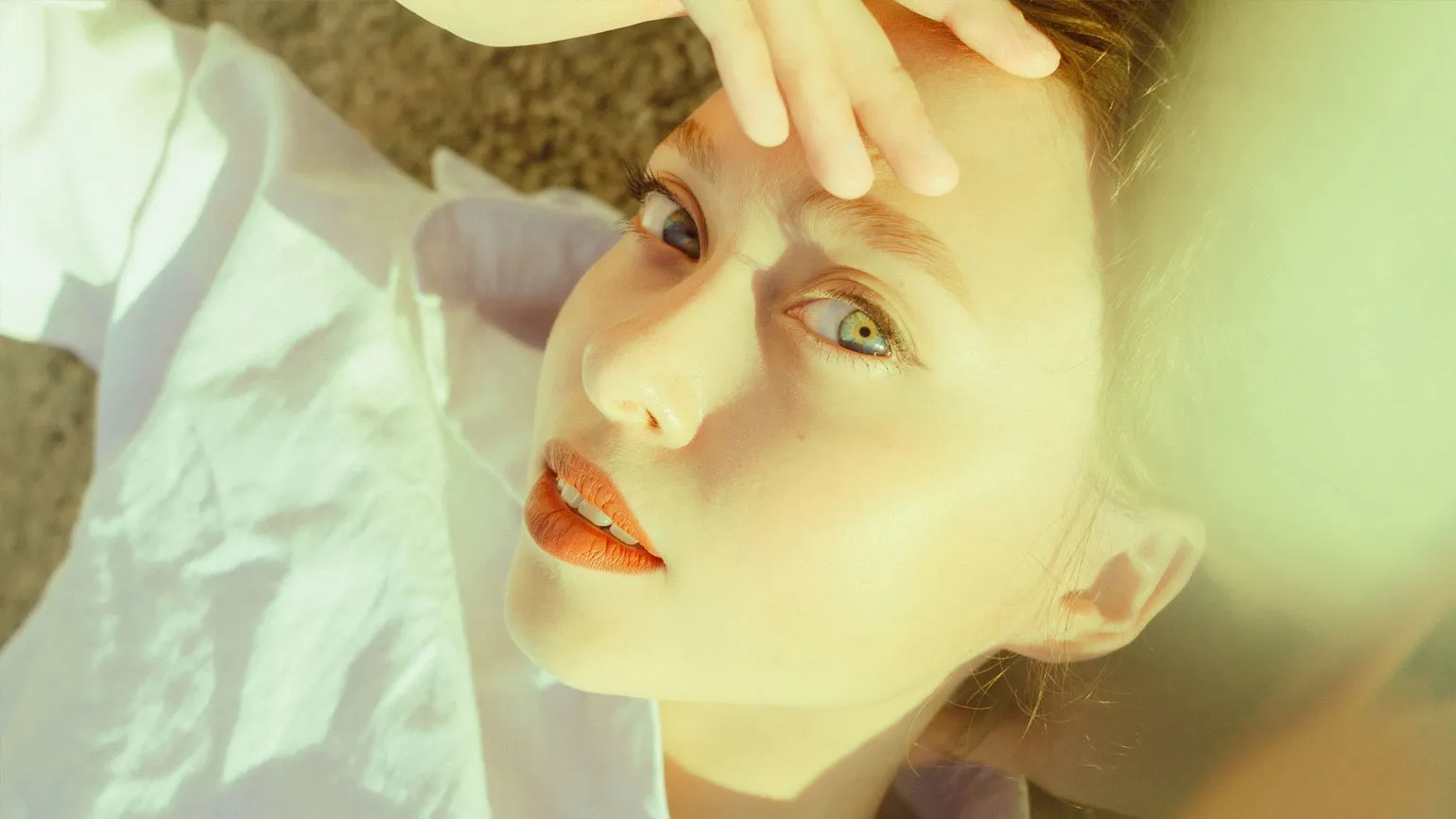
How to set deadlines correctly?
Clear agreements are the foundation of successful collaboration. It is important to discuss and establish deadlines for the photo shoot, as well as the delivery date for the completed work. This will help avoid misunderstandings and ensure effective communication between the parties. Properly executed agreements create a transparent basis for work and contribute to the achievement of expected results.
If you need results as quickly as possible, keep in mind that the cost of services may increase. Accelerated turnaround times require additional effort and resources from the photographer.
How to write a photoshoot brief?
The success of a photoshoot depends on the clarity of the brief. A well-written brief will save time and guarantee the desired photographs. It should include all key points, such as ideas, styles, locations, and the desired emotions. The more detailed the brief, the higher the likelihood that the final images will fully meet your expectations. Remember that clear instructions facilitate more productive communication with the photographer and a better result.
- Clearly indicate the number of shots and the desired format.
- Determine whether vertical shots are required—this is important for composition.
- If you plan to use images with a transparent background, be sure to specify the need for PNG format, as most photographers deliver images in JPG format by default.
An important aspect when ordering a photo shoot is not only the format and number of shots, but also a description of the desired subjects. It is recommended to provide the photographer with examples, such as references or sketches, so they can more accurately understand your expectations and visualize the final result. This will help create photographs that most closely match your vision.
- Describe the ideas and concepts you want to convey in your photographs.
- Show examples of work you like—this will help the photographer capture the desired style.
- Be sure to explain where and how the resulting images will be used. This will give the photographer an idea of the necessary technique and level of retouching.
How to write a proper terms of reference for a photo shoot?
The key to a successful photo shoot is a clearly formulated terms of reference (TOR). These TOR not only help the photographer clearly understand your expectations but also significantly speed up the shooting process. A properly written TOR includes details such as the style of the photo shoot, the desired location, the equipment used, and lighting preferences. The more detailed your TOR, the more effective and efficient the photo shoot will be.
- Determine how many photos you need and what format they should be in.
If you plan to use vertical shots, it is important to indicate this in the TOR. If you need images with cut-out objects on a white background, be sure to specify that the PNG format is required, as many photographers typically provide photos in JPG format. This will help avoid misunderstandings and ensure that you receive the necessary materials in the required quality.
- Detail your desired subjects and styles.
- Attach sample photographs—references or sketches for clarity.
- Explain where and how the final images will be used. This information will help the photographer choose the necessary equipment and level of detail for retouching.
Effective payment planning for a photo shoot is a key aspect of successful communication with a photographer. Most professional photographers prefer an advance payment system, which ensures a serious approach from clients. Proper payment arrangements help avoid misunderstandings and build trust. Furthermore, advance payment confirms your commitment and allows the photographer to plan their work more efficiently.
How and when to pay for a photo shoot?
It is recommended to make an advance payment of 50% of the total cost of services before the photo shoot or on the day of the shoot. The remaining amount is due upon receipt of the completed materials. This approach allows the photographer to confidently plan their work and the necessary resources, and also creates a secure environment for both parties. Advance payment helps avoid misunderstandings and ensures a serious approach to the order.
When using props during the shoot, it is important to keep in mind that their full cost must be paid in advance. This rule applies not only to expensive items, but also to small elements that can have a significant impact on the quality of the final result. Ensuring timely payment for props helps avoid misunderstandings and ensures that all necessary parts are available during the shoot. This is especially true for projects where every detail is crucial to achieving the desired visual effect.
How to properly arrange payment for a photo shoot?
Payment for a photo shoot is an important step in organizing the shoot and requires prior discussion with the photographer. Professional photographers typically require an advance payment to secure your booking and confirm your commitment. Discussing payment terms in advance will help avoid misunderstandings and make the collaboration process more transparent. Clarify all details, including the advance payment amount, payment methods, and deadlines, to ensure a successful photo shoot.
The standard payment procedure involves a 50% deposit before or on the day of the shoot. The remaining amount is due upon receipt of the completed photographs. This approach ensures transparency and trust between the client and photographer, guaranteeing high-quality services.
When planning a photo shoot with props, full payment is usually required upfront. This is because photographers and their assistants invest time and resources in finding and preparing the necessary items. Paying in advance ensures that you have all the necessary elements for a successful shoot and avoids delays during the process.
How to receive photos from a professional photographer?
Before starting a collaboration, it is recommended to clarify the format and number of finished photos you will receive. This will avoid misunderstandings and make the process more transparent. A clear understanding of the photo requirements will help optimize the work and ensure high-quality content.
Photographers typically do not provide unprocessed or filtered materials, including RAW files. This is due to the desire to maintain a high standard of quality and the integrity of the artistic vision of their work. Sending only the final images allows them to control the result that will be presented to the client and ensure compliance with their creative standards. Therefore, if you are looking for professional photographs, it is important to understand that the finished images reflect not only the photographer's technical skills, but also their artistic approach.
How to Receive Finished Photos: Formats and Delivery Terms
Before working with a photographer, it is necessary to discuss in advance the format for receiving finished photos, the number of images to be transferred, and the method of delivery. This will help avoid misunderstandings and ensure satisfaction with the result. Clarify whether the photos will be provided digitally, on a hard copy, or in printed form. Also, clarify in what resolution and quality you will receive the images so that they meet your requirements. Discussing these details before starting work will ensure a smoother process and a satisfactory result.
Professional photographers do not transfer unprocessed materials or RAW files to clients. This rule is similar to how a pastry chef does not sell leftover cream and cake layers. Clients receive only a finished, high-quality product that reflects the photographer's high level of skill. Photo editing is an important stage that allows you to highlight the best moments and create visually appealing images. Understanding this process helps clients appreciate the work of specialists and the results they achieve.
What should you do if you are not satisfied with the results of a photo shoot?
There are several reasons why you may be dissatisfied with the results of a shoot. Let's consider the main ones:
- Technical flaws: problems with focusing, lighting, or other parameters.
- The photos do not meet your expectations in quality or quantity.
When discussing artistic execution, it should be taken into account that tastes differ from person to person. In this context, the photographer certainly has the right to implement their visual ideas and solutions. Each author brings a unique style and vision to their work, which makes photography an art form capable of evoking a variety of emotions and reactions in viewers.
If you are dissatisfied with the photographer's work, you have several options. You can request photo retouching or decline to use the resulting images. It's important to remember that in this case, you also have the right to forgo the remaining payment. Be sure to discuss your expectations and requirements with the photographer to avoid misunderstandings and achieve the desired result.
What should I do if I'm not satisfied with the results of my photo shoot?
Dissatisfaction can be justified in various situations. For example, if you encountered poor service or a product that does not meet the stated specifications. Also, your expectations may not match reality if the information about the product or service was distorted. It is important to remember that your dissatisfaction may arise due to a lack of transparency in the purchasing or service delivery process. These issues can significantly affect your overall impression and level of satisfaction.
- A technical defect was detected in the images.
- The photographs do not meet the agreed-upon quality and quantity standards.
If the issue is related to aesthetic preferences, the decision remains with the photographer, since your opinion may be subjective. It's important to keep in mind that perceptions of art and photography vary from person to person, and what one person finds appealing may be disliked by another. Therefore, if you're working with a photographer, it's worth discussing your preferences but also respecting their professional perspective on composition and style.
If the final result doesn't meet your expectations, you have several options. You can reject the work, request changes to the retouching process, or, in the case of serious flaws, refuse to pay the remaining amount and not use the resulting photographs.
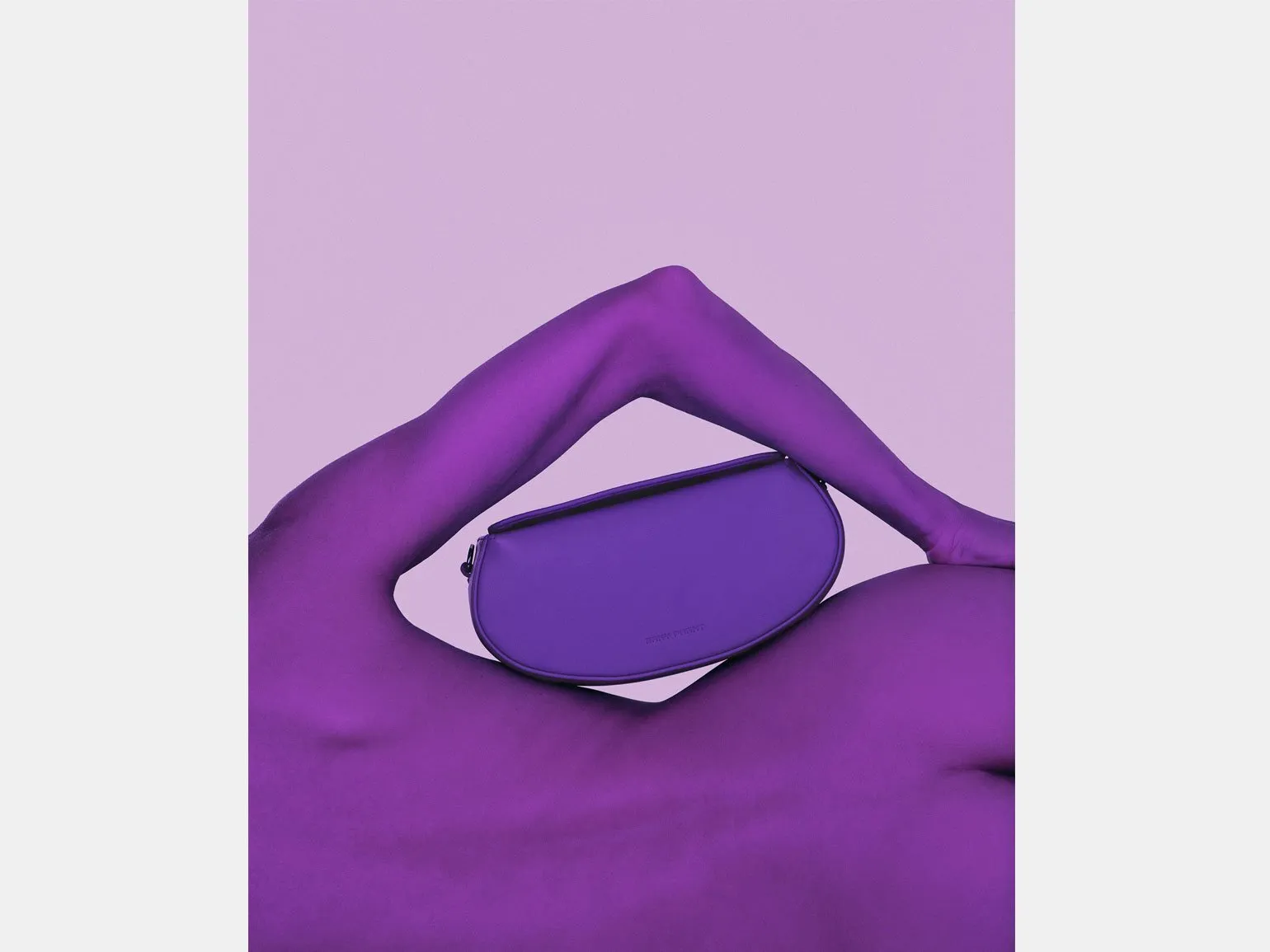
Correctly submitting retouching edits is a key step in collaborating with a photographer. Clearly and constructively expressing your comments will help achieve the desired result and improve the quality of the final images. Effective communication between the client and photographer not only leads to more accurate edits but also strengthens mutual understanding. Make sure your requests are clearly formulated to avoid misunderstandings and reduce the time spent on retouching photographs. Thus, correctly submitting retouching edits not only increases the level of professionalism but also contributes to the creation of high-quality content.
How to effectively make retouching edits?
Once the photos are processed, you have the opportunity to make changes to the retouching. Typically, the first correction is included in the price of the service, while additional edits may incur an additional fee. This allows you to achieve the desired result and ensure that the photos meet your expectations.
If unwanted creases appear during a dress photoshoot or the color is incorrect, you can request adjustments. For example, you can request: "Change the dress color to a warmer shade and remove excess creases on the sleeves." This will allow you to get a higher quality result and meet your expectations.
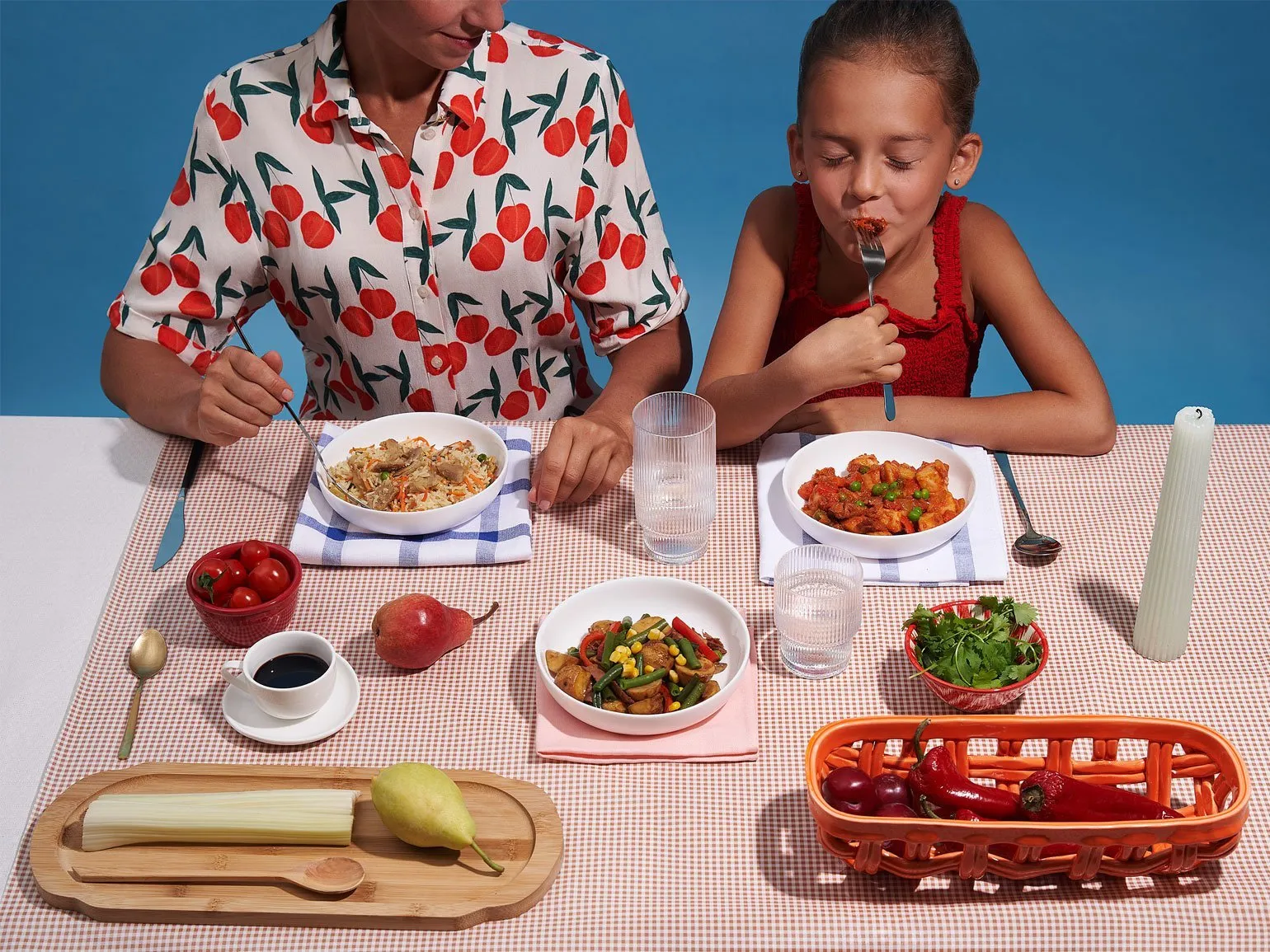
Being clear and precise in your requests is key to avoiding misunderstandings and speeding up the revision process. Specific requests facilitate more effective communication and help you achieve your desired result faster. Pay attention to details and formulate your thoughts so that they are understandable. This will significantly simplify the work and improve the quality of the final product.
How to make retouching edits correctly?
Once your photo retouching is complete, you have the opportunity to make changes. Typically, the first adjustment is included in the price of the service, while subsequent changes may require an additional fee.
If unwanted folds appeared during the dress photo shoot or the color was not captured correctly, you can specify the exact changes. For example: "Please change the color of the dress to a warmer shade and remove the excess folds on the sleeves."
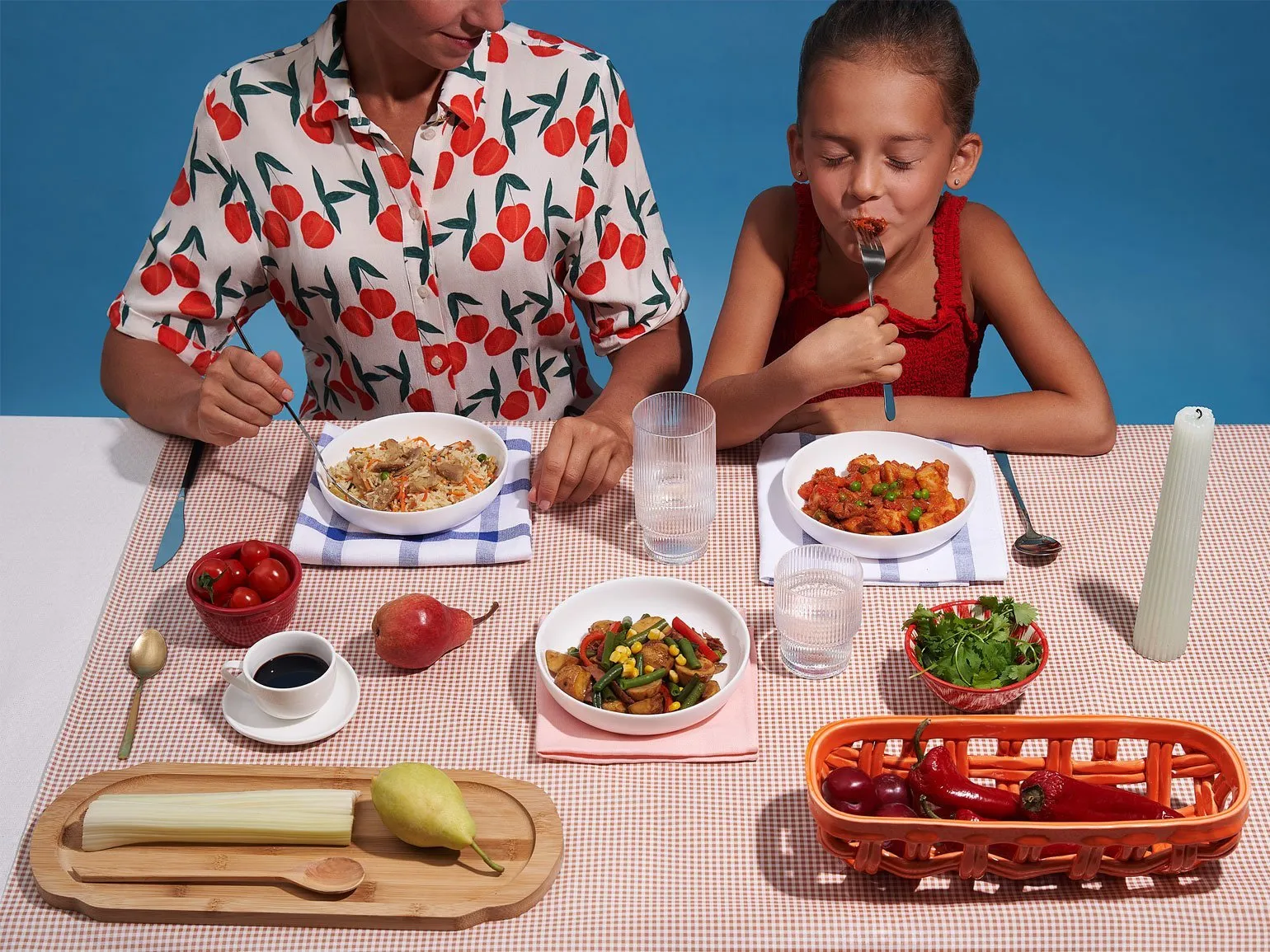
An example of a successful photographer in the furniture industry
A furniture factory is looking for a talented photographer who can showcase their skills through a portfolio. Ideal shots should include furniture and interiors that will attract the attention of managers and marketers. We are interested in work that highlights the style, quality, and functionality of our products. If you have experience photographing interiors and furniture, we would be happy to review your portfolio.
The technical assignment includes photographing furniture against a white background from various angles. You also need to create one image where the furniture will be located in the interior. The project includes three pieces of furniture. The resulting photographs will be used for publications on social media and on the factory's official website. An IKEA catalog was chosen as the model for the shoot, with a two-week turnaround time.
The photographer creates a budget, including studio rental and decorator services. A contract is then signed, after which the factory managers make a prepayment for the services provided. A date and location for the shoot, including delivery of the furniture, are determined. This process ensures transparency and organization, which are essential for a successful photo shoot.
Ten days after the shoot is completed, the photographer sends the finished images in JPEG format via Google Drive. Reduced versions of photographs optimized for online publication are also provided.
The client is satisfied with the result and makes the final payment.
Subscribe to our Telegram channel to receive the latest news and helpful design tips. We share interesting ideas, inspiring projects, and the latest design trends. Stay informed and develop your skills with us!
We recommend that you read the following materials:
- Who is a commercial photographer and what do they do?
- Subject photography in a home photo studio
- "The author's ears should be visible in a photo report": Gosha Bergal on his approach to photography
- The plastic world will not win: art house in commercial photography
Graphic Designer PRO: 5 Steps to Career Success
Want to become a graphic designer? Learn how to create a stylish portfolio and start your career!
Learn more