Contents:

4 Professions in Internet Marketing: A Free Mini-Course
Learn MoreDigital Nomads: Who They Are and Why Their Lifestyle is at the Peak of Popularity
Digital Nomads, Digital nomads, or digital nomads, are professionals who can work remotely, unbound by a specific location. In the post-pandemic era, when remote work has become the norm, more and more people are embracing this lifestyle, harmoniously combining professional work with travel. This new approach to work opens up the opportunity to explore the world while earning a stable income. Digital nomads use modern technology to interact with colleagues and clients, allowing them to work from anywhere. The number of people choosing this lifestyle is growing every year, indicating a shift in traditional notions of work and freedom. There are several key factors that motivate people to choose the digital nomad lifestyle. First, freedom of movement. Digital nomads can work from anywhere in the world, allowing them to explore new countries and cultures. Second, flexibility in work schedules plays a key role. The ability to independently plan your time allows for a better balance of work and leisure. Third, the opportunity to save money. Many nomads choose more affordable locations to live, allowing them to reduce expenses. Finally, the digital nomad lifestyle fosters the development of personal and professional skills, such as adaptability and self-organization. These factors make the digital nomad lifestyle attractive to many people looking to change their lives for the better.
- Geographical freedom. A key advantage is the ability to travel and change locations at will. With the increasing number of companies offering remote work, employees no longer have to worry about financial hardship when moving to a new country.
- Development of remote management technologies. The pandemic has forced many organizations to adapt to a remote format, which in turn has contributed to the creation of convenient tools for managing work processes from anywhere.
- Growth of digitalization. According to research by HeadHunter and MTS Link, the number of remote work vacancies in Russia will increase to 6.7% in 2023, exceeding the record 5.7% in 2021. Remote work has become desirable not only for employees, but also for employers, which is strengthening the trend of digital nomadism.
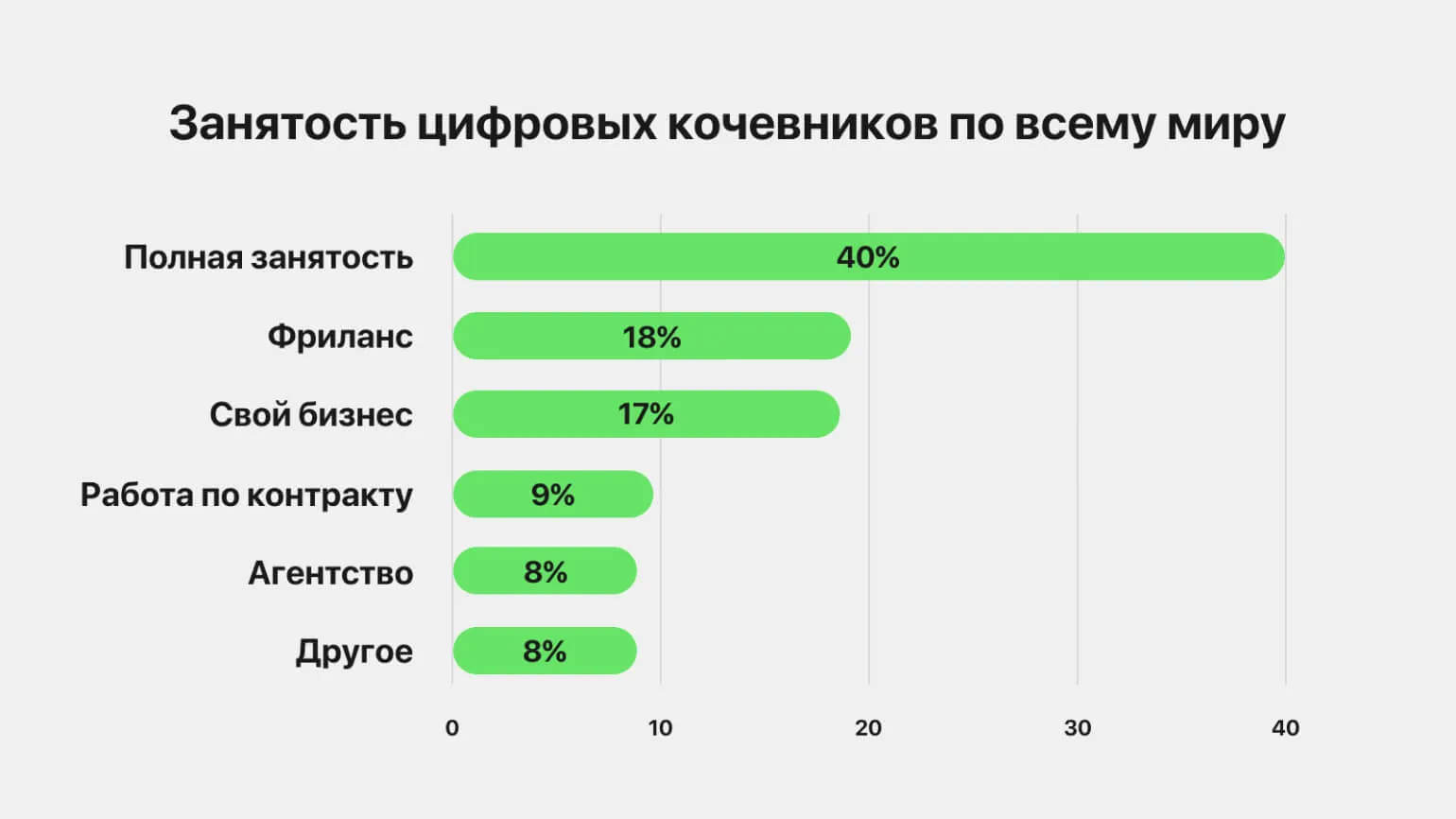

According to a survey conducted by Nomads.com, 40% of digital nomads work full-time, 18% choose to freelance, and 17% own their own startups. These data highlight the growing popularity of diverse employment options within the digital nomad community, demonstrating the high flexibility and adaptability of modern professionals. Digital nomads find opportunities to apply their skills in a variety of fields, making them highly sought-after in the job market. Studying various aspects of a topic is an essential step for a deep understanding and successful application of acquired knowledge. Each element of the content plays a significant role in forming the overall picture. Delving into detail not only helps you better retain information but also develops critical thinking. It is important to carefully analyze each component to create a holistic understanding. For better assimilation of the material, it is recommended to use a variety of sources, which allows for a more complete understanding of the topic. This way, you will not only expand your knowledge but also apply it in practice, achieving high results.
Read also:
Digital is a modern field encompassing all aspects of digital technology and the internet. It encompasses a wide range of professions that are becoming increasingly relevant amid the digital transformation of business and society. Among the most in-demand professions are digital marketing specialists, data analysts, software developers, content managers, and SEO specialists. These professions require both technical skills and a creative approach to problem-solving. Given the constant growth of internet technologies and the demand for digital content, the digital sector continues to evolve, opening up new opportunities for career growth and professional development.
Top 6 Countries for Digital Nomads: Where to Live and Work in Comfort
We have prepared information about six countries where the visa process is simple, the climate is comfortable, and the standard of living is high. These destinations are ideal for digital nomads who want to combine work and travel.
If you are looking for a warm country to work, Spain is an excellent choice. Its subtropical climate, characterized by mild winters and hot summers, provides comfortable conditions for living and working. The average temperature in August reaches +28°C, which makes Spain attractive for those who value sunny days and warm weather. Working in Spain, you can enjoy not only a pleasant climate, but also a rich culture, wonderful cuisine, and a high quality of life.
Spain ranks 4th in Europe for the quality of healthcare with an index of 77.6 according to Numbeo. This high quality of medical services makes the country especially attractive for digital nomads, who value not only a comfortable life but also access to quality healthcare.

To obtain a digital nomad visa, you must prove a monthly income of €2,646. Application processing at the consulate takes approximately 30 days. The visa is issued for one year with the possibility of extension for three additional years.
Digital nomads are taxed at a flat rate of 24% on income up to €600,000 per year. This is significantly more advantageous compared to the progressive tax rates for residents. This tax regime attracts many professionals working remotely, allowing them to optimize their expenses and focus on business development.
Portugal offers a subtropical climate with hot summers reaching +30°C and mild winters, making the country an attractive place to live. The high level of innovation in the country contributes to the active development of the IT sector, attracting specialists and investors. This creates a favorable environment for startups and the implementation of new technologies, making Portugal an ideal place for professional growth in the IT sector.
Portugal ranks 14th in Europe in terms of healthcare indicators, with an index of 72.7, according to Numbeo. This demonstrates the high level of healthcare in the country, making Portugal an attractive destination for both citizens and tourists seeking quality medical care.
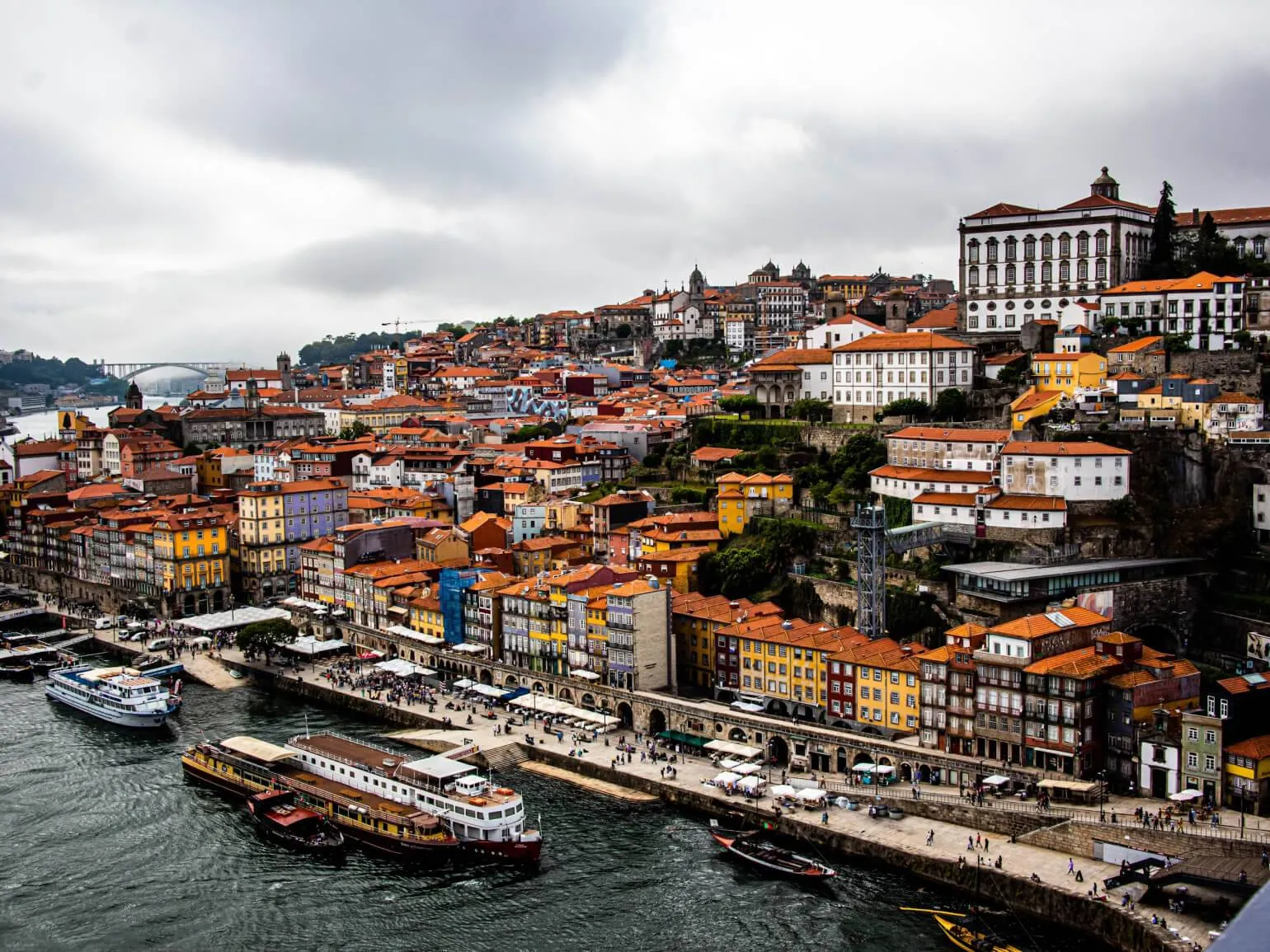
To obtain a digital nomad visa, you must have a monthly income of at least €3,280. This visa is issued for four months and can be extended for two years for those who meet the established criteria.
The tax rate for digital nomads is 20%. If you stay in the country for more than 183 days, you can apply for the preferential tax status of NHR, which will significantly reduce your tax liability. This status is attractive to freelancers and remote workers looking to optimize their taxes while living and working in another country.
Hungary is famous for its mild climate and affordable prices with a high standard of living. In summer, in July, the maximum temperature reaches +26°C, and in winter the temperature can drop to -1°C. This makes the country an attractive place to live and vacation year-round, providing comfortable conditions for both citizens and tourists.
Hungary ranks 32nd in Europe for healthcare quality, according to the Numbeo 54 Index. This demonstrates the high quality of medical services in the country, making Hungary an attractive destination for medical tourism. There are many medical institutions and clinics offering a wide range of services, including dentistry, plastic surgery, and treatment of various diseases.
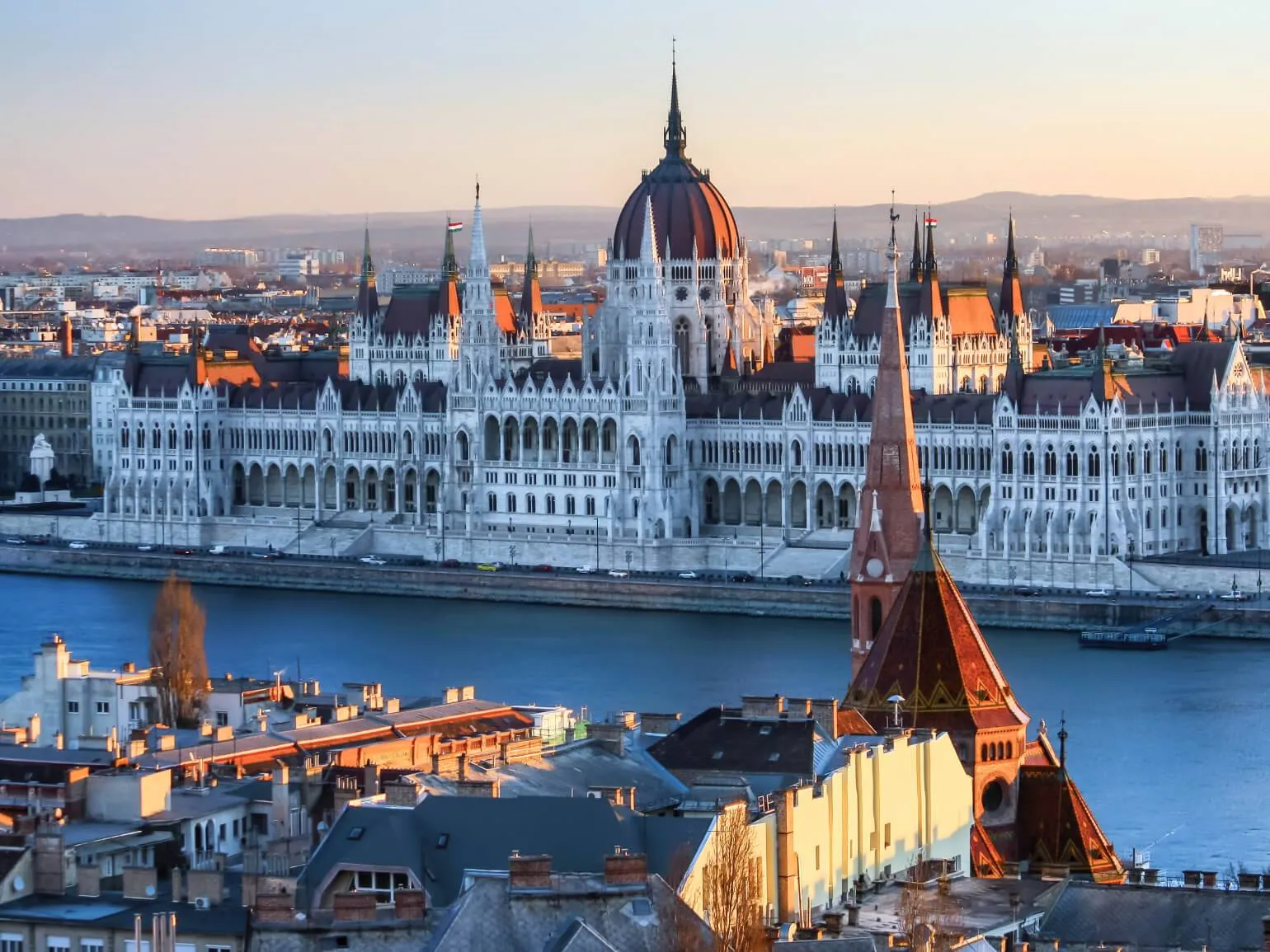
Digital nomads can obtain a White Card visa with a verified income of €3,000 per month. This visa is issued for one year and can be extended, allowing remote workers and freelancers to enjoy life in a new country, combining work and travel. It is important to note that to obtain a visa, you must provide documents confirming financial stability and a source of income.
If you spend less than 183 days in the country, there are no tax obligations. For stays longer than 183 days, a tax rate of 15% applies. Keep this rule in mind when planning your trips and length of stay, as it can significantly impact your financial costs.
Croatia attracts tourists with its unique climate, which combines features of both Mediterranean and continental climates. In the south of the country, temperatures can reach +30°C, creating ideal conditions for a beach holiday. Meanwhile, in northern Croatia, temperatures typically hover around 25°C, making the region attractive to travelers seeking a more moderate climate. Thanks to its diverse climate, Croatia offers a wide range of activities and recreational opportunities year-round.
Croatia boasts a high standard of living and reasonable prices. In terms of healthcare, the country ranks 21st in Europe with a score of 65.1, according to Numbeo. This makes Croatia an attractive place to live and relax, providing access to quality healthcare services and comfortable conditions for residents and tourists.
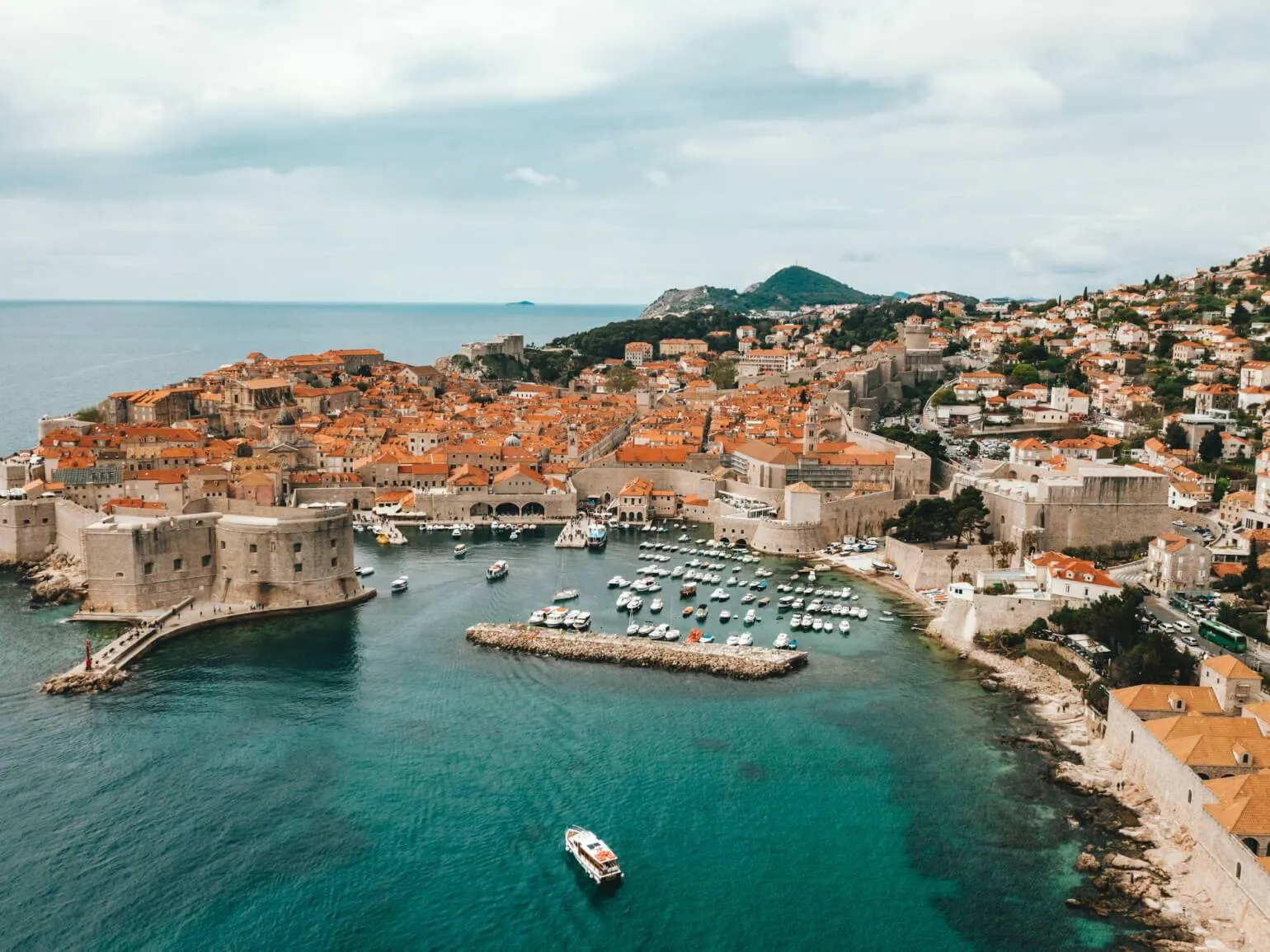
To obtain A digital nomad visa requires proof of income of €2,870. This visa is valid for one year and cannot be extended.
Croatia offers unique conditions for remote workers, as they can avoid paying taxes while remaining tax residents of their home country. This makes Croatia an attractive destination for freelancers and remote professionals. The opportunity to combine work and life in a sunny country is attracting more and more people looking to take advantage of this advantage.
Malta is renowned for its mild Mediterranean climate, with temperatures reaching 32°C in July and dropping to 15°C in January. This climate makes Malta an attractive place to live and work. These conditions not only promote comfortable living but also provide opportunities for outdoor recreation throughout the year. Malta also offers a variety of employment opportunities, making it even more attractive for relocation and emigration.
Malta ranks 34th in Europe for healthcare quality, according to a 52.3 index provided by Numbeo. This position highlights the high level of healthcare on the island, making Malta an attractive destination for tourists and residents seeking quality healthcare.
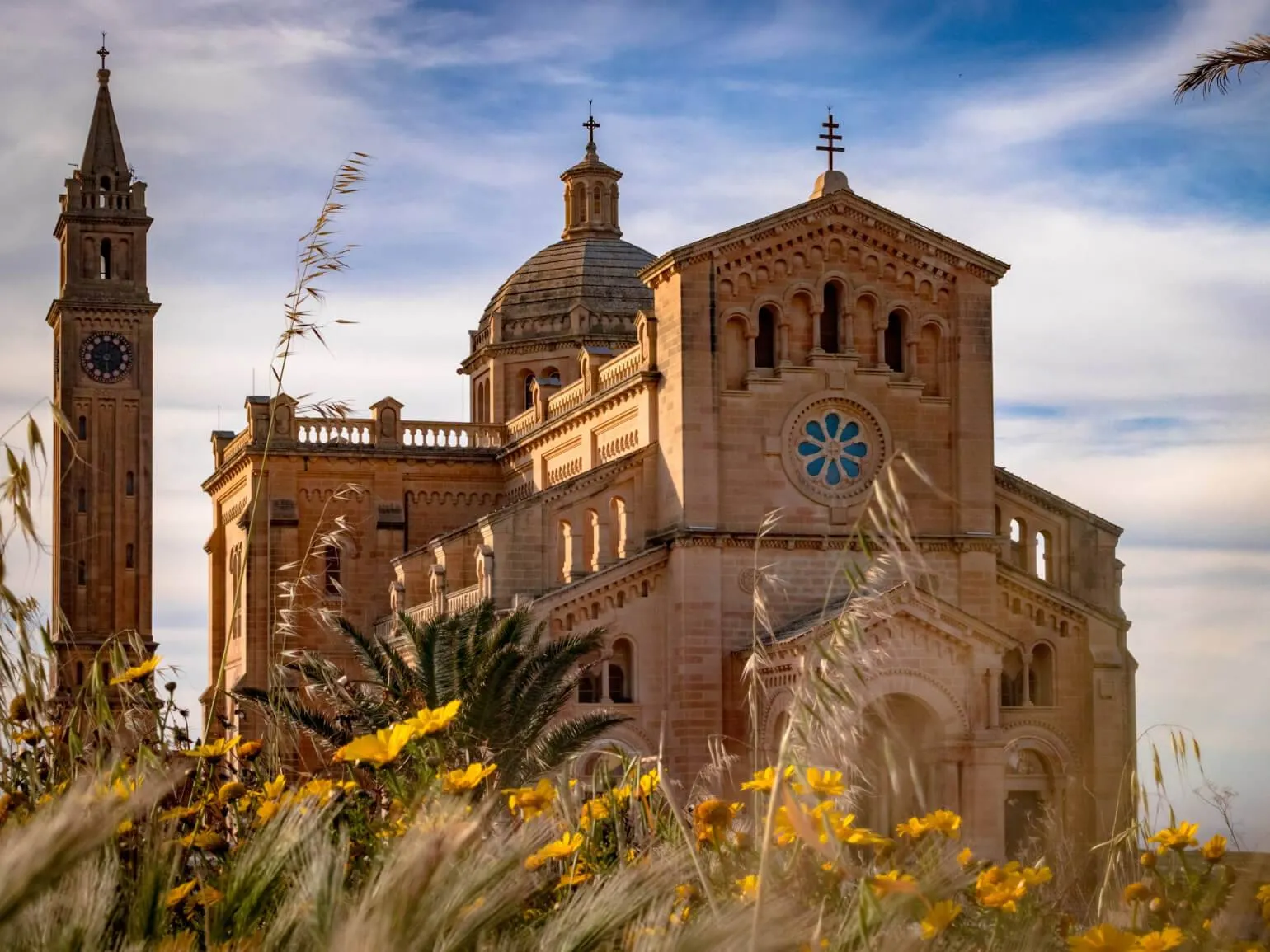
A Nomad Residence Permit visa requires a verified income of at least €3,500 per month. This visa is issued for one year and is renewable, making it attractive to digital nomads looking to live and work in another country.
If you stay abroad for less than 183 days, no taxes are levied on your foreign income. However, if your stay exceeds 183 days, a 10% tax rate applies. This rule is important to keep in mind when optimizing the tax burden on foreign income.
If you're looking for a tropical lifestyle, Thailand is an excellent choice. The average temperature here is 29°C year-round, creating comfortable living and leisure conditions. Tropical nature, beautiful beaches, and a rich culture make this corner of the world attractive for both emigration and long-term residence.
Housing affordability in Thailand is impressive: cozy bungalows can be rented for as little as 15,000-20,000 rubles. This makes the country attractive for long-term residence and vacations. Furthermore, Thailand's healthcare quality ranks 9th in the world, with a score of 77.2, according to Numbeo. High-quality healthcare services combined with affordable housing prices attract both tourists and expats, making Thailand an ideal place to live and work.
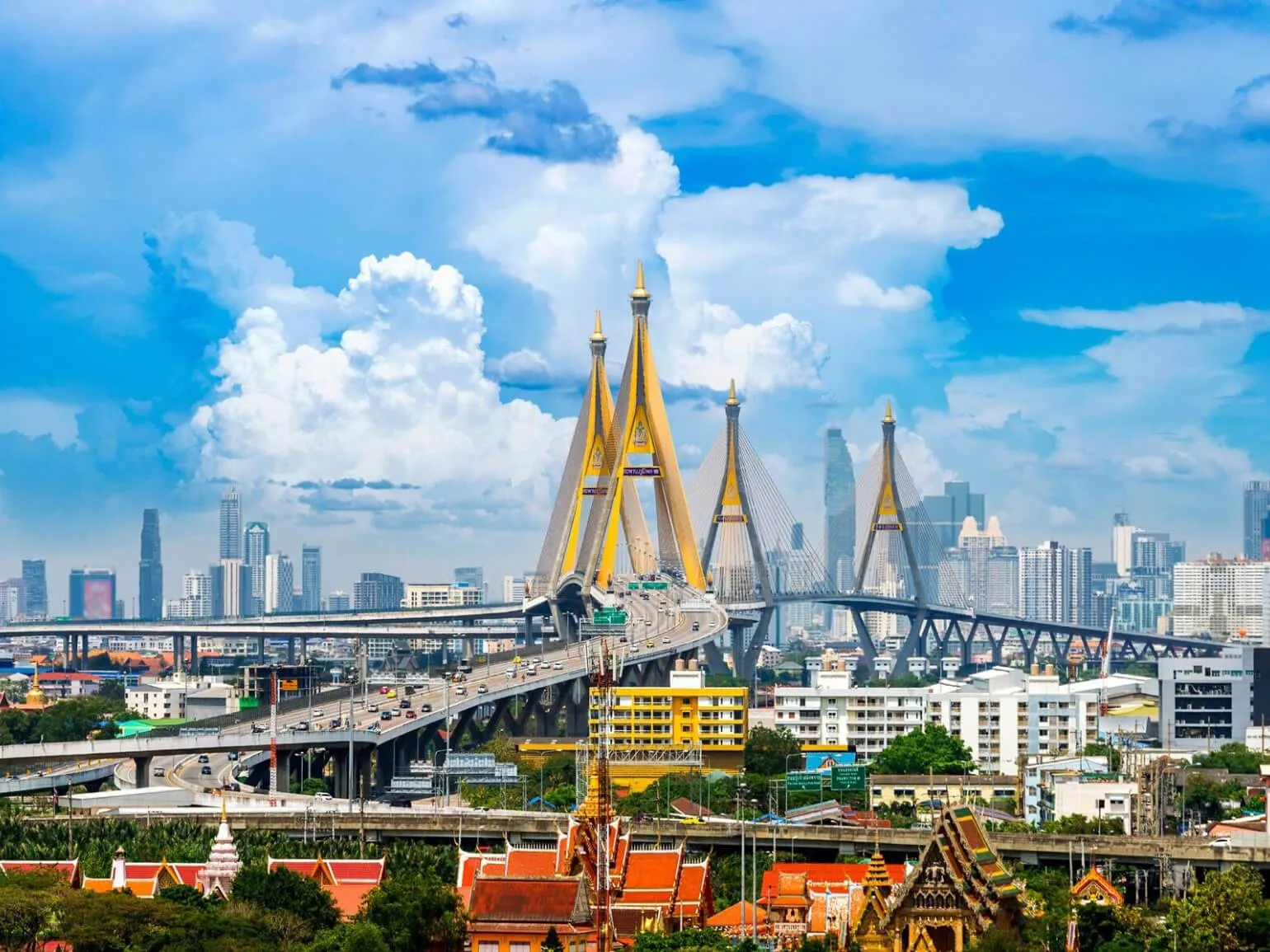
Starting in July 2024, Thailand will introduce a new digital nomad visa—the Destination Thailand Visa (DTV). This visa is designed for those who work remotely and want to enjoy life in Thailand. A bank account balance of 500,000 baht is required to apply. This innovation makes Thailand an attractive destination for freelancers and remote workers seeking to combine work and leisure in a tropical paradise.
The DTV is valid for six months and can be extended. The tax rate for digital nomads is 17%, significantly lower than the standard rate of 35%. This makes DTV an attractive option for freelancers and remote workers looking to optimize their tax obligations and enjoy the flexibility of working from different locations.
Key Points to Consider for Digital Nomads
Digital nomads should consider several key points before moving. We have identified six key aspects that will help ensure a successful adaptation and comfortable stay in a new country. Proper preparation will help avoid many difficulties and make the relocation process smoother.
Legal status is a key issue for people planning to work abroad. Digital nomads often resort to using tourist visas, which can lead to serious consequences, such as fines or deportation. To avoid such problems, it is important to carefully study the visa requirements of the destination country and ensure that you have all the necessary work and residence permits. Proper paperwork will not only help avoid legal difficulties but also ensure a comfortable working environment abroad.
Taxation issues play an important role in financial planning. Some countries pose the risk of double taxation, which can lead to significant additional expenses. Therefore, it is important to study tax laws and possible tax benefits in advance. This will help optimize tax liabilities and avoid unexpected financial consequences. A proper understanding of tax rules and benefits will not only help you save money but also effectively manage your business or personal finances.
Healthcare is an important aspect of life, especially when moving to another country. Healthcare provision conditions can vary significantly depending on the region. Some countries have strict health insurance requirements, which can affect the availability and quality of medical services. Therefore, it is important to research the specifics of the healthcare system in the new country in advance. This will help you avoid unpleasant situations and prepare for possible difficulties associated with receiving medical care. Knowledge of medical institutions, available insurance plans, and the specifics of receiving services can significantly simplify the adaptation process.
The cultural and social characteristics of the country have a significant impact on the adaptation process. Understanding local culture and traditions can help reduce awkward moments and facilitate interactions with locals. It's recommended to consider taking intercultural communication courses to deepen your knowledge and improve your communication skills in a new environment. This will not only boost your confidence but also open up new opportunities for social integration.
Cybersecurity is key for digital nomads. Using open Wi-Fi networks significantly increases the risk of cyberattacks, which can lead to the leaking of personal information and financial losses. To protect your data, it's important to regularly update your software, install antivirus software, and use strong passwords. It's also recommended to avoid storing sensitive information on devices without proper protection and, if necessary, use encryption. Using virtual private networks (VPNs) can provide an additional layer of security when working on public networks. By following these recommendations, digital nomads can reduce risks and protect their data in the face of constant cybersecurity threats.
Documentation issues can be a serious obstacle for digital nomads. Many of them rarely return to their home countries, making it difficult to resolve administrative issues such as renewing their passports or obtaining a power of attorney. However, modern digital platforms significantly simplify the process of obtaining necessary documents, even while abroad. Using online services and electronic signatures allows for efficient document management, making the lives of digital nomads more convenient and free. It's important to stay informed about the tools available to minimize bureaucratic hassles and focus on travel and work.
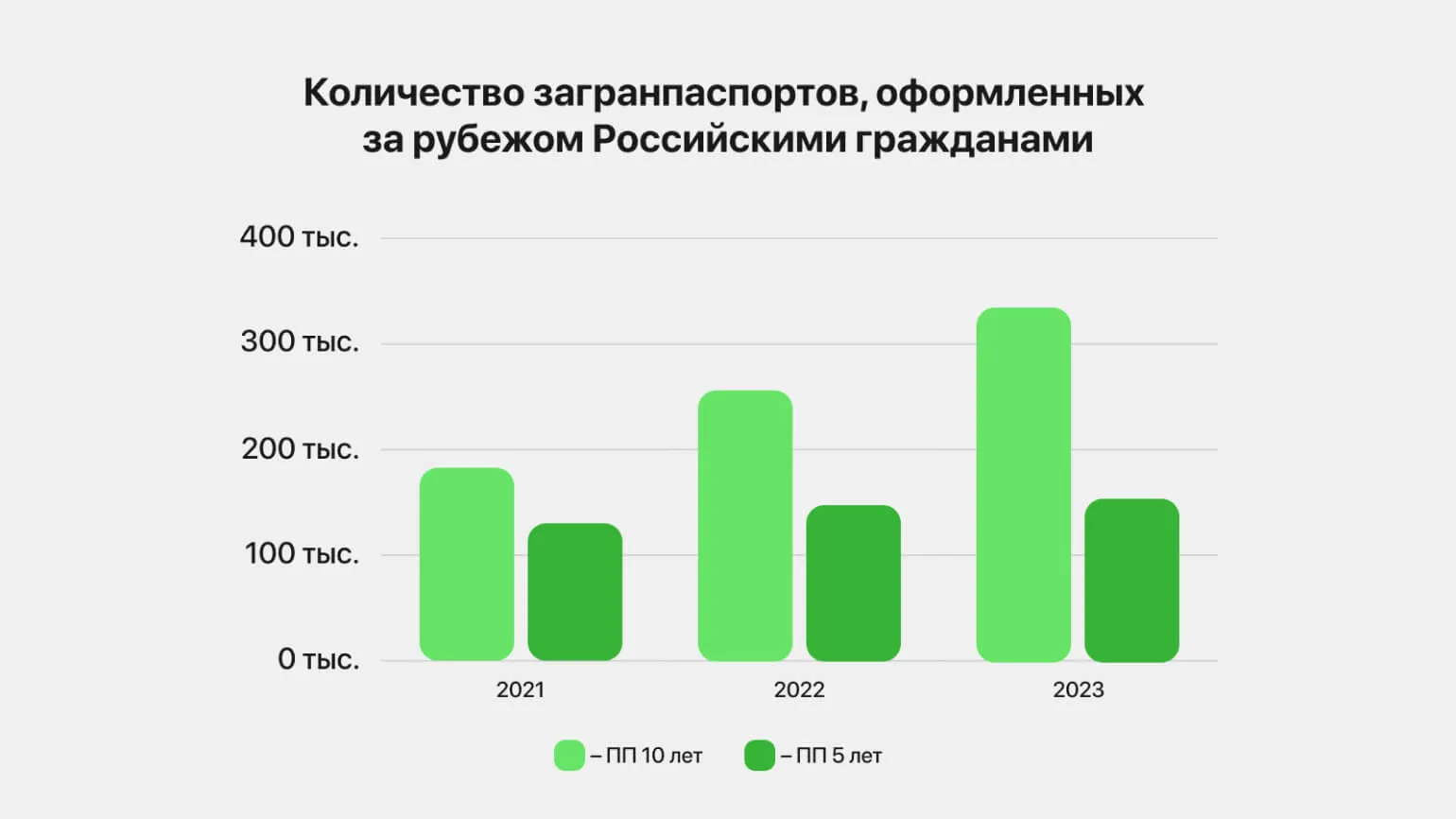
Conclusion: Preparing for the life of a digital nomad requires a comprehensive approach and careful analysis of various aspects. It is important to consider legal status and taxation, as well as healthcare and cultural adaptation. These factors play a key role in ensuring a successful and comfortable life in the digital space. Proper understanding and preparation for each of these aspects will help avoid potential difficulties and make travel more productive and safe.
Results for digital nomads in 2023
- Digital nomads are professionals who have the opportunity to work remotely, without being tied to a specific country. According to the latest data, the number of such specialists worldwide has exceeded 4 million, including more than 500 thousand from Russia. This trend has increased significantly since the COVID-19 pandemic.
- The top destinations for digital nomads in 2023 are Spain, Portugal, Hungary, Croatia, Malta, and Thailand. These countries offer easy visa requirements and long-term residency opportunities, making them particularly attractive to remote workers.
- Before moving, digital nomads should carefully research the tax laws of the destination country. This will help avoid double taxation and other financial risks. It is also important to establish your legal status to avoid fines and deportation.
- Some administrative issues can be complex to resolve from abroad. It is recommended to research digital platforms and services in advance that will help you manage your documents and affairs without requiring you to return to your home country.
Starting a Business in 2025: 5 Steps to Success
Want to start a business in 2025? Learn 5 key steps to success and launching your idea!
Learn more