Contents:

Restaurant Marketing PRO Business: 7 Key Strategies
Learn MoreAnti-Trends in Restaurant Marketing: What to Avoid in 2024
The modern restaurant business requires establishments to be flexible and adapt to new conditions. One of the key anti-trends is the lack of an electronic loyalty system. Without an effective bonus program, restaurants lose the opportunity to actively engage with customers, making it difficult to inform them about new products, promotions, and special offers. Implementing an electronic loyalty system not only promotes customer retention but also helps collect valuable data on visitor preferences, allowing you to improve service quality and personalize offers. In a highly competitive environment, it is important to use modern technologies to build strong relationships with customers and increase their engagement.
A loyalty program opens up broad opportunities for customer interaction. It not only promotes active user engagement but also collects valuable statistics needed to analyze customer behavior and optimize business processes. An effective loyalty program helps strengthen customer ties, increases their satisfaction, and encourages repeat purchases.
- Personalized offers: for example, sending discount notifications based on customer preferences or accumulating bonus points for frequent visits—"came 5 times a month" or "made an order of 3,000 rubles or more."
- Consumer behavior analysis: studying the frequency of repeat visits and responses to marketing activities helps better understand the preferences of different audience segments.
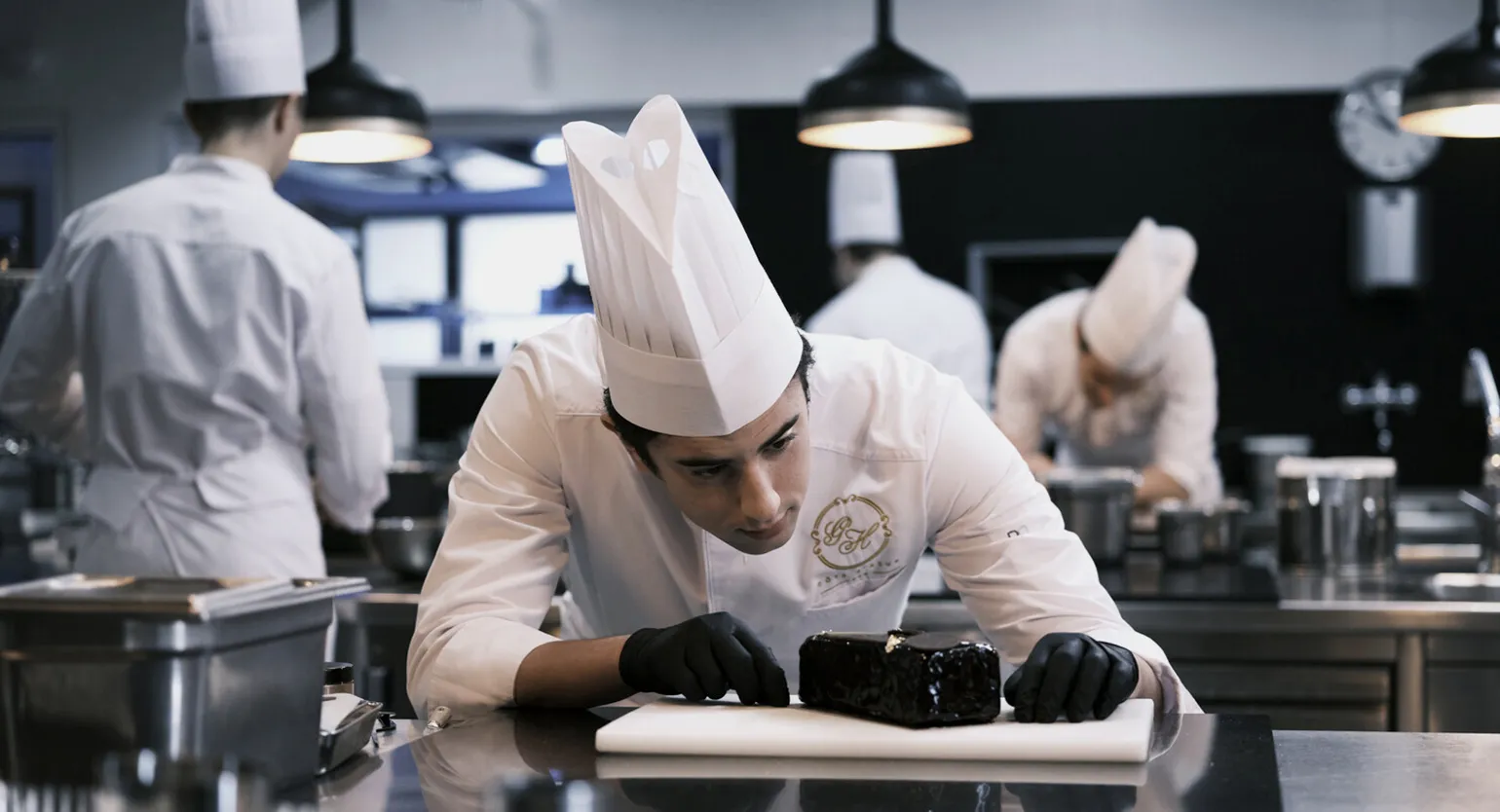
One of the current anti-trends in the restaurant industry is the invisibility of the chef. Many establishments continue to ignore the branding of their kitchens and chefs, while successful restaurants make their chefs central figures of the brand. For example, Sergey Mikheev, chef of the Kroshka Kartoshka chain, actively shares his experience and culinary secrets through articles in the media, and Elena Lande, chef of VkusVill, runs a popular YouTube channel where she publishes recipes and cooking tips. Thus, the visibility of the chef becomes an important aspect of attracting customers and shaping the image of the establishment.
Outdated healthy eating concepts are losing popularity. Low-calorie and vegan dishes, once trendy, are now being replaced by hearty and simple products with clear ingredients. Gastronomy experts point out that dishes made with fresh vegetables and mushrooms, such as shiitake mushroom meatballs and sausages, are increasingly appearing on the market, attracting consumer attention. This trend signals a return to natural ingredients and healthy yet delicious dishes, making them relevant to today's consumer seeking a balance between health and pleasure.
Current trends in the restaurant industry indicate that vegan and gluten-free dishes are no longer exclusive offerings. Restaurants are now required to include such items on their menus, marking them with special symbols. This not only helps satisfy guests' requests but also enhances their competitiveness. It's important for restaurants to adapt to these new demands and offer a variety of dishes that meet customers' dietary preferences.
Modern restaurant patrons value clarity and specificity in dish names. Therefore, complex and confusing names should be avoided. Instead of phrases like "spicy citrus," it's better to use more understandable options like "pomelo with habanero." Similarly, instead of "Asian-style mushrooms," it's better to specify "champignons with tofu and sesame sauce." This will not only simplify perception but also increase the menu's appeal to customers, which can positively impact sales.
Focus on the chef's unique signature style and create new menu items that fit harmoniously with the establishment's concept. Ensure clear ingredient descriptions so that guests can easily understand the dishes offered. This will not only attract attention but also strengthen interest in your establishment, making it memorable for visitors.
Restaurant Marketing Trends 2024: How to Attract Customers
Given changes in consumer preferences, restaurants must adapt to new trends. The main trend of 2024 is simplicity and clarity of food. A survey of chefs and restaurateurs showed that nostalgic dishes, such as buckwheat and traditional regional recipes, will be in high demand. Restaurants offering such dishes can attract customers who value both taste and an emotional connection with food. Adapting their menus to these trends will allow establishments to remain competitive and meet growing consumer demand for high-quality, familiar cuisine. Simple food is becoming increasingly popular not only in Russia but also abroad. Restaurants offering familiar dishes with modern interpretations can take advantage of this trend to attract customers. Effectively using this strategy in advertising campaigns will help them stand out from the competition and strengthen their market position. The simplicity and accessibility of such dishes make them appealing to a wide audience, opening up new opportunities for the gastronomic business. With the growth of domestic tourism, restaurants are seeking to reclaim their uniqueness by emphasizing local cuisine. Brand chefs predict that authenticity will become a key element of menus in 2024. Using fresh, local ingredients sourced from farmers significantly contributes to the creation of original and memorable dishes. Local ingredients not only support local production but also imbue dishes with a regional character, making the culinary experience richer and more appealing to visitors.
Local cuisine is gradually transcending regional boundaries. Authentic dishes continue to prove their value at prestigious culinary competitions, and restaurants serving these dishes are opening in new cities and countries, demonstrating their growing popularity. Interest in traditional recipes and local ingredients is only growing, making them relevant and in demand on the global culinary scene.
Regular menu updates are essential for maintaining customer interest. Seasonal dishes allow for the use of fresh and relevant products: in summer, these might include berries and mushrooms, and in winter, spices and citrus fruits. This approach not only diversifies the menu but also provides the opportunity to experiment with new ingredients. Introducing seasonal offerings helps attract new customers and retain existing ones, as they always expect new offerings and unique flavor combinations. It also helps the restaurant stand out from the competition and create a positive image associated with the quality and freshness of the dishes offered.
Accounting for changing food preferences plays a crucial role in the culinary industry. In 2023, Russians are seeing growing interest in Russian culinary traditions, as well as other cuisines, including Mexican and Caucasian. This trend highlights a desire for dietary diversity and an openness to new flavors and culinary experiments. Understanding these changes will help restaurants and food producers adapt their offerings to meet consumer expectations and attract their attention.
From 2020 to 2022, the restaurant industry experienced significant changes, prompting restaurateurs to seek new formats for collaboration. One striking example of successful collaboration is Zhirnova Bakery, which develops unique desserts in partnership with other establishments and media outlets. Folk Restaurant organizes ethnic brunches, inviting chefs from various restaurants, allowing it to diversify its menu and attract new customers. Such joint initiatives not only promote business growth but also enrich culinary culture.
Restaurants must respond quickly to current events, which is becoming an important trend. Situational creatives, such as advertising based on viral news, can attract the attention of the media and bloggers. For example, in the summer of 2024, brands actively used Kanye West's visit to Moscow to create original advertising, which contributed to increased interest in their offerings. Effectively using current events in marketing not only increases brand visibility but also establishes a connection with the audience, demonstrating its relevance and engagement.
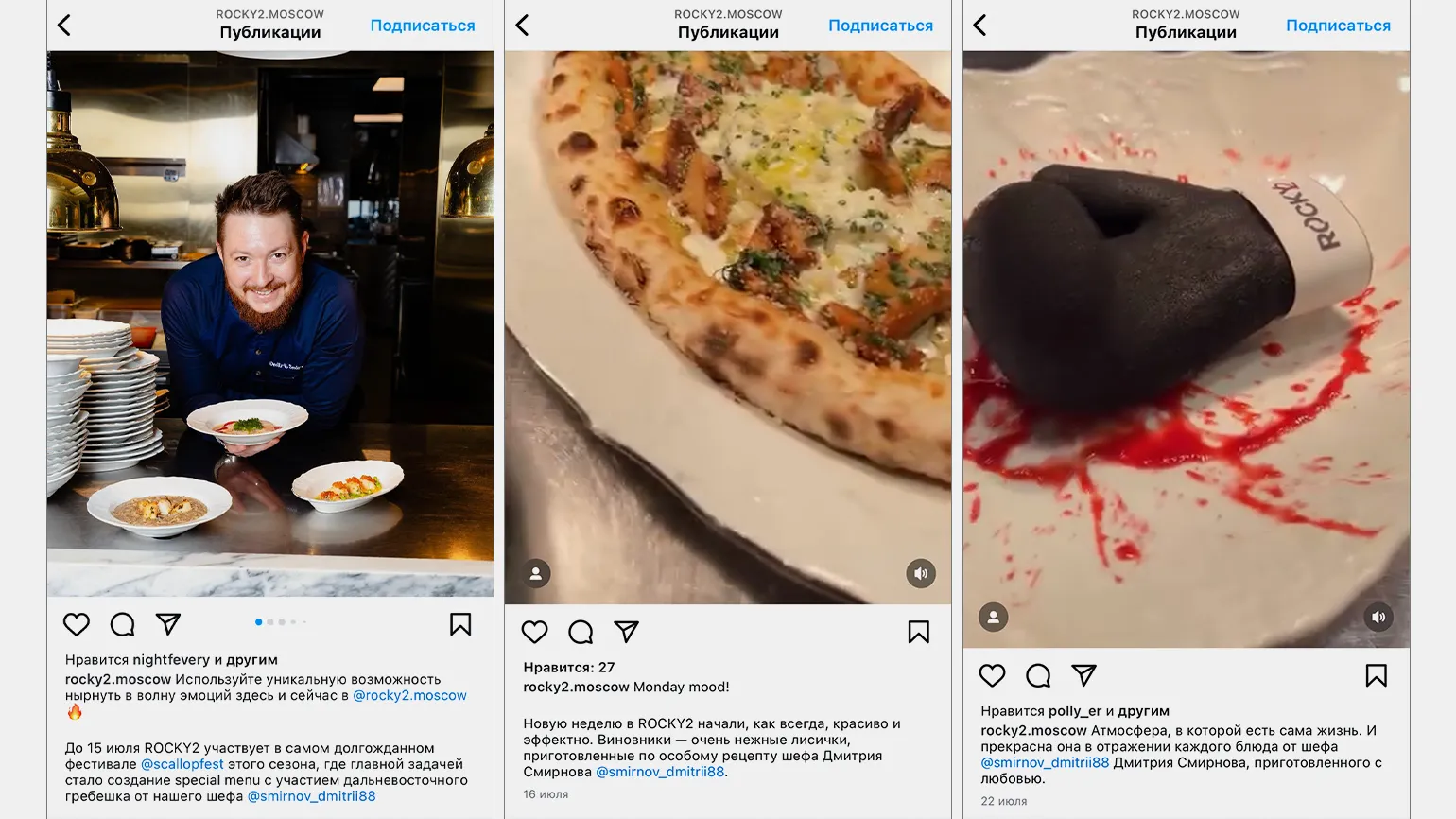
Social media is an effective tool for restaurants, allowing them not only to share attractive photos of dishes but also to build a loyal customer community. To successfully promote themselves on social media, restaurants should employ several key strategies.
First, it is important to regularly publish high-quality content that will attract audience attention. Photos of dishes, videos of the preparation process, and customer reviews will help create engaging content.
Secondly, engaging with followers is crucial. Replying to comments and engaging users in discussions helps build trust and increase customer loyalty.
Thirdly, using hashtags and geotags can increase the visibility of your posts and attract new audiences. Current trends and topics related to the restaurant industry can also form the basis for content creation.
Additionally, holding contests and promotions on social media platforms stimulates user interest and activity, which in turn can lead to an increase in the number of restaurant visitors.
By following these strategies, restaurants can effectively use social media to promote their brand, attract new customers and build an active community around their establishment.
- Collaboration with influencers: Invite bloggers to rate your restaurant, taking into account their audience and values.
- Creating aesthetically pleasing dishes: Create dishes that users will want to share photos of on their accounts.
- Stories: Use stories to show the atmosphere of the restaurant and the internal processes.
- Photos of dishes: Regularly post photos that make people want to try them.
- Transparency: Share information about the ingredients and their origin, which will increase the trust in your establishment.
- Responses to comments: Engage with your customers by responding to their feedback and questions.
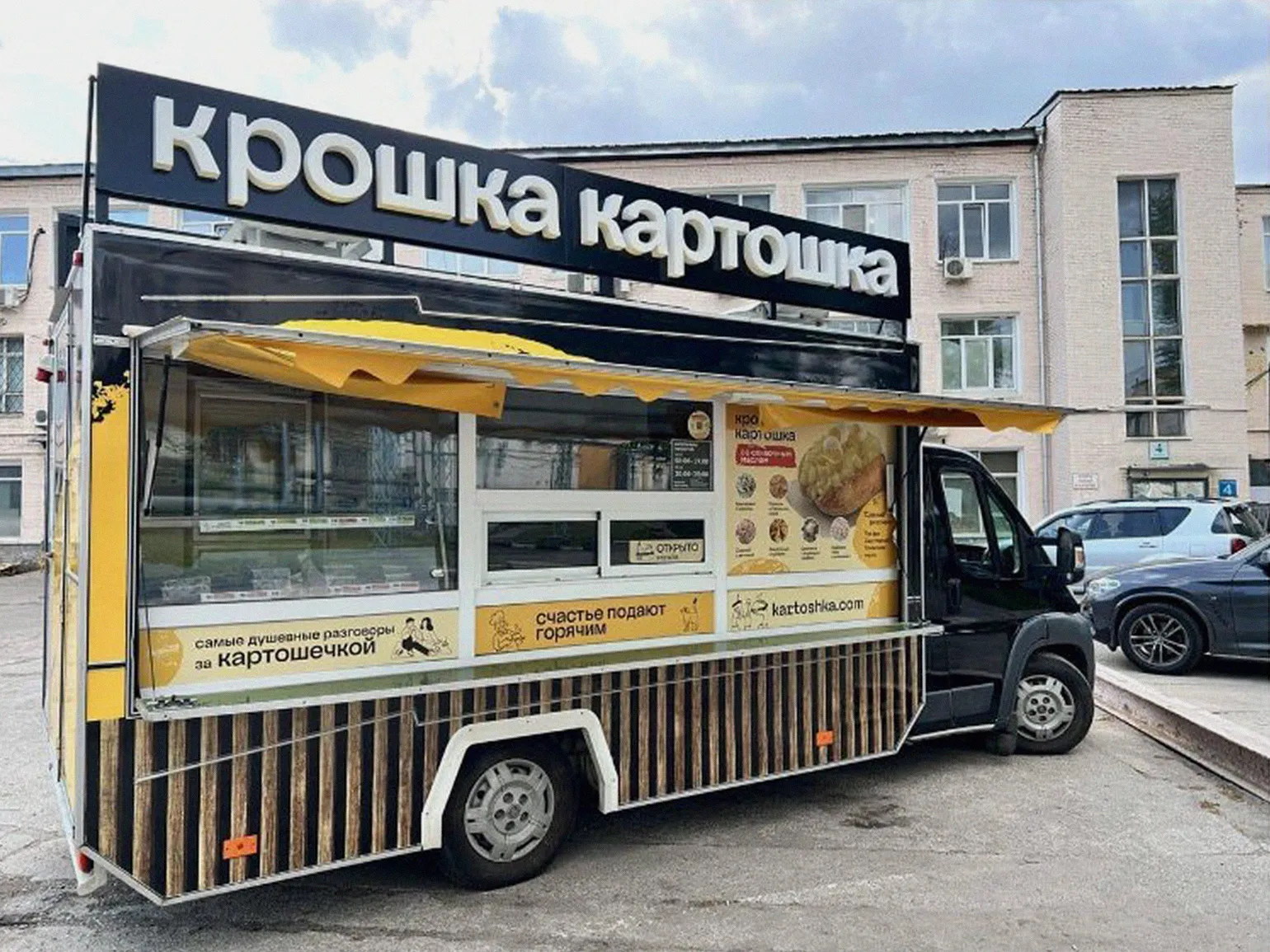
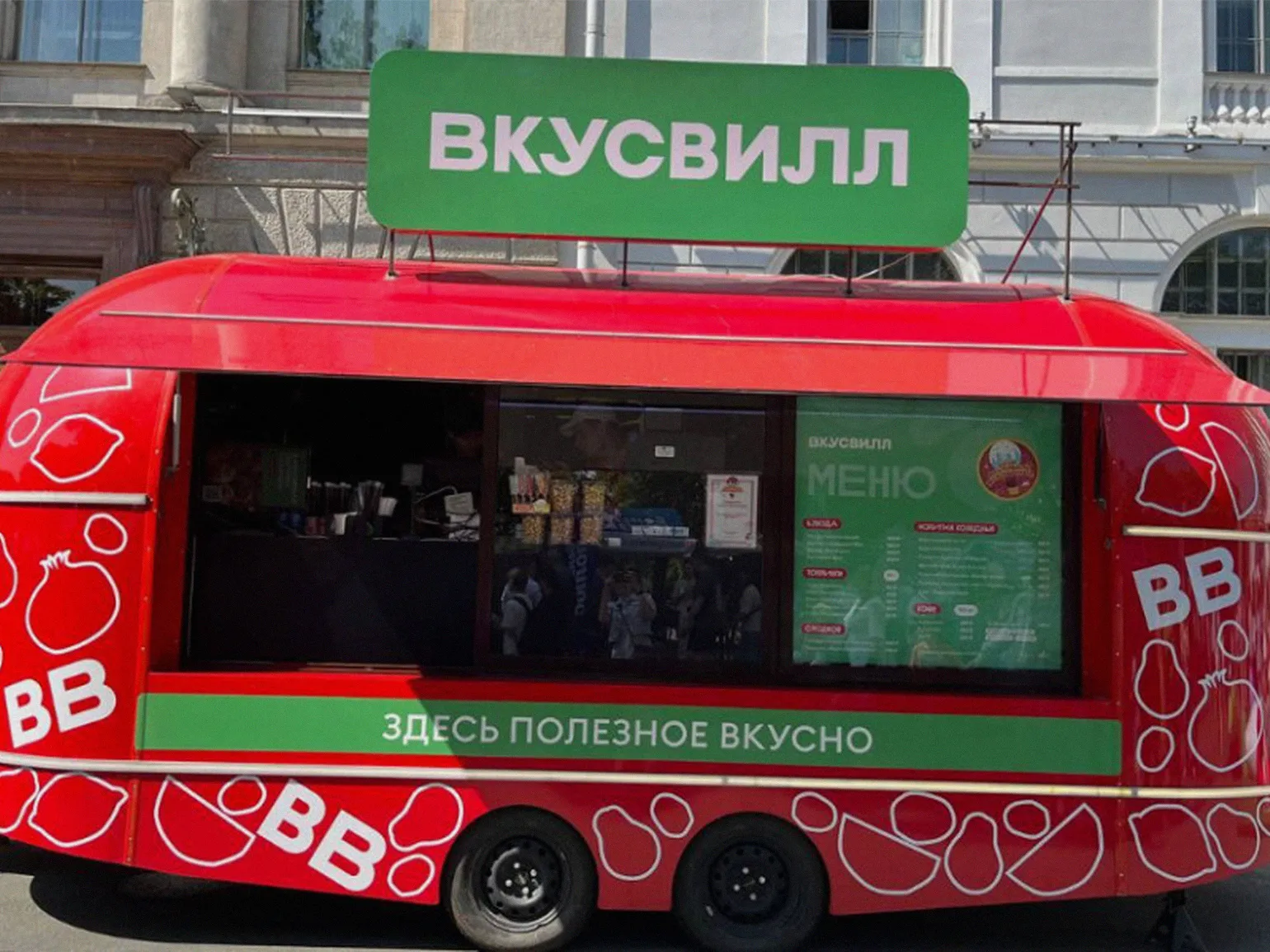
Food trucks are set to grow significantly in popularity in 2024. These mobile food outlets offer restaurateurs a unique opportunity to participate in public events without being limited to fixed locations. Food trucks are a more cost-effective option than traditional kiosks, making them attractive to both aspiring entrepreneurs and experienced restaurateurs. Thanks to their mobility, food trucks can easily adapt to changes in demand and offer a variety of culinary offerings in different locations. This allows them to attract a wide audience and create a unique customer experience.
Many well-known brands, including VkusVill and Kroshka Kartoshka, are actively using food trucks to increase their market share. Food trucks are becoming not only a popular sales format but also an effective brand promotion tool. They allow companies to attract new customers, test new products, and expand their geographic reach. In the face of increasing competition, the use of mobile points of sale is becoming a strategically important solution for successful business development.
Key trends in restaurant marketing in 2024 - Simplicity in the menu: an emphasis on clear and understandable dishes with transparent composition.
- Local cuisine: using local ingredients to create unique dishes.
- Seasonal menus: adapting offerings depending on the time of year.
- Active presence on social media: interacting with customers through Instagram and Facebook.
- Collaborations with other restaurants and producers: joint projects to attract a new audience.
- Transparency of the team: an open presentation of the kitchen staff and menu authors, which strengthens customer trust.
- Simplicity in the menu: an emphasis on clear and understandable dishes with transparent composition.
- Local cuisine: using local ingredients to create unique dishes.
- Seasonal menus: adapting offerings depending on the time of year.
- Active presence on social media: interacting with customers through Instagram and Facebook.
- Collaborations with other restaurants and producers: joint projects to attract a new audience.
- Transparency of the team: an open presentation of the kitchen staff and menu authors, which strengthens customer trust.
Anti-trends to avoid in 2024
- Lack of bonus programs: customers are looking for additional value and loyalty rewards.
- Complicated names of dishes: complex names can scare off customers who prefer Simplicity.
- Positions for narrow groups: attempts to impress with vegan, gluten-free, or sugar-free dishes without taking into account the core audience may not meet expectations.
Conclusion
In 2024, restaurant marketing will be focused on customer needs, emphasizing simplicity and transparency. The success of restaurants will be determined by their ability to adapt to new trends, as well as avoid anti-trends that could negatively impact business. Restaurants that can create a convenient experience for their guests and offer high-quality service will benefit. It is also important to consider the use of technology to improve customer interactions and optimize processes.
Restaurant Business Marketing: 7 Strategies for Success
Want to promote your restaurant? Learn 7 effective marketing strategies to boost your profits and brand!
Learn more