
Contents:
- SMM Basics: How Social Networks Use User Data
- The Main Differences between SMM and Contextual Advertising in Google and Yandex
- Why Use SMM and Contextual Advertising Together
- Frequently Asked Questions
- SMM Goals and Objectives: How to Effectively Use Social Networks
- Evaluating SMM Effectiveness: Key Aspects

Content manager in SMM: course with employment in 3 months
Learn moreSMM Basics: How Social Networks Use User Data
Social networks accumulate extensive information about their users. They have data not only on age and gender, but also on country, city of residence, interests, and the type of device the user uses to access the network. For example, Facebook may determine that you are a man aged 20-25, living in St. Petersburg, actively engaged in online shopping, and are married. This information is formed both on the basis of completed profiles and through the behavioral actions of users online. Using this data allows social platforms to more accurately target advertising and offer users content that matches their interests and needs.
Users actively share their preferences by liking pages, clicking on ads, and interacting with various content. This interaction allows social networks to collect valuable information about users' interests and preferences, which helps create detailed profiles. These profiles help platforms better tailor content and advertising offers, increasing their relevance and effectiveness.
The collected data allows platforms like Facebook to target ads to specific audiences. For example, users who recently purchased a smartphone, are planning a trip, or have a birthday coming up. All information about preferences is stored in a special section on the user's page. This provides more precise targeting of advertising and allows companies to effectively interact with potential customers, increasing the likelihood of conversion.
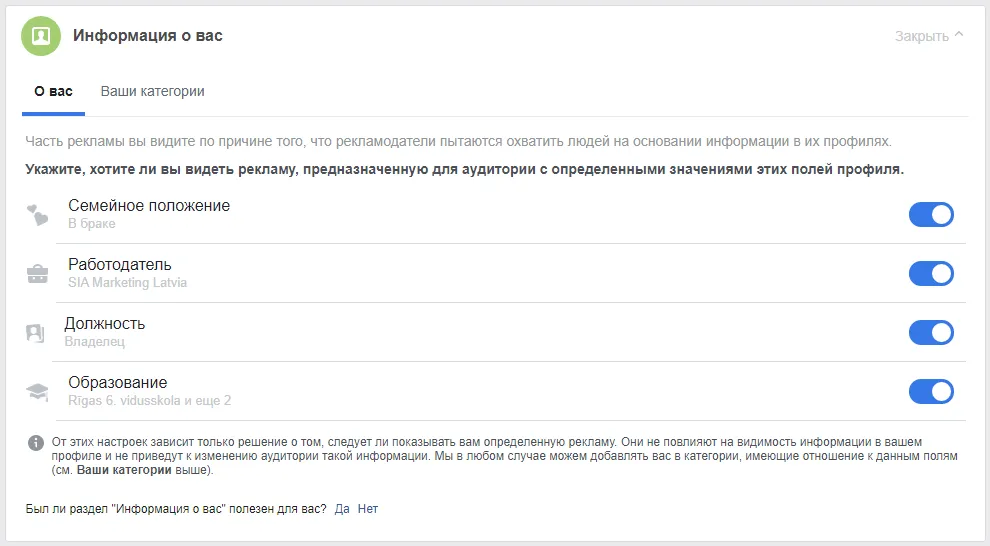
A key element of successful social media advertising is clearly defining the target audience. To achieve effective engagement, it is necessary to use targeted advertising and create high-quality content that matches the interests and needs of users. This will not only attract attention but also increase engagement, which in turn contributes to sales growth and brand strengthening. Correctly defining the target audience and using relevant content is the key to a successful social media advertising campaign.
The Main Differences Between SMM and Contextual Advertising in Google and Yandex
Fashion store owners can significantly increase the visibility of their business online through search engine optimization. In the digital age, when many shoppers search for products online, it is important that your store is on the first pages of search engines. If, for example, a potential customer types in the query "fitness clothing Moscow," your ad and website should appear in the search results. Effective SEO will help you attract your target audience and increase sales, giving your business a distinct advantage in a competitive market. Optimizing content, using relevant keywords, and creating high-quality external links can improve your store's ranking in search engines.
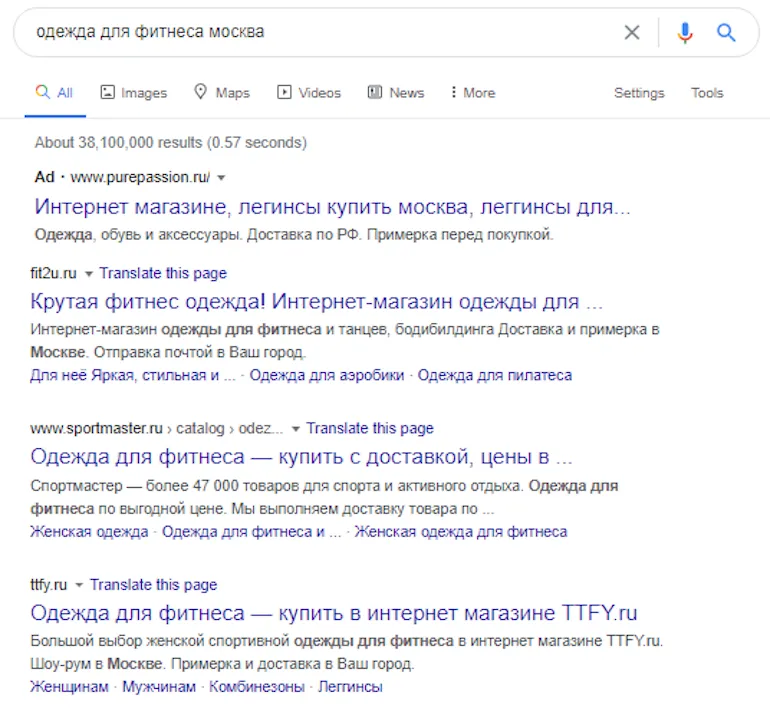
This type of promotion helps you attract a target audience that is already interested in your product. However, it's important to understand that this may limit your reach. Many potential customers who could benefit from your product may go unnoticed if they aren't actively seeking solutions. They may be satisfied with their current purchases or simply ignore new offers, preferring their usual stores. To expand your reach and attract new customers, it's worth considering additional marketing strategies that will help communicate your offer to a wider audience.
SMM (social media marketing) relies on a unique model of audience engagement. The primary goal of SMM is to generate interest in potential customers' needs. This can lead to spontaneous purchases when users recognize the need for a new product or service. This approach does not reduce the effectiveness of SMM compared to contextual advertising. On the contrary, different marketing methods work with different types of target audiences and solve various problems, which allows you to more accurately meet user needs and increase sales.
Why Use SMM and Contextual Advertising Together
Combining contextual advertising and SMM is an effective strategy for increasing the effectiveness of your marketing. Contextual advertising allows you to attract the attention of users who are already ready to make a purchase, while SMM generates interest among potential customers who are not yet familiar with your product. This combination helps significantly expand your audience reach and increase sales. Using both platforms allows you to not only optimize advertising costs but also improve customer engagement, ensuring maximum visibility for your brand.
Frequently Asked Questions
Which advertising method is more effective for a small business? Both methods have their own unique advantages. Contextual advertising ensures quick target audience engagement and instant results, which is especially important for startups and small businesses. At the same time, social media marketing (SMM) helps build long-term relationships with customers, increasing loyalty and brand engagement. For best results, small businesses are advised to combine these two approaches to make the most of each.
How long does it take to see the first results from SMM? Typically, the first results become noticeable after 3-6 months of active work on social media. The effectiveness of SMM depends on the quality of the content, promotion strategy, and interaction with the audience. Regular analysis and adjustment of approaches can accelerate the achievement of results.
What budget is needed to get started?
The budget size varies depending on the chosen platform and the goals. You can start with minimal investments, gradually increasing them as the business develops. This will allow you to optimize costs and adapt to market demands.
SMM Goals and Objectives: How to Effectively Use Social Media
SMM (Social Media Marketing) is an effective tool for increasing sales and strengthening brand awareness. However, the potential of SMM goes far beyond this. It is important to understand the key goals that can be achieved using social media.
With SMM, companies can not only attract new customers but also interact with existing ones, creating a loyal community around their brand. Social media allows you to conduct marketing campaigns that help increase audience engagement and strengthen the company's image.
Furthermore, SMM helps collect valuable data about the preferences and needs of the target audience, which in turn allows for more effective tailoring of offers and improved service quality.
Thus, SMM is an integral part of a modern marketing strategy, opening up new horizons for business and contributing to its sustainable development.
Social media is an effective tool for increasing traffic to your website. They allow you to attract traffic and expand your audience. For example, news resources like Lifehacker actively use Facebook to promote their articles. This helps them significantly increase traffic and attract the interest of advertisers. Using social platforms to announce content can be a key element of your strategy to increase traffic and improve website visibility online.

Informing about discounts and new products through social networks. Social media platforms are an effective tool for promptly notifying customers about seasonal sales and promotions. This is especially important for retaining existing customers, as timely information about special offers helps increase loyalty and encourage repeat purchases. Regular updates about new products and discounts help maintain a high level of interest in your brand and increase the chances of attracting new customers. Improving search visibility is essential for any business. Social media is indexed by search engines, which helps your brand appear in search results. When users search for your company or related services, your social media profile may appear among the top results. This not only increases the likelihood of attracting new followers but also helps build trust with potential customers. Optimizing your social media content for search engines will help improve its ranking and visibility, which in turn will help grow your audience and increase sales.
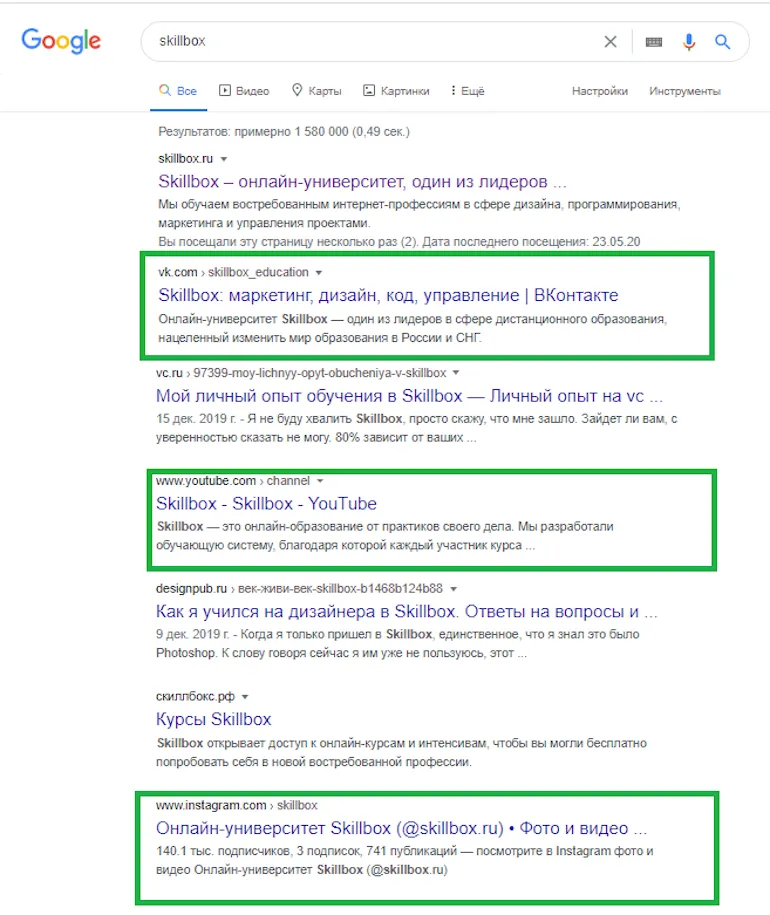
Expanding the target audience is an important aspect for successful business promotion. Social networks provide a unique opportunity to go beyond the usual client base. With reposts and targeted advertising, you can attract new customers from various social groups. This not only increases your brand's visibility but also allows you to connect with potential buyers who may not have previously been familiar with your products or services. Effective use of social media helps grow your customer base and strengthen your market position.
Promoting your company's values is a key aspect of shaping its image. Participating in charitable events and social initiatives not only helps solve pressing social issues but is also actively covered on social media. This creates a positive image of your company and attracts the attention of potential customers. Creating content on this topic on social media helps not only increase brand awareness but also build trust, which, in turn, can lead to an increase in the number of clients and partners.
Improving your reputation and building your company's image are key aspects of a successful business. Publishing high-quality photos, positive reviews, and company achievements helps create a positive image in the eyes of consumers. Furthermore, using humor in your content and actively responding to current events can significantly expand your audience. This approach not only builds trust in your brand but also increases its recognition in the marketplace. Creating engaging and relevant content plays a vital role in attracting new customers and retaining existing ones. Handling negativity is an important aspect of customer service. Effectively responding to customer complaints can transform a negative experience into a positive one. A prime example of this is the case of Allen Solly, which successfully handled criticism with a constructive and considerate response. Such approaches not only restore customer trust but also strengthen the company's reputation, demonstrating its willingness to engage in dialogue and a commitment to meeting consumer needs. Proper management of negative reviews can be a key factor in building customer loyalty and improving the overall brand image.

Collecting reviews and feedback on social networks plays a key role Role in Improving Customer Service. Social media platforms provide a unique opportunity to gather opinions on products and services, allowing companies to quickly adapt their offerings to customer needs. Effective analysis of reviews helps identify business strengths and weaknesses, which in turn contributes to increased customer satisfaction and loyalty. Using this information not only improves service quality but also helps create a more personalized approach to each client. Cross-marketing is an effective tool for jointly promoting products and services with other companies. Partnering with other brands not only allows you to expand your audience but also create unique offers, such as joint contests and events. This interaction helps increase the visibility of your product and attract new customers, which in turn contributes to sales growth and strengthens your market position. Successful examples of cross-marketing show that this approach can significantly increase interest in your brand and improve your image. Monitoring trends and competitors is an important strategy for successful business. Following your competitors' pages will help you stay up-to-date on their latest products and promotions. This will allow you to borrow and adapt successful ideas, which can significantly improve your competitive edge. Using information about what's working for others, you can improve your own offerings and attract more customers. By analyzing competitor activity, you can also identify current trends in your niche, helping you stay ahead.
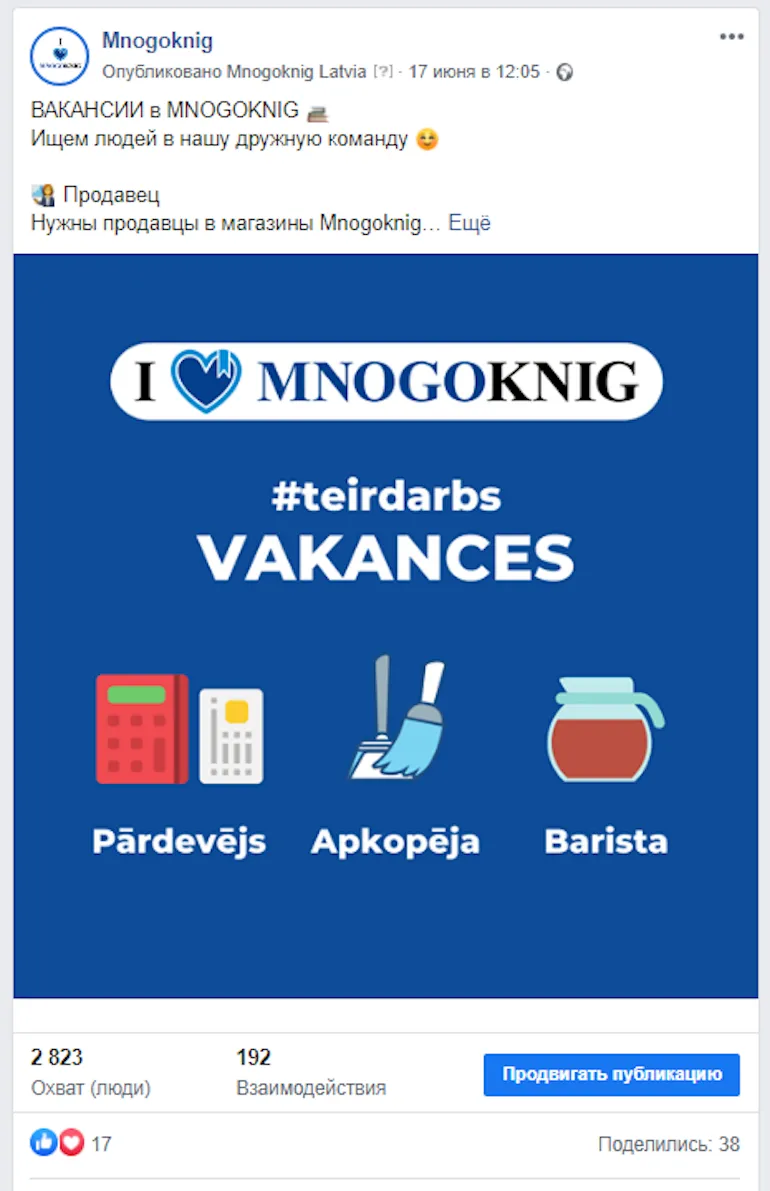
Finding new employees through social media is an effective recruiting method. Social platforms not only allow you to expand your audience but also attract loyal customers who can become potential candidates. These people already share your values and corporate culture, which significantly facilitates their integration into the team. Using social media for recruiting helps you find specialists who match your requirements and contributes to the creation of a strong and united team.
Efficiency assessment SMM: Key Aspects
Social media marketing (SMM) is a strategic approach aimed at achieving specific business goals, not just collecting likes and shares. An SMM specialist not only analyzes audience reactions but also effectively generates orders. Using SMM allows brands to establish strong connections with customers, increase awareness, and improve the company's image. Proper management of social media accounts contributes to increased sales and target audience engagement, making SMM an integral part of a modern marketing strategy.
To evaluate the effectiveness of SMM, it is necessary to consider key commercial metrics that directly impact your company's revenue. Important indicators include: number of conversions, customer acquisition cost, audience engagement, and sales growth through social media. Analyzing these metrics will allow you to more accurately determine the success of your SMM campaigns and optimize your strategy for maximum results.
- number of clicks to the site from social networks;
- conversions: registrations, purchases, calls, event attendance;
- average check of customers coming from social networks, and total profit.
Key performance indicators can be analyzed using tools such as VKontakte and Facebook pixels, as well as Google Analytics and Yandex.Metrica. Implementing end-to-end analytics provides the opportunity to obtain more detailed data, which facilitates a more accurate assessment of the effectiveness of marketing campaigns. Using these tools allows you to improve promotion strategies and increase ROI.
In addition to commercial metrics, social media marketing (SMM) covers key indicators of user interest in your content. These metrics include post interactions, the number of likes, comments, and reposts, as well as the level of audience reach and engagement. Analyzing this data allows you to understand how your content resonates with your target audience and which topics generate the most interest. Optimizing content based on these metrics helps increase the visibility and effectiveness of your social media marketing strategies.
- total number of followers across various social networks;
- reach—the number of times your post is viewed;
- user reactions: likes, reposts, comments;
- incoming messages and interactions;
- brand mentions, both positive and negative.
Tracking SMM metrics is possible directly in social media interfaces. For example, Facebook provides detailed reports on account performance for specific time periods. This allows you to analyze the dynamics and effectiveness of your promotion strategies. Using such tools allows you to optimize content and increase audience engagement, which in turn helps improve social media marketing results. Regular analysis of SMM metrics helps identify the strengths and weaknesses of your campaigns, allowing you to make the necessary adjustments to achieve your goals.
SMM Specialist: 5 Steps to Success in Online Promotion
Want to become a professional in SMM? Learn 5 key skills for success!
Learn more