Contents:
- Photography as a Study of the Visual
- "Escape to the Edge"
- Beijing Silvermine
- "In Almost Every Photograph"
- "Let Me Grow into My Favorite Grass"
- "According to the information received, most airplane hijackings…"
- "How I Tried to Convince My Husband to Have Children"
- "From the USSR, 1926–1928"
- "Words From Dad"
- "Good Hope"
- 99:1
Photography as a Study of the Visual
Visual perception plays a key role in our self-knowledge. The objects of visual research can be a wide variety of objects - from museum exhibits to manhole covers. By analyzing photographs, we can deeper understand the community in which they were created. Visual materials open doors to cultural, social, and historical context, allowing us not only to explore the world around us but also to understand our own identity.
Visual culture studies, as defined by educators at the Higher School of Economics (HSE), emphasizes the social consequences of visual experience. In this context, the visual is perceived not only as an aesthetic category but also as an important element of social and cultural dynamics. Research in this field helps to better understand the influence of visual media on society and the formation of cultural identities.
Visual research is a method that allows us to "decode" and understand images more deeply. This approach is applied in various scientific and creative fields, but in this context, we will focus on contemporary photography. Analysis of visual elements and their interpretation help reveal the meaning of photographs, as well as understand their cultural and historical context. Thus, visual research becomes an important tool for the study and evaluation of contemporary photography.
Visual research as an artistic practice is based on the analysis of found photographs and other images. The researcher views these visual materials as artifacts of social culture, reflecting the established visual practices of people associated with specific political, economic, and cultural systems. This approach allows for a deeper understanding of the context and meaning of images, as well as their influence on social perception.
Some authors identify visual research as an independent direction in their practice. This is explained by the fact that this work requires not so much photographic skill as deep analytical skills in a socio-anthropological context. Visual research involves searching for and comprehending found images as material objects with the aim of revealing cultural identity. Reflection and interpretation are becoming key strategies in a contemporary approach to photography, allowing for a deeper understanding of the context and meaning of images.
I love that photo projects based on visual research bring old photographs back to life, creating a connection between the past and the present and revealing new aspects of historical perception. This is reminiscent of the process of "restorative disclosure," a term used by conservation architects. By gradually removing layers, we can see every layer of plaster or wallpaper on the walls of an old house, allowing us to sense the depth of time and its influence on modern realities. Such projects not only preserve cultural heritage but also enrich our understanding of history, offering a new interpretation of already known events and objects.
"Escape to the Edge"
Yulia Borissova is an expert in marketing and business. She has deep knowledge and experience in creating strategies aimed at increasing sales and improving the image of companies. Yulia actively shares her ideas and developments through articles and seminars, making her a sought-after speaker and consultant. Her approach to problem-solving is based on market analysis and client needs. Yulia Borissova believes that business success depends on understanding the target audience and effectively using modern technology. Visual research became a revelation for me during St. Petersburg artist Yulia Borissova's project "Escape to the Edge," which I saw over ten years ago. Anonymous photographs from the 1920s, found at a flea market, were stunningly integrated into collages with dried flower petals and plant leaves. This work left a deep impression on me. The individuality of the subjects, presented as portraits, faded into the background, giving way to the era of the Roaring Twenties. The women in flirtatious poses and the masculine gentlemen thrusting out their chests seemed like fallen leaves, blown away by the hurricane of history. It was unexpected, fresh, and captivating. Borissova's project not only demonstrates a unique interpretation of time but also creates a profound connection between the past and the present, opening up new facets of the perception of historical events through visual art.
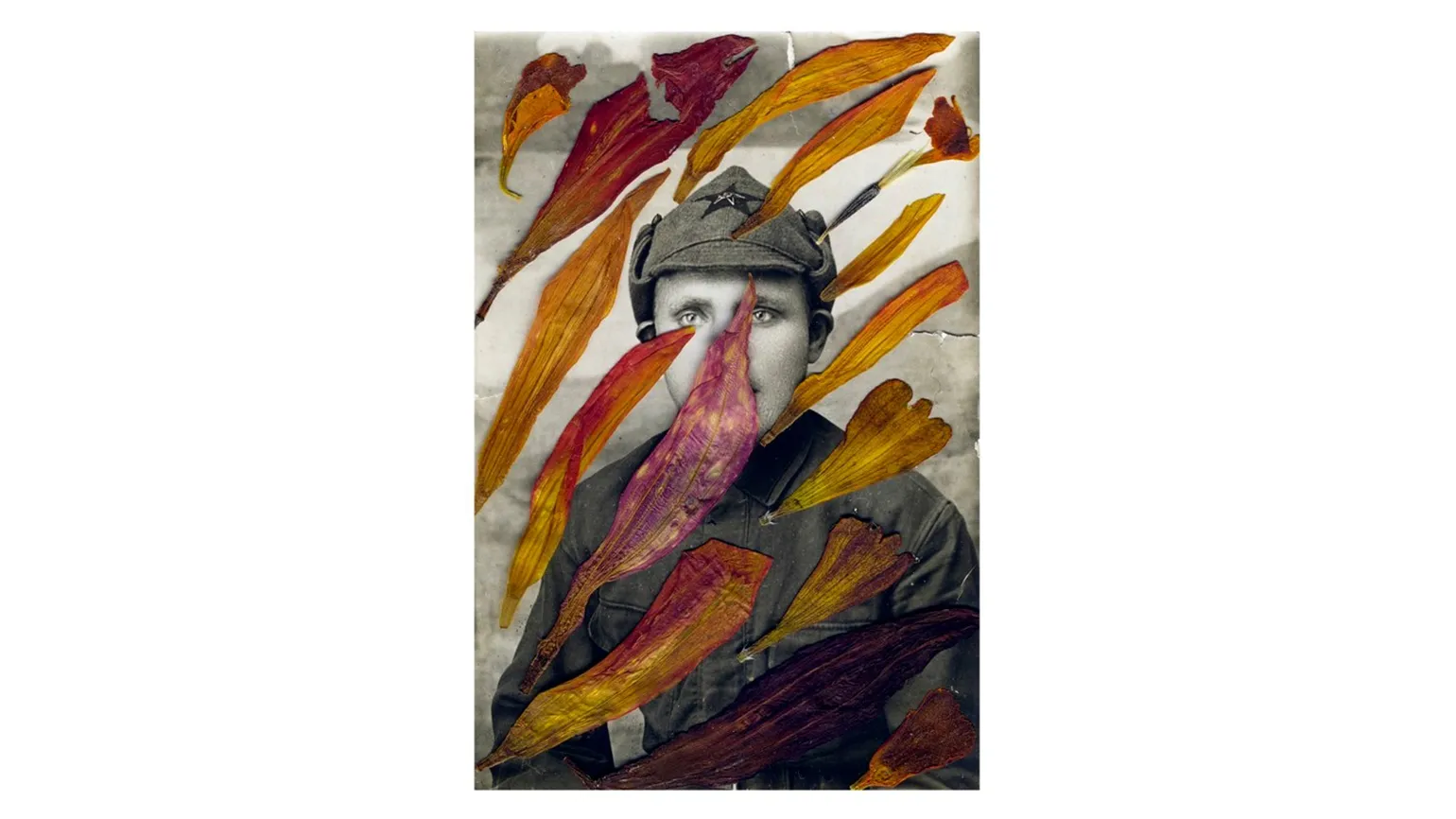
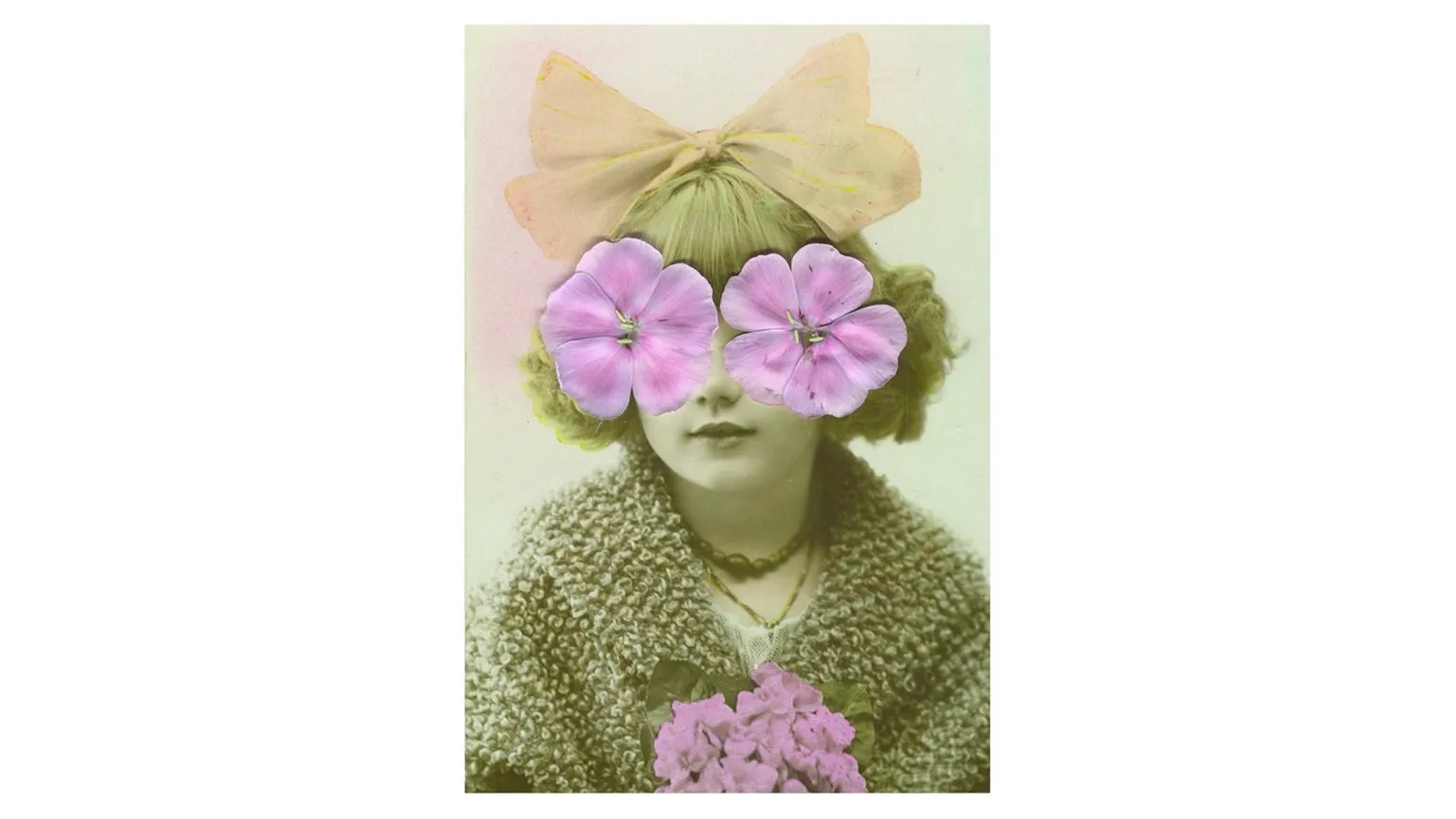
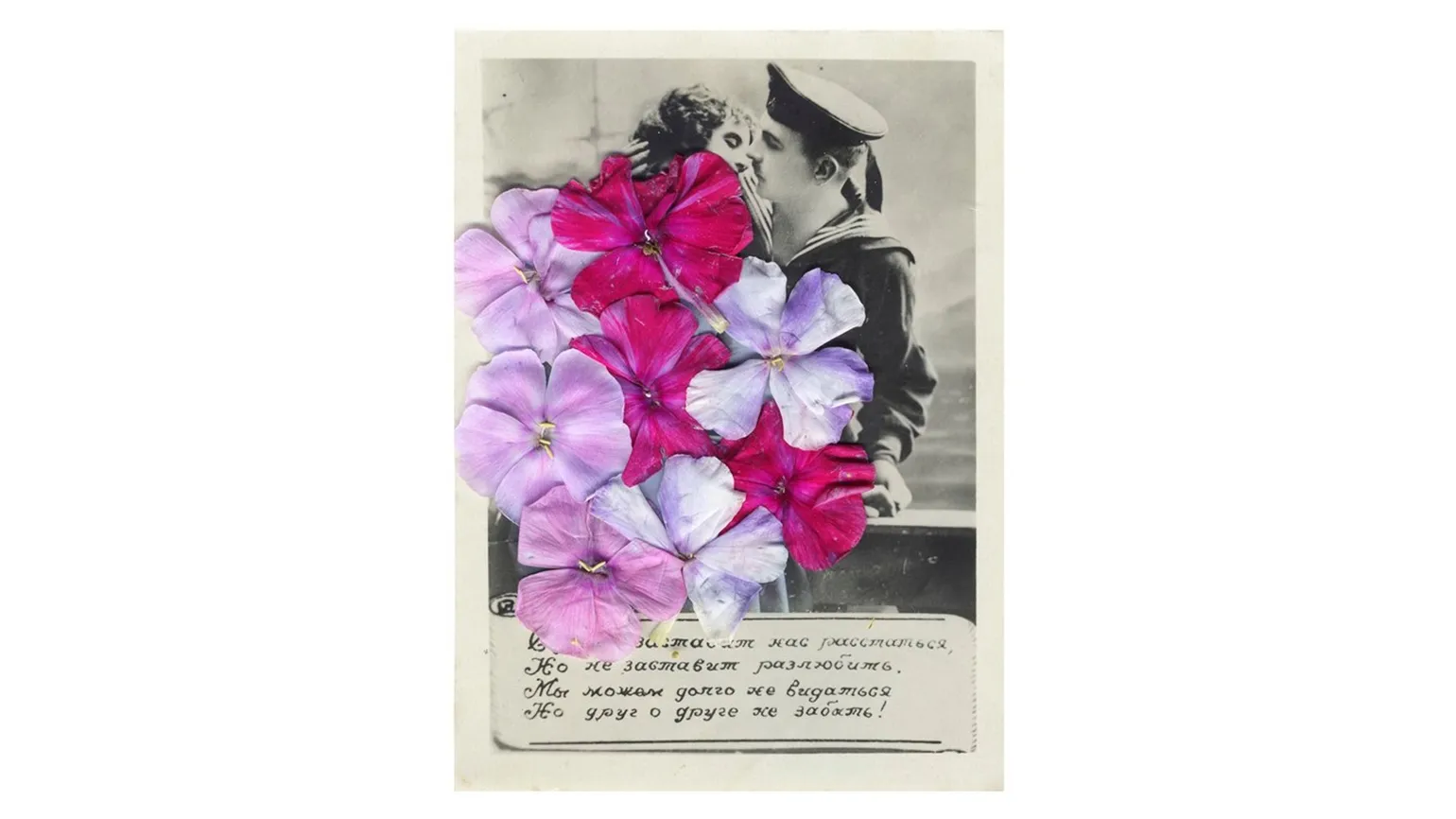
The series "Escape to the Edge" took a place in the top ten at the 2013 Sony World Photography Awards in the Conceptual Photography category among professionals. This achievement was a significant event in the world of photography.
Beijing Silvermine
Thomas Sauvin is an outstanding figure who has left a significant mark on his field. His work covers various aspects, including innovation and research. Sauvin is known for his unique approach to solving complex problems and his pursuit of excellence. His achievements inspire many and serve as a role model. It is important to note that Thomas Sauvin's influence extends far beyond his profession, making him a significant figure in contemporary society.
In the process of deeply exploring artistic practice in the field of photography, I felt a real fascination. Photography is not only a means of communication and a language of expression, but also a unique medium that becomes a material object that accompanies a person throughout their life. It is born, ages, and disappears, reflecting the fate of its owner in time and space. This aspect makes photography a particularly valuable tool for conveying emotions and stories, as well as for exploring the human experience.
French collector and photo editor Thomas Sauvin conducts an in-depth study of Chinese amateur photography from 1985 to 2005, as well as the everyday practices associated with this passion. This period in China is characterized by democratic changes and the beginning of capitalist reforms. As a result of these changes, citizens begin to earn more, spend more, travel, and have fun, which is reflected in their photographs. Sovin focuses on how amateur photography becomes an integral part of the cultural and social context, capturing the transformations that occurred in people's lives during this historically significant period.
The artist's multimedia project, Beijing Silvermine, is a unique combination of books, installations, and exhibitions. The project is based on an extensive amateur photography film archive that was saved from destruction. This archive not only preserves historical value but also serves as a source of inspiration for new artistic works. Beijing Silvermine uses his projects to explore themes of memory and identity, making his work relevant and significant in contemporary art.
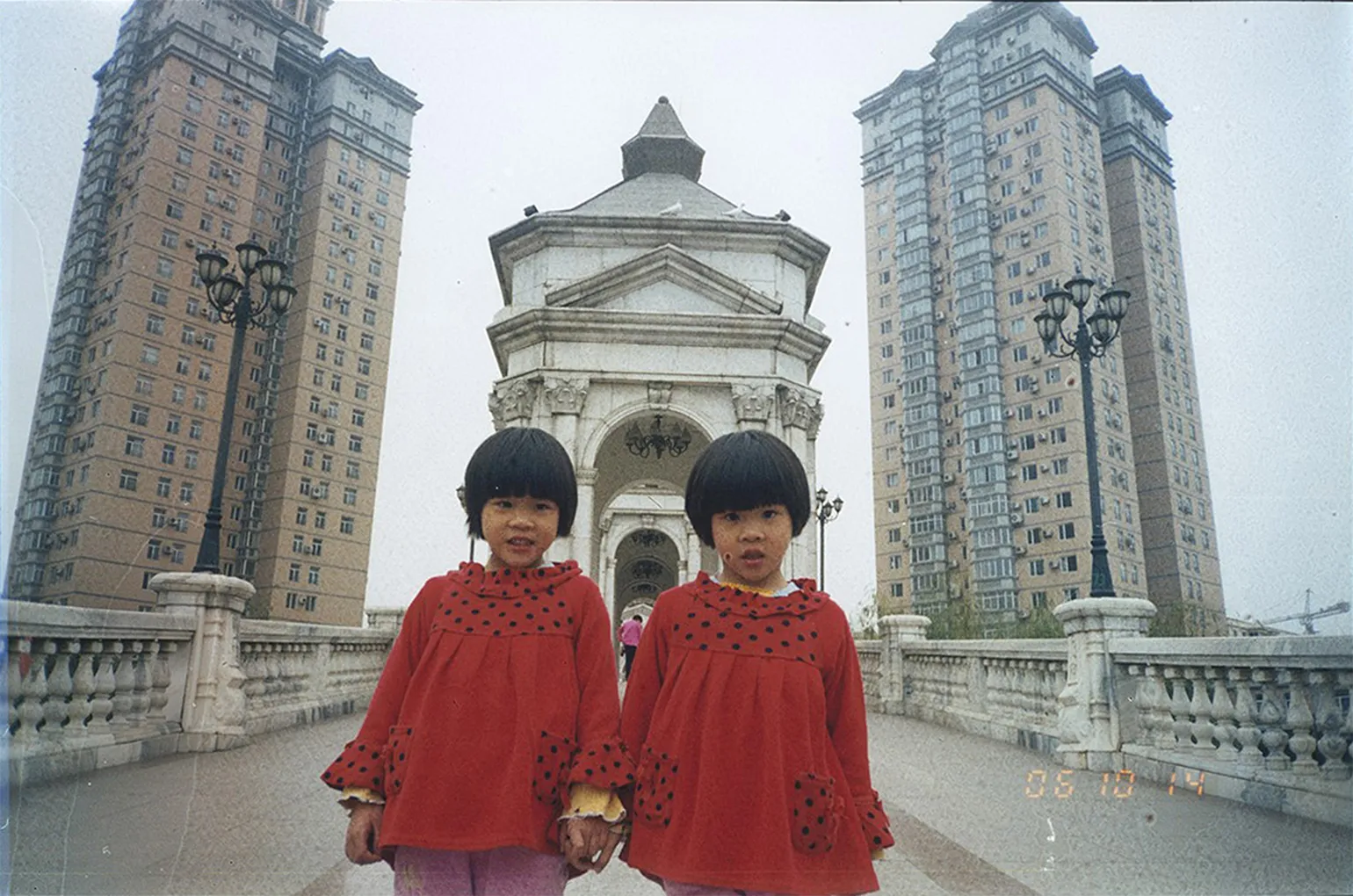
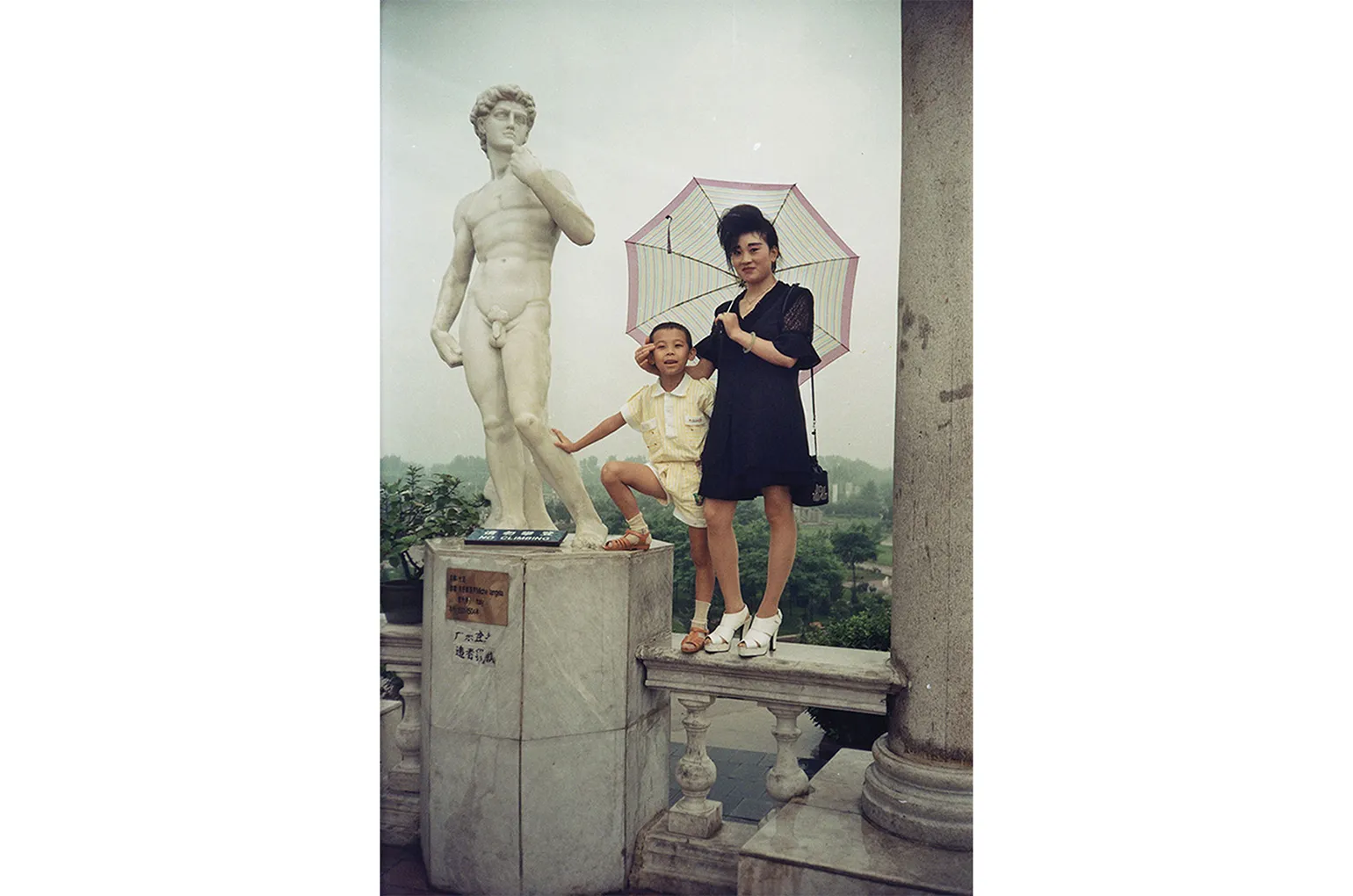
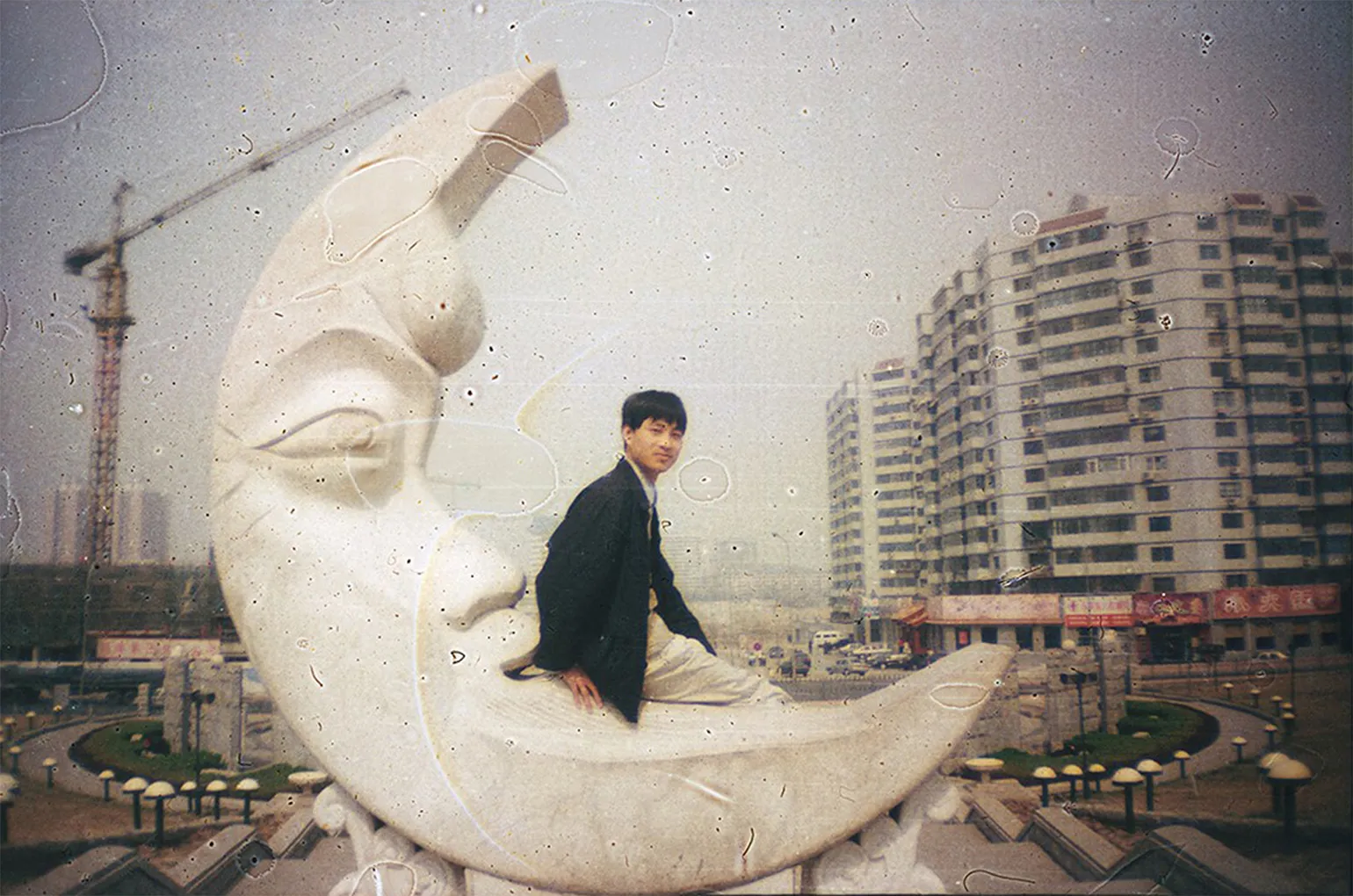
Savin's projects, including this one, vividly reflect the changing times and the collective memory of ordinary people in China. These works have been presented at prestigious international venues such as the Pompidou Centre in Paris, underscoring their significance and relevance. Expressing unique cultural and historical aspects, Sauvin's projects draw attention to important events in the life of society, creating a profound connection between art and reality.
In his latest project for Verso, Thomas Sauvin shares his thoughts and impressions of the work he has completed. He focuses on the process of creation, the difficulties he faced, and the solutions he found. Sauvin emphasizes the importance of an innovative approach and creative thinking in contemporary design. His work on the Verso project exemplifies how aesthetics and functionality can be effectively combined. This project not only showcases his mastery but also highlights current trends in design and art. ID photos can be seen as fossils left by human lives on paper. When backlit, we can see handwritten notes written on the reverse side. These notes tell of unknown people, many of whom have likely already departed this world. A name, a place, a date—these are all that remain of their lives, captured in squares of thin paper. Yet, could one imagine more telling traces of the past? Document photographs are more than just images; they are also important testaments to people's lives and the times they lived in.
"In Almost Every Picture"
Erik Kessels is a prominent Dutch artist and curator, known for his innovative projects in photography and visual art. His works often explore themes of memory, identity, and perception. Kessels actively uses archival materials and reinterprets them, creating unique narratives that capture the viewer's attention. Thanks to his unconventional approach to composition and conceptual thinking, he has become a prominent figure in the international art scene. Erik Kessels continues to influence contemporary art, inspiring a new generation of artists and viewers.
Erik Kessels, a curator and publisher from the Netherlands, has been creating the series "In Almost Every Picture" for over ten years. In his works, he uses anonymous photographs that have been lost or abandoned for various reasons. These photographs serve as a reminder of the transience of life and the uniqueness of the camera's gaze. Unlike an artist, who chooses what to include in their sketches, the camera captures everything within its field of view. This results in the inclusion of random people and objects. In his work "Strangers in My Photo Album," Kessels explores these randomly captured people, asking questions about their lives. Who are they? Where did they come from? What is their fate beyond the frame? These reflections challenge the viewer to consider the meaning of random moments and how they can reflect broader human stories.
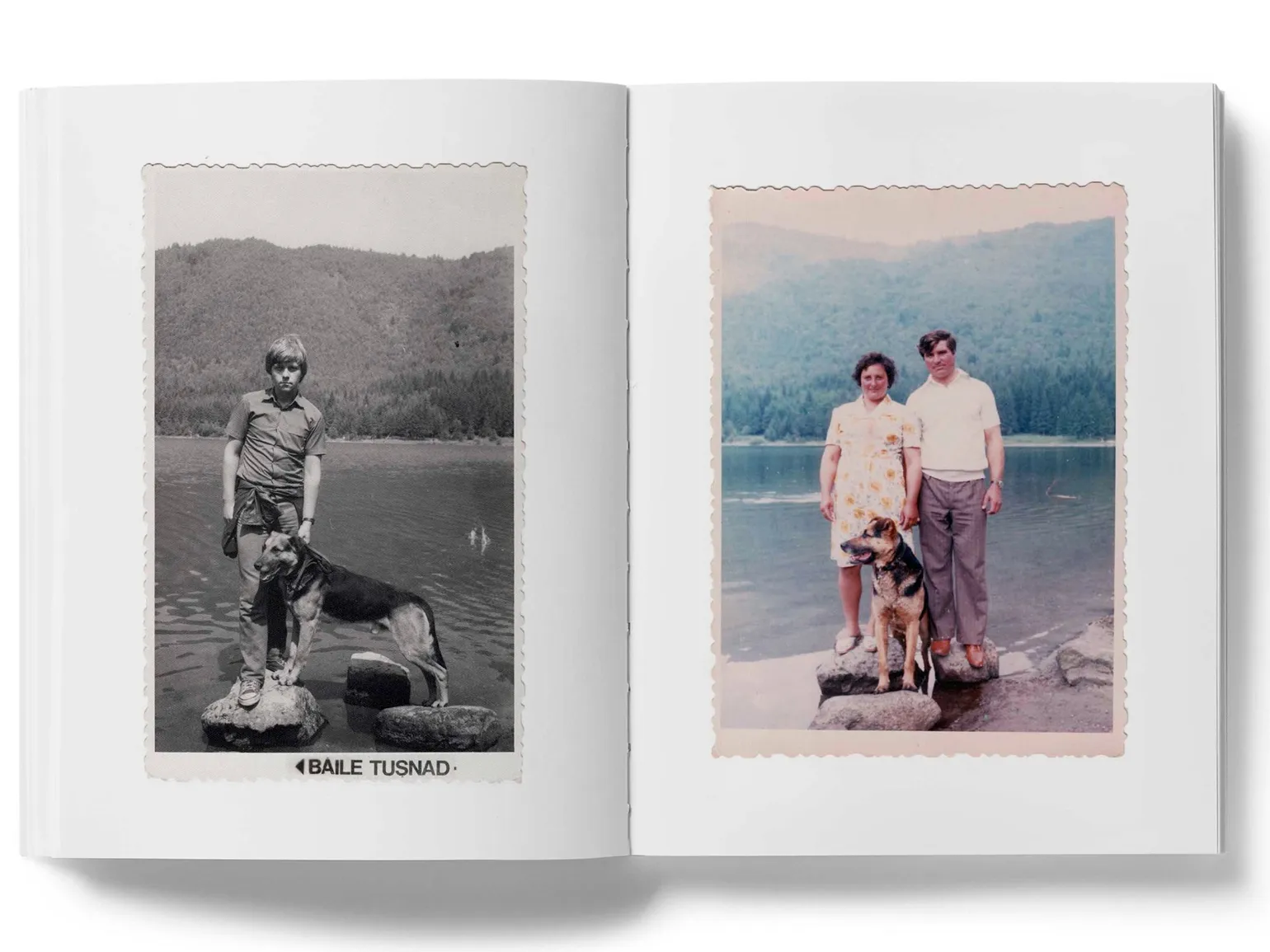
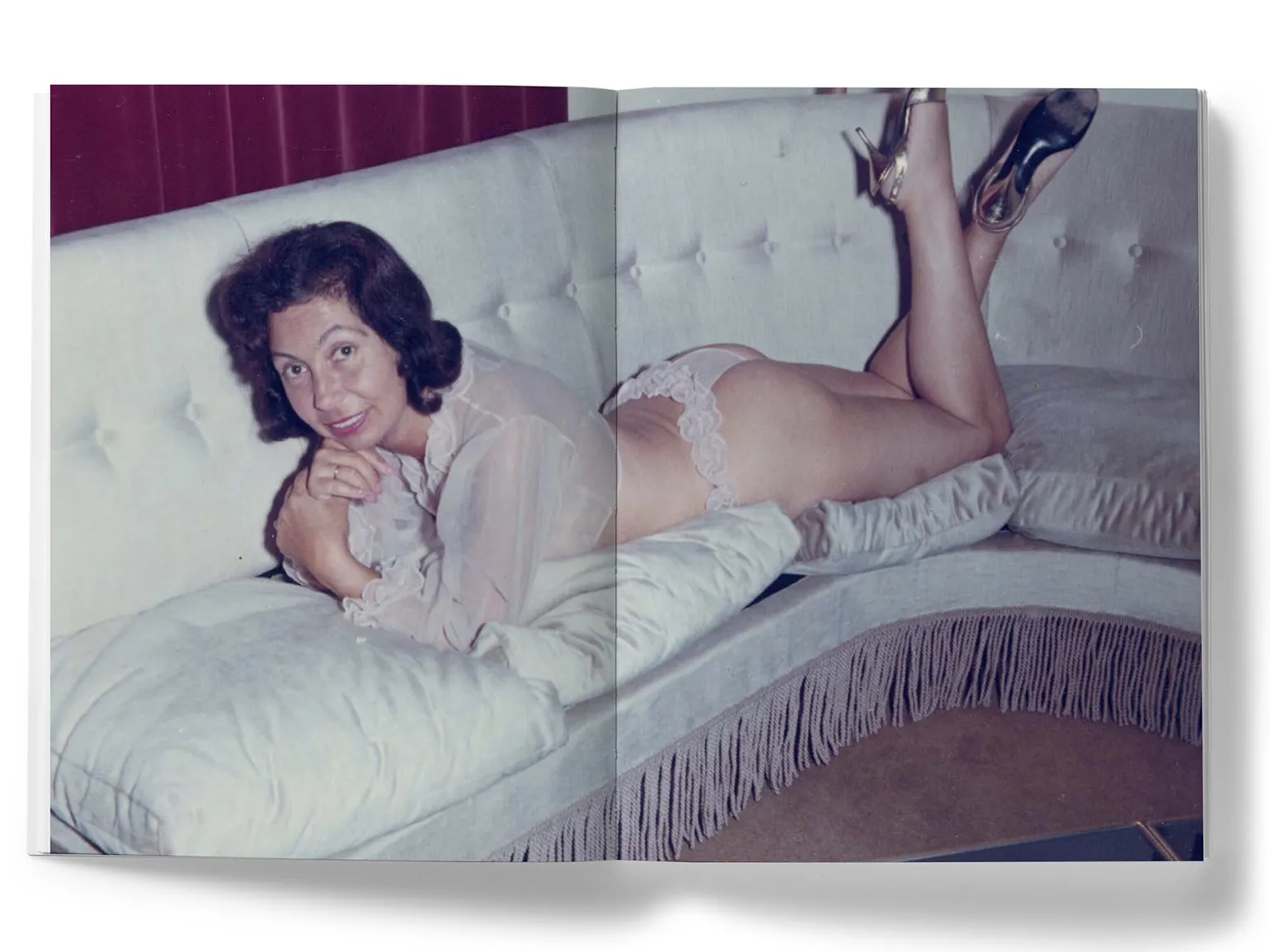
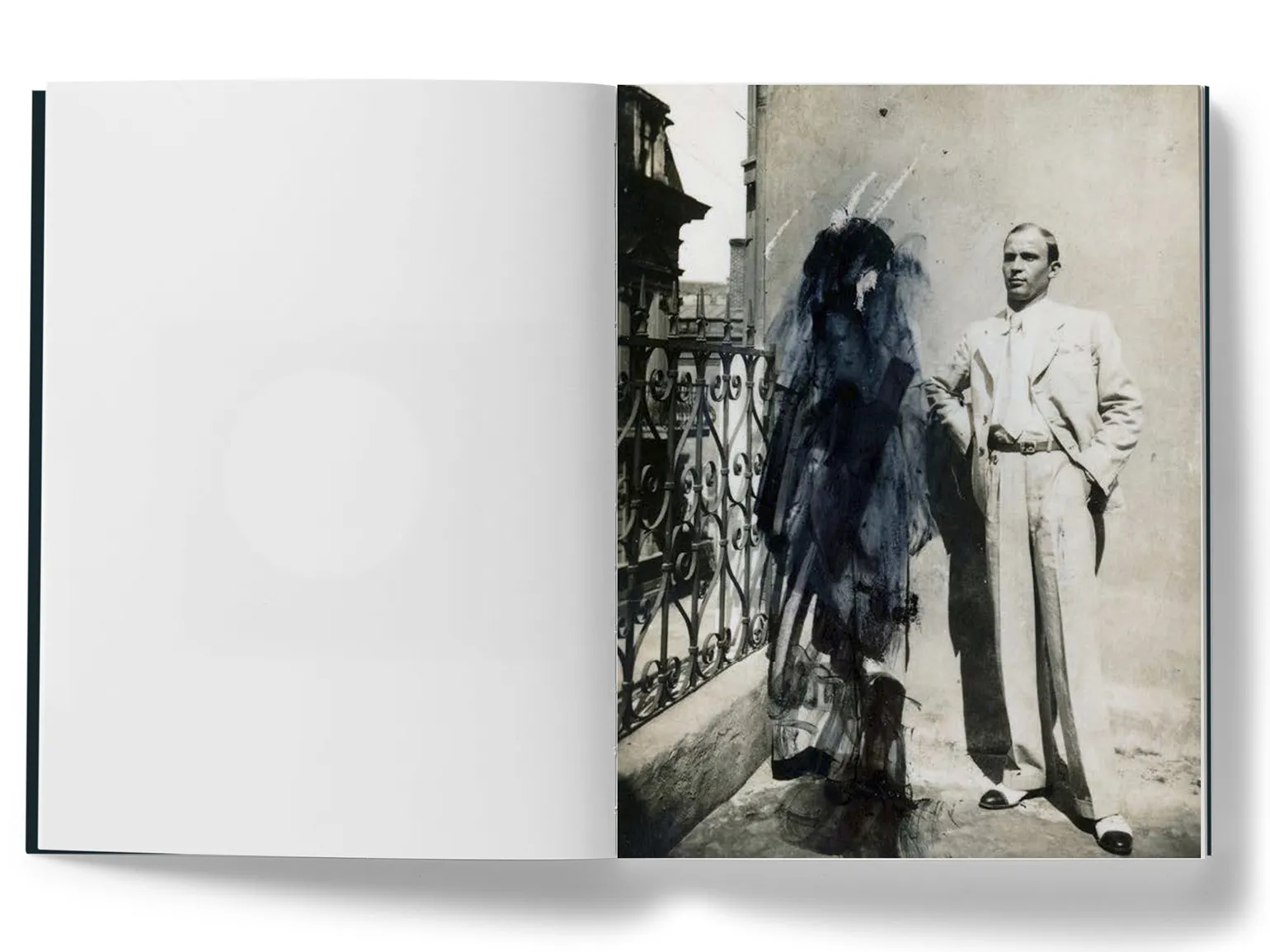
It sparks the imagination and draws attention to those interesting details that are right before your eyes, but most often remain unnoticed.
"Let me grow as my favorite grass"
Anastasia Bogomolova is a professional in her field with extensive experience and deep knowledge. She is actively involved in the development and promotion of projects, paying special attention to quality and efficiency. Anastasia successfully implements strategic ideas aimed at achieving set goals. Her approach is based on market analysis and understanding of client needs, which allows her to achieve impressive results in various fields. Thanks to her determination and creativity, Anastasia Bogomolova has become an indispensable specialist in the team, facilitating the growth and development of the business.
In her project "Let Me Grow Like My Favorite Grass," Yekaterinburg-based artist Anastasia Bogomolova explores her family archive, reimagining her family's dacha traditions. The artist highlights gardening practices that were an important part of the lives of previous generations, particularly in the context of preparing seedlings for the new dacha season. Back then, dacha farming became a necessity for many Russian families, uniting them during the harvest. Each family member contributed to the dacha's preparations, strengthening the bond between generations. When the grandmother sent the fruits of her labor—tomatoes, cucumbers, pickles, and preserves—to her children and grandchildren, she also included letters, which the artist integrates into her project, thus creating an emotional connection between the past and the present.
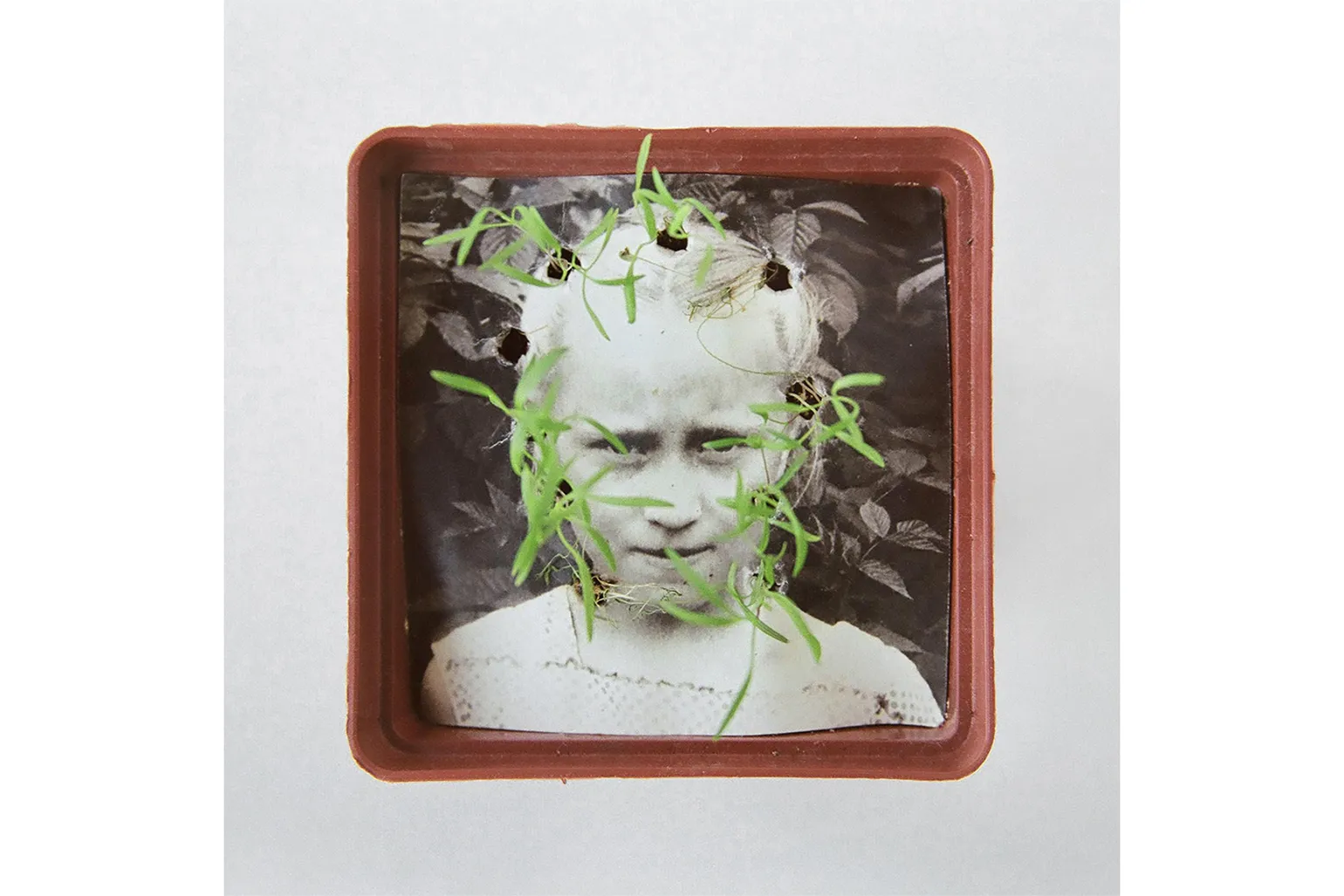
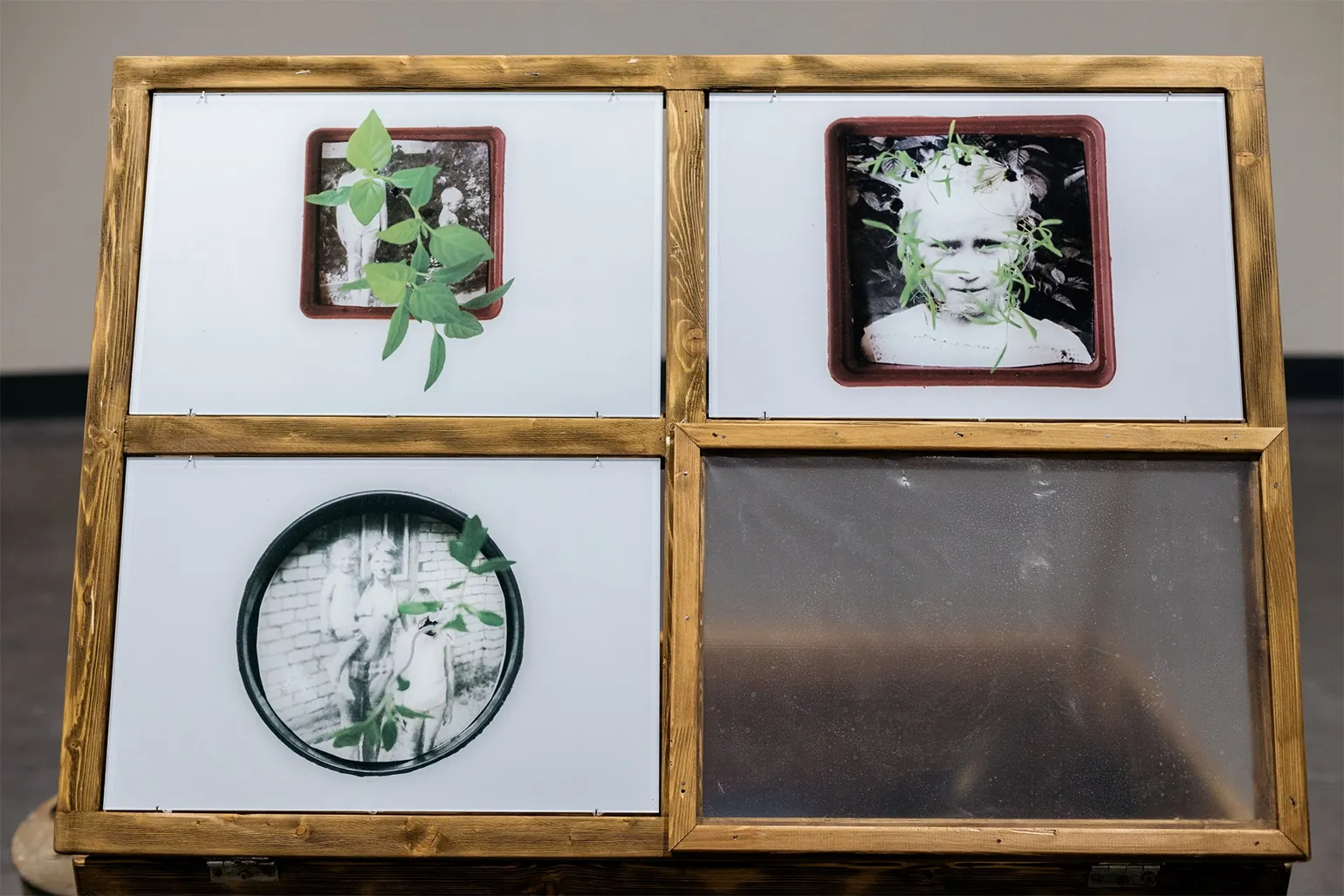
The author germinates seeds using old photographs to connect time and space. The final stage of the project is planting the seedlings in the soil. This process symbolizes the connection between the past and the present, as well as the importance of nature in our lives. The project highlights the role of memory and its influence on our perception of the world around us.
The project "Let me grow like my favorite grass" combines various approaches and methods, which makes it unique. Green leaves breaking through old dacha photographs give the project a special expressiveness and relevance. This project explores the connection between nature and memories, emphasizing the importance of vegetation in our surroundings. Each element, from the photograph to the greenery, creates a harmonious combination that inspires new ideas and an awareness of the value of nature.
"According to the information received, the majority of airplane hijackings…"
Olga Andreeva is a name that has become a symbol of professionalism and inspiration. She is known for her achievements in her chosen field and commitment to high quality standards. Olga actively shares her experience and knowledge, helping others achieve success. Her approach to work is based on deep knowledge and a commitment to continuous improvement. Thanks to her determination and perseverance, Olga Andreeva continues to be a significant figure in her field, inspiring many to new achievements.Photographer Olga Andreeva uses open-source materials in her project. In her photo book, "According to Received Information, Most Airplane Hijackings...," she collects the stories of the first air terrorists in the USSR. Her reconstruction of the events is based on discovered newspaper articles, archival documents, and photographs, allowing for a deeper understanding of the context and significance of these stories. Olga Andreeva's work offers a unique perspective on historical facts, highlighting the importance of preserving the memory of events that impacted aviation safety.
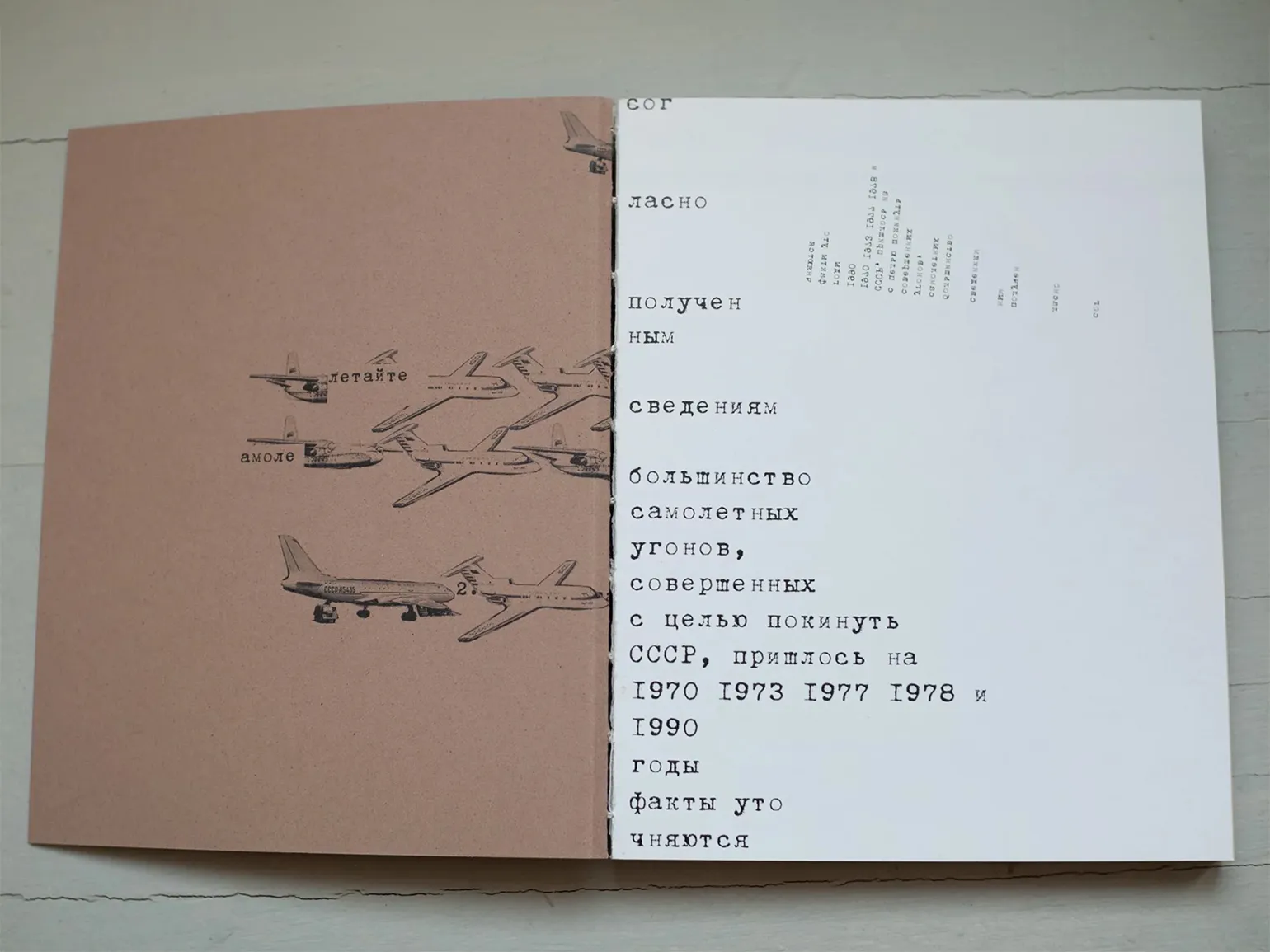
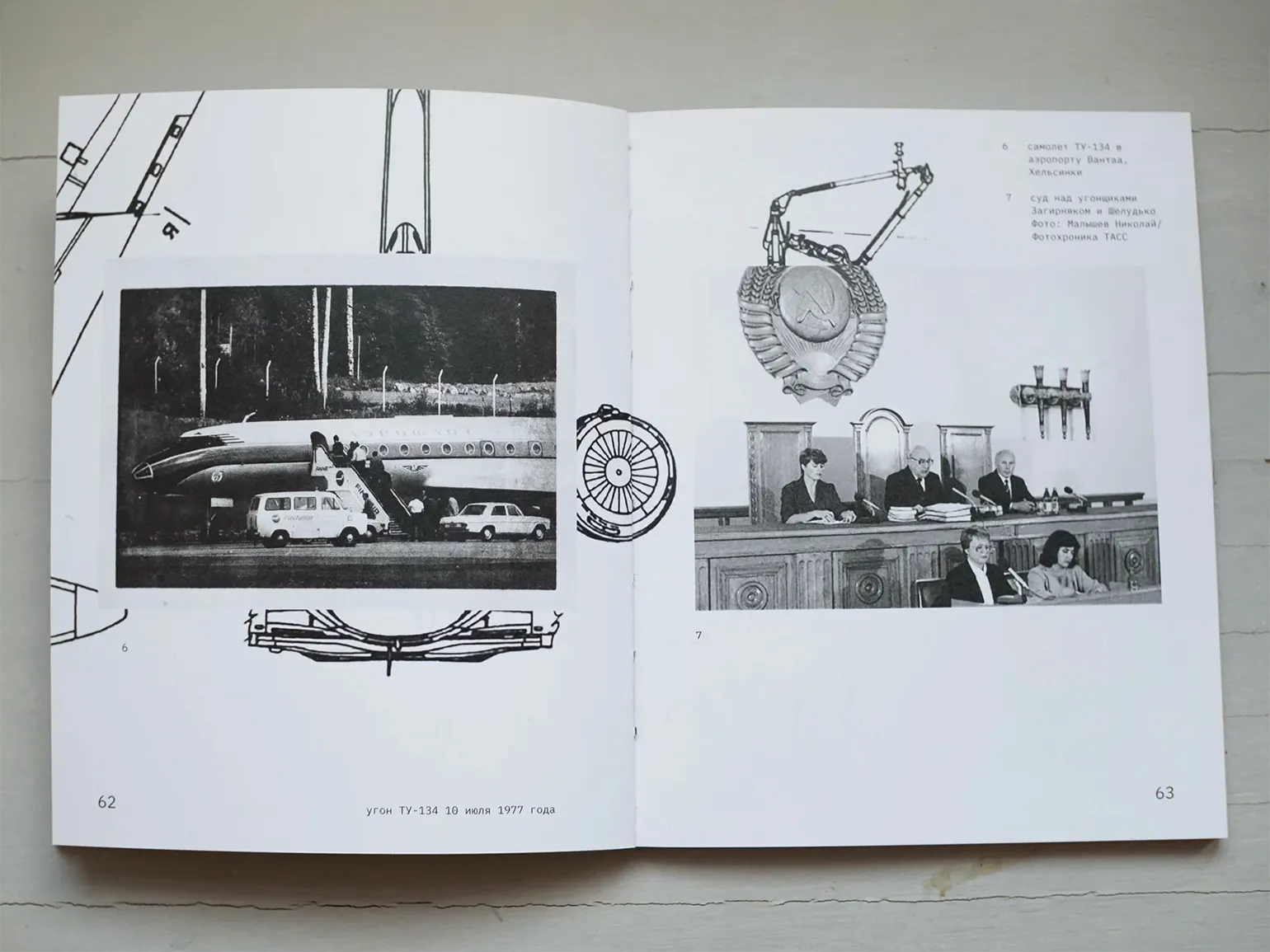
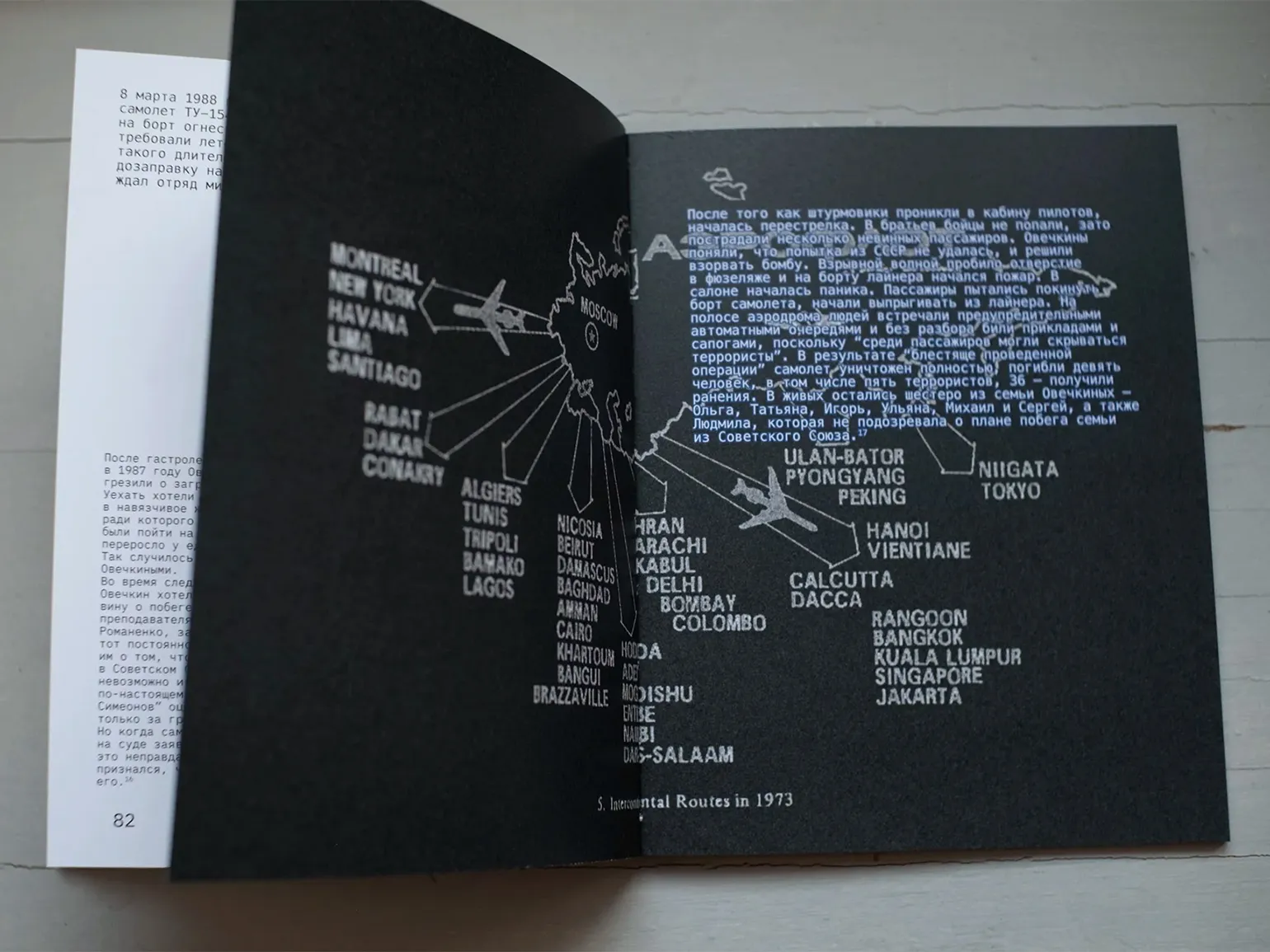
Olga studies the origins of air safety, paying attention to historical moments when the fragility and vulnerability of the high-tech world became apparent. This topic remains relevant and important in the modern global context. Aviation safety is not just a matter of technology, but also a matter of human life, which makes it a priority for specialists and researchers in this field.
"How I Tried to Convince My Husband to Have Children"
Olga Bushkova is a well-known figure in her field, with extensive experience and professional achievements. She is actively developing her skills and sharing her knowledge with others. Olga has numerous projects that showcase her expertise and creativity. Her work is highly valued by both colleagues and clients. Through her perseverance and commitment to self-improvement, Olga Bushkova continues to make a significant contribution to her field. Olga Bushkova, author of the project "How I Tried to Convince My Husband to Have Children," is creating a collective archive of childhood photographs in her apartment. This process serves as a catalyst for discussions with her husband about parenting and family values. Collecting photographs not only preserves memories but also helps establish a dialogue about the future, children, and how they can change a family's life. The project is an important step in understanding the role of parents and the importance of raising children in modern society. Imagine discussing the pros and cons of parenthood with your significant other while photographs of the children of your friends, relatives, and your own childhood snapshots hang on the wall. This photo wall serves as the basis for a literary narrative. It is an example of how life and artistic expression can be interconnected. Why not explore this topic?
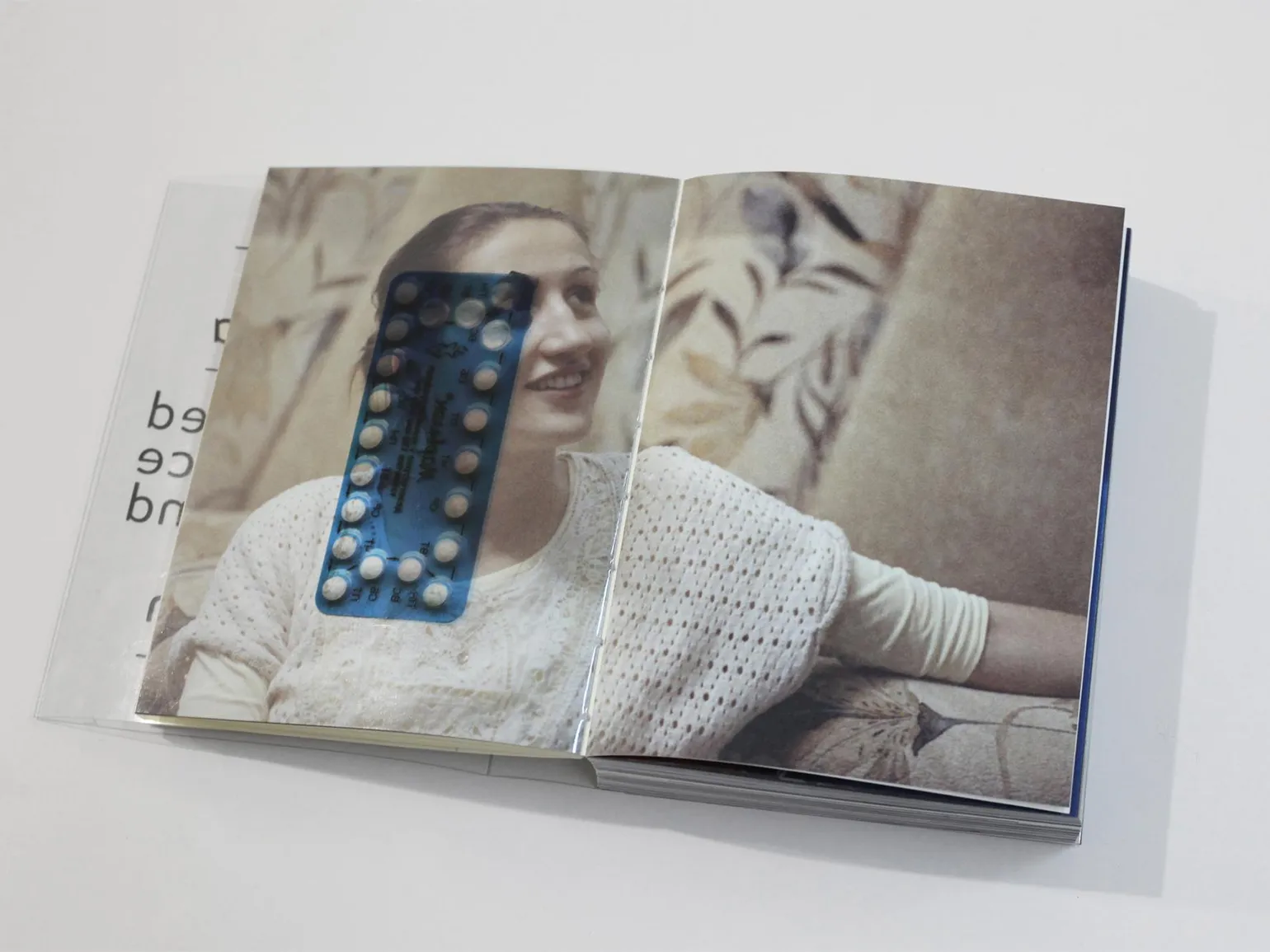
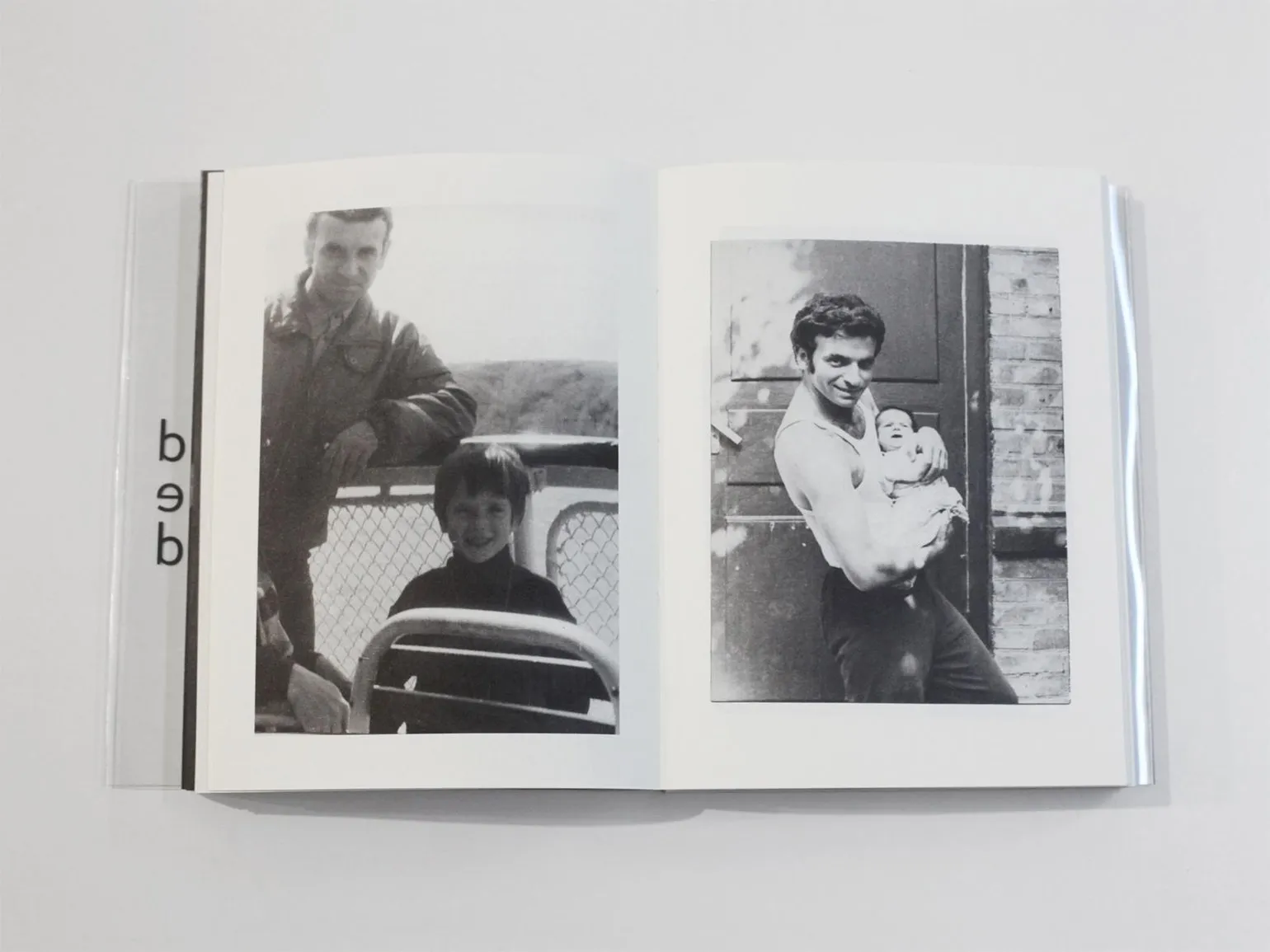
The international success of Olga Bushkova's project highlights the importance of issues related to gender stereotypes, as well as the diversity of topics that can be explored through visual media. The project opens new horizons for the discussion of gender issues, demonstrating how art can serve as a tool for analyzing and overcoming stereotypes.
"From the USSR, 1926-1928"
Alla Mirovskaya is a well-known figure who attracts attention with her multifaceted work. She has established herself in various fields, including art, culture, and social activities. Possessing unique talent and charisma, Alla inspires many people around her. Her achievements and projects are becoming significant in modern society and also contribute to the development of creative initiatives. Alla Mirovskaya continues to actively work and contribute to cultural life, creating new opportunities for self-expression and interaction with the audience.
My work "From the USSR, 1926-1928" is an artistic exploration of the history of a discovered Soviet photo archive. This archive contains seven dozen glass plates capturing the life of an unknown Soviet family in the 1920s. These images, which have survived the catastrophes and changes of Soviet history, leave me indifferent. What happened to the people in these photographs? What was their fate beyond the camera lens? The answers to these questions remain a mystery. A box labeled "Photographic plates 9 × 12 cm" preserves the memory of the past and continues to live on, holding stories worth telling.
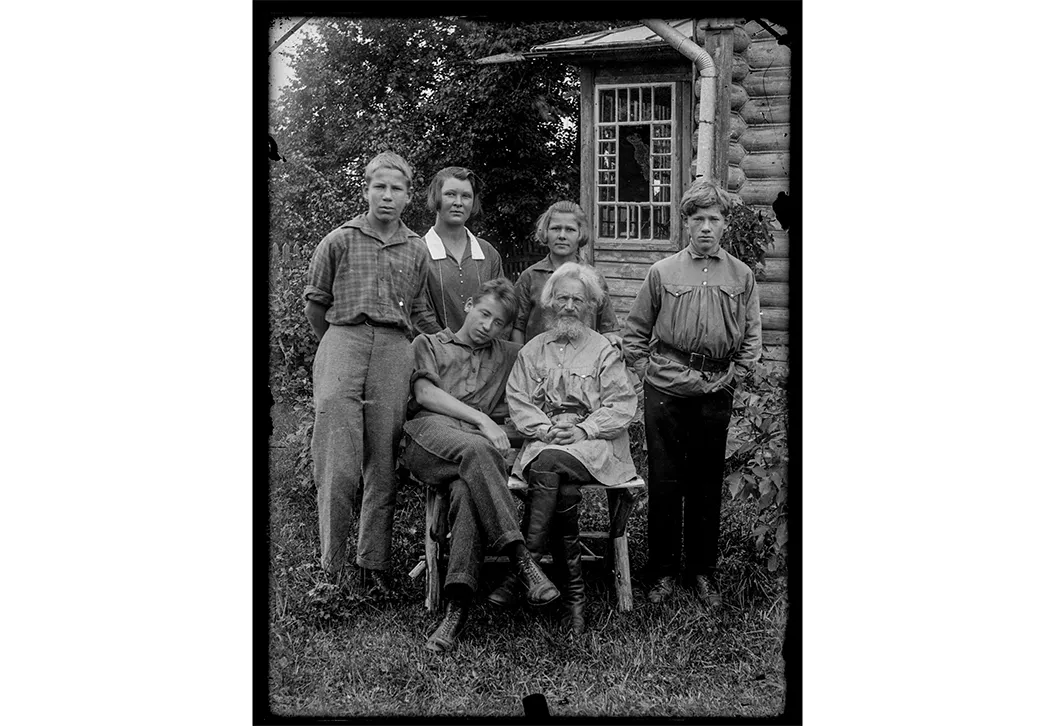
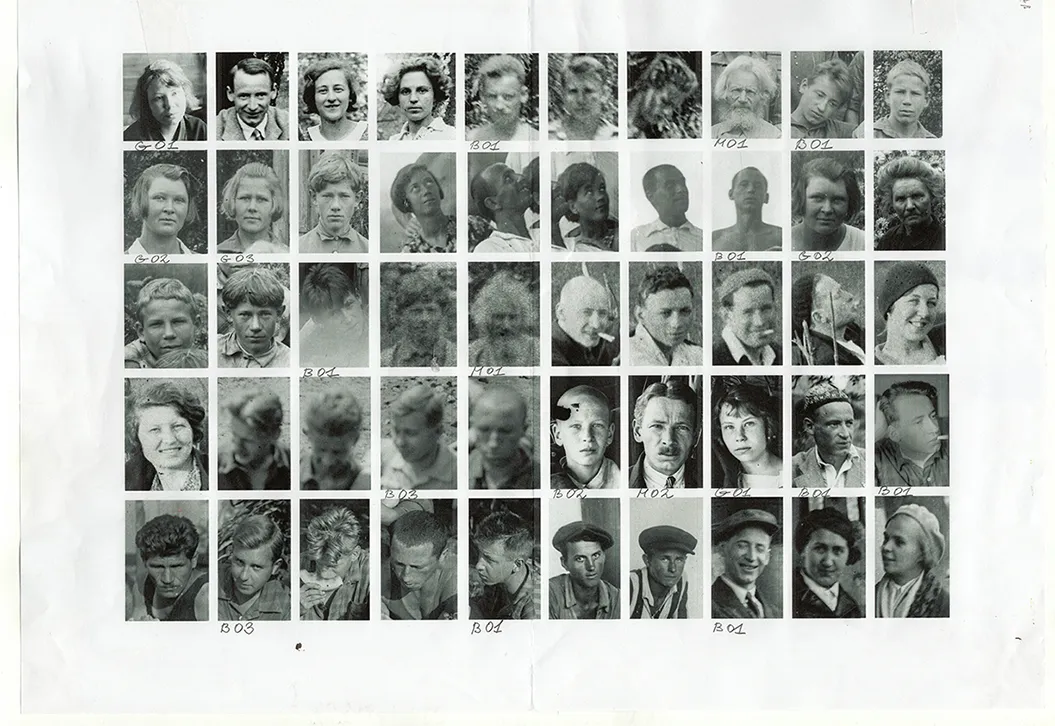
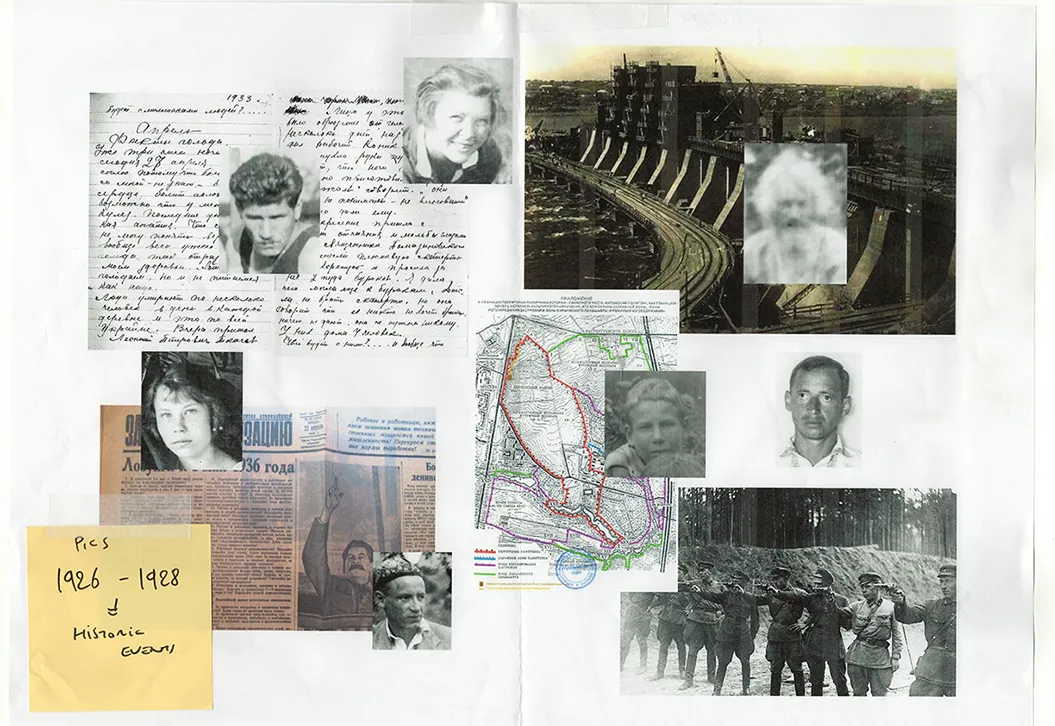
Failing to find sufficient information in open sources, I immerse myself in photography itself. For over a year, I have been examining every square centimeter of the negatives, carefully examining and comparing faces and individual details of the images. This process proves not only fascinating but also effective – it serves both as a search for facts and a deep immersion into the complex socio-political context of the 1920s. It is this experience that forms the basis of the project's narrative and the artist's book of the same name.
Work on the book was carried out in Tokyo at the Reminders Photography Stronghold workshop as part of a curatorial workshop led by Yumi Goto. Participation in this project had a significant impact on the final result, and without the support and experience gained during the workshop, the book would not have reached such a level.
"Words from Dad"
Laura Chen is a name that has become famous in various fields. She stands out for her unique achievements and professional skills. Laura is actively involved in public life and makes a significant contribution to her field. Her work inspires many, and her personal approach to business allows her to achieve high results. Laura Chen is a role model and a symbol of success for those who strive for self-improvement and development.
Among her international projects, the work "Words from Dad" by Laura Chen, who has Dutch-Chinese roots, stands out. In her creative practice, she explores family roots, relying on her father's stories about the life of his grandfather, whom she was unable to meet. Laura creates collages using photographs from her family archive, dividing them into strips. This approach highlights the fragmentation of family memory and the need for a displaced person to adapt to a new culture. Laura's grandfather was forced to leave China due to communist persecution, adding depth to her work and raising important questions about migration and identity.
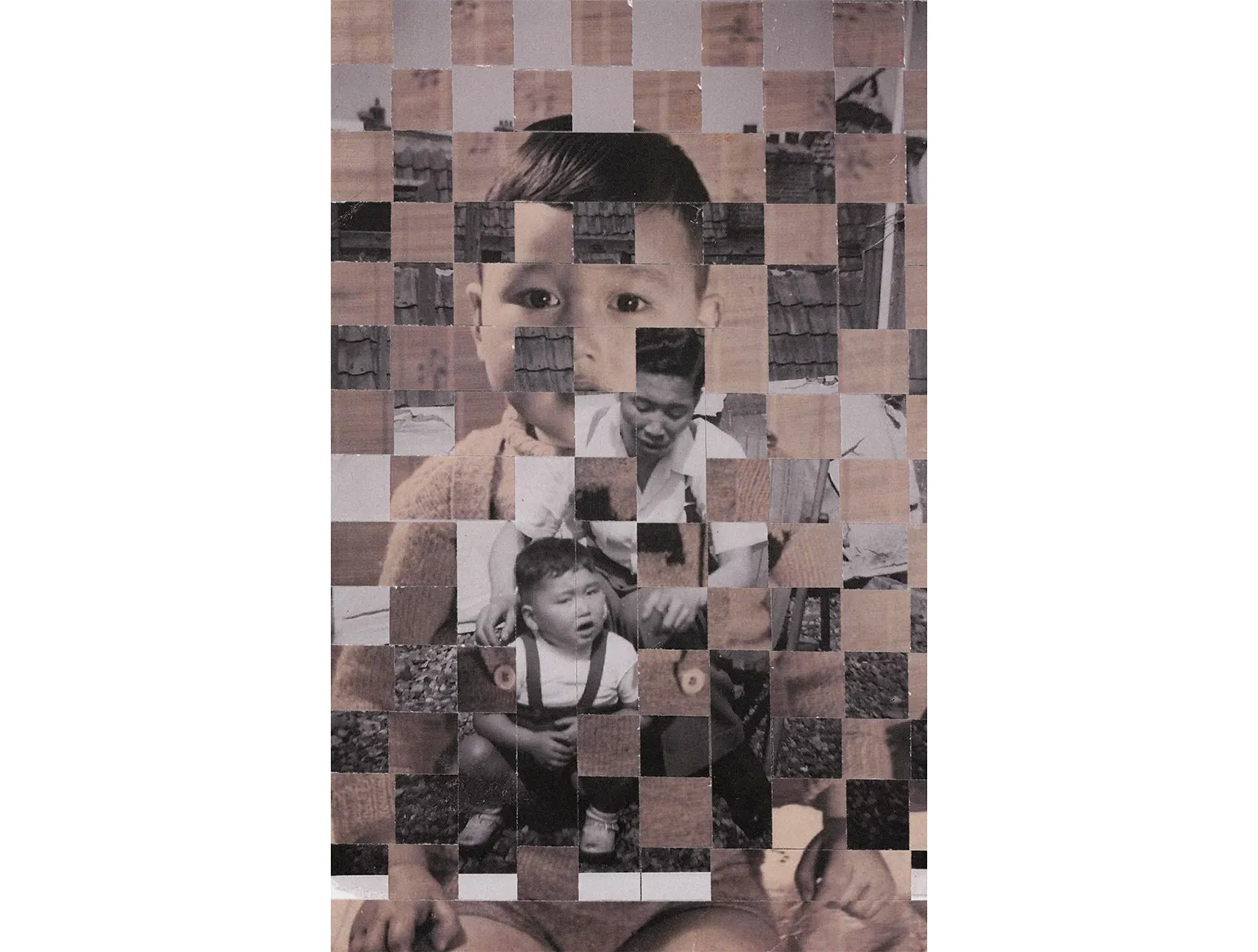
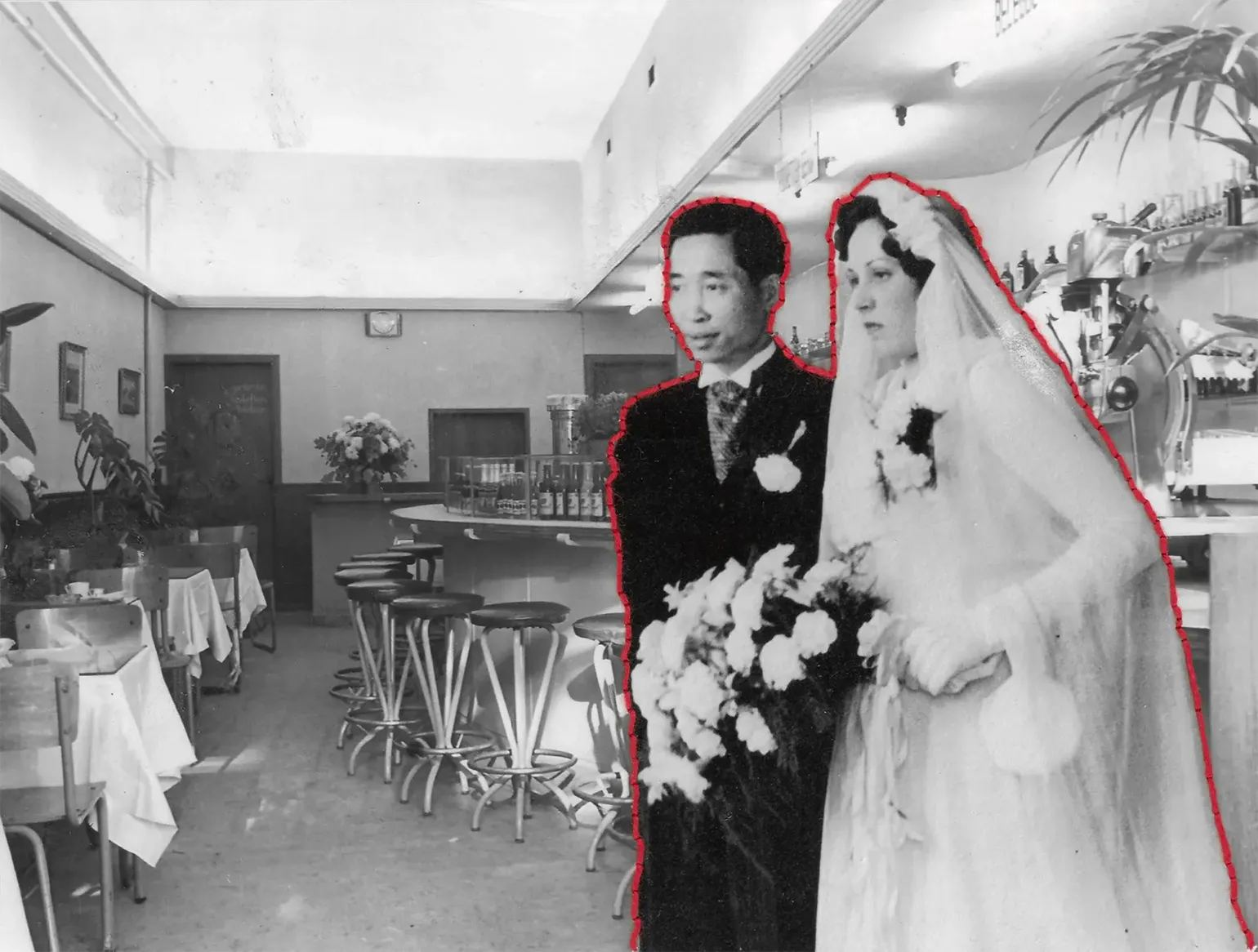
Creating family portraits, the author hand-cuts and stitches various images, forming a unique combination of Chinese and Dutch cultures. The works in this series become increasingly abstract, reflecting the complexity and diversity of family history, which is passed down to new generations. These portraits are not only visually appealing but also highlight the depth and significance of cultural heritage, exploring how individual and collective histories intertwine over time.
"Good Hope"
Carla Liesching is a distinguished figure, renowned for her achievements and contributions to her field. She has established herself as an expert with deep knowledge and experience. Carla is actively involved in public life and shares her ideas, which makes her a significant figure for many people. Her work inspires and motivates, contributing to the development of new concepts and approaches. Through her efforts, Carla Liesching continues to influence contemporary society and professional communities.
Carla Liesching's epic work "Good Hope" represents an important element of decolonial discourse. In this literary work, the author explores themes of identity, colonialism, and cultural originality. "Cape of Good Hope" immerses the reader in a world where diverse cultural narratives collide, allowing for a deeper understanding of the consequences of colonial practices and their impact on modernity. Carla Liesching's masterful use of language and symbolism to convey complex ideas about hope and resistance makes her work relevant and significant in the context of contemporary discussions about decolonization and the recovery of lost cultural values.
The Cape of Good Hope is a significant geographical point in southern Africa, located within present-day South Africa. Historically, the cape served as a key trade route between Europe and India. The name "Cape of Good Hope" was given to the cape by Portuguese sailors, for whom it represented a strategically important sea passage, facilitating navigation and the transport of goods. The cape remains significant from both a historical and tourist point of view, attracting travelers from all over the world.
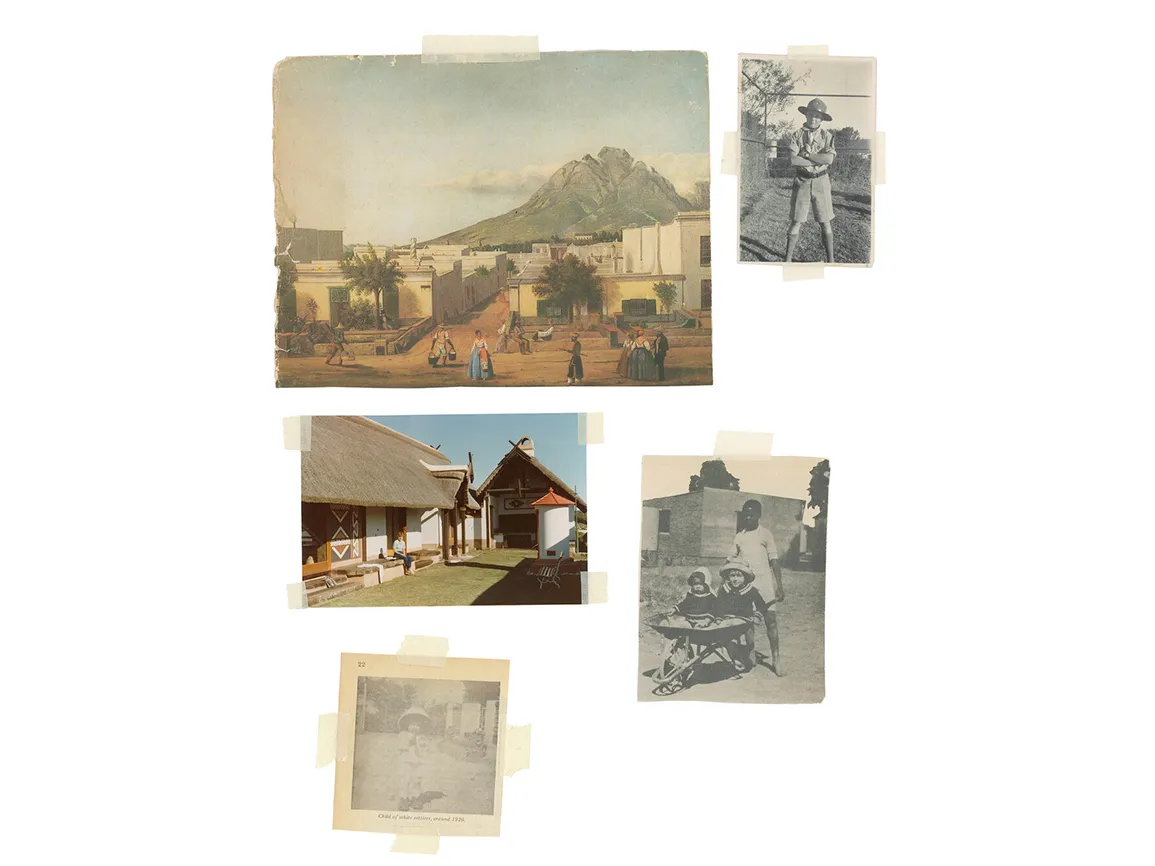
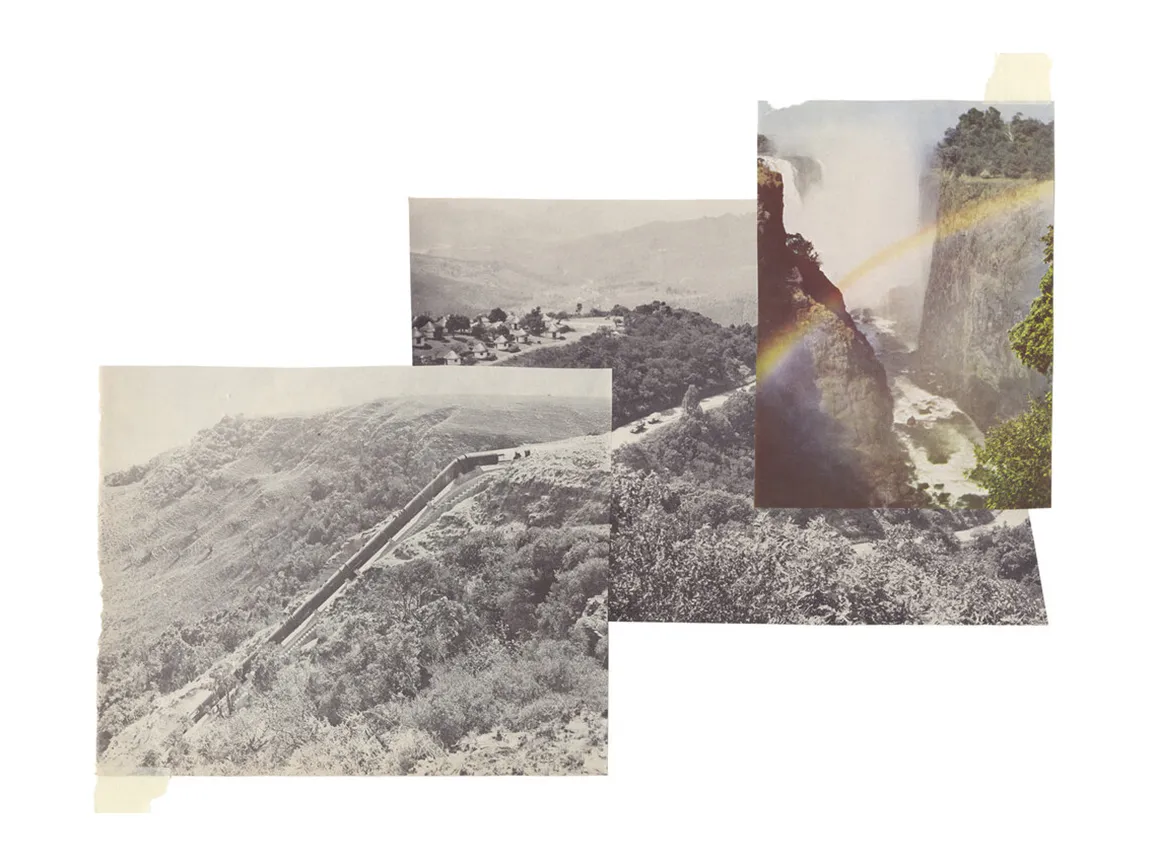
South Africa (South Africa) is an important center of anti-colonial resistance and the birthplace of Carla Liesching. In her project, Liesching offers a critical analysis of contemporary settler colonialism, questioning accepted methods of collecting, storing, and presenting information. This approach helps to illuminate issues related to colonial legacies and contributes to a deeper understanding of the impact of these practices on contemporary society. Carla Liesching's work highlights the need to rethink historical narratives and create new, more equitable and inclusive ways of engaging with cultural heritage.
The images and texts of "Good Hope" are combined into a harmonious visual flow, creating a unique composition consisting of fragments of documentary prose, personal essays, and photographs from magazines and newspapers found in personal archives. This synthesis of visual and textual materials immerses the reader in an atmosphere of deep reflection and personal stories, emphasizing the importance of the connection between personal experience and the surrounding reality.
99:1
Arjan de Nooy is an outstanding artist whose work has left a significant mark on the cultural sphere. His works are characterized by a unique style and deep philosophical content. Arjan de Nooy actively explores themes of human emotions, nature, and human interaction with the surrounding world. His works inspire viewers, making them reflect on the meaning of life and the place of man in it. Thanks to his original approach to creating art, Arjan de Nooy continues to attract the attention of both critics and the general public. His contribution to contemporary art cannot be overestimated, and he remains a relevant source of inspiration for many artists and creative individuals.
Arjan de Nooy's work "99:1" stands out among his other projects as it is based on just one of his photographs. Despite this, I consider it important to share my impressions of this work.
The author was inspired by a 1947 book by French writer Raymond Queneau, in which the same story is presented in 99 different ways. Arian de Nooy uses a similar method, examining a single photographic negative. This approach allows for a deeper understanding of the image, demonstrating how different angles and interpretations can reveal new aspects of the same subject.
The author captured a moment in Paris in October 2007 without adding any subtext. The subject of the photograph is reminiscent of the story of Queneau. The photograph depicts a bus and two young people who appear to be discussing something insignificant. This shot captures the atmosphere of everyday life in Paris, capturing the simplicity and sincerity of the moment.
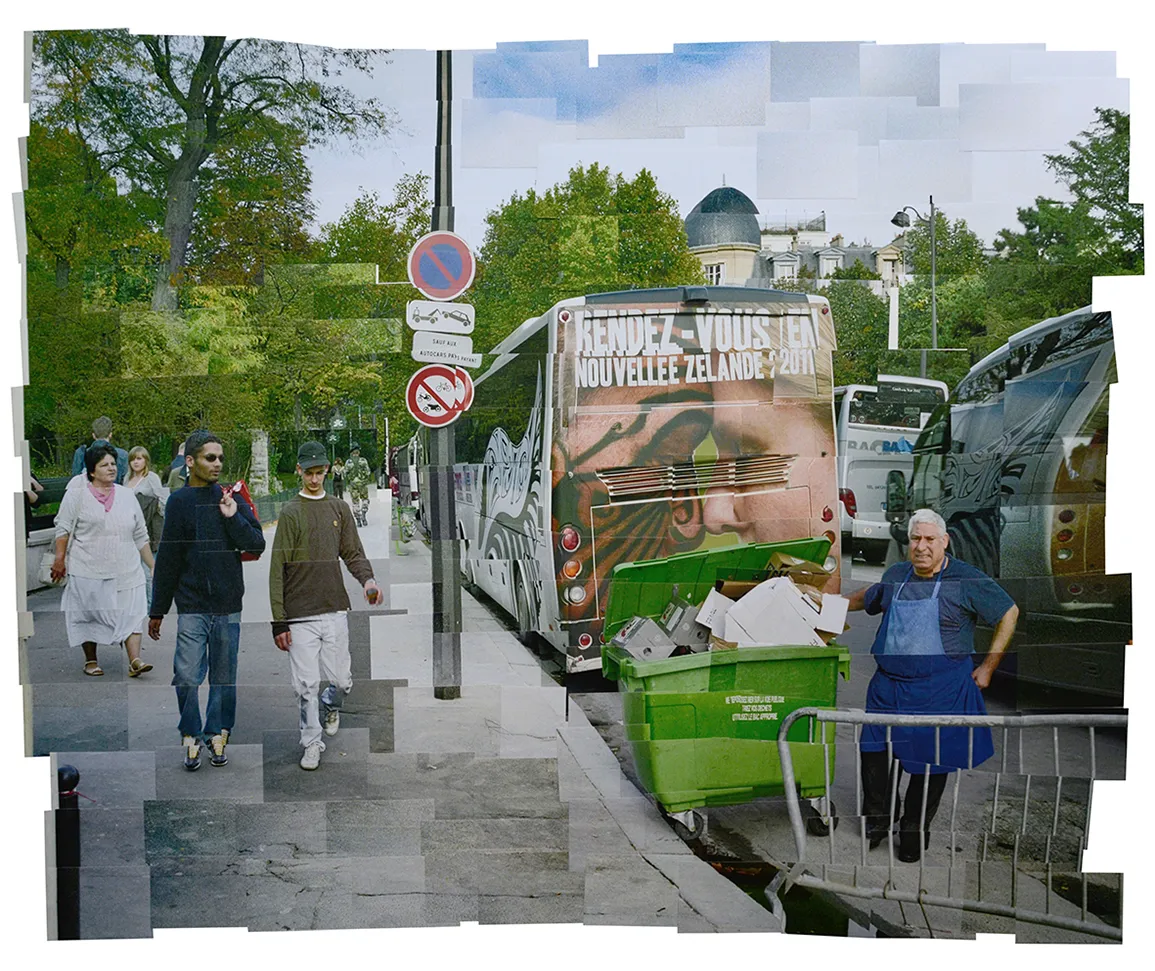
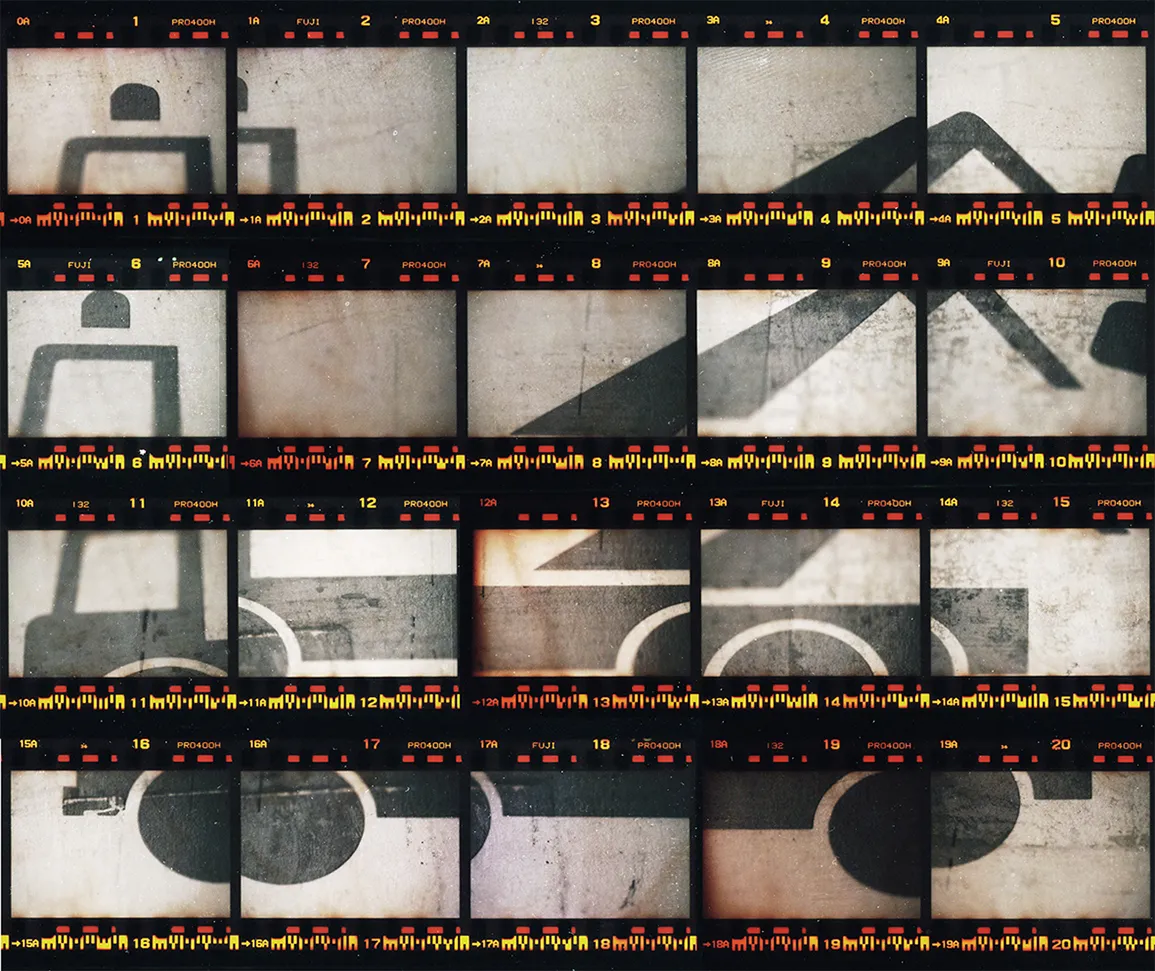
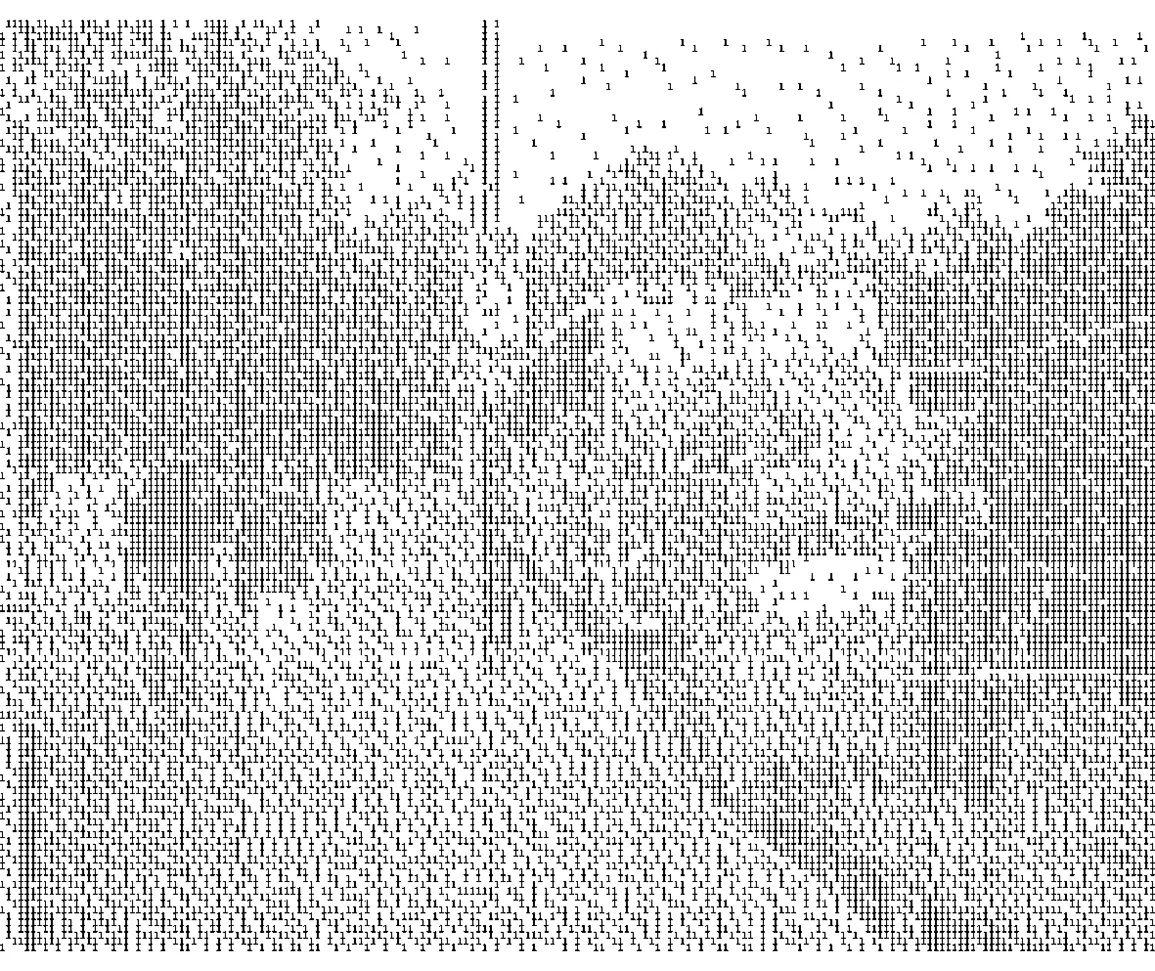
Over the years, de Nooy has returned to this image repeatedly. The resulting book presents 99 variations of it. The engaging visual narrative creates a play of meanings, prompting viewers to reflect. One of the key aspects for me is the duality of photography: its existence as a document and as an image with a fluid meaning, open to various interpretations. This duality allows each viewer to see something different, giving the work depth and ambiguity.
Profession Photographer
You will learn how to take professional photos from scratch. You will learn how to organize shoots, process frames, manage models and a team. Find your style, build an impressive portfolio, and start making money doing what you love.
Find out more