Contents:
- Daria Aslanyan — finalist in the nomination "Photographer of the Year, Asia"
- Sergey Stroitelev — finalist in the nomination "Photographer of the Year, Asia"
- Marina Sycheva — finalist in the nomination "Photographer of the Year, Asia"
- Dmitry Ermakov — award for outstanding achievements in the nomination "Photographer of the Year, Asia"
- Ksenia Maximova — award for outstanding achievements in the nomination "Cultural Practices"
- Masha Chudnaya — finalist in the nomination "Analytical Photo Report"
- Maxim Babenko — finalist in the "Analytical Photo Report" nomination
- Igor Skabelin — first place in the "Analytical Photo Report" nomination
- Ilya Denbrov — finalist in the "Everyday Life" nomination
- Evgeny Filippov — award for outstanding achievements in the "Recreational and Traditional Sports" nomination
The international photo contest POY Asia was founded in In 2020, a group of photographers from Asia were inspired by the renowned Pictures of the Year International (POYi) competition. This competition has become an important platform for professional and emerging photographers, providing an opportunity to showcase their work on an international stage. POY Asia participants can submit their photographs in a variety of categories, promoting cultural exchange and the development of visual arts in the region. Prashant Panjar, co-founder of the POY Asia competition, noted that the competition aims to unite Asian photojournalists and documentary photographers. Its goal is to create a platform for exchange, collaboration, and the presentation of Asia's unique perspective on the international stage. POY Asia strives to highlight the importance of photojournalism in contemporary society and provide participants with the opportunity to share their stories and visual narratives that reflect the diversity and richness of the Asian continent. Diego Ibarra Sánchez, a Spanish photographer based in Lebanon, was named Photographer of the Year. The competition jury also recognized 13 winners, 33 finalists, and 25 recipients of the award for outstanding achievements in photography. This award recognizes the high quality and diversity of contemporary photographic art.
In this article, we present ten Russian photographers and their projects that were recognized by the judges. These talented masters of photography brought unique ideas and artistic concepts to their work. Each of them created unusual projects that not only reflect their individual style but also raise important social and cultural issues. Learn more about each of these photographers and their significant achievements in the world of contemporary art.
Daria Aslanyan — finalist in the nomination "Photographer of the Year, Asia"
Photojournalist and photo editor of the publication "Takie Dela" researches social, cultural, and economic issues in the Russian regions. In her projects, she also analyzes the historical and political processes taking place in these areas. Her work is aimed at drawing attention to important issues affecting the life of society and the development of regions.
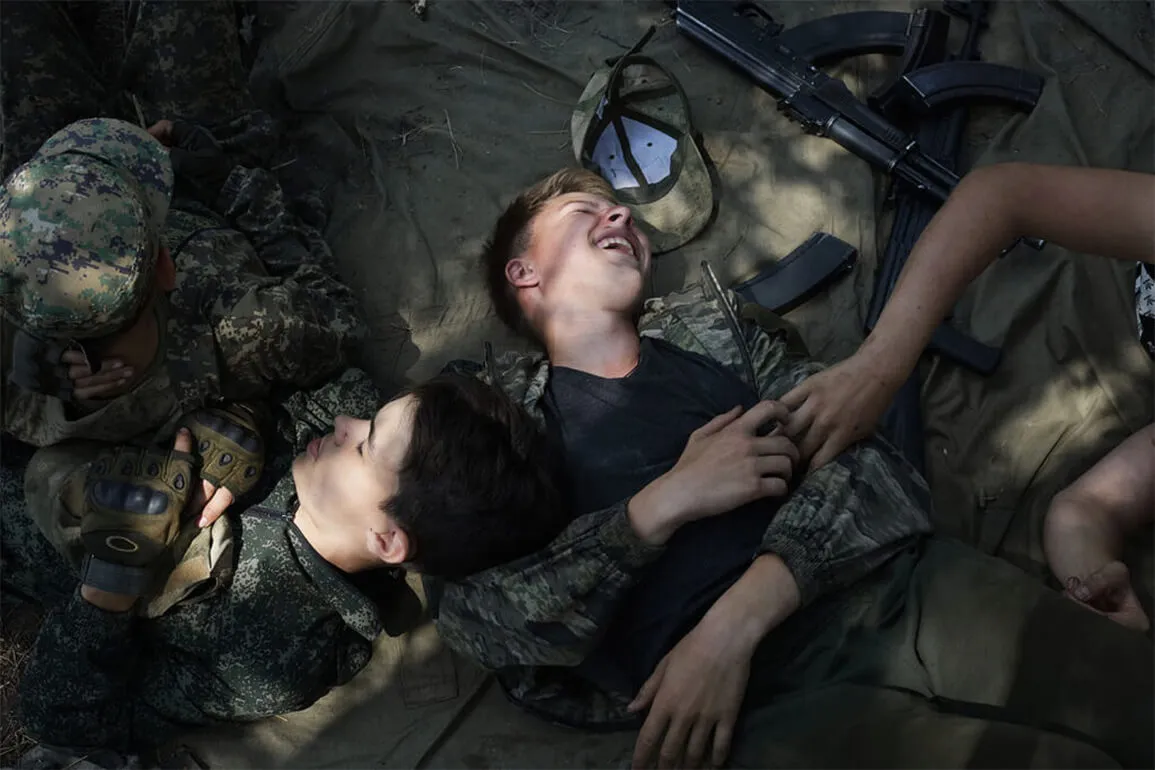
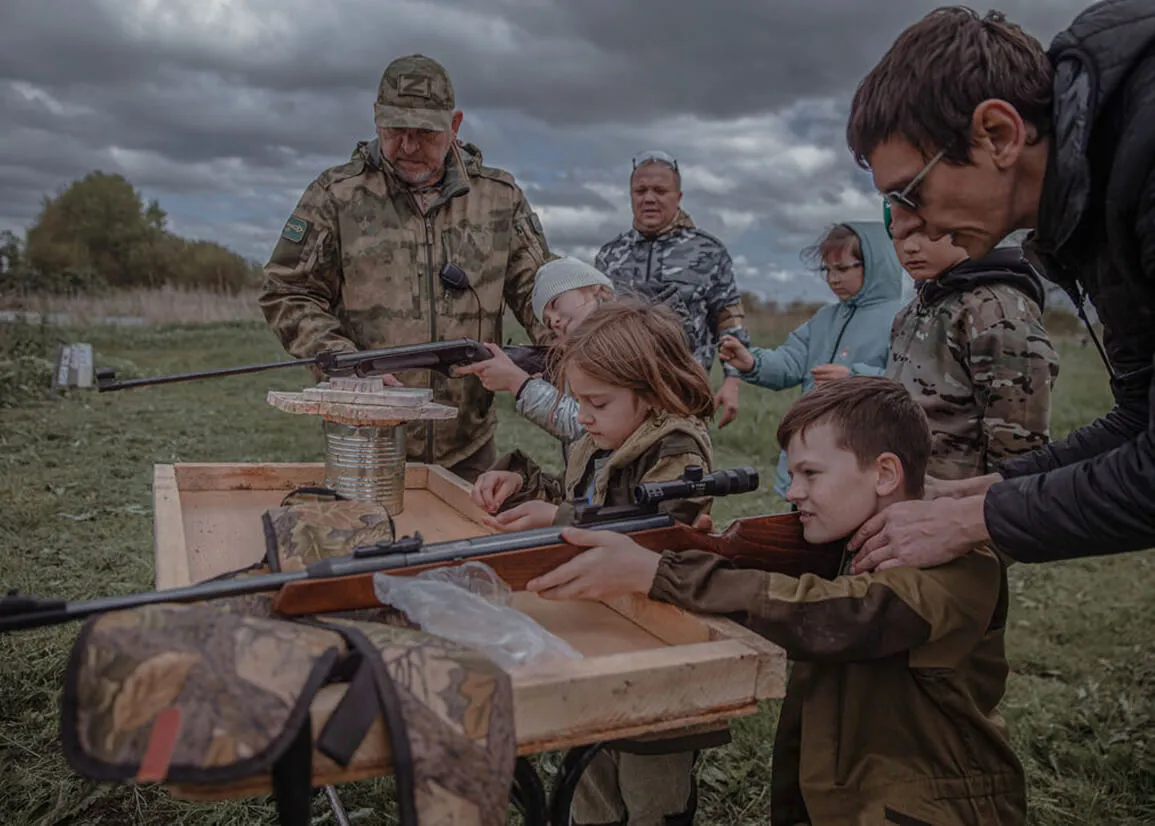
Daria captured moments from field training sessions of the military-patriotic association "Spas." This organization is founded on the spiritual principles of Orthodoxy and the traditions of the Russian military. The association's main goal is to cultivate active patriots ready to defend their Fatherland. Participants learn the skills necessary to defend their country and also develop a sense of responsibility and respect for Russia's historical and cultural heritage.
At these events, children are taught combat tactics, and in the evenings, around the campfire, they discuss the values and worldview of modern Russian patriots. The organization operates under the auspices of the Church of St. Matrona in Samara, which adds church services and Gospel readings to the training program. Participation in such events helps develop patriotic feelings and spiritual foundations in children, which is an important part of their upbringing.
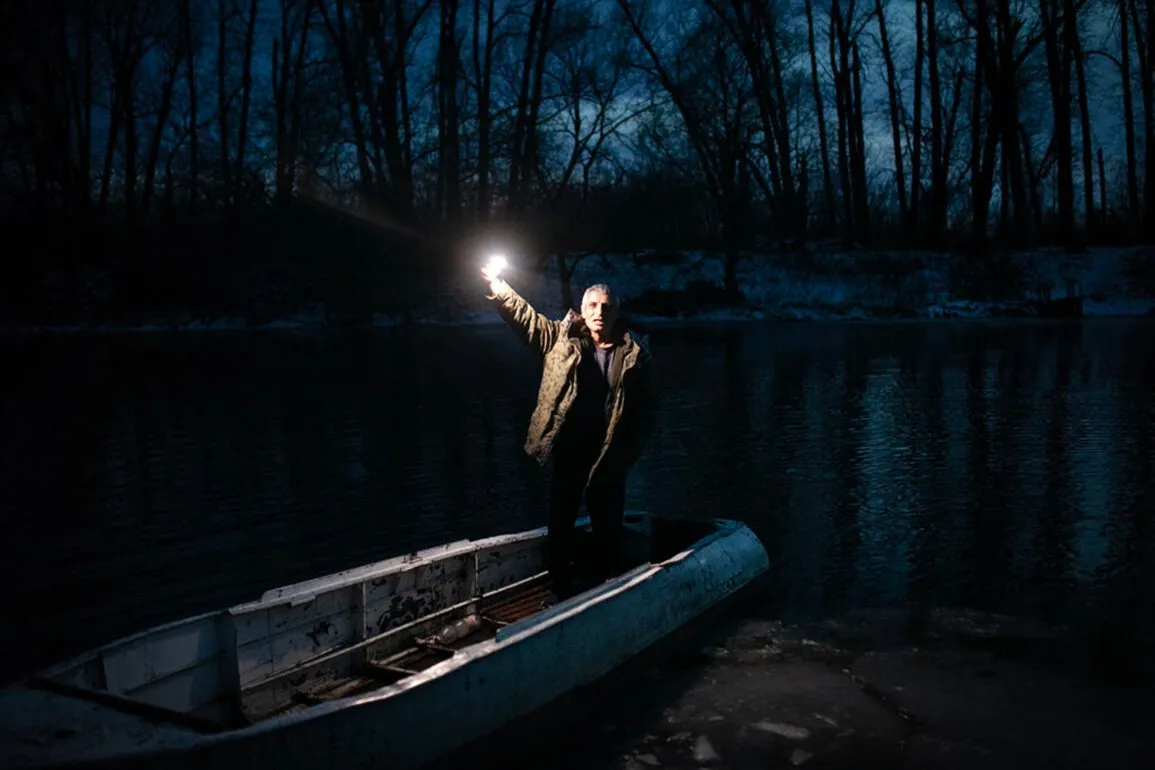
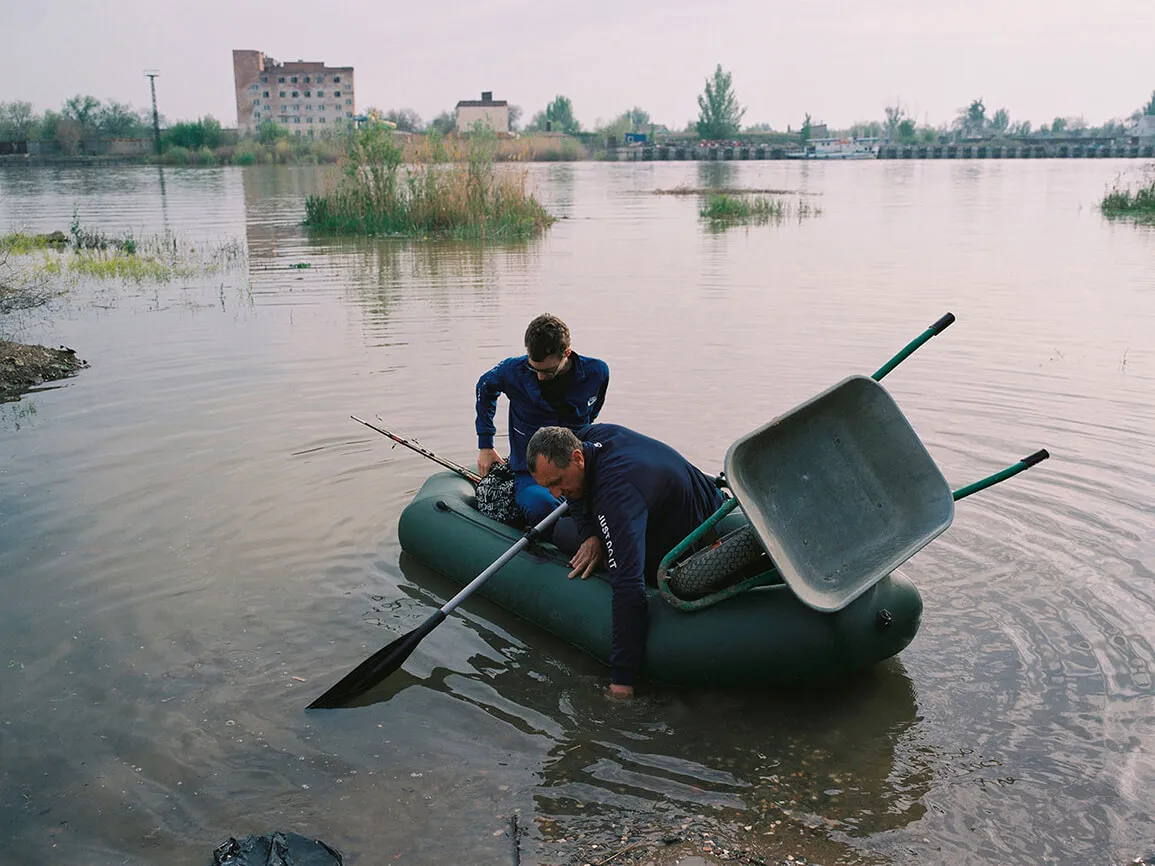
Alexander, known as Uncle Sasha, spent his childhood during the hungry post-war years on the banks of the Bolshaya Kinel River in the Orenburg region. This river served as an important source of food for local residents during World War II, providing them with fish and water. Living conditions during that period were harsh, and the river played a key role in the survival of the population, helping people cope with the consequences of the war. Memories of those times remain an important part of the region's history and shape the unique cultural identity of the locals.
Alexander worked for 35 years as a driver for an oil company. When oil spills occurred, he used garbage to clean them up, a common practice among his colleagues. This experience highlights the reality of working in the oil industry and the methods used to solve environmental problems.
After leaving his job, Alexander decided to correct his mistakes and contribute to environmental protection. His former colleagues gave him an old boat, and now he actively patrols the river, cleaning the water and its banks of garbage. This activity not only helps improve the ecosystem but also allows Alexander to find harmony with nature. Uncle Sasha was soon joined by like-minded people: IT specialist Ruslan, teacher Vera, and eighth-grader Timofey. Together, they created a unique houseboat, where they give lectures to residents on the importance of ecology and eco-activism. Alexander dreams that their efforts will help people realize the importance of maintaining a clean and healthy environment.
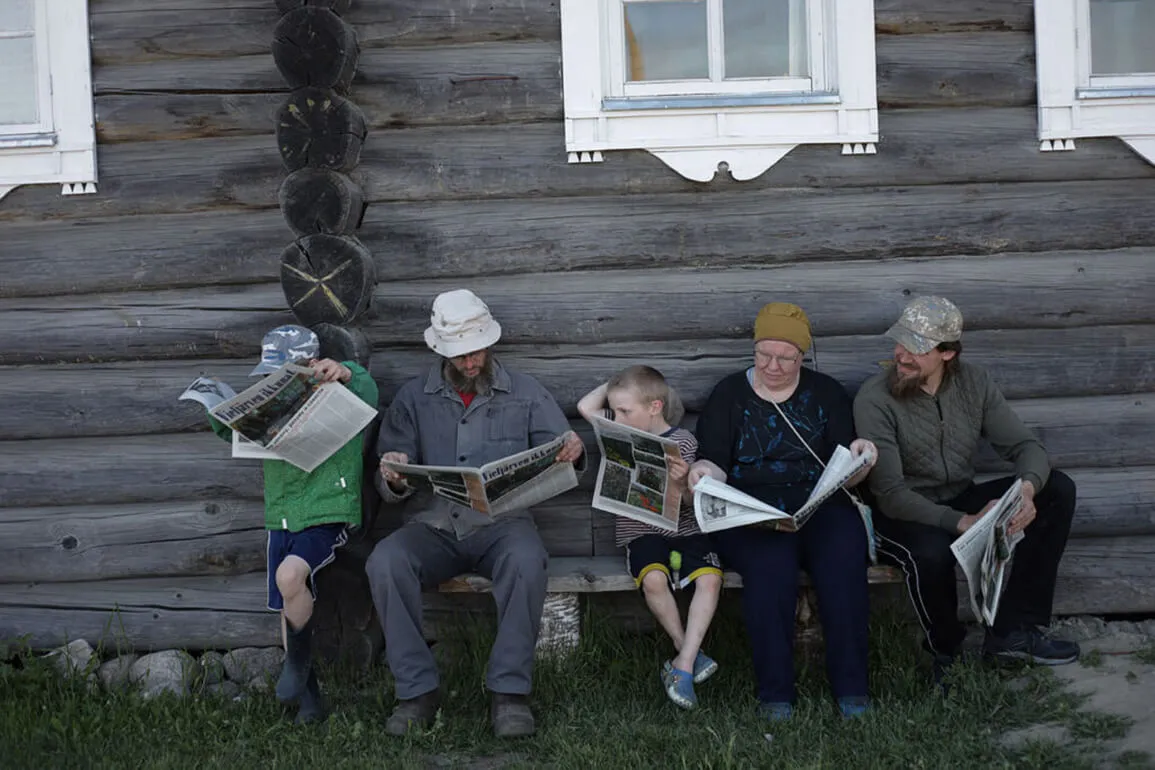
In the small village of Vedlozero, Situated in picturesque Karelia, local residents publish a newspaper called Vieljärven ikkunat, which translates from Karelian as "Vedlozero Windows." This publication resonates with residents of Vedlozero and surrounding villages, who actively contribute articles and share news. Editor-in-chief Natalia Antonova, contributors, and the executive secretary work pro bono, emphasizing the spirit of community and unity. The newspaper is funded by donations from local residents and Natalia's tireless enthusiasm, as well as those who help with circulation. Delivery of copies is sometimes carried out by ambulance medics or a driver who delivers bread to surrounding villages. This unique publication not only informs but also unites the local community, preserving cultural traditions and the spirit of local life.
Sergey Stroitelev is a finalist in the nomination "Photographer of the Year, Asia
Sergey is a freelance photographer and artist who actively explores issues of contemporary society, including racial, religious, and sexual minorities. His projects also explore the consequences of natural and environmental disasters, as well as political conflicts. An important part of his photographic practice are personal works in which he shares stories about his family's past and his inner experiences. Sergey currently resides in Germany, which inspires him to create new projects that reflect current social issues.
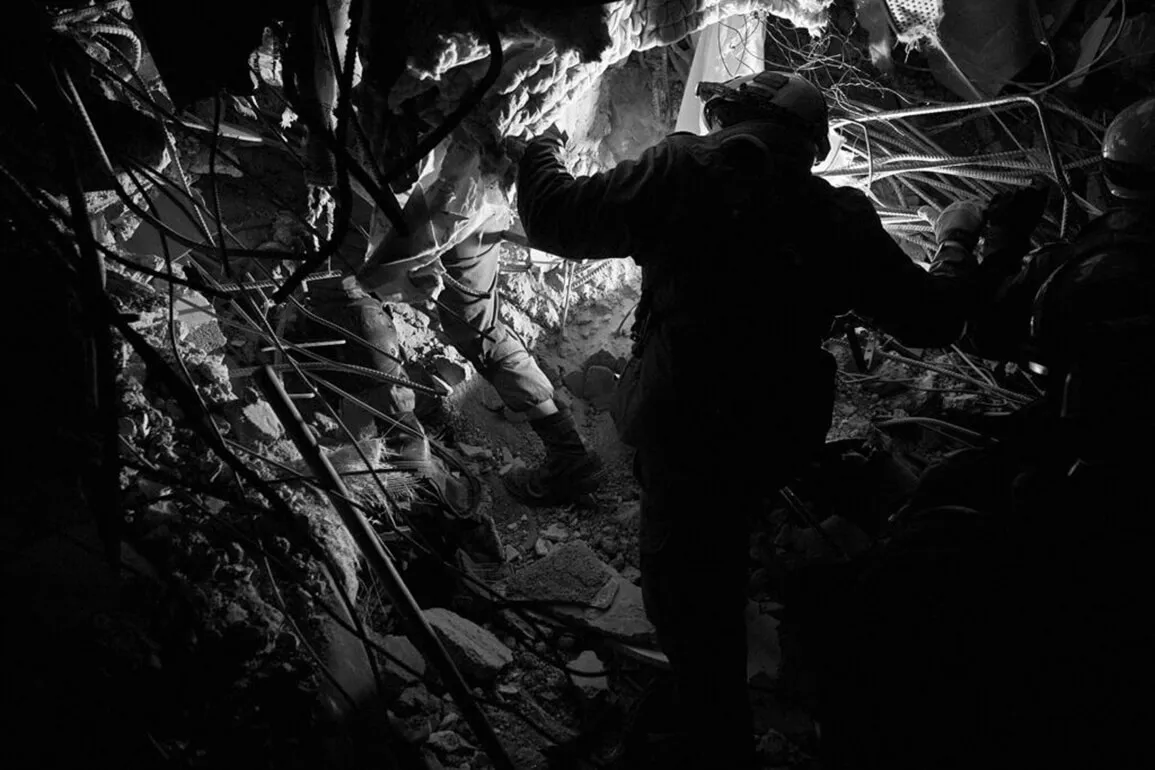
This series of photographs illustrates the aftermath of the earthquake in Turkey, which occurred on February 6, 2023, and killed more than 50,000 people. Sergey arrived at the epicenter of the disaster on the day of the tragedy and captured not only the suffering of the victims but also their incredible resilience, courage, and desire to survive. These images are an important testimony to human strength in the face of disaster, highlighting the need for aid and support to help the region recover.
The project highlights the stories of people who left Russia In response to the introduction of an article into the Code of Administrative Offenses concerning liability for the promotion of non-traditional sexual relations and gender reassignment. The declaration of the international LGBT movement as extremist and its subsequent ban also played a significant role in this process. The project seeks to show the consequences of these changes for the lives and freedoms of people, as well as their desire to find a safe space for self-expression and the protection of their rights.
The series of photographs presents portraits of people in a transitional state between an old life that has not yet ended and a new chapter that will soon begin. These images reflect emotional tension and hope for change, demonstrating the importance of this moment of transformation in each person's life. The photographs immerse the viewer in deep reflection on change and the possibility of a new beginning, creating a unique atmosphere of anticipation and uncertainty.
The jury selected the project in the Portrait Series category.

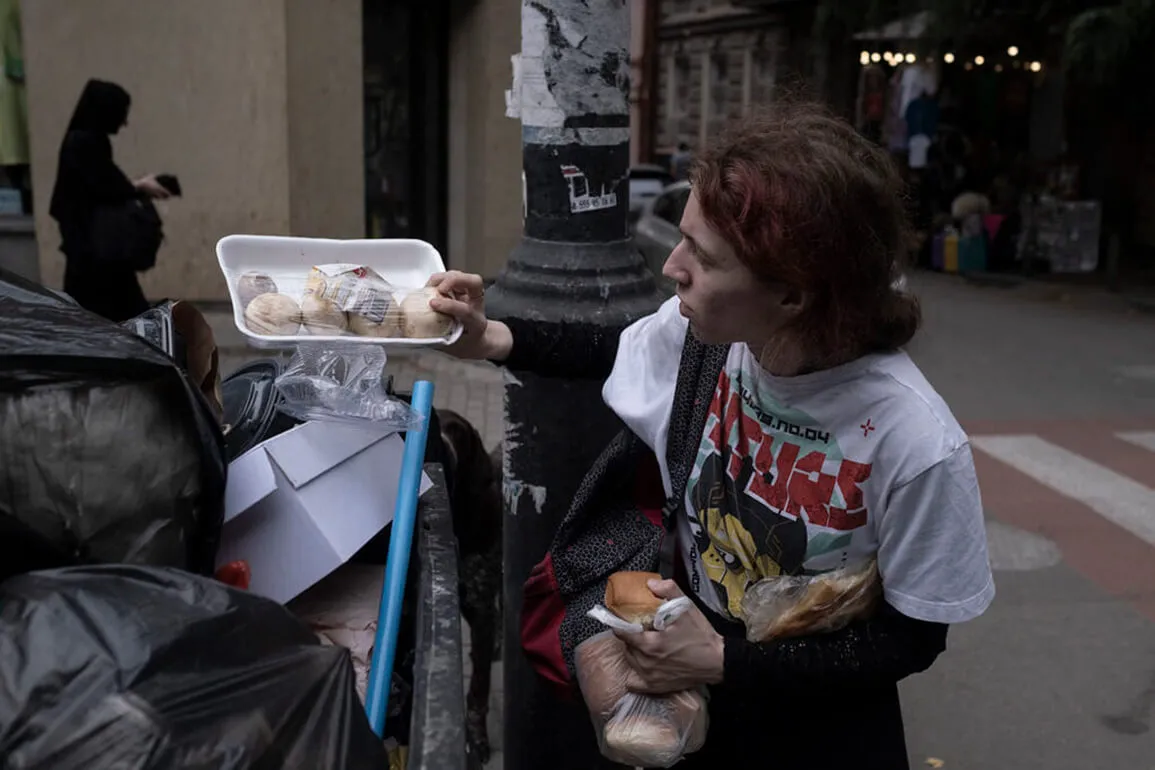
The project is dedicated to Russian freegans who moved to Georgia after February 24, 2022. Freeganism is a social movement focused on sustainable consumption. Proponents of this approach find everything they need, including food, in trash containers. This lifestyle emphasizes sustainable consumption and the fight against excess waste, which is especially relevant in today's society. Freegans strive to minimize their ecological footprint and demonstrate alternative ways to meet needs without harming the environment.
Some of the participants began practicing freeganism in Russia, while others joined the movement after emigrating. Freeganism, as a lifestyle, is aimed at minimizing waste and rational use of resources, which attracts people around the world.
Marina Sycheva is a finalist in the Photographer of the Year, Asia category.
A documentary photographer and filmmaker from Moscow, specializing in pressing social issues. Her work focuses on war, global crises, and issues of equality for women and minorities. In her projects, she strives to draw attention to important issues, leaving a strong impression on viewers.
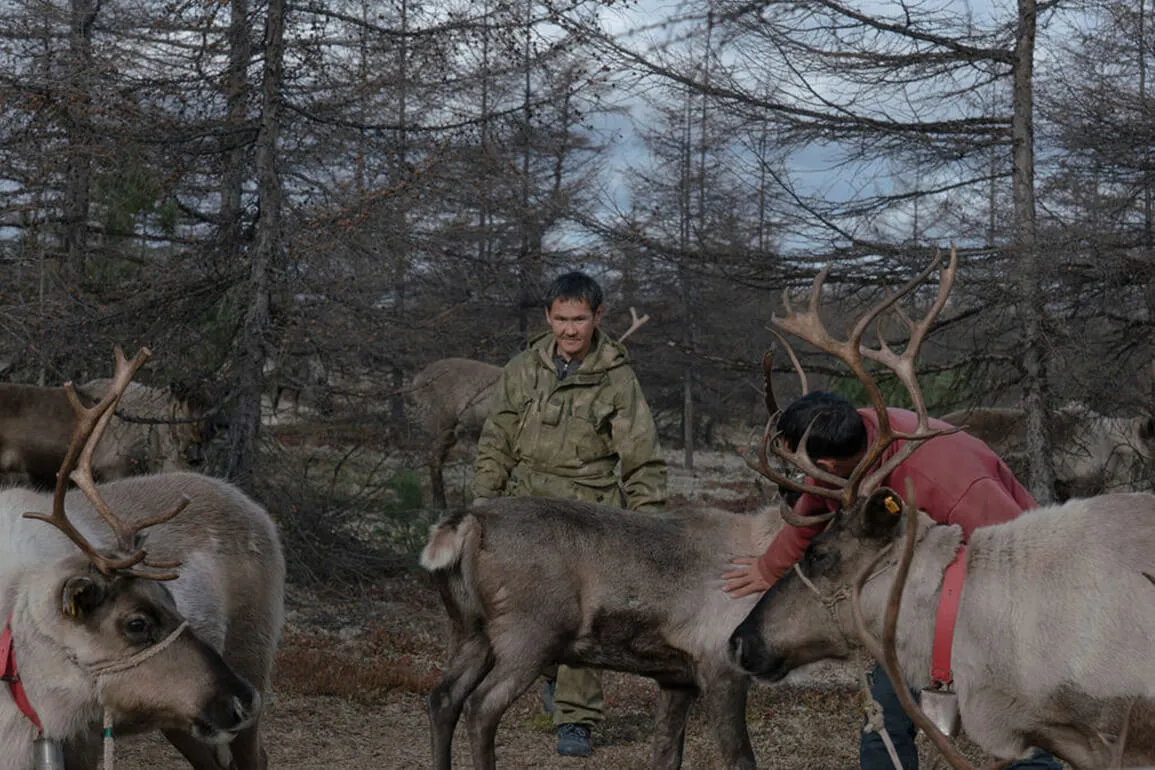
Approximately 400 Uilta and about 4,000 Nivkh, small peoples of the North, live on Sakhalin Island. These peoples face the threat of extinction, a problem the indigenous people attribute to the actions of the Soviet Union. The Uilta and Nivkh preserve unique cultural traditions and way of life, but their existence is threatened by changing ecosystems and the loss of languages and cultural practices. The preservation of these peoples requires attention and support to protect their heritage and ensure a sustainable future.
With the onset of collectivization, Sakhalin's indigenous people were forced to work on collective farms. Children were forcibly separated from their families and sent to specially created boarding schools, where communication was permitted only in Russian. Fines were imposed for using their native language. Traditional livelihoods, such as fishing and reindeer herding, also came under strict state control. These measures contributed to the significant loss of the language and cultural traditions of Sakhalin's indigenous peoples.
Sakhalin's indigenous people are actively working to restore their culture. They create primers and dictionaries, and translate folk tales to preserve and pass on their unique heritage. However, there is a serious risk that, with the departure of their elders, young people will show no interest in continuing these traditions. Preserving cultural identity is important for future generations, and it is necessary to involve young people in these efforts to avoid the loss of Sakhalin's rich cultural heritage.
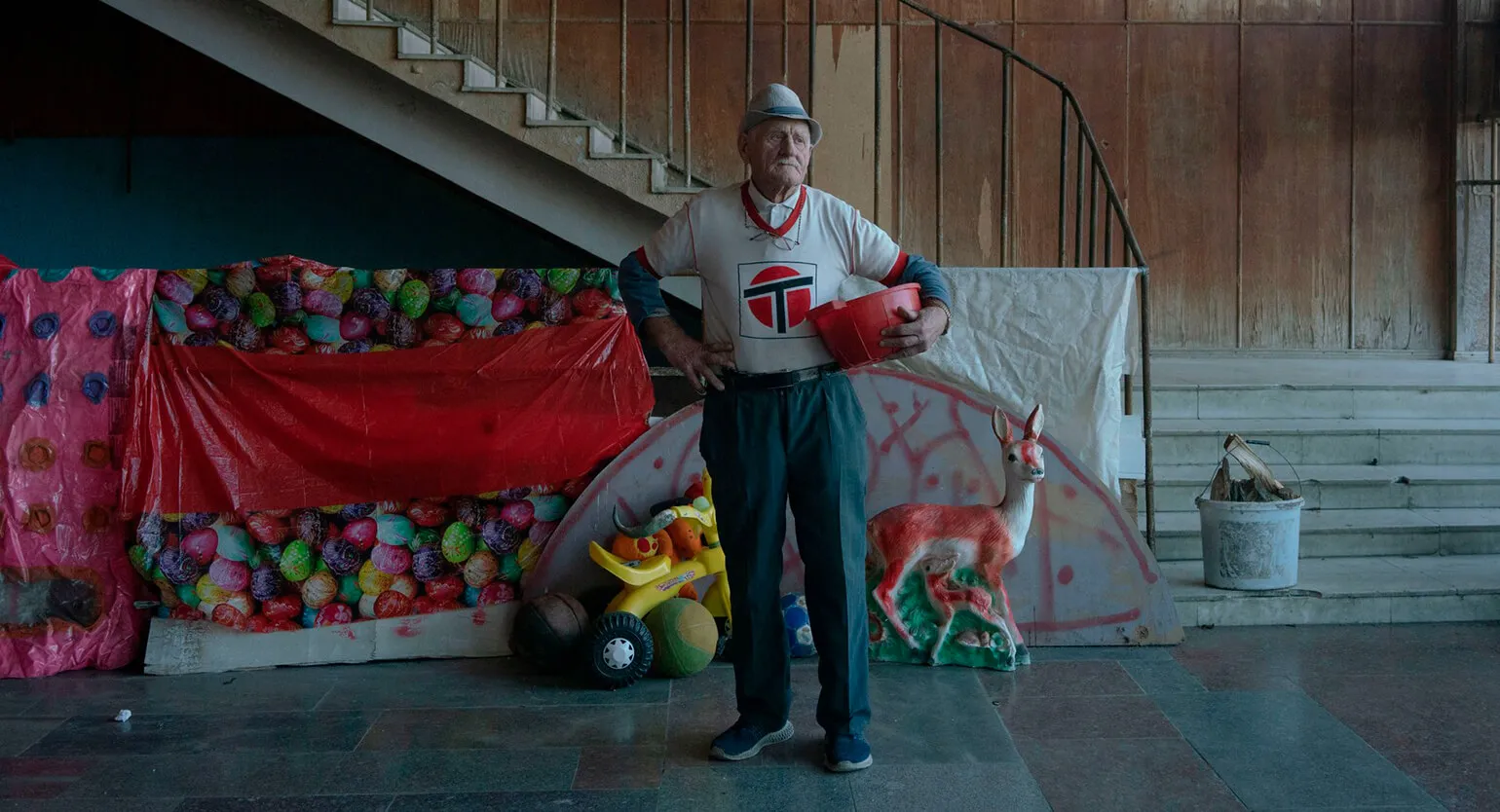
Following the collapse of the USSR, Abkhazia declared its independence from Georgia, sparking hostilities between the republics. Thousands of ethnic Georgians were forced to flee their homes in a hurry, leaving behind everything they held dear. Many found temporary refuge in former sanatoriums built during the Stalin era. These events left a deep mark on the region's history and shaped new realities for the local population. The conflict also raised issues of human rights and humanitarian aid, requiring attention from the international community.
Georgian authorities have still not provided housing for a significant portion of the refugees, and 30 years later, many continue to live in dilapidated conditions. Most of the displaced are over 60 years old and express a desire to return to their homes in Abkhazia. They fear they will not have time to fulfill their plans to return.
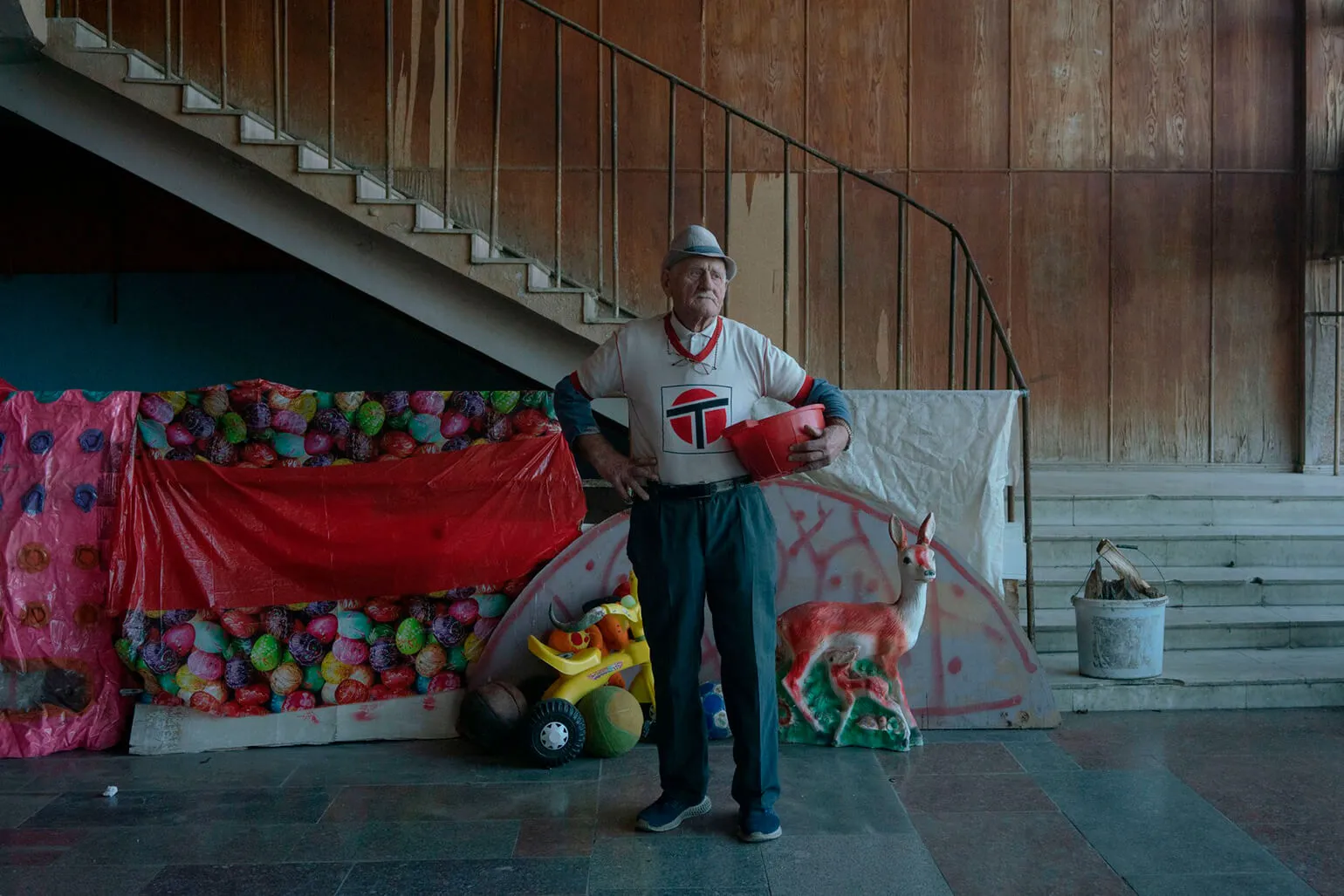
Yuri Chakvetadze is in the lobby of the former Sinatle sanatorium in Tskaltubo. The photograph was taken on January 22, 2023. Yuri is 83 years old, 53 of which he lived in Abkhazia. After the tragic death of his eldest son, Yuri, his wife and youngest son evacuated to Georgia.
Dmitry Ermakov - Award for Outstanding Achievement in the Photographer of the Year, Asia nomination
Documentary photographer and journalist specializing in the study of collective consciousness and personal identity. His professional activity covers the regions of Russia and the countries of the former Soviet Union, where he creates unique projects reflecting the cultural and social aspects of people's lives. In his works, the author seeks to better understand and show how historical and cultural contexts influence the formation of individual and public consciousness.
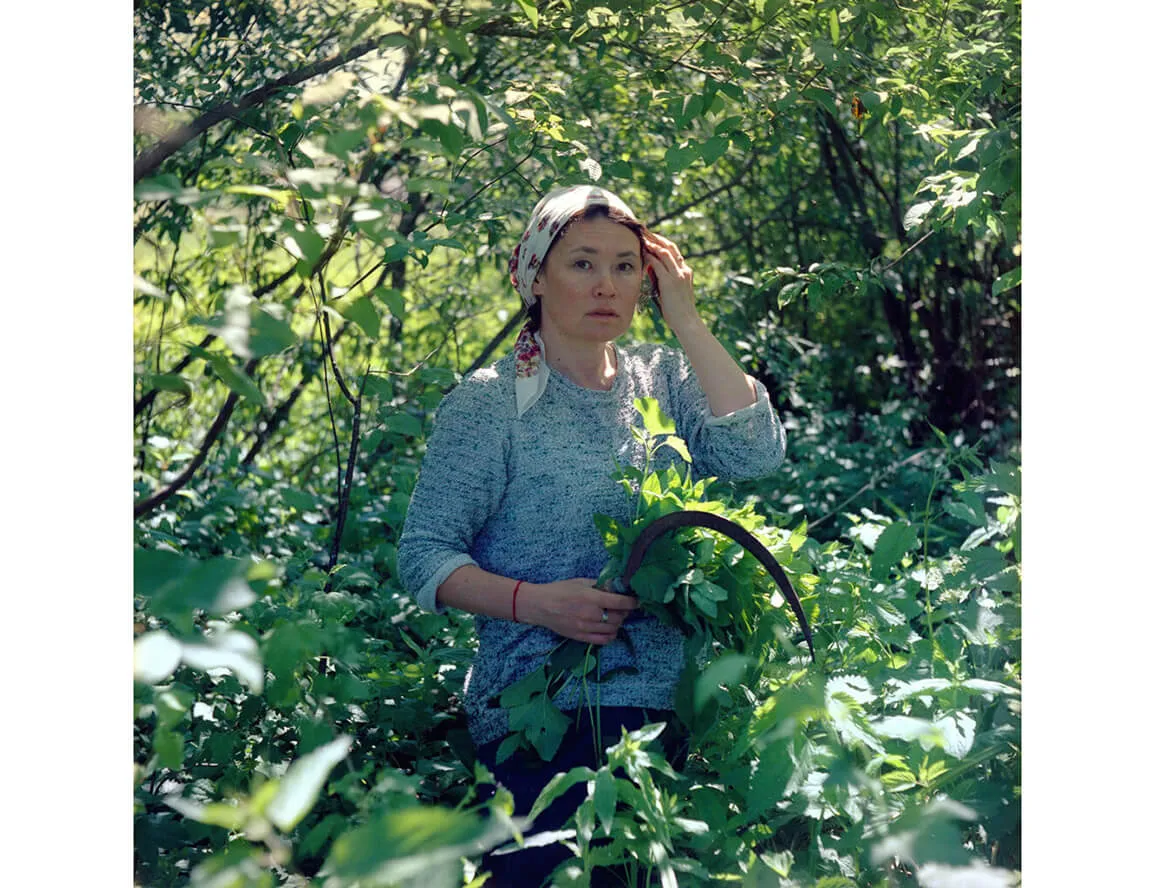
Dmitry headed to the source of the Kama River, to the village of Kuliga, located in the north of the Udmurt Republic. This village was founded by Russian Old Believers. The surrounding area is also home to the Besermyans, who have preserved pagan beliefs with elements of Zoroastrian traditions. The Udmurts in this region practice dual faith, combining church attendance with rituals in sacred groves. Furthermore, this region is home to the northernmost Tatar settlements in the world, making it unique from a cultural and historical perspective. Urbanization is leading to the decline of local villages, which in turn contributes to the loss of cultural traditions among ethnic groups. Population decline in rural areas negatively impacts the preservation of unique customs and knowledge passed down from generation to generation. As a result, not only the traditional way of life is disappearing, but also the cultural heritage is being lost, which requires attention from society and the state for its protection and revival.
Astrakhan, one of the oldest cities in Russia, offers a unique setting for exploring the country's "Eurasian cultural code." Over the past 500 years, this cosmopolitan city has become home to more than one hundred ethnic groups, creating a unique atmosphere at the crossroads of Europe and Asia. Slavic and Asian traditions coexist harmoniously in Astrakhan, creating a rich cultural heritage. Remarkably, ethnic conflicts are virtually absent in this multinational city, something many researchers call the "Astrakhan paradox." This makes Astrakhan an important site for studying cultural interaction and the coexistence of various ethnic groups.
After the collapse of the USSR, the city lost its importance as a port and experienced a significant outflow of population. The city's architecture clearly illustrates these changes: numerous historic merchant buildings can be seen here, but their condition leaves much to be desired. Political scientists predict the development of Eurasian economic ties in Russia, and local residents hope that life in the city will soon begin to flourish again. Restoring historic buildings and attracting investment can be key factors in reviving the city and its economy.
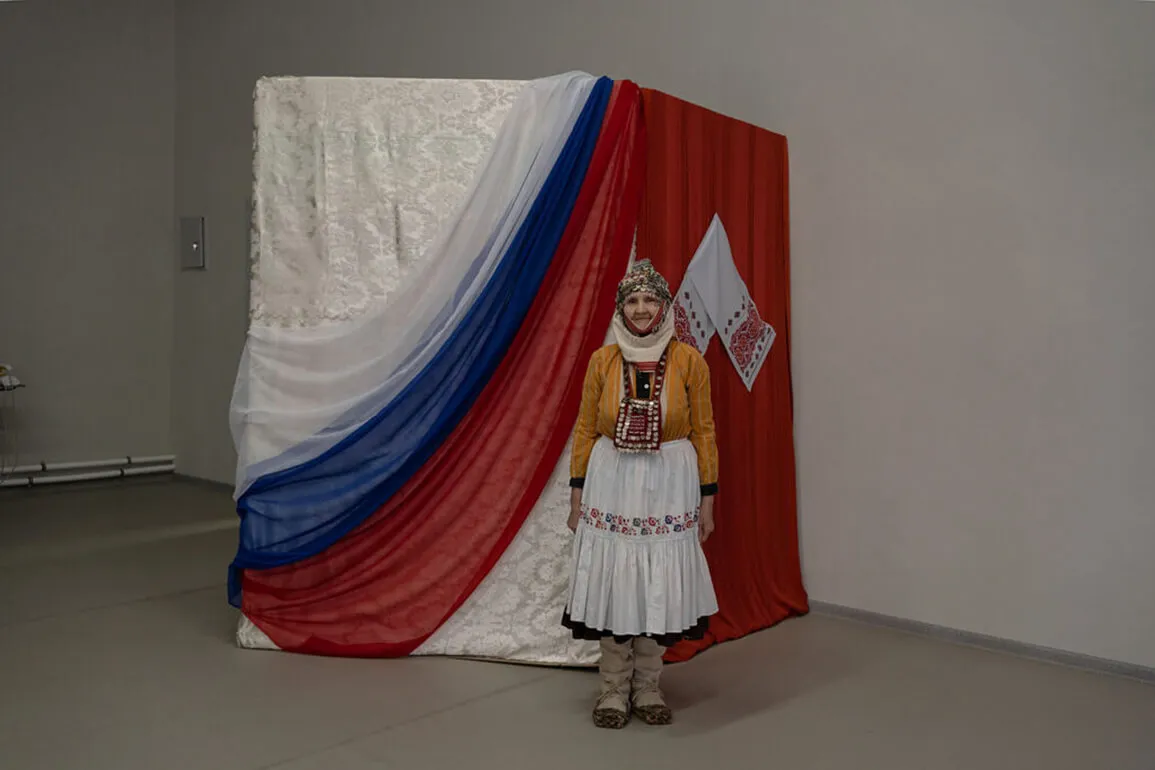
Ksenia Maksimova - Award for Outstanding Achievement in the "Cultural Practices" Category. An independent documentary photographer and photojournalist originally from Cheboksary, she currently lives and works in St. Petersburg and the Chuvash Republic. Her work delves deeply into the exploration of traumatic experiences and cultural memory, creating visual narratives that reflect the complex aspects of human existence. She strives to capture unique moments and stories that foster understanding and reflection on historical and cultural identity. Prior to the forced Christianization and Russification of the Chuvash in the 17th century, the Chuvash professed a pagan faith. However, some representatives of this people managed to preserve their religious traditions. Seeking refuge from persecution by the Russian authorities, they left their homelands and found refuge in remote towns and villages. One such refuge was the village of Starogankino in the Samara region, where the Chuvash continued to practice their rituals and preserve cultural values. Starogankino is home to 715 people, 50-60 of whom practice the traditional Chuvash faith. The prayers and rituals of this faith are preserved in memory and passed down from generation to generation. The Chuvash of Starogankin perform burial rites and commemorations of their ancestors, demonstrating a deep respect for their roots. Elements of ancient faith permeate their daily lives, enriching the region's cultural heritage and strengthening ties to tradition.
Masha Chudnaya is a finalist in the "Analytical Photo Essay" category.
A documentary photographer from St. Petersburg, originally from the Altai Territory. She specializes in creating documentary photographs that capture unique moments and human stories. Her work immerses viewers in the atmosphere of events captured on film and tells about life in different parts of Russia.
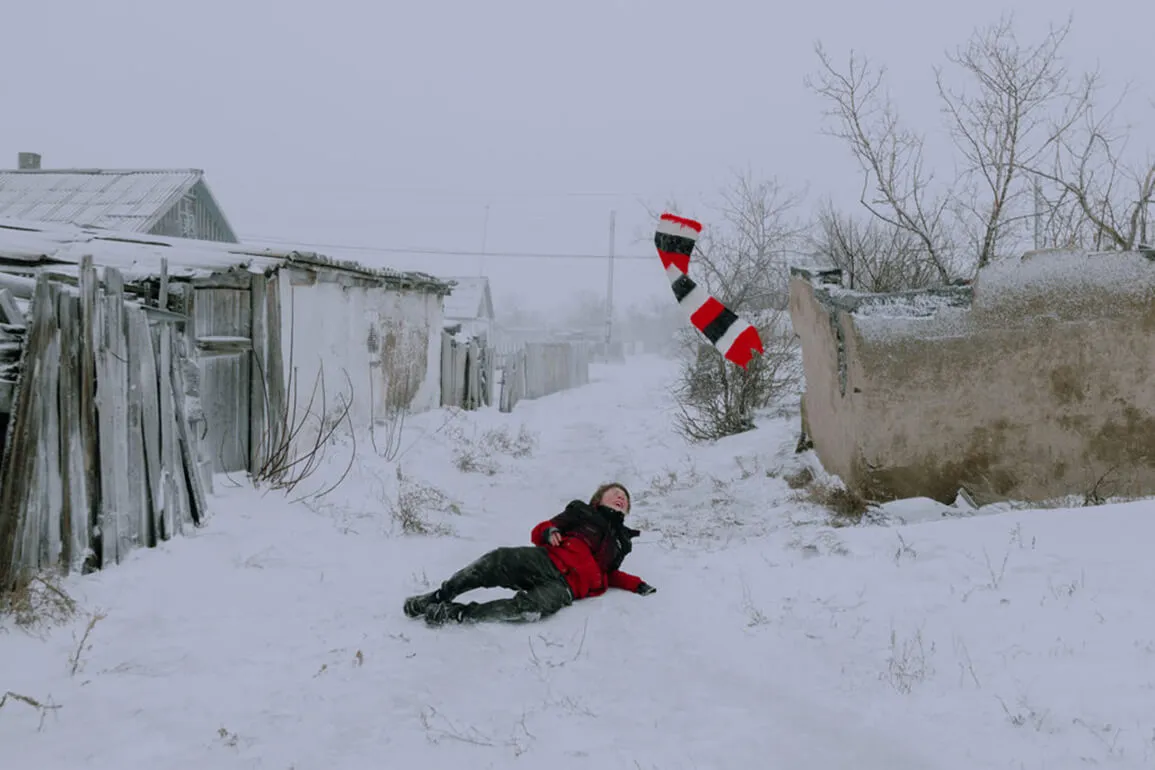
Since 2012, residents of the village of Kalachi and the neighboring mining ghost town of Krasnogorsk in Kazakhstan have been experiencing a mysterious state resembling deep sleep. This state can last from several days to weeks. During this time, some residents continue to carry out their daily activities, unaware of their activity. Most people lose consciousness or enter a state of delirium. After emerging from this "sleep," no one can remember what happened to them during this time.
The most common theory explaining this phenomenon is periodic emissions of carbon and carbon monoxide from abandoned uranium mines located several kilometers from populated areas. Local residents have long reported "attacks." However, in 2016, these phenomena suddenly ceased for no apparent reason.
More than eight years have passed since this unusual story ended, yet there remains no official or scientifically proven explanation for the "dream." Most of the residents who experienced this have fled their village. Currently, about a hundred people live in Kalachi and Krasnogorsk. Masha Chudnaya's project is dedicated to those who remained and continue to live in this unique place.
Maxim Babenko — Finalist in the Analytical Photo Essay category.
Born in the North Caucasus, Maxim completed his photography studies at the Spéos School in Paris, France, in 2015. He specializes in documentary photography and covers crisis events in Russia, Ukraine, the United States, as well as the Middle East, Asia, Africa, and the Balkans. His work focuses on social and political issues, providing a deep and penetrating perspective on current world events.
Maxim traveled over 7,000 kilometers across Russia to capture how life in the country has changed since February 24, 2022. Documenting historical moments is important to the photographer, and this series of works reflects the degree of "militarization" of modern society. By capturing reality, Maxim sought to imagine how society will develop in the near future. His photographs serve not only as visual evidence but also as an important source for analyzing current changes in people's lives.
Igor Skabelin — First Place in the Analytical Photo Report category.
A documentary photographer from Russia, based in Moscow, explores current social issues. In his projects, he focuses on social inequality, human rights, and political and civic activism. His work reflects a profound analysis of contemporary reality and a desire to draw attention to important social issues.
The Criminal Code of the Russian Federation does not have a separate article devoted to torture. Instead, Article 286, which concerns abuse of office, applies. This article can be applied to civil servants, including law enforcement officers, in cases where they use or threaten violence, as well as cause serious harm to the health of citizens. Thus, issues related to torture are regulated through more general rules, which can hinder the effective prosecution of offenders.
The punishment under this article can be up to 15 years in prison. However, according to the human rights organization "Team Against Torture," which is recognized as a foreign agent in Russia, the average prison term for those convicted under this article is only 3.5 years. Moreover, 43% of them receive suspended sentences, highlighting significant discrepancies between the law and the actual practice of the judicial system.
Igor Skabelin's photographs feature staged shots of objects mentioned in criminal case files and testimonies of victims of violence perpetrated by state officials, primarily police officers. These objects, used as instruments of torture, are placed in the context of everyday life, creating a contrast and challenging the viewer to consider the seriousness of the situation. Skabelin's work highlights the importance of acknowledging social justice and human rights, while evoking profound reflection on the consequences of violence and abuse of power.

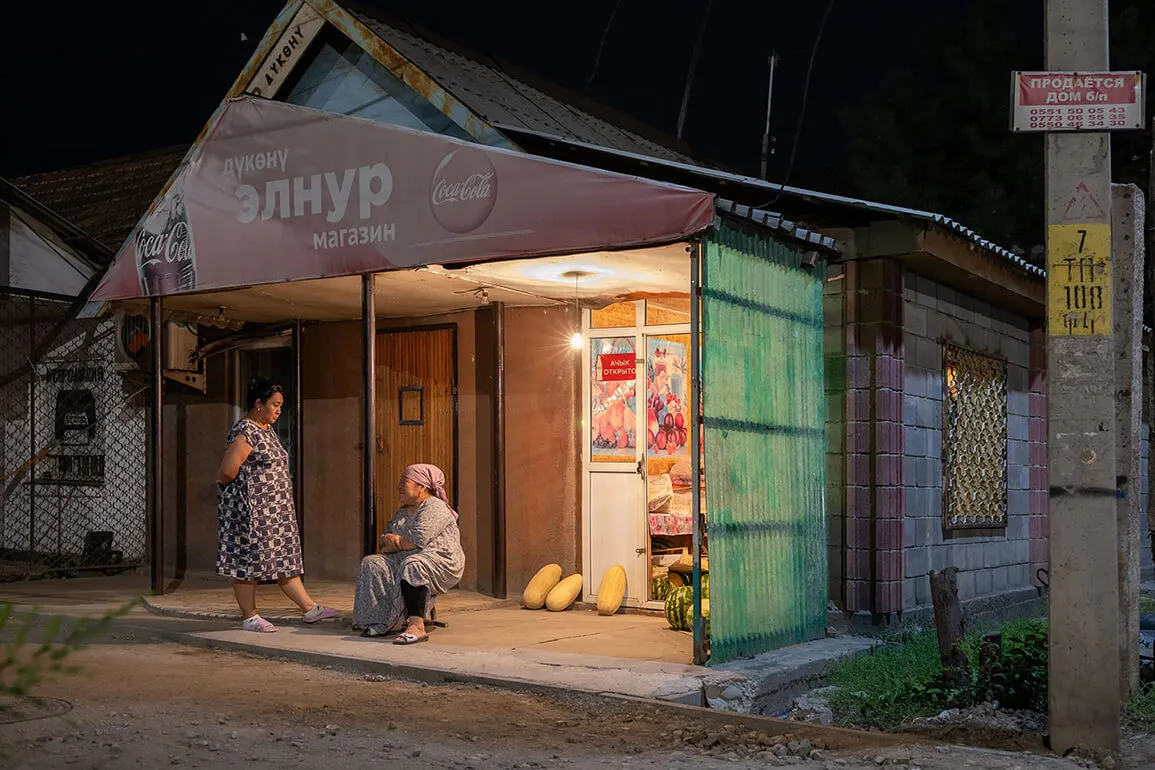
Ilya Denbrov is a finalist in the "Everyday Life" category.
Ilya left commercial photography behind more than ten years ago, focusing on photography as a hobby. He is currently actively working on several long-term projects, including a book about Bishkek, the capital of Kyrgyzstan, where he currently resides. His work captures the unique atmosphere and culture of this city, allowing viewers to gain a deeper understanding of its spirit and characteristics.
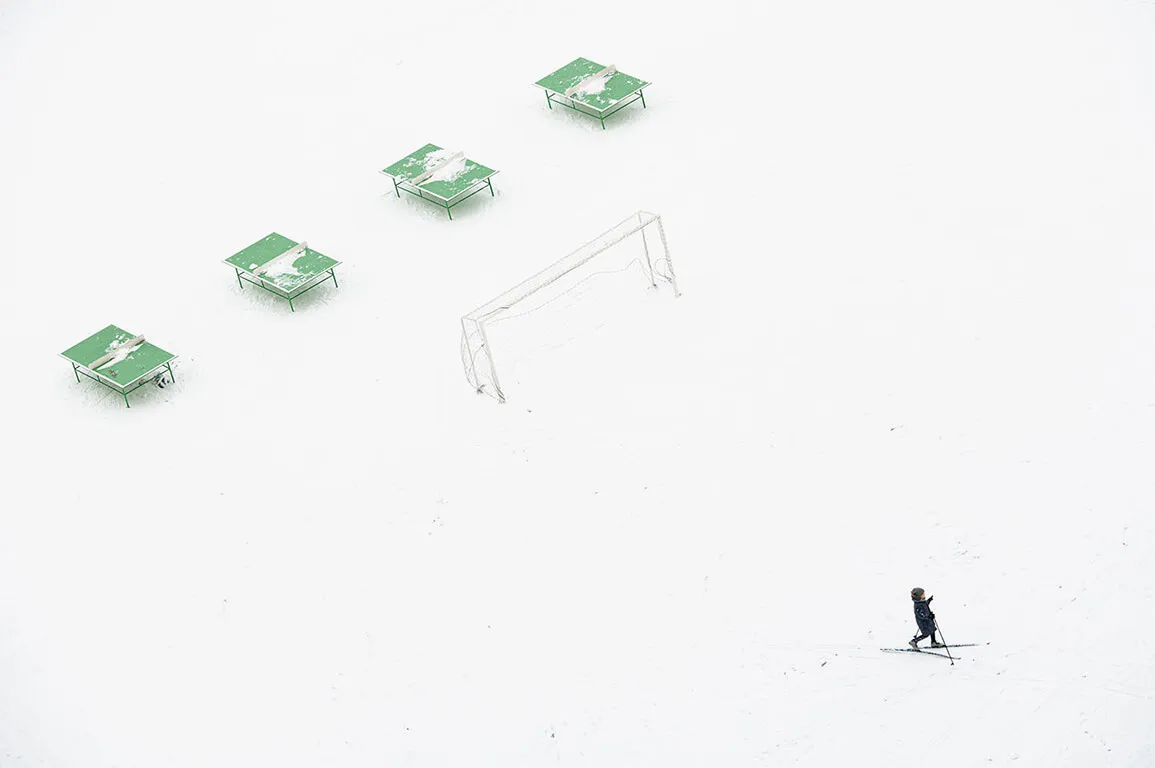
Evgeny Filippov - Award for Outstanding Achievement in the Recreational and Traditional Sports Category
While studying at MAI, Evgeny began photographing extreme sports. Over time, this passion faded into the background, and he switched to photojournalism, focusing on covering public life and current events. This change in focus allowed him to develop the skills necessary to create high-quality and informative photographs that reflect social trends and important moments in society.
Profession Photographer
You will learn to take professional photos from scratch. You will learn how to organize shoots, process frames, manage models and a team. Find your style, build an impressive portfolio, and start making money doing what you love.
Find out more