Contents:
András Bánkuti
In the Harry Potter universe, András, or Andrei, Bánkuti could be called a half-breed. This famous Hungarian photojournalist and editor has Russian roots on his mother's side. His parents met as students in Leningrad, and soon after, the family of young professionals moved to Budapest, where András was born. Russian became his second native language, and sometimes, after summer holidays in a Russian village, his first. Thus, his unique cultural heritage and bilingualism enriched his life experience and professional career.
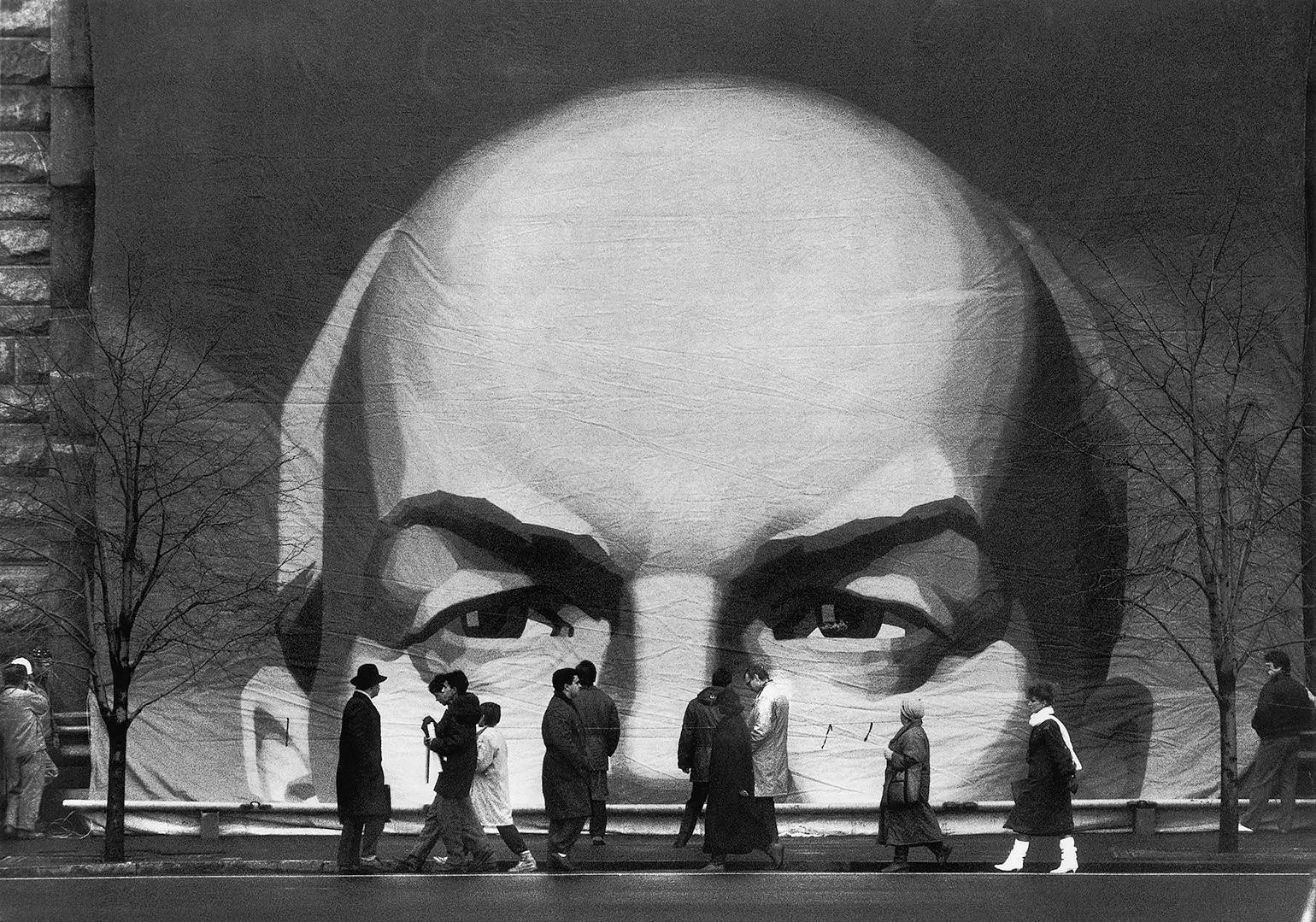
Bankuti began his career in socialist Hungary in the late 1970s. In the 1990s, when the country needed coverage of changes, his photographs were published in such respected international publications as The New York Times. Bankuti's career resembles that of Igor Gavrilov in Russia: political systems come and go, but photojournalists who can capture the essence of events in a single frame, show the contrasts between poverty and wealth, and capture political conflicts remain in demand. Their ability to convey the atmosphere of a place, the light, and the magnetism of a moment makes their work indispensable in any era.
Like Gavrilov, Bankuti was not only an outstanding photographer with a unique perspective but also a valuable contributor to the photo service of a major national publication. In the 1990s, he was part of the group of Hungarian presidential photographers and even then made trips to Russia during official visits. Bankuti's work in Moscow and other regions in the 1990s demonstrates how photography can capture the spirit of the times, while stylistically drawing on elements of previous periods and preserving the visual "genetic code" of several eras. His work exemplifies a synthesis of various artistic movements, which makes his work relevant today.
András Fekete
András, like his older colleague, spent his childhood summers in Russia with his grandmother. In the late 1990s, he decided to leave his career as an anthropologist and linguist to devote himself to photography. His excellent command of Russian and deep knowledge of local traditions opened many opportunities for the young, charming Hungarian. He was likely the first person to travel by train across Russia from west to east, creating black-and-white travelogues that later became a popular trend in the 2000s. After András, this route was travelled by such famous authors as the Dane Jacob Sobol and other photographers from Poland, Germany and Japan. At that time, he was a pioneer in this direction.
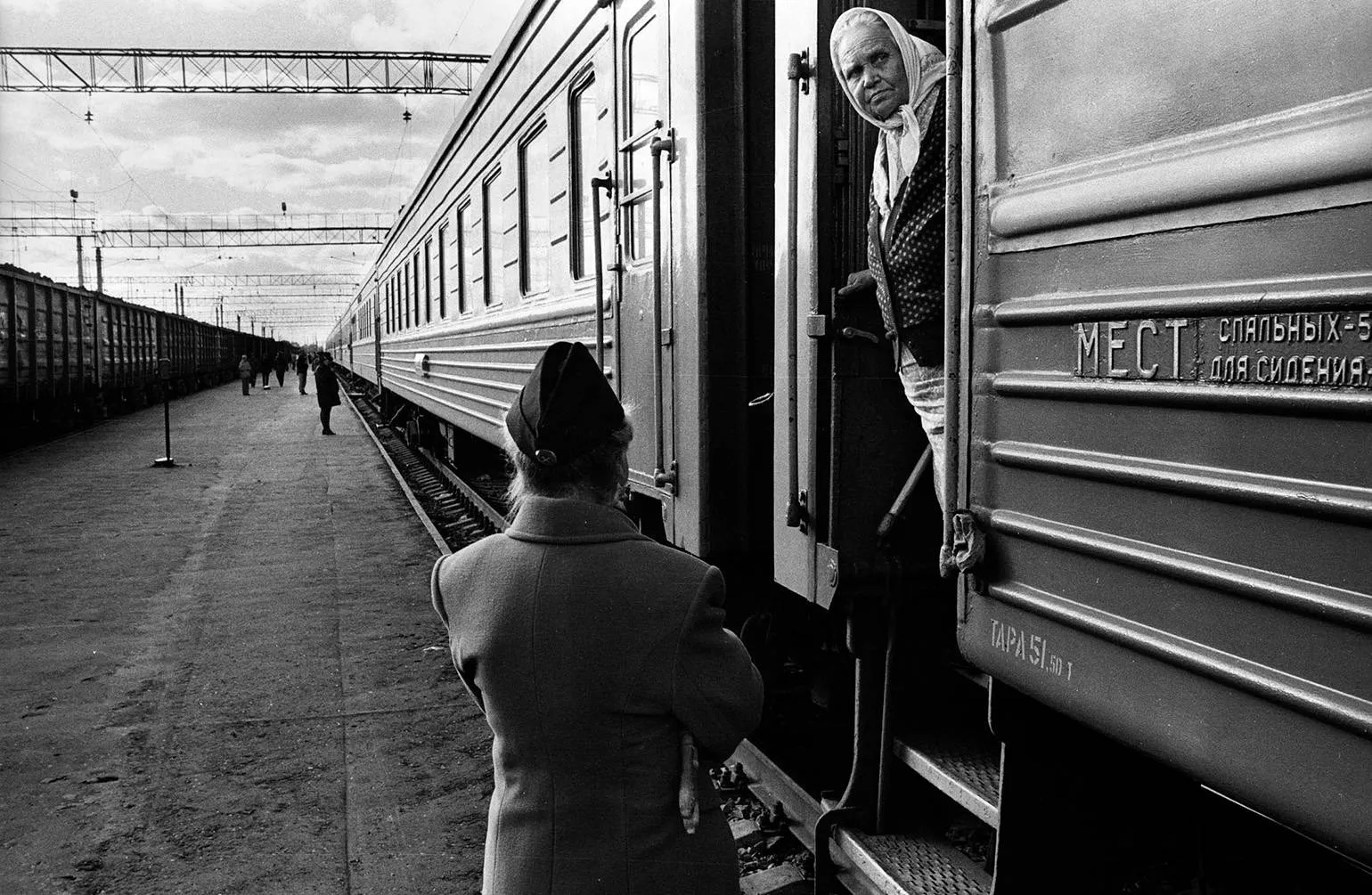
The photograph on the road presented by Fekete may seem naive and simple, but in its time it created a real sensation in the world of photography. Outside of Russia, foreign viewers saw the country not only through the prism of crime, which had become a common image in the 1990s on the pages of European and American publications. Meanwhile, the Russian public was surprised that a bold foreigner had captured moments that no other Russian photographer, including András's peers and more experienced colleagues, had been able to capture. Fekete's unique approach opened new horizons in the perception of Russian reality and became an important contribution to the development of documentary photography.
Anthony Swaw
In the early 1990s, Anthony Swaw had not yet won a Pulitzer Prize or a Golden Eye award from World Press Photo, but his arrival in Moscow as a photographer for Time magazine was a significant event. Svo arrived to document the war in Chechnya, which began with the introduction of Russian troops in December 1994. Unlike many of his foreign colleagues, he covered the conflict from the Russian side, which required not only a highly organized workflow and political acumen from his fixer, but also Svo's own unique approach. Behind the outwardly cold nature of his photographs, he concealed a commitment to journalistic objectivity. During this period, the work of a photographer who shot from the “other side” often found itself on the front pages of the foreign press faster, underscoring the importance of their unique perspective in covering the conflict.
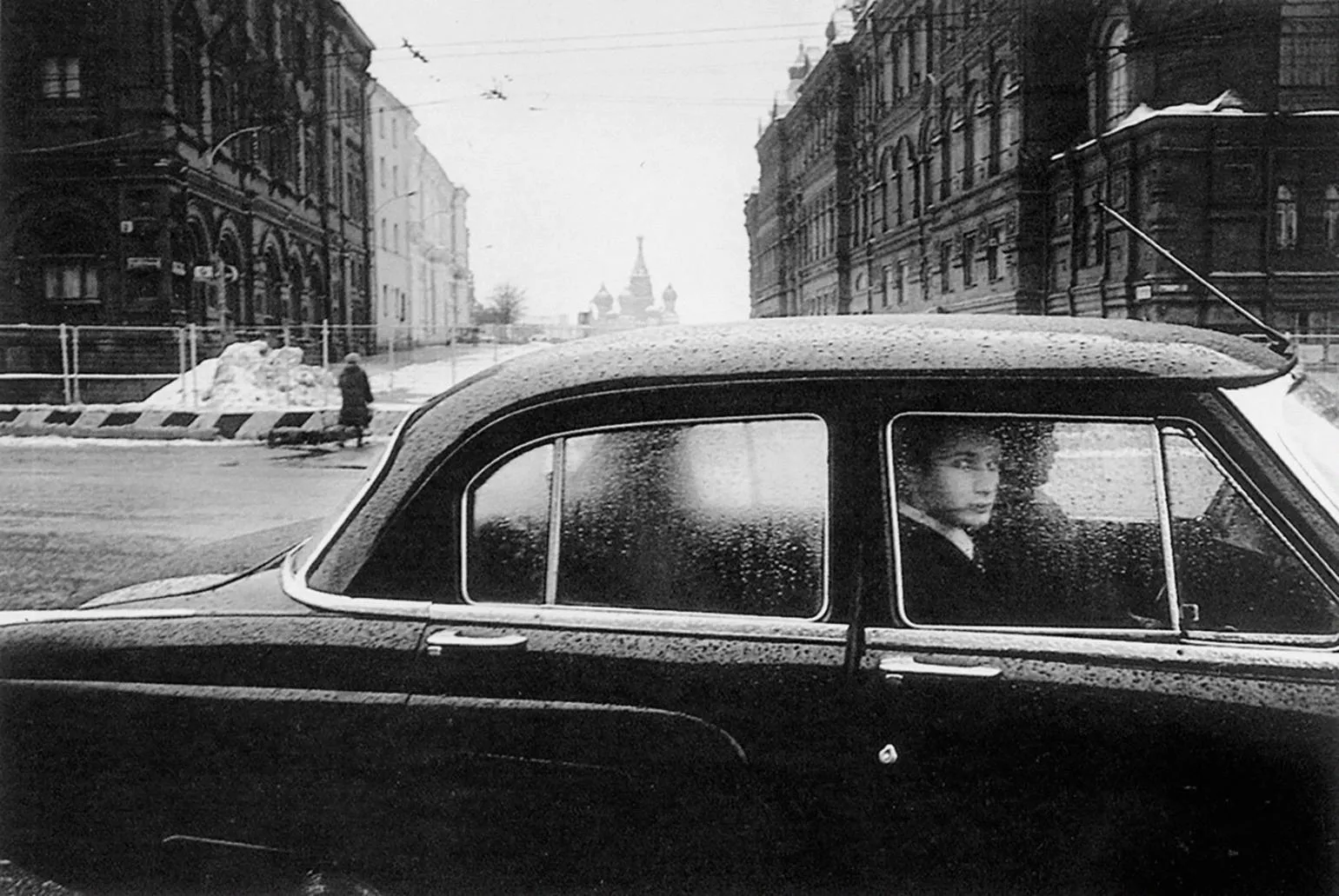
Tony's photographs from 1990s Russia represent the brutal romance of the decade, captured in vivid moments. They show a lone victim of a gang shootout on a Moscow street at dawn, dates by the sea in Novorossiysk, and stylish young people with their accessories in Krasnodar. These images were taken as part of the unique project "Russia through the Eyes of Russian and Foreign Photographers" by the Moscow House of Photography, which offered a glimpse into the country through the prism of various visual narratives.
The first exhibition of digital journalistic photography created in Russia took place thanks to Tony and his solo show at the Manege in the early 2000s. This exhibition became a landmark event in the world of art and media production, showcasing unique approaches to photography and reporting using digital technology. Tony has made a significant contribution to the development of digital journalism, opening new horizons for photographers and audiences.
Thomas Dvorak
Thomas Dvorak is one of the leading photographers of our time. He has achieved significant recognition in the professional community since becoming the Director of Magnum Photos. This appointment reflects his outstanding contribution to the world of photography and confirms his status in the industry.
The results of his photographic work in Russia in the 1990s formed the basis of the photojournalist's impeccable reputation. This reputation was strengthened by Dvořák's critical stance toward the Russian state, which does not prevent him from maintaining friendly relations with Russian photographers and admiring the rich Russian culture.
"Klaas's Ashes Knock on the Heart" reflects the composer Antonín Dvořák's complex relationship with the country in which he lived and worked for a long time. This perception is reminiscent of the Czech Josef Koudelka's feelings toward Russia. The break with his native country, which had become a chessboard in a geopolitical game, becomes unforgivable for him. In this context, Russia is perceived as the culprit of many disasters. While for Koudelka this is a personal experience, Dvořák experiences a birth trauma connected to the history of his ancestors—Polish patriots who resisted the tsarist rule of the Russian Empire and were forced to leave their homeland in the 19th century. These historical events shape their perception of identity and attitudes toward statehood.
Tomas Dvorak was the first photographer to document the history of the Russian annexation of the Caucasus territories and the changing way of life in the region from the perspective of local peoples. His work is a significant example of media pluralism and democracy in Russia in the 1990s, when critical journalists were able to freely express their views. This demonstrates the importance of diversity of opinion in covering historical events and emphasizes the role of photography as a means of documenting and analyzing social change.
Some discuss the work of Dvorak and other foreign photographers who documented criticism of Russia in the 1990s as a manifestation of the weakness of our state. However, this is untrue. The right to criticize is a sign of strength, objectivity, and the ability to introspect. From negative and emotionally charged materials, important elements of rational criticism can be extracted and used to improve the situation. This approach promotes a deeper understanding of both historical events and modern times, and helps identify problems and find solutions.
Stanley Greene
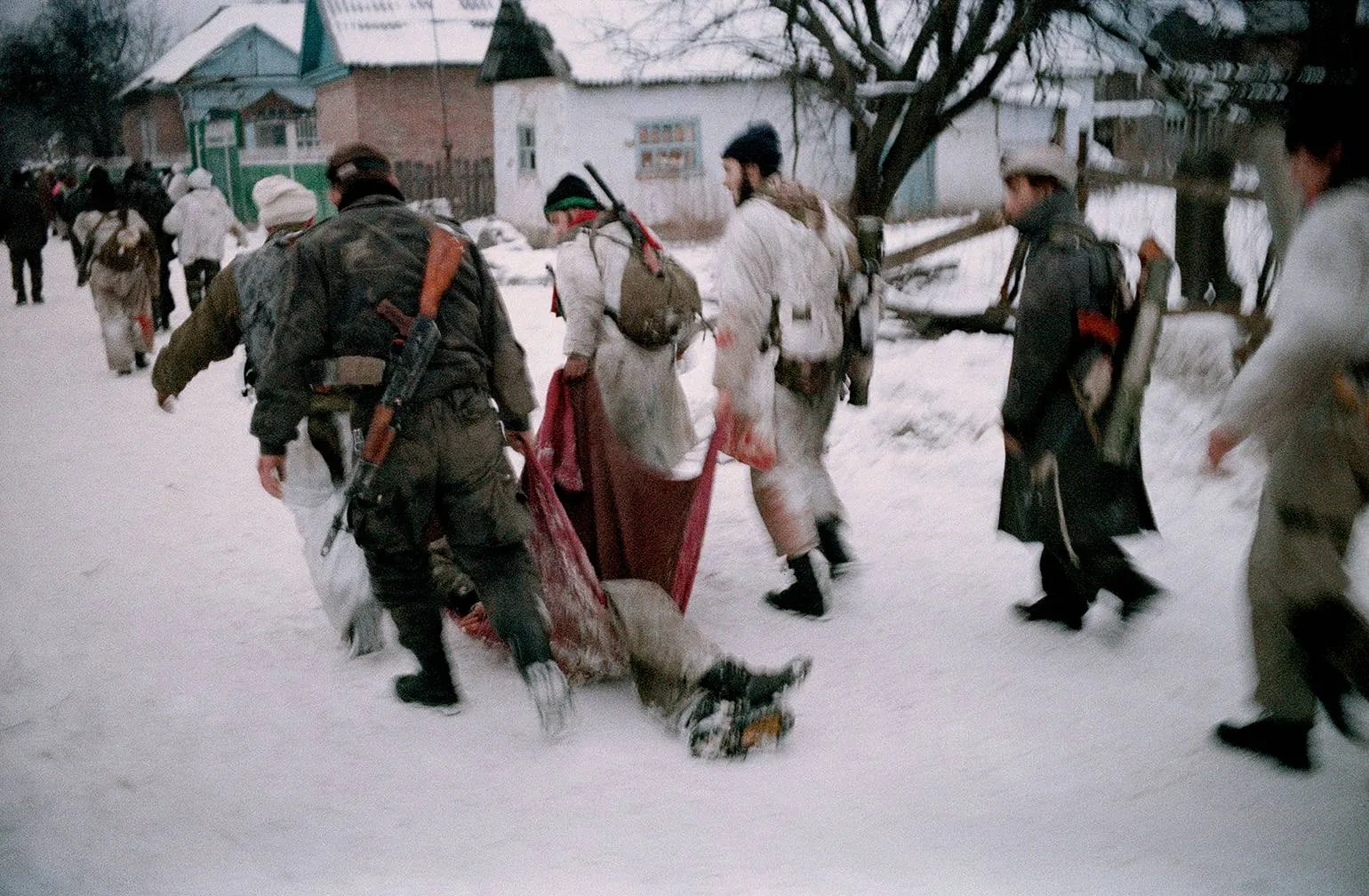
Since Stanley Greene's death, it seems that a film based on his remarkable biography, chronicled in the book of photographs he began compiling during his lifetime, "Black Passport," is about to be released. I can't recall if the book contains the episode about Greene and his translator being captured by field commanders in Chechnya, but few of his interlocutors, meeting the dark-skinned playboy in Moscow clubs, could have guessed that they were talking to a war photojournalist and former active member of the Black Panther movement in New York. Stanley Greene's story is not only action-packed events, but also a profound look at the world through a camera lens that left an unforgettable mark on documentary photography.
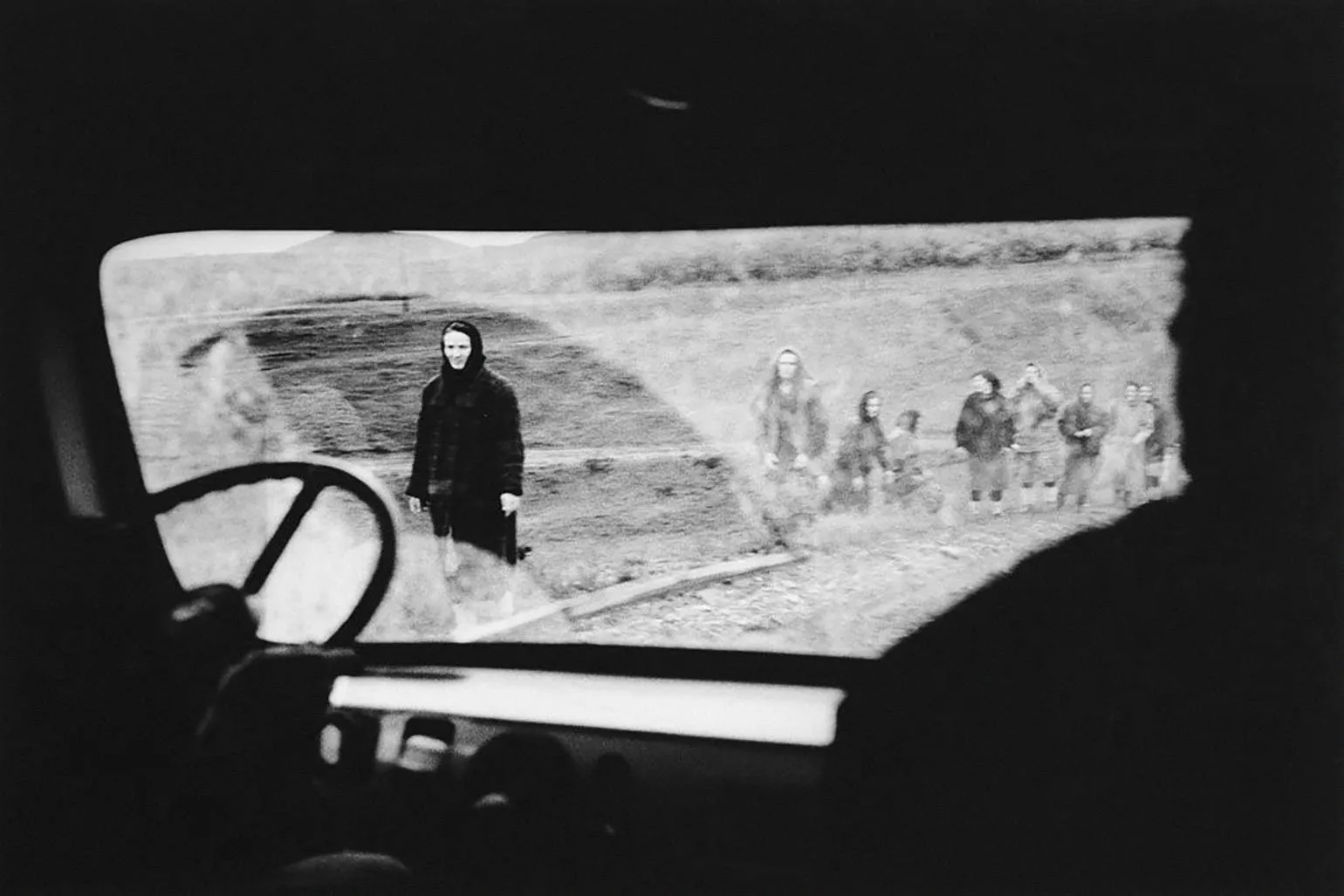
Between these two important stages in his life, Stanley successfully built a career in the Paris fashion industry, making his participation in Moscow fashion shows of the 1990s a natural progression. He perceived beauty in the combination of fashion and the performing arts, as well as in the mystery of the backstage, unlike his fellow journalists, who viewed Russian fashion as merely an attribute of the social life of the new Russians, rather than a fully-fledged art form. Stanley Greene became a mentor to Moscow fashion photographers, demonstrating that fashion is not just glossy studio shots but also a captivating reportage of reality, no less interesting than staged work. His approach helped change the perception of fashion in Russia, emphasizing its depth and diversity.
Jason Ashkenazy
Jason Ashkenazy has worked in Russia for a long time, documenting various aspects of life. His work covers everything from everyday life and portraiture to military conflicts and street photography. For me, Ashkenazy symbolizes not only the image of Russia in the 1990s captured in his work, but also the significant contribution he made to the development of Russian photography. His unique perspective and skill helped draw attention to the Russian photography scene and inspired many photographers.
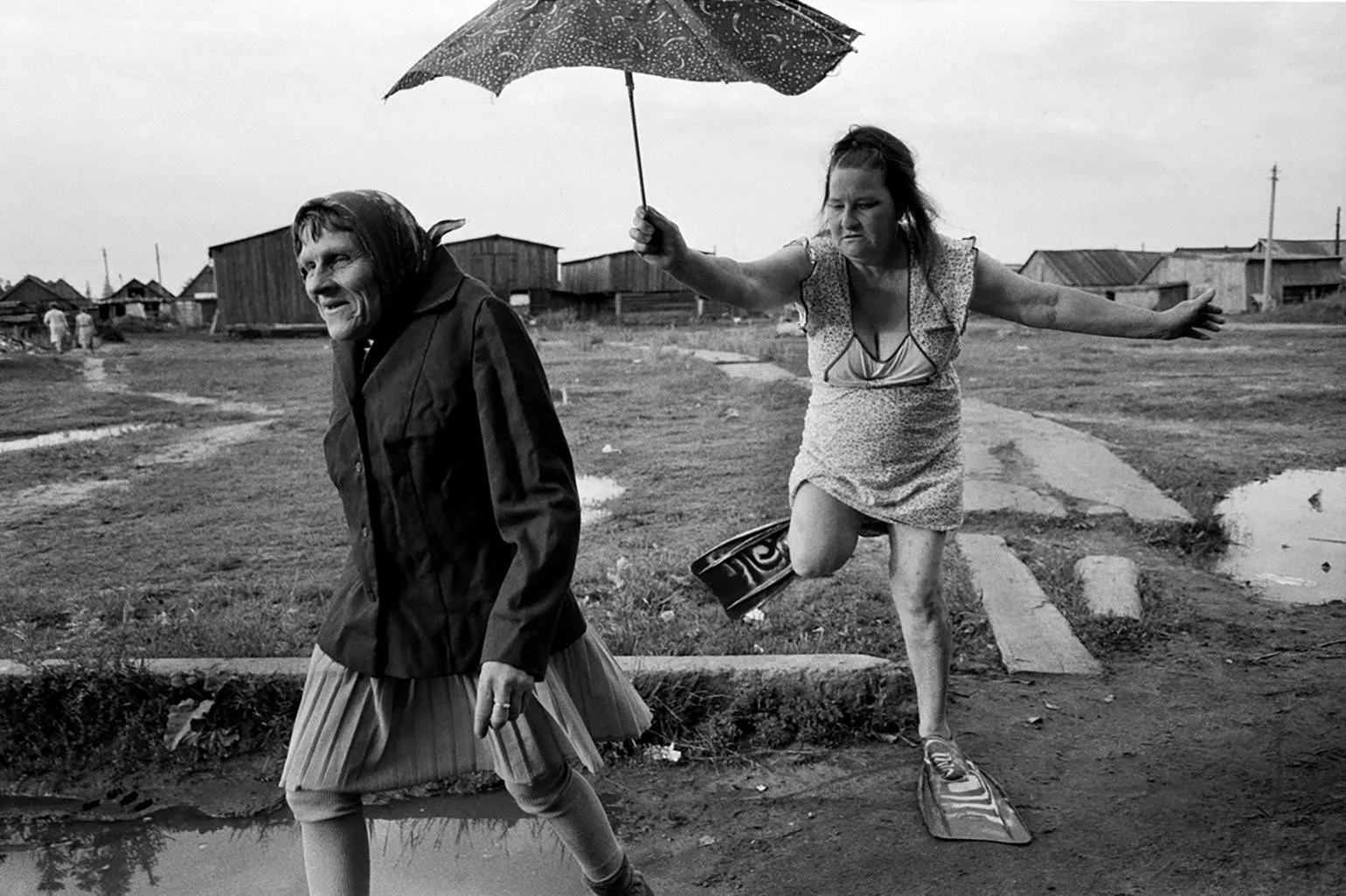
In the late 1980s, The Washington Post journalist Lushen Perkins and Freelancer Bill Swersey documented the perestroika process in the USSR and subsequently founded the InterFoto festival in Moscow. This festival became the first independent international event for photographers in Russia, opening its doors not only to photojournalists but also to anyone interested in photography. Ashkenazi, Perkins, and other colleagues actively promoted Russian photographers on the global stage, which was an important step in developing cultural exchange and supporting creative initiatives. This project became a symbol of solidarity in the professional community and contributed to the development of photographic art in Russia. When Jason prepared a presentation to the Eugene Smith Foundation committee, and Russian photographer Vladimir Semin received a grant, it seemed entirely natural: Semin is an outstanding photographer, and the grant serves as recognition of his talent. However, without American colleagues who embraced Russian photographers on an equal footing, and without guides like Ashkenazi, who pointed out great but little-known artists outside of Russia, the success of Semin and others would not have been possible. It's important to note that international collaboration in photography promotes the dissemination of unique artistic visions and cultural perspectives, enriching both domestic and international communities. Ashkenazi, even after leaving Russia, continued his work as a cultural ambassador. Several years ago, he chose Alexander Slusarev as the main photographer for his photographic zine, Dog Food. For an American living in Istanbul, finding the contacts of the Russian master's archive and bringing this publication to fruition was a real achievement. Without the foreign photographers who captured Russia and represented its talents on the world stage, the country's photographic landscape would be completely different.
Hans-Jürgen Burkard
Hans-Jürgen Burkard occupies an important place in the history of photography, particularly in the context of Russia in the 1990s. He was one of the co-directors of the Moscow bureau of the German illustrated magazine Stern and became famous for his photographs that revealed the truth about the Soviet system. At the turn of the 1980s and 1990s, his work drew attention to the harsh living conditions, documenting the realities of prisons, psychiatric hospitals, and the everyday disenfranchisement of people at the bottom of society, such as the homeless and street children. Burkard's photographs became emblematic of the tragic changes occurring in the country during this period, helping viewers to see social problems that had long remained hidden.
Stern presented a special portfolio of Burkard, who found himself on par with such names as Helmut Newton, Karl Lagerfeld, and Cindy Sherman. The publication planned a book that would include not only Hans-Jürgen's vibrant color photographs but also texts about Russia by writers of the perestroika generation and émigrés. However, the project never took off. A scandal erupted as a result: it was revealed that the photographer had paid models for his participation, and some of the shots were shot with actors who were just extras. This incident raises important questions about the ethics of photography and how images are created in the contemporary media landscape.
In the world of photography and journalism, the reputations of many who had recently supported Burkard are at risk. The scandal was hushed up, and while the professional community remains tainted by the author's name, the photographs that have already been published continue to shock viewers, revealing the dire realities of life in Russia during a period of change. These images evoke powerful emotions and provoke reflection on the complex and contradictory aspects of modernity.
The text we are considering raises important questions about the state of society during a period of power and economic crisis. While problems such as homelessness and poverty may have existed in the country, and prisons were in disarray, this does not negate the importance of historical reconstructions and eyewitness accounts. Critics of Soviet photojournalism from the 1930s to 1970s questioned the veracity of their work, and these questions are also relevant to Western journalism. The tools used to convey information can distort the perception of reality. It is important to note Burkard's organizational skills, his skill as a director and cameraman. He is a true Munchausen and a one-man band, talentedly combining different aspects of art and journalism.
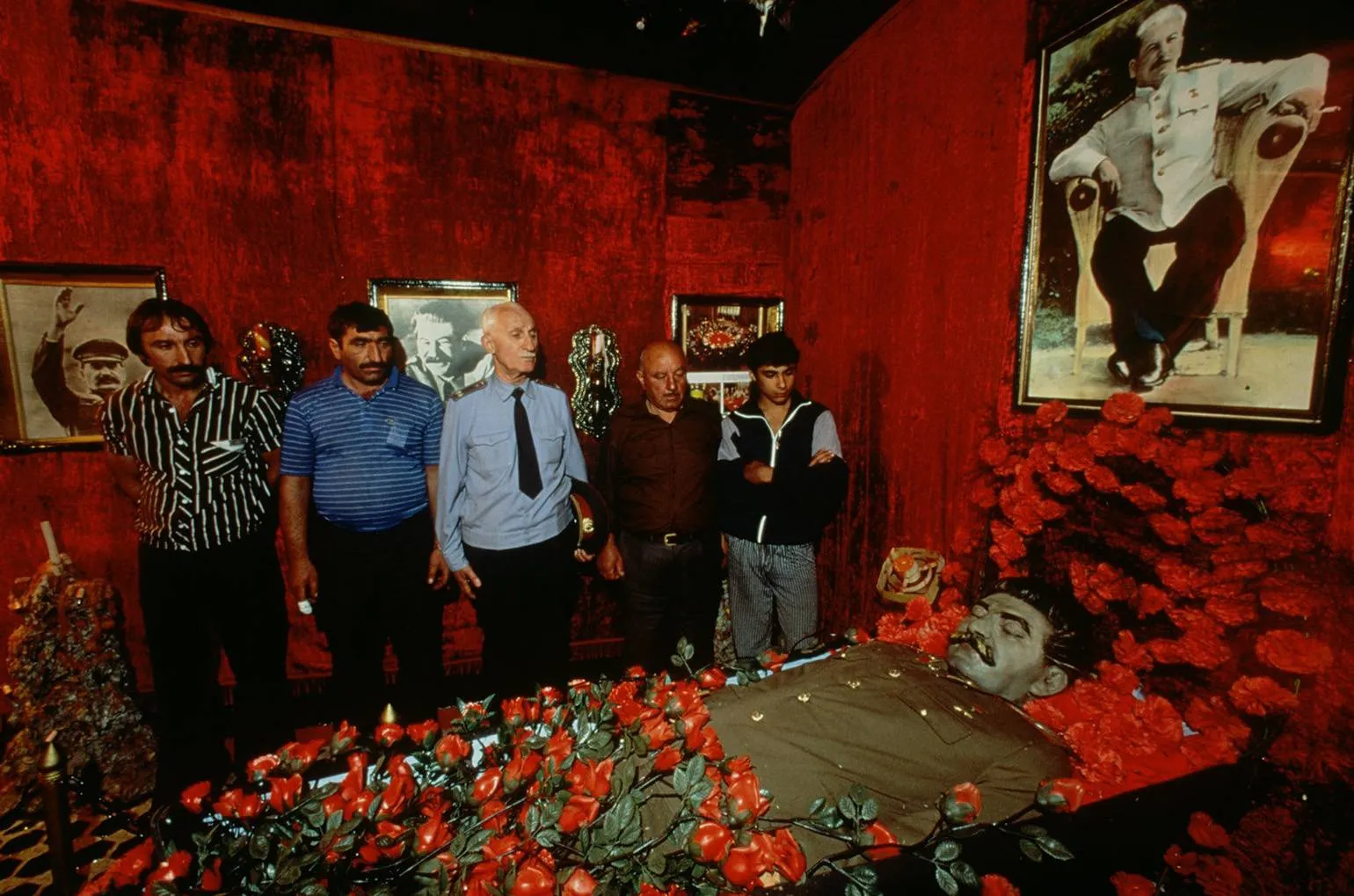
William Broomfield
In the 1990s, William Broomfield became one of the most prominent foreign photographers in Russia who was not associated with journalism. He is an architectural historian and his photographs made a significant contribution to the popularization of the Russian North. Broomfield's work has been displayed at the residence of the American ambassador in Moscow, as well as at small American universities, each of which has at least one gallery or even a full-fledged museum. His unique perspective on the architectural and natural landscapes of Russia has become an important element of cultural exchange between the countries.
For many years, Broomfield successfully combined scientific research and photography, and also held a high position at the US Library of Congress. It is to him that we owe Prokudin-Gorsky's worldwide fame. Brumfield organized the first international symposiums in Washington dedicated to the Russian photographer's archive, which was housed in the collection of the main American library. Before Brumfield's arrival, this archive had been neglected for nearly forty years.
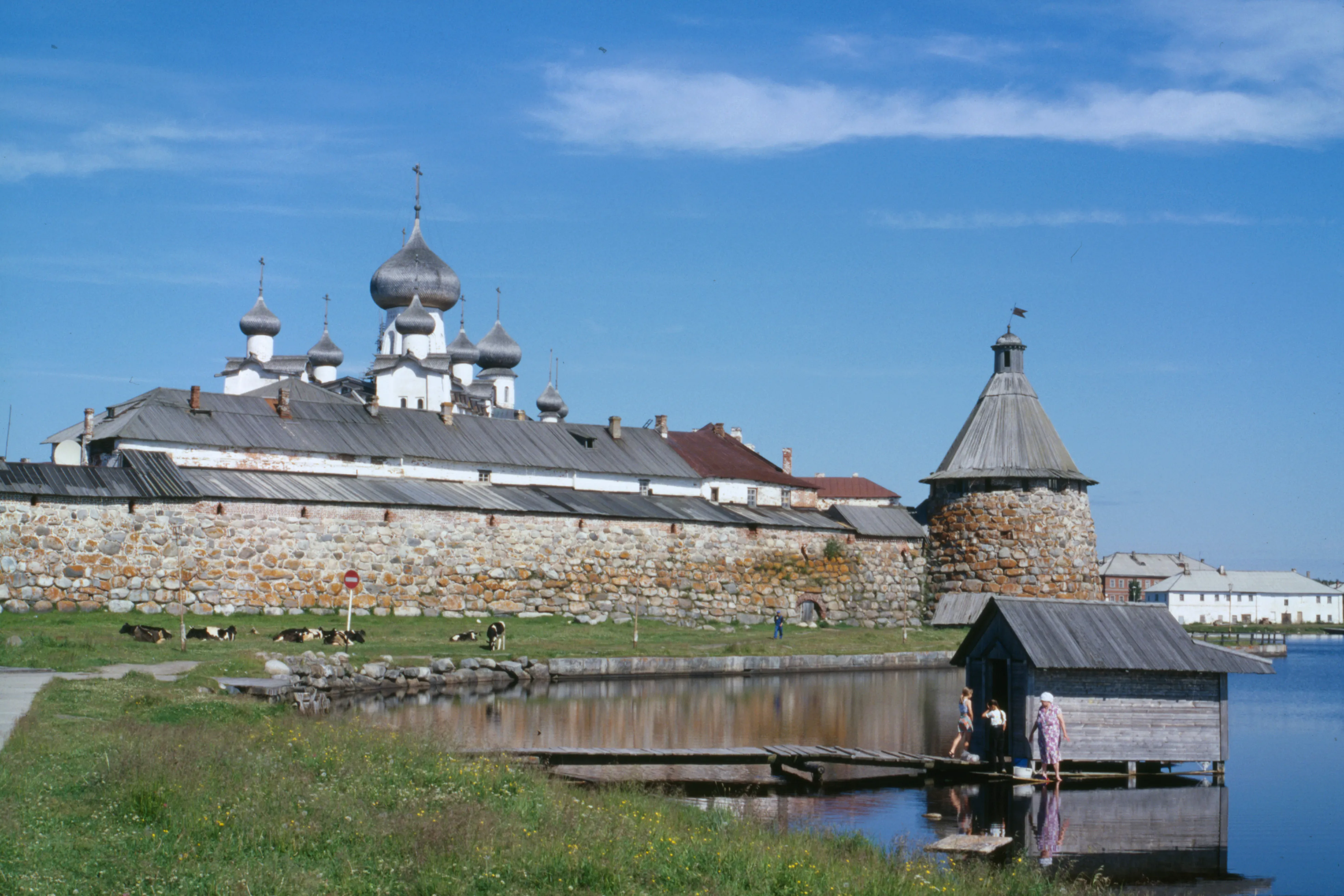
Brumfield's film photography in the context of contemporary architectural photography represents a unique phenomenon. Although many of the photographs may appear amateurish, underdeveloped, or blurry, they capture the spirit of the era. The times when Broomfield, with his distinctive accent, persuaded Russian guides to lead him to an abandoned church were full of challenges. Shooting often took place without a tripod, without proper preparation, and in difficult field conditions, which limited the photographer's capabilities. Each photograph had to be taken in a single attempt and from one, sometimes the only possible, angle. The absence of drones and instant quality control on a screen made each shoot a true work of art. Broomfield published numerous books on Russian architecture, which were translated into various languages and gained worldwide popularity. His work not only captured unique architectural monuments but also brought to the world an understanding of the value of cultural heritage.
Deborah Tuberville
Foreign photography in Russia in the 1990s was diverse and multifaceted. Among the male photographers, there were both geniuses and villains, as well as characters reflecting all aspects of the theater of life. At the same time, among the female photographers, one could find heroines creating incredible stories, covering a range of emotions - from elegy to thriller. These unique stories could only unfold in the context of Russia of that time, where social and political changes had a significant impact on the art of photography.
An old communal apartment in St. Petersburg with windows overlooking picturesque canals is reminiscent of the Venice of the North. In rooms with preserved historic parquet floors, ballerinas carefully retie their pointe shoes, as if in a Degas painting. The models, slender and elegant, with long arms and graceful necks, resemble swans or sylphs, gracefully moving before the camera. This atmosphere creates a unique artistic context in which history, art, and beauty are intertwined.
Deborah Tuberville, an American from a family that rose to fame during the Boston Tea Party, photographed ballet and fashion in St. Petersburg. She lived in an ancient palace that had survived the era of housing densification and communal apartments. The walls of her rooms were decorated with craquelure and drips, creating an atmosphere as if specially prepared for her artistic expression.
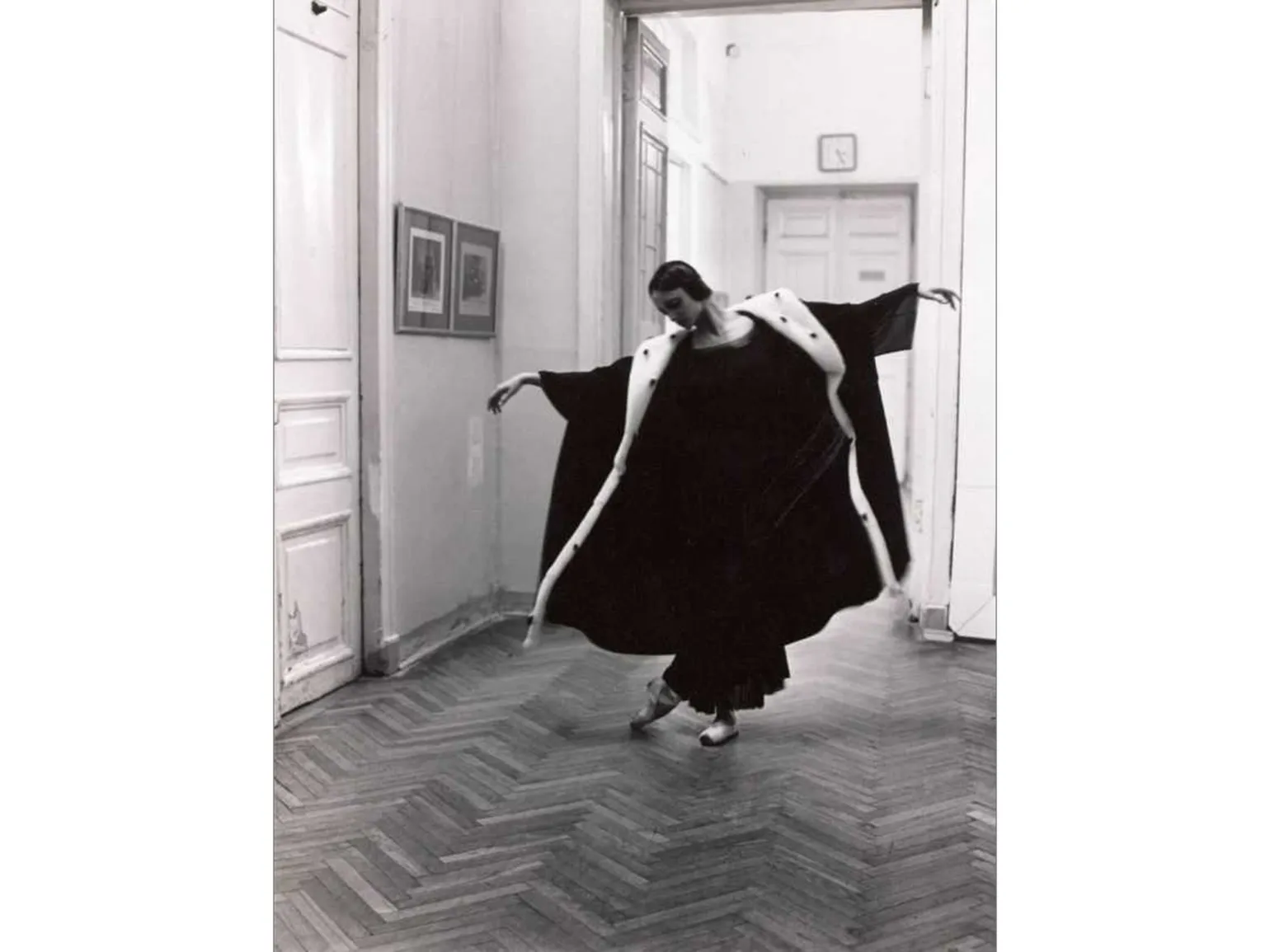
Deborah Turbeville arrived in Leningrad at the end of the Soviet era and instantly fell in love with the city. Its bohemian chic captivated her, and she spent nearly ten years there during the most intense period of contemporary art. This era was marked by the New Academy of Fine Arts and apartment exhibitions that resembled ghostly balls, allusions to something that never existed. Leningrad became not only a place of residence for her but also a source of inspiration, where tradition and innovation intersected, creating a unique atmosphere for creativity. In America and Europe, where Tuberville began her career as an editor and assistant photographer in the fashion industry, she gradually transitioned to independent photography. Combining studio work with experiments in printing, scratching, and touching up photographs, she created a unique style that some critics called "objects of spoiled perfection." In St. Petersburg, having found her own circle of admirers and followers, Tuberville occupied a significant position, comparable to the influence of prominent American women artists in Venice and Paris at the beginning of the 20th century. Her works attracted attention and became an important part of the cultural scene, contributing to the development of contemporary art in Russia.
Heidi Bradner
Heidi was distinguished by her courage and determination. Her sun-like red hair, petite figure, and constant smile made her similar to many girls from American universities. She strove to prove that she was capable not only of emulating her male classmates in journalism class, but also of successfully fulfilling the same professional tasks as them. In the 1990s, older feminists who fought for their rights in Indochina, Vietnam, and Africa faded into the background. Events in the former USSR were unfolding with incredible intensity, and Heidi was ready to become part of this changing reality.
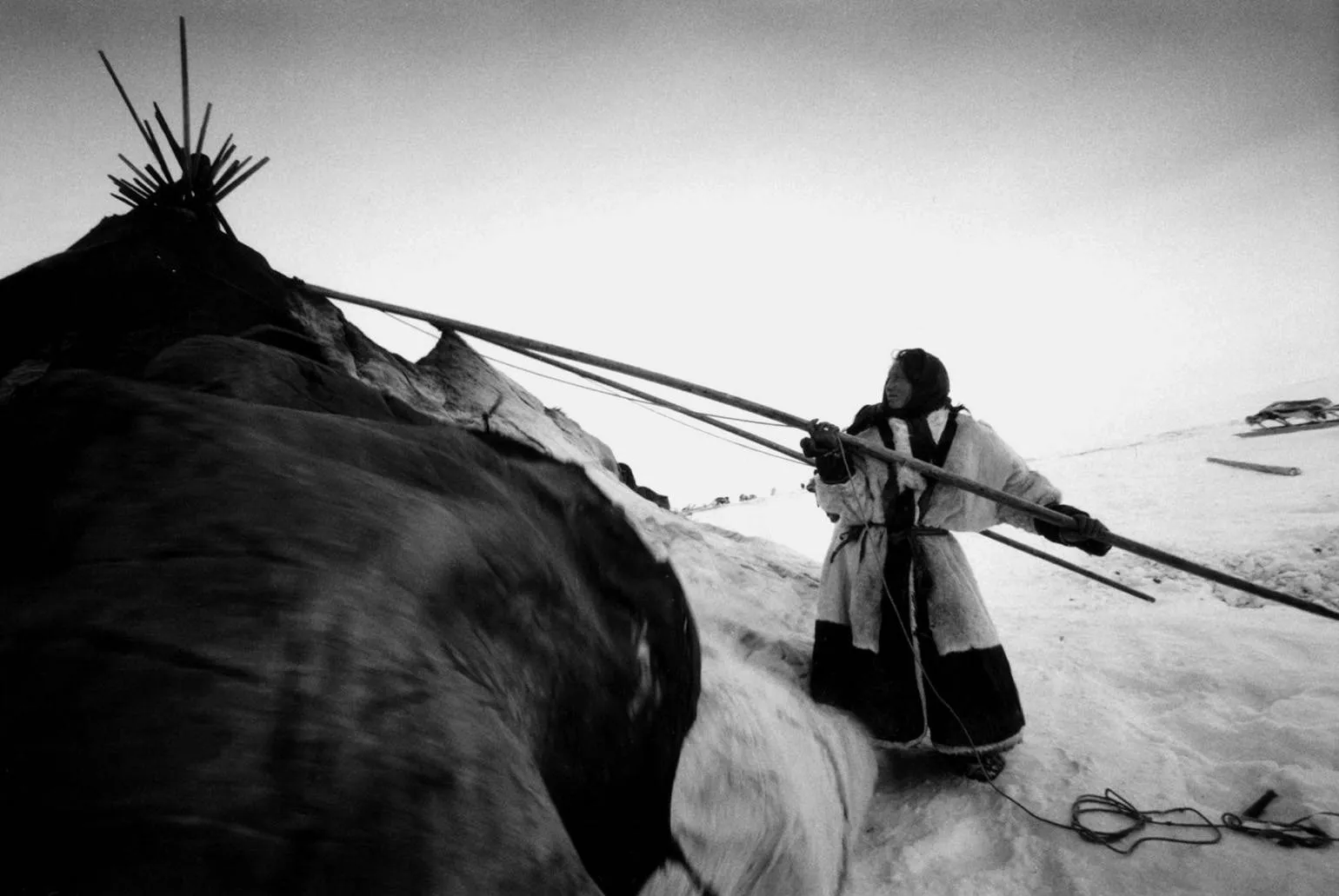
Heidi Bradner came to study photography, like many young people of her time, wanting to understand what was happening and prove her abilities. Her career was successful, but Heidi's interest in photography and life in general turned out to be much broader. She was one of the first foreign photographers who, without relying on the support of journalistic leadership, risked traveling to regions, including the Far North. Initially, her work was created for travel magazines, but over time it evolved into a long-term project, a magnificent black-and-white documentary story that goes beyond the traditional magazine format.
In the early 2000s, a combination of various factors, including political and economic changes, as well as the disappearance of print mega-magazines, did not facilitate the publication of Bradner's book about the Far North. This book could be a true masterpiece, full of vivid descriptions and unique impressions of life in this harsh, but incredibly beautiful region.
Heidi Hollinger
This is the last story in my series. It is about a girl named Heidi Hollinger, who came to Russia intending to teach English and study political science, but ended up becoming a famous photographer and celebrity. Heidi created many "casual" portraits of Russian politicians and businessmen of the 1990s, which brought her popularity and recognition in the art world.
Pavel Antonov, a Moscow IT photographer of the 1990s, became Heidi's mentor. Thanks to her circle, he acquired a reputation as an international celebrity among Moscow clients and audiences. His unique style and professionalism attracted the attention of foreign assistants, which only strengthened his status in the field of photography.
After Heidi's departure, this outstanding creative union, which had attracted public attention, ceased to exist. The experiment involving the close interaction of foreign and Russian photography in the 1990s proved short-lived.
Read also:
Culture in Color: Soviet Family Slides
Soviet family slides are a unique phenomenon in the history of visual culture. These photographs, taken between the 1950s and 1980s, capture not only everyday life but also important moments of family happiness. Color slides became available thanks to the development of photographic technology, and many families began to create their own visual archives, preserving memories of holidays, trips, and events.
These slides reflect the aesthetics and values of Soviet society, demonstrating how people spent their free time, what traditions were important, and what places they visited. Unlike black-and-white photography, color slides convey the brightness and richness of life, allowing us to look at the past through the prism of emotions and sensations.
Soviet family slides have become not only a means of preserving memories but also an object of cultural value. They are of interest to historians, sociologists, and researchers seeking to understand the life and culture of the Soviet people. Collecting and restoring such slides is becoming increasingly popular, as they help preserve historical memory and pass it on to future generations.
Thus, Soviet family slides are not just photographs; they are a true legacy that continues to inspire and attract the attention of history and visual art lovers.