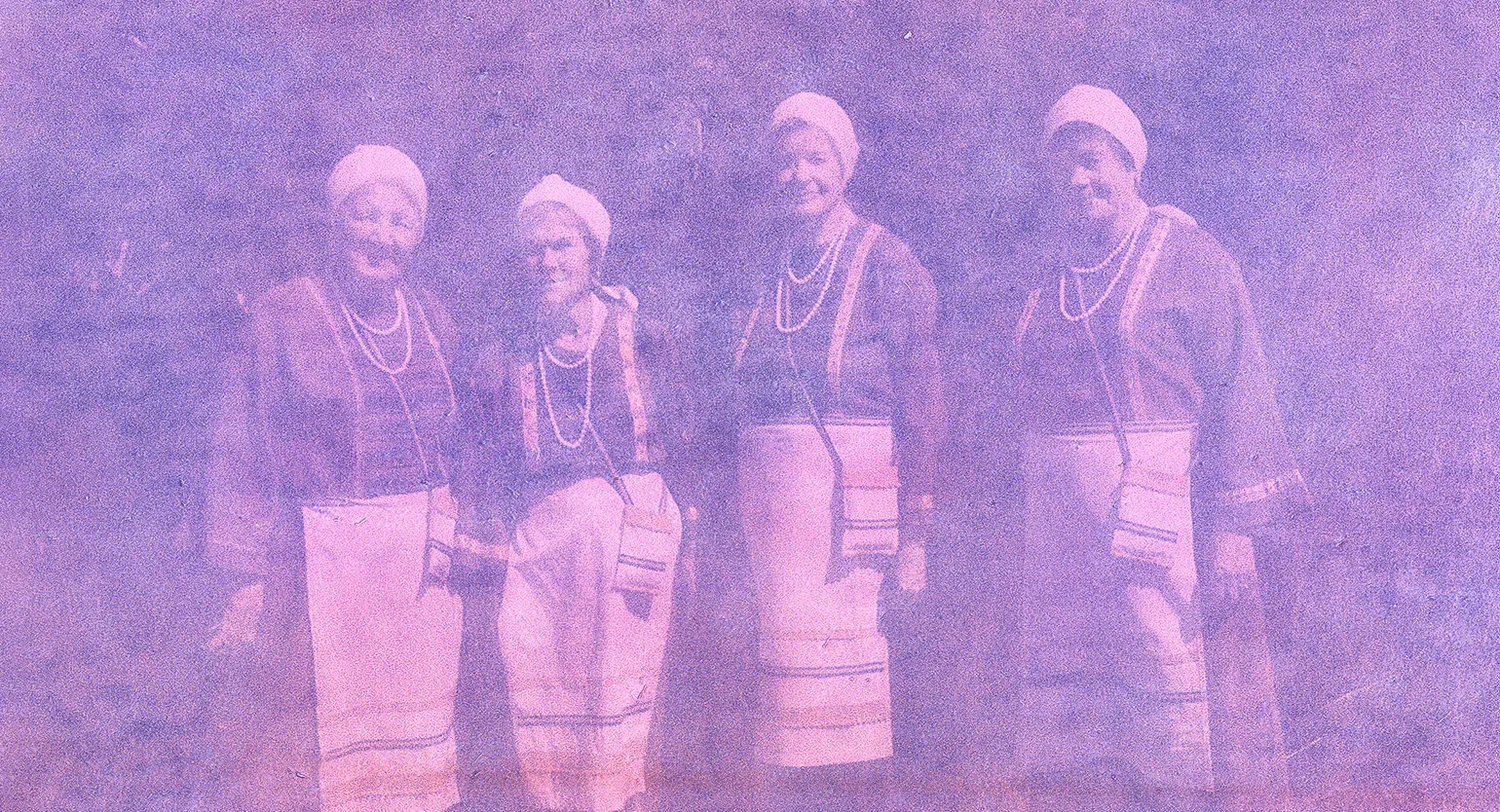
Contents:
- "My grandmother was afraid to say that I was Finnish"
- "Life in Finland was not bad, but we wanted to go home"
- "The grandmothers prayed - it really helped"
- "Everyone I met said with tears in their eyes that they wanted to live longer in their homeland or die there"
- "We returned to our home village, but the police met us there. We were considered unreliable"
- "When Aunt Lena returned, she fell to her knees and kissed the ground"
- "A person cannot live without faith"
- "I was amazed by the mercy of the Finns. English: We have never been treated like this in our country"
- "You should never forget your mother's language"
- "We are being evicted, take our cow before they take us to the collective farm"
- "They never complained and took everything that happened to them for granted"
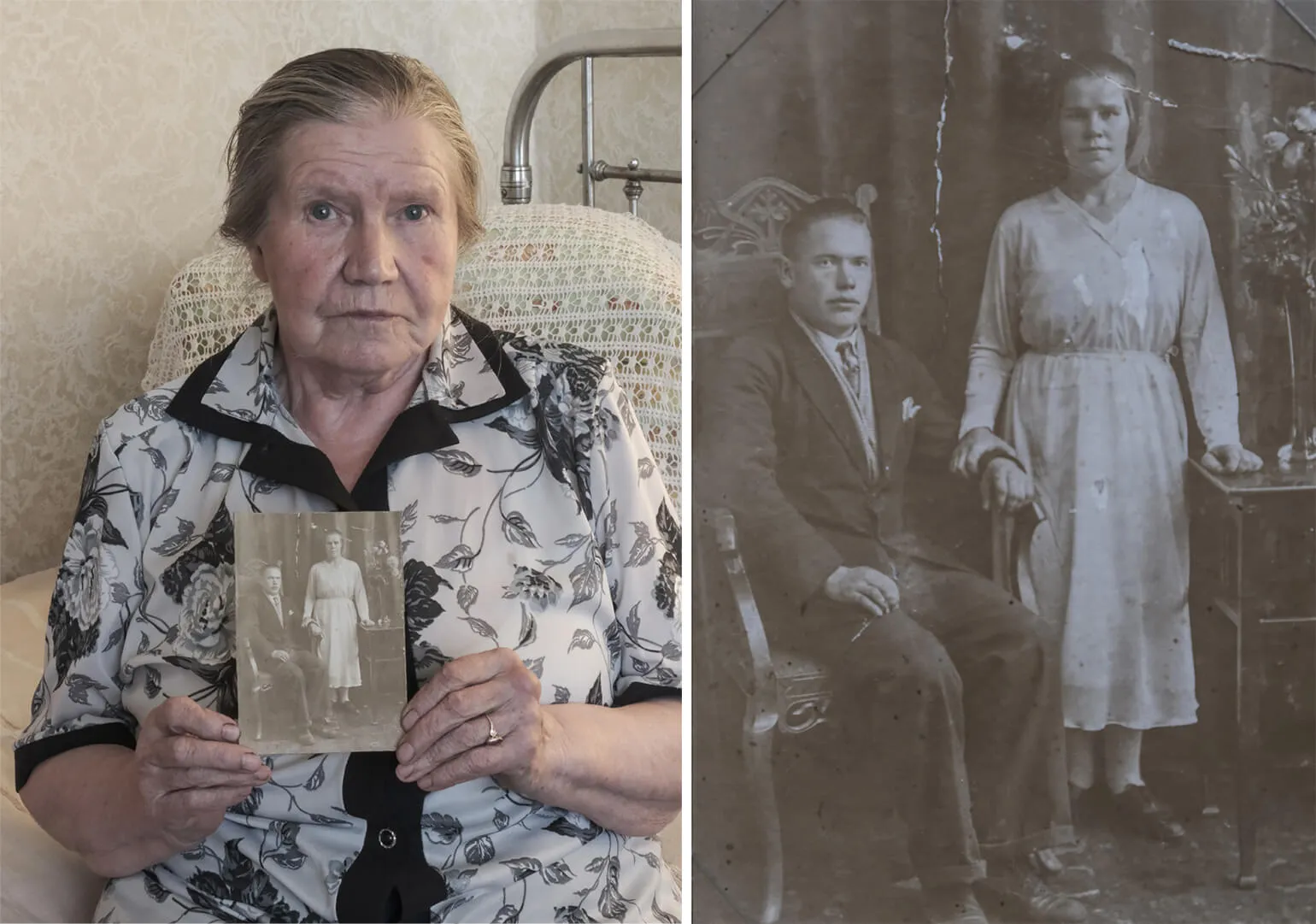
"My grandmother was afraid to say that I was Finnish"
Elena Figon is a well-known specialist in the field of psychology and personal development. She is actively involved in issues of self-improvement, helping people achieve their goals and improve their quality of life. Elena offers individual consultations and conducts seminars teaching methods for effectively managing emotions and stress. Her approach is based on modern psychological methods and practices, enabling clients to find optimal solutions for a variety of life situations. With her experience and knowledge, Elena Figon helps people discover new horizons and achieve harmony in life.
In 1938, my grandfather, Heino Tiisnek, was accused of leading a "kulak group" and sent to work on railroad construction near Solikamsk. My grandmother, Lyulia Tiisnek, a teacher, and my mother were exiled to the Novgorod region. These events became part of the complex history of family repression in the USSR, affecting many people.
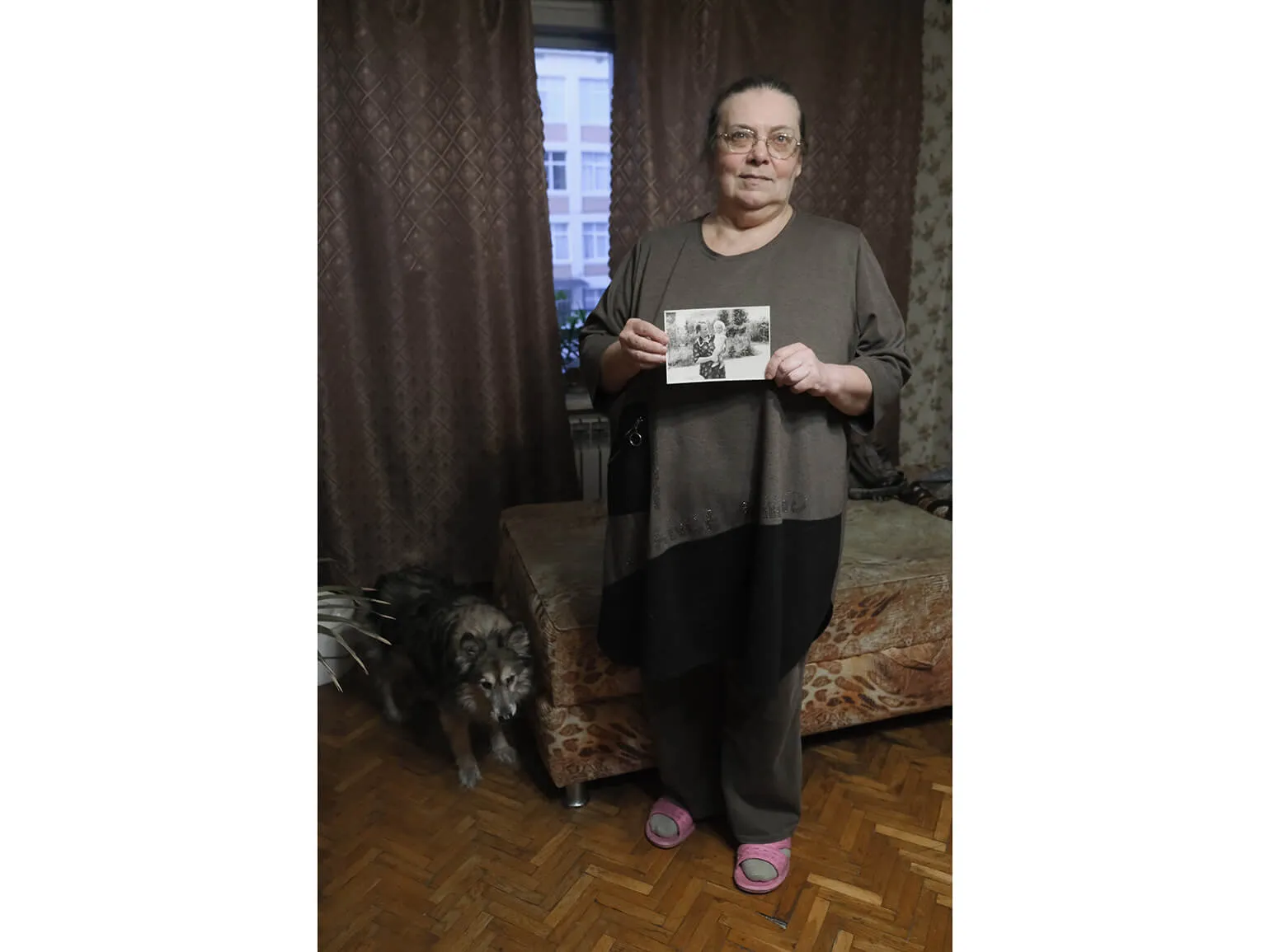
My grandmother was a strong and determined person. Her steely character and unbending will allowed us to survive the evacuation and return home. Without her determination and support, we would not have been able to overcome the difficulties and trials that befell us. It was thanks to her that we retained hope and were able to return to our homeland.
As a child, I often visited a movie theater that had once been a church. I was drawn to the place, and one day I asked my grandmother why she didn't go to the movies. I shared my impressions with her and told her about the film "Fantômas," which was showing at the time. Grandmother couldn't explain her position, and this conversation remained a mystery to me.
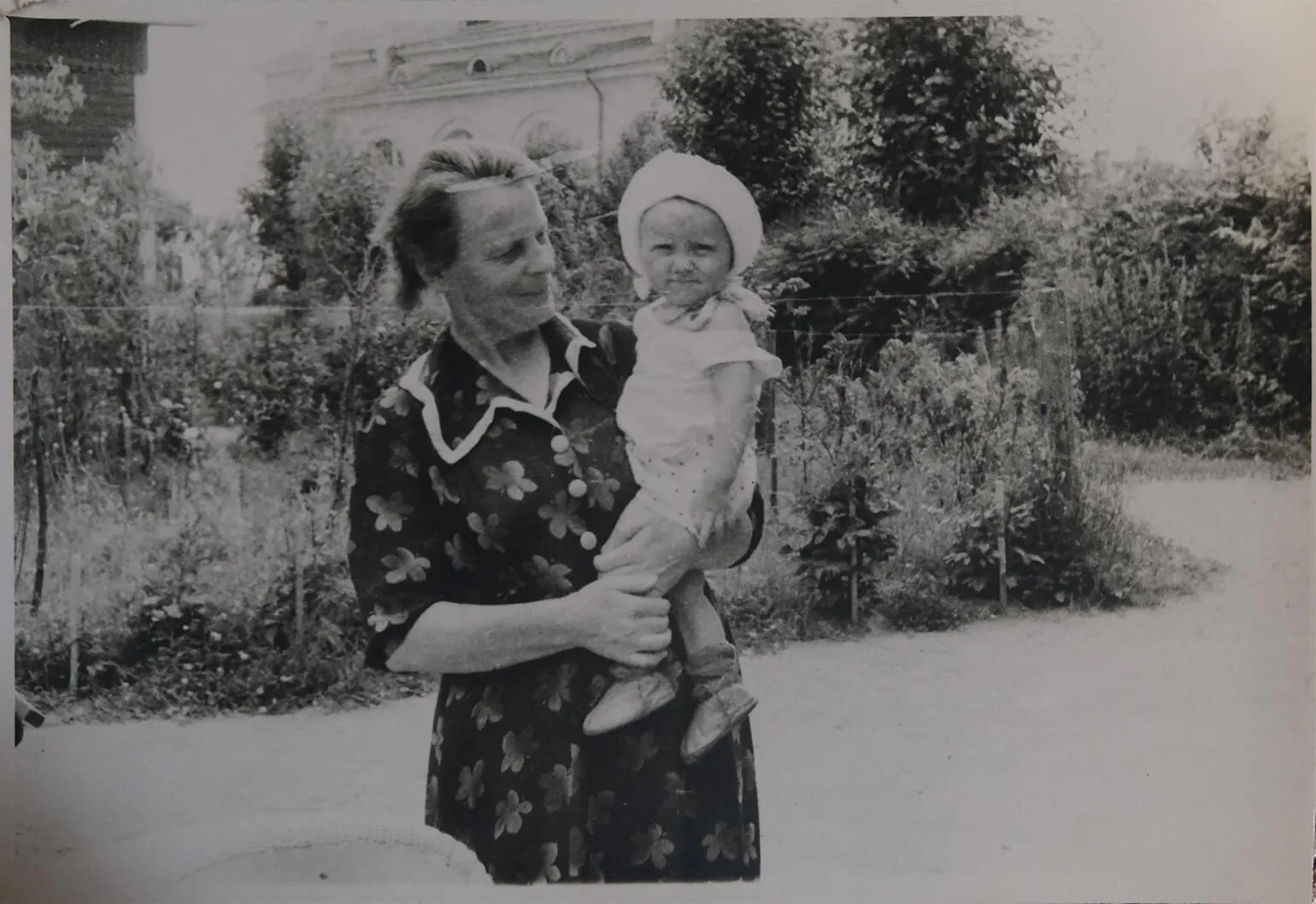
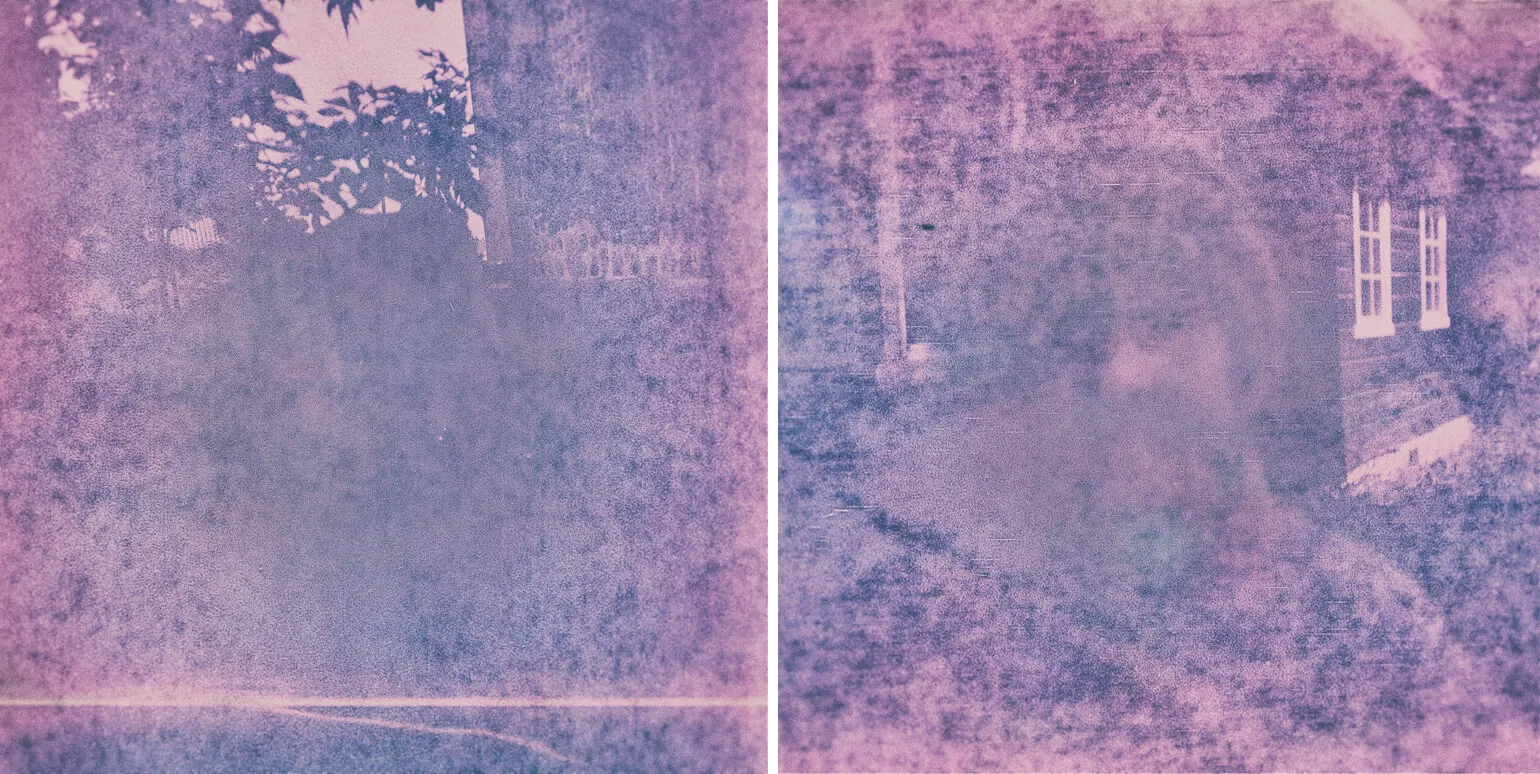
We rose early in the morning. Grandma enjoyed coffee with toast, and she made me rice porridge with milk. Then she'd say, "Let's go for a walk around the movie theater, Alyonushka." Our route was always the same. Every day, we walked in a "procession" around the old church where she and my grandfather had been baptized, confirmed, and married. This path has become a tradition for us, a reminder of our family roots and history.
On the Gulf of Finland, I was collecting shells and, pointing towards the horizon, asked a question:
What's there?
Kronstadt, said my grandmother.
Kronstadt is a unique city located on the island of Kotlin in the Gulf of Finland. It is known for its rich history, architectural monuments, and naval traditions. The city was founded in the 18th century and became an important center for the Russian fleet. It is home to many attractions, such as the Kronstadt Naval Cathedral, which is an outstanding example of Russian architecture.
Kronstadt is also known for its natural beauty and opportunities for active recreation. The city attracts tourists not only with its historical monuments, but also with picturesque beaches, parks, and the opportunity to enjoy boat trips.
A visit to Kronstadt offers an opportunity to immerse yourself in Russia's historical heritage, learn about maritime culture, and enjoy the beauty of nature.
Finland is a country known for its picturesque landscapes, clear lakes, and vast forests. It attracts tourists with its unique nature, cultural heritage, and high quality of life. Finland offers a variety of outdoor activities, including hiking, skiing, and water sports. It is also home to modern cities like Helsinki, where tradition and innovation blend. Visiting Finland offers not only natural beauty but also rich history, unique architecture, and the warmth of the locals.
This is a question that may arise in various circumstances when a person encounters something new or unfamiliar. Understanding the essence of an object or phenomenon is a key aspect of cognition. It is important to clarify and explore to gain a more complete understanding of what exactly is causing interest or confusion. This may relate to objects, concepts, or events that require further explanation or context. By asking, "What is this?" we open the door to dialogue, learning, and expanding our knowledge.
This is the country where the Finns live.
Who are "they"? This question arises when we encounter new information or unfamiliar people. Understanding the role and significance of others in our environment is an important aspect of social life. "They" can be representatives of a particular group, professionals in their field, or simply strangers we may cross paths with. By delving into their characteristics and context, we can better understand how they influence our society and life in general.
She begins to laugh and claims that they are no different from us.
The repressions she experienced were extremely cruel and left a deep mark on her life. When the Chekists came for my grandfather, they conducted a horrific search of the house. During the search, they even demanded that I unwrap the baby, that is, my mother, and examined her thoroughly. These events had a significant impact on the entire family and became part of history that is important to remember.
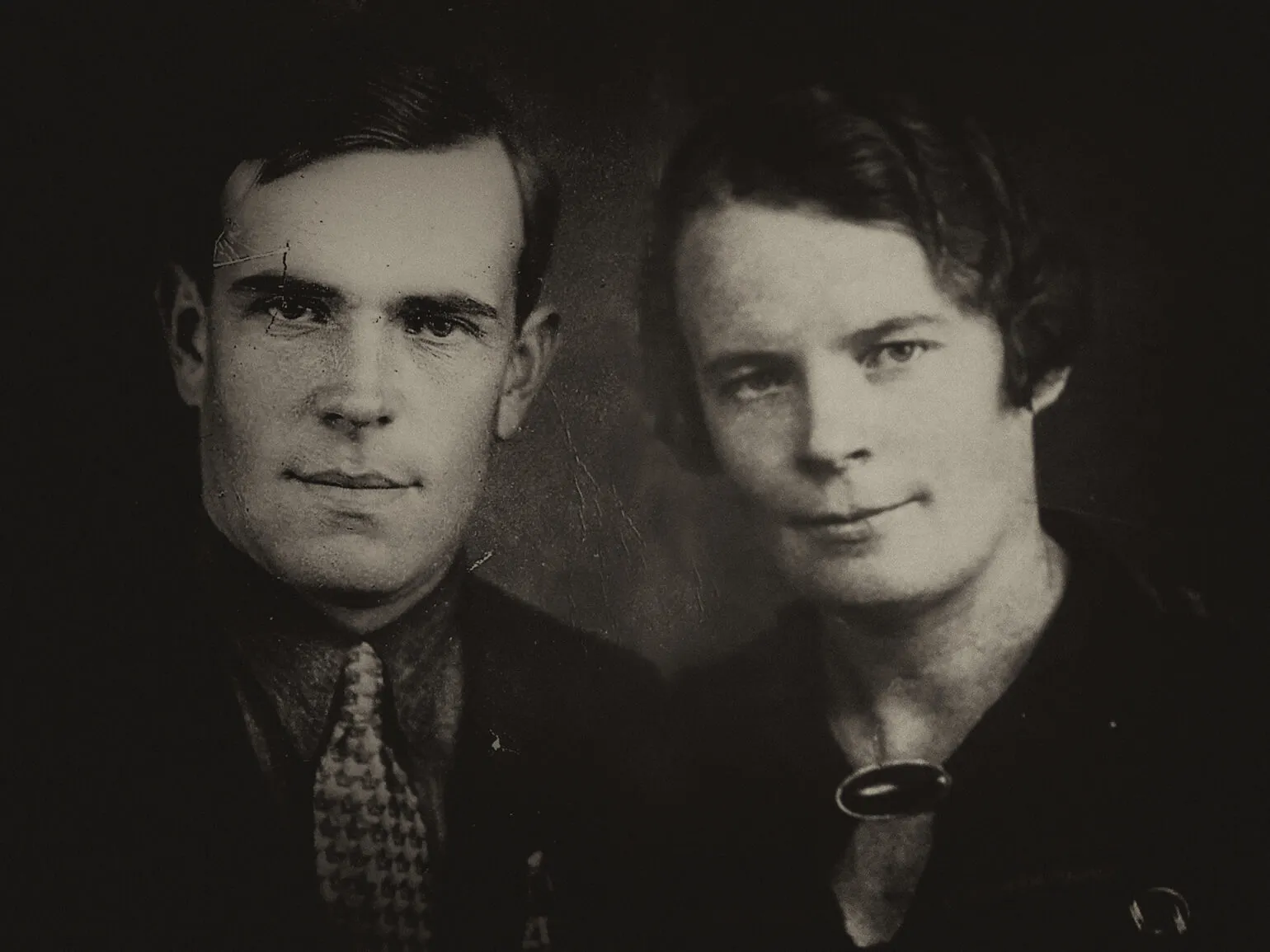
In 1946, returning to the Leningrad region, they found themselves completely isolated, separated from their families. Despite my grandmother's military awards, she was tormented by constant anxiety about possible denunciation due to her origins. This feeling of fear and uncertainty became part of their lives in the post-war period, when many people faced prejudice and suspicion.
My grandmother always loved my grandfather and dreamed of being reunited with him. She had many admirers, and she received several marriage proposals. One of the suitors, a wealthy man, wanted to marry her and take her to Bemyzh, where life was more prosperous compared to Martyshkino, our native village. However, my grandmother firmly refused, knowing that if her husband was alive, he would definitely return home. This devotion and love for her grandfather became the foundation of her life, and she could not sacrifice her feelings for material goods.
At the time of the events, her grandfather had already passed away three years earlier. He died as a result of brutal interrogations, during which his spleen was damaged. This shocking information became known to her in 1959.
"Life in Finland was not bad, but we wanted to go home"
Aino Zubritskaya is a name familiar to many. She is known for her contribution to a specific field that attracts attention and admiration. The importance of her work lies in the fact that it not only demonstrates professionalism but also inspires others to be creative and develop. Aino Zubritskaya actively participates in events, sharing her experience and knowledge, which makes her a significant figure in the community. Her achievements and projects serve as role models and promote new ideas and trends.
My parents were Ingrians. My mother, Lisa Randolainen, was born in 1903 in Lyady. I was born in 1933. Our family was deeply religious—we attended church regularly, my mother often sang hymns at home, and my grandmother read prayers. Growing up in such an atmosphere of spirituality and traditional values had a significant impact on my life and the formation of my worldview.
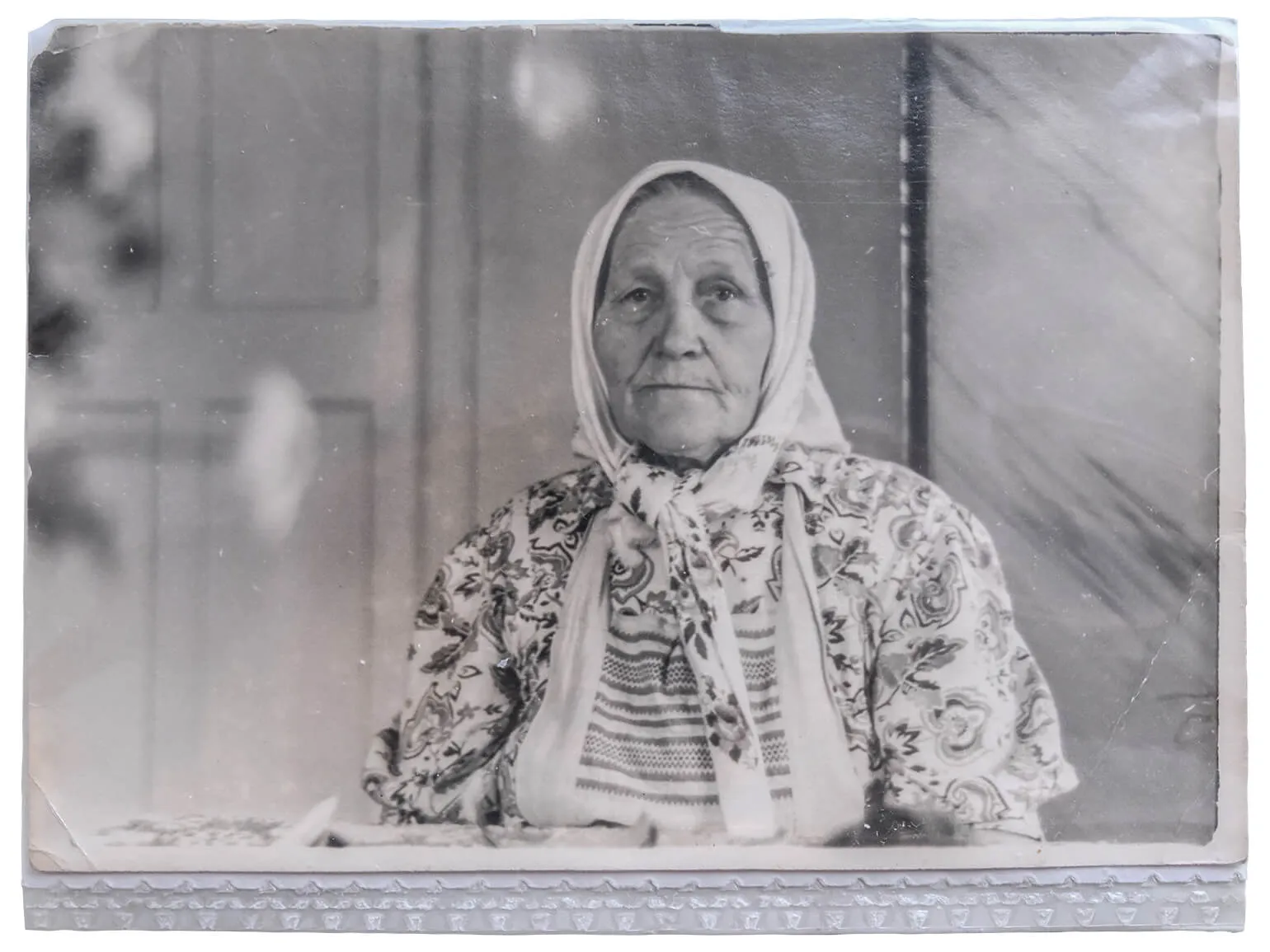
I was only nine years old when the war began. This day will forever remain etched in my memory. My sister and I returned from the summer terrace and saw our aunt standing by the house, crying. I couldn’t understand what was happening and asked her, “What happened?” To which she replied, “The war.” This moment became a turning point in our lives, changing everything around us. The war brought not only fear and uncertainty, but also profound changes in our perception of the world.
The Germans came to our village, among whom were both good and bad people. They did not cause significant harm to the local residents. In 1943, we were evacuated to Klooga, Estonia. In a camp surrounded by iron wire, we were given a room where we slept on straw. The conditions were extremely poor: there were no toilets or other amenities. We were fed only gruel, but at least they didn't let us die.
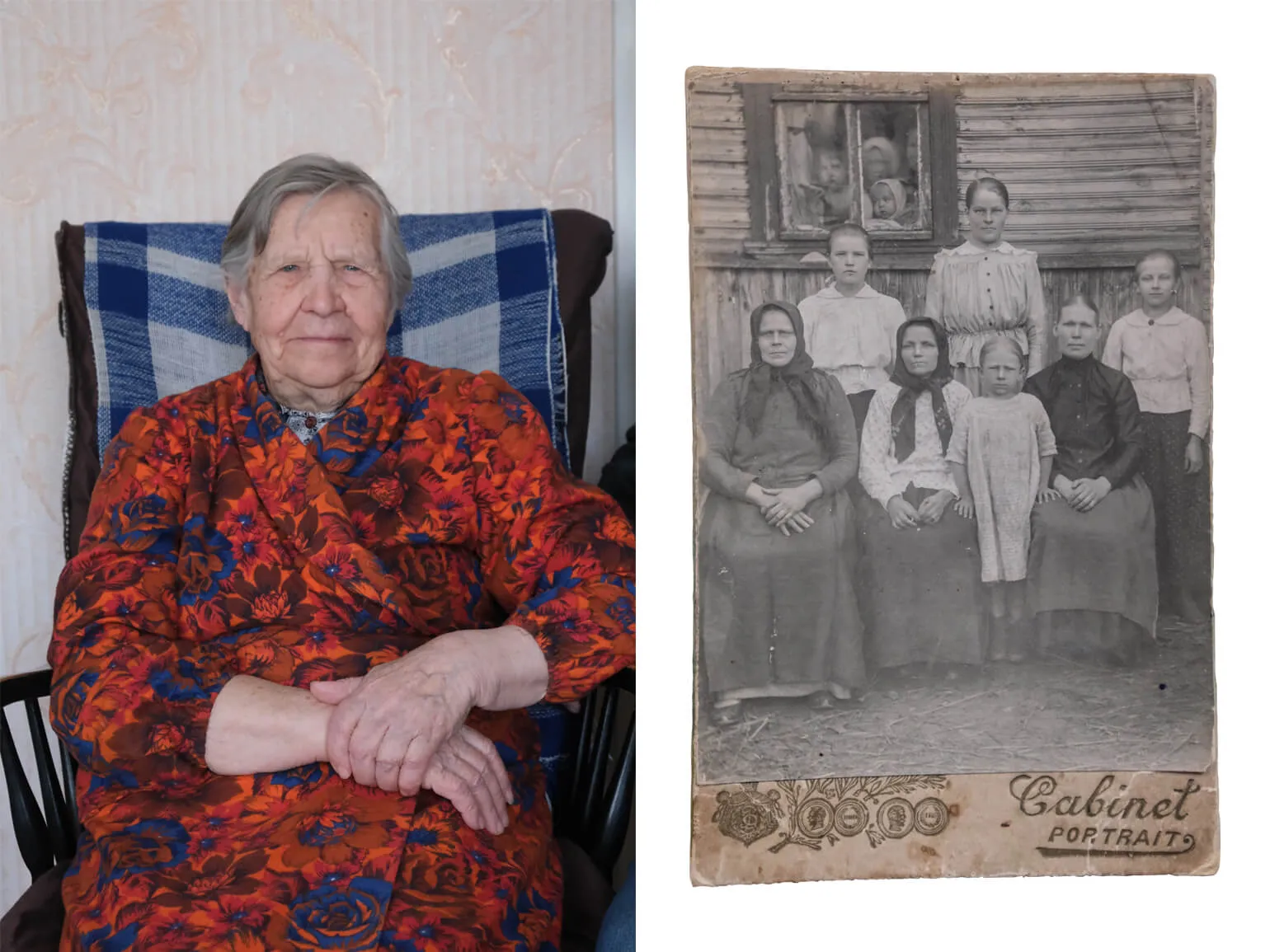
We moved to Finland on a freighter. There, too, we slept on straw, but in houses. We often attended church, and that's where I was confirmed. When someone we knew died, we would wear elegant white dresses, and the priest would come and perform the ceremony. Life in Finland was tolerable, but we were deeply homesick, which the Germans couldn't understand.
Returning to the USSR in 1946, we didn't initially go to our native village, but spent some time in the Novgorod region. We were brought there without warning, and that time turned out to be especially difficult because of the famine.
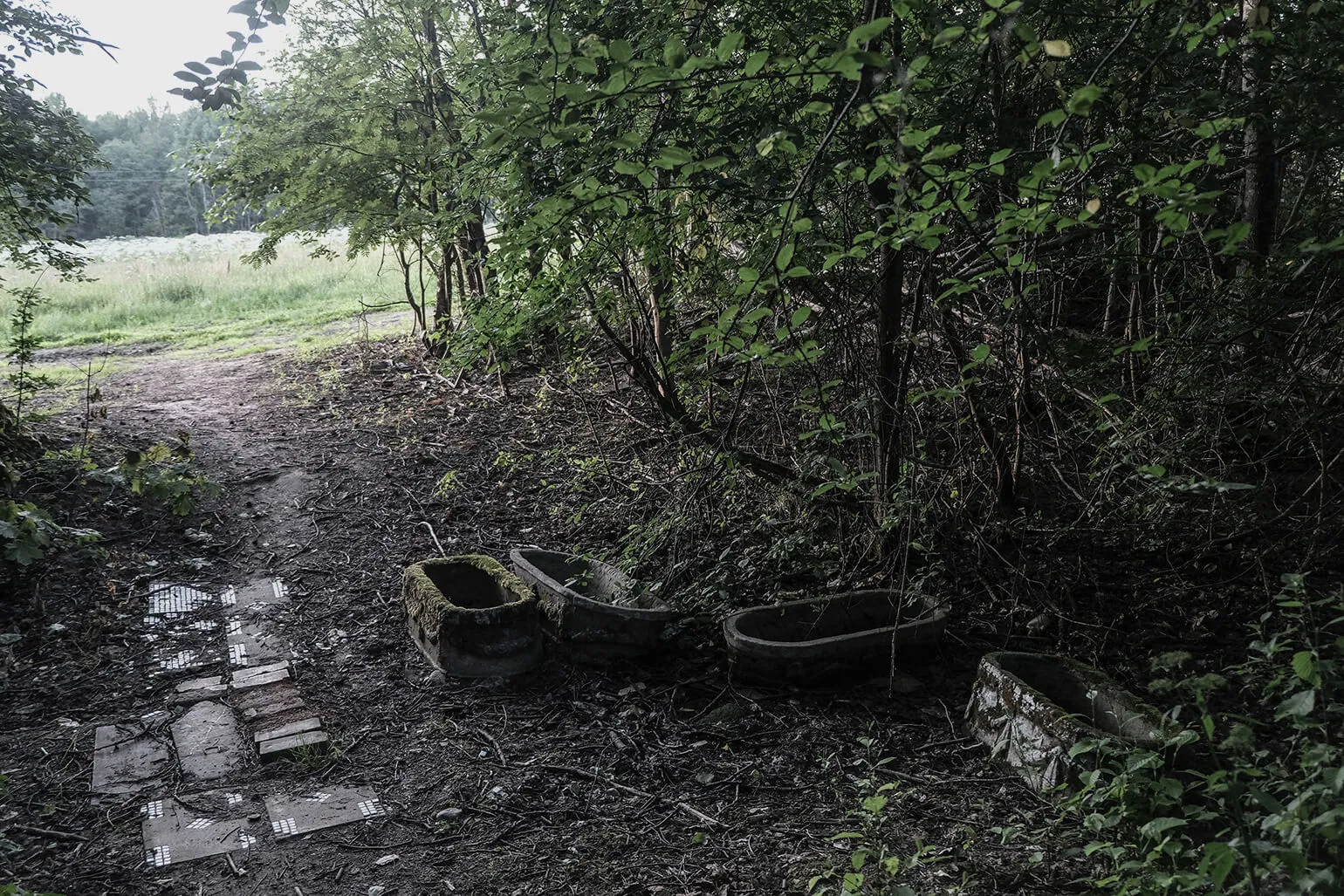
"Grandmothers prayed—it really helped."
Nina Hayanen is a well-known figure in her field. She has established herself as a professional with deep knowledge and experience. Nina actively shares her ideas and opinions, which attracts a wide audience. Her work covers a variety of topics, making her a versatile expert. Nina Hayanen continues to inspire and educate, creating high-quality content that is appreciated by many.
We lived in the village of Finskie Kholopovitsy, located near Gatchina. Before the war, my family worked on a collective farm, putting their hearts into their work. We worked from early morning until late evening and were well compensated for our efforts. We had everything we needed: fresh vegetables, hay, and livestock. Life in the village was rich and full of work, which allowed us to provide for ourselves and our family.
My family was religious, and my grandparents were regular parishioners of the church in Shpankovo. It was there that they were confirmed and married, which became an important event in their lives. Faith and traditions passed down from generation to generation played a significant role in the formation of family values and spiritual connection.
My grandfather always dreamed of a solemn wedding. He prepared everything in advance and invested heavily in organizing this important event. All the candles in the church were lit, creating an atmosphere of sacred celebration, and the horses were carefully decorated with beautiful capes, which added a special charm and elegance. This event will be remembered by many as a symbol of love and tradition.
I vividly remember the beginning of the war. I was walking to my aunt's with my brother Vanya. Suddenly we heard a roar, after which someone shouted: "It's war!" Then we saw a dark gray mass moving. At first, we didn't understand what it was, but soon realized they were motorcyclists. There were many of them, in whole columns.
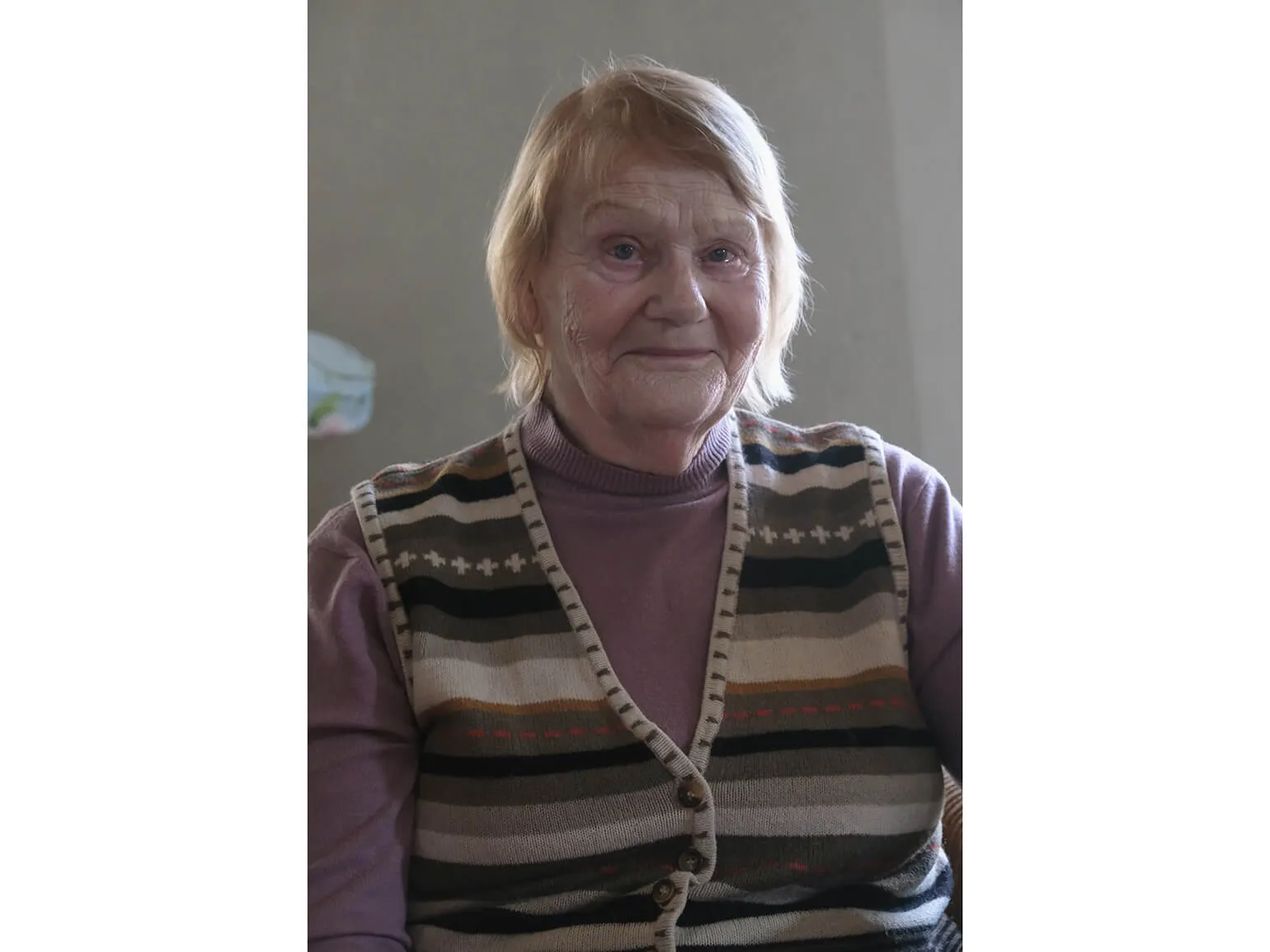
After they passed, tanks moved after them, also in columns. We were scared and hurriedly returned home.
During the war, my parents continued to work diligently on the collective farm. People came to our village from Leningrad, and we willingly shared our food with them. This cooperation and mutual assistance in difficult times became the basis of our community life.
In 1943, the Germans came to our village. I vividly remember how we hid in a trench while bullets whistled. It was terribly scary. During that period, we lost Lilya, my little sister, who passed away. She was buried on Easter, and that day will forever remain in our memory. In the family album, there is a portrait of Lilya, which the artist painted before her death. He asked for a cat in exchange for this portrait, since we no longer had food. This moment became a symbol of those difficult times when life and art intertwined in the conditions of war.
In the fall, the Germans came to our yard and announced a collection. My father collected some food and a can of honey. We were taken to Kikerino, where many Ingrian families were staying. One day, the Germans played "Katyusha" on the gramophone, tied headscarves around their necks, and began to dance. At that moment, our grandmothers began to pray and lament. This event left a deep mark on our memories, demonstrating the contrast between the joy of dance and the grief of loss.
From Kikerino, we were sent in freight cars to Klooga, Estonia, where we were housed in barracks. Dad slept under the bed, while my mother, brother Vanya, and I sat. Soon Vanya fell ill with scarlet fever, but medical care was not provided, and the next morning he was carried away on a stretcher. Every day, 5-10 dead bodies were carried out of this barracks, and no one knew where they were taken. Ситуация была крайне тяжелой, и многие испытывали страх и беспомощность.
Нас погрузили на корабль и отправили в Финляндию. Бабушки снова молились, и это действительно оказало положительное влияние. В Финляндии нам было комфортно. Отец работал у местного хозяина, а мама помогала в уходе за скотом. Мы, дети, пасли баранов. Этот период нашей жизни длился до ноября 1944 года. Затем мы перемещались через Ярославскую область, снова побывали в Эстонии, а затем оказались в Псковской области. В конечном итоге мы вернулись домой в 1958 году.
The time will soon come when I'll be drawn home again. How can I leave my home, the places where my parents and ancestors worked and lived? Home isn't just buildings; it's memories, history, and a connection to my roots. Like birds returning to their homeland, I feel a strong pull toward my native places. I often dream of my village: every house, the familiar faces of my neighbors, and that large rock I used to climb as a child. These images are reminiscent of the warmth and comfort that will always be associated with home.
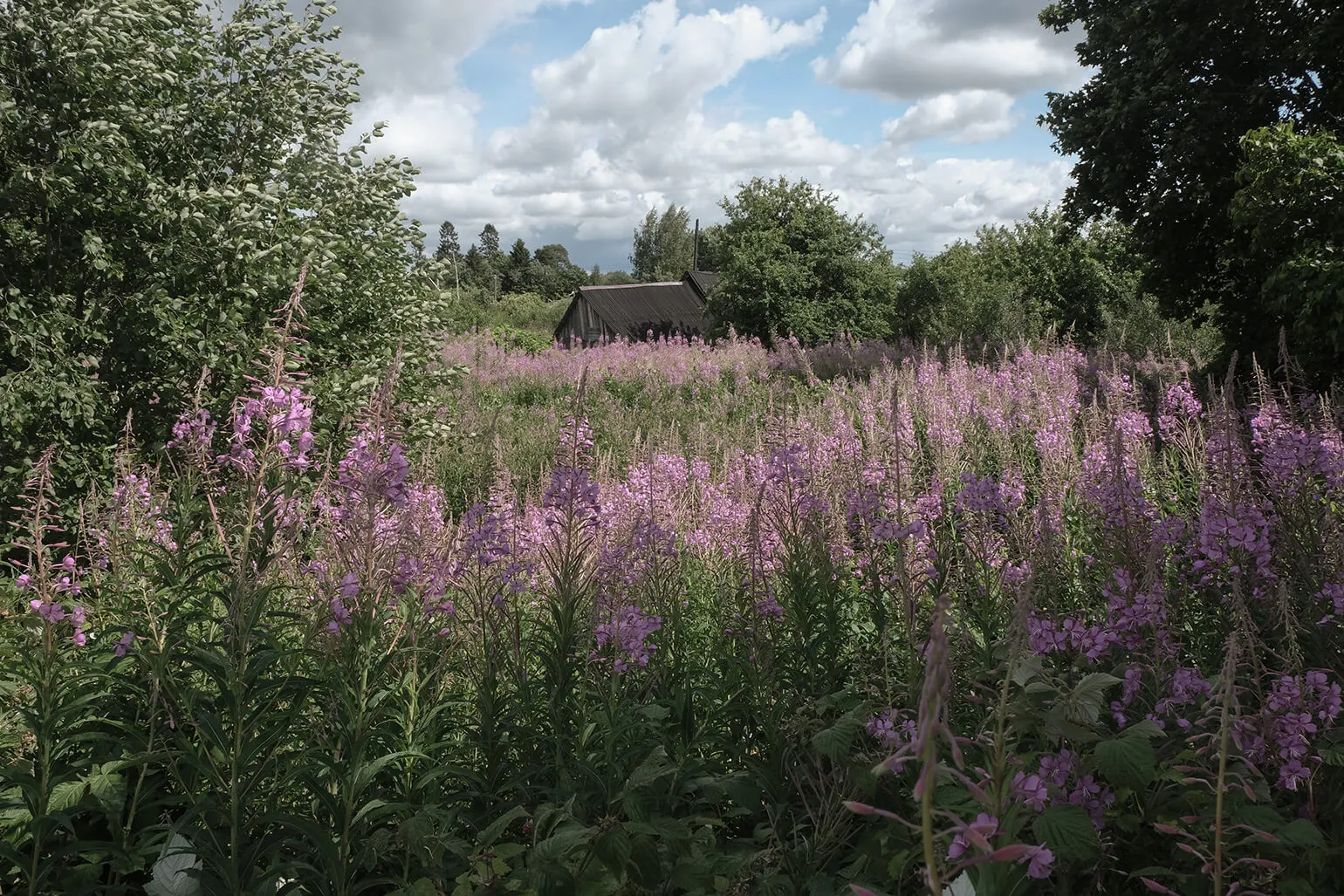
"Everyone I met said with tears in their eyes that they wanted to live longer in their homeland or die there."
Arri Kugappi is a unique and interesting character who attracts attention with his charisma and inimitable style. His story is full of adventures and discoveries, which makes him especially memorable. Arri Kugappi personifies the desire for self-expression and finding one's place in the world. His travels and interactions with others help reveal important themes such as friendship, love, and loyalty. This character inspires us to find our dreams and goals, emphasizing that each of us is capable of great deeds. Arri Kugappi is not just a name; it is a symbol of the desire for self-improvement and the discovery of new horizons.
My mother and father lived in the village of Babino. During the war, my father was called up to the front. At the front, he received a serious leg wound and spent several months in the hospital. After his reinstatement, he was informed of a new decree: all unreliable Finns were to be sent to the labor army.
The commander showed mercy and arranged for my father to be sent to the Krasnoyarsk Territory, where my mother had previously been exiled. Thus, my parents were reunited and lived in the village of Kamarchaga from 1942 to 1948. This period became an important stage in their lives, filled with difficulties and hope for a better future.
The secretary of the Karelian regional party committee, Gennady Nikolaevich Kupriyanov, a close ally of Stalin, proposed the return of Ingrians to their homeland. Given the labor shortage in the region, this decision was an important step. As a result, between 30,000 and 40,000 Ingrians returned to Karelia from various places of exile. This return proved significant not only economically, but also spiritually, helping to strengthen cultural and social ties among the people.
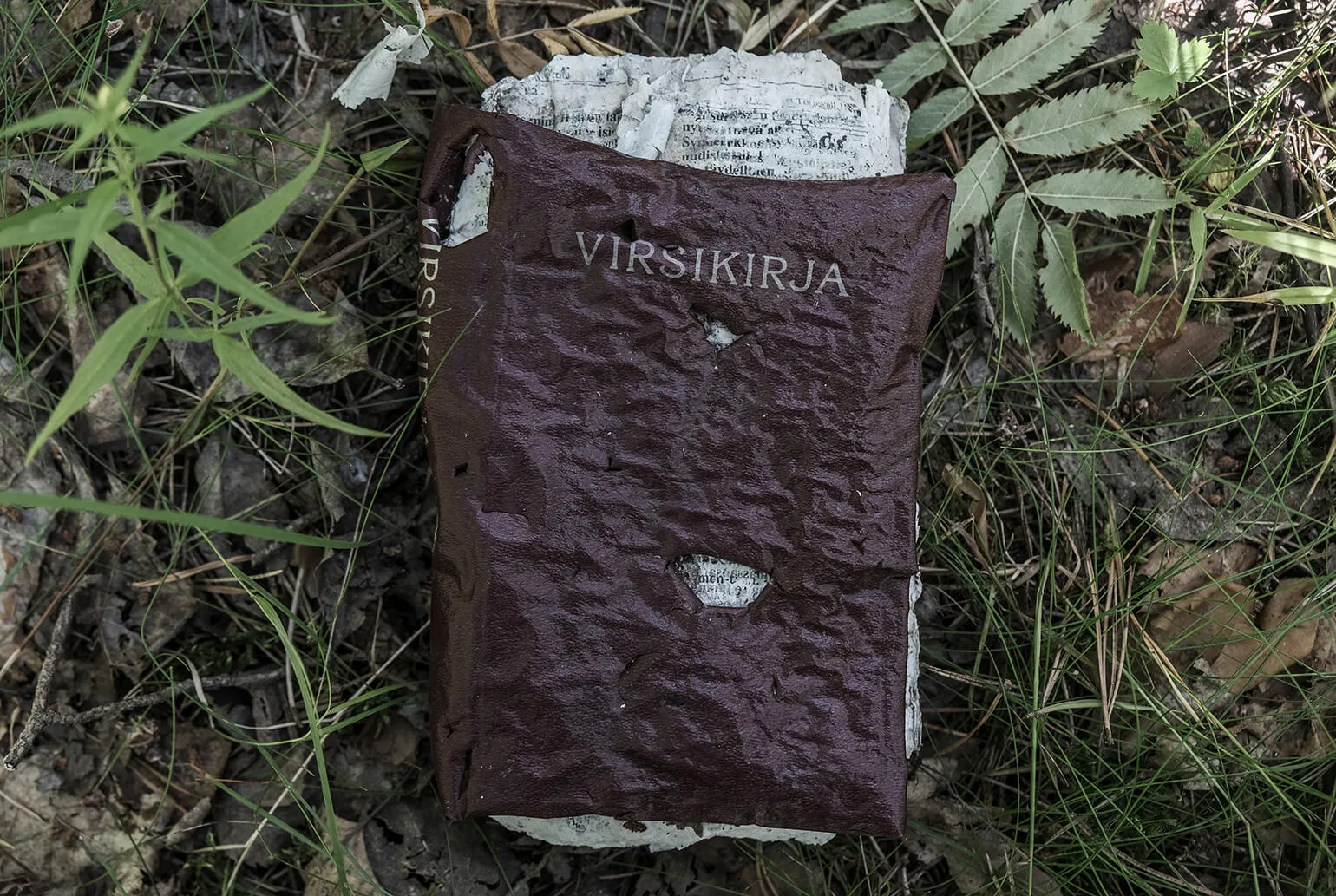
People began to gather for fellowship, study of the Word of God, baptism of children, and singing spiritual hymns. At that time, spiritual literature practically did not exist. However, one woman possessed a Bible. She feared that it might be confiscated, so she tied the book in several layers of cloth and hid it in a manure pile in the barn where she worked as a milkmaid. Faith, when it truly lives in a person's heart, cannot be destroyed.
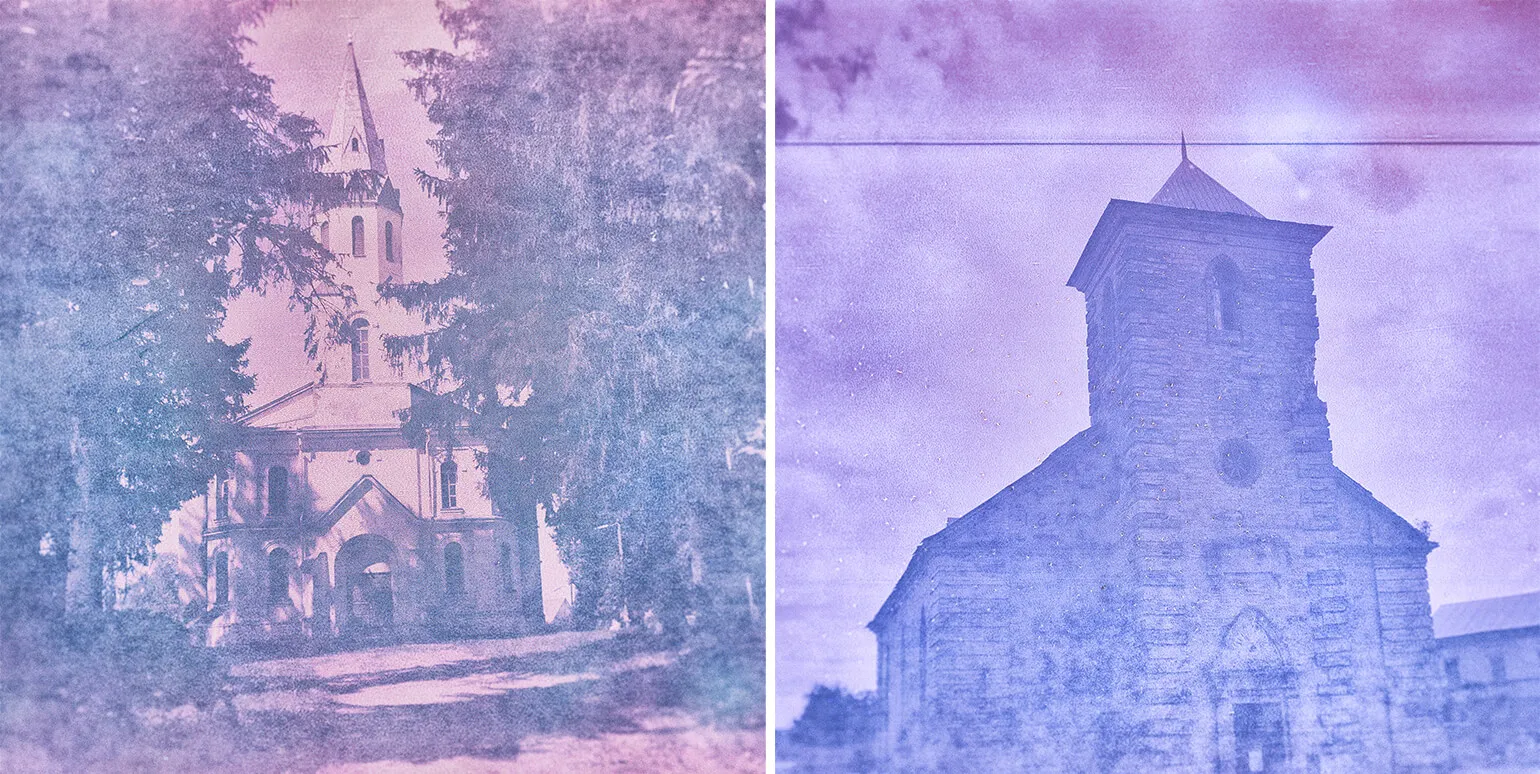
People began collecting signatures to return their church. For a long time, the authorities did not respond to their requests, but in 1969 they finally provided the opportunity to register. The church was located in a residential building on the outskirts of Petrozavodsk, but this didn't solve the problem, as all the parishioners couldn't fit inside and were forced to stand outside. In 1977, the church in Pushkin was handed over to the faithful, marking a real breakthrough. The people's joy was boundless, because the new temple could accommodate from 500 to 700 people.
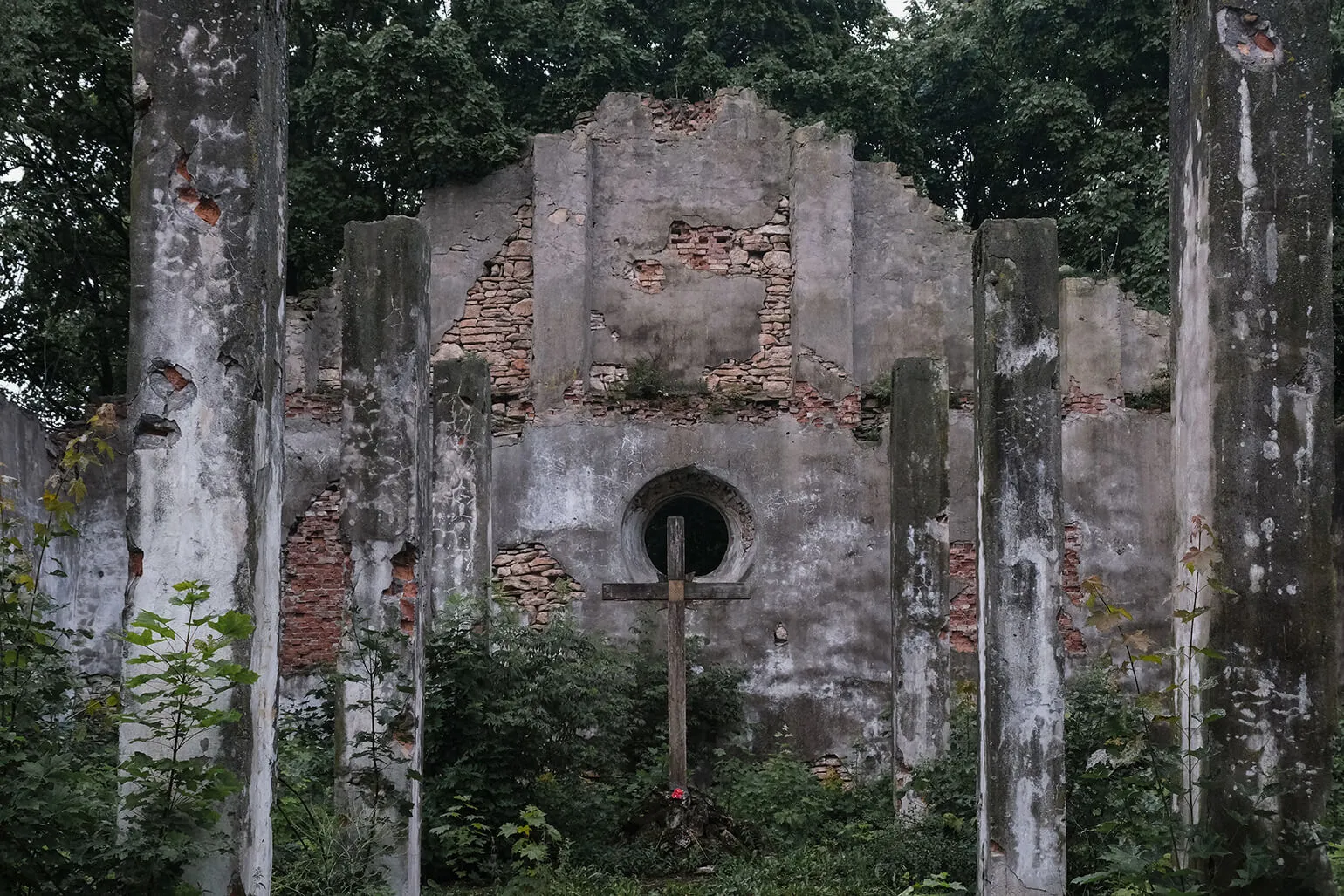
Ingrians have always had a deep love for their native Ingria, and many dreamed of returning to their historical homeland. I visited places in the Krasnoyarsk region where my parents once lived. One of the local schools provided us with a hall for the service. We made an announcement on the radio: "We invite everyone who is of Finnish descent and of the Lutheran faith to join us at the specified address." As a result, about a hundred people came to the meeting.
One woman traveled 500 km by boat to receive communion. From then on, I began going there every year—not only to Krasnoyarsk Krai, but also to Omsk, Novosibirsk, and Irkutsk. Everyone I met spoke with tears in their eyes about their desire to live in their native land or, if necessary, to leave this world there.
During periods of persecution and difficult trials, people realized the true value of spiritual life. It was the only support that gave strength for life, hope, and even inspiration. The well-known hymn "Omaal maal" reflects people's dreams of returning to their native lands, where the church and graves of their ancestors are located. However, they also understood that this land was not their true homeland. The Lord prepared a dwelling place for them in heaven, which gave them hope and faith in a bright future.
“We returned to our native "We went to a village, but the police met us there. We were considered disloyal."
Iria Boguslova, known by her stage name Tatti, is a popular figure in the arts and culture. She attracts attention with her unique creative style and expressive manner. Tatti actively works in various fields, including painting and graphics, which allows her to create original works that resonate with a wide audience.
Iria Boguslova demonstrates a deep understanding of contemporary artistic trends and is able to combine classical techniques with innovative approaches. Her works reflect both personal experiences and social themes, making them relevant and meaningful.
Tatti also actively shares her experience and knowledge through master classes and exhibitions, contributing to the development of the creative environment and inspiring young artists. Her influence on contemporary art is becoming increasingly noticeable, and her works continue to attract the interest of both viewers and critics.
I was born in 1938 in the village of Pugorevo, located in the Vsevolozhsk district, in the Ryabovo parish. My mother was Ingrian, and my father was Finnish. Looking back on my life, I realize that God's help has always been with me. Every step of my journey has been marked by support, and I believe that this influence has played a key role in my development and destiny.
On the evening of 1942, they came to our house to send us to Siberia. There were three children in the family: my brother was one and a half years old, I was four, and my sister was eight. Dad was not at home, as he was working shifts. Mom dressed me, put me on a stool, and was distracted by my brother. At that moment, I fell, and my nose started bleeding profusely. The guards noticed this and allowed us to leave in the morning. Dad came in the morning, and we went together. This situation left a deep mark on our memories and became part of our family history.
We had a cat that we could not take with us. We decided to give it to the neighbors, but, unfortunately, they soon cooked it. They did not tell the children about this, and Mom found out about it later.
On the way across Ladoga, my brother died. Mom didn't cry and said, "God took him. It's good, he won't suffer." We traveled to the city of Ilikamsk for the construction of the Angara-Yenisei highway on rafts for five days.
Upon arrival, my father fell ill with open tuberculosis. We were placed in a barracks with 30 other people. My father coughed frequently, and the commander was afraid he might infect the others. As soon as the Angara River froze, the commander put us in a car and said, "Leave. No one will notice you until spring." This decision proved to be our salvation. We arrived in Tulun, where my mother had a sister working in a hospital. She got my mother a job as a nurse, and we were given housing. My mother could take leftover food and received bread ration cards. This is how we survived the times of hunger. My father soon recovered, and we began a new life in Tulun.
One day, my nine-year-old sister went out to get bread. Suddenly, a boy approached her, snatched the ration cards, and quickly ran away. Returning home without bread, she burst into tears. Mom reassured her: "Let's pray and go to bed, and in the morning we'll see what God gives us." We went to bed hungry. We lived in an apartment shared by four families. There was a large stove in the kitchen, and the front door was unlocked because there was nothing to steal. In the morning, Mom discovered a boy sleeping on the stove, and our bread cards in his pocket. She took the cards but didn't scold him. This story highlights the importance of compassion and understanding in difficult times.
After the war ended, we returned to our native village, but we were immediately noticed Attention police. We were deemed unreliable and required to leave the area within 24 hours. We set off for Estonia without a clear destination. The winter was harsh, and we weren't allowed to spend the night at the train station. But luckily, we met a local who, although drunk, took us to his home. We found shelter and spent the night in warmth. The next morning, my father went out to look for work. We eventually found new jobs: my father worked on a farm, my mother cared for an elderly man, and my sister was hired as a nanny. I, for my part, went to first grade at an Estonian boarding school. This new stage in our lives became an important milestone in adapting to the conditions of post-war reality. In 1948, we found ourselves in Siberia again, but this stay was short-lived, as recruitment for logging began. They asked us: "Do you want to return to your homeland?" Everyone agreed, but in the end, we were brought to Karelia. This place became a happy time for me as a child. I lived with my parents, we had a cow, and we enjoyed fresh milk. We were surrounded by Ingrian Finnish families, and we could communicate in our native language, which created an atmosphere of comfort and belonging.
My parents had a radio, which they carefully preserved. Dad often tuned it to Finnish stations, and other Ingrians would come to us to listen to sermons together. Afterwards, we would gather, sing and pray. This radio became a symbol of the unity and spirituality of our family and community.
We lived in a barn that my father had renovated. An elderly woman named Anna-Maria lived with us. She knew the Bible well by heart. The supply of kerosene was modest, and on dark evenings, by the light of a torch, she shared with me stories about angels, Jesus, and how God loves children. These stories filled our evenings with warmth and hope, creating an atmosphere of comfort and spiritual closeness.
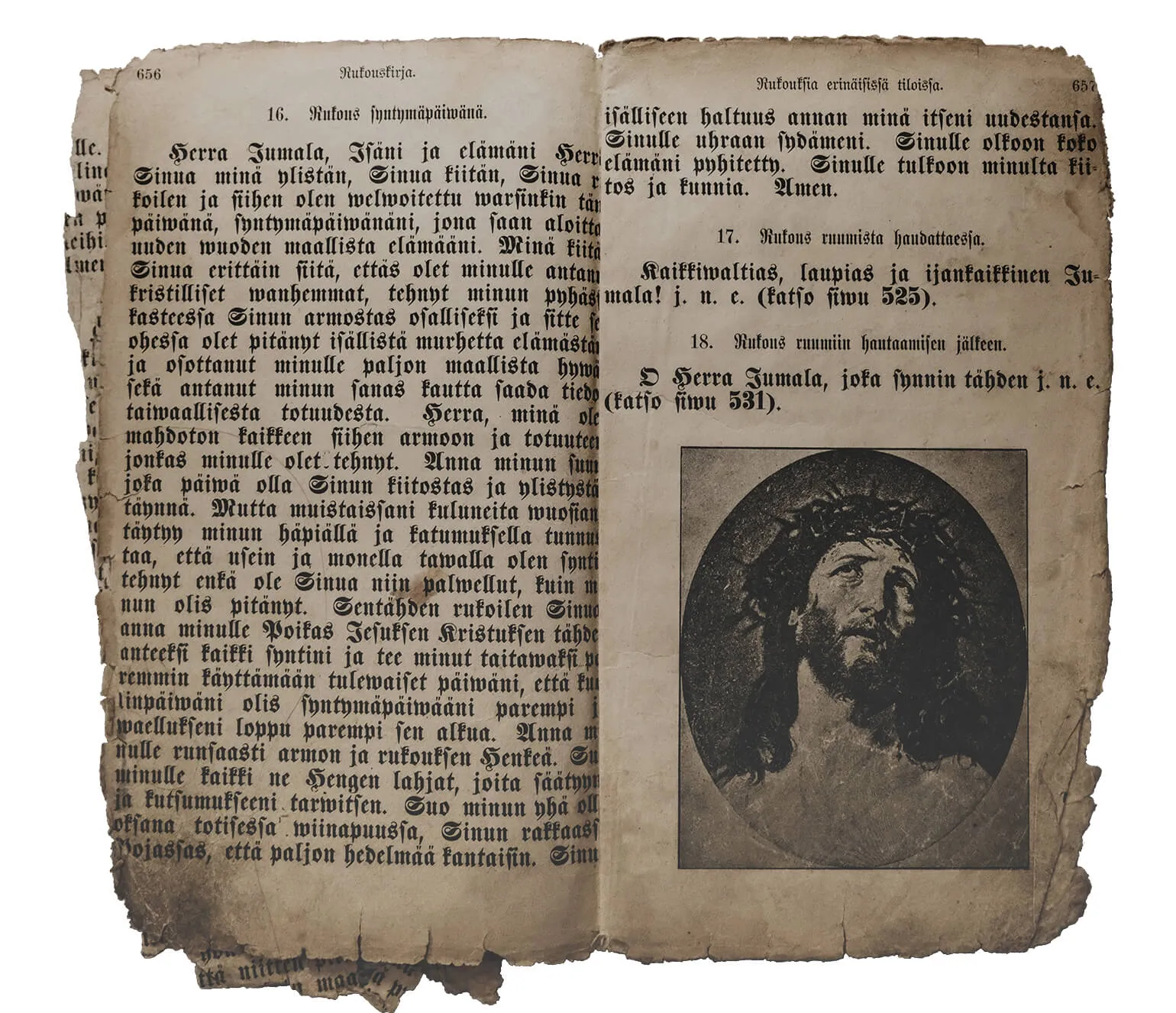
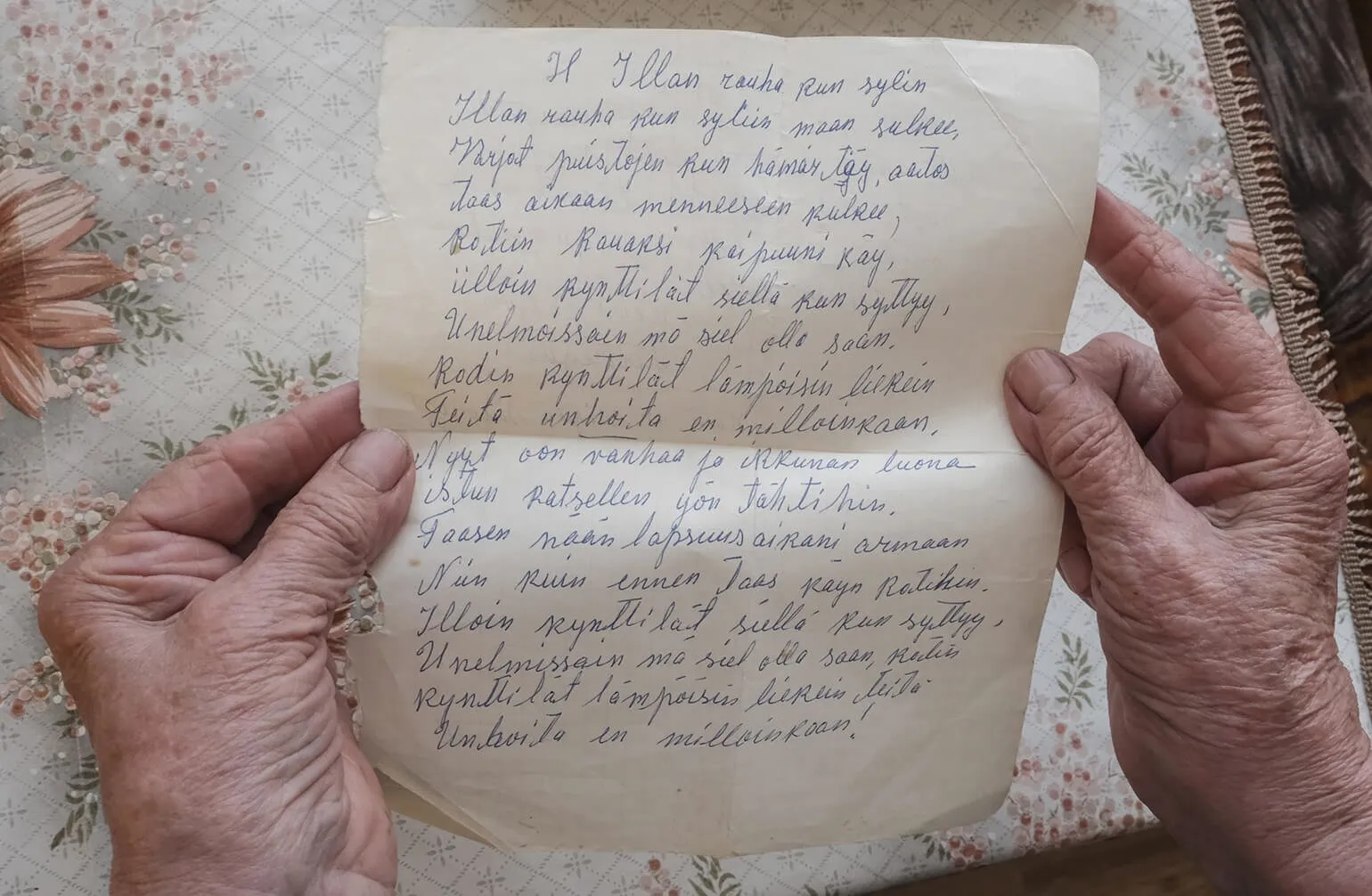
In In 1956, we were finally able to return to our homeland. I have a letter from a distant relative who left for Finland and was unable to return. This letter reflects her feelings and experiences, as well as the difficult fate of many people who found themselves far from home. The story of our family and those who remained outside our homeland underscores the importance of connection to homeland and preserving family traditions.
"When Aunt Lena returned, she fell to her knees and kissed the ground."
Alla Mitchenkova is an expert in her field, known for her unique approaches and innovative solutions. Her work covers a wide range of topics related to modern trends and pressing issues. Alla actively shares her knowledge and experience through publications and seminars, which allows her to establish strong connections with the professional community. With her deep understanding of the market and analytical skills, she helps companies adapt to change and achieve their goals. Alla Mitchenkova is a name associated with quality, reliability, and professionalism.
Initially, only Ingrians lived in this area. However, with the outbreak of war, the German authorities forced them to leave their homeland and resettle in Finland. Due to the harsh conditions, my grandmother succumbed to typhus. My grandfather, mother, and her younger brother found work on a farm in the city of Turku, where their life gradually improved. They provided for themselves, kept a cow, and my mother baked bread regularly, which contributed to the creation of a cozy and comfortable atmosphere in their new home.
Radio has always played an important role in our family. Upon learning that Tosno, Shapki, and Nadino had been liberated, we immediately applied to return. We were worthy workers, but our vacation was delayed. Eventually, we managed to leave, but instead of our home, we found ourselves in the Yaroslavl region. It was 1945, and living conditions there were extremely difficult: there was no electricity, no bathhouses, and not enough food. In this difficult place, Mom met Dad, who had just returned from the army. They got married, and being Russian, he became her chance to come home.
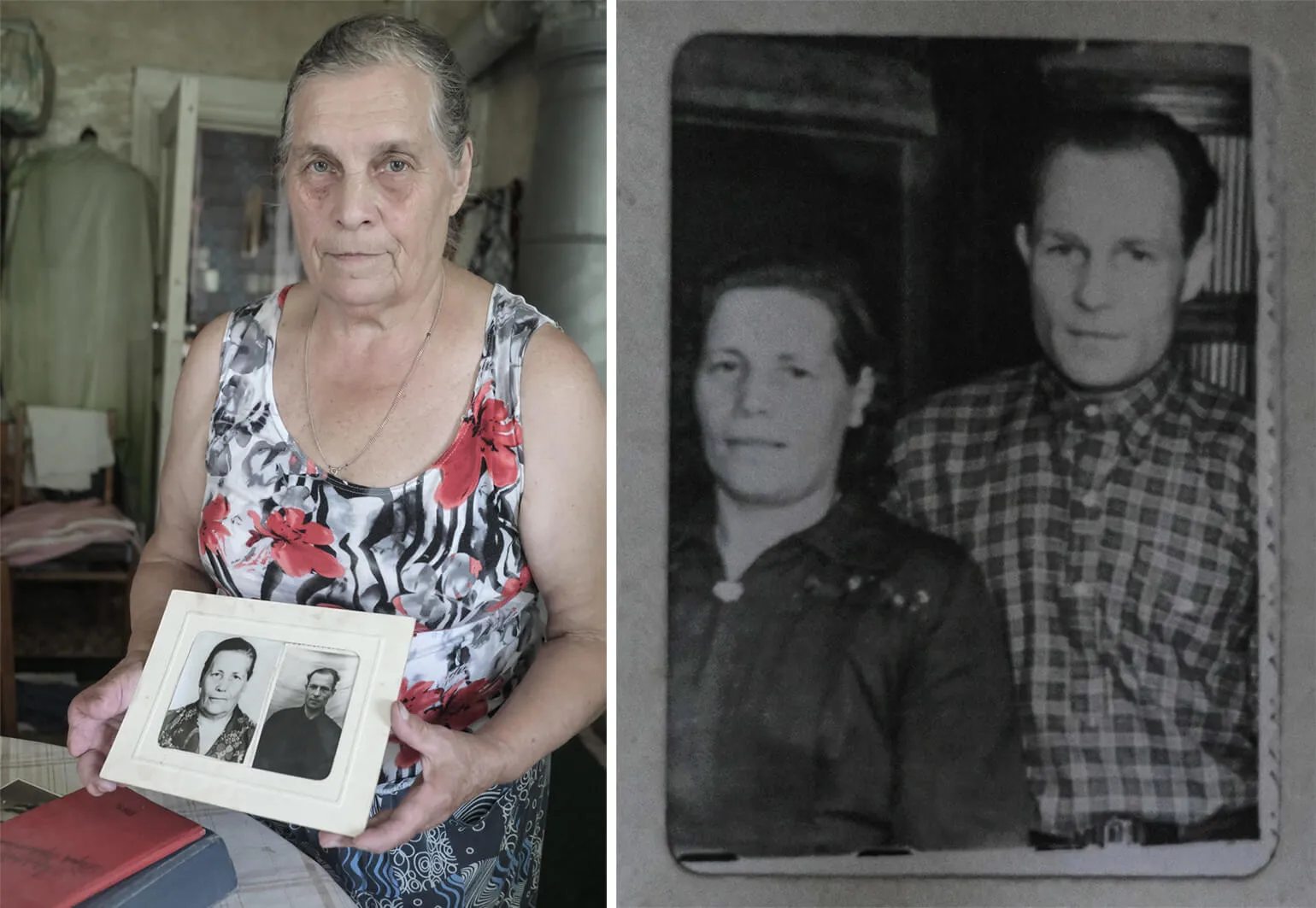
Когда они прибыли на место, то обнаружили, что всё было сожжено. Они приобрели сруб от хлева, а отец построил новый дом. Маме долго не удавалось прописаться, поскольку в паспорте значилось, что она финка, из-за чего ей было сложно устроиться на работу. К тому времени, когда она смогла получить прописку, у нас уже было трое детей. Мы начали обустраиваться, завели коров, овец, кур и гусей, и жизнь постепенно наладилась. Когда я подросла, я помогла маме получить справку, подтверждающую, что она не является врагом народа.
My mother had a friend, Aunt Lena. For a long time, she couldn't return home. They, like many Ingrians from Nadino, were exiled to Khibinogorsk, where the climate was extremely harsh. Many couldn't survive in such conditions. Aunt Lena and my mother corresponded, and she constantly asked, "How can I return to my homeland? How can I get back?" She only managed to return in the seventies. The oak tree in the yard was planted by her father. I will always remember the moment Aunt Lena returned: she fell to her knees and kissed the ground. This gesture became a symbol of her love for her native land and deep grief for the lost years.
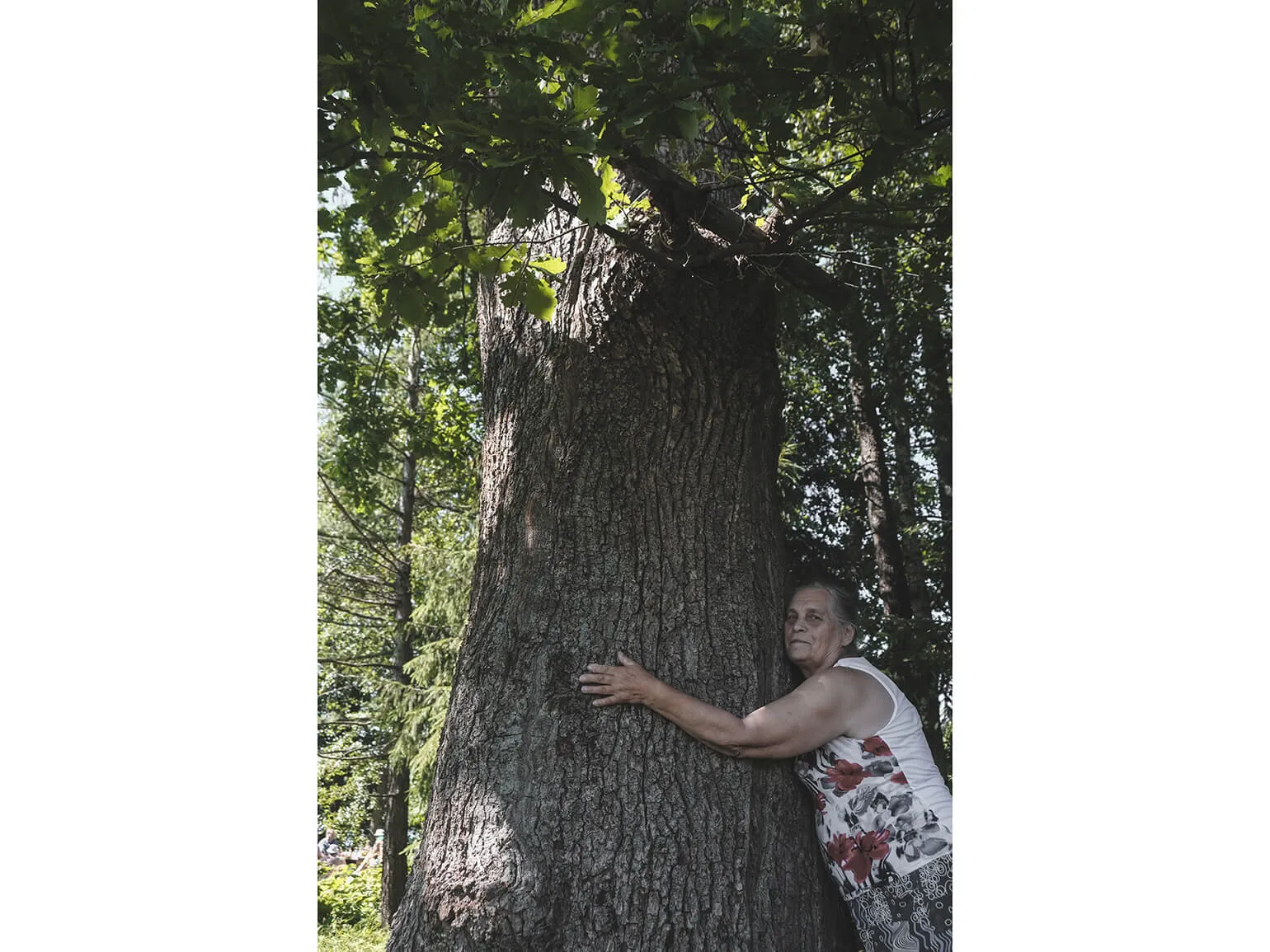
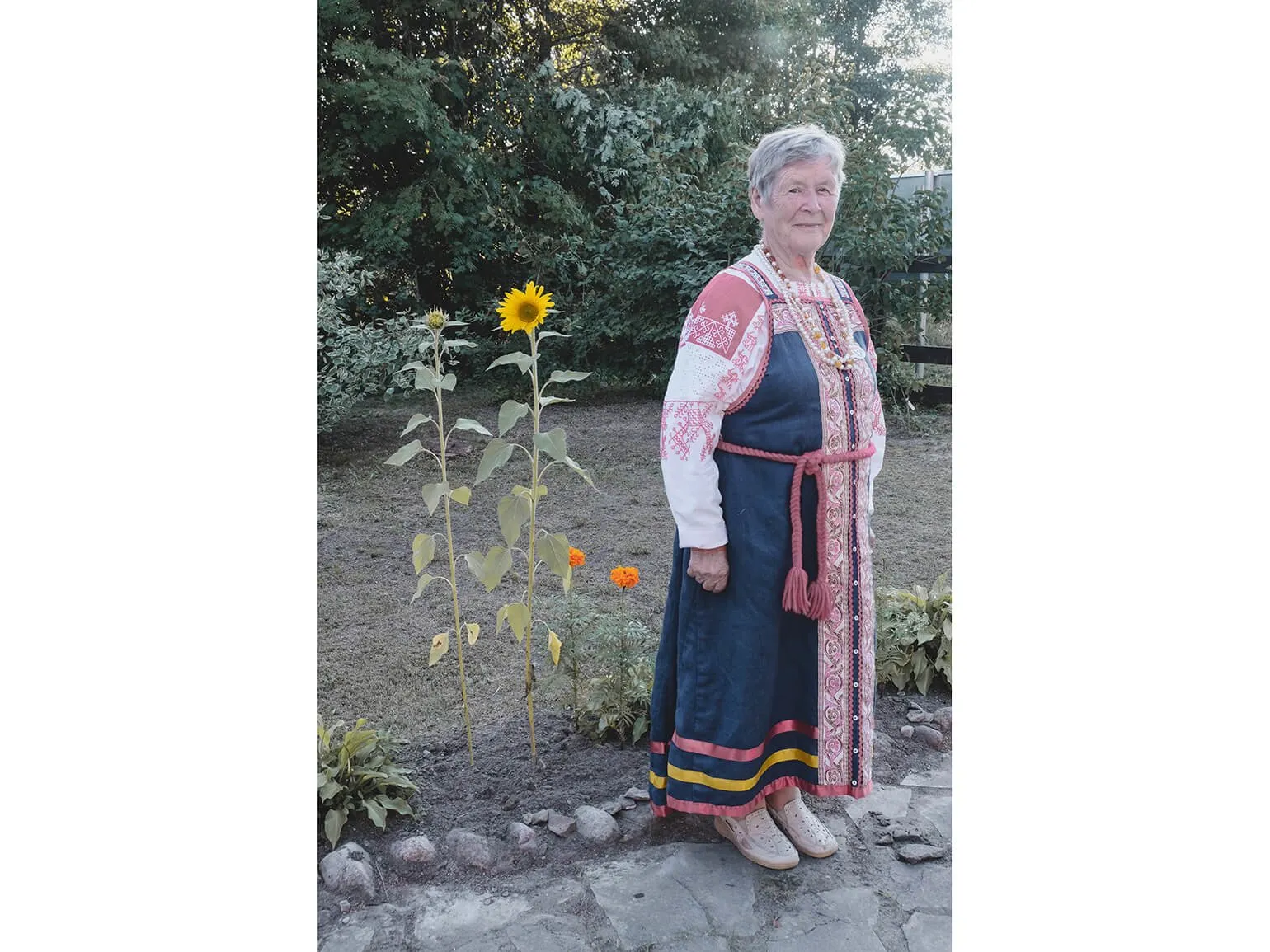
Before the war, my grandparents regularly attended church and sang in the choir. My mother had a beautiful voice and often sang prayers in Finnish. The whole village would gather under our windows to enjoy her singing. I deeply regret that I was unable to learn this language. My father was Russian, and at school we were sometimes called "Chukhnas." My mother always said, "To avoid being called names, learn Russian." Our family did not join the Komsomol or the Pioneers, as we adhered to our faith. This also became a source of ridicule. However, many teachers supported us and said that such children would grow up to be real people—those who would love their homeland, land, and people. And indeed, this is what happened.
"A person cannot live without faith"
Zinaida Kulikova (Vainonen) is a well-known figure in her field. She has established herself as a talented specialist and an active participant in many projects. Her work is distinguished by the high quality and professionalism, which allows her to successfully cope with any tasks. Zinaida actively shares her experience and knowledge, which makes her a valuable resource for colleagues and like-minded people. Her achievements inspire many, and she continues to develop her skills, striving for new heights in her career.
I was born in a dugout, and the nurse who assisted my mother in childbirth was named Zina. It was in her honor that I was named. In the past, this place was inhabited by the Finns. My mother was deeply religious and attended the parish in Järvisaari, located in the village of Shapki. There were seven children in our family.
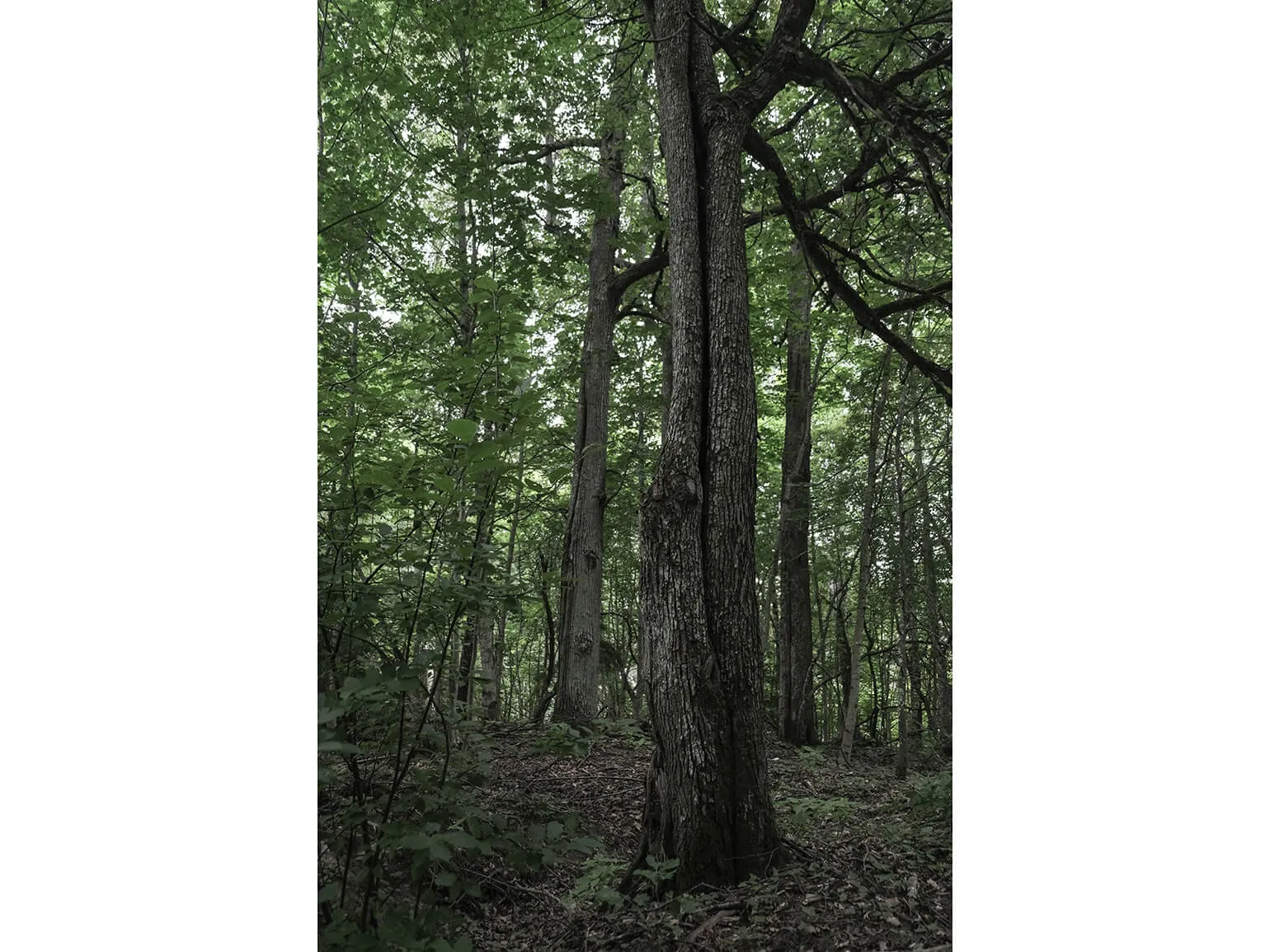
During the war, my mother and children sought shelter in a dugout on a mountain. It was a time of great fear, with bombs exploding overhead and the children crying uncontrollably. All residents were evacuated to the Dno station, where cold and devastation reigned, and food supplies were rapidly running low. Four of my brothers died of starvation, which worsened an already dire situation. Memories of those agonizing days remained in the hearts of the survivors, a reminder of the cruelty of war and its consequences.
In 1943, the German authorities planned to resettle our family to Finland. My mother agreed to this step, but my father opposed it. In the end, we remained in our native land. If we had decided to move, we might have managed to survive those difficult times.
When I was five years old, a Finnish pastor came to us for my baptism. I felt fear because he was tall, bearded, and wearing a black robe. At the time, I didn't understand what was happening, but now I understand the importance of faith in a person's life. Without faith, it is impossible to fully exist. Faith shapes our perception of the world and helps us overcome difficulties.
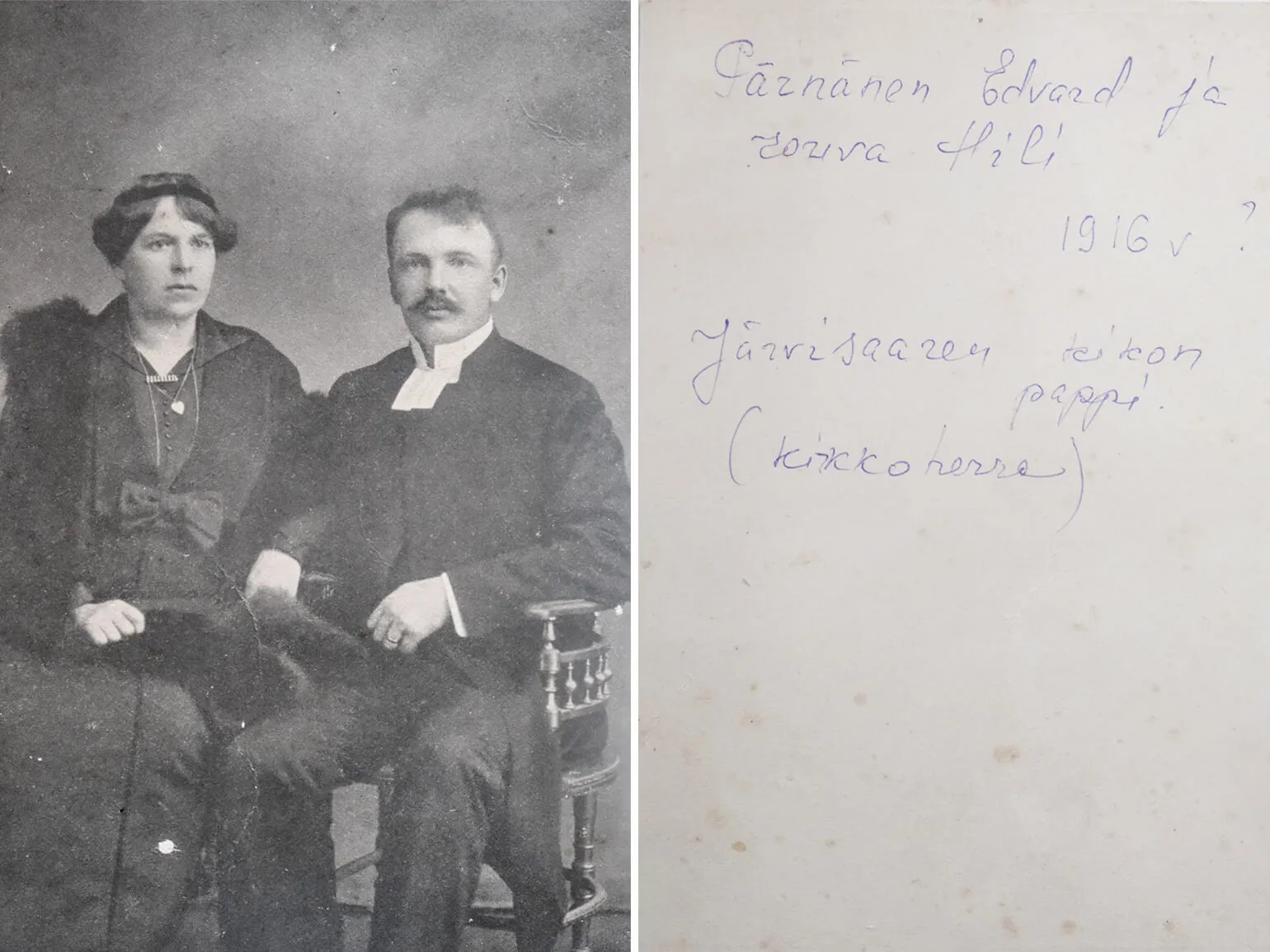
"I was amazed by the compassion of the Finns. In our country, we have never been treated like this."
Helmi Yakovleva is a name associated with outstanding achievements in a certain field. Helmi's unique qualities and professional skills make her a significant figure. She has proven herself to be an expert capable of solving complex problems and achieving high results. Helmi Yakovleva's experience and knowledge allow her to make a significant contribution to her field of activity, making her a respected specialist. As her career develops, she continues to grow and develop, striving for new heights and expanding her horizons. Helmi Yakovleva exemplifies the pursuit of excellence and professional dedication.
I was born in 1940 in the village of Alyapurskova. In 1941, my father went to the front and died in battle. German troops entered our land just two or three months after the war began. We lived in a cold dugout, and one day, German soldiers came looking for partisans. My brother became very frightened and began jumping up and down, which led to his heart condition. These events have forever left a mark in our memory and have become part of our family history.
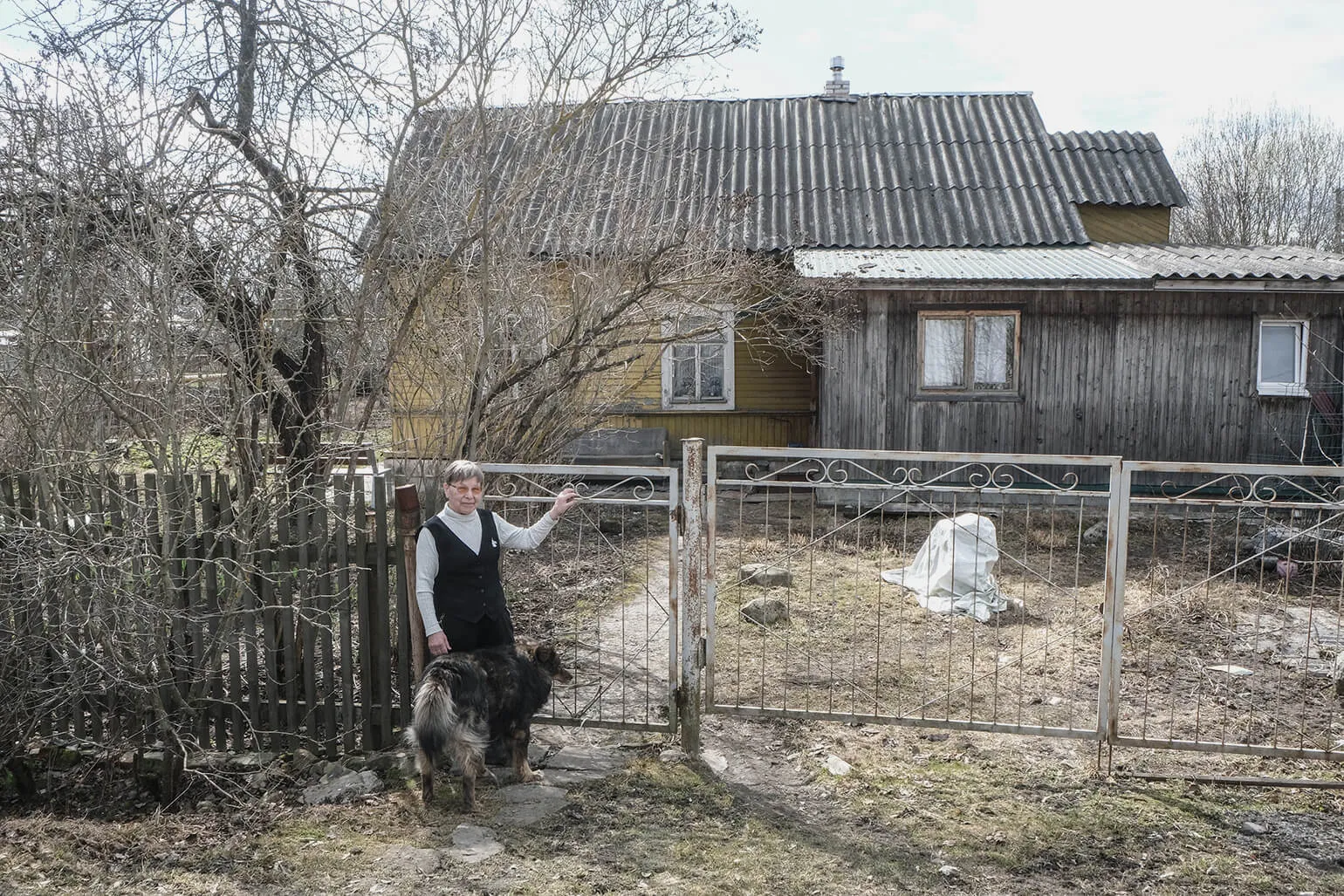
In In 1941, my mother gave birth to a girl, but six months later she tragically died of hunger and cold. Afterward, the Germans sent us to Finland. Although I don't remember those events, as I was only three years old, my mother told me that those were very scary times. Gunfire erupted from both Russians and Germans, creating an atmosphere of terror and uncertainty. These memories of war and suffering linger in our memories and shape our perception of history. Life in Finland was extremely difficult. Our landowner, when he hosted us, used state ration cards, which were intended for purchasing food products such as sugar and flour, exclusively for himself. When my mother learned of this, she decided to appeal to him, explaining that we had no means of subsistence. His reaction was indifferent and he only laughed, but nevertheless, he began issuing the cards. This experience highlights the difficult social conditions and the struggle to survive in difficult times.
When I was 8 years old and my brother was 10, we were sent to Karelia on a freight train. The journey lasted a month, and the train made frequent stops. One day, when the train stopped, several men went out into the field to collect hay for the animals. My mother decided to go with them, leading the cow. Suddenly, the train began to move, and my mother, clutching the crossbar of the last car, was left hanging in the air. At that moment, a huge bridge appeared ahead, and she thought she was about to die. Fortunately, a miracle occurred: the rear wheel of the car caught fire, and the train stopped. Mom survived, and this story remained in our memory as a symbol of resilience and unexpected luck.
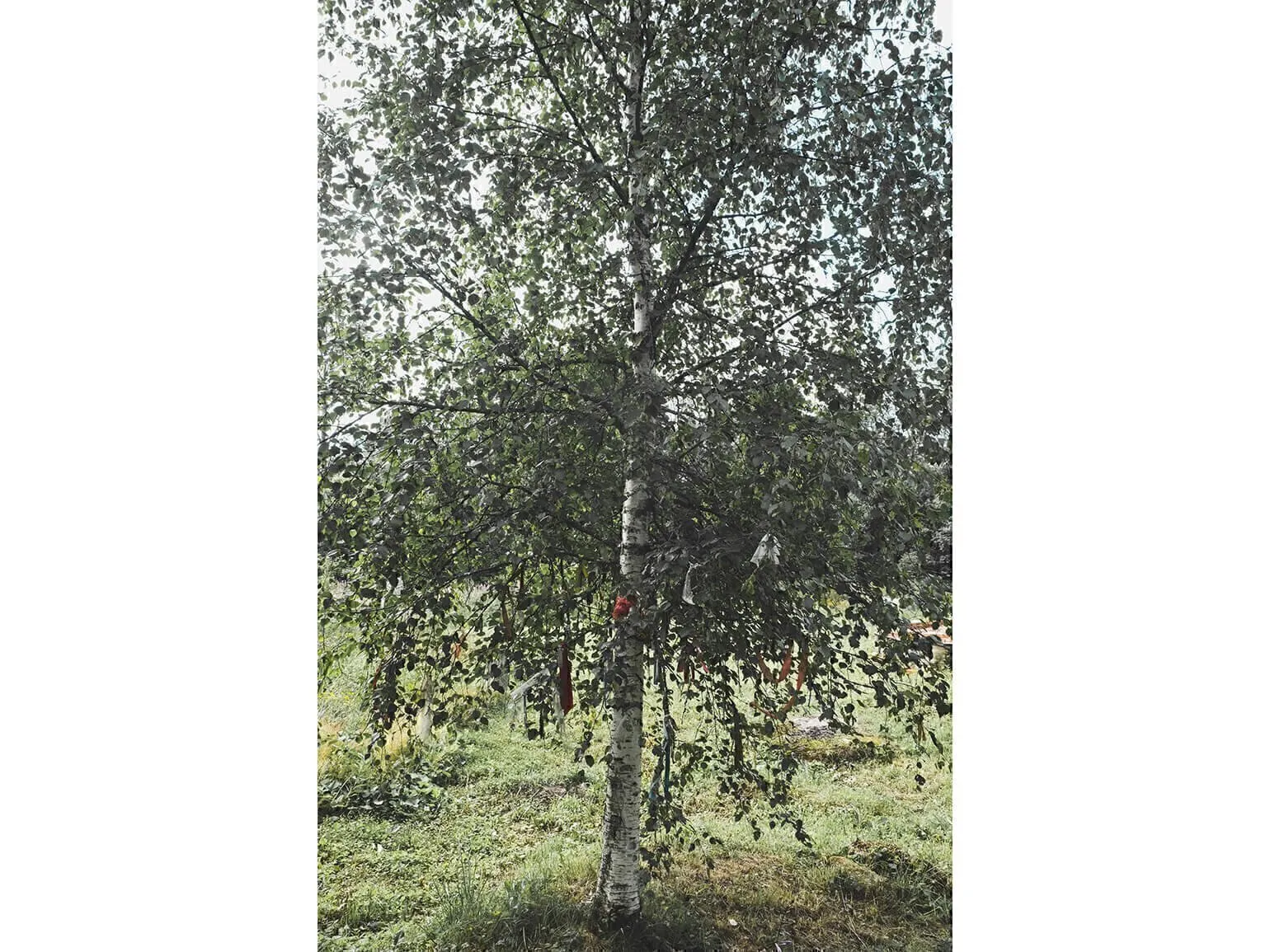
When we arrived in Karelia, we were told that only men were needed for the work. This upset my mother, and she burst into tears. In response to her distress, she was told, "Don't worry, we'll provide a horse, and you can haul hay."
During our childhood, we experienced real hardship. My mother took a sandwich to work every day and brought it home in the evening. She told us that a bunny gave us the sandwich. We sincerely rejoiced at this fairy tale, not realizing that in fact, it was her trick to hide our poverty. This story became a symbol of hope and warmth for us in difficult times.
In our village, there was only a school up to the fourth grade, and when it was time to move on to the fifth, we were not allowed to go further. We were told that we were exiled forever. My mother managed to convince the local authorities to let us go to school, and we moved to Segezha, also in Karelia. I studied there from fifth to tenth grade.
In 1958, we returned to our home. Only traces of our home remained: a place for a cellar and a tree that had once grown near the house. At Taitsy station, there was a prosperous state farm where we could find work. One woman provided us with temporary housing, and we began working to pay the rent. Soon, my mother bought a log house for our new house.
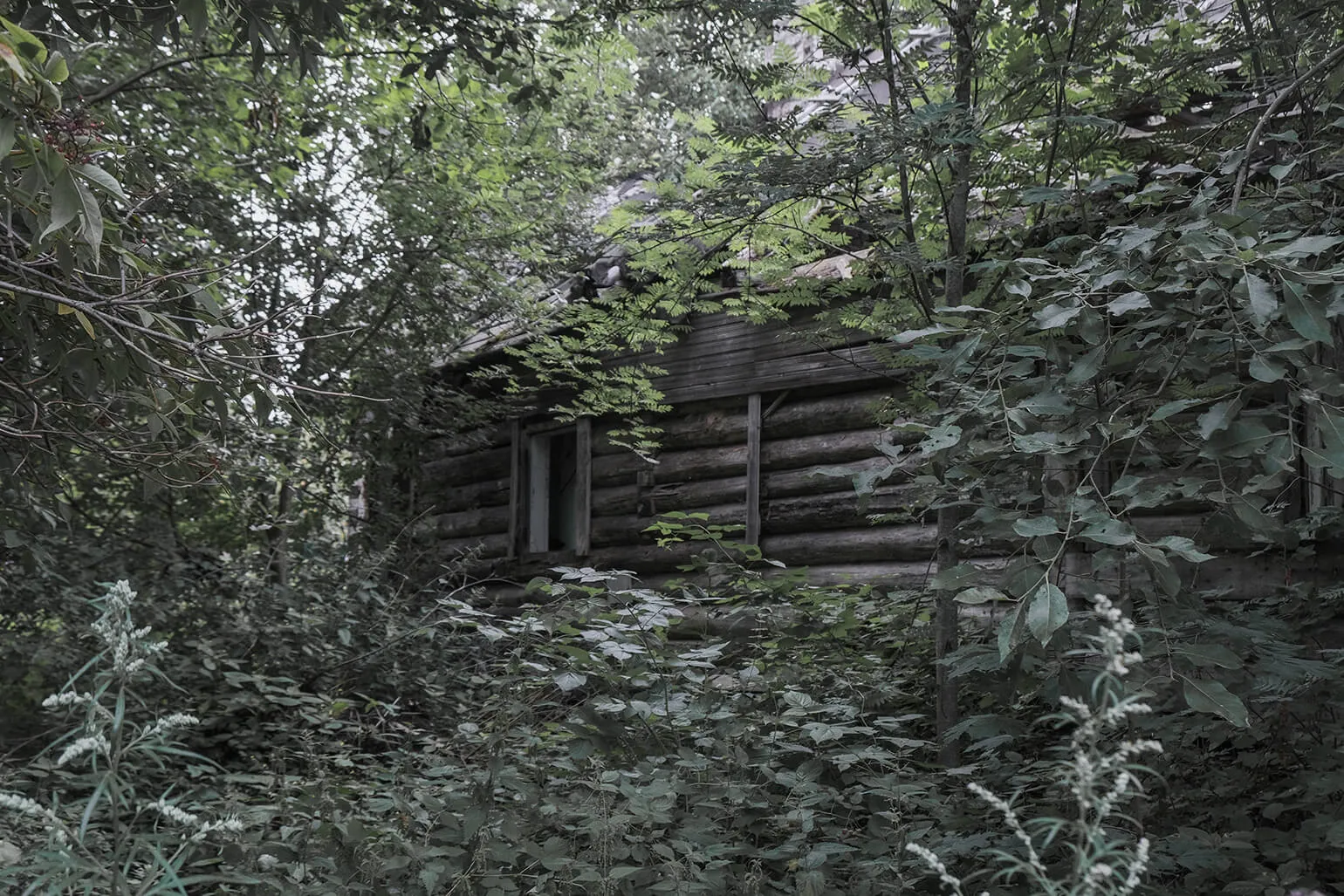
Only the three of us remained - my aunt, my mother and me. My grandmother passed away in Karelia, and my brother died in 1955 after unsuccessful heart surgery. My mother worked on the roof herself, covering it with shingles. Together, we poured the foundation, mixed the mortar by hand, and did everything else necessary for construction. She also installed the ordered glass herself. The work was in full swing, and we needed to start a new life.
My mother had been a Lutheran since childhood. There was no church in Taitsy, but over time, Christian groups began to form. We gathered together, studied the Bible, and shared our faith. My mother didn't force religion on us, but her passion for the Bible and hymns naturally influenced me. I listened to her, and these moments became part of my spiritual perception.
In 1992, I began attending St. Mary's Church. Finnish parishioners donated a large organ and helped with the renovation of the church. They also regularly brought humanitarian aid, including clothing and food. This kindness made a deep impression on me, as such an attitude towards people was rare in our country.
"A mother's language should never be forgotten"
Valentina Yudina, known as Stuf, is a vibrant figure in the world of art and culture. Her works attract attention due to their original style and profound meaning. Valentina actively participates in exhibitions and festivals, where she presents her unique pieces. She also shares her experience and knowledge through workshops and lectures, inspiring a younger generation of artists. Stuf continues to develop her skills and experiment with new techniques, which makes her work even more interesting and multifaceted.
I was born in 1937 in the village of Kirjamo. My father was Russian, and my mother was an Ingrian Finn. My background reflects a rich cultural heritage that combines Russian and Finnish traditions. The influence of both cultures played a significant role in shaping my personality and outlook on life. Memories of life under German occupation remain vivid in my memory. At that time, we experienced severe hunger; our livestock had been taken away, and we were forced to forage for food in grass and dried potato peelings. The Germans provided us with bread mixed with sawdust. A Finnish priest, who received permission from the Germans to perform ceremonies, would appear in the villages—he baptized children and performed funeral services for the dead. It was then that I was baptized, and I still remember the childhood prayer. These memories of difficult times remain with us, emphasizing the importance of spirituality and hope even in the most difficult moments. In November 1943, I was deported from my hometown. I was the only child left, as my younger sister died tragically of dysentery. We were transported to Kotly in freight cars, and it was a terrible time. We faced filth, lice, and constant hunger. I heard the bombings, which sounded very close. I remember the cars loaded with cattle being shipped to the Germans, and a platform full of pigs squealing in fear. These events will forever remain in my memory, because such experiences change lives and leave a deep mark on the soul.
We moved to Finland, where we were warmly welcomed. We were provided with housing and work. My father found work as a stoker in Kotka, and my mother was pregnant. In 1944, she gave birth to my sister, Lisa. Everything was going well for us: we received free diapers, milk, and butter, and we also had bread rationing. When I turned seven, I went to first grade in a Finnish school.
My first lesson at school was Scripture, and I studied for less than a year. I remember preparing a theatrical production for Christmas with my classmates, but our plans were ruined. An order was issued for all citizens of the Soviet Union to return home. However, we were not allowed to return to our native places, as we were considered unreliable.
We were sent to the Novgorod region, to the Velikiye Luki area, to the Lychkovo station. During the war, fierce battles took place here, and the area was heavily damaged. The only thing that was restored was the railway.
Everything around was mined, and children were strictly forbidden to go into the forest because of the danger. We were housed in a large dormitory, where we slept on bunks and warmed ourselves with a stove. We experienced terrible hunger, sometimes cooking rye in water. I constantly dreamed of bread. In such conditions, life was full of fear and need, and every day became a real trial.
My father went to work in construction, and my little sister began to have health problems: she developed abscesses, began to lose her sight, and eventually developed a cataract in her eye. I myself fell ill with measles. As a result, we decided to flee to Estonia. We saved up money and sold some things to leave. In our new home, we began going around farmsteads and begging for alms. People helped us, some with bread, some with milk, some with pies. In one farmstead, we came across a large farm with 20 cows and four draft horses. They allowed us to stay and provided us with housing. I began working on the farm, herding pigs and cows, and also enrolled in an Estonian school. I quickly mastered the language and successfully completed seventh grade. Teachers noted my successes, telling other students that I, a Russian, knew the language better than many of them.
After Stalin's death, we returned to our native village of Kirjamo, where my parents lived their entire lives and found their final resting place. I got married and moved to Luzhitsy. As a Lutheran, I used to often attend the Skvoritsy parish, where I met Finns and made new acquaintances. However, now my health does not allow me to travel far, and I attend the Orthodox church located near my home.
Pastor Arvo Survo once said: "Your mother's language should never be forgotten." These words left a deep mark on my heart. I continue to remember the Finnish language and often sing in it. Preserving one's native language is important for cultural identity and the transmission of traditions. Finnish, with its unique grammar and melody, allows me not only to express my thoughts but also to maintain a connection with my roots.
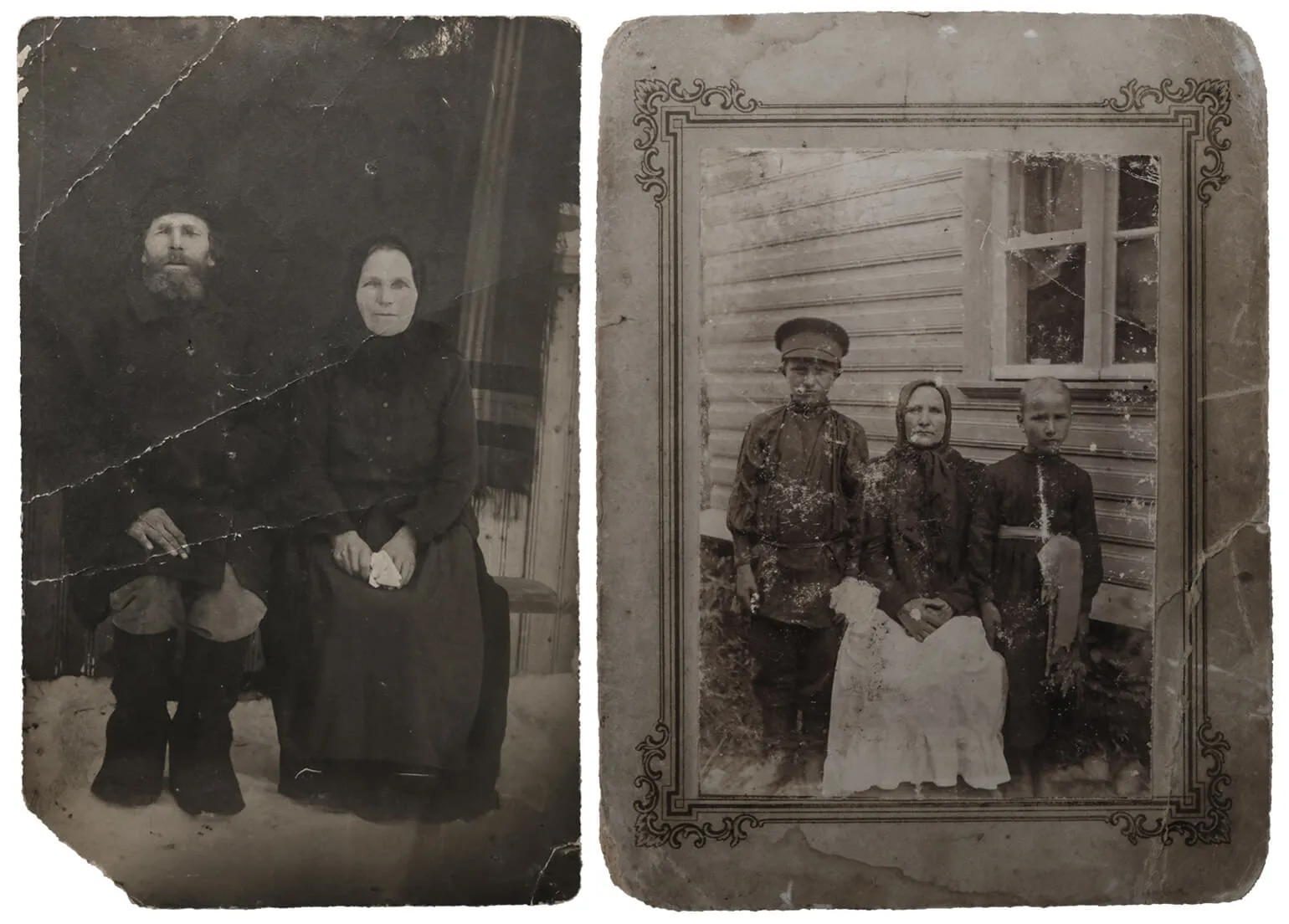
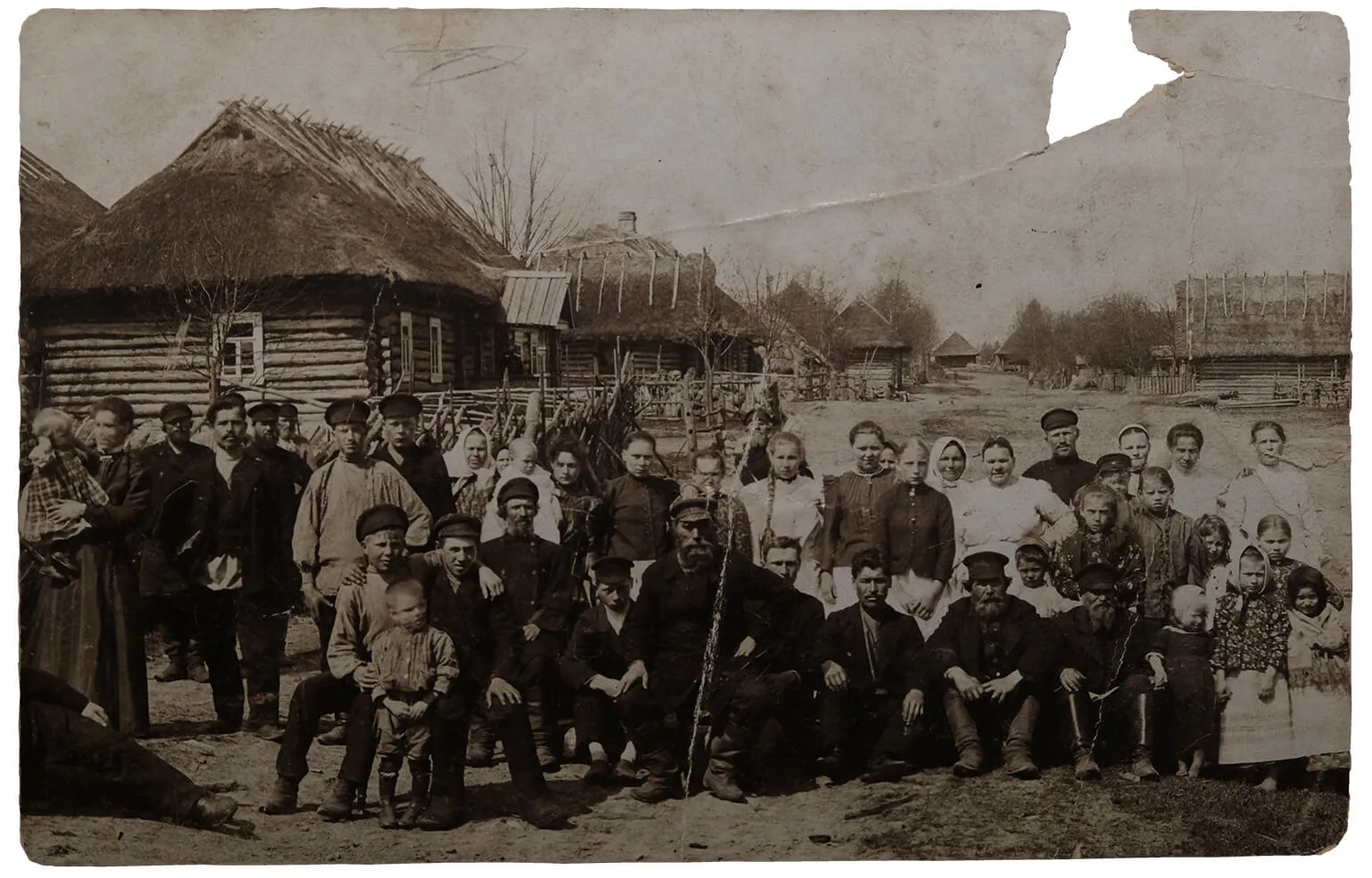
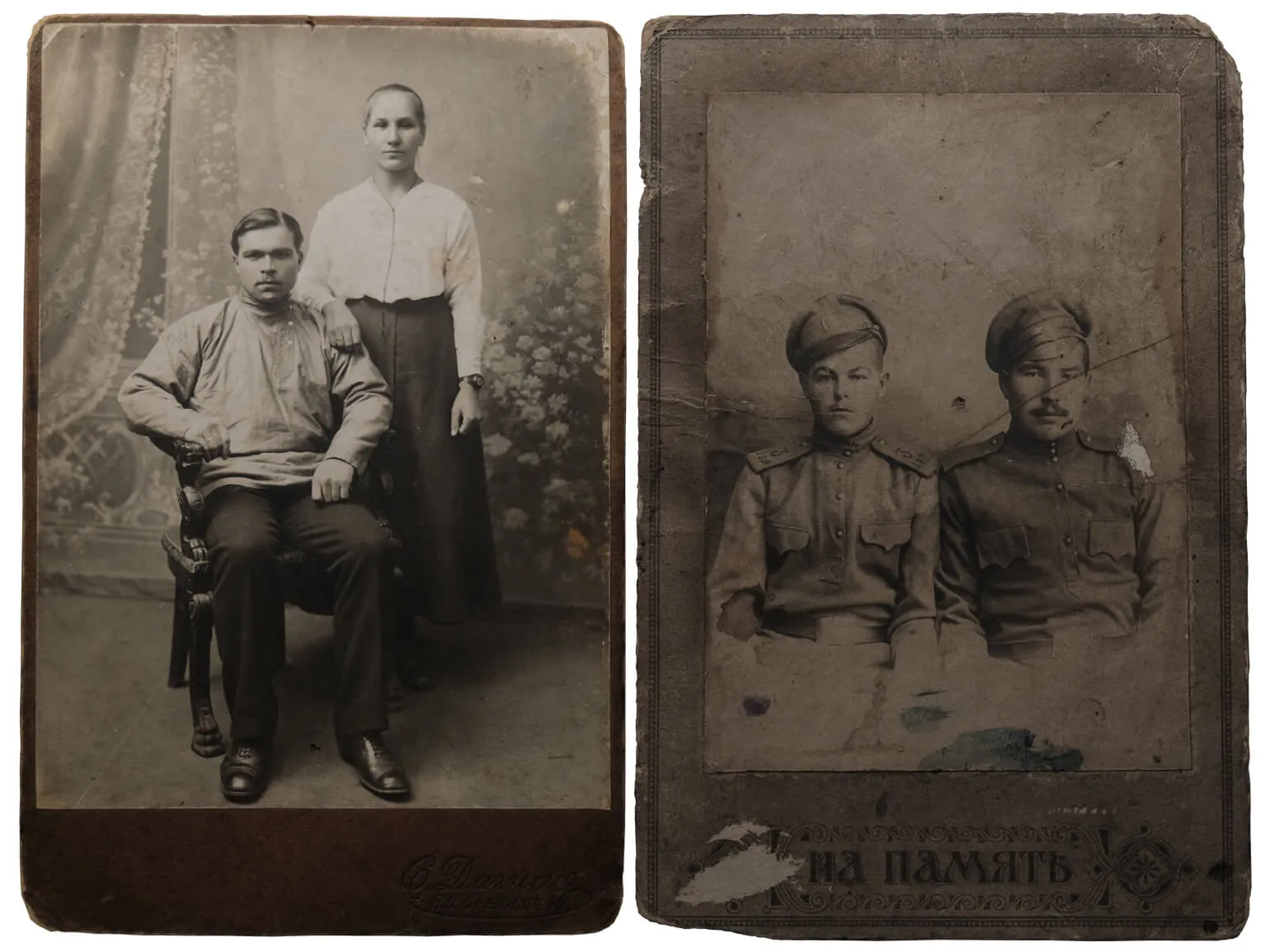
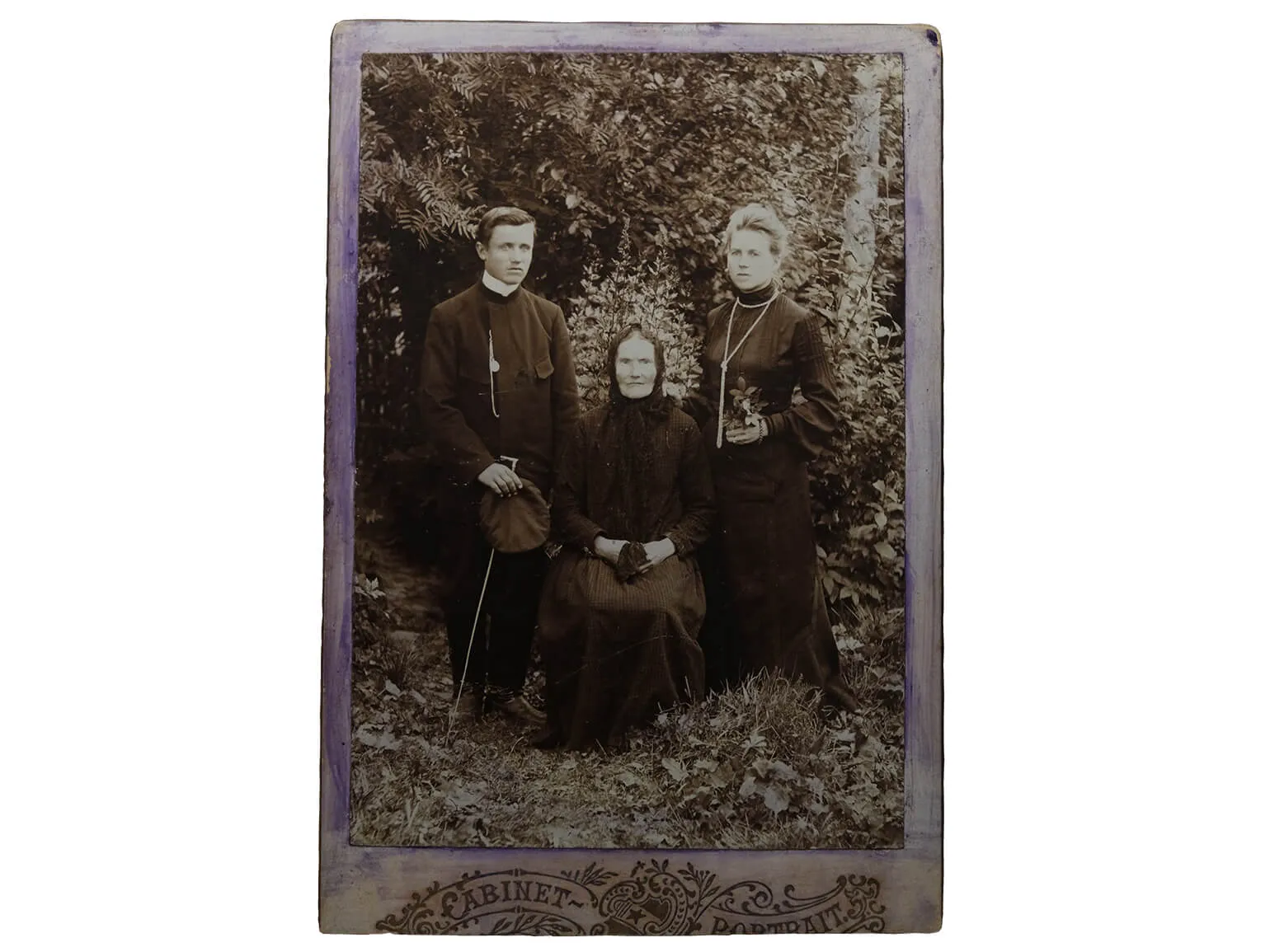
"We are being evicted, take our cow before they take it to the collective farm"
Izolda Ahonen is a talented person with a unique approach to her work. She is known for her creative thinking and ability to find unconventional solutions in various fields. Izolda actively shares her experience and knowledge, inspiring others to achieve success. Her work is distinguished by its high quality and originality, making her sought-after in the professional community. Given her achievements and influence, it's safe to say that Izolda Ahonen occupies a significant place in her field.
My grandfather served as a pastor and church warden of the Kuzyomkinsky parish. In 1935, he was arrested. A black van pulled up, and people who hadn't entered the church but asked to see the church warden came out. Grandfather left, taking his pocket Bible with him, and they took him away.
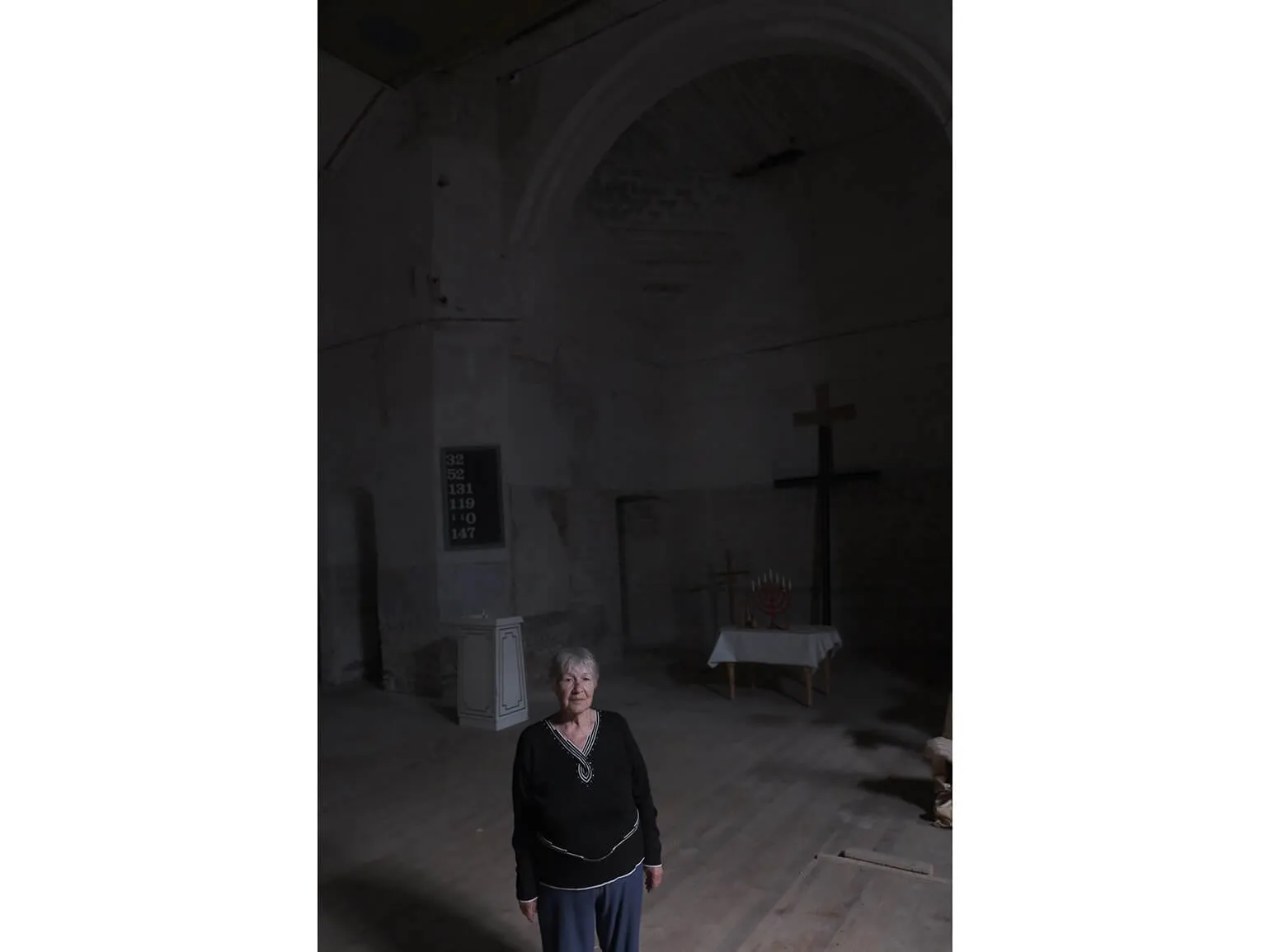
In 1937, my grandmother was arrested and sent into exile. At that time, everyone over 14 was ordered to gather outside. My grandmother's son already had a small child, and he was not allowed to accompany them. The son's wife subsequently couldn't bear the grief and lost her mind. My mother was 14 at the time. She was very attractive, with long, thick black hair that reached her waist. Her brothers hid her in their hair, claiming she had typhus so the guards wouldn't touch her.
The passengers were placed in cattle cars and sent to Kazakhstan. My grandmother recalled that the car was extremely stuffy, and no food or water was provided. Along the way, many people died of hunger and thirst.
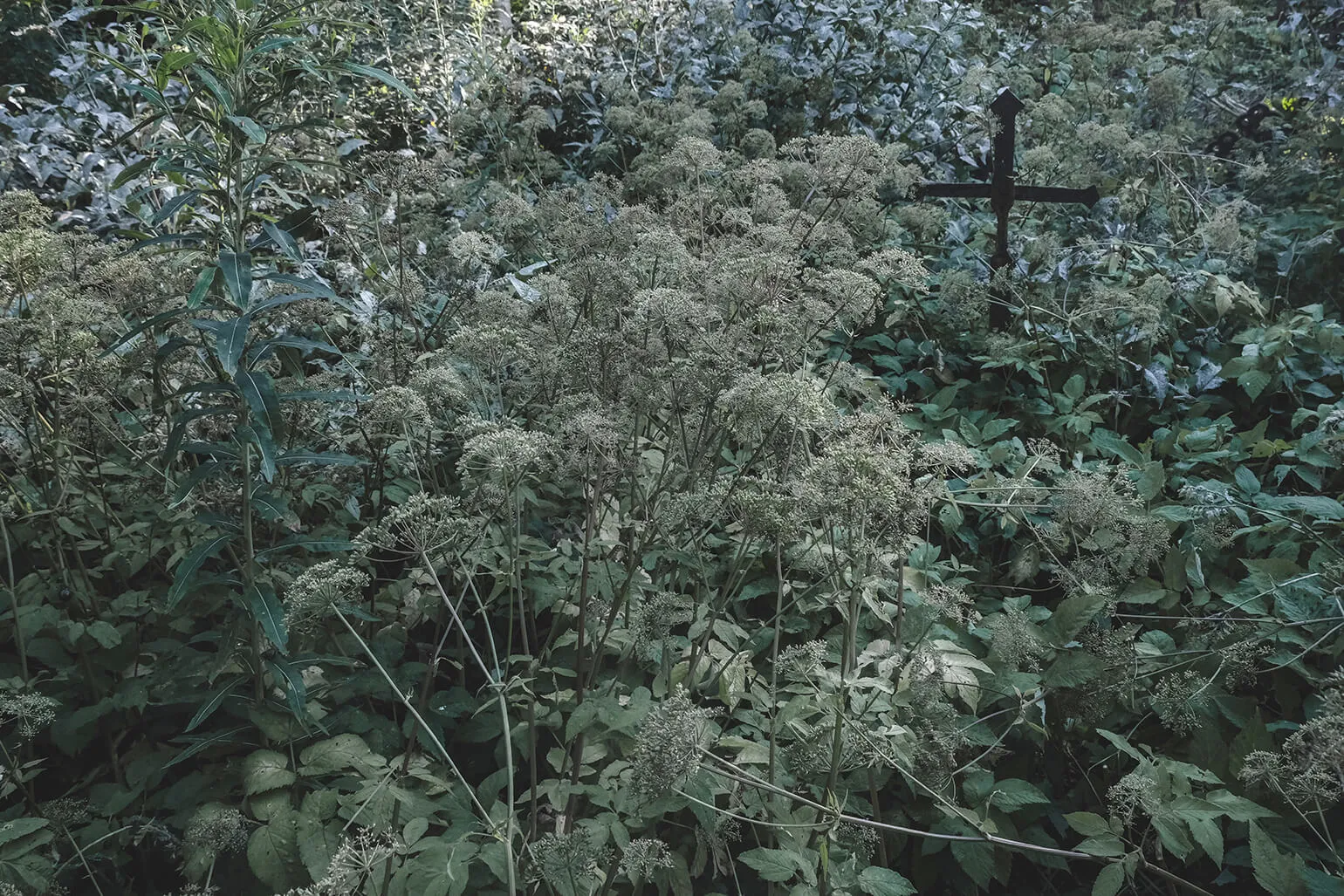
When they arrived In Kazakhstan, they were dropped off in the steppe under the bright sun, where the bare minimum of living conditions was lacking. People dug dugouts and wells to provide themselves with water. As a result, only a few were able to return, and my grandmother survived only thanks to a miracle.
In 1939, my grandmother left her homeland with her children and moved to Syzran. She got a job on a collective farm, where she became a beekeeper. Around this time, my mother got married. With the outbreak of the war, life changed, and everything around seemed chaotic. In 1946, we returned to our homeland, to the village of Bolshoe Kuzemkino, to find peace and restore our familiar way of life.
After the war, everything was destroyed, and the people suffered severe hunger. I had a little brother, Vitya. One day, when we were preparing for Easter, my mother thoroughly cleaned the house: washed the floors and hung clean, snow-white curtains. She put some water on to boil, but soon burst into tears of despair, because there was no food. That evening, we noticed that Vitya was missing—he always slept in my room. We started looking for him and found him in the yard, kneeling under a blood-red moon. He whispered, "Oh, God, oh, God, give us a cow. I want milk." This moment vividly illustrates the suffering and hopes of people in difficult times, when even a simple desire for milk became a prayer for help.
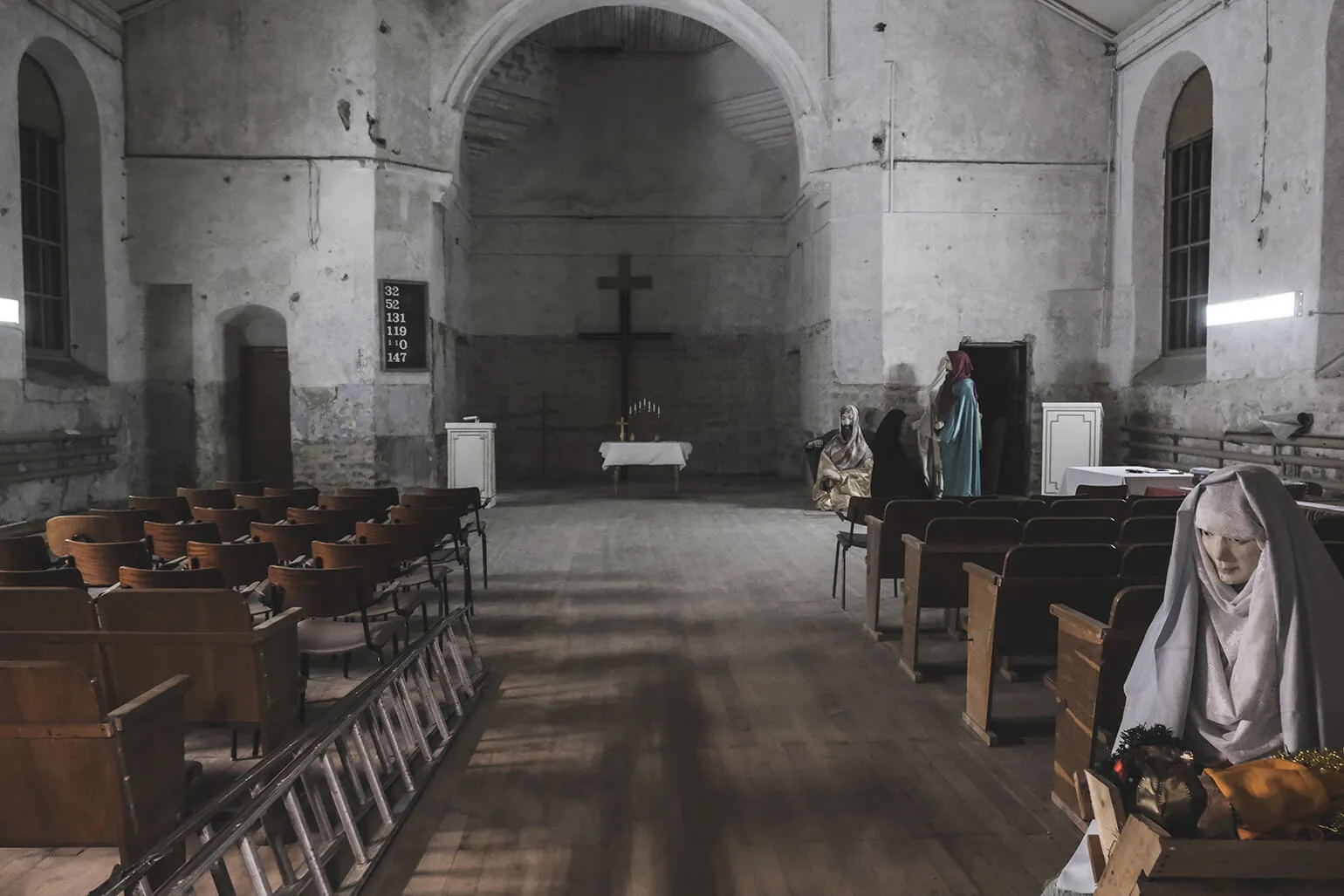
Mom repeatedly repeated that we needed to be careful. She picked him up and carried him into the house. At that moment, a neighbor from Finland approached us and screamed in panic: "Run to us!" She warned us that we were being evicted and that we needed to get the cow before it was taken to the collective farm. At that moment, we felt joy and hope for salvation.
Grandfather returned home in 1947, but, unfortunately, his life lasted only four months. His health had suffered greatly from the grueling labor of exile, and he did not like to share his memories of that time. Often in his prayers he expressed gratitude to God for being able to survive in this terrible place.
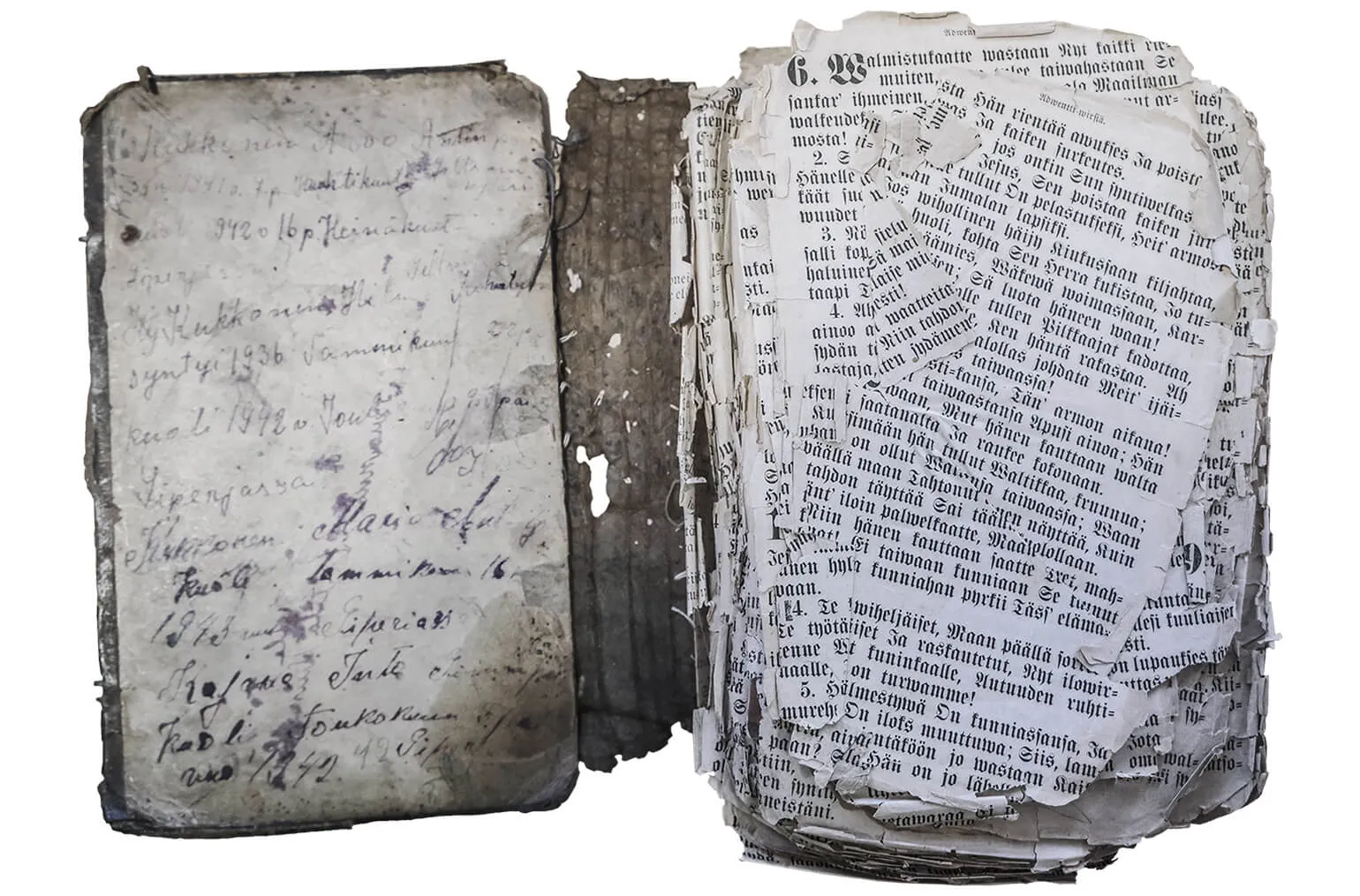
I began writing poetry as a child, and since then it has become an important way for me to cope with emotions, experiences, and memories. Poetry helps me make sense of events and accept them. This excerpt from the poem is dedicated to the Ingrian Finns and is a tribute to those who were unable to return home. Poetry is not only a way to express feelings, but also a way to preserve the memory of people and events that left a deep mark on my heart.
Not everything is hidden under the "secret" classification. Many aspects considered confidential may be available to a wide audience. Information marked as classified requires a special approach to protection and dissemination. However, in today's world, where data is easily transferred and processed, secrecy is becoming increasingly relative. It's important to understand that even classified information may be revealed through leaks or accidental disclosures. Therefore, protecting confidential information requires a comprehensive approach, including both technological measures and a legal framework. To ensure the security of classified data, it's necessary to regularly update security methods and train employees to minimize the risk of information leakage. Blind spots cannot be hidden forever. They remain visible and require attention. To get rid of them, it's necessary to use special methods and products. It's important to understand the reasons for their appearance and seek effective solutions. Proper care and the use of high-quality cosmetics will help minimize their visibility. Don't forget that regular skin care and treatments will help achieve the desired results. Arrests, executions, and human suffering are tragic events that leave a deep mark on history. Massive repressions, leading to the deprivation of liberty and life, cause irreparable harm to society. These facts remind us of the importance of protecting human rights and the need to remember those who fell victim to political repression. Researching such topics helps not only understand the past but also prevent similar tragedies from happening in the future. Lost in time—there are no perpetrators, no clear explanations. This moment leaves us reflecting on what is happening beyond our understanding. Time passes, taking events and people with it, and we are left with questions that cannot always be answered. Disappearance leaves a deep mark on memory and inspires a further search for meaning. We strive to understand what loss means and how it affects our lives. Every moment that fades into eternity reminds us of the value of time and the inevitability of change. Truth cannot be hidden, just as evil cannot. These two concepts will always find a way to emerge, even if they are tried to be disguised. Truth has a power that sooner or later comes to the surface, regardless of the efforts aimed at concealing it. Evil, in turn, does not disappear without a trace, and its consequences can be devastating. It is important to remember that honesty and openness always prove more resilient in the long term.
Everyone is responsible for their actions in their own time.
Without small nations, there are no large ones. Every culture, regardless of size, makes a unique contribution to the common heritage of humanity. Small nations preserve ancient traditions, languages, and customs that enrich world culture. Respect for diversity and support for small nations contribute to the preservation of their identity and the development of multiculturalism. Without these unique communities, a large culture loses its diversity and richness. Preserving small nations is an important step toward a future in which all cultures can coexist and enrich each other.
Grandchildren and great-grandchildren preserve the memory of their ancestors.
"They never complained and took everything that happened to them for granted."
Elsa Dmitrieva is a name that has become a symbol of outstanding talent and professionalism. She has established herself as an expert in her field, demonstrating deep knowledge and skills. Elsa is actively involved in various projects, which allows her to remain at the forefront of her profession. Her achievements inspire many, and her approach to work is distinguished by attention to detail and a desire for continuous development. Elsa Dmitrieva continues to expand her horizons, making a significant contribution to her field and remaining a role model.
Of a family of 12, only four survived the war.
When the war began, my mother, Aino, was only nine years old. The Germans sent the family to a concentration camp in Estonia. They lived in unbearable conditions, in cold barracks, where poverty and suffering reigned. Food was extremely meager. Sometimes they were given herring, but it was often spoiled. Water was scarce, and many people died of hunger and dehydration. These terrible conditions left a deep mark on our memories, and the story of those years reminds us of the importance of peace and humanity.
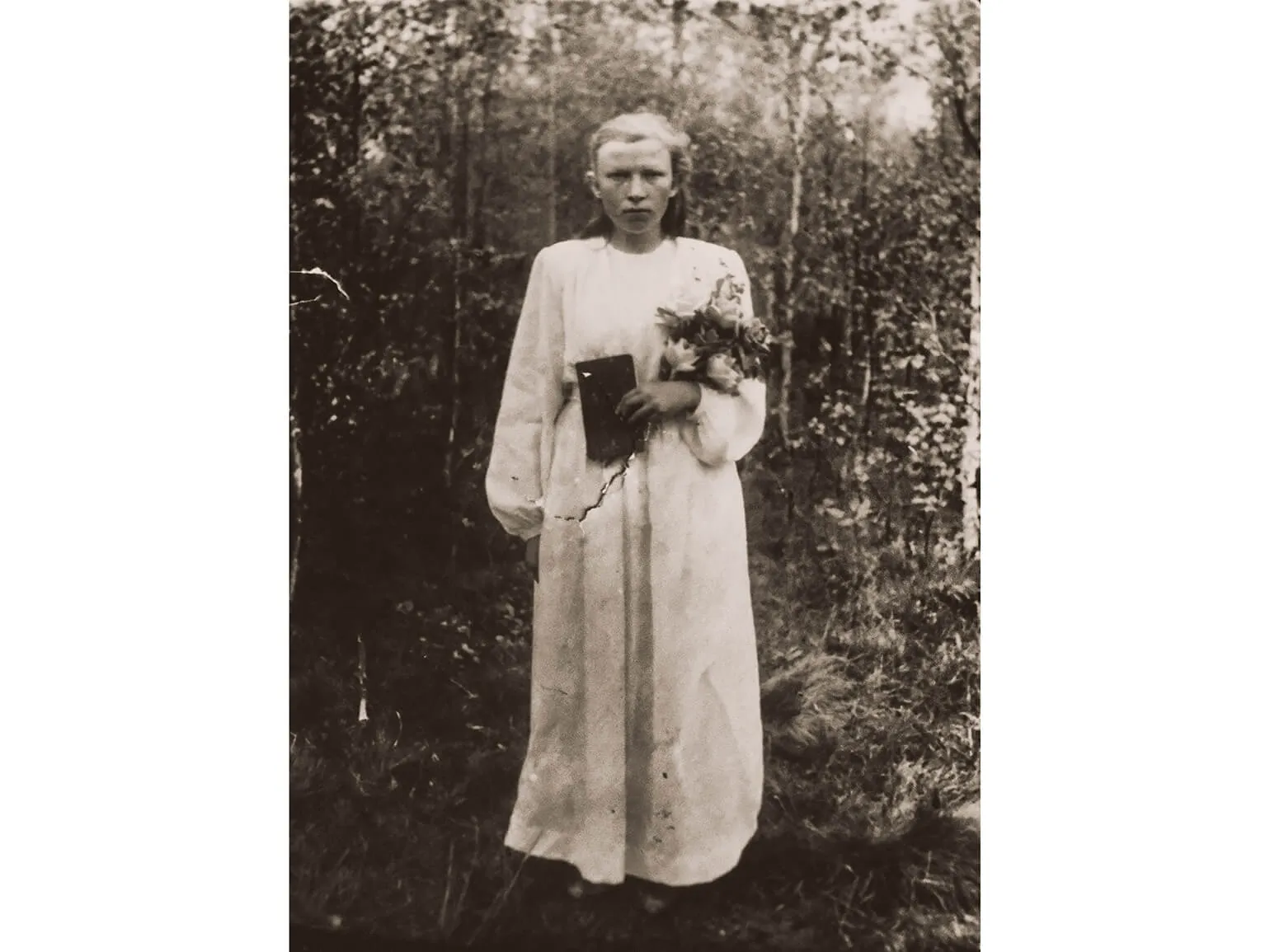
Rumors that Ingrian Finns were in concentration camps soon reached Finland. As a result, a decision was made to release them and send them to a free settlement, where they could work as farm laborers for Estonians. My mother and grandmother were adopted by an Estonian family. Although my mother was still young, she already knew how to milk a cow. She had no opportunity to study, but she spoke German well and understood Estonian.
After the war, many people hoped to return to their homelands. They could not imagine that many villages had been completely destroyed. However, hope remained. In accordance with government instructions, they were gathered into trains marked "voluntary settlers" and sent to Karelia, to the Pai station. This process of resettlement became an important page in the history of the region, affecting the destinies of thousands of people. Many of them were looking for a new place to live, hoping for recovery and the opportunity to start over.
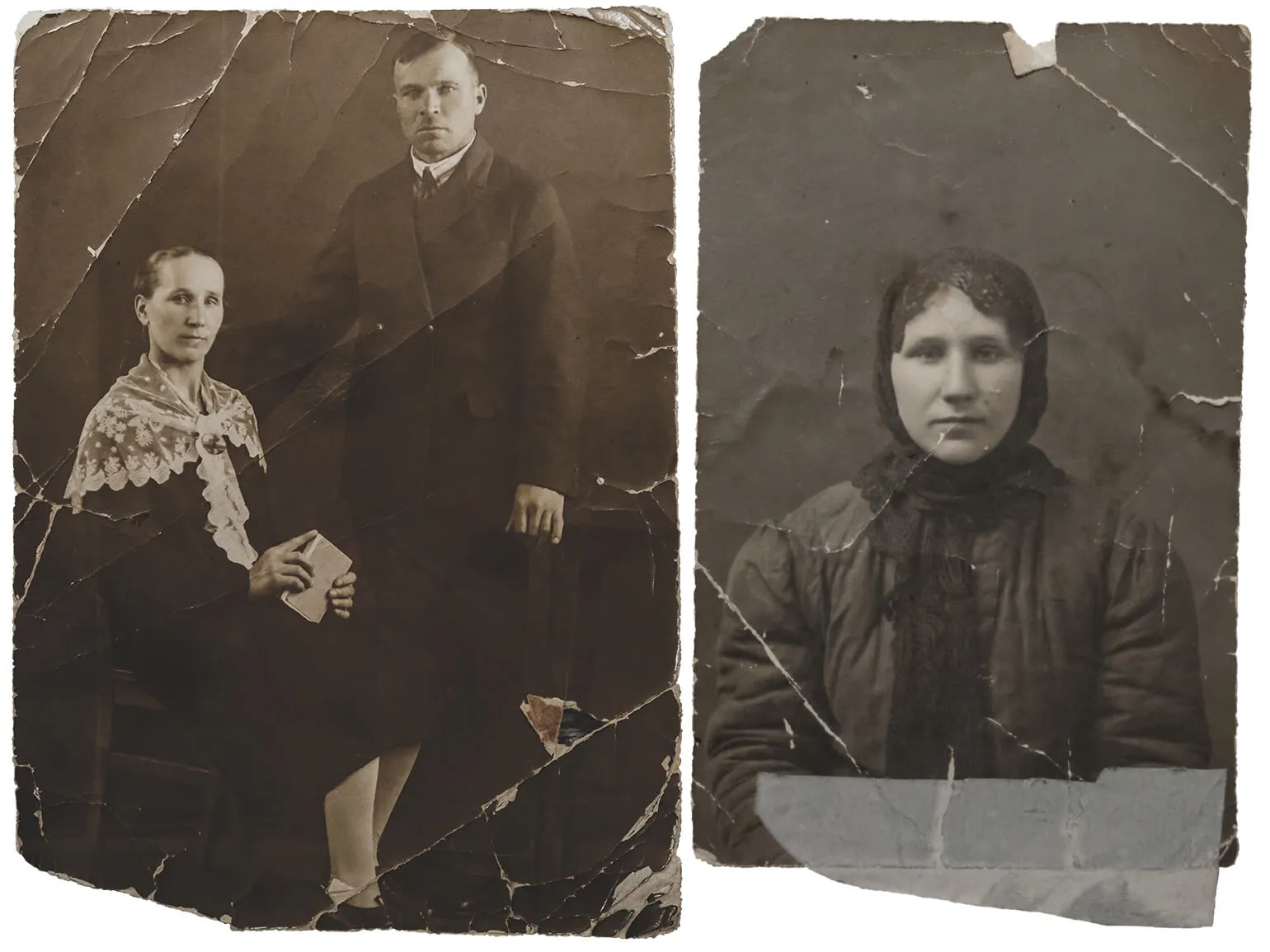
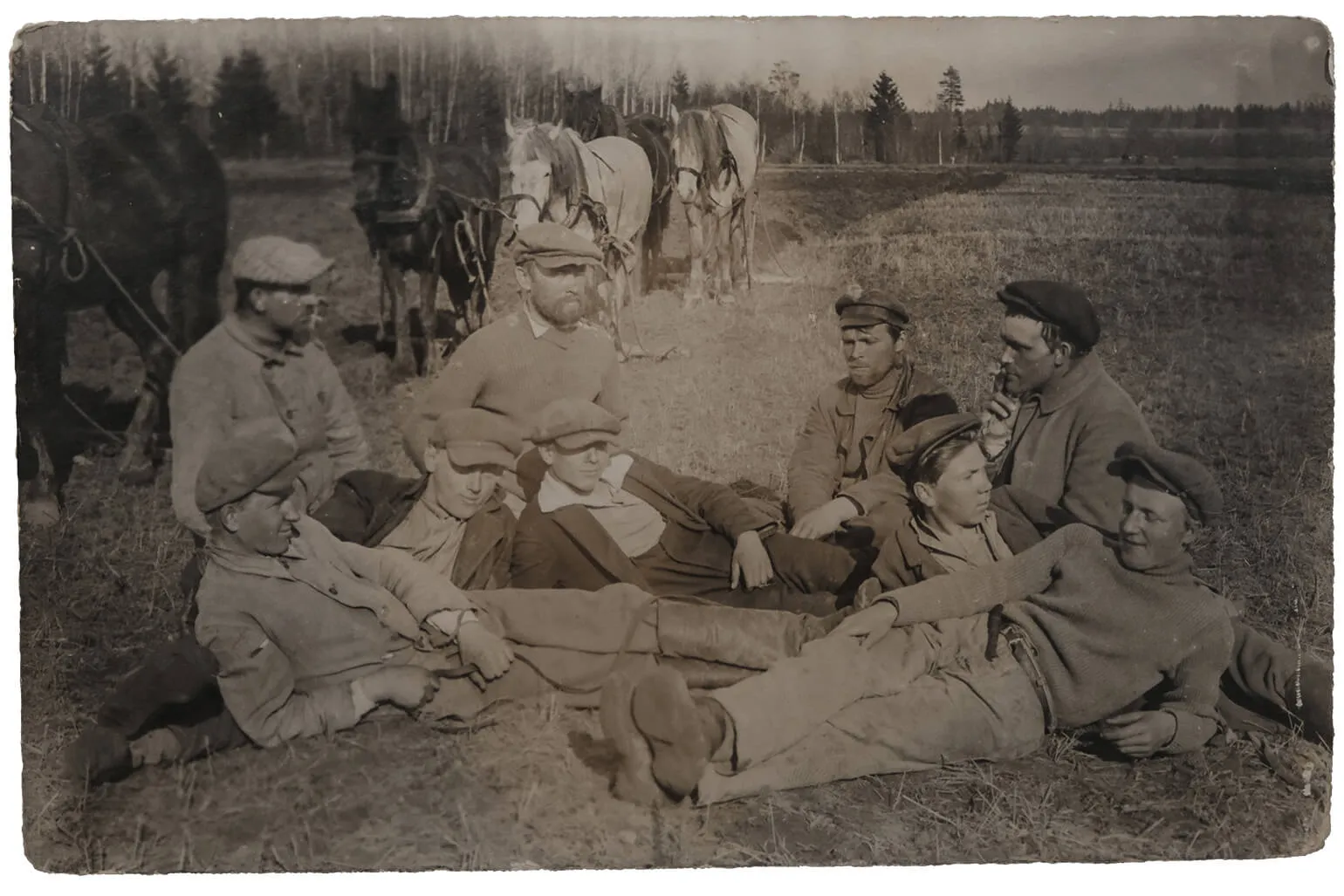
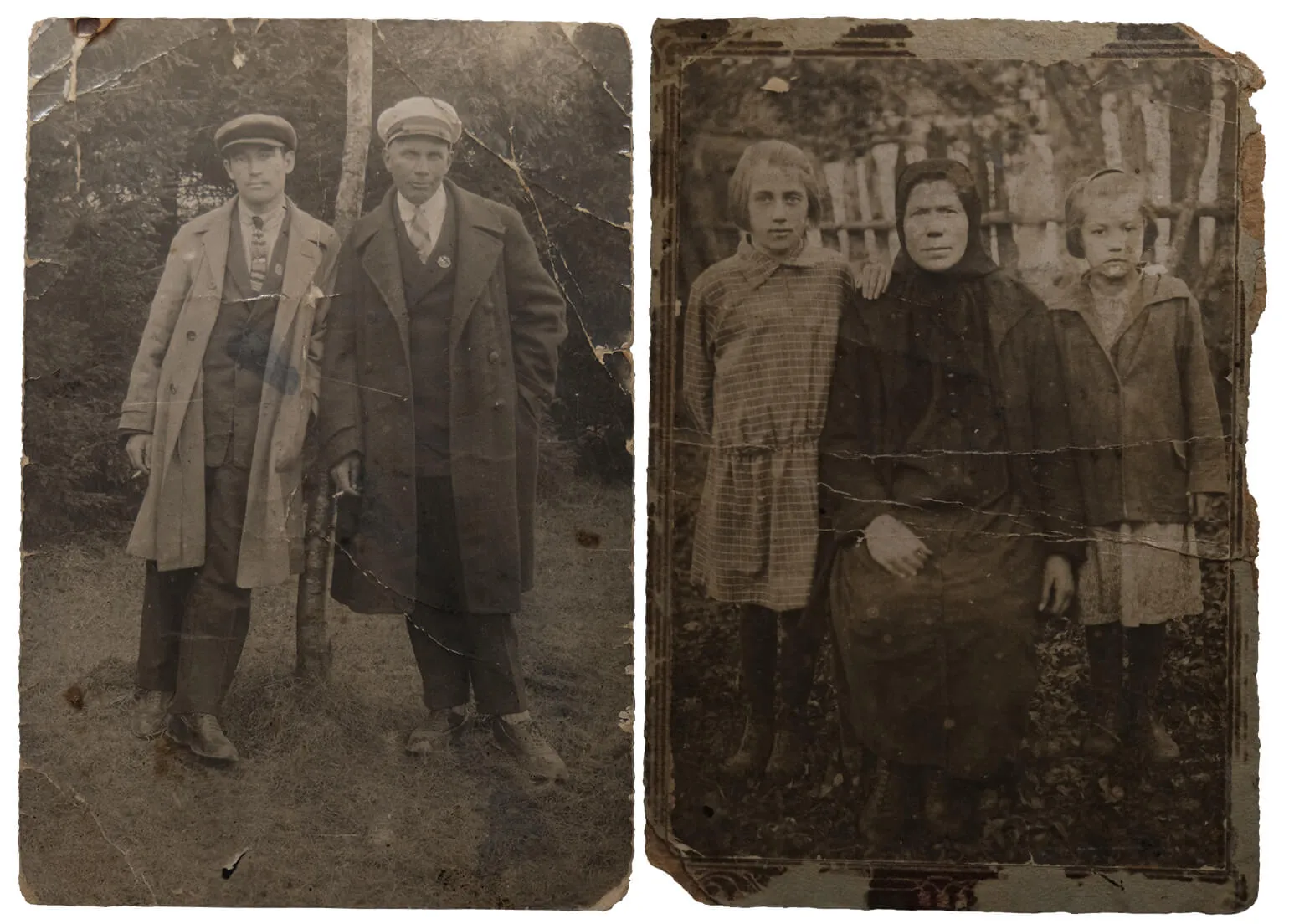
They were again greeted by dirty and destroyed barracks, disease, hunger, and death. However, they never complained and accepted all the trials as an inevitable part of their lives. Memories of their previous life remained with them, but faith never left their hearts. They prayed, and it seemed as if miracles were happening—their illnesses were receding. They knew they were under the Lord's protection, and this awareness gave them strength. Their faith united and helped others. People looked at them with bewilderment, as if they were a special people who, despite all their suffering, continue to sing songs and thank God.
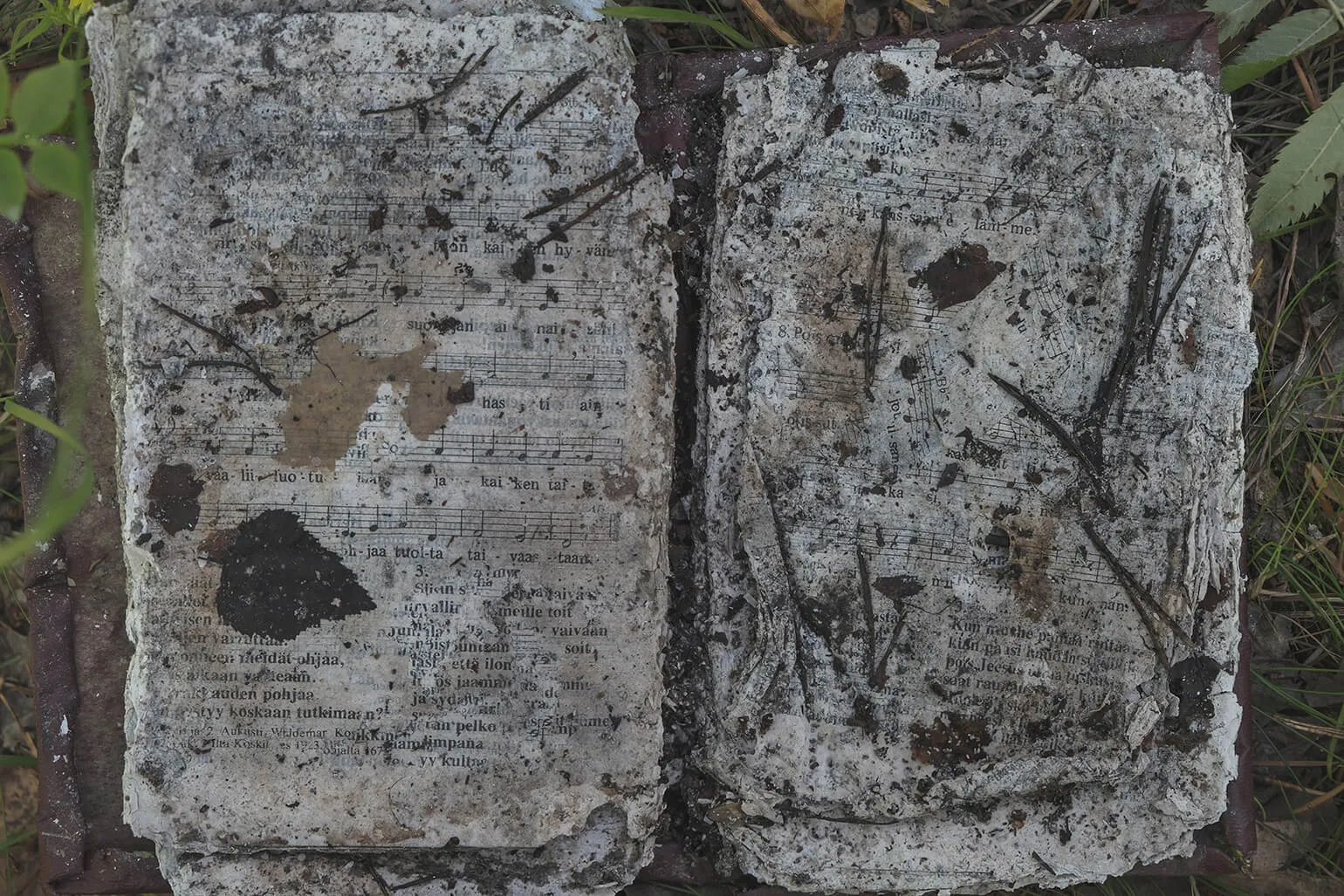
During the occupation When the German troops occupied their villages, the Finns took only small Bibles and songbooks in Finnish. The German soldiers did not confiscate these books, understanding how important they were to the local population. People deeply valued these sacred texts with crosses, which were not only a source of spiritual support but also a symbol of their faith and culture.
Meetings were held in secret places where we studied the Word and sang spiritual songs. We held confirmations in secluded corners of the forest, away from prying eyes.
My mother remembered all the events associated with that time perfectly. When she shared her memories, it seemed to me as if I were seeing scenes from a film. However, we never discussed politics. As a child, I once asked: "Who is better, Stalin or Gagarin?" My mother briefly answered "Gagarin," and that was the end of the conversation. We spoke Finnish at home, and I didn’t know Russian until I was six.
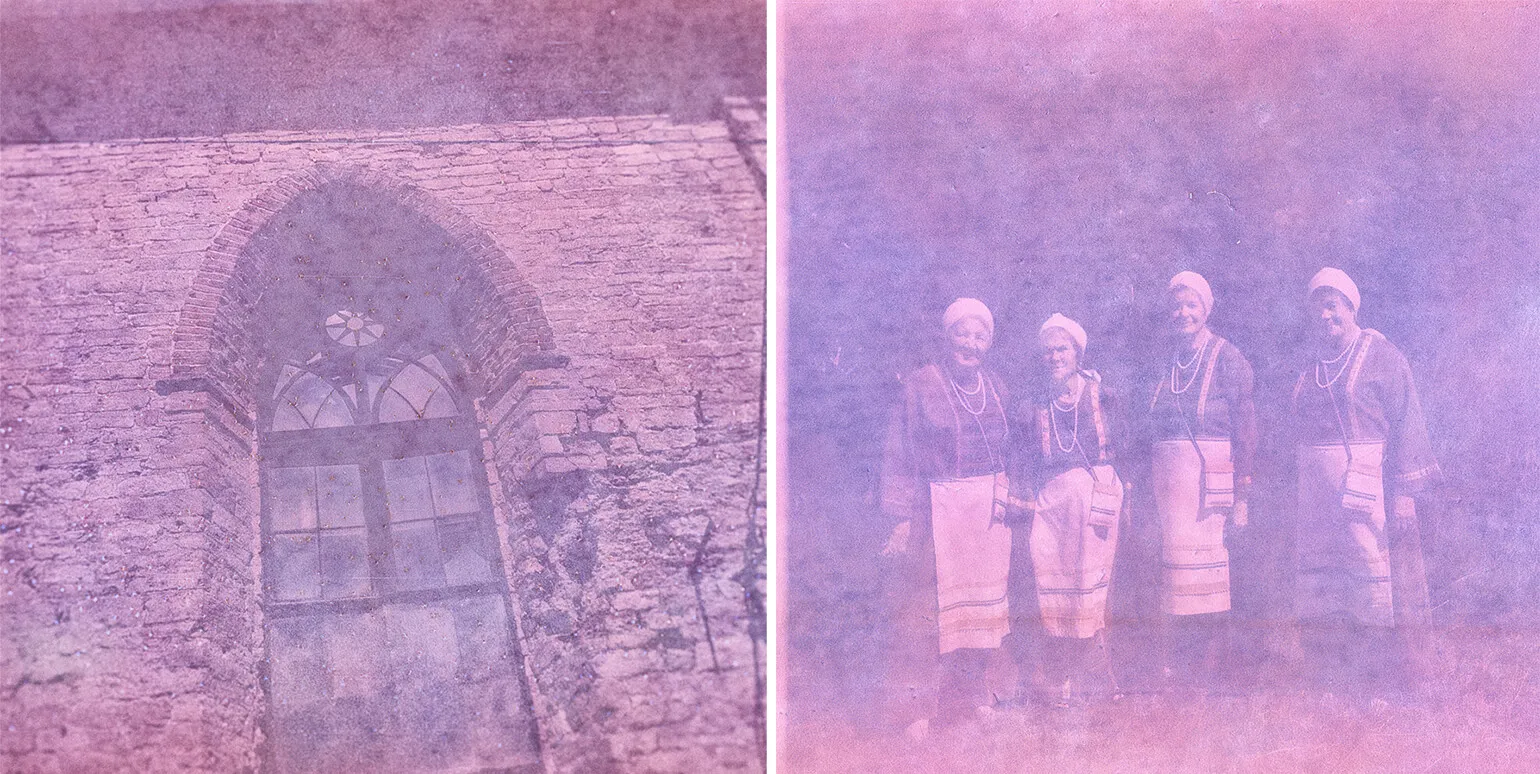
I inherited a deep connection to my native land, living in the territories of Ingria. These lands belong to my ancestors, and for me it doesn't matter what nation they belong to—Swedes, Finns, or Russians. Ingria is rich in historical heritage and cultural traditions that shape the region's unique identity.
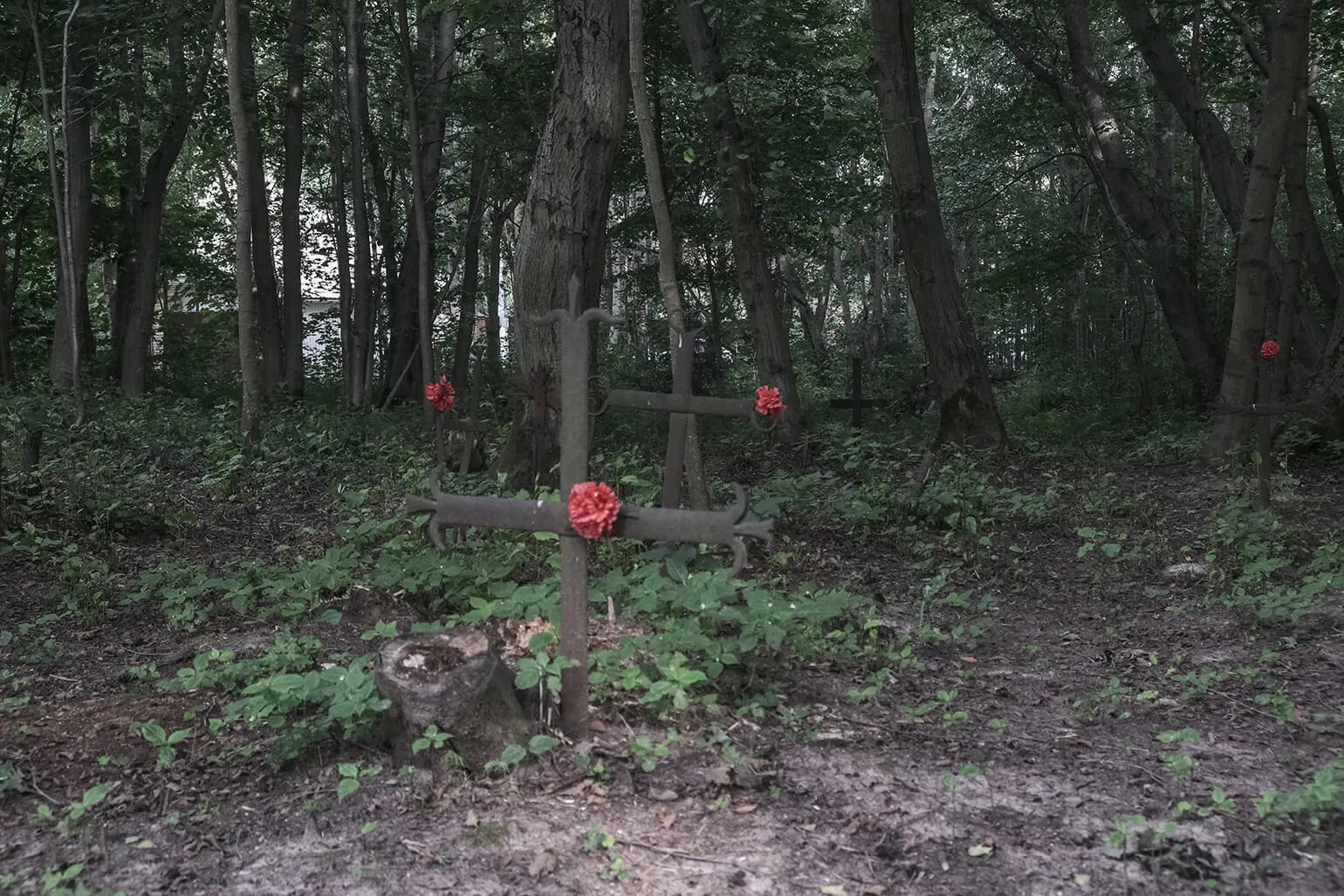
My parents are buried here.
Photographer Profession
You will learn to take professional photos from scratch. You will learn how to organize shoots, process frames, and manage models and a team. Find your style, build an impressive portfolio, and start making money doing what you love.
Find out more