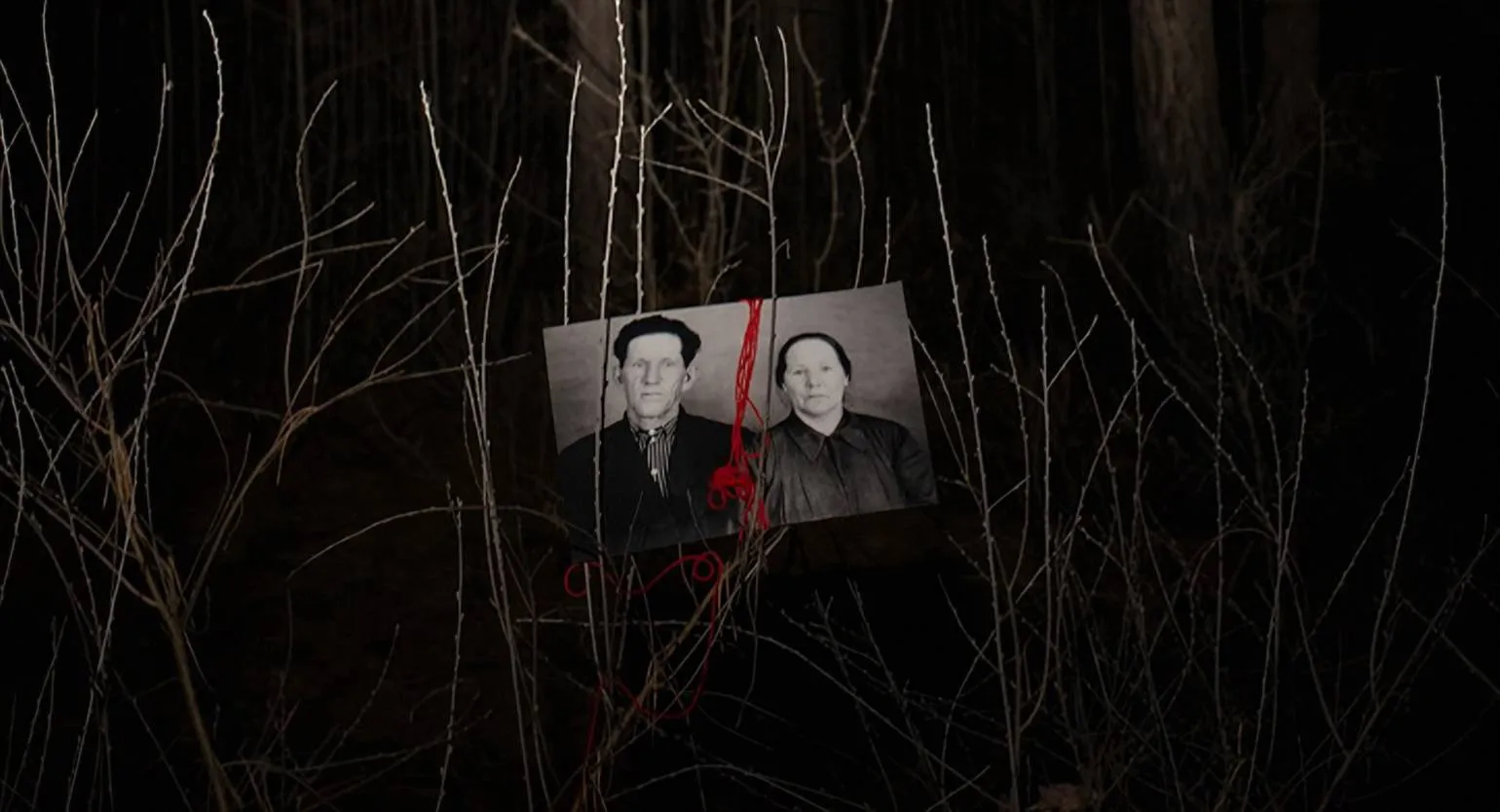

The Samara-based photographer creates unique works at the intersection of documentary and art photography. His work explores important themes of collective trauma and memory, and delves into ethnography, folklore, and mythology. This combination of directions allows him to create deep and multi-layered images that reflect cultural and historical contexts. The photographer strives to open viewers to new perspectives by using visual language to convey complex emotional and social issues.
German Surname
Natalia Shulgina shares her impressions of old photographs found in family archives. "These pictures of my grandfather turned out to be very beautiful," she says. They attracted her attention not only for their aesthetic appearance, but also became the starting point for the project "Ancestral Syndrome," which began as a photographic story. Natalia has long reflected on her family past and how it influences her life.
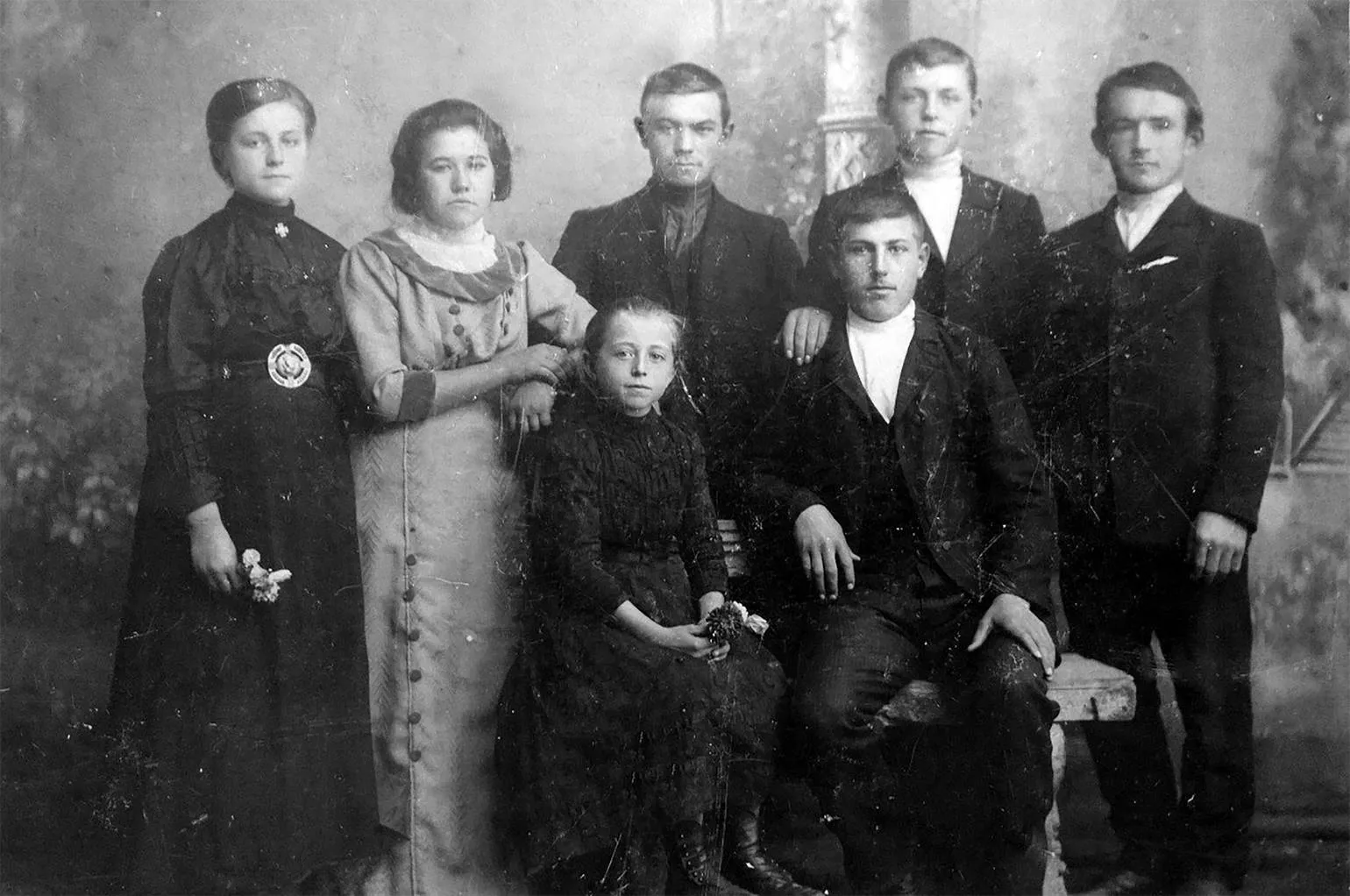
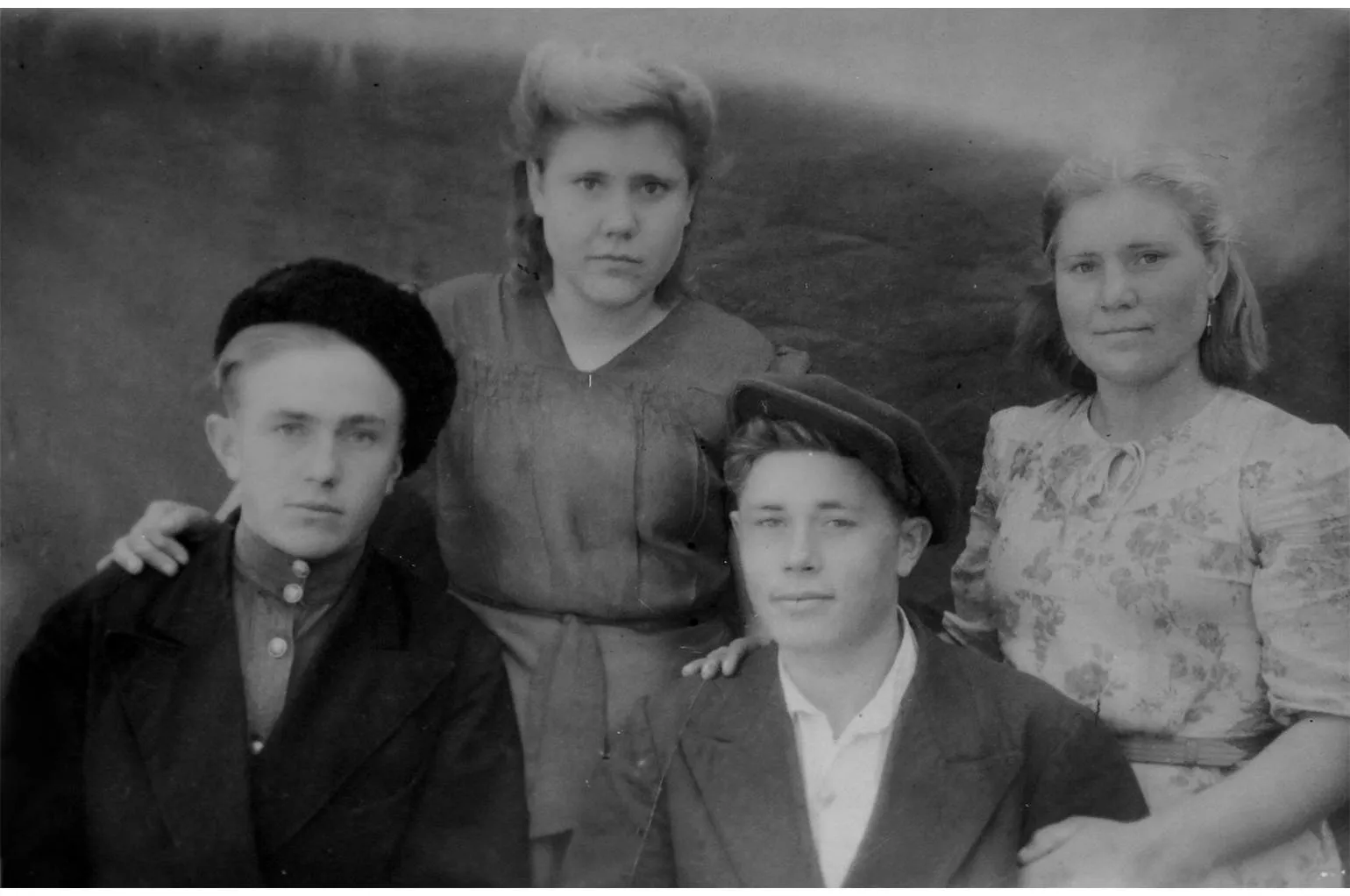
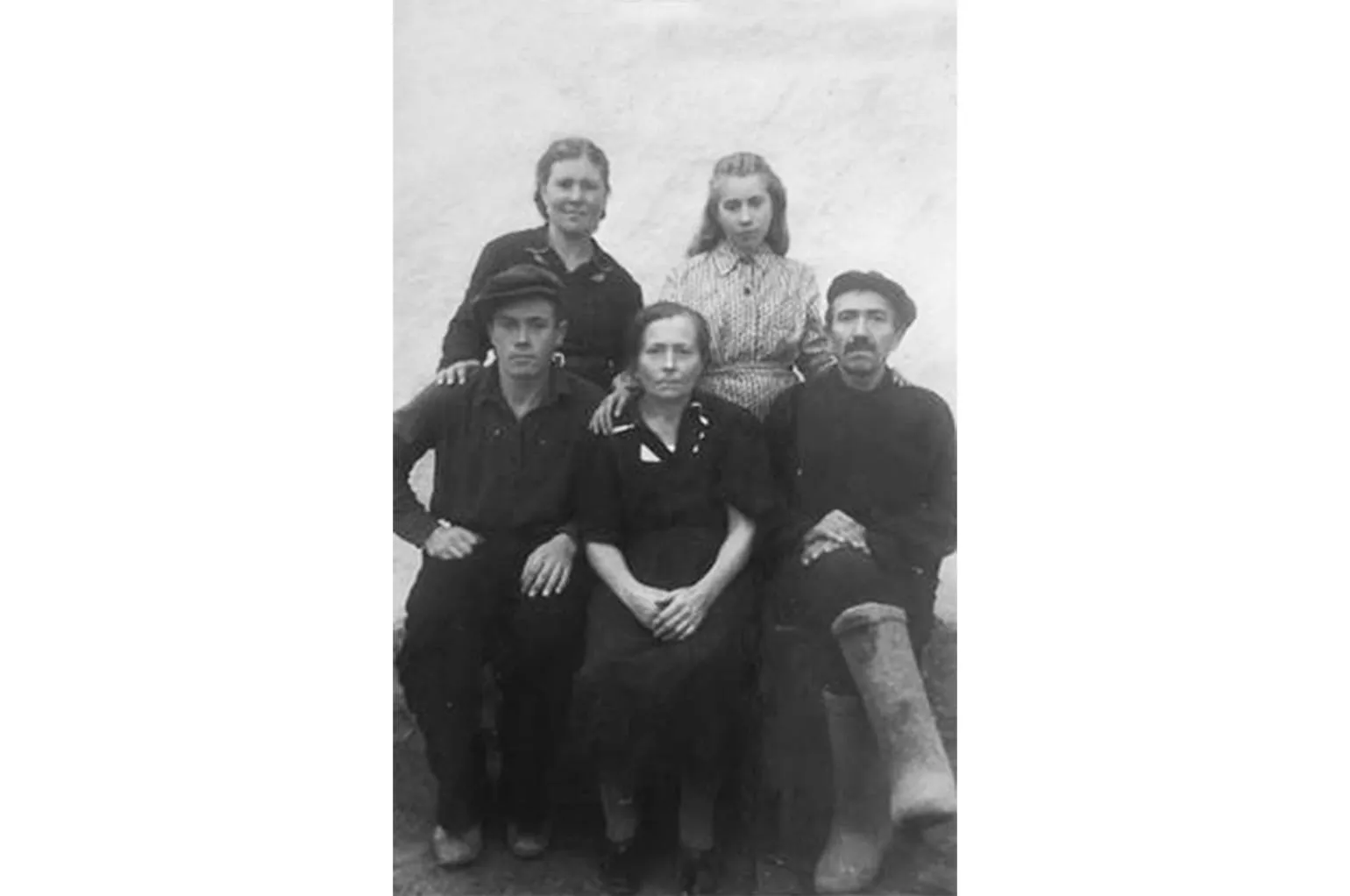
Natalia's ancestors, like many Russian Germans, moved to Russia from Germany during the reign of Catherine II. The Empress attracted foreigners with agricultural experience to develop the fertile, but at that time uninhabited, lands of the Volga region, guaranteeing them certain privileges. Among those seeking a better life in the Russian Empire was the Habermann family, who arrived in 1771 in what is now the Saratov region. This migration process became an important part of the history of Russian Germans, who made a significant contribution to the development of the region's agricultural sector. The surname Habermann, passed down to me from my father, became a heavy burden for me. As a child, in kindergarten and school, I was often teased about it. I tried to avoid mentioning my German surname in unfamiliar places, preferring to introduce myself by my mother's Russian surname, Yevstigneeva. I believed this would simplify communication and help avoid unnecessary questions and unwanted attention. I often dreamed of simply disappearing, so that my last name, which began with the letter G, wouldn't be in the school register.
Natalia Shulgina provided materials for the project that may be useful for further analysis and development. These materials contain valuable data and ideas that will contribute to the successful implementation of the plan. Using information from Natalia Shulgina will ensure a high-quality approach to the project and increase its effectiveness.
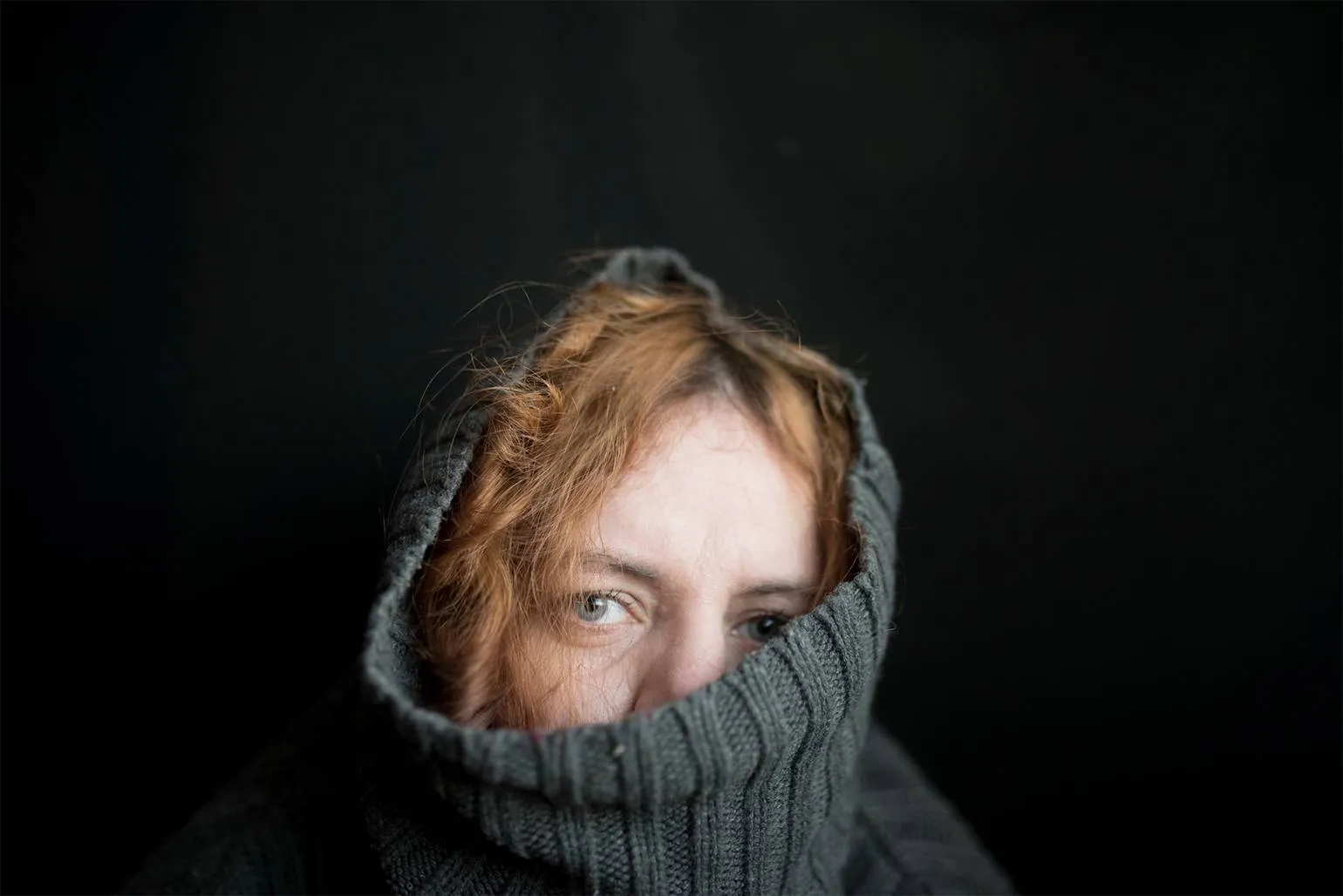
Natalia could not understand how she could be German. However, listening to her grandmother Maria's stories, who often recalled the old German names of Russian cities, she immersed herself in her family history. The Bible her grandmother kept, complete with Gothic letters, became a symbol of her roots for Natalia. Together with her grandmother, she awaited letters from her sister Erna in Kazakhstan, half of which were written in Russian and the other half in German. These moments connected her with the heritage she was gradually beginning to understand.
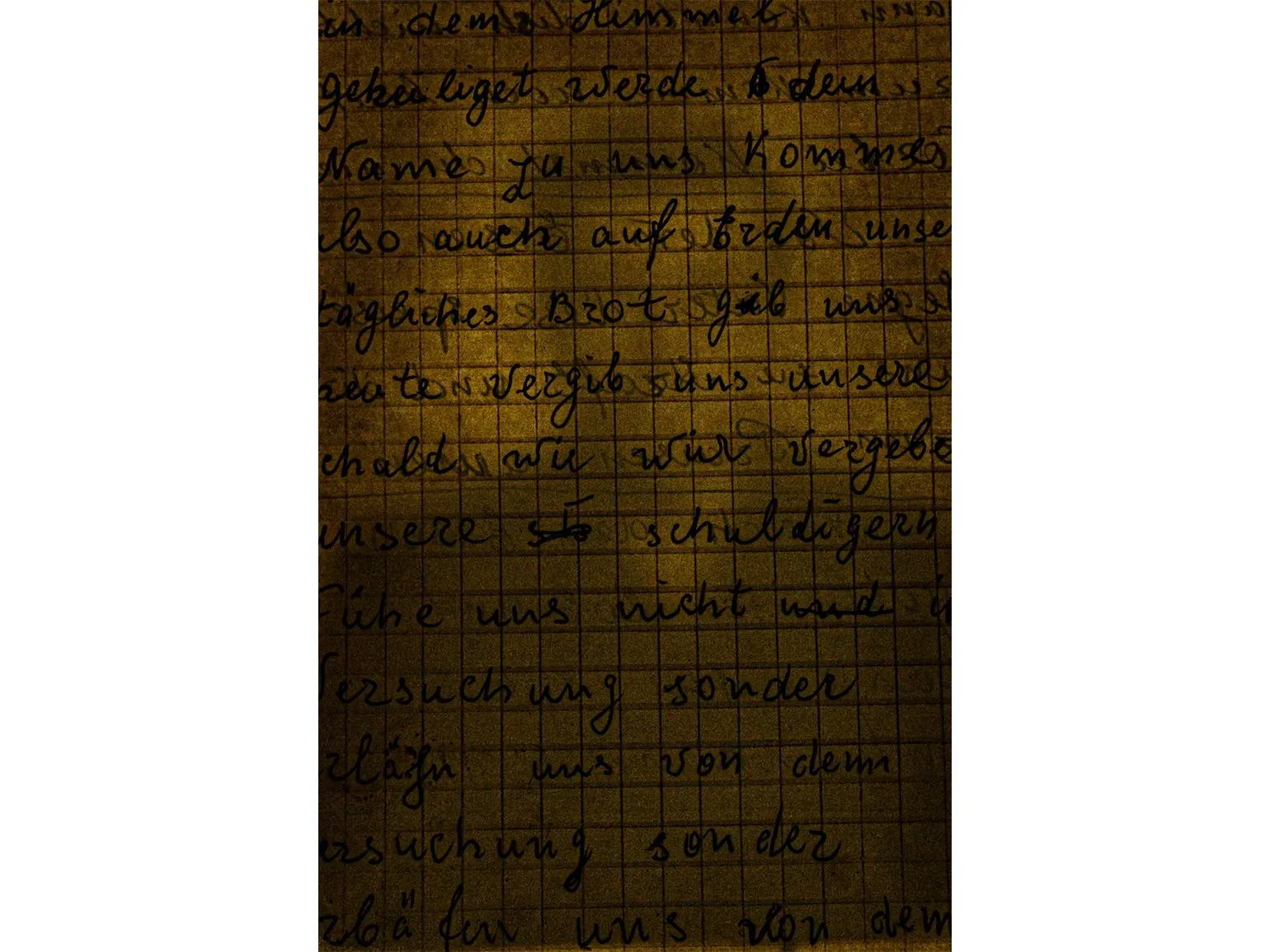
In my grandmother's memories, difficult events that had a significant impact on her life occupy a special place. Famine, collectivization, Stalin's repressions, forced conscription into the labor army, and exile to Central Asia—all these trials affected Natalia's family. These tragic moments left a deep mark on their destinies and shaped their worldview, passed down from generation to generation. It is important to remember such events to understand how they influenced the history and culture of our people.
Dive into the Past
By the beginning of the 20th century, there were 190 German colonies in the Volga region, home to 407,500 people. During this period, seven generations of the Haberman family formed in the region, which testifies to the deep historical connection of this family with the land and culture of the Volga region.
The 20th century became a turning point in history, putting an end to peaceful life. During World War I, Russia and Germany found themselves in opposing camps, which had a profound impact on the fate of Russian Germans. At this time, the so-called "liquidation laws" came into effect, leading to the dispossession of ethnic Germans of their lands and the closure of German-language press and educational institutions. These measures had a devastating impact on the cultural and social life of the German community in Russia, marking a significant milestone in their history.
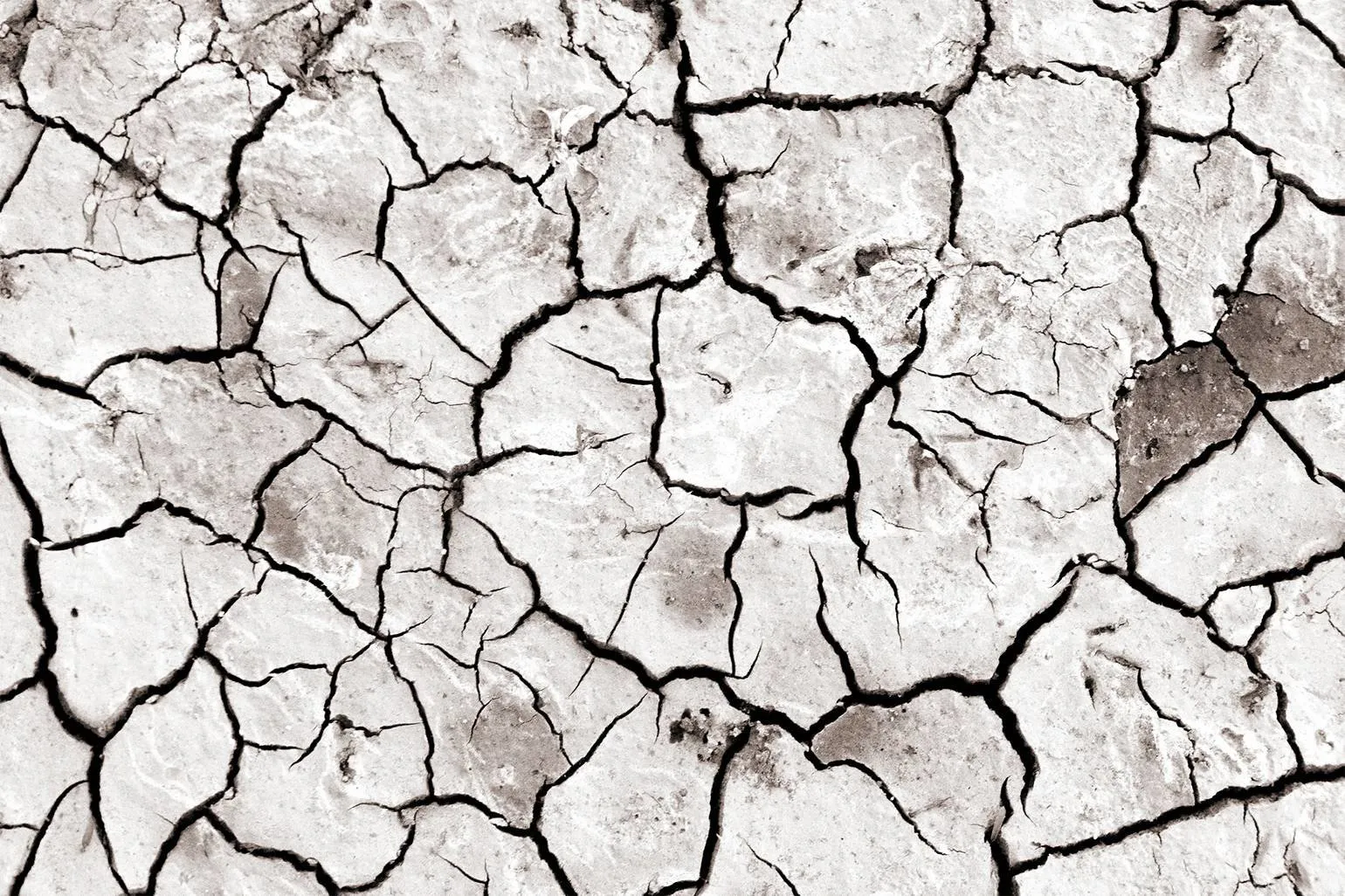
After the revolution, accompanied by slogans about the brotherhood of peoples, many Germans perceived the events with optimism. However, the consequences of collectivization and dispossession had a negative impact on them. Many Germans, successful farmers, lost their property, were deported, or forced to switch to the collective farm system. The situation was exacerbated by the famine of 1932-1933, which further worsened the population's lives and led to significant suffering. Grandmother Maria (Kem) shared memories of difficult times, when hunger reigned in the house. People made soup from frozen potatoes, porridge from acorns, and "sugar" was replaced with burdock. Amid food shortages, they used whatever was at hand: acorns, bone meal, tree bark, grass, leaves, buds, roots, and even the meat of domestic animals. In some cases, they even resorted to eating clay and dung. The most common food substitute at that time was quinoa. These memoirs reflect the harsh reality of surviving amid food shortages and show how people adapted to difficult circumstances. Natalia Shulgina's project demonstrates a deep understanding of the topic and a carefully crafted approach to its materials. She explores key aspects, offering readers valuable information and practical recommendations. These materials can serve as a reliable source of knowledge for those interested in this field. A focus on current issues helps attract a target audience and increase the project's visibility in search engines. High-quality content presented by Natalia helps to expand understanding of the topic and deepen interest among readers.
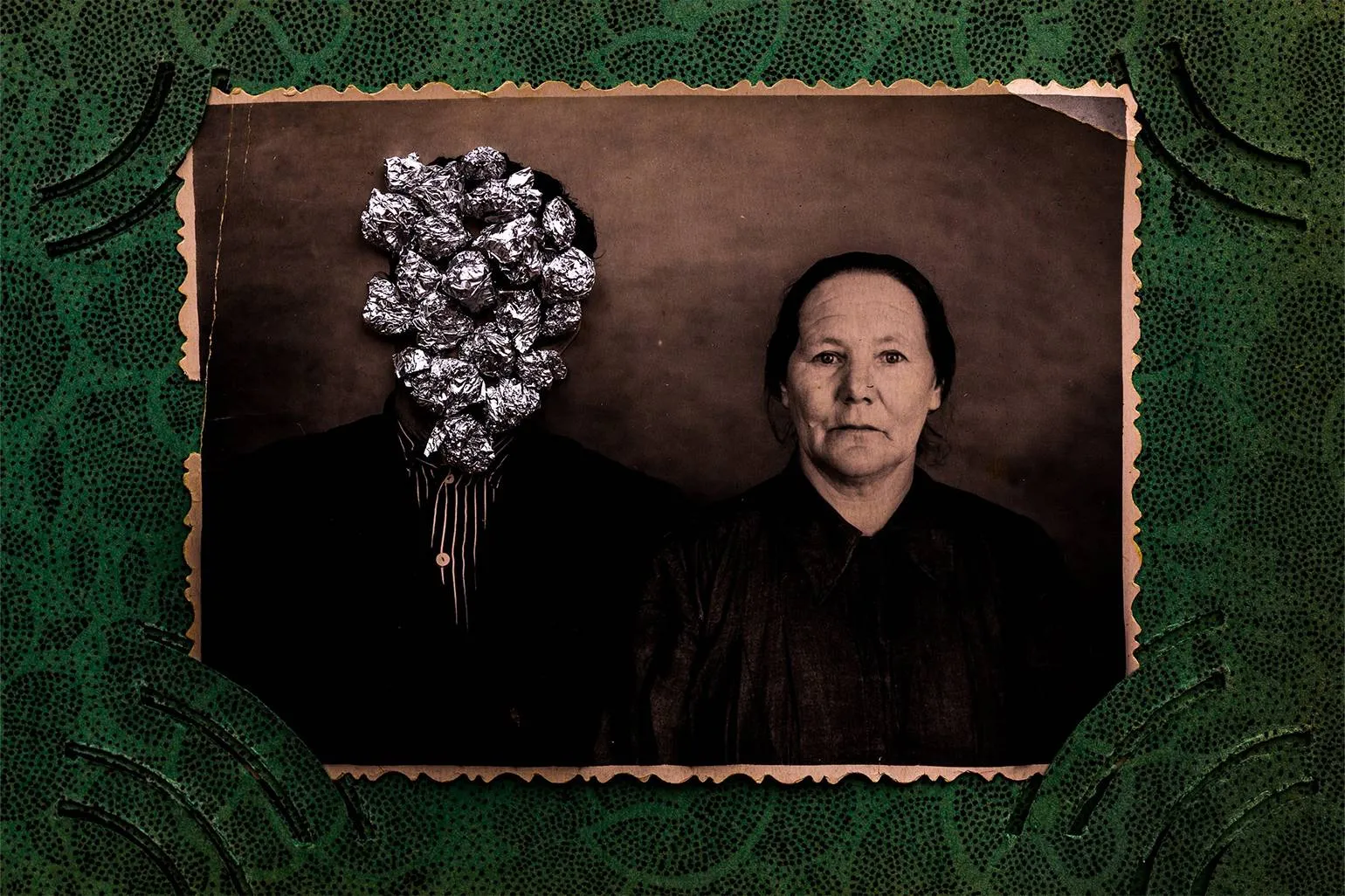
At this time, Stalin's repressions were taking place in the country. Natalia's maternal great-grandfather, Genrikh Kem, was arrested in 1933 following a neighbor's denunciation. Nothing has been heard of him since. The reasons for his arrest remain unclear—only family legends about a carelessly told political joke and the possible resale of his belongings. Regardless of the true reasons, the family developed a habit of hiding and avoiding contact with strangers, as well as a constant atmosphere of fear. With the onset of the Great Patriotic War, the state began to view Soviet Germans as potential traitors. This led to mass deportations to Central Asia, forced conscription into labor armies, and life in special settlements. Such measures were caused by fear of possible betrayal and mistrust of this ethnic group, which led to significant human tragedies and the loss of cultural heritage.
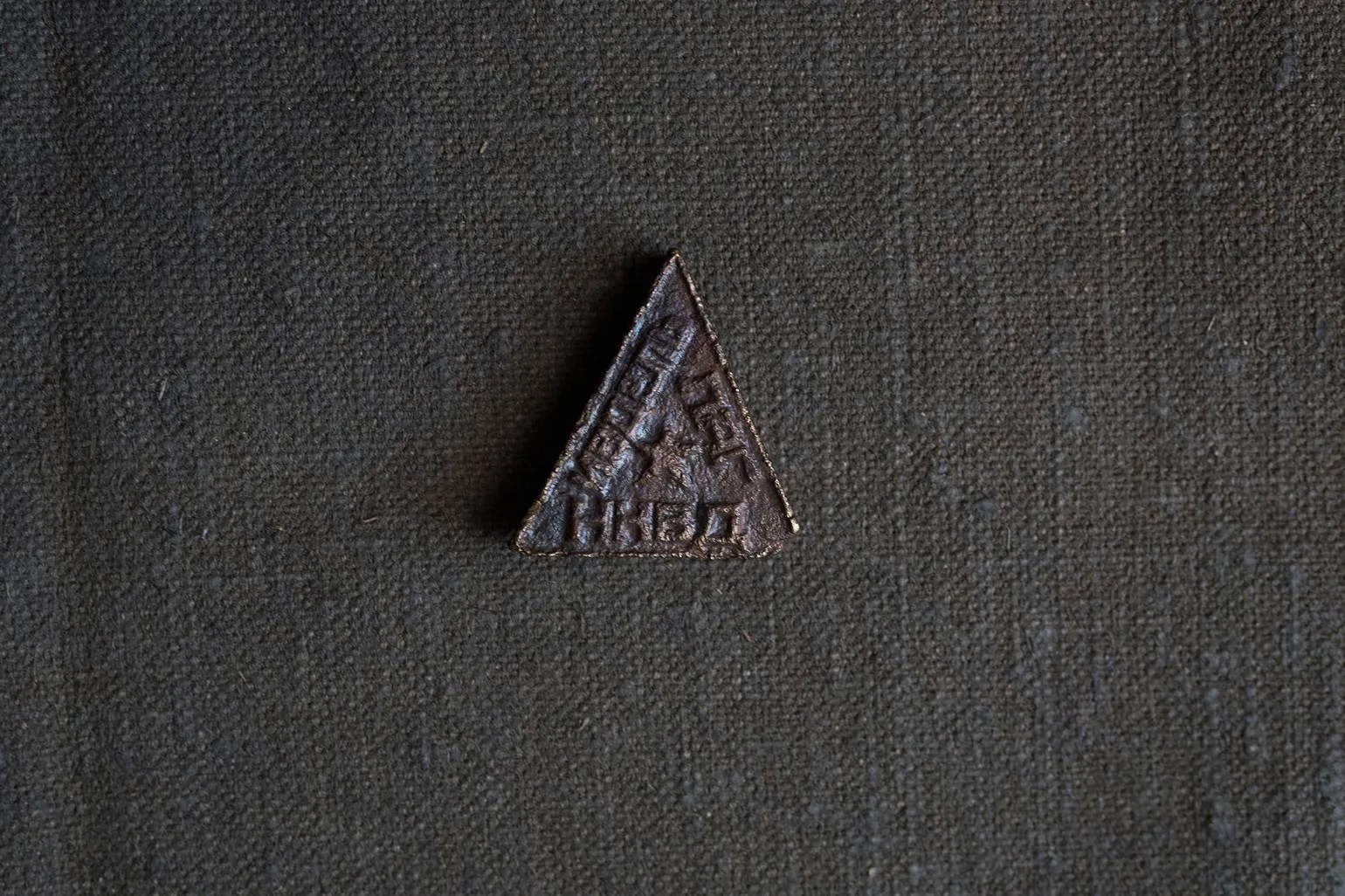
On January 20, 1942, Yakov Gaberman's grandfather and his son, Johannes Gaberman, were drafted into the labor army in Solikamsk. Johannes helped his grandfather with the work, lifting heavy objects, but the foreman, noticing this, decided to punish him by reducing his bread ration. Johannes, realizing he wouldn't survive on such food, decided to leave the labor army. He was caught and sentenced to seven years in a high-security prison, sent to Perm. He was released in 1947. Johannes shared his memories of how the food conditions in prison were better than in the labor army, which allowed him to survive in the harsh conditions. The story of the Gaberman family is a shining example of resilience and courage in difficult times.
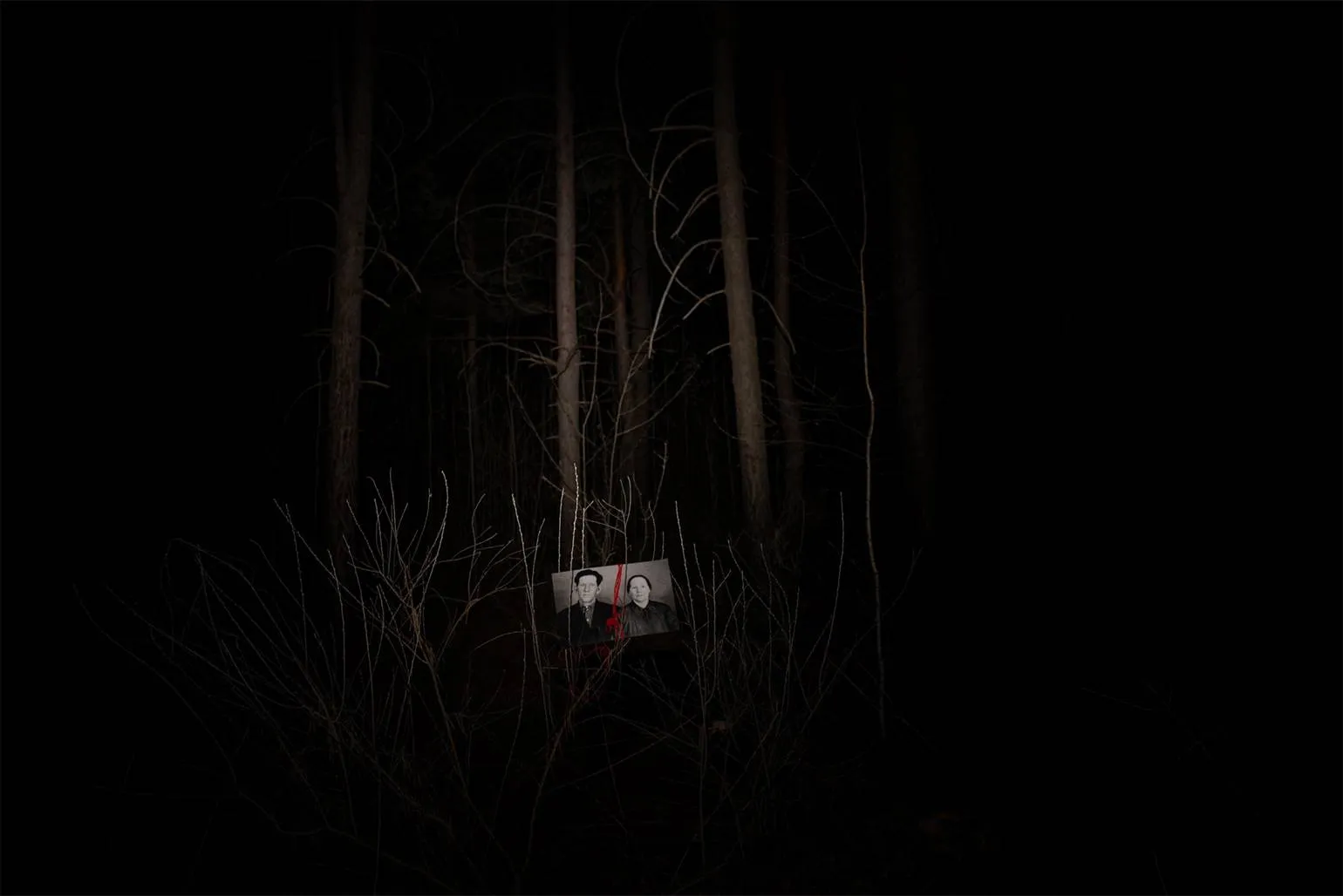
Kem's mother, Ernu, was drafted into the labor army in 1942 and sent to the Volga, near Samara. The special settlers spent the night in the club, using the provided items as bedding and covering themselves with vests. At night, they lay on one side, then turned over on command. If someone needed to go to the toilet, it turned into a real disaster—people would step on each other's feet and hands.
The diary of Lydia Gaberman, Natalia Shulgina's aunt, is an important historical source that reflects the personal experiences and events of the family. The entries in this diary provide insight into a time of significant social change. Lydia shares her thoughts, emotions, and observations, allowing for a deeper understanding of the nature of family relationships and their impact on Natalia's personality. The diary becomes a unique window into the past, revealing details of everyday life and daily life, as well as the challenges and joys the characters faced. These entries emphasize the importance of family traditions and mutual understanding, making them relevant today. Reading such diaries helps preserve the memory of the past and understand how history influences the present.
What's Inside
Natalia's family had an atmosphere of calm, where attracting attention from others and sharing one's experiences was not customary. It was in such conditions that she developed as a person.
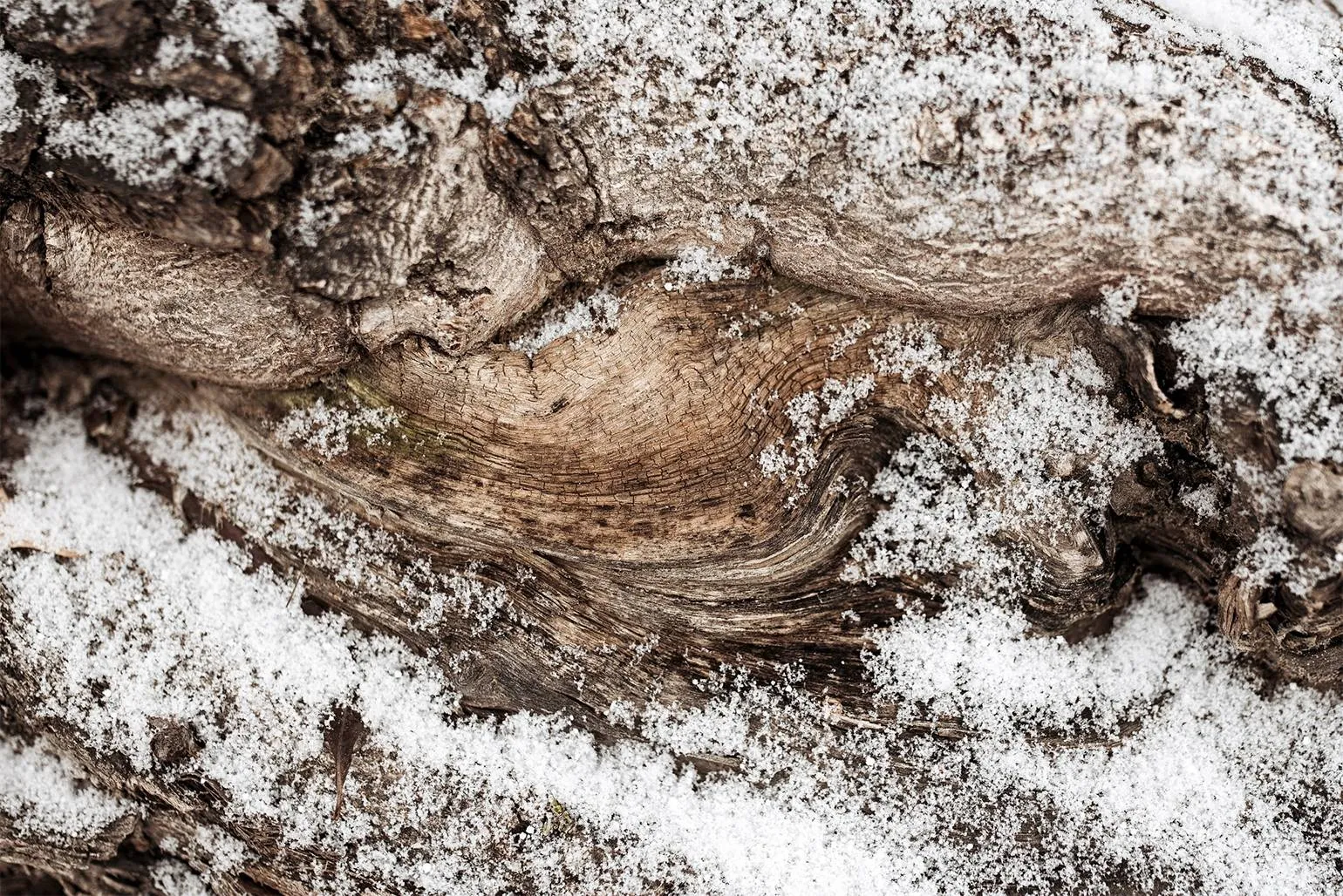
Natalia recalls that she has always been a reserved and taciturn person. She often tried to avoid attention, preferring to remain in the shadows and not speak out. However, at some point, all these emotions and experiences accumulated. At 25, she suffered a nervous breakdown, which became a turning point in her life. Afterward, Natalia began to openly discuss her feelings and thoughts, which contributed to changes in her family relationships. This process opened new horizons for understanding and communication within the family.
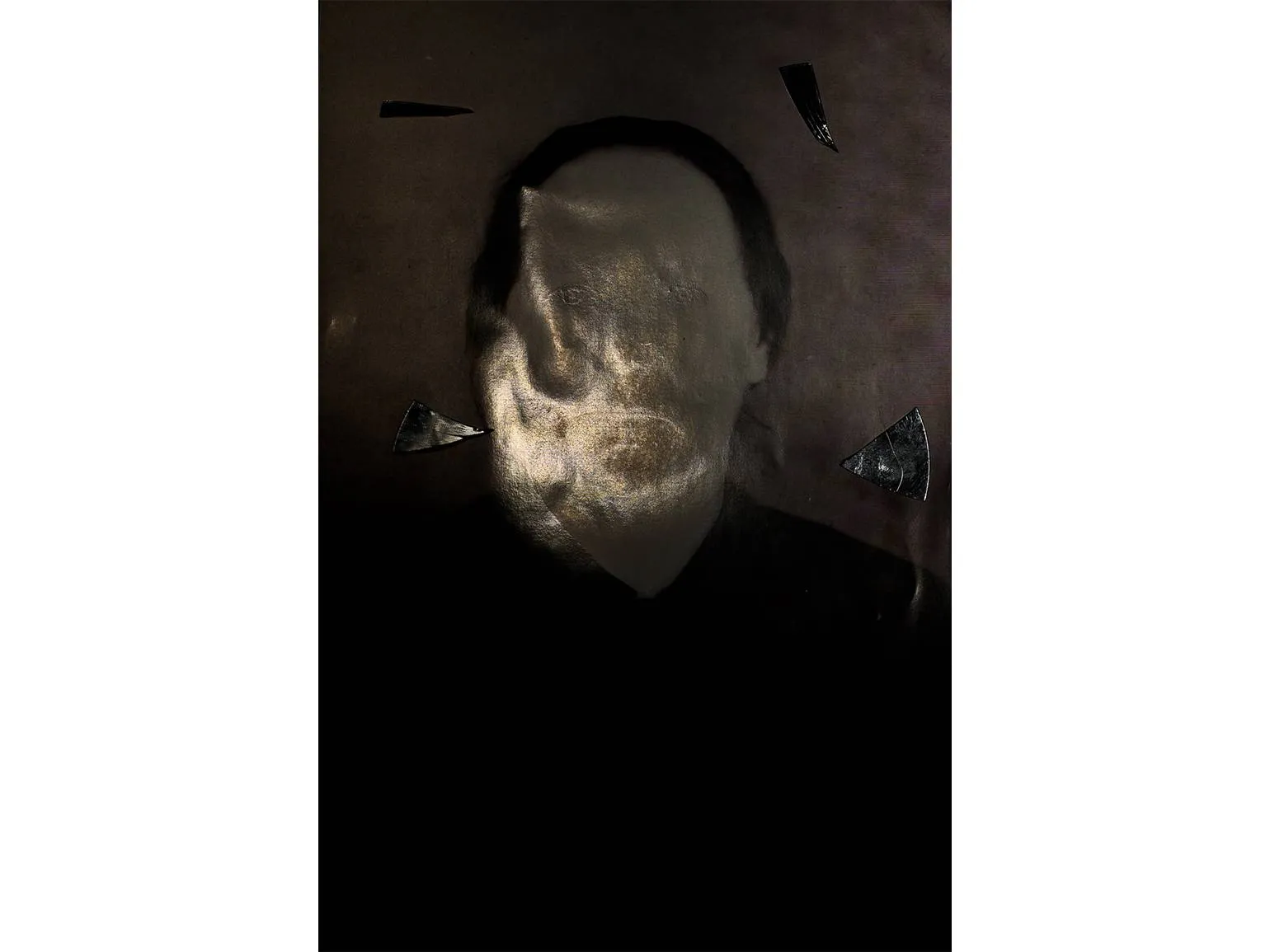
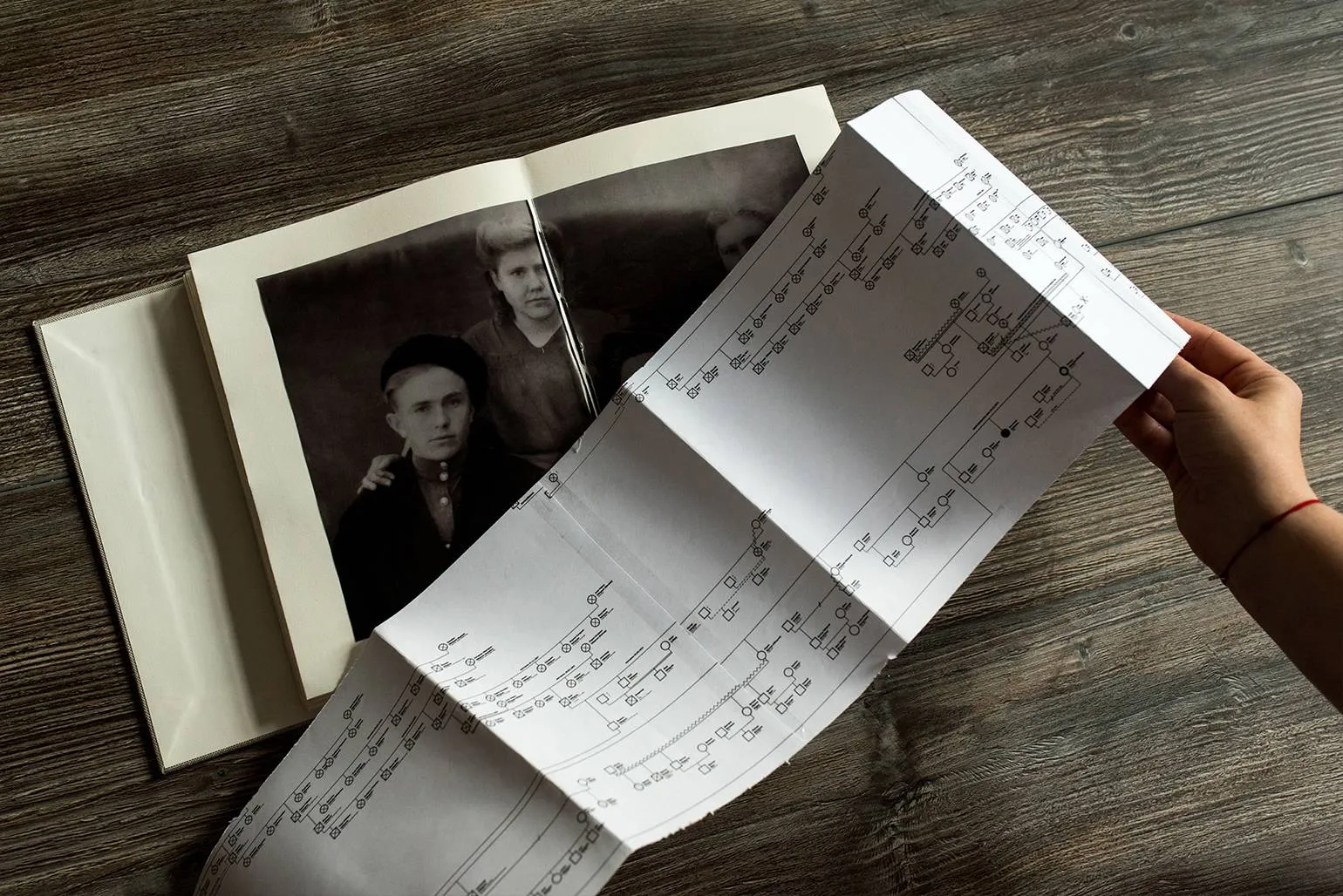
Natalia studied the topic of family for a long time, which led her to the decision to become a psychologist. During her studies, she received an assignment to create a genogram. During that period, Natalia was also working on a photography project, and based on the material she collected, she created an extensive history of her family.
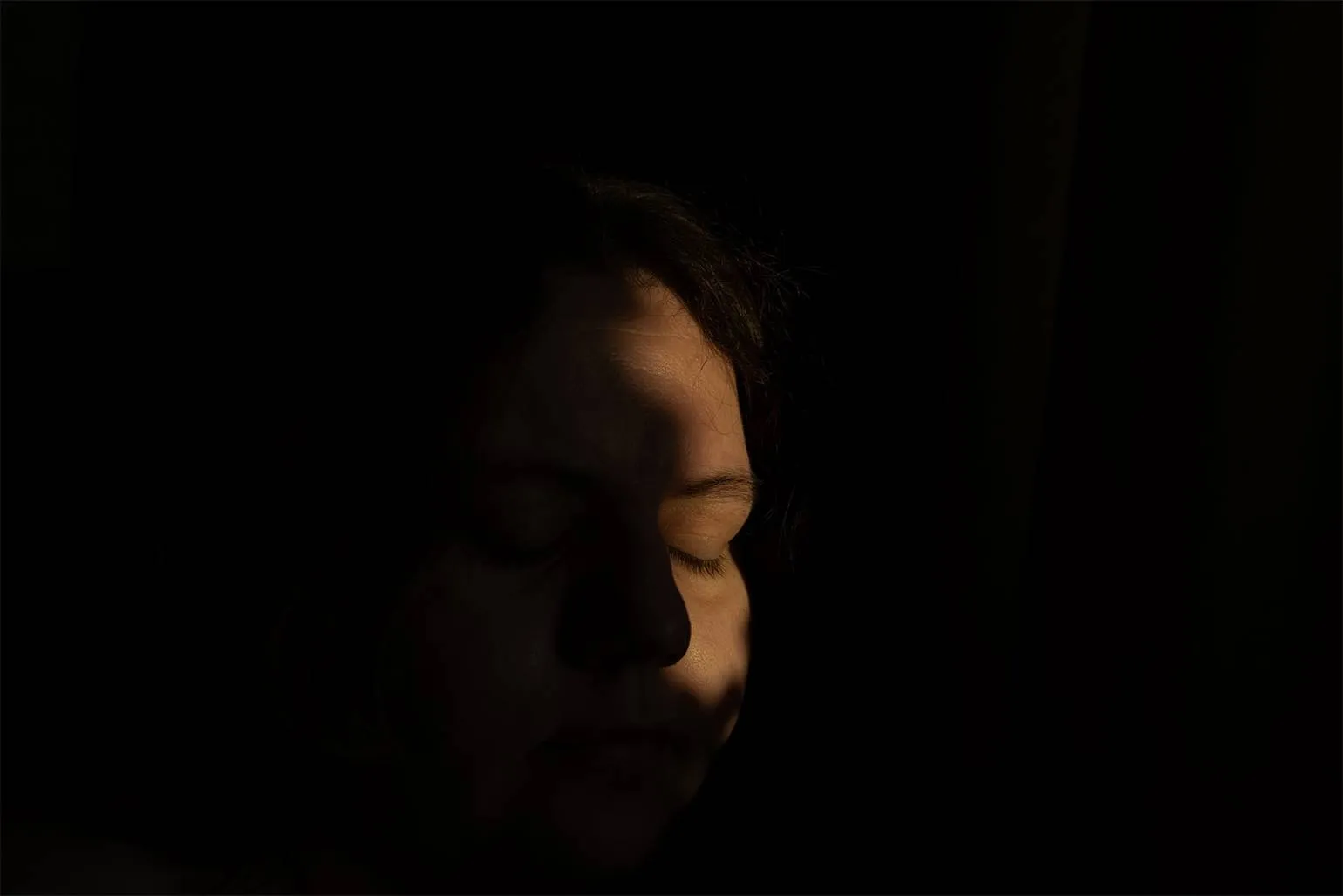
“When I worked on this project, I learned a lot of new things about each person,” she shares. “It was extremely significant for me. "In the process, I seemed to gain a new perspective on events in my family's life."
As a child, my mother was deeply distressed by every one of my father's business trips, fearing for his safety and often spending the entire night in tears, waiting for his return. I didn't understand why she took it so hard until I learned of my great-grandfather's arrest. This trauma seems to be passed down through generations, manifesting as heightened anxiety and fear for loved ones. Such experiences shape our perception of the world and our emotional response to threats, which is still relevant in modern society. Understanding the roots of these feelings can help us cope with them and improve our psycho-emotional state.
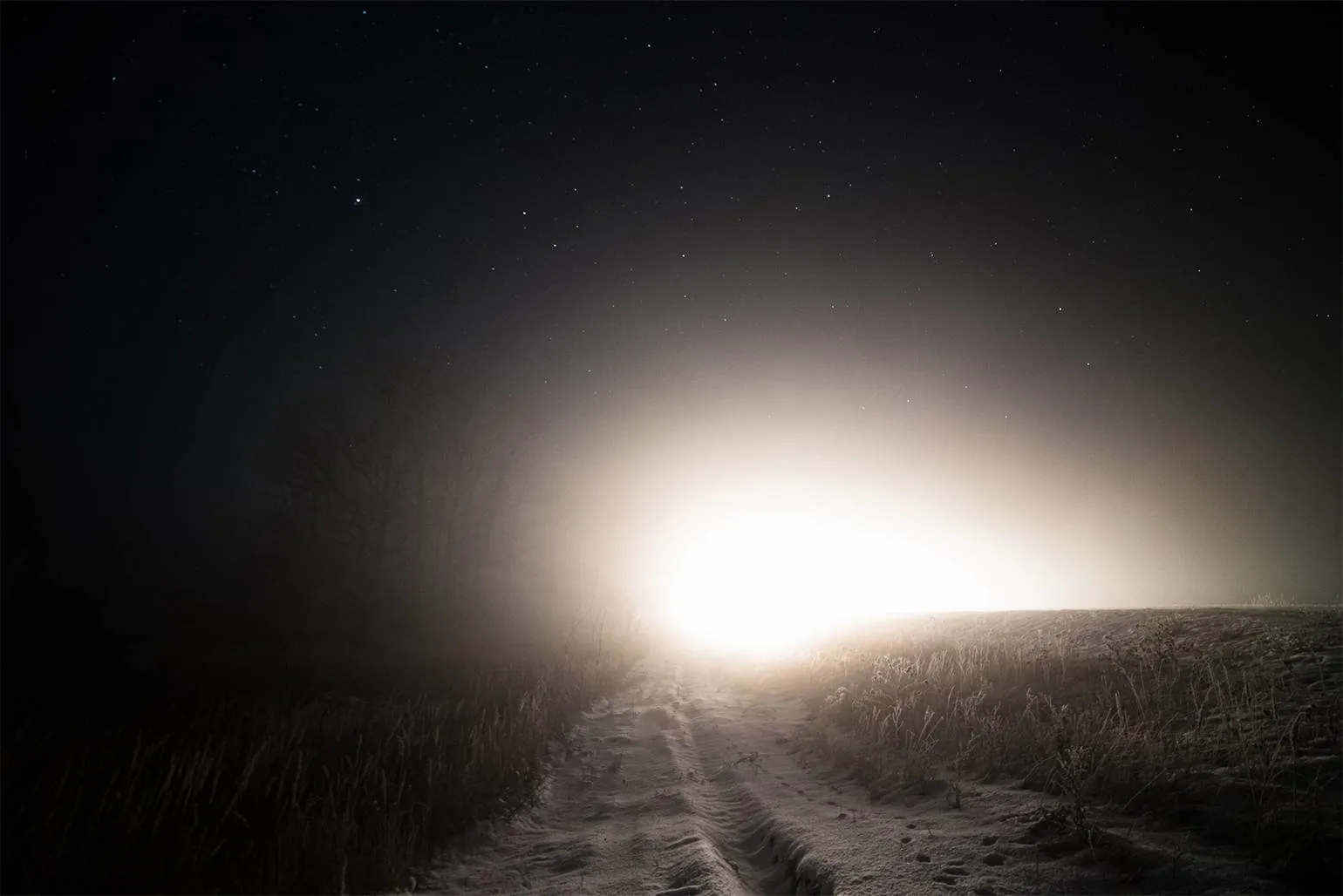
My grandmother, Erna Kem, feared arrest until the last days of her life. Sick with scurvy, she escaped from the labor army using her sister's passport. Even though my grandmother was 94 years old and had lived in Germany for a long time, she couldn't stand being alone in the house. She would close the curtains and hide under the blankets, waiting for a loved one to return. This constant fear became an integral part of her life, reflecting the difficult experiences and traumas that remained with her. Natalia Shulgina's materials for the project represent a valuable resource that covers key aspects of the topic. The emphasis on research and analysis allows for a deeper understanding of the subject. These materials emphasize the importance of a systems approach and highlight current trends, making them indispensable for specialists in the field. The use of data and case studies facilitates a clearer understanding of the information and its application to real-world scenarios. A clear structure and logical presentation make the materials accessible to a wide audience, including both professionals and novices. The genogram is part of the "Ancestral Syndrome" project. For Natalia, this photo project was a logical continuation of her many years of reflection on family experience and its influence on the formation of self-perception. Working on the genogram helps to better understand family ties and their impact on personality, which makes the project relevant for the study of hereditary topics and psychology.
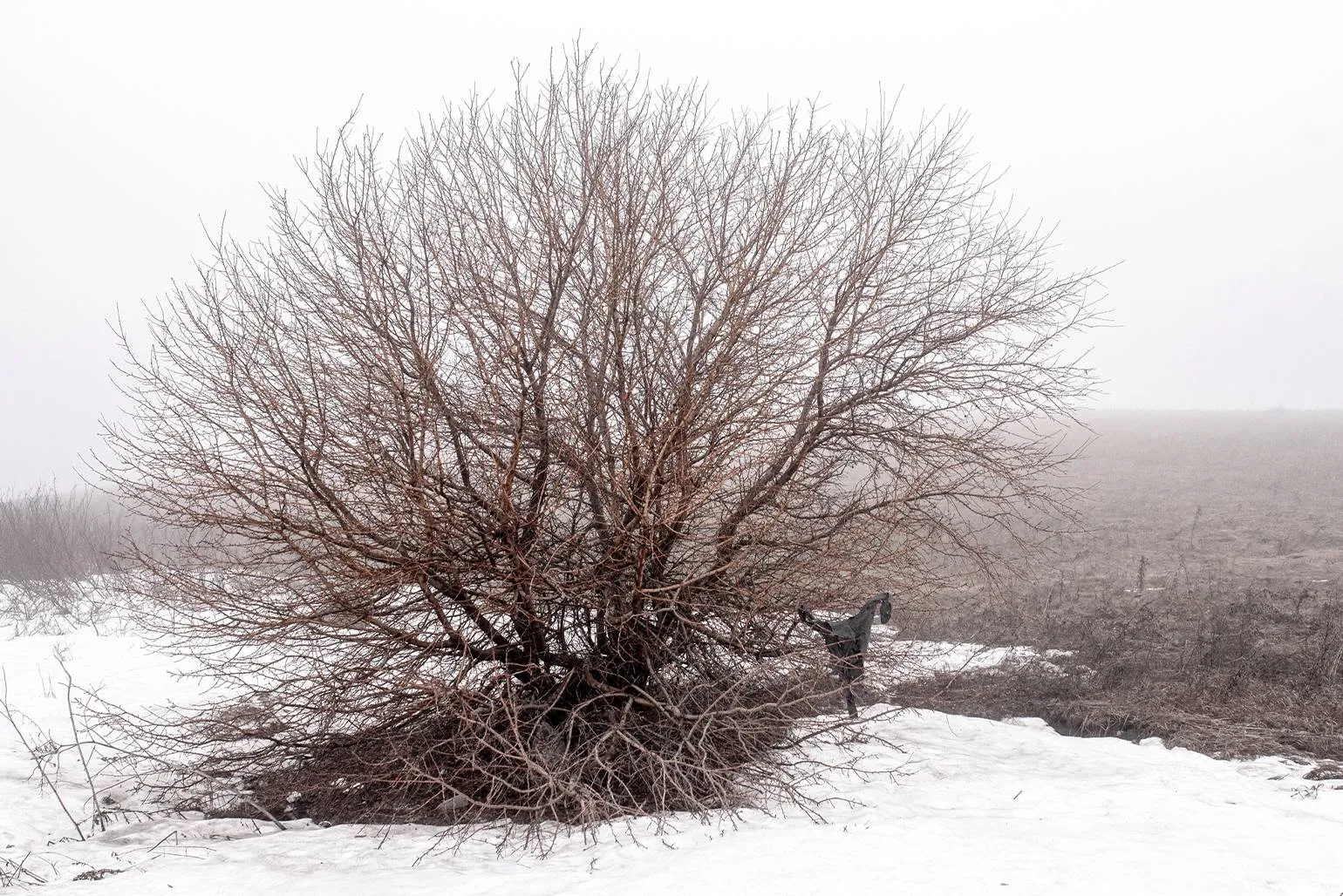
After finding old photographs of her grandfather in the family archive, Natalia began visiting places associated with the history of the Volga Germans. These trips allowed her to gain a deeper understanding of her family's cultural heritage and learn more about the lives of her ancestors. By exploring historical landscapes, she not only reconnects with the past but also preserves the memory of a culture that left a significant mark on Russian history.
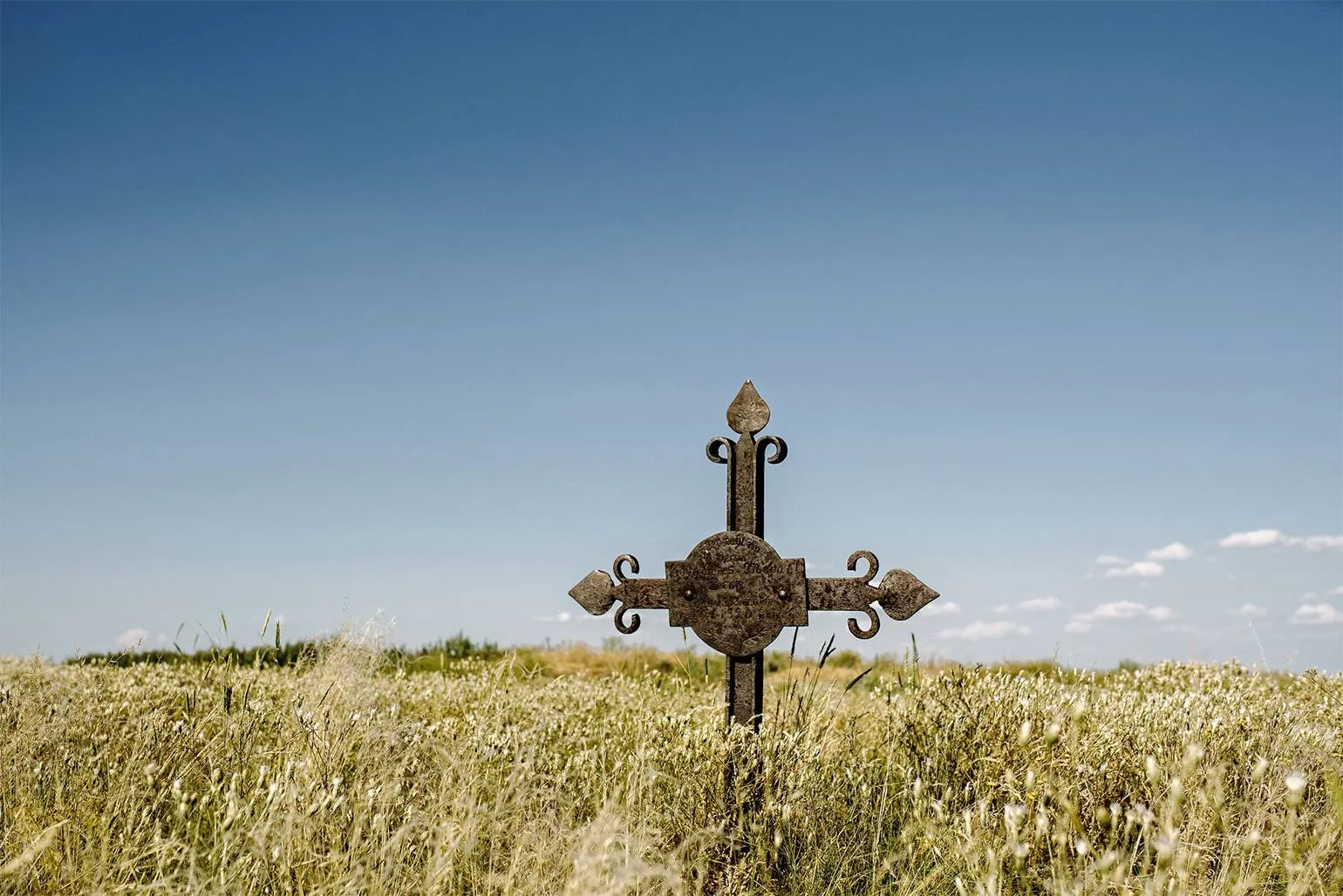
The photographer shares her experience: "I traveled and gradually collected material for the project. In one place, I found a map of the town of Balzer, where my grandparents lived."
Krasnoarmeysk is a city located in the Saratov Oblast of Russia. It is the administrative center of the Krasnoarmeysky District. The city was founded in the 20th century and today is an important economic and cultural center of the region. Krasnoarmeysk is famous for its history and architecture, as well as the natural beauty surrounding it. Here you can find various institutions, businesses, and cultural sites, making it an attractive place to live and work.
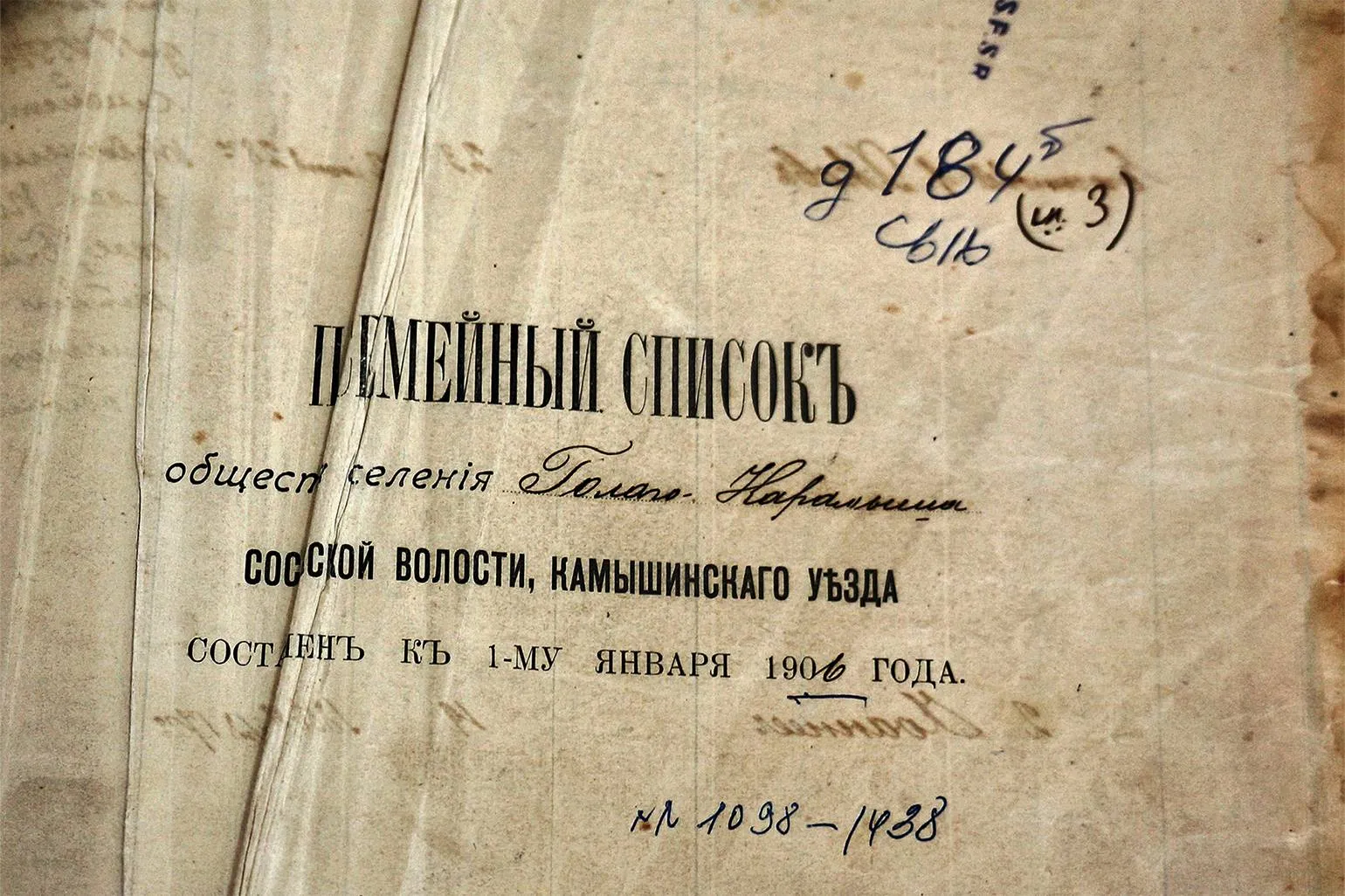
Natalia shares her experience working with archives, where she and her brother spent a lot of time. Her brother compiled archival extracts in German, while Natalia visited archives in Saratov, photographing parish registers and family records. She also actively communicated with relatives, collecting memories and information. Natalia still has her aunt's diary, in which she recorded her memories. These sources became an important part of their family history research and allowed them to gain a deeper understanding of their roots.
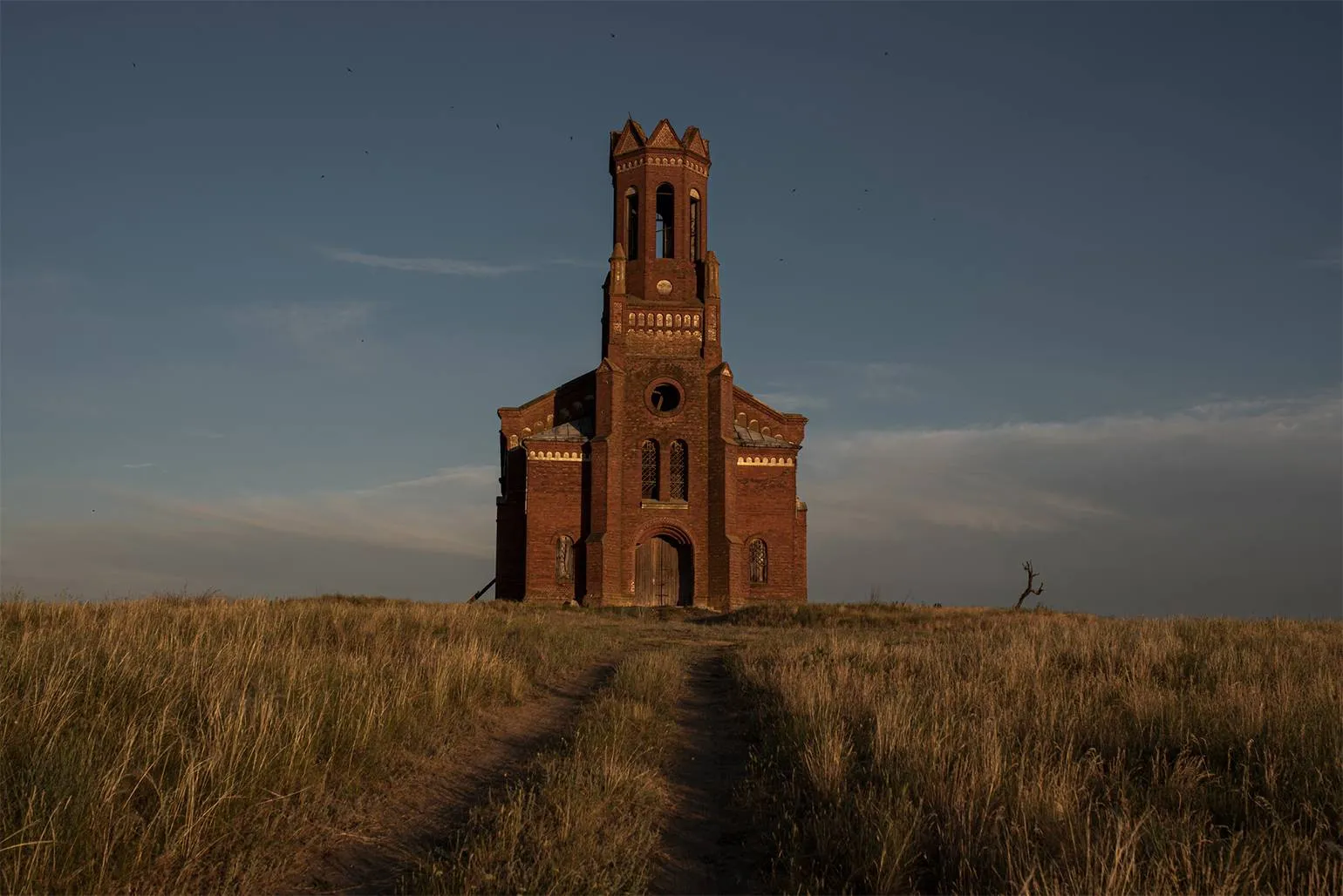
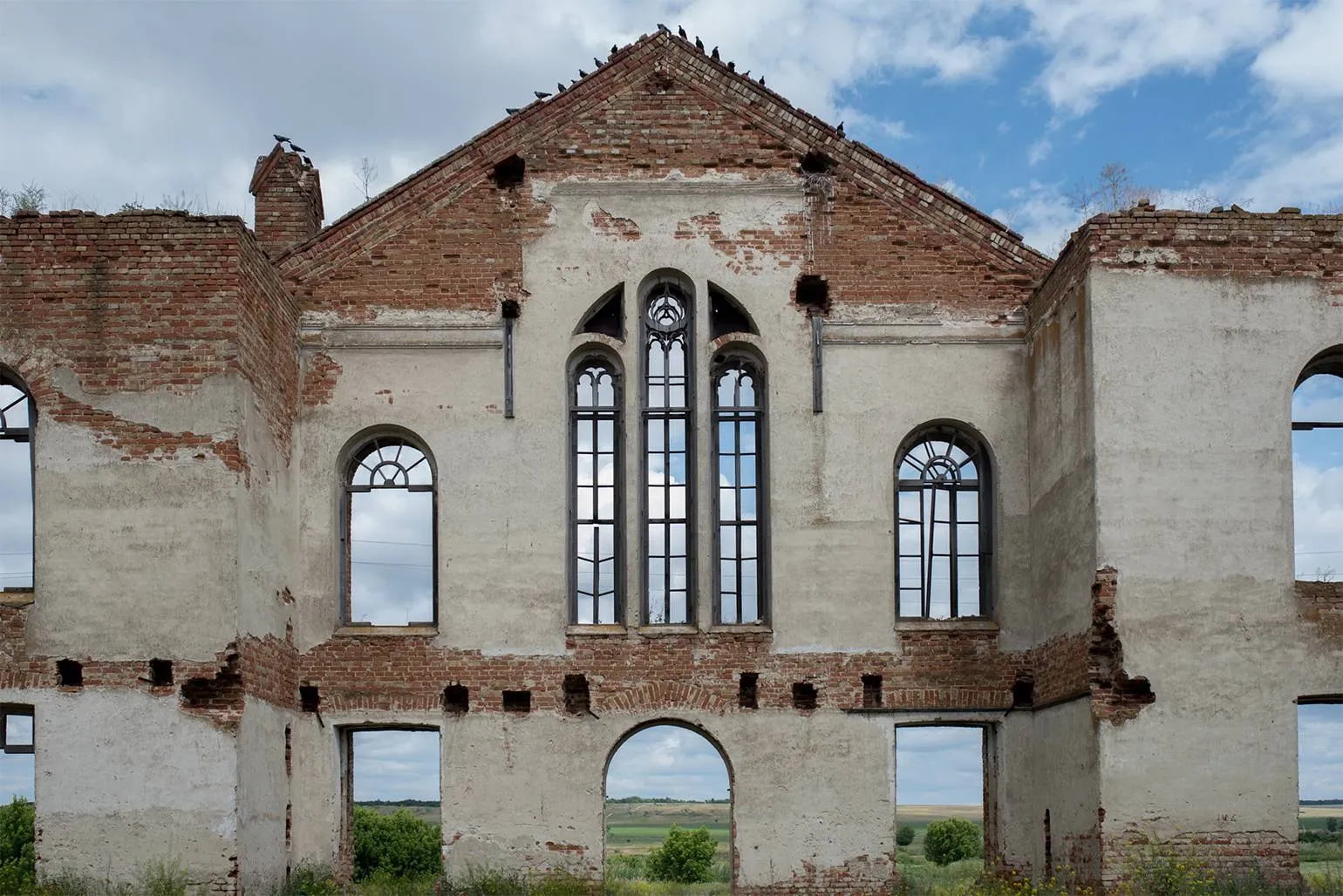
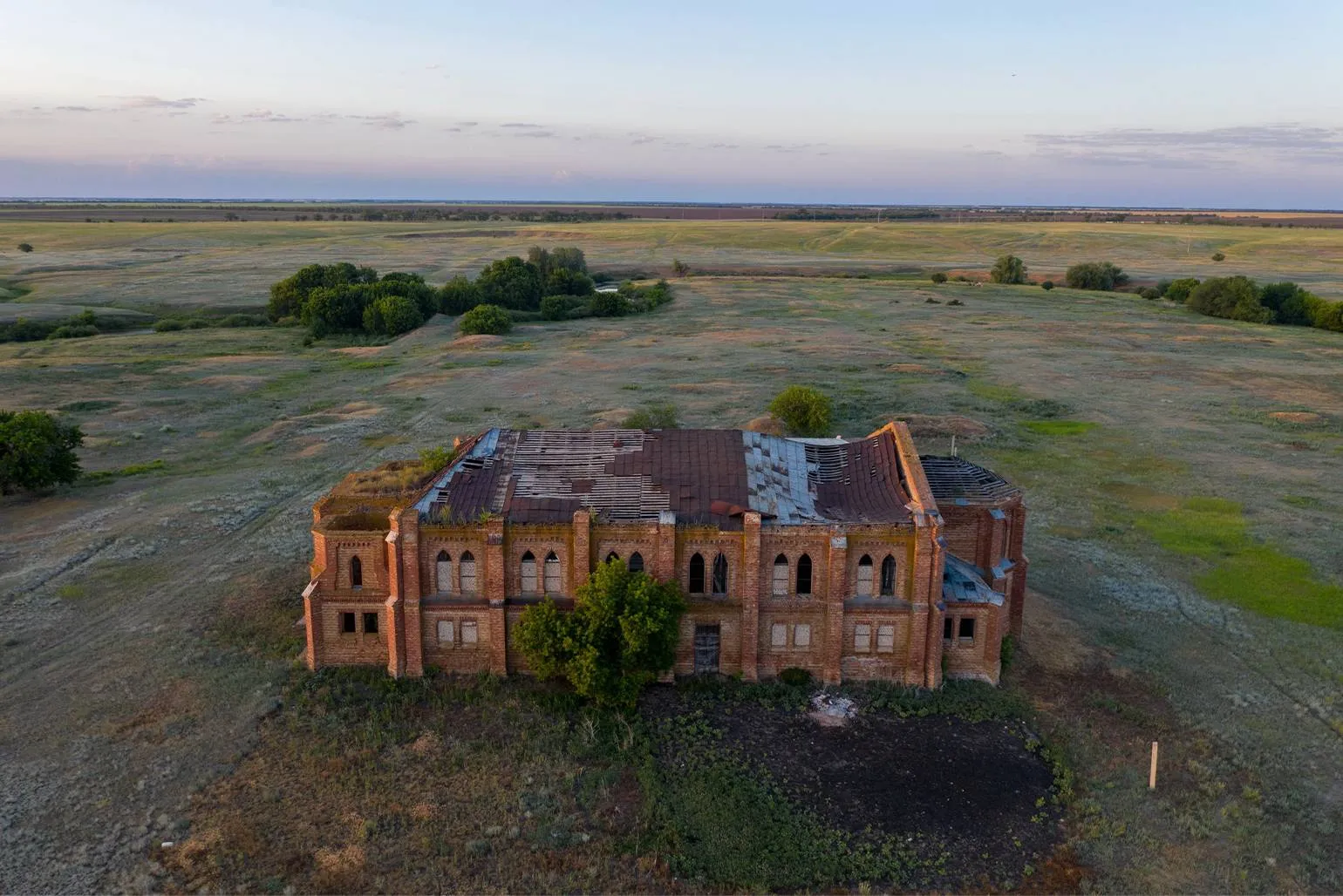
For several years, I have been immersed in archives, researching my family history. This process has helped me better understand myself and identify the roots of many of my fears, anxieties, and tendency toward isolation. While working with the materials, I became closer with my brother, who had also been studying family histories for a long time, and this gave me a sense of belonging to our family.
Natalia Shulgina's materials for the project contain valuable ideas and concepts that can significantly enrich the project. Careful analysis and a deep understanding of the topic allow her to identify key aspects essential for successful implementation. Natalia Shulgina offers practical recommendations that will help optimize processes and improve results. It is important to consider her approaches and implement them in practice to achieve maximum effectiveness. The use of these materials can form the basis for further research and development in this area.
Four Long Boxes
Ancestral Syndrome is the artist's rough draft. In addition, Natalia is actively preparing an exhibition, the concept of which has already been formed.

In addition to photographs and family heirlooms, the project will feature a card index with four drawers. Each drawer will contain archival materials, family photos, and diary entries. The project touches on four key themes. The first theme is dedicated to the Volga German people, who existed from the time of Catherine II until 1941-1942, when they were deported from these lands. This box will become the basis for a deep study of the history and culture of this people, who have preserved their traditions for centuries.
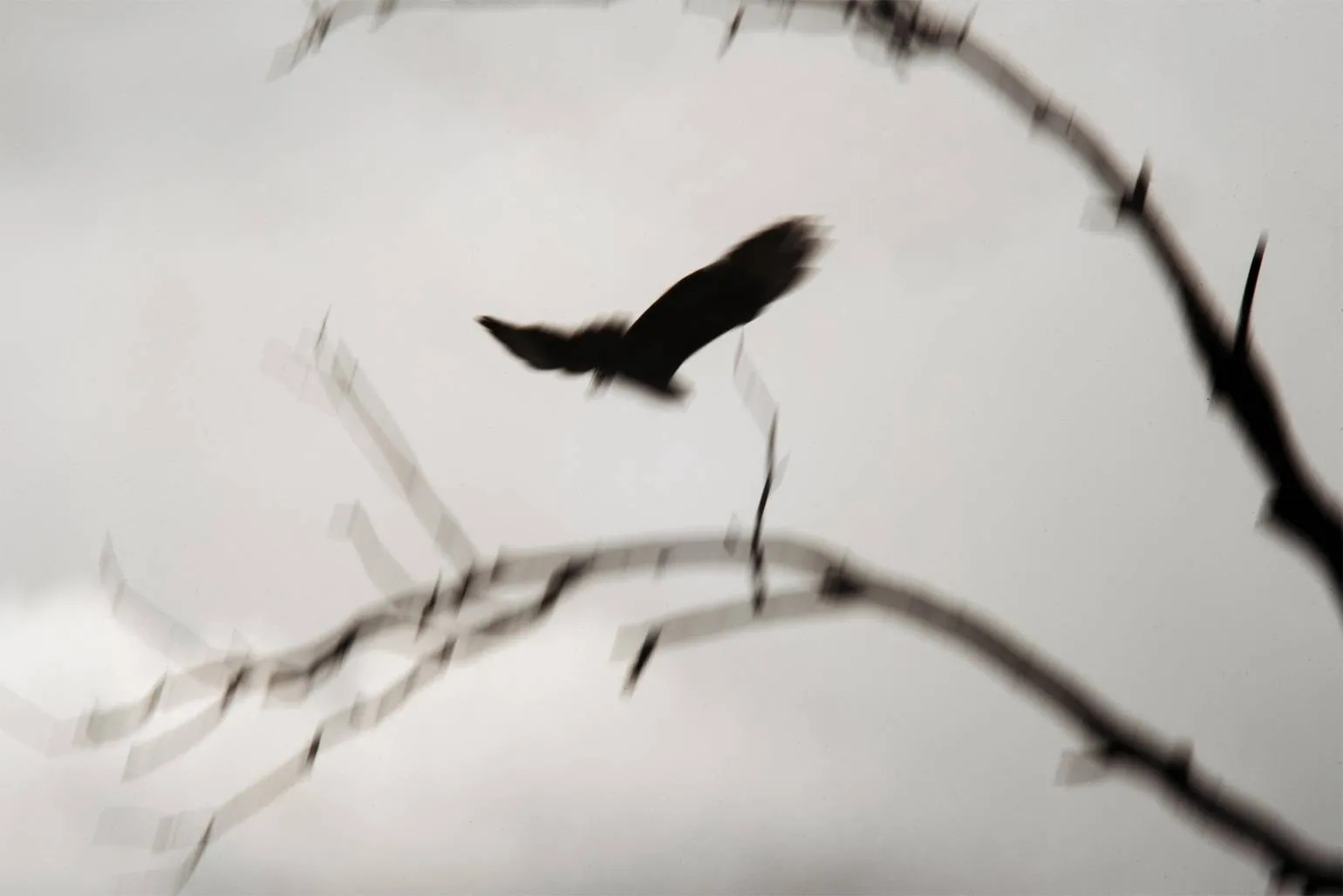
The city of Balzer, the birthplace of my ancestors, is the second box in our family heritage.
My family is an important part of my life. It contains the most precious moments and memories. Family supports and inspires, creating a warm atmosphere where everyone feels protected. Mutual understanding and caring for loved ones form strong bonds that help overcome difficulties. Family is not only family ties, but also a real team, ready to help in any situation.
The fourth element is me and the impact this story has had on my life.
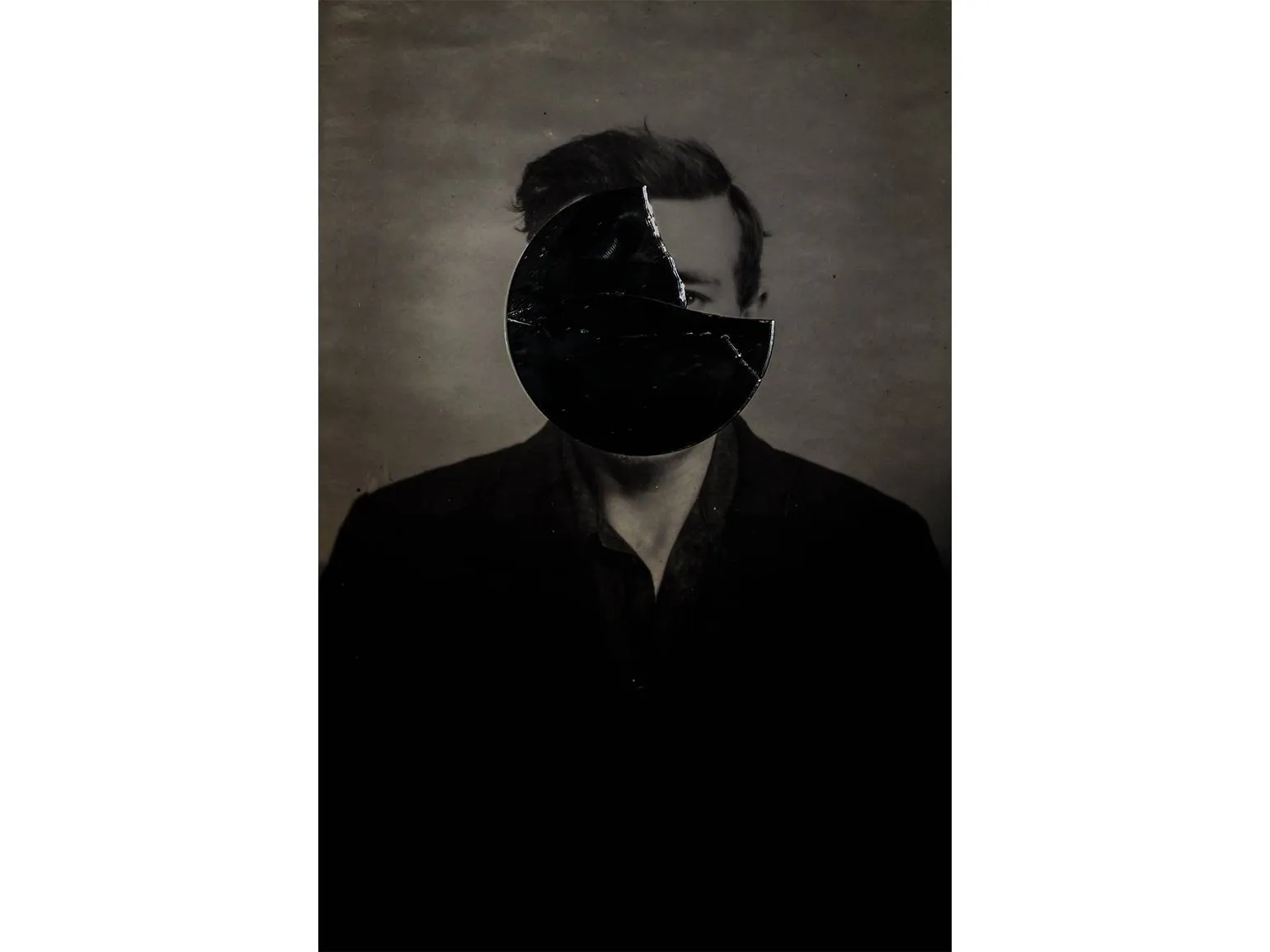
Natalia shares her story, which had a significant impact on her and brought peace. She realized that she was living in a new time, different from the lives of her ancestors. However, sometimes there was a feeling that the past had returned and was beginning to influence the present. This thought makes us think about the cyclical nature of history and its impact on our lives.
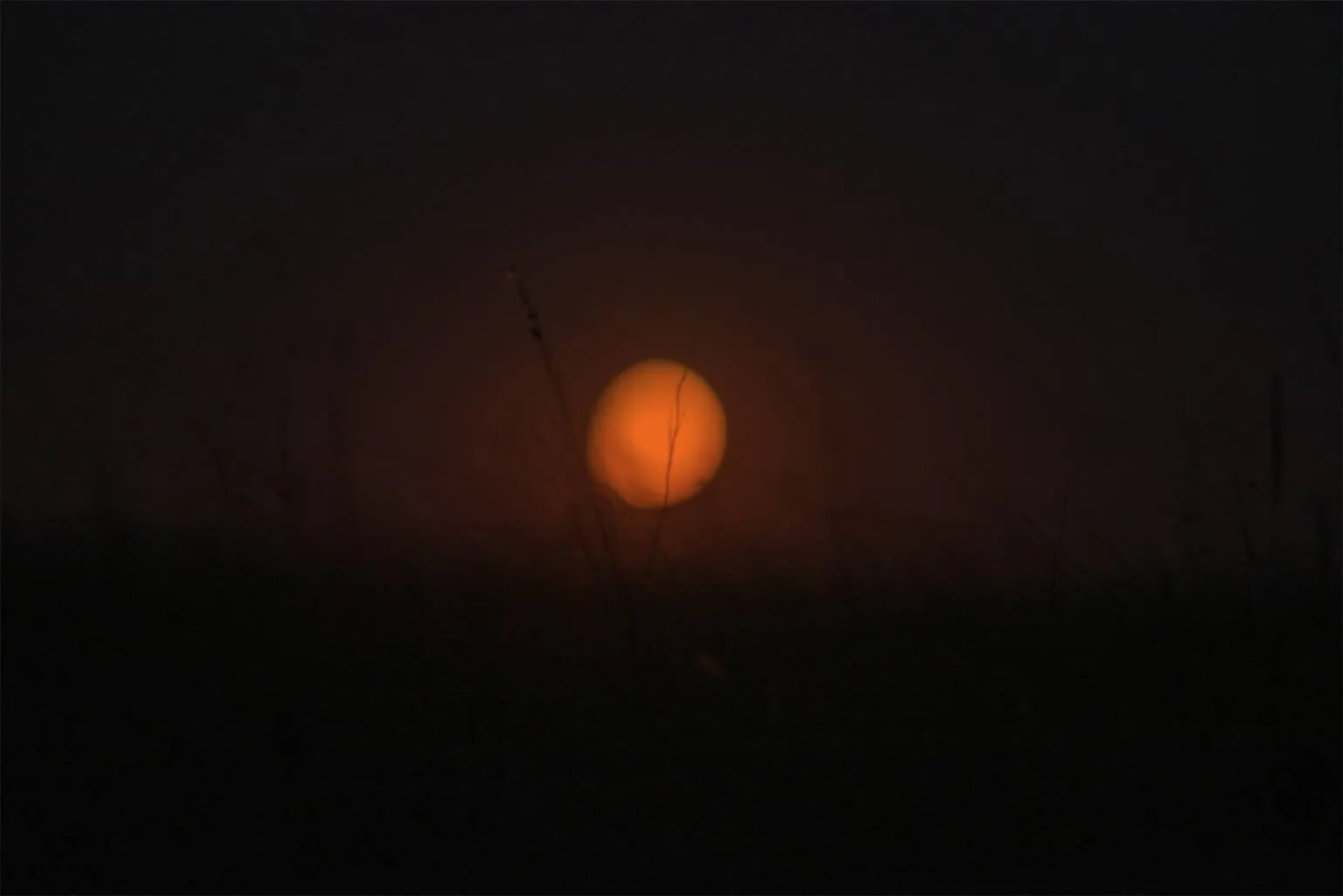
Natalia, having overcome the difficulties of her past, finds new strength for life.
“If my family has overcome difficulties, then I can overcome any obstacles."

Subscribe to our telegram channel "Behind the curtain" to stay up to date with all the news and updates. We provide up-to-date information and interesting materials that will help you not to miss important events. Join our community and stay in touch.
Profession Photographer
You will learn how to take professional photos from scratch. You will learn how to organize shoots, process frames, manage models and a team. Find your style, build an impressive portfolio, and start making money doing what you love.
Find out more