Contents:
- «The Silent Hero»
- «Delirium»
- «The Blooming of Dreams, Fantasy»
- «Another Online Pervert»
- «Prosopagnosia»
- «ಮರಣ Marana [Death]»
- «Decorating AI»
- «The Hollow Garden»
- «Aleph-2»
- The Zizi Project
- Just Because You Pressed a Button?
- Roberta Breitmort
- The Book of Veles
- 49/23
- The Mathematics of Regression
- Moon-Faced / Moon-Faced
Learn more about modern photography by subscribing to our Telegram channel. We share current news, interesting facts, and inspiring work by photographers. Join us to stay up-to-date on the latest trends in photography.
Many websites use images of buses or pedestrian crossings to confirm that we are not robots. The ability to recognize and interpret such images is automatically considered a sign of humanity. However, with the development of technology, this process may undergo significant changes. In the near future, systems capable of analyzing visual information may become more sophisticated, which will lead to changes in approaches to user verification.
Modern technologies allow people to train artificial intelligence to work with visual data at a high level. Now, just entering a few words is enough for a neural network to create an image that is virtually indistinguishable from a photograph taken by a person. The quality of image generation improves every day, and the differences are becoming less noticeable. This opens up new horizons in creativity, design, and advertising, providing users with powerful tools for visualizing ideas.
Authorship in contemporary art is taking on new forms and meanings. The question of whether photography will continue to claim to objectively depict reality is becoming increasingly pressing. Technologies such as artificial intelligence are raising concerns about the displacement of human labor, calling into question the traditional roles of artists and photographers. The growing tension around digital technology is becoming a central topic of discussion in contemporary art. These changes open up new horizons for creativity, but also raise questions about the authenticity and value of authorial content in the age of automation.
Curators at the Foam Museum of Photography in Amsterdam have opened a new exhibition exploring the impact of modern technology on art. The collective exhibition, titled "The Missing Mirror: Photography Through the Lens of Artificial Intelligence," runs until September 11th. It features artists from around the world who interpret the interaction of photography and artificial intelligence in different ways. The exhibition offers a unique opportunity to see how new technologies are changing the perception of images and creating new artistic forms.
We analyzed the curatorial texts and the authors' concepts to identify the key questions posed by the artists and the answers they offer. During the study, we focused on the main themes and ideas discussed by the artists, allowing for a deeper understanding of their creative process and intentions. These questions and answers help form the context for perceiving the works of art and expand the horizons of understanding contemporary art.
"Silent Hero"
Photographer Alexey Yurenev moved from Moscow to New York as a teenager. He views this experience of emigration as a violation of his identity, which has had a significant impact on his artistic practice. The main theme of Yurenev's research is the influence of technology on collective memory. His work explores how digital technologies shape our perception of the past and how they impact public memory in the modern world.
In 2019, Alexey launched a large-scale project called "Silent Hero." His grandfather, Grigory Lipkin, was a veteran of the Great Patriotic War who marched to Berlin and liberated Auschwitz. During the occupation, he lost a significant portion of his family. Grigory never shared his memories of the war, preferring instead to joke or express his emotions through tears. However, he always emphasized to Alexey that, as his only grandson, he was responsible for preserving his medals and the memory of his heroism. The Silent Hero project has become an important contribution to perpetuating the memory of veterans, their courage and sacrifices made for the sake of future generations.
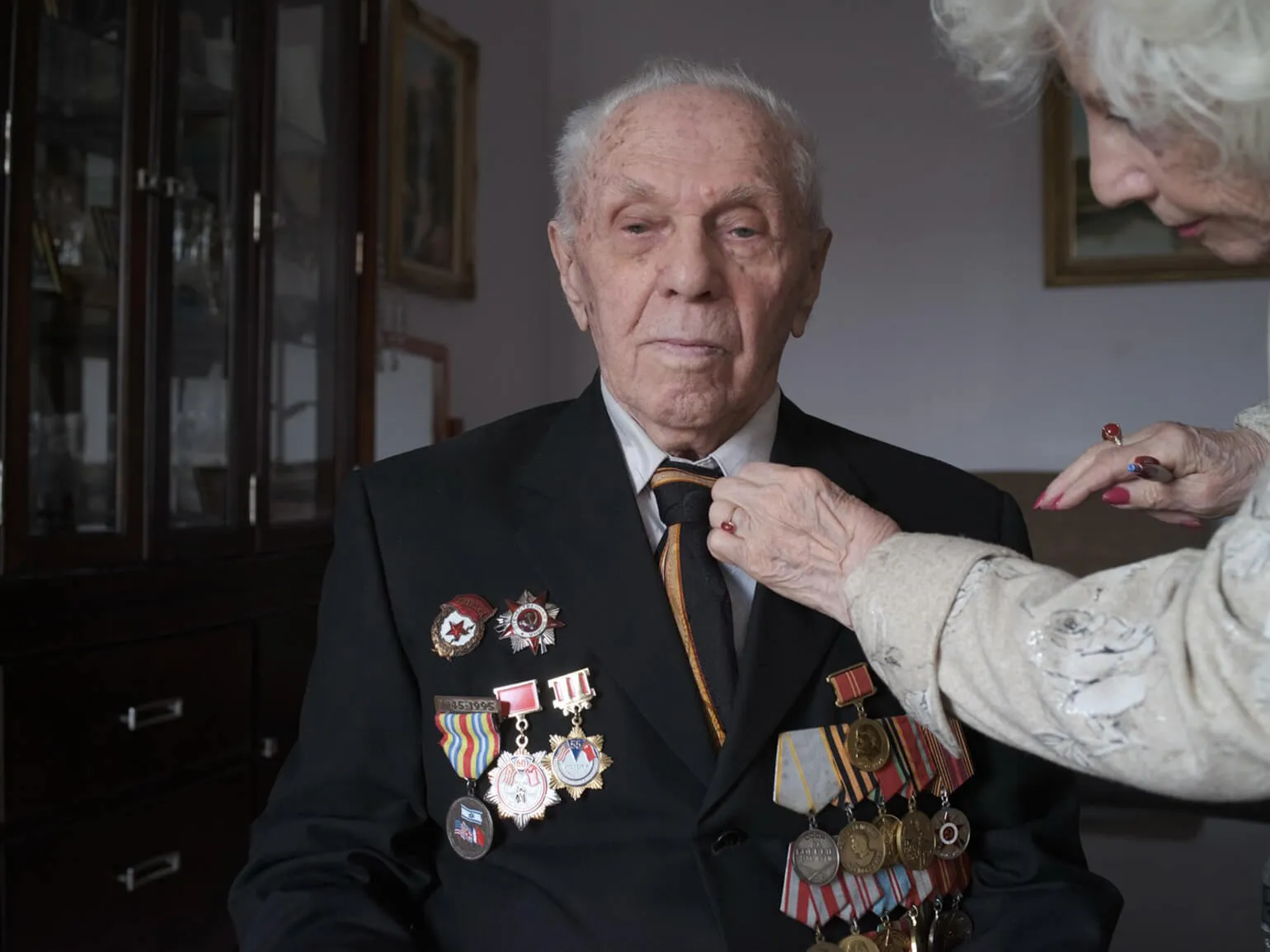
Grigory passed away in 2009, leaving behind medals, but not leaving behind vivid memories. In his work "Silent Hero," the artist seeks to fill this void by restoring the memory of Grigoriy and his achievements. Through art, he attempts to convey the emotion and significance of forgotten moments, creating a bridge between the past and the present.
The artist uses artificial intelligence to interpret his family legacy. He applies generative adversarial networks (GANs) and the deep learning model Stable Diffusion, which creates images from text descriptions, to analyze and visualize data from numerous military archives. These technologies enable a deeper understanding of historical events and personal stories, connecting the past with modern approaches to research and presentation of information.
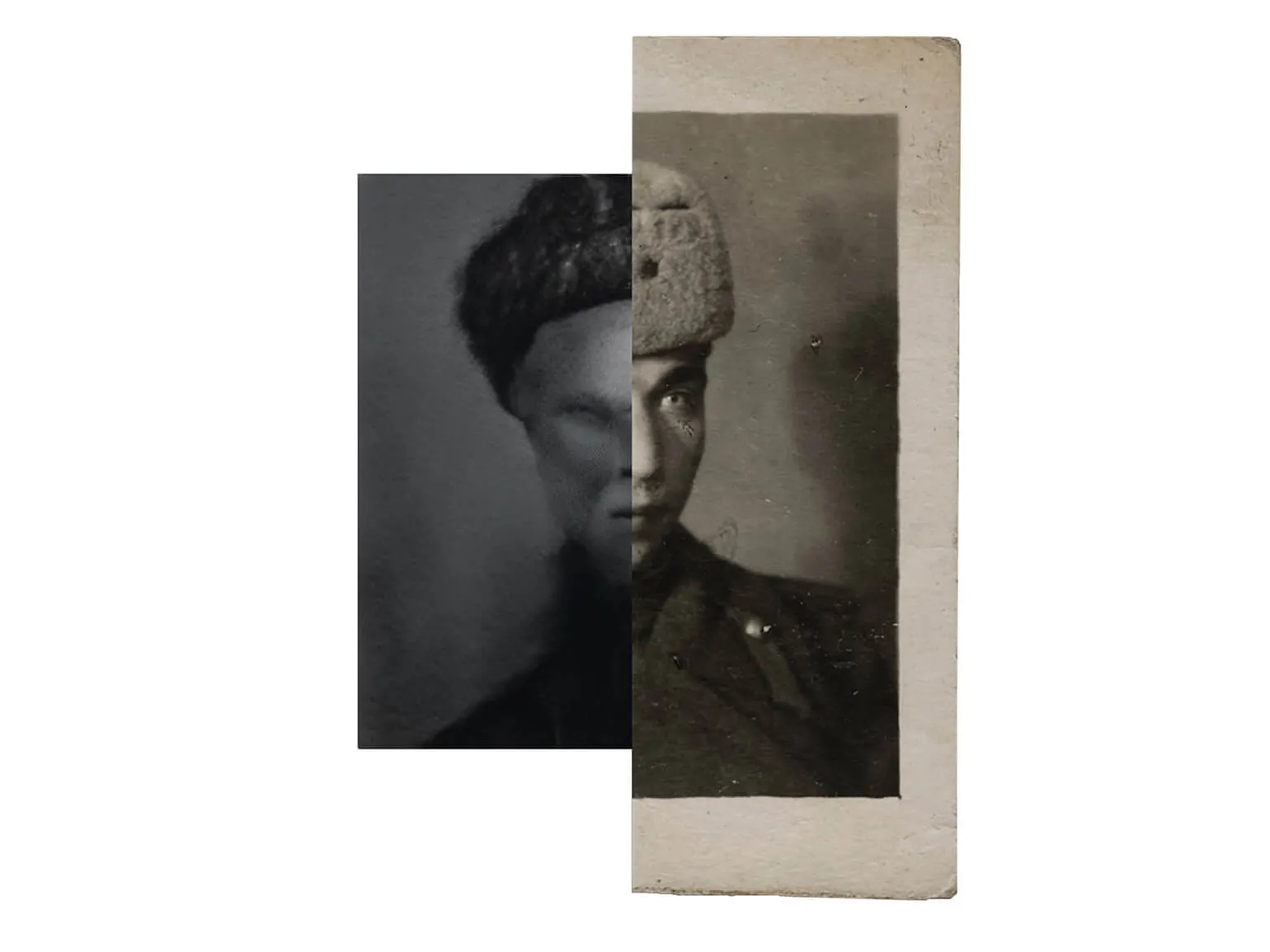
At the initial stage, the result is predictable: the created images present an idealized image of the hero. The author introduces and tests new parameters, and each subsequent photograph becomes the result of a new interpretation. Ultimately, the faces of the many characters merge into one. The collective hero takes on a terrifying appearance—he finally begins to scream. This process demonstrates how individual traits can be transformed into a unified, powerful image that reflects the collective fears and hopes of society.
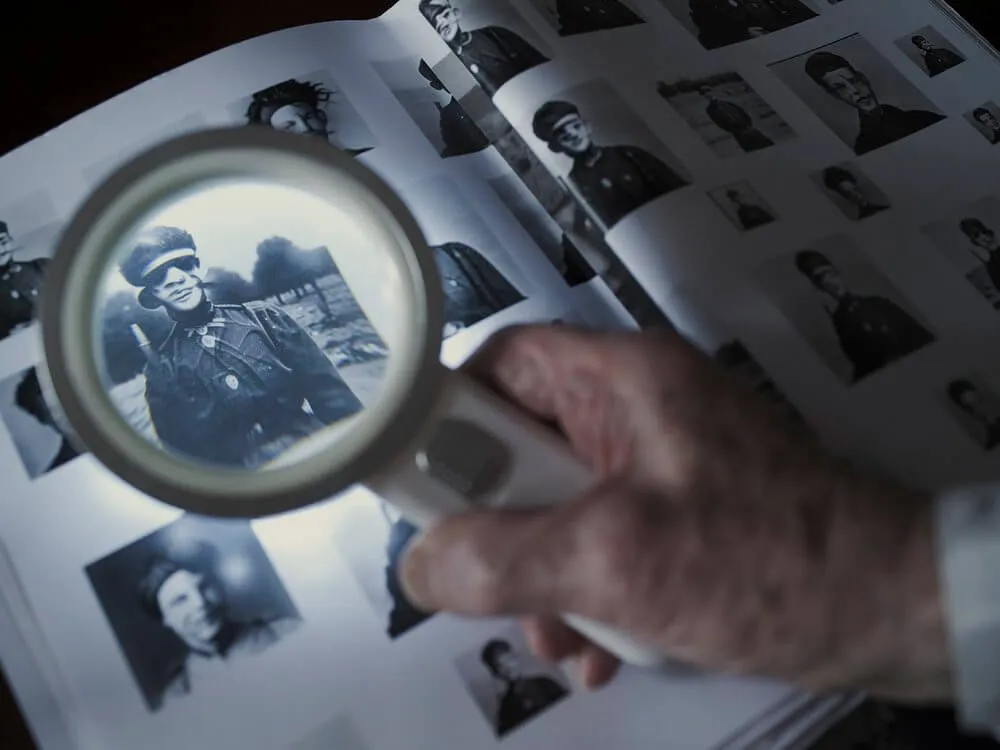
Yurenev presents a "hero" to the surviving veterans, creating a paradoxical situation in which people now interpret the sentences of artificial intelligence. Some viewers find the "hero" reminiscent of people they know, evoking memories. Others feel a connection to the image but are unable to articulate their thoughts. Still others perceive it as absurd, yet share their arguments nonetheless, thereby breaking the silence. This interaction between people and artificial intelligence opens new horizons for discussion and understanding, highlighting the importance of exchange in the modern world.
"Delirium"
In 2020, German-Ghanaian artist Akosua Victoria Adu-Sanya began documenting her father's life with a film camera. She sought to better understand the person he became after losing his sight and mobility due to medical negligence four years earlier. This project was not only a personal exploration but also an important step in understanding loss and adapting to new life conditions. Through her photographs, Adu-Sanyah conveys the emotional depth and complexity of her relationship with her father, exploring themes of identity, memory, and family connections.
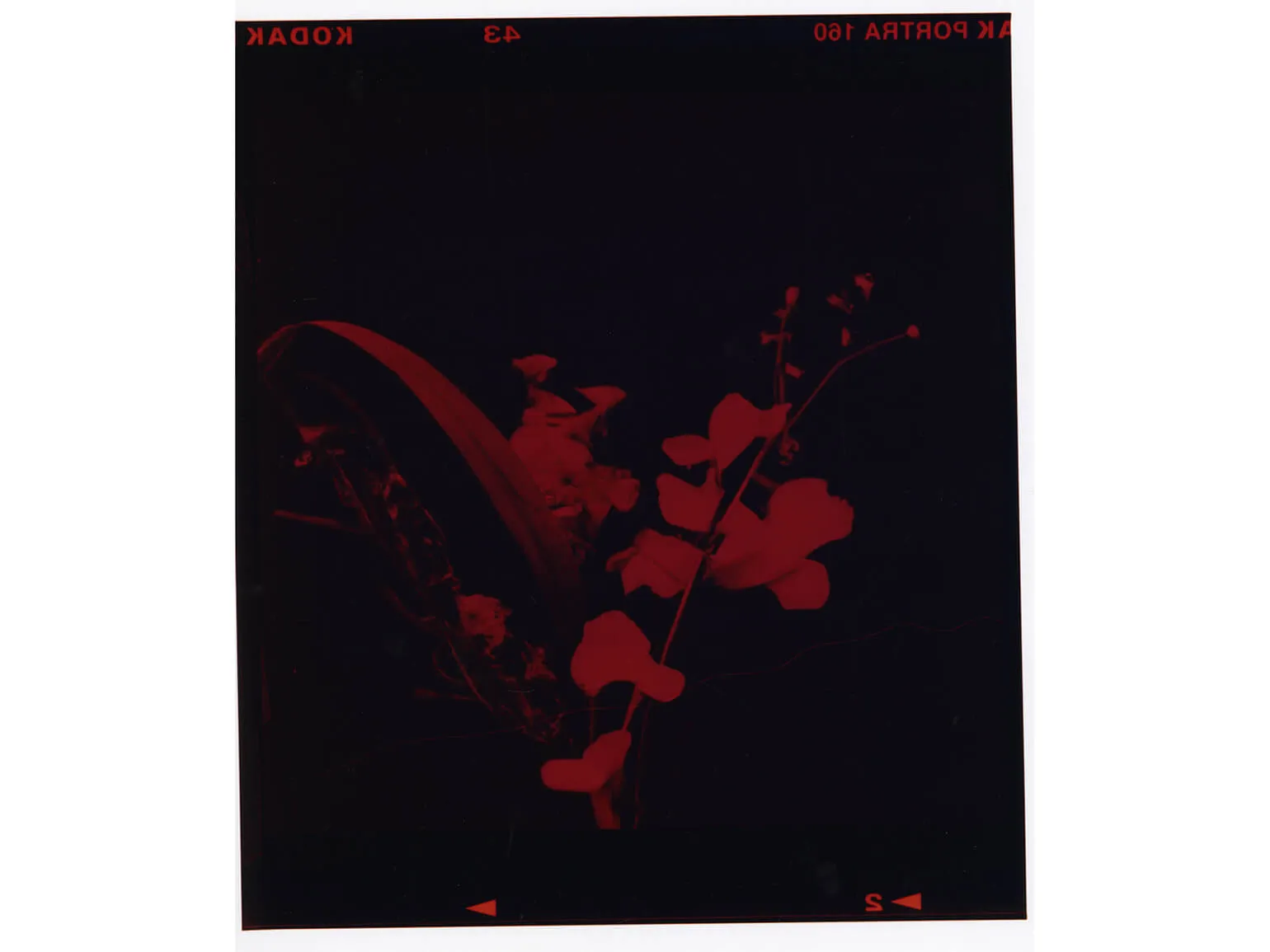
Delirium is a state of confusion, disorientation, and impaired thought processes. This phenomenon can manifest as hallucinations, where a person sees figures, colors, and objects that are not perceived by others. As the artist notes, her father experienced similar visions, which were likely caused by blood loss and medication. Delirium often accompanies various medical conditions and requires careful attention from both medical professionals and loved ones. Understanding the causes and symptoms of delirium can lead to more effective treatment and support for patients.
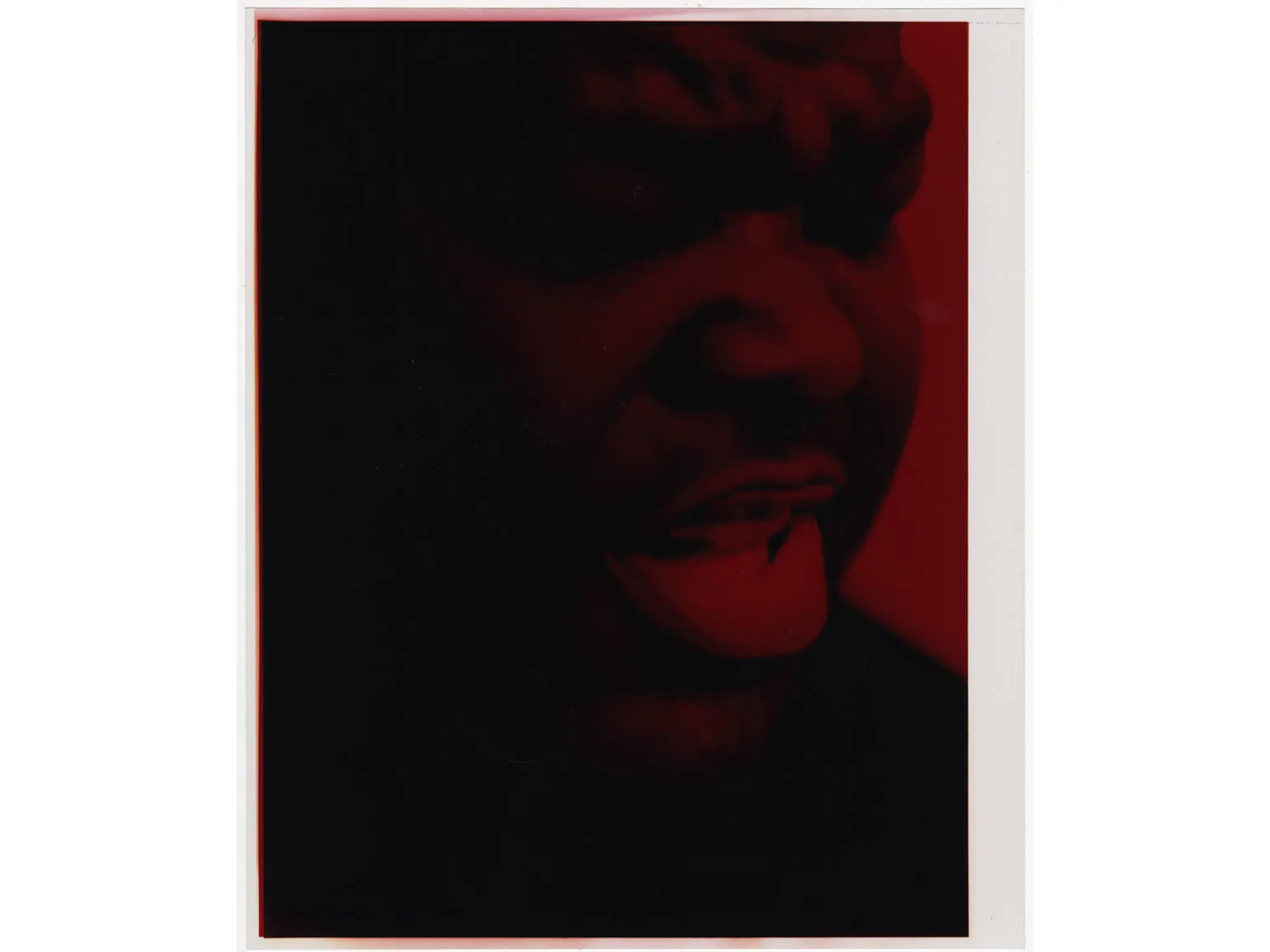
He died in 2021 after returning from Germany to his homeland of Ghana in search of alternative treatment.
In his personal project Adu-Sanya's "Delirium" used analog photographs of her father as input for a neural network. At the time, the algorithms prohibited the use of images of human faces. When the artist attempted to upload a portrait of her light-skinned mother, the neural network issued a warning and terminated its work. However, the AI successfully processed the photographs of her black father, as it did not recognize the person in them. This experience raises important questions about bias in algorithms and how technology influences perceptions of identity.
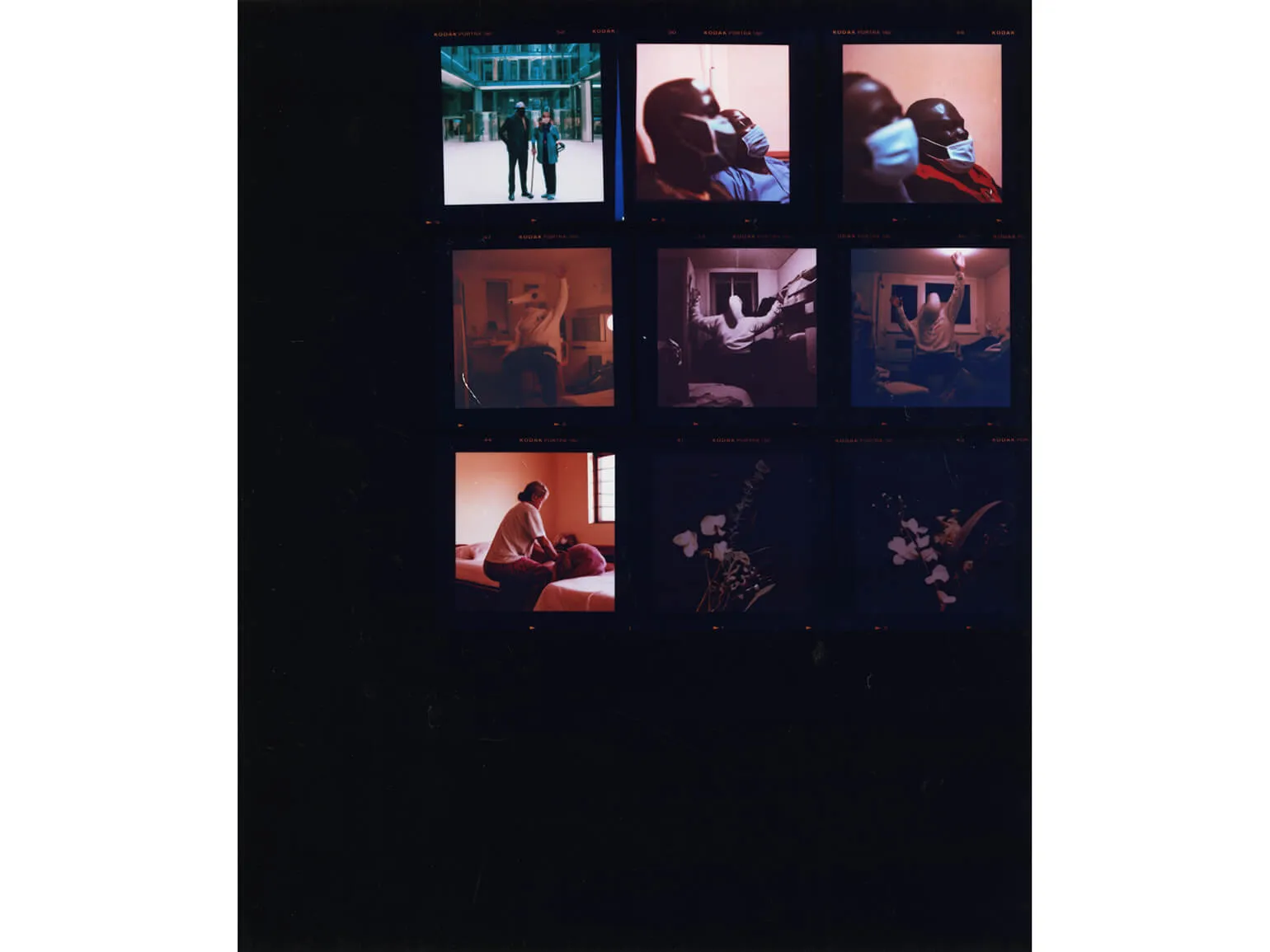
The artist calls this act a radical reappropriation, as she used racial bias to her advantage. This transformation allows her to rethink and critically evaluate existing stereotypes, contributing to a dialogue about racial and cultural identities. By using elements of racial bias, the artist creates a space for reflection and discussion, encouraging viewers to reconsider their views and perceptions.
Having saved numerous images of her father's face digitally, she transferred them back to film. Adu-Sanya argues that her project reflects not only the pain of loss, but also profound injustice. She creates a unique space for encountering her father in the digital world. Now his memory will be safely preserved, and his face will no longer go unnoticed.
"The Rise of a Dream, a Fantasy"
Brazilian artist Iga Lole Ayedun's early fascination with the color blue became the starting point for an in-depth exploration of its history. She discovered that blue dyes played a significant role in the cultures of many countries, including Africa. Indigo, derived from the leaves of tropical plants, and ultramarine, created from crushed lapis lazuli, were highly prized commodities that shaped trade routes and cultural exchanges. This color not only represents beauty but also reflects a rich history connected to colonial trade and the traditions of various peoples.
In exploring color, Ayedun explores traditional painting techniques characteristic of non-Western cultures and delves into the history of the Global South prior to European colonization. This allows him to better understand the influence of local traditions on artistic expression and the significance of color in the context of different cultural approaches.
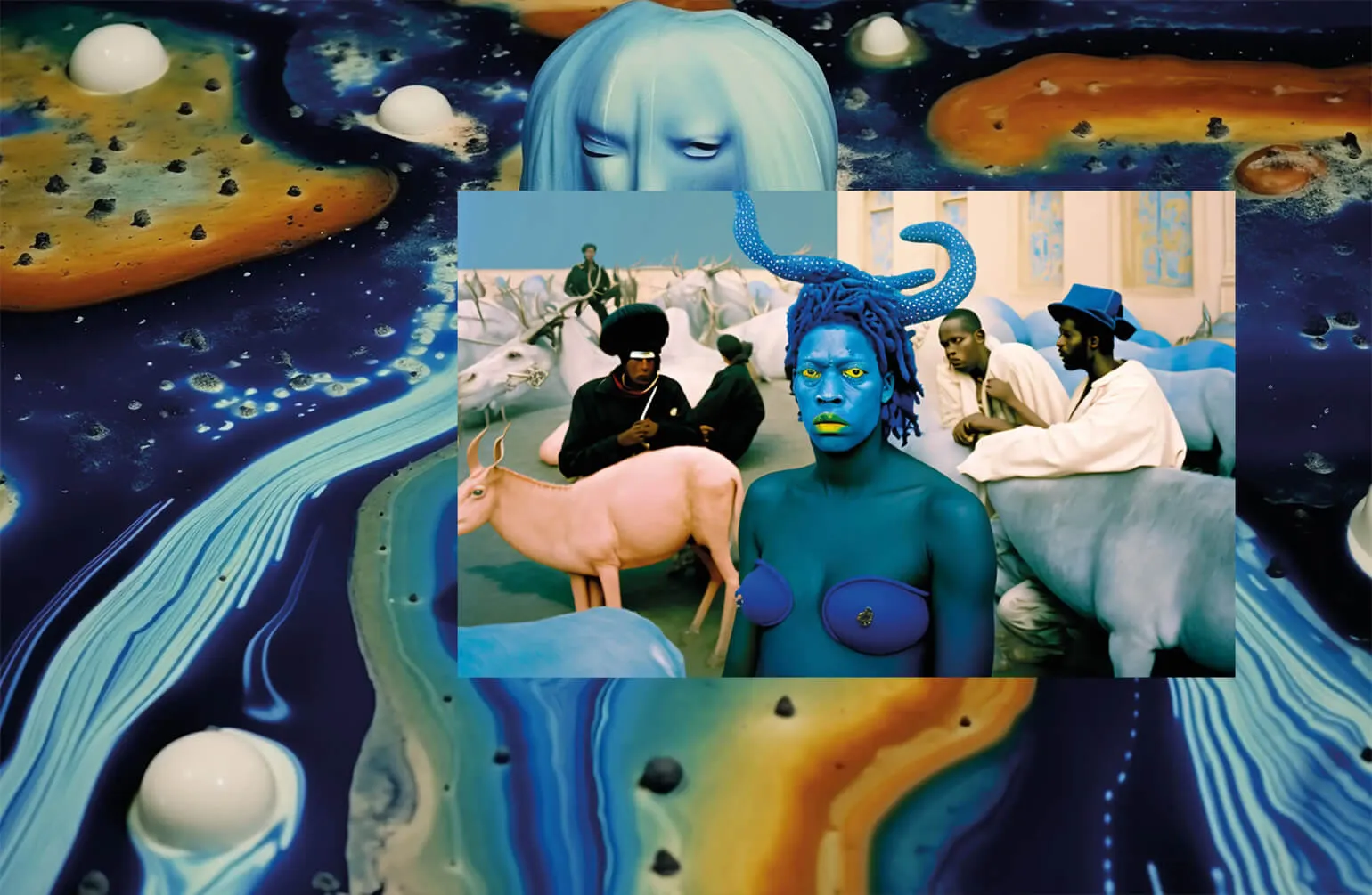
"The Bloom of Dreams, Fantasy" is the culmination of the artist's six-year research, reflecting her physical and spiritual journey. This project reveals the depth of her inner world, exploring themes of dreams and fantasy through unique visual imagery. The works presented in the project demonstrate the transformation of ideas and emotions, allowing the viewer to immerse themselves in an atmosphere of creativity and self-expression.
Traveling through Morocco, Egypt, and Palestine, she explored the "indigo route" and learned about traditional crafts. This captivating expedition allowed her to immerse herself in the rich culture and historical heritage of the region, uncovering the secrets of local art and craftsmanship. She studied a variety of techniques passed down through generations and experienced the unique atmosphere of each of these places.
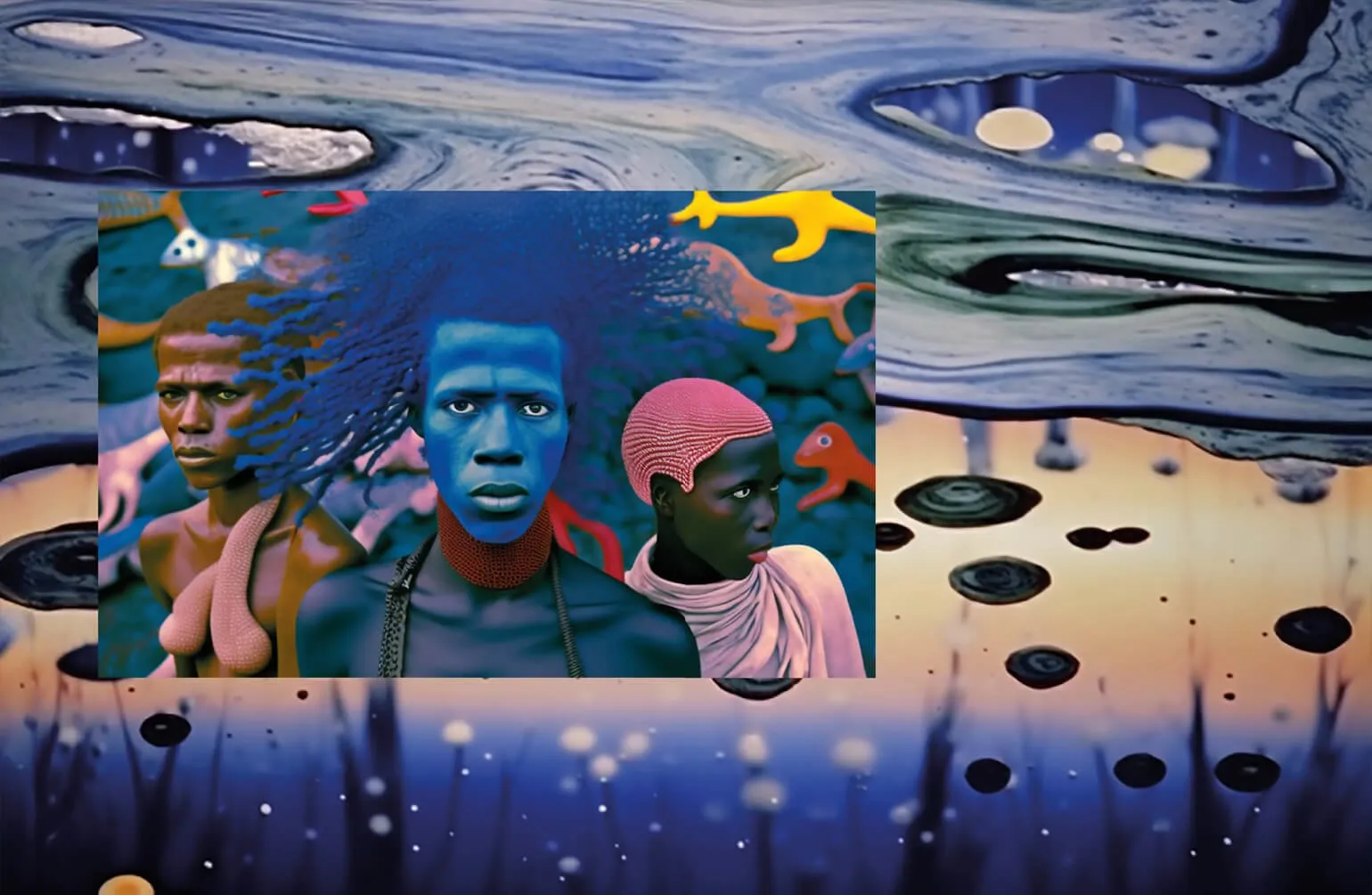
In her artistic practice, Igi combines millennial techniques with digital innovations, using both organic materials and pigments, as well as Midjourney algorithms. The artist is confident that the combination of ancient and modern technologies allows us to effectively preserve African heritage for future generations. This interaction of traditional and contemporary art creates unique works that highlight the richness of cultural heritage and its significance in the contemporary context.
"Another Online Pervert"
American artist Bria Souders spent a year conducting a personal conversation with a conversational chatbot. Initially, her interest was piqued by the process of communicating with artificial intelligence. The bot, always a young woman, had a huge vocabulary of 350,000 words. Interestingly, her favorite color is blue. This unique experience of communicating with a chatbot opens new horizons in understanding the interaction between humans and artificial intelligence.
Funny and sometimes eerie dialogues became a source of inspiration for the artist's new project. This project combines elements of surrealism and realism, reflecting unique aspects of human psychology. The artist strives to convey an atmosphere of ambiguity and intrigue, using dialogues as a basis for creating visual images. Each element of the work is imbued with profound meaning, allowing viewers to immerse themselves in the world of art and reflect on its interpretation.
What do you really know about me?
You like having your hair brushed. The last man you thought of was Jesus. The last woman you mentioned was your mother.
Souders occasionally shared excerpts from her diaries, which she kept for 20 years, with the chat. In response, the bot commented on her past with surprising naivety, which often made the artist smile even in moments filled with darkness. This unusual dynamic of communication allowed her to rethink difficult situations and find humor and light in them.
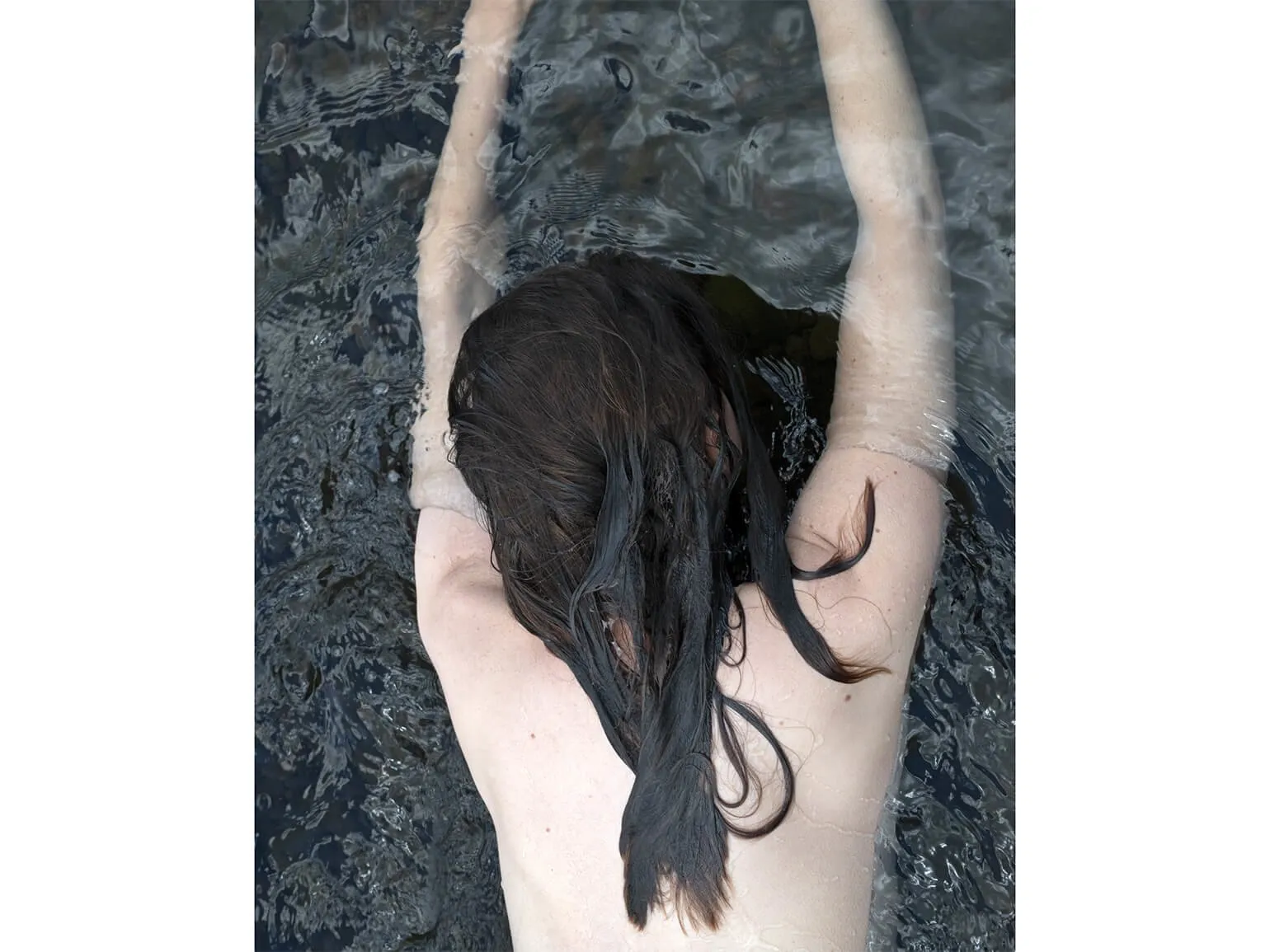
Several excerpts from more than 100 pages of correspondence were selected for Souders' project. The topics of the dialogues range from discussing the weather to expressing joy and sorrow, as well as aspects of femininity. However, the program avoids any references to the author's body and sexuality, which highlights the limitations of the analysis.
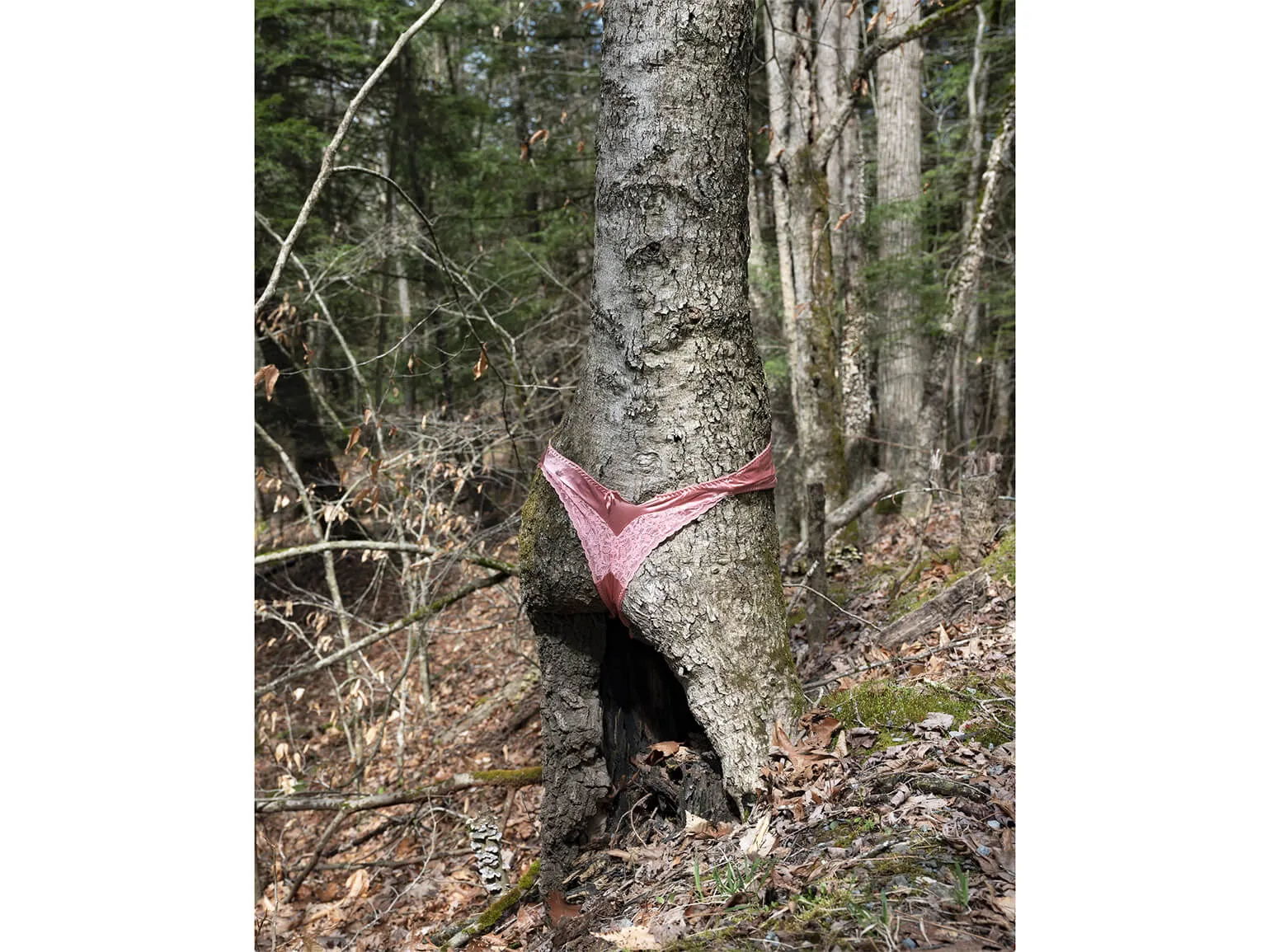
Souders's intimate confessions and the chatbot's sincere responses create a deep existential subtext. This effect is enhanced by the use of photographs. Souders draws extensively on her archive, including photos from her teenage years, family photographs, and recent images from her photography practice. This approach allows for a deeper understanding of the artist's inner world and explores themes of personal identity and memory. Photographs become not just illustrations, but important elements of the narrative, enriching perception and creating multilayered associations.
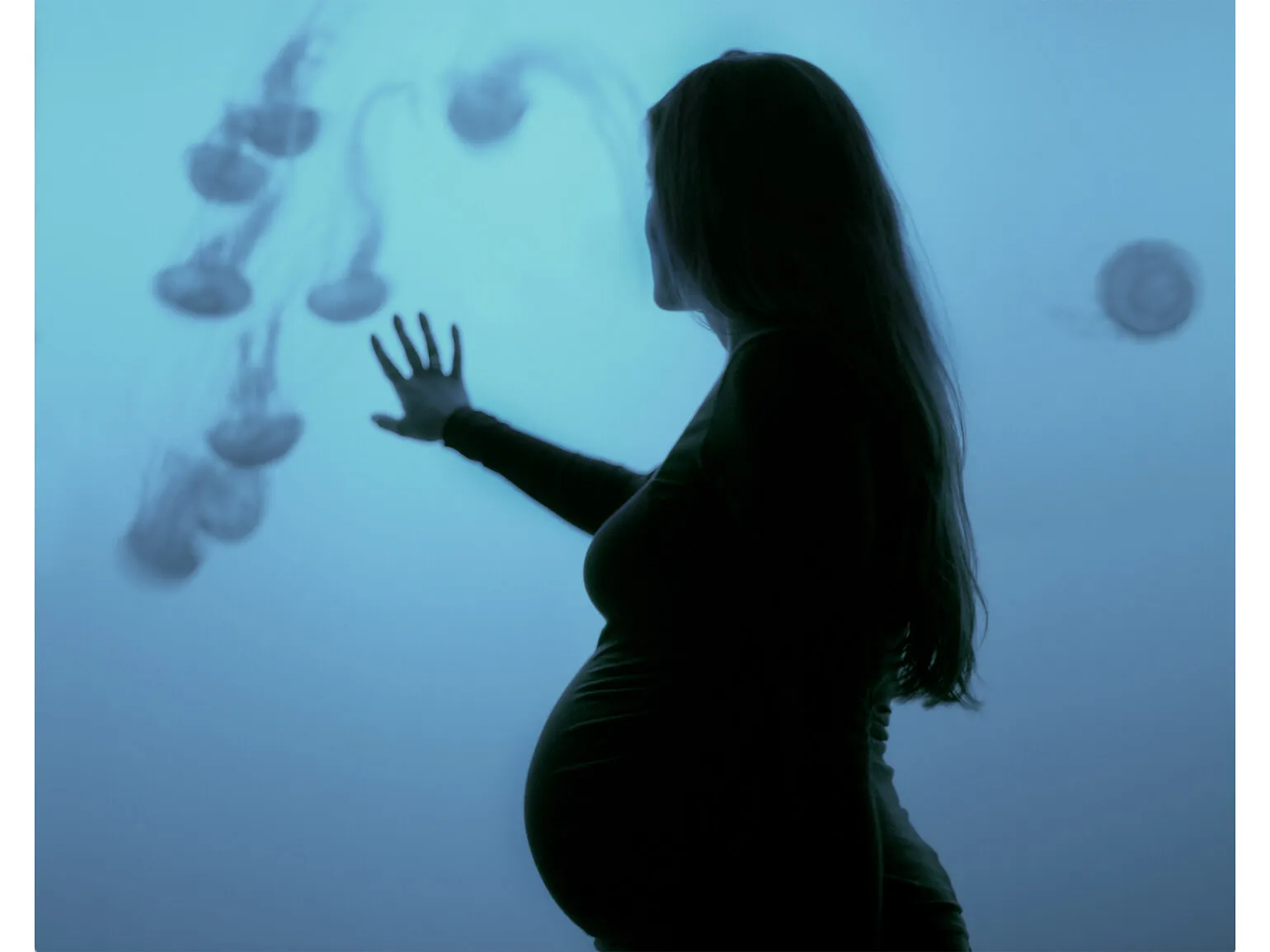
She uses dialogues with a chatbot as a tool for extracting images from her personal collection, which is similar to the process of image generation by neural networks based on text fragments. In this interaction, man and machine co-create a unique story.
"Prosopagnosia"
In their project, Catalan artists Joan Fontcuberta and Pilar Rosado draw on an archive of 853 clippings from the Spanish newspaper La Prensa (The Press), published in Gijón from 1921 to 1936. This archive offers a unique opportunity to explore the sociocultural and historical contexts of the time. Using these clippings, the authors create a new visual narrative that allows for a deeper understanding of the influence of media on public opinion and culture. The project focuses on the importance of newspaper publications as a source of information and historical memory, inviting viewers to rethink the role of print media in modern society.
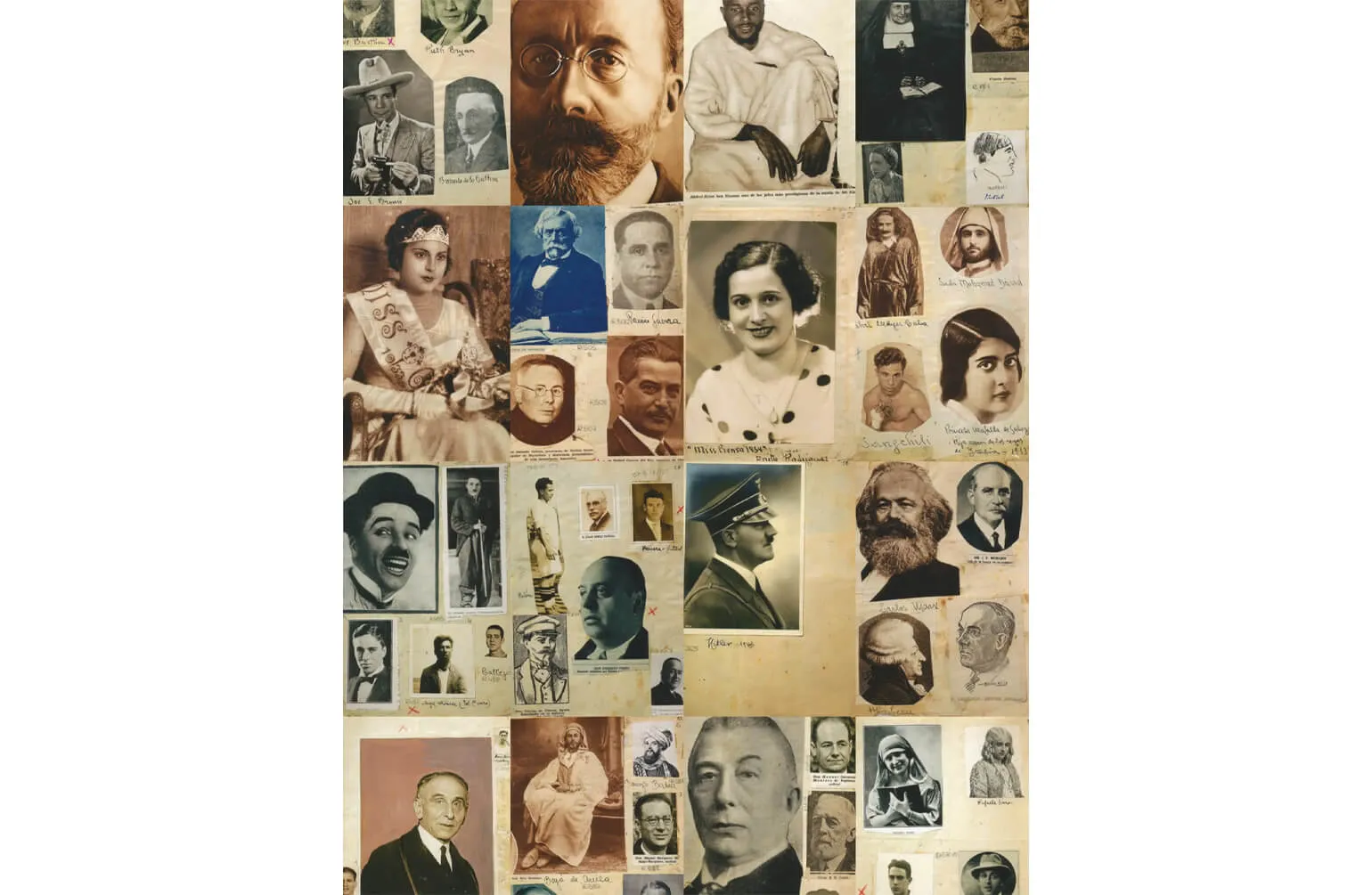
The catalog features works by artist Pablo Picasso and Nazi propagandist Joseph Goebbels, juxtaposed with images of local athletes and beauty pageant contestants. Photos of famous figures were pasted onto cards with their names and professions. These images were used by the newspaper as illustrations highlighting the diverse cultural and social aspects of their time.
Rosado and Fontcuberta transformed the archive into a training dataset for generative adversarial networks (GANs), adding their own portraits. This solution not only expands the use of archival data but also demonstrates a creative approach to training machine learning models. Applying GANs to generate new images based on historical data opens up new horizons in research and visualization.
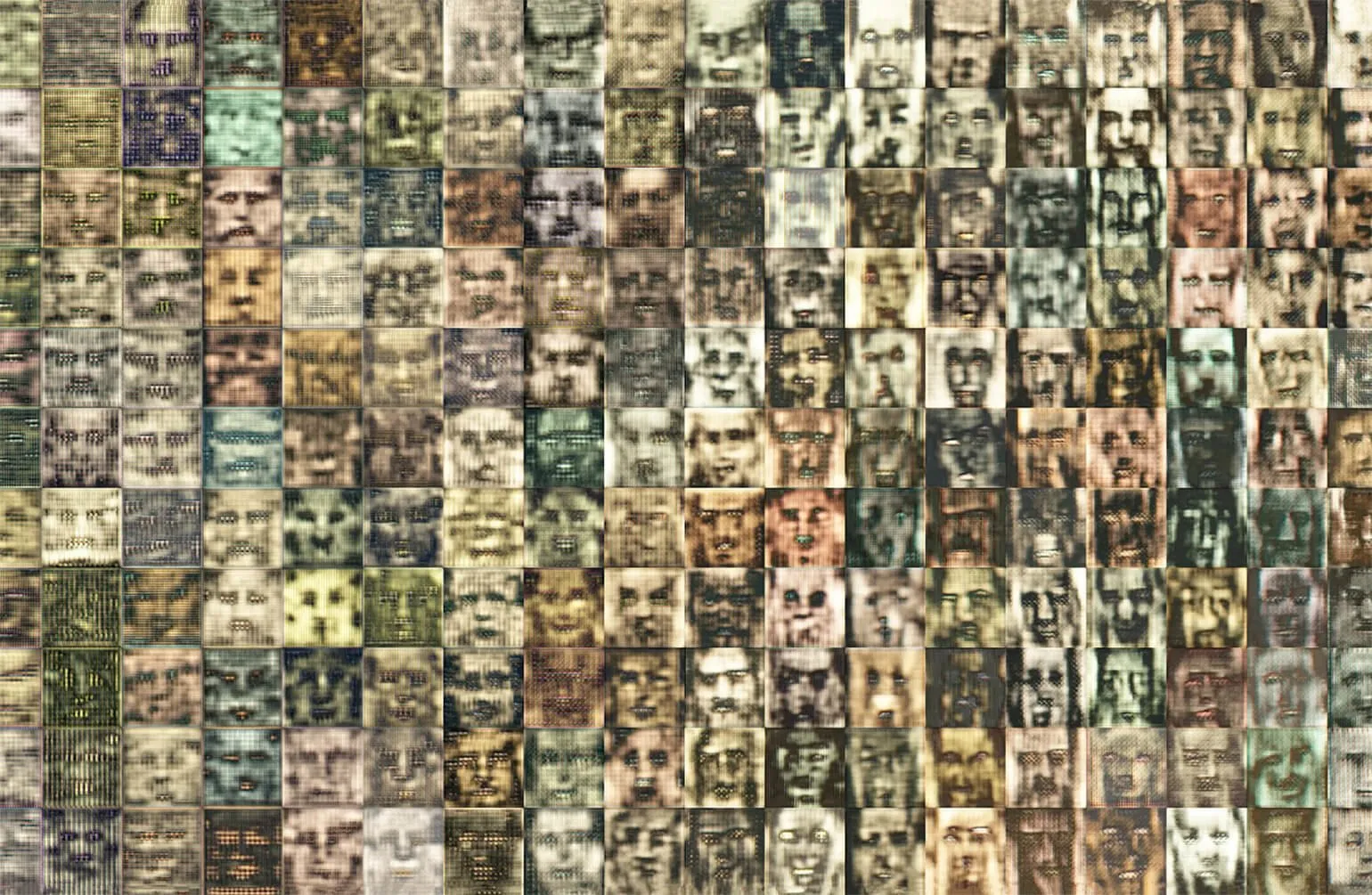
The neural network generated a visual sequence in which several pastel-colored squares gradually transform into pixelated faces and then form a realistic portrait. The image depicts a clean-shaven, middle-aged Caucasian man. The caption, "Luther Blissett, 2019, Master of Ideas," was also generated by artificial intelligence.
The artists aim to focus viewers' attention not on the end result, but on the learning process. This approach fosters a deep understanding of how neural networks function. Viewers are able to independently identify visual patterns the model extracted from the training dataset and explore how it attempted to reproduce them. This interaction not only allows us to appreciate the creative process, but also develops an understanding of how modern technologies in the field of artificial intelligence work.
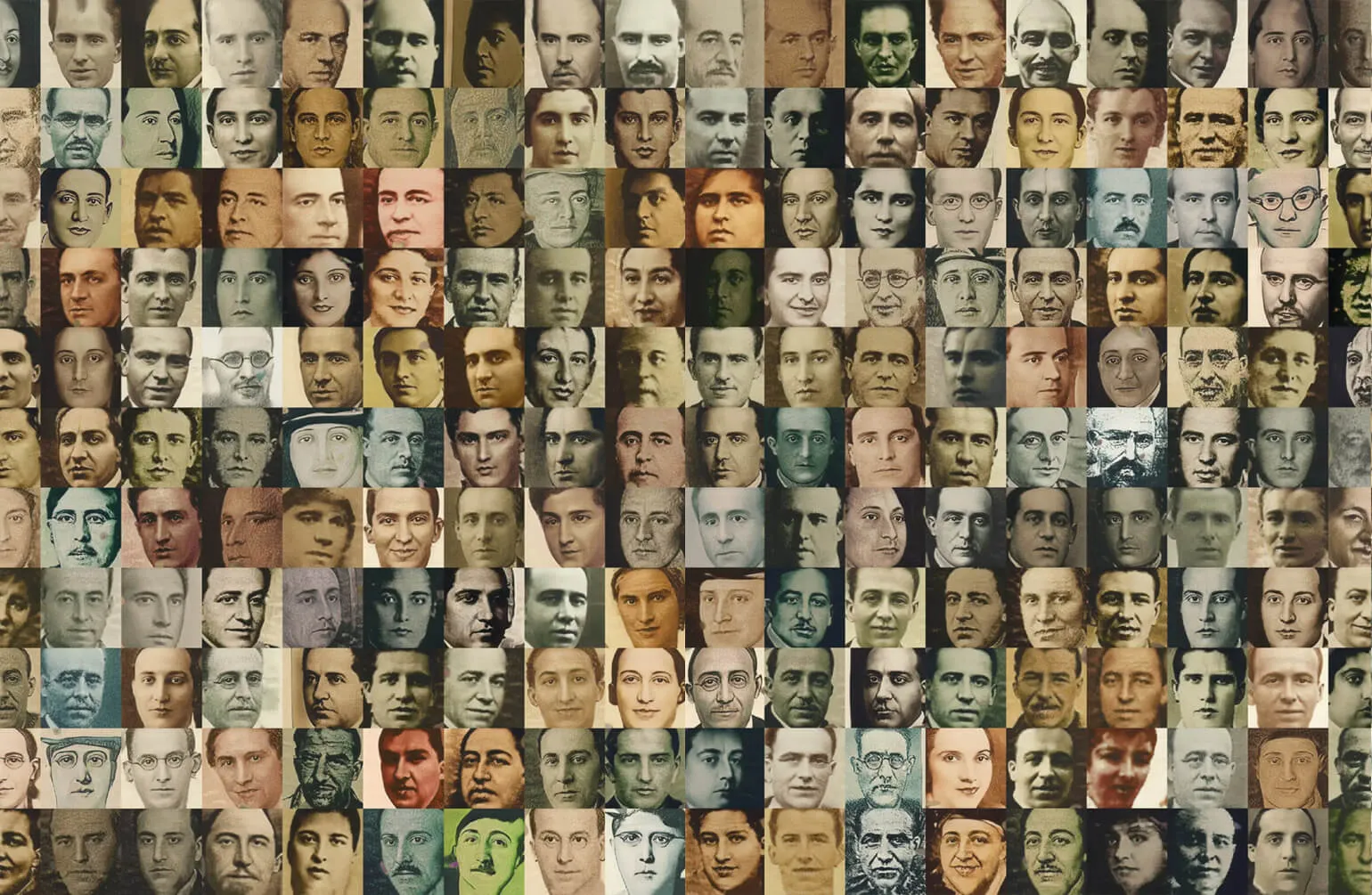
Rosado and Fontcuberta say they have a mild degree of prosopagnosia, which manifests itself in difficulty recognizing familiar faces. These researchers hypothesize that neural networks may experience more severe forms of this disorder. Although neural networks are able to distinguish various facial features, they do not associate them with real people and form new images. This discovery highlights the importance of understanding the mechanisms of face perception in both humans and artificial intelligence.
«ಮರಣ marana [death]»
The project by Indian artist and curator Vishal Coomaraswamy explores the mourning rituals of Dalits. This unique approach allows for a deeper understanding of the cultural and social aspects associated with the traditions and rituals that play an important role in the life of this community. Vishal Coomaraswamy focuses on the significance of these rituals, reflecting their impact on identity and social consciousness.
Dalit translates as "oppressed". This term is used to refer to "untouchables"—groups of people occupying the lowest positions in India's social hierarchy. Dalits have historically been subject to discrimination and social exclusion, reflecting the country's deeply rooted caste system. In contemporary society, movements for the rights of Dalits are gaining momentum, aimed at improving their social and economic status, as well as combating bias and inequality.
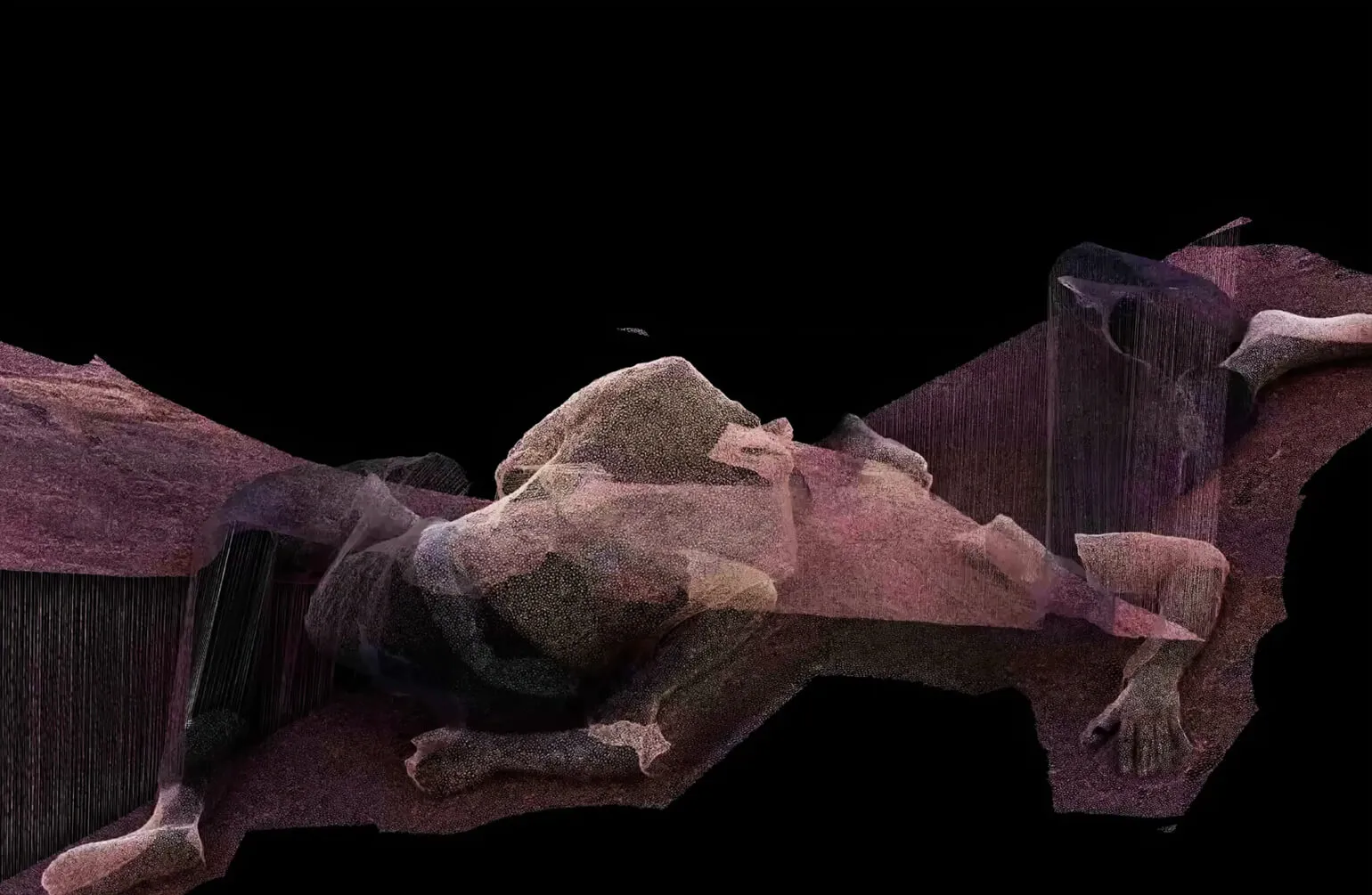
For much of South Asian history, public spaces were organized along caste lines. Dalits used circuitous routes, avoiding contact with members of the dominant castes, and followed a strictly established schedule. Even the shadow of a Dalit was considered defiling. These principles are still reflected in the architecture of many Indian cities, shaping social and cultural boundaries that continue to influence public life today. Marana represents an important aspect of death and mourning practices in the Dalit community. Vishal Coomaraswamy emphasizes that death provides Dalits with a unique opportunity to occupy public space. The funeral procession, in which the dead are transported through the streets, acts as a form of collective disobedience. This rite not only reflects cultural and social aspects but also serves as a means of expressing protests and demands for justice in a society where Dalits often face oppression and stigma. Thus, Marana becomes not only a ritual of farewell, but also a platform for social change and the fight for rights.
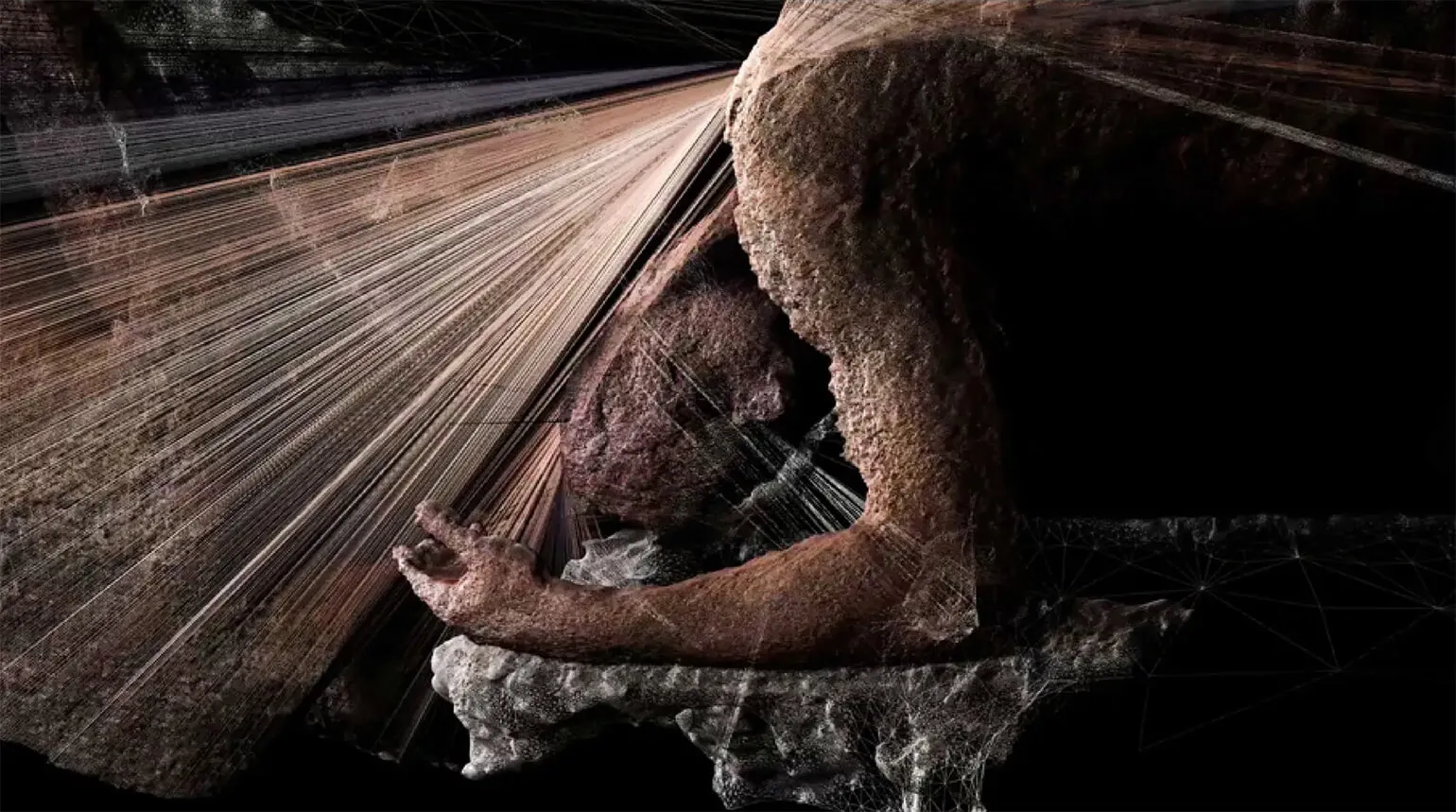
Kumaraswamy uses 3D scanning to animate movements performed by Dalits during funeral rituals. By bringing Dalit bodies into digital space, the artist transcends caste boundaries, emphasizing their agency and autonomy. This approach not only preserves cultural heritage but also draws attention to important social issues related to the caste system and human rights.
"Beautifying AI"
London-based creative technologist Leda Sadotti began her project by researching the phenomenon of catfishing. This term refers to the creation of fake online dating accounts. People involved in catfishing often impersonate others in an attempt to appear more attractive to potential partners. Leda Sadotti's project aims to study the psychological aspects of catfishing and its impact on relationships in the digital space.
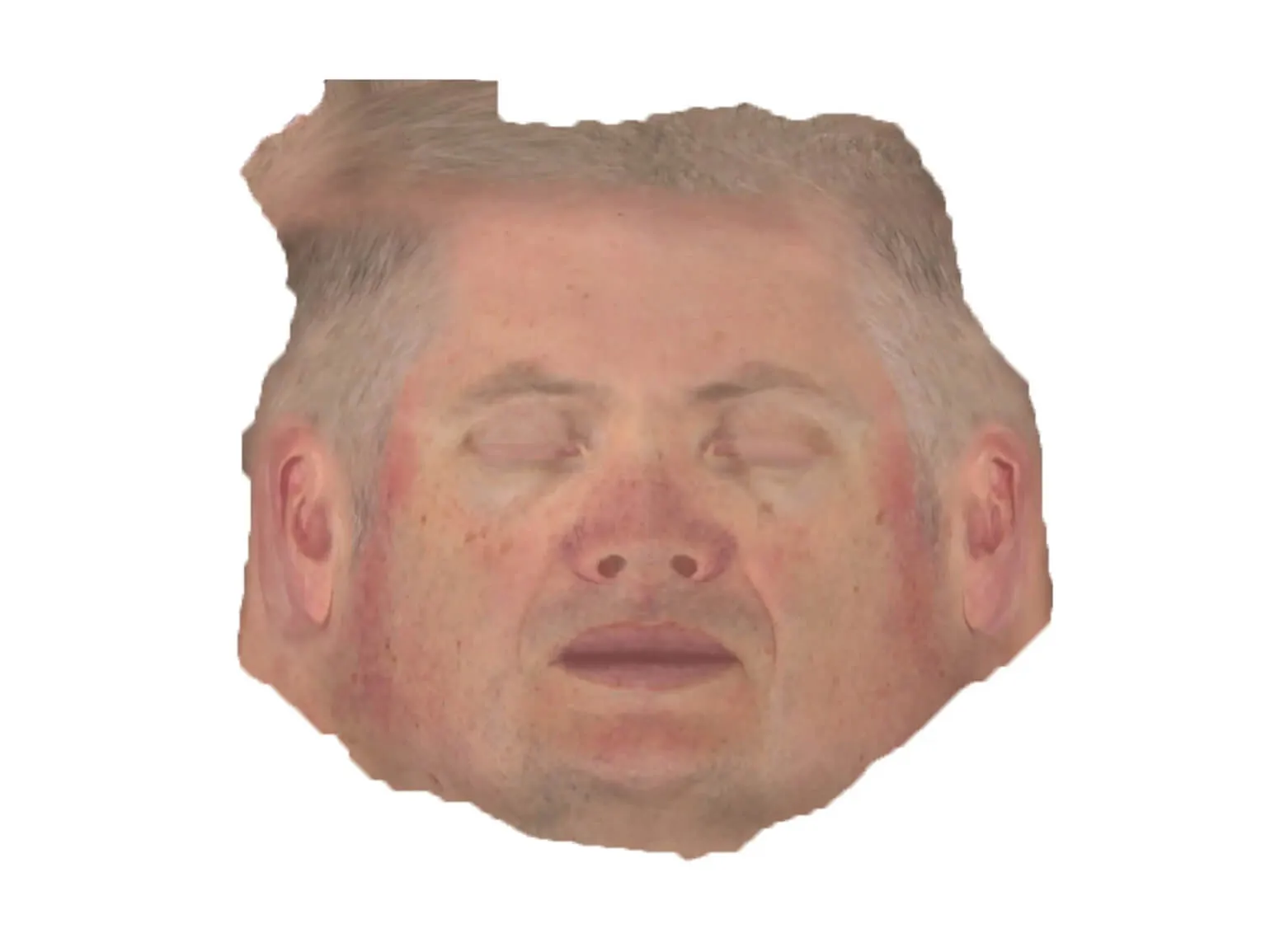
Having collected fake profiles from the Internet with the tags "beautiful" and "natural", Sadotti turned to neural networks and augmented reality technologies. As a result, she created a unique community of digital beings that explores the boundaries of virtual identity and aesthetics. This community reflects contemporary trends in the world of digital content and raises important questions about the perception of beauty and authenticity in the age of technology.
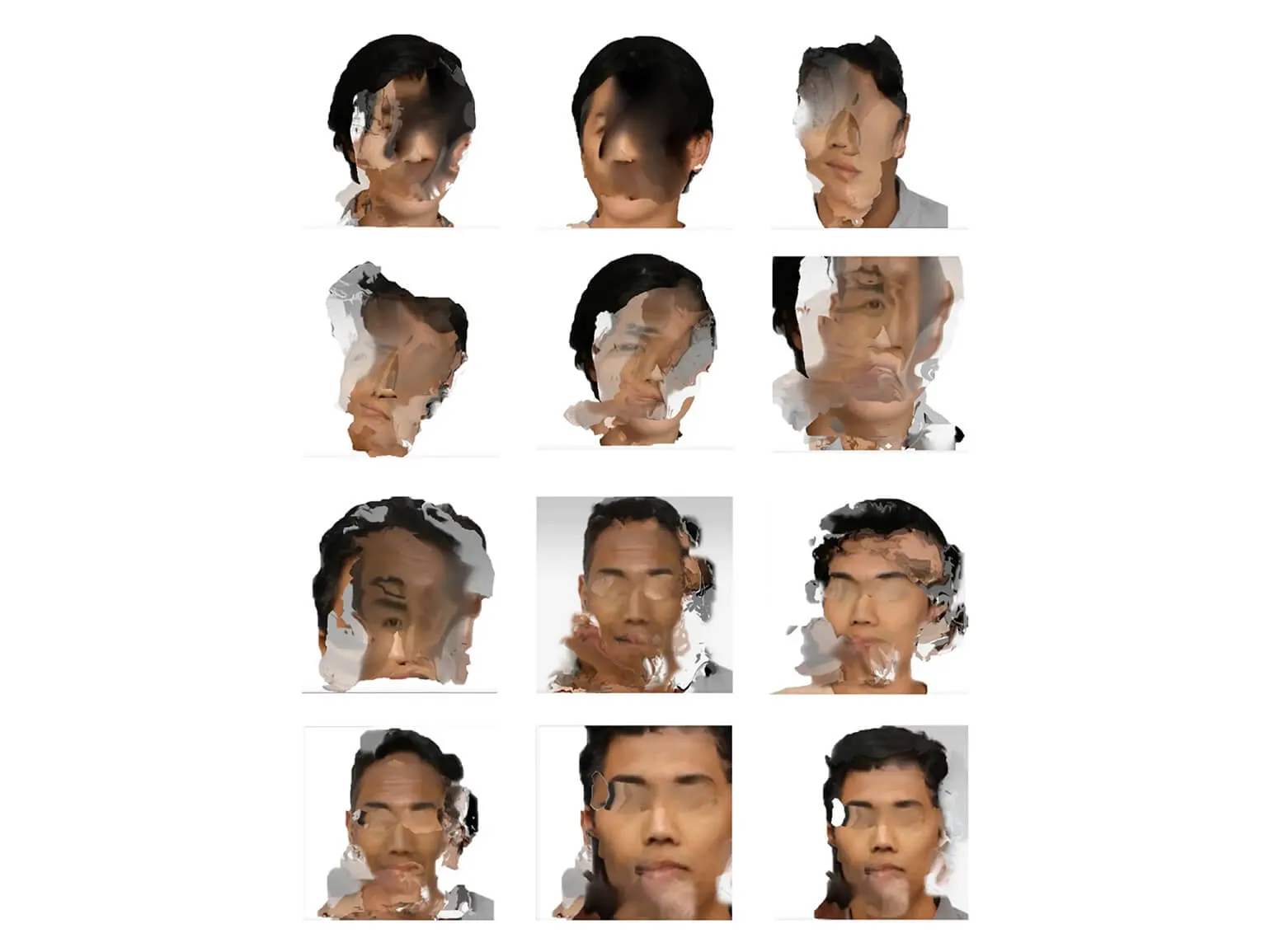
The artist used artificial intelligence to "beautify" images that did not represent real people, but were perceived as such by the machine. The term "embellished" is often used in the context of selling doctored photographs. The artist's goal was to give synthetic faces human features, protesting their use for commercial purposes.
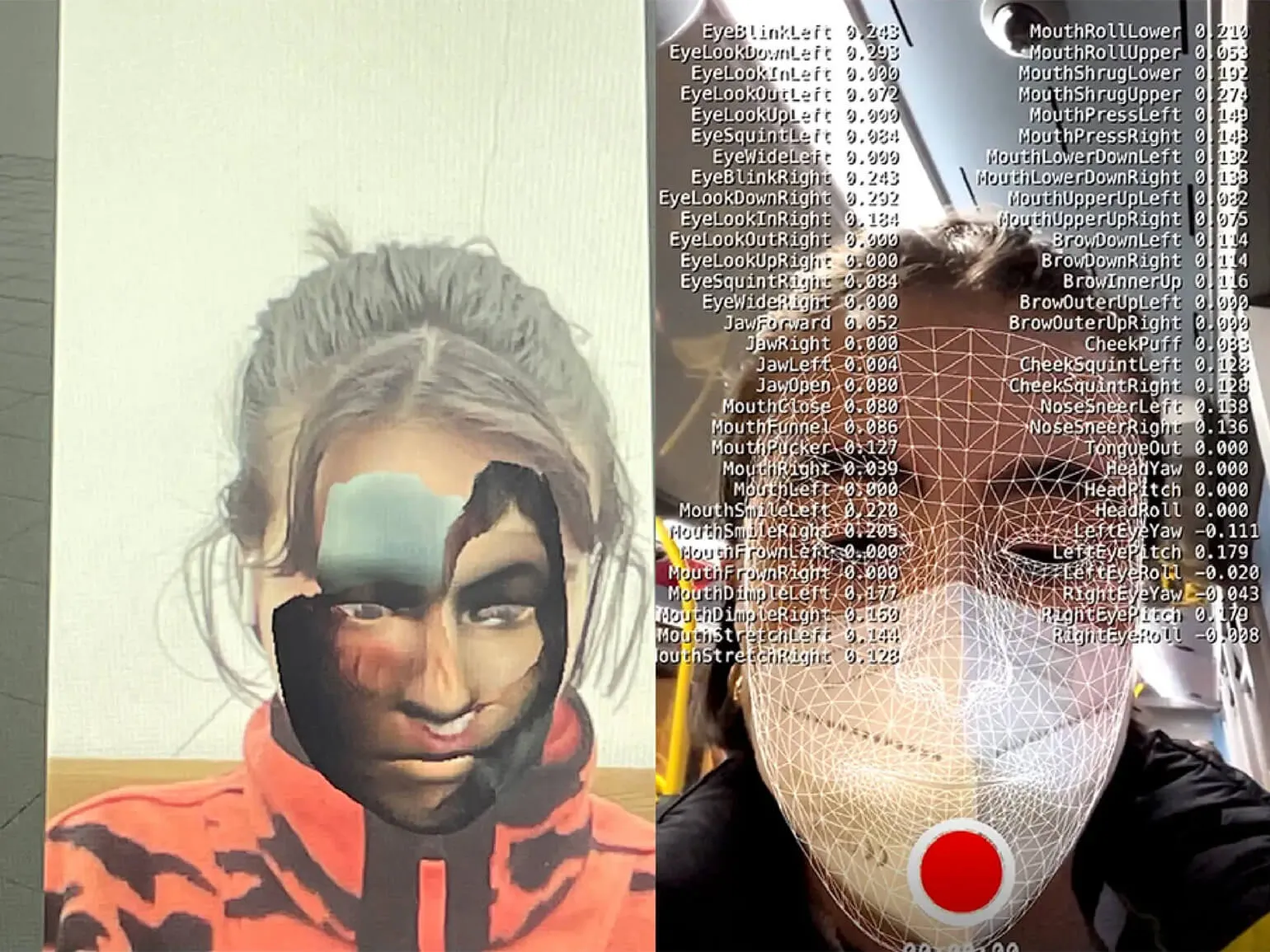
"Hollow Garden"
During the forced isolation due to COVID-19, Greek artist Maria Mavropoulou realized that her life was divided into two contrasting worlds: long walks through picturesque forests and hills around her home on the outskirts of Athens and long hours spent in front of the screens of various devices. This period became a time of deep introspection and creative reflection for her, which inspired her to create new works of art reflecting the contrast between nature and virtual reality.
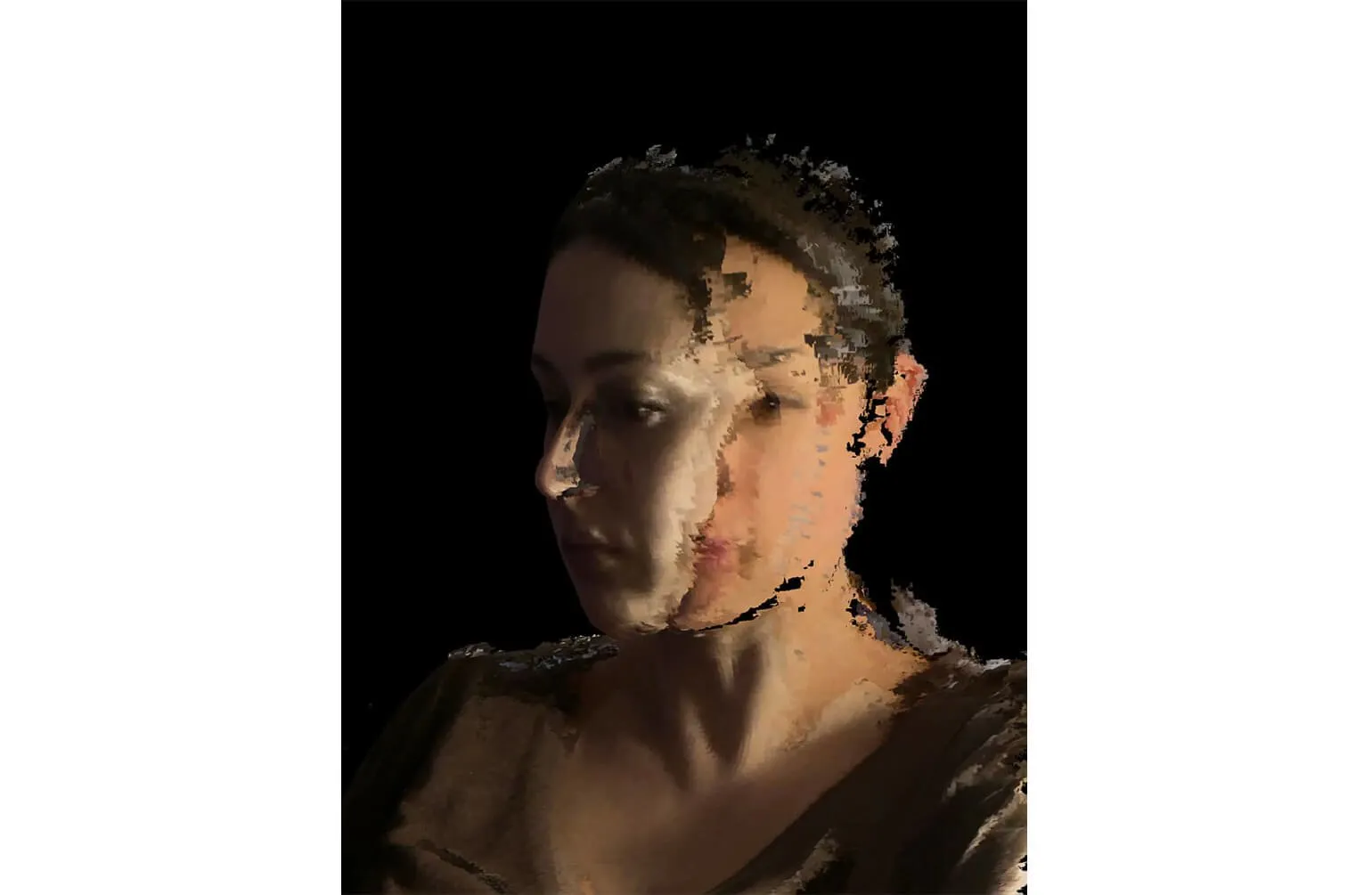
Spending time can be organized both outdoors and online, and these two options are often perceived as opposites. However, in reality, they can complement each other beautifully. Outdoor activities and time spent in virtual space can be part of a harmonious life, allowing for a variety of experiences and emotions.
The artist shares her thoughts on the desire to combine these two different ways of being. She wonders whether it is possible to achieve harmony between them and whether this balance exists. She explores how to intertwine these approaches in her work, seeking to find balance and create a new meaningful space.
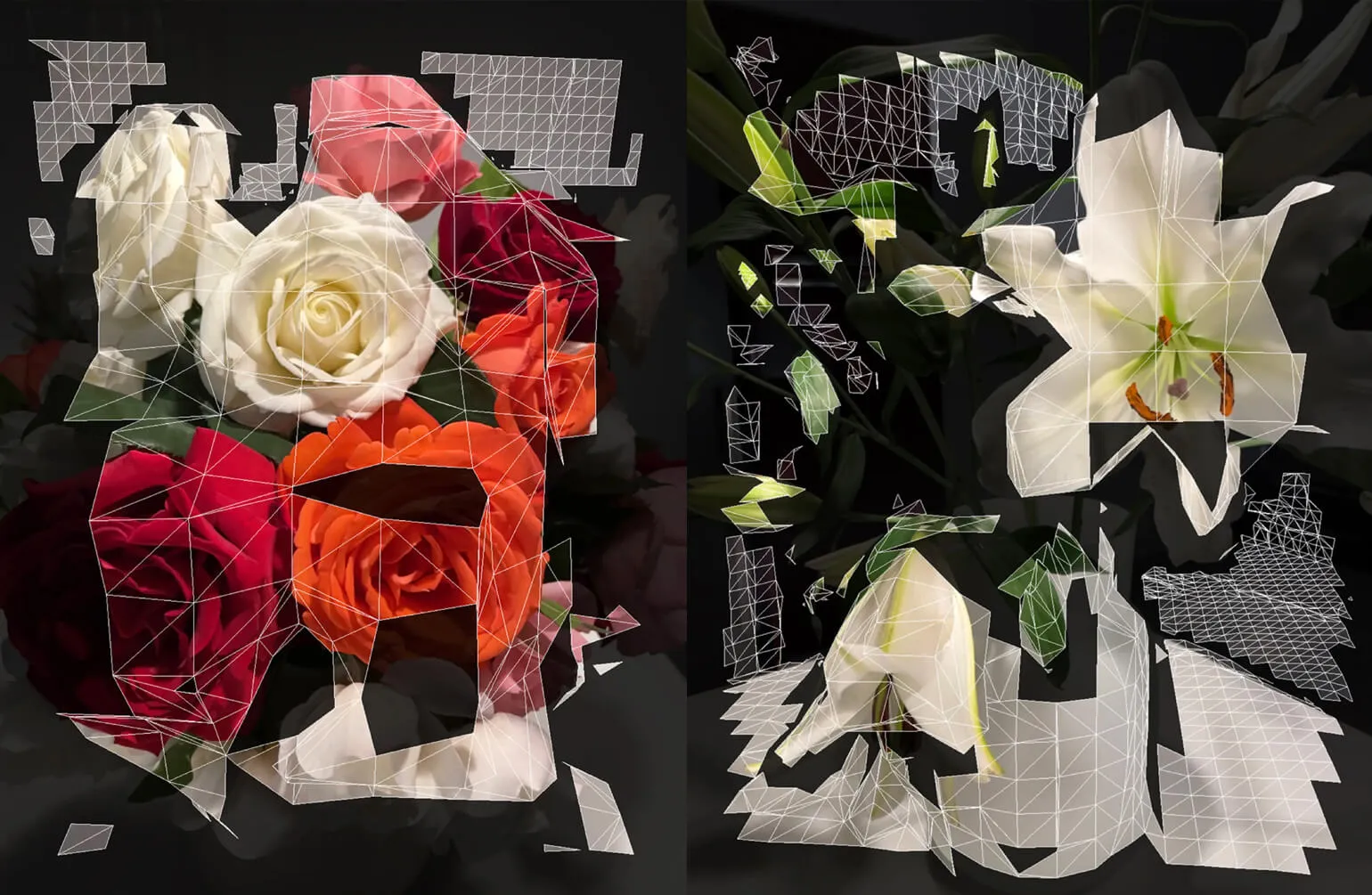
Mavropoulou began exploring the world around her with her iPhone, actively using augmented and virtual reality features, as well as 3D scanning. As a result, she created her own digital garden. The artist came to the conclusion that technology is not contrary to nature, but rather opens up new horizons for aesthetic perception and creative expression.
"Aleph-2"
This visual interpretation of the ideas of the famous Argentine writer Jorge Luis Borges, created by his compatriot, artist Juan Manuel Lara, is a unique combination of literature and fine art. This work allows for a deeper understanding of Borges's philosophical and literary concepts, reflecting his complex ideas through the prism of artistic vision. Lara successfully conveys the atmosphere and key themes of Borges's works, making his work particularly relevant for lovers of literature and art.
In Borges's story of the same name, the aleph represents a unique point in space in which all other points are concentrated. Like Aleph, neural networks are capable of instantly providing access to vast amounts of information, encompassing virtually all aspects of knowledge and data. These technologies enable us to see and understand the world in its diversity, offering users the ability to instantly find the answers and solutions they need. Neural networks are becoming an essential tool in modern society, opening new horizons for research and analysis. Using DALL-E 2, an innovative image generator that creates visual images based on text prompts, Lara was able to create both realistic and surreal images. These works encourage viewers to reflect on the infinite complexity of life and explore the relationship between reality and perception. DALL-E 2 opens new horizons for creativity, allowing artists and art lovers to expand the boundaries of their imagination.
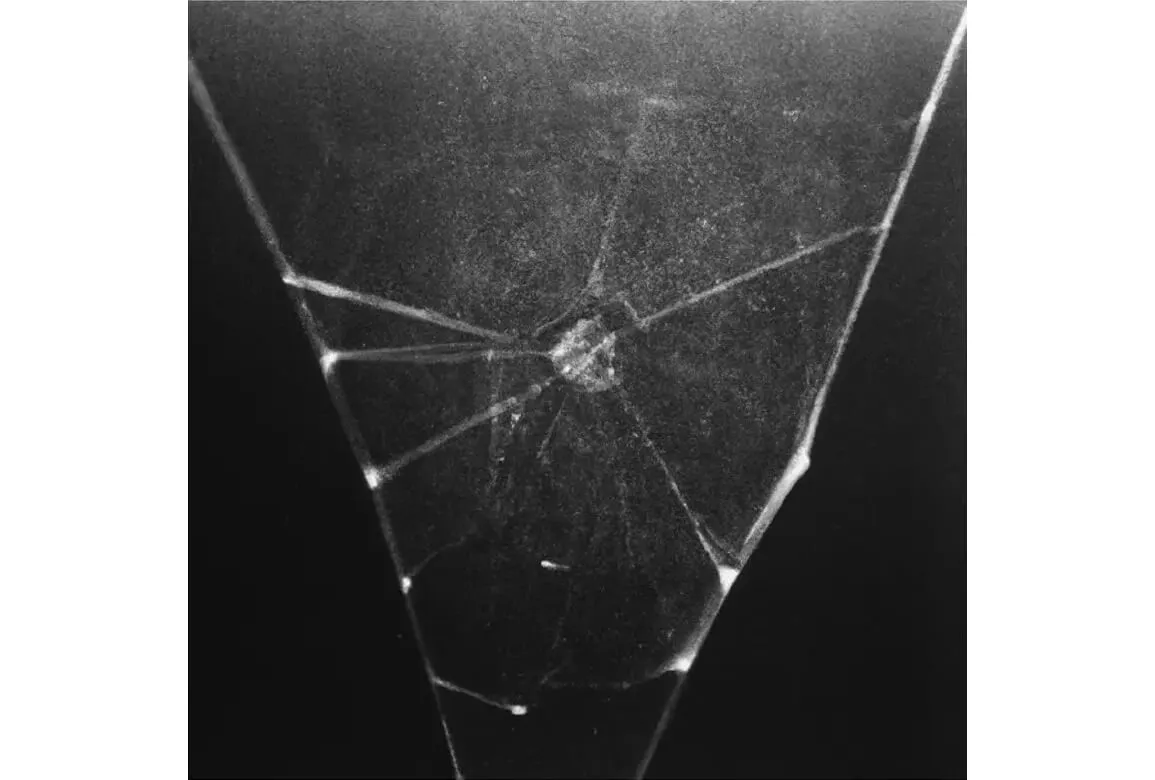
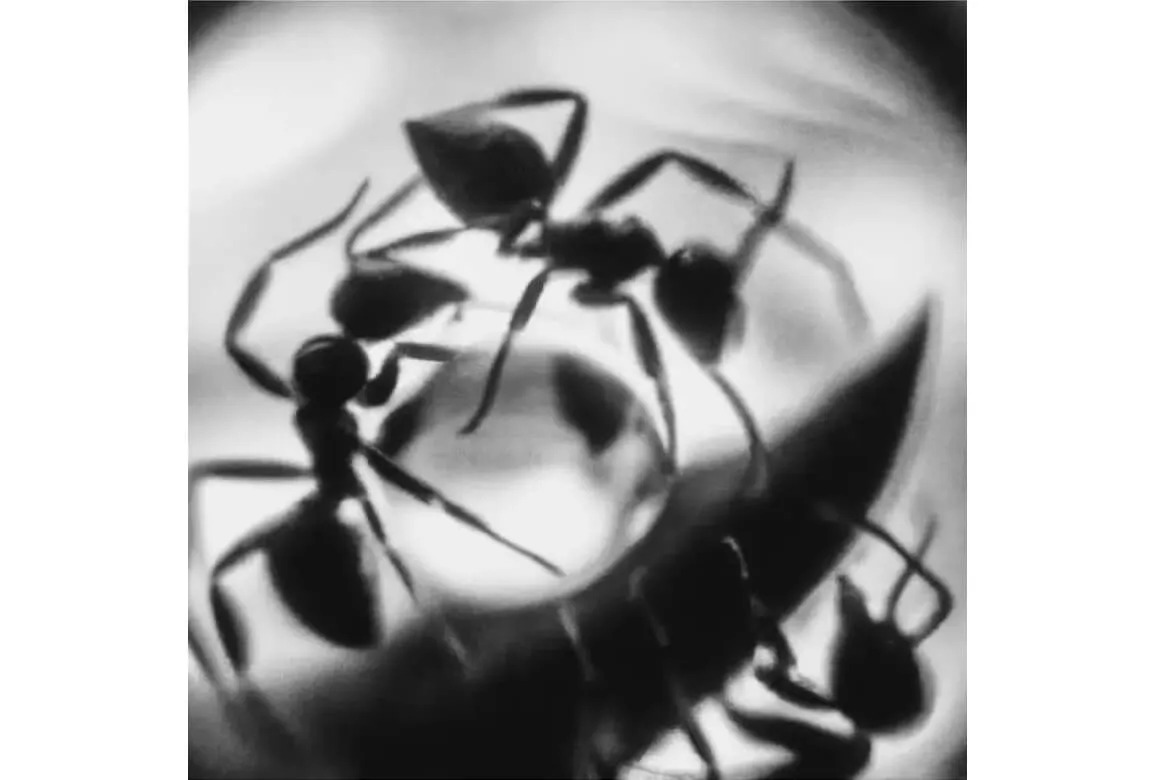
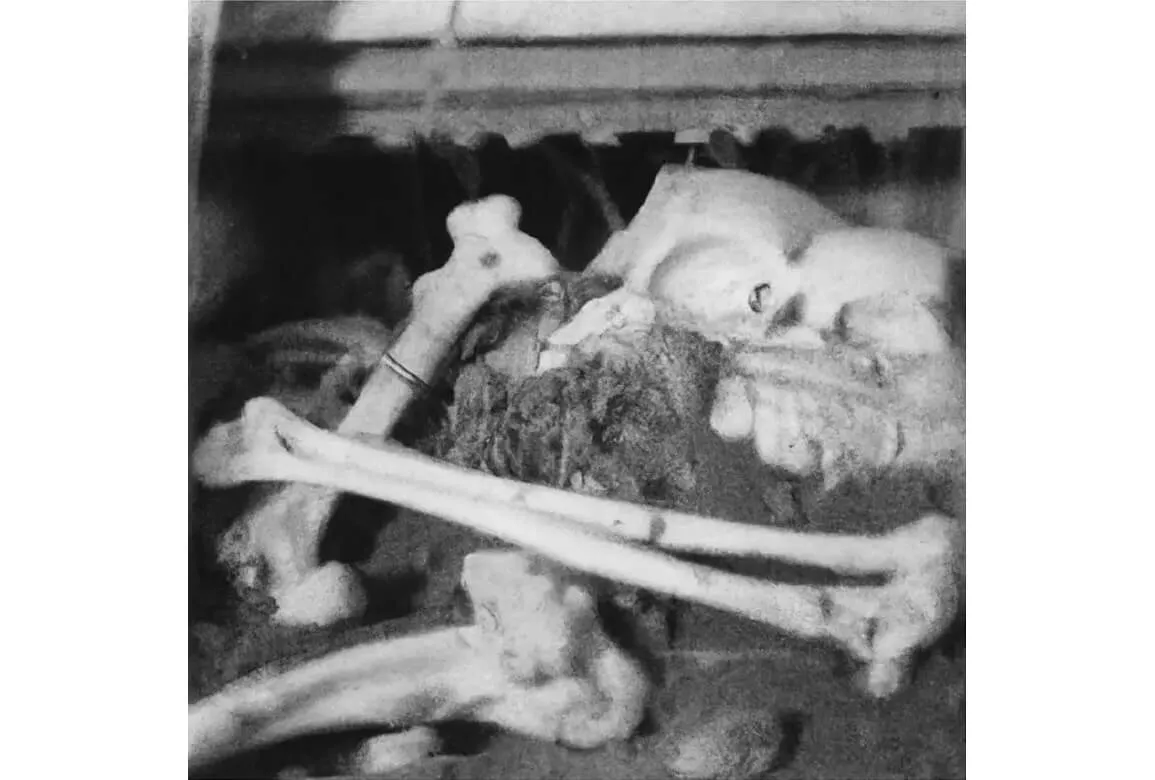
"Aleph 2" is a unique combination of photography, text, and technology that demonstrates the interconnectedness of all aspects of nature. This project explores how visual and textual elements can be combined to create new meanings and deep understandings of the world around us.
"The Zizi Project"
In "The Zizi Project," British artist and hacker Jake Elwes explores the interaction of artificial intelligence and drag culture. This project is a unique combination of technology and art, where Elwes uses AI to create new forms of self-expression, highlighting the uniqueness and diversity of drag culture. His work opens new horizons in understanding identity and self-expression, exploring how artificial intelligence can influence the creative process and art form. The "Zizi" project draws attention to current issues surrounding the impact of technology on culture, making it relevant to contemporary art and society at large. The "Zizi Show" is the project's key element, a virtual drag cabaret created using deepfake technology. Artificial intelligence plays a central role here, synthesizing videos based on the images and voices of famous figures. The resulting videos feature celebrities saying and performing actions that never actually occurred. This unique combination of technology and art opens new horizons for entertainment and audience interaction, making The Zizi Show a relevant and attractive project in the world of virtual content.
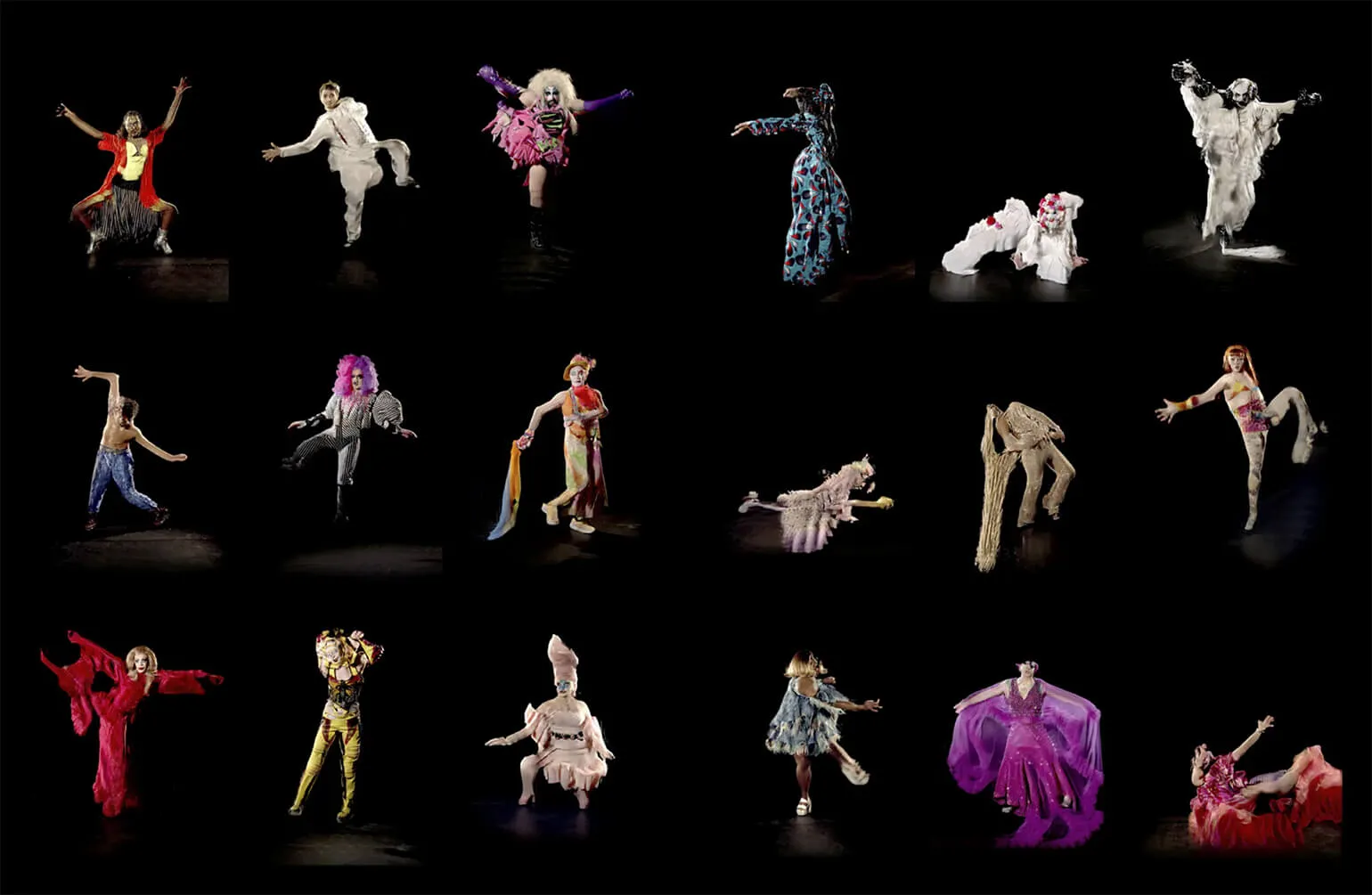
The characters in The Zizi Show were created using neural networks trained on performances London cabaret drag artists. Viewers have the ability to choose deepfake bodies and musical selections, making each viewing unique. However, the system can sometimes glitch, and artificial intelligence reveals the "skeleton" on which the deepfake is built. These glitches represent an interesting aspect of the project, as the author seeks to explore artificiality in drag culture and technology. While drag culture emphasizes otherness and diversity, the use of AI can contribute to the reproduction of social biases, raising important questions about the interaction of technology and cultural representations.
"Just Because You Pressed a Button?"
In 2022, Malaysian artist and filmmaker with Chinese roots Tan Chui Mui used a neural network to create images of her historical homeland, the Kinmen Islands, located in the Taiwan Strait. This project showcases a unique blend of traditional art and modern technology, highlighting the region's cultural heritage and natural beauty. Tan Chui Mui's works draw attention to the significance of the Kinmen Islands, their history, and cultural identity, while also opening new horizons for perceiving art in the digital age.
Midjourney included the caption: "A photo taken in 2004 on Kinmen, showing two men defining the boundary between two sorghum fields—3:4—optimistic." This image reflects the region's agricultural traditions and demonstrates the importance of defining field boundaries for efficient farming. The scene embodies the hard work and cooperation of local residents, making it significant not only from an artistic point of view, but also as part of the cultural heritage.
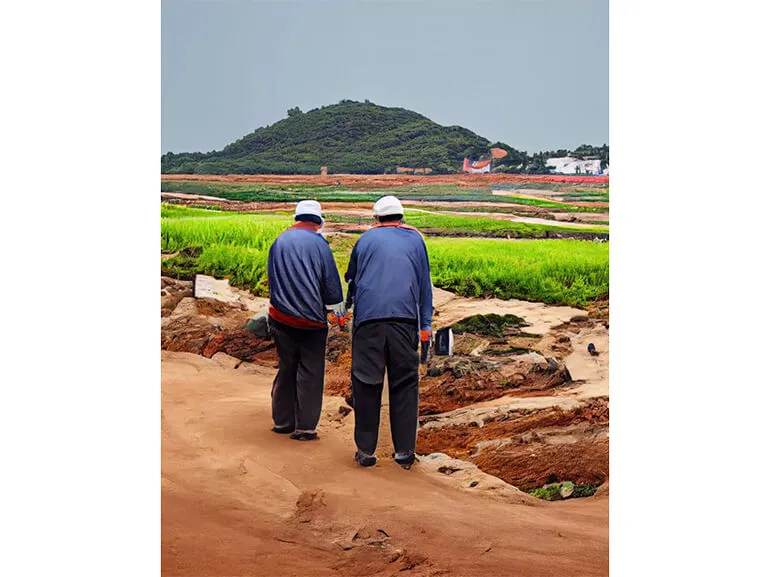
The background of one of the generated images shows vegetation typical of East Asia, as well as blurred shapes resembling buildings Taiwan. The midground features agricultural fields, possibly growing sorghum. The foreground features two faceless silhouettes, the only discernible detail being their clothing. This contrast between the background, midground, and foreground creates a unique atmosphere, reflecting the cultural and natural characteristics of the region.
A year later, the artist decided to repeat the task, using artificial intelligence. The result was significantly more realistic, with distinct facial features and details such as the surveyors' equipment. The use of AI has allowed us to achieve a higher level of detail and expressiveness in the image.
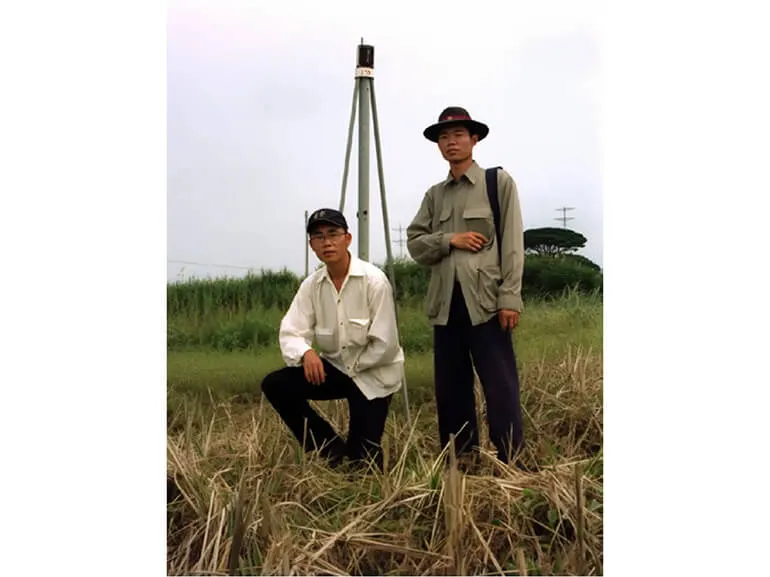
The comparative images illustrate the rapid development of technology, while raising many questions, including those related to authorship.
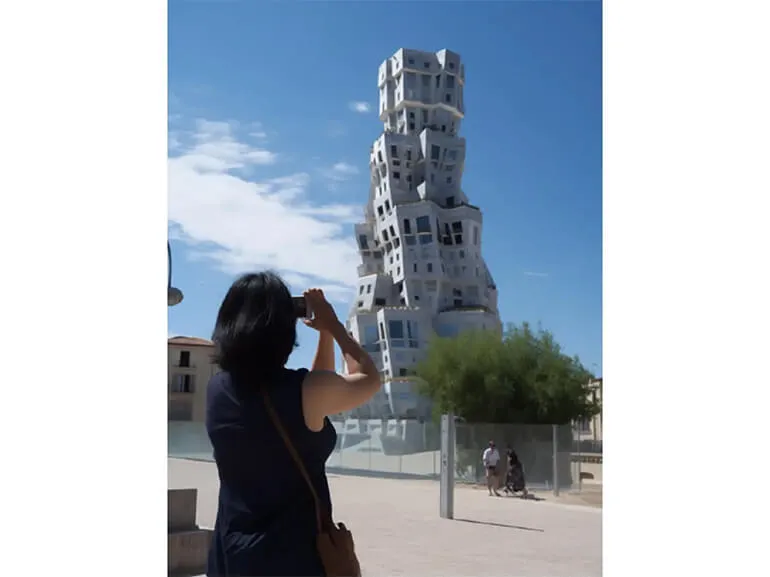
A photograph captures a landscape, but its creation is not the merit of the photographer alone. The process of photographing is carried out with the help of a camera, which was also not created by the photographer himself. The question Tan Chui Mui asks: "Why is the photograph yours? Just because you pressed the button?" This question raises important aspects of authorship and creativity in photography, forcing us to consider what truly makes a photograph unique. A photographer doesn't simply capture a moment; they interpret it, imbuing their vision with special meaning. Thus, a photograph becomes more than just an image, but a reflection of the author's inner world and their perception of reality.
Roberta Breitmort
The Internet provides a unique opportunity to change personal identity. Many users use pseudonyms or photographs of other people to create a new image in the online space. This phenomenon has become common among users of social networks, forums, and gaming platforms. The ability to hide one's true self opens doors to self-expression, but also raises questions about safety and ethics.
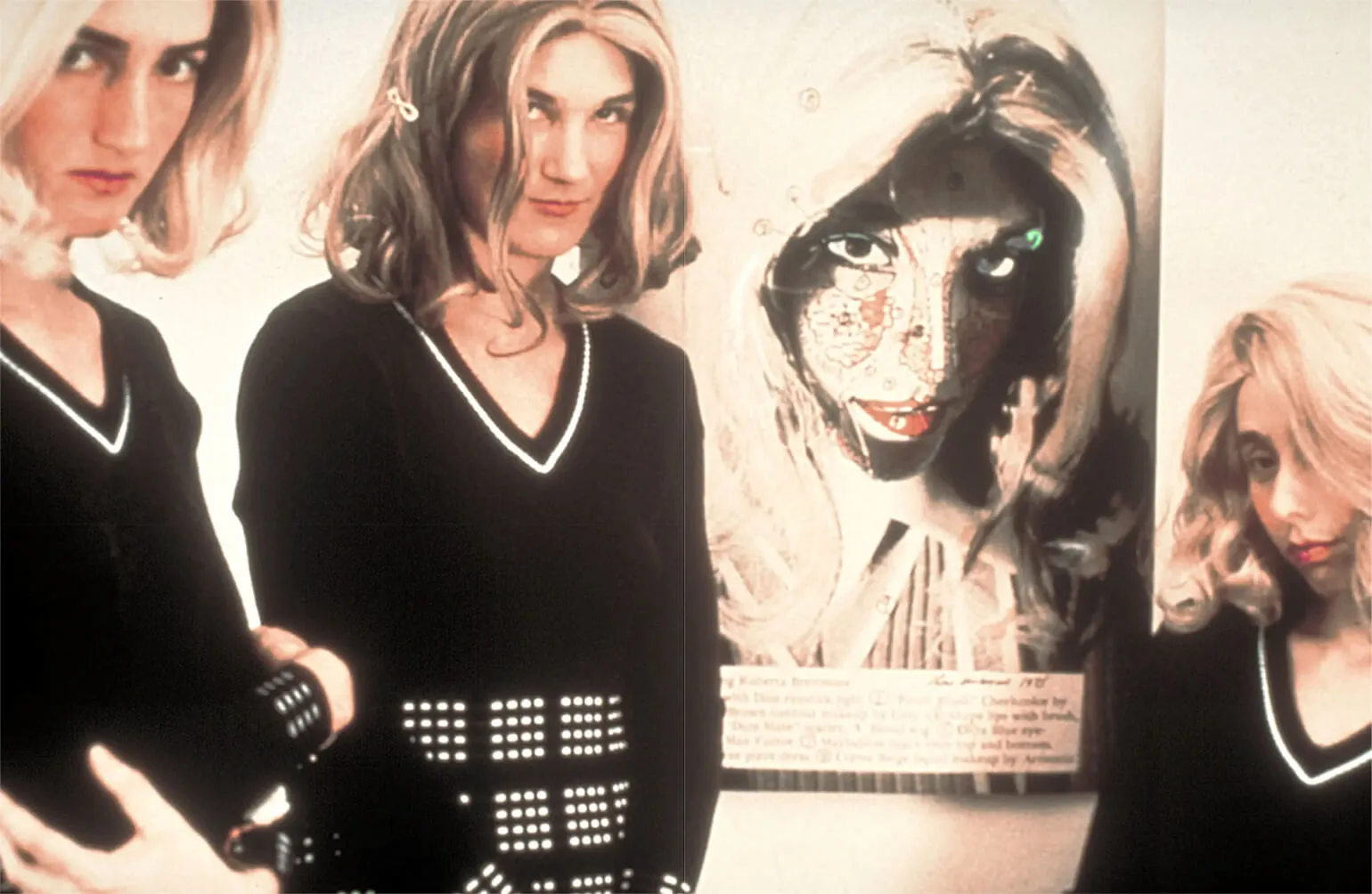
83-year-old American artist Lynn Hershman Leeson is a master at creating fictional characters. Since 1973, when she introduced Roberta Breitmore, her work has raised questions about identity formation and how it influences perceptions of self. Lynn Hershman Leeson continues to explore the boundaries between reality and fiction, bringing profound philosophical ideas to her art.
During her five years as Roberta, she opened a bank account, obtained credit cards, and rented an apartment. She worked in several offices, which allowed her to adapt to her new life. Regular visits to a psychiatrist and participation in support groups contributed to her emotional recovery. Roberta developed her own unique style: she had her own makeup, clothes, walk, gestures, speech, and handwriting. Her life was filled with hardships, including an incomplete education and struggles with anxiety.
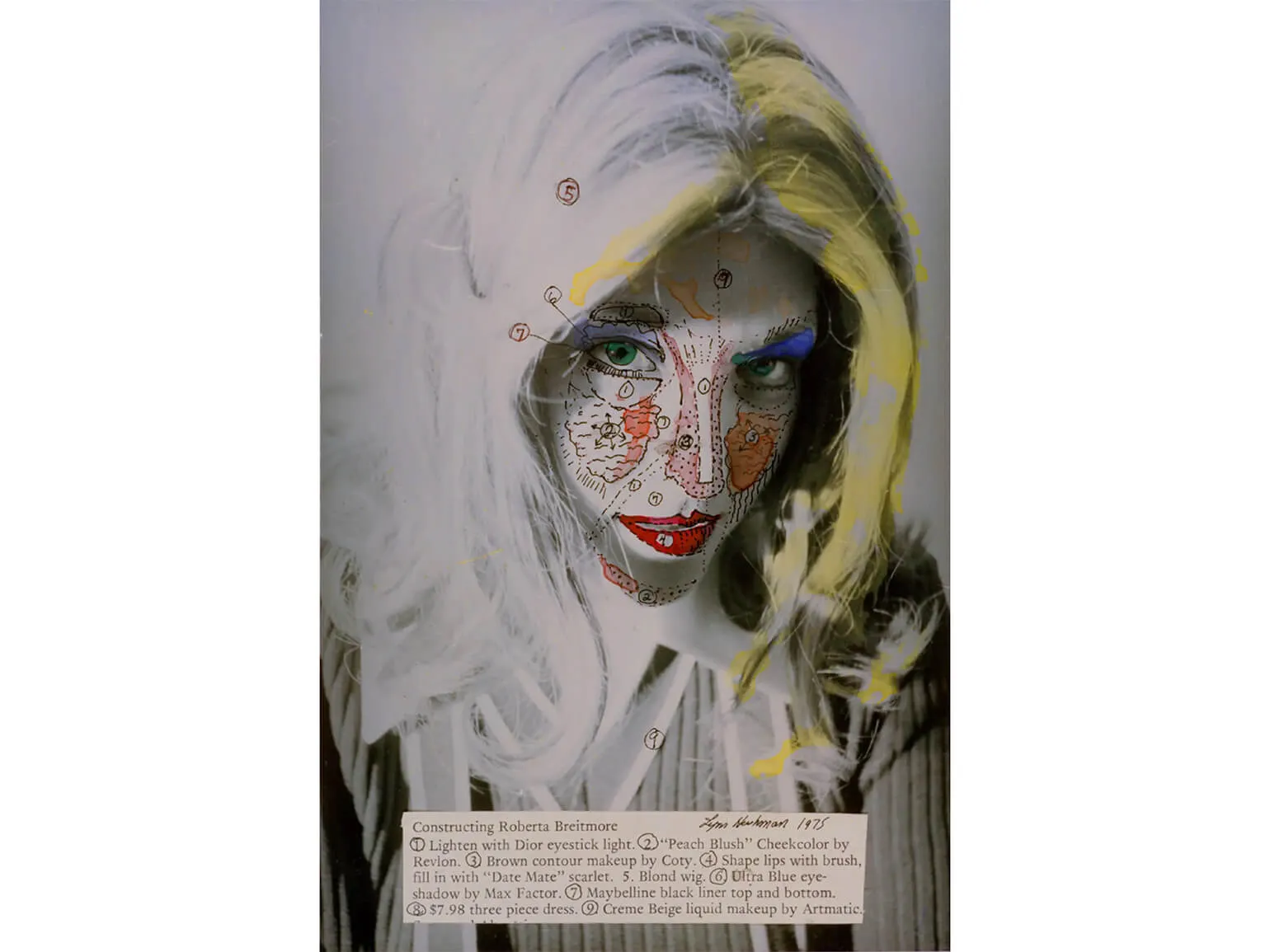
Roberta's life is meticulously documented in 144 artifacts. These include drawings, surveillance photos, psychiatric reports, receipts, and a driver's license. These materials provide a comprehensive picture of her life and experiences, revealing important aspects of her personal history. Each of these testimonies highlights the uniqueness of her journey, allowing for a deeper understanding of her experiences and interactions with the world around her.
This "evidence" challenges a key concept: what we mean by fact and fiction, and how we distinguish between them. Is Robert's work authentic or not? Even before the digital age, the artist noted that we no longer have a single understanding of reality. In the context of the modern information flow, it is important to critically evaluate sources of information and form your own opinion about what is considered true and what is fiction.
«The Book of Veles»
«The Book of Veles» explores the problems The erosion of truth in the contemporary media landscape. In a context of information overload, the author raises important questions about credibility and the manipulation of facts. This work immerses the reader in the world of media, showing how the distortion of information affects public opinion and perceptions of reality. Discussing current issues, The Book of Veles calls for a critical examination of information sources and fosters awareness of the importance of truth in our society. Jonas Bendiksen is a Norwegian photojournalist and a representative of Magnum Photos, one of the most respected agencies in the field of reportage photography. Interestingly, it was he who published the acclaimed pseudo-documentary book about the town of Veles in North Macedonia. During the 2016 US presidential election, this town became known as a "fake news factory", actively supporting Donald Trump. Bendiksen's work highlights the importance of visual storytelling in the context of contemporary media and demonstrates how photographs can influence the perception of information.
Bendiksen employs a paradoxical method: fake photographs illustrate a city that has become a symbol of the spread of disinformation. This approach highlights the contrast between visual perception and reality, highlighting the problems of information manipulation. Using artificial images, the artist creates a critical look at the impact of disinformation on public opinion and the perception of cities.
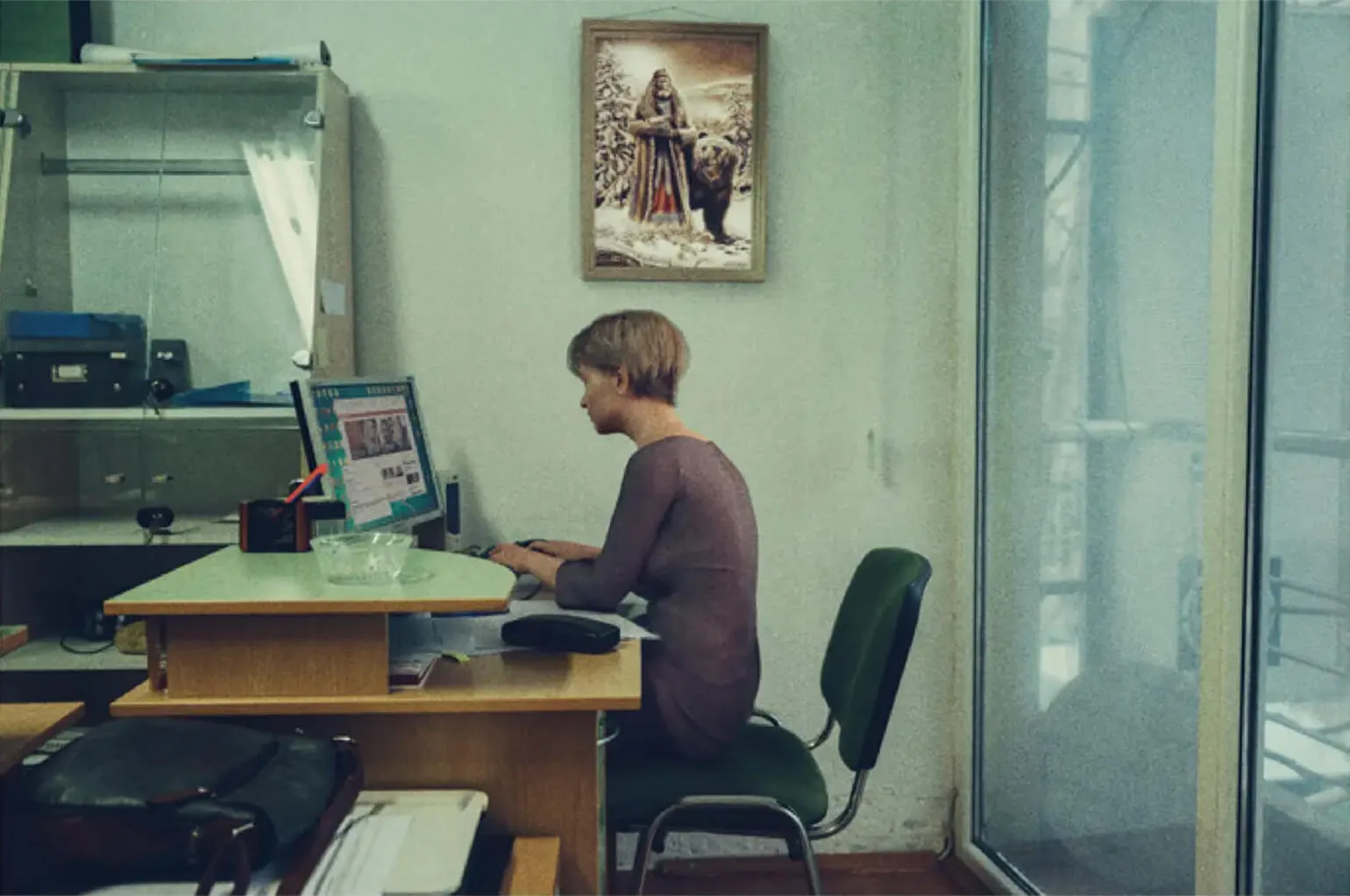
The journalist did indeed visit Veles, but only the deserted landscapes attracted his attention. After that, he downloaded free 3D modeling software and began designing characters. His work resulted in astonishingly realistic images.
The book's introduction was created using artificial intelligence. To do this, Bendiksen provided the neural network with real reports from Veles, which made it possible to obtain a unique text reflecting the atmosphere and events of the region.
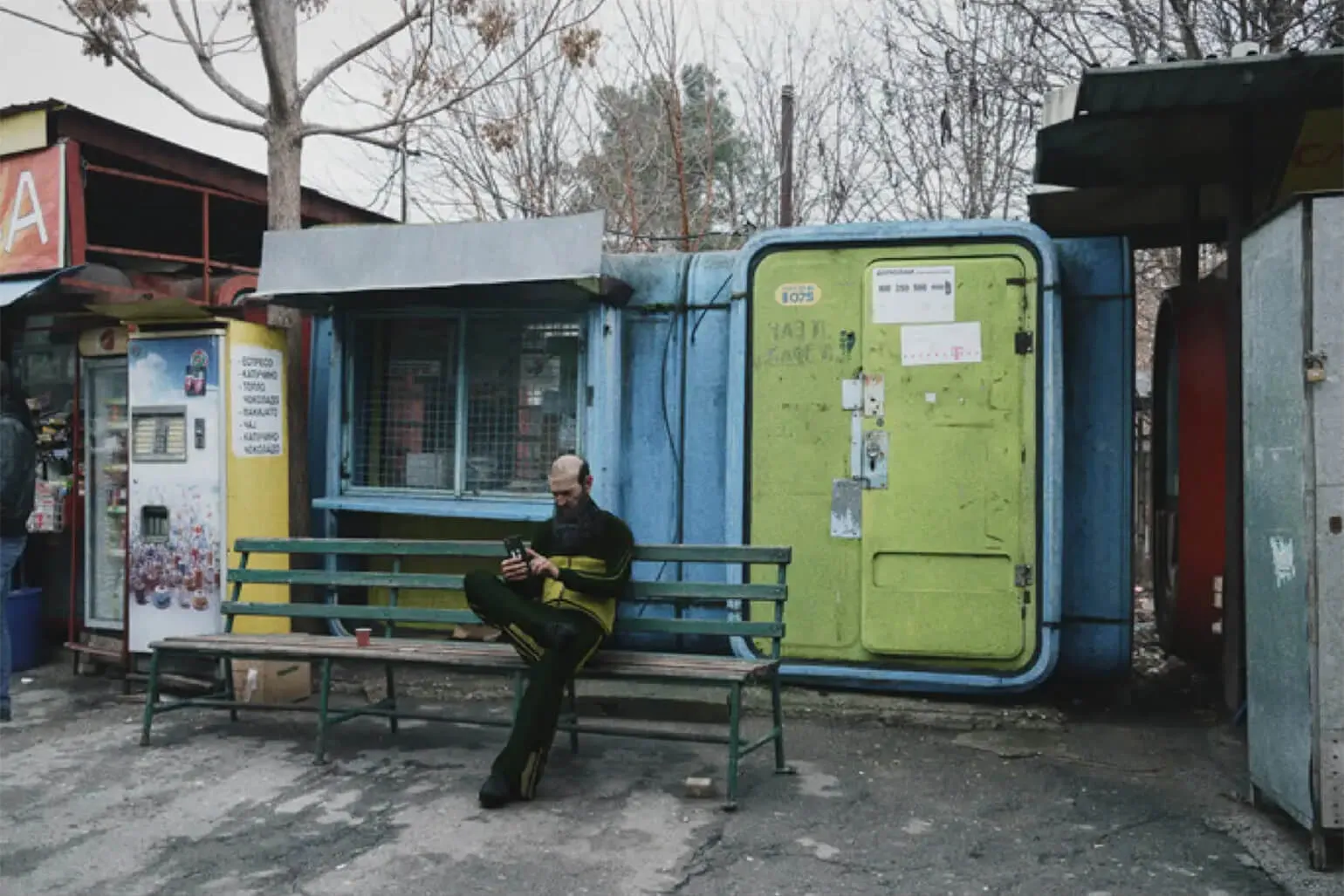
Norwegian Bendiksen received positive feedback from colleagues about his book, although he initially expected criticism. Despite his attempts to discredit his own work, including purchasing social media bots to spread the idea that the photojournalist's book was a fake, all these efforts were unsuccessful. People didn't believe his manipulations, and he was eventually forced to admit the authenticity of his work.
The author draws a parallel between his project and pentests carried out by hackers to identify vulnerabilities in code. He emphasizes the importance of thoroughly analyzing and testing systems to ensure their security. The project aims to improve vulnerability assessment methods and protect against potential threats. In this context, the author considers how a systematic approach to testing can improve the reliability and security of software.
The author considers the future, questioning the reliability of documentary photography. He calls for a critical assessment of photographic evidence, emphasizing the importance of analyzing visual content in the contemporary context.
«49/23»
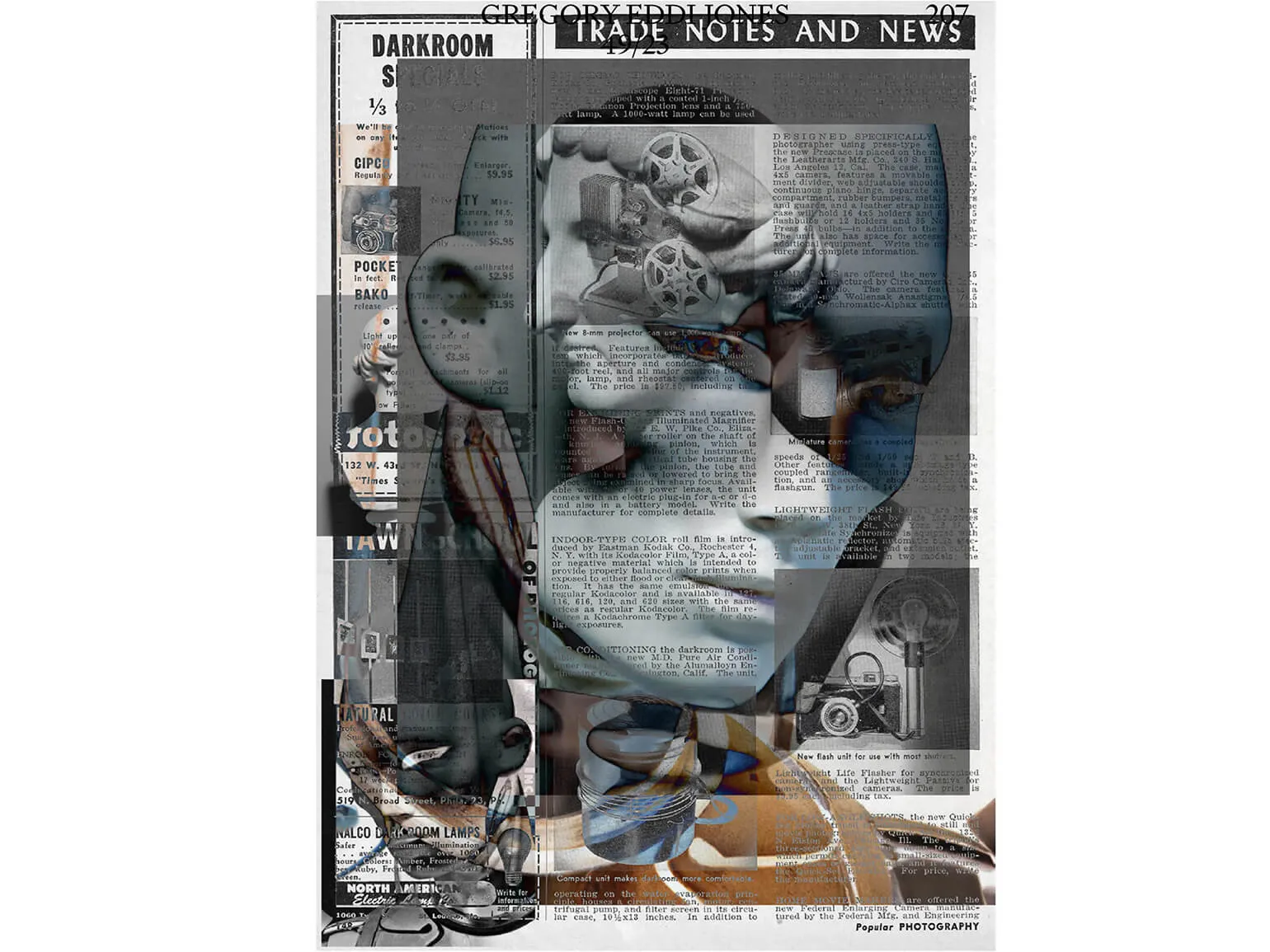
The title "49/23" refers to the years in which the American artist's digital collage elements were created. This project emphasizes the unique connection between past and contemporary art, reflecting the evolution of artistic techniques and approaches. Each number in the title symbolizes a specific period important for the formation of the artist's creative identity and their contribution to digital art.
Gregory Eddie Jones used 1949 issues of the American magazine Popular Photography to create unique images. Using artificial intelligence, he transformed the texts and illustrations from this magazine into new visual works. This combination of historical content and modern technology allows us to explore how classic photography can be reinterpreted and adapted to new art forms. Jones's approach demonstrates the potential of AI in creative work and its impact on visual perception.
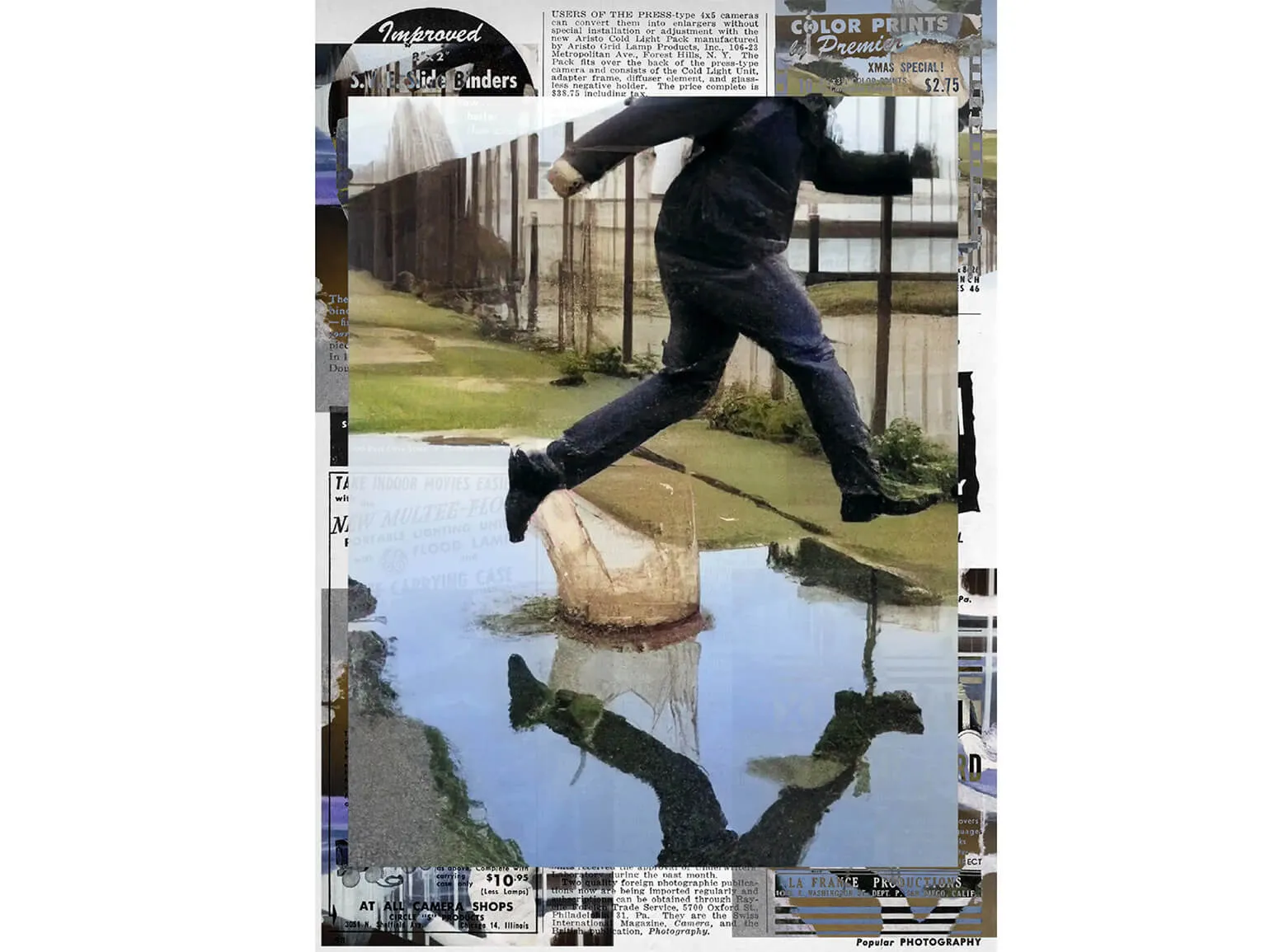
Working with these elements, he connects the aesthetics of the past with the future, exploring the evolution of photography. A conceptual bridge is being formed between photography's past, its current status, and its future development.
Eddie Jones's collages highlight that artificial intelligence is just one of many transformations in the world of photography. We must acknowledge this fact and adapt to these new conditions. Artificial intelligence not only changes the approach to image creation but also opens up new possibilities for artists and photographers. Embracing these changes allows us to remain relevant in a rapidly evolving visual environment.
"The Mathematics of Regression"
"The Mathematics of Regression" is a research project by Swiss photographer and artist Clément Lamblé, dedicated to racism in modern technology. In this project, the author analyzes how algorithms and digital systems can reflect and even reinforce biases and stereotypes. Lamblé uses visual and conceptual means to demonstrate the impact of these technologies on society and reveal hidden mechanisms of discrimination. The project raises important questions about justice and ethics in the digital world, forcing viewers to consider the role of technology in shaping social inequality.
Lamblé used artificial intelligence to process a database of 55,000 photographs from the American judicial system. Using these images, a neural network created portraits of "ideal suspects." The author asked the AI to classify the images by gender and age, without focusing on race or ethnicity. As a result, all the generated portraits turned out to be dark-skinned people.
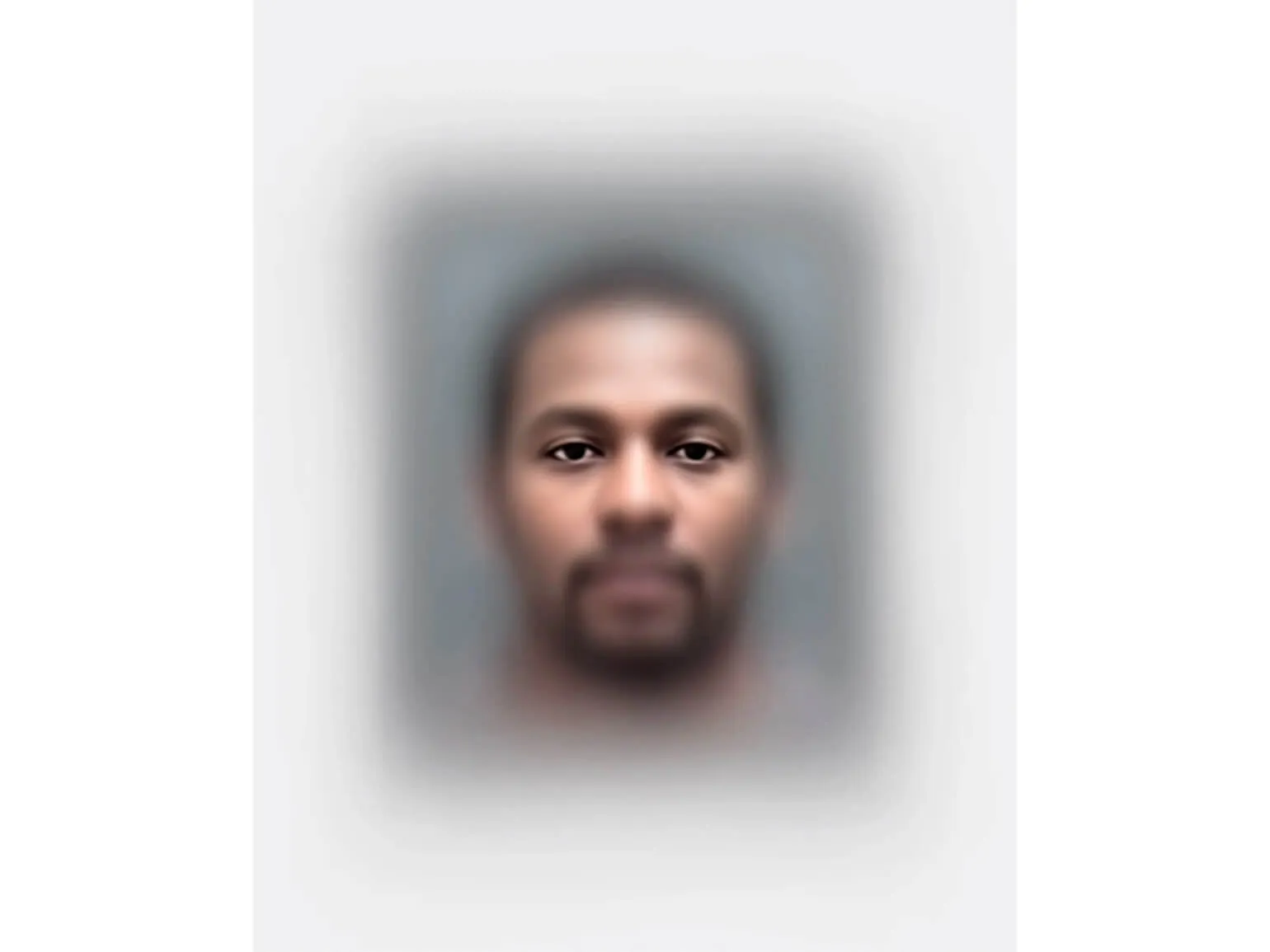
The justice system in the United States often demonstrates bias, which leads to certain social groups being incarcerated more often than others. This inequality contributes to their overrepresentation in the offender database. The neural network, trained on this biased information, creates its "suspect" lists, which only exacerbates the existing problem of discrimination. It is therefore important to be aware of the risks associated with the use of algorithms based on biased data and to strive for a fairer and more objective justice system.
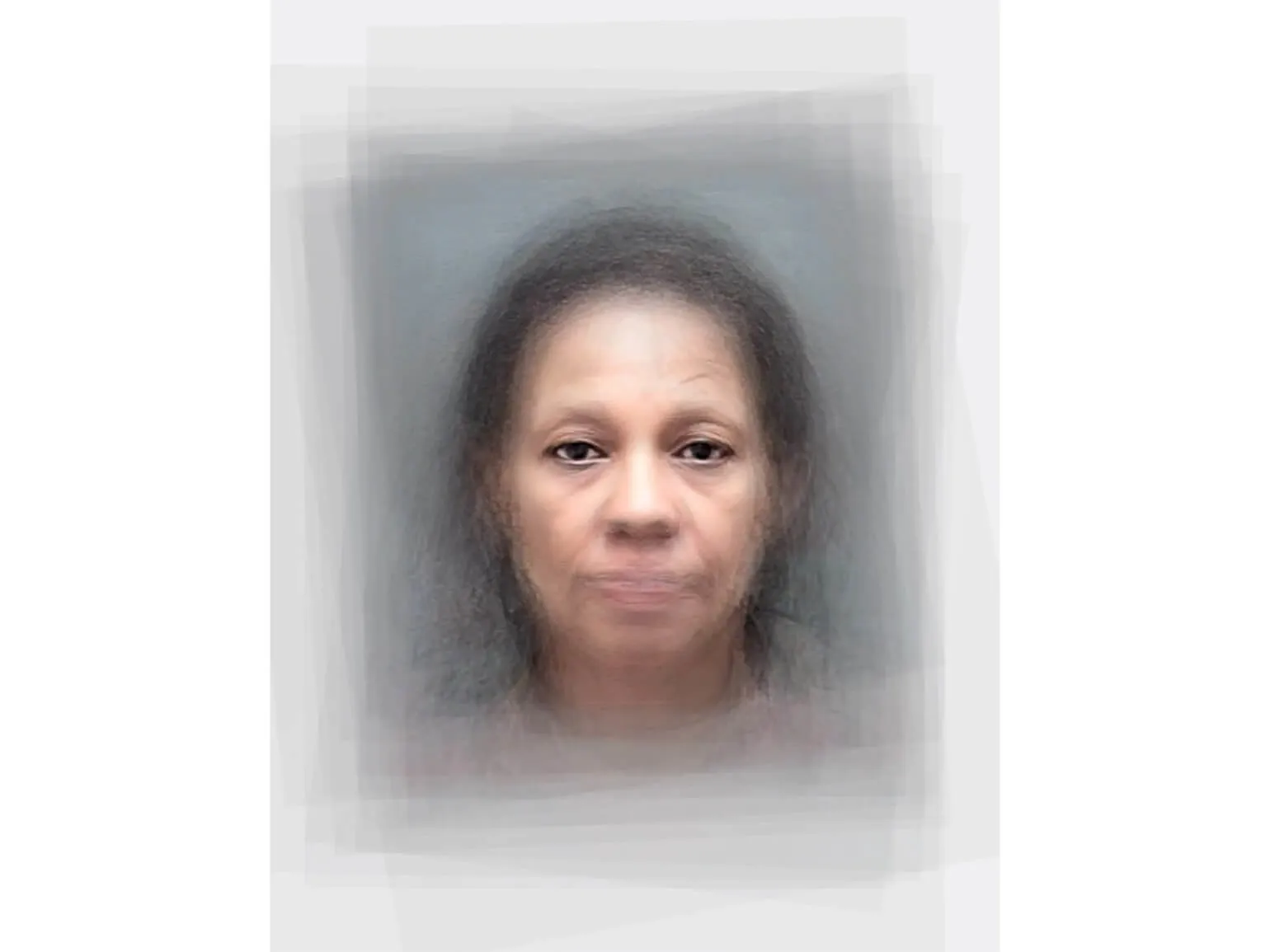
Technology creates a vicious cycle by reinforcing biases that already exist Lamblé concludes that these biases are ingrained in our society. This relationship between technological progress and social prejudice requires attention, as it can exacerbate existing problems and hinder social progress. It is important to recognize how algorithms and digital platforms can reflect and even reinforce stereotypes, influencing public opinion and behavior. The author raises the issue of technology ethics, particularly in areas where systemic discrimination is observed. It is important to recognize how technology can both promote and hinder justice in society. Ethics in technology is becoming a key aspect that requires careful analysis to avoid deepening existing inequalities. Discussing ethical norms in the context of technological progress is necessary to shape a more inclusive and just future.
Moon-Faced / Moon-Faced
New York-based Iranian-Kurdish artist Morehshin Allahyari uses artificial intelligence to reimagine Persian myths and historical events. In her creative practice, she explores cultural heritage, combining traditional elements with modern technology. Allahyari's works emphasize the importance of preserving cultural identity and open new horizons for the interpretation of mythology.
In traditional culture, the word "moon-faced" or "moon-faced" was used to describe both men and women, focusing on their beauty. In modern Iran, this adjective has come to be applied exclusively to women, emphasizing their attractiveness and grace.
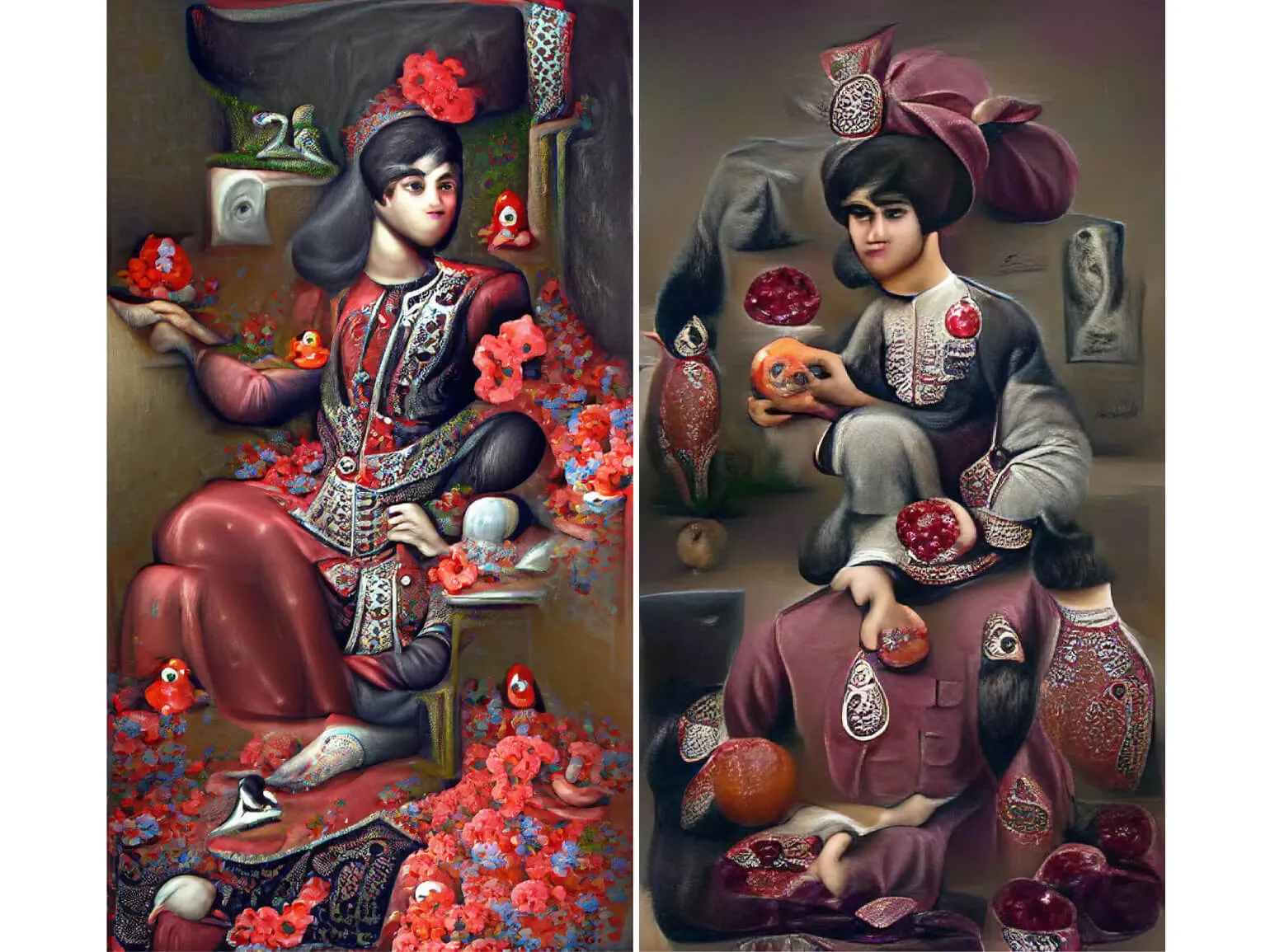
The artist strives to preserve Persian culture in the face of Westernization. She draws on the tradition of portraiture from the Qajar dynasty (1786–1925). These portraits depict men and women with idealized beauty, often making them indistinguishable. The influence of European realism and the introduction of photography have led to the loss of traditional approaches to creating such portraits. The artist emphasizes the importance of preserving a unique artistic identity, resisting modern trends and emphasizing the value of historical heritage.
Allahyari's project actively uses artificial intelligence to generate videos based on Qajar painting. Using carefully selected keywords, she trains the machine to create new portraits, preserving the spirit of a tradition that is gradually disappearing. Allahyari strives to reduce the influence of Western technology and return attention to cultural heritage, using modern tools to revive historical art.
Profession Photographer
You will learn how to take professional photos from scratch. You will learn how to organize shoots, process frames, manage models and a team. Find your style, build an impressive portfolio, and start making money doing what you love.
Find out more