Contents:
Romina Ressia. "Not About Death"
Born in 1981 in Argentina, in a small town near Buenos Aires. She studied photography at the Colon Theatre Institute. Romina's work has been exhibited in major cities including New York, Milan, London, Zurich, Paris, Brussels, and Barcelona. In 2017, she was named Photographer of the Year by the International Color Awards. Romina has gained recognition for her unique style, which utilizes anachronisms, absurdity, and irony to reinterpret classic subjects and contemporary sociocultural issues. Her work captivates audiences and critics alike, revealing the depth and complexity of the interplay between past and present. The subjects of Argentine visual artist Romina Ressia's project "Not About Death" are vibrant images, despite the use of posthumous aesthetics in some of the photographs. This project explores the boundaries of life and death, evoking profound reflections on human existence and the perception of loss. Romina Ressia's works immerse the viewer in an atmosphere where life and death intertwine, creating a unique visual experience.
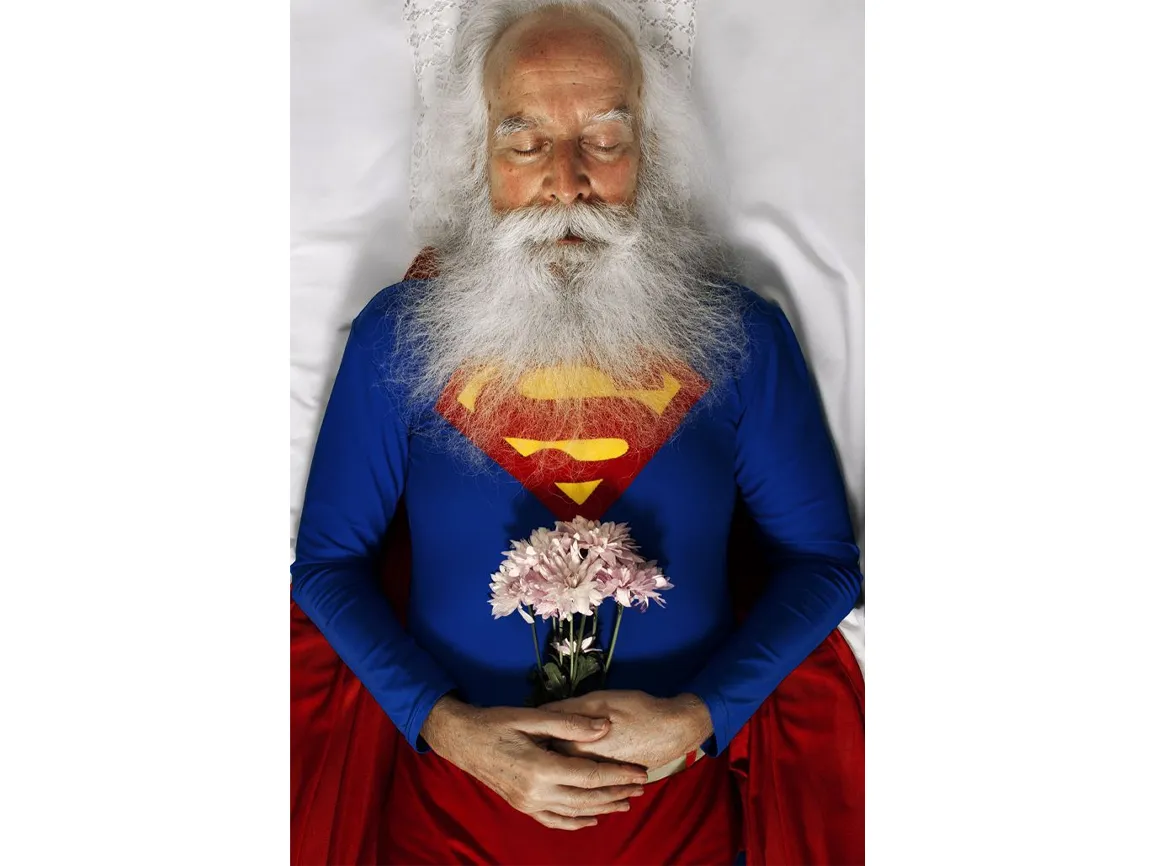
Romina's project may seem like just a game of humor and provocation, but this is a superficial perception. It is based on the principles of a new ethic that emphasizes the importance of visibility of diversity of bodies, ages, and nationalities in society. Romina masterfully takes this idea to the extreme, presenting the stories of older people as comic book and cartoon characters. This approach challenges stereotypes and fosters a deeper understanding of the diversity of human experience. Well-known characters such as Superman, Snow White, Alice, and Wonder Woman appear on screen. However, they appear different—old, weakened, or even dead. These images, once symbolizing strength and hope, now evoke feelings of anxiety and nostalgia. It is important to understand how time affects the characters and how their stories continue to develop.
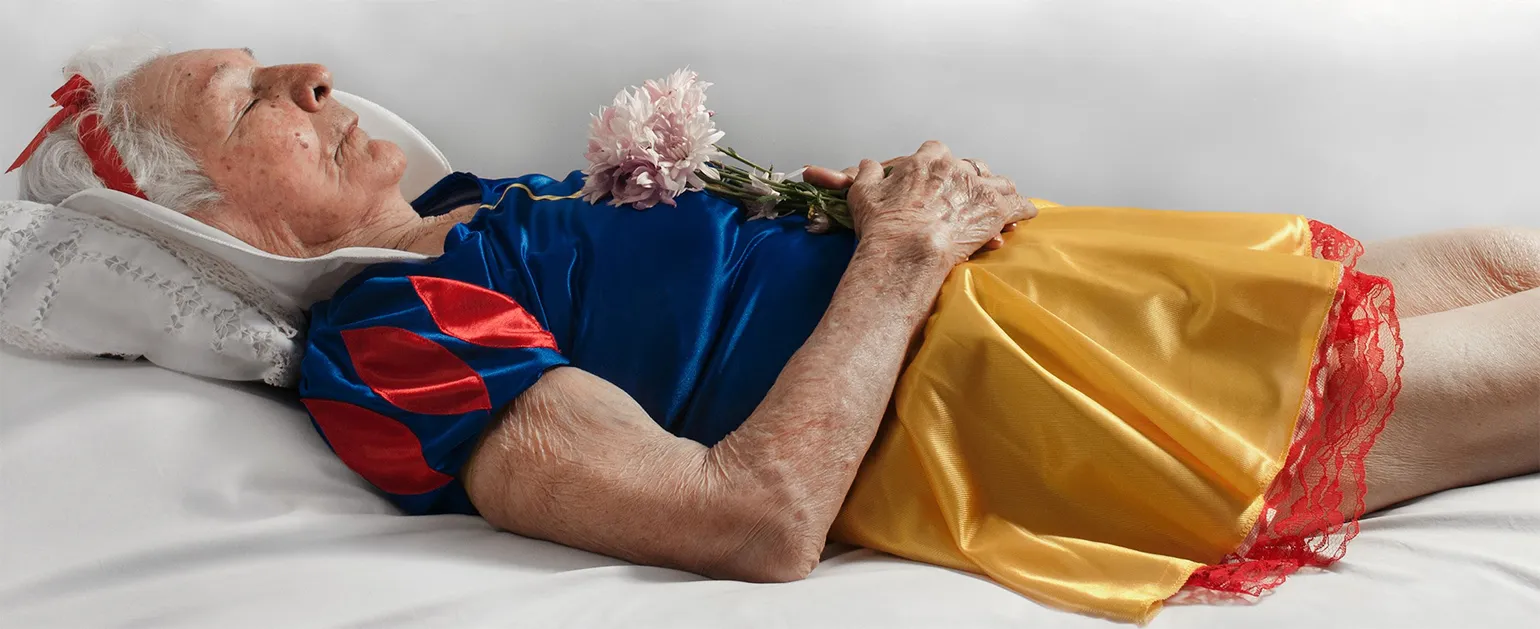
On the day of filming, Cornelia celebrated her 94th birthday. She spent her entire life in the village, giving birth to 12 children, of whom, sadly, she lost six. Despite this, she retained a zest for life and a wonderful sense of humor. Cornelia exudes infectious energy and possesses incredible charm. Her story is inspiring and serves as an example of resilience and optimism.
Nestor "Superman" is a tall and stately man who is always impeccably dressed. He is 75 years old, and after 41 years of marriage, he lost his wife, which prompted him to find a new hobby to continue living. As a result, he discovered a passion for acting, singing, and dancing. Like Cornelia, Nestor is full of vitality, and his love for life inspires others. His story is an example of how to overcome difficulties and find joy in new hobbies.
For the role of Wonder Woman, I chose Virginia, my godson's nanny, who has become a second grandmother to him. Virginia has been married for 40 years and is a mother of two. She moved to Buenos Aires at the age of 15 and has never stopped working since. I was sure she would gladly accept the offer of a photo shoot and would look forward to the photographs. Virginia is a person with a bright smile, she is always cheerful and ready to help in any situation.
I met Yolanda, whom everyone calls "Alice," through her granddaughter Paola. She described her grandmother as a woman with a huge heart. Yolanda is 86 years old, she has experienced the loss of her husband, eldest son, and several close friends, but despite this, she remains optimistic. Recently, Yolanda's health has been failing, but these difficulties are not able to break the spirit of this wonderful woman.
Romina creates an alternative reality in which pop culture characters do not remain forever young, healthy, and attractive, but can experience illness, aging, and even death. She poses an important question: can this help viewers more easily accept their own aging and mortality, if even superheroes face these inevitable processes? This approach encourages us to rethink traditional notions of eternal youth and the ideal, emphasizing that all beings, including beloved heroes, are subject to time and its consequences.
Patrick Budenz. "Posthumously." "Search for Clues"
Born in 1971. Studied information technology in Bamberg and photography at the New School of Photography in Berlin. Currently works as a freelance photographer and software developer. He has experience in creating unique visual solutions and developing software applications, which allows him to combine skills in the fields of technology and art.
He is the author of two books, "Search for Clues" (2011) and "Autopsy" (2013), photographs from which are featured in the exhibition "Dark Field - Photography's Relationship to Power, Death, and War." In 2009, he won the New York Photo Award and actively participates in exhibitions in Germany, including at Museums of the History of Medicine.
German television is heavily dominated by detective series such as "CSI: Crime Scene Investigation." This piqued the interest of Patrick Budenz, who decided to investigate how realistically the events in forensic bureaus are depicted compared to what the writers and directors imagine. His research concerns not only the accuracy of the stories, but also the influence of television on the perception of the work of criminologists and forensic experts.
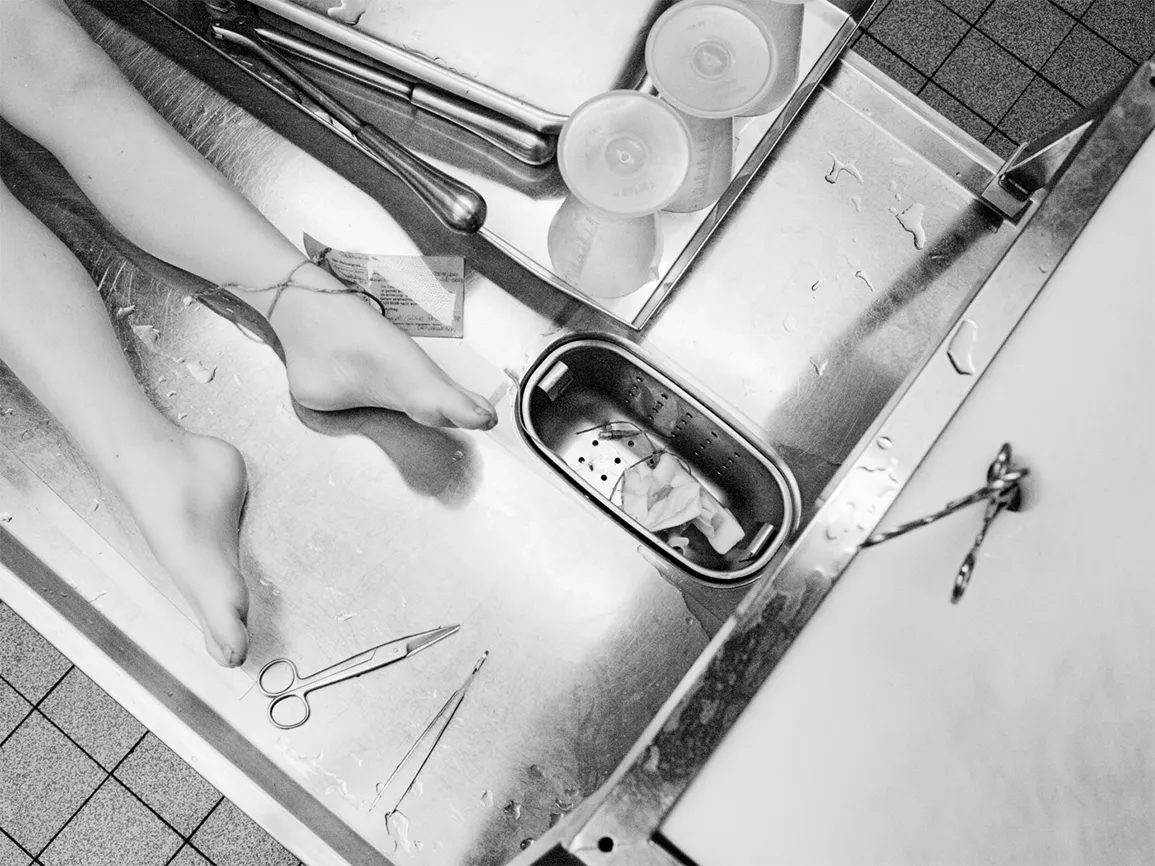
He spent several months seeking permission from the Berlin Institute of Forensic Medicine to film and eventually received access to all stages of the work with the body. This process allowed him to gain a deeper understanding of the forensic sciences and uncover important aspects of the work of specialists in this field.
Over several years of filming, Patrick created two significant projects: "Search for Evidence" and "Post Mortem." The first, subtitled "Search for Evidence," is dedicated to forensic scientists and their work. The second project, "Post Mortem," focuses on the places where bodies are deposited after death, such as funeral homes, morgues, and crematoriums. Both projects contain candid and bold images that detail the work of forensic scientists, pathologists, and funeral professionals. Patrick's photographs capture both bodies on gurneys and the processes taking place on autopsy tables, including preparations for the final resting place and the cremation process. His work also features touching moments, such as a shot of a thirteen-year-old girl with her chest opened. The project also features specialists at work: photographs of doctors who, despite the seriousness of their profession, communicate and smile as they perform routine but important tasks such as sawing open skulls and extracting organ complexes. These projects highlight not only the complexity and difficulty of forensic work, but also the human aspect that often goes unnoticed.
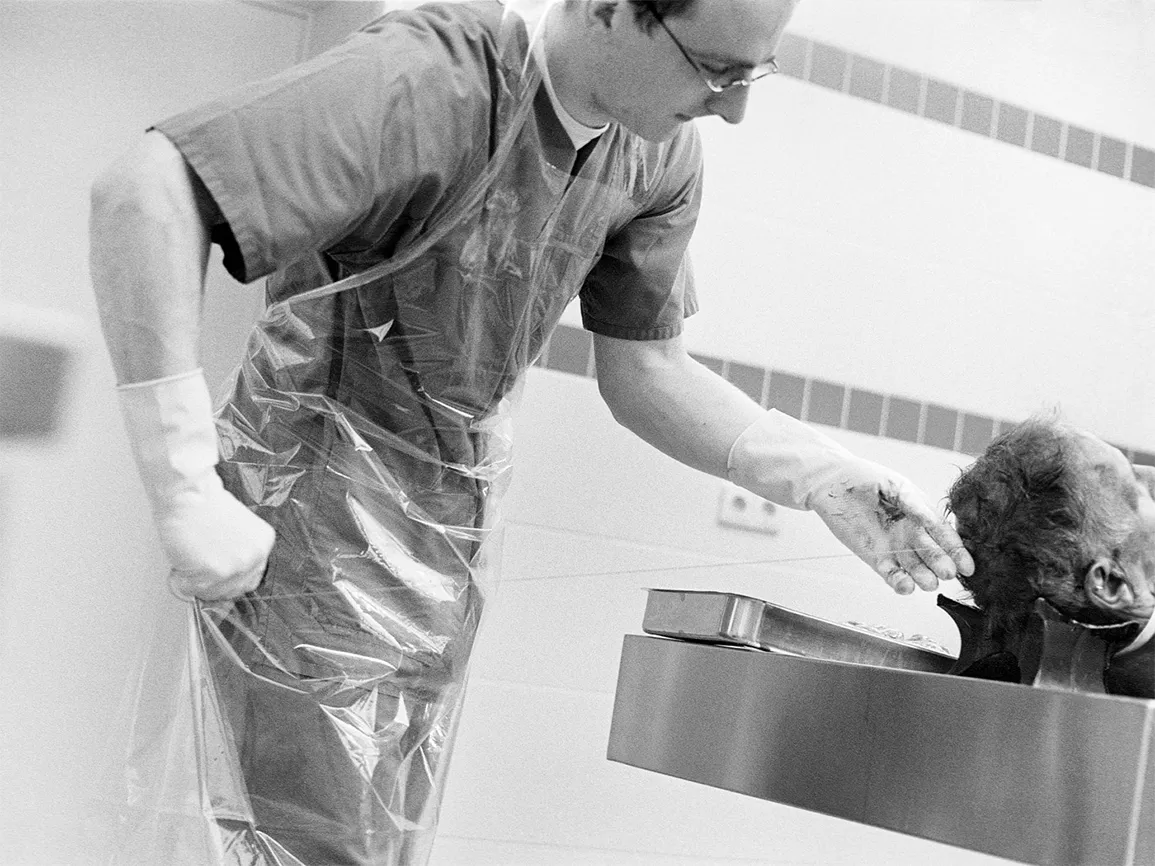
Patrick notes that, like office workers, people discuss events that happened the day before, immersing themselves in ordinary conversations. However, they also exhibit a particular sensitivity to their surroundings.
Patrick is interested in the contradiction between the visibility and invisibility of death in our lives. On the one hand, we often encounter depictions of death in films and in everyday news stories related to war, accidents, and natural disasters. These events remind us of its inevitability and everyday occurrence. On the other hand, in personal lives, death often remains a hidden and taboo topic, unmentionable. This creates a tension between our knowledge of death and our perception of it in real life.
Death in everyday life has become virtually invisible to society. This aspect of life, once perceived as natural and normal, has now become a taboo topic. People avoid discussing death and are often unaware of its inevitability. This lack of openness leads to death losing its place in our consciousness and also makes it difficult to understand its role in life.
Patrick has managed to penetrate a unique area accessible only to a small circle of specialists and presented it to viewers with honesty, sincerity, and aesthetics. His photographs reflect a deep respect and interest in the subjects he directs his gaze to, as well as an attention to the smallest details. It is worth noting that Patrick practically does not show faces, focusing on fragments of the body, such as feet, hands, mouths, chests, and hair. He also focuses on elements of clothing, such as shirts and dresses, as well as the process of preparing the deceased, including rubber gloves of workers and manicures for the deceased woman. This approach allows for a deeper understanding and appreciation of the complex aspects of this world, revealing it to viewers in a new light.
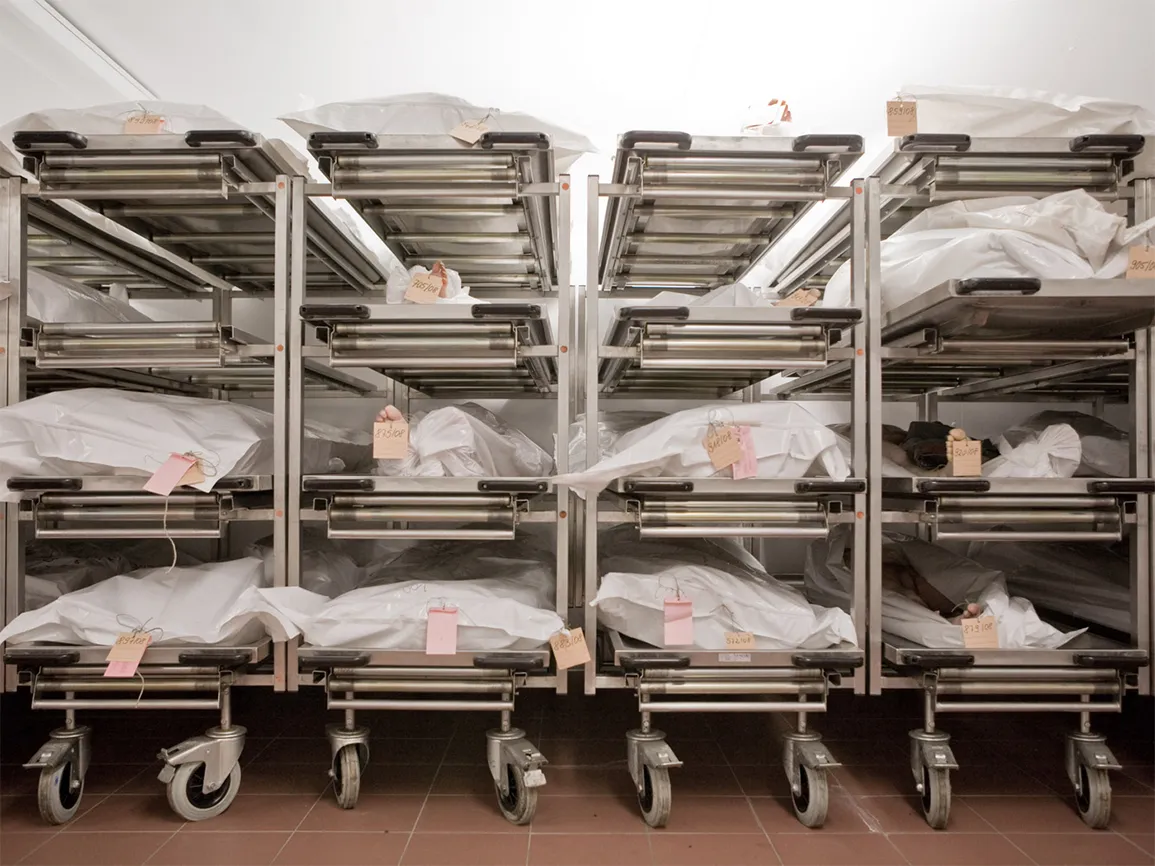
Since its first publication, Patrick has regularly received letters from strangers expressing their condolences. One of these letters became the central text of his photo book «Post mortem». This letter was written by a woman who lost her grandfather. Patrick also shares that in his free time, he often revisits his books. He notes how this metaphorical approach to death satisfies the curiosity about the afterlife and soothes the imagination and fantasies of his audiences. These reflections on death and loss create a profound connection between the artist and his audience, allowing us to understand how art can serve as a solace in difficult times.
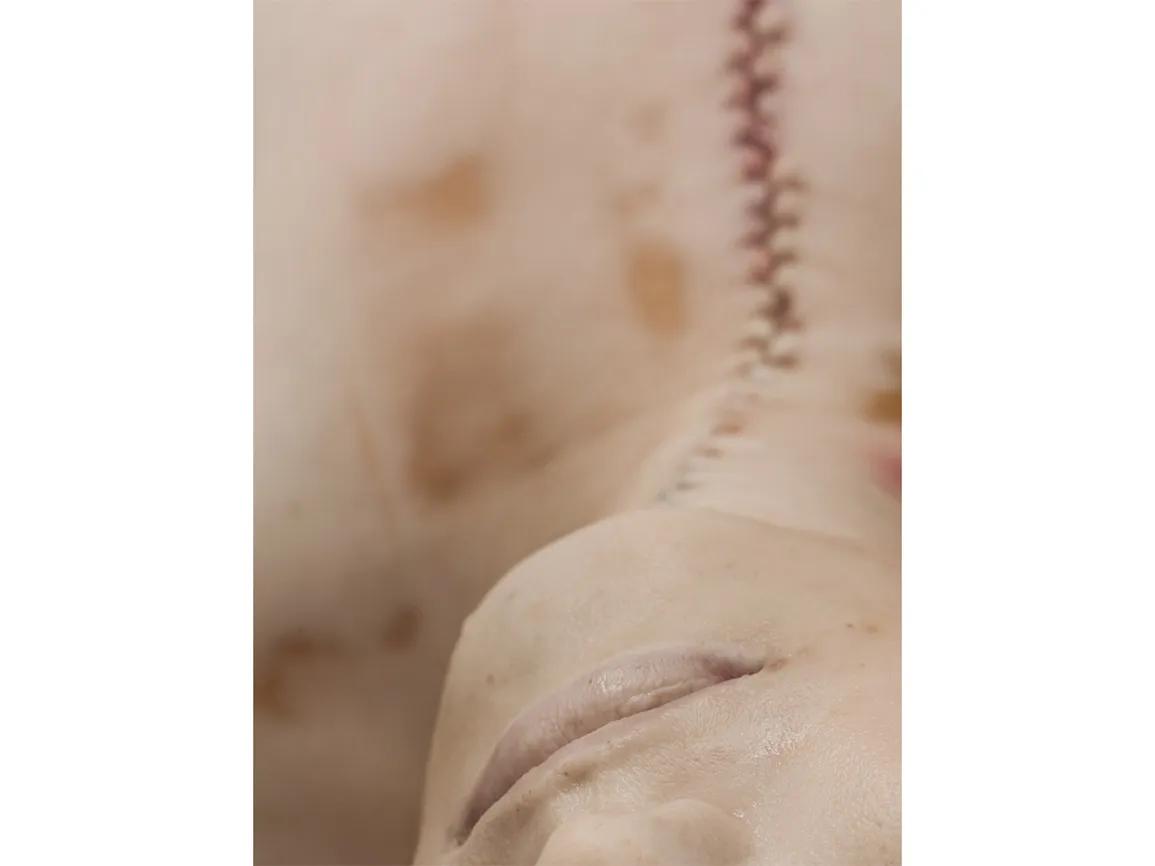
Patrick realizes that working with death brings him a profound understanding of life. Engaging with the theme of loss helps him cherish every moment, recognizing the fragility of human existence. This constant reminder of the value of life encourages him to focus on what matters, strengthening his connections with others and deepening his personal experiences. Working with the theme of death opens new horizons for understanding life and inspires active action in the present.
Life passes quickly, and it is at this moment that we begin to realize the value of many things. We learn to appreciate every moment, every experience, and every interaction. It is important to focus on the present to not miss the opportunities life offers. This understanding helps us perceive the world around us more deeply and find joy in simple things. Ultimately, recognizing the transience of time encourages us to live more mindfully and create more meaningful connections with others.
Elizabeth Heyert "Travelers"
Born in 1951 in New York City, Heyert is a distinguished photographer and a graduate of the MA in the History of Photography at King's College London. Her work is included in the permanent collections of prestigious institutions such as the Metropolitan Museum of Art and the San Francisco Museum of Modern Art, as well as in numerous private collections. Heyert's most recent photographic series, "Metamorphoses," was exhibited at the 2022 Venice Biennale, further confirming her importance in contemporary art. She also gained international renown for her experimental portrait trilogy, consisting of "Sleepers" (2003), "Travelers" (2005), and "Daffodils" (2008). These works explore themes of identity and perception, making her contribution to photography particularly valuable.
A body draped in black cloth and taped to furniture, with books used as weights, represents the true scene behind the scenes of these touching portraits created in a Harlem funeral home. These images reveal not only the process of farewell but also the profound emotions associated with loss. A Harlem funeral home becomes a place where life and death intersect, creating unique stories that capture the essence of humanity.
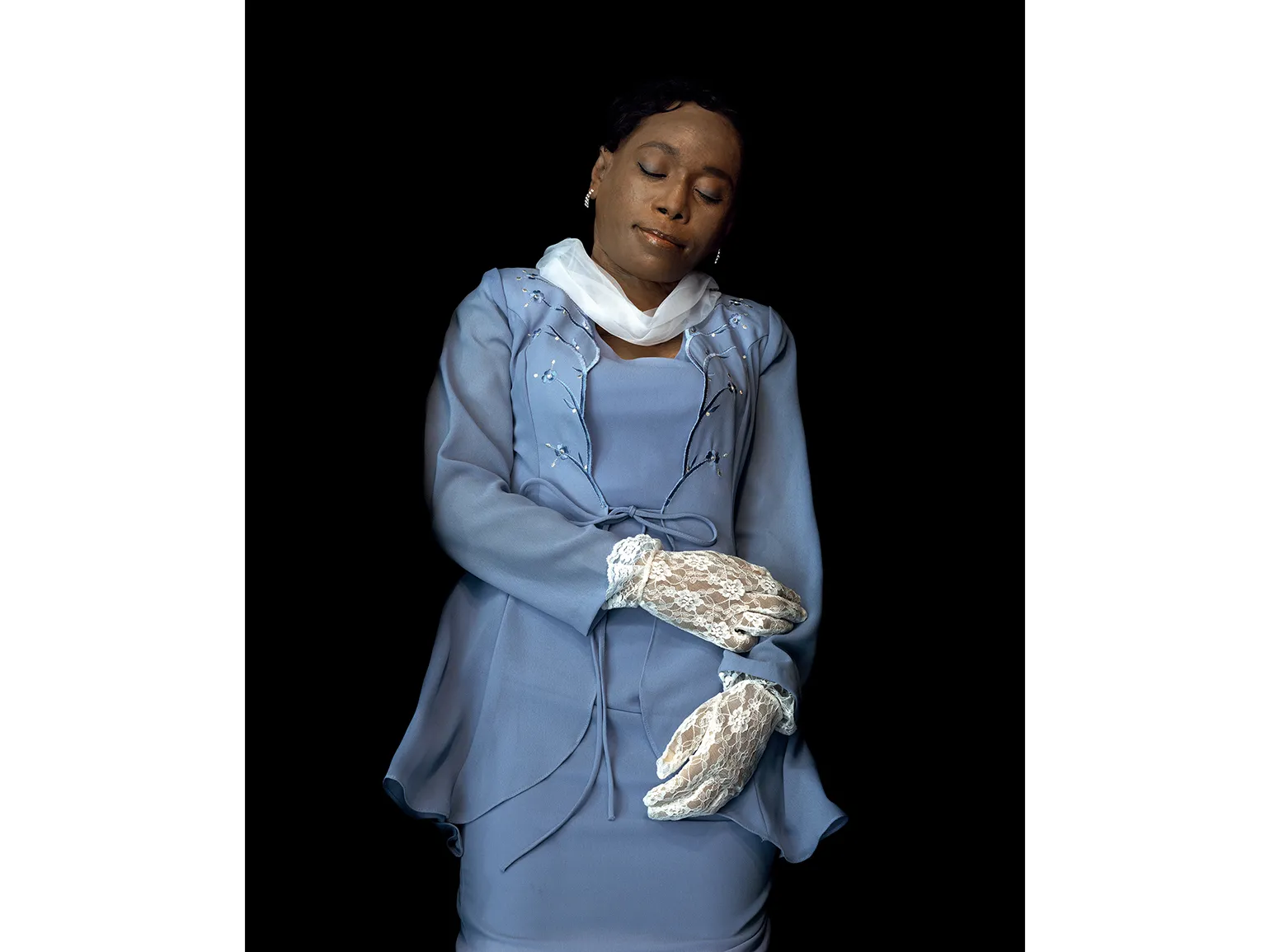
Elizabeth learned about Isaiah Owens and his work through a newspaper article and decided to visit him. Isaiah conducts traditional Southern Baptist burials, where the deceased are dressed for a celebratory occasion to prepare them for the afterlife. This project, titled "The Travelers," reflects a unique approach to saying goodbye to loved ones.
I recognize that I am documenting a community that is fading into the past and, in doing so, preserving a piece of cultural history. Harlem is rapidly changing, and its traditions are gradually disappearing. My photographs aim to preserve a fragment of the history of a passing generation and reflect its transformation.
Elizabeth has created 33 posthumous portraits of the "Travelers," including one of Daphne Jones, a drug-addicted sex worker who died of AIDS. When she visited for the shoot, Elizabeth encountered a sad sight: a thin woman with visible needle marks on her arms and a knife scar on her neck. After spending three hours in Daphne's company, observing her body and learning her story, Elizabeth decided to photograph her in a way that would convey a sense of life's kindness. She asked Isaiah to dress Daphne to disguise the signs of illness and addiction. The portrait depicts Daphne in a blue dress and beaded jacket, a light white chiffon scarf, lace gloves, and sparkling earrings, with her head gracefully bowed. The project also features a portrait of her 22-year-old son, James Earl Jones, who died in a knife fight just weeks after being released from prison and less than a year after his mother's death. In the photograph, he is wearing a white tracksuit and a NY Yankees baseball cap, his jacket pocket stuffed with money. Friends added music CDs and photos of them together to the casket.
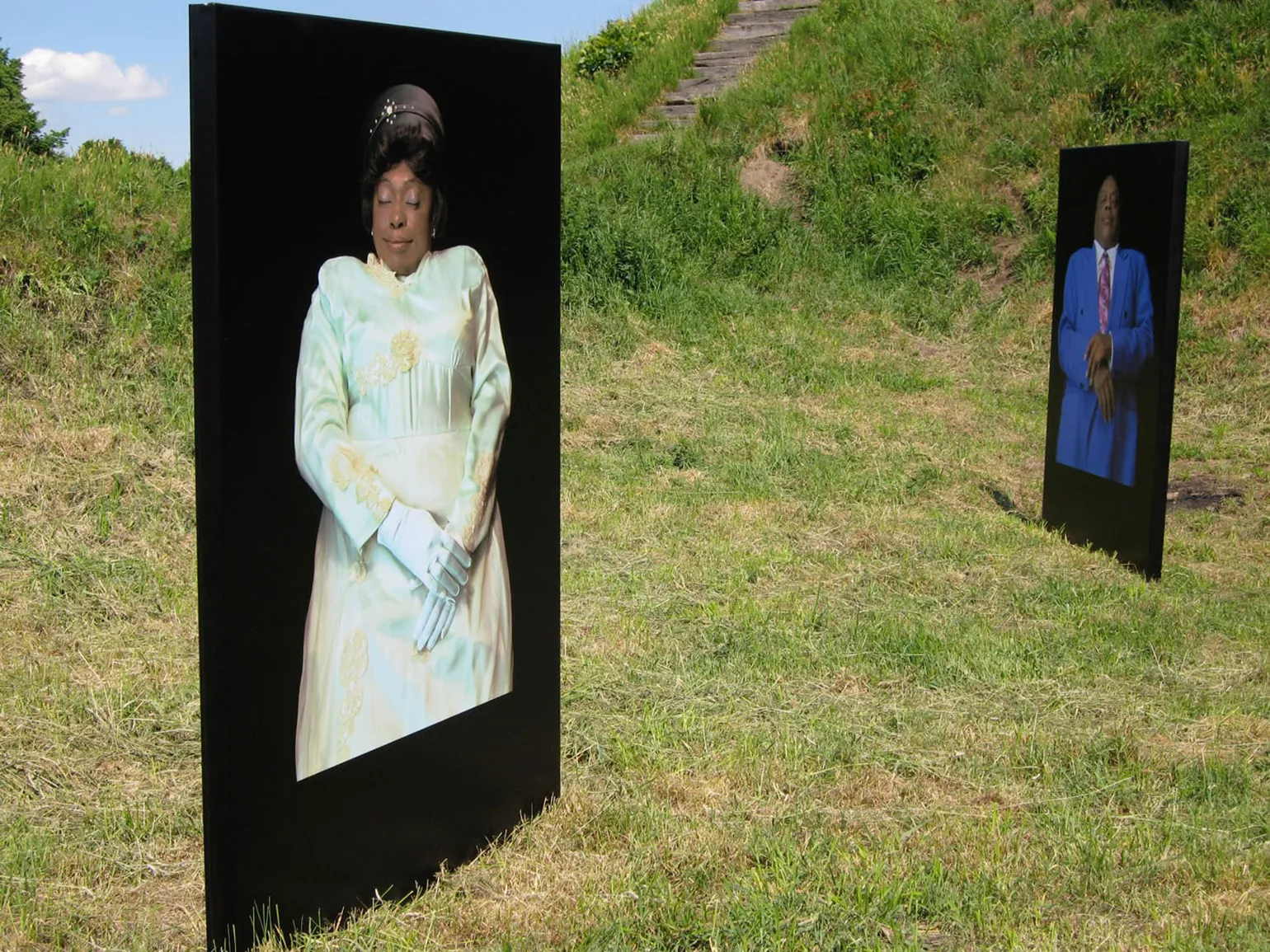
Elizabeth notes that many of the characters in her project were similar to the Egyptians, since their burials were accompanied by wealth: jewelry, festive outfits, including unusual Hats, dresses, jackets, and skirts decorated with glass beads. Bright men's jackets, a variety of ties and bow ties, tracksuits, bandanas, lace gloves, and feathers also became part of their look. This unique combination of elements emphasizes the richness of culture and tradition, making the project especially compelling to explore.
Each photo shoot lasted about three hours and took place early in the morning, at five or six o'clock, to complete the shoot before the morning service before the burial. Elizabeth shares how challenging it was both mentally and physically: she had to stand on a ladder with a heavy camera. However, working with Isaiah proved to be harmonious and productive. He delicately created graceful and elegant poses for the subjects, while Elizabeth avoided direct contact with the bodies. This experience was not only a challenge for her, but also an opportunity to gain a deeper understanding of the process of creating artistic photography in difficult conditions.
After completing the project, Elizabeth struggled for a long time to understand that her work was connected with death. She was plagued by nightmares, and the feeling of being haunted by ghosts never left her. Elizabeth admits she no longer wanted to photograph the dead. Although the desire to take more pictures remained, she was always overcome by the fear that she wouldn't be able to cope. This resulted in a contradictory situation: on the one hand, the fear of never creating a new image, and on the other, the desire to overcome this barrier.
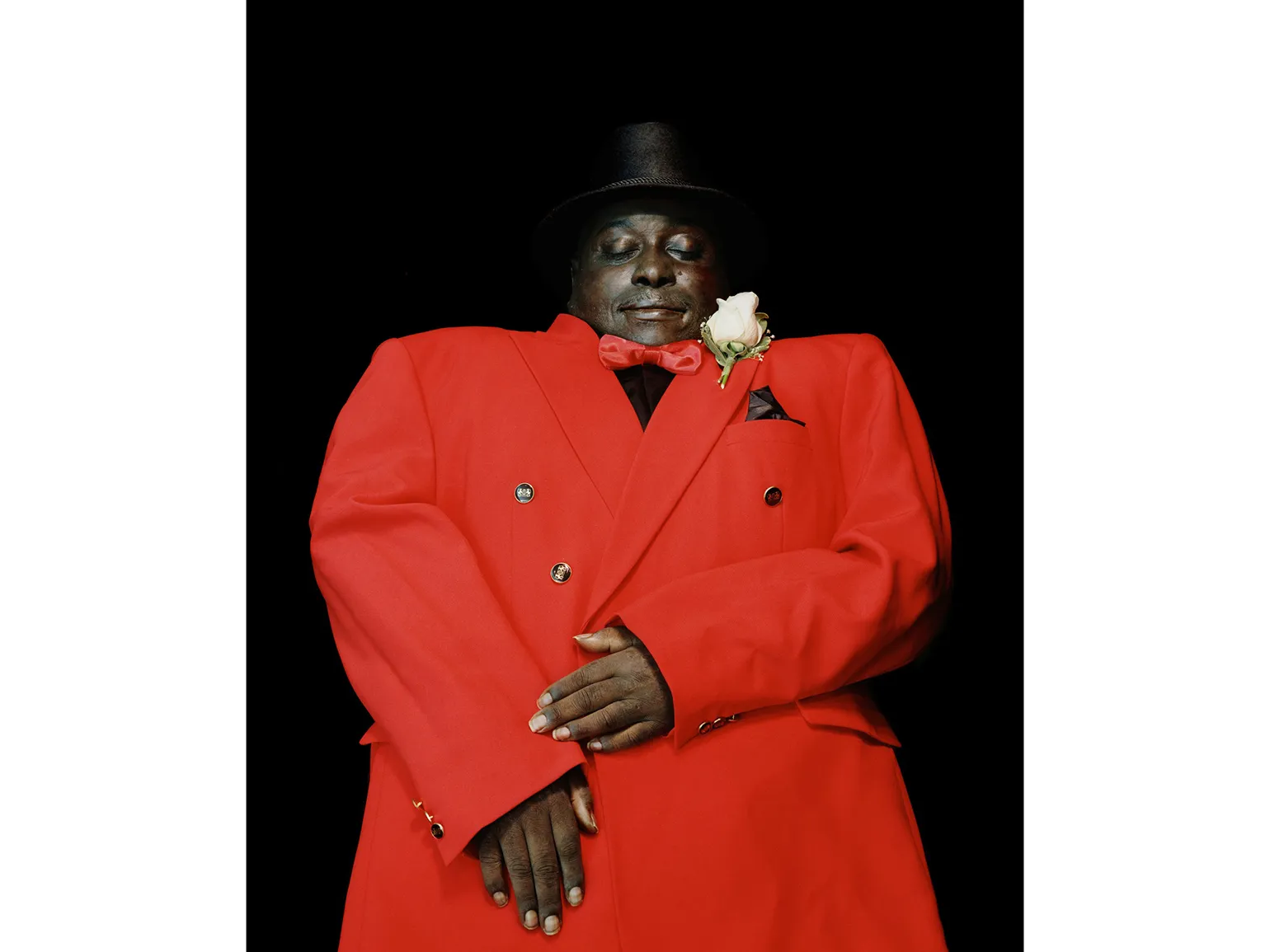
In the interview, Elizabeth discusses differences related to race and notes that it was this aspect that attracted her the most. As a white American raised in the North and a non-believer, she finds herself immersed in a completely unfamiliar culture. Isaiah was also surprised that someone outside their community wanted to document a unique tradition. Initially, Elizabeth was driven by a desire to document the phenomenon of "death as an excuse to wear your best." However, as she worked on the project, she realized that she learned the stories of her subjects, and the project began to tell not about death, but about life and the richness of cultural traditions.
Read also:
Posthumous Photography: A Dark Tradition of the 19th Century
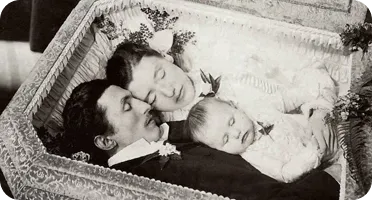
Posthumous photography, which depicts the dead, was a common practice in the 19th century. This macabre tradition arose in an era when photographs became widely available and death was often accepted as a natural part of life. People sought to preserve memories of their loved ones, and photography became the final symbol of connection with the departed.
With high mortality rates, especially among children, post-mortem photographs served not only as a memorial but also as a way to cope with grief. Families often organized photo sessions with the deceased, creating portraits that held deep emotional meaning. These photographs were often beautifully framed and treasured as heirlooms.
While today's perception of post-mortem photography may be unsettling, the practice was considered normal at the time. Photographers used a variety of techniques to make the portraits more naturalistic, including posing the deceased in comfortable positions or adding props.
Today, post-mortem photography is of interest to historians and collectors because it reflects the cultural and social aspects of its time. Studying this topic allows us to gain a deeper understanding of how society has perceived death and loss in the past.
Profession Photographer
You will learn how to take professional photos from scratch. You will learn how to organize shoots, process frames, manage models and a team. Find your style, build an impressive portfolio, and start making money doing what you love.
Find out more