Contents:
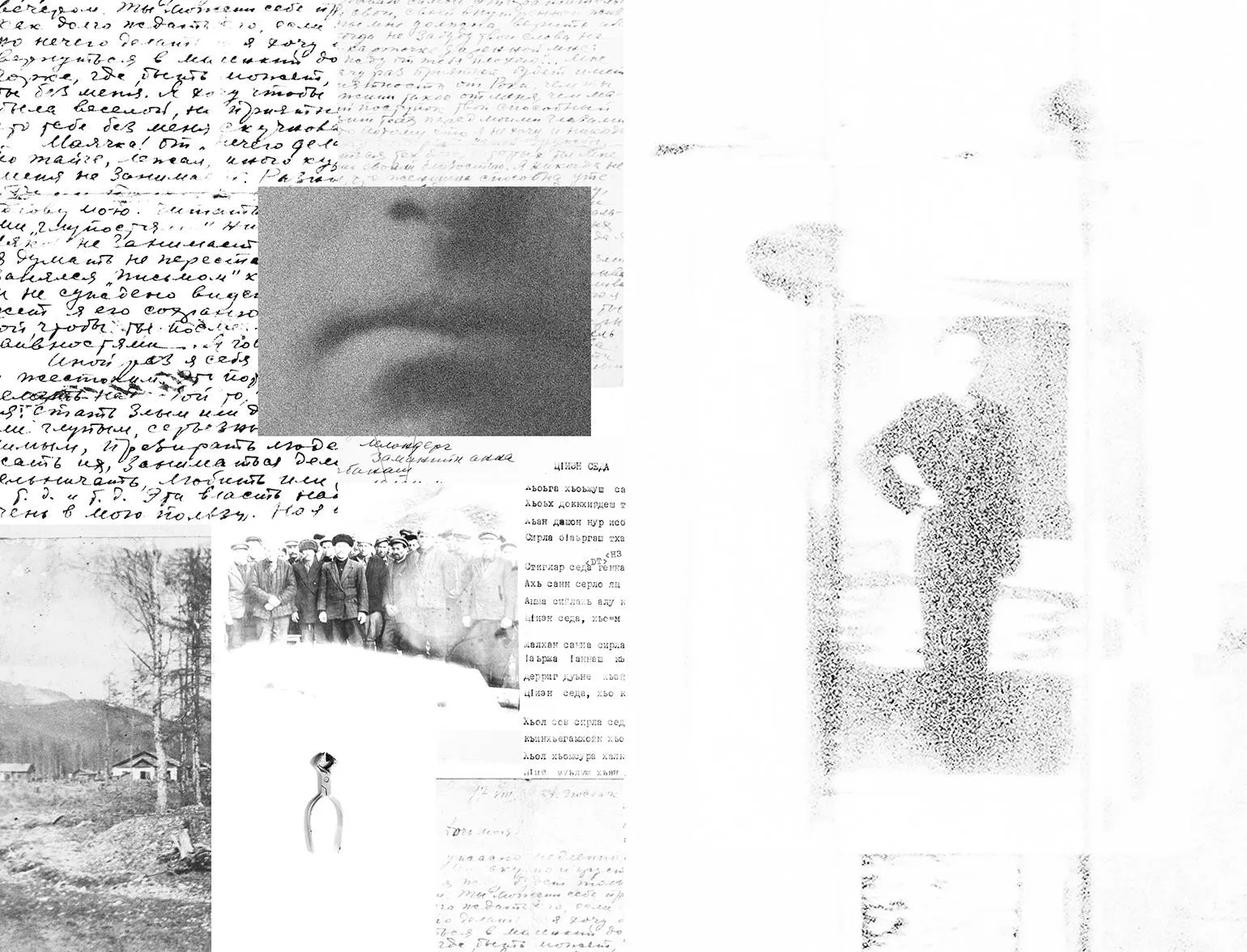
On September 2, the Pennlab Gallery at Winzavod in Moscow will host an exhibition by Yulia Pavlova entitled "Digital Shadows of Words." The project features unique photographs, collages, and the artist's book, which also bears the same title. The exhibition will be open to visitors until October 15, providing an opportunity to immerse themselves in the world of digital art and explore new facets of visual perception.

An artist and researcher specializing in creating large-scale installations. In her practice, she actively uses photography, collage, and video, which allows her to create unique visual narratives. One of the key components of her work is the creation of artist's books, in which she combines various media. She has participated in exhibitions in countries such as the UK, Portugal, and Russia, underscoring the international recognition of her work.
For this project, I researched the life of the Chechen poet Arbi Mamakayev, examining his legacy and the traces he left behind. This archival work has become familiar to me, but at some point it forced me to consider what traces I would leave behind. Most of my documents, photographs, and letters are digital, making their preservation and accessibility entirely different. Although Arbi Mamakayev and I belong to different eras, at a certain point our paths crossed, which emphasizes the connection between the past and the present.
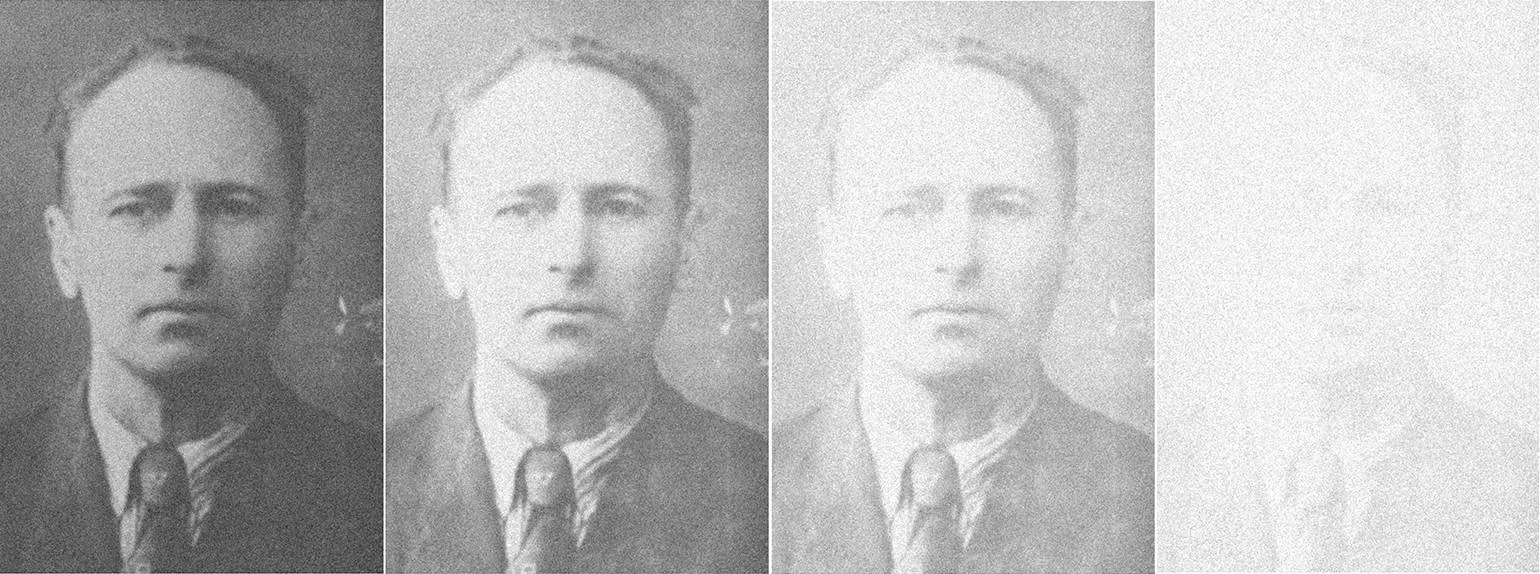
Biography Arbi tells the story of a man who lived through a difficult time of change. He was born in 1918 in the village of Nadterechnoye and raised in an orphanage. Arbi later enrolled in a workers' faculty and began his career in journalism, working for a newspaper. His first poems were published in 1934, and his first collection was published in 1941. In his works, he reflected the beauty of the North Caucasus, expressing the feelings of the Chechen people and their identity. Arbi's poems have become classics of Chechen literature, and he also translated works by such renowned authors as Lermontov, Yesenin, and Gorky into Chechen. Arbi's work continues to inspire generations and serves as an important contribution to the preservation of Chechen cultural identity.
Until 1941, Arbi's life was successful. His contemporaries called him a darling of fortune and the Chechen Yesenin. However, in 1941, Arbi was arrested on denunciation and exiled to Magadan, where he spent 15 years. During this time, the poet did not write a single line. In 1957, he was rehabilitated and returned home, but died just a year later, before reaching the age of 40. Arbi's fate highlights tragic moments in history when talented individuals suffered from repression.
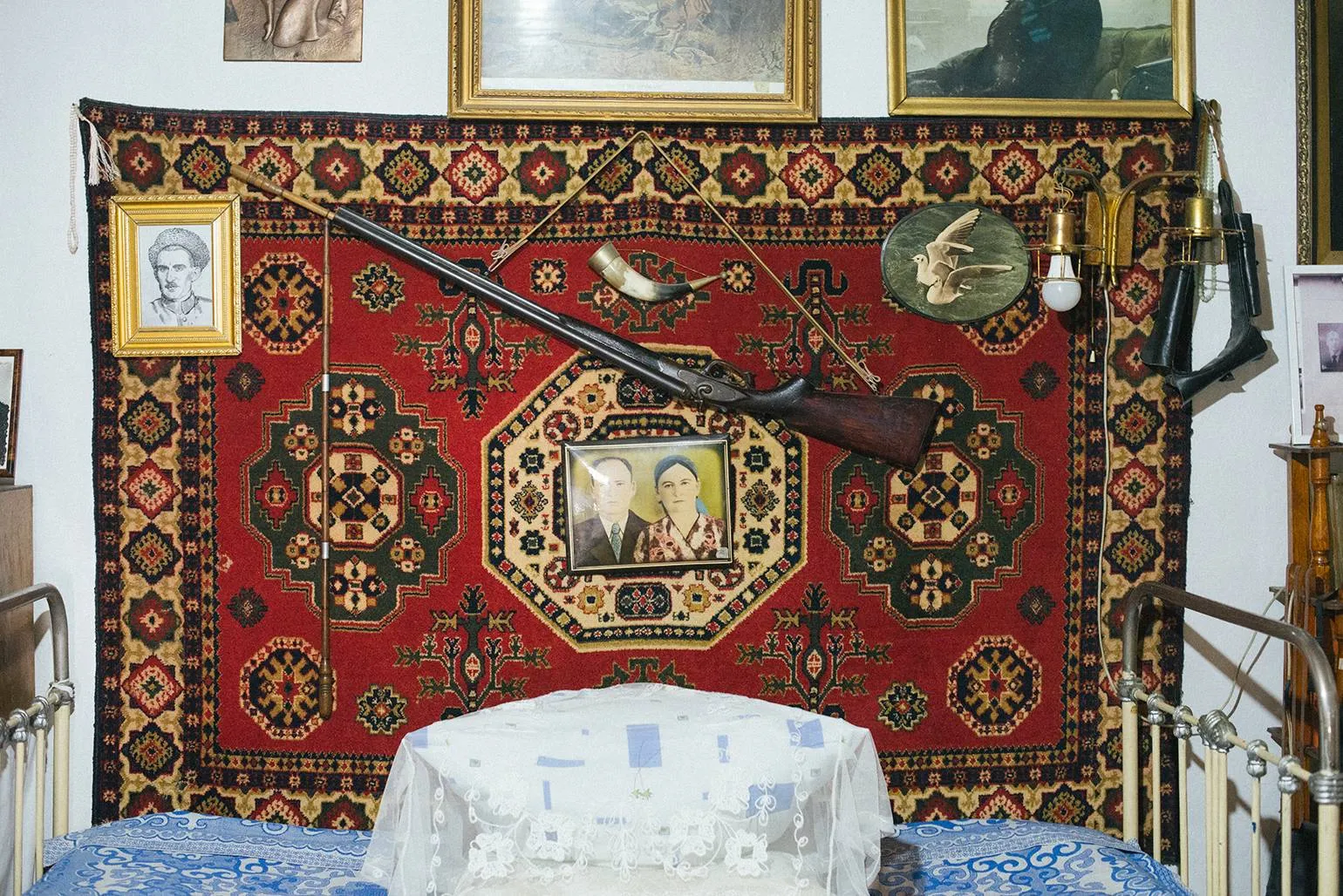
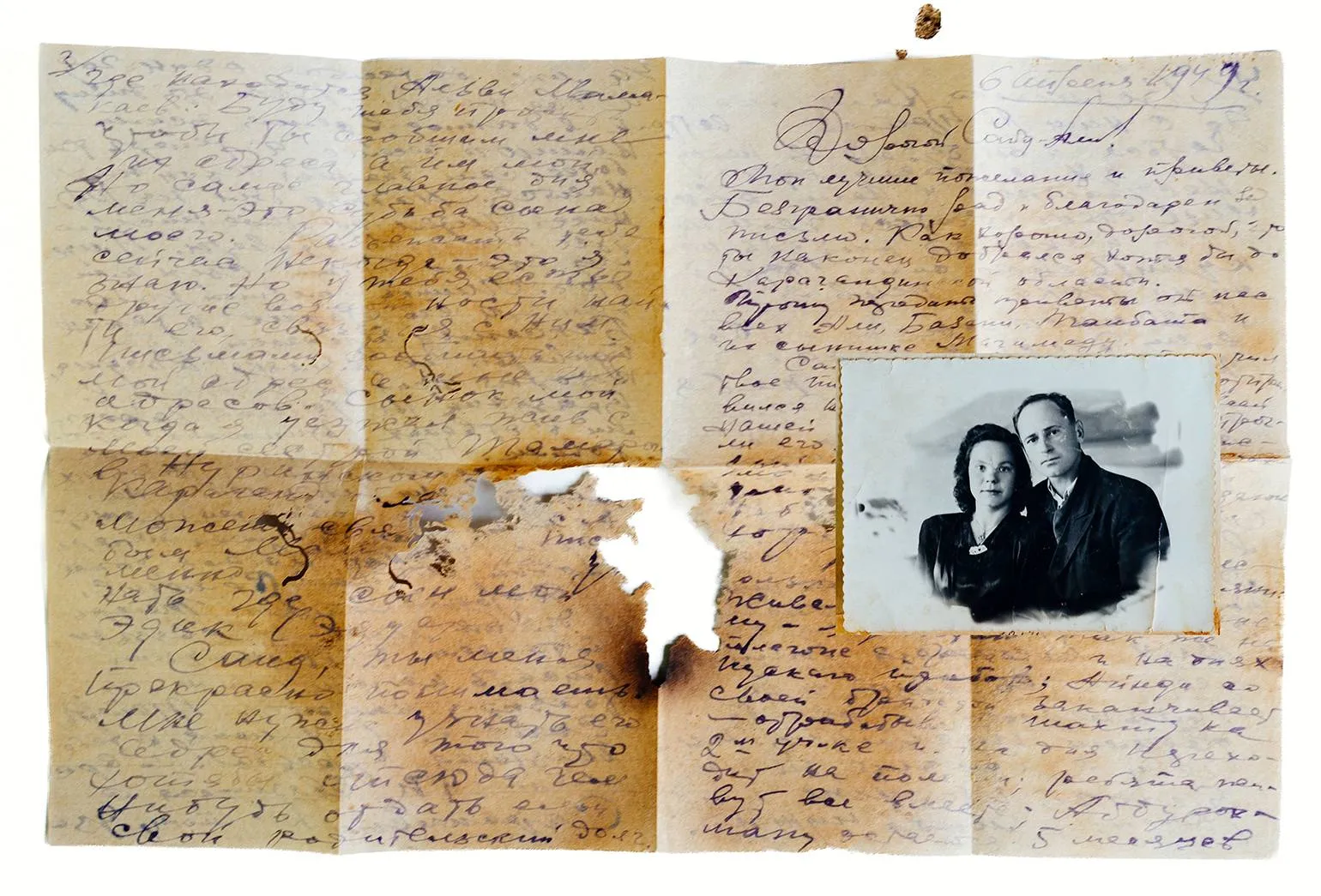
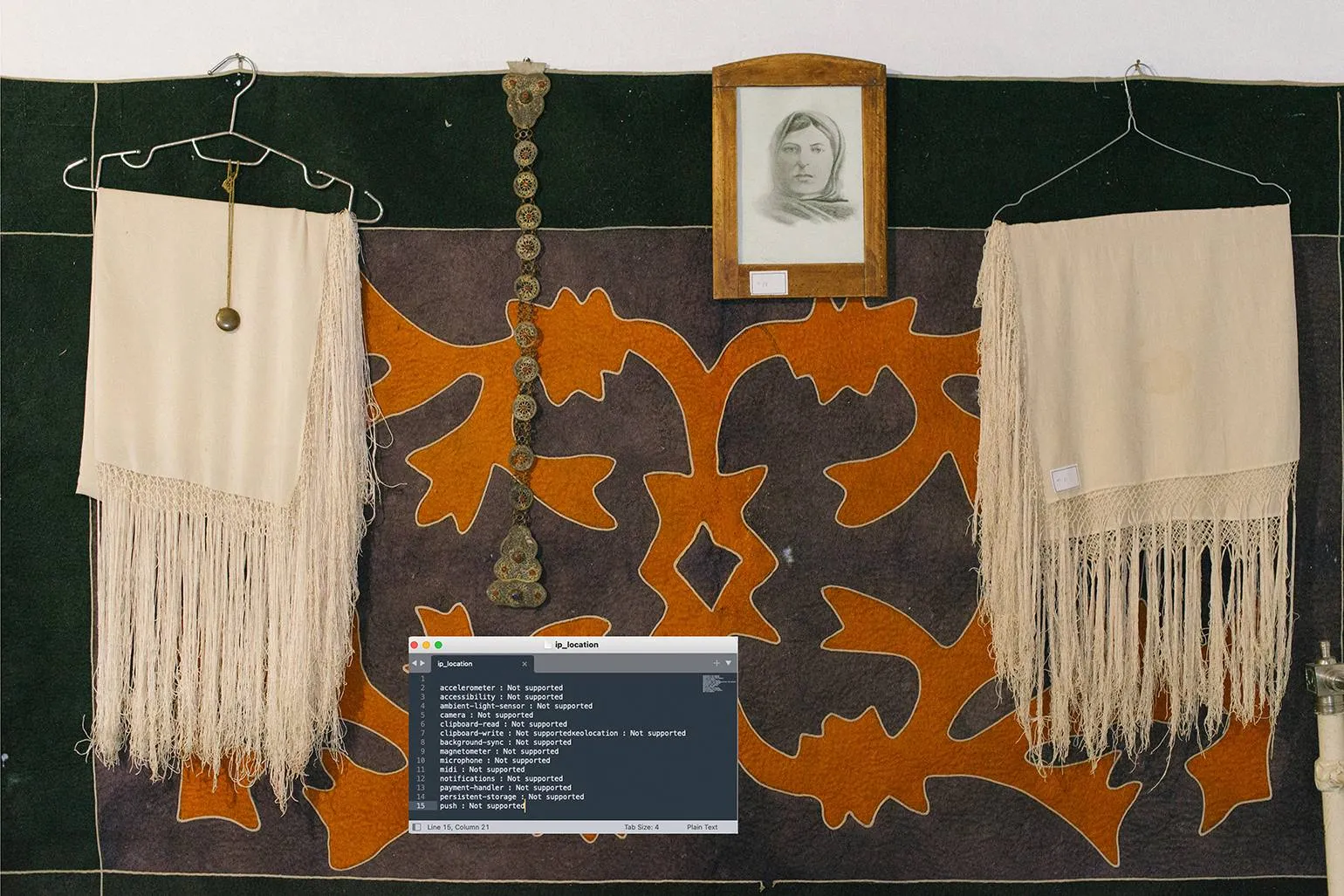
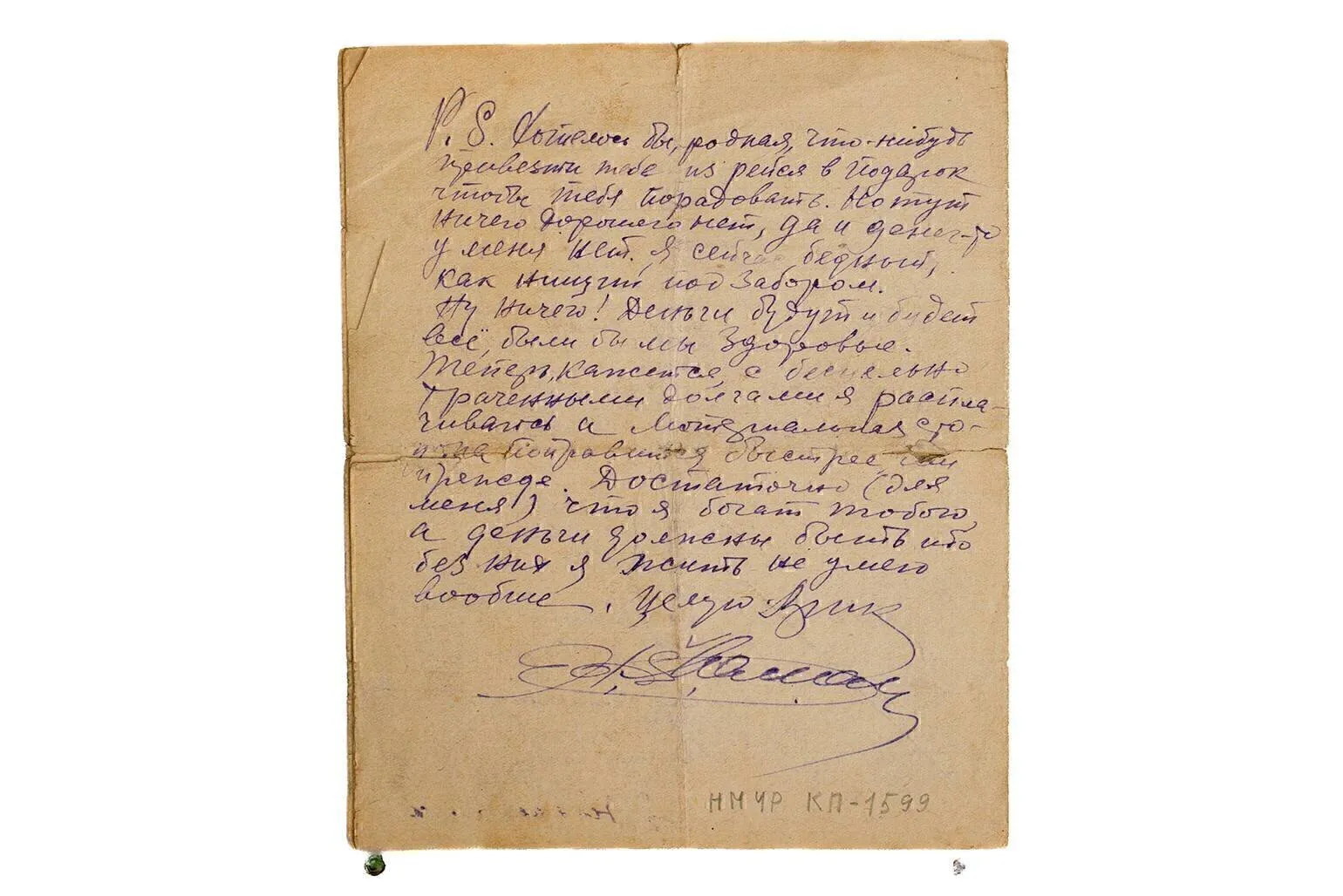
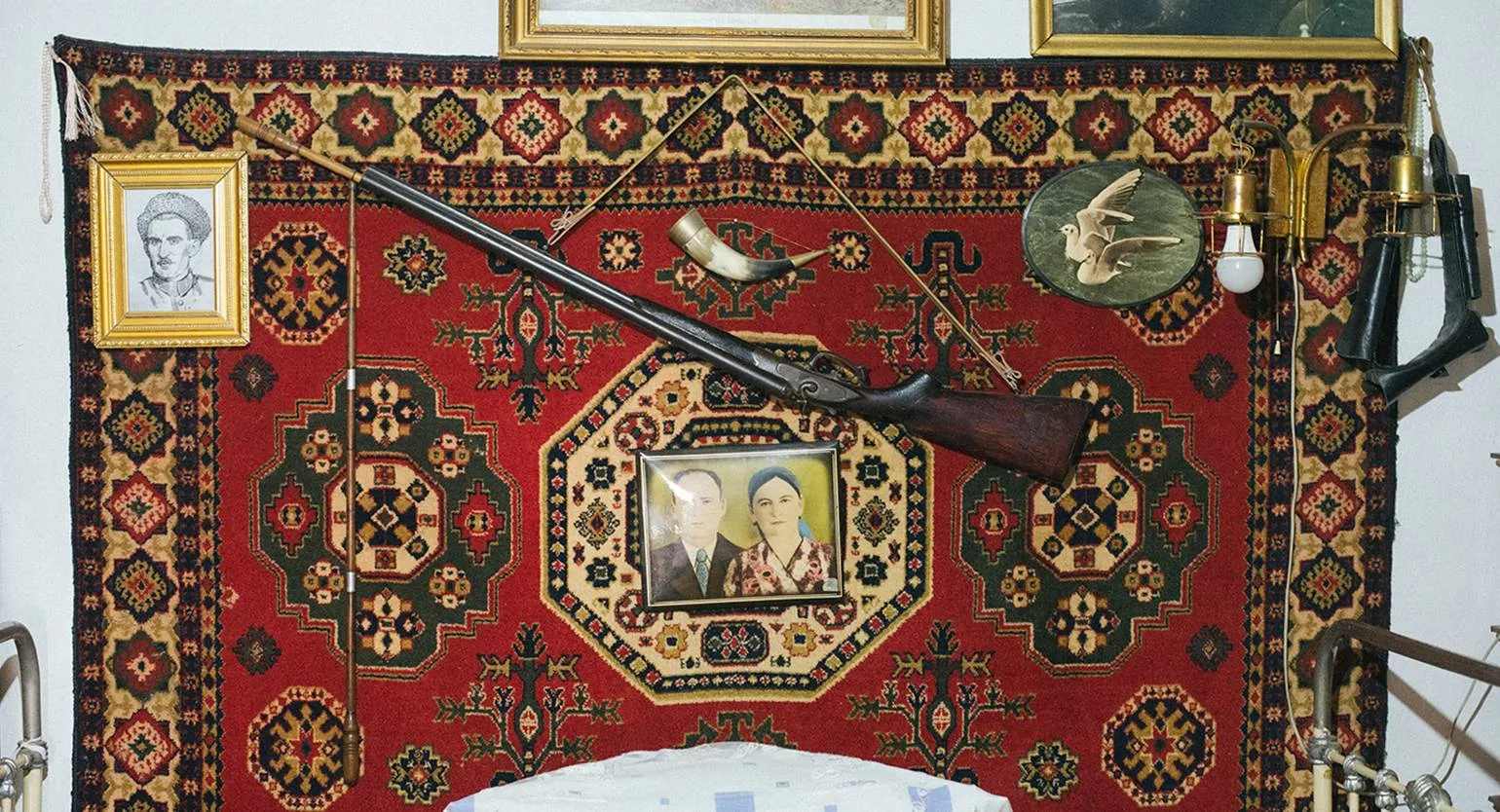
Work on the project about Arbi Mamakaev began during my trip to an art residency in the North Caucasus. At first, I tried searching for information online, but it yielded little results. My main source of information about the poet was the memorial and literary museum founded in Nadterechny by his son, Eduard Mamakayev. Visiting the museum allowed me to fill in the gaps in my knowledge of the poet's biography. All the important information about Arbi Mamakayev is concentrated here, where artifacts recalling his life and work are kept. The museum is an important center for preserving cultural heritage and helps us better understand the poet's contribution to literature.
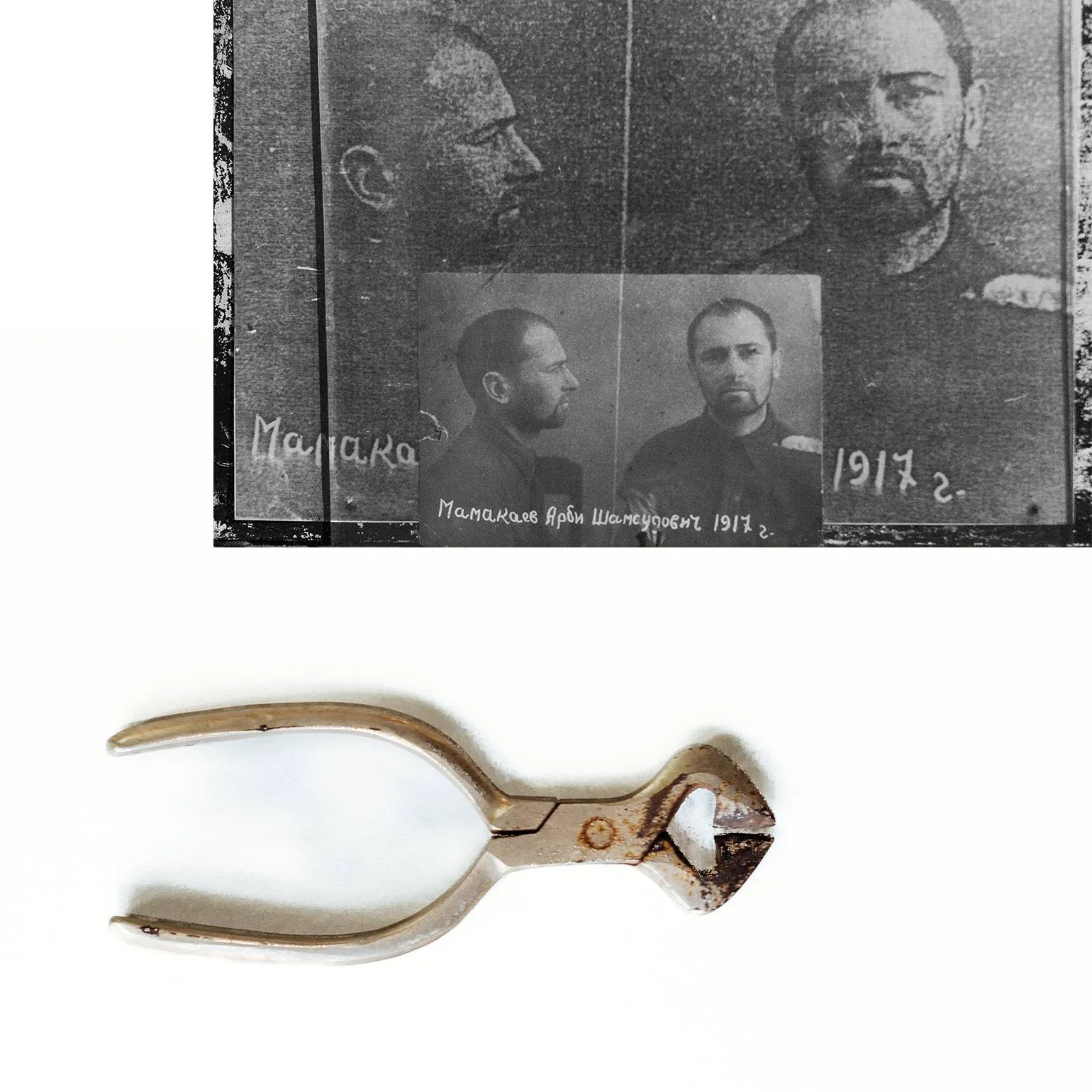
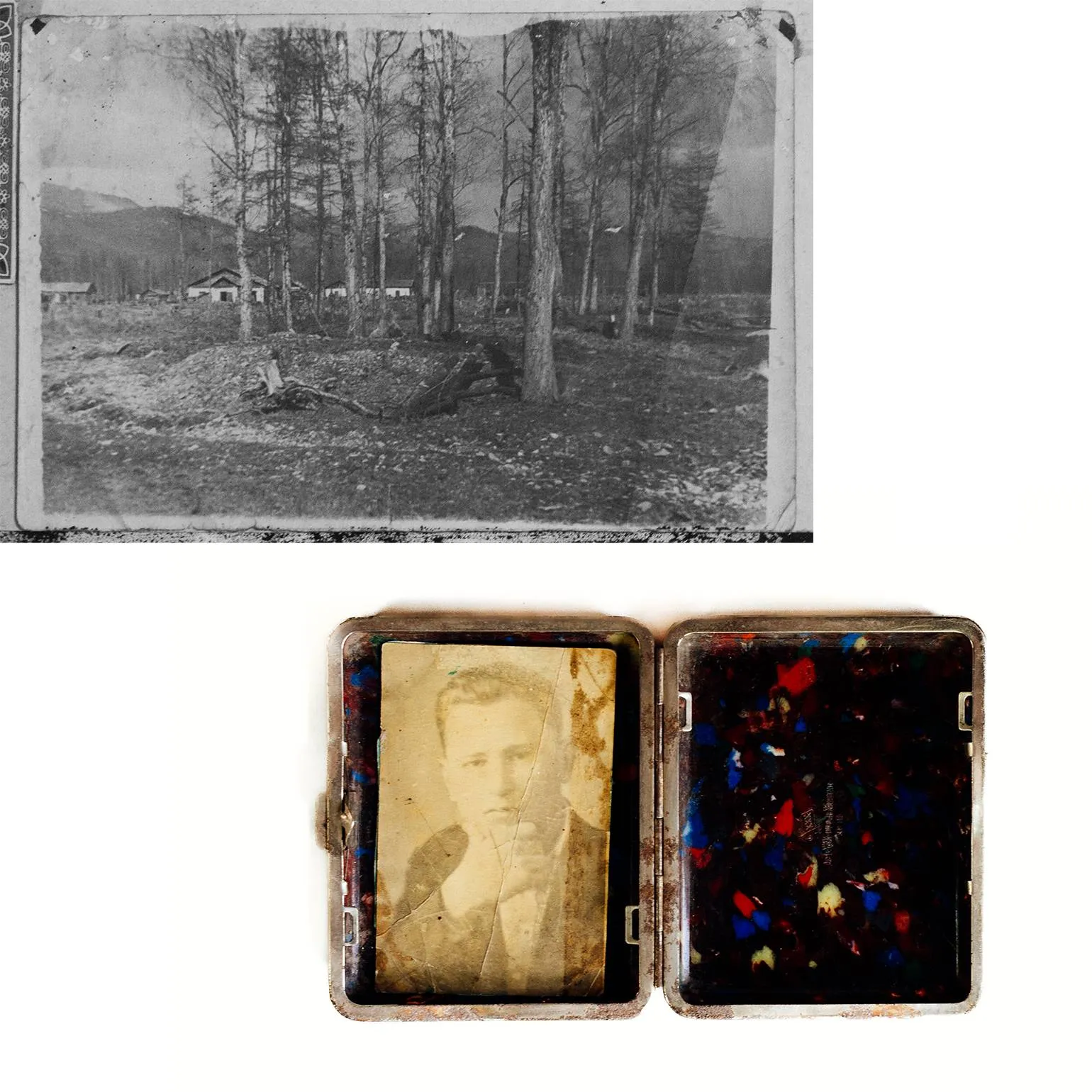
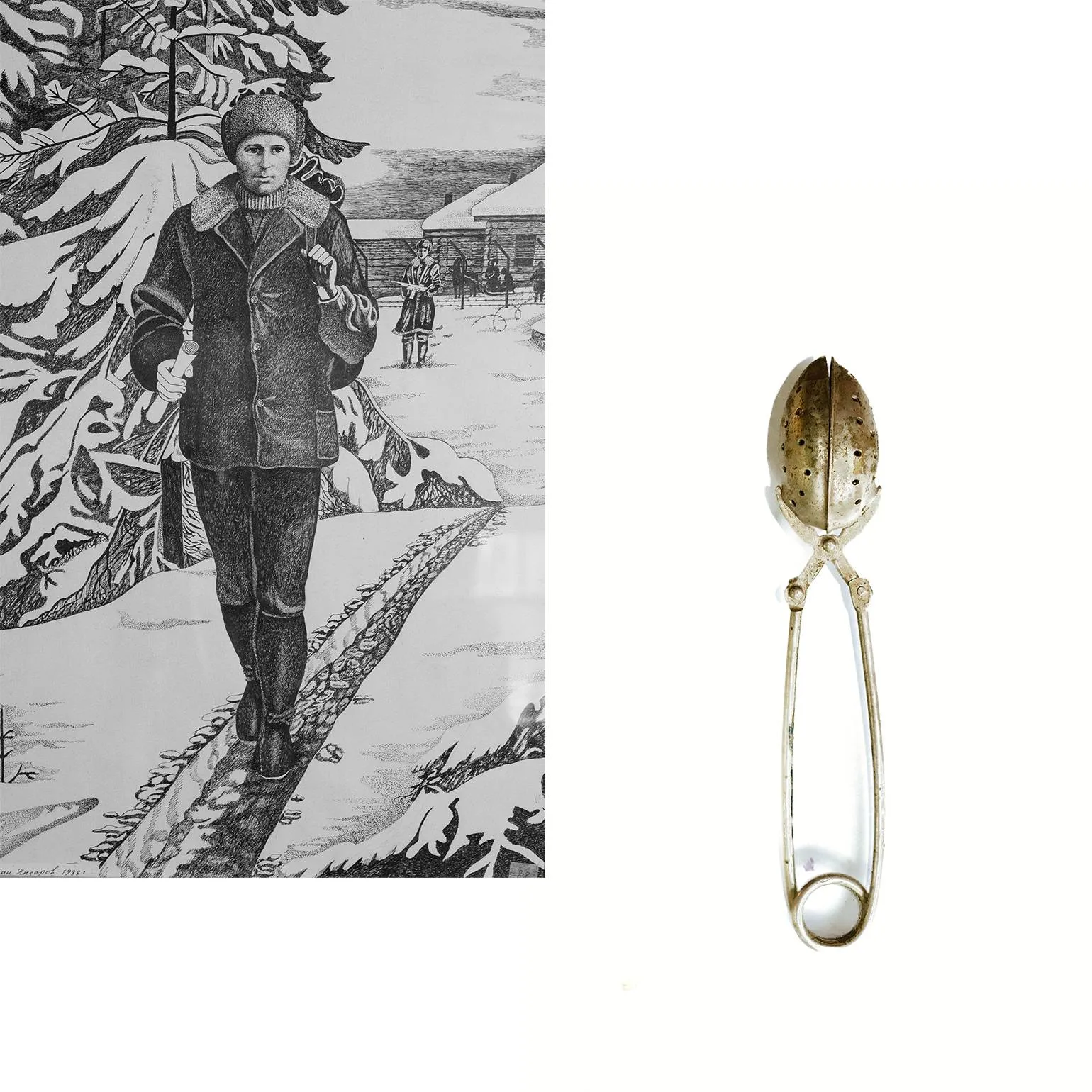
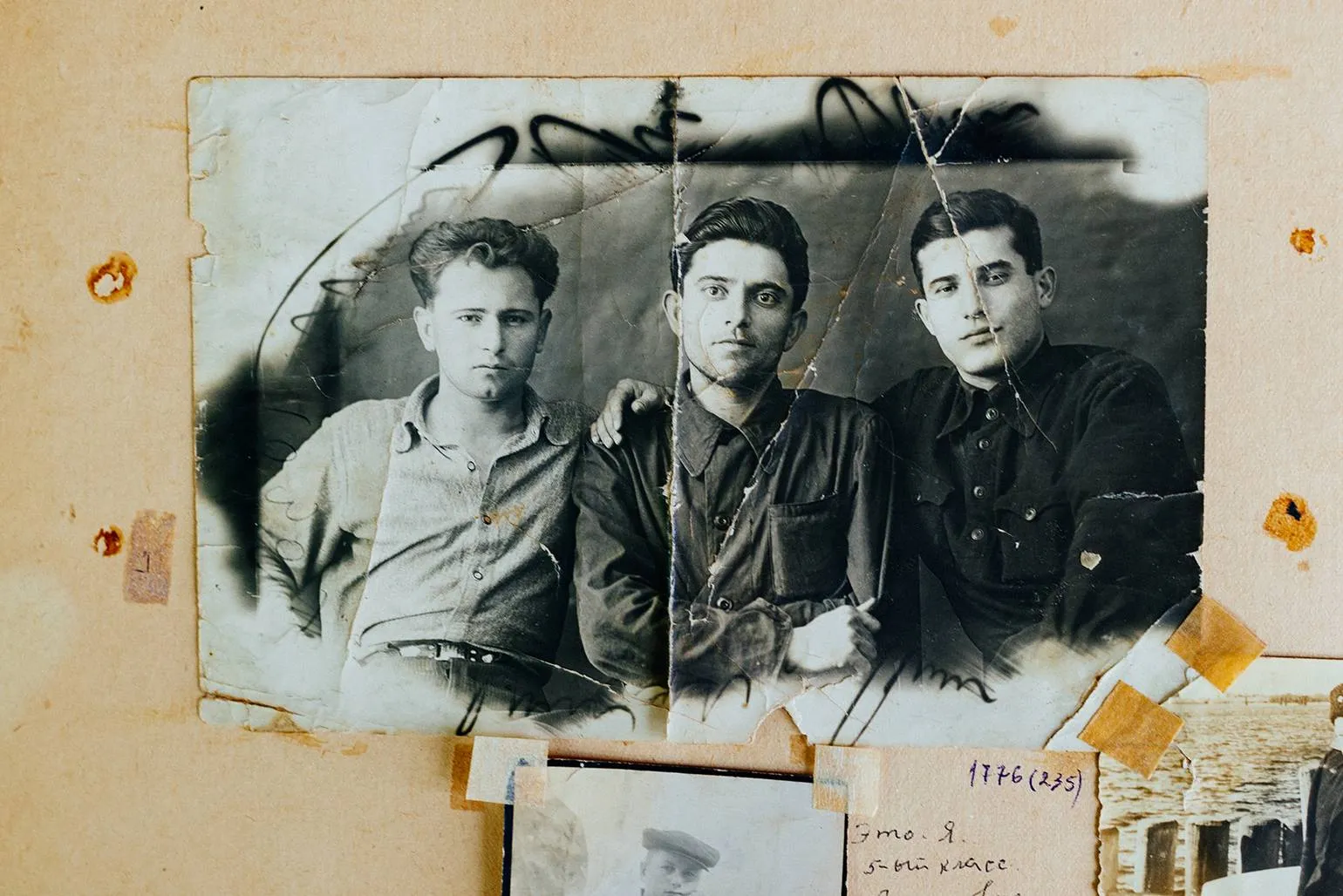
The Magadan photo album is a unique collection, featuring photographs of Arbi before and after his exile, as well as portraits of his loved ones and rare photos taken during his time in the camp. The album includes letters addressed to his son, second wife Maya, and friends. In addition, the museum contains documents and personal belongings of Arbi, reflecting his life and experiences. Particularly noteworthy are the manuscripts of poems and verses written by him both before and after the camp, which provide an opportunity to deeper understand his creative path and inner world.
Some aspects of Arbi Mamakayev's biography remain unclear to me. Parts of his life were lost in the abyss of the Gulag, other information was hidden by his family, and some details were lost to time.
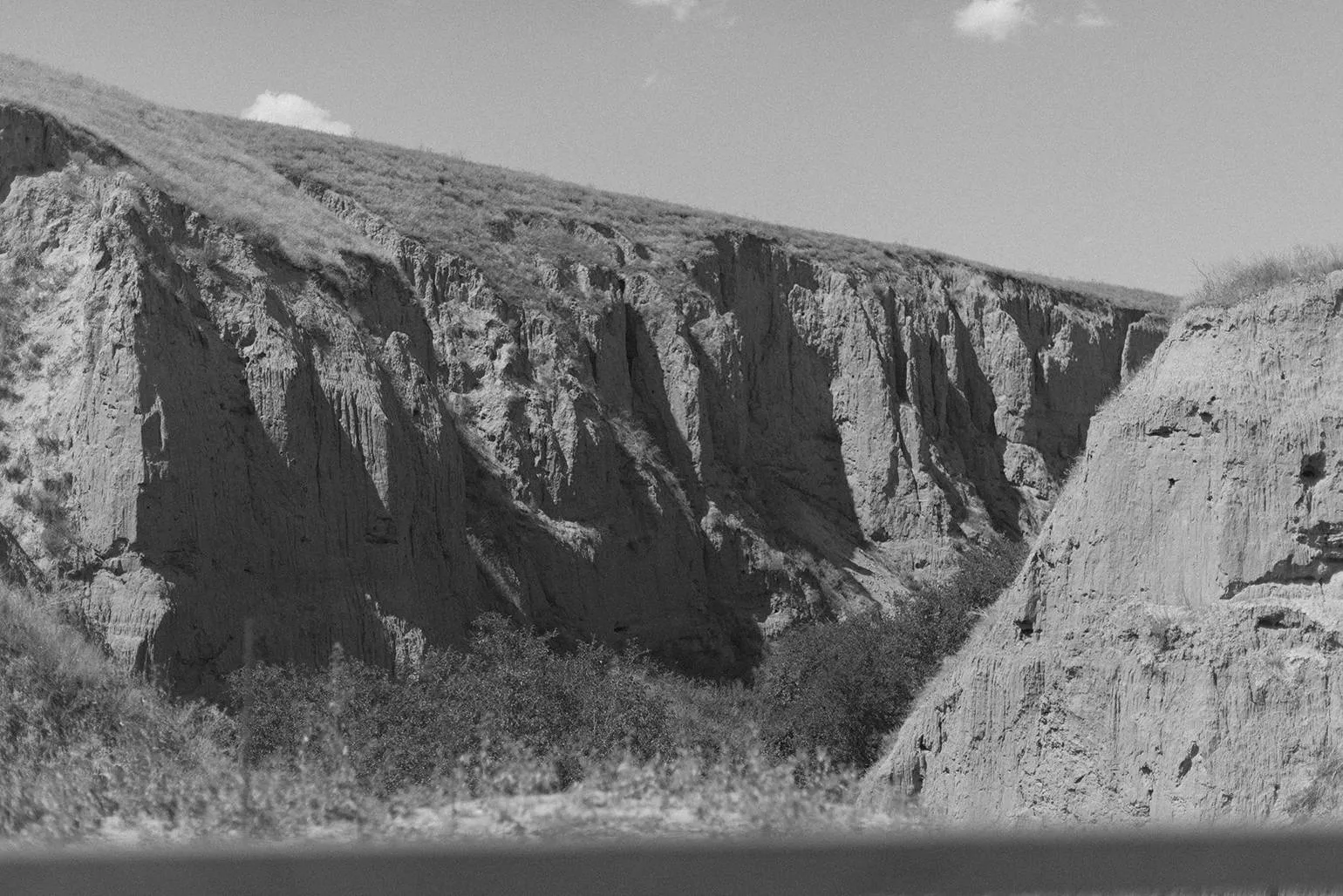
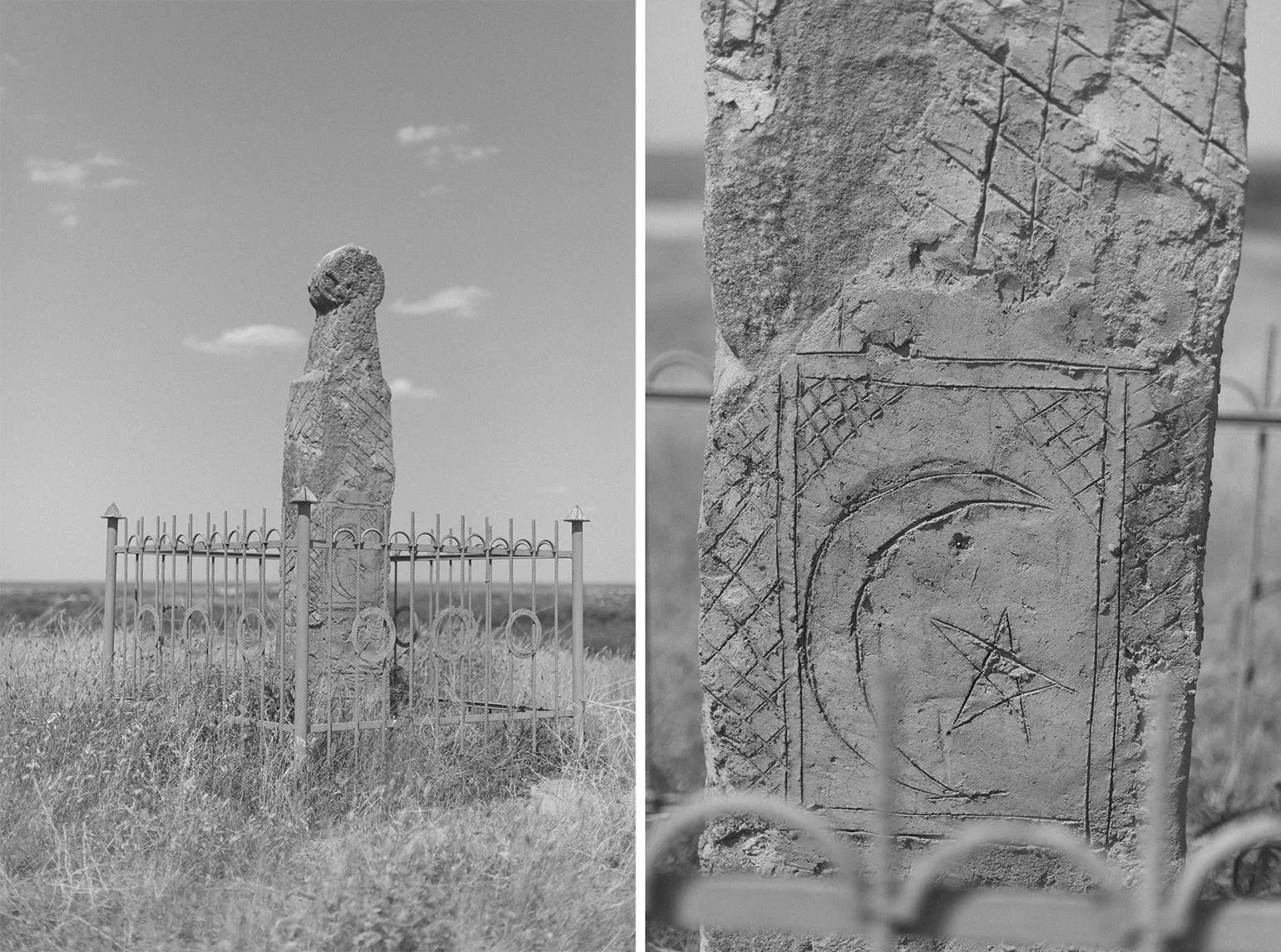
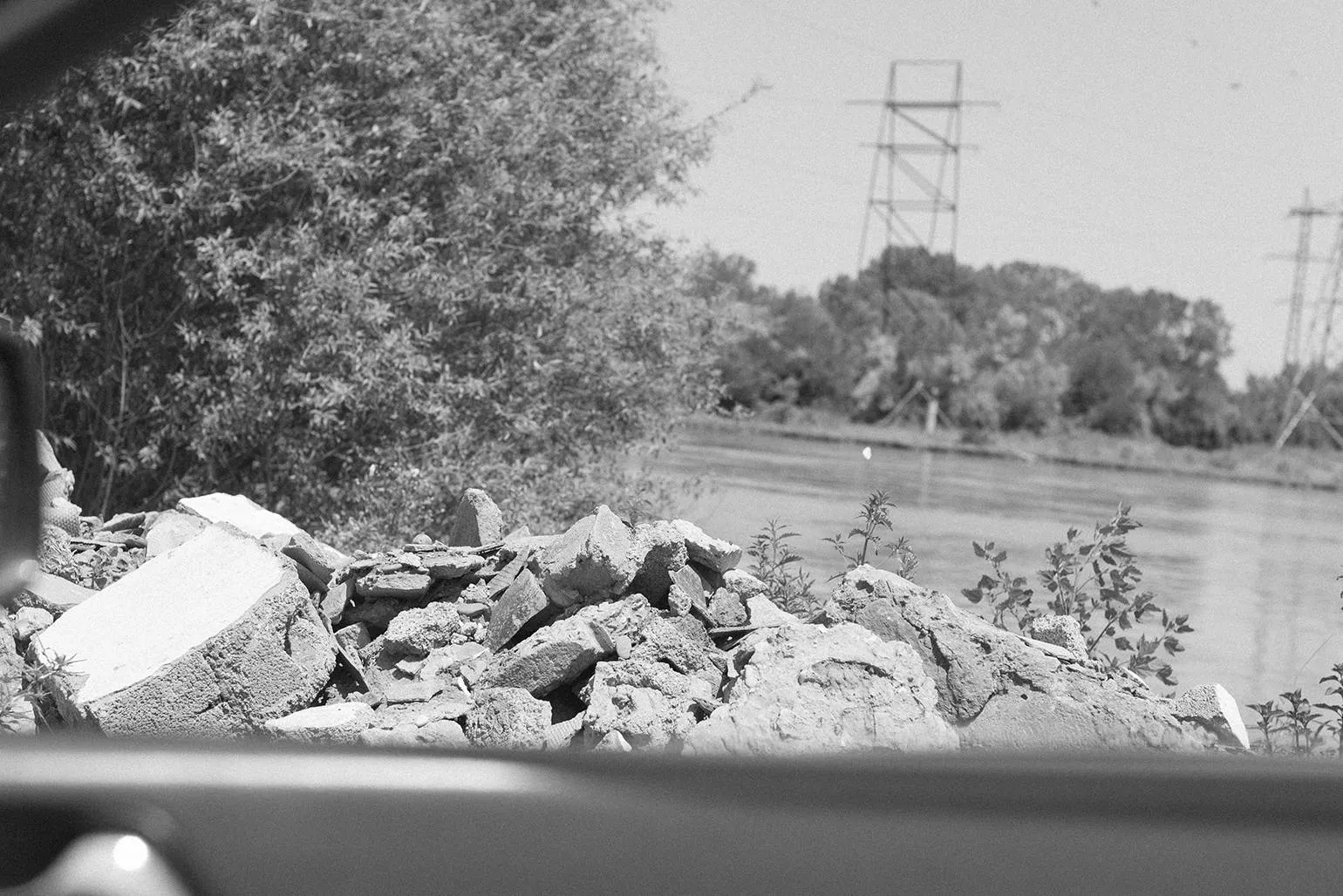
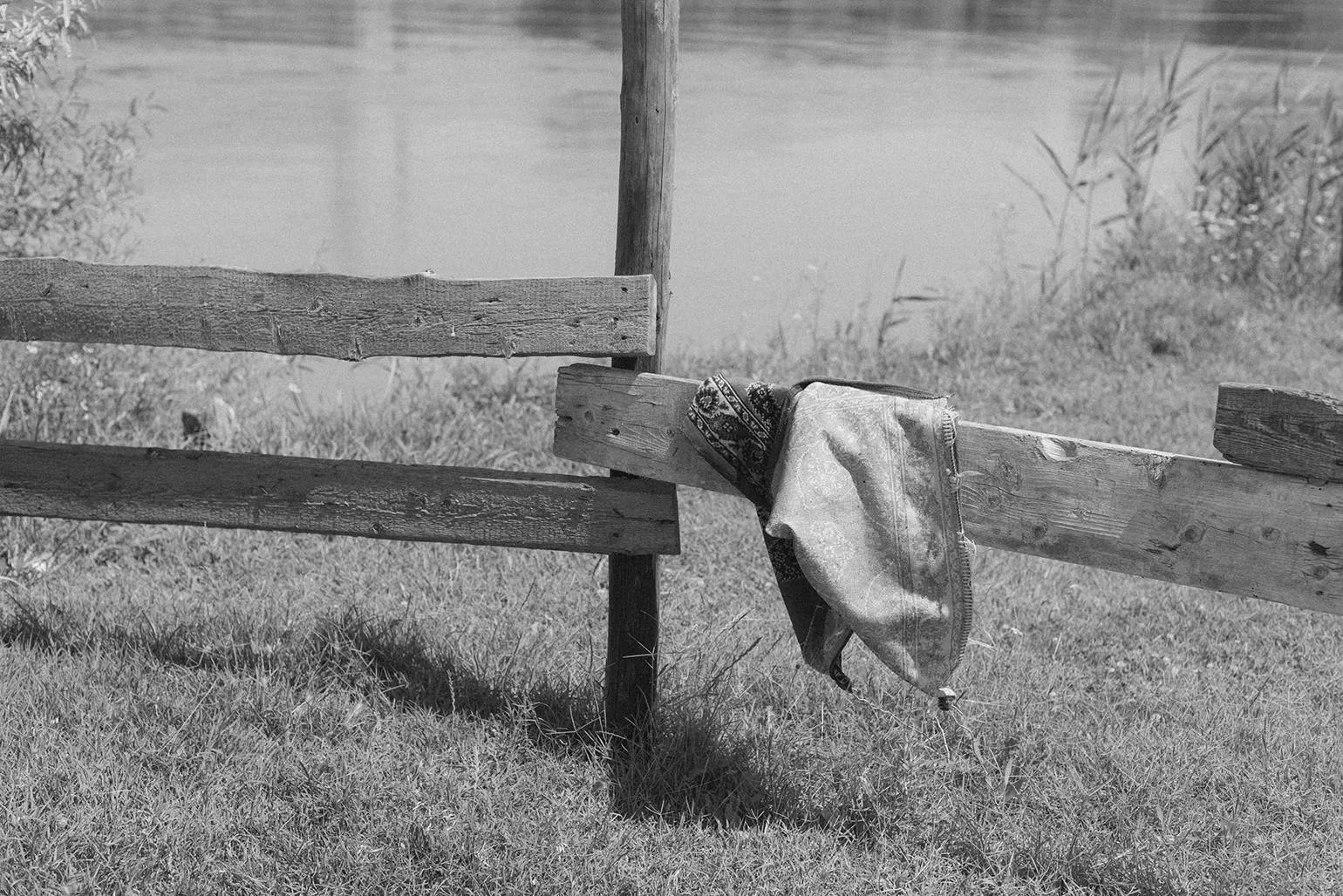
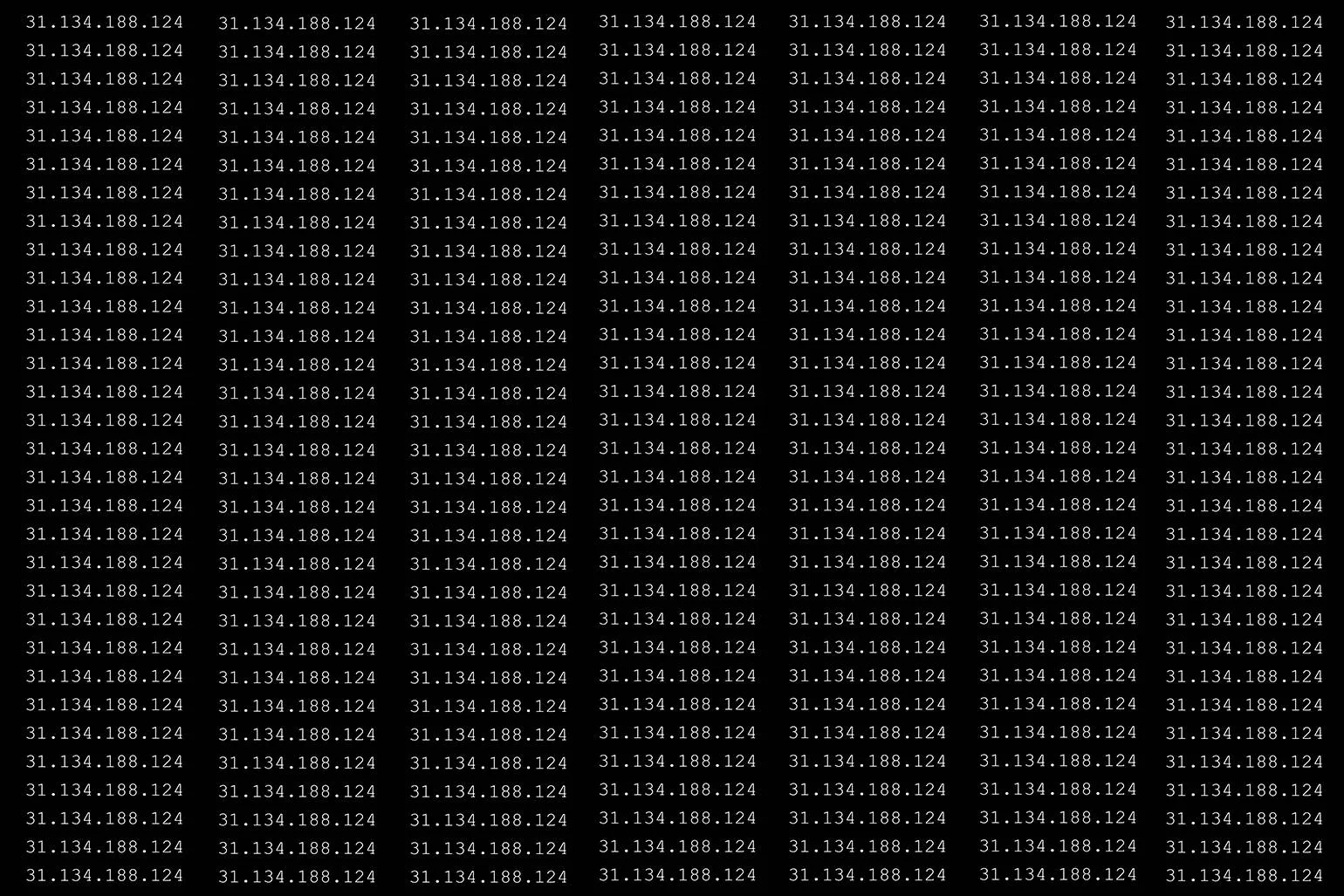
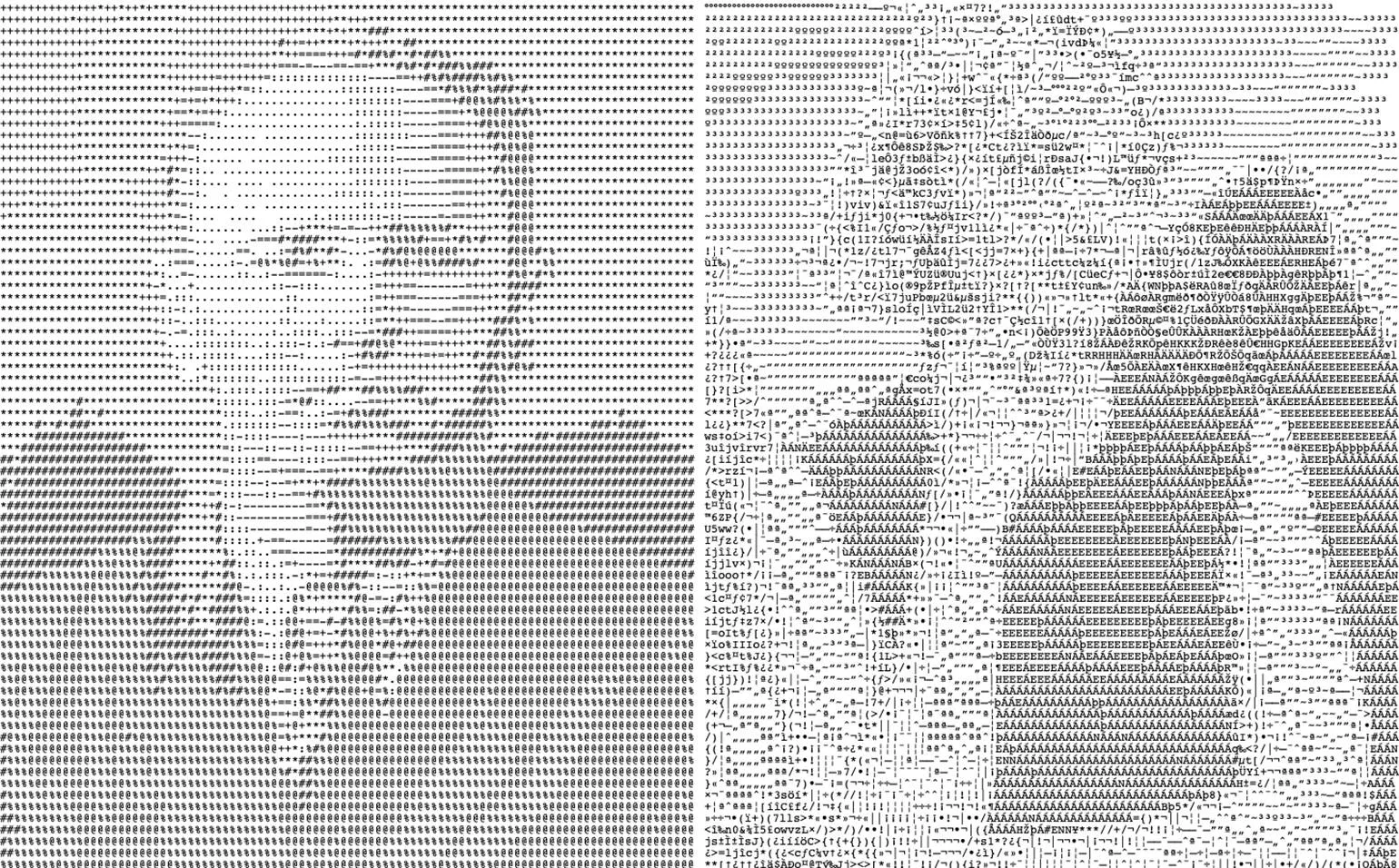
"Digital Shadows of Words" is a reflection on the ways of remembering, storing, and reproducing past events through classical and contemporary memorial practices. How do we remember important moments, and how will we be remembered in the future? What digital trace do we leave behind, and how will it be used to identify us in the future? With the rapid development of technology and social media, it is important to reflect on the legacy we create in the digital space and how it will influence our perception by future generations.
The project is a dialogue between the artist and the poet Arbi Mamakayev. I give him a voice in a contemporary context by integrating his work into the digital space. In this way, I too immerse myself in his narrative, which is rooted in the past. This exchange of ideas creates a unique connection between the past and the present, opening new horizons for the perception of art and literature.
The Telegram channel for photography enthusiasts provides a unique opportunity to share experiences and get inspiration. Here you will find useful tips, lessons on shooting techniques, discussions of current trends and recommendations for image processing. Join the community, where everyone can share their work and receive feedback from other participants. By subscribing to our channel, you can improve your photography skills and expand your horizons in this fascinating field.
If you're interested in the diversity of the literary world, subscribe to our resource. We publish works by talented Russian authors, track global literary competitions, and share useful creative life hacks from practitioners. Discover new horizons of literature and get inspired by ideas for your own creativity.
Read also:
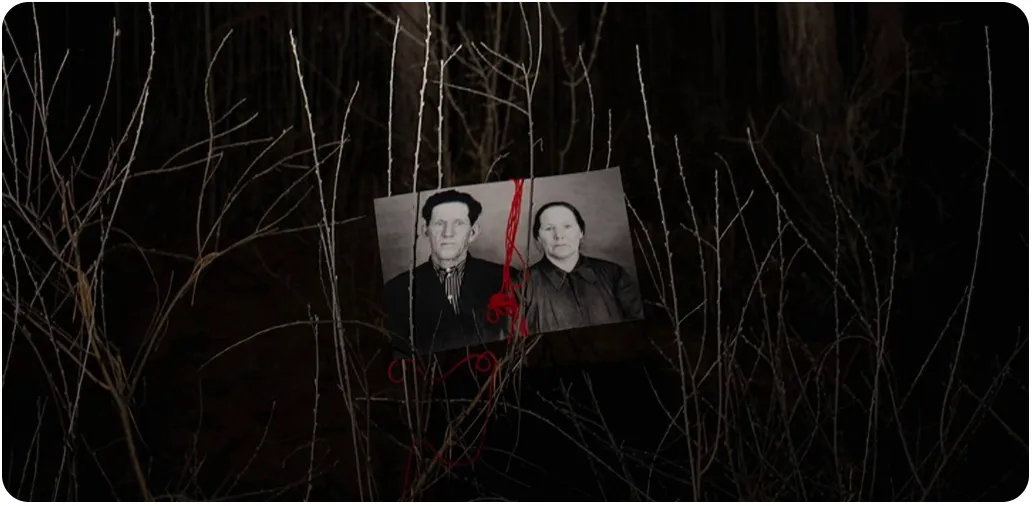
The importance of reading in the modern world is difficult to overestimate. Reading develops thinking, improves vocabulary and promotes emotional development. In conditions of information overload, the ability to filter and analyze information becomes especially relevant. Books, articles, and blogs not only help broaden your horizons but also deepen your knowledge in areas of interest. Reading is an integral part of personal growth and professional development. Your choice of literature depends on your interests and goals. Be sure to set aside time for reading; it's not only beneficial but also enjoyable. "Ancestral Syndrome" is a photography project by Natalia Shulgina dedicated to the process of liberation from collective trauma. In her work, the author explores the impact of historical events on the modern generation, focusing on how hereditary traumas are passed down from generation to generation. The project combines elements of documentary photography and artistic expression, creating a deep emotional connection with the viewer. Natalia Shulgina uses visual imagery to show how memories of the past shape identity and perceptions of the present. The photo project "Ancestral Syndrome" is designed not only to draw attention to important social issues, but also to promote dialogue about the path to overcoming trauma and finding inner harmony.
Profession Photographer
You will learn to take professional photos from scratch. Learn how to organize a shoot, process footage, and manage models and a team. Find your style, build an impressive portfolio, and start making money doing what you love.
Find out more