Contents:
Maktub
Maktub is an artistic exploration of themes of identity, alienation, and nostalgia that immigrants often face. The Dutch artist began this project after realizing she couldn't connect with her ancestral homeland, Morocco, which left her feeling guilty. Maktub focuses on Moroccan immigrants living in Europe. They face racism, nationalism, and Islamophobia on a daily basis, while simultaneously striving to find their place in their new country and maintain a connection to their native culture. The Maktub project raises important questions about cultural identity and social integration, and explores the impact of immigration on personal and collective experiences.
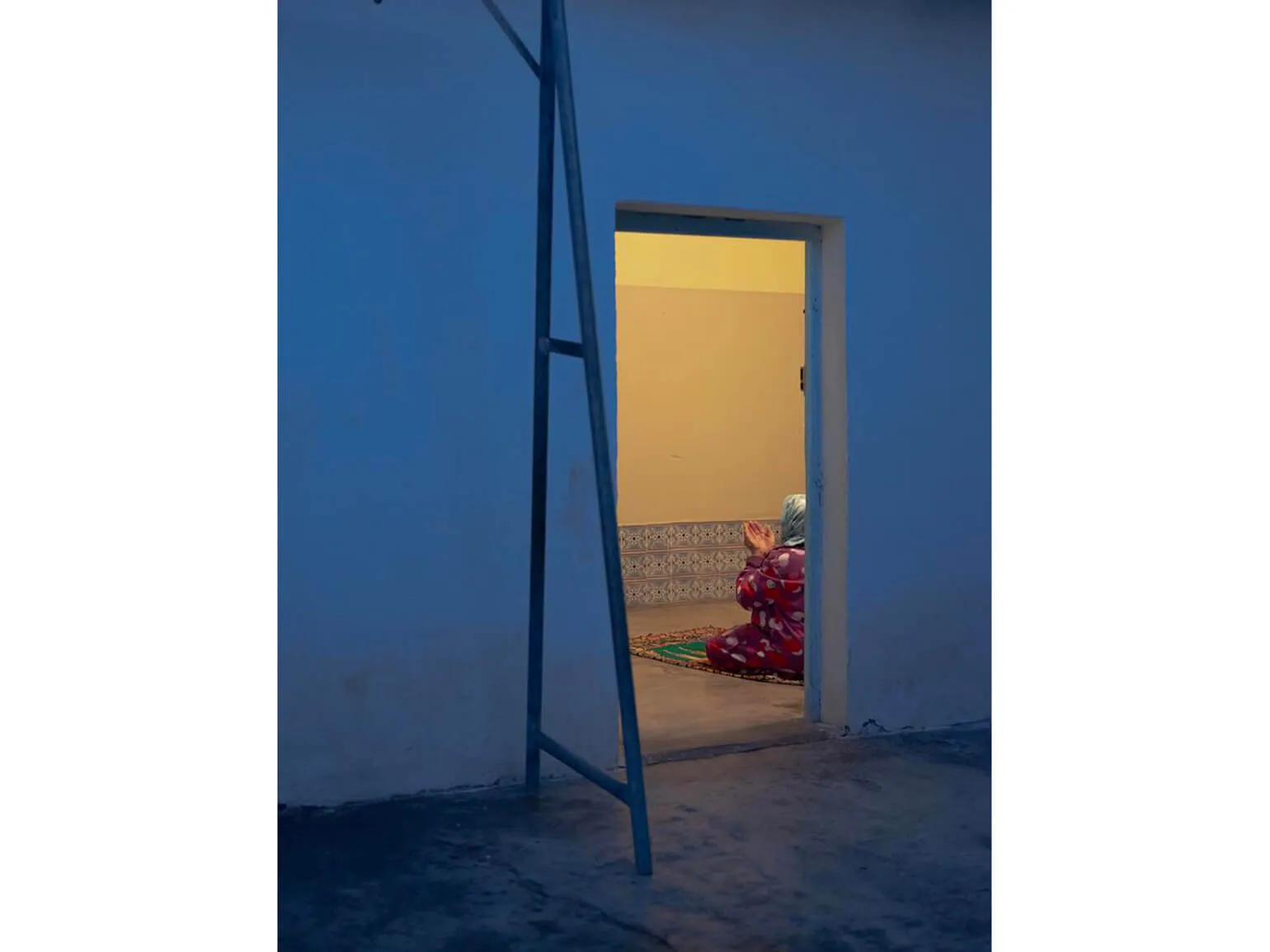
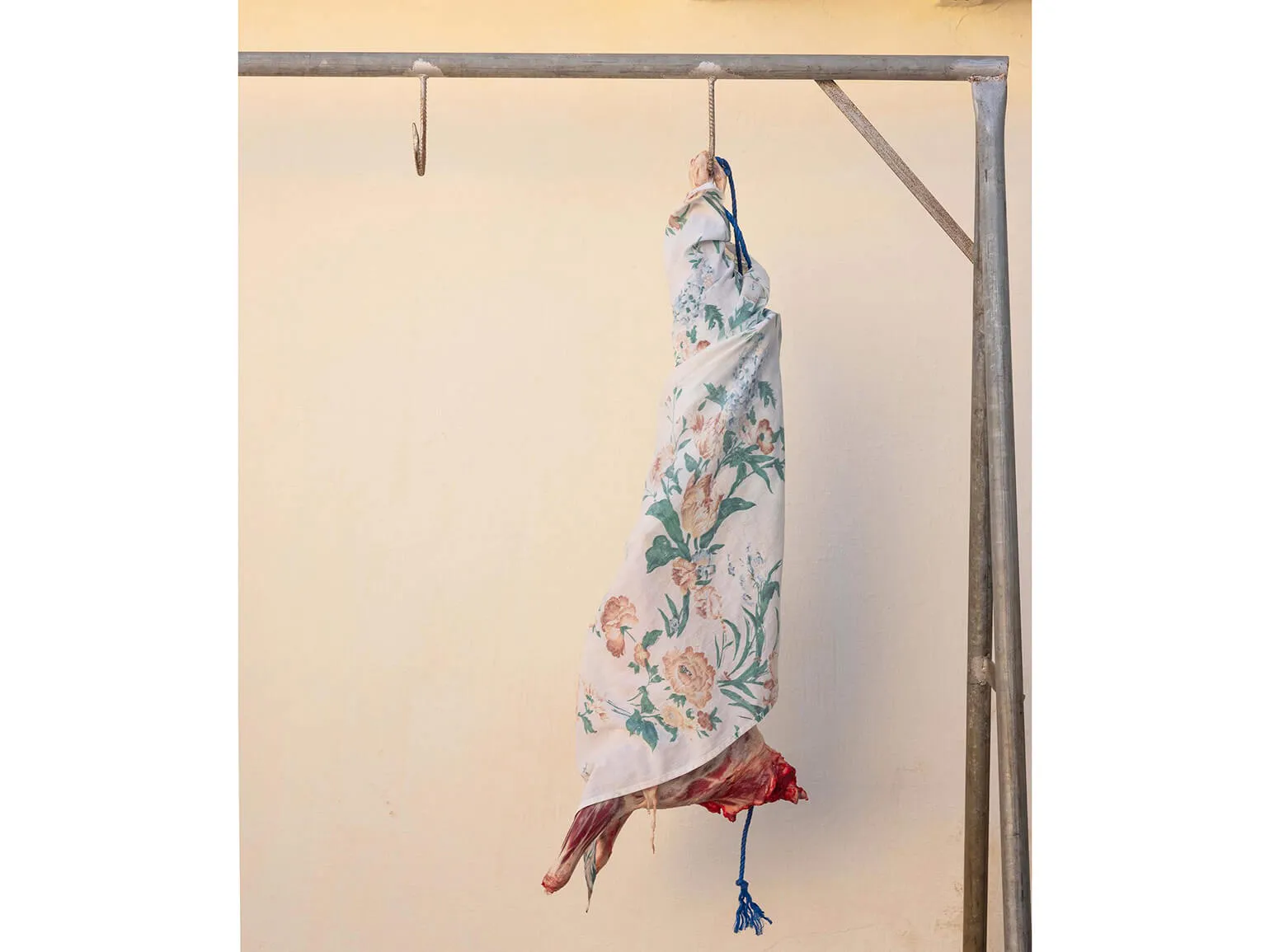
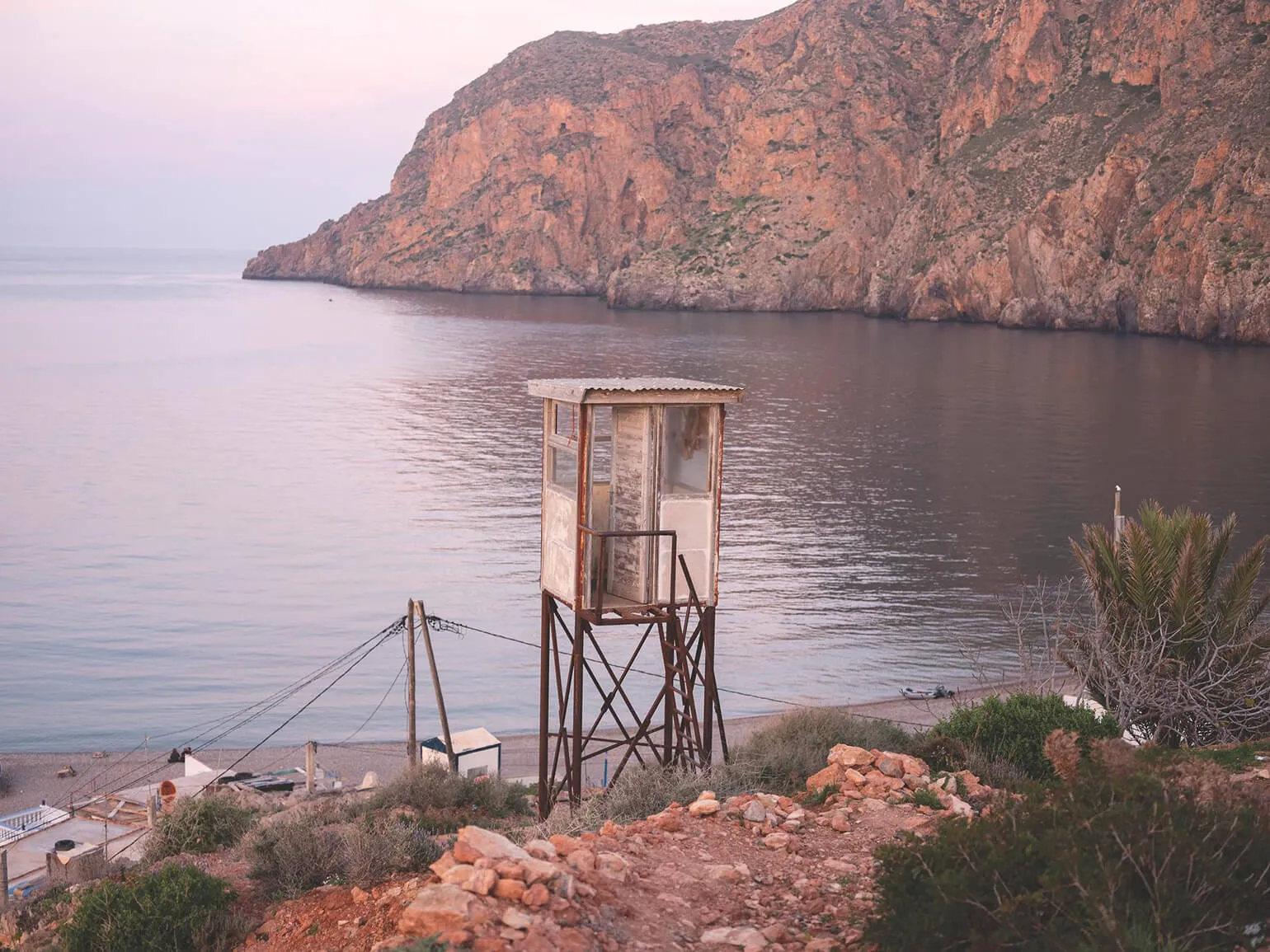
The photo book is an artistic interpretation of the problems faced by migrants, while avoiding documentary chronicles of the lives of relocated people. The artist emphasizes that her project raises questions, but does not provide ready-made answers. Photographs become those filler elements that help express what is difficult to put into words. The epigraph to the work "Maktub" is a monologue that emphasizes the depth and multilayered experiences of migrants.
It's amazing, but only in the mountains, on top of a hill, is my grandmother's hometown located. For women like me, life seems to end on the threshold of this place. Every visit evokes a feeling of guilt in me. But I'm not from this city and I'm not like them; I almost feel like I'm floating in the clouds. I feel small here. If I were born there, everything would be simpler.
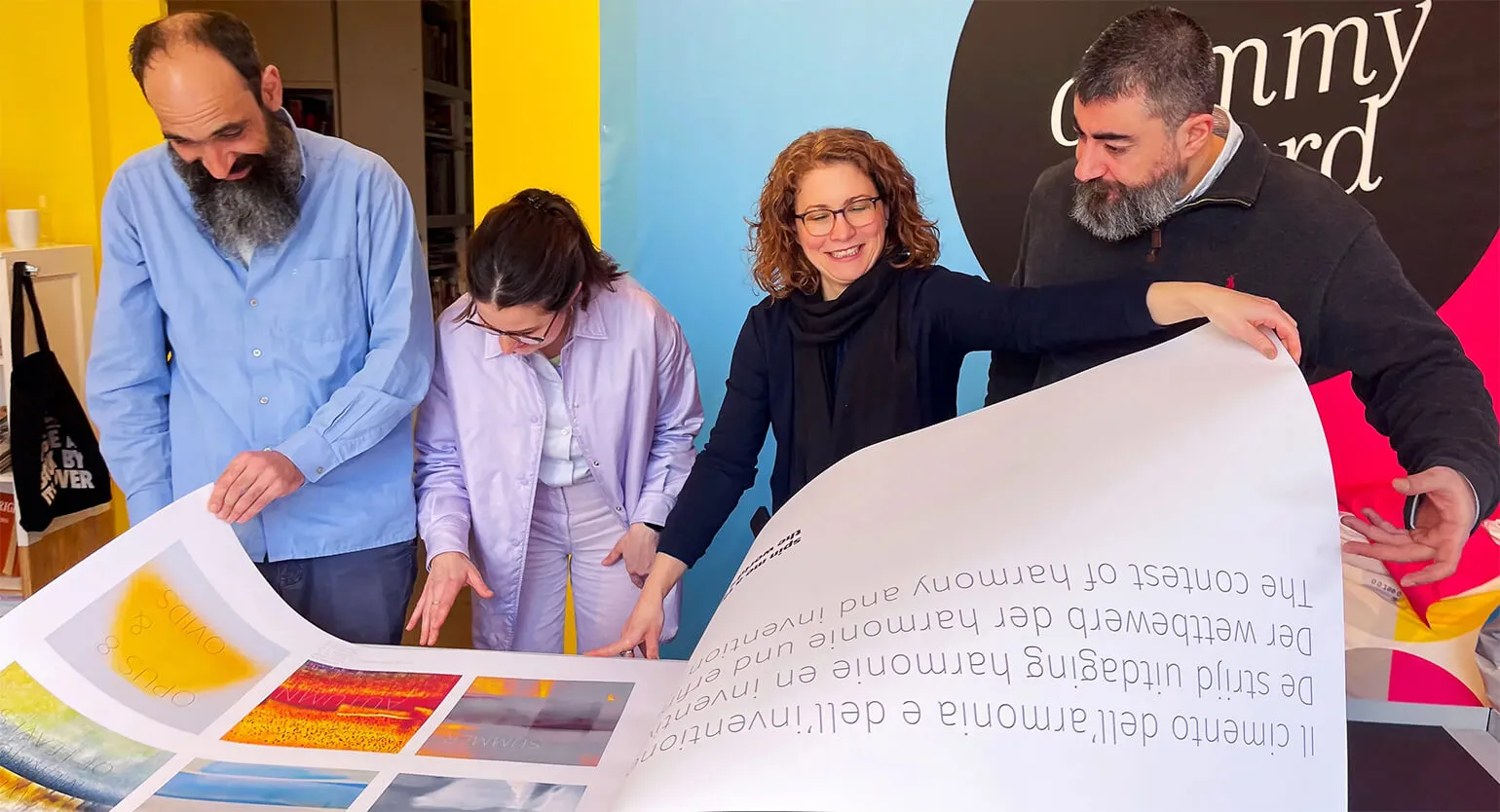
The photobook has a unique structure: its body consists of two zine-like notebooks that can be flipped through simultaneously. The layout of the photographs also differs from traditional solutions: each spread contains multiple images of varying sizes, randomly distributed across the page. This approach emphasizes the author's desire not to impose specific ideas on the reader, but to provide an opportunity to reflect on the contemporary experience of migrants. The project aims to provoke reflection on the meaning of migration in today's world.
We already mentioned Maryam Touzani's project, Argania, in our review of the best projects of FOAM Talent 2024. We recommend checking out this selection for a more detailed study.
Seeing Against Seeing
In this project, the author turns to the memories of his grandfather, who participated in World War II. Despite the significance of this topic, my grandfather never shared his experiences of the war, as he was missing in action. The research includes an analysis of historical facts, personal data, and the context of the time, allowing for a deeper understanding of how the war affected people's lives and what mysteries remain unsolved.
Alexei bases his work on the book "War against War!" by anarcho-pacifist Ernst Friedrich, published in 1924. This work presents photographs capturing the horrific consequences of World War I, evoking fear and disgust. The book serves as a powerful visual testament to the tragedies of war and highlights anti-war ideas that remain relevant in modern society.
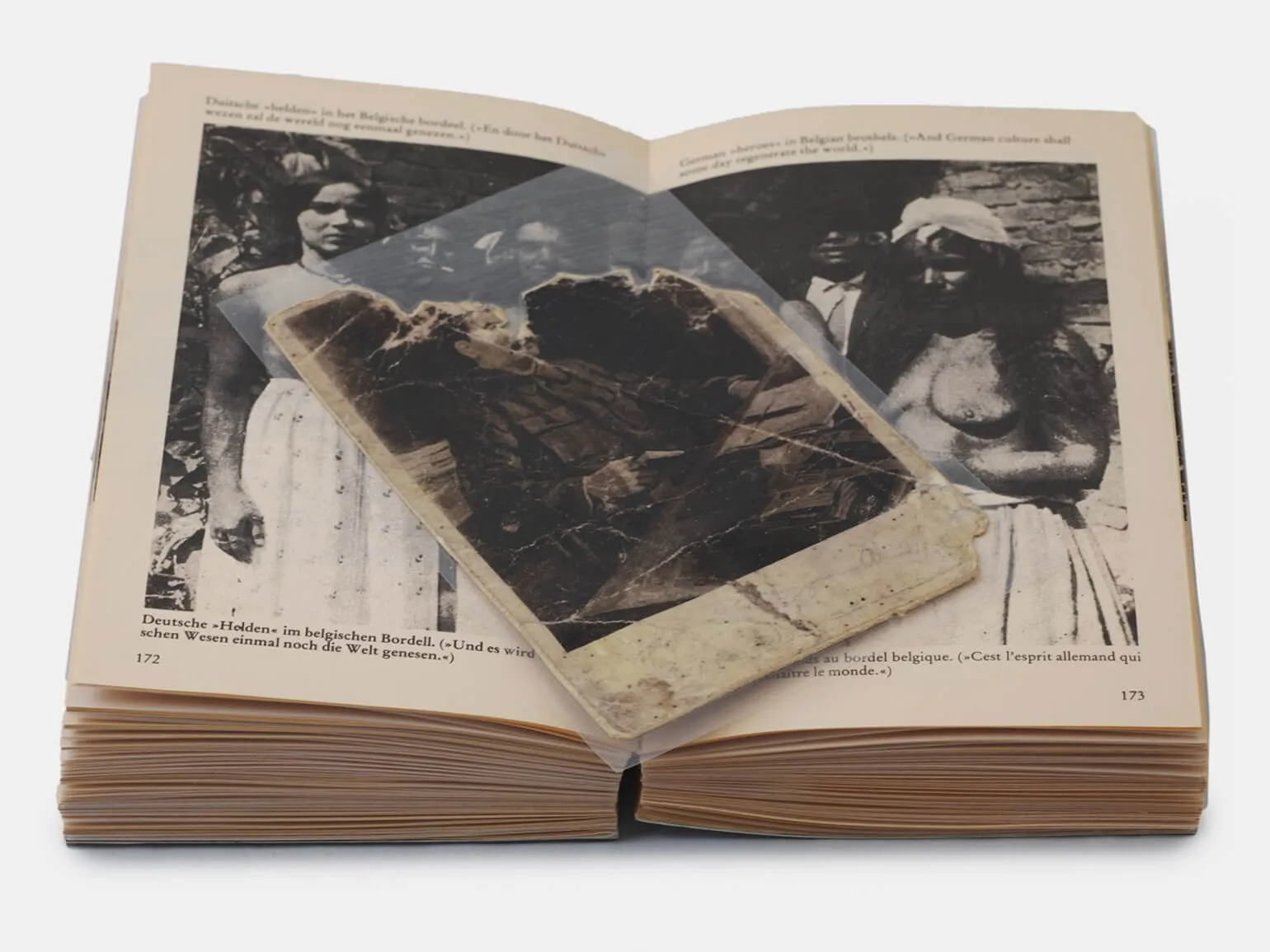
The photographer trained a neural network using thousands of portraits of soldiers found online. He then asked it to create new images. As a result, the neural network generated eerie photo portraits of people with severely distorted faces, reminiscent of the soldiers described in Friedrich's manifesto. These images evoke profound emotions and raise questions about the nature of war and its impact on the human psyche.
The book is housed in an artificially aged box, and its cover creates a distorting mirror effect. The photographs inside appear real, despite being synthetic. This evokes profound anxiety—both the disfigured artificial images and their perception as real. The generated memories and real events form a surprising cycle and interconnection, highlighting the complexity of perceiving reality in the digital age.
Nagi
This book intertwines themes of the sea, historical facts, and personal memories. The project includes photographs taken by the author on the coast over the past five years. In these images, he reflects on his relationship with his grandfather and examines the history of Japan during World War II. The book becomes not only a visual but also an emotional journey, in which family memories and historical events merge, creating a deep connection with the past.
The book is produced in the style characteristic of Japanese samizdat: it contains thin translucent paper, an original binding, and wave-shaped cutouts. Inside, there are Japanese characters and archival photographs. Some images are whitened and blurry, making details difficult to perceive. Looking at them, you feel as if you are plunging into a forgotten dream or sorting through fragments of memories. This design style creates a unique atmosphere and draws attention to the cultural heritage of Japan, emphasizing the importance of preserving historical memory.
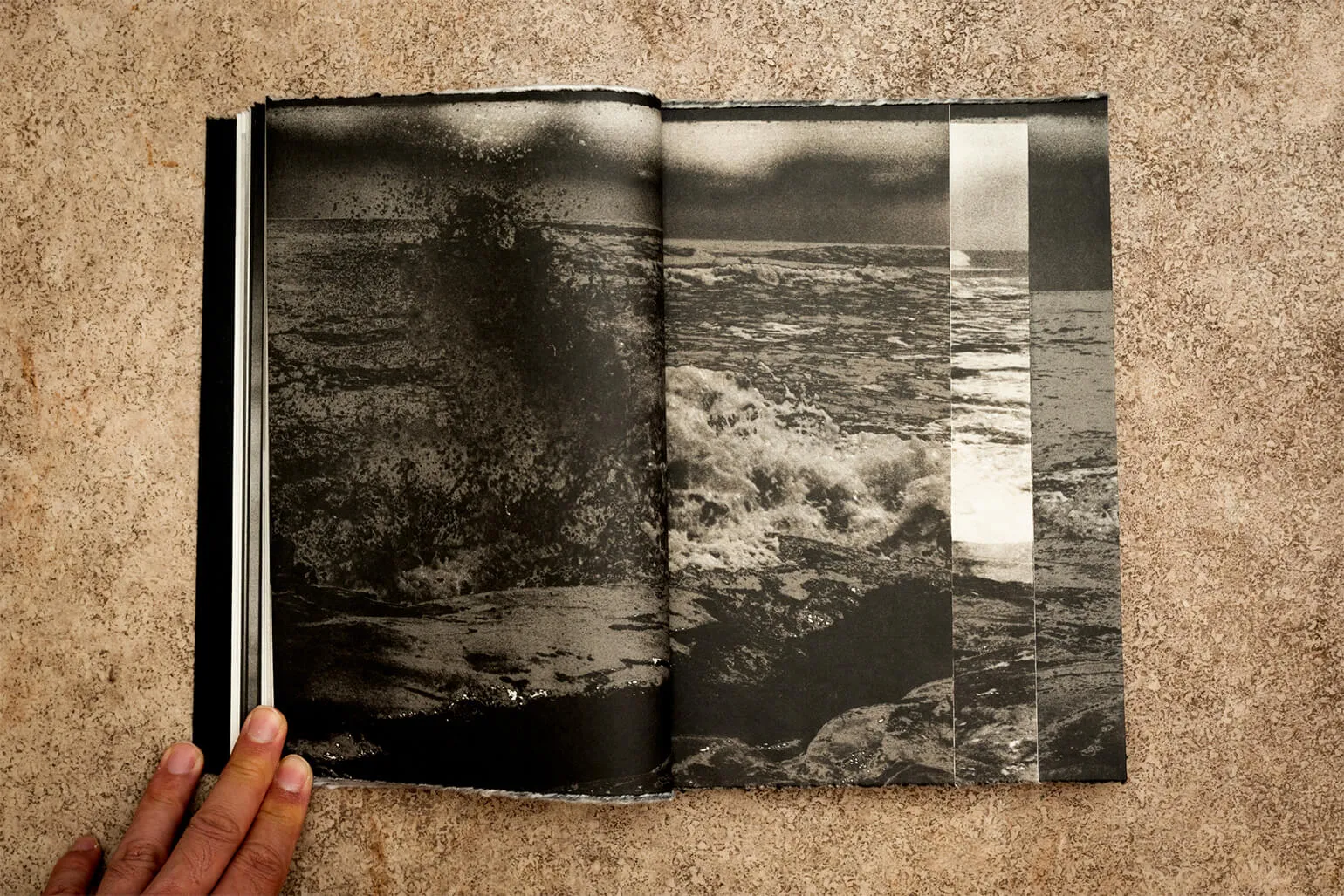
At first glance, the author explores eternal themes such as love for the sea, nature, faith and hope. However, given that the author's previous two editions focused on the nuclear bombing of Hiroshima, it is difficult to separate the new book from its historical context. This background adds depth and new nuances to the themes touched upon in the work, and also emphasizes the importance of understanding the past for understanding the present.
A’ Muntagna
This documentary project explores one of Europe's most impressive and active volcanoes, Mount Etna. It also illuminates the lives of the Sicilians, who, despite devastating eruptions, have learned to coexist with this natural giant. Etna, like a living being, is constantly transforming and interacting with its environment. The smaller Sicilians cherish the volcano's benevolence and find ways to adapt to its whims. In this project, we delve into the unique connection between nature and humans, exploring how a volcano influences culture and everyday life in Sicily.
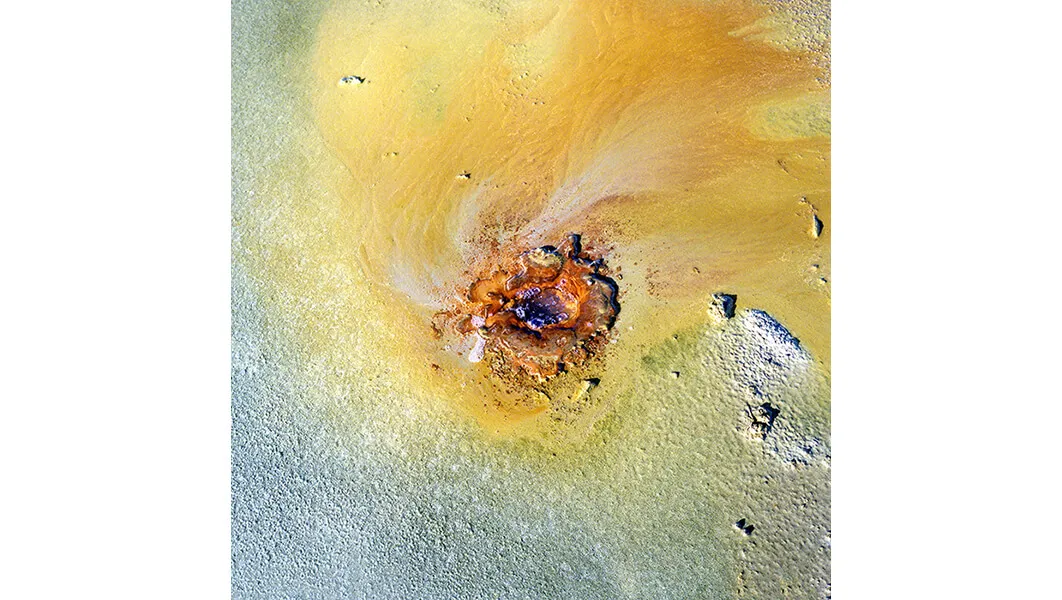


The book's layout is divided into three main parts.
- The first is an introduction to the history. Here you can see screenshots of the video of the volcanic eruption.
- The second, larger part is the author's photographs of modern Sicilians.
- In the third part, archival portraits of residents are combined with photographs of the aftermath of the eruption and modern photographs of the volcano.
The Procedure
The photo book explores the effects of sexual violence in sports, with a particular focus on American gymnastics. The focus is on the scandal surrounding Larry Nassar, the former doctor for the USA Gymnastics team. Nassar was convicted of sexual abuse over a 20-year period, affecting more than 265 gymnasts. This story raises important questions about the safety of female athletes and the need for effective protections against abuse in sports.
The project includes screenshots of gymnasts' performances and portraits, as well as web images, courtroom photographs, maps, and text extracted from victim statements. In this context, photographs of the project's author are also present, which adds a personal touch to the content presented.
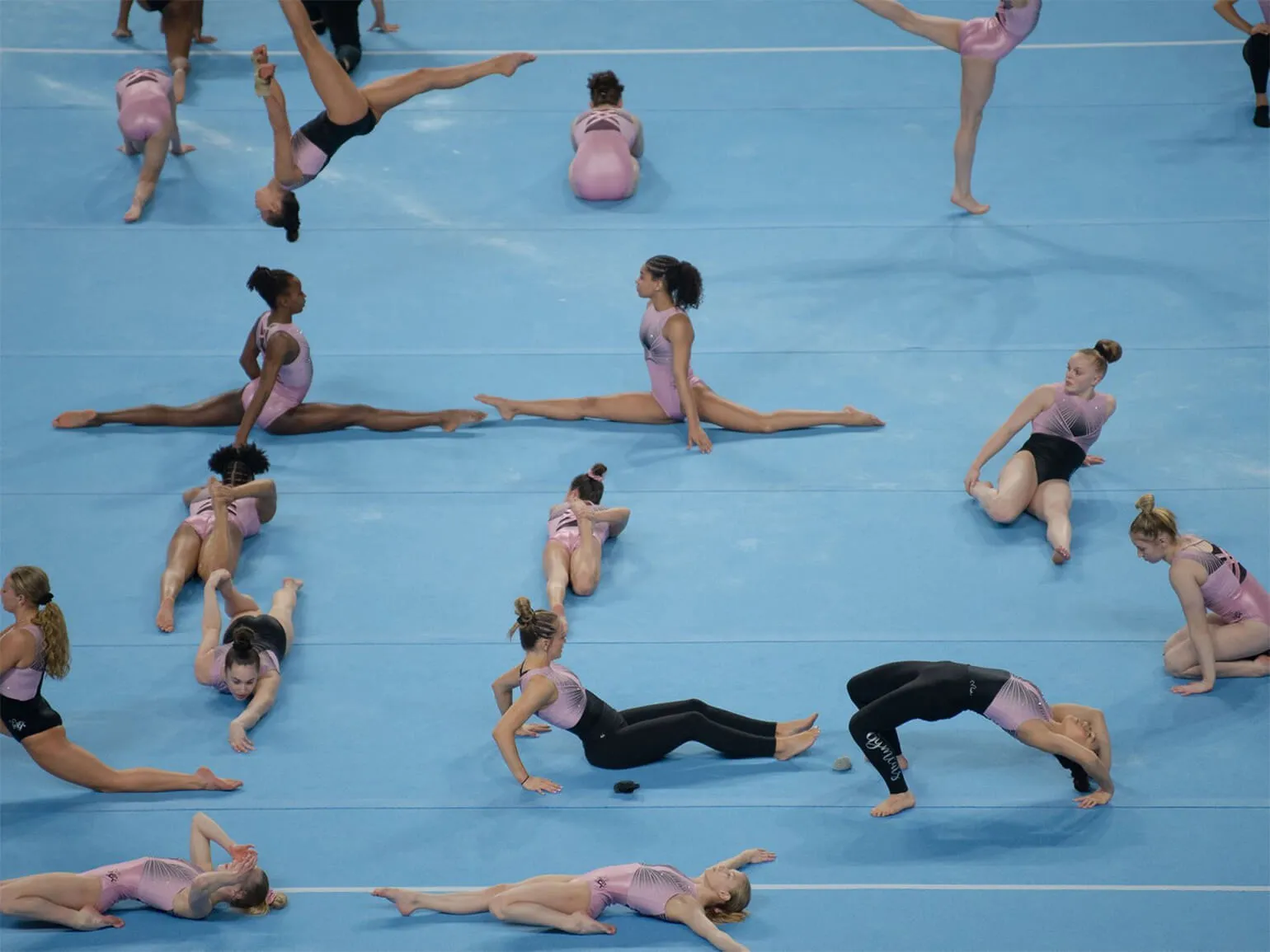
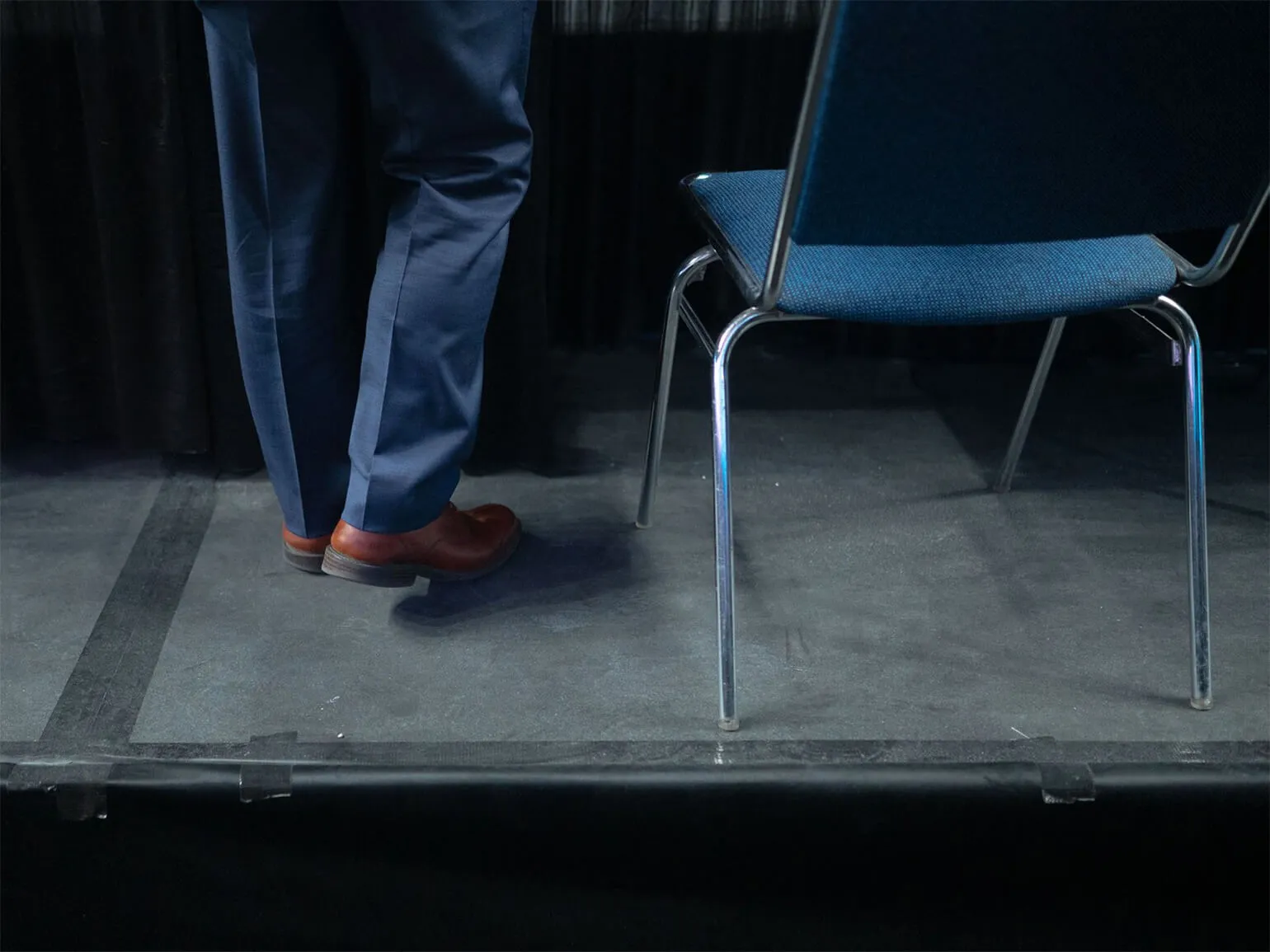
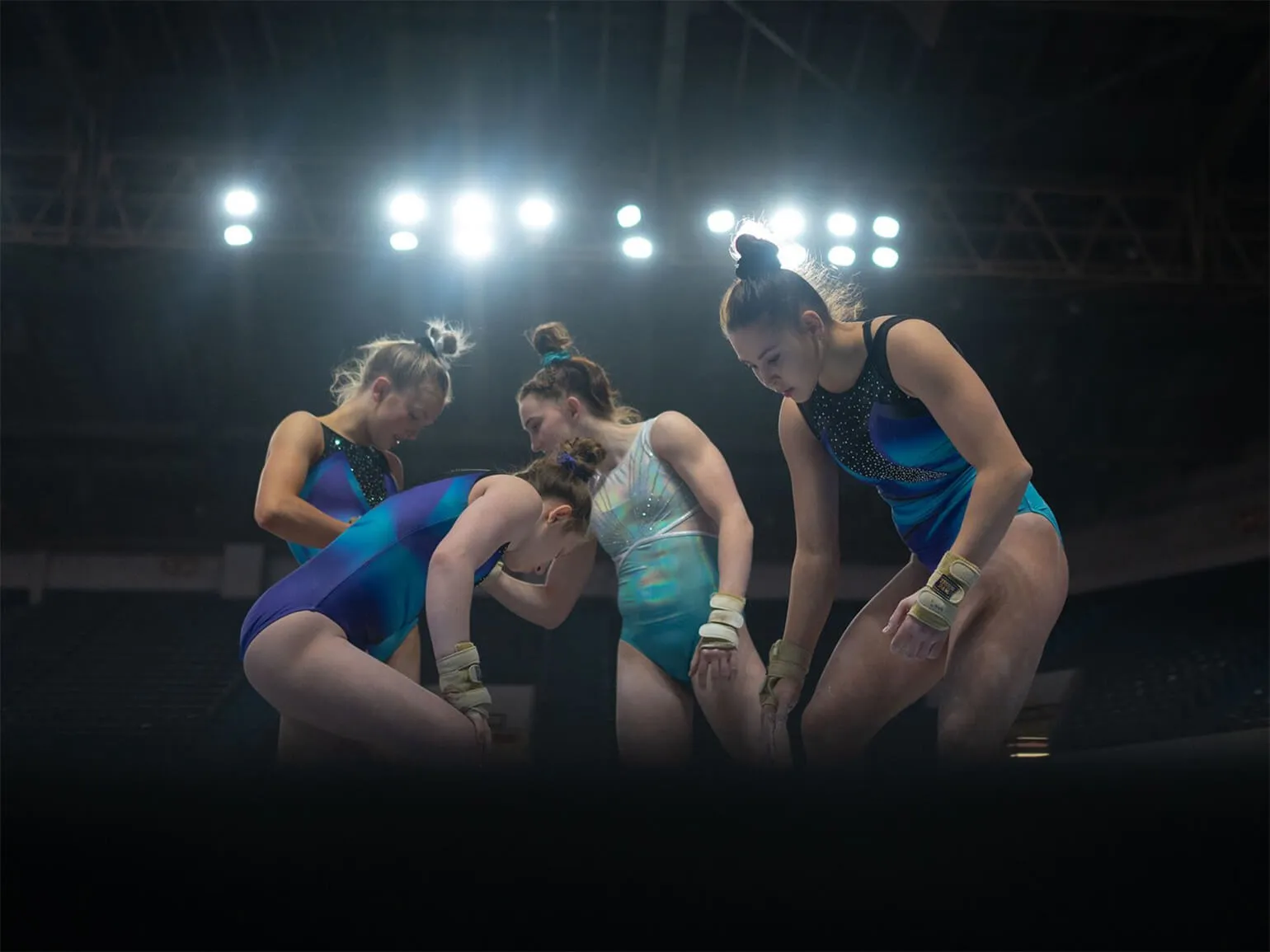
The photobook is packaged in a transparent zip bag and looks like a simple brochure on coated paper without a cover. Inside, it resembles an investigator's diary, filled with numerous repetitions and incoherent entries, and the pages are of varying sizes. The artist creates a multi-layered story focused on the emotional perception of the viewer, while maintaining a documentary style. This work represents chaos, in which smiles and traumas, helplessness and the desire to win, as well as the abuse of power are intertwined. The photobook becomes a unique work capable of evoking deep feelings and reflections in the viewer.
Aabuku
This photo book explores the lives of Okinawans facing an environmental disaster caused by PFAS chemical contamination. The artist analyzes how these hazardous substances entered the island from US military bases and attempts to understand the harm PFAS-containing water has caused to local residents, who were unaware of the real threat. The work explores not only the environmental impacts but also the social aspects, emphasizing the importance of awareness of contamination and its impact on community health.
An invisible, odorless, and tasteless substance raises many questions. Was this substance in the water I drank and used to water my vegetables? Does it still linger in the water coming out of our taps? What harm could these substances, accumulated in my body, cause to me and my children? And will they continue to damage our health in the future? These questions require careful consideration and awareness of the potential risks.
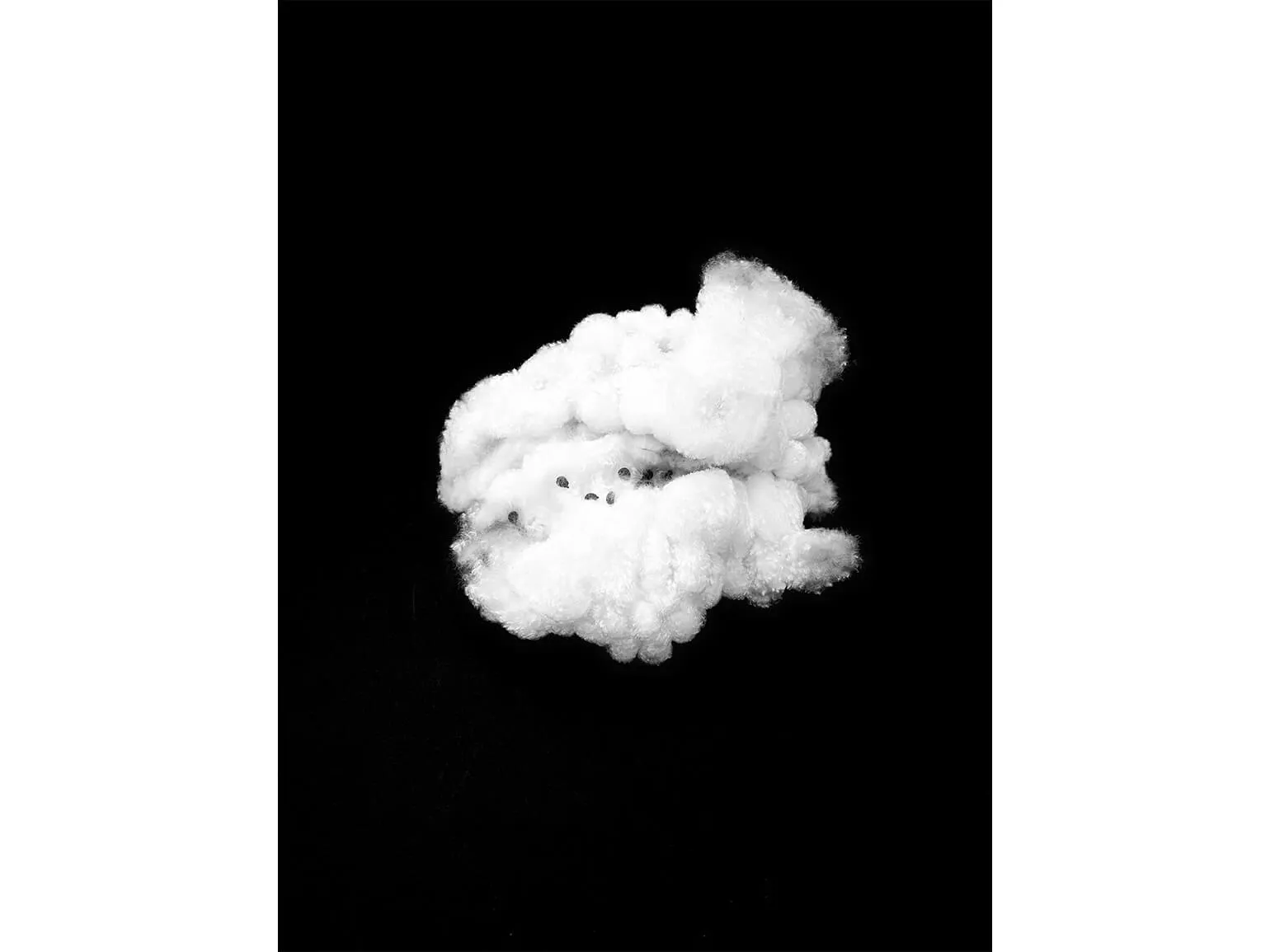
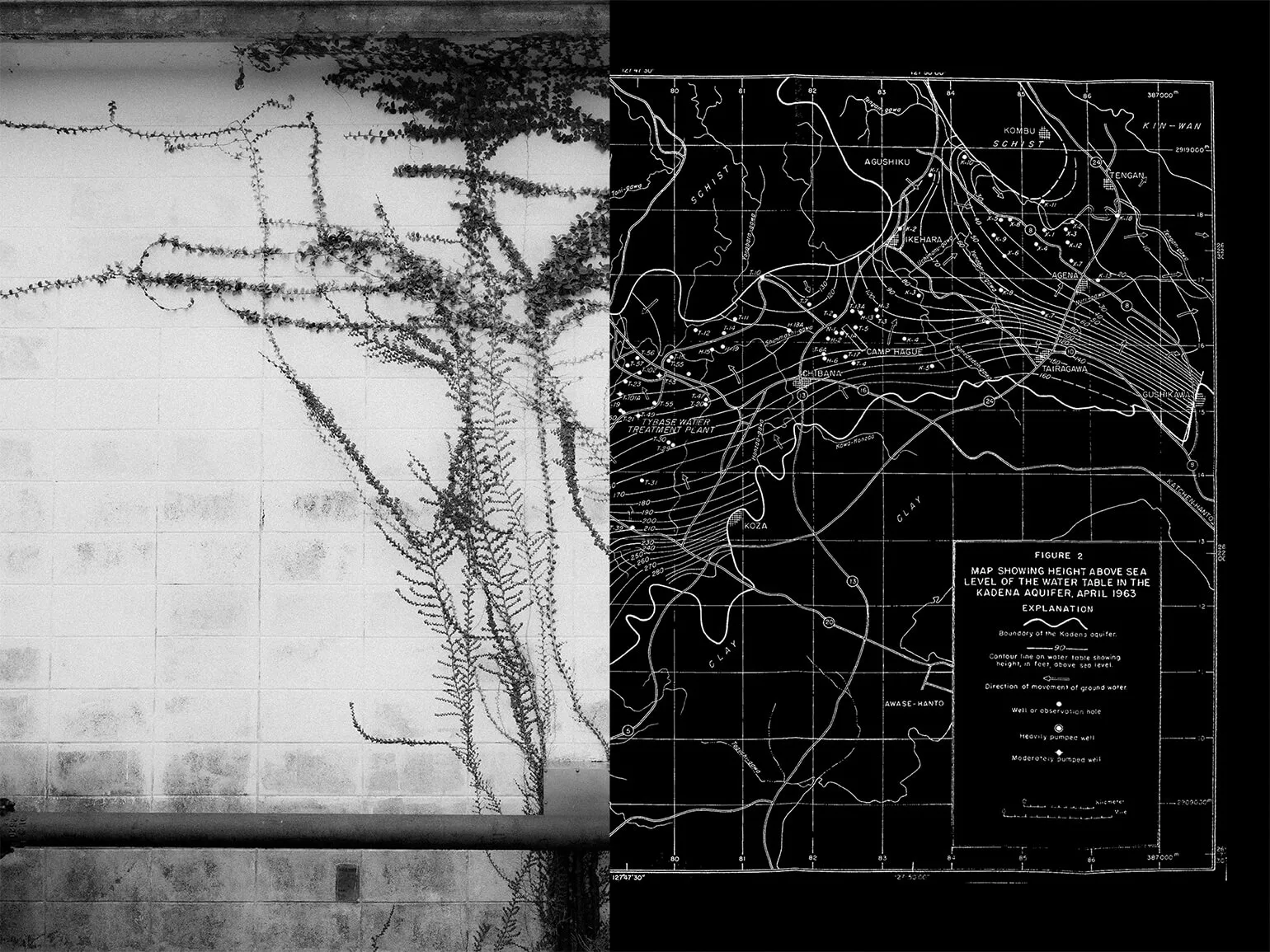
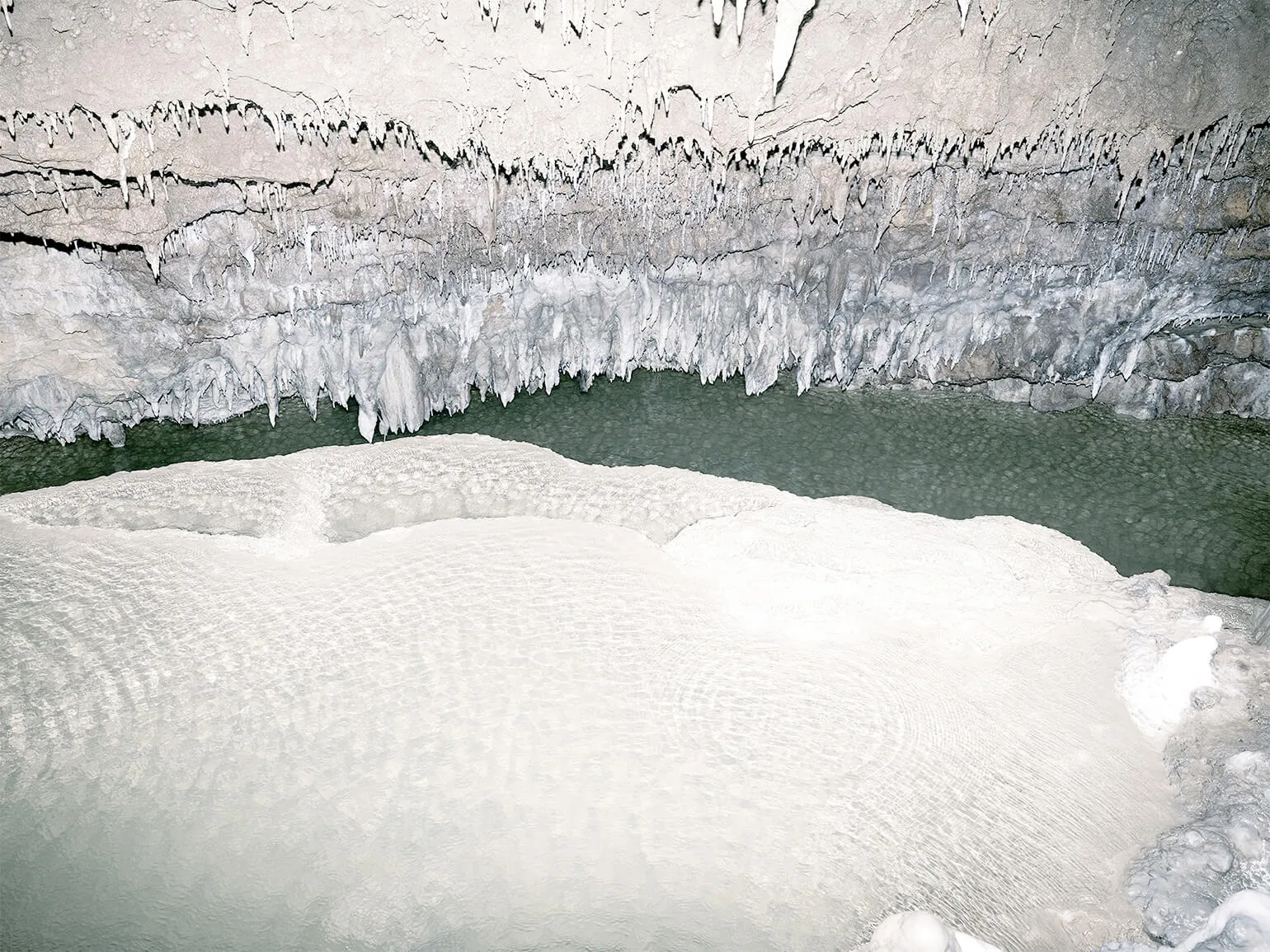
The photo book is designed in the format of a thick encyclopedia and contains photographs of the artist, water supply diagrams, a river map, and other documentary materials. The main focus of this project is the importance of investigative work that raises awareness of the problem of PFAS contamination and its consequences for human health and the environment. The visual component, although attractive, fades into the background, since the main goal is to inform the public about this serious environmental threat.
Reconstructions as fundamental methods
Ellen Smits's project explores a person's relationship with their body and the influence of the social environment on the perception of physical appearance. The photographs depict body transformations caused by obesity, Botox, implants, and facial plastic surgery. These images highlight how external factors shape our perceptions of beauty and health, and also raise questions about self-perception and societal standards.
The author explores the influence of the media on our perception of beauty and ourselves. Modern media create hyper-idealized standards that can lead people to extreme measures to meet these ideals. One of the stories tells the story of a man who, after learning about his wife's plastic surgery worth 75 thousand euros after the birth of their child, began to doubt her natural beauty. As a result, he sued her for fraud and won the case, receiving 90 thousand euros in compensation. This case highlights how pressure from society and the media can destroy relationships and create mistrust between loved ones.
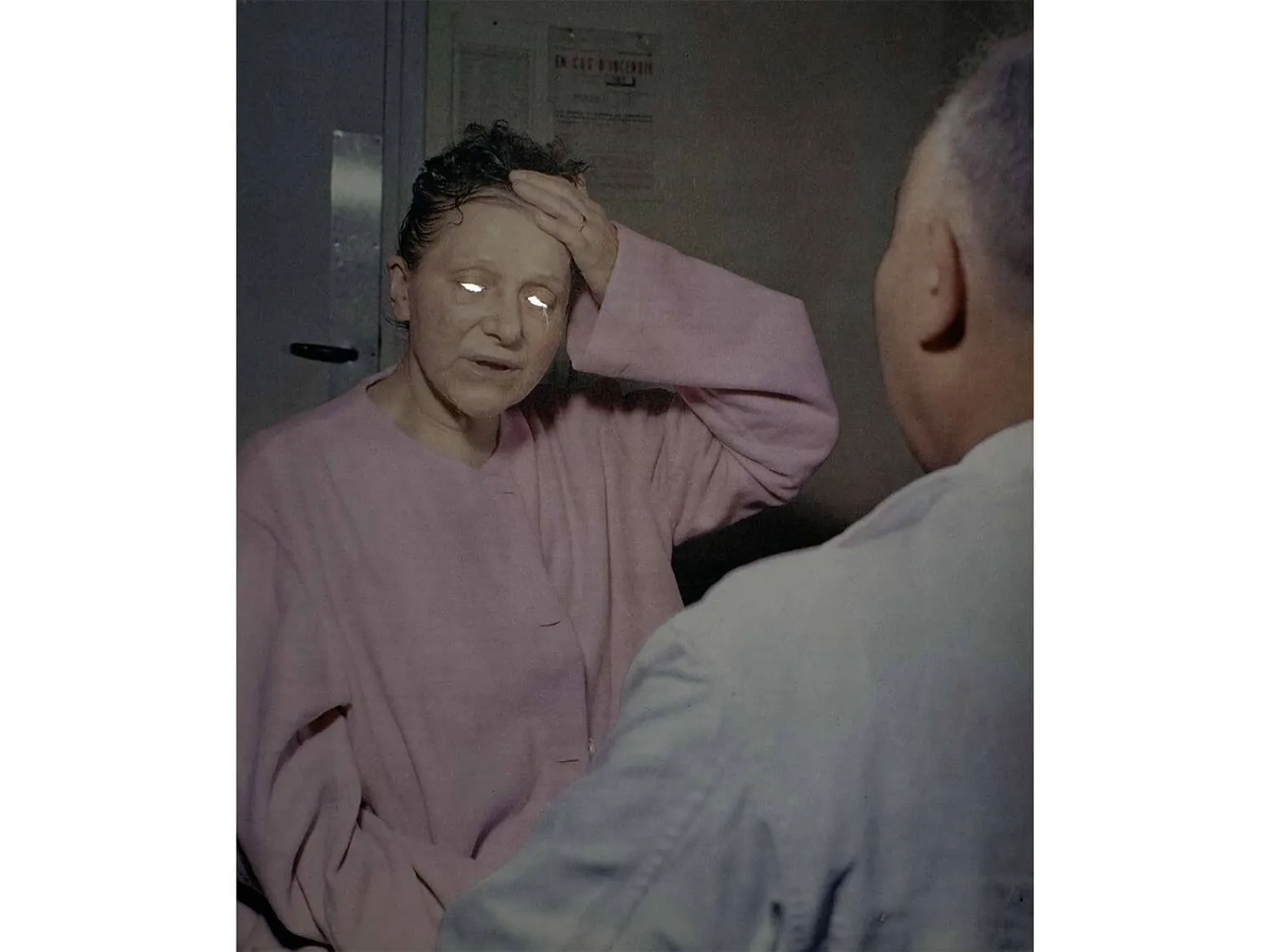


The photo book is a kind of magazine catalog, which contains portraits of girls, collages, archival photographs, screenshots and drawings. When turning the pages, the reader seems to be participating in a game of "find 10 differences." Despite the playful approach and irony, the book raises the important topic of accepting one's body and the influence of modern medicine and public opinion on the perception of one's image. This work not only entertains, but also encourages reflection on self-identification and beauty standards that are relevant in our society.
Momentous
This book contains unique photographs by Annmarie and Nathaniel Gutierrez, a talented German-Filipino photography couple who captured moments of life in the 1950s–1970s. This photo project aims to preserve the stories and memories associated with their work, thereby passing on the legacy of their creativity to future generations. The photobook serves not only as a visual archive but also as an important document of cultural exchange and historical memory.
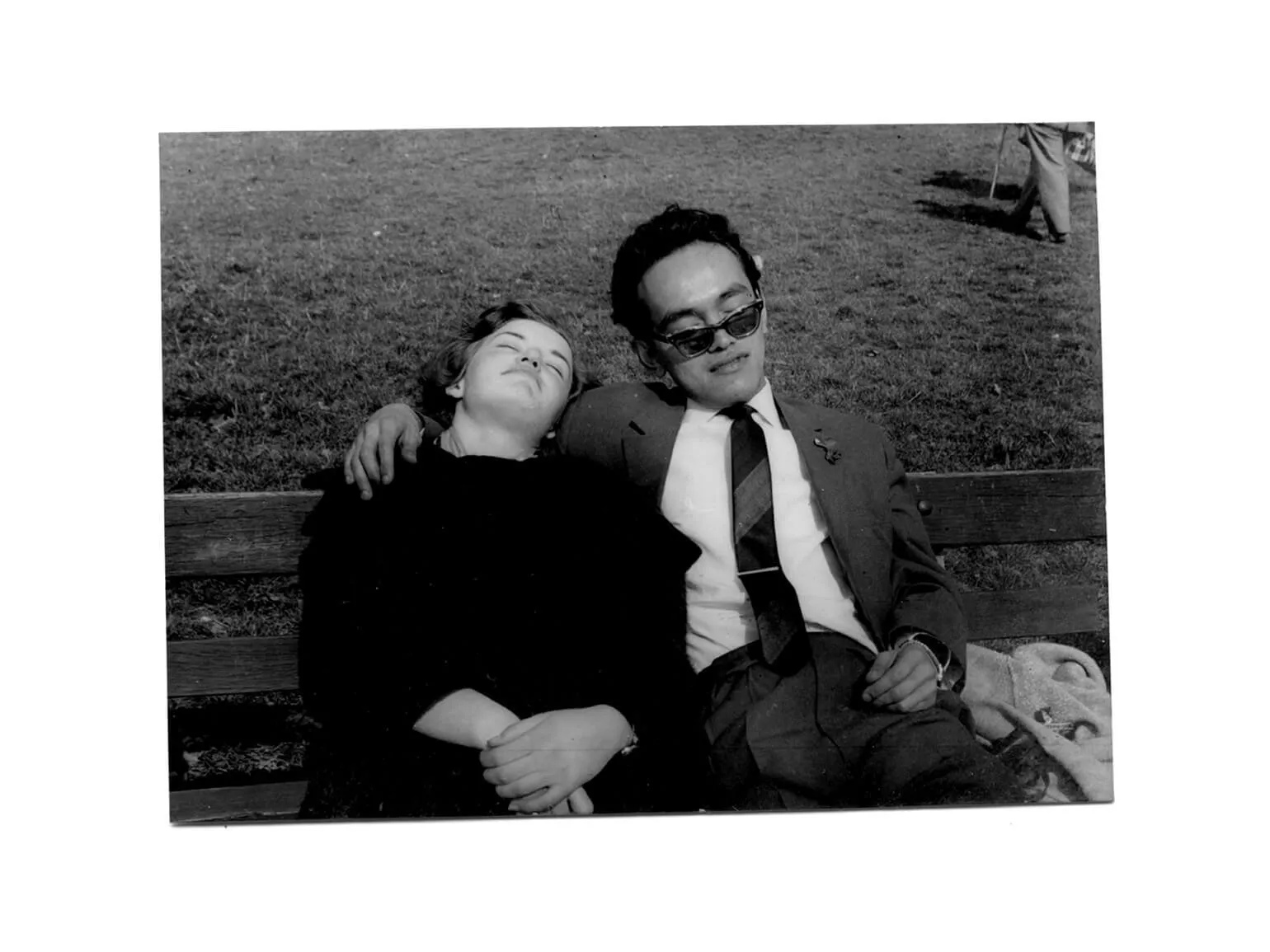
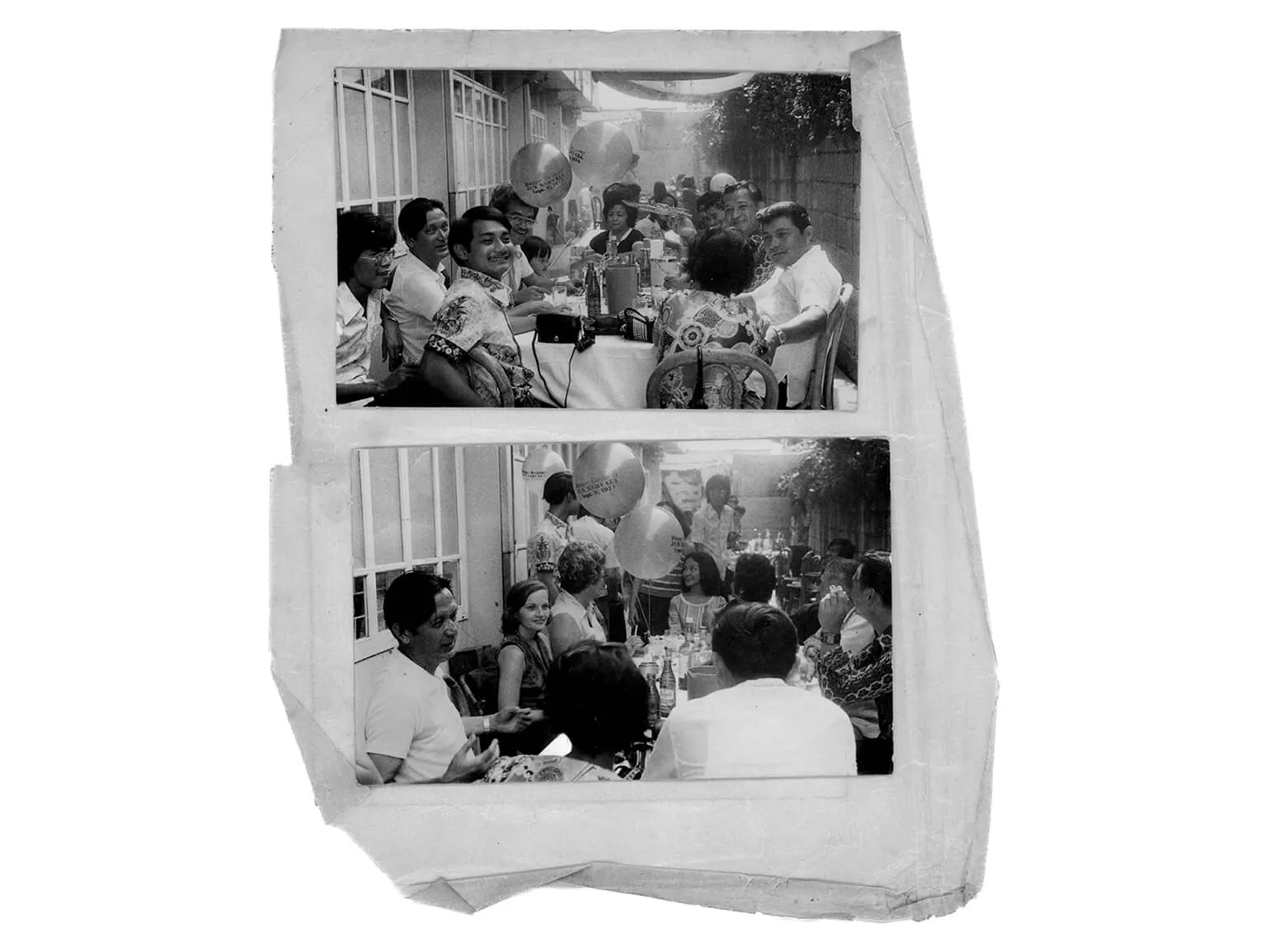
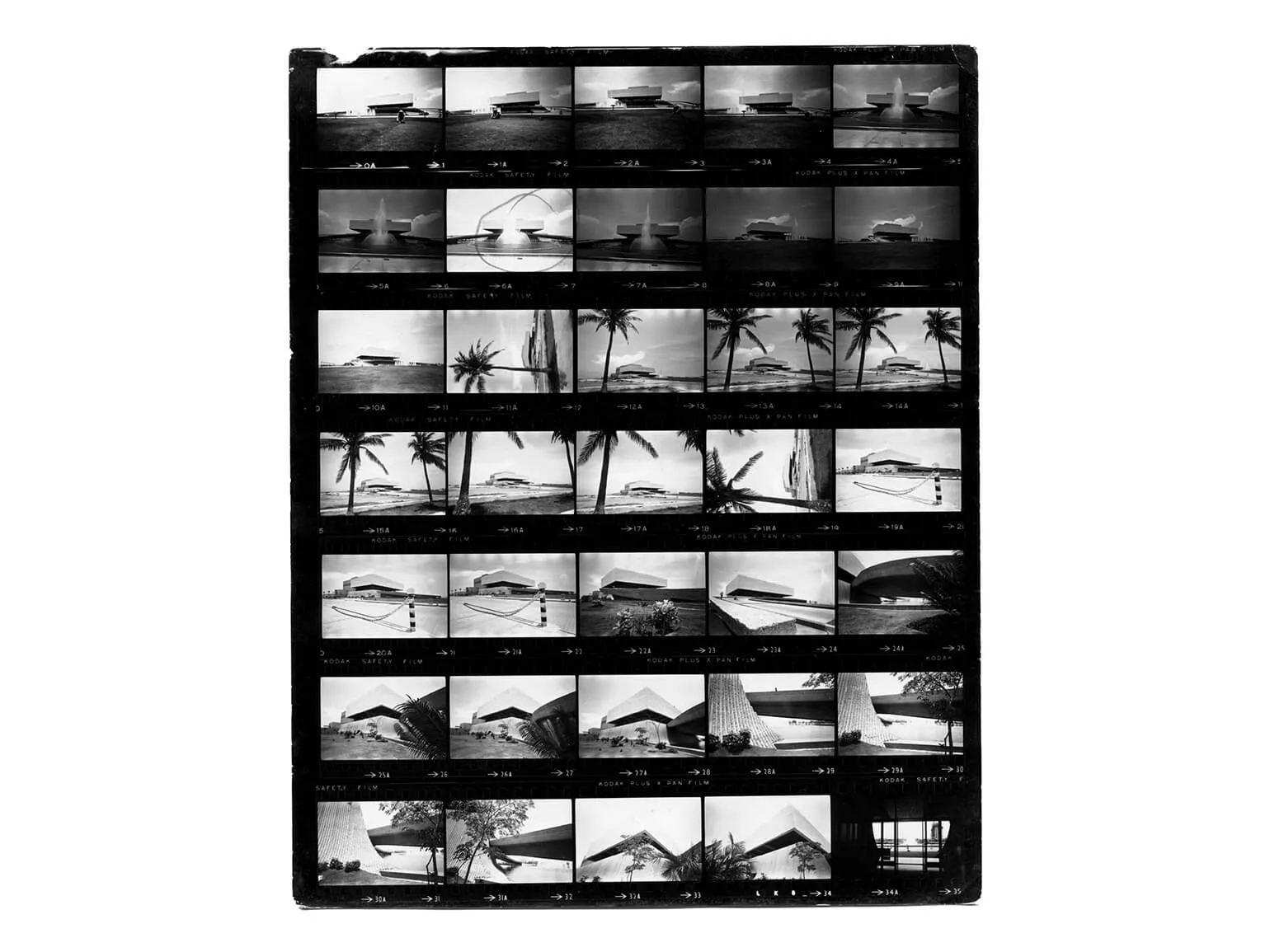
The book is structured by chapters and presents events chronologically, reminiscent of an old family album. Some spreads are protected by translucent paper, allowing photographs to be displayed on both sides, as is customary in photo albums. Perfectly scanned images offer the viewer only what they were created for: the opportunity to observe the faces of strangers and follow the course of their lives. This form of presentation enhances the immersive effect, allowing the reader not only to look at the images but also to feel a connection to the stories hidden behind them.
New Farmer
The history of the Green Revolution is presented through the prism of artificial intelligence. The resulting images are characterized by absurdity and irony, underscoring the author's critical stance on human impact on the biosphere. These visual materials also illustrate the concern that photography has lost its reliability as a trustworthy document. This approach helps us better understand the consequences of human activity and its impact on the world around us, raising important questions about trust in images in today's digital society.
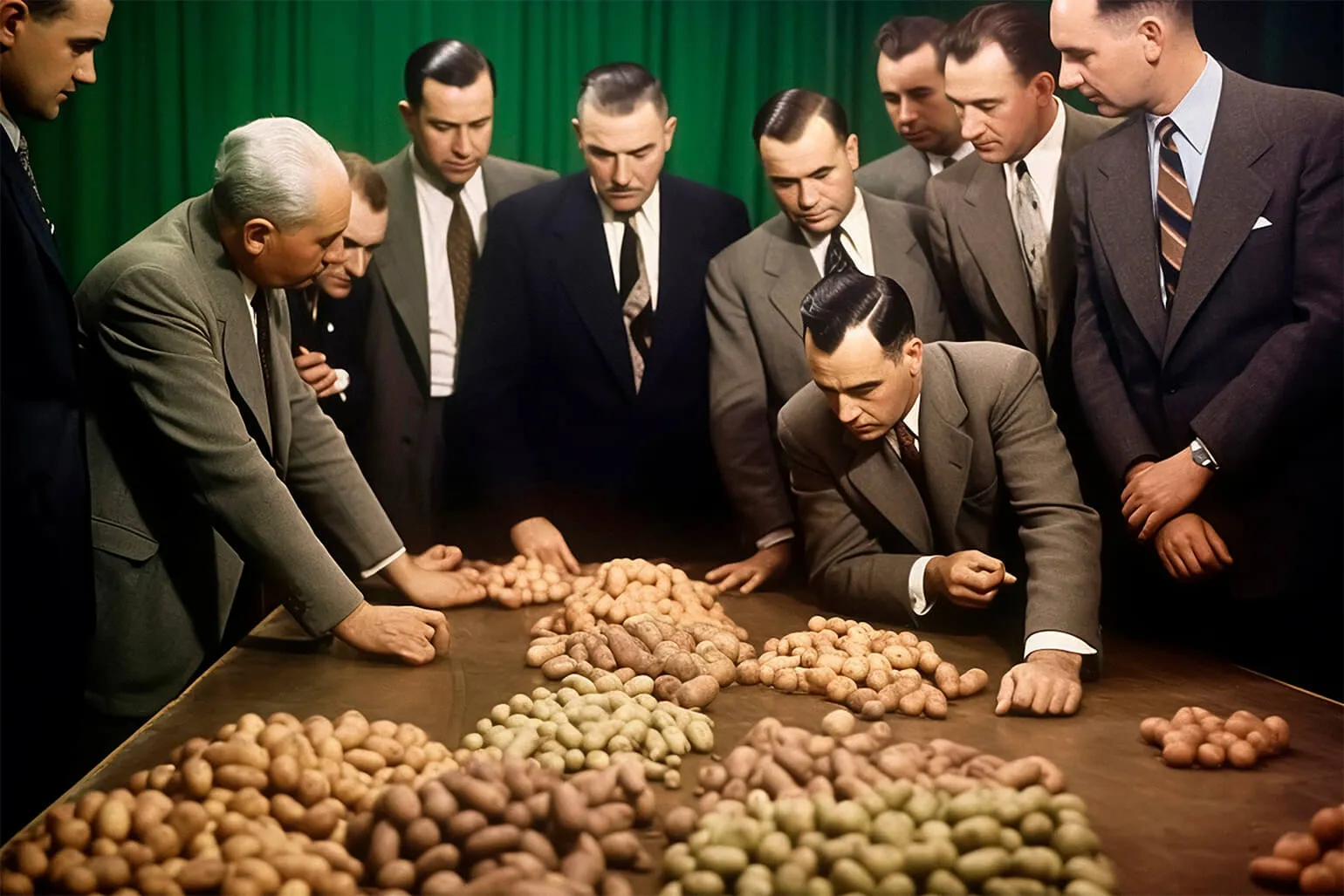
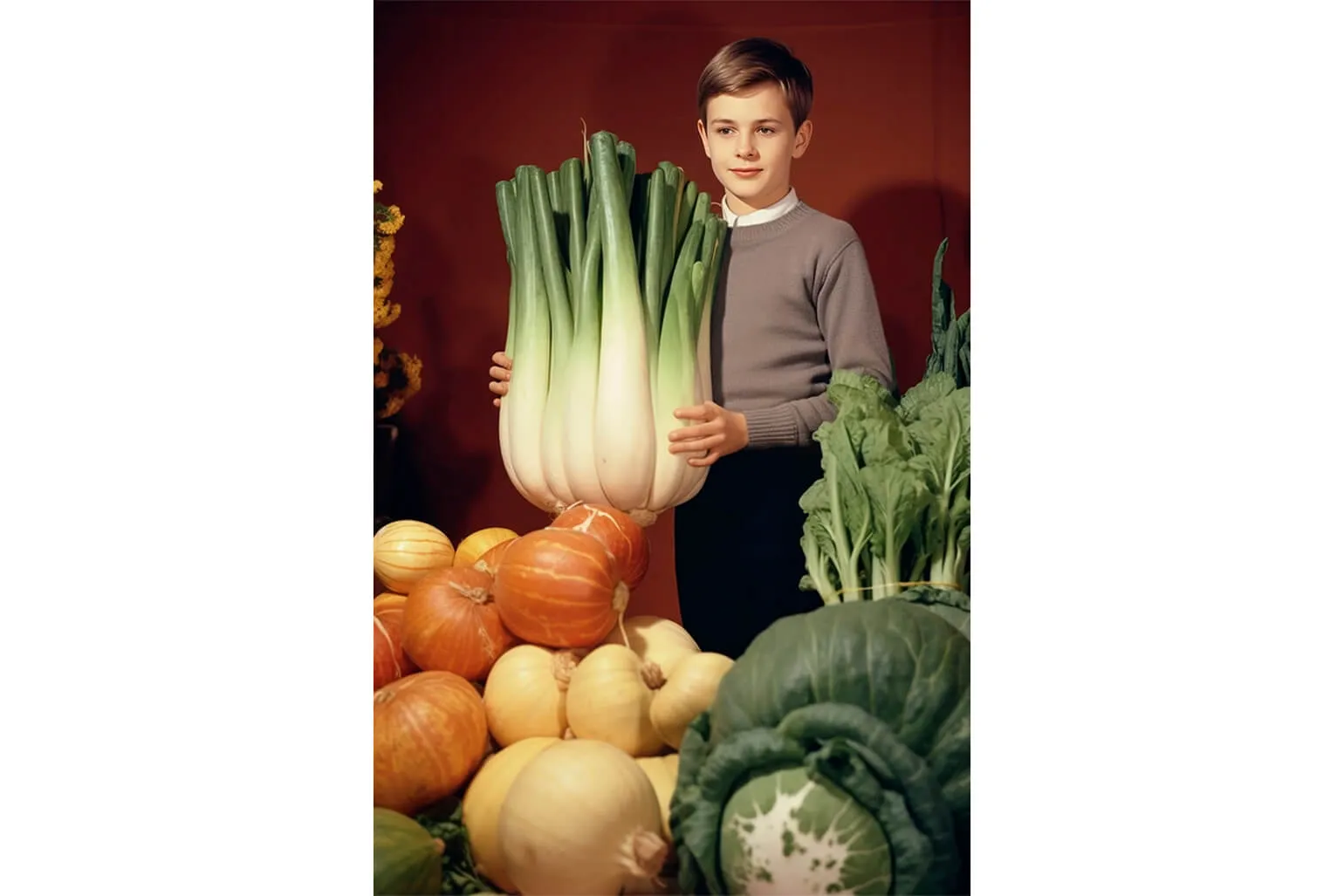
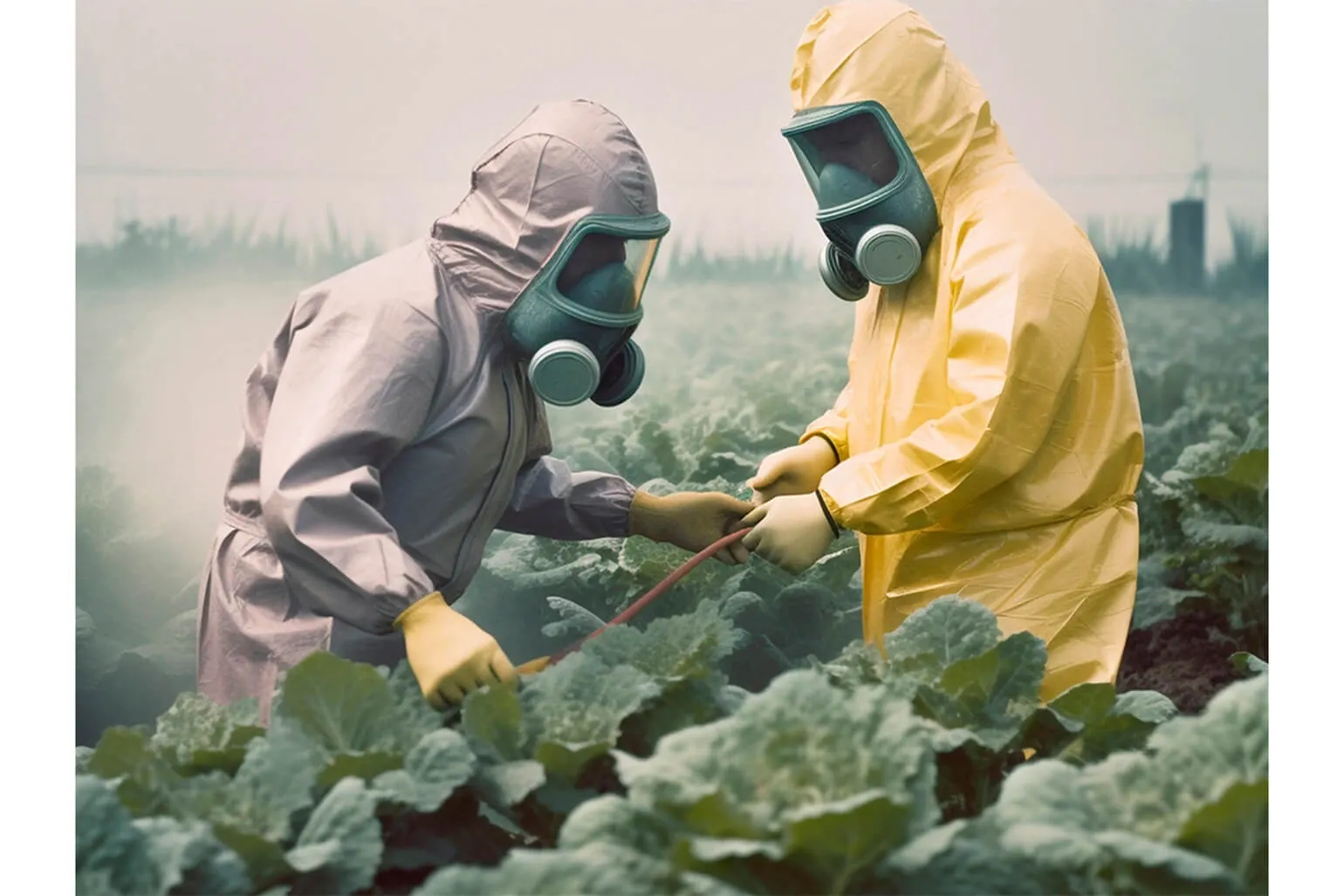
The book is presented in the format of a mid-20th-century advertising brochure and tells the story of agricultural achievements. At first glance, its content seems plausible, and without a deeper analysis, it is difficult to suspect the authors of deception. However, as time goes on, the images become increasingly absurd: cucumbers grow to human size, and broccoli takes the shape of a tree. This project explores the problems of the post-truth era and raises questions about the manipulation of consciousness through the media. It serves as an important reminder of how information can be distorted, misleading the public.
Die Wand ist nicht tragend
Die Wand ist nicht tragend is an artistic exploration of modern relationships and the search for love in the digital age. In this work, the author challenges established notions of love and intimacy, exploring the impact of technology and social expectations on personal relationships. The work focuses on how the internet and digital platforms are changing our perceptions of intimacy and interaction, opening up new horizons while simultaneously posing challenges. By exploring these themes, the author seeks to provoke awareness and rethinking of conventional approaches to love in the modern world.
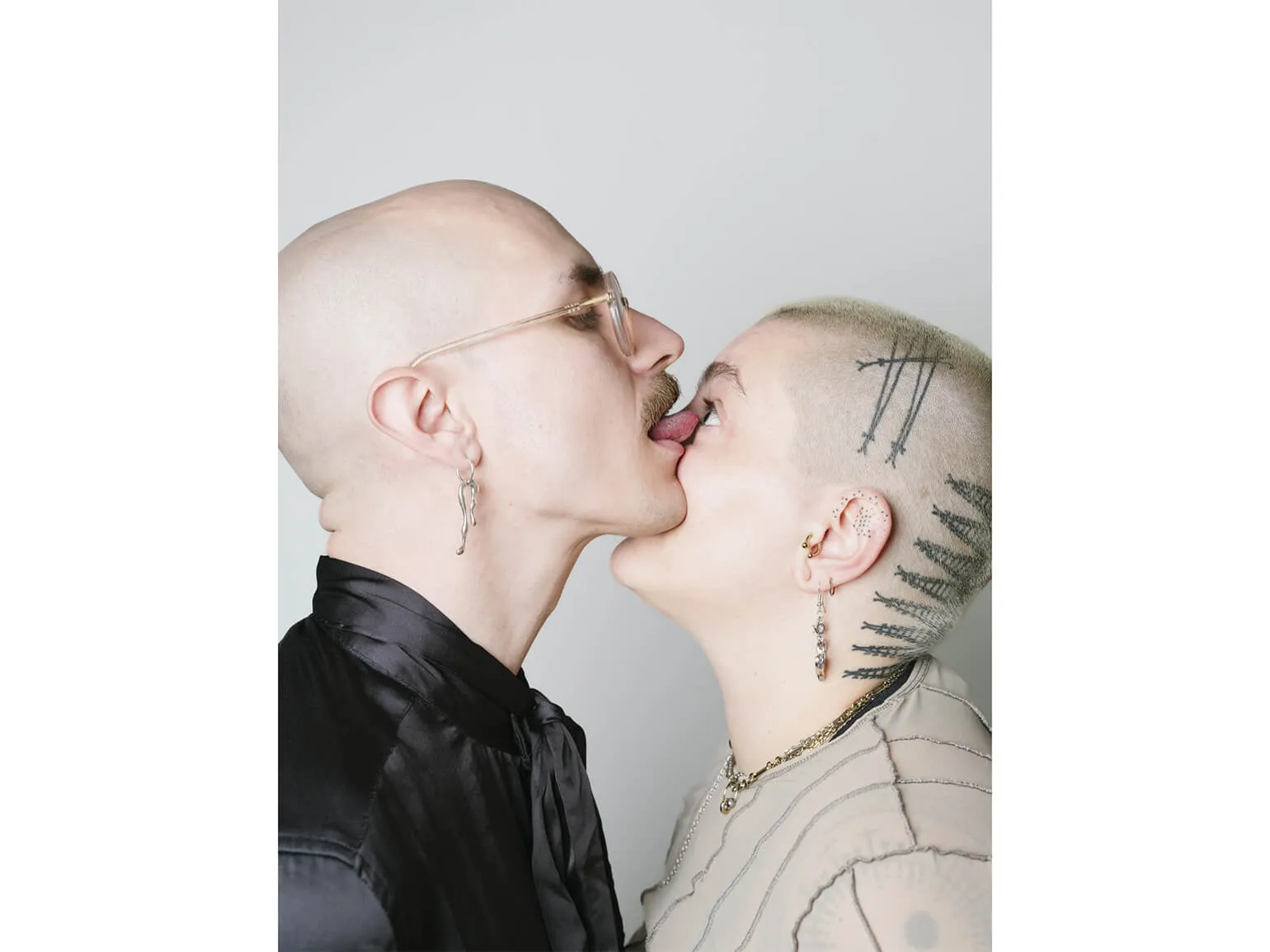
The project is a collection of personal photographs of the artist and her partners, whom she met through social networks, as well as images of other people and Symbolic shots of nature and interiors. The photo book is formatted as a diary: the artist includes scans of her notes, and screenshots of the correspondence are collected into a separate mini-zine, reminiscent of a travel brochure or theater program. The book lacks accompanying text, allowing the reader to focus on the diary entries and photographs, creating a unique atmosphere of personal space and emotional connection.
Learn more about contemporary photography by subscribing to our Telegram channel. We share interesting facts, current trends, and inspiring work. Join us to stay up to date with all the latest news in the world of photography.
Profession Photographer
You will learn how to take professional photos from scratch. You will learn how to organize shoots, process frames, manage models and a team. Find your style, build an impressive portfolio, and start making money doing what you love.
Find out more