Contents:
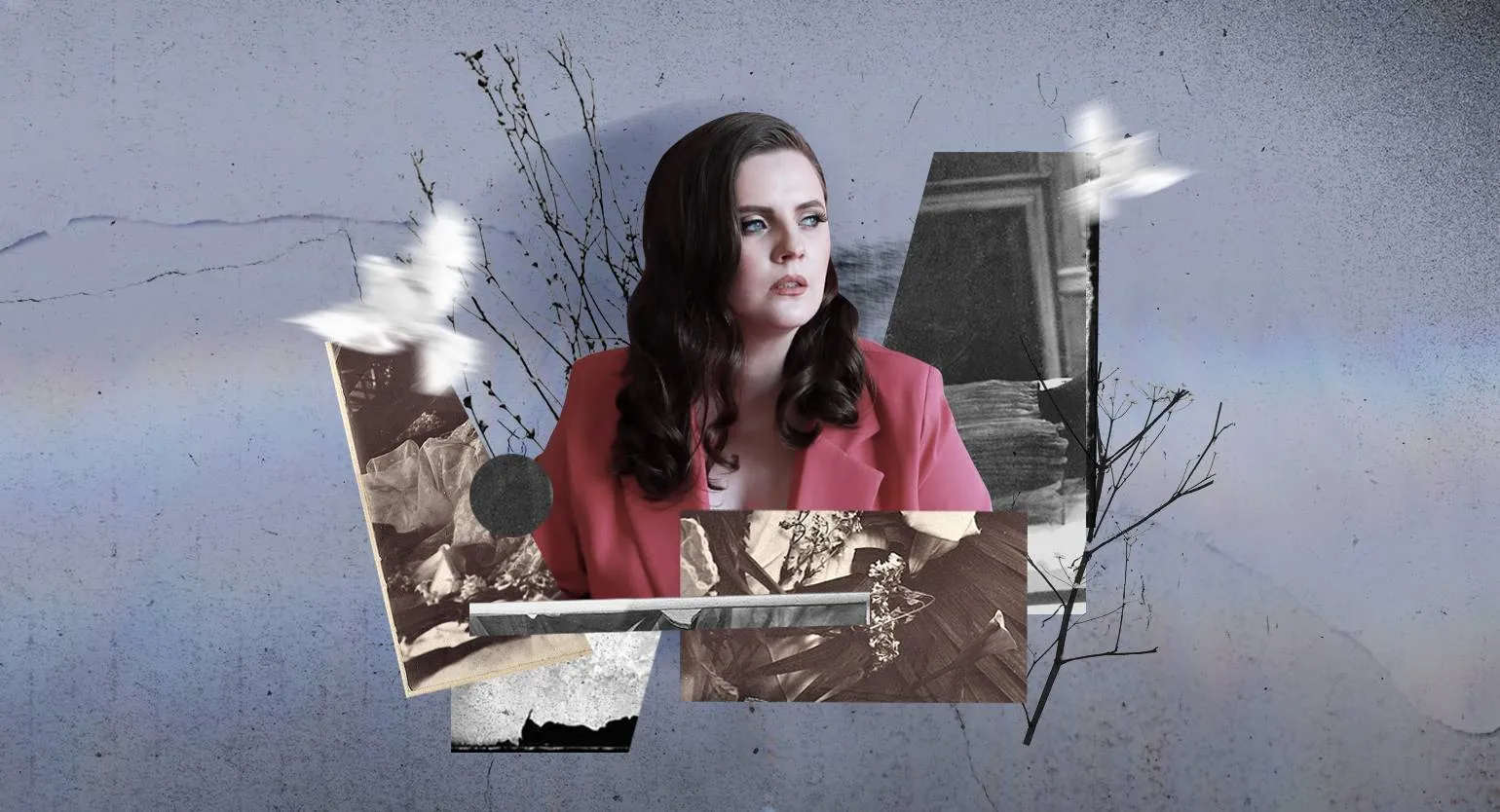
Liza Svetlova is a photography theorist, art manager, and activist in the field of postmortem practice from St. Petersburg. For seven years, she has been researching contemporary postmortem photography. Her book, "What Photography Is Silent About: How Contemporary Postmortems Help Us Live," was recently published by Bombora. It summarizes her academic and personal research in this field. The book offers insightful analysis and new perspectives on postmortem photography, highlighting its significance in contemporary art and culture. We discussed with Lisa the importance of conversations about death, as well as issues related to the aesthetics of postmortem photographs. We touched on the impact of the internet and the everyday habit of taking photographs on our grieving process. These topics open new horizons for understanding loss and how we perceive and process grief in the modern world.
Between Empathy and Scientific Purpose
Lisa, I read your book and was impressed, especially by the last chapter dedicated to maniacs and their experience in photography. What was the most challenging aspect for you in writing this book?
The chapter on maniacs turned out to be a challenging task for me. Despite its compact size, to write it, I had to study a vast amount of material: foreign podcasts, documentaries, and articles. True crime has become a popular genre these days, but I do not share this passion.
The most difficult part of the research was finding the respondents and interacting with them, who became the heroes of my book.
Finding the heroes for our project was a long and thorough process. We used a variety of methods to find people who could inspire us and tell their stories. First and foremost, we held open casting calls and posted announcements on social media, which allowed us to attract a wide range of candidates. We also reached out to local communities and organizations to identify people who could be compelling subjects for our project. It was important not only to find compelling stories but also people willing to share their experiences and emotions. This allowed us to create diverse and engaging content that reflects current topics and issues. Social media and word of mouth play an important role in finding research participants. Through an active social media presence and public professional engagement, I was able to build a network of people aware of my search for research participants. They shared information about me with others, allowing us to find those willing to share their stories. This process of interaction helps expand the network of contacts and deepen the research, as each new informant brings unique experiences and valuable information.
Some people initially agreed to participate in interviews but later declined, not wanting to relive their difficult moments. There were also those who did not provide photographs but agreed to have their stories published. I was constantly worried about finding and communicating with the subjects, as the topic is very sensitive and complex.
In death witting, there is a saying: "human meets human." I sought to establish a warm rapport with the respondents, avoiding formal relationships, and I believe I succeeded. My goal was for each participant to understand that their story would not be used for PR, that their words would not be distorted, and that the story itself would not become the subject of sensationalism. People shared the most intimate moments of their lives with me, and I see this as an enormous gift.
Conversations on difficult topics always require a certain amount of effort and emotional investment. I've encountered a variety of reactions and moods, making each conversation unique. These discussions can be difficult at times, but they are necessary for understanding and resolving important issues. It's important to approach these conversations with an open mind and a willingness to engage in dialogue, which fosters greater understanding and strengthens relationships.
Research work requires the ability to balance empathy with characters and one's own scientific interests. This can be challenging, as it requires a deep understanding of the characters' emotions and motivations while maintaining objectivity and critical thinking. Empathy helps one better analyze and interpret the characters' actions, while a research approach ensures scientific rigor and the reliability of conclusions. It's important to find harmony between these aspects to create a comprehensive and insightful study that will be engaging for readers and useful for further analysis.
The book contains the touching story of Ksenia and her late son, Vanyusha. Ksenia repeatedly declined to publish her story, most recently after the book had already been typeset. I understood how important her story was for readers and couldn't insist, only explaining that her sincerity and openness would help many women facing similar grief feel support and understanding. I don't know if I succeeded in convincing Ksenia, but ultimately she decided to share her story with the world, which will undoubtedly be a source of comfort for many.
Ksenia became my "class pet," although perhaps that's not entirely accurate. The book presents complex, painful, and tragic stories, but hers in particular deeply touched me. In one scene, Ksenia shares that she can't open her hard drive to look at her son's posthumous photographs and relive that unbearable grief. Interestingly, these photographs are present in the book itself, creating a time loop effect. This detail highlights the complexity of her emotional state and makes us reflect on how difficult it is to cope with loss.
We spoke with the subjects both in person and online, allowing us to gain a deeper understanding of their stories and experiences. In-person interactions added emotional richness, while online communication opened up new opportunities for exchanging opinions and ideas. This approach helped create a more complete picture of each character and their unique journey.
All of the heroines in my project are exclusively online. The only exception is one character who lives in St. Petersburg, while the rest are scattered across various regions of Russia and beyond.
Have you received feedback on the book from your heroes yet?
I informed many of them about the book's release the same evening I received it from the editor. The heroines are delighted to have been part of my research. Their loved ones who have passed away now live not only in their memories but also on the pages of the book, and their stories help others cope with grief and loss. I express my gratitude to each respondent for their courage and sincerity.
A Telegram channel for photography enthusiasts. Here you will find inspiration, shooting tips, ideas for photo projects, and discussions with like-minded people. Join our community to improve your skills and share your creativity with others. Stay up-to-date with the latest photography trends and share experiences with channel members.
If you're interested in a variety of literary styles and genres, subscribe to our resource. We feature the work of talented Russian authors and cover global literary competitions. We also share creative tips and life hacks from practicing writers to help you develop your skills. Stay tuned for more exciting content.
The Aesthetics of New Postmortems and Blogs About Death
At the beginning of the book, in the chapter devoted to the history of the emergence and development of postmortem photography, you note that postmortem photography in Russia is closely linked to the Orthodox tradition. The composition of such photographs, in your opinion, evokes icons, especially the theme of the Dormition of the Virgin. Do you think this influence persists in contemporary Russian post-mortem photography?
The idea of the archetypal nature of post-mortem photography and its connection to the iconographic tradition belongs to Olga Boytsova, a renowned anthropologist. In one of her significant works, she focuses on the photography of everyday life, including post-mortem photography in the Russian Empire and the USSR. My specialty is contemporary photography, so the historical context in my book is based on the research of other scholars.
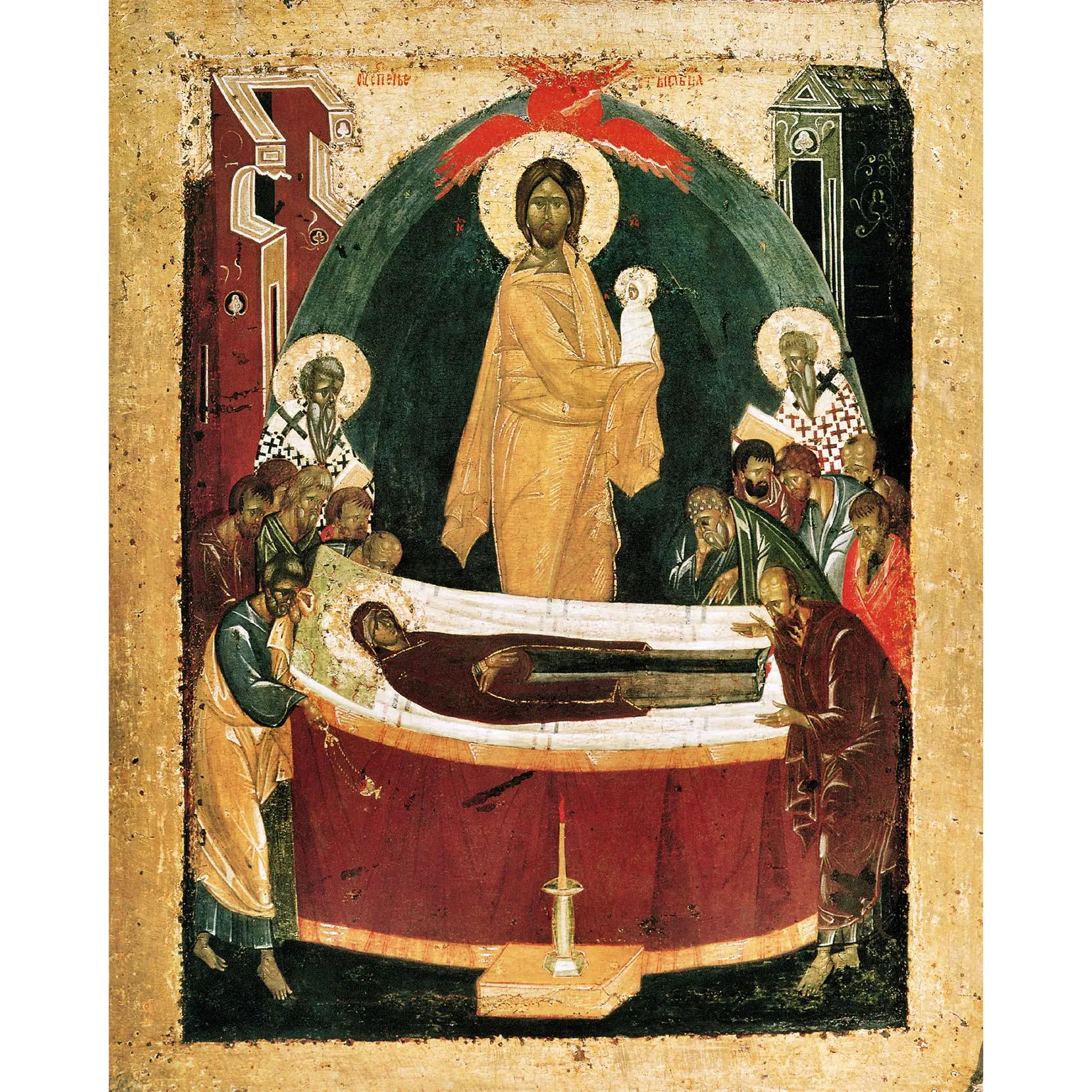
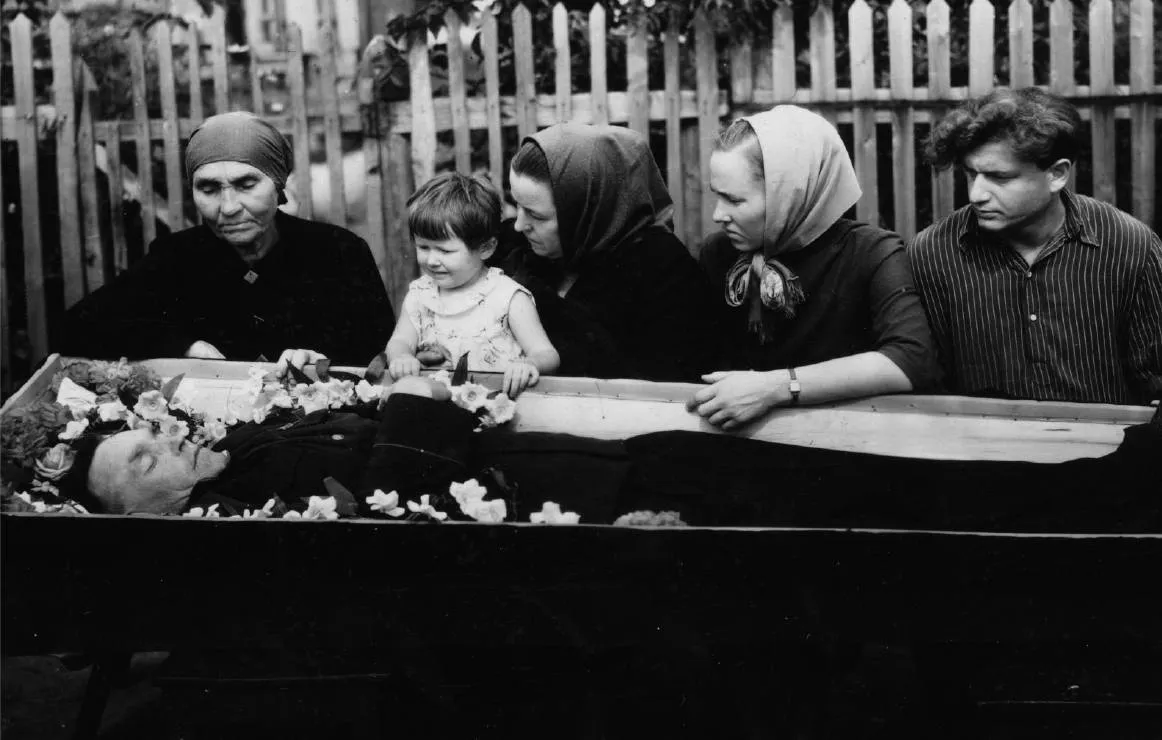
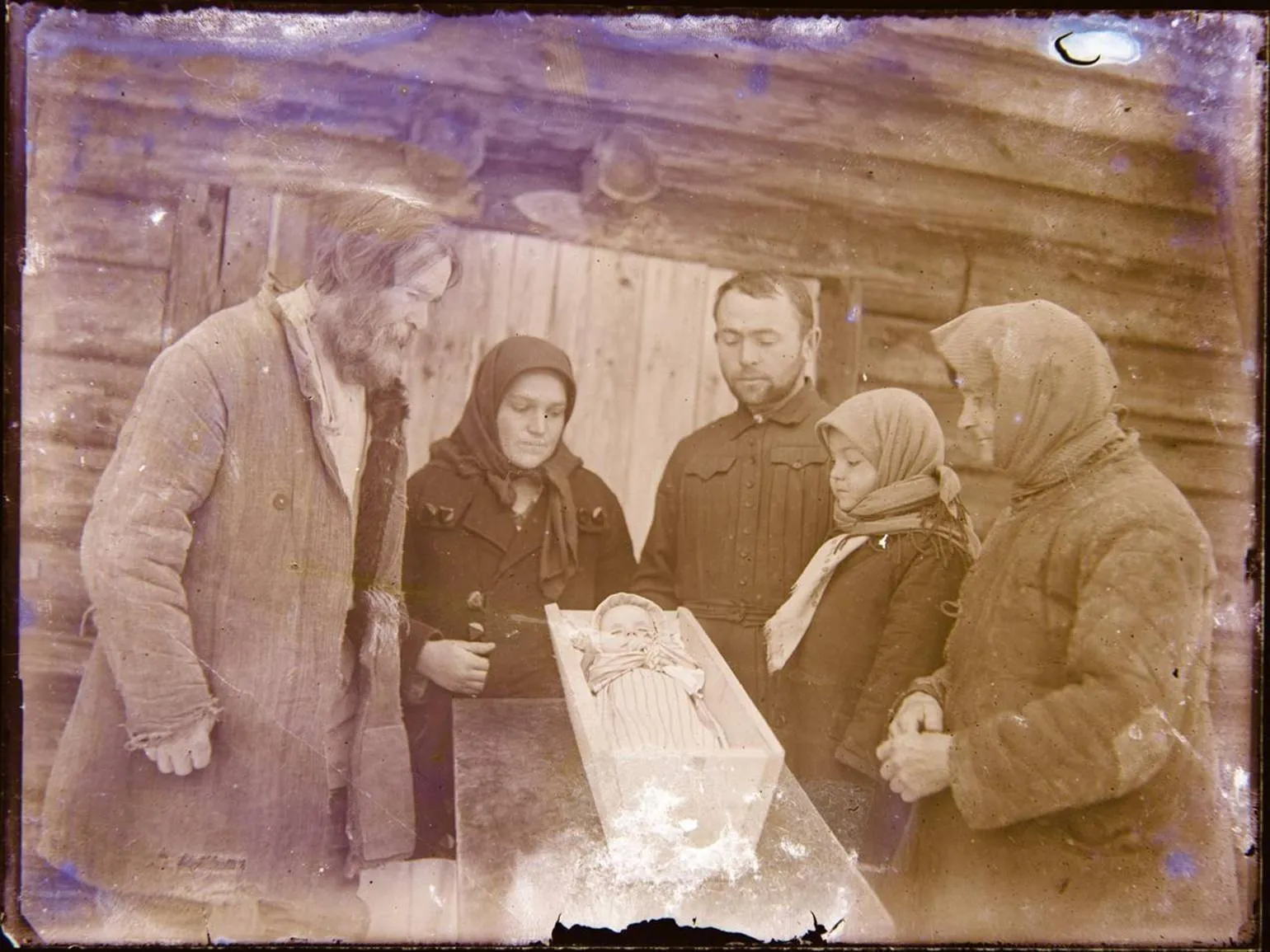
Today's post-mortem photography has a diverse aesthetic. The influence of the Orthodox tradition is still noticeable, but more on a visual level than in a deeper meaning. For example, placing people in a semicircle around the coffin is convenient for creating a composition and emphasizes the significance of the farewell. This tradition continues to shape the images we see in post-mortem photographs, giving them a certain structure and harmony.
In my book, I draw parallels between the funeral and wedding industries through the prism of photography. Weddings celebrate the transition from "bride" to "wife": veils, bouquets, and rings. Meanwhile, funerals emphasize attributes that reflect the transition from "living" to "dead": flowers, wreaths, and religious symbols. These elements not only preserve tradition but also align with modern notions of what should be captured in photographs. This is because such objects are perceived as "beautiful" and have become a standard for photography. The rise of post-mortem photography reflects a shift in societal attitudes toward death. This art form, which emerged in the 19th century, reflects not only grief but also an attempt to preserve the memory of the deceased. In a modern world where death is often perceived as taboo, the renewed interest in post-mortem photography may be a sign of a more open approach to this aspect of life. People are beginning to explore the boundaries of death and memory, allowing them to more deeply understand loss and its meaning. Thus, post-mortem photography is becoming more than just a somber art form, but a way to consciously engage with the subject of death.
It's impossible to answer this question definitively, as the world is diverse and multifaceted. However, over the past ten years, a clear trend toward discussing death has been observed in Europe, America, and Russia, manifesting itself in various aspects of life. In this context, a resurgence of post-mortem photography, both in everyday life and in the professional sphere, is directly related to this trend.
In this book, I highlight the chapter "Return," in which I analyze in detail the development of the death context. Recent years have seen an increase in the number of activists working on death issues, the introduction of digital grief practices, and the organization of professional conferences on this topic. The number of publications on death and the grieving process, aimed at adults, adolescents, and children, has increased. Furthermore, museums dedicated to funerary culture are opening. A new profession, the death doula, has emerged, representing a significant advance in understanding dying, death, and the grieving process. Doulas, who work with the dying and their families, not only provide support during caregiving but also help organize farewell parties, known as "living funerals." They also facilitate memory and legacy projects. Photography is an important part of this work, including reportage images taken in hospice care, at home, or in the hospital, as well as postmortem photographs, which can be taken at home, at the morgue, or at a funeral. These moments help preserve memories and allow loved ones to grieve. Is there a connection between the increased visibility of death in the media and the development of the internet? In recent years, there has been a noticeable increase in interest in the topic of death in the media and social media. This phenomenon may be related to the availability of information and the opportunity to discuss such topics online. The internet provides a platform for the exchange of opinions, allowing people to speak openly about death, share personal stories, and find support. Thus, the development of digital technologies undoubtedly influences the perception and discussion of issues related to death.
In recent years, a culture of open discussion of illnesses has been actively developing online. Users have begun sharing their diagnoses, creating blogs dedicated to coping with illness and living with incurable diseases. This phenomenon has been dubbed "new sincerity." As part of this trend, people publish candid posts about their health, daily life in hospitals, and relationships with loved ones during illness. Many ask for help, donations, and advice on finding doctors and medications. Opening up about death in families is also becoming more common, emphasizing the importance of open dialogue about health and support during difficult times.
An interesting trend in social media is the changing approach of users to self-presentation. Today, many choose to represent themselves not only through their achievements and status, but also through the absence of certain things. Previously, a typical self-description in a personal profile was "wife of a husband, mother of three children." However, in recent years, phrases like "young widow" or "mother of two living children and one in heaven" have become increasingly common. Users openly express their experiences of loss and grieving processes by blogging about the subject. While not everyone posts farewell photos of the deceased, some do, highlighting their desire to share their experiences and feelings. This new form of self-expression on social media opens up a space for discussing difficult topics and fostering support among users.
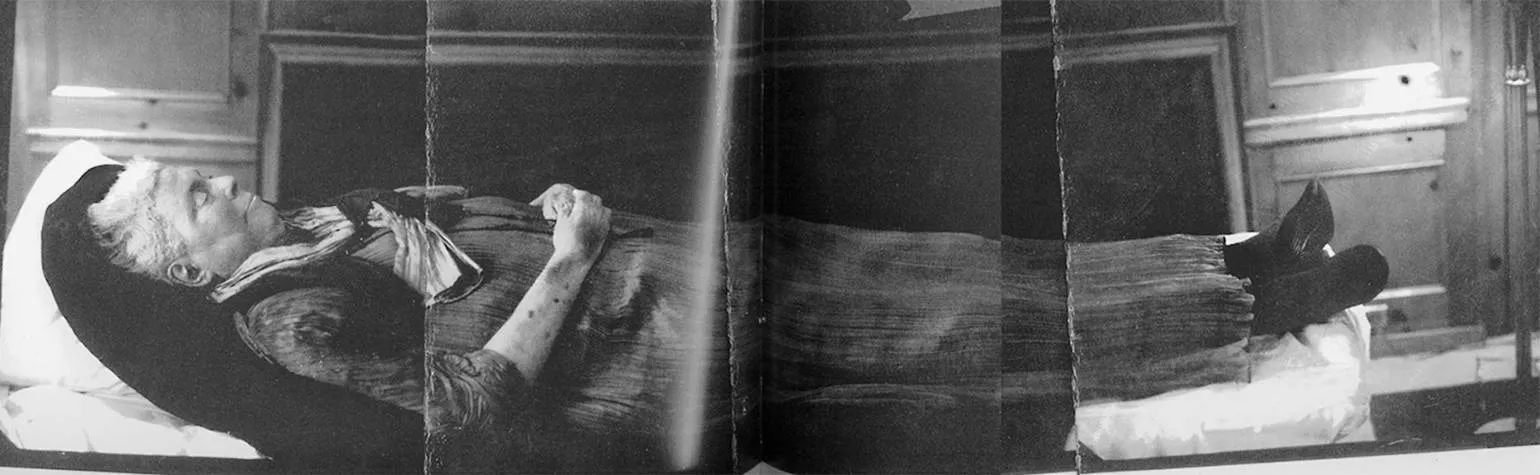
Do you have an internal question about trust in public candor?
The topic of self-disclosure in the context of death requires a special approach. In blogs dedicated to this issue, it is important to maintain sincerity and openness. Farewell ceremonies, scattering of ashes, balloon releases, and wakes should not be perceived solely as objects for photography. Here, it is appropriate to talk about the reverse causality: reportage and everyday photography in death blogs appear not because of a desire to attract attention on social media, but because people want to capture moments that have deep meaning to them. These images become a symbol of respect and love for the departed, and not simply visual content.
This is a truly interesting question. The desire to "make something beautiful" can manifest itself independently of external circumstances, but it is often linked to the need to capture special moments, such as funeral rites. It's important to note that the desire to create aesthetically pleasing images can be an internal urge, independent of the specific situation. However, in the context of funeral rites, this desire can also serve as a way to immortalize the memory of loved ones and pay tribute. Thus, aesthetics and memory intertwine, creating a unique approach to capturing such events.
It is possible that some of the respondents received instructions. However, in the case of my respondents, their primary motivation was to create something beautiful and dignified that would be remembered. Subsequently, the idea of capturing the process in photography was added to this desire.
A loss occurred in our family when we said goodbye to our grandmother. We organized the farewell with due respect and solemnity, as we could not imagine it any other way. Grandma was dressed in an elegant gown, surrounded by a multitude of flowers, and the wake took place in a luxurious white and gold hall. This decor reflected her taste and style. We broadcast the ceremony online for relatives living abroad, and sent photos to Grandma's friends who were unable to attend. For example, we sent photos to one friend, with whom Grandma had been friends for eighty years, in Berlin.
A formal farewell can truly help people cope with loss and ease grief. It is an important stage in the grieving process, allowing people to express their feelings and remember the deceased. Such rituals create a space for people to process the loss and receive support from loved ones. The therapeutic effect lies in the opportunity to share memories, express emotions, and find solace in shared grief. Farewells not only help people acknowledge the loss of a loved one but also strengthen the bond between those who remain, allowing them to cope with the pain of loss together.
The point is not in the ceremony, but in realizing the wishes of the deceased. Many people may lack a sense of solemnity, but it's important to try to honor the deceased's wishes. When someone dies, loved ones often experience feelings of guilt or shame, usually because they failed to do or say something meaningful. Knowing that they respected the deceased's wishes and tried to provide their final journey in the way they wanted can help them cope with these difficult emotions. This recognition becomes an important part of the grieving process and promotes healing.
The discourse of death and demise plays an important role in discussing death with others. This is especially important because understanding a person's preferences regarding their end of life can significantly ease the process for loved ones. Knowing how people want to die allows them to formulate plans in advance in the event of a terminal illness or accident. It's important to discuss who they want to see in their final moments, what music they prefer to listen to, how they want to be buried, and what they intend to leave as a legacy. Openly discussing these issues helps those left behind cope with grief and stress, creating an atmosphere of understanding and support. This approach promotes a calmer farewell and helps preserve the memory of a loved one.
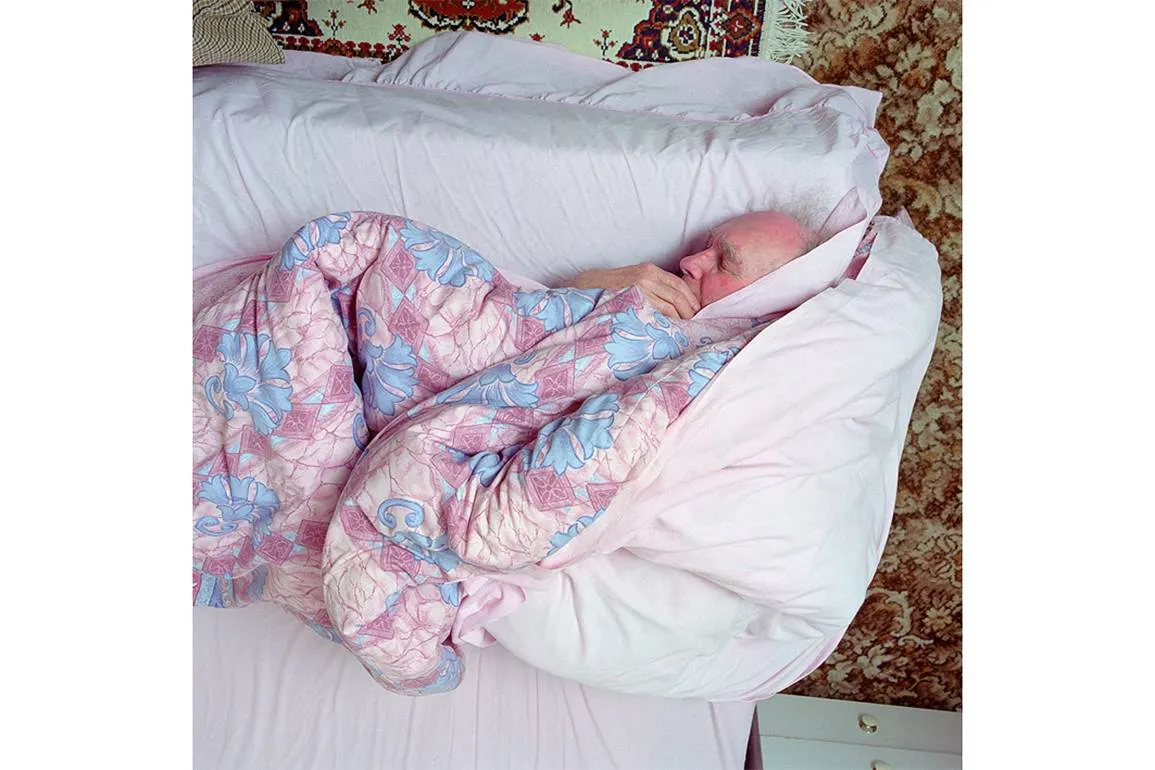
Discussing serious topics, such as a terminal diagnosis, always requires a sensitive approach. Some believe that such conversations are appropriate only when a person is facing a real threat to life. Others believe that death can be discussed at any time, even when there are no obvious signs of impending loss. It is important to consider a person's emotional state and their readiness for such conversations. Open communication can help with difficult decisions and ease suffering, but it requires respect and sensitivity. Conversations about death can happen at any time, as they depend not on the timing, but on the approach to the topic. Many people are unwilling to discuss their mortality, even when they realize that this moment is near. They often put on a mask of optimism, believing that everything will be fine. At the same time, there are those who reflect with interest on their death, funerals, and even write wills at a young age. Therefore, the ability to talk about difficult and uncomfortable topics is an important skill. Someone who wants to initiate such a conversation can begin with a personal example: "I would like it to be like this." "How do you feel about that?"
"A loved one who is dead is not disgusting, scary, or repulsive."
The question of the appropriateness of aesthetic design for post-mortem photographs is a source of much debate. To what extent is it appropriate to give these images a beautiful appearance? The aesthetics of post-mortem photographs can be an important aspect of the farewell process. They help create an atmosphere of remembrance and respect, emphasizing the individuality of the deceased. However, it is important to consider that the perception of such photographs can vary depending on cultural and personal factors. The appropriateness of aesthetics in this context requires a sensitive approach and understanding of the feelings of loved ones. Therefore, when creating post-mortem photographs, it is important to find a balance between beauty and respect for the memory of the deceased.
I often encounter the question of what is considered appropriate and beautiful. It is important to understand for whom we are defining these criteria. Appropriateness and aesthetics depend on the context and target audience. Each person perceives beauty and appropriate standards differently, so it's important to consider the opinions and preferences of different groups. Properly assessing appropriateness and aesthetics can significantly impact the success of your content or project.
Photographs taken in private moments often remain in home archives. People sometimes create them exclusively for themselves, without showing them to anyone. It's important to remember that the perception of beauty is individual for everyone. Unique stories and emotional connections with images make them meaningful, even when they are not displayed.
I often encounter opinions that post-mortem photography cannot be beautiful and only evokes disgust. In response, I will say that for many people who have lost a loved one, such an image can be completely different. A dead person captured in a photograph may be perceived not as something terrible, but as a loved one who will forever remain in their hearts. These images, filled with memory and warmth, can be important to those who preserve them. If a post-mortem photograph has meaning for those who view it, then it is entirely appropriate and worthy of respect.
Beauty in photography and contemporary art is a topic worthy of attention. We live in a postmodern world where traditional categories of "beautiful" and "ugly" are losing their significance. In this context, not only the subject matter becomes important, but also the photographer's vision, who makes decisions about creating an image based on their inner experiences and concepts. Thus, personal perception and individual feelings become key factors in assessing the artistic value of a photograph. In contemporary art, this opens up new horizons for interpretation and discussion, allowing each viewer to find their own meaning and beauty in the works.
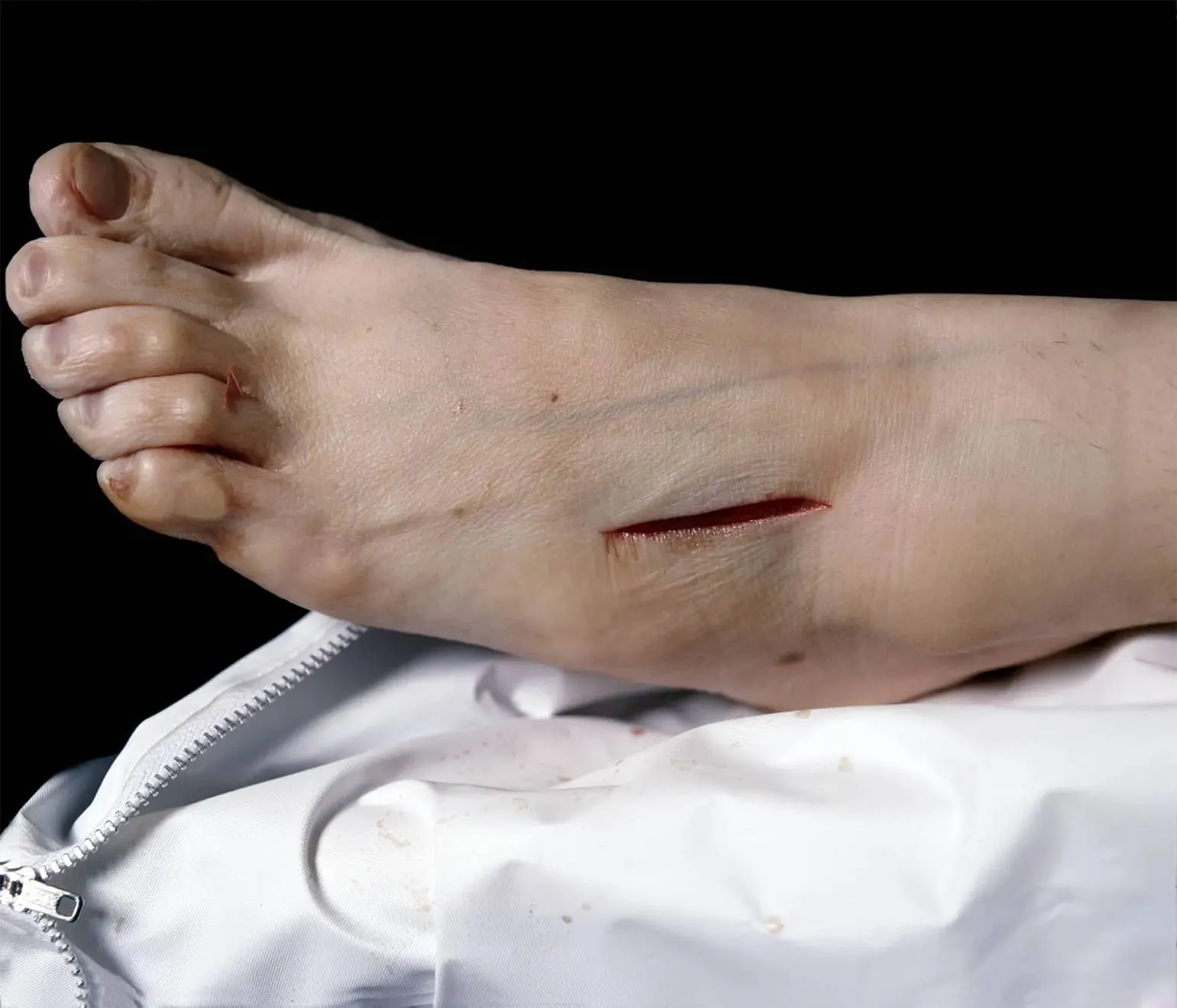
In our family, we decided not to publish posthumous photographs of my dad, so they are not in the book, as well as Photos of my grandparents. My dad passed away at home in critical condition. I often think that if a stranger saw this photo, they might have a negative reaction. They might think the photo was taken by someone with a twisted perspective. In the photo, my dad looks unkempt, withered, unshaven, and with a pillow and towels under his head. We decided that such memories should not be displayed, as they do not reflect the true essence of the man who was loved and valued in our family. I look at the photo with love. It is my dad, whom I cared for for so long: washed, dressed, fed by hand and fed from a baby bottle. He passed away in my arms. Of course, I see how he looks in this photo, but I do not feel any sense of horror. If there is any feeling, it is the bitterness and pain of losing a loved one, especially when his passing is accompanied by suffering and illness. This photograph reminds me of how important moments spent with loved ones are and how difficult it is to come to terms with their passing.
I have a personal question: I took a photograph of my brother and mother, but I haven't been able to look at it since. In your book, you mention that many of the characters also photographed their deceased loved ones, but they can't look at these photographs. How do you explain this phenomenon? Is it a way to avoid facing grief?
I understand your pain. In answer to your question, for some people this is a way to avoid facing grief, while for others it is a necessity. Each of us experiences loss in our own way, and this is natural. It is important to remember that the grieving process is individual and does not follow universal rules.
For many respondents, creating a posthumous photograph of loved ones is an important step, but viewing these pictures later may not have any meaning for them. Often, such photographs are taken impulsively, without consciously understanding the reasons. This may be due to unconscious urges or to modern habits that impose on us the need to record every moment of our lives. In the context of the widespread passion for photography, we sometimes do not think about the meaning and consequences of such pictures.
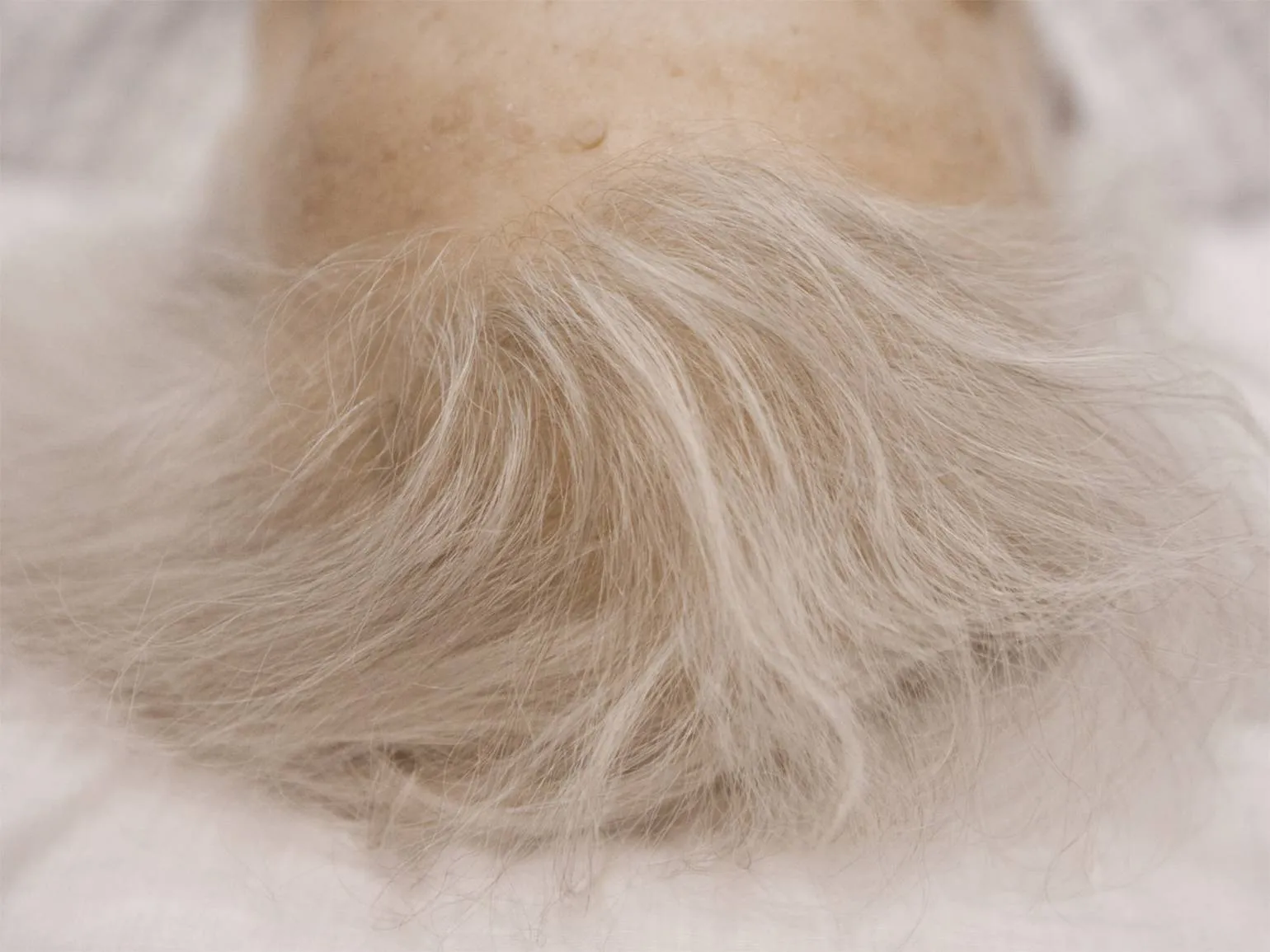
After my dad's death, I faced an unexpected situation when I was informed that the police had arrived. This was my first experience in such a situation, and I didn't know that calling the police is a common procedure when someone dies at home. As a result, I created not only the posthumous portrait of my dad that I had long planned, but also took photographs of everything around him: his room, medications, and medical records. This experience was important for me, helping me preserve his memory and understand the process I encountered. Posthumous photography, as a genre of art and documentation, has a unique history and significance. In the future, it may hold a special place, reflecting our cultural memory and attitudes toward death. As technology advances and social norms change, posthumous photography can transform, offering new ways to perpetuate the memory of loved ones. In a modern society where the emphasis on individuality and emotional connection is becoming increasingly important, posthumous photography can evolve into digital archives and memorial pages. This will not only preserve memory but also create interactive spaces for remembrance. Thus, post-mortem photography may regain relevance, reimagined through the lens of modern technology and cultural changes.
Given the growing interest in legacy, history, and personal narratives, the future of post-mortem photography will likely lie in its integration into various media formats, including virtual reality and social media, allowing for a deeper connection with the departed and their stories.
I believe that the place of post-mortem photography will remain the same, both in everyday and professional contexts. The question is how to increase its media presence. Currently, we are surrounded by conversations about death, and discussing this topic is not always comfortable. However, I am convinced that the discussion will continue: conferences will be held, books will be published, industrial exhibitions will be organized, and contemporary art will be created. This will lead to an increase in the number of post-mortem photographs in both the private and public spheres.
How a book about death teaches empathy
Lisa, tell us how your interest in post-mortem photography began? What prompted you to take up this topic?
I was born into a family of doctors, and from an early age I showed an interest in science, medicine, and human anatomy. At 19, I underwent three neurosurgeries, which became a turning point in my life. My neurosurgeon turned out to be a true professional who was attentive to my experiences and fears. He explained to me in detail how the brain works and how the operations were performed. This experience opened my eyes to the amazing dichotomy of the human body and its complexity.
On the one hand, we are vulnerable and weak, and even a slight change in blood composition can have a serious impact on our condition. On the other hand, the human body exhibits amazing strength, surviving numerous injuries, falls, and accidents. This realization prompted me to study scientific and medical photography and the body. Later, postmortem photography added to this fascination, allowing me to gain a deeper understanding of the relationship between life, death, and visual art.
I began researching postmortem photography in 2018 while working at the State Museum of Photography in St. Petersburg. Our museum was displaying a collection of Victorian photography from the Victoria and Albert Museum, and I was surprised to find no Victorian postmortems. This sparked my interest: are there any contemporary practices in this field? I did some searching online and was amazed that photos like this are still being taken today.
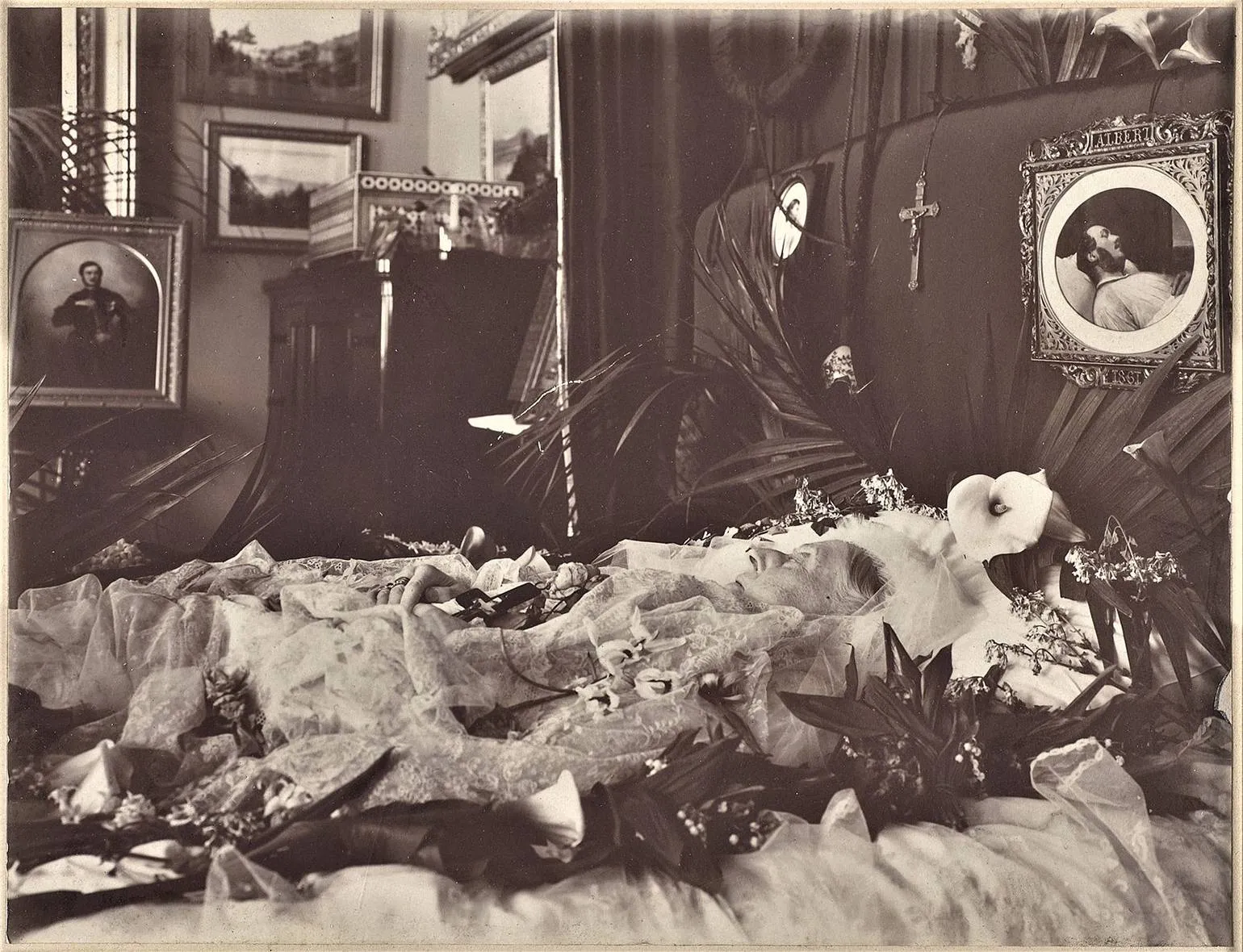
This was something of a revelation for me. For some time, I had been exploring the body and corporeality in photography, as well as scientific and medical photography. However, I felt like something was missing. Upon learning about modern postmortems, I realized that all elements—science, medicine, the body, and death—are interconnected. At that moment, I realized I had found an inexhaustible source of material for a lifetime of research. Now I can delve into these themes, explore their intersections, and create unique projects that will be important for understanding human existence and its finitude.
In 2020, I lost my father and created his postmortem portrait. This experience became a turning point for me, when I myself became a bearer of postmortem photography and a subject for my own research. This process deepened my understanding of the significance of postmortem photography and its impact on the perception of loss.
The topic of death is often perceived as taboo, which makes its exploration challenging. During my research, I encountered misunderstanding from friends and colleagues who considered the topic frightening and inappropriate to discuss. Many believe that delving into such issues is pointless, but understanding death can help us better understand life. Research in this area opens new horizons and fosters a deeper appreciation of human existence.
People come to my lectures and sometimes express the opinion that we are all sick and in need of psychiatric help. I don't take offense at such comments, as I understand that the topic of death is truly complex, and for some, even frightening and depressing. However, more often than not, I encounter understanding. My audience perceives the issues discussed as interesting and meaningful. Many of them are unable to discuss the topic of death in their families or relationships, as it is not customary. I become a person they can confide in and open up to, which makes our communication especially important.
People working in death-related fields, such as doulas, photographers, and mortuary staff, often choose this path for a variety of reasons. One of the main reasons may be the desire to help others during difficult times when loss becomes a part of life. These professionals often become a support system for people experiencing grief and help them cope with their emotions.
Working in this field can also be a way to understand and overcome their own fears of death. By immersing themselves in topics related to loss, these professionals can find new perspectives and understanding of life. They learn to appreciate every moment and develop a deeper relationship with questions of existence.
Some of them may be drawn to this field because of personal experience or loss, which helps them understand the importance of support during such times. Ultimately, working with the topic of death can be both a way to serve society and a path to personal growth and understanding.
Everyone has their own unique path to overcoming fears. Some move forward because they have never experienced the fear of death and think, "Who if not me?" For others, the fear of death becomes motivation, allowing them to overcome their own limitations and experience life to the fullest. I, like many, face many fears, but I continue to work on myself and my goals. This internal conflict and desire for development help me find the strength to move forward, despite all the difficulties.
Have you overcome any of your fears? How has your self-perception changed since completing the book?
I am experiencing severe fatigue. Writing this book was a real challenge for me. During the process of writing it, I lost my grandparents and my cat, Coconut, moved, and broke up after a long relationship. In my acknowledgments, I note that my book is saturated with tears, and this is truly true. Each section reflects my experiences and emotions, which gives the work a special depth and sincerity.
I realize that there is always room for improvement, because there is no limit to perfection. In the process, I would ask respondents more questions and emphasize the publication of men's stories. The current book features only female protagonists, but I believe it is important to also reflect the male experience of loss and grief. This is necessary for a more complete understanding of the topic of death and the grieving process.
I have not gotten rid of my fears, and this was not my goal. However, I have significantly expanded my ability to feel and understand others. Now, when I ride the subway or walk through a shopping center, I observe people with a kind, research-oriented interest. I am interested in the lives of each person passing by and the losses they have experienced. This empathy allows me to more deeply understand the emotions and experiences of others, enriching my inner world and my interactions with society.
We often don't realize how little we know about the lives of others. This book reveals the hidden side of their existence, allowing us to understand the experiences they experience. It teaches us to treat others with care. Thus, I believe that my book touches upon not only the topic of death, but also the topic of love.
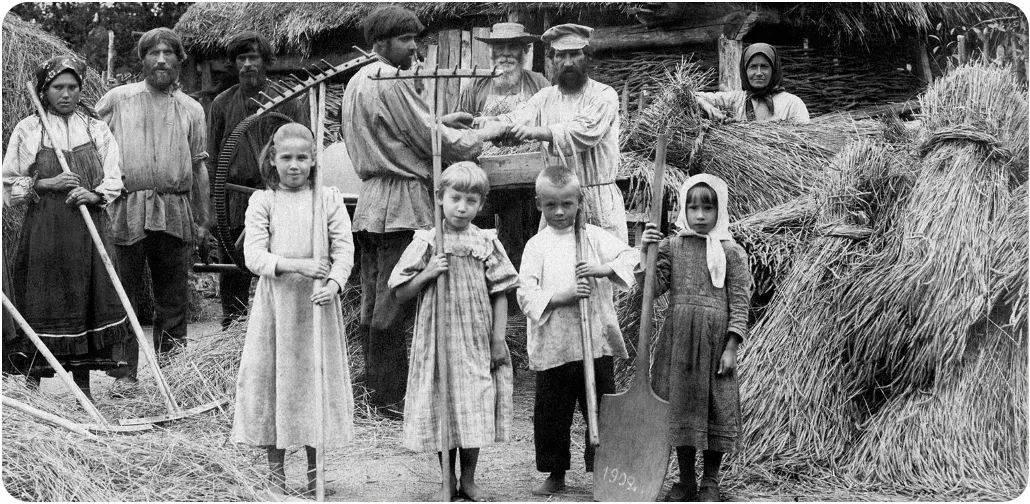
Reading is an important part of our lives. It develops thinking, broadens horizons and enriches our inner world. Immersing yourself in books not only helps improve knowledge but also promotes emotional development. In the modern world, access to information has become easier, and everyone can find interesting materials for every taste. Books, articles, and blogs all contribute to self-development and critical thinking. Read more to discover new horizons and deepen your knowledge.
Ivan Filatov is a photographer who captures freedom in his work. His unique style and attention to detail allow him to create images that convey deep emotions and atmosphere. Ivan's photographs capture moments when a person feels free, whether in nature, in the urban environment, or while traveling. Each of his works is not just a picture, but a story telling about freedom of choice and self-expression. Filatov's work inspires viewers to appreciate the moments when they can be themselves. Inspired by the world around him, Ivan continues to explore new horizons of photography, emphasizing the importance of freedom in every person's life.
Profession Photographer
You will learn to take professional photos from scratch. You will learn how to organize shoots, process frames, manage models and a team. Find your style, build an impressive portfolio, and start making money doing what you love.
Find out more