Contents:
Hortus: Flowers Are Not What They Seem
I define myself as an artist who strives to convey emotions and ideas through visual images. My work involves exploring various materials and techniques to create unique works of art. I believe art should evoke emotion and make the viewer think. In my work, I pay attention to detail, color, and composition, allowing me to express complex concepts and themes. Each piece is a reflection of my inner world and my perception of reality.
I consider myself a multidisciplinary artist. In my work, I combine various media, including photography, sculpture, video, and installation. I also engage in performance, which allows me to explore the interaction between art and the viewer. My approach to creativity is based on experimentation and the search for new forms of self-expression, which makes each of my works unique and multifaceted.
Choosing a medium is a key stage in the process of interacting with the spiritual world. First, you need to define your goals and intentions. You need to understand what exactly you want to learn or achieve through communication with a medium. Then, you should research different types of mediums, such as clairvoyants, tarot readers, or spirit mediums. Pay attention to their experience, reputation, and client reviews. It is also recommended to conduct a preliminary consultation to assess your comfort level and trust. It is important to choose a medium who meets your expectations and helps you uncover the necessary aspects of your life.
The idea often comes to the medium spontaneously. I prefer to focus on the theme rather than the medium used. This is probably a result of my training at the Gerrit Rietveld Academy in the photography department, where the emphasis was on conceptual thinking and idea generation. In this context, the medium was always secondary.
It is important to establish a connection between your work and reality to provide people with a clear entry point for perceiving your art. It should be something familiar that viewers can identify with—be it visual images, sensations, or memories. Creating these connections fosters a deeper understanding and experience of your work, making it accessible and meaningful to your audience.
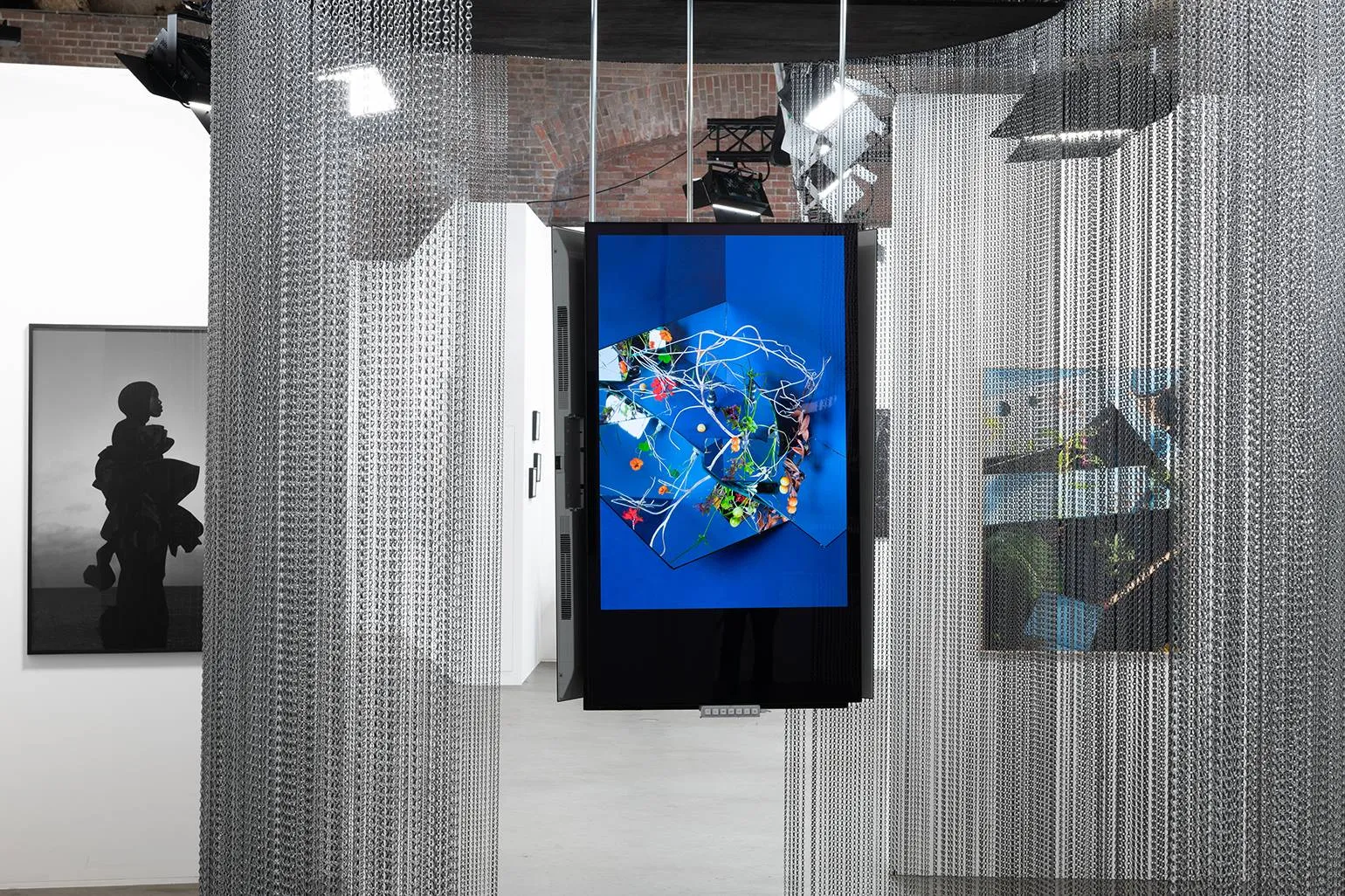
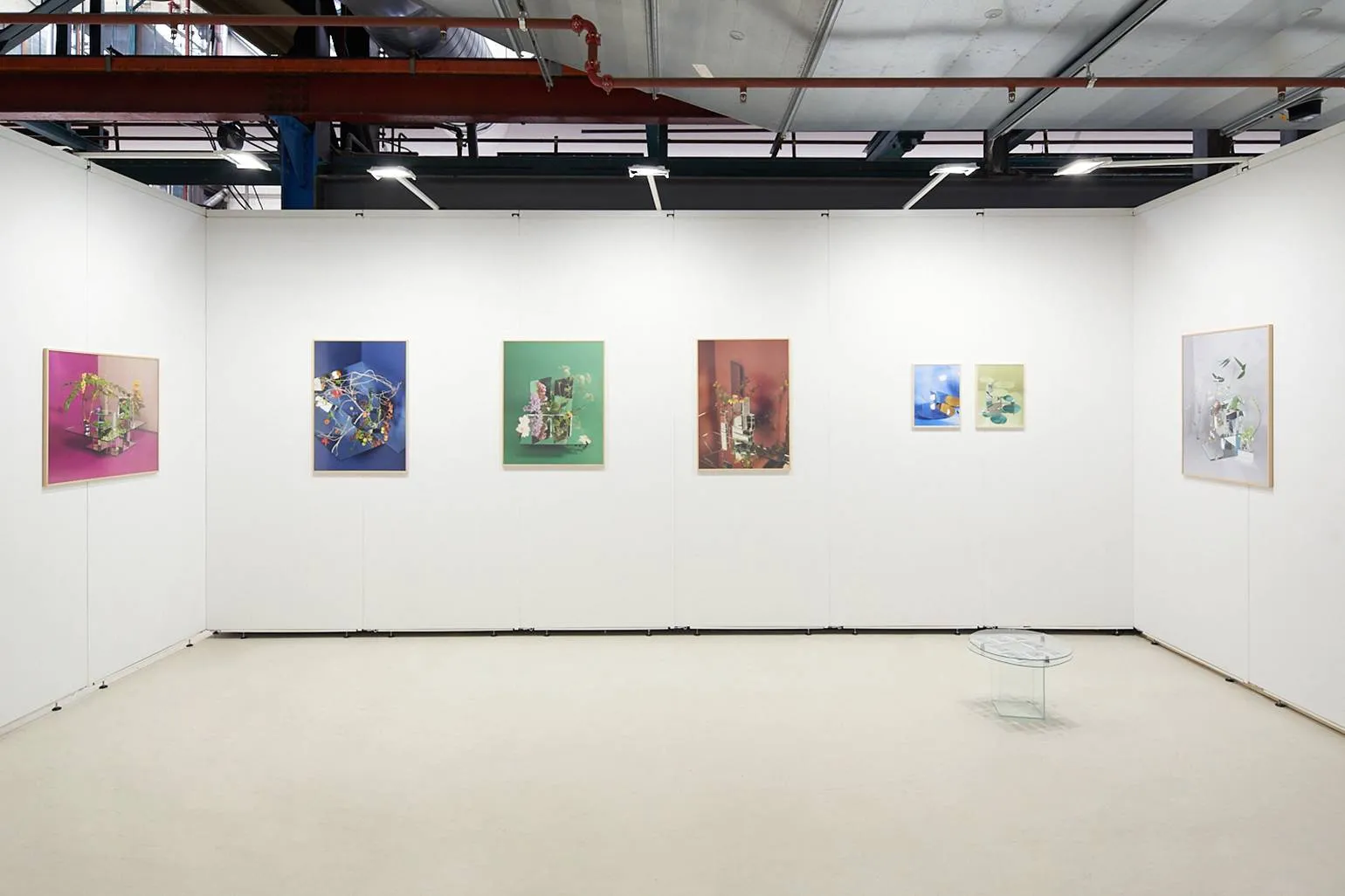
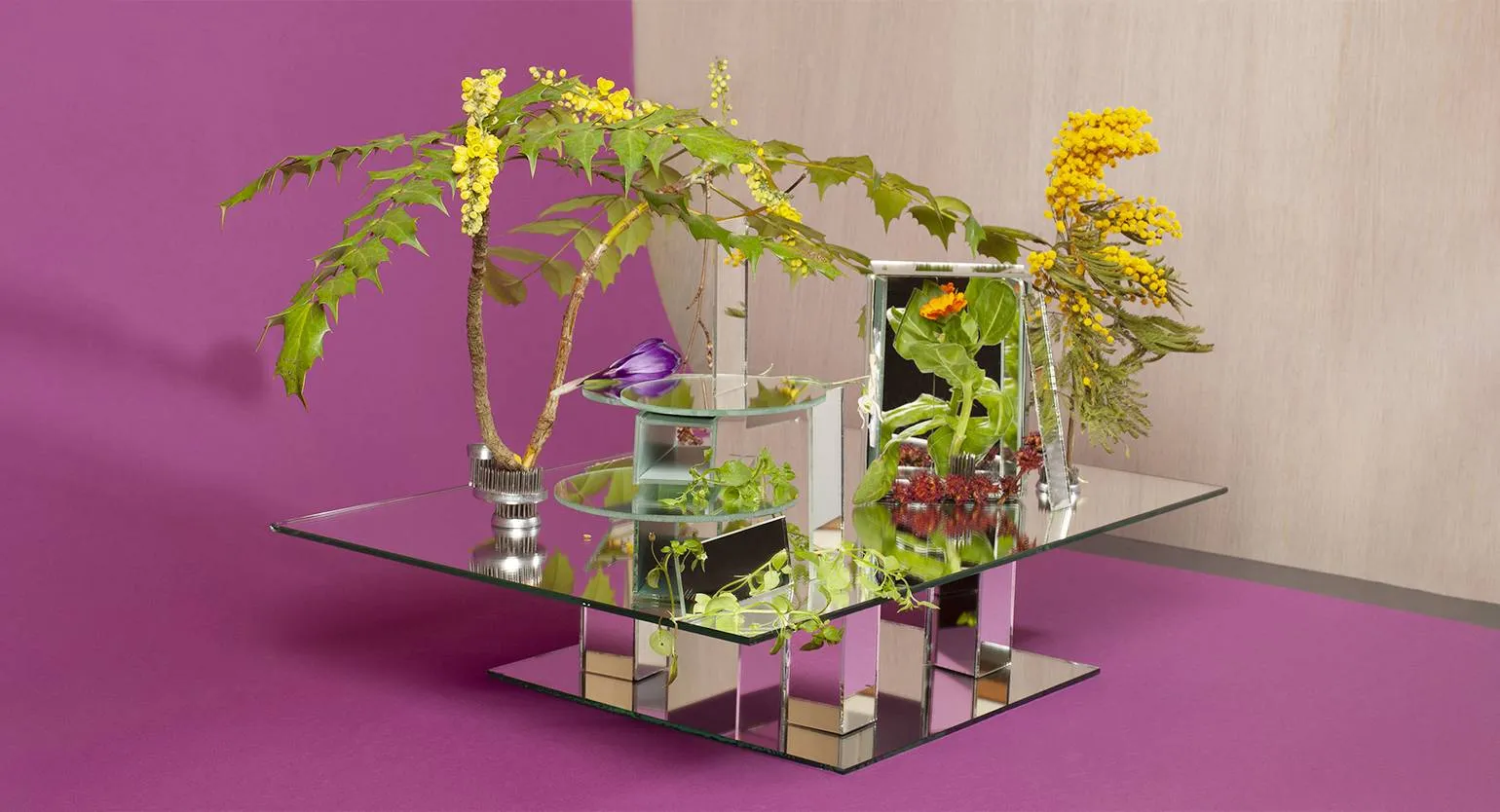
I am interested in working with everyday objects and, at first glance, mundane things that can serve as a source of many interpretations. In my project Hortus, which means "garden" in Latin, I explore plants. They seem simple and beautiful, they are pleasant to look at, but it is worth considering the significance they have in history, religion, and different cultures. This approach allows for a deeper understanding of their role and influence on human life, opening up new horizons for analysis and understanding.
Hortus truly harks back to the Victorian era, when botany became one of the few sciences available to women. The idea for the project arose from the desire to explore and highlight the importance of women's contribution to science and botany during this period. We want to highlight female figures who, despite the limitations of their time, made significant discoveries and left a lasting mark on the history of science. The project also aims to popularize botany and its importance in the modern world, creating a bridge between the past and the present.
We moved to a new neighborhood, and I spent a lot of time walking the dog. This activity became quite routine, and boredom prompted me to pay attention to the world around me. I began to study the plants I encountered along the way and wonder how they got there. Were they planted by people, or did they appear spontaneously, driven by the wind? Gradually, I began photographing the plants I found and researching their history. What are their names? What can we learn about them? During my research, I came across the concept of the "language of flowers," popular in Victorian England. This language was used by lovers to convey messages to each other through bouquets. This romantic idea inspired me to further research and delve into the world of botany and plant symbolism.
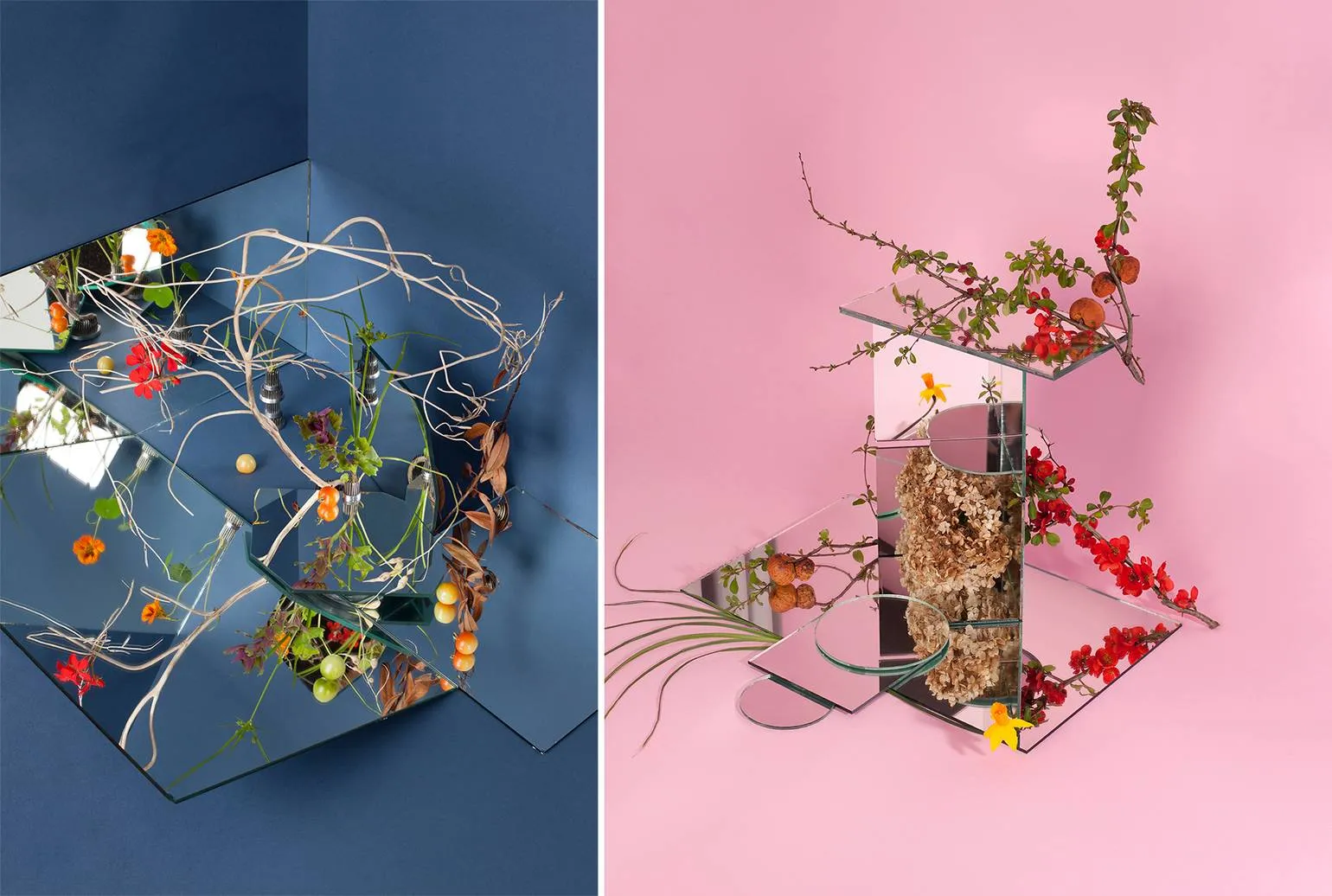
Scientific and cultural interest in the language of flowers was relatively low, but books with illustrations of plants enjoyed great popularity, becoming part of the cultural phenomenon of coffee table books. Initially, their publications included poetry about flowers and artistic illustrations, but by the end of the 19th century, scientific works began to appear as well. At the same time, women were allowed to attend courses in botany at London universities, which was considered a simple and harmless subject. This allowed women to gain access to university education and gradually expand their opportunities to study other faculties and subjects.
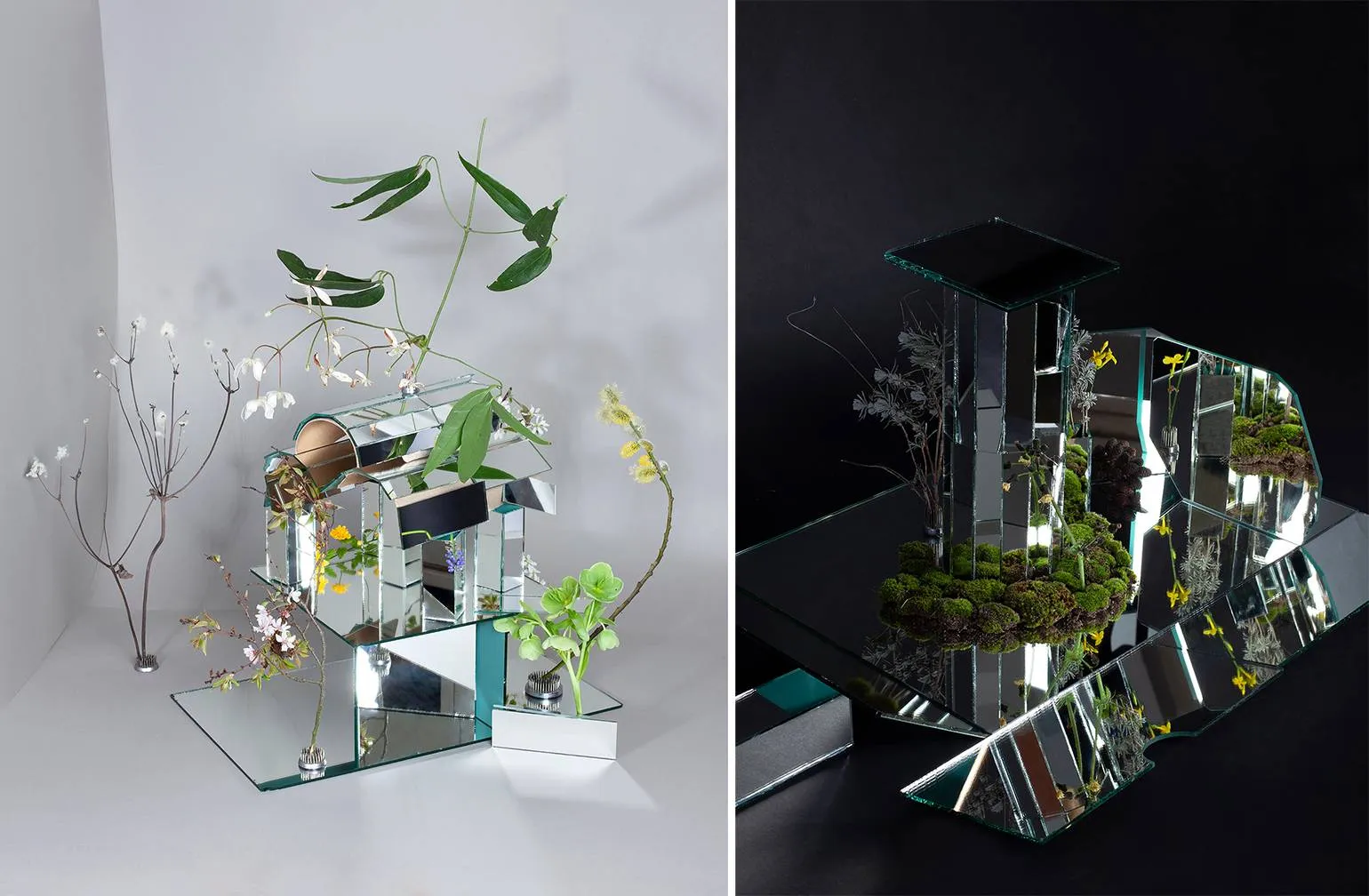
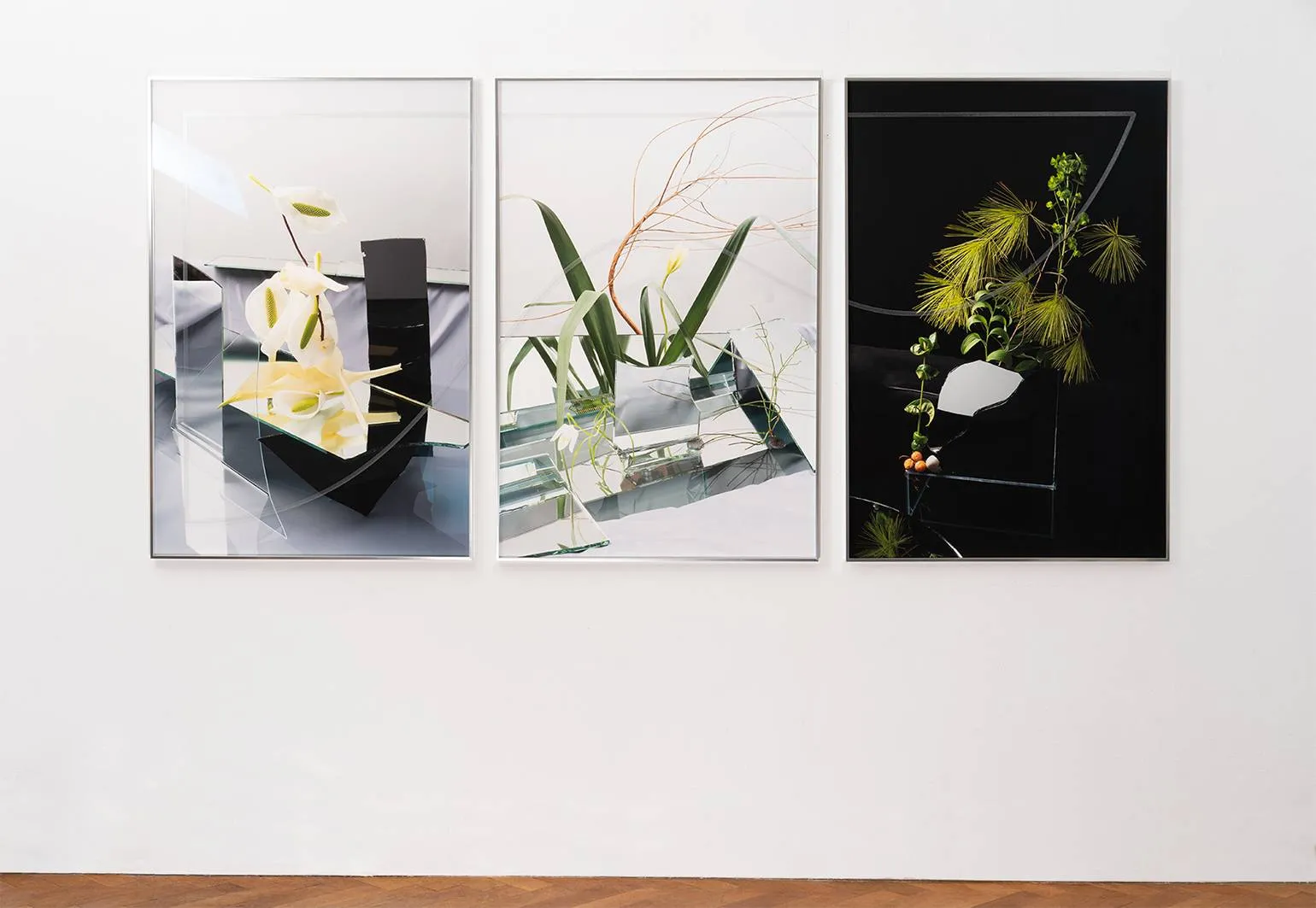
The Hortus project combines several themes that fascinate me: plants that surround me in everyday life, an alternative view of familiar objects inspired by Victorian photo books, and the diversity of meanings that ordinary flowers and plants can have. For this project, I created 12 still lifes, photographing local plants each month. This allowed me to capture the changing seasons, the visual transformations of nature, and the cyclical nature of time. Each photograph reflects the beauty and uniqueness of the plant world, emphasizing its importance and diversity in our lives.
Your work can be characterized as having a feminine character. What significance do you attach to what is commonly called the "feminine experience" in your artistic practice?
I often receive feedback on my work that emphasizes its femininity and feminist orientation. Perhaps this is true, since I am a woman. I am pleased that this connection is obvious, as it gives my projects a lively and unique feel. This authenticity is of great importance to me and reflects my personal identity.
Subscribe to our Telegram channel "Behind the Curtain" to stay up to date with all the news and updates. Don't miss the opportunity to follow interesting content and receive relevant information in a convenient format. Join the community and stay connected.
"Exploring Love": From What Debris a Project Grows
In my artistic practice, I identify several key themes that are fundamental. These themes reflect my interests and values, and also influence the forms and methods of expression I choose. I focus on exploring human emotions, interactions with the surrounding world, and social issues. An important aspect of my work is also the analysis of cultural identity and its influence on personal experience. These core themes help me create deep and meaningful works that resonate with viewers and contribute to the discussion of current issues in contemporary society.
My significant projects are primarily based on personal experience, and I strive to continue to develop this theme, including issues of emigration. I am Russian, but part of my identity is already associated with the Netherlands. The topic of identity intrigues not only me but many others as well. It allows me to transform my experience into a universal language that can resonate with others. By processing my own experiences, I also process the collective experiences of people facing similar situations. In this way, I capture the collective experience through the prism of my personal history, which makes it more accessible and understandable for others.
Good art, in my opinion, is what creates an opportunity for reflection and self-reflection. It evokes thoughts and feelings, encouraging the viewer to delve deeper into their experiences and perceptions of the world. Art that can touch inner depths becomes a catalyst for personal reflection and discovery. It is this space for reflection that makes a work truly valuable and meaningful.
An idea based on personal experience always takes precedence. It is formed as a result of interaction with the surrounding world, which gives it uniqueness and depth. Personal experience allows me to identify true needs and interests, which makes the idea more relevant and viable. When an idea stems from real events and emotions, it is able to resonate with others, evoking response and interest. Thus, personal experience becomes the basis for creating meaningful and in-demand content.
An idea usually arises from observations of the world and life around me. Often, it is connected with visual elements or themes that occupy my thoughts for a long time. If a certain thought does not leave me for a long time, I realize that it has value to me. As a result, I begin to develop this idea, and sometimes this process leads to practical implementation, creating a new project.
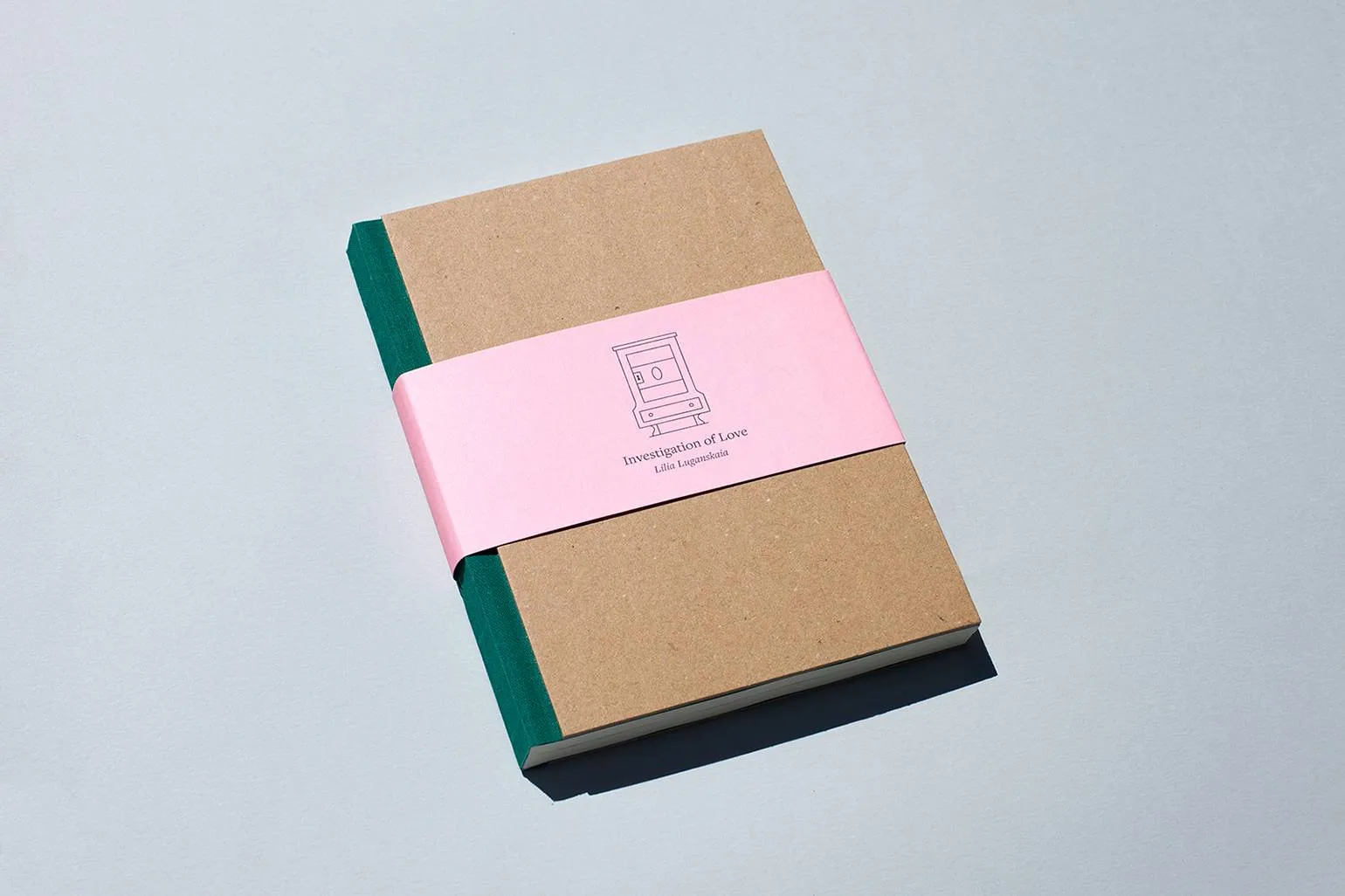
Sometimes it all starts with accumulated material—that's how my photo book "Exploring Love" came about. While preparing documents for a residence permit in Holland, I collected numerous letters from friends and family, as well as other materials. Reading them, I experienced an interesting feeling: as if my personal life had lost its privacy. This inspired me to create this project.
Sometimes the idea is more important than the material, while in other cases, on the contrary, the material becomes the key element. It is important to understand that, depending on the context and goals of the project, the emphasis may shift. High-quality material can support and develop the idea, while a strong idea can inspire the creation of unique content.
Work on the project «Investigation of Love» incorporates many aspects that make it unique. The main focus is on exploring the themes of love, relationships, and their complexities. The project brings together various specialists: screenwriters, directors, and actors, each of whom contributes to the creation of a deep and multi-layered story.
The screenwriters carefully craft dialogue and character development so that viewers can see not only romantic moments, but also the difficulties the heroes face. Working on the project's visual style also plays a vital role, as each scene must reflect the emotional state of the characters and the atmosphere of their relationship.
Actors undergo casting and rehearsals to get into their roles and create believable images. An important stage is scene testing, which allows for necessary adjustments and improves the overall perception of the story.
The project "Investigation of Love" aims not only to entertain but also to provoke reflection on the nature of love, which makes it relevant and appealing to a wide audience.
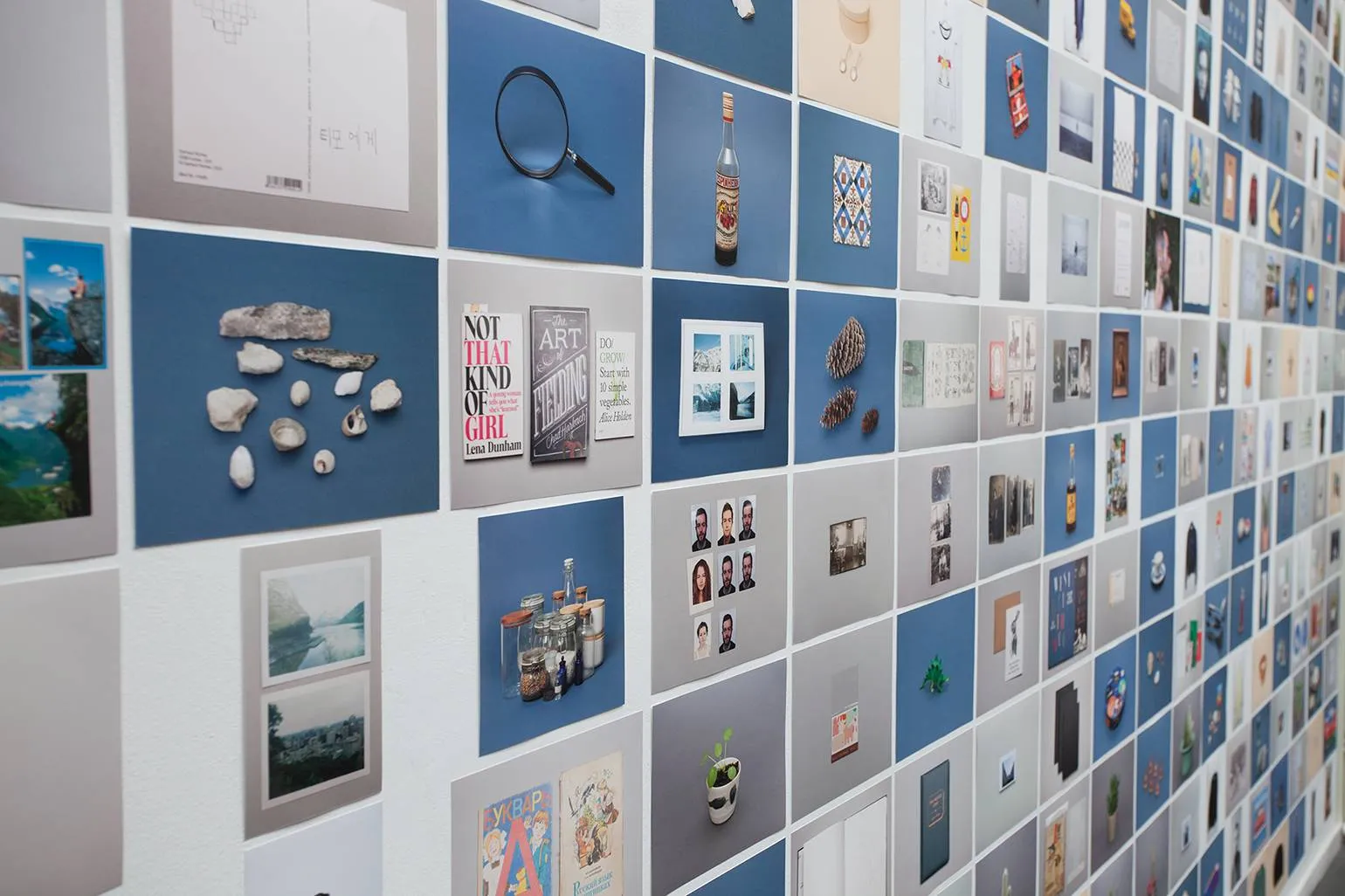
I worked on the project for three years. My then-boyfriend, now my husband, and I decided to apply for a partner visa. He is Dutch, and I am Russian, eager to continue my career and life in the Netherlands. To successfully complete this process, we had to gather an extensive package of documents proving our relationship. Among the requirements were strange questionnaires with questions like, "Where and when did you fall in love? Please provide the date, time, and place." It's an interesting attempt to connect personal feelings with bureaucratic norms. We also needed joint vacation photos, preferably taken at different times of the year, to show the evolution of our relationship. We also needed letters from friends and family sharing their impressions of us. By reviewing these materials, you can piece together a picture of our life together and our personalities. It's both amusing and unsettling, as you're giving strangers access to your personal information.
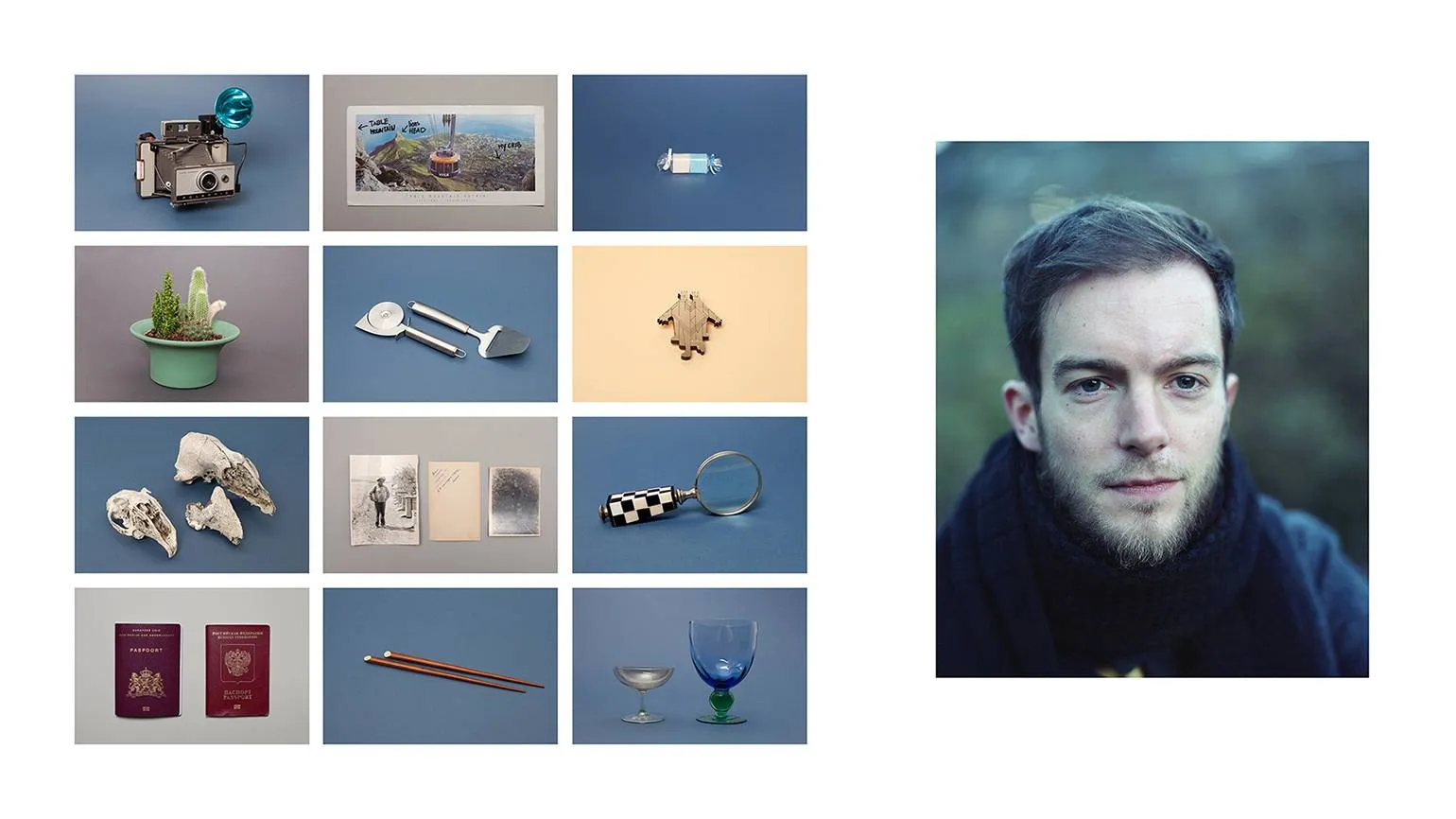
With all these materials at my disposal, I started thinking about how to integrate them into my artistic practice. The result is a project that explores not only the boundaries of personal space, but also the theme of love. I documented all the objects associated with our relationship, such as forks and a five-hundred-and-fourteen-piece house cactus. These objects were combined with documents and photographs to create a photo book that captures the depth and complexity of our feelings.
You began your career as a documentary filmmaker. How did this experience of capturing reality influence your work on the artistic project? Did it hinder you or, on the contrary, become a support during the creation process?
I applied documentary filmmaking methods to focus on what I call investigating reality. This approach allows for a deeper understanding of the world around us and reveals its true essence.
The result is a unique project, Investigation of Love, which includes a book created with the intention that it can be perceived as both a true story and a fictional one. This combination allows readers to immerse themselves in a world where the boundaries between fact and fiction are blurred, creating a captivating and multifaceted narrative.
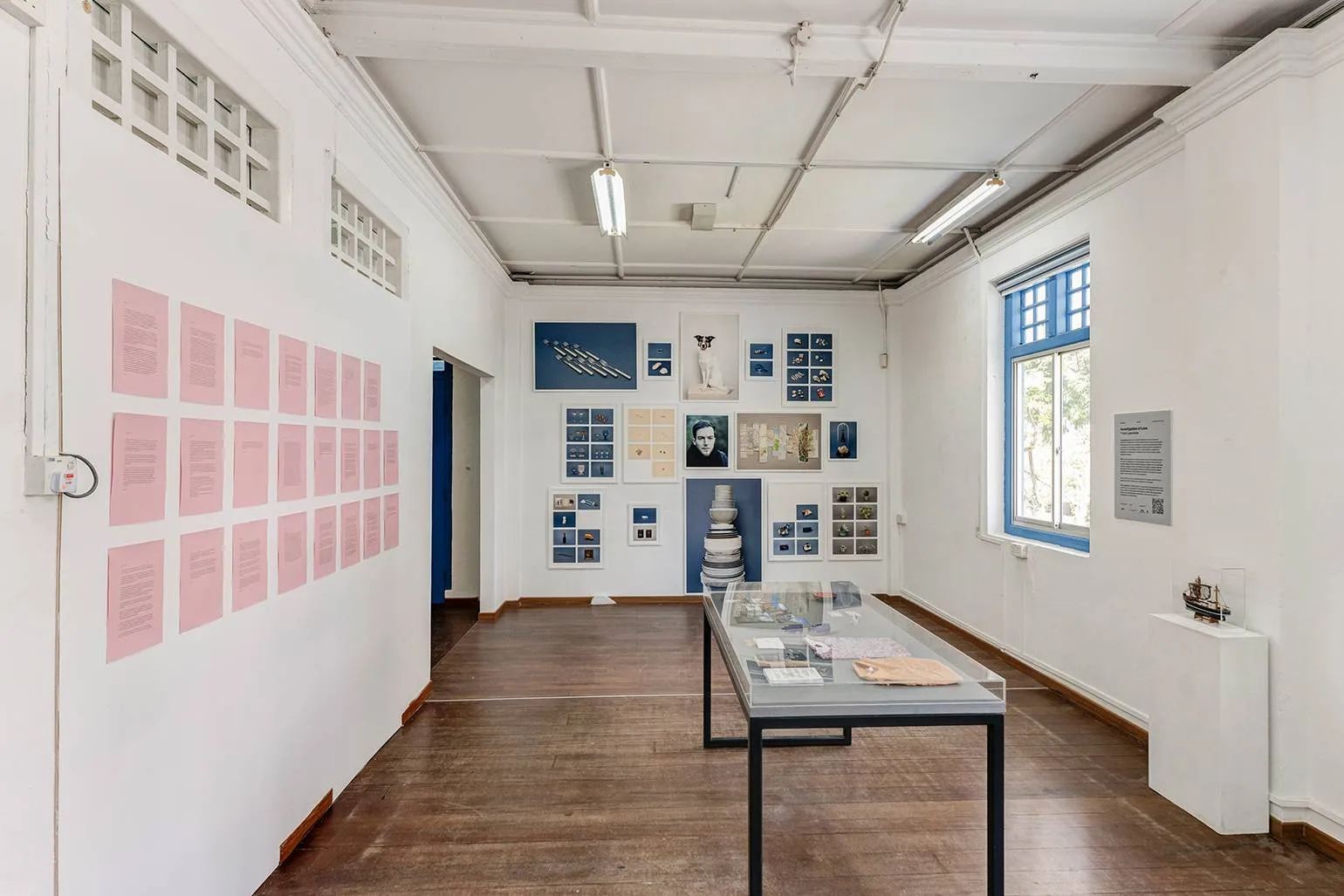
The popularity of autofiction projects continues to grow, and this phenomenon is of interest. A stranger's personal experience may seem insignificant, but it's precisely this that draws readers' attention. People seek sincerity and authenticity, which makes autofiction particularly appealing. These projects provide an opportunity to connect with others' experiences and emotions, allowing readers to see their own experiences reflected in them. Furthermore, autofiction fosters a deep connection between author and audience, which enhances engagement and interest in the work. In today's information-saturated world, such stories become a source of inspiration and understanding, which explains their growing popularity. This photobook has gained great popularity, and I believe this is due to the fact that social media had not yet become so exhibitionistic when it was published in 2018. The book touches on basic values, such as love and relationships, that resonate with many people. Furthermore, the project's method is very simple: it uses a clear and accessible visual language. Readers easily recognize everyday objects in the images, such as items from IKEA. Thus, this book is simultaneously personal and universal, which makes it appealing to a wide audience.
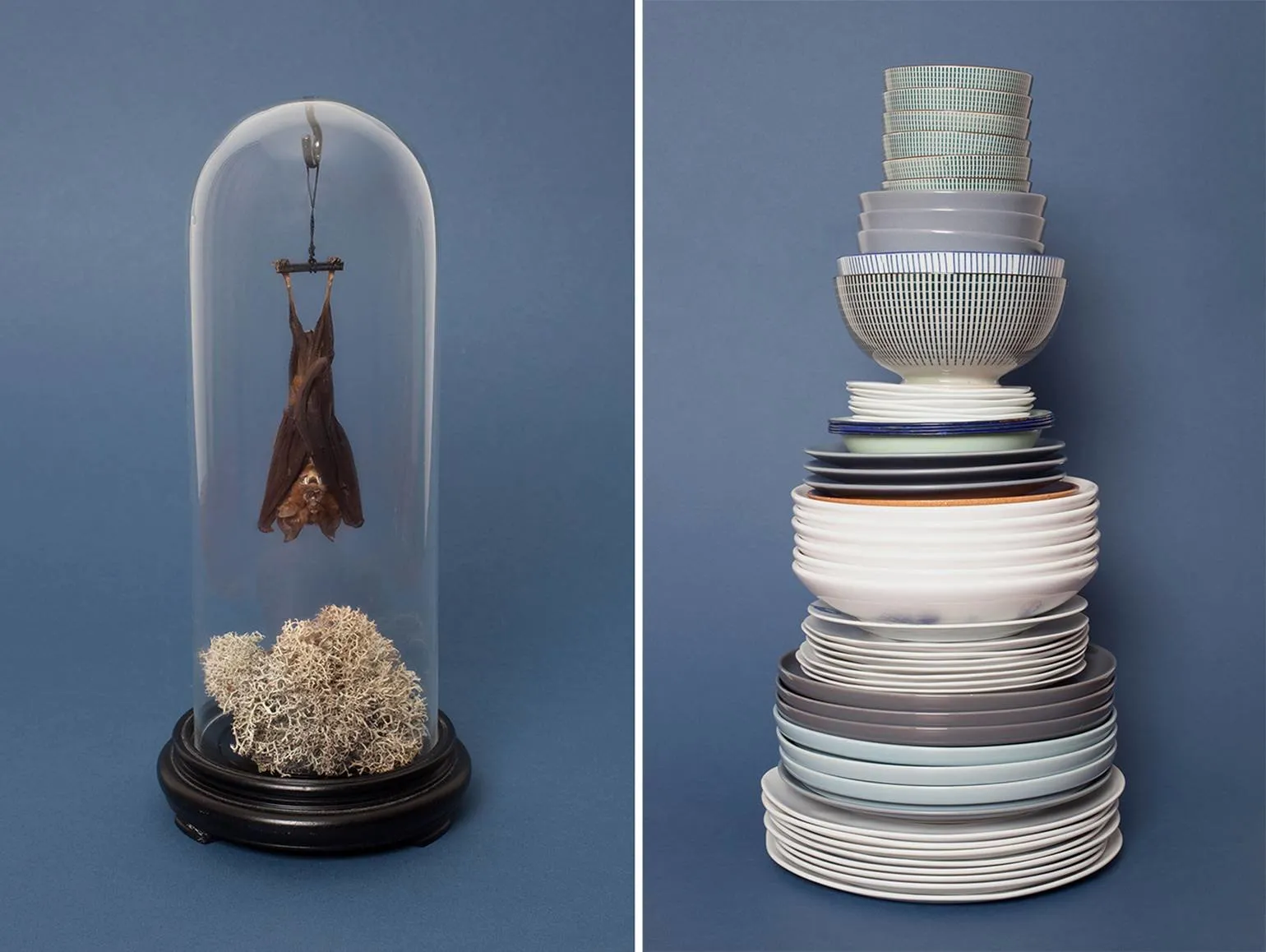
The project, which was initially conceived as an artistic expression, at some point began to go beyond art. It has been noted that some couples have started using the photo book as a guide for filling out partner visa applications. This makes me particularly proud, as it demonstrates how art can provide practical assistance and influence real-life situations.
"Missing Link": Excavation of Meaning
The project "Missing Link" focuses on public heritage, in contrast to "Investigation of Love", which explores personal experiences. Here we consider the importance of preserving cultural identity and historical memory, emphasizing the connection between the past and the present. "Missing Link" opens new horizons for understanding public values and their impact on contemporary society.
The Trompenburg Botanical Garden in Rotterdam invited me to organize an exhibition. In response, I proposed creating a new project, which they supported. They assigned me a small gardener's room to work in. Together with my assistant, we delved into the garden's heritage and became a bit of a gardener ourselves.
Trompenburg is not just a garden, but one of the largest collections of trees in the Netherlands. Its history begins with the Van Hooy Smit family, who actively collected plants on expeditions around the world. They brought back living specimens, which became the basis for a unique collection. Over time, the garden expanded significantly and became accessible to the general public, offering visitors the opportunity to enjoy a variety of rare and exotic plants. Trompenburg attracts both nature lovers and botanists, becoming an important site for the study and conservation of plant species.
The site of the garden was once a peat bog, which was covered with earth to a depth of one and a half to two meters. Currently, majestic centuries-old trees grow on this thin layer of soil. Due to the lack of opportunity to dig deeper, the roots of all the trees intertwine, forming a complex and closed ecosystem. However, this ecosystem is artificial, creating a certain connection between the garden and the natural history of Holland. Much of the country consists of land reclaimed from the sea, and the forests planted there are essentially artificial, like the Trompenburg Gardens. This emphasizes the uniqueness and artificial character of the landscape, reflecting the originality of Dutch nature and its history.
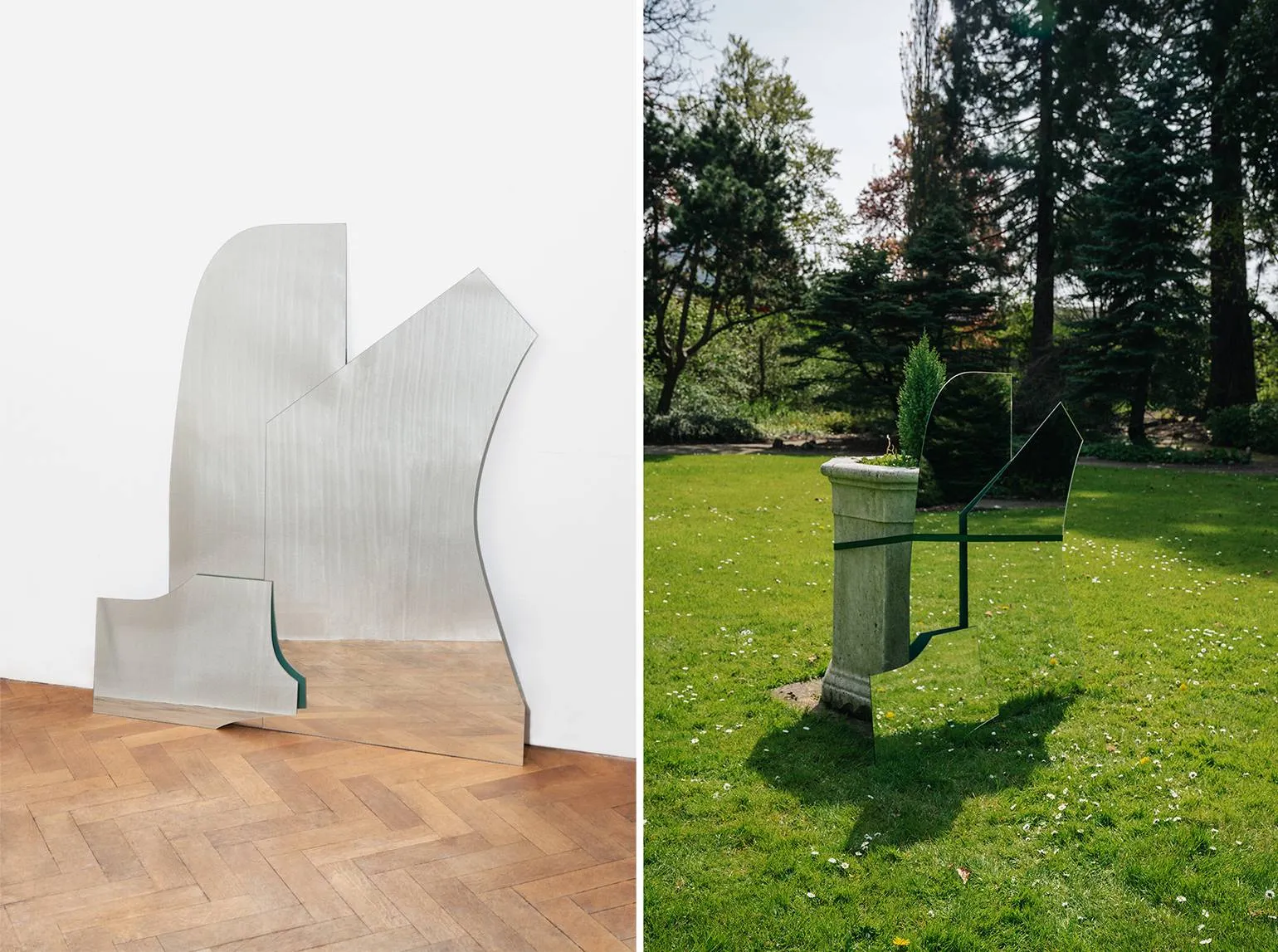
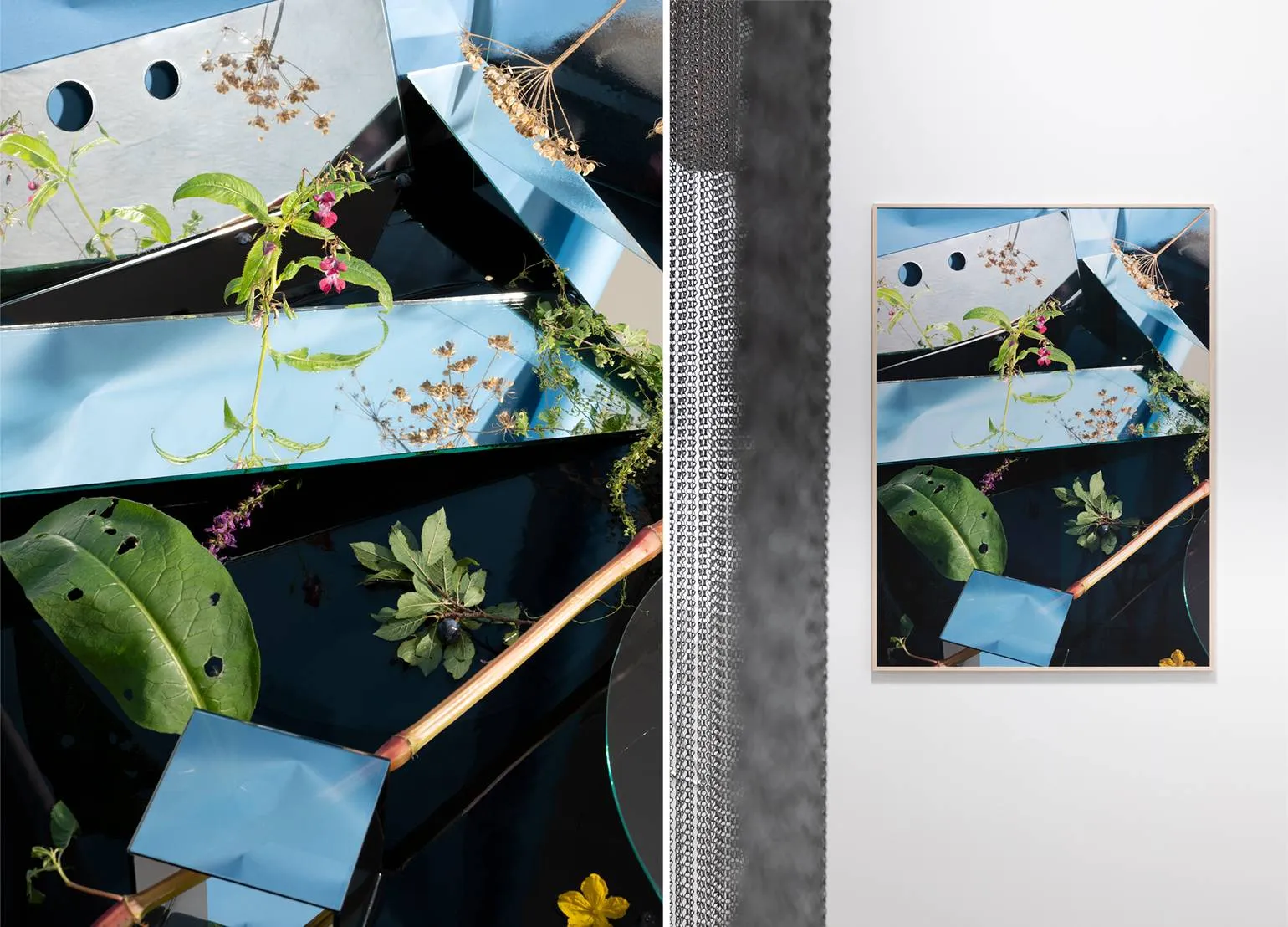
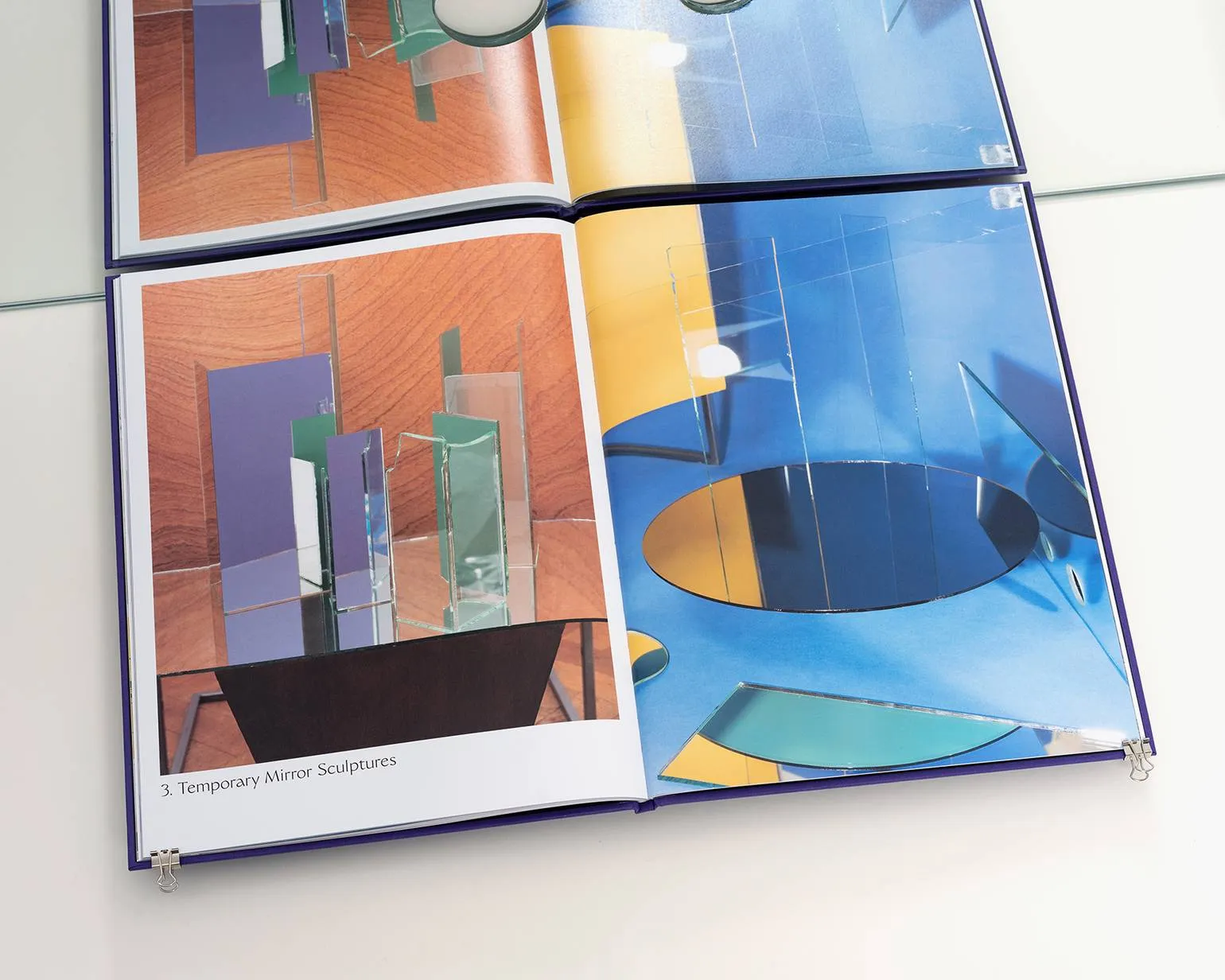
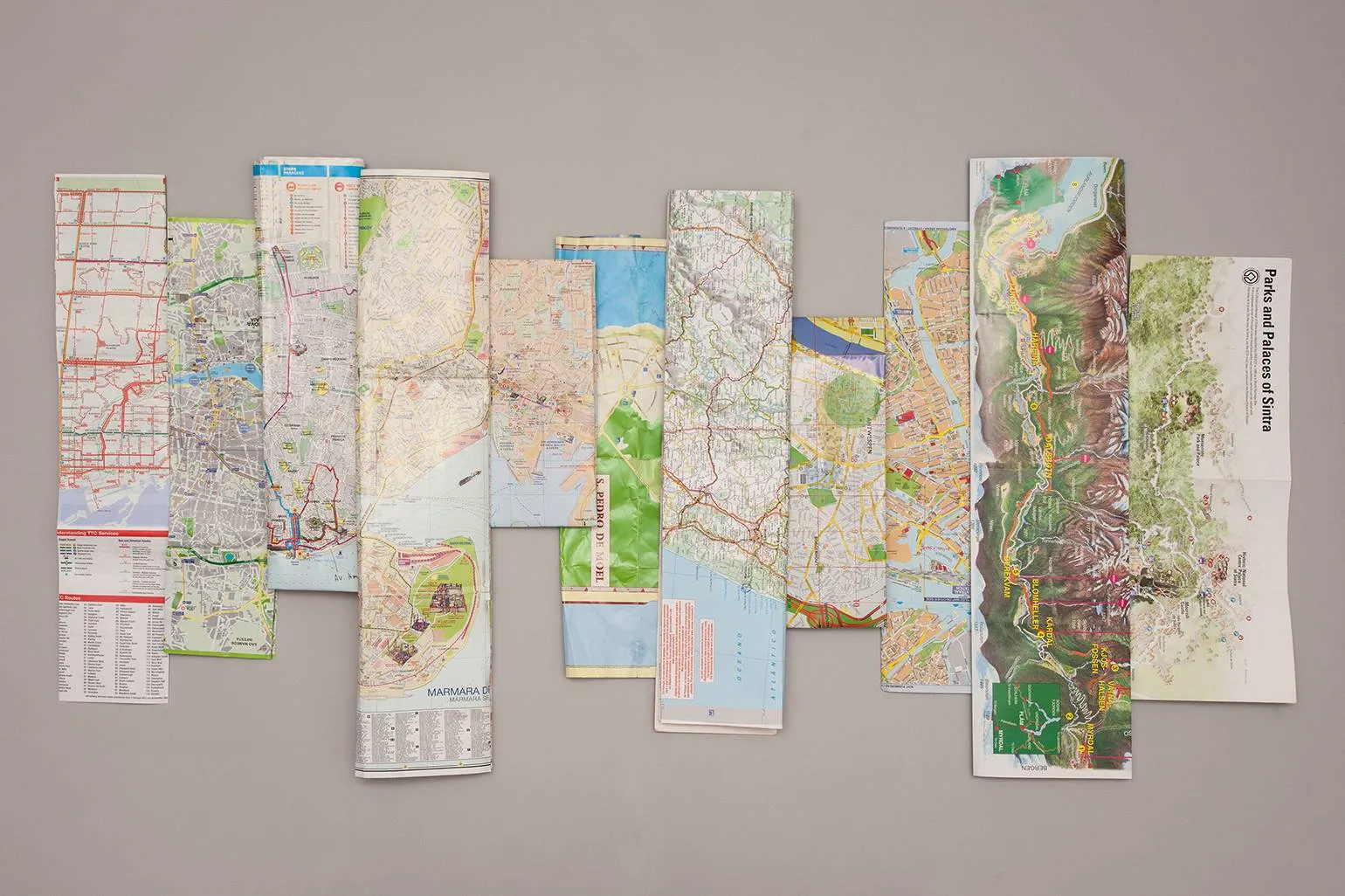
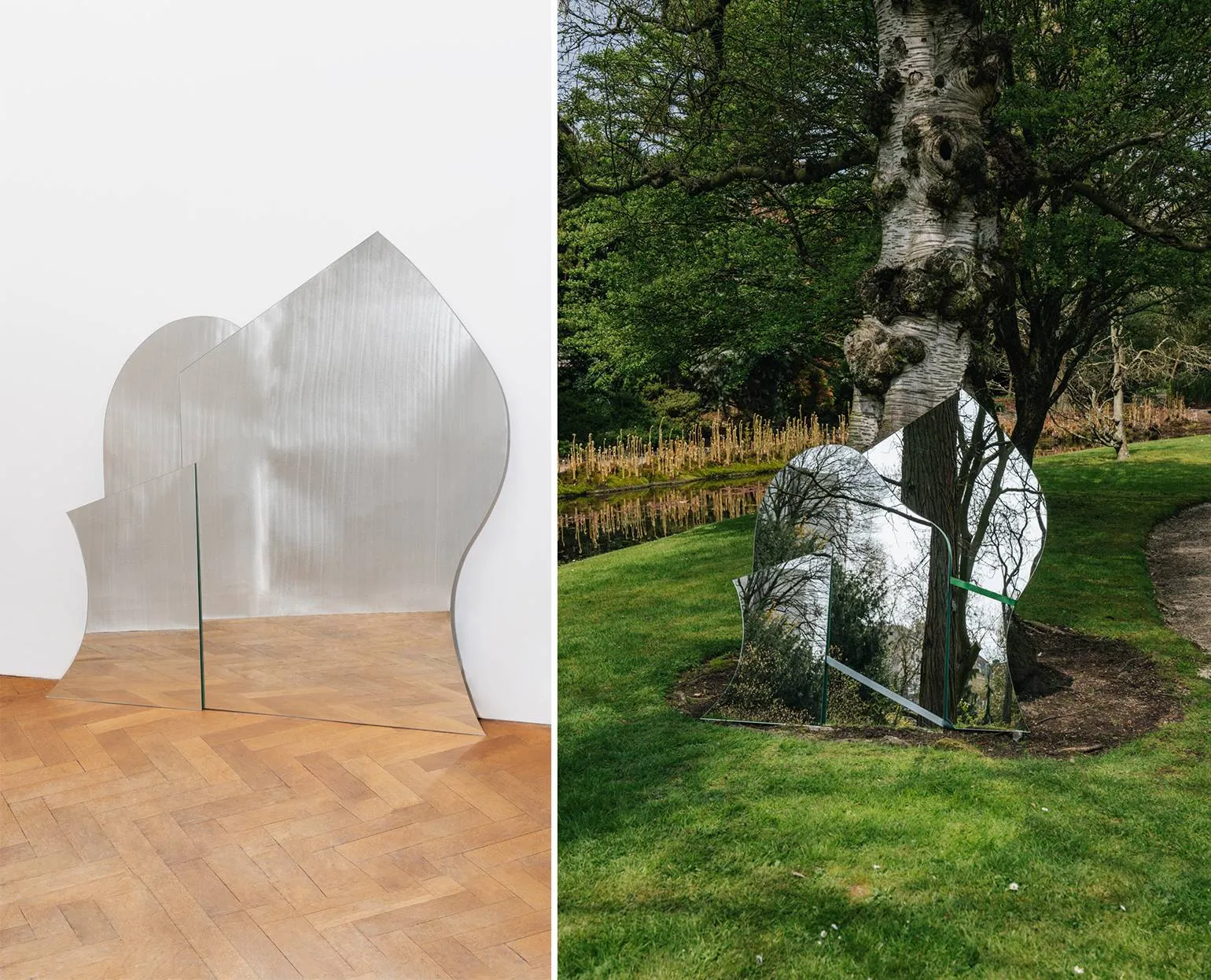
I used plants growing in the garden, as well as archival maps of its territory, to create seven photographic triptychs and three mirror sculptures in the three main zones of the garden. This was my first experience with sculpture.
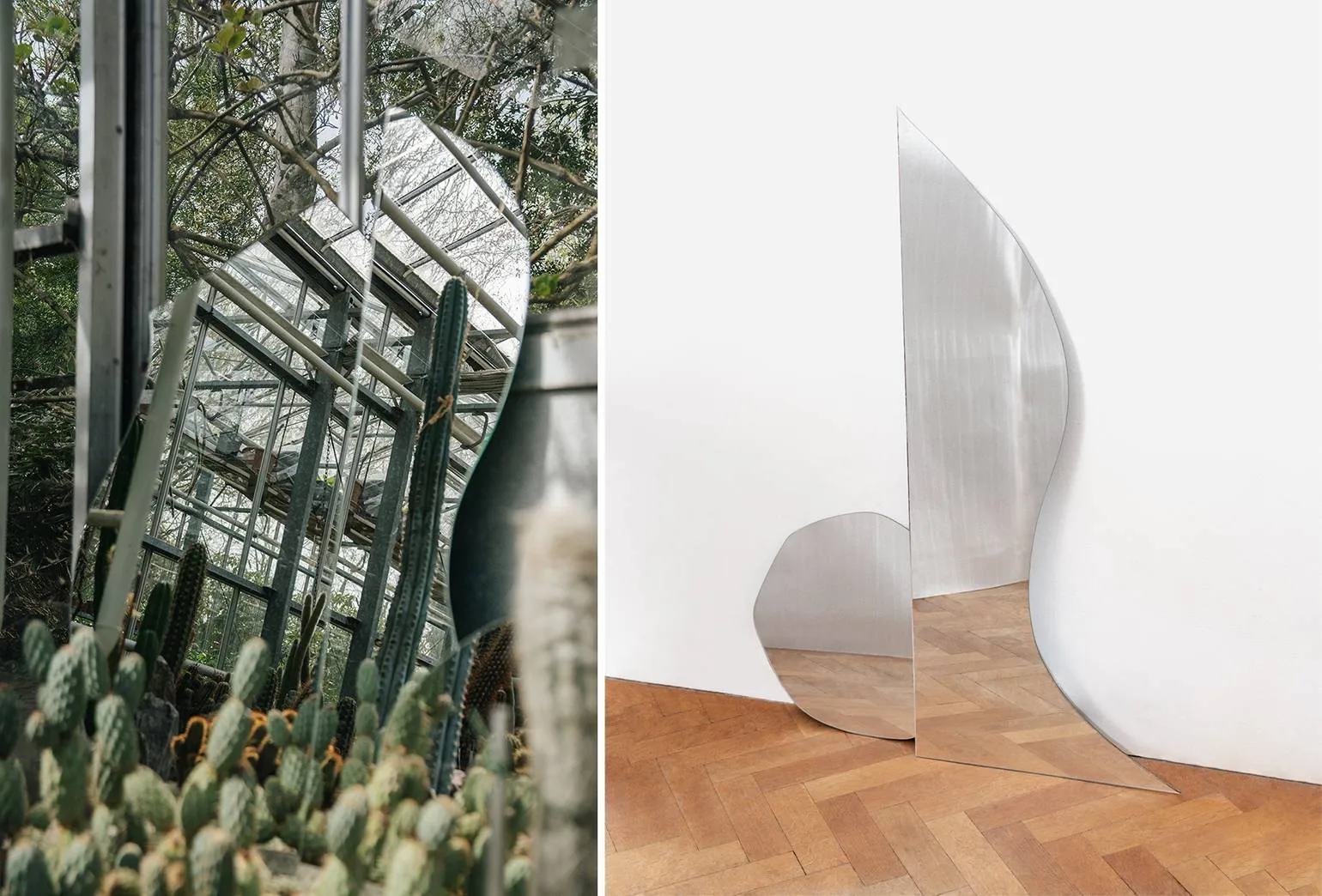
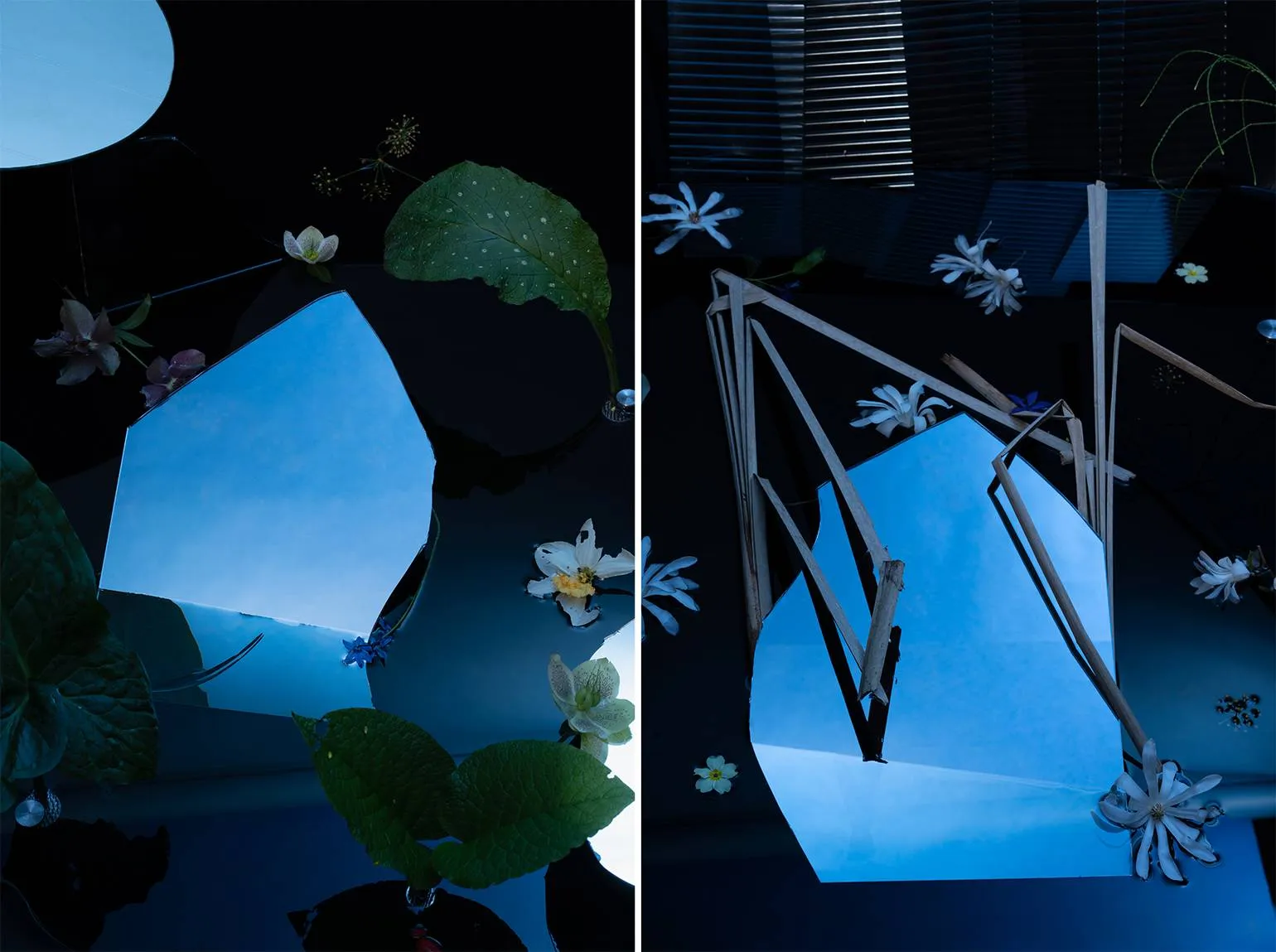
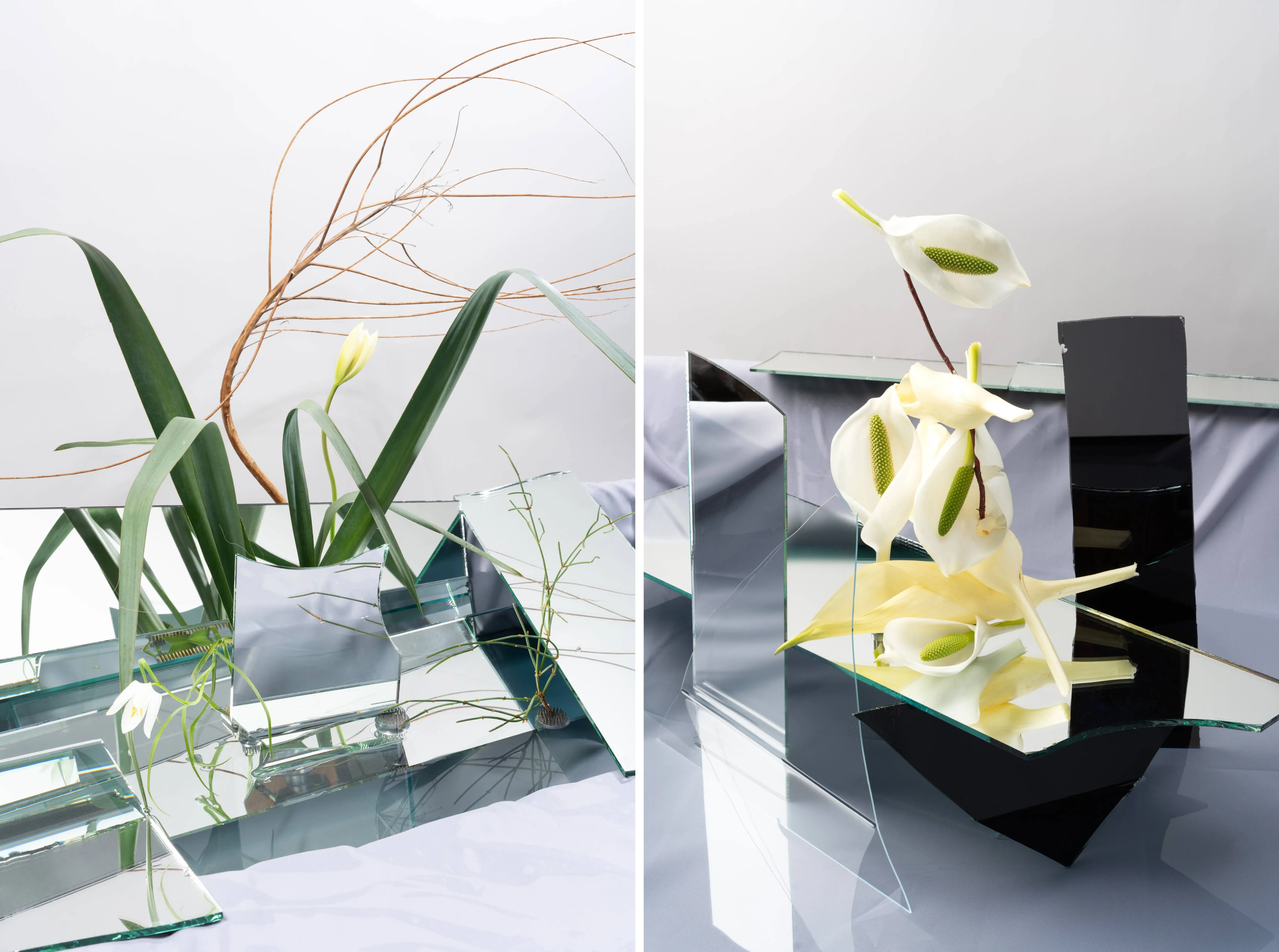
I am probably the first artist who was allowed to use plants from the botanical garden. The conditions were simple: the public was not allowed to know about our process. Together with an assistant, we visited the garden before its opening and discreetly collected materials for still lifes. This experience was unique for me, as it allowed me to create works of art based on rare plants and their natural beauty. Working with natural elements added depth and originality to my still lifes, which made them truly unique in the art world.
Mixing different mediums can truly be seen as a way of deconstructing the perception of reality. This approach allows not only to reveal but also to demonstrate hidden aspects of reality. By using different forms of expression, artists and creators strive to expand the boundaries of traditional perception, opening up new perspectives and possibilities for interpretation. Thus, mixing mediums becomes a tool that fosters a deeper understanding of the world around us and our relationship with it. Indeed, this approach to work has both pros and cons. Working with a single medium facilitates the process and promotes its gradual evolution. However, when something becomes too simple, a feeling of boredom sets in. This is probably what pushes me to experiment with new mediums. Whether this is a good or bad thing is debatable. Currently, I am interested in sculpture and conveying my ideas through 3D objects, which I use in commercial collaborations. These new forms of creativity offer me additional opportunities for self-expression and expanding the boundaries of my art.
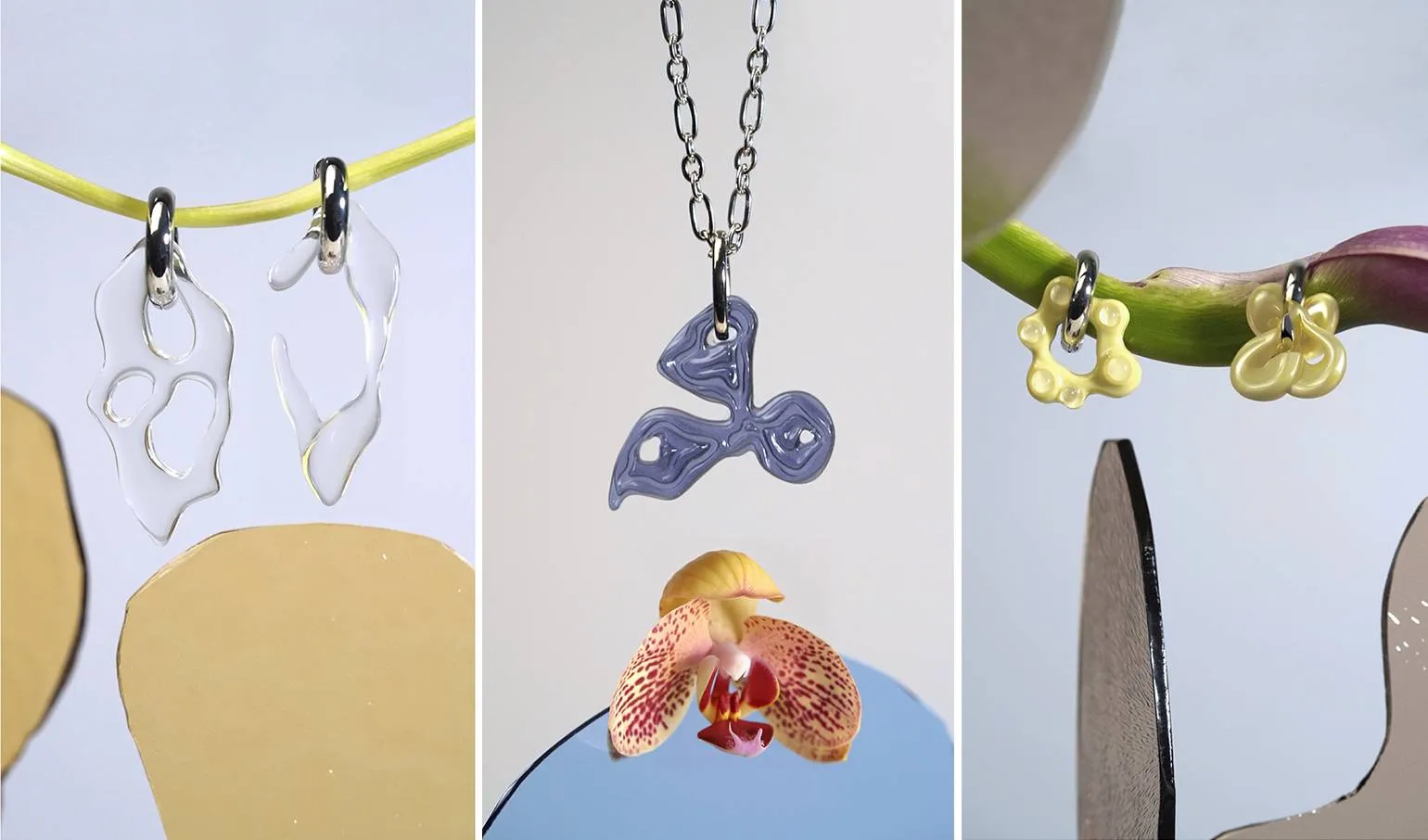
Each object in my works carries deep meaning. However, the viewer can focus on certain details and reflect on their experiences. I doubt that there is a single correct perception or understanding of art. The perception of works is influenced by both visual experience and the personal emotions of each viewer. The variety of entry points into a work of art creates the opportunity for multifaceted understanding. I am interested in creating a space in which people can look at seemingly familiar and simple objects from a new perspective, discovering something personal or even finding a reflection of themselves.
I am passionate about creating unique systems and universes using various materials and adhering to certain rules. By combining mediums and considering the socio-historical context, as well as everyday visual elements, I open new horizons. This multi-layered approach provides opportunities for self-expression and engagement for everyone.
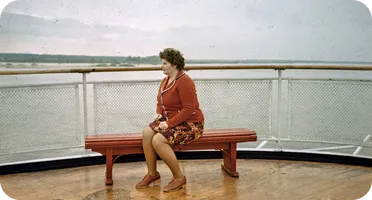
Reading is an important part of our lives, which helps expand our horizons and develop our thinking. Immersing ourselves in books, articles, and other sources of information helps us gain new knowledge and form our own opinions. In today's world, where access to information has become even easier thanks to the Internet, it is important to choose high-quality reading materials. This not only contributes to personal growth but also improves critical thinking skills. Read a variety of materials to enrich your experience and better understand the world around you.
Culture in Color: Soviet Family Slides
Soviet family slides are a unique part of cultural heritage, capturing moments in the lives of ordinary people in vibrant colors. These photographs, taken on film, offer a glimpse into the everyday lives and holidays of Soviet citizens, reflecting their emotions and the atmosphere of the time.
The slides capture important events: from family celebrations to travels across the country. They show how people's lives changed and how they spent time with family and friends. The vibrant colors of these photographs create a unique atmosphere, allowing viewers to feel the spirit of the era.
Soviet family slides not only preserve memories but are also valuable historical material. They help researchers and history buffs better understand the culture and everyday life of that time. Digital archiving makes such photographs accessible to a wider audience, facilitating their popularization and preservation.
As interest in retro culture continues to grow, Soviet family slides can become a source of inspiration for contemporary artists, designers, and photographers. They can be used to create unique content that combines nostalgia with modern trends.
Thus, Soviet family slides are not only a valuable testimony of the past, but also an important element in the modern cultural context.
Profession Photographer
You will learn to take professional photos from scratch. Learn how to organize a shoot, process footage, and manage models and a team. Find your style, build an impressive portfolio, and start making money doing what you love.
Find out more