Contents:
An exhibition of the winners of the FOAM Talent 2024–2025 competition has opened at the FOAM photography museum in Amsterdam. The exhibition features works by 20 artists, selected from 2,480 applications from 106 countries. For those unable to attend the exhibition in person, an online exhibition has been organized, allowing them to view the participants' works remotely. In addition, the best projects of the competition have been published in a special issue of the print magazine FOAM Magazine, providing an additional opportunity to appreciate the talent of young photographers.
The works are presented in a variety of genres and techniques, ranging from classic photo portraits to installations. The authors explore their cultural roots, as well as modernity, individuality, and collective identities. They reflect on who we are and how we are connected to each other in the modern world. In this material, we present the most impressive projects of the 2024 competition, which reflect current themes and trends in contemporary art.
MADRE
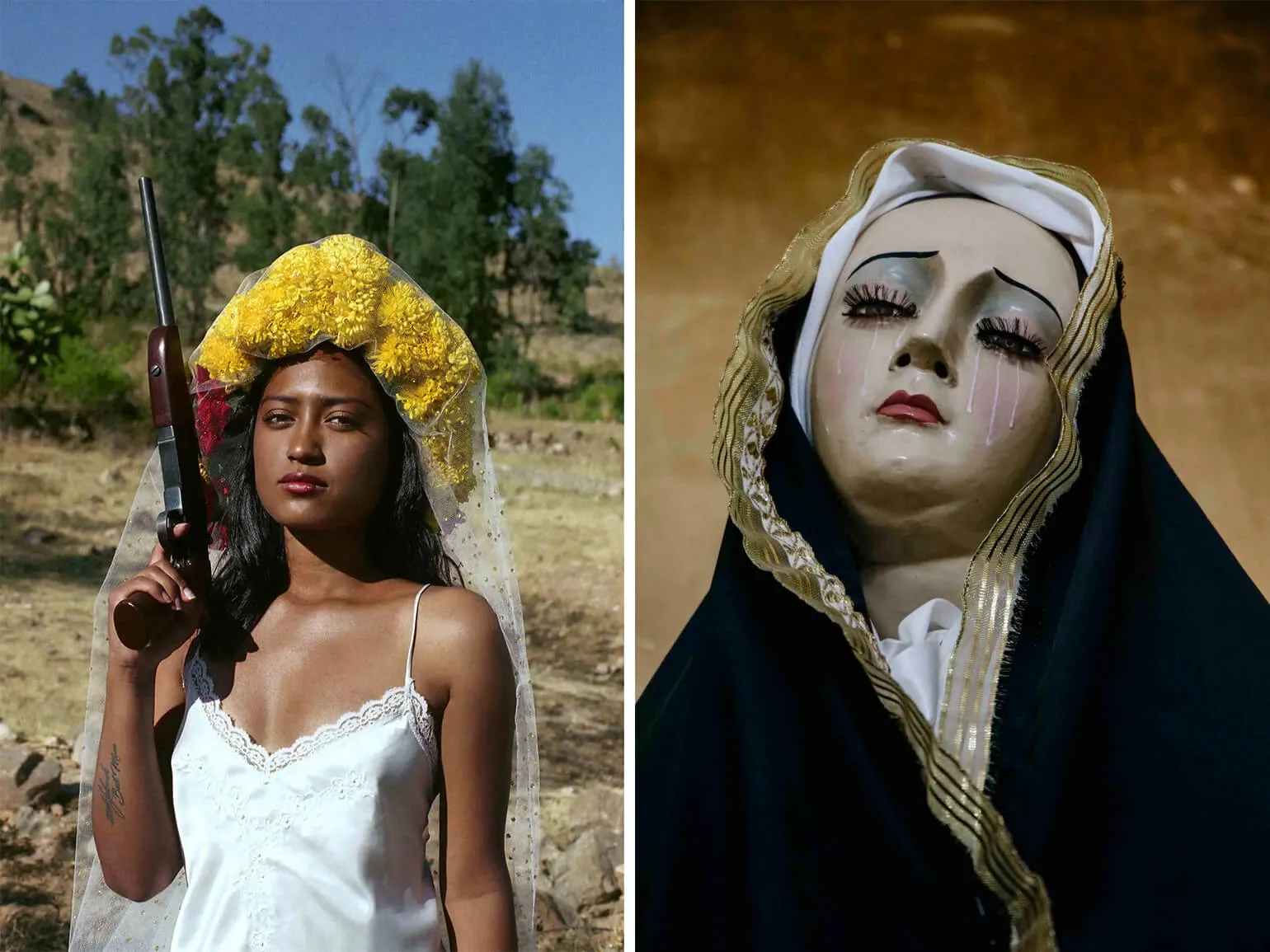
Photographer Marisol Mendez specializes in creating unique and memorable images. Her work spans a wide range of genres, including portraiture, weddings, and fine art photography. Marisol Mendez brings her creative energy and attention to detail to each image, making her photographs truly outstanding. With her experience and professionalism, she successfully conveys the emotion and atmosphere of each moment, allowing viewers to immerse themselves in her artistic world. Marisol Mendez's work has received acclaim from both clients and professionals, reflecting her high level of skill and personal approach to each project. The project challenges the binary division between "good girl" and "bad girl" that exists in Bolivia's Orthodox Catholic society. Here, women are often judged by simplistic criteria, where saints are contrasted with sinners. In her work, Marisol Mendez creates multifaceted portraits of her subjects, challenging stereotypes and offering a deeper understanding of femininity. Her work encourages a rethinking of women's roles in society and highlights their complexity and diversity. Mendes' "Madre" is not simply a mother figure, but a profound symbol associated with the contradictory and multifaceted female goddesses revered by the indigenous peoples of South America. In this context, Mendes highlights the richness and complexity of the experience of femininity. Using the term "womxnhood," the photographer seeks to free herself from traditional definitions of femininity, including linguistic limitations. This allows for a more accurate reflection of the diversity and individuality of each woman, significantly enriching the perception of women's experience and identity in modern society. The photographer explores stereotypical attributes of femininity, juxtaposing the image of a fragile, pious, and proper Madonna with that of a sexual rebel. Through this combination, Mendes demonstrates the contradiction between societal expectations of what gender role a woman should fulfill and her true essence. This approach allows for a deeper understanding of the complexity of female identity and breaks down traditional stereotypes, opening up new horizons for self-expression.
Phantom
Photographer Cansu Yıldıran specializes in creating unique and striking images. Her work is distinguished by its high quality and artistic approach, which allows her to convey atmosphere and emotion through photography. Cansu Yıldıran uses a variety of techniques and styles to capture important moments and create visual stories. Her portfolio includes both portrait and landscape photography, demonstrating her wide range of creative possibilities. If you're looking for a professional photographer to capture important events in your life or create stunning visuals for your business, Cansu Yıldıran is an excellent choice.
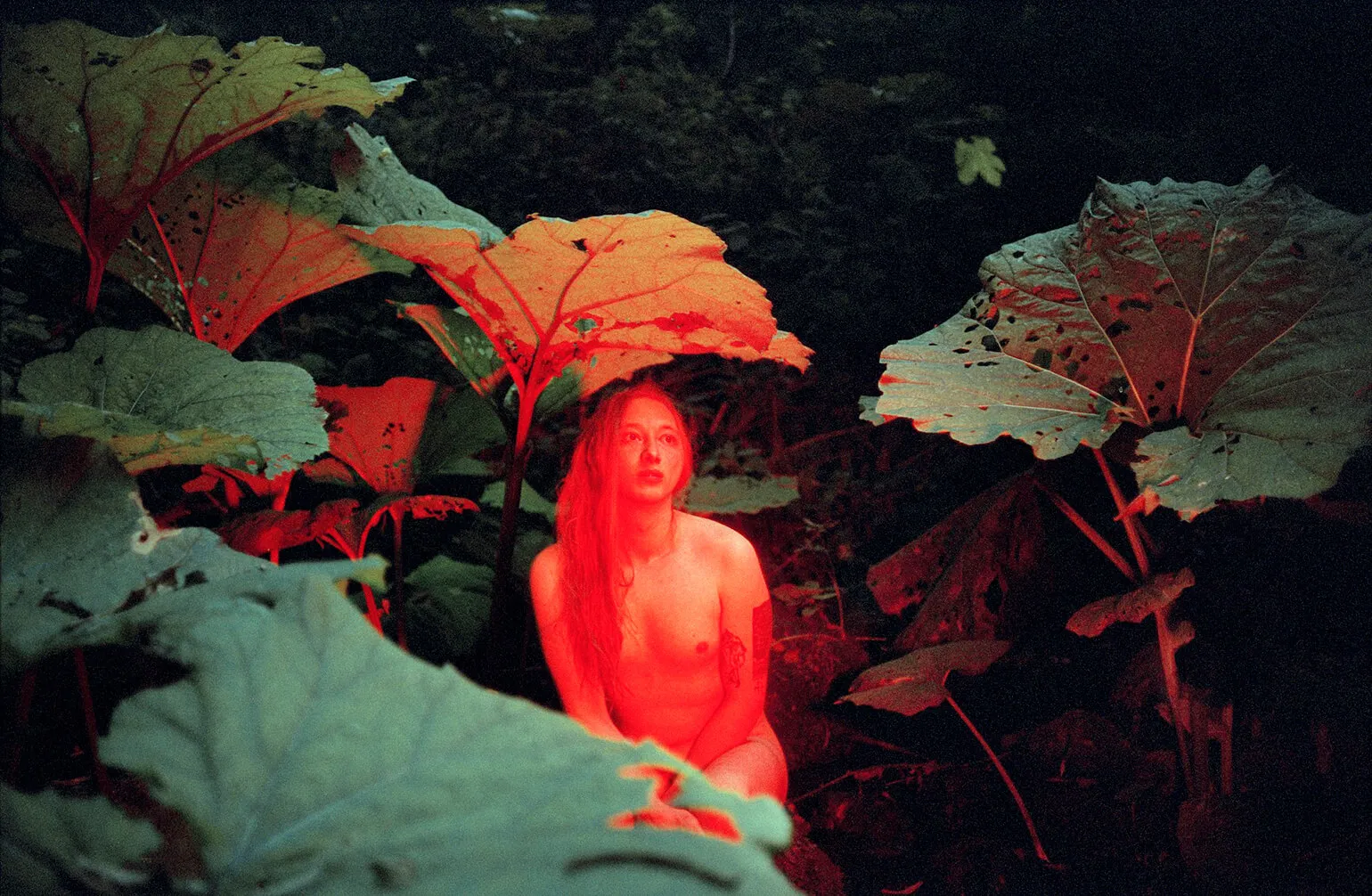
Fairytale figures appear in dense forests, dancing and floating in the air. For the Fathom project, Cansu Yıldıran joined forces with other queer artists from Turkey to create a fantastical world filled with a sense of safety and security—qualities often lacking in everyday life. This project demonstrates the importance of creating spaces where people can freely express their individuality and find support within community.
The fantastical visuals are accompanied by a fairy tale written by Yıldıran. It describes the strict demands placed on the queer community, as the international LGBT community in Russia is considered extremist and banned. At the same time, the collaborative project inspired the participants to believe in the possibility of another world—a world that exists within them.
"Phantom" is a story of escape and liberation: dreamy and dreamlike images convey the inner experiences of queer people living in a hostile environment. All photographs were taken using film, a key aspect of the project. Each portrait in the collection is unique and distinct, emphasizing individuality and the diversity of experience. This project explores themes of identity and acceptance, reflecting complex emotions and the desire for freedom in the face of hostility.
Argania: Lack of Information — My Family Story
Photographer: Maryam Touzani
Maryam Touzani is a talented photographer known for her unique works that capture deep emotions and atmosphere. Her style combines an artistic approach and attention to detail, making each photograph unique. Maryam Touzani's work spans a variety of genres, including portraiture, landscape, and documentary photography. She captures not only her subjects' appearance but also their inner worlds, creating unique images. If you're looking for a talented photographer who can convey your feelings and ideas through images, Maryam Touzani is an excellent choice for any project.
The project "Argania: Lack of Information - My Family History" focuses on artist Maryam Touzani's search for her roots and family history. Faced with a lack of information about her family tree, she decided to make the most of available materials to learn more about her ancestors and their life paths. This project emphasizes the importance of preserving family histories and the pursuit of self-discovery through research into one's origins.
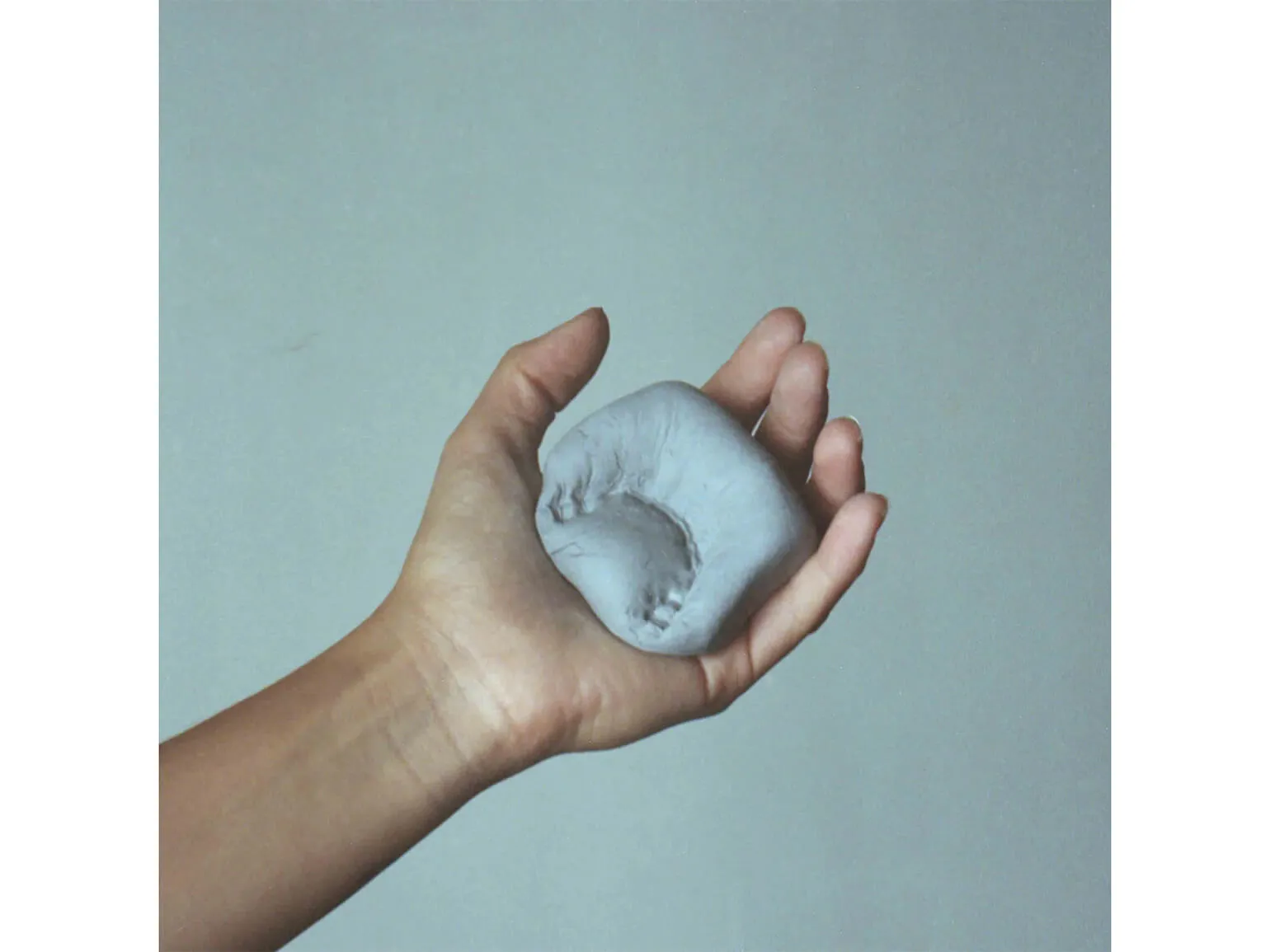
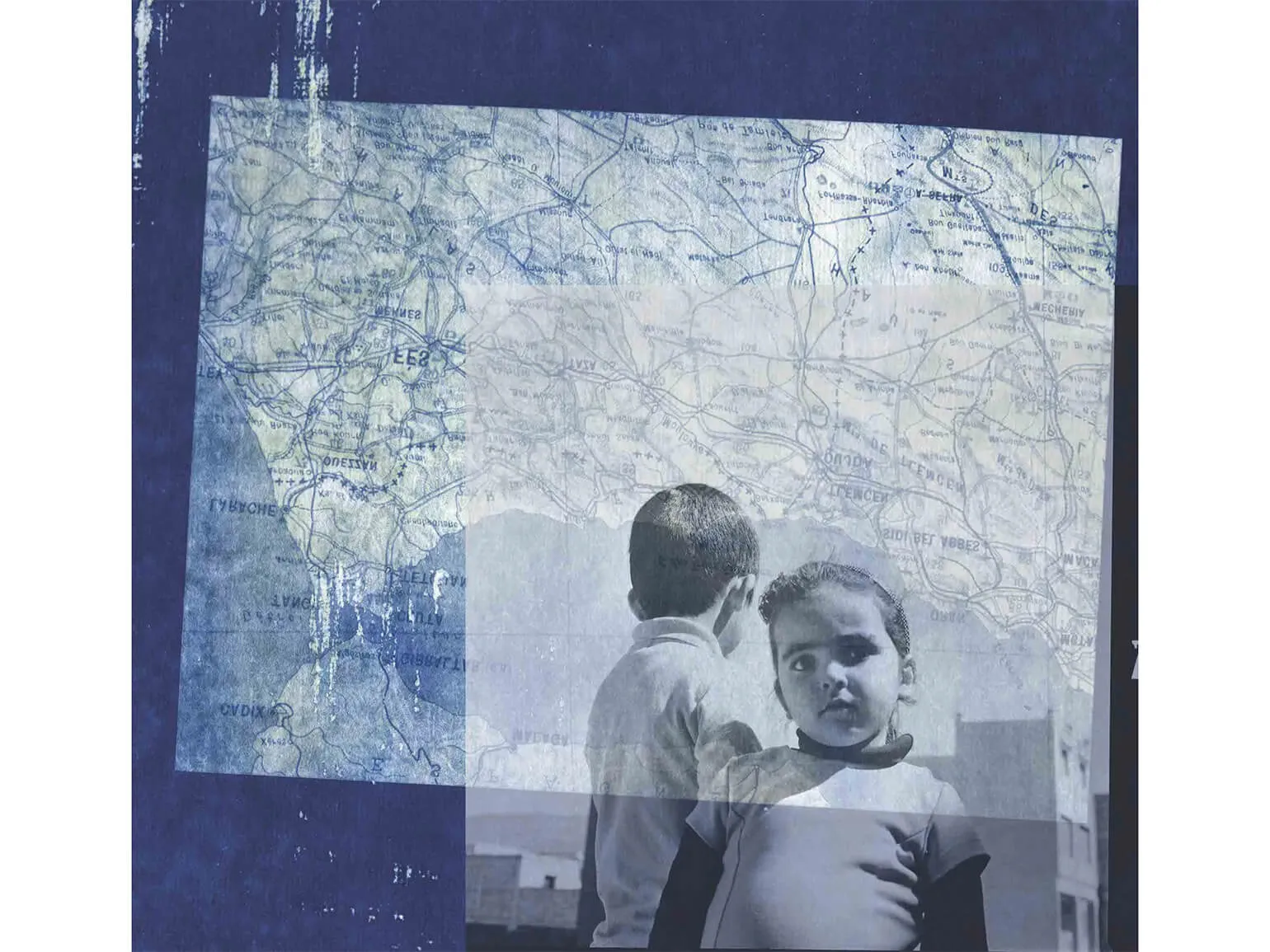
Maryam Touzani's research focuses on her teeth, which carry a unique genetic code. She systematically documented her teeth and collected dental X-rays of deceased relatives. In her work, Touzani uses a variety of materials, including passports, death certificates, and colonial maps that do not indicate her ancestral lands. This investigation, while not providing definitive answers, demonstrates how photography becomes a poetic tool for Touzani. Through this method, she is able to reconstruct her past and shape her vision of the future.
The project's title refers to the scientific name of the argan tree. Argan trees, which are among the oldest species on the planet, grow in the Sous Valley, located in southwestern Morocco. Women from Berber communities traditionally extract argan oil from the fruits of these trees. Maryam Touzani, a Berber woman born and raised in the Netherlands, named her project Argania in honor of her ancestors and in homage to the women who practice this ancient practice. The project explores cultural heritage and connections to history, emphasizing the importance of respecting traditions.
I miss visiting the hospital
Photographer: Shwe Wutt Hmon is a talented master of photography who creates impressive images that capture the beauty and atmosphere of the world around him. His works are distinguished by a unique style and an original approach to shooting. Shwe Wutt Hmon has a deep understanding of light and composition, which allows him to capture unforgettable moments and convey emotions through each photo. His portfolio spans a variety of genres, from portraiture and landscape photography to street photography, making his work sought after by both clients and photography enthusiasts.
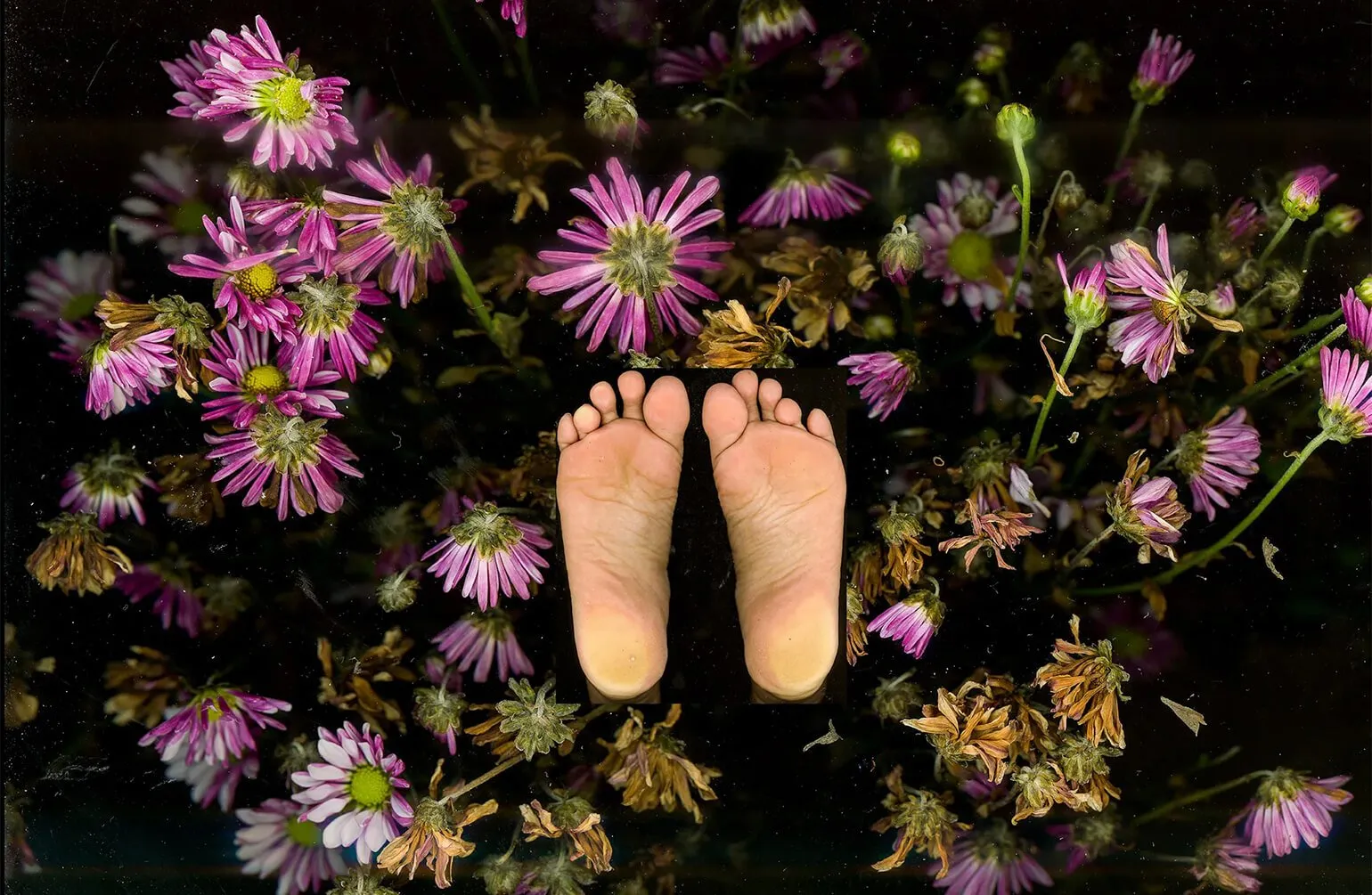
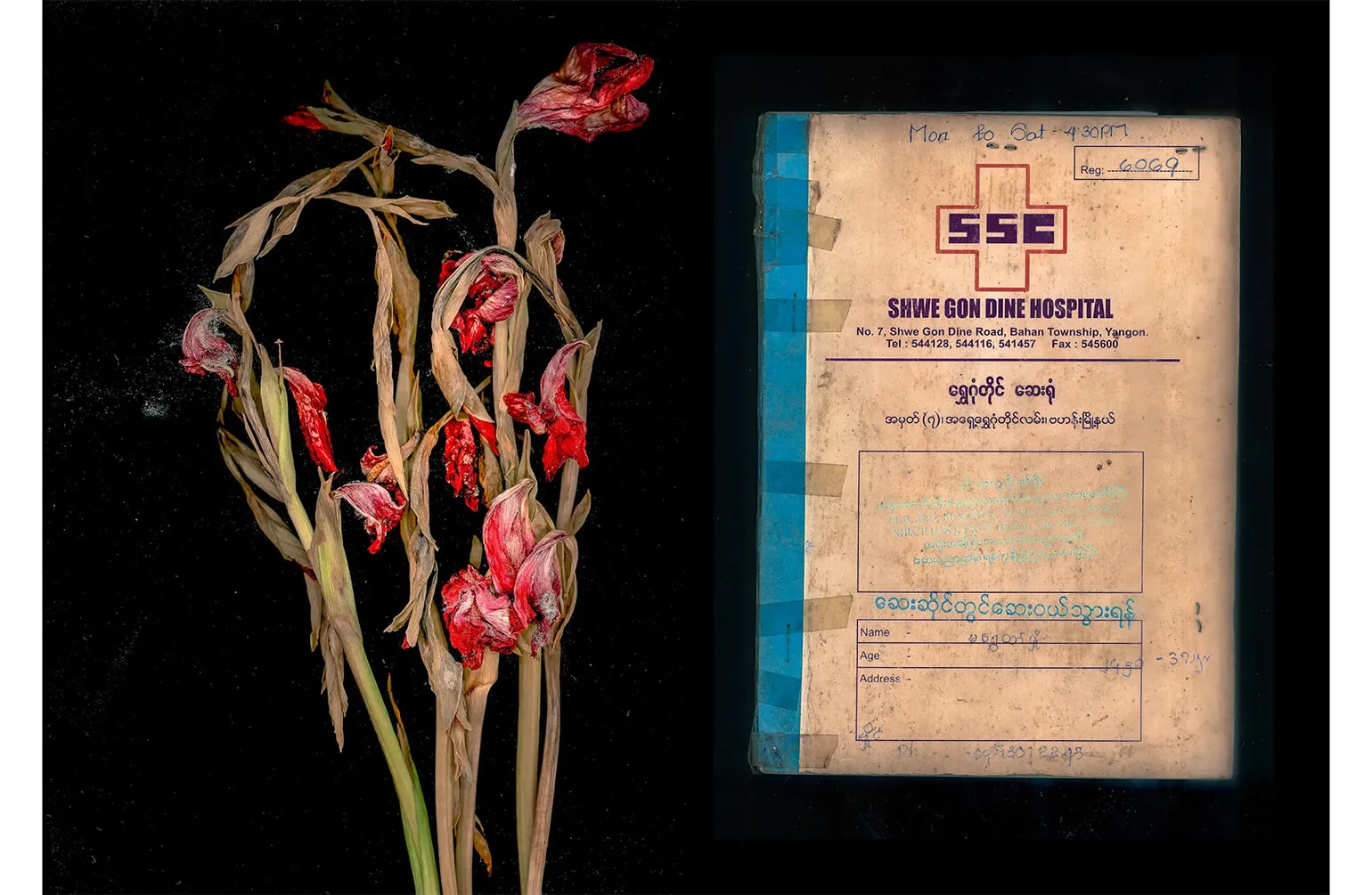
During the COVID-19 lockdown, Shwe Wutt Hmon found herself confined to her home and unable to visit the hospital for necessary health checkups. Embracing this situation, she began experimenting with a home scanner, scanning not only her body but also flowers and medical records. This process resulted in a series of abstract self-portraits, which the artist titled "I Miss Hospital Visits." This work reflects her inner experiences and desire to engage with the medical world, emphasizing the importance of regular medical checkups and the emotional connection to the healing process.
It is a poetic and symbolic documentation of Hmon's experiences with medical surgeries and procedures. The withering flowers represent the decomposition of the body, while the dark tones reflect the somber emotions experienced before surgical procedures. The text immerses the reader in a world of fear and hope, where every word reflects inner experiences and the struggle with illness. Symbolism and metaphors create a profound connection between physical condition and emotional perception, emphasizing the importance of medical procedures in the life of each patient.
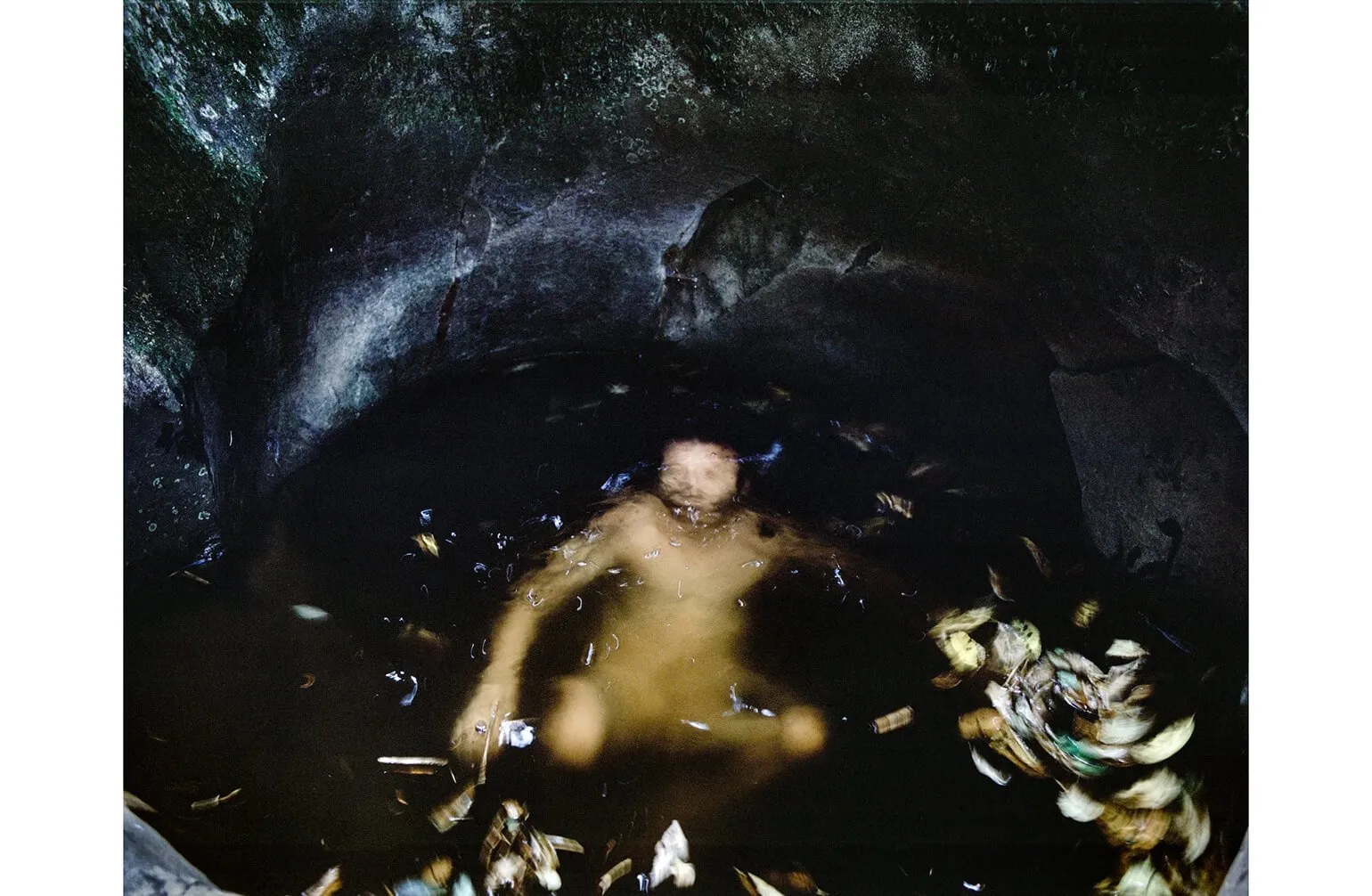
In 2022, artist Shwe Hmon moved from Myanmar to Thailand, which radically changed her artistic expression. She began using local saa paper to print her works, giving them a unique, leather-like texture. However, the artist again encountered difficulties: the low paper density caused large works to tear during printing. In response to these limitations, Hmon decided to print her works herself at home, dividing them into smaller pieces. This process became a kind of therapy for her: methodically printing, cutting out, and connecting parts of the works helped Shwe Hmon feel that she was healing herself through art.
(Inter)faces of Predictions
Photographer: Sheung Yiu
Sheung Yiu is a talented photographer known for his unique works that capture the spirit and convey the atmosphere of the moment. His photographs are distinguished by high artistic value and masterful use of light and shadow. Each image tells its own story, immersing the viewer in a world of emotions and impressions. With his attention to detail and ability to capture the essence of a given scene, Sheung Yiu has gained recognition in both professional circles and among a wider audience. His work can be found in various exhibitions and publications, underscoring his significance in contemporary photographic art.
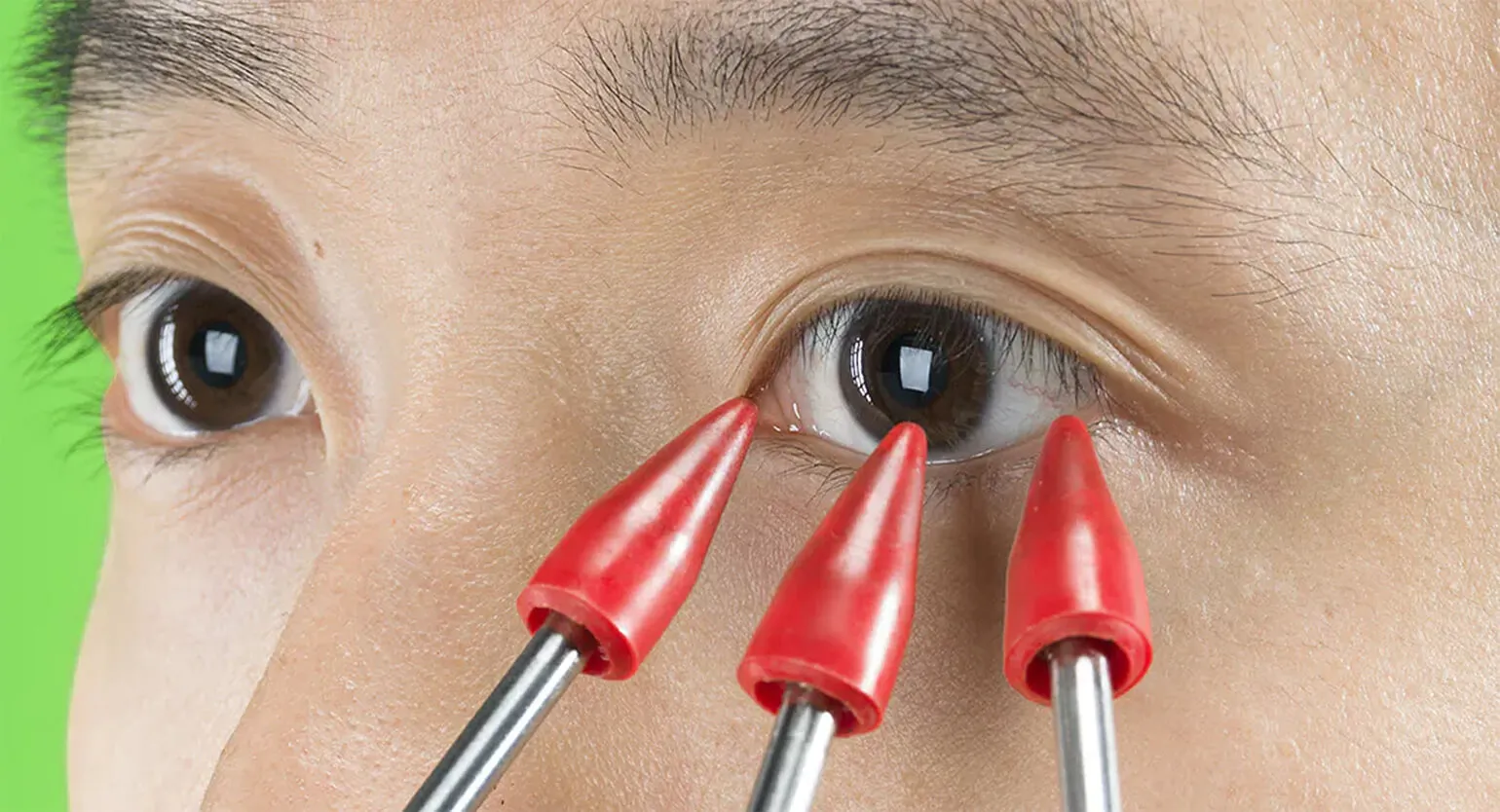
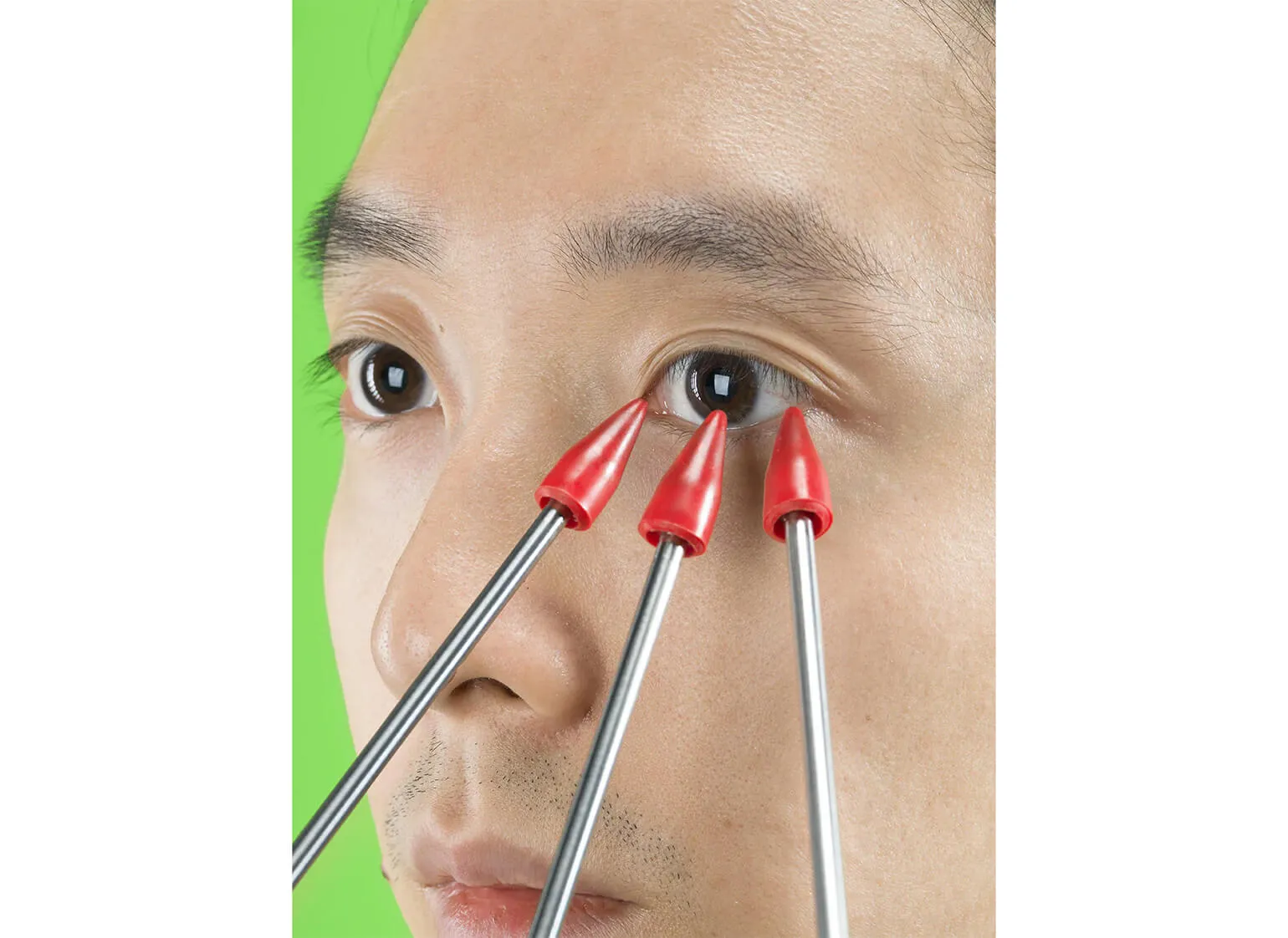
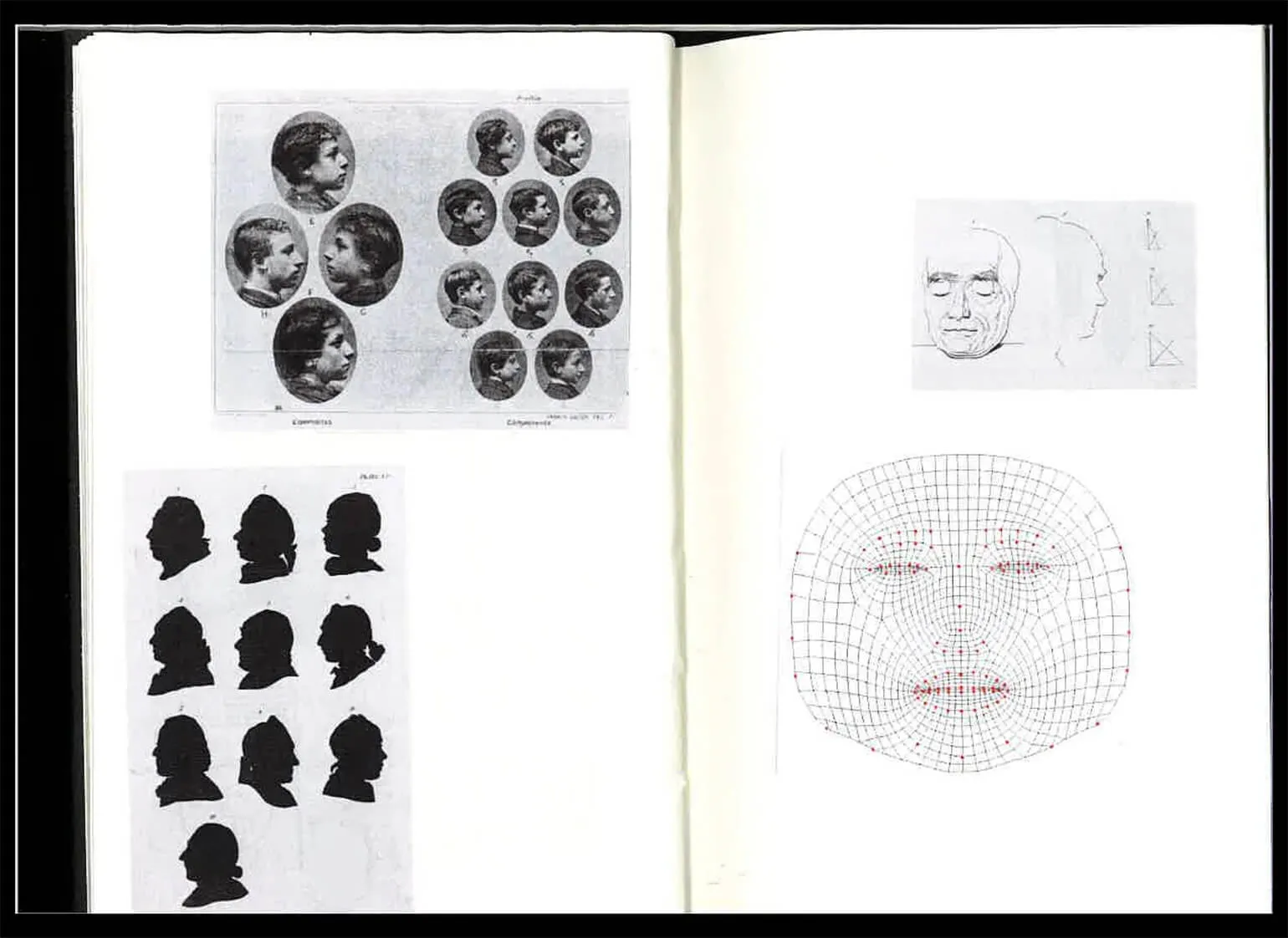
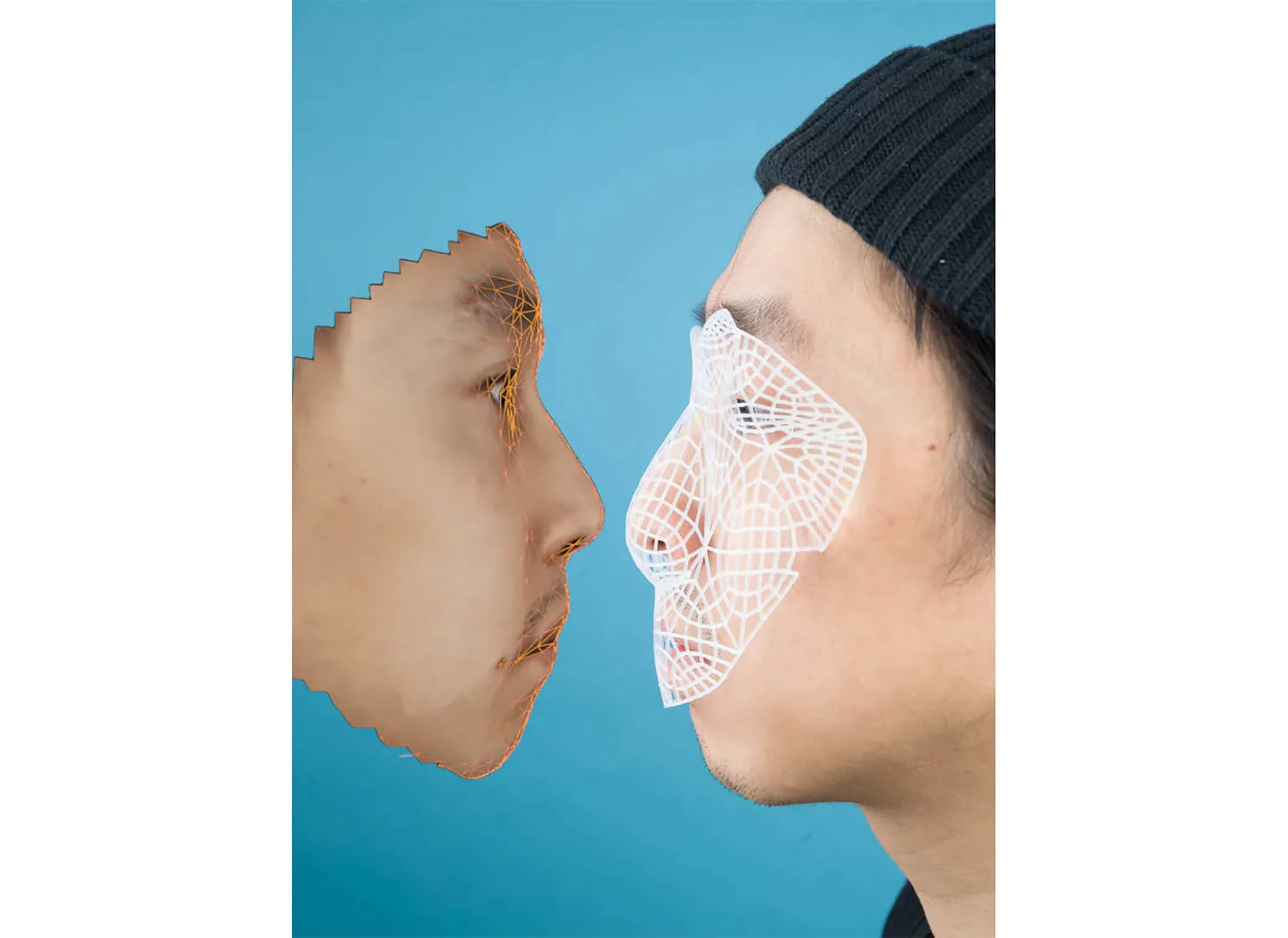
In this multimedia project, Sheung Yiu explores the esoteric practices of face reading and divination in combination with modern facial recognition technologies based on machine algorithms. He uses his own face as material, scanning and analyzing its features to deepen his understanding of the relationship between the occult and science. By blending Eastern and Western face reading methods, the photographer blurs the boundaries between these two approaches, creating a unique dialogue between ancient practices and modern technology.
The project explores technologies, both digital and analog, as well as algorithmic and esoteric approaches that influence the perception of faces and the associated biases. The artist comes to the conclusion that the face is not only an anatomical object; It reflects what we, or the systems we use, seek to see in it. The work thus raises questions about how technology shapes our understanding and interpretation of human identity.
American Glitch
Photographers Andrea Orejarena and Caleb Stein are outstanding representatives of contemporary photography. Their work is distinguished by a unique style and an original approach to visual storytelling. Andrea Orejarena is known for her vibrant and emotional photographs that convey the depth of human experience. Caleb Stein, in turn, focuses on the captivating moments and dynamics of everyday life, creating images that make viewers think. Both photographers actively participate in various exhibitions and projects, which allows them to expand their audience and share their creativity with the world. Their photographs inspire and arouse interest, making them important figures in the world of photography.
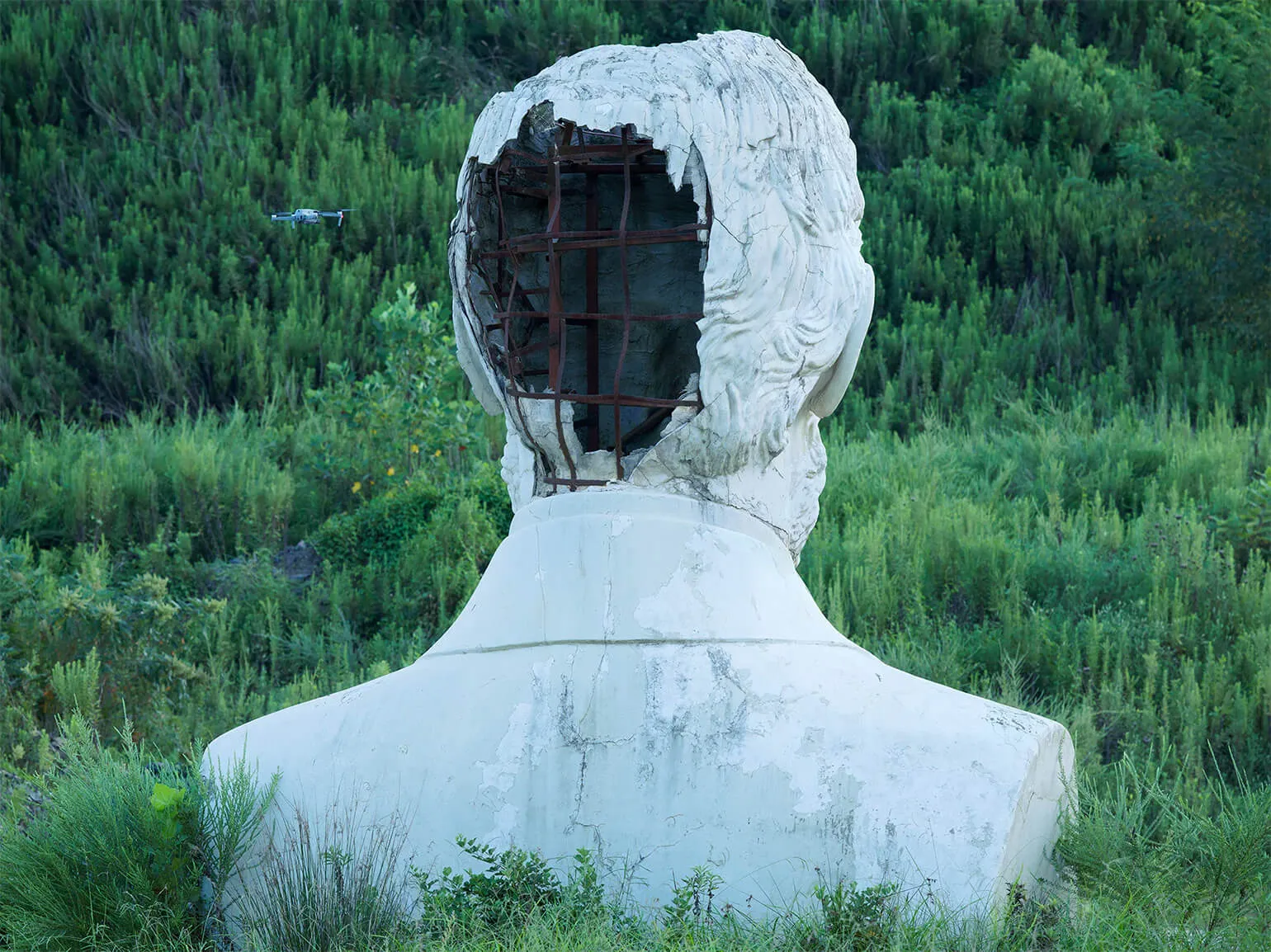
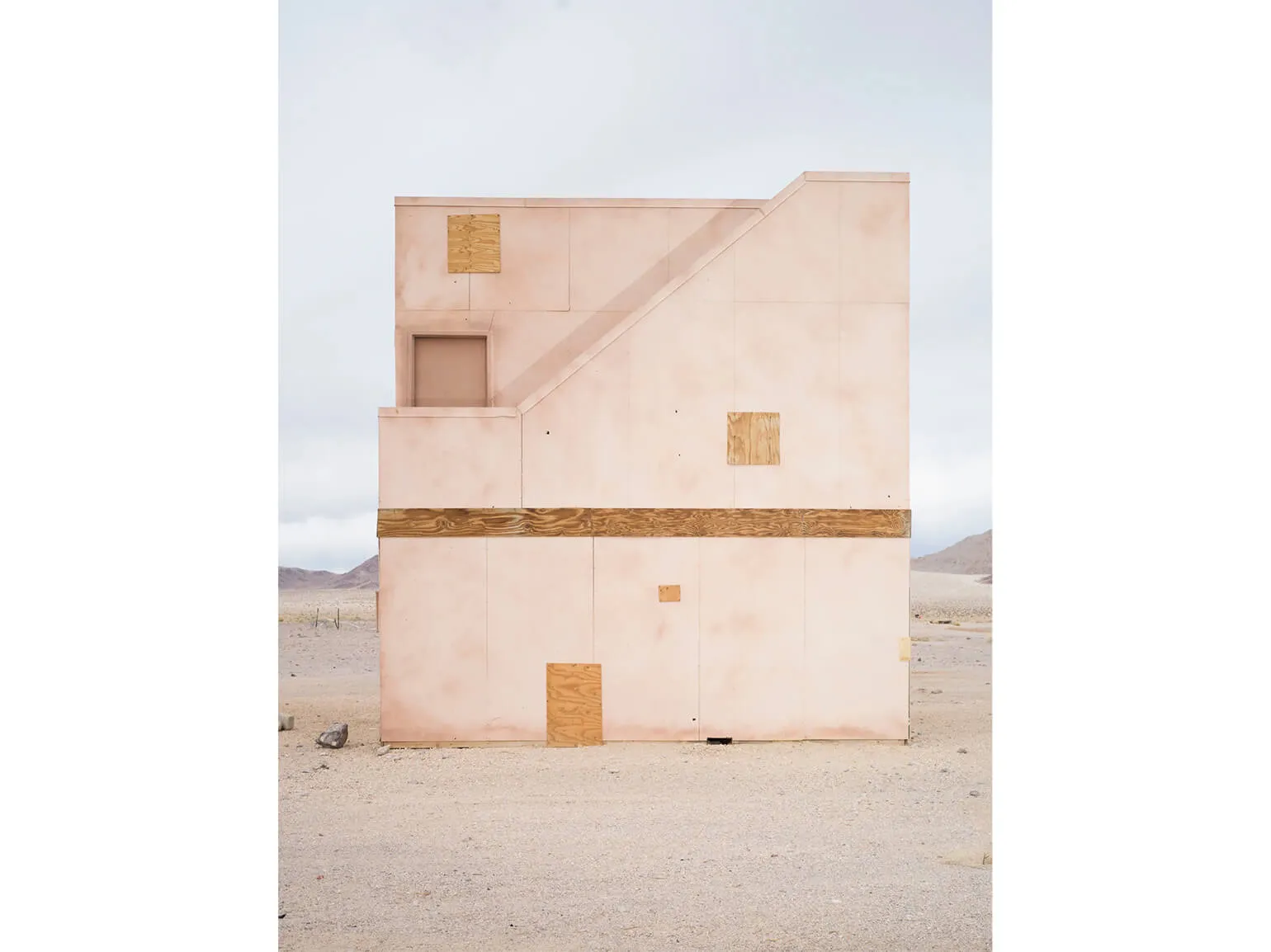
Unidentified flying objects, mysterious ships hovering over the water, and strange strangers—the internet is filled with images of unusual phenomena and optical illusions that are difficult to explain rationally. These mysterious phenomena have given rise to various theories, including humorous ones, that we live in the Matrix, not in the real world. Such ideas have been reflected in popular films such as The Matrix, Alice in Wonderland, and The Truman Show, highlighting humanity's fascination with questions of reality and perception. Reflections on the nature of these phenomena continue to inspire both researchers and enthusiasts of the mystical.
The "American Glitch" project, created by artists Andrea Orejarena and Caleb Stein, explores the fine line between reality and fiction. In their works, the internet is presented as a collective subconscious where fact and fantasy blend. In a modern world saturated with screens, constant news, and virtual reality, the Metaverse is filled with an endless stream of images. These images are actively published, shared, and reposted, creating a unique visual landscape in which it is difficult to distinguish truth from fiction. The "American Glitch" project raises important questions about information perception and its impact on our consciousness in the digital age. Since 2020, the artists have created a vast collection of images borrowed from the internet that illustrate glitches in our universe. This series of photographs, simultaneously calm and unsettling, immerses the viewer in a state of anxiety, forcing them to consider whether what is depicted is fact or fiction. Each photo provokes deep reflections on reality and illusion, emphasizing the fragility of our perception of the world.
The eyes that seek the truth dazzle
Photographer Amin Yousefi specializes in creating unique and memorable images. His work spans various genres, including portrait, landscape, and street photography. Amin Yousefi strives to convey the emotion and atmosphere of every moment, capturing them in high quality. His style is distinguished by his attention to detail and his ability to find beauty in everyday life. With his professional approach and creative vision, Amin Yousefi's photographs capture attention and leave a lasting impression.
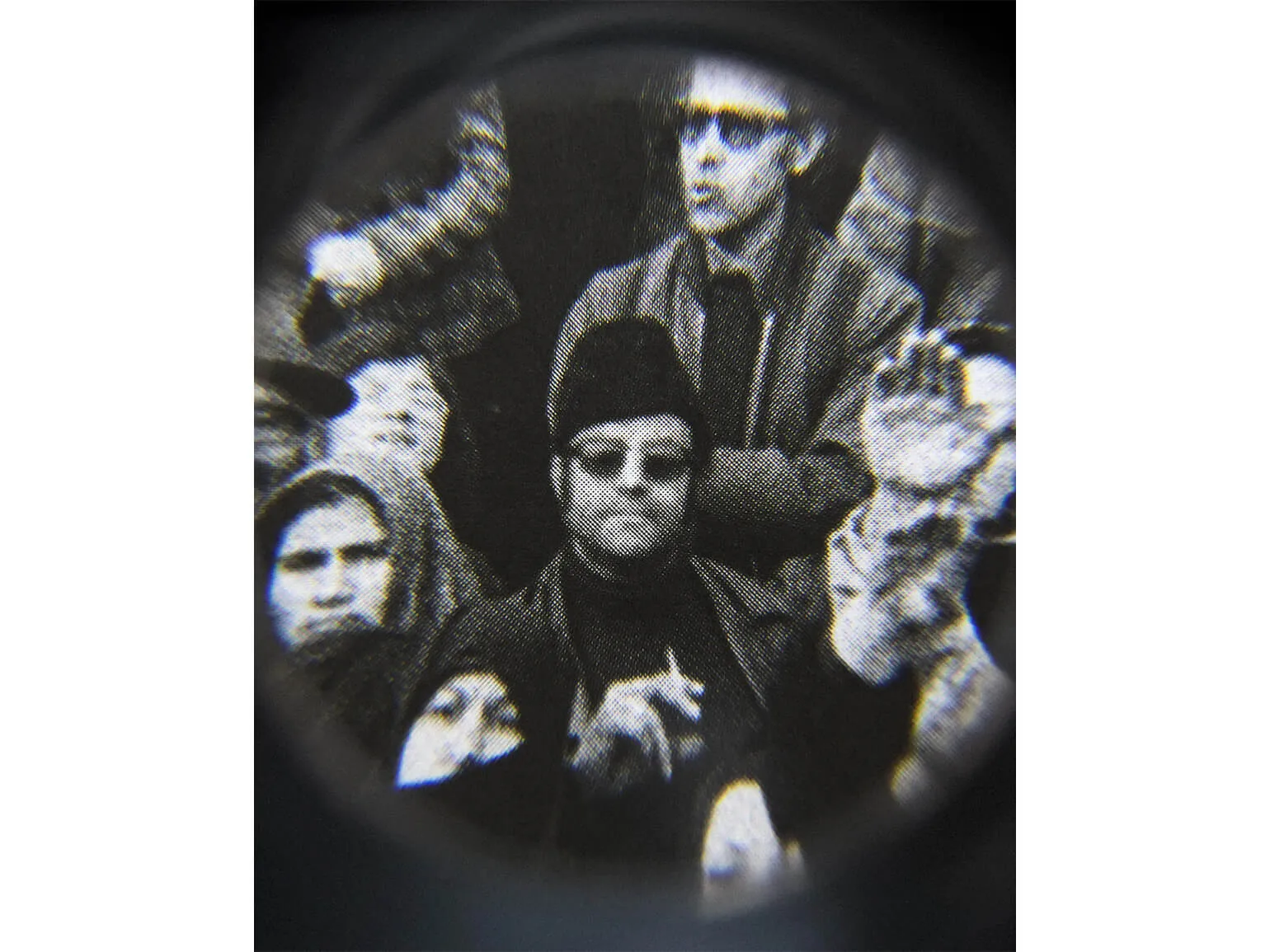
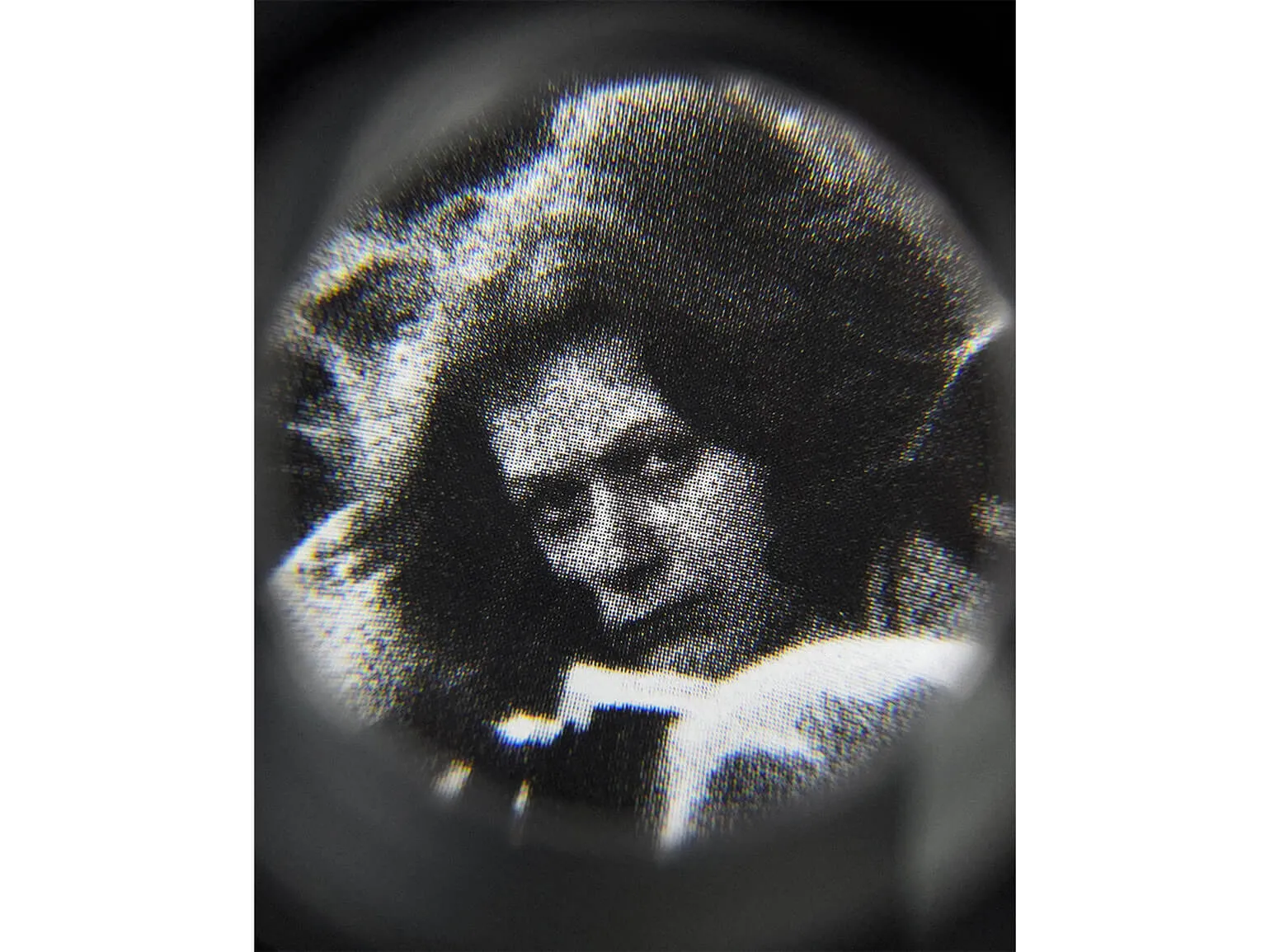
The relationship between photographer and subject is a complex and multifaceted process. Amin Yousefi, exploring this aspect, turned his attention to photographs documenting the Iranian Revolution of 1978–1979. By enlarging archival images of mass demonstrations, he sought to identify protesters looking into the camera. This interaction between the photographer and his subjects creates a unique dynamic, allowing the viewer to deeply understand the context of the events and the emotional state of the participants. The photographs become not just visual documents but also important testimonies of historical moments, reflecting both individual and collective experiences.
Anonymous individuals look into the camera lens, demonstrating awareness of the process of filming and inviting the viewer to join in the observation. The photographer, immersed in the chaos of the crowd and limited by the field of view of a 35mm camera, is unlikely to notice these returning glances. According to Yousefi, this creates a sense that control over the image lies with those captured in the photograph, not the photographer. Using a magnifying glass, Amin Yousefi created a unique collection of portraits, re-photographing each observer and forming them into his own crowd. The exhibition "Truth-Seeking Eyes Blind" includes fifty portraits and serves as a link between the revolutionaries of the 1970s and contemporary Iranians. Yousefi notes: "It seems their gaze has been waiting for mine for decades, passing through many lenses and eyes before finding me. They longed for the camera to capture them in history, and I tried to respect their desire to leave a mark on eternity." This exhibition not only highlights the connection between generations, but also focuses on the importance of memory and identity in the context of Iranian culture.
Flowers Die Twice
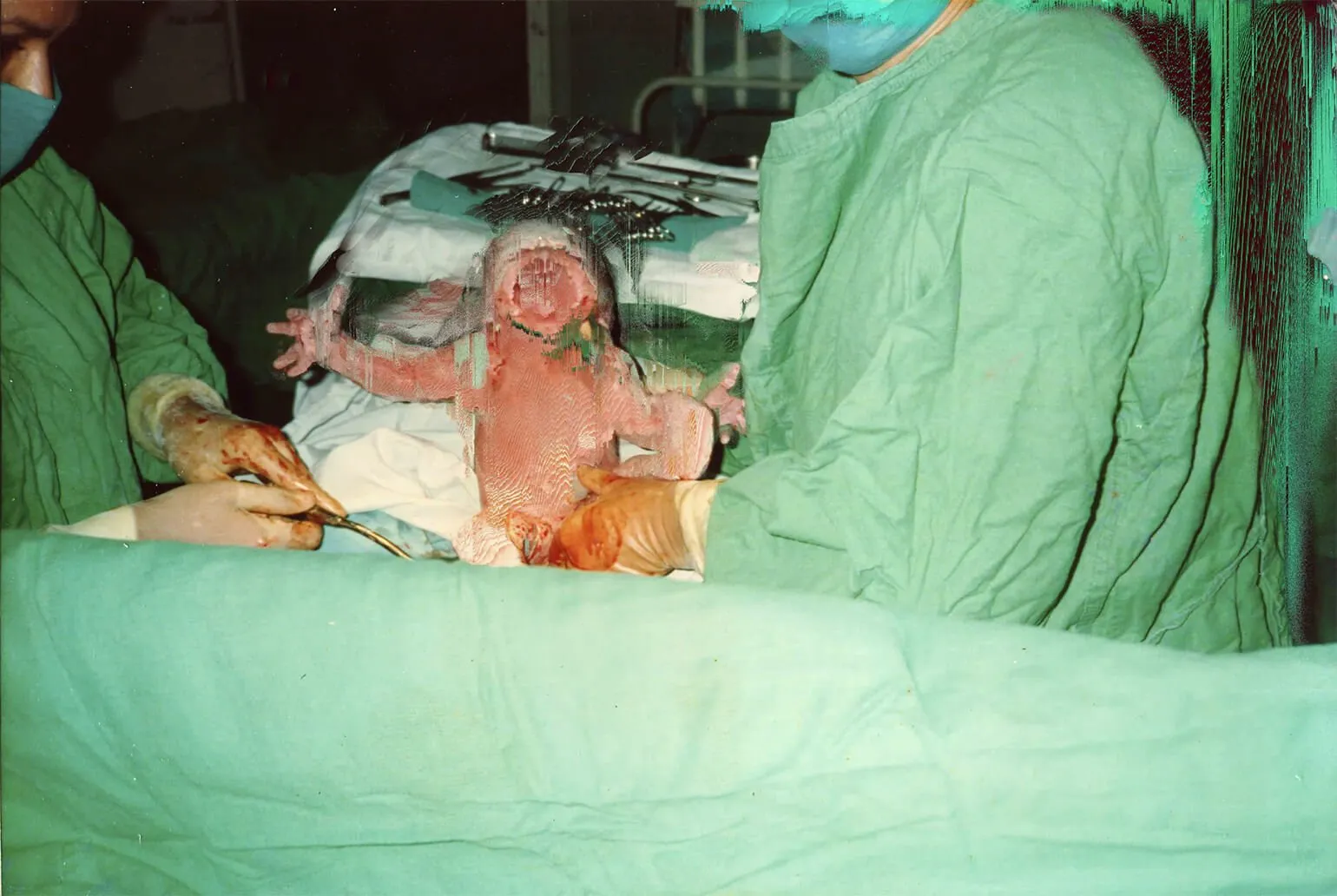
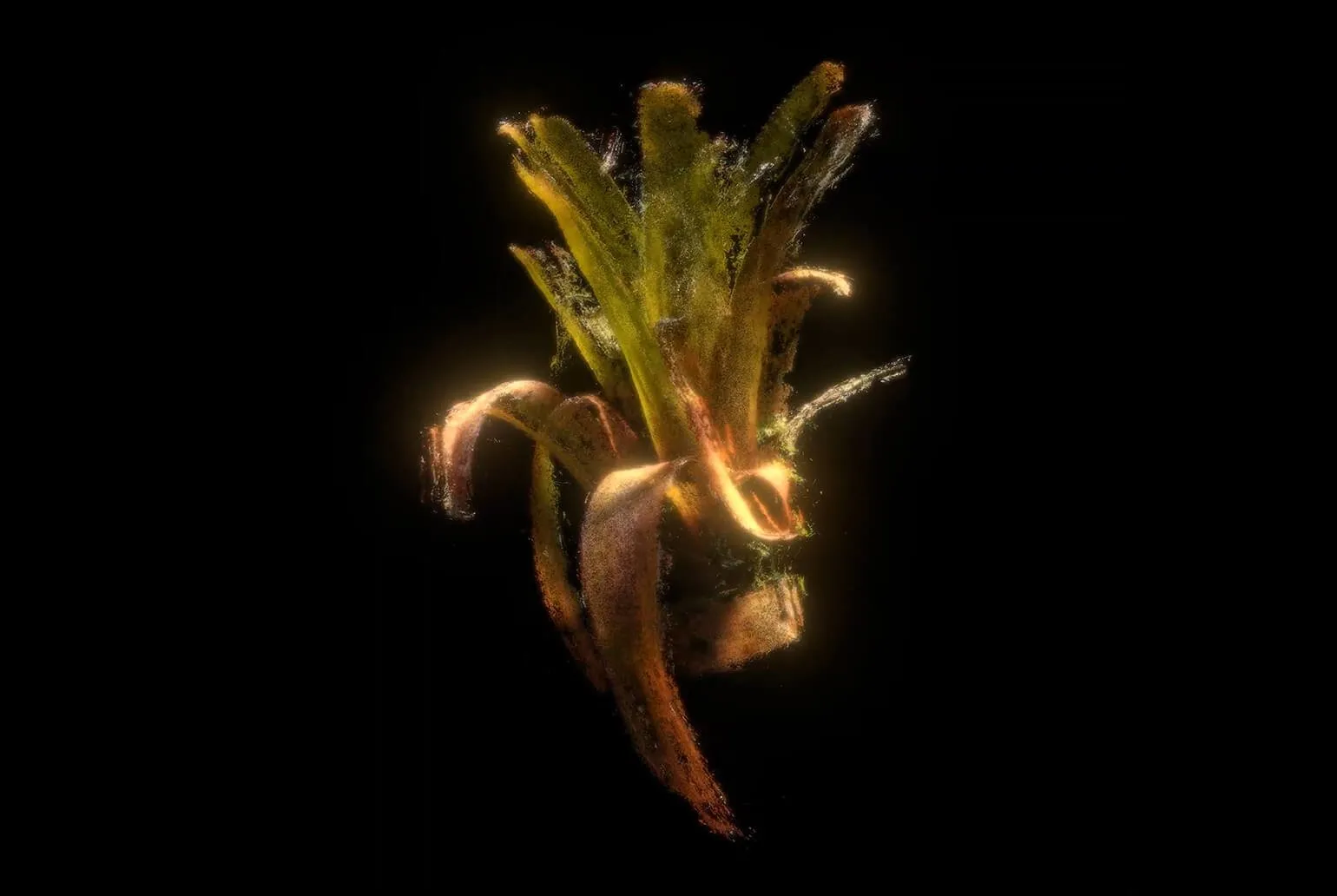
Photographer Cristóbal Ascencio specializes in creating unique and expressive images. His work reflects a deep understanding of light and composition, which allows him to convey atmosphere and emotion in each photograph. Cristóbal Ascencio strives to capture moments that tell stories and evoke strong feelings in viewers. His portfolio covers a diverse range of subjects, from portraits to landscapes, each distinguished by high quality execution and an original approach. Cristóbal Ascencio's work can be seen as art capable of inspiring and drawing attention to important aspects of life and the world around us. "Flowers Die Twice" is a profound exploration by artist Cristóbal Ascencio, exploring themes of loss, grief, and reconciliation. Fifteen years after the death of his father, Ascencio learned that he had committed suicide. His farewell letter included the plea, "Forgive me and remember me." This discovery inspired the artist to explore visual images, places, and memories associated with his family history. Asencio's work immerses the viewer in personal and emotional experiences, allowing them to connect with themes that touch each of us.
Fulfilling his father's final request, the artist created a digital plant collection and immersive garden that connects the past with the present. Using a variety of digital techniques, such as databanding, photogrammetry, and 3D modeling, Asencio demonstrates how memories are transformed and distorted over time. This project not only preserves heritage, but also offers a new perspective on the interaction between nature and technology.
Brother
Photographer Florian Braakman specializes in creating unique visual stories through his work. His style combines elements of documentary photography and an artistic approach, allowing him to capture the atmosphere of every moment. Florian has a knack for seeing beauty in everyday things, which makes his photographs truly memorable. Thanks to his professionalism and attention to detail, his photographs are not only a visual delight but also a source of inspiration for viewers. Florian Braakman's work covers a wide range of subjects, from portraits to landscapes, and each tells its own unique story.
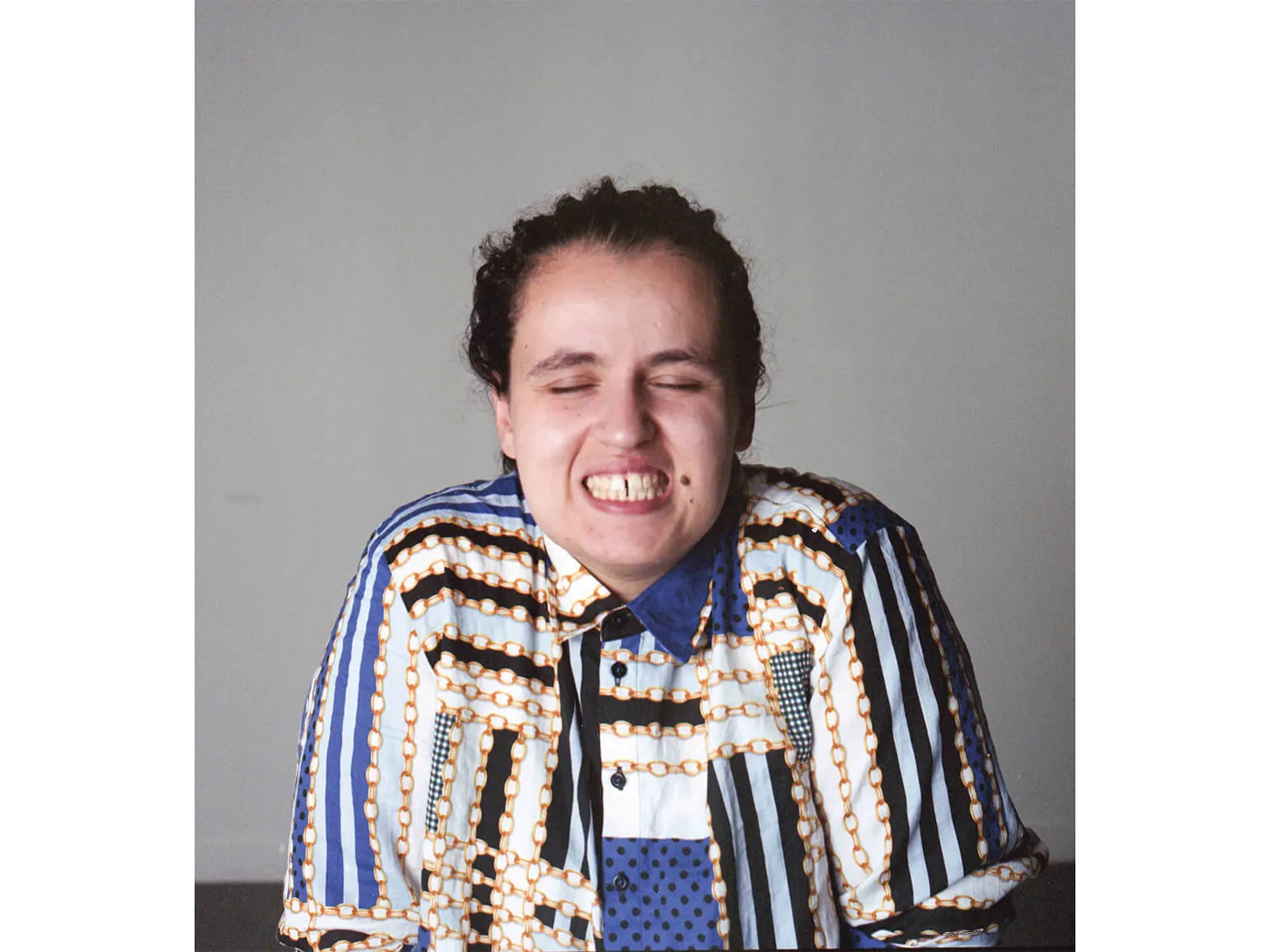
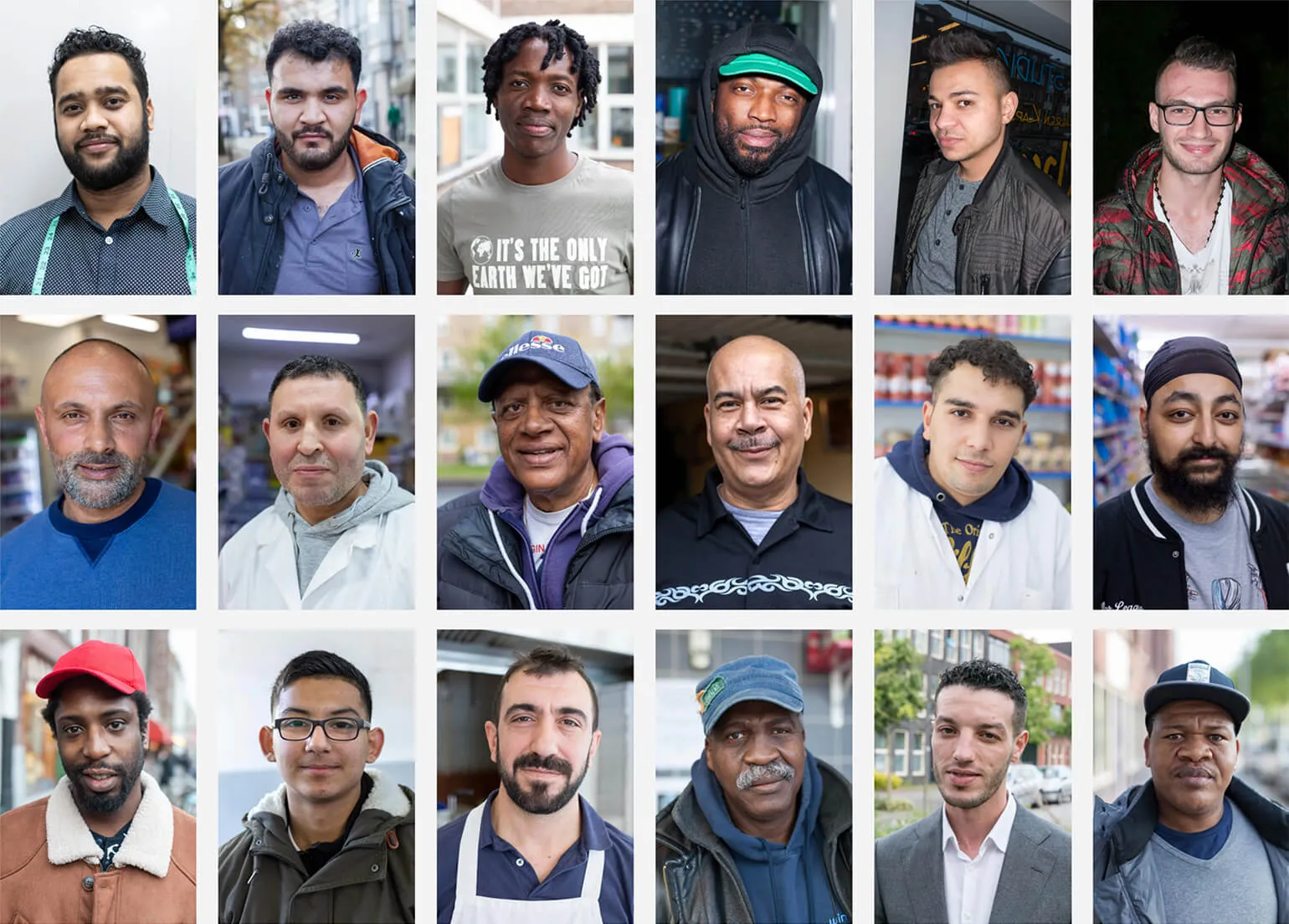
In a world of increasing polarization, it is important to preserve connections between people. Florian Braakman explores this issue by capturing everyone who calls him brother. His encounters include a diverse group of people, from strangers at a market to hairdressers and shopkeepers in the Delfshaven district of Rotterdam. These portraits help us understand how shared values and support can unite people despite differences.
The word "broer" denotes a connection beyond family ties. It is an expression of brotherhood between people united by shared experiences. It symbolizes qualities such as empathy, kindness, and love. The people captured in the photographer's portraits, who call him brother, look at us with warmth and openness. This approach to relationships emphasizes the importance of human connection and understanding in our society.
The project subverts traditional stereotypes of masculinity, emphasizing the softness of the models' bodies and their racial diversity. These models, with their diverse skin tones, represent open, loving, and respectful "brothers." It is this, and not a biological connection, that creates a real kinship between people, making them close.
People of Clay
Photographer: Akshay Mahajan
Akshay Mahajan is a professional photographer, Akshay specializes in creating high-quality images. His work is distinguished by a unique style and attention to detail, making each photograph a true work of art. Akshay uses modern techniques and equipment to capture vivid moments and emotions. His portfolio covers various genres, including portrait, wedding, and landscape photography. If you are looking for a talented photographer for your project, Akshay Mahajan is an excellent choice. His experience and creative approach will ensure your memories are preserved in perfect condition.
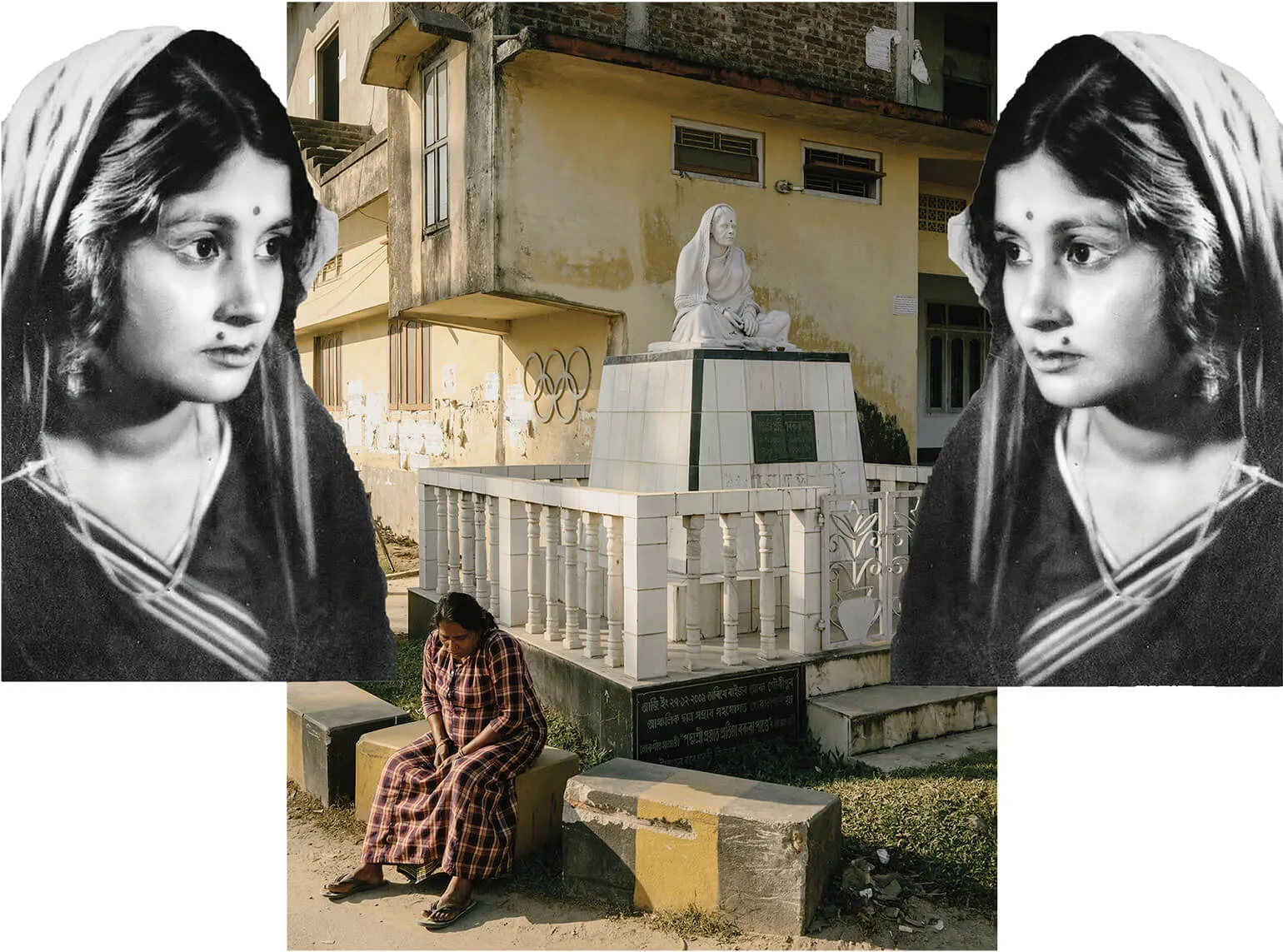
A visual fairy tale accompanied by songs from the Indian Rajbanshi community, this unique cultural project spans Assam and Bengal. The tracks are available for listening both at the exhibition and on the project's website. The Rajbanshi community experienced persecution and destruction at the hands of colonists, which resulted in the loss of many traditions and language. Members of this community face difficulties in finding their place in the modern world. This project seeks to revive and preserve their cultural heritage, providing a platform for self-expression and identity reconstruction.
Akshay Mahajan was born and raised in Mumbai. Lacking any knowledge of his roots, he sought to create a new identity based on love. Folk songs performed by his wife introduced him to the culture of northeastern India and the Rajbanshi people. This encounter not only enriched his life but also drew viewers' attention to unique traditions that were previously largely unknown.
The artist uses collage to illustrate how identity is a construct that is constantly being questioned and reassembled. Mahajan emphasizes: "Each of us is a person made of clay; our identity is constantly evolving, and we are not limited by the boundaries we inherited. Like me, you too can find yourself through love." This idea reflects the dynamics of self-discovery and transformation, emphasizing that identity is not static, but a process that can be revisited and reimagined.
Autobiographies
Photographer Ricardo Nagaoka is known for his unique works, captivating with their aesthetics and profound meaning. His style combines creativity and technical mastery to create memorable images. Nagaoka actively explores a variety of themes, including portraiture, landscape, and street photography, making his work diverse and multifaceted. His photographs tell stories, evoking emotions and leaving the viewer with questions. Ricardo Nagaoka continues to inspire many with his talent and vision, making a significant contribution to contemporary photography.
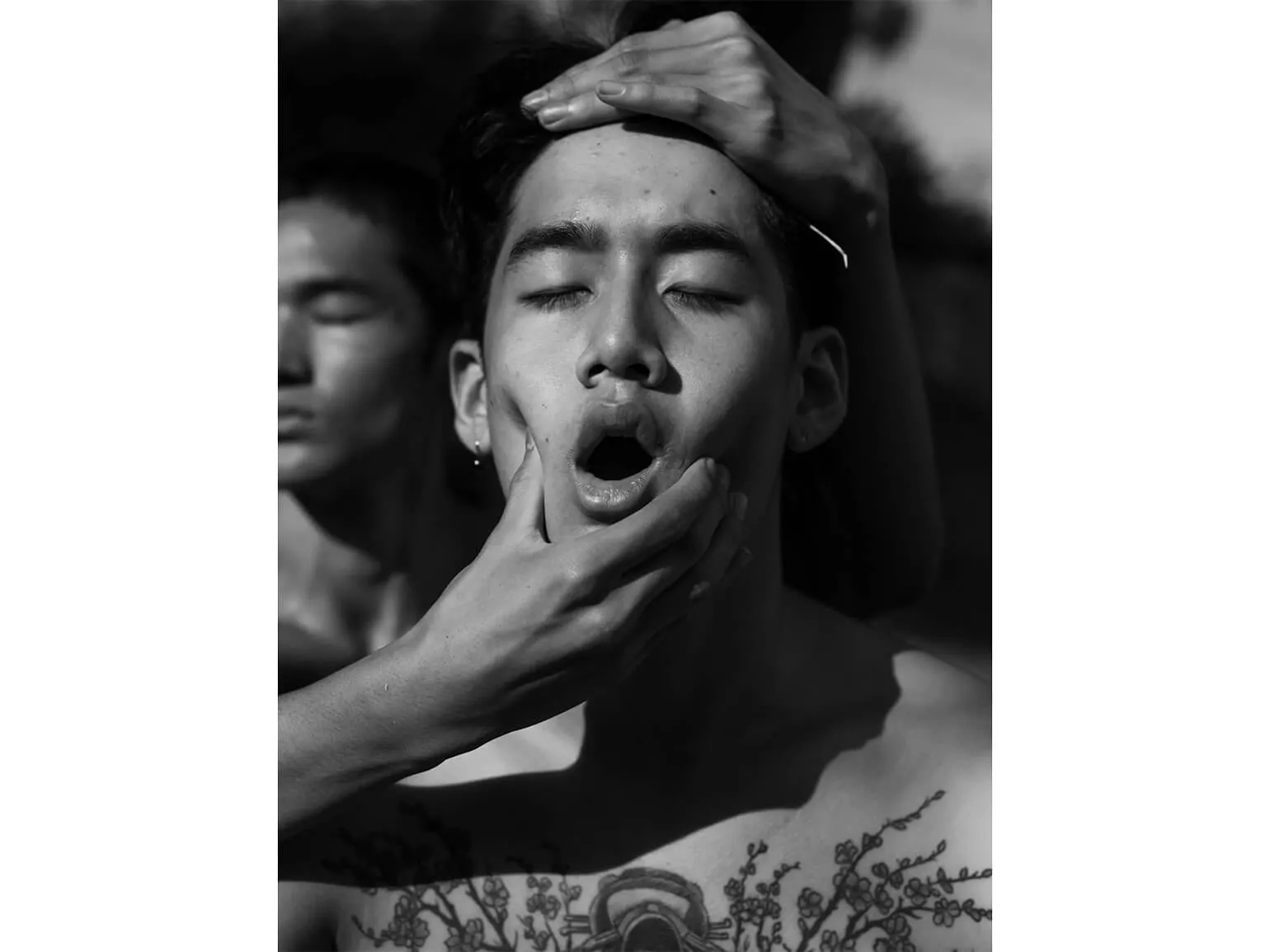
Photographer Ricardo, born in Paraguay to Japanese immigrants, finds himself at the intersection of two cultures: on the one hand, he absorbed the macho traditions of Latin America, on the other, patriarchal family values. In his series of intimate portraits, "Autobiographies," he explores stereotypes of male identity and considers what truly defines masculinity.
The black-and-white photographs vary in scale and perspective: some are close-ups, focusing on specific body parts, while others show the model in full. All the images create a sense of frozen time, filled with silence, where the subjects appear soft and vulnerable. Thus, the artist strives for a more inclusive perception of gender that contradicts rigid stereotypes.
POST
Photographer Sander Coers specializes in creating unique and expressive images. His work is distinguished by its high quality and original approach to each project. Sander Coers successfully combines artistic vision with technical skill, allowing him to capture moments filled with emotion and atmosphere. Each photograph is more than just a frame, but an entire story, telling the story of its subject. Over the years, Sander Coers has established himself as a professional whose work resonates with a wide audience and connoisseurs of photography.
POST is a series of images created using artificial intelligence technologies that process archival photographs. This project aims to analyze and interpret visual content, answering key questions about the past and its influence on the present. Each element of the series helps to deepen our understanding of historical events and cultural aspects, providing unique visual narratives.
- How does photography influence our understanding of the past?
- How does memory work?
- Why does masculinity look the way it does in our culture?
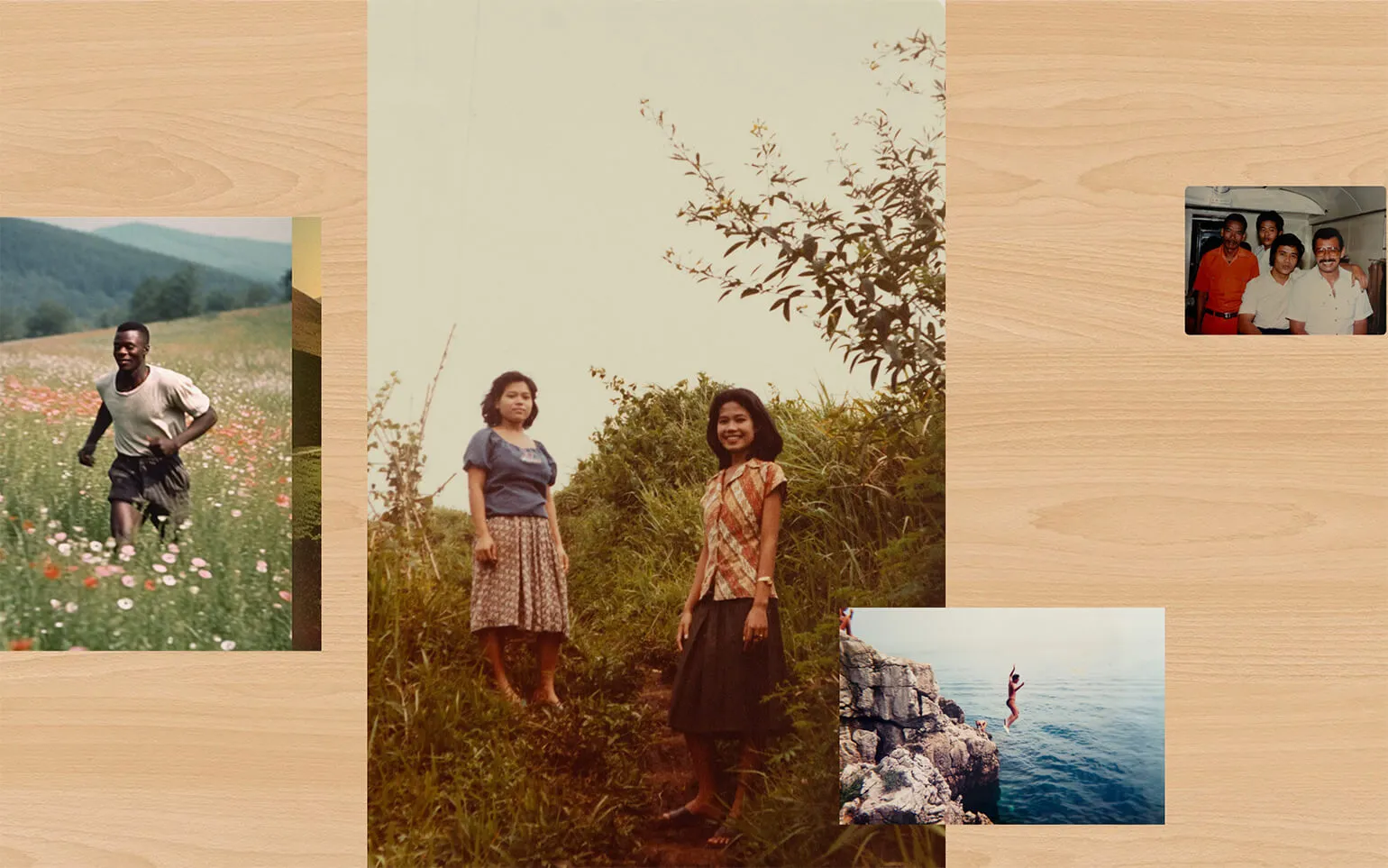
While researching the biography of his late Indonesian grandfather, Sander Coers felt a strong desire to travel to his past and communicate with the people around him. To do this, the photographer decided to use the Midjourney neural network. He uploaded archival family photographs to the system and requested changes to colors, locations, and technical parameters such as the type of camera, film, and lens. In this way, Sander sought not only to reconstruct the atmosphere of the time but also to create unique visual images that would allow him to better understand the life of his grandfather and his surroundings.
Changing these details gave Sander the opportunity to create new images based on old family photographs. The result is an intimate and sincere, yet entirely fictional, family album. For example, one photograph shows a black man running through a flower field in the Alps. Who he is and how he got there remains a mystery, but it appears so convincing that it feels as if such moments actually took place in family history. Koers used collage techniques to emphasize the composite nature of the images and the constructive nature of human memories. The project's title, POST, reflects the idea that the photographer's grandfather's life lives on in the photo albums he left behind, while also hinting at post-photography—a method of creating images without a camera. This approach opens new horizons in the perception of memory and visual art, emphasizing the importance of preserving stories and personal narratives.
We didn't choose where to be born
Photographer Thero Makepe specializes in Creating unique and memorable images. His work is distinguished by its high quality and artistic approach to each project. Thero Makepe has a talent for conveying emotion and atmosphere through the camera lens, making his photographs not only visually appealing but also filled with meaning. With each shot, he strives to capture moments that will remain in memory for years to come. Thero Makepe's professionalism and creativity allow him to work in various genres of photography, including portraiture, landscape, and event photography. Choosing Thero Makepe as your photographer guarantees not only excellent results but also a pleasant collaboration.
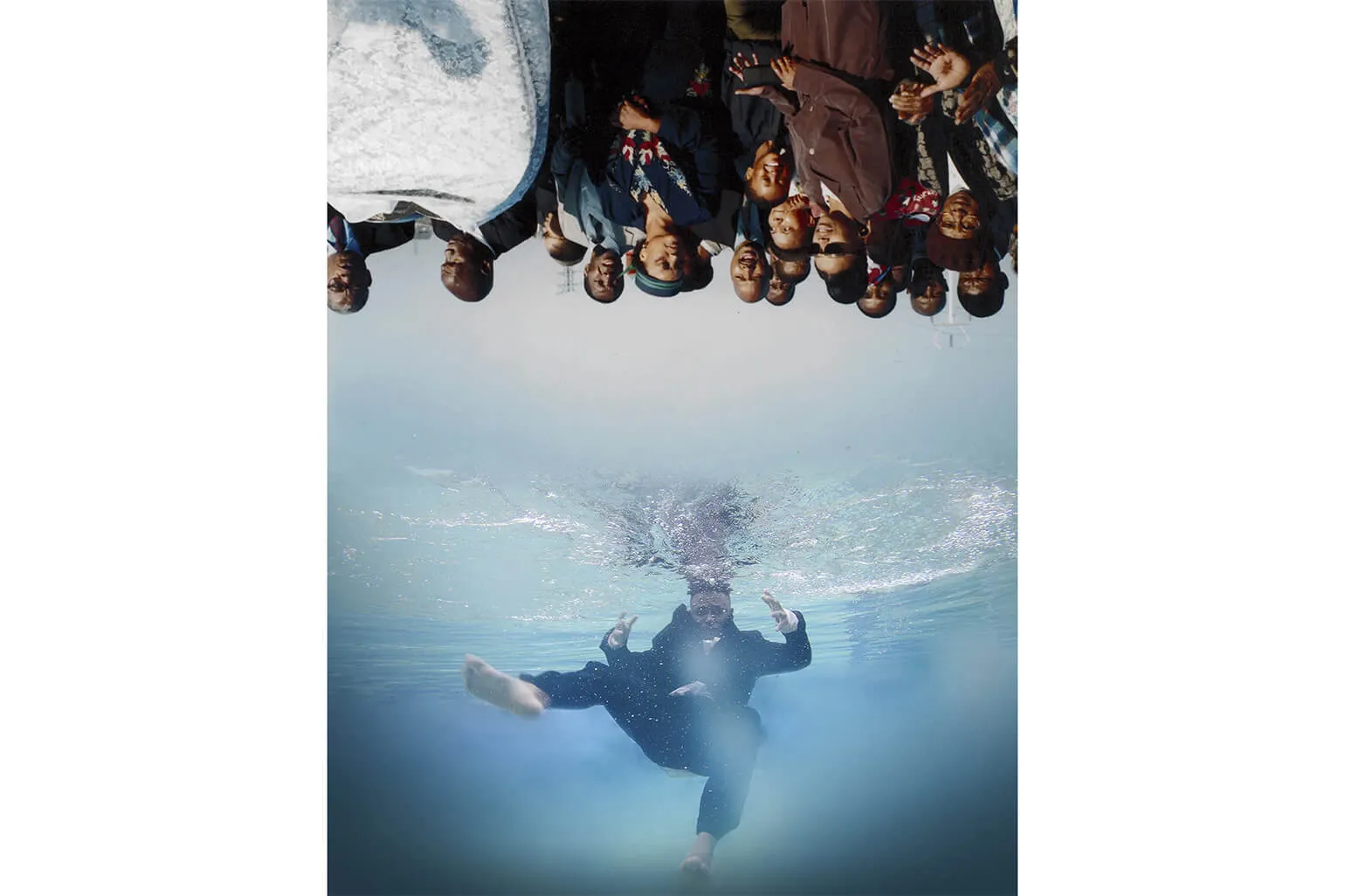
The project explores numerous family stories, including the journey of the photographer's mother, who, along with her parents, fled apartheid in South Africa and grew up in Botswana. It also features the life of his great-uncle Zephaniah Motopeng, an anti-apartheid activist imprisoned on Robben Island. Makepe's work draws inspiration from his grandfather's story and his deep love of music. These narratives not only tell the story of the struggle for freedom but also highlight the importance of cultural identity and heritage.
At first glance, this story may seem like a personal family narrative, but in reality, it reveals the painful themes of racism and discrimination that permeate South Africa's political history. By exploring the photographs, the viewer is taken on a visual journey through key events such as colonization, land partition, and activist protests. This visual narrative helps to deepen the understanding of the scale and consequences of racial prejudice, as well as its impact on contemporary society.
The series includes portraits of Makepe's close relatives, documentary photographs, and materials from the family archive. The visual content is complemented by a musical playlist carefully compiled by the artist himself. This unique approach creates an atmosphere of deep personal connection and allows the viewer to better understand Makepe's world and legacy.
The Longing of a Stranger Whose Path Is Interrupted
Photographer: Rehab Eldalil
Rehab Eldalil is a talented photographer known for his unique style and mastery of capturing moments. His work draws attention with vibrant colors and detailed composition, making each photograph a work of art. Rehab specializes in various genres of photography, including portraits, landscapes, and street photography. Through his sensitive approach to each project, he creates not just images, but entire stories that convey the emotion and atmosphere of the moment. You can explore his portfolio to see how Rehab Eldalil transforms ordinary scenes into unforgettable visual experiences.
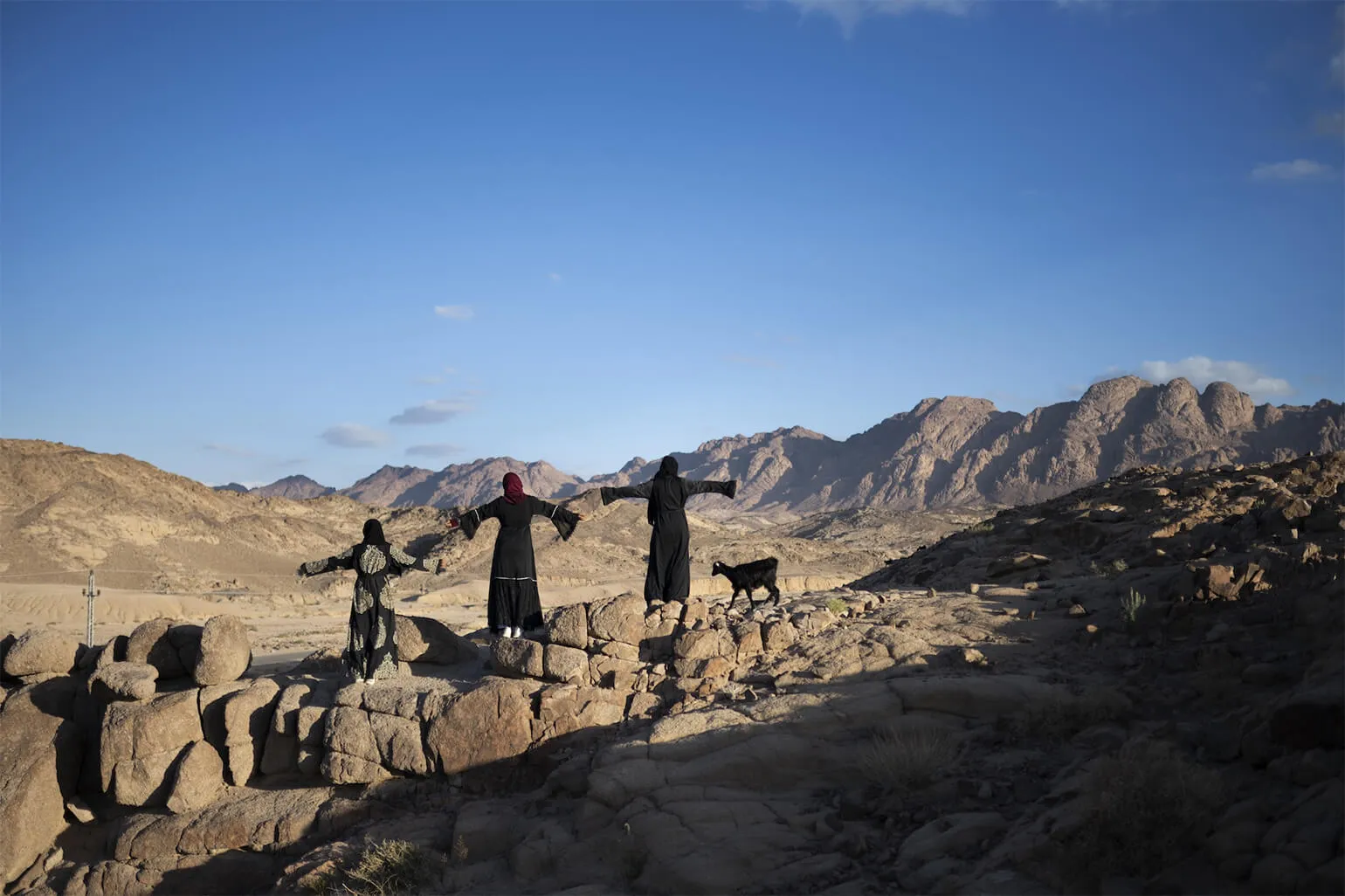
The project began with the photographer's search for her place in the world and a desire to experience a sense of belonging. She researched her ancestry, which dates back to the Bedouin community in South Sinai, Egypt, and spent ten years traveling back to the lands of her ancestors. This long-term journey not only deepened her connection to culture and history but also provided the opportunity to capture unique moments reflecting Bedouin life and traditions. Photography became a tool for conveying her experiences and understanding, as well as a way to share the rich heritage she discovered.
In creating the project "The Longing of a Stranger Whose Journey Was Interrupted," Rehab actively engaged with the residents of St. Catherine. This work seamlessly blends photography with sound elements, video, Bedouin poetry, embroidery, and images of medicinal plants. This approach allows for a deeper immersion into the region's cultural heritage and the atmosphere of local life.
The Bedouin community demonstrates a deep connection to their homeland, but faces the challenges of constant displacement and violence from the authorities. These factors negatively impact the life of the community. In addition, large-scale urban development is planned in the region, which will radically change both the nature of these lands and the lives of their indigenous inhabitants.
Profession Photographer
You will learn to take professional photos from scratch. You will learn how to organize shoots, process shots, manage models and a team. Find your style, build an impressive portfolio, and start making money doing what you love.
Find out more