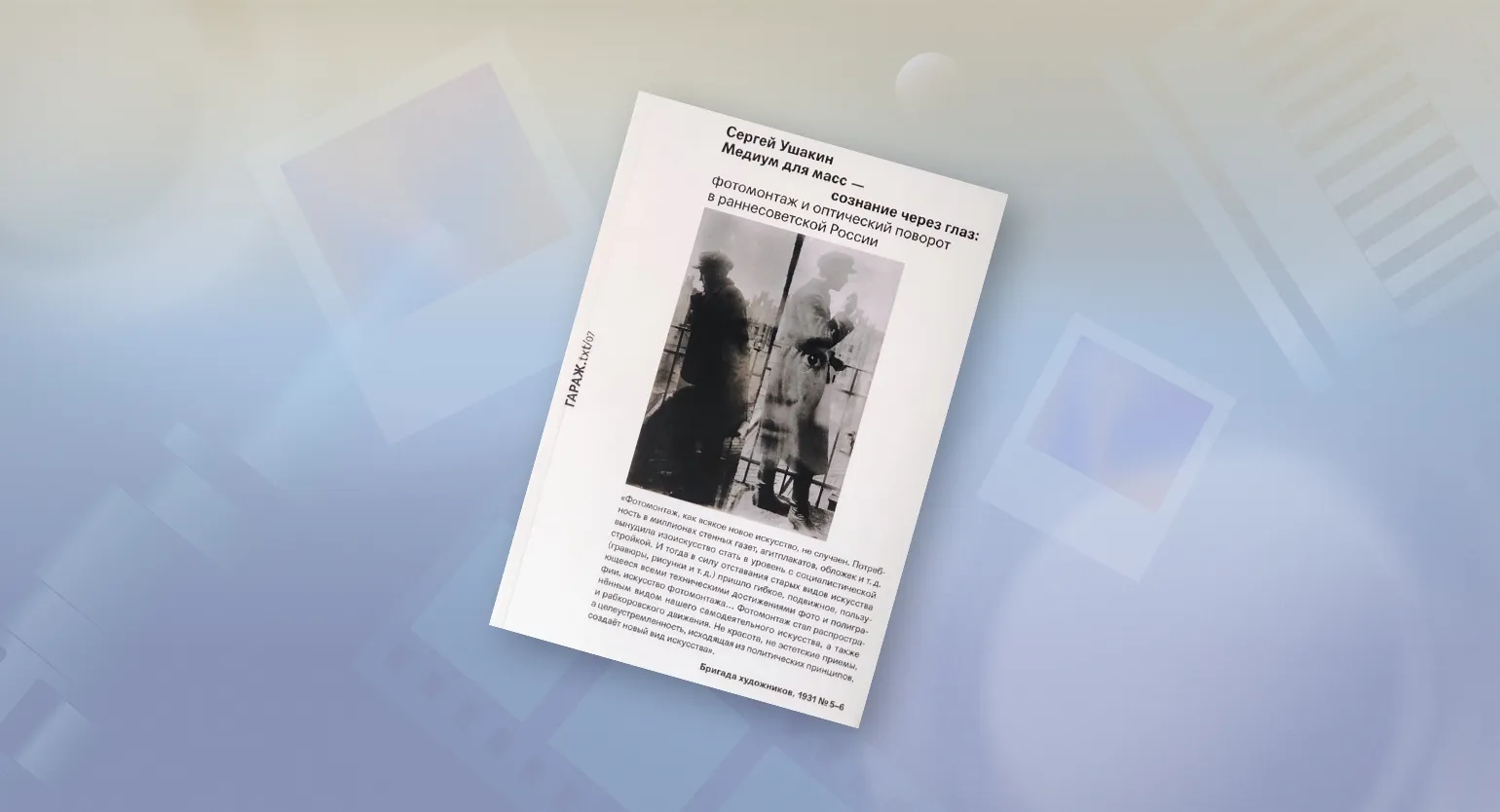
Contents:
Look with your whole head
In the 1930s, photomontage was used not only to create images of the future, but also to recreate the bygone past. The secret manual for investigators, "Investigation of Murder Cases" (edited by Andrei Vyshinsky), described methods for creating a reality that no longer exists. One of these methods was a "lifetime" portrait for identifying a person who has already died. The manual contained detailed instructions for preparing and "restoring" a cadaver's head for photography, including recommendations for lighting and posing, emphasizing the importance of precision in creating an image for investigations.
If a cadaver has been restored for a nude photograph, photomontage can be used. This is done by using a photograph of a dressed man or woman, cutting off the head at the collar line. A photo of the cadaver's head is then glued to this photograph. The head is then re-photographed with clothing, resulting in an image of a dressed, restored cadaver. In this artificial attire, it is important that the costume match the style and cut of the clothing worn by the cadaver at the time of its discovery. Photographs of restored cadaveric bodies, resembling living people, help acquaintances of the deceased more easily identify them.
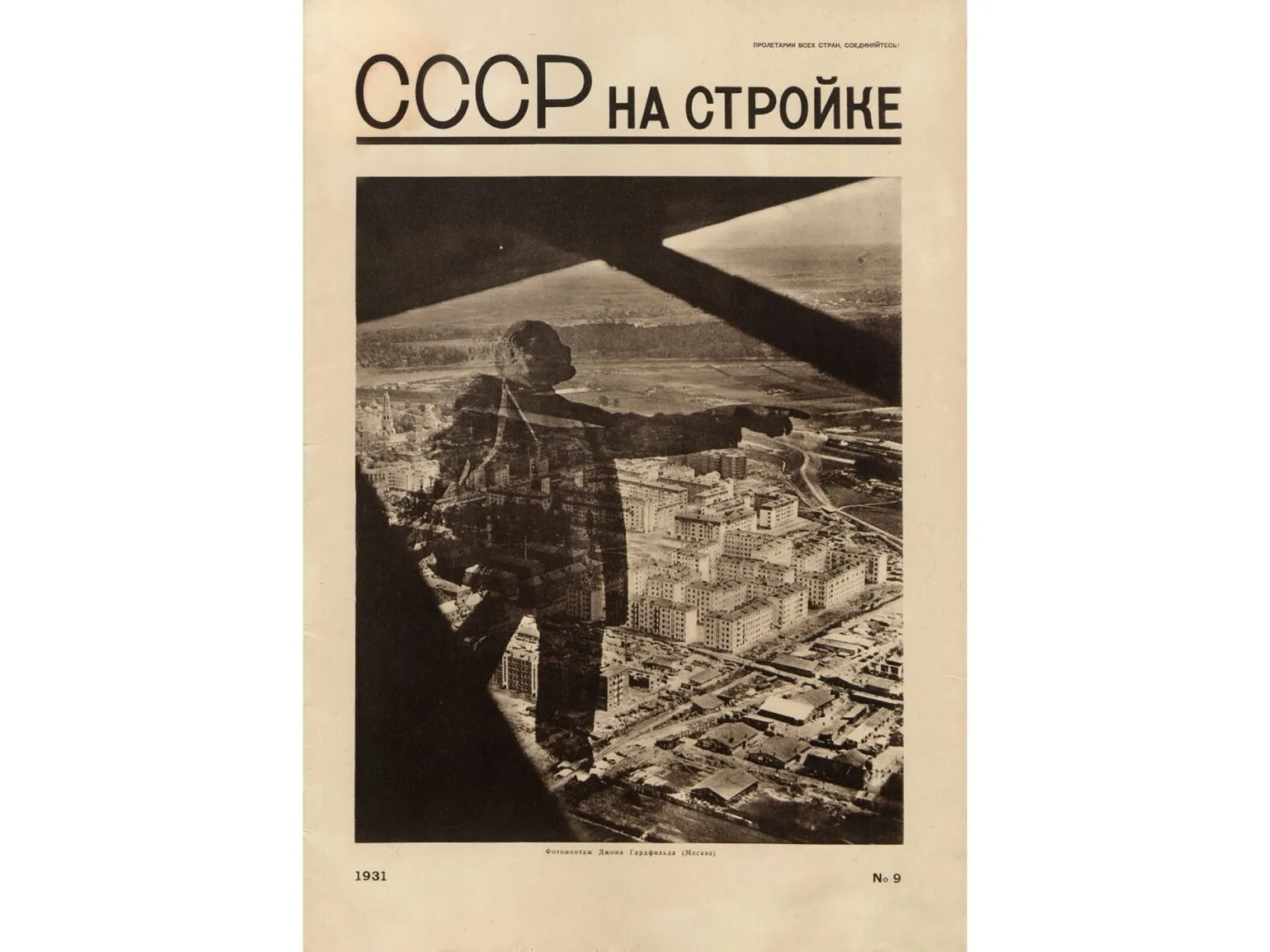
The changes in the purpose of photomontage can be illustrated by the example of the exhibition of the German photomontage artist John Heartfield, which opened in December 1931 at the Moscow Society "Artist." His work had a significant influence on the development of political montage in the Soviet Union. In anticipation of the exhibition, the illustrated magazine "USSR in Construction" adorned its September issue with a striking photomontage by Heartfield. One of the illustrations depicts the spirit of Lenin hovering over modern city blocks, inspiring citizens and pointing to undeveloped land. This visual metaphor preceded a series of photo essays on new construction projects in the country.
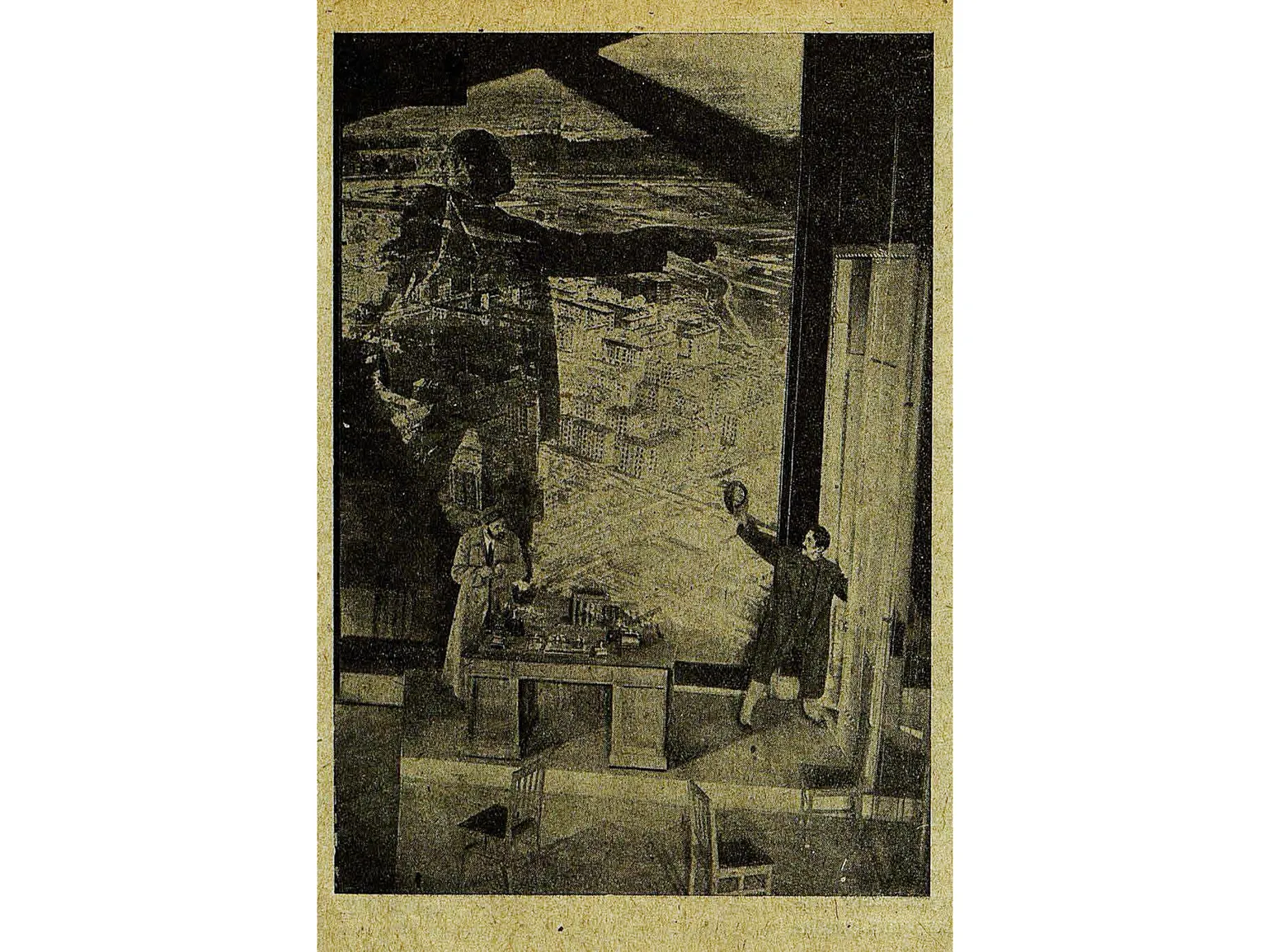
In 1933, the Moscow Theater of the Revolution presented Nikolai Pogodin's play "My Friend," directed by Alexei Popov. The main character, a Bolshevik construction worker named Guy, struggles to meet deadlines, budgets, and materials. The performance's scenes were accompanied by a backdrop consisting of an enlarged photomontage by Hartfield, previously used in "USSR in Construction." Interestingly, the emphasis was placed not only on the use of the photomontage as a set design, but also on its perception. The 1936 album "Theaters of Moscow" published a photograph of one of the play's scenes with a note stating that the design relied on a system of moving platforms, creating a new play environment. The introduction of photomontage, as noted, was supposed to enliven the overall set, emphasizing its role in theatrical art and visual culture of the time.
Photomontage developed over the course of ten years, evolving from a method of "precisely recording a fact" in the magazine "LEF" to a decorative element that "enlivens" the stage space in "Theaters of Moscow," and also to a method of "artificially dressing corpses" in "Investigations of Cases." This transformation of photomontage into a form of decorative and applied art and ornamentation for a wide audience does not exhaust its entire history. In 1936, simultaneously with the release of "Theaters of Moscow," Volume 58 of the "Great Soviet Encyclopedia" was published, vividly reflecting the darker aspects of the development of photomontage.
In this volume of the Great Soviet Encyclopedia, located between the articles on "Flora" and "France," the article "Photomontage" is presented. The Encyclopedia's editorial board, responsible for the section on literature, art, and language, commissioned Gustav Klutsis to write the article, definitively confirming his status as a leader in the field of photomontage, both theoretical and practical. In his article, Klutsis, a recognized master of photomontage, reminded readers that he was the founder of political photomontage in the USSR, actively working to create a positive image through this genre. Klutsis also acknowledged members of the so-called "shock brigade," including Senkin, Kulagina, and Pinus, as well as such renowned artists as Lissitzky, the Stenberg brothers, and Nikolai Prusakov. However, Rodchenko's name was absent from this context, underscoring Klutsis's special role in the development of photomontage in Soviet art.
Klutsis, rejecting the avant-garde legacy, developed a clear and consistent genealogy of his method in his article. He sought to show how his approach developed and transformed, drawing on tradition and contemporary achievements. This allows for a better understanding of his creative process and philosophy, as well as an assessment of the influence of his work on art and design.
Photomontage, which underwent a complex development from the abstract formalism of War Communism, gradually freed itself from formalist elements. The revolution, which became its foundation, imbued this art with profound ideological content. As a result, photomontage became an effective tool of political agitation, used by the party in the struggle to build socialism.
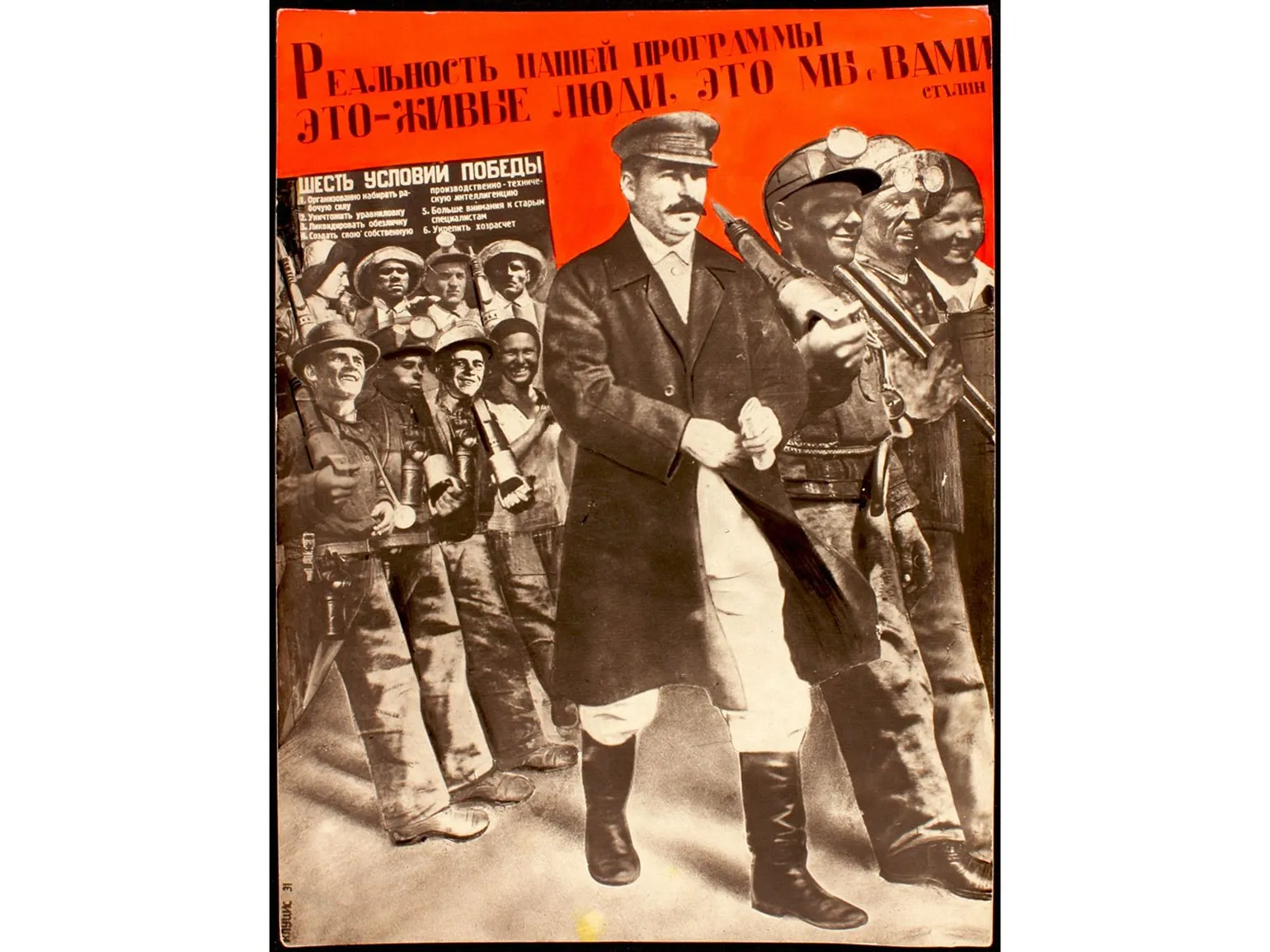
Klutsis's poster accompanying his article was a clear visualization of the key ideas of the text. The poster depicts Joseph Stalin, wearing an overcoat and cap, walking towards the viewer, surrounded by workers. The poster's composition is largely reminiscent of traditional realist painting, which Tarabukin and Arvatov actively opposed in the 1920s. The dynamism and multi-scale nature of the previous works gave way to a clear narrative structure and visual stability, which were considered "naturalistic" at the time. The return to (illusory) realism is also emphasized by the slogan, a quote from Stalin: "The reality of our program is living people—you and me." This poster became a symbol of the ideological changes and visual propaganda of the time.
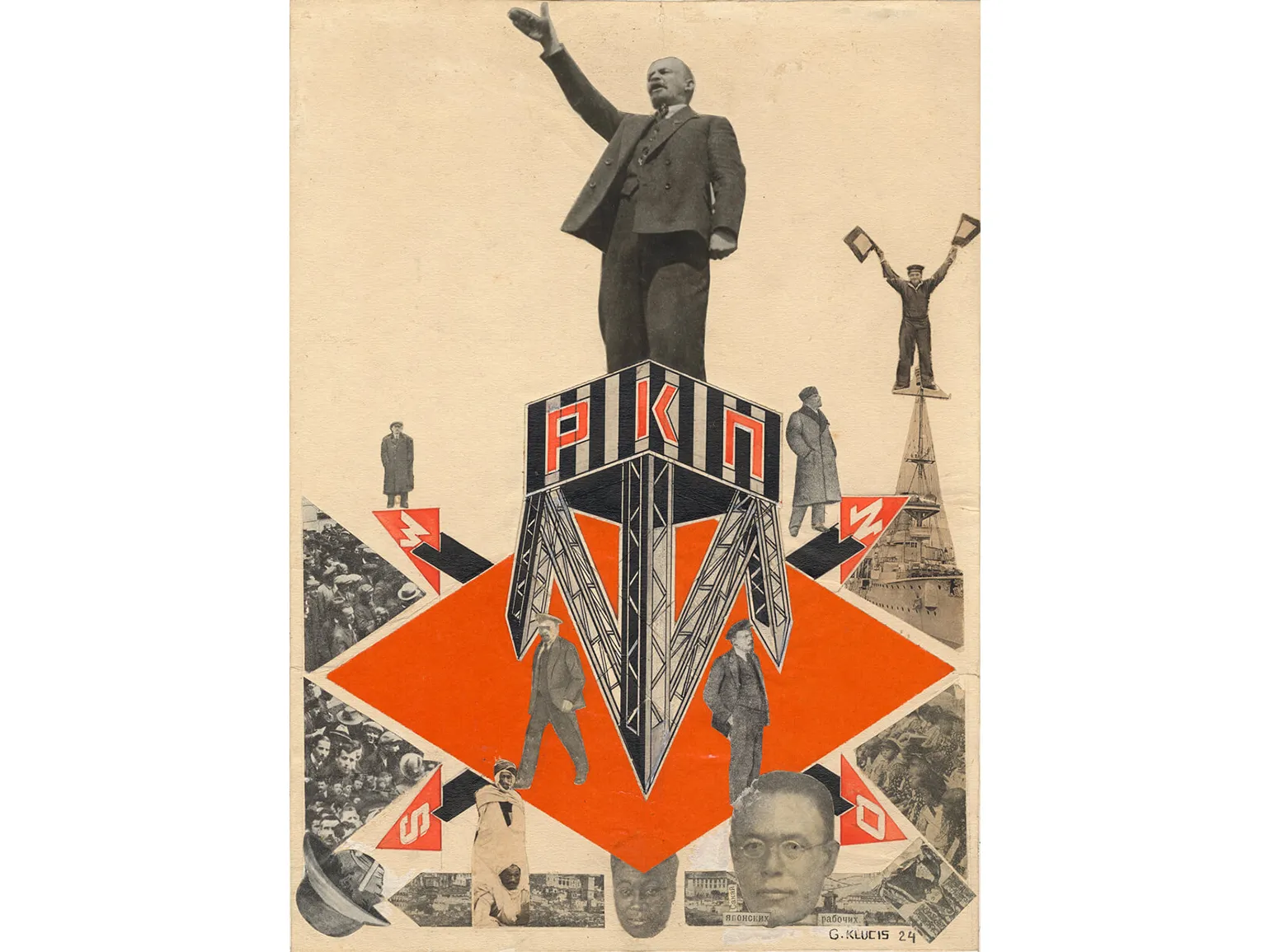
Within the framework of any form of realism, the representation of the lives of people in this program can be distorted. After the publication of the Great Soviet Encyclopedia volume, Klutsis will only be alive for a short time. In 1938, he was accused of belonging to the "fascist rebel-terrorist organization of Latvians," and he was soon shot at the Butovo firing range.
Read also:
John Heartfield's anti-fascist photomontage represents an important contribution to the art of political propaganda and visual criticism. Known for his bold and provocative works, Heartfield used photomontage as a means of combating fascism and totalitarianism. His works reflect the social and political realities of his time, combining elements of photographic documentation and artistic expression.
Heartfield's photomontages draw attention to the absurdity of war, violence, and oppression. He used a variety of techniques, combining photographs, drawings, and text to create powerful visual images that resonated with a wide audience. These works became symbols of resistance and defiance against authoritarian regimes.
Today, John Heartfield's anti-fascist photomontages remain relevant, reminding us of the importance of the struggle for freedom and human rights. Studying them helps to understand not only the historical context, but also the modern challenges that society faces.
Profession Photographer
You will learn to take professional photos from scratch. You will learn how to organize shoots, process frames, manage models and a team. Find your style, build an impressive portfolio, and start making money doing what you love.
Find out more