Contents:
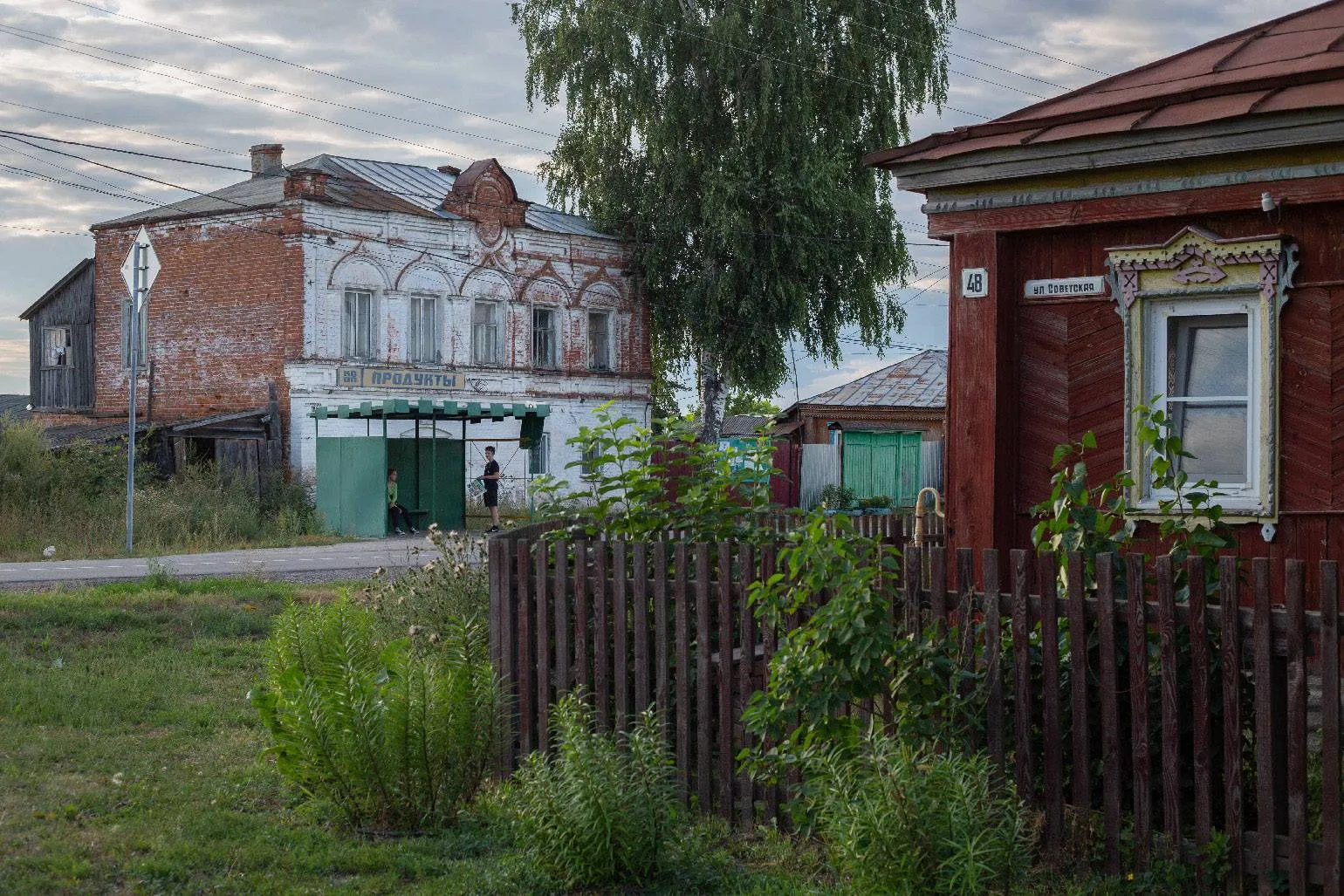
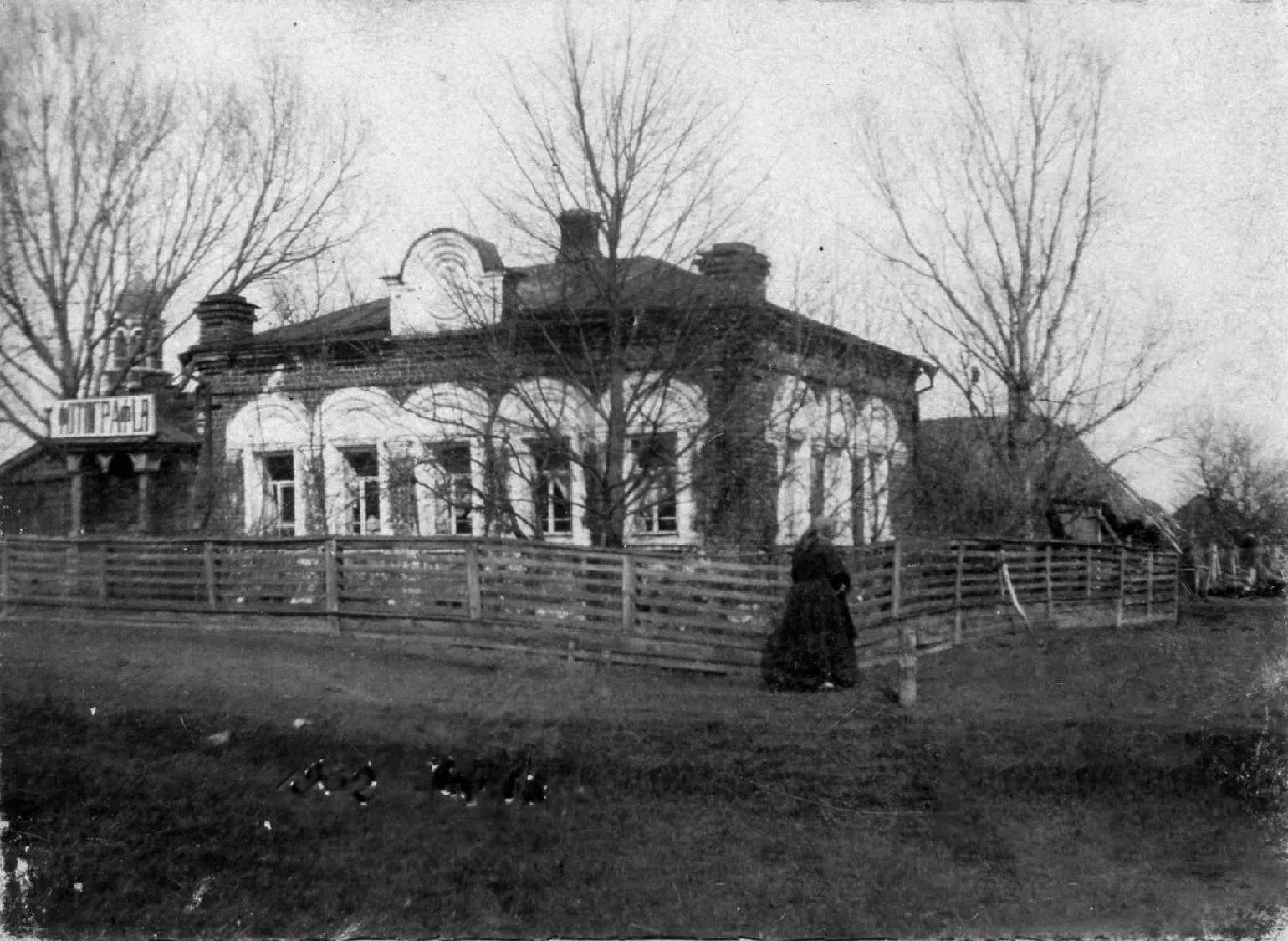
An abandoned building with a sign "Photography"
Nikita, tell us about your connection to Izhevsk and how your project began?
My maternal ancestors are from Izhevsk. As a child, I often spent time here: before school started and throughout the summer holidays. In 2021, I returned to Izhevsk to help my grandmother and have remained here permanently. Not long before that, I met Sergei Pogonin.
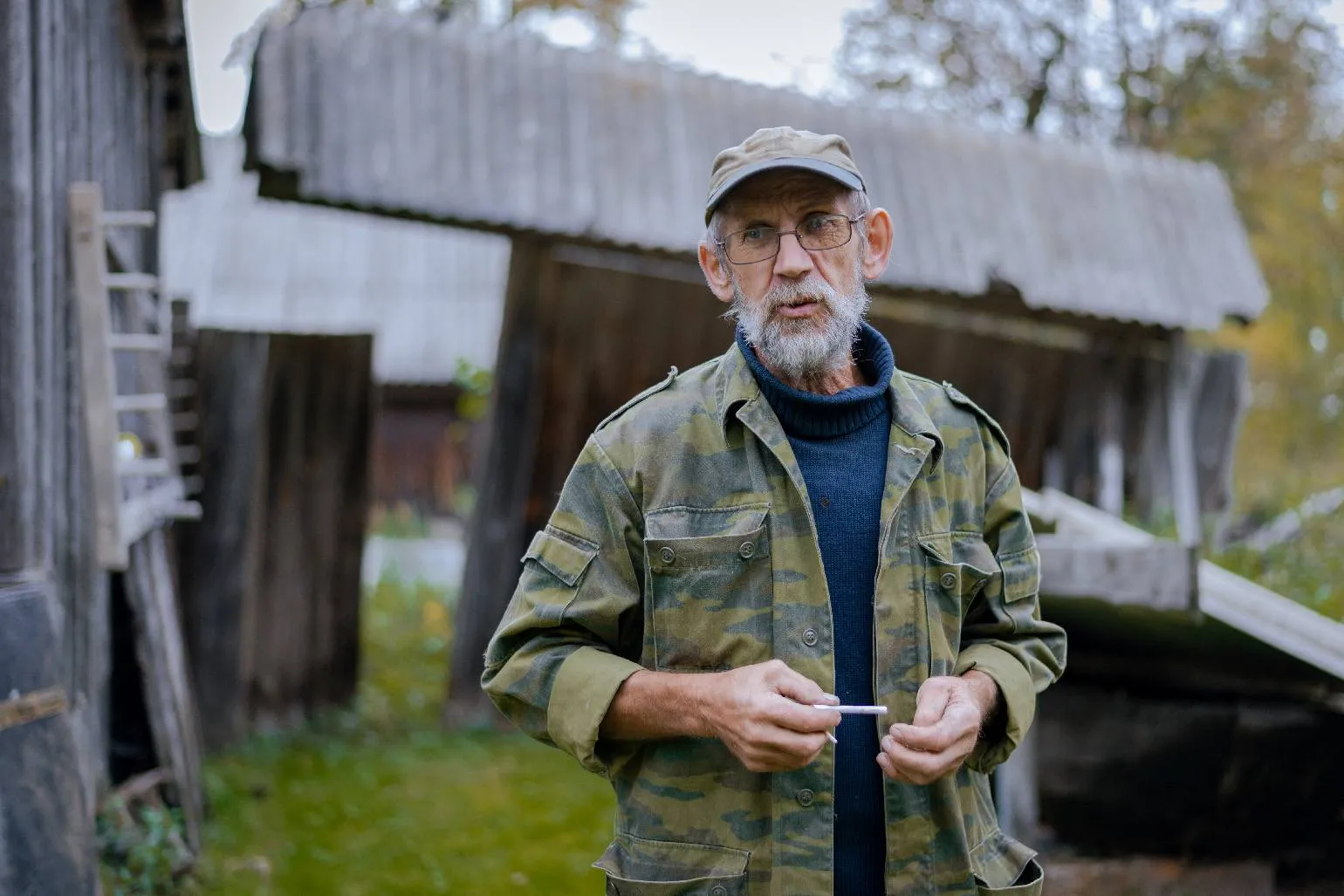
Sergey is a local historian from the village of Orekhovo who created a unique museum of peasant life. A biologist by profession, he worked for many years as an entomologist in a nature reserve. In the past five years, Sergei has focused on the study of history and local history, and also demonstrated his creative abilities as an artist and amateur photographer. His museum has become an important cultural center, housing exhibits reflecting the life and traditions of peasant life, which attracts both local residents and tourists.
Sergey owns an old but high-quality film scanner and four years ago began independently scanning Filatov's legacy from the Tsiolkovsky Museum collection. He has two hundred glass plates measuring 9 x 12 cm at his disposal. Because Sergei uses a narrow film frame on his scanner, he had to scan each negative in sections and then combine them in Photoshop. This labor-intensive process allows us to preserve unique historical materials, which contributes to their popularization and accessibility to a wider audience.
I came across information about Sergei on the internet. One of the photos showed a building with a sign "Photography," and I realized that the abandoned house in Izhevsk, which I pass by on my bicycle and admire every time, belonged to the photographer Ivan Filatov. I decided to visit Sergei with my friend, Moscow expert Valentin Karelin. Looking through the photographs, we simultaneously came to the idea that this house should be purchased and transformed into something new.
How did the team develop?
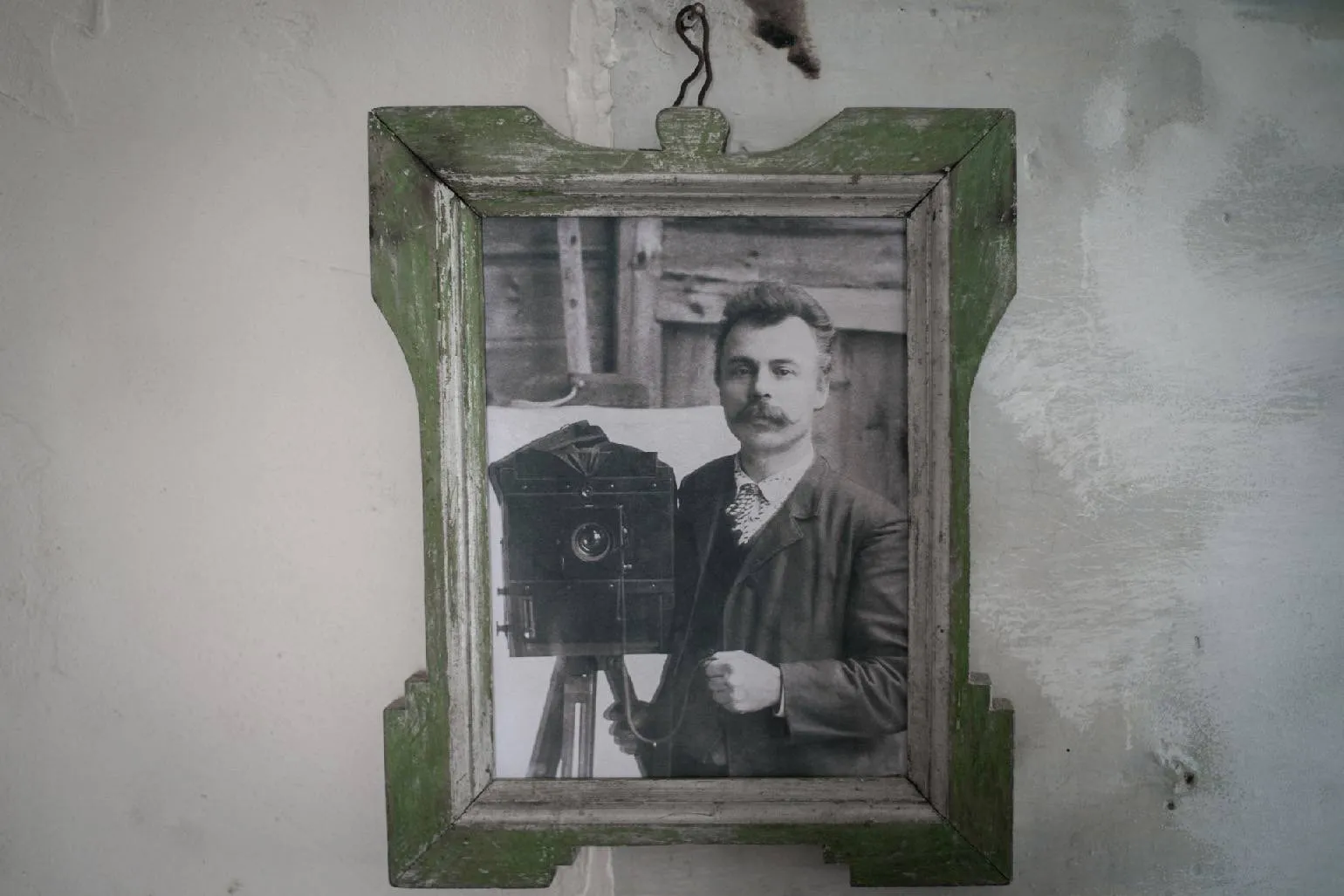
Filatov has always remained the center of attention, and many knew about him even without our mention. During his lifetime, he was recognized as one of the most educated people of his time.
After Filatov's death in 1937, his assistant Ivan Mysev took all the negatives and some personal belongings, recognizing their significance as cultural heritage. However, just a few months later, Mysev fell victim to the purges. Everything he had saved was guarded by his sister throughout her life. In 1997, her descendants donated the archive to the Tsiolkovsky Museum, recognizing its cultural value and historical significance.
The museum actively studied Filatov's legacy. We scanned and attributed his photographs, researched biographical facts about the artist's life and work, and maintained contact with his granddaughter. This in-depth study has become a constant occupation and a source of inspiration for me.
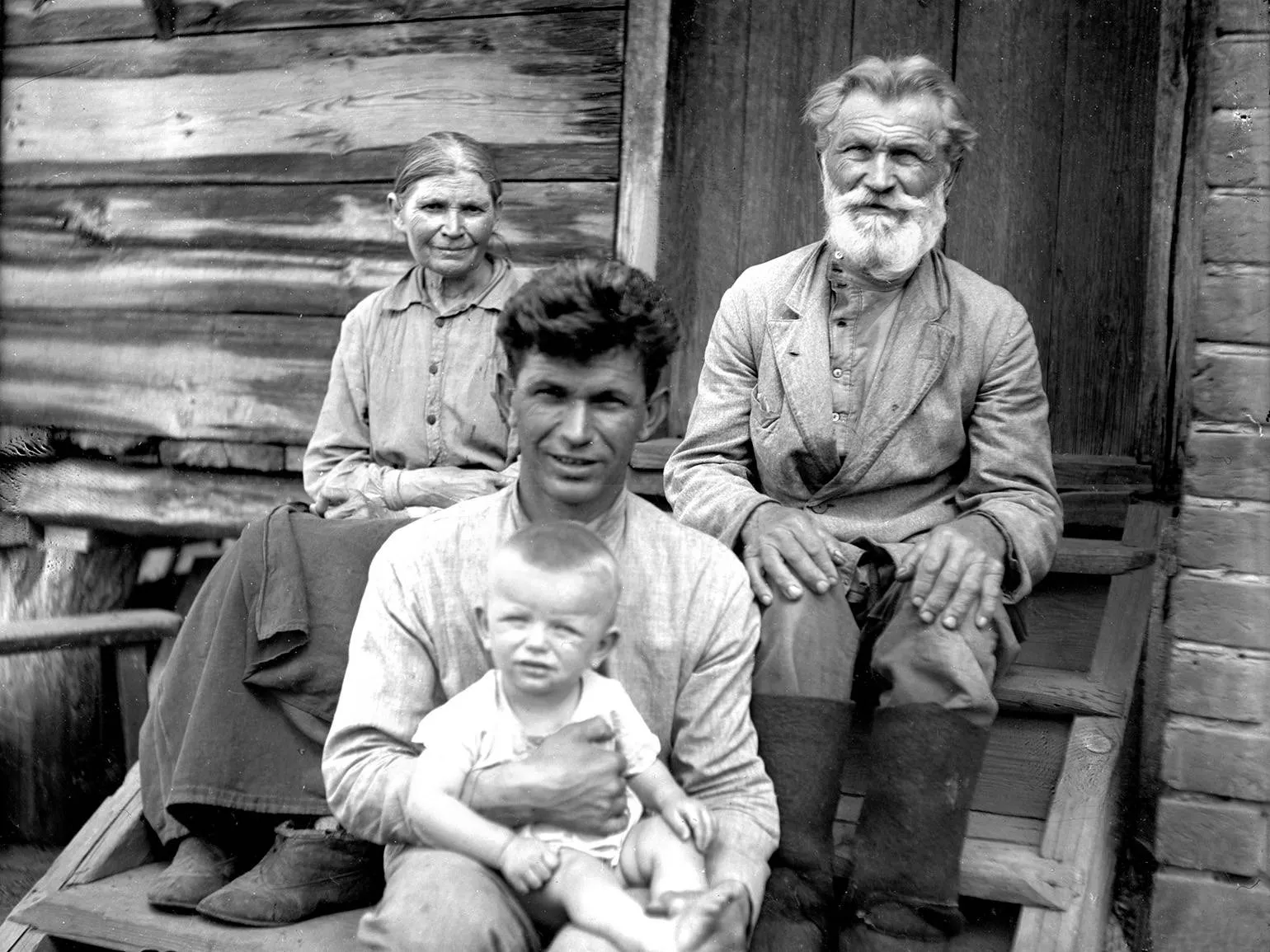
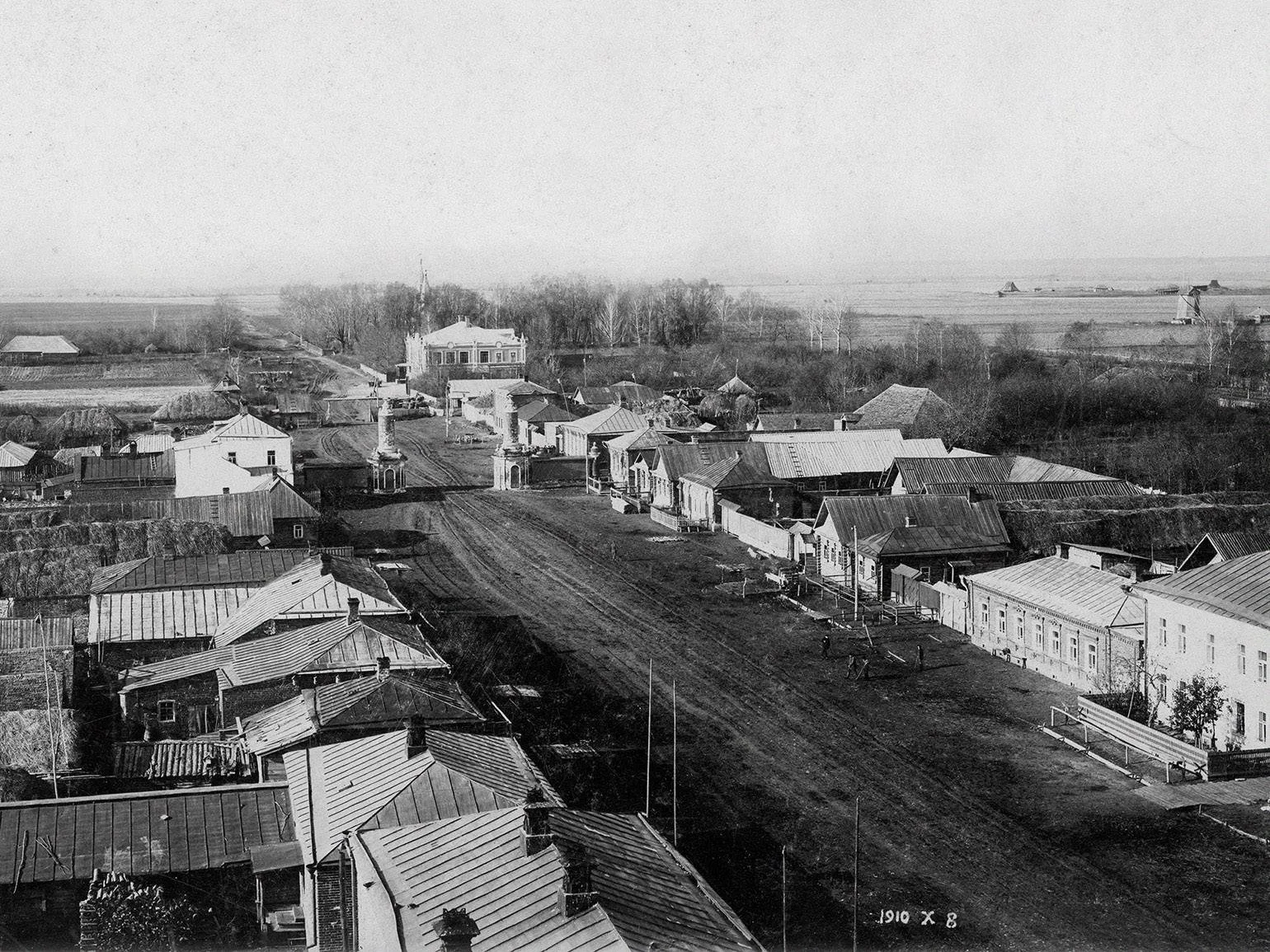
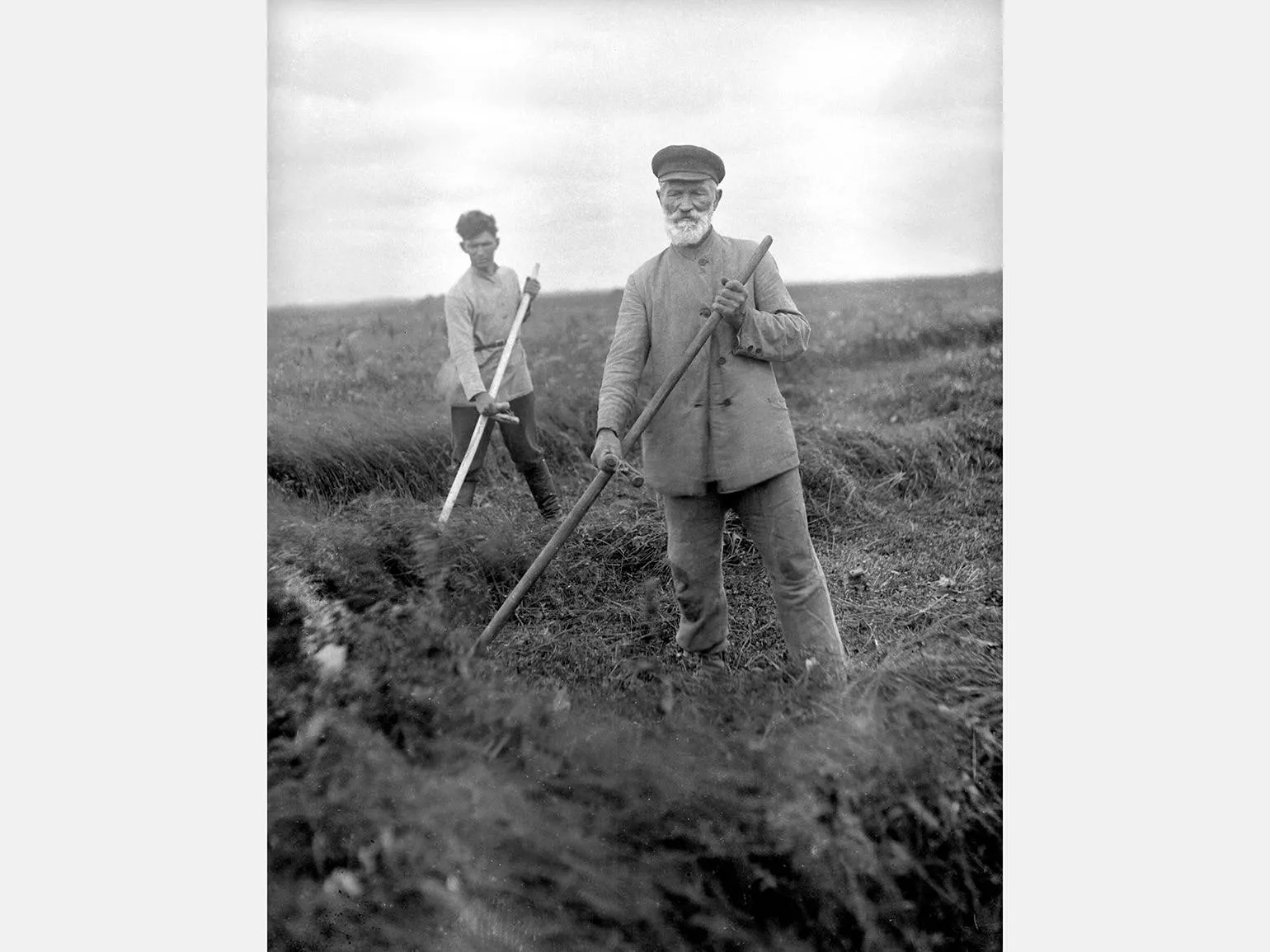
When I met Sergei and saw his photographs, I began sharing them with friends and looking for new acquaintances interested in museums. Soon we met two families who supported us in the purchase of the Filatov house. The spouses Nadezhda Raichenko and Andrey Ptichnikov are still actively involved in our project.
Filatov's story is of interest to many. Our team, consisting of specialists in various fields, has gradually formed over two years of active work. We are engaged in both Filatov's photographs and in researching his house, delving into the details and facts that make this story unique.
"In photographs, we see that freedom is a factor of well-being."
Filatov's archive provides valuable information about the time in which he lived. The documents and materials collected in this archive reflect the social, political, and cultural aspects of the era. Studying this data allows for a deeper understanding of the historical context in which Filatov operated and how his work influenced the development of society. The archive contains letters, photographs, official documents, and other sources that help to reconstruct a picture of the era. These materials are an essential tool for historians and researchers seeking to illuminate Filatov's life and work, as well as his impact on the present day.
The archive provides information on how Izhevsk achieved the unique standard of living and dignity experienced by peasants in the region. It also illuminates the processes of loss of these achievements in the 1920s and 1930s.
By filming in Izhevsk, Filatov creates unique events that would be significant anywhere else in Russia. His works cover a significant historical period, including the twenty years before and after the October Revolution, when astonishing changes took place. This era was full of both fear and interest, which makes it ideal for filming. Filatov captures forty years of Russian history, turning his films into a true anthology.
Telegram channel for photography enthusiasts. This channel was created for everyone who is passionate about the art of photography, strives to improve their skills and share their experiences. Here you'll find helpful tips, tutorials, and inspiration from professional photographers and enthusiasts. Join our community to discuss shooting techniques, image processing, and the latest photography trends.
If you're interested in exploring the diversity of literature, join us. We publish the works of talented Russian authors, follow international competitions, and share helpful creative advice from professionals. Discover new horizons in the literary world with us.
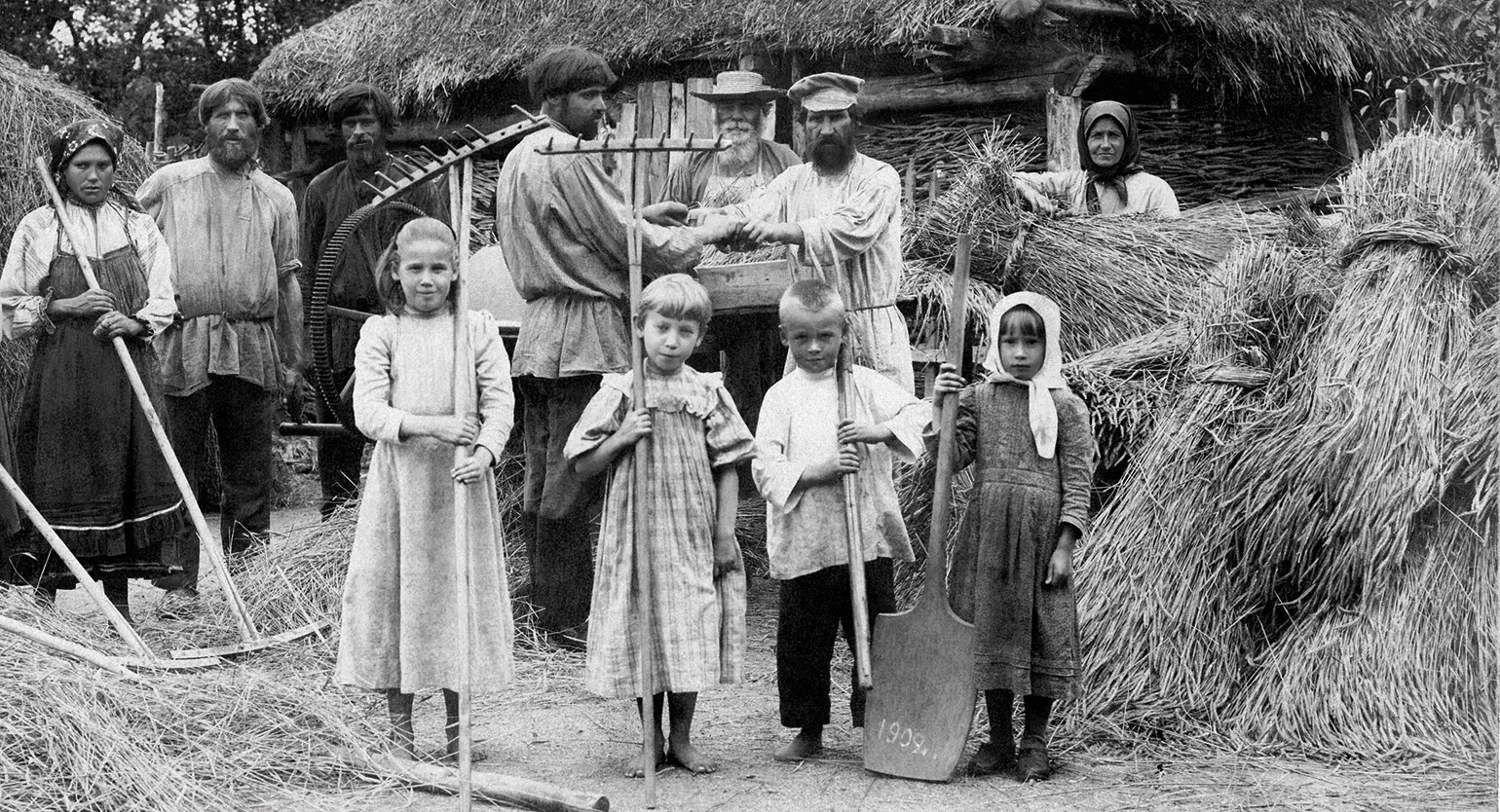
Major events in the life of the country invariably affected life in the village, and Filatov's photographs illustrate this beautifully. They capture pre-revolutionary everyday life, social initiatives of the early 20th century, World War I, revolutionary events, and the peasant uprisings of 1918, which had a significant impact in the Ryazan region and became an important part of the civil war. Later, the photographs also depict the NEP and collectivization, as well as the totalitarianism of the 1930s. All these historical stages can be seen through the prism of aesthetics, costumes, and compositional solutions, which creates a unique visual imprint of that time. Filatov's photographs not only document events but also convey the atmosphere of the era, allowing the modern viewer to better understand historical changes and their impact on the lives of villagers.
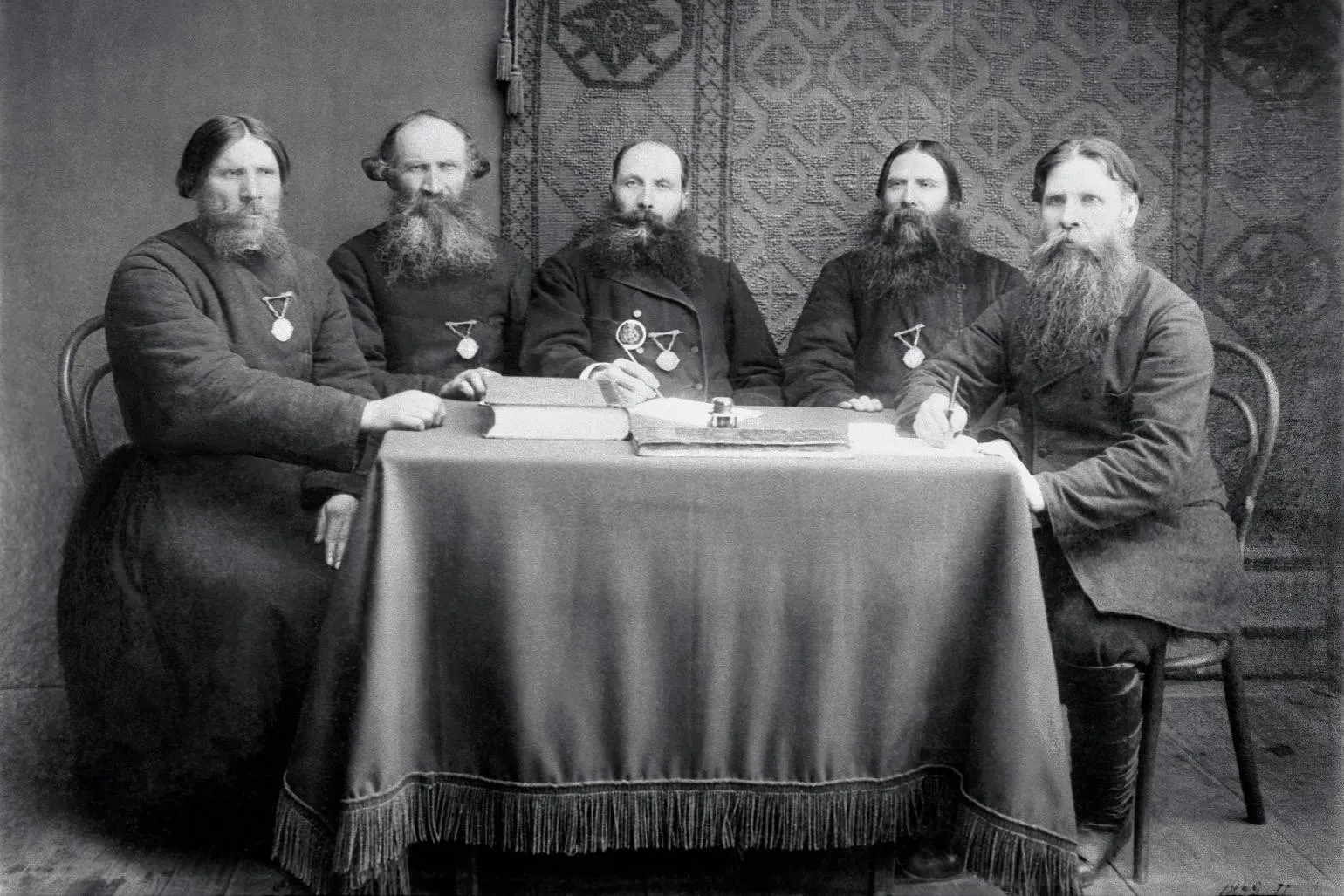
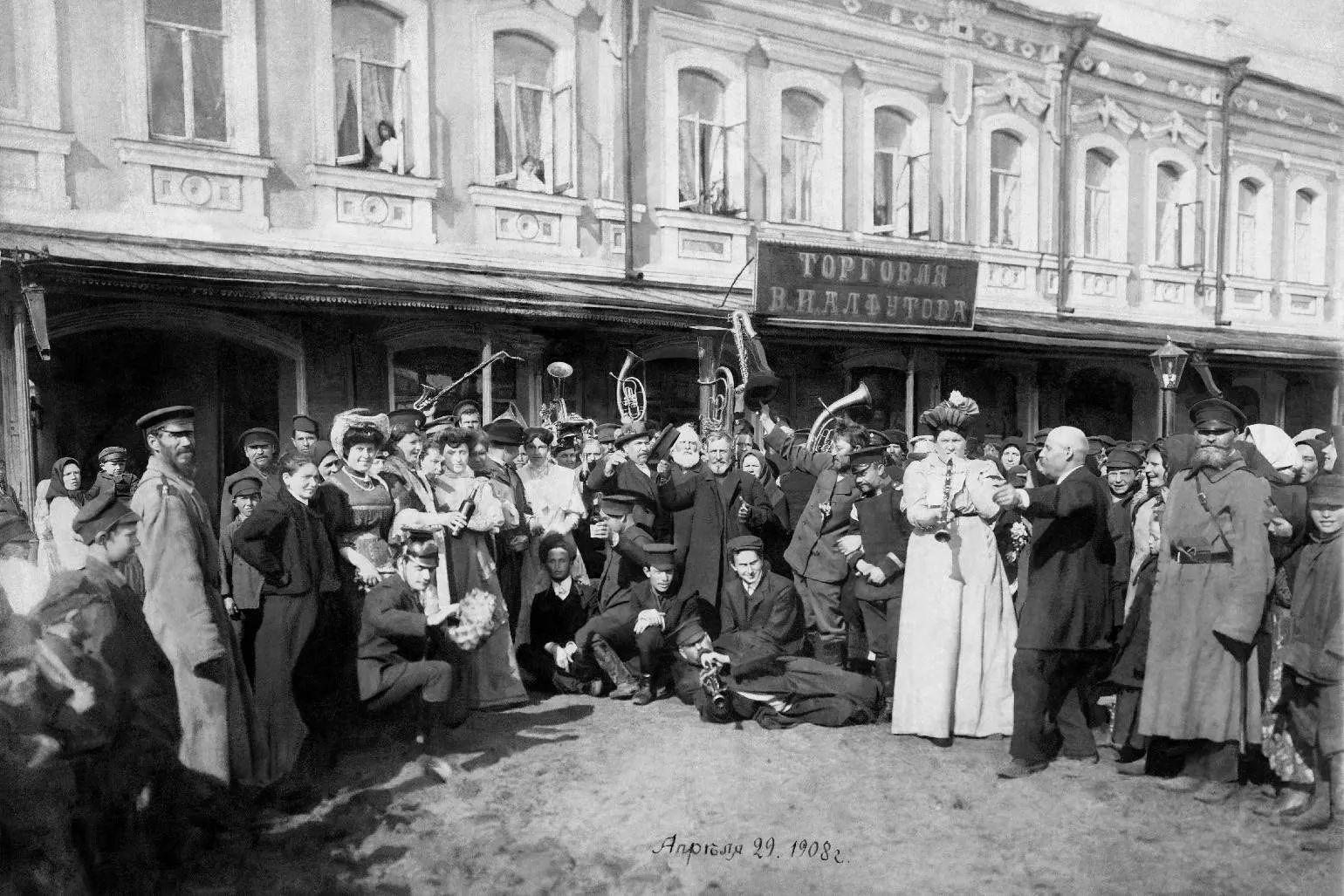
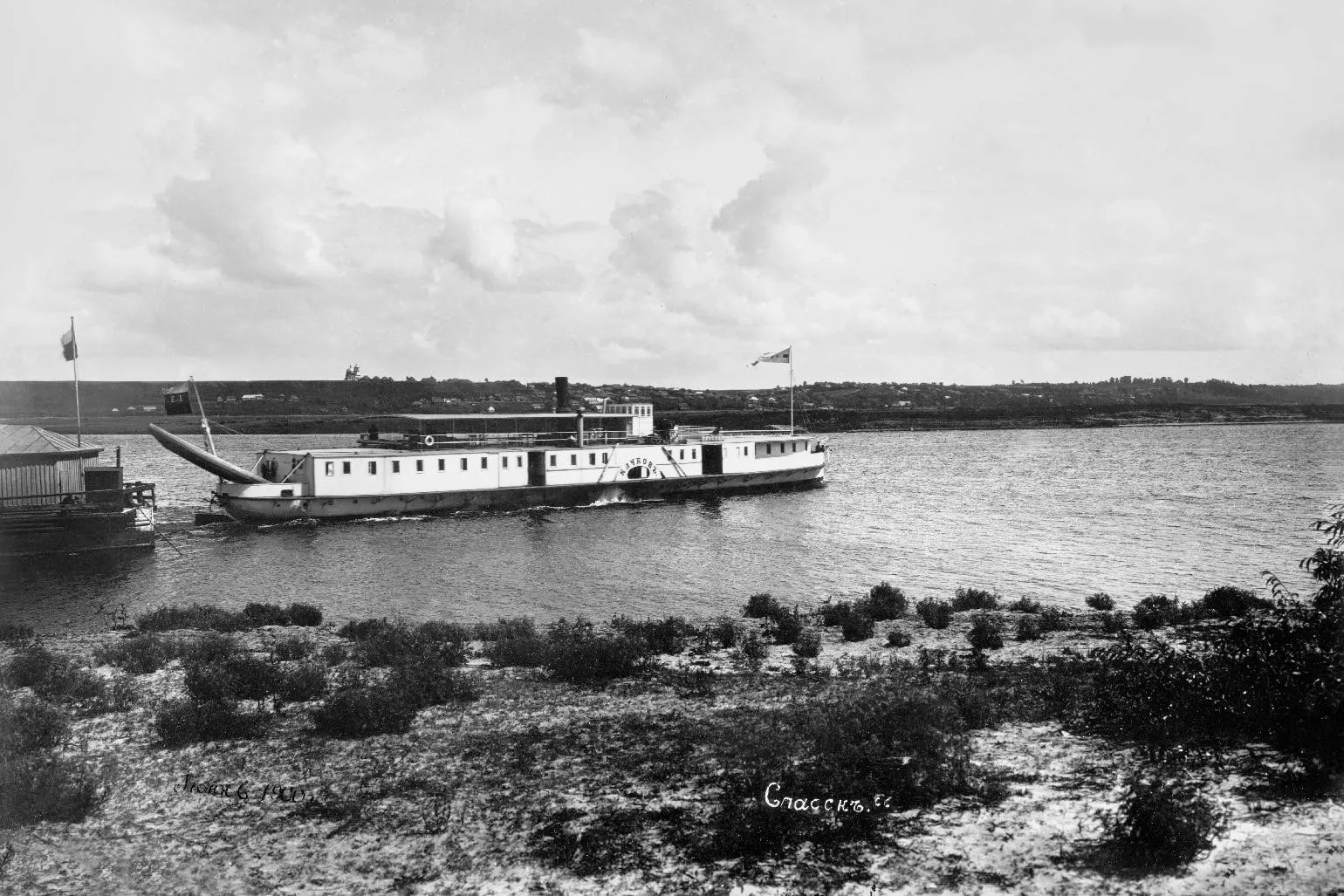
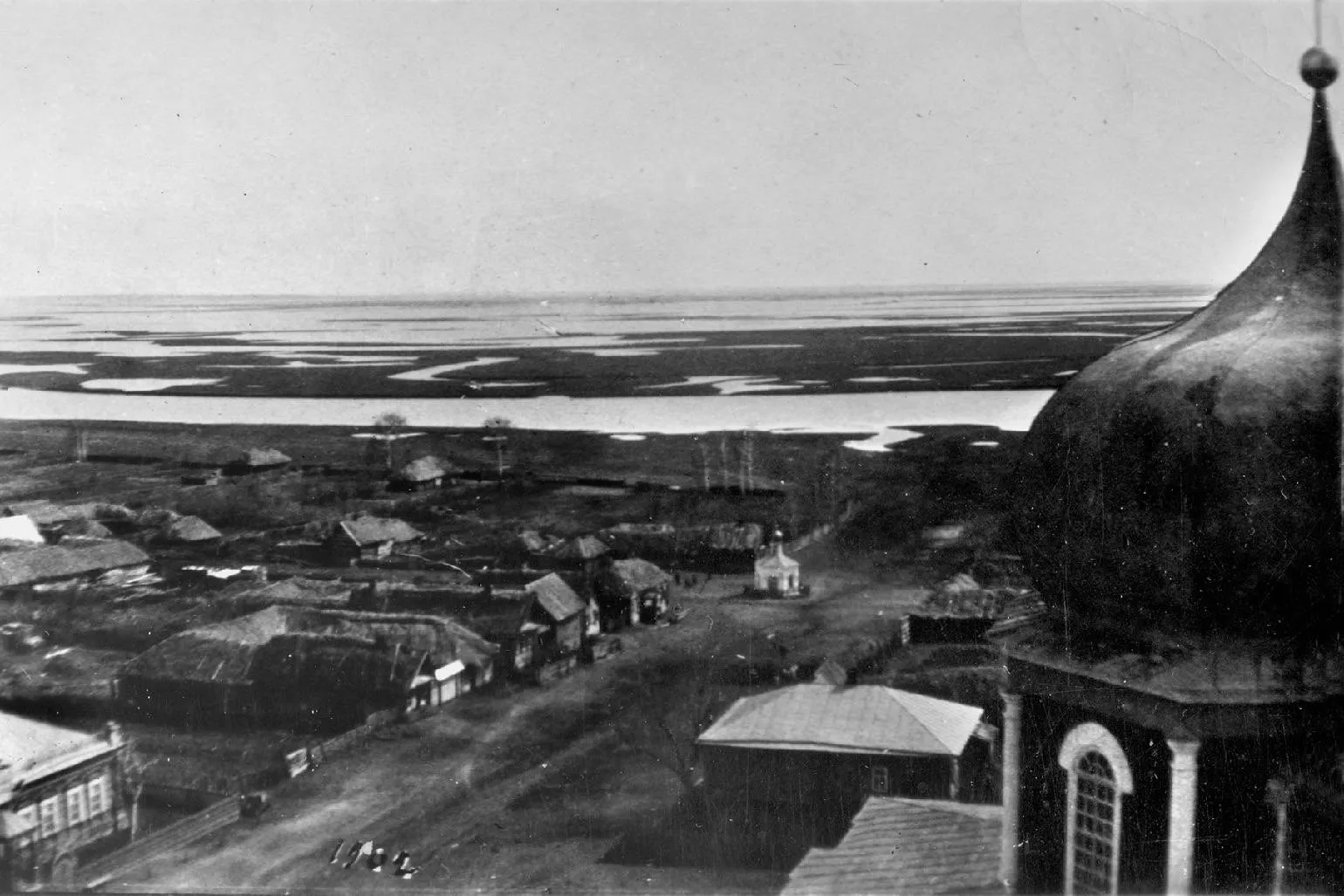
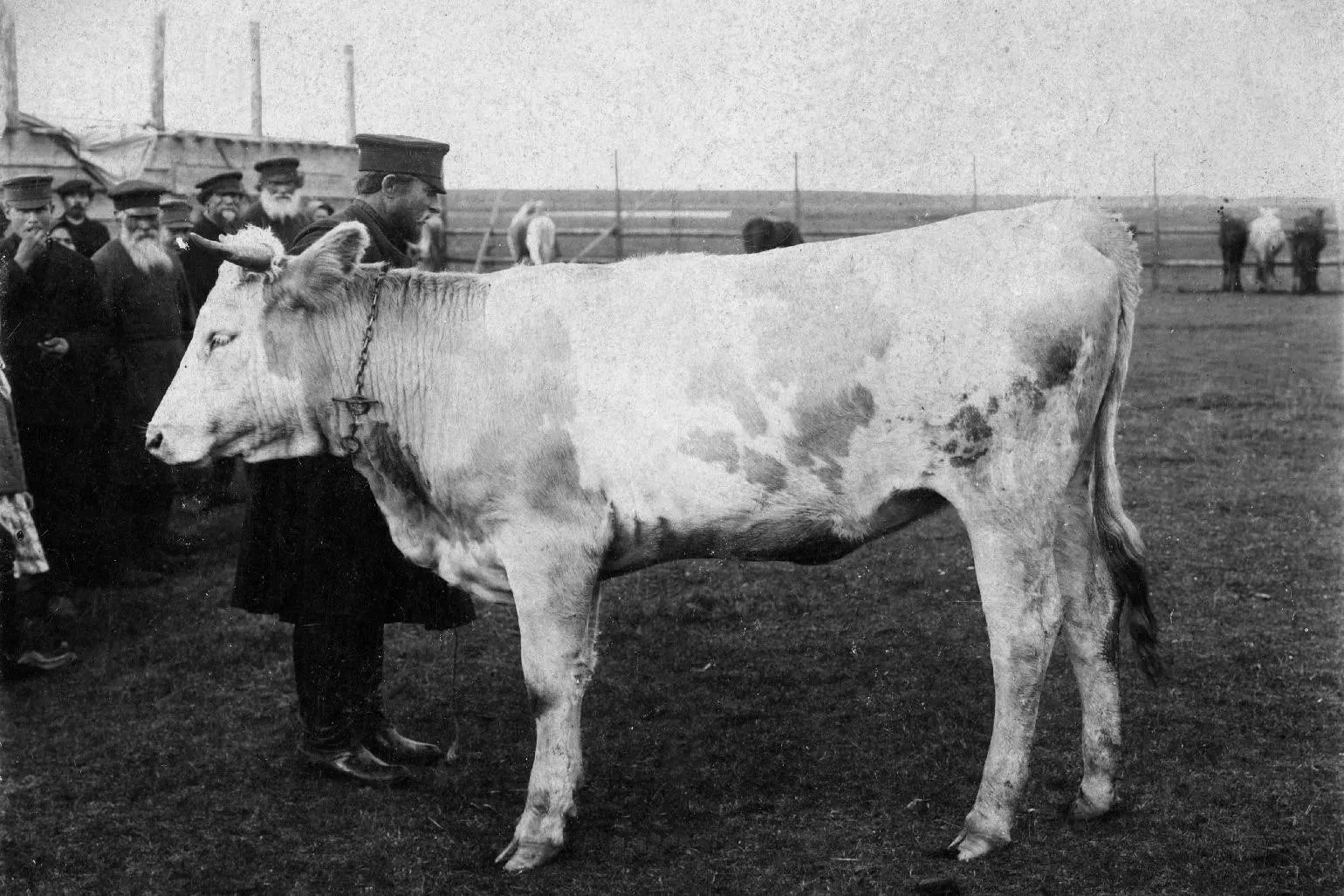
Filatov created a large-scale film reflecting the general realities of central Russia. His work places particular emphasis on a place known for its political and economic freedoms.
Izhevsk is renowned for its unique atmosphere of freedom, which reflects the spirit of the city and its residents. This freedom manifests itself in creativity, self-expression, and the cultural initiatives that are actively developing in Izhevsk. The city has become a magnet for people seeking new ideas and opportunities. Historically, Izhevsk was a center of industry and innovation, which contributed to the development of an open and progressive mindset. Today, various forms of art, youth initiatives, and social movements are actively developing here, creating a favorable environment for self-expression. This special freedom in Izhevsk inspires residents to be creative and actively participate in the life of the city.
The foundation of this region was laid in the era when beekeepers lived here, collecting honey and wax from wild bees. These products were exported in large quantities to the West, and in the 16th century, they became the main source of income for the Muscovite state. The beekeepers' strategic importance contributed to the early development of local autonomy.
In the 1770s, a unique system of self-government was established in this village. Governance was exercised by a peasant council consisting of six people, five of whom were directly elected at village assemblies. This occurred almost a century before the introduction of the zemstvo reform and the emergence of the first official local government bodies in Russia. In 1828, this system of governance was officially enshrined in a document, and Izhevsk received its own "Constitution." This experience of self-government became an important step towards the development of local self-government in the country.
Local peasants purchased their freedom from the landowner thirty years before the abolition of serfdom. This process became an important milestone in the village's history, as it was after the purchase that the active development of industry, social structure, political life, and culture began. The period following the ransom was marked by significant changes that contributed to the improvement of the living conditions of the peasants and the development of local self-government.
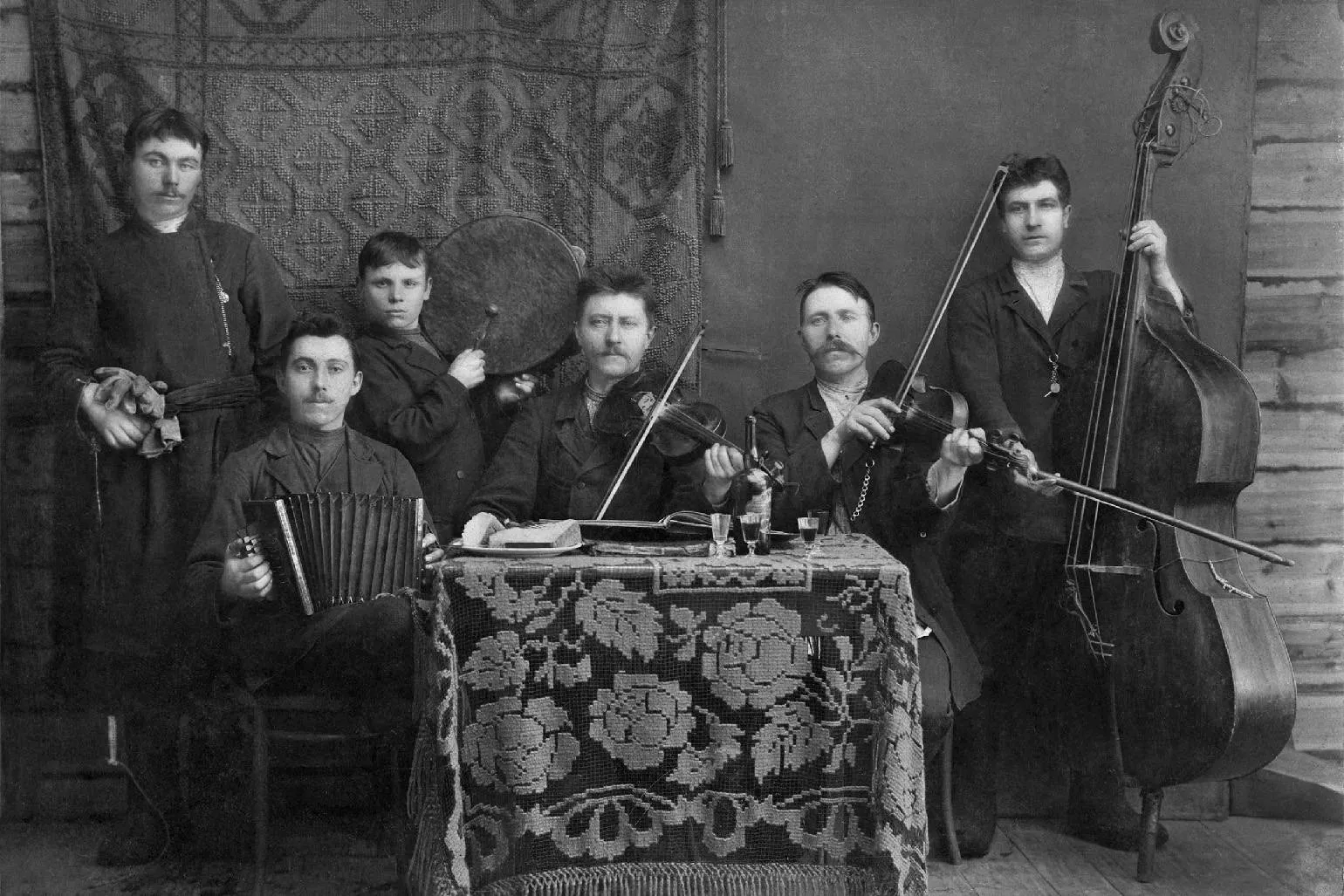
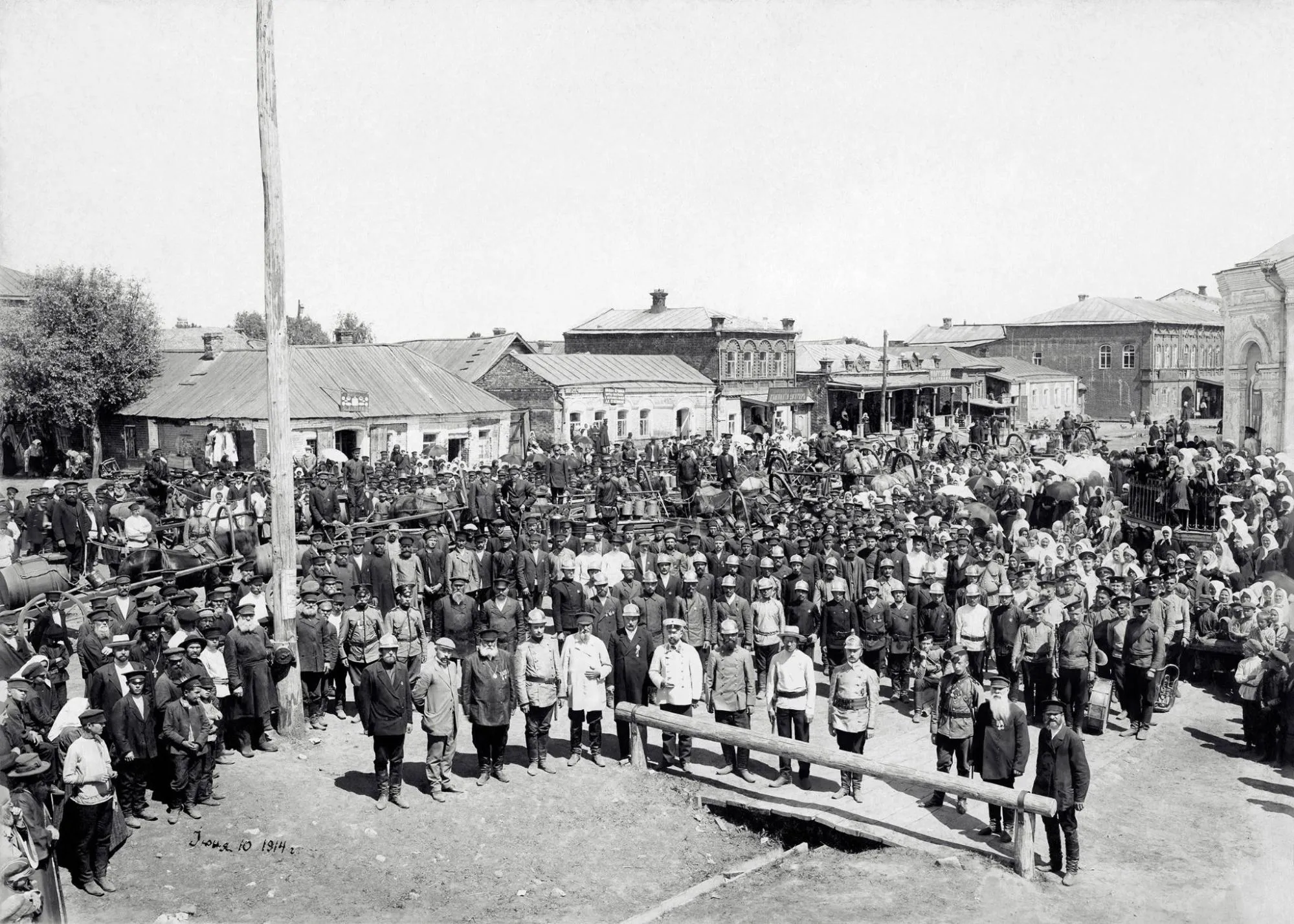
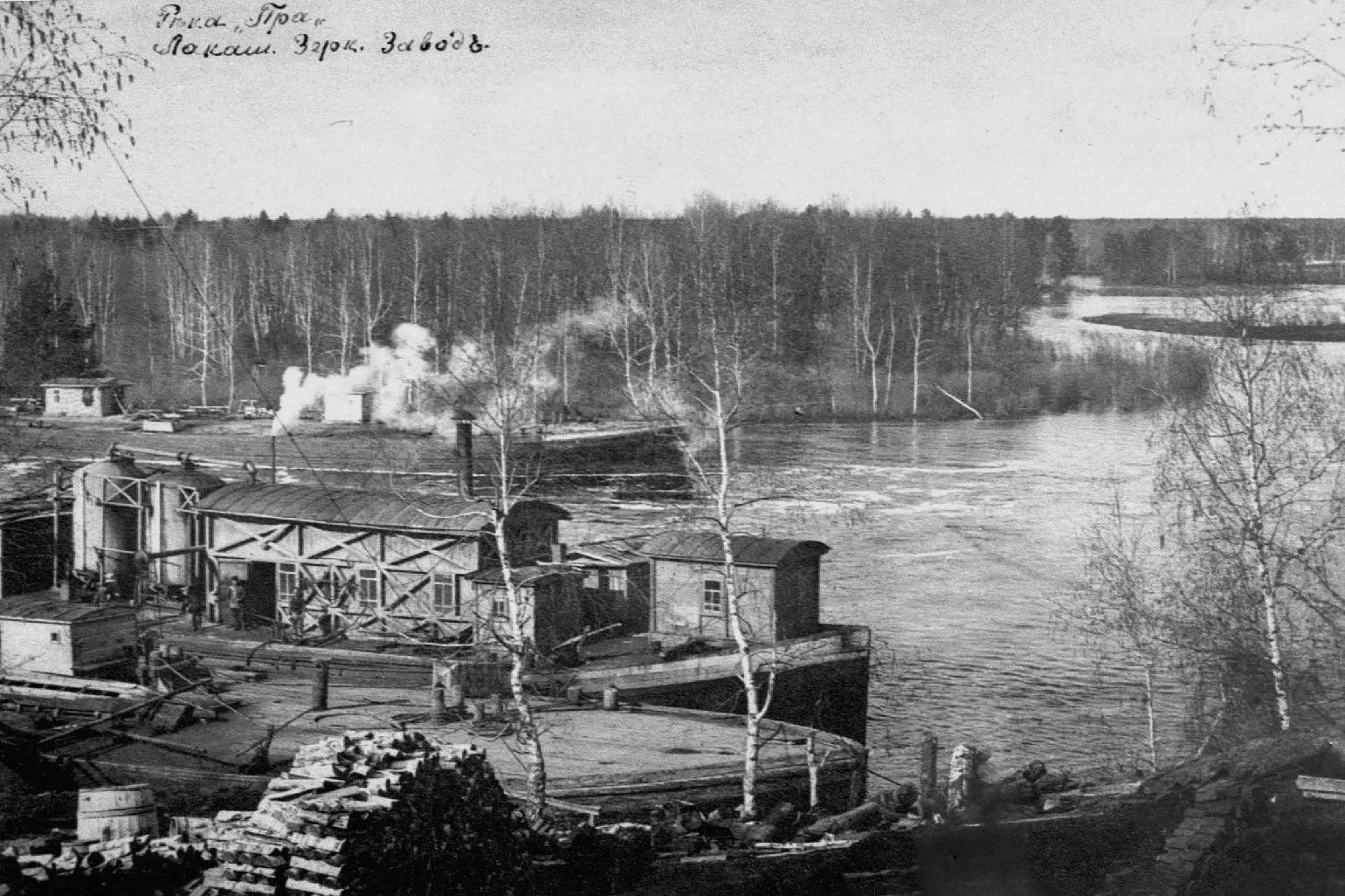
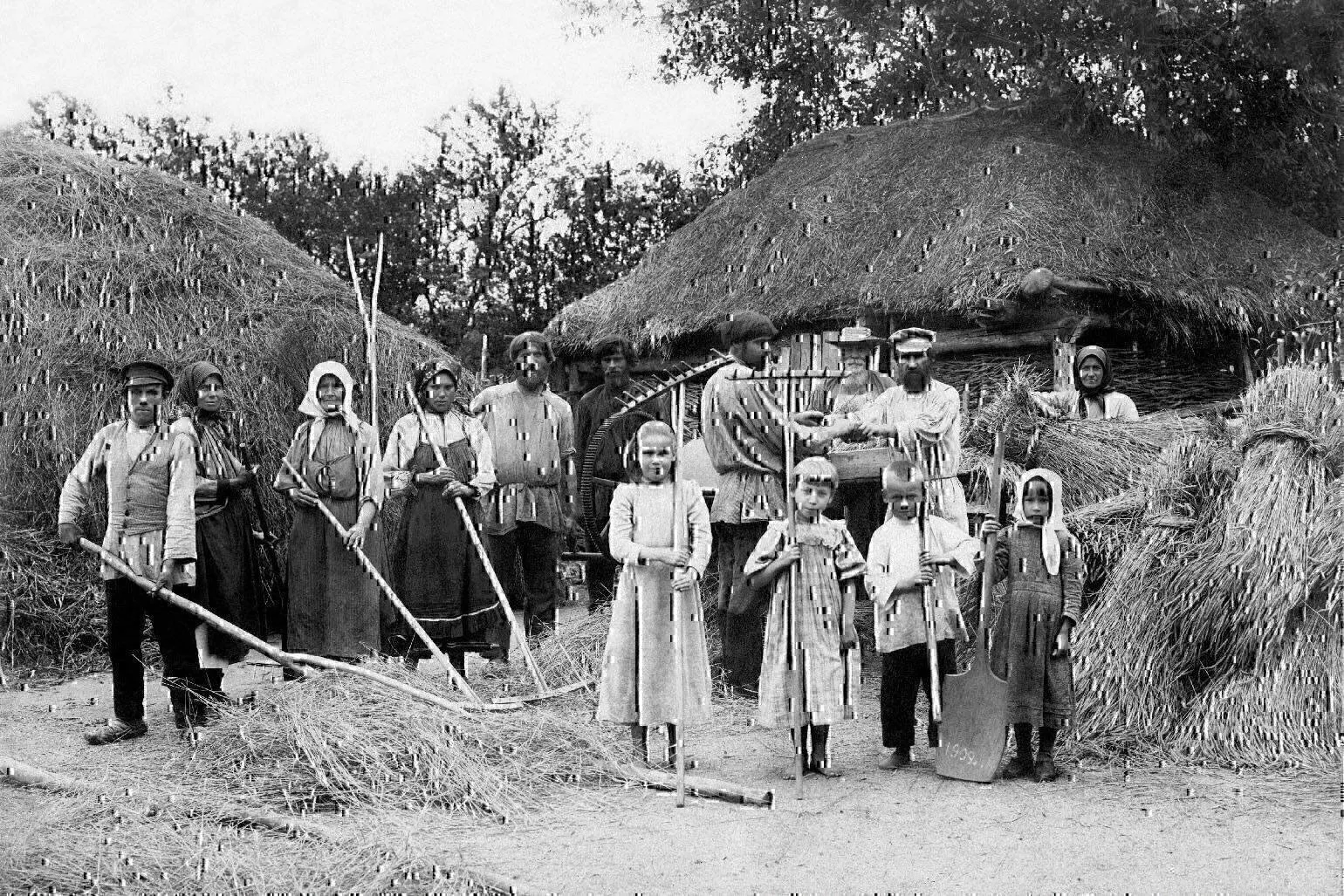
The human brain prefers simple solutions, so we often simplify our perception of the world and view it stereotypically. Culture is often perceived as a single unit, and many use this approach in their arguments, claiming, for example, that Russian culture exists. However, national culture varies significantly not only from region to region, but even from village to village. This diversity is of great importance, as it enriches our shared cultural experience and allows us to better understand the uniqueness of each local tradition.
It's scary when people follow the same path and repeat the same words. It's valuable when we preserve diversity. Filatov attracts attention precisely with his ability to capture these differences. He demonstrated life in one of the wealthiest villages of the Russian Empire, where the peasants independently bought their freedom and demonstrated impressive results in this process. His works serve as important evidence of social and economic progress, as well as the uniqueness of each individual and community.
Freedom is a key factor contributing to well-being. In the photographs, this is expressed through images of people enjoying free choice and the opportunity to realize their dreams. Freedom influences the quality of life, allowing each individual to achieve their goals and find personal happiness. It is important to recognize that the presence of freedom in a society is directly related to the level of well-being of its members.
The revolution provided the residents of Izhevsk with new opportunities and freedoms. It changed the social structure, opening access to political rights and participation in public life. Citizens were able to actively influence decision-making, which contributed to the development of local government and civil society. These changes also affected the economic sphere, allowing people to engage in entrepreneurship and develop their own businesses. The Revolution marked a significant milestone in Izhevsk's history, bringing significant changes to the lives of its residents.
In the second half of the 19th century, the region saw a flourishing of individual labor, particularly among local residents, who were active in cooperage. Many of them migrated to southern ports to produce barrels. While significant social stratification was occurring throughout the country at this time, this process slowed in Izhevsk and continued until almost the beginning of the 20th century.
The community sought to smooth out the social inequality between rich and poor while maintaining its unity. However, this equality was threatened, as isolation from the outside world and the halting of global economic processes were impossible. The October Revolution brought changes, but for most peasants, it remained incomprehensible. This is confirmed by the peasant uprisings of 1918, which swept across the Ryazan province in significant numbers. These events highlight the complexity of reforms and their impact on the lives of the peasantry in the context of social and economic change.
Central Russia, which became the center of the peasantry, played a key role in supplying industrial centers. Specifically, by the late 1850s, Ryazan Province ranked fourth in the country in terms of the number of serfs and third in terms of the number of landowners. This region was an important link in the agricultural economy, providing labor for developing industrial cities.
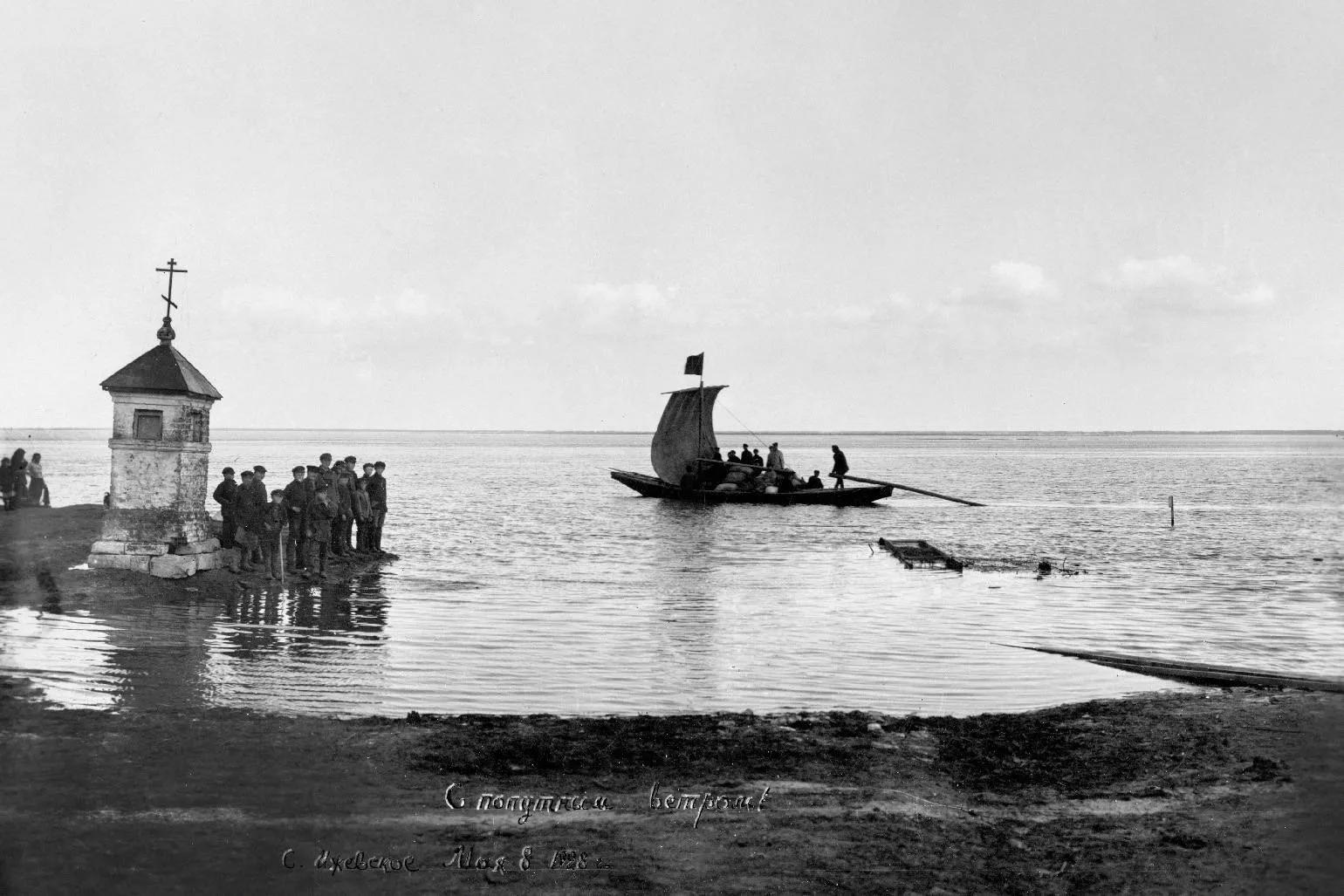
In 1918, uprisings in Spassky District, where Izhevsk is located, were active. One of the largest uprisings attracted about eight thousand people. Upon learning of a new wave of mobilization into the Red Army and despairing over the confiscation of "surplus" goods, people gathered and headed to the district town to protest the situation. These events became an important milestone in the history of the region, reflecting the social and economic problems of the time.
The fact that the Bolsheviks were received in Izhevsk speaks volumes. Izhevsk peasants did not join the march, as they had their own uprising. This can be explained by their unique way of life. The uprising, although suppressed, left a deep mark on the history of the region, the consequences of which were felt for a long time, especially in 1937. In a village with a population of a thousand households, about a quarter of the farms were dispossessed, which had a significant impact on the local economy and social structure.
Izhevsk experienced severe repression in both the administrative and political spheres. During the Terror, the city suffered particularly severely, due to the deterioration of the standard of living and active trade. This study was made possible thanks to Filatov's contribution, which helped illuminate these important aspects of Izhevsk's history.
"In Filatov's work, the human element is always at the center"
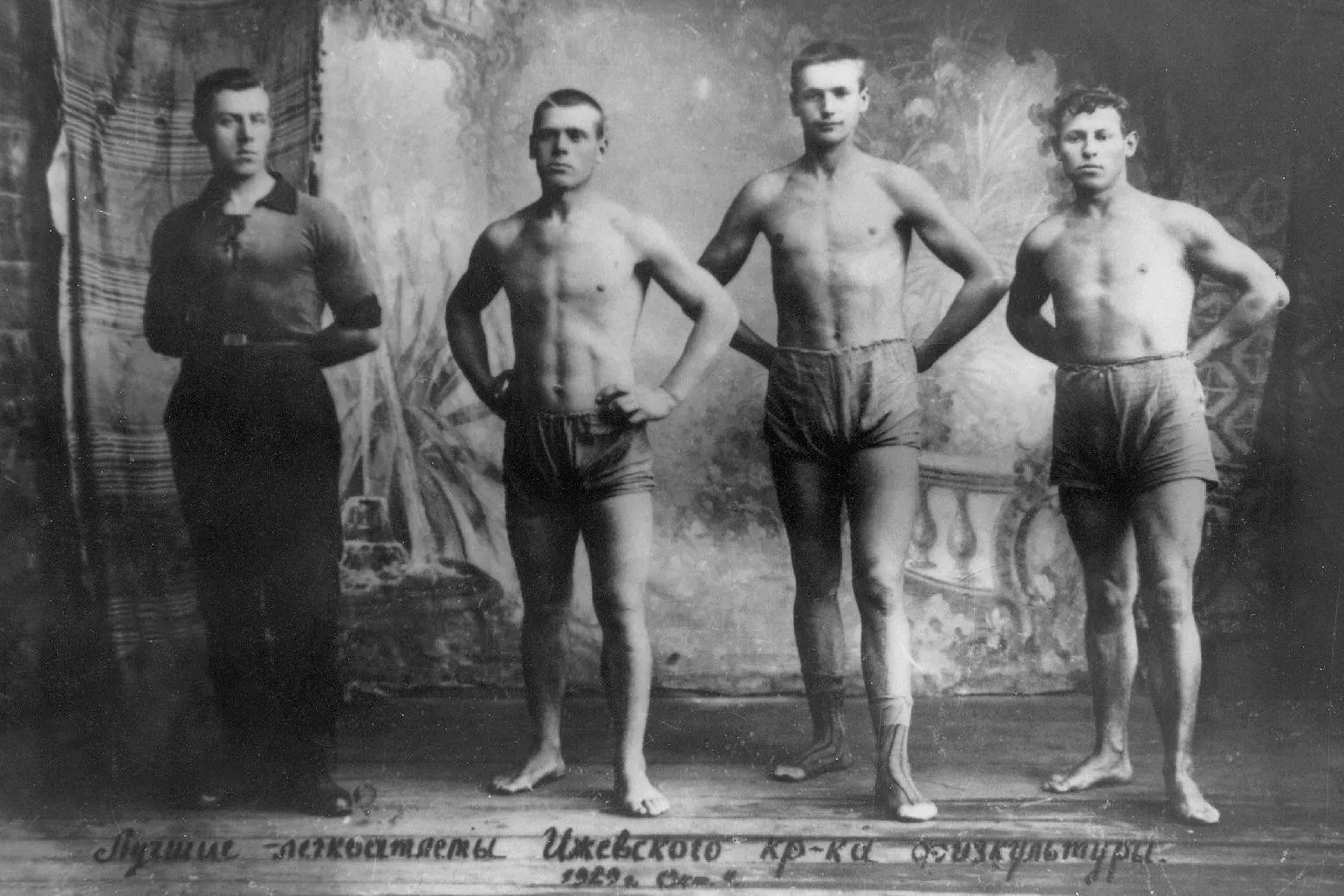
Filatov stands out among his contemporaries thanks to his unique artistic approach, which combines deep emotionality and meticulously crafted storylines. His works are distinguished by an original style that blends realism with elements of symbolism, allowing the viewer not only to observe the action but also to immerse themselves in the atmosphere of the work. Filatov masterfully plays with color and light, lending his films a distinctive expressiveness. Unlike other artists of the time, he emphasizes the inner world of his characters, giving his works depth and multilayered intricacy. This approach allows him to convey complex human emotions and problems, making his work truly unique. Filatov's lack of traditional landscapes is a notable feature of his work. Despite the landscape genre's long-standing popularity, his works do not include a single photograph depicting nature. His album contains clippings from various magazines depicting mountains, valleys, and other natural landscapes. However, of the seven hundred known photographs, not a single one is dedicated to landscape. This suggests that Filatov, an active participant in public life, focused on people and their surroundings. His works capture fellow villagers, their labor, and the man-made structures of Izhevsk. A person is always at the center of his attention, and this is a key aspect for understanding his artistic approach.
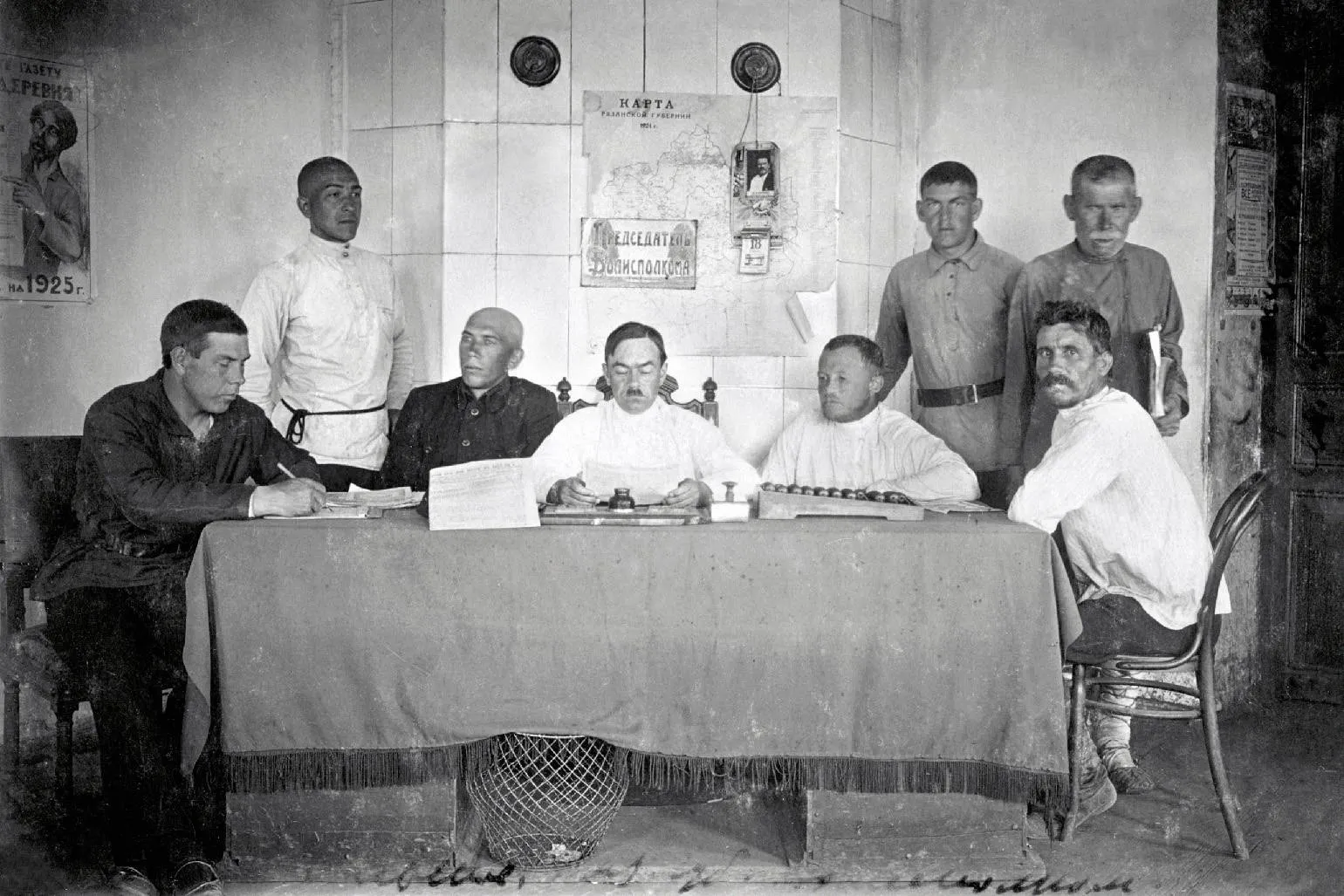
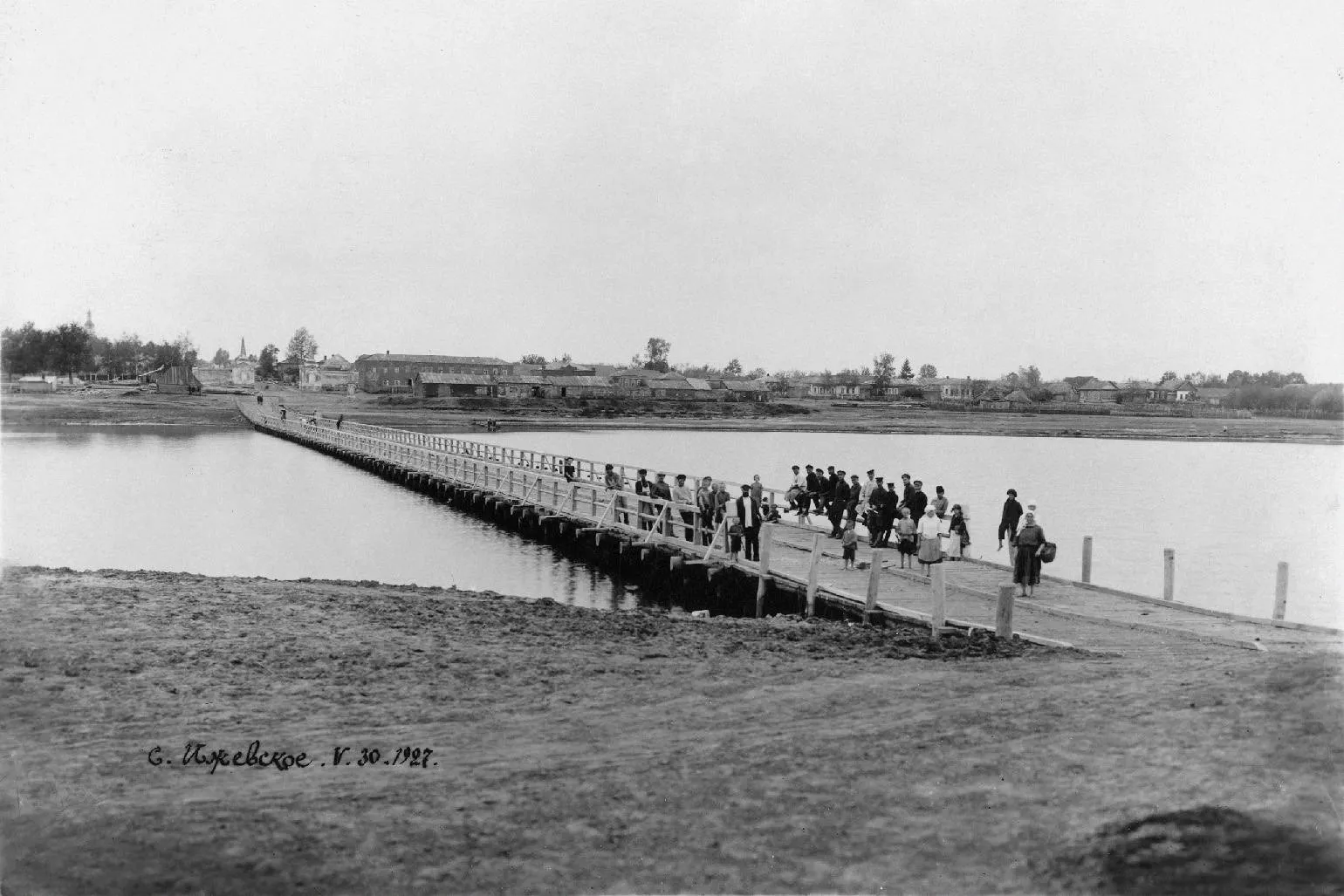
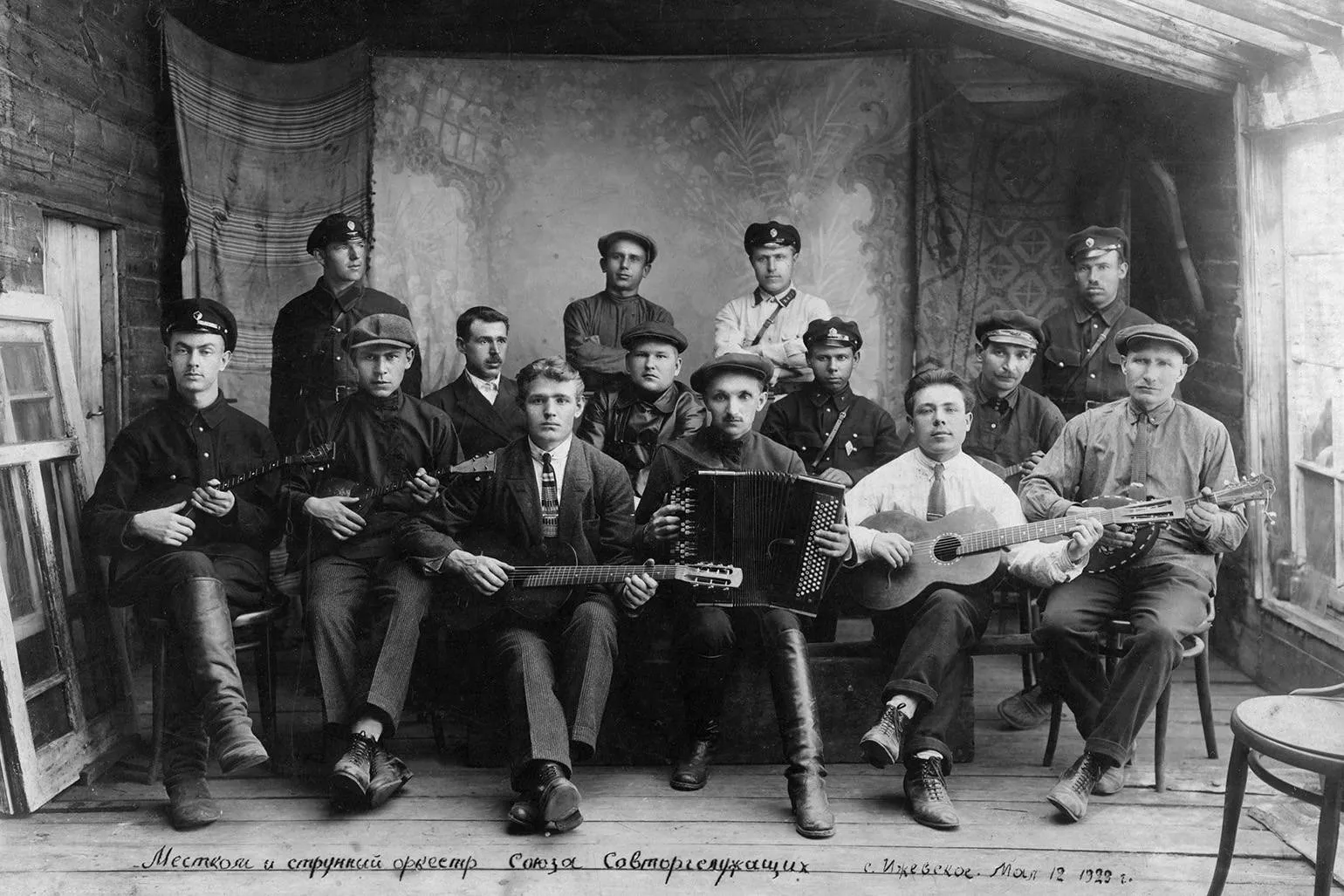
Rapid changes in the country are reflected in individuals such as Filatov. Analyzing his archive chronologically, it becomes clear how he was transformed by external factors. The question is whether he retained his resilience or perhaps succumbed to the weight of circumstances. Despondency may have overwhelmed him, but it's important to consider the changes in his views and approaches over this period. By analyzing his works, we can discover how deeply events affected him and how they affected his inner state.
We strive to find depth and meaning in what at first glance seems meaningless. This is especially noticeable during tours. When I present Filatov's photographs, the audience's reaction is always varied. People perceive the images differently, each seeing their own unique meaning in them.
In photographs from the pre-revolutionary period, people look serious, which is due to the long camera exposures and a sense of the importance of the moment, as photo opportunities were rare. In the 1920s, photography became more widespread, and people began to look more relaxed, smiling frequently. Some perceive the seriousness of pre-revolutionary photographs as a sign of intelligence, claiming that such faces radiate intelligence. Others believe that the serious expression is associated with the difficulties of life at that time. At the same time, in the photographs you can see people in luxurious suits, with exquisite accessories such as rings, which emphasizes their status and style.
I try to avoid such comments. Through Filatov's photographs, we illustrate the history of Izhevsk, with virtually every statement supported by documentary sources.
The archive contains a specific number of works, which may vary depending on its purpose and subject matter. For precise information on the number of works in the archive, it is recommended to consult the description or characteristics of the archive itself.
The Filatov archive currently consists of two main parts. The first part includes approximately three hundred prints and approximately two hundred glass negatives, which are housed in the Tsiolkovsky Museum. Some of these photographs were taken from family albums of village residents. In 1967, when the museum was founded, a group of volunteers was collecting materials for the exhibition. Additionally, Filatov's granddaughter, who had lived in Sevastopol since the 1950s, donated several dozen photographs to the museum in 2000.
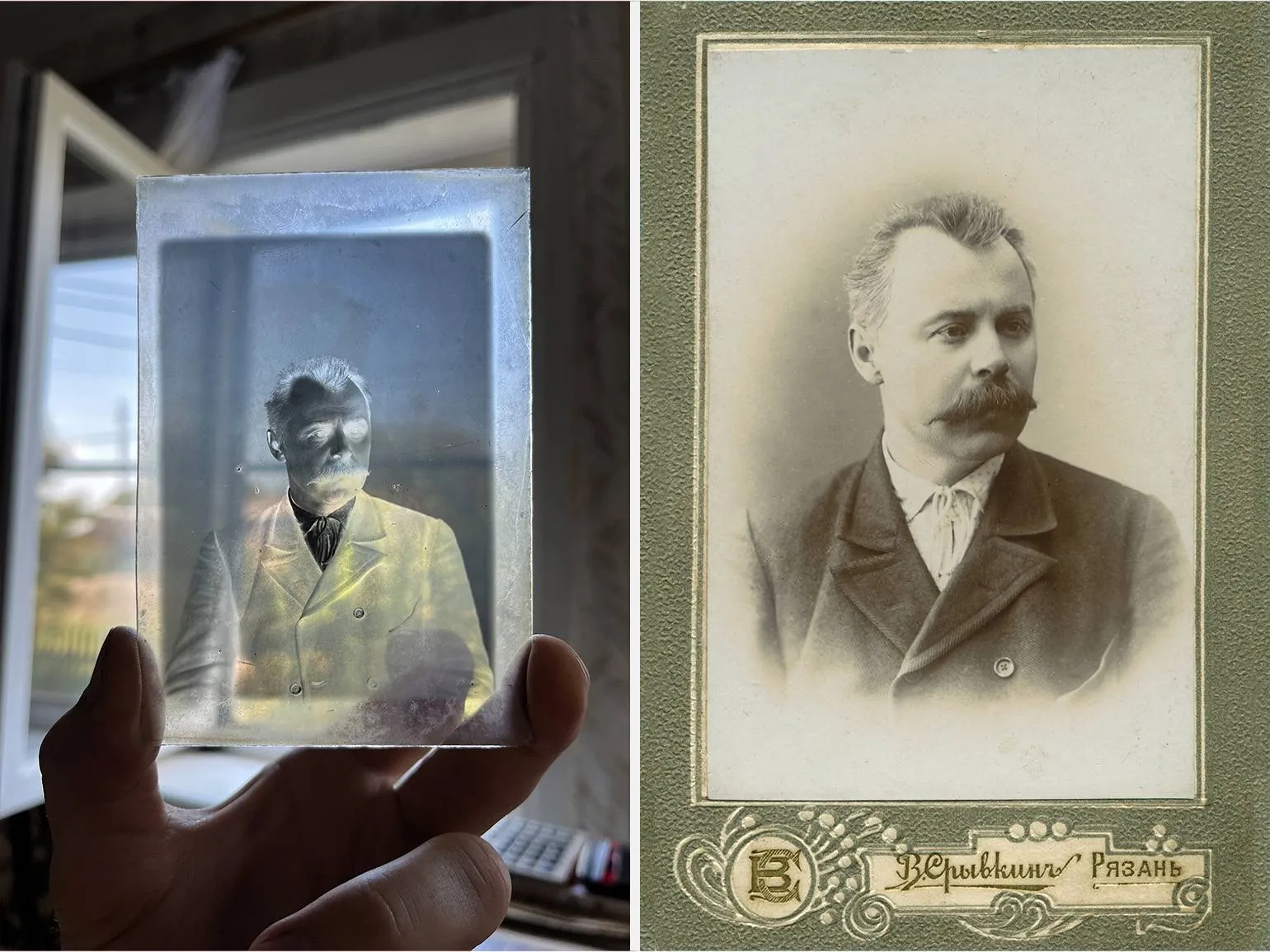
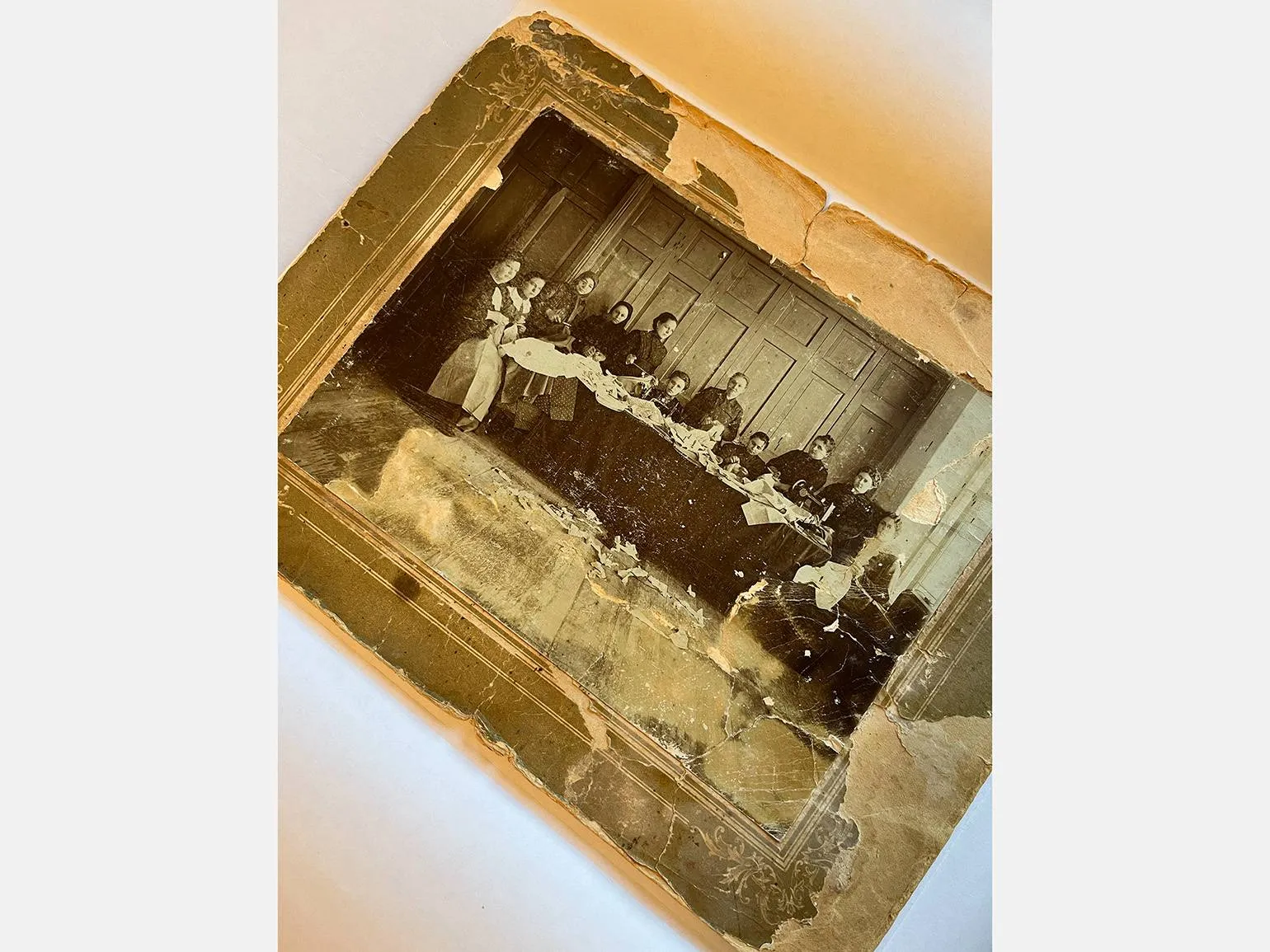
The second part of the archive includes about two hundred photographs that we collected over two years of our fieldwork. We actively interact with local residents, scanning and attributing the found pictures. We found many photographs in the possession of local residents, and also received some as gifts from those who were sorting through their grandparents' belongings. In addition, some photographs were purchased at auctions. This process allows us to preserve the unique visual stories and cultural heritage of the region.
I believe this is only a small part of a vast legacy. Filatov worked for over forty years, and therefore we are talking about thousands of photographs. Remarkably, he preserved all his works: he had a numbered, bound book, and we recently discovered one of its pages. I can't be sure, but it looks like a catalog of everyone Filatov photographed.
Working with the archive involves several key stages aimed at effective document management and information preservation. First, the materials are organized, making the necessary documents easy to find. Then comes the digitization process, which makes the archive accessible in electronic format, simplifying its use and protecting it from loss. Regular inventory is also important to keep the data organized and up-to-date. Finally, backup copies are created, ensuring the safety of information in the event of unforeseen situations. All this work is aimed at optimizing access to archival materials and ensuring their safety.
We maintain a friendly relationship with the museum, which allows us to work effectively with their archive. We scan archival materials, and the museum grants us permission to use the digitized photographs. This includes printing, organizing exhibitions, and publishing online with small watermarks. We store the glass slides in acid-free paper envelopes, which ensures their durability. We also rescan the slides using a modern, large scanner, which eliminates the need to process them piecemeal. After scanning, we package the materials to ensure they remain safe and protected from further damage.
Is the archive in satisfactory condition?
The glass slides have scratches, the emulsion is peeling in some areas, and there are cracks. There is quite a lot of damage, as they were stored folded in boxes. However, the overall condition of the glass is acceptable for digital photographic restoration.
The prints vary in condition: in some places they are virtually indistinguishable, while in others they are clearly visible due to good storage. The quality of prints depends on their preservation conditions. Proper handling and proper storage conditions can significantly improve the visibility of prints, while careless handling leads to their deterioration. It is important to consider that factors such as temperature, humidity, and lighting play a key role in the preservation of prints.
In our research, we pay special attention to image attribution. We use a comprehensive approach that includes metadata analysis, matching images with original sources, and the use of specialized software tools for authenticity verification. This method ensures a high degree of accuracy in determining the authorship and context of each photograph. We also actively consult archives and databases, which allows us to further confirm information about the images. This is important not only for copyright compliance but also to ensure the authenticity of the material being submitted.
The process varies each time. When someone submits photographs, we try to ask them detailed questions about each image. More often than not, in addition to the submitted photograph, we need to scan a collection of other images to establish connections between individuals. This is important for creating a full context and understanding the story behind the photographs.
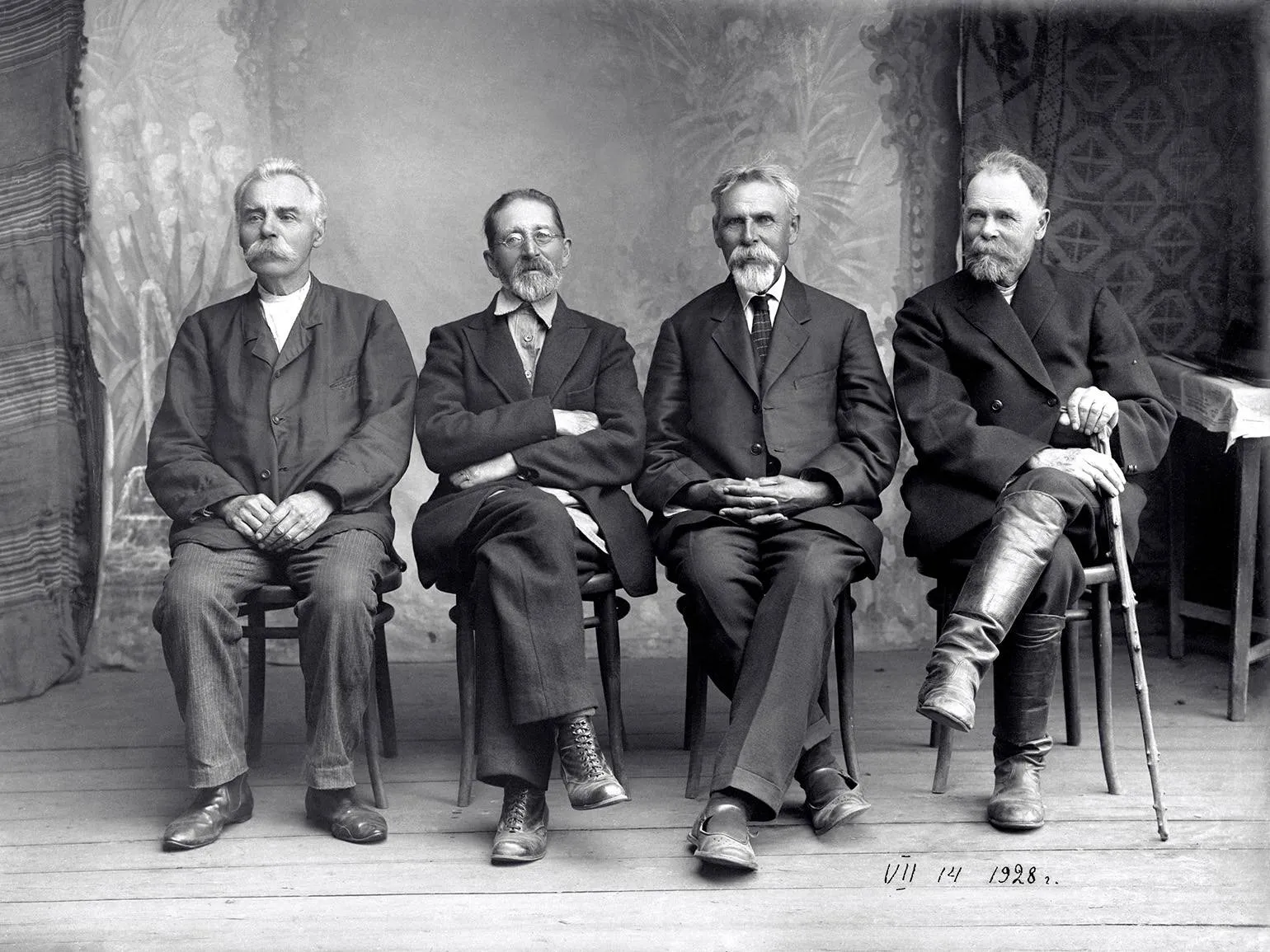
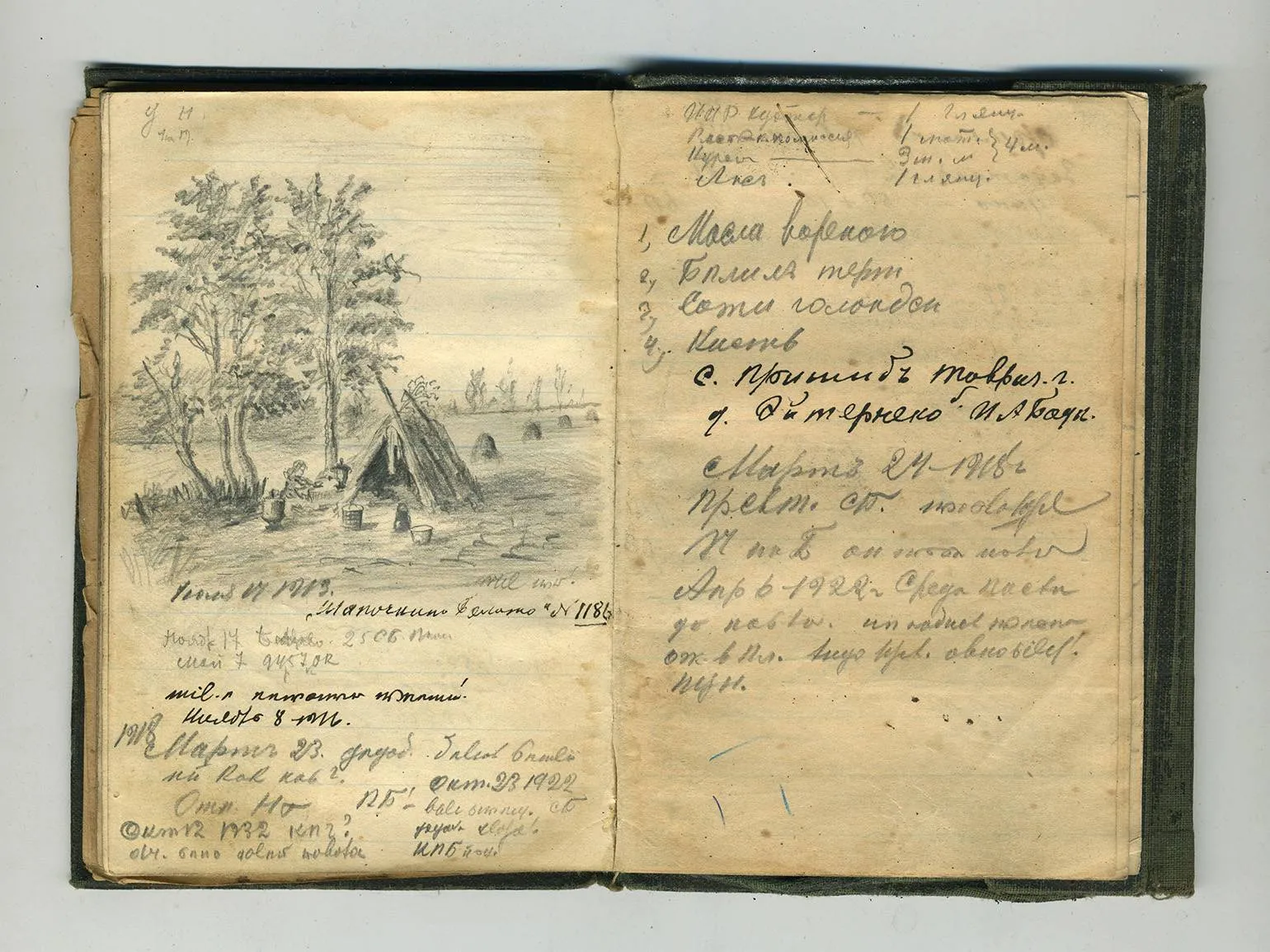
When a photograph is found in an abandoned house, we begin our research by consulting the house books. Our goal is to identify the owner of a given house. If we are able to find the owner's name, we continue our work, delving into archival materials. This allows us to reconstruct the history of the building and its inhabitants, as well as understand its significance in the local context.
Over time, photographs become an integral part of our lives. When we look at them frequently, the people in them begin to feel like close acquaintances. An image of a person already familiar from other photographs may appear at auction. In such a case, it is necessary to review archival photographs with captions to establish this person's identity. By analyzing old photographs, we can discover new connections and memories, which makes this process fascinating and valuable.
Recently, at an exhibition in Ryazan, which was held at the regional library, a woman presented a stamped photograph of Filatov and shared many interesting facts about his life and work. This is a striking example of how we attribute photographs, linking them to historical and cultural contexts. Understanding the origin of images and their meaning allows for a deeper appreciation of cultural heritage and the significance of individuals in history.
What will be in the Filatov House
You have achieved significant success over the past two years – the purchase of one house is proof of this. When exactly did you and your team realize that you were moving in the right direction and achieving success?
I try not to dwell on this, and I get the feeling that our efforts do not yield significant results, or if they do, they are very slow. However, you are right: buying a house is an important step. We were lucky that the owner of the house was interested in our story, although it was not particularly important to him, since he bought the property to register his residence permit and himself came from another country. However, he was understanding and agreed to sell us the house for the same price he bought it for several years ago. This can truly be considered luck and a certain success.
We strive for faster and more obvious results. Because our financial resources are limited, we started collecting donations on our website this summer. Friends also help us, and we continue to invest our own funds. Currently, the house is undergoing emergency repairs and restoration, which is a complex and lengthy process.
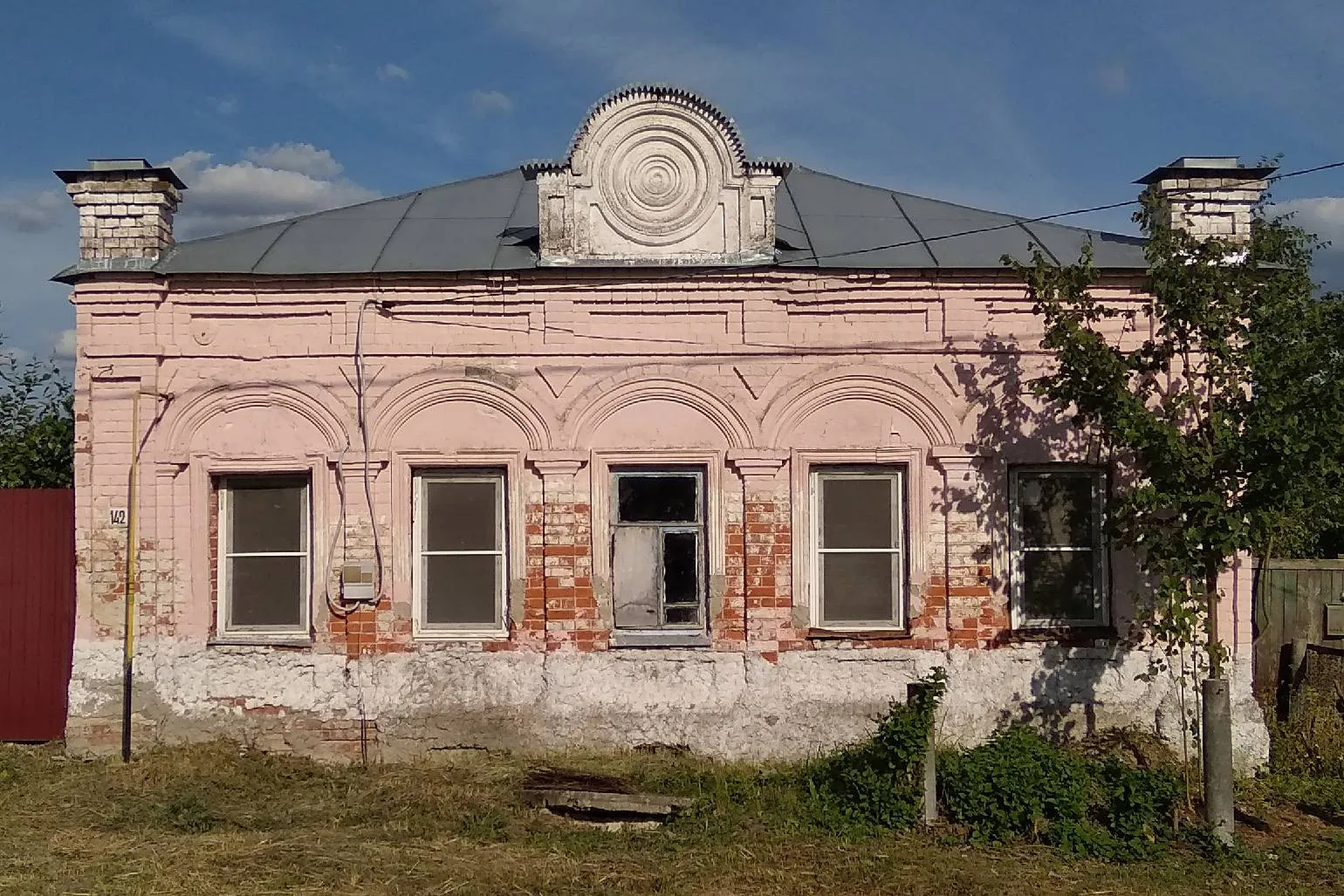
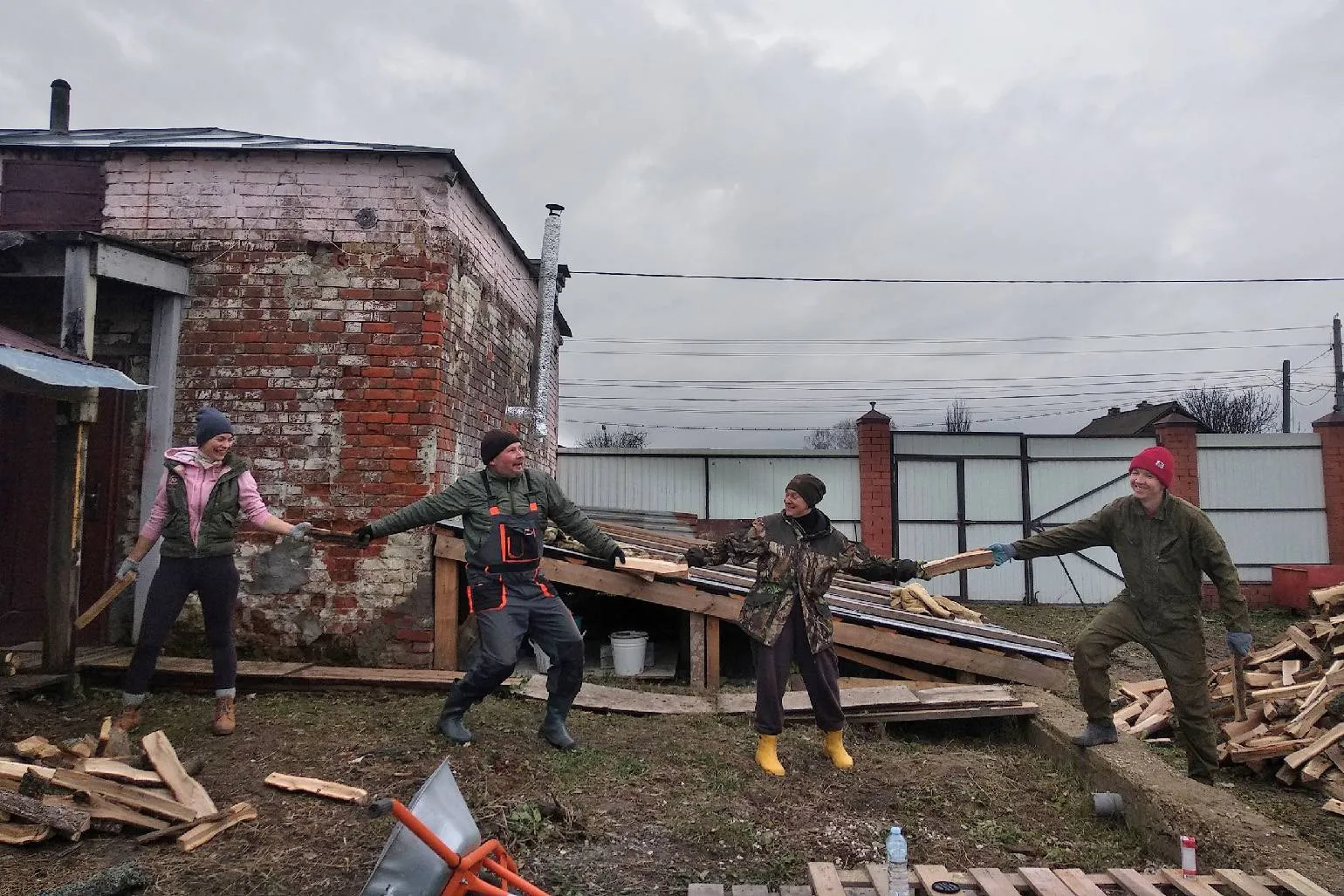
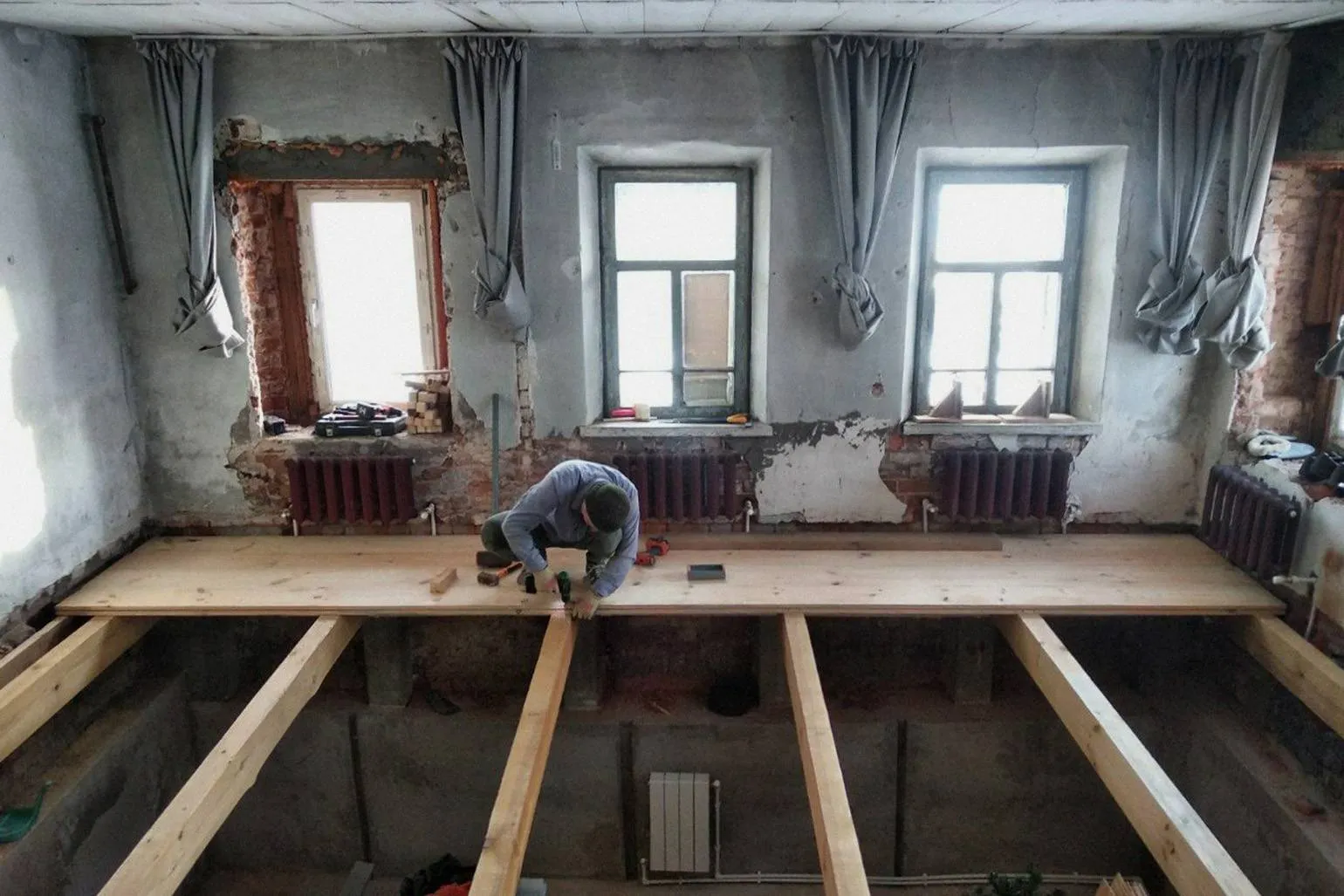
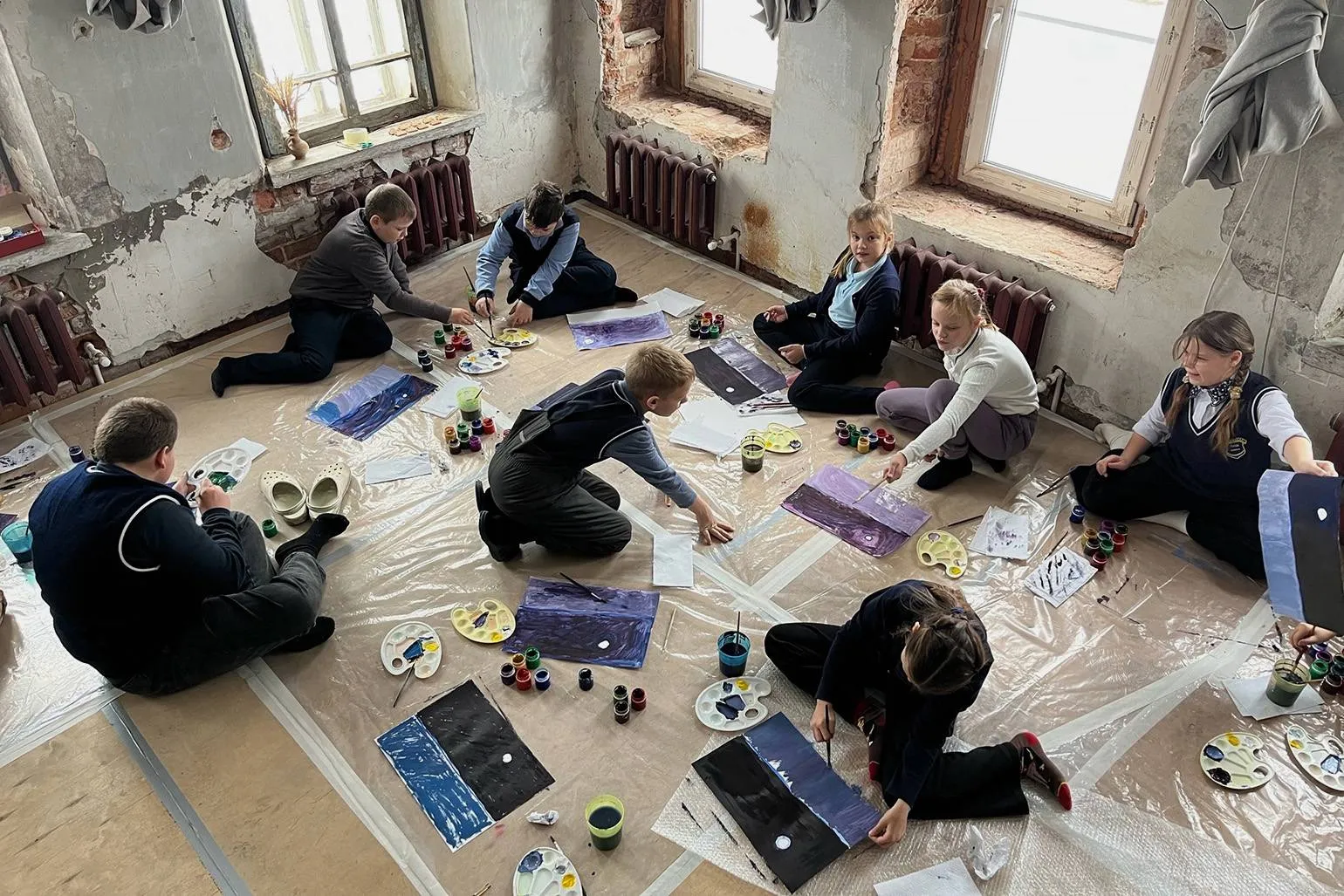
How do you imagine Filatov House after the reconstruction is completed? What ideas and concepts, in your opinion, can be implemented in this historic building? Your thoughts on the future functions and design of Filatov House will be useful in shaping its new look and purpose.
The main house will feature an exhibition dedicated to Filatov's photographs and the history of Izhevsk. The details of the exhibition are currently being finalized, and its creation is still about two seasons away. I'm of the opinion that the photographs speak for themselves, and no further commentary is necessary. However, many believe it's important to demonstrate the personal involvement of those involved in the museum's creation.
In addition to the house, we acquired a barn, which was added during the Soviet period and legally registered as a separate building. Filatov used it to store his photographs. We are currently converting the barn into a volunteer house, and in the future, we plan to create another exhibition hall. This space will be available to local artists and photographers, allowing them to organize exhibitions and showcase their work.
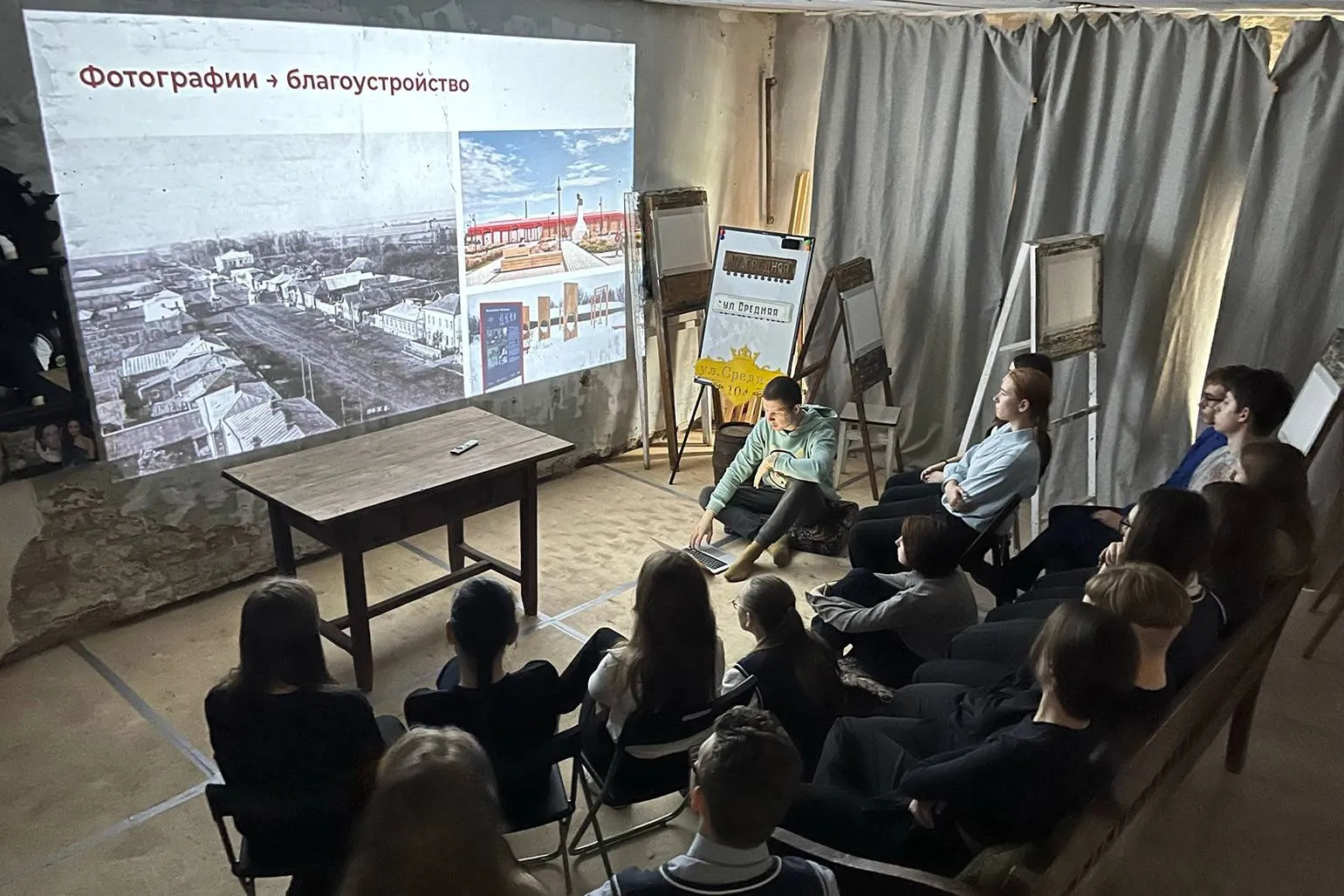
Currently, when tourists visit us, we share the history of Izhevsk by projecting Filatov's photographs on the wall. The three-by-four-meter images are stunning and provide a deeper understanding of our city's cultural heritage.
Enlarging Filatov's photographs is a unique pleasure, especially for those shot on glass negative and scanned with high quality. The ability to discern the smallest details, such as eyelashes, brooches, or newspaper texts in the background, is astounding. The future exhibition plans to create an analog effect of this sensation of infinite magnification. For this purpose, giant touchscreens will be used, occupying the entire wall and allowing viewers to "slide" the images around. There are already ideas for implementing this plan, but at the moment, the main focus is on completing the restoration of the house.
You suggested opening a photo studio specializing in photography using vintage techniques, in particular glass. This unique approach to photography allows us to recreate the atmosphere of bygone eras and attract the attention of art connoisseurs. Photographing on glass requires special skills and equipment, but the result can be a true work of art. The creation of such a studio will not only diversify contemporary photography but also provide an opportunity to study and preserve historical photographic methods.
We plan to restore the photo studio in its original location, using surviving drawings from the Filatov library. The studio will conduct photography on glass, which will become one of the museum's sources of income, helping to cover utility costs. In the basement, we will create a film developing lab for schoolchildren, which will give young people the opportunity to get acquainted with the basics of photography and film developing.
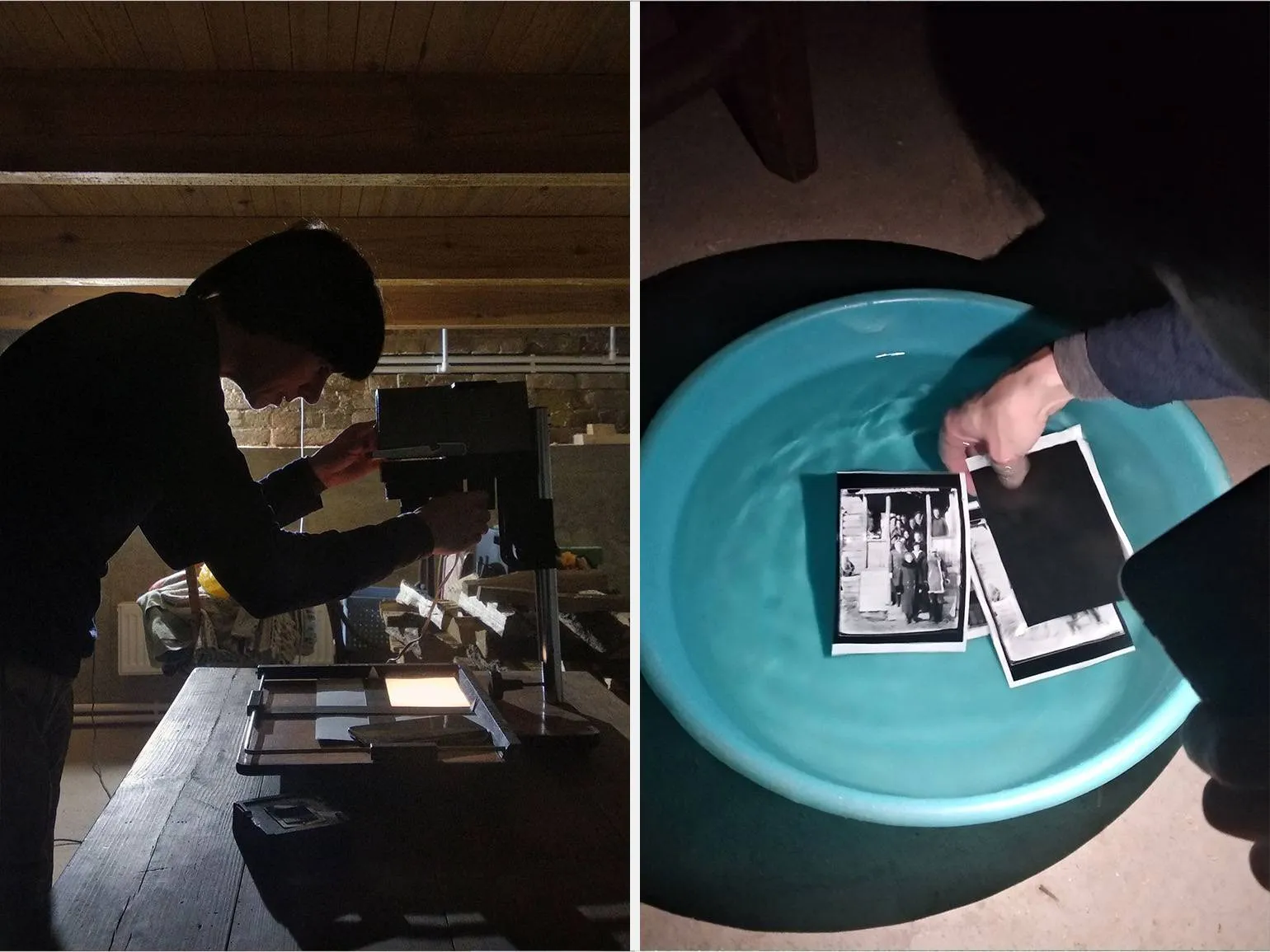
We plan to create a cultural lab at the museum - a space where adults will not impose their ideas about life on children, and children will be able to develop their creative and scientific potential, including local history for those interested. Starting this summer, we are launching a film club that will help win the trust of schoolchildren. Those who show interest will be offered the opportunity to delve into the history of the village.
Restoring Self-Respect
The project's website states that the main mission is not only to create a museum, but also to encourage people to engage in active creative work. Can we say that the first steps have already been taken?
From Alexander Yuminov from Udmurtia, one of the founders of the Museum of Lost Villages, I learned about the term "self-research." Observing the events in Izhevsk, it is becoming clear that people have become interested in exploring their own lives. They have begun looking through family albums and finding old things. As a result of this search, many have discovered us and shared their finds, including Filatov's photographs. His photographs are easily recognizable thanks to their distinctive backgrounds and aesthetics, as well as their captions. This has begun to happen with remarkable regularity, which inspires us to continue our work.
Creating a museum and restoring the house are important tasks aimed at preserving cultural heritage and attracting tourists. We strive to make this space attractive and well-designed. It is especially gratifying when people come to experience our project or stop on the street to express gratitude or share their stories. These moments confirm the significance of our work and inspire us to take further steps in development.
This is of great importance to me, as our team's global goal encompasses not only the Filatov Museum but also our partners, such as the Tsiolkovsky Museum and local historian Andrei Merkunov. A crucial aspect of our work is building a community that unites people interested in history and culture. We strive to create a space for the exchange of knowledge and ideas, which contributes to the development of cultural heritage and maintaining interest in scientific achievements.
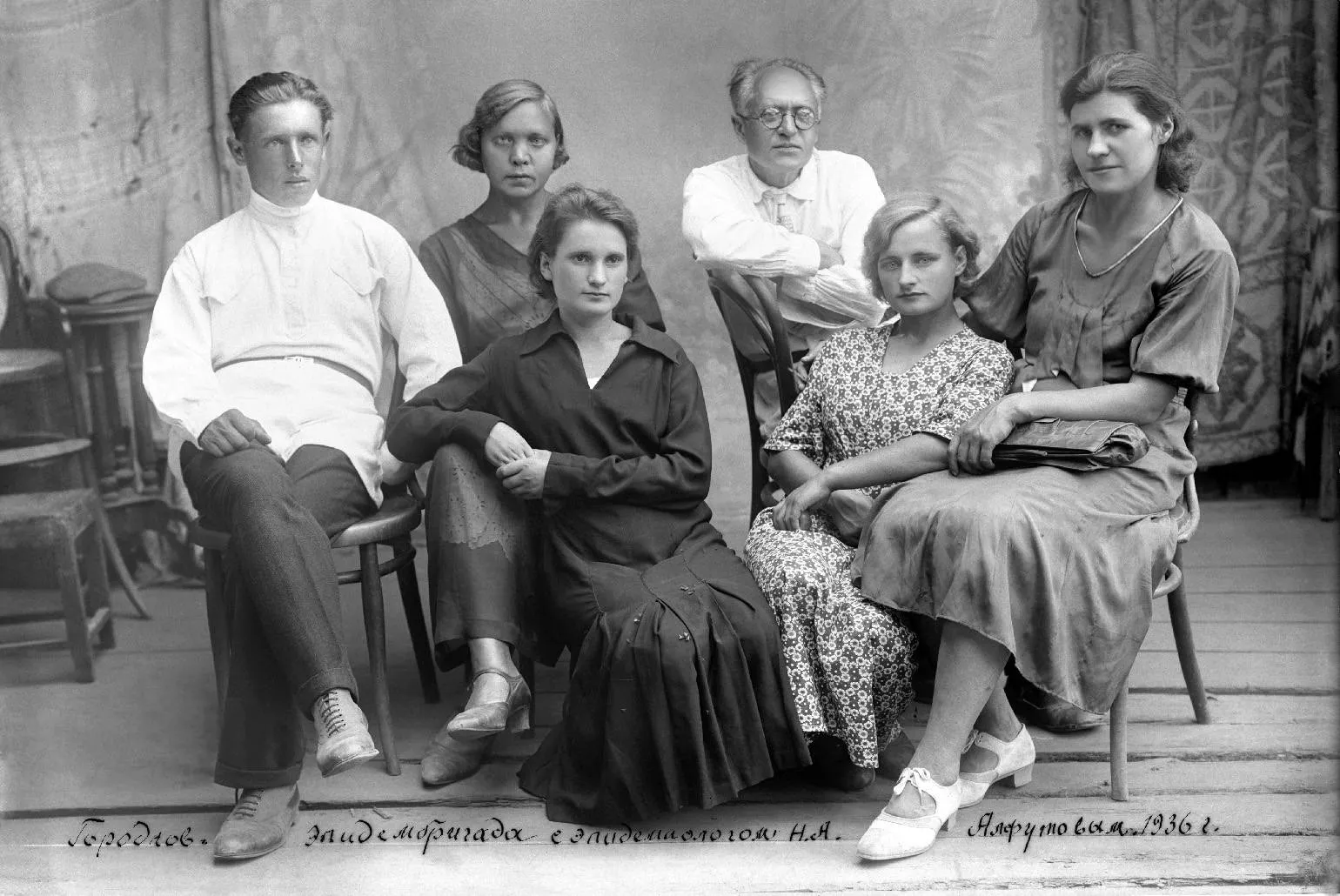
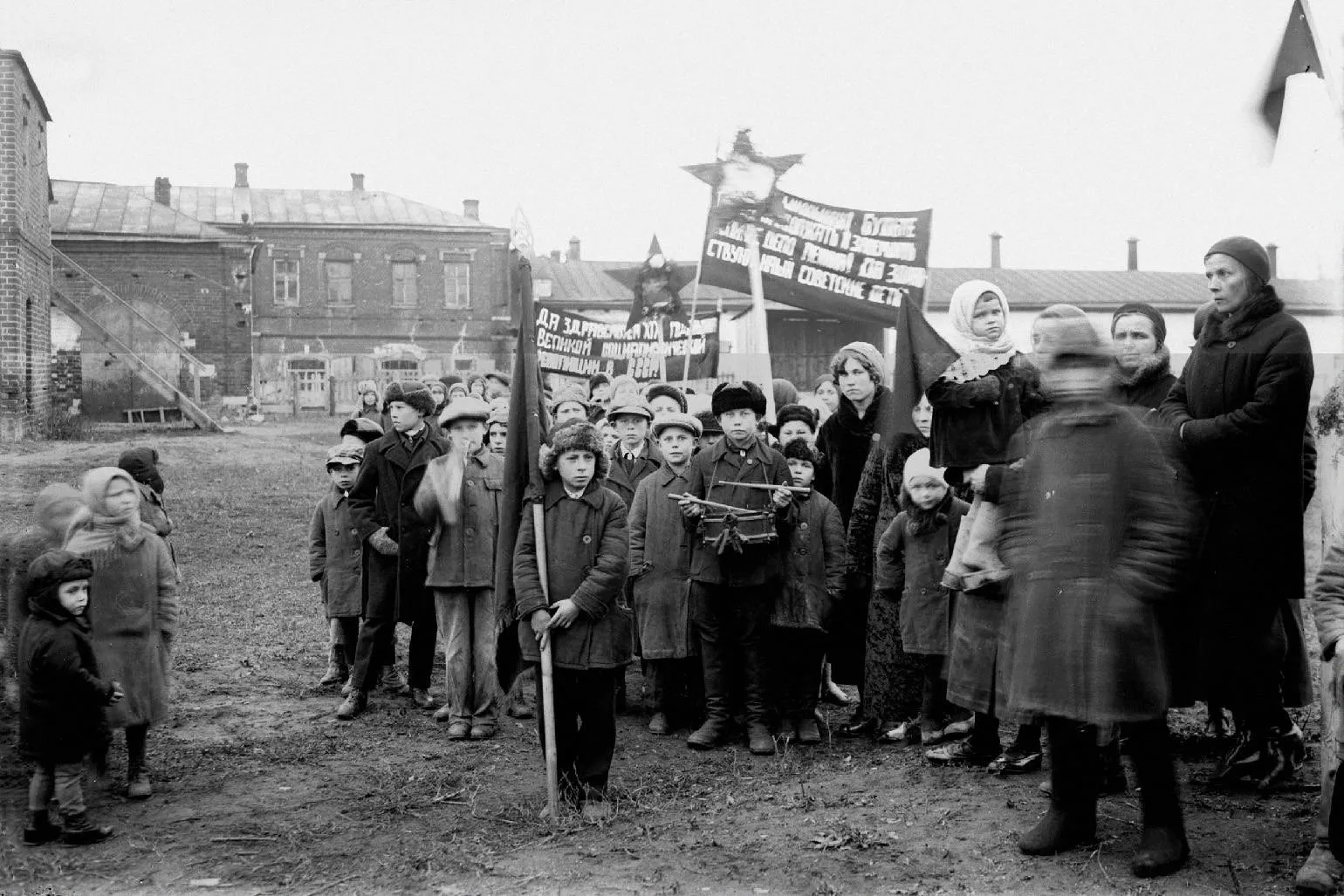
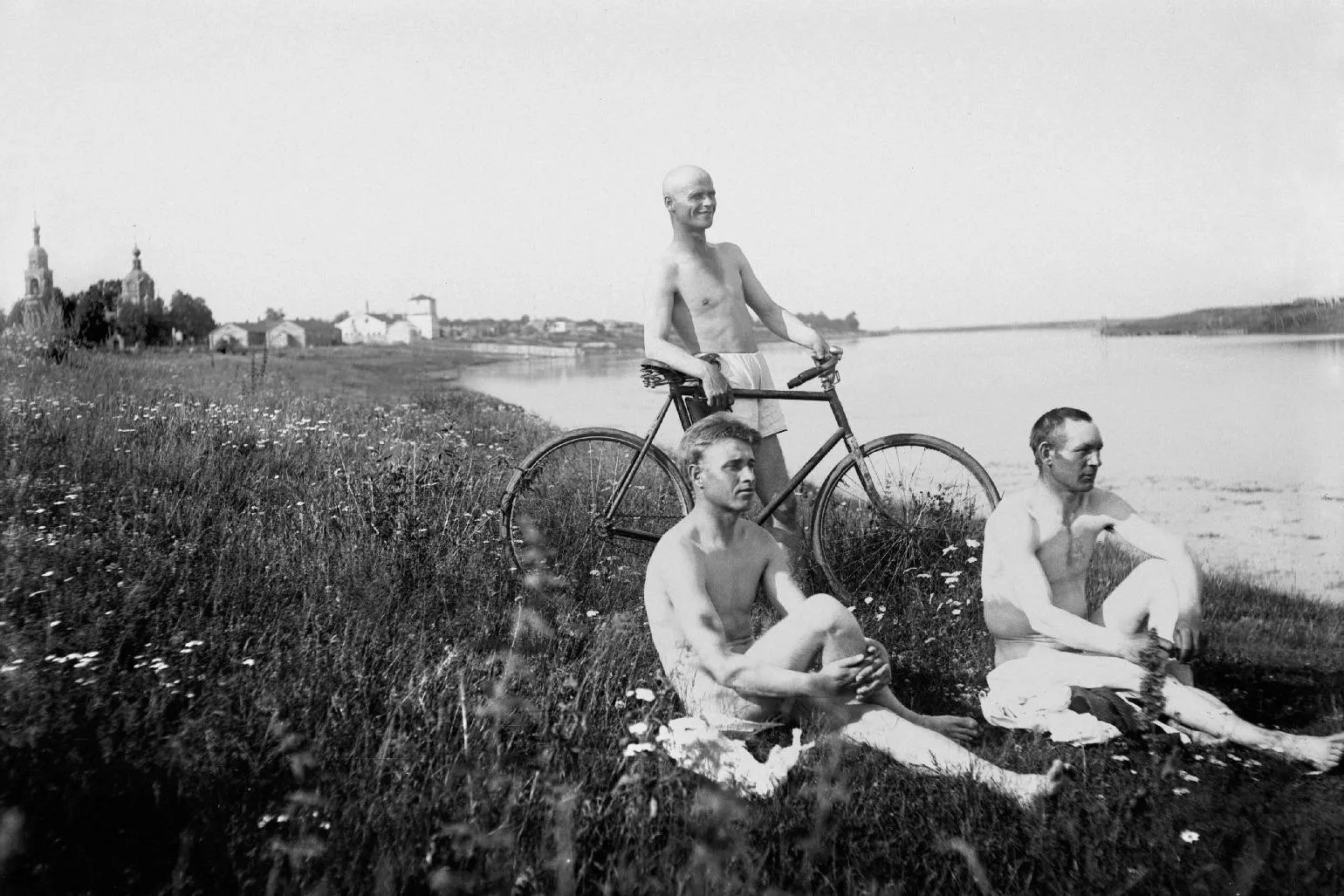
Filatov not only captured the results of freedom, but also actively formed a public community. He was a member of a circle of progressive activists advocating for reform, which was characteristic of the period before the 1905 Revolution. The importance of his contribution lies in the fact that he not only recorded the changes of his time but also contributed to their implementation, inspiring those around him to active action in support of freedom and reform initiatives.
High atomization is a serious problem not only in Russia but throughout the world. Positive changes occur when this atomization decreases, and people begin to meet at our events, lectures, or at Village Day, which we revived this summer, based on Filatov's photographs of a similar event in 1914. Often, these are local residents, neighbors who live nearby but do not communicate due to daily routine and work concerns. When such meetings occur, I realize that we are truly succeeding in creating community.
Initiated self-exploration is a key step to regaining or gaining a sense of influence in your life. The lack of this sense of self-worth is a serious problem for society. Awareness of one's own significance and ability to influence the world around one forms the foundation for the development of self-esteem.
Current residents of Izhevsk can be considered worthy descendants of their ancestors. They continue the traditions and culture established by previous generations. Izhevsk, as a city with a rich history, preserves its heritage, and modern Izhevsk residents are proud of their connection to their roots. They actively participate in the life of the city, support its development, and enrich the cultural space, which confirms their continuity and connection to history.
If people have the opportunity to develop their beliefs, values, and self-respect, they can become worthy descendants of any ancestors. However, given the difficulties faced by many, the desire for a dignified life becomes natural for everyone—no one wants to be perceived as bad. Social environment can have a negative influence, but during my journalistic work, I had the opportunity to travel the country and meet people of various social statuses. Despite life's difficulties, many of them find the strength to unite and create comfortable living conditions. In this regard, Izhevsk is no exception: amazing people who are capable of a lot live here.
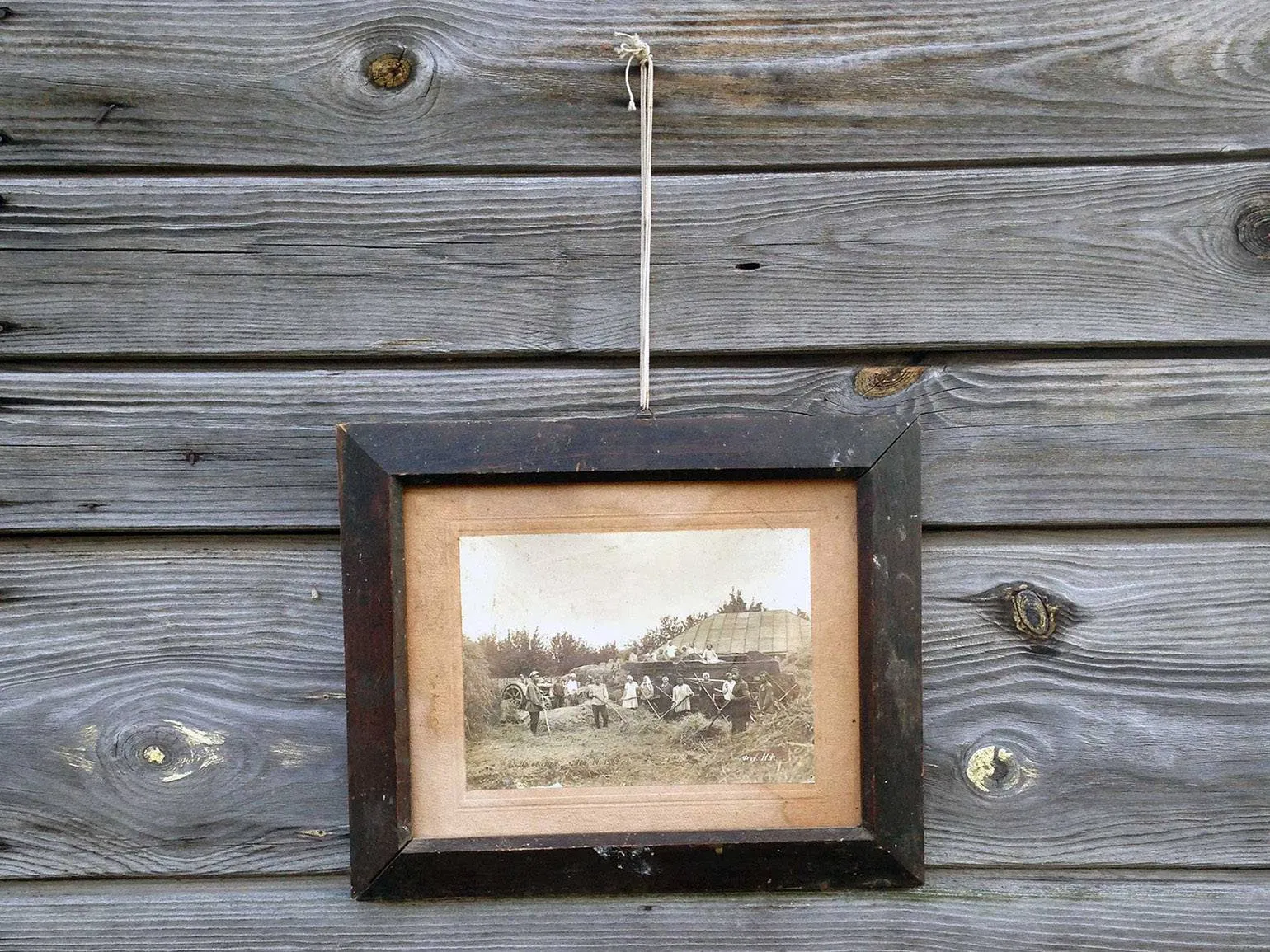
Nikita, what exactly in Filatov's photographs interested you so deeply that it prompted you to radically change your life?
My attention to My understanding of the details was shaped by my upbringing at the hands of my mother and grandmother. My time as a reporter at Novaya Gazeta gave me the unique opportunity to travel across Russia and observe how difficult life is for people. I regularly wrote about how they strive for self-organization and try to improve their lives by finding their own agency. This led to my interest in the topic of self-organization.
Izhevskoye is a shining example of how life without a boss can be more fulfilling and freeing. Ivan Filatov personifies this dream of independence, as he created his own path: he found a craft that suited his talents and became a sought-after specialist. His photographs capture the spirit of peasant freedom and its achievements, which is what made him known as a photographer of freedom.
My professional and personal interests intersect with the history of this place, allowing me to deeply understand its significance. This story evokes strong emotions in me and continues to excite me. Local history, as a field of study, is closely linked to journalism, as both disciplines explore life and the surrounding reality.
Does it matter to you that this is your home village? Would you be interested in this story if you encountered it elsewhere?
That's a really interesting question. I probably wouldn't have gotten involved in this situation. I feel at home here and feel a responsibility to this place. Nevertheless, this story would undoubtedly have made a strong impression on me. I see this in the example of my friends who come to Izhevsk. They are so impressed by this city that they return here again and again.
Profession Photographer
You will learn to take professional photos from scratch. You will learn how to organize shoots, process shots, manage models and a team. Find your style, build an impressive portfolio, and start making money doing what you love.
Find out more