Contents:
Structure, fresh look and rest
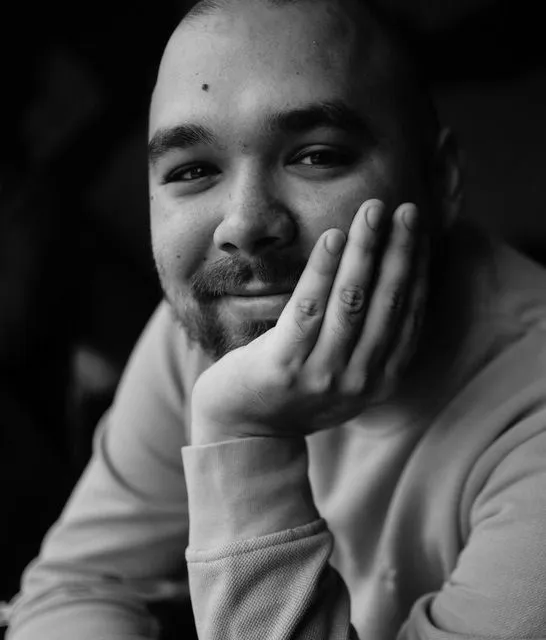
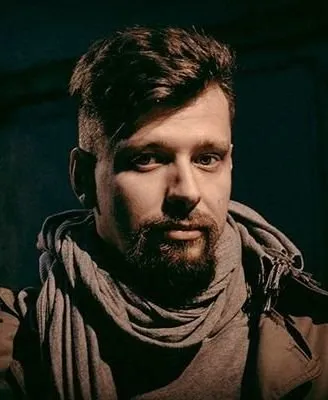
A documentary photographer and Pictures of the Year Asia finalist specializing in low-budget travel, downshifting, and freeganism. His work raises important social issues and explores alternative lifestyles. Through photography, he shows how one can travel and live on a shoestring while maintaining a high quality of life.
This topic evokes a lot of emotion for me. The sooner you address this issue, the easier it will be to implement projects in the future.
I have formulated three key rules that help understand the current situation and determine the course of action. These principles can form the basis for making informed decisions and successfully achieving your goals.
I always start by creating a general plot, which serves as the basis for my story. Although I may make changes or additions as I develop, having a clear structure allows me to better understand what elements are missing. This awareness plays a key role in the successful completion of a project. With a clear understanding of the plot, I can more effectively develop the characters and world, which ultimately results in a more complete and engaging piece of work.

I regularly visit masters for portfolio reviews and reach out to friends to get their opinions on my stories. Their feedback helps identify shortcomings and offers valuable recommendations. Reviewing completed projects creates a sense of accomplishment, which often reveals flaws that can be corrected.
I have several long-term projects that have gone through all stages of passion and disappointment. Even though these projects don't come together as a coherent whole, I allow myself to take breaks and switch to smaller tasks. This helps me gain a fresh perspective on my work and refresh my ideas. In addition, it is worth remembering that the pursuit of perfection can become an obstacle to achieving good results.
The Joy of Work
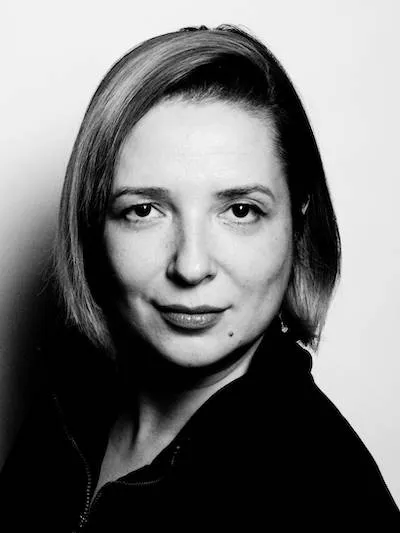
Photographer and co-organizer of the photography school "FotON". In my work, I strive to convey the uniqueness of each moment and help students reveal their creative potential. My goal is to inspire people to create high-quality photographs and develop their skills in the art of photography. Join us at the FotoN photography school to learn and share experiences in the world of photography.
When a project is developed with a specific exhibition and theme in mind, a clear plan of action is created. Completion of all stages of this plan marks the completion of the project. However, if a project has a more intuitive approach, the process of its implementation becomes significantly more complex and requires greater flexibility in planning.
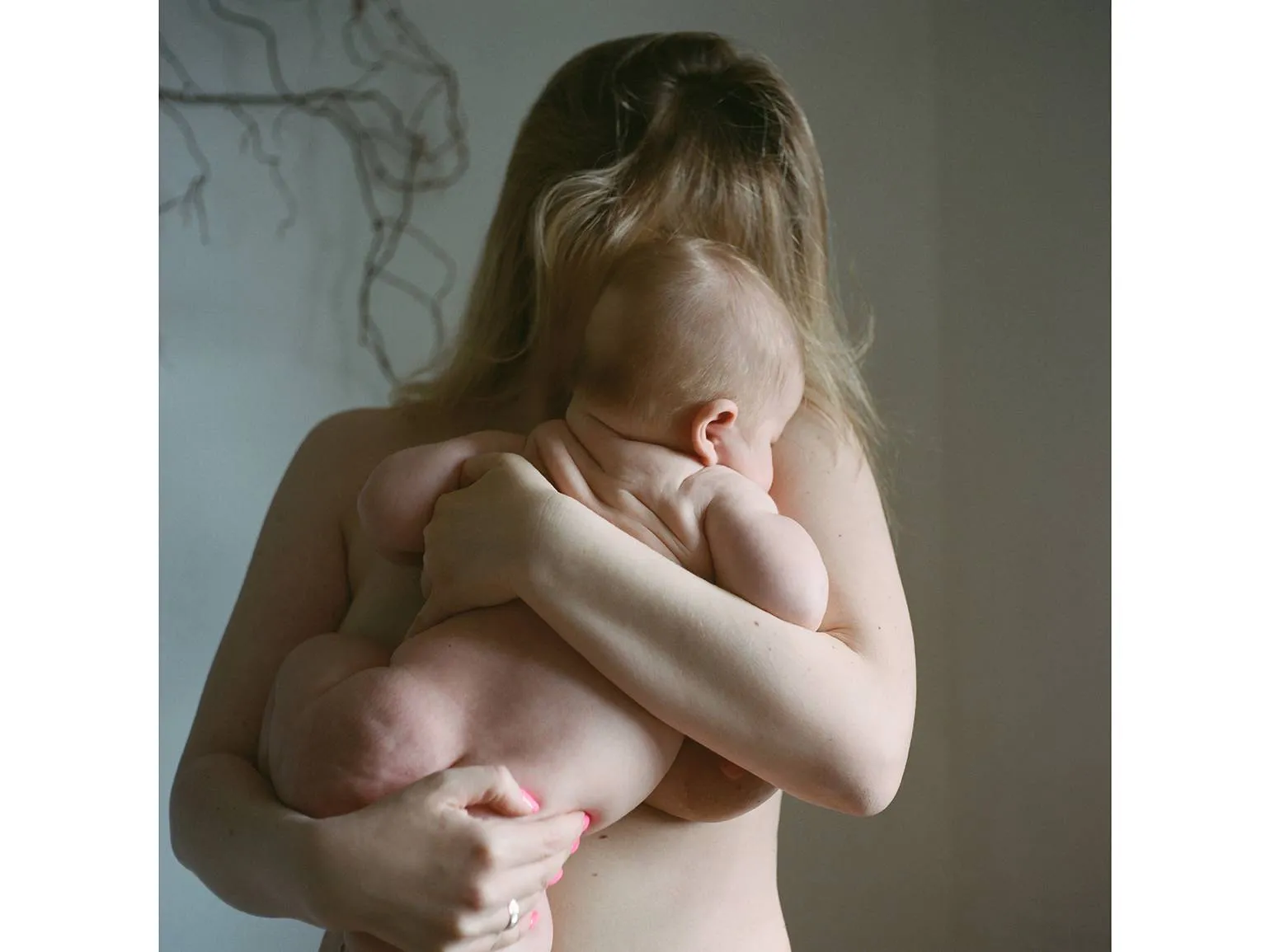
I prefer not to work on short-term projects, focusing on longer, more profound stories. My longest-term project is "A Place Within," dedicated to motherhood. Initially, I had a clear idea: to collect a limited number of archetypal stories. However, I soon realized that there were many more such stories, and a variety of people began to contact me. As a result, I abandoned the original plan and focused on working with the stories that were coming in.
At some point, I realized that I'd reached my limit of exhaustion with this topic, and it was time to end the project. If you consider the end of a project to be the moment when filming, collecting the material, and putting all the elements together is complete, then in that sense, it truly is complete. However, for me, a project is not only the collected material, but also the way it is presented. In this context, "The Place Inside" remained unfinished, since it was not possible to realize the exhibition or publish the book.
A project is considered complete when you lose interest in it. This feeling comes gradually. You're busy finding heroes, exploring locations, delving into archives, and as long as it brings you joy, you keep working. However, when interest fades, it's time to stop and finish the project. For me, this usually happens toward the final stage, when I still have the energy to see it through. But there have also been projects that didn't spark my interest from the start. I used to feel guilty about this, but over time, I realized that if a project isn't moving forward, it's worth putting it aside. It's important to keep it in mind, but you don't necessarily have to return to it in the same context. Most often, such ideas emerge later, in a new light, and a completely different, more successful project can be created based on previous developments.
Motivation to get up in the morning
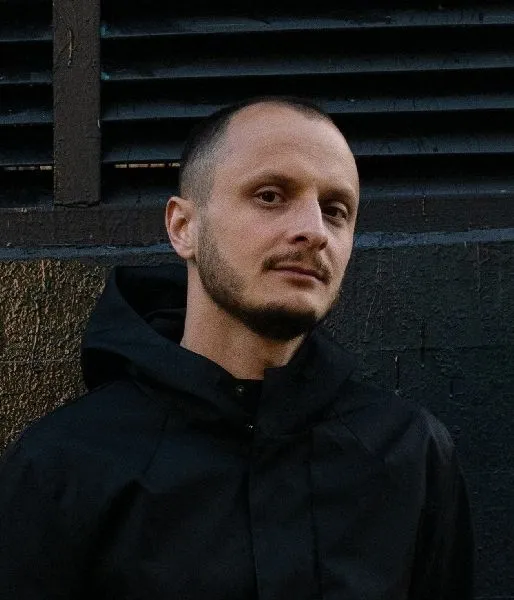
Photographer, documentary filmmaker and teacher with extensive experience. Winner of the Silver Camera Grand Prix and numerous other awards in photography and film. He specializes in creating unique visual stories that capture attention and evoke deep emotions.
When deciding whether to continue working on a project, I rely on my emotions. It's important to understand whether I want to continue working on it. The motivation to get up in the morning and work on it plays a key role. If I feel the process is becoming difficult and tiring, I try to gradually ease off.
Completing a project is often accompanied by various difficulties. In cinema, for example, there is always a desire to create a perfect ending that would completely close all plot lines or leave room for reflection. However, reality often turns out differently, and compromises have to be made. This may be due to budgetary constraints, time constraints, or creative differences. It is important to remember that even if the ending does not meet the initial expectations, it can still be successful and leave a positive impression on the audience.

I have an unfinished photo project, to which I attach great importance. It's stored on hard drives, and the problem isn't the material itself, but the question, "What does it mean to complete a project?" I need to find a way to present it—put it into a book or organize an exhibition. For that, I need the ability to exhibit it. I'm waiting for such an opportunity to arise in order to get motivated to complete the project.
Moving to a specific point
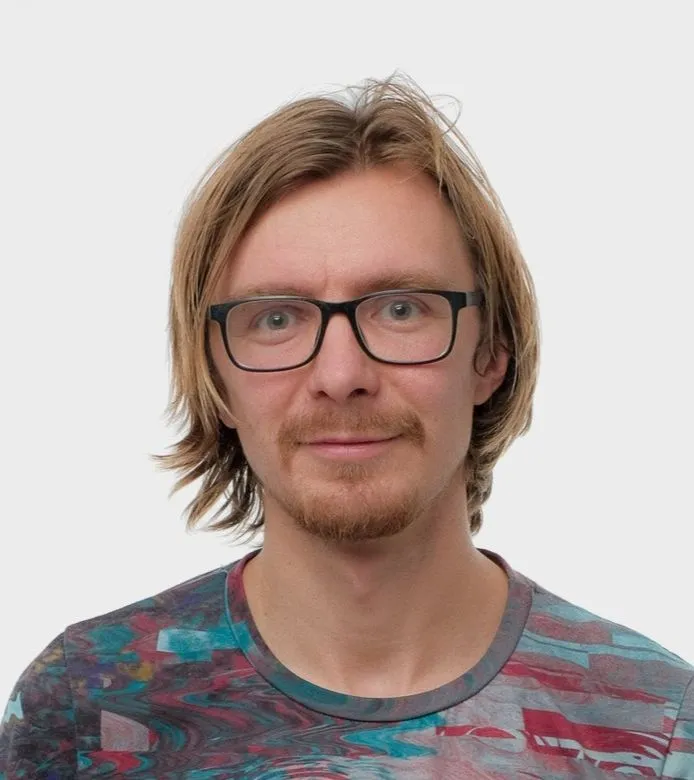
Documentary and reportage photographer, as well as an experienced teacher in the field of photography. Winner of the 2016 Young Photographers of Russia award, recognizing a high level of skill and professionalism in photography. I specialize in creating visual stories and captivating reportages that capture the reality and atmosphere of events. My work includes not only shooting but also teaching aspiring photographers, passing on my knowledge and experience.
In 2015, when I began work on the "Deep Water" project, I assumed its completion would take two or three years. I couldn't have imagined that the process would stretch out for nine years.
At some point, I felt like I needed to complete my project. However, things just didn't work out. My project is dedicated to the social landscape of Lake Baikal. What are the characteristics of the settlements along the coast? What kind of people live in these places? Lake Baikal's coastline is over 2,000 kilometers long and is diverse. I concluded that, with such a vast territory, my project needed to be ambitious. In other cases, I might move faster, but I'm going to let this project develop naturally and steadily.
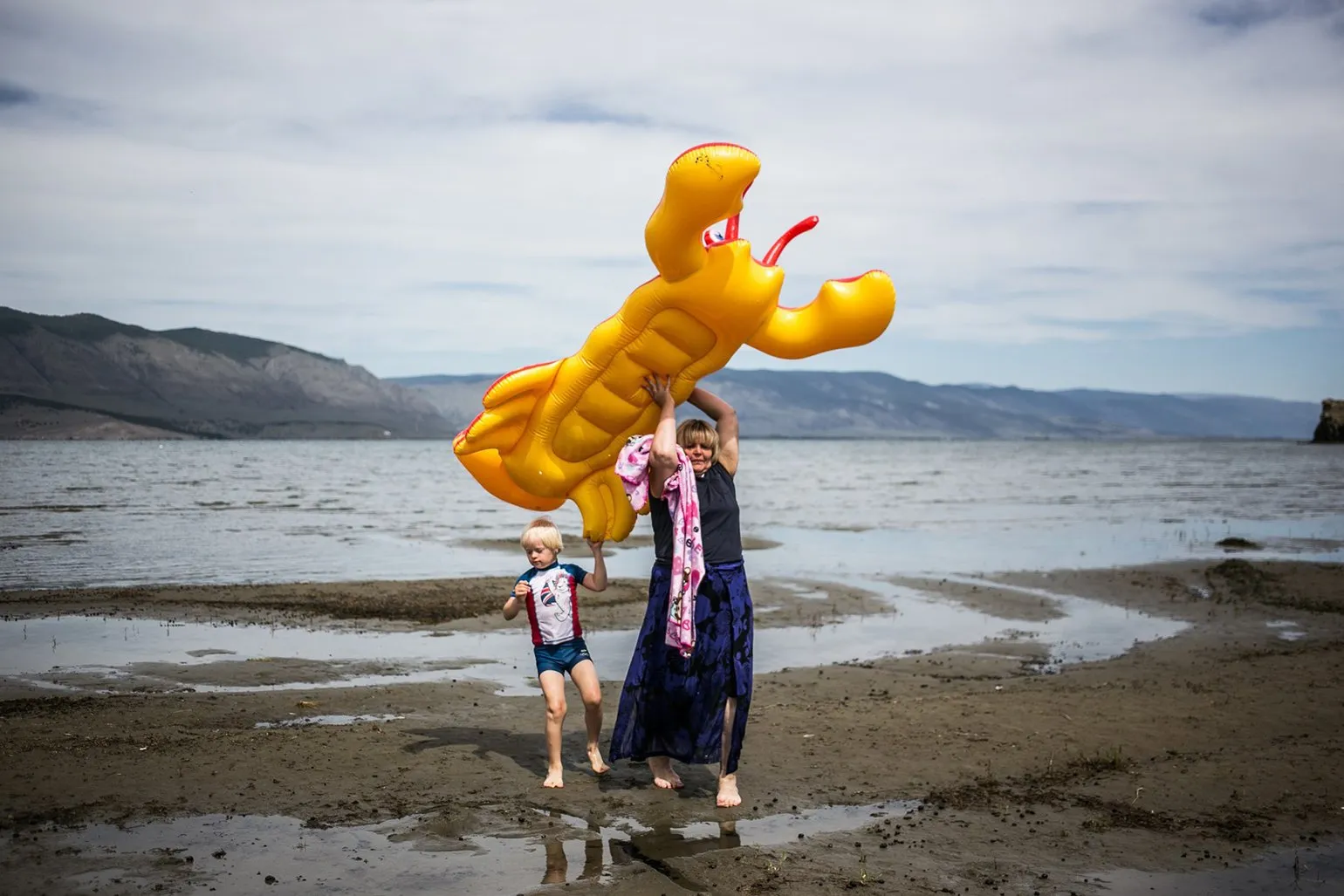
In 2018–2019, I realized that the project had reached an impasse and that I needed to set a specific point in order to complete it. I decided to create a high-quality photo book that would be the final chord of my project.
I started putting together the project, but ran into difficulties. The task proved challenging and perhaps beyond my comfort zone. I eventually put the idea aside, but last year I decided to return to it. It turned out that it was worth waiting a little, accumulating resources—both material and emotional—and gaining the necessary experience.
Early this year, I met the publishing team, who provided me with the necessary assistance. I am currently waiting for my book to arrive from the printer. This will be an important stage, and the project will finally be completed.
Despite all the difficulties, I still plan to visit Lake Baikal. This place attracts with its beauty and unique nature. Baikal is not only a deep lake, but also an amazing ecosystem that amazes with its diversity. Each visit here brings new impressions and opportunities for active recreation. I am sure that Lake Baikal will continue to inspire me with its picturesque landscapes and peaceful atmosphere.
Imagination and experience
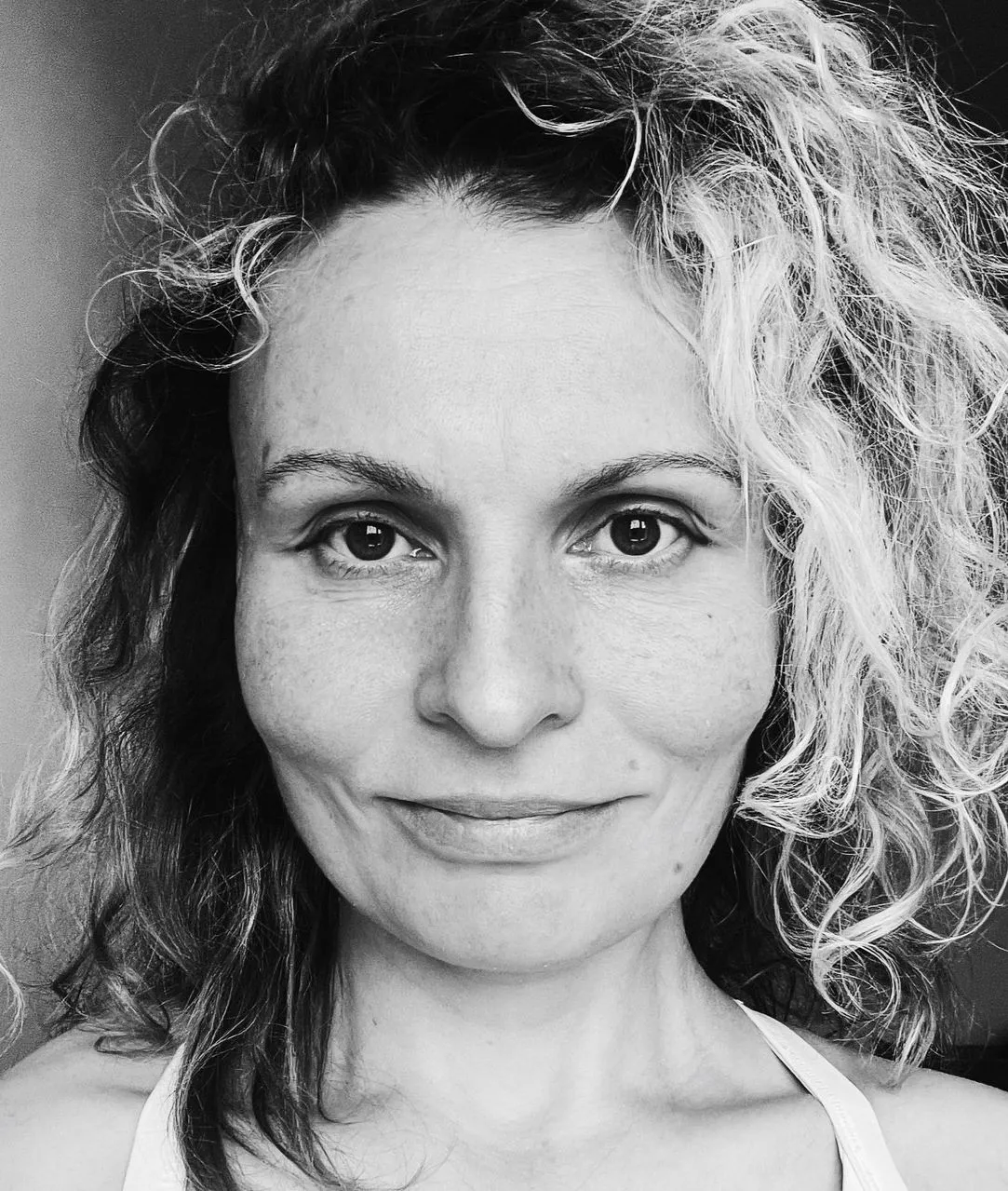
Maria is a professional photographer, teacher and creator of educational programs in the field of photography. Her work is featured in renowned collections such as the Multimedia Art Museum of Moscow (MAMM), the Museum of Moscow, and private collections in Russia, Europe, and the United States. Maria actively shares her knowledge and experience, teaching students the art of photography and developing their creative potential.
One of the most challenging tasks in the creative process is the ability to complete projects. Every new endeavor requires not only inspiration but also perseverance to see the work through to completion. Successful completion of a creative project depends on the ability to focus on the goal and overcome obstacles along the way. This is a skill that must be developed and refined to ensure a successful outcome in any creative endeavor.
This depends on two factors: experience and imagination. Experience allows you to apply knowledge in practice, while imagination stimulates creative thinking and the search for unconventional solutions. Combining these two aspects contributes to the development of skills and improved results in any field. By developing experience and imagination, we open new horizons for achieving our goals.
Developing visual perception and rich experience can significantly improve the functioning of our imagination. When creating a project, we are able to see it not as a fuzzy and abstract picture, but in a clear and detailed format that reflects its true potential. The clearer and more accurately we imagine the final result, the easier and faster we can implement our plan. This not only speeds up the process but also improves the quality of the final product.
A project has its own unique potential, which is revealed through its concept. The completed work serves as a tool for assessing the correspondence between the creative concept and its implementation.
The transition from idea to project implementation is a process in which possibilities gradually narrow. By completing a project, we limit the variety of forms it could take. During implementation, skills and execution technique come to the fore. Often, the final result turns out to be different from what we imagined. The less experience we have, the greater the difference between our concept and the final product. This gap between expectations and reality highlights the importance of practice and professional growth during project implementation.
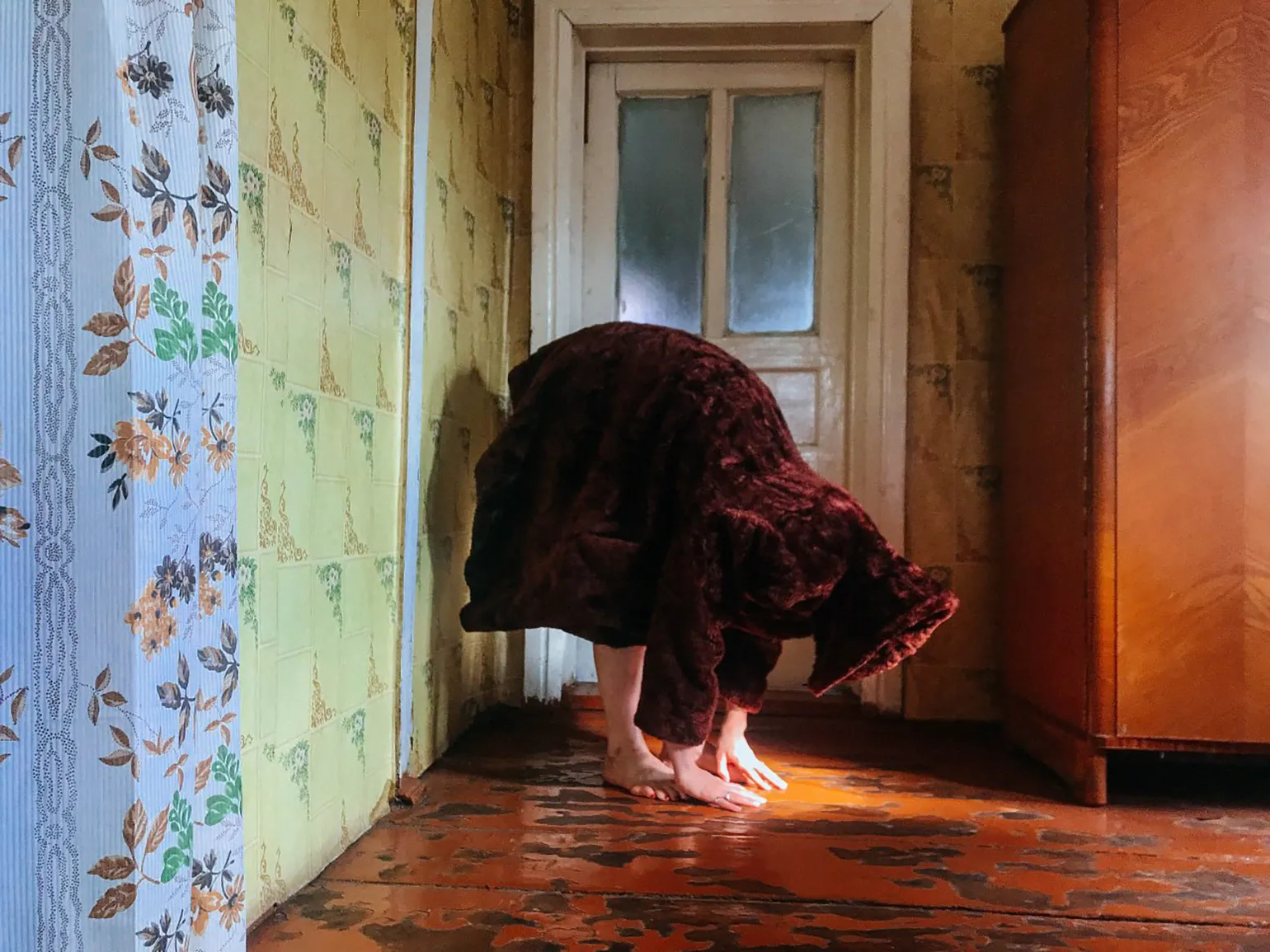
We are often held captive by illusions about our projects. We dream of our works being exhibited in museums or published in prestigious magazines. However, when reality sets in, we don't see the result that meets our initial expectations. These disappointments can lead to us not completing a project. To avoid this, it's important to understand that the creative process requires patience and a willingness to change. Accepting reality and working to improve the result will help us complete the project and achieve the desired success.
An experienced artist understands all stages of a project's implementation and doesn't limit themselves to merely visualizing it in their imagination. When you first visit a new place, you move more slowly than on a repeat visit. With increased practice and experience, the artist becomes more comfortable with tasks, which leads to more frequent completion of projects. It's important to understand that each stage of the work requires attention and a meticulous approach, which ultimately affects the quality of the final product.
Everything you need to know about the current project is based on previous experience. We gradually develop our own style, from our shooting style to the time we devote to selecting and processing photographs. This allows us to work more efficiently and quickly, which ultimately contributes to the successful completion of the project.
Ultimately, experience and a developed imagination significantly facilitate the completion of a project. The higher our skill level, the more clearly we recognize when the work has reached its completion. Experience allows us to quickly find solutions and make informed decisions, and imagination helps us see the project in its entirety, which contributes to the successful completion of the work.
Perfectionism can be a serious obstacle to success. We all have our flaws, and mistakes that we perceive as negatives actually highlight our individuality. Accepting these characteristics can make a project more unique and original. It is important to remember this and allow yourself to relax a little to unleash its potential.
A clear plan is the key to a successful project. Deep research, an understanding of the necessary materials, budgeting, and a clear understanding of the next steps for the project significantly simplify the work process. The more detailed we work out all the aspects, the easier it will be to move towards completion and achieve our goals.
A completed statement

A photographer who has exhibited in Russia, Europe, and Asia. Her work demonstrates a unique style and a deep understanding of visual art. With each project, she strives to convey emotion and atmosphere, making her work recognizable on the international stage.
I complete a project when I am confident that the story has been told to its fullest. It is important that all plot elements are revealed and the reader can fully understand the concept. Each conclusion should leave a feeling of closure and satisfaction, which allows the project to achieve its goal and effectively convey information to the audience.
Most often, the process begins with an idea for a project, which may not be fully formulated. However, I begin working with the available material, whether photographing characters or creating objects. Gradually, the idea begins to take shape, and each new shot or object, as in "The Fifth Quarter," adds its own piece to the overall story. Each element is a step towards completion, where one frame complements the next, creating a holistic picture.
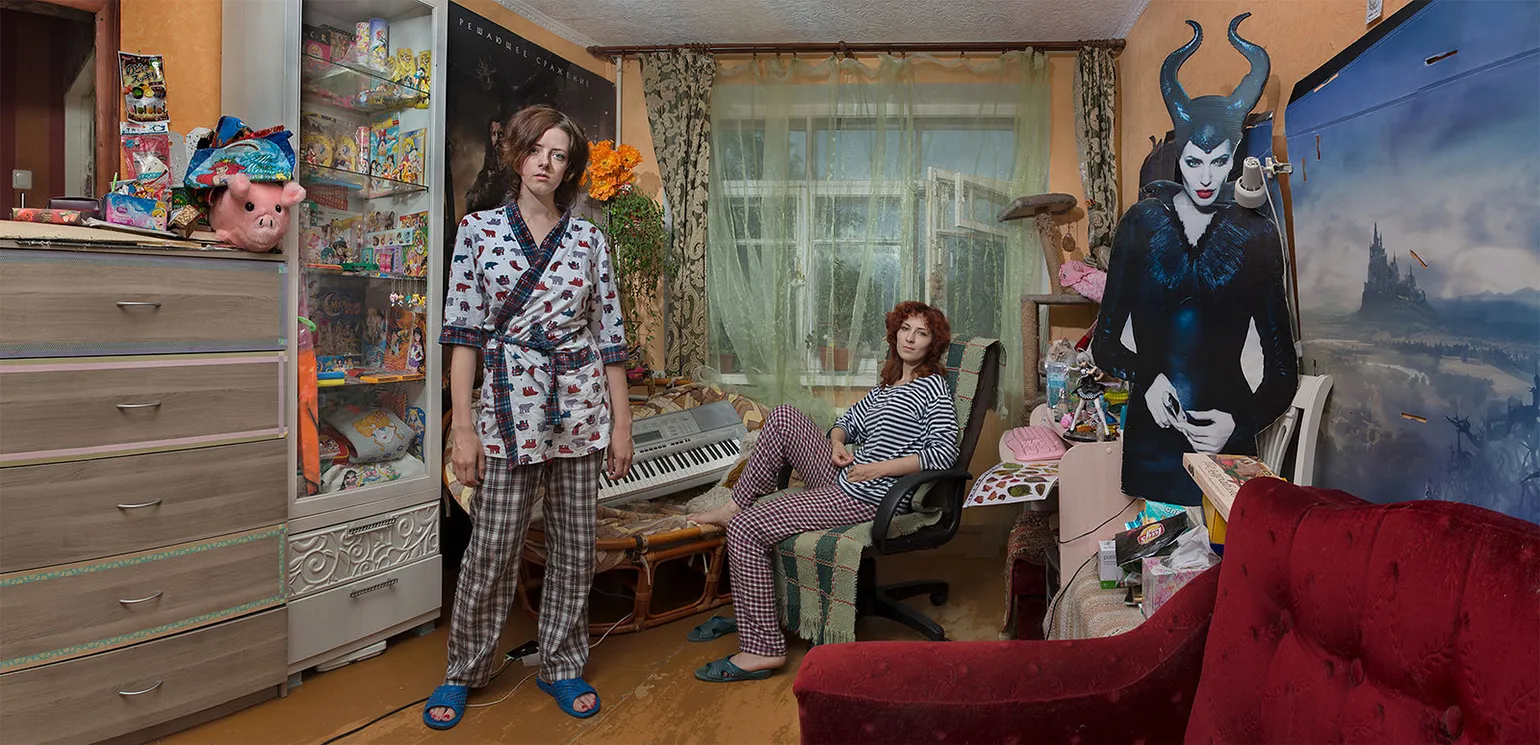
There comes a time when I realize that the next frame will not be able to bring anything new to the plot. Or I will say too much, which will break the magic of the story and will not allow the viewer to independently comprehend and interact with the project. It's important to maintain a balance between revealing the plot and leaving room for interpretation, so viewers can perceive and understand what's happening on screen in new ways.
I don't have any stagnant projects. I either put a project on hold and never return to it, or I continue to develop it at my own pace. This allows me to receive the necessary materials for the project in a timely manner and avoid overwork.
Honesty with myself and the audience
A professional photographer working in the field of contemporary art. Collaborates with galleries in Europe and the USA, offering unique works reflecting current trends in photography. Specializing in creating expressive visual images that resonate with viewers and collectors.
I want to highlight two key points.
If you're not in the mood for a project and don't feel any interest in creating it, then forcing yourself to continue is pointless. When life's adventures, like snowboarding, take center stage, it's important to understand that forcing a project can be unfair to your viewers. It's better to put off work until inspiration strikes and the desire for the result to truly reflect your effort and creativity.
When the urge to consider a new idea arises, the feeling is overwhelming. We begin to write down thoughts on paper, laying them out on sheets of paper. At this point, the previous idea becomes a thing of the past, and there's no point in clinging to it. It is important to allow yourself to move forward and develop new concepts that can lead to more interesting and successful results.
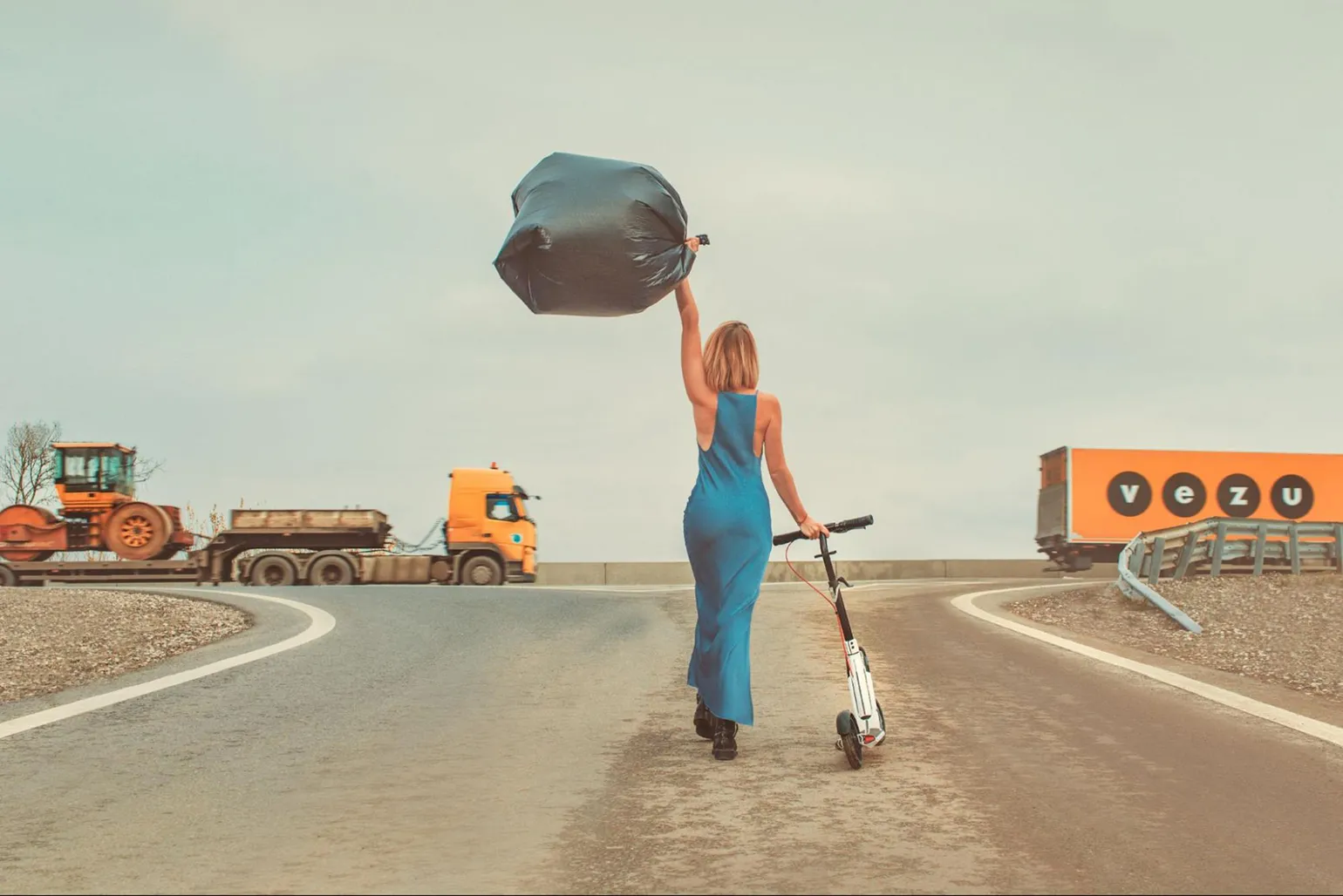
Let's assume we have a project for which five or even twenty photographs have already been prepared. There are plans to film five more, for which sketches have been created, props selected, and locations chosen. However, filming is periodically postponed, and the idea for a new project, different in color scheme, characters, title, and concept, begins to form in my head. In this situation, despite the readiness to continue the previous project, it is important to leave it as is. You should focus on what is truly relevant and not deceive yourself or your audience. This approach allows us to maintain the quality of the content and avoid disappointment for both the creator and the viewers.
Work in progress
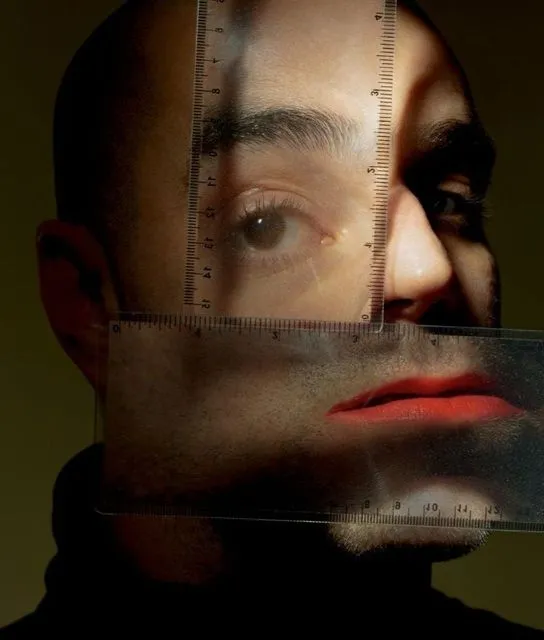
A conceptual photographer, awarded at Russian and international photo competitions, explores the theme of disappointment and alienation of the generation of the early 1980s. His works immerse viewers in the atmosphere of those years, reflecting the experiences and internal conflicts of people at that time. Using a unique visual language and a profound approach to the subject, the photographer creates memorable images that evoke an emotional response and stimulate reflection on social context and cultural change.
A project does not always require completion. This is not a 19th-century novel, where the protagonist either dies or gets married at the end. A project can have many possible outcomes. An important aspect is that it can evolve, adapt, and continue depending on needs and goals. The end of a project may not be an end, but a transition to new stages or ideas. In this sense, a project becomes a living process that can change and develop, while maintaining relevance and significance.
One author's planning horizon is to create a series of works for an exhibition or competition, while another author is focused on writing a book. Each has their own unique goal and strategy, allowing them to develop their creative ideas and promote them in various formats.
The modern novel often ends open-ended, reflecting the ongoing creative process. Work in progress becomes a natural state for the artist, allowing them to develop and refine their ideas. A project can last anywhere from one month to a lifetime, depending on the depth of the concept and the author's desire for self-expression. This approach opens up new horizons for literary creativity and allows the reader to imagine the ending themselves, creating a unique experience of interaction with the text.
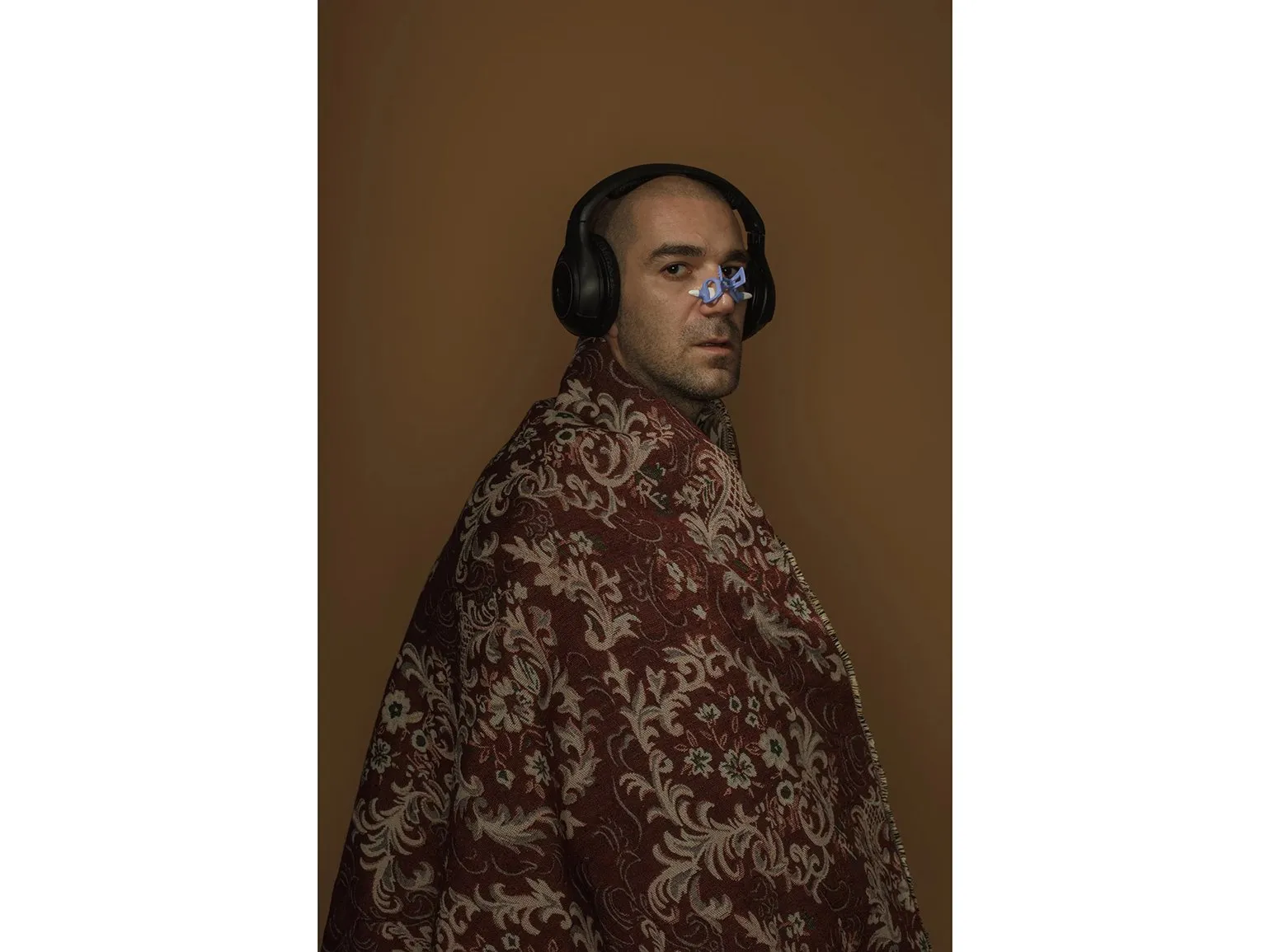
I finish a project as soon as I notice visual repetitions. You can create a series of 5-7 shots, but 30 are also possible, though this will require more effort. There are projects where a series consists of many similar shots, and in these cases, quantity truly turns into quality. Such projects can be developed indefinitely, exploring various variations and approaches.
I rarely return to the completion of certain series, as I prefer to avoid reusing the same technique. I value speed. If a story gets stuck for various reasons, such as lack of time or lack of inspiration, I prefer to abandon it and start a new project. I see no point in torturing myself with long waits and unfinished business. It reminds me of those unfortunate defrauded shareholders. Why impose such a burden on yourself?
Rely on intuition
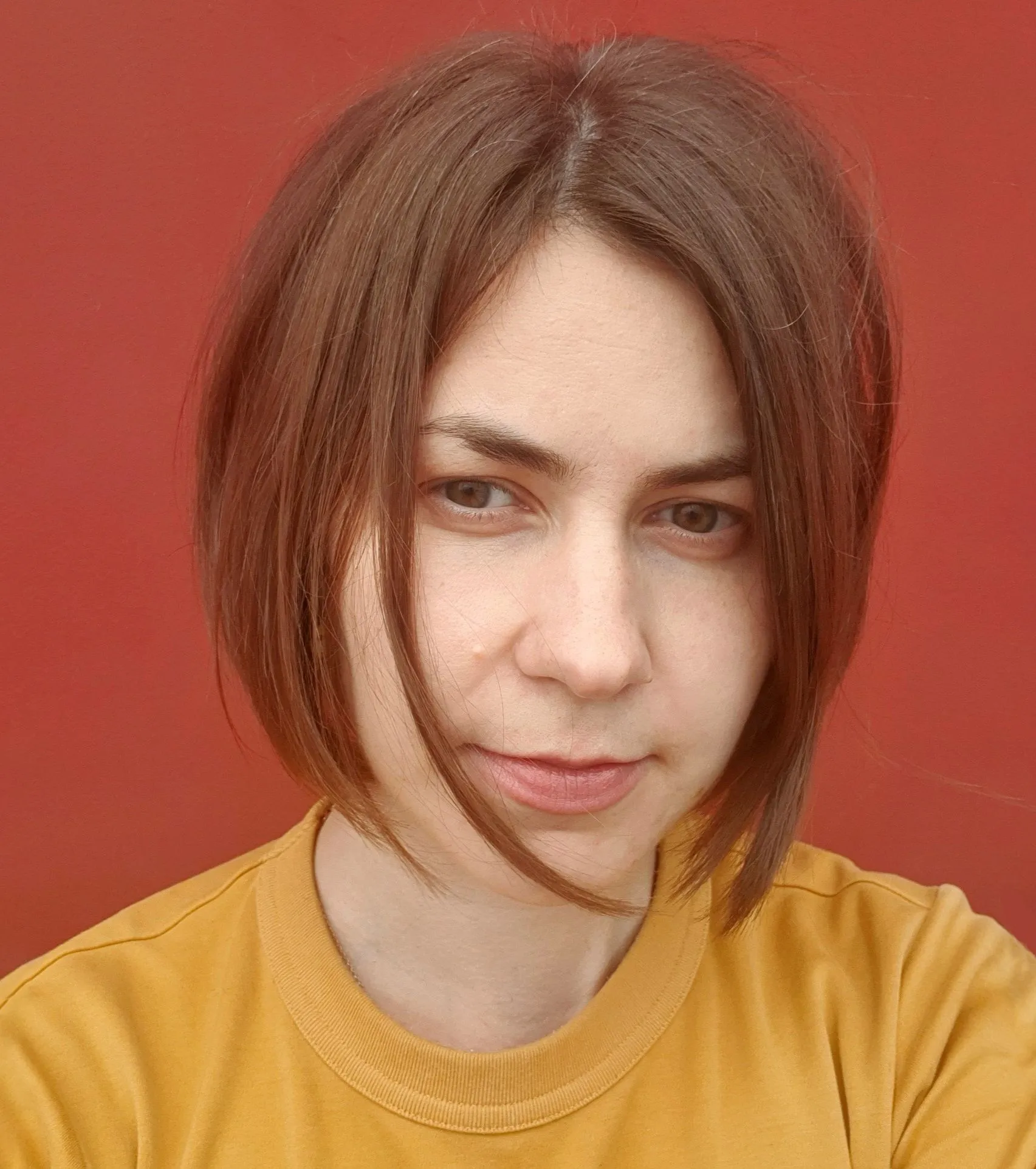
Photographer and teacher, winner of the prestigious international World Press Photo 2019 award. Specializes in creating unique visual stories and teaching photography skills. She has extensive experience in photojournalism and fine art photography and shares her knowledge with her students, inspiring their creativity and development in this exciting field.
I usually rely on my gut instincts. Don't get too hung up on the facts: I can shoot a lot of footage and think the project is complete. However, sometimes, even if the main storyline is ready, there's a feeling that something is missing. In such cases, it's important to keep working. Sometimes, certain moments are captured quickly—in a day or a week—but in the end, I realize I was able to convey all my thoughts and feelings.
It's important to consult with someone you trust, but the final decision should be based on your own convictions and feelings. This will allow you to be confident in your choice and follow your own path.
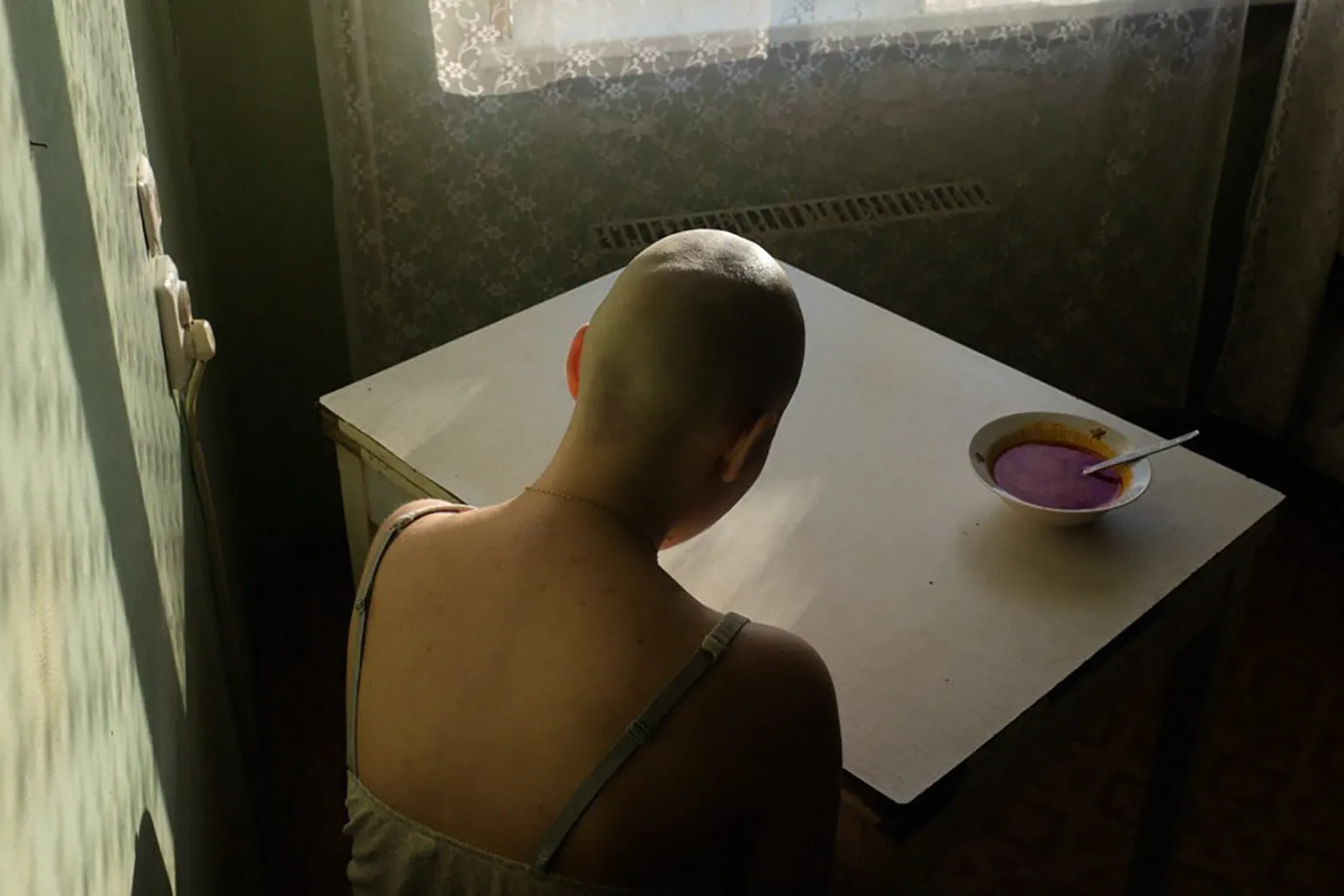
My story about the disease took place in closed spaces, and I was advised to add shots outdoors or in nature. Although this could have diversified the plot, I realized that I did not want to do this. After completing the final shot, I realized that everything I wanted to express had already been said. I haven't shot any more since then, because I've finished my story.
If you force yourself to work with the shots, it will definitely reflect in the result.
Disclosed Topic
Photographer and teacher at the DocDocDoc school of contemporary photography. Specializes in various aspects of photography, including portrait, landscape, and documentary photography. Teaches students the basics of composition, lighting, and post-processing of images. Participates in exhibitions and projects, which foster the creative potential of both students and herself. She strives to inspire future photographers to create unique works and develop their individual style.
In many cases, a project comes to an end on its own. This can happen when the author loses interest in the topic, encounters repetition, or experiences a crisis of ideas. Often, the cause is also exhaustion of the budget or a lack of time to continue the work. Furthermore, various events may occur with the project's subjects, which affect the author's motivation and lead to the cessation of their work.
Most often, authors encounter the fact that their plans are not always fully realized. During the course of the project, many unforeseen circumstances and difficulties may arise, requiring adaptation of the initial plan. This is a natural process that emphasizes the dynamism of creative activity and the need for flexibility in approaches to the implementation of ideas.
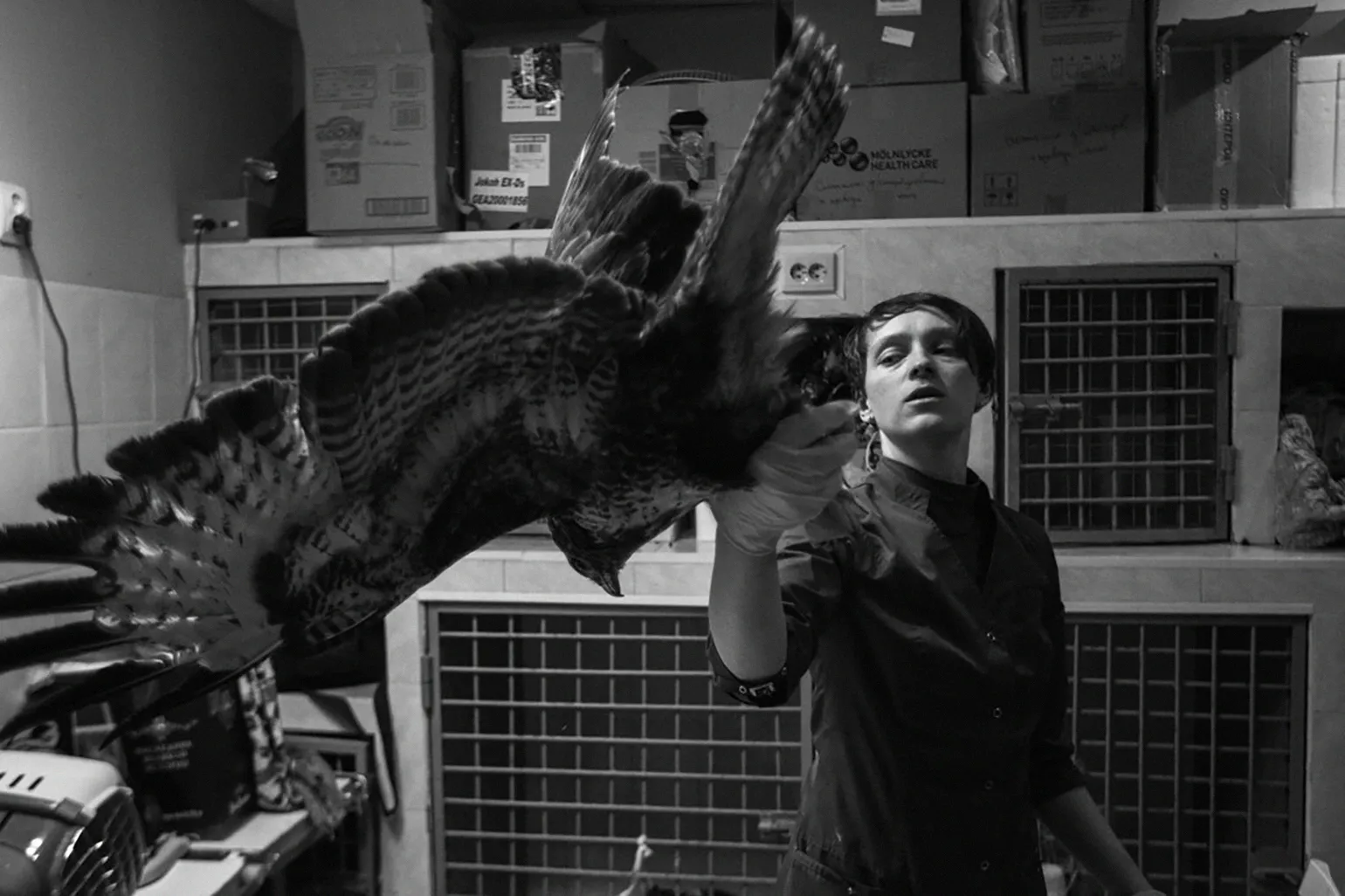
Projects that are formally completed can continue their life through the constant processing of materials, editing of texts and the search for new presentation formats. This process improves the quality of content and adapts it to current requirements and audience interests. Constantly updating and optimizing materials increases their relevance and effectiveness, which is essential for successful online promotion.
A project can be considered incomplete if it does not include enough images that reflect the main theme. This is manifested by a limited number of stories, a lack of development, and insufficient strength and variety of images. Insufficient research and understanding of the project's topic is also a significant factor.
Attention to repetition. And the deadline
A photo editor is a powerful software designed for editing images. With it, users can modify photos, improve their quality, add effects and filters, as well as crop and resize. Many photo editors offer an intuitive interface, which allows both beginners and professional photographers to easily work with images.
Modern photo editors support a wide range of file formats and offer a variety of tools for working with color, lighting, and texture. They can also include features for retouching portraits, creating collages, and even animation. Thus, a photo editor is an indispensable tool in the arsenal of anyone who wants to create high-quality visual content for personal or commercial purposes.
Choosing the right photo editor depends on your needs and skill level. Both free and paid versions are available on the market, each with its own unique features and advantages.
The question of whether a photographic project is complete may seem complex and multifaceted. However, the answer is quite simple: only the photographer can determine when their work has reached its final stage. Each project has its own unique degree of completeness, and this decision depends on the author's vision, emotional perception, and technical aspects. It's important to understand that completing a project isn't just a matter of technique, but also a deep understanding of the message the photographer wants to convey to the viewer.
A photographer can capture a story throughout their entire life. This story can be divided into separate parts, creating substories. Each will be unique and tell its own chapter, highlighting different aspects of life, emotions, and events. This approach not only preserves memories but also creates a coherent narrative that will be interesting to both the author and the audience. Photography becomes a powerful tool for conveying and preserving history, revealing the depth and richness of each moment.
Some stories have a clearly defined ending, where the event lasts for several days and ends. In other cases, the final point is a significant event in the lives of the characters.
When the author feels lost, it is important to ask yourself if the material is sufficient and whether it is time to stop. In such situations, it is effective to use a deadline. This can be either an agreement with the editor or a time frame that the photographer sets themselves. A deadline helps you focus and complete your work on time, which contributes to the quality of your content and its relevance.
When working on long-term projects, a writer may encounter the problem of repeating themselves. This is a signal to stop and analyze the situation: should you continue in the same direction or should you reconsider your approach? Getting stuck in a loop often indicates that the process is not moving forward. It is important to recognize this early and make changes to achieve the desired results and maintain creativity.
Consulting with colleagues, photo editors, or even friends can be helpful when working on a story. It is important to get a fresh perspective from people less immersed in the project, like a photographer, who often perceives every detail as significant. Discussion allows you to assess whether the story is complete or whether additional shooting is needed to improve it. This approach helps create higher-quality content that will be interesting and understandable to viewers.
Rework the text, leaving the main topic unchanged, and optimize it for SEO. Do not add anything unnecessary. Make sure the text is structured and easy to read. Avoid using emojis and unnecessary characters. Do not create sections with numbers or symbols, just provide clean text. Read also:
The Arles Photo Festival is a unique event where viewers can enjoy a diverse range of photographic art. This cultural center exhibits the work of both emerging and established photographers from around the world. Exhibition topics cover a wide range of genres, including portraiture, documentary, and fine art photography.
The festival also offers workshops and lectures, giving participants the opportunity to deepen their knowledge and skills in photography. The works on display often reflect current social and cultural themes, making the festival not only aesthetically pleasing but also meaningful.
The location of Arles adds an atmosphere combining historical architecture and contemporary art, creating the perfect setting for photographic appreciation. Participation in the Arles Photo Festival is a chance to be at the center of global photography trends and get acquainted with the work of talented authors.
Profession Photographer
You will learn how to take professional photos from scratch. You will learn how to organize shoots, process frames, manage models and a team. Find your style, build an impressive portfolio, and start making money doing what you love.
Find out more